
Starting a commercial agricultural venture often feels overwhelming due to high mortality rates and inefficient housing designs. Using outdated wooden structures or poor ventilation can lead to disease outbreaks that wipe out your entire chicken poultry farm investment in days. Modern steel-structured chicken poultry farm solutions provide the biosecurity and climate control necessary for consistent profitability.
What exactly defines a modern chicken poultry farm?
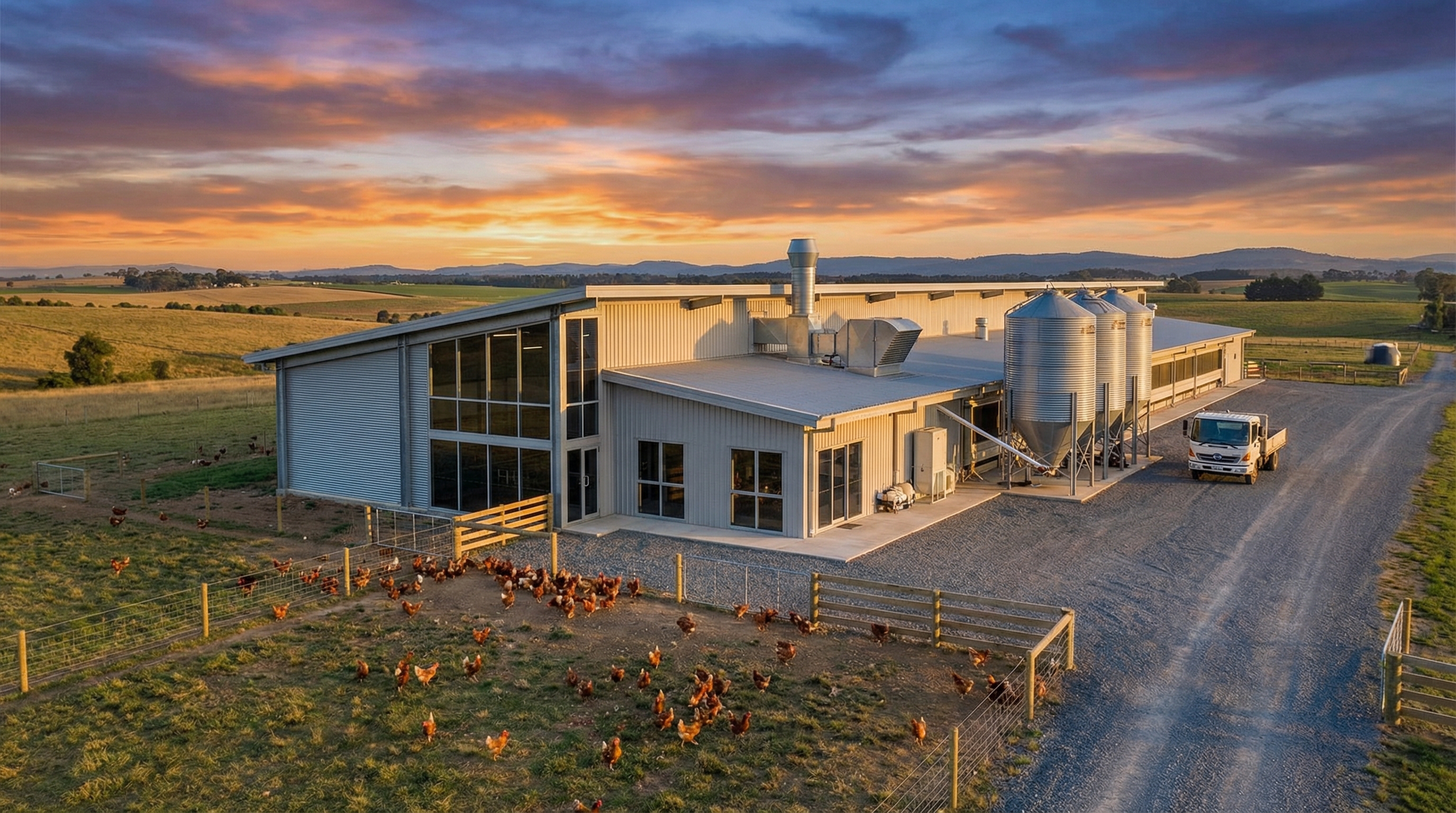
A modern chicken poultry farm is a high-tech facility where birds are raised under controlled conditions for commercial food production. These facilities range from intensive larger-scale operations to specialized organic setups focusing on animal welfare and market demand.
How do meat and egg operations differ?
But that’s only the beginning. You must distinguish between the two primary commercial paths before breaking ground on your facility.
- Broilers: Birds raised specifically for meat production, reaching market weight in 6-8 weeks.
- Layers: Specialized hens raised to produce eggs for human consumption over a longer lifecycle.
- Breeders: Parent stock kept to produce fertile eggs for future generations.
Are hobby farms considered poultry farms?
Here’s the deal: even small-scale operations function as poultry farms if they raise birds for specific utility.
- Exhibition Poultry: Raised for shows, competitions, and preserving rare breed genetics.
- Backyard Flocks: Smaller units often used for local egg supply or personal food security.
Key Takeaway: Understanding the specific biological needs of your chosen bird type is the first step in designing a successful commercial infrastructure.
Why is housing critical for a chicken poultry farm?
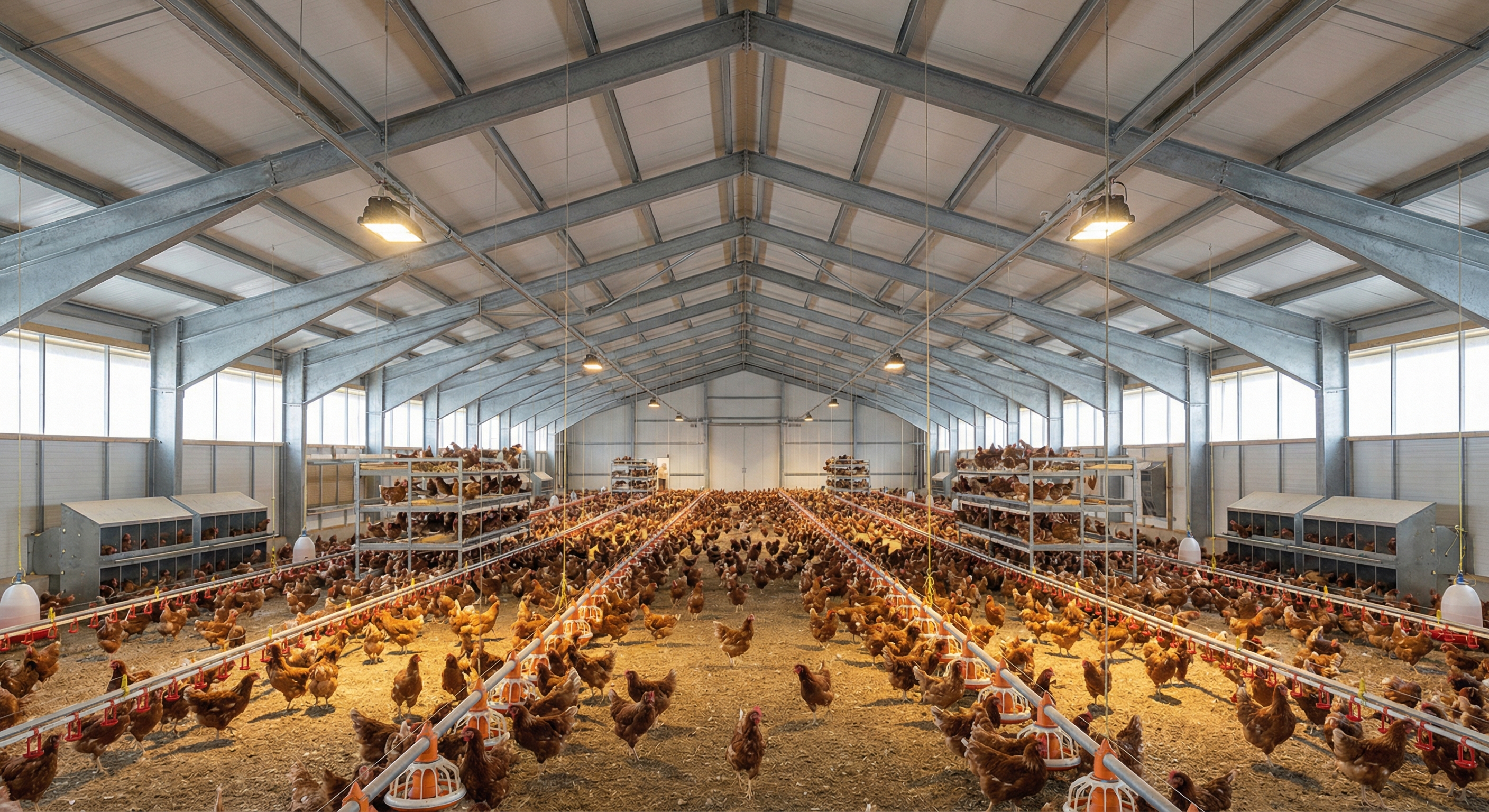
Housing is the foundation of bird health, providing essential shelter from predators and extreme weather. A well-designed chicken poultry farm structure ensures you can manage environmental variables that dictate growth rates and egg quality.
Is steel better than traditional wood?
But that’s not all. The choice of material impacts your long-term maintenance costs and overall farm biosecurity.
- Durability: Steel frames resist rot and can withstand harsh tropical or stormy climates for decades.
- Hygiene: Non-porous metal surfaces are significantly easier to disinfect than wood or concrete.
How does house design impact bird density?
Here’s the deal: the more efficient your layout, the higher the density you can safely maintain without stressing the flock.
- Clear-Span Design: Eliminates interior columns to allow for easier movement of automated equipment.
- Multi-Tier Systems: Maximizes vertical space for layer hens, increasing your output per square meter.
| Feature | Steel Structures | Traditional Wood | |
|---|---|---|---|
| Lifespan | 30-50 Years | 10-15 Years | |
| Pest Resistance | High (Rodent Proof) | Low (Termite Risk) | |
| Fire Safety | Non-combustible | High Risk |
The following table compares structural materials to help you decide on the best ROI for your project.
Key Takeaway: Investing in steel poultry housing reduces long-term operational risks and provides a professional environment that retailers prefer.
What daily routines run a chicken poultry farm?
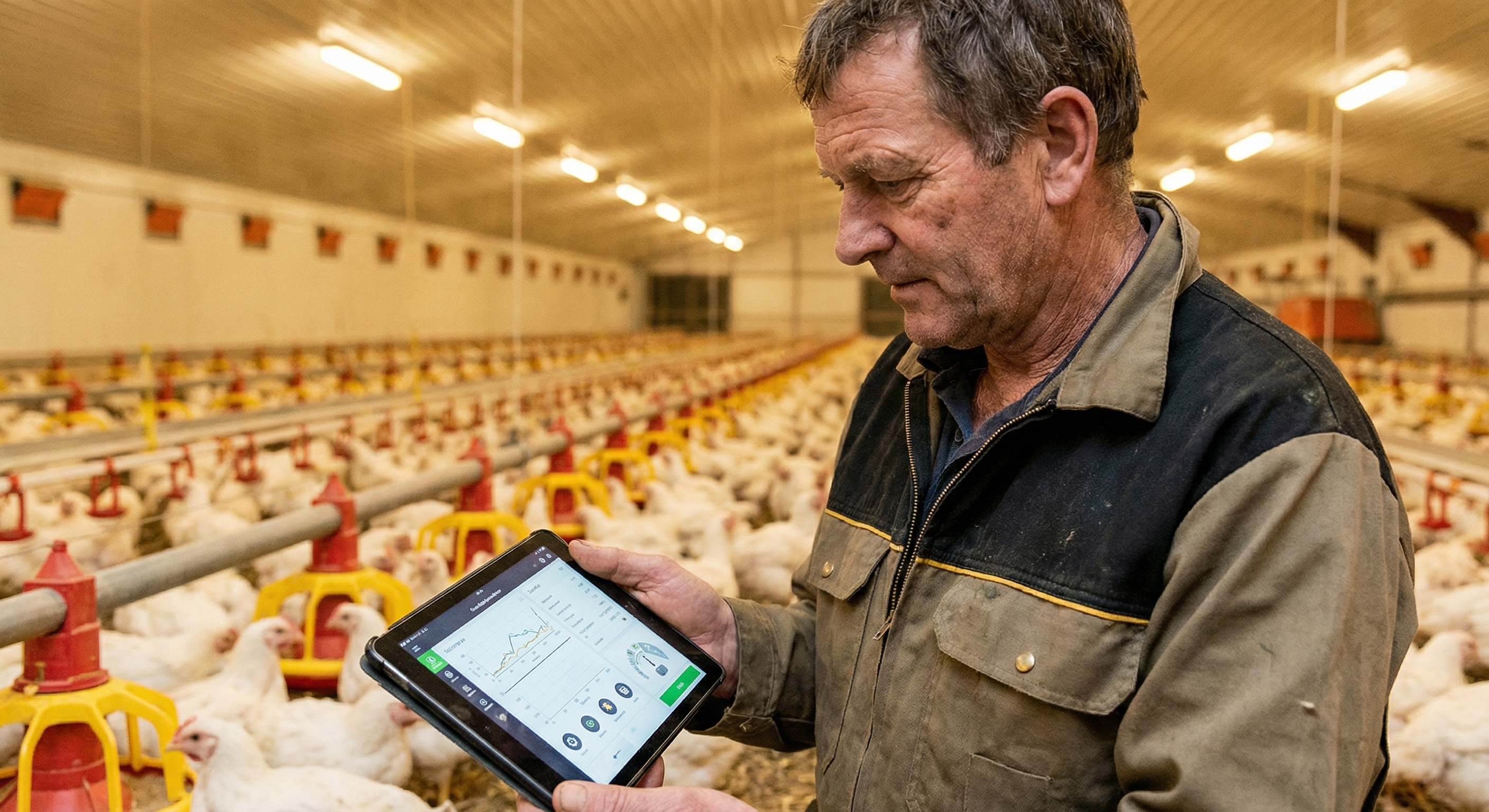
Daily routines involve precisely timed feeding, health inspections, and environmental monitoring to ensure growth targets. Consistency is the secret to a profitable chicken poultry farm because birds thrive on stability and predictable schedules.
How often should you check the birds?
You might be wondering about the manual labor involved. Even with automation, human oversight remains vital for early disease detection.
- Morning Walkthroughs: Checking for bird activity, unusual sounds, and proper feed distribution.
- Vital Signs: Monitoring the “chirp” and clustering patterns to judge if the house is too cold or hot.
What does cleaning a poultry house involve?
But that’s only part of the story. Sanitization between flocks prevents the buildup of pathogens that can cripple your business.
- Litter Management: Removing old bedding and replacing it with fresh, dry materials.
- Deep Disinfection: Using high-pressure washers on all surfaces before a new batch arrives.
Key Takeaway: Success in poultry farming is found in the details of daily observation and maintaining a pristine environment.
How does ventilation work in a chicken poultry farm?
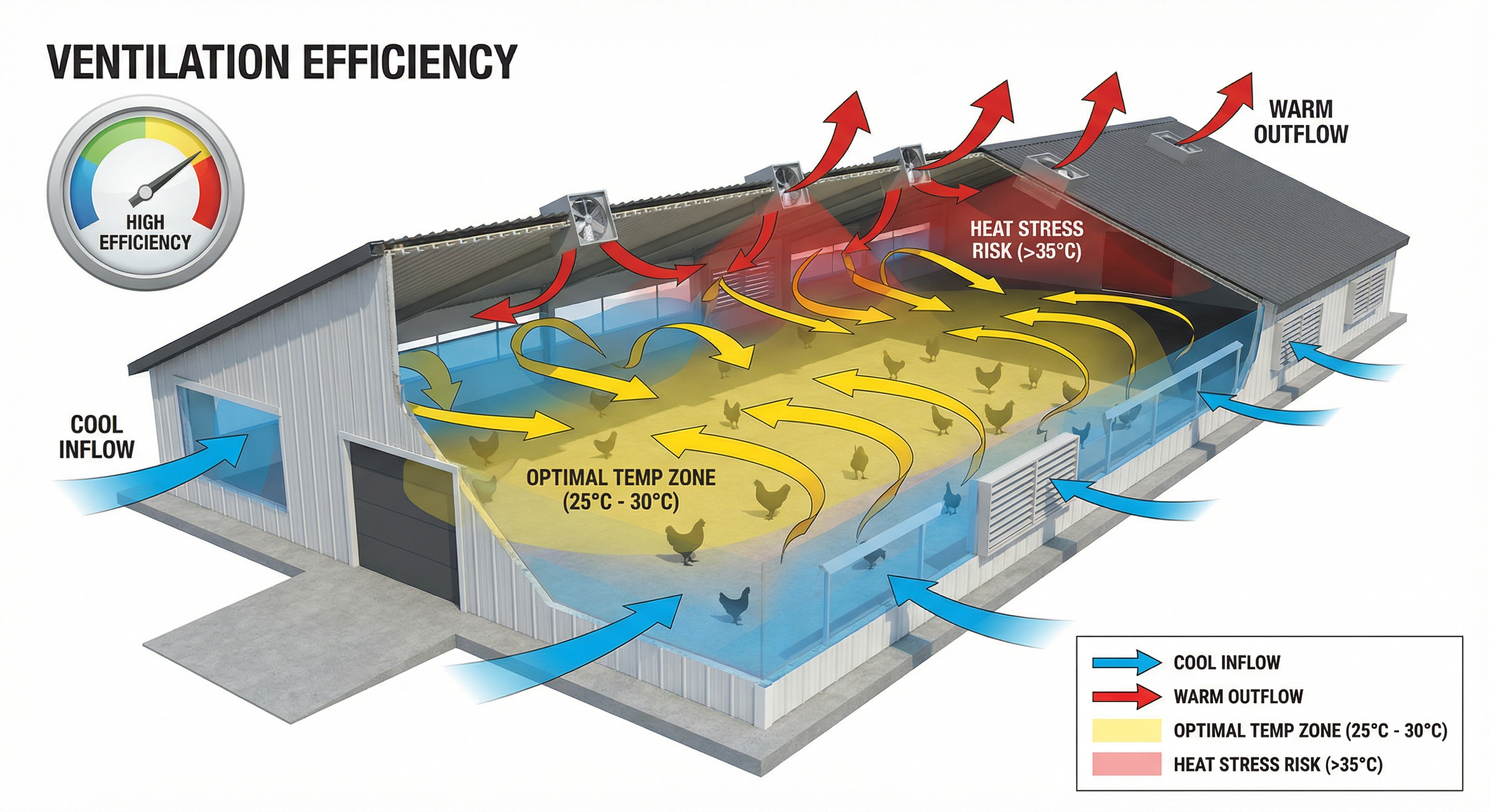
Ventilation systems use fans and inlets to remove ammonia and heat, replacing it with fresh oxygen. Proper airflow in a chicken poultry farm is non-negotiable for preventing respiratory issues and moisture buildup.
Can poor air quality kill your flock?
But that’s not all. Ammonia from droppings can burn a bird’s lungs and eyes, leading to rapid mortality if not managed.
- Gas Monitoring: Sensors detect CO2 and Ammonia levels to trigger fan speeds automatically.
- Humidity Control: Prevents wet litter, which is the leading cause of foot pad dermatitis.
What are the latest cooling technologies?
Here’s the deal: cooling is just as important as airflow, especially during peak summer temperatures.
- Evaporative Cooling Pads: Uses water evaporation to drop intake air temperature by several degrees.
- Tunnel Ventilation: Moves air at high speeds over the birds to create a “wind chill” effect.
| Ventilation Type | Best Use Case | Primary Benefit | |
|---|---|---|---|
| Natural | Small/Open Houses | Low Energy Cost | |
| Tunnel | Commercial Broilers | Maximized Heat Removal | |
| Side-Wall | Layer Operations | Uniform Air Distribution |
This data illustrates how different ventilation strategies cater to specific climatic and operational needs.
Key Takeaway: A high-efficiency ventilation system is your primary defense against seasonal mortality and low feed conversion.
What equipment is essential for a chicken poultry farm?
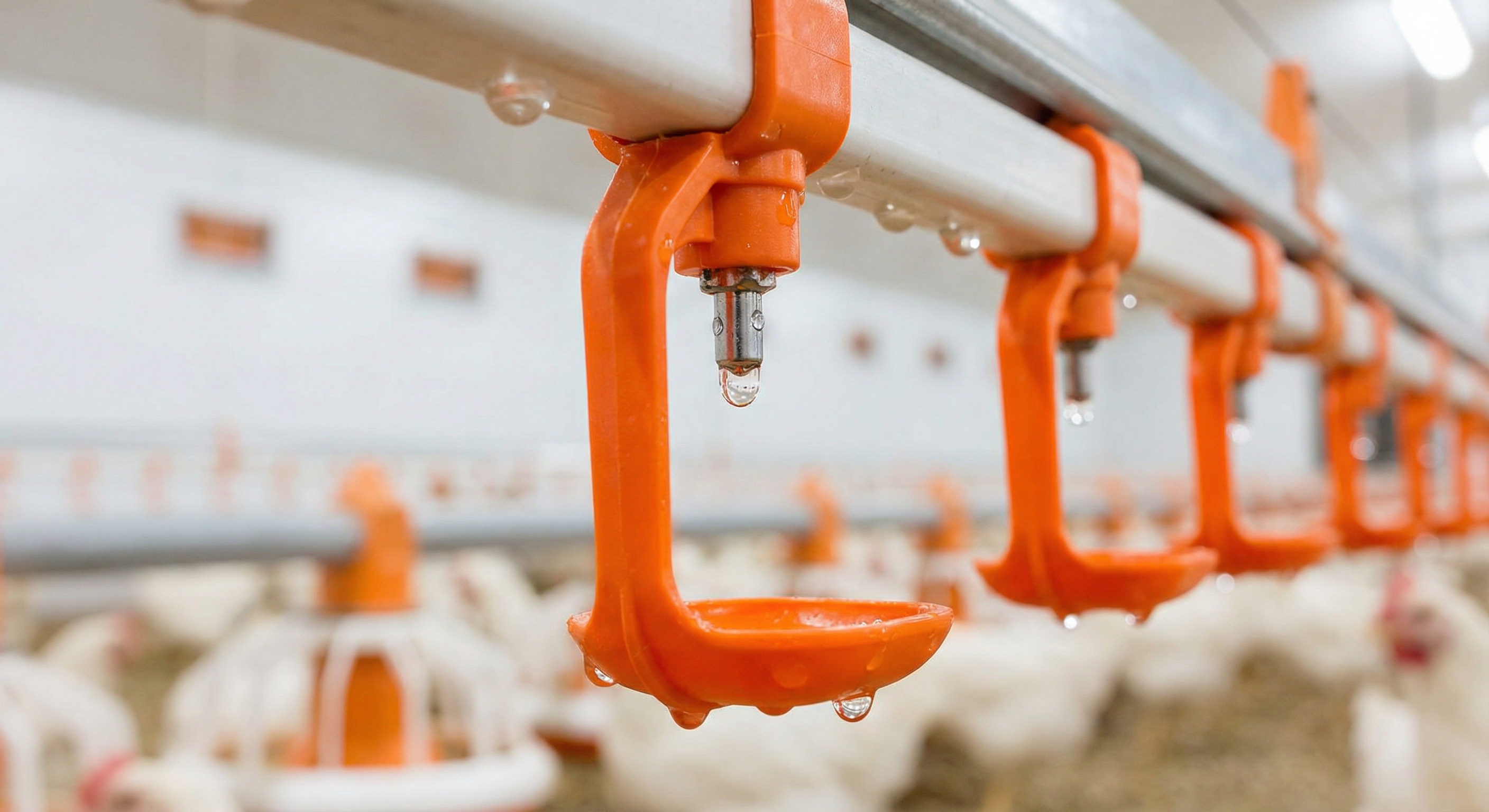
Essential equipment includes automated feeding lines, nipple drinkers, and climate-controlled brooders. Modernizing your chicken poultry farm with these tools significantly reduces waste and ensures every bird receives equal nutrition.
Is automation worth the investment?
It gets even more interesting when looking at the numbers. Automation pays for itself by reducing labor costs and feed spillage.
- Auger Feed Lines: Delivers precise amounts of feed to pans without human intervention.
- Nipple Drinkers: Provides clean water on demand while keeping the litter dry.
How do you monitor feed and water lines?
But that’s not all. Monitoring these lines ensures there are no blockages that could dehydrate your flock.
- Flow Meters: Tracks water consumption, which is often the first indicator of a health issue.
- Alarm Systems: Notifies you immediately if the power fails or if the feed supply is interrupted.
| Equipment | Function | Impact on Farm | |
|---|---|---|---|
| Brooders | Heat for chicks | Improves early survival | |
| Silos | Feed storage | Protects from pests/weather | |
| Controllers | System management | Ensures 24/7 stability |
Effective equipment selection is the difference between a struggling farm and a high-yield operation.
Key Takeaway: Reliable hardware reduces the physical burden on the farmer and increases the precision of the entire growth cycle.
How is bio-security managed on a chicken poultry farm?
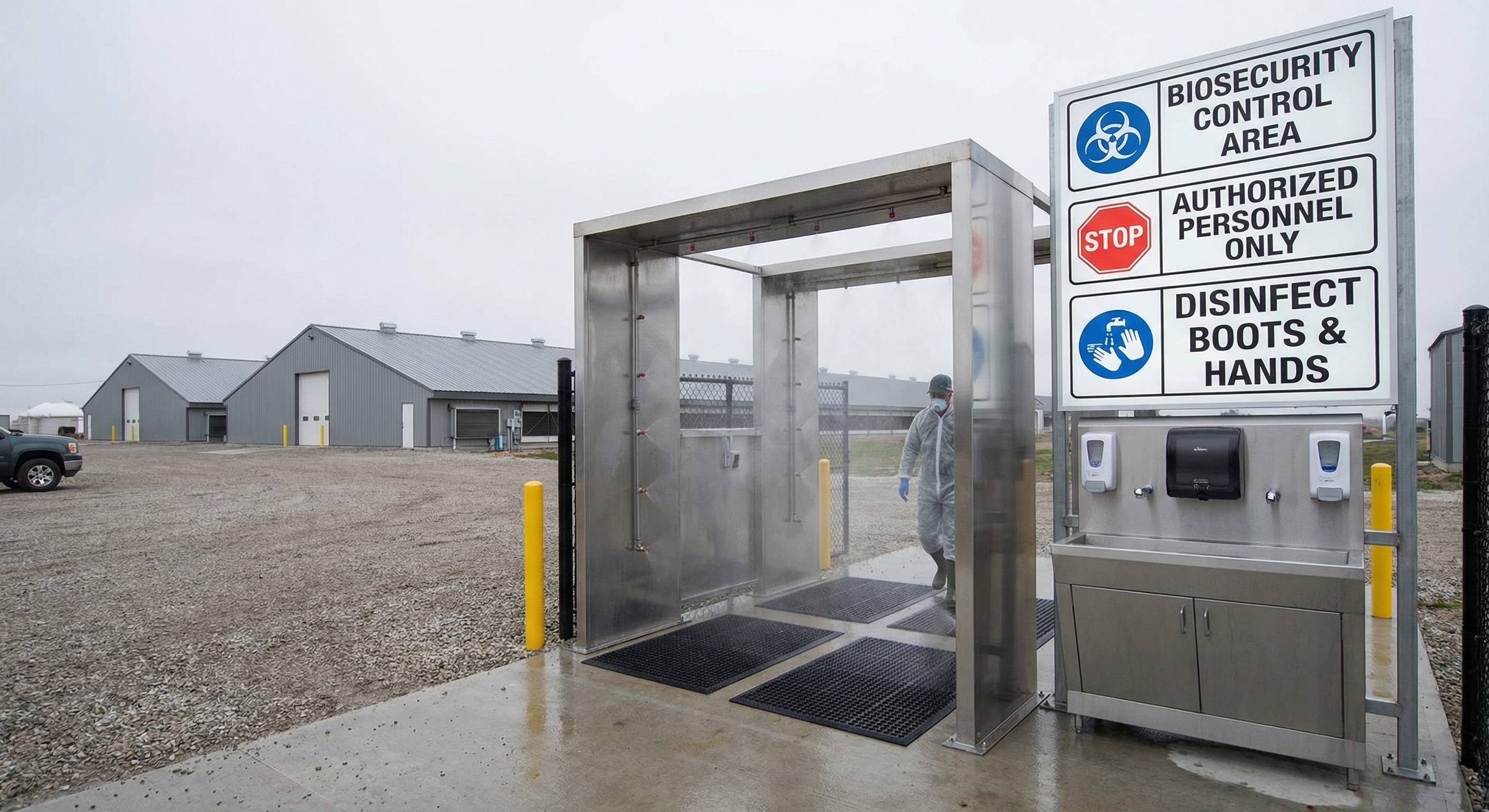
Biosecurity on a chicken poultry farm involves strict access controls and disinfection protocols to prevent disease entry. Implementing these measures on your chicken poultry farm is the only way to protect your financial assets from viruses like Avian Influenza.
What represents the biggest disease risk?
Here’s the deal: humans and vehicles are the most common carriers of pathogens onto a farm site.
- Foot Baths: Mandatory dipping of shoes in disinfectant before entering any poultry building.
- Visitor Logs: Restricting access only to essential personnel who have followed protocol.
How do steel buildings improve hygiene?
But that’s only part of the story. The physical structure of your building plays a massive role in pest exclusion.
- Tight Seals: Modern steel panels prevent wild birds and rodents from entering and nesting.
- Wash-Down Capability: The ability to use heavy detergents without damaging the structural integrity.
Key Takeaway: Biosecurity is not a one-time setup but a culture of vigilance that preserves the health of your investment.
What are the economic benefits of a chicken poultry farm?
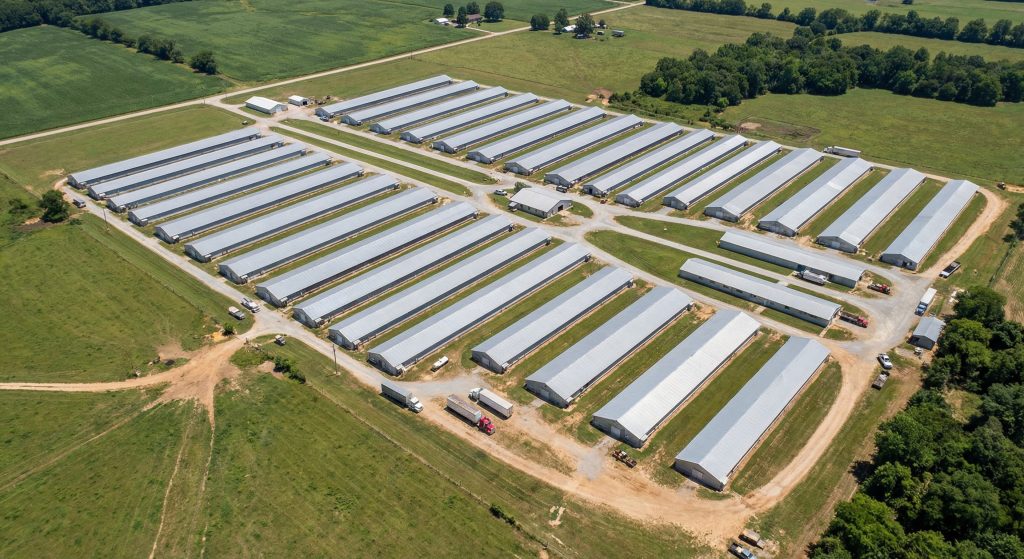
A chicken poultry farm offers high turnover rates and a steady demand for protein-rich food products. Optimizing your chicken poultry farm layout and management can lead to a very predictable and scalable business model.
How do you maximize your ROI?
But that’s not all. Diversifying your revenue streams can provide extra stability during market fluctuations.
- By-Product Sales: Selling poultry manure as high-quality organic fertilizer to crop farmers.
- Direct-to-Consumer: Selling eggs or meat at local markets to capture higher margins.
What are the main operating costs?
Let’s look at the spatial requirements and financial inputs. Knowing your costs allows you to price your products competitively.
- Feed Costs: Typically represents 60-70% of total production expenses.
- Utilities: Energy for ventilation and heating can fluctuate based on building insulation.
| Revenue Stream | Growth Potential | Frequency | |
|---|---|---|---|
| Meat Sales | High | Every 6-8 weeks | |
| Egg Sales | Steady | Daily | |
| Fertilizer | Moderate | Per flock cycle |
Analyzing these streams helps in building a robust financial plan for your agricultural startup.
Key Takeaway: Efficient layouts and waste management turn a standard farm into a high-profit commercial enterprise.
How do you scale a chicken poultry farm operation?
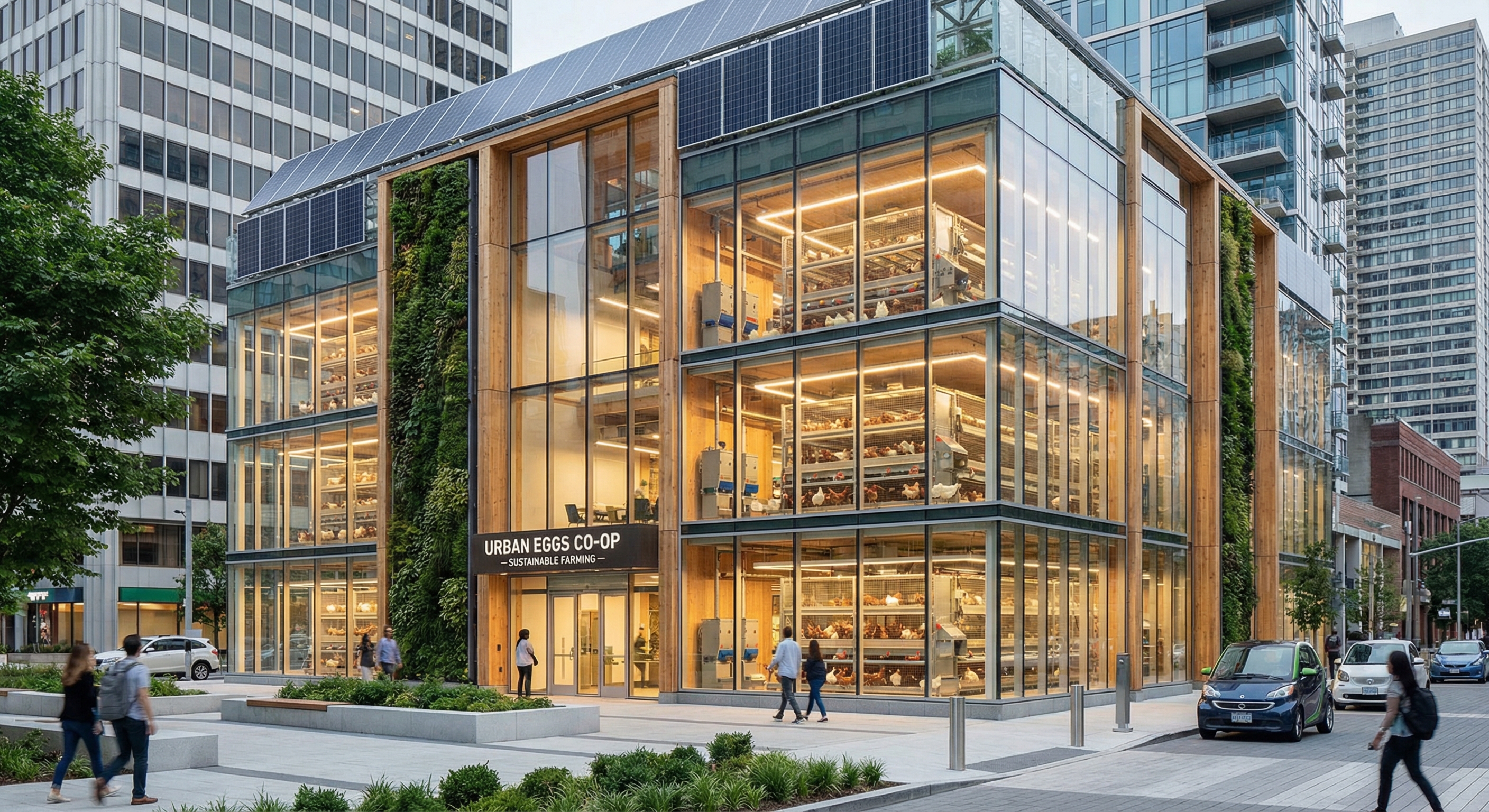
Scaling requires modular building designs that allow you to add capacity without disrupting current flocks. Expanding your chicken poultry farm is a strategic move that should leverage your existing infrastructure and logistics.
Is vertical farming possible with poultry?
But that’s only the beginning. Vertical systems are revolutionizing how we produce eggs in land-scarce environments.
- Stacked Cages: Uses multi-story battery or enriched cage systems to triple production density.
- Automated Collection: Conveyor belts move eggs from all levels to a central packing station.
When should you expand your facility?
Here’s the deal: market demand and existing profitability should drive your expansion, not just available land.
- Modular Steel Units: Prefabricated buildings allow you to mirror your successful houses quickly.
- Supply Chain Capacity: Ensure your feed supplier and processing plant can handle your increased volume.
Key Takeaway: Scaling should be a planned evolution that maintains the biosecurity and efficiency standards of the original site.
What is the role of lighting in a chicken poultry farm?
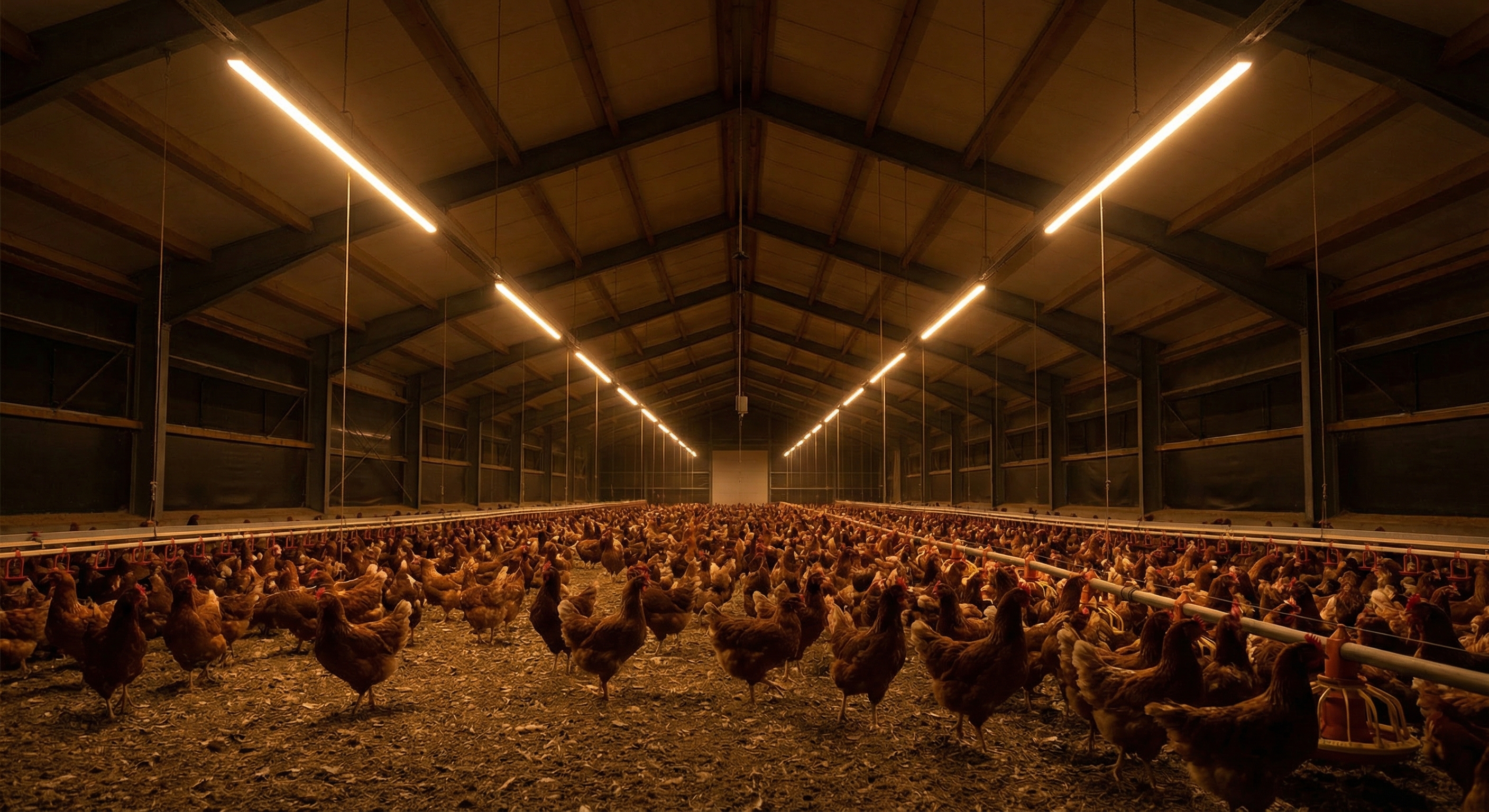
Lighting regulates the bird’s circadian rhythm, directly influencing egg production and growth rates. In a modern chicken poultry farm, lighting is used as a management tool to manipulate bird behavior and metabolism.
Does light color affect bird behavior?
But that’s not all. Specific spectrums of light can reduce aggression or stimulate early growth in chicks.
- Red Light: Often used to reduce pecking and cannibalism in high-density layer houses.
- Blue/Green Light: Can promote muscle growth and keep broilers calm during the finishing phase.
How many hours of light do layers need?
Here’s the deal: the duration of light tells a hen’s body when it is time to produce eggs.
- Photoperiodism: Maintaining 14-16 hours of light ensures consistent year-round egg laying.
- Dimmable LEDs: Mimicking sunrise and sunset reduces bird stress compared to sudden on/off cycles.
| Lighting Program | Target Effect | Ideal Spectrum | |
|---|---|---|---|
| Brooding Phase | Rapid Activity | Bright White | |
| Growth Phase | Weight Gain | Green/Blue | |
| Laying Phase | Egg Production | Warm Red/Yellow |
The right lighting schedule is a powerful tool for optimizing the biological potential of your birds.
Key Takeaway: Precision lighting management directly increases the efficiency of your feed-to-product conversion ratio.
How does processing start at a chicken poultry farm?
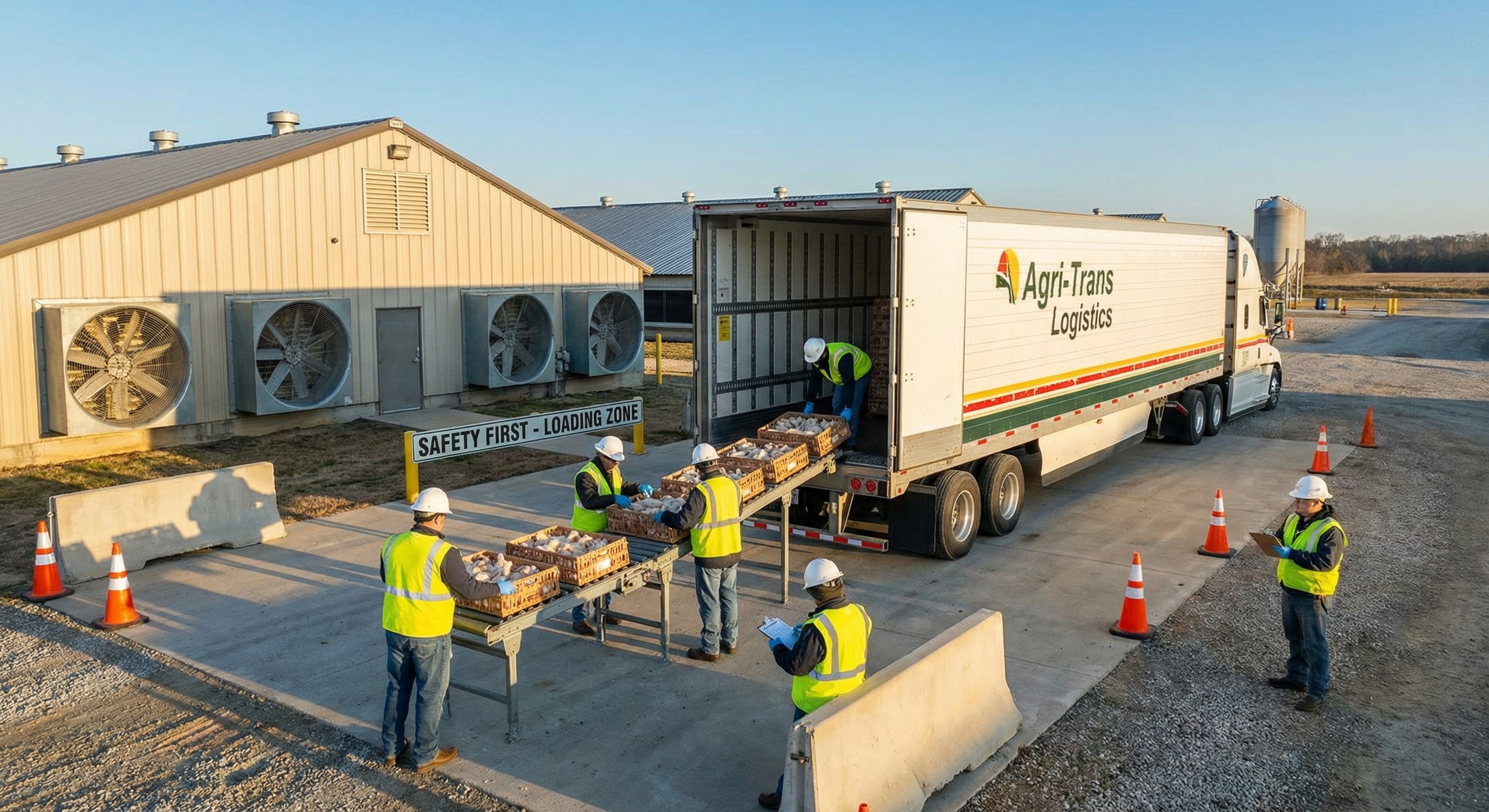
Processing begins with the careful loading of birds into specialized transport vehicles for delivery to the plant. This final stage of the chicken poultry farm cycle requires coordination and speed to maintain meat quality and animal welfare.
How is bird stress minimized during loading?
But what about the final stage? Minimizing stress during transport prevents bruising and weight loss during the trip.
- Night Loading: Birds are naturally calmer in dark or dimmed conditions.
- Proper Crate Density: Ensures birds have enough air without being tossed around during transit.
What happens after the flock is moved?
Here’s the deal: the “downtime” between flocks is your most critical window for facility maintenance.
- Empty Period: Leaving the house empty for 10-14 days allows the biological cycle of pests to break.
- Final Inspection: Checking all steel beams, fans, and sensors before the next cycle begins.
Key Takeaway: The success of your next flock begins the moment the current one leaves the building through a thorough clean-out.
Summary for Success
A successful poultry farm depends on merging high-quality infrastructure with diligent management. From selecting durable steel housing to mastering daily routines, every decision impacts your bottom line. Our vision is to empower farmers with the world-class steel buildings they need to feed the world safely and efficiently. If you are ready to build a facility that stands the test of time, contact us today for a professional consultation.
Frequently Asked Questions
What’s the best material for a poultry house?Steel is the superior choice. It offers unmatched durability, is easier to disinfect, and provides better protection against pests and fire compared to wood.
How do I know if my ventilation is working?You can judge by air quality and bird behavior. If you smell strong ammonia or see birds panting/huddling, your settings need immediate adjustment.
Can I start small and expand later?Yes, focusing on modular steel designs is best. This allows you to add identical buildings as your market grows without redesigning your entire workflow.
What is the most profitable bird type?It depends on your local market, but broilers typically offer faster cash flow. Layers require more upfront investment but provide a steady daily income over the long term.
How long does a steel chicken house last?A professionally built galvanized steel house can last between 30 to 50 years. This longevity makes it a much better investment for commercial agricultural ventures.