
To build a layer chicken house effectively, you must integrate structural engineering with avian welfare to create a simple chicken house design . Many commercial poultry projects fail due to inadequate ventilation or weak structures that succumb to corrosion and pests. By utilizing a professionally engineered steel facility, you eliminate these risks while maximizing the productivity of your flock.
How do you begin planning a simple chicken house design?
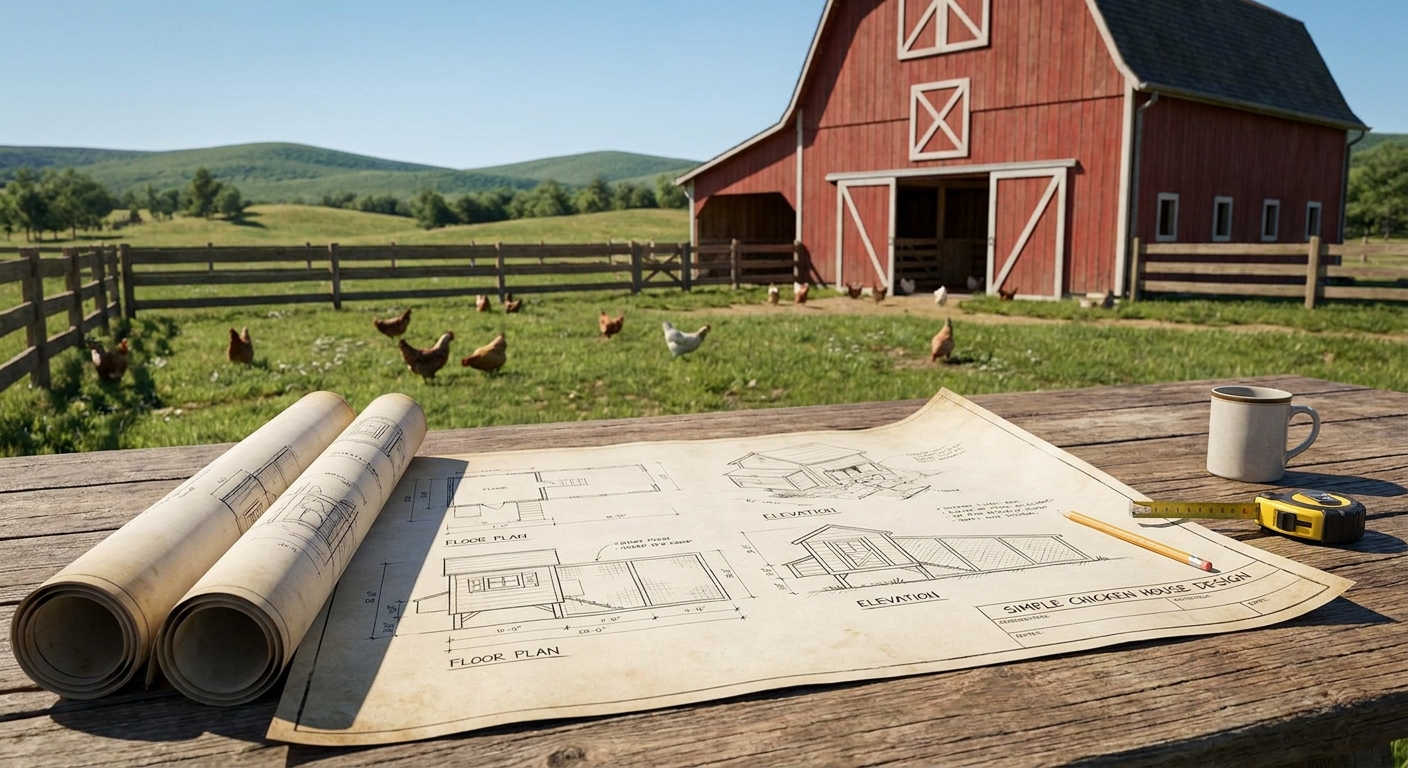
Planning a simple chicken house design requires determining your bird density and site logistics before any earth is moved. You need to calculate the footprint based on whether you are using floor-based or vertical cage systems. This initial phase sets the foundation for your entire agricultural investment.
The site must be well-drained and easily accessible for large delivery trucks. You also need to ensure that the building is situated far enough from other farms to maintain strict biosecurity. Efficient workflow design reduces long-term labor costs significantly.
What is the optimal flock size for your project?
Calculating your bird count is the first step in defining your structural needs. For floor-based layers, you should allow at least 1.5 to 2 square feet per bird.
Here is the kicker: if you plan for high-density vertical cages, your ceiling height requirements will increase. Proper planning prevents overcrowding and bird stress.
How do you select the best site for drainage?
Choosing a site with a natural slope helps prevent water accumulation around the facility. Moist soil near the house can lead to structural instability and increased disease pressure.
- Ensure the site is at least 500m from other poultry farms.
- Verify that 12-15 foot wide paths are available for feed trucks.
- Check the soil load-bearing capacity for concrete slabs.
Finalizing your poultry farm layout
The interior layout must prioritize the flow of feed and eggs. You should position silos near the entrance and ensure egg collection rooms are centralized.
Key Takeaway: Successful planning transforms a basic concept into a high-performance production asset by aligning bird density with site logistics.
| Planning Factor | Requirement | |
|---|---|---|
| Bird Density | 1.5 – 2 sq. ft per layer (floor-based) | |
| Site Drainage | Sloped or elevated to prevent water pooling | |
| Access Needs | 12-15 foot wide paths for feed trucks | |
| Biosecurity | 500m+ distance from other poultry farms |
Thorough planning at the blueprint stage ensures that your facility can scale and operate efficiently without expensive retrofits.
Which materials are best for a simple chicken house design?
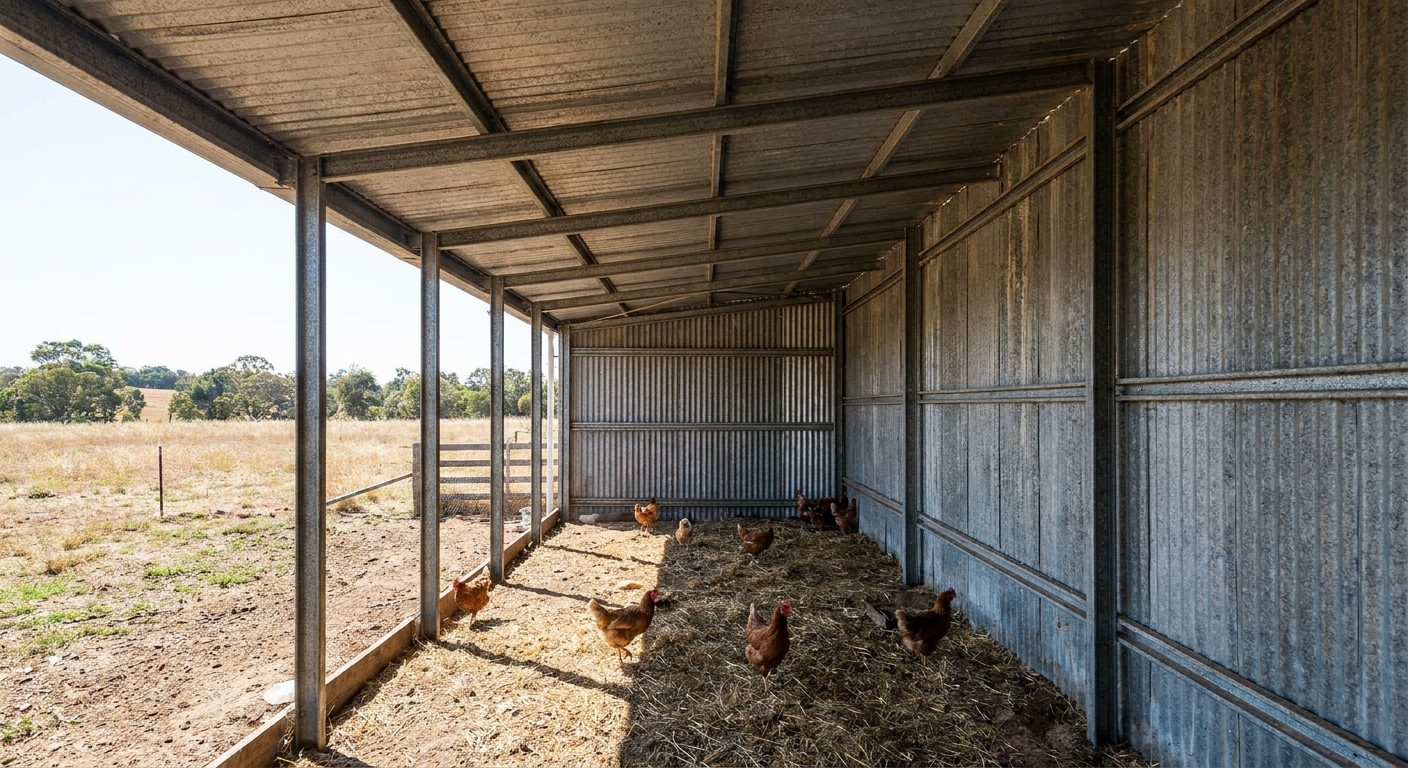
Selecting essential materials for a simple chicken house design involves prioritizing corrosion resistance to handle the harsh ammonia-rich environment. Steel is the preferred choice for commercial operators because it does not harbor mites or rot like wood. Durable materials ensure your facility remains functional for decades.
You should specify hot-dip galvanized components for all secondary framing. This treatment protects the steel from the chemical degradation caused by manure and high-pressure cleaning. High-quality fasteners are also required to maintain structural integrity under wind loads.
Why choose steel over traditional wood?
Steel frames offer superior sanitation and longevity compared to organic materials. Unlike wood, steel does not warp or attract rodents that can damage your electrical systems.
But wait, there’s more. Steel buildings can be cleaned and disinfected more thoroughly between flock cycles. This reduces the risk of persistent disease outbreaks.
Selecting corrosion-resistant panels
The internal atmosphere of a poultry house is highly corrosive due to moisture and gases. You must use high-build coatings or specialized sandwich panels for the walls and roof.
- Use H-Section steel for the main frame (Q355B or Q235B).
- Install EPS or Rockwool sandwich panels for thermal protection.
- Select Grade 8.8 high-strength bolts for all connections.
Key Takeaway: Investing in industrial-grade steel and specialized coatings protects your infrastructure from the unique corrosive challenges of poultry farming.
| Material Component | Recommended Specification | |
|---|---|---|
| Main Frame | H-Section Steel (Q355B or Q235B) | |
| Secondary Frame | C/Z Section Purlins (Galvanized) | |
| Wall/Roof Panels | EPS or Rockwool Sandwich Panels | |
| Fasteners | Grade 8.8 High-Strength Bolts |
Using industrial-grade materials creates a sterile and robust environment that protects both your birds and your capital.
How can you optimize the simple chicken house design foundation?
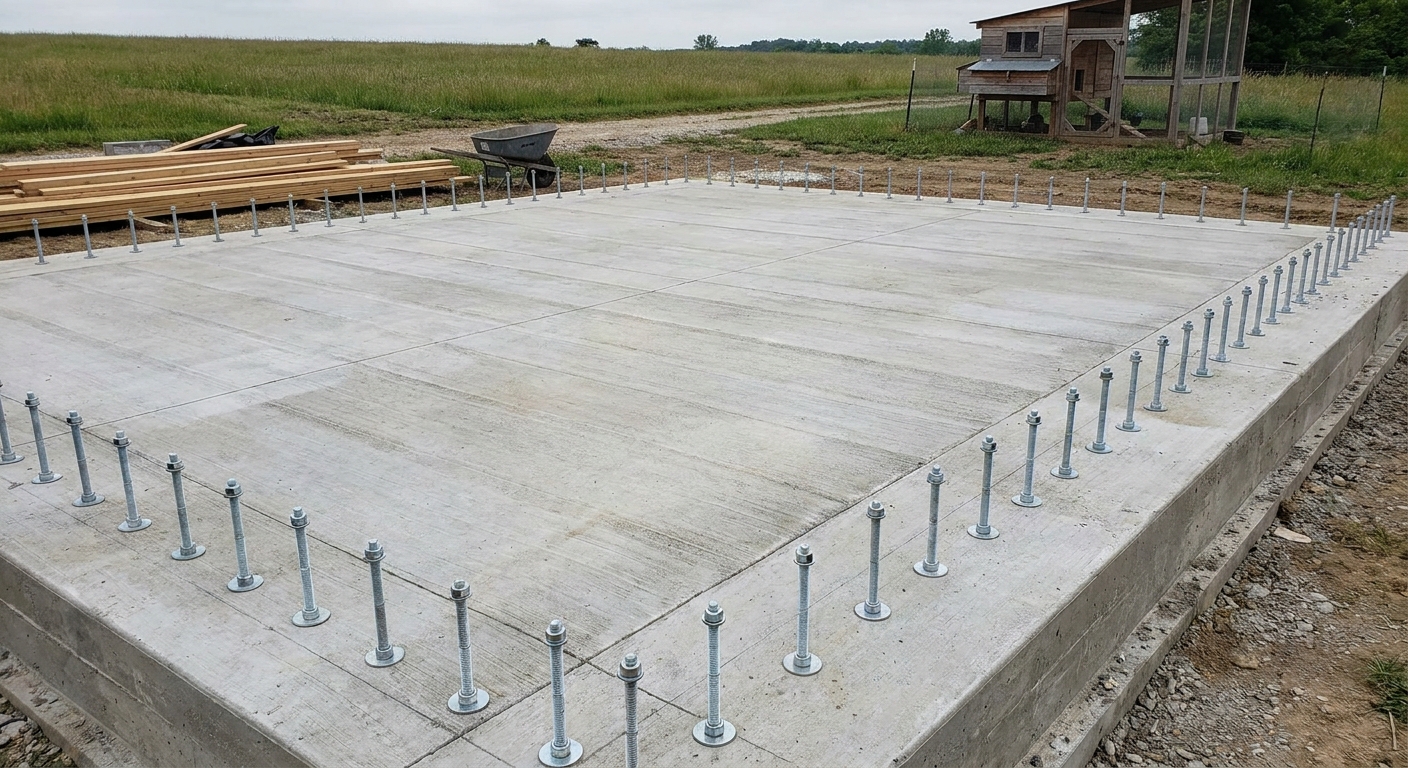
You can optimize the simple chicken house design foundation by ensuring precise anchor bolt placement and high-grade concrete slabs. A reinforced concrete foundation provides a level surface for heavy automation equipment. It also prevents predators from digging into the facility.
Proper moisture management at the ground level is essential for keeping the litter dry. You should incorporate a vapor barrier during the concrete pour to prevent rising damp. This small step significantly improves the respiratory health of your birds.
Concrete slab vs. specialized footings
A full concrete slab is typically the best choice for commercial layer operations. It simplifies the installation of cage rows and makes manure removal much faster.
Make no mistake: the slab must be engineered to support the cumulative weight of thousands of birds. Inadequate thickness will lead to cracking under the pressure of feed silos or machinery.
Ensuring proper anchor bolt placement
The connection between the foundation and the steel frame must be perfect. Using templates to set anchor bolts ensures that the H-section columns align exactly as planned.
- Use C25 grade concrete or higher for all structural loads.
- Maintain a +/- 2mm tolerance for all column anchor points.
- Include a 150mm minimum curb to prevent external water entry.
Key Takeaway: A precision-engineered foundation ensures structural alignment and creates a sanitary base for your production equipment.
| Foundation Element | Technical Priority | |
|---|---|---|
| Concrete Grade | C25 or higher for structural loads | |
| Anchor Precision | +/- 2mm tolerance for column alignment | |
| Vapor Barrier | Heavy-duty polyethylene sheet | |
| Edge Detail | 150mm minimum curb to prevent water entry |
A perfectly leveled and moisture-proof foundation serves as the essential bedrock for a high-density automated poultry facility.
What are the framing steps for a simple chicken house design?
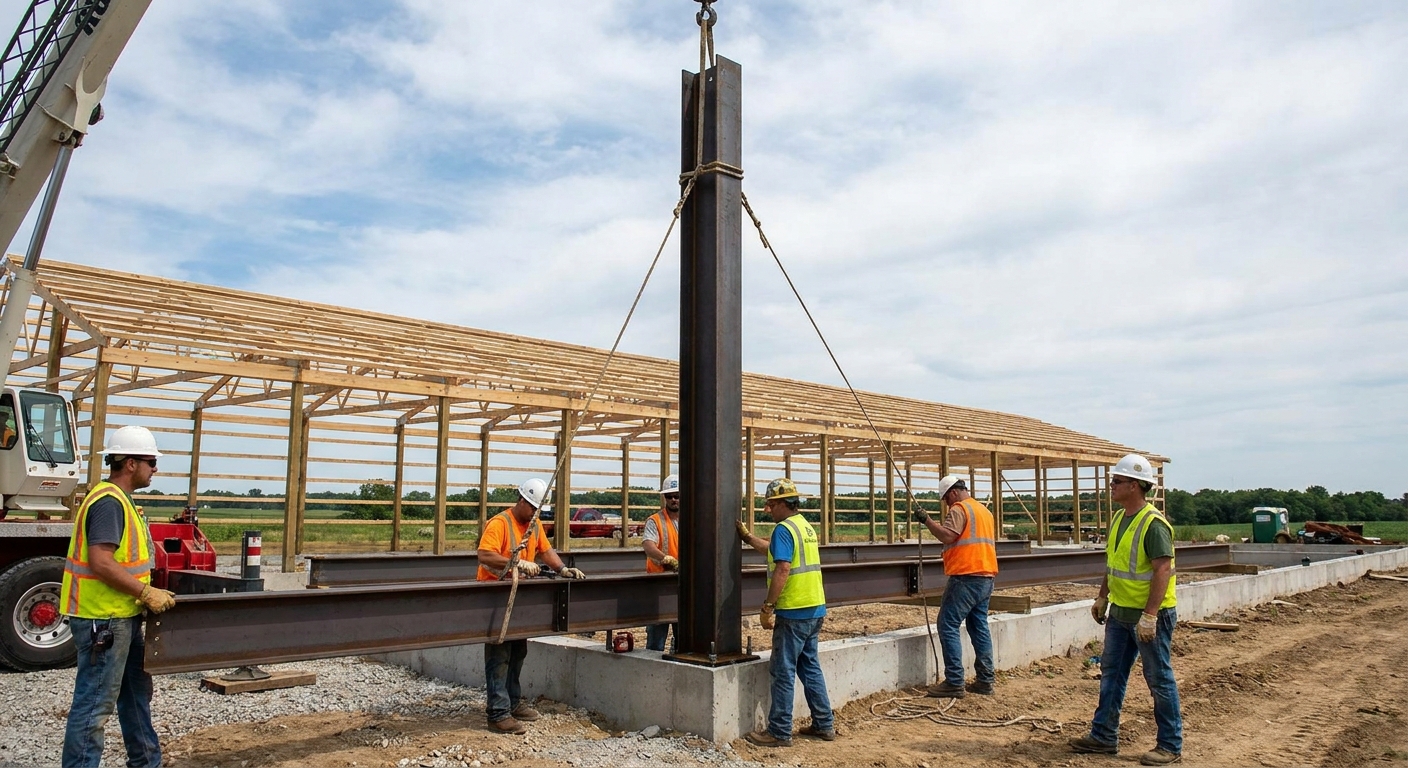
The framing steps for a simple chicken house design begin with the vertical H-section steel columns to ensure the building’s skeletal integrity. These columns are the primary load-bearing members of the entire structure. Once the columns are plumb and secure, you can proceed to the roof rafters.
Installing secondary framing components like purlins and girts provides the necessary attachment points for your wall panels. This phase must be handled with precision to ensure the building can withstand local weather events. A systematic approach prevents delays during the final cladding phase.
Erecting primary steel columns
Hoisting the main frames requires a crane and a skilled crew to ensure safety. Each column must be checked for level and plumb before the anchor bolts are fully torqued.
The bottom line? If the primary frame is slightly off-center, the roof panels will not fit correctly. Precision at this stage is non-negotiable for a durable build.
Securing the secondary bracing system
Bracing rods and tie bars prevent the building from swaying under heavy wind loads. These components transfer lateral forces to the foundation and keep the structure rigid.
- Start by installing the central braced bay for stability.
- Ensure all roof and wall purlins are spaced according to the load plan.
- Use tensioning rods to stabilize the frame against extreme weather.
Key Takeaway: A systematic approach to framing, from columns to bracing, ensures the building can withstand both internal equipment weight and external environmental stress.
| Framing Phase | Critical Action | |
|---|---|---|
| Column Set | Verification of plumb and level | |
| Rafter Install | Secure connection of main roof beams | |
| Purlin Layout | Uniform spacing for panel support | |
| Bracing | Tensioning of rods for lateral stability |
A well-framed steel building provides the clear-span space necessary for modern poultry equipment without obstructing interior workflow.
How do you manage climate in a simple chicken house design?
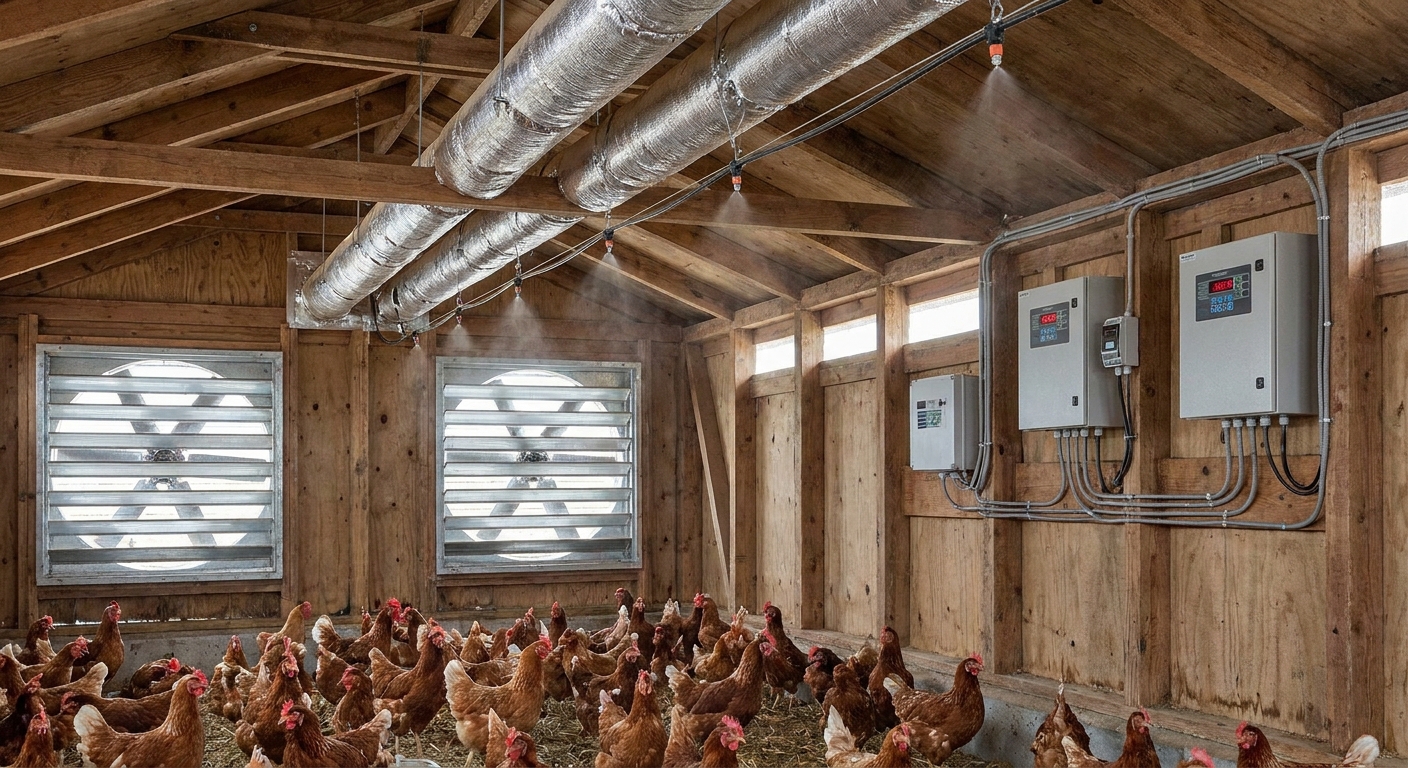
Managing the climate in a simple chicken house design is achieved through high-performance insulation and mechanical ventilation systems. Layers are extremely sensitive to temperature fluctuations and high ammonia levels. A controlled environment ensures consistent egg production year-round.
You should choose between natural airflow or tunnel ventilation based on your local climate. For large-scale operations, mechanical fans are necessary to remove heat and toxic gases. Proper insulation helps maintain a stable internal temperature regardless of the outside weather.
Natural vs. mechanical ventilation
Open-sided houses work well in mild climates but offer less control over the internal environment. Fully enclosed houses with exhaust fans provide the precision needed for high-yield farming.
But here’s the catch: mechanical systems require a reliable power source and emergency backups. Without air movement, bird mortality can spike within minutes during a heatwave.
Is insulation necessary for your region?
Insulation is mandatory if you experience extreme heat or cold. Sandwich panels with Rockwool or EPS cores prevent the building from overheating in the summer.
- Install exhaust fans at one end for tunnel ventilation.
- Use cooling pads to drop temperatures by 5-10 degrees.
- Ensure air inlets are distributed to prevent drafts.
Key Takeaway: Precise climate management through insulation and ventilation is the primary driver of bird health and consistent egg production.
| Climate Tool | Primary Benefit | |
|---|---|---|
| Exhaust Fans | Ammonia and heat removal | |
| Sandwich Panels | Thermal stability and energy savings | |
| Cooling Pads | Temperature reduction in hot climates | |
| Inlets | Fresh air distribution without drafts |
Effective climate control reduces your feed conversion ratio by keeping birds in their thermoneutral zone, directly boosting your profit margins.
What biosecurity features fit a simple chicken house design?
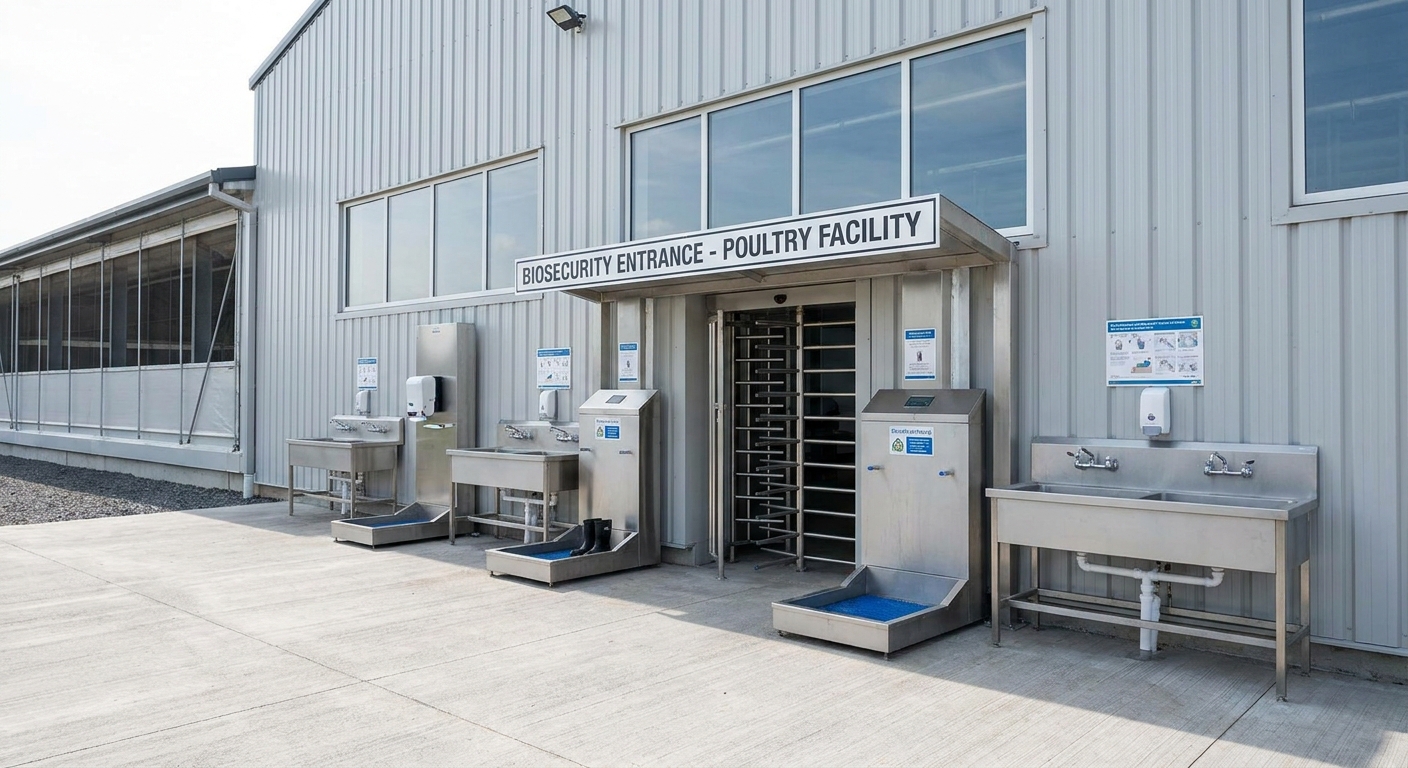
Biosecurity features that fit a simple chicken house design focus on sealing the environment against external pathogens and wild predators. You must create a physical barrier that prevents rodents and wild birds from entering. A well-sealed steel building is your first line of defense against avian influenza.
Your design should include dedicated entry points where staff can sanitize before entering the production area. Physically separating “clean” and “dirty” zones within the building layout is critical. Using industrial-grade doors ensures that no pests can find their way inside.
Predator-proofing with wire mesh
Any openings for ventilation must be covered with heavy-duty galvanized wire mesh. This prevents small birds and rodents from nesting in your insulation or stealing feed.
As you might expect, pests are the primary carriers of disease in poultry farming. A secure envelope saves you thousands in potential losses from flock decimation.
Designating clean and dirty zones
The entrance of the house should feature a service room with a footbath and hand-washing station. This protocol ensures that no outside contaminants are tracked onto the production floor.
- Install foam closures for all panel gaps at the base.
- Use <12mm mesh size for all ventilation openings.
- Select industrial sliding doors with tight rubber gaskets.
Key Takeaway: Biosecurity is built into the architecture by creating a sealed, controlled environment that limits pathogen entry points.
| Biosecurity Feature | Implementation | |
|---|---|---|
| Entry Room | Change room with footbaths | |
| Sealing | Foam closures for all panel gaps | |
| Pest Mesh | <12mm mesh size for all openings | |
| Door Seals | Rubber gaskets to prevent rodent entry |
By integrating biosecurity into the building’s physical design, you reduce the reliance on chemical disinfectants and lower your operational risk.
How do you install simple chicken house design equipment?
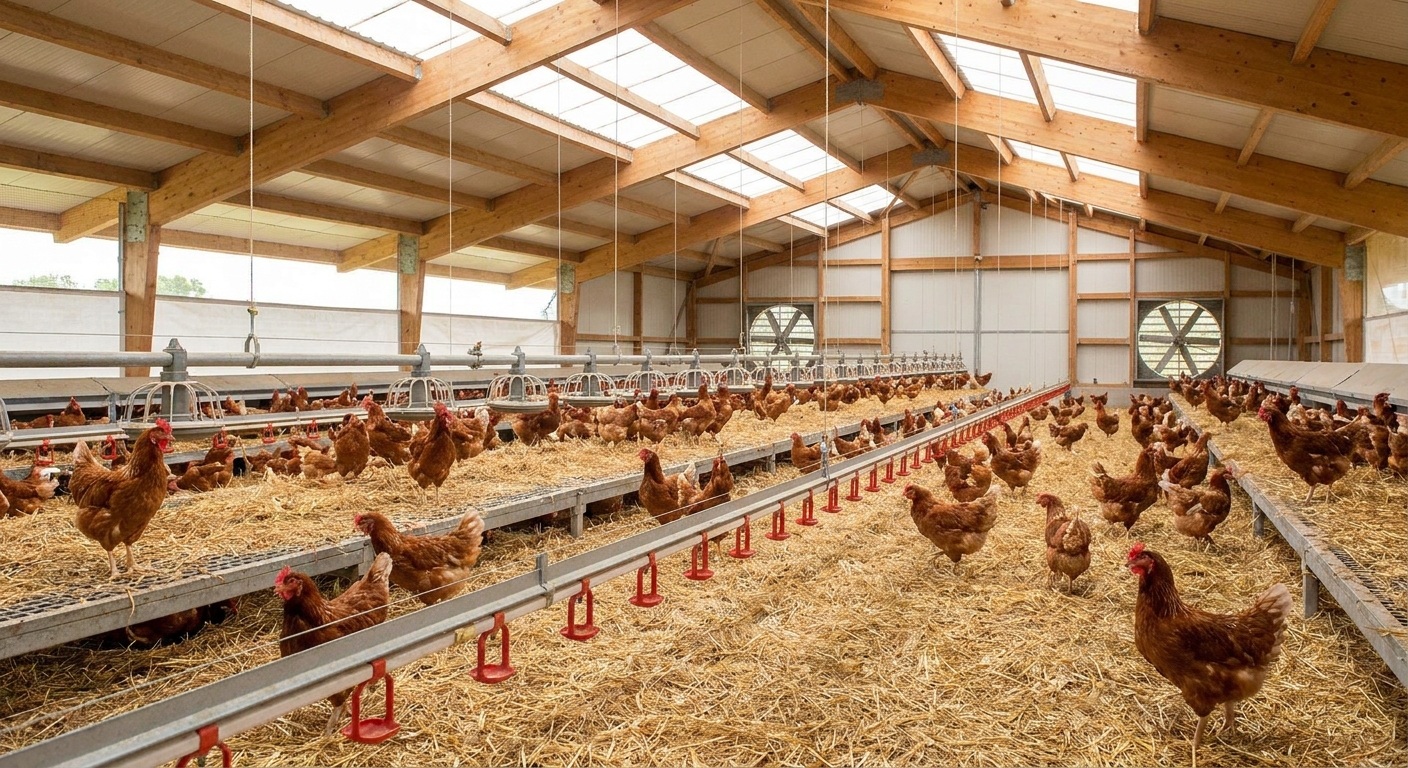
Installing simple chicken house design equipment requires a layout that accommodates automated feeding lines and egg collection belts seamlessly. Your steel structure must be designed with the specific dimensions of your cage rows in mind. This ensures there is enough aisle space for maintenance and egg handling.
Automation is the key to managing thousands of birds with minimal labor. Your roof and floor must be engineered to support the weight of feed silos and conveyor systems. Proper placement of lighting also plays a vital role in the birds’ egg-laying cycles.
Integrating a cage system
The internal height of your building must match the number of tiers in your cage batteries. For a 4-tier system, you generally need a ceiling height of at least 4.5 meters.
It gets better. A clear-span steel design allows you to install long, straight cage rows without internal columns getting in the way. This maximizes your bird capacity and simplifies cleaning.
Automation for feeding and waste
Automated augers deliver feed from the external silo directly to the birds. This reduces feed waste and ensures every layer has constant access to nutrition.
- Plan for external concrete pads to support heavy feed silos.
- Ensure the floor is level for automated egg conveyor alignment.
- Install manure belts for quick waste removal and air quality.
Key Takeaway: The building is a shell for the equipment; its dimensions and load capacities must be dictated by the automation technology you choose.
| Equipment Type | Space/Structure Requirement | |
|---|---|---|
| Cage Systems | 4.5m+ ceiling height for 4-tier systems | |
| Feed Silos | Reinforced external concrete pad | |
| Egg Belts | Level floor for conveyor alignment | |
| Lighting | Distributed layout for 16-hour day cycles |
Coordinating your equipment installation with the structural build prevents costly modifications and ensures a smooth transition to production.
Why is factory-direct simple chicken house design vital?
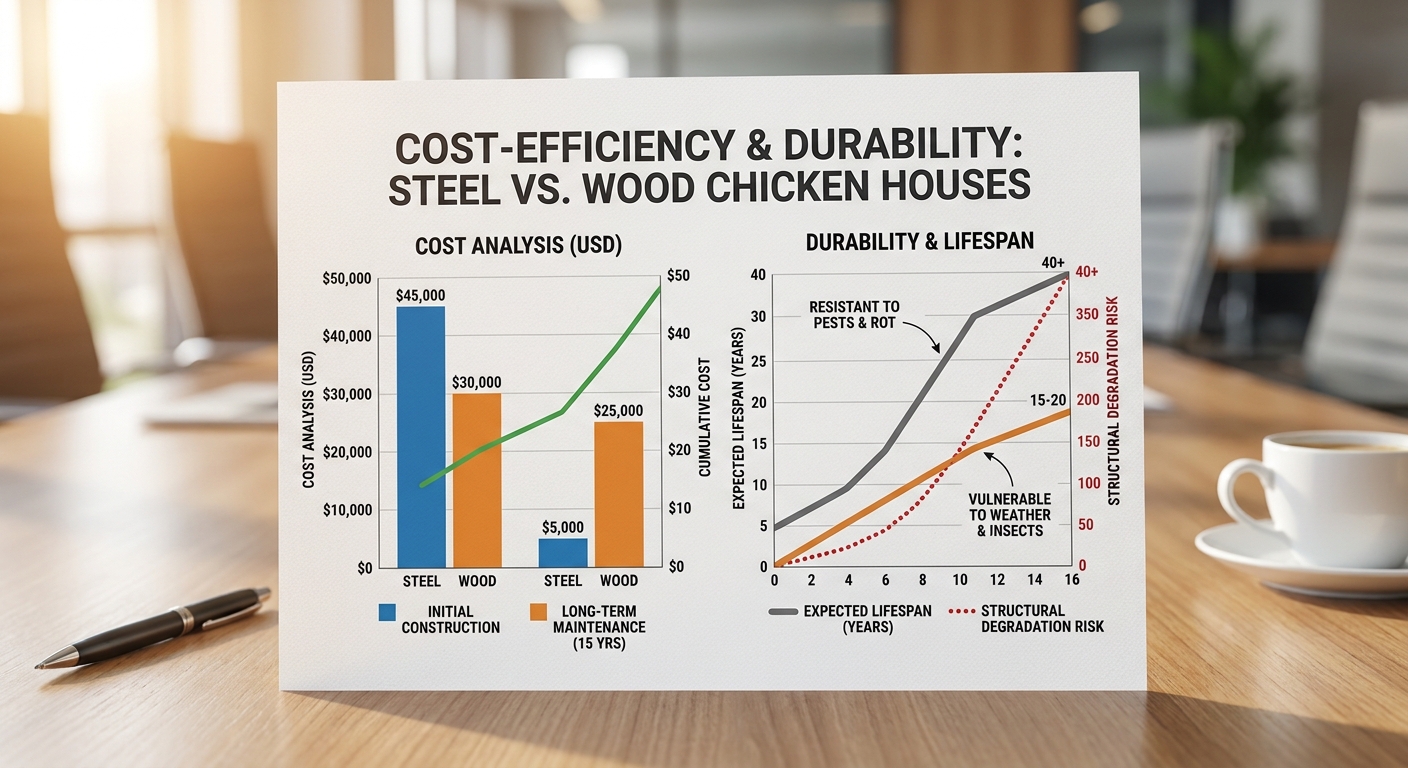
A factory-direct simple chicken house design is vital because it ensures engineering compliance while significantly reducing project procurement costs. When you buy directly from the manufacturer, you avoid middleman markups and receive a coordinated system. Every part of the building is designed to work together perfectly.
Factory-direct sourcing also provides you with detailed structural calculations for your specific location. Whether you face coastal winds or heavy snow, the building will be engineered to survive. This professional oversight protects your long-term agricultural investment from structural failure.
Reducing costs with direct manufacturing
Sourcing from the factory can save you between 15% and 25% compared to local distributors. These savings can be reinvested into higher-quality automation or larger bird flocks.
Look no further. A factory-direct model provides a complete kit that is labeled and packed for efficient on-site assembly. This minimizes the risk of missing components that could stall construction.
Ensuring engineering compliance
Professional manufacturers provide mill certificates and quality control reports for all steel members. This ensures that the materials meet international standards for strength and durability.
- Custom engineering ensures the house handles local wind and snow.
- Factory-direct kits simplify international logistics and customs.
- Direct access to the design team allows for easy modifications.
Key Takeaway: Sourcing factory-direct provides the best balance of engineering quality, cost control, and logistical simplicity for international projects.
| Procurement Factor | Factory Direct Benefit | |
|---|---|---|
| Cost | 15-25% savings vs. local distributors | |
| Quality | Mill certificates and QC reports provided | |
| Design | Custom engineering for local codes | |
| Support | Direct access to the fabrication team |
By cutting out the middleman, you gain more control over the quality and timeline of your poultry housing project.
How do you manage simple chicken house design construction?
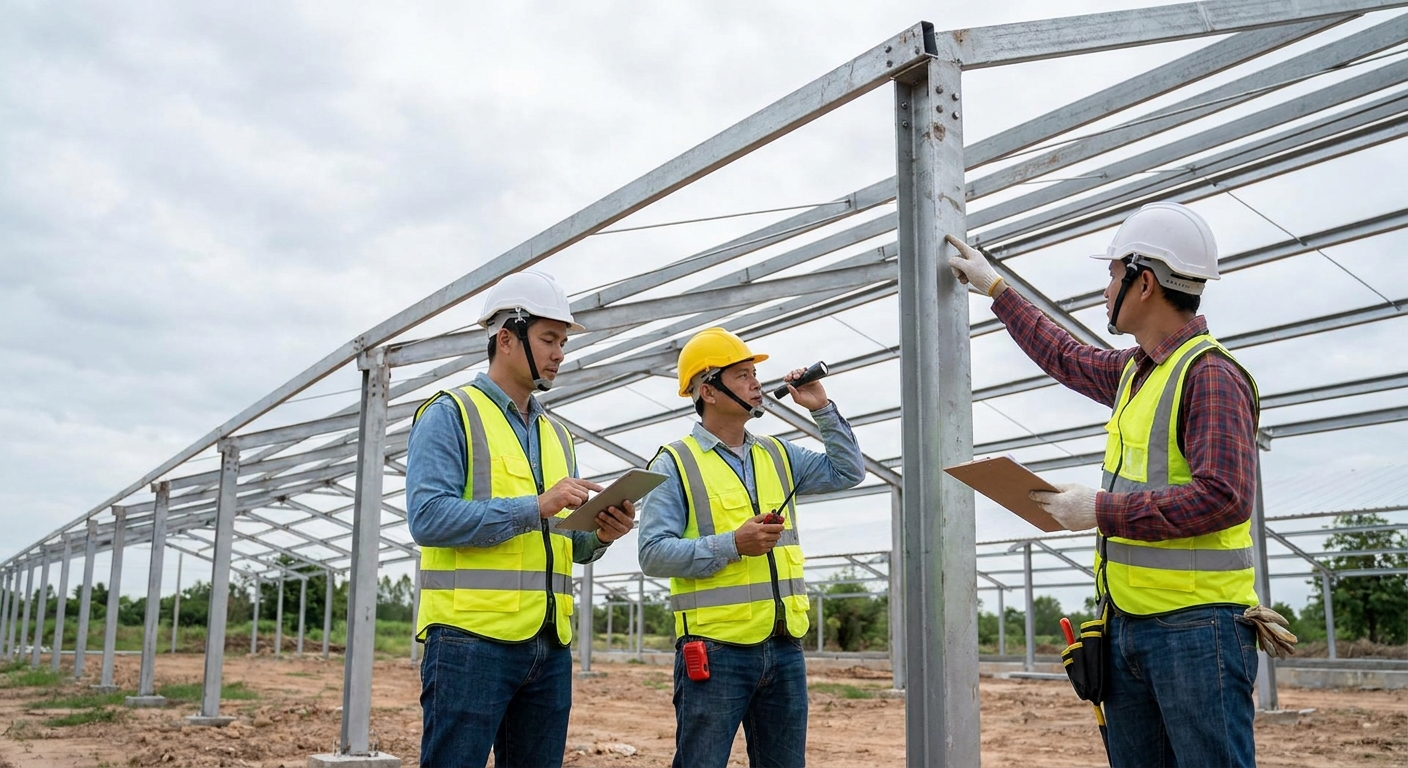
Managing simple chicken house design construction effectively involves hiring specialized supervisors and following a strict structural erection sequence. While local workers can provide manual labor, an expert must oversee the technical aspects of the build. This ensures that every bolt is torqued and every panel is sealed correctly.
Safety is paramount during the erection of heavy steel members. You must use the correct hoisting equipment and follow the engineering drawings exactly. A rushed construction process leads to gaps in the structure that can compromise biosecurity and insulation.
Hiring specialized vs. local contractors
A supervisor who understands steel structures is essential for maintaining the building’s warranty. They will ensure that the secondary bracing and fasteners are installed to the correct specifications.
In essence, the technical precision of the supervisor combined with local labor creates the most cost-effective and reliable construction team. This balance ensures the project stays on schedule and budget.
Following the erection sequence
Steel buildings are designed to be erected in a specific order to maintain structural stability. You should always start with the central braced bay before working toward the end walls.
- Verify anchor bolt diagonals before erecting any columns.
- Conduct random torque tests on bolts to ensure stability.
- Perform a light-leak test on panels to find biosecurity gaps.
Key Takeaway: Professional construction management prevents on-site errors and ensures the building performs as engineered from day one.
| Construction Step | Quality Check | |
|---|---|---|
| Anchor Setting | Diagonal measurement verification | |
| Frame Torque | Random bolt testing with torque wrench | |
| Panel Sealing | Light-leak test for biosecurity gaps | |
| System Test | 24-hour dry run of all automation |
Careful management during the construction phase guarantees that the building’s airtight seals and structural integrity remain intact for years.
What are simple chicken house design maintenance needs?
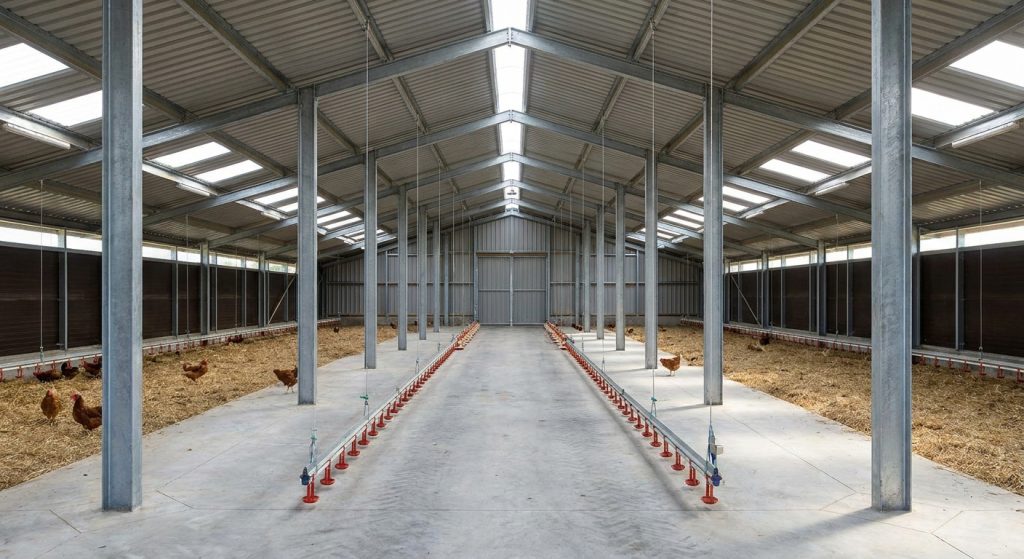
Long-term simple chicken house design maintenance needs include regular structural audits and pressure-washing cycles to maintain high sanitation standards. Steel’s main advantage is its ability to withstand intensive cleaning chemicals and high-pressure water. Regular upkeep ensures that your investment continues to produce high yields.
Between every flock cycle, you should thoroughly disinfect the entire interior. You also need to inspect the roof and gutters to prevent debris buildup. Keeping the exterior clean prevents localized corrosion and extends the life of the protective coatings.
Managing the cleaning of the steel frame
The smooth surfaces of a steel building make it difficult for bacteria and pests to hide. You can easily wash away manure dust and feathers with a pressure washer.
Keep this in mind: ammonia from manure can settle on the steel if ventilation is poor. Regular washing protects the galvanized finish and maintains a healthy environment for the next flock.
Scheduling annual structural audits
Checking for loose fasteners or damage from farm machinery is a quick but vital task. Early detection of minor issues prevents them from turning into major repairs later.
- Pressure wash and disinfect the interior after every flock.
- Inspect the roof seasonally to clear dust and gutter debris.
- Repair any scratches in the steel coating to prevent rust.
Key Takeaway: Minimal but consistent maintenance of the steel envelope protects the high-value equipment and livestock inside.
| Maintenance Task | Frequency | Action | |
|---|---|---|---|
| Deep Clean | Every flock cycle | Pressure wash and disinfect | |
| Fastener Check | Bi-annually | Tighten loose bolts/screws | |
| Gutter Clearing | Seasonally | Remove dust and debris | |
| Coating Touch-up | Annually | Repair any scratches or chips |
A proactive maintenance schedule ensures your layer house remains a productive, high-value asset for over 30 years.
Conclusion
Building a modern layer facility is a complex undertaking that requires the right engineering partner. We have solved the problems of high maintenance costs and biosecurity risks by providing durable, factory-direct steel buildings. Our vision is to empower poultry producers with infrastructure that maximizes bird health and operational efficiency. If you are ready to secure your farm’s future with a high-performance facility, please contact us today for a customized engineering consultation.
| sales@showhoo.com.cn | |
| Phone/WhatsApp | +86 186 7895 5927 |
Frequently Asked Questions
Can I expand my layer house in the future?Yes, steel structures are inherently modular. You can easily remove an end wall and add additional frames to increase the building’s length as your production capacity grows.
What’s the best way to prevent rust in a high-ammonia environment?You should prioritize hot-dip galvanized steel for the secondary frame and high-build epoxy coatings for the main columns. This combination offers the best resistance to the corrosive gases found in poultry houses.
How many workers do I need to erect a standard steel chicken house?A typical 1,000sqm facility generally requires a crew of 6-8 workers and a crane. With proper supervision, such a structure can be fully erected in approximately 3-4 weeks.
Is it possible to install solar panels on the roof of a steel chicken house?Yes, but the additional weight must be specified during the design phase. This allows engineers to account for the “dead load” of the solar arrays in the structural calculations.
Are steel chicken houses fire-resistant?Steel is naturally non-combustible and provides a much safer environment than wood. When paired with Rockwool sandwich panels, the building offers excellent fire resistance, which can lower your insurance premiums.