
Building a successful chicken farm in Africa requires a strategic combination of precision-engineered infrastructure and an understanding of shifting protein demands. You may notice that traditional agricultural methods are no longer sufficient to feed an urbanizing population with rising disposable incomes. This gap in local production often leads to high import costs and volatile market prices for consumers. By implementing a modern, steel-based chicken farm in Africa, you can secure a high-output facility that meets international standards while maximizing your return on investment.
How is the market demand for a chicken farm in Africa growing?

Market demand is expanding rapidly, with the poultry sector projected to grow at a Compound Annual Growth Rate (CAGR) of 7% through 2032. Establishing a chicken farm in Africa allows you to capitalize on a continent where the population is expected to double by 2050. This demographic shift creates an unprecedented need for affordable, high-quality protein sources like poultry.
Why is population growth the main driver?
Rapid urbanization across the continent is changing dietary habits and increasing meat consumption significantly. As more people move to cities, the demand for processed and chilled poultry products is outpacing current local supply.
But there is more.
- Urbanization increases disposable income levels.
- Shift from traditional grains to animal-based proteins.
- Government initiatives prioritize local food security.
- High reliance on expensive imports creates room for local producers.
| Factor | Impact on Demand | Growth Projection | |
|---|---|---|---|
| Urbanization | High | 3.4% Annual Shift | |
| Population | Extreme | 100% Increase by 2050 | |
| Income | Moderate | Steady Rise in Middle Class |
Key Takeaway: The convergence of population growth and urbanization makes the poultry market one of the most resilient investment opportunities on the continent. Use this table to align your production volume with the anticipated consumption spikes in urban centers.
What infrastructure is needed for a chicken farm in Africa?
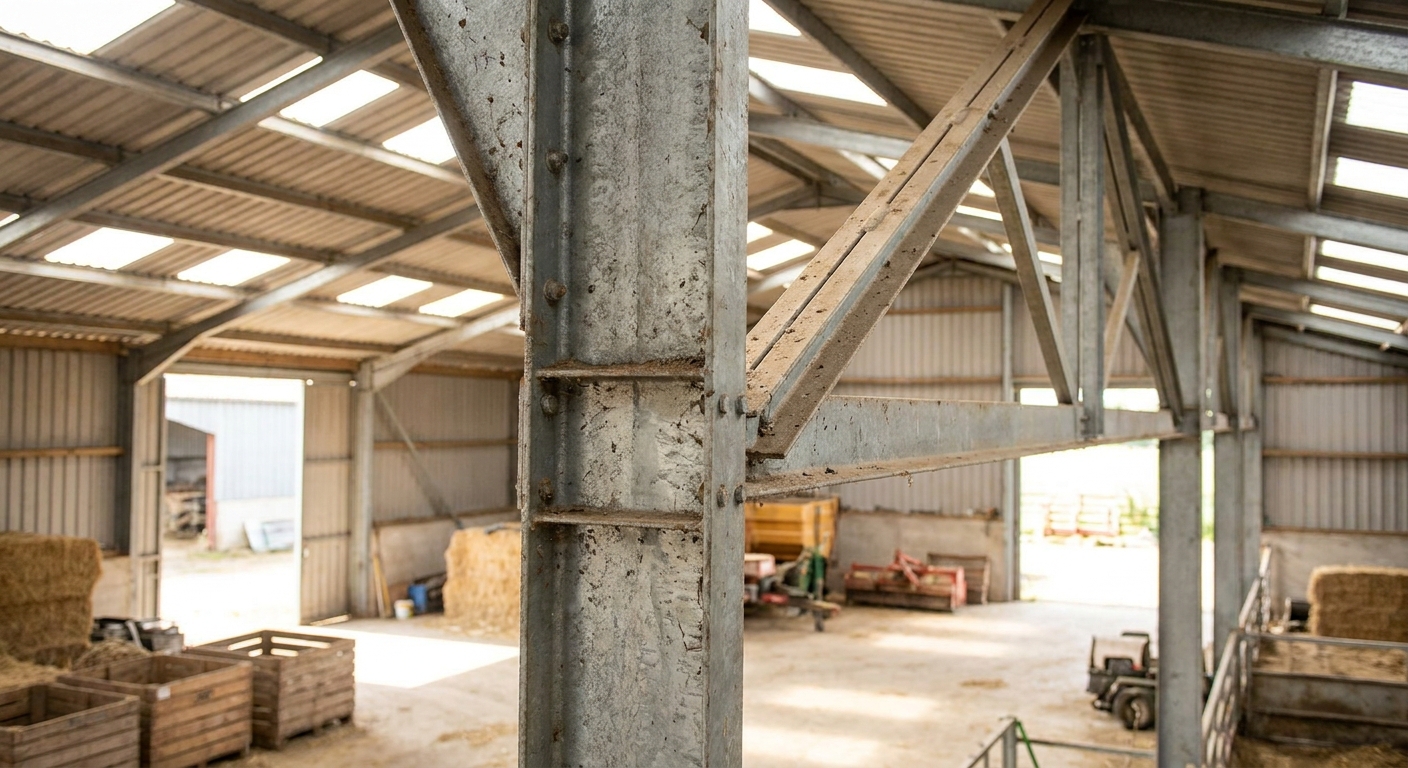
Essential infrastructure for a chicken farm in Africa includes climate-controlled steel housing, automated feeding systems, and robust biosecurity entry points. Your facility must protect birds from external predators and the harsh local elements to maintain high productivity. Durable materials like galvanized steel ensure that your buildings last for decades despite corrosive agricultural environments.
Is specialized housing necessary for success?
Standard sheds often fail to provide the ventilation required to prevent heat stress in tropical or sub-tropical climates. You need an integrated system where the roof, walls, and ventilation fans work together to maintain a stable interior temperature.
Here is why.
- Prevents mass mortality during heatwaves.
- Reduces labor costs through automated climate logic.
- Enhances biosecurity by limiting human-bird contact.
- Facilitates easier waste management and sanitation.
| Component | Essential Function | Material Recommendation | |
|---|---|---|---|
| Main Frame | Structural Stability | H-Section Galvanized Steel | |
| Cladding | Thermal Insulation | Sandwich Panels (EPS/Fiberglass) | |
| Ventilation | Air Exchange | Large-Scale Tunnel Fans |
Key Takeaway: Investing in high-grade infrastructure from the start reduces long-term maintenance costs and improves bird health. This component guide helps you prioritize the most critical structural elements for a functional poultry house.
What are the main costs for a chicken farm in Africa?
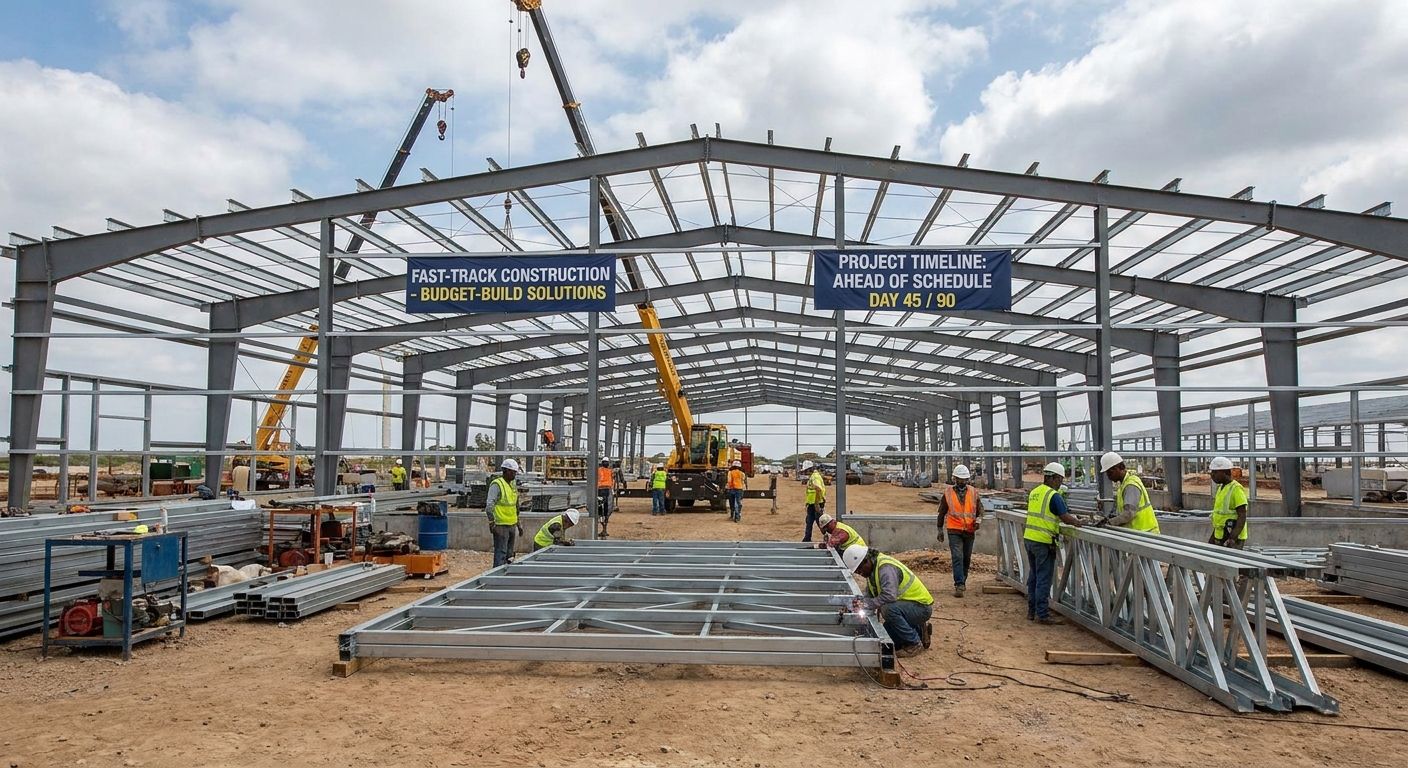
The primary costs involve the initial capital expenditure for a chicken farm in Africa , recurring feed expenses, and specialized labor for flock management. While the upfront investment in steel structures is significant, it pays off by reducing the mortality rates that often plague cheaper, wooden facilities. You must also budget for energy costs, especially if you are using automated climate control systems in remote areas.
How do you balance CAPEX and OPEX?
High-quality building materials might increase your initial setup cost but will drastically lower your operational expenses over time. Efficient housing reduces feed wastage and medication costs by keeping the birds in an optimal environment.
Look at it this way.
- Feed accounts for nearly 70% of total operating costs.
- Durable steel frames eliminate frequent repair expenses.
- Automated systems reduce the total headcount required for labor.
- Insulation lowers the energy needed for cooling fans.
| Cost Category | Percentage of Budget | Priority Level | |
|---|---|---|---|
| Infrastructure | 40% | High (Initial) | |
| Feed Supply | 45% | Critical (Recurring) | |
| Healthcare/Vaccines | 10% | Ongoing | |
| Labor/Admin | 5% | Operational |
Key Takeaway: Focusing on infrastructure quality early on prevents operational drain later in the project lifecycle. This budget breakdown allows you to allocate funds effectively between construction and daily production needs.
What are the top challenges for a chicken farm in Africa?
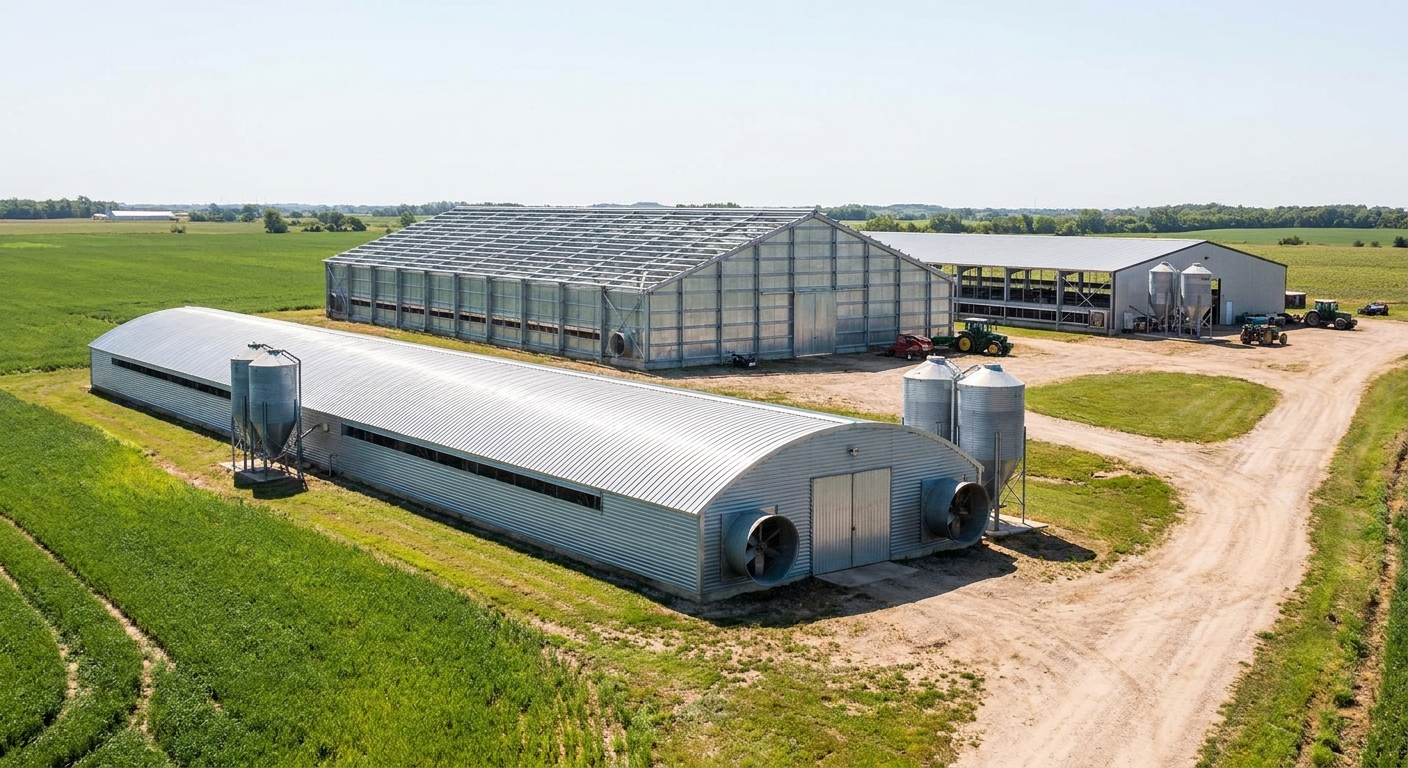
Key challenges for a chicken farm in Africa include fragmented supply chains, the high cost of imported feed, and inconsistent electricity in rural regions. You may also face difficulties accessing high-quality day-old chicks if your farm is located far from major hatcheries. Managing these logistics requires a well-planned facility that includes on-site storage and backup power systems.
Can logistics gaps be bridged?
Distance to market and poor road infrastructure can increase your transit losses and reduce the shelf life of your products. Developing an integrated value chain that includes on-site processing can help you bypass these common bottlenecks.
It gets better.
- Cold storage on-site prevents distress sales.
- Backup generators protect flocks during power outages.
- Steel warehouses can store bulk feed to hedge against price hikes.
- Localized processing meets the hygiene standards of retail malls.
| Challenge | Impact Level | Mitigation Strategy | |
|---|---|---|---|
| Energy Access | High | Solar/Diesel Backup Systems | |
| Feed Costs | Extreme | On-site Bulk Storage | |
| Disease Outbreaks | High | Steel-Based Biosecurity Gates |
Key Takeaway: Most challenges are predictable and can be solved through superior farm design and localized storage solutions. This strategy table helps you prepare for the external risks inherent in the regional market.
How do you manage the climate for a chicken farm in Africa?
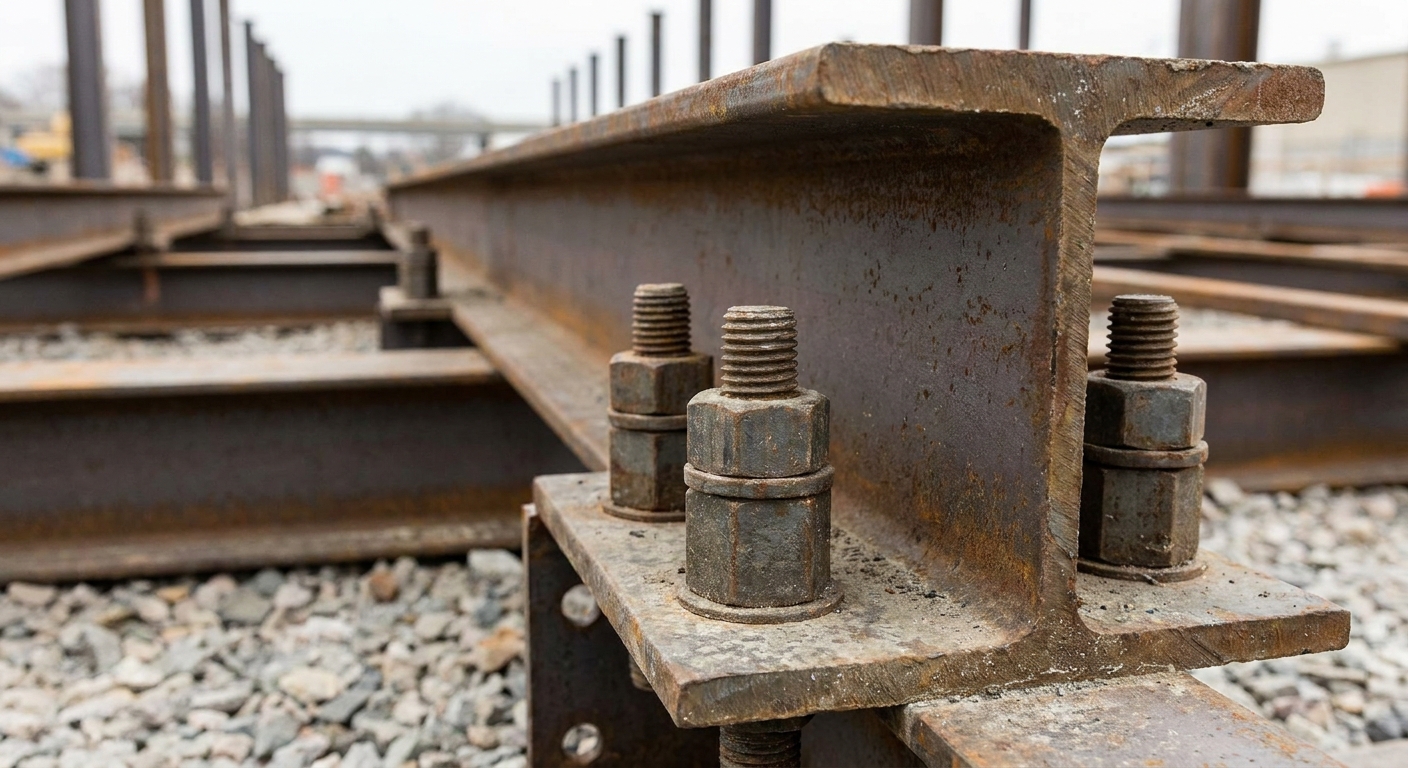
Climate management for a chicken farm in Africa involves using insulated sandwich panels, tunnel ventilation, and precisely placed evaporative cooling pads. High temperatures can quickly lead to respiratory distress and lower egg production if the interior temperature is not strictly controlled. Modern steel structures allow for airtight seals that make your environmental control systems significantly more efficient.
Is insulation better than simple fans?
Insulation provides a passive thermal barrier that keeps heat out during the day and warmth in during cooler nights. Relying solely on fans without insulation forces your equipment to work harder and increases your monthly utility bills.
Think about this.
- Sandwich panels offer superior R-values for heat resistance.
- Light-colored roofing reflects solar radiation away from the birds.
- Properly sealed doors prevent “leaks” in the ventilation cycle.
- Automated sensors adjust fan speed based on real-time humidity.
| Tech Layer | Purpose | Expected Result | |
|---|---|---|---|
| EPS Panels | Passive Cooling | -5°C Temp Reduction | |
| Tunnel Fans | Air Velocity | Ammonia Removal | |
| Cooling Pads | Humidity Control | Optimal Growth Rate |
Key Takeaway: A multi-layered approach to climate control is the only way to ensure bird comfort in extreme weather. Use these technology layers to build a resilient environment that protects your flock 24/7.
How can you optimize the supply for a chicken farm in Africa?
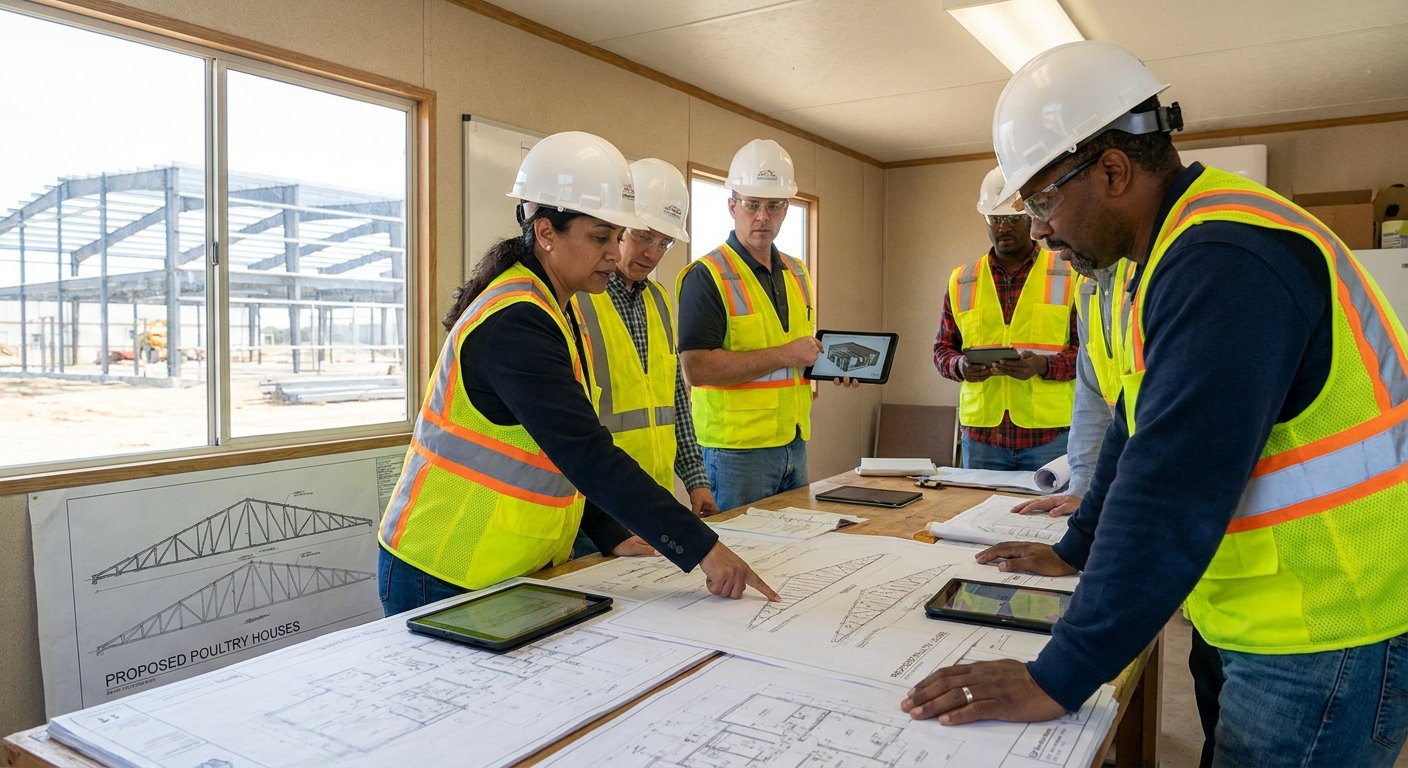
You can optimize the supply for a chicken farm in Africa by purchasing factory-direct building modules and establishing a consistent local feed partnership. Eliminating middlemen in the procurement of your steel structure ensures that you receive engineering-grade materials at a lower cost. Furthermore, integrating a feed mill into your farm design can help you control one of your largest recurring expenses.
Why choose factory-direct sourcing?
Buying directly from the manufacturer ensures that every bolt and panel is designed to fit your specific site requirements perfectly. This eliminates the need for expensive field modifications and reduces the risk of missing components during the construction phase.
The bottom line?
- Lower landed costs due to optimized shipping.
- Full traceability of steel quality and certifications.
- Faster response times for technical and installation support.
- Custom designs that meet local wind and snow load codes.
| Sourcing Step | Benefit | Value Added | |
|---|---|---|---|
| Direct Design | Accuracy | No Site Modifications | |
| Bulk Logistics | Cost Saving | Lower Container Fees | |
| Factory QC | Reliability | 50-Year Lifespan |
Key Takeaway: Optimization begins during the procurement phase by choosing partners who provide a complete, installation-ready system. This sourcing model ensures your capital is used efficiently with minimal waste.
What is the ideal design for a chicken farm in Africa?
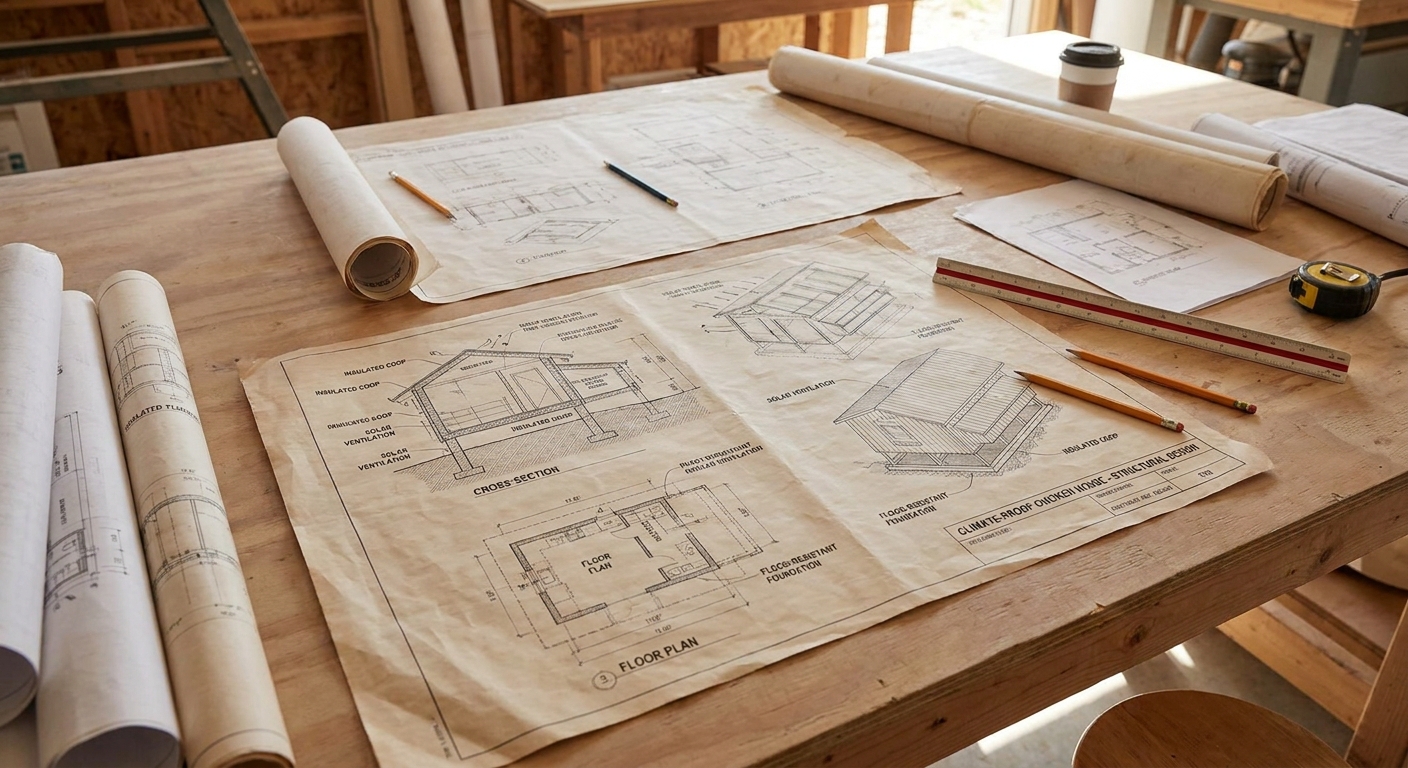
The ideal design for a chicken farm in Africa features a clear-span steel frame that provides an unobstructed interior for bird movement and equipment placement. A width of 12 to 15 meters is often recommended to ensure that cross-ventilation effectively reaches the center of the building. You should also include a dedicated service room at one end to house your control panels and biosecurity equipment.
Does building width affect bird health?
Buildings that are too wide often struggle with “dead spots” where air becomes stagnant and ammonia levels rise. Keeping your structure within the optimal width range allows your fans to pull fresh air across the entire flock evenly.
That’s not all.
- Clear-spans facilitate the use of automated cleaning machinery.
- High ceilings allow heat to rise away from the birds’ level.
- Slope-roof designs ensure proper drainage during heavy rain.
- Smooth interior surfaces make terminal disinfection faster.
| Design Feature | Dimension/Type | Reason | |
|---|---|---|---|
| Span Type | Clear Span | Maximum Equipment Flexibility | |
| Ideal Width | 12m – 15m | Optimal Ventilation Flow | |
| Foundation | Concrete Pier | Termite and Moisture Proof |
Key Takeaway: A professional blueprint acts as the foundation for your farm’s biological and financial success. This design table outlines the standard specifications needed for a high-performance poultry facility.
How can you prevent disease on a chicken farm in Africa?
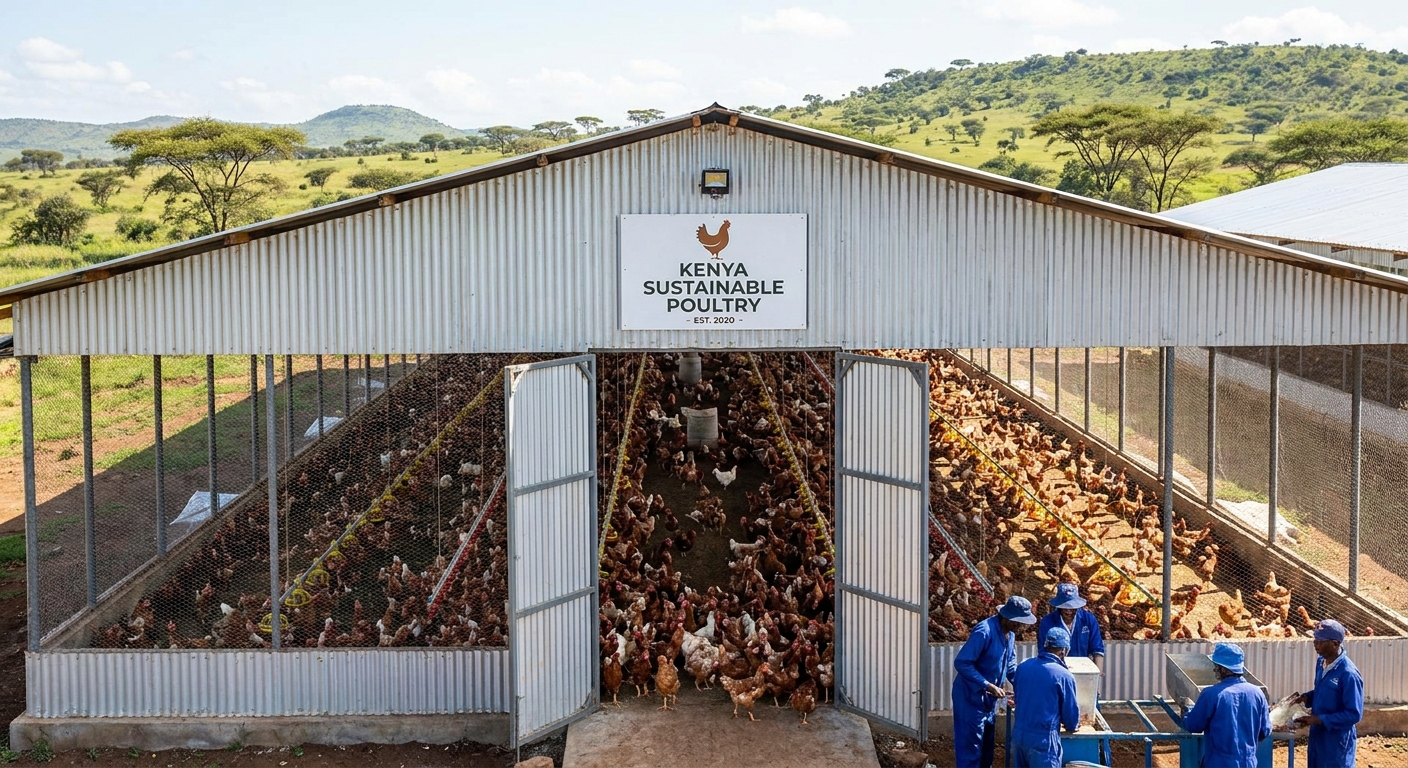
Disease prevention on a chicken farm in Africa is achieved through strict biosecurity infrastructure and the use of easy-to-clean steel surfaces. Unlike wood or porous bricks, galvanized steel and coated panels do not harbor bacteria or parasites between flock cycles. You should also design your farm with clear “clean” and “dirty” zones to prevent the transmission of pathogens by staff or vehicles.
Is surface material a biosecurity factor?
Pathogens can survive for weeks in the cracks of traditional building materials, leading to recurring infections. Steel surfaces allow for high-pressure washing and chemical disinfection that effectively “resets” the environment for each new flock.
Make no mistake.
- Steel doesn’t rot or attract wood-boring insects.
- Airtight houses prevent wild birds from entering.
- Integrated footbaths and showers ensure staff cleanliness.
- Controlled access points limit the entry of unauthorized visitors.
| Biosecurity Layer | Material/Method | Effectiveness | |
|---|---|---|---|
| Surface Hygiene | Coated Steel Panels | 99% Disinfection Rate | |
| Entry Control | Steel Fencing/Gates | High | |
| Pest Exclusion | Mesh/Sealed Joints | Very High |
Key Takeaway: Prevention is significantly cheaper than treatment in a commercial poultry operation. Use this biosecurity framework to protect your birds and your investment from devastating outbreaks.
Can technology improve a chicken farm in Africa?
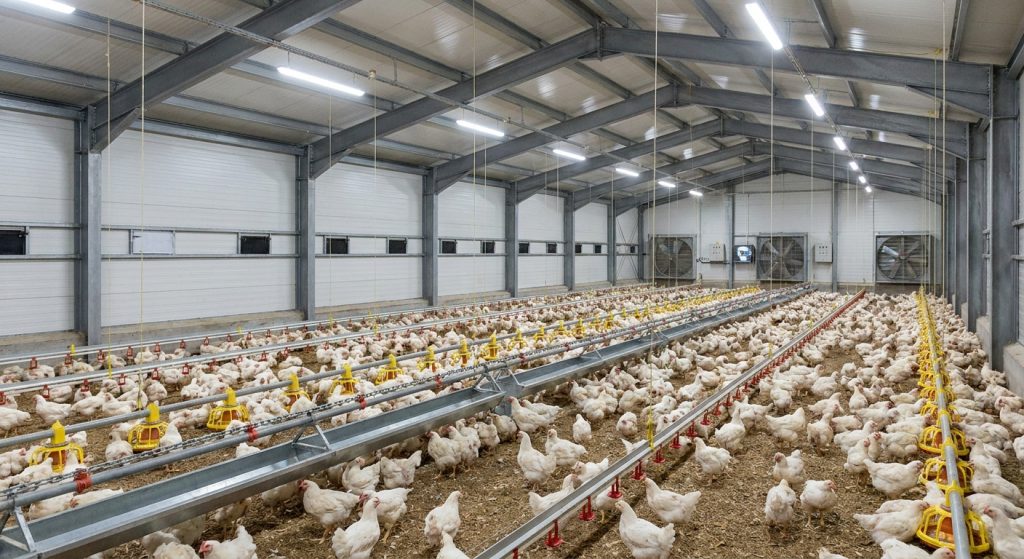
Technology significantly improves a chicken farm in Africa by automating the most labor-intensive tasks like feeding, watering, and climate adjustment. Using precision sensors to monitor CO2 levels and humidity ensures that your birds are always in an environment that promotes maximum growth. Furthermore, digital data logging helps you identify trends in feed conversion rates so you can refine your management practices.
Why is automation worth the investment?
Human error is one of the leading causes of flock loss, from forgotten water valves to missed feeding schedules. Automated systems work around the clock, providing a consistent supply of nutrients and fresh air regardless of manual labor availability.
Believe it or not.
- Automated feeders reduce grain waste by up to 15%.
- Nipple drinkers prevent water spills and wet litter.
- Smart controllers alert you to equipment failures via mobile.
- Data tracking helps you hit target weights more reliably.
| Tech Upgrade | Impact on Labor | Impact on Output | |
|---|---|---|---|
| Auto-Feeders | -30% Man-Hours | +10% Weight Gain | |
| Climate Logic | -50% Supervision | Lower Mortality | |
| Digital Weighing | N/A | Precise Market Timing |
Key Takeaway: Modern technology transforms a traditional farm into a high-efficiency industrial production unit. This technology impact table demonstrates the tangible gains available through structural and mechanical upgrades.
Where can you find expertise for a chicken farm in Africa?
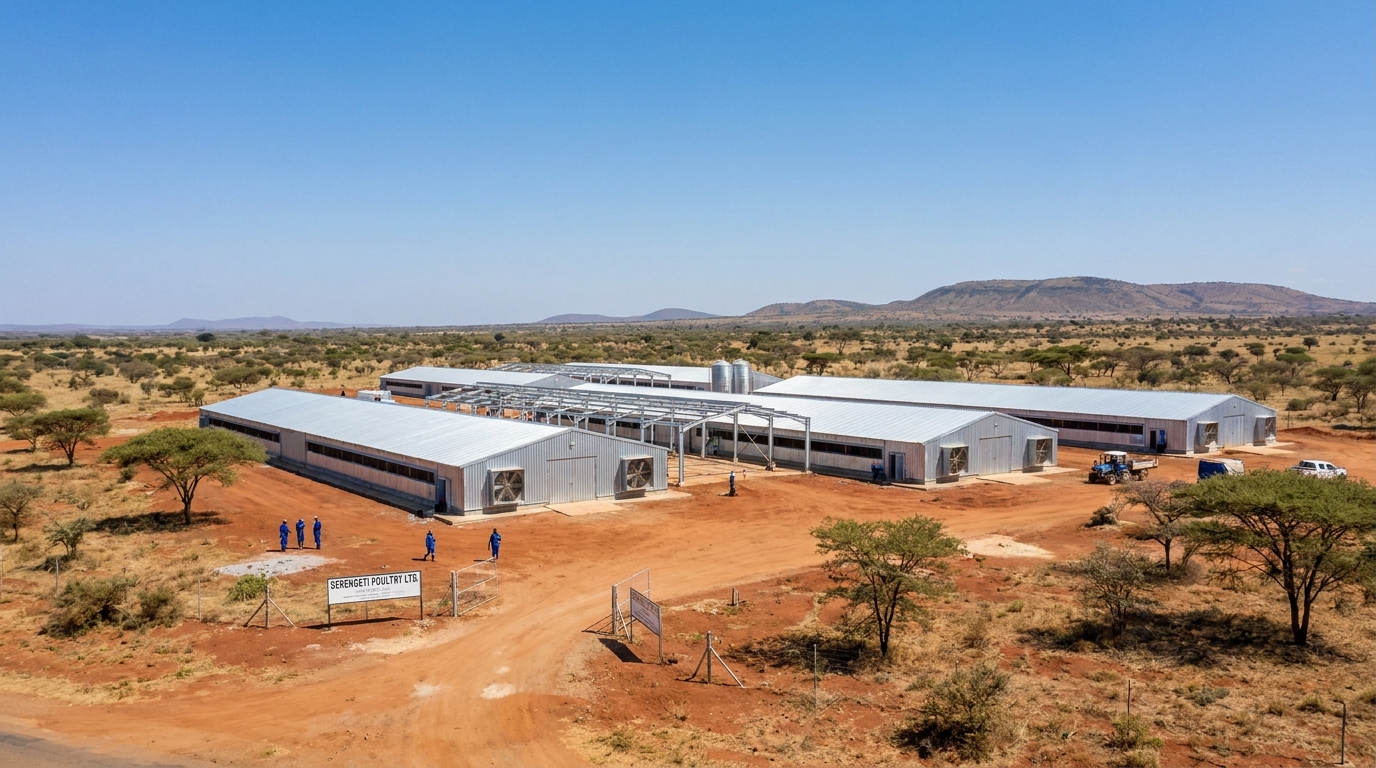
You can find the necessary expertise for a chicken farm in Africa by partnering with global manufacturers who specialize in overseas steel projects. Look for companies that offer full engineering support, including wind load calculations and detailed installation drawings. A partner with a proven track record in various African nations will understand the unique logistical and environmental challenges of the region.
How do you vet a building partner?
The best partners provide more than just materials; they offer a complete lifecycle of service from the first 3D model to the final bolt on-site. You should ask for case studies of previous projects in similar climates to ensure their structures can withstand the local conditions.
What does this mean for you?
- Access to professional engineering certifications.
- Remote or on-site installation guidance.
- Assistance with shipping documents and customs clearance.
- Warranty support for all structural components.
| Expert Service | Value to Investor | Result | |
|---|---|---|---|
| 3D Modeling | Design Visualization | No Planning Errors | |
| Load Calculations | Structural Safety | Weather Resilience | |
| Logistics Support | Hassle-Free Delivery | On-Time Construction |
Key Takeaway: Your choice of building partner is the most critical decision in your project’s success. Rely on this service guide to select a manufacturer that acts as a true consultant for your business growth.
Conclusion
Building a successful chicken farm in Africa is no longer a matter of guesswork but a result of precision engineering and market data. By addressing the core challenges of infrastructure, climate control, and biosecurity, you can establish a highly profitable operation that meets the continent’s booming protein demand. At Showhoo, we are committed to providing the durable, factory-direct steel structures needed to turn your agricultural vision into a reality. Our goal is to empower local producers with international-grade facilities that ensure long-term food security and economic prosperity. If you are ready to scale your production and dominate your local market, contact us today to receive a customized quote for your poultry house project.
| sales@showhoo.com.cn | |
| Phone/WhatsApp | +86 186 7895 5927 |
FAQ
Can I build a steel chicken farm in a very humid coastal region?Yes, it is highly recommended. Galvanized steel and specialized coatings provide superior resistance to salt-air corrosion compared to traditional materials.
What’s the best size for a starter commercial house?A standard size is approximately 12 meters by 100 meters. This dimension is widely considered the “sweet spot” for optimizing both construction costs and tunnel ventilation efficiency.
How do I know if my site is suitable for a steel structure?A flat, well-drained site is ideal. We coordinate with your local engineers to ensure the foundation design matches your soil type and local wind load requirements.
Can I expand my farm later using the same design?Absolutely. Steel structures are modular by nature, allowing you to easily add additional spans or new buildings as your flock capacity grows.
What is the typical lifespan of a galvanized steel poultry house?With proper maintenance, these structures last 50 years or more. They represent a long-term asset that maintains its structural integrity far longer than wood or mud-brick alternatives.