
At 30,000 square feet, your building is roughly half the size of a professional American football field. Determining the optimal footprint is a high-stakes challenge for any industrial or commercial venture. If you miscalculate how big is 30 000 square feet , you risk operational bottlenecks or wasted capital on unutilized space. This guide provides the technical breakdown and visual benchmarks you need to plan your steel structure project with surgical precision.
How can you visualize how big is 30 000 square feet?
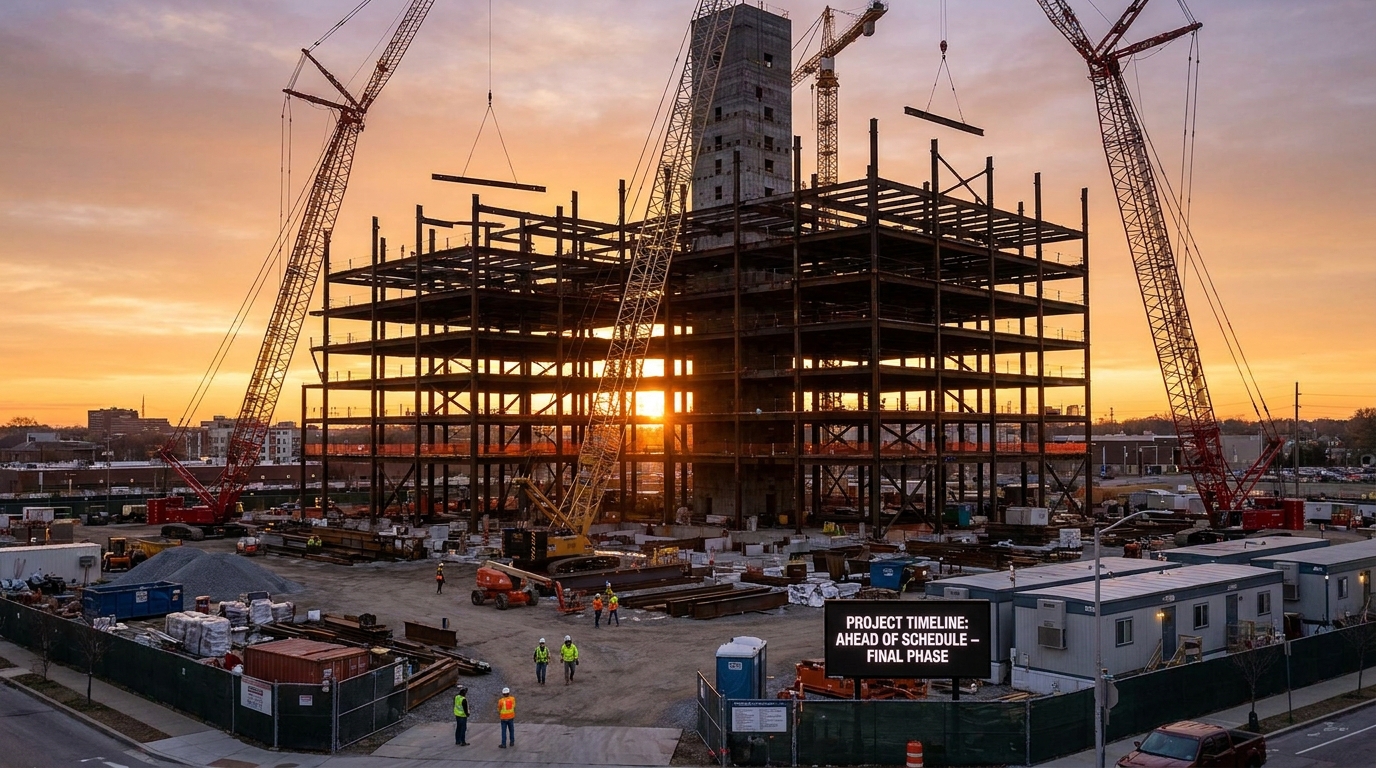
Visualizing this area is easiest when you compare it to a major sports arena or a standard city block. Understanding how big is 30 000 square feet involves looking at the footprint as a massive, open-concept canvas.
Comparing the scale to sports facilities
A 30,000-square-foot structure covers significantly more area than ten standard tennis courts combined.
But here is the kicker: You are dealing with nearly 0.7 acres of continuous floor space under one roof.
- Tennis Courts: Approximately 11.5 full-size courts.
- Basketball: Roughly 6.3 professional NBA courts.
- Acreage: About 69% of a single acre.
Understanding the footprint in retail terms
Think about the size of a mid-sized grocery store or a neighborhood pharmacy hub to get a sense of the walkability.
And that is just the start. You must imagine walking from one end to the other, which would take about a minute at a brisk pace.
- Retail Analogy: Similar to a “junior” big-box store.
- Office Scale: Enough room for roughly 150 to 200 employee cubicles.
- Event Space: Capable of hosting over 2,000 people standing.
Key visual benchmarks for site planning
When standing on a vacant lot, 30,000 square feet feels like a sprawling expanse that requires significant structural support.
You might be wondering: How does this look when the steel frame is actually standing?
- Perspective: The building will dominate a standard 1.5-acre lot.
- Height Factor: High eaves make the 30,000 square feet feel even more cavernous.
- Volume: With 25-foot ceilings, you have 750,000 cubic feet of space.
Key Takeaway
| Comparison Metric | Equivalent Value | |
|---|---|---|
| Football Field | ~0.52 Fields | |
| Acreage | 0.688 Acres | |
| Tennis Courts | 11.4 Courts |
This scale offers a professional-grade environment suitable for major regional operations.
What are typical dimensions for how big is 30 000 square feet?
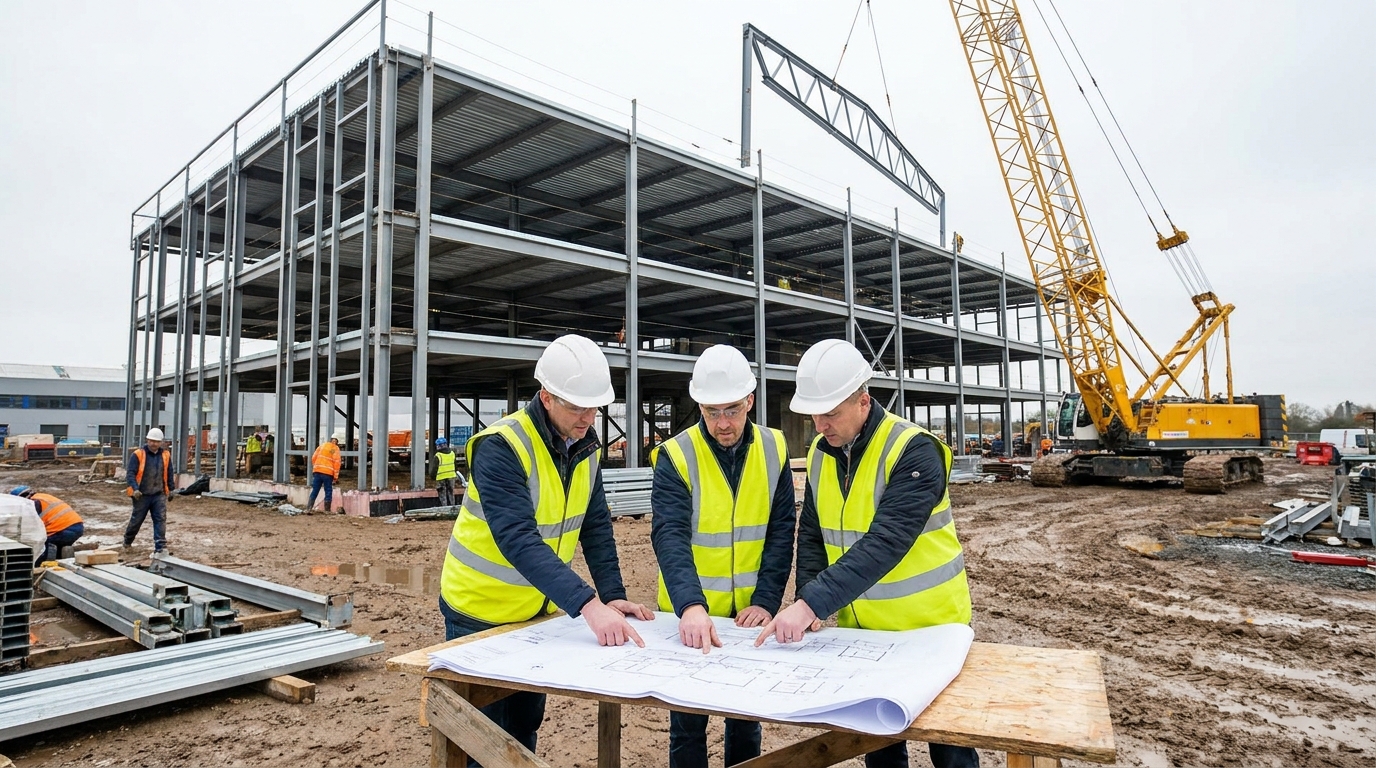
The most common dimensions for this size are 150′ x 200′ or 100′ x 300′ depending on your specific operational needs. Knowing how big is 30 000 square feet in terms of length and width allows you to optimize the steel frame for cost-efficiency.
Choosing between square and rectangular layouts
A square layout like 173′ x 173′ offers the most efficient perimeter-to-area ratio for climate control.
Look at it this way: A 100′ x 300′ “long” building is often better for assembly lines or logistics flow.
- 100 x 300: Ideal for cross-docking and shipping.
- 150 x 200: Preferred for centralized manufacturing.
- 120 x 250: A balanced mid-point for mixed-use facilities.
Optimizing the clear span for maximum utility
Steel structures allow you to achieve these dimensions without interior columns, provided the width stays within engineering limits.
Believe it or not: You can have a 150-foot wide space with zero obstructions to your equipment or vehicles.
- Clear Span: No interior pillars to navigate.
- Flexibility: Easier to reconfigure floor plans later.
- Safety: Better visibility for forklift and crane operators.
Key Takeaway
| Dimension Set | Length (ft) | Width (ft) | Total Sq Ft | |
|---|---|---|---|---|
| Standard Rectangle | 300 | 100 | 30,000 | |
| Wide Workshop | 200 | 150 | 30,000 | |
| Commercial Box | 250 | 120 | 30,000 |
Selecting a rectangular layout often reduces the cost per square foot by utilizing standard steel bay spacing.
How much storage fits in how big is 30 000 square feet?
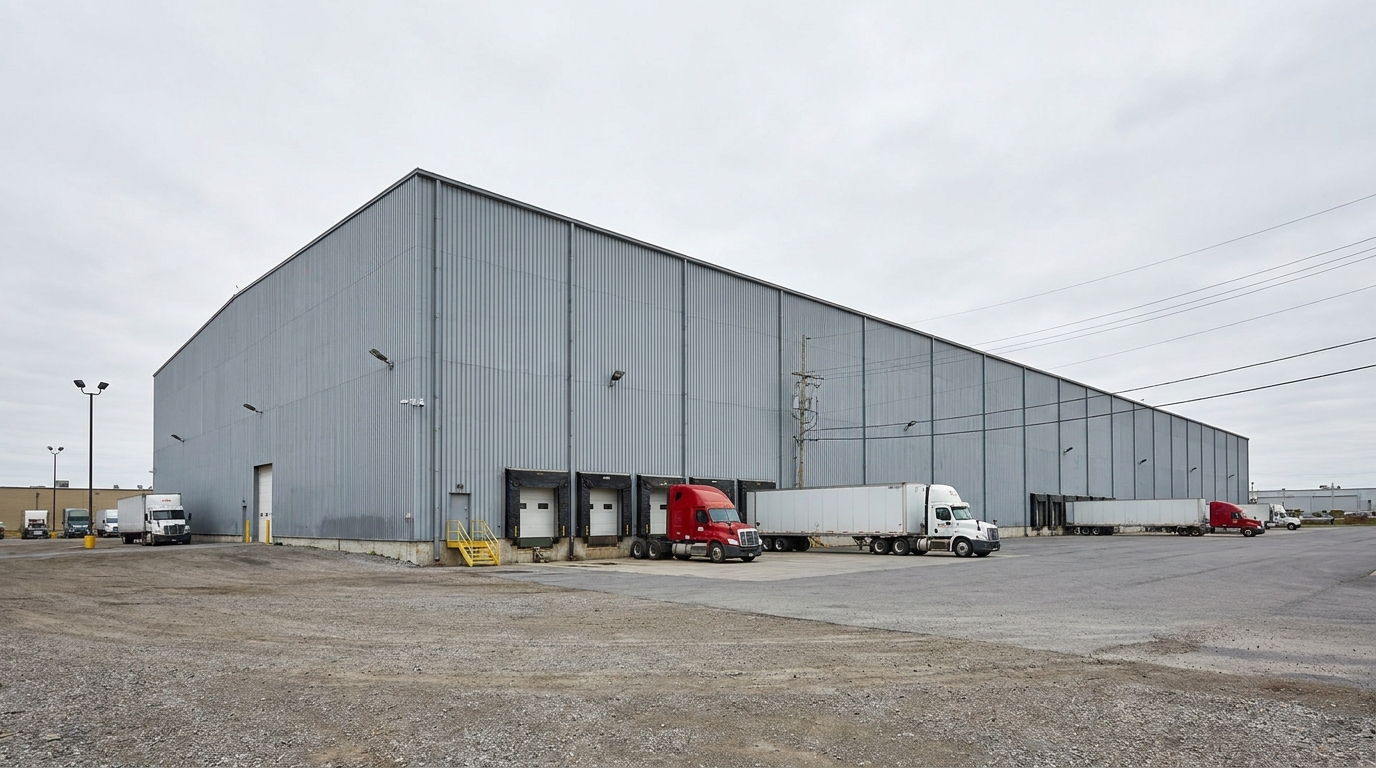
A 30,000-square-foot warehouse can typically hold between 4,500 and 6,000 pallets depending on your racking density. When you calculate how big is 30 000 square feet , you must separate gross floor area from net usable storage space.
Calculating pallet positions and aisle space
You will lose approximately 30% of your floor space to aisles if you use standard sit-down forklifts.
Here is the deal: Moving to Narrow Aisle (NA) racking can increase your storage capacity by nearly 20%.
- Standard Aisles: Usually 12 feet wide for safety.
- Narrow Aisles: Often 8 to 9 feet wide for specialized equipment.
- Staging: Requires at least 2,000 square feet near dock doors.
Utilizing vertical volume for inventory
The square footage is just the base; the real power of a steel building is the height.
The best part? A 30-foot eave height allows you to stack pallets five or six levels high.
- High-Bay Racking: Maximizes the cubic volume.
- Clearance: Ensure at least 18 inches of space below sprinklers.
- Density: Selective racking offers the best balance of access and speed.
Key Takeaway
| Storage Type | Pallet Capacity | Aisle Width | |
|---|---|---|---|
| Standard Selective | 4,500 – 5,000 | 12 Feet | |
| Double Deep | 5,500 – 6,200 | 10 Feet | |
| Very Narrow Aisle | 6,500+ | 6 Feet |
Effective warehouse design turns 30,000 square feet into a high-throughput logistics engine.
Is a workshop feasible for how big is 30 000 square feet?
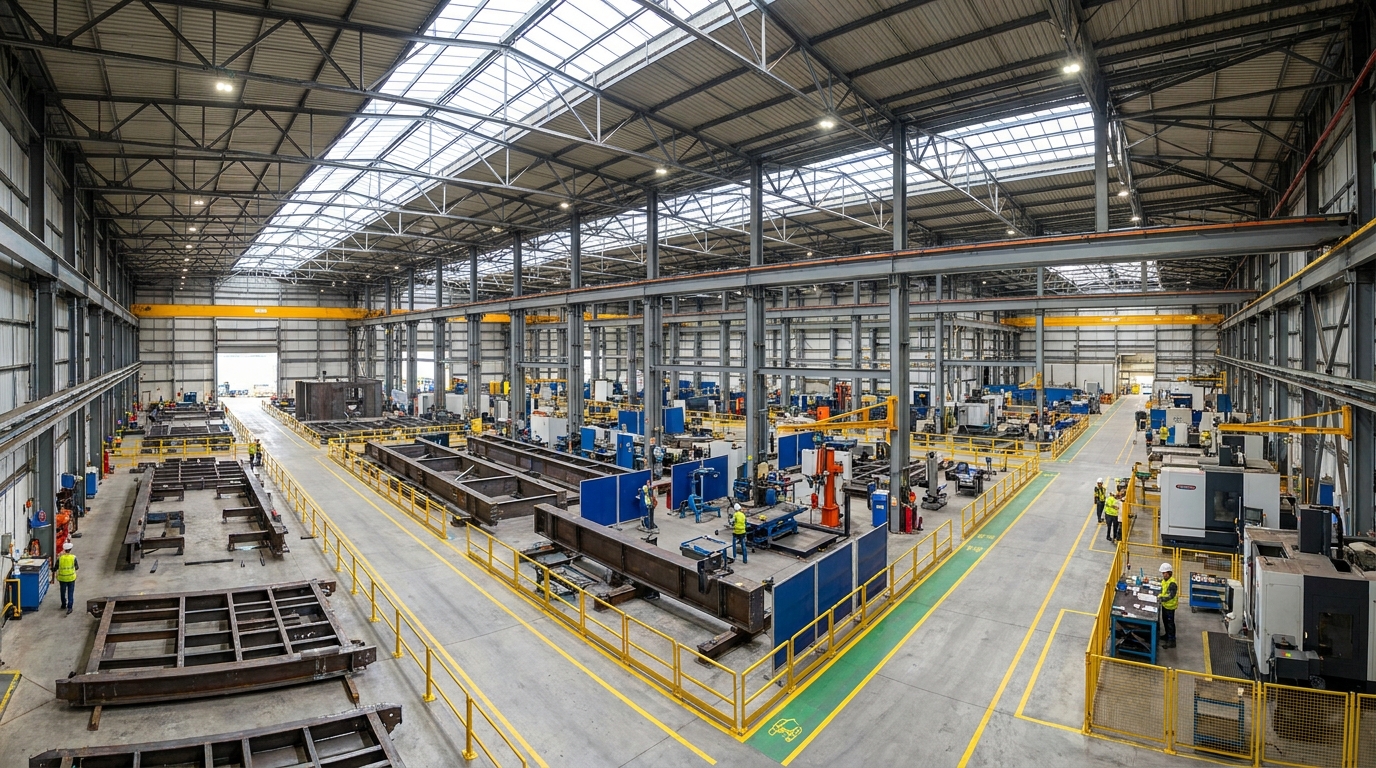
Yes, 30,000 square feet is considered a large-scale industrial workshop capable of housing multiple heavy production lines. Determining how big is 30 000 square feet for a workshop requires planning for machinery footprints and workflow paths.
Zoning for production and assembly
You can easily divide the space into dedicated zones for raw materials, fabrication, and quality control.
It gets better: Steel buildings can support heavy bridge cranes directly on the structural columns.
- Fabrication Zone: 15,000 square feet for main operations.
- Tooling/Parts: 5,000 square feet of organized storage.
- Admin/Breakroom: 3,000 square feet of integrated office space.
Managing heavy equipment and workflow
Proper placement of CNC machines and heavy presses ensures that your floor loading remains within safe limits.
Make no mistake: The layout you choose today will dictate your labor costs for the next decade.
- U-Shaped Flow: Best for receiving and shipping on one side.
- I-Shaped Flow: Ideal for long, continuous assembly processes.
- Utility Drops: Plan for electrical and air lines in the ceiling.
Key Takeaway
| Workshop Zone | Recommended Area | Percentage | |
|---|---|---|---|
| Main Production | 18,000 sq ft | 60% | |
| Storage/Logistics | 9,000 sq ft | 30% | |
| Office/Support | 3,000 sq ft | 10% |
A 30,000-square-foot workshop provides the necessary scale for mid-to-large tier manufacturing contracts.
How many planes fit in how big is 30 000 square feet?
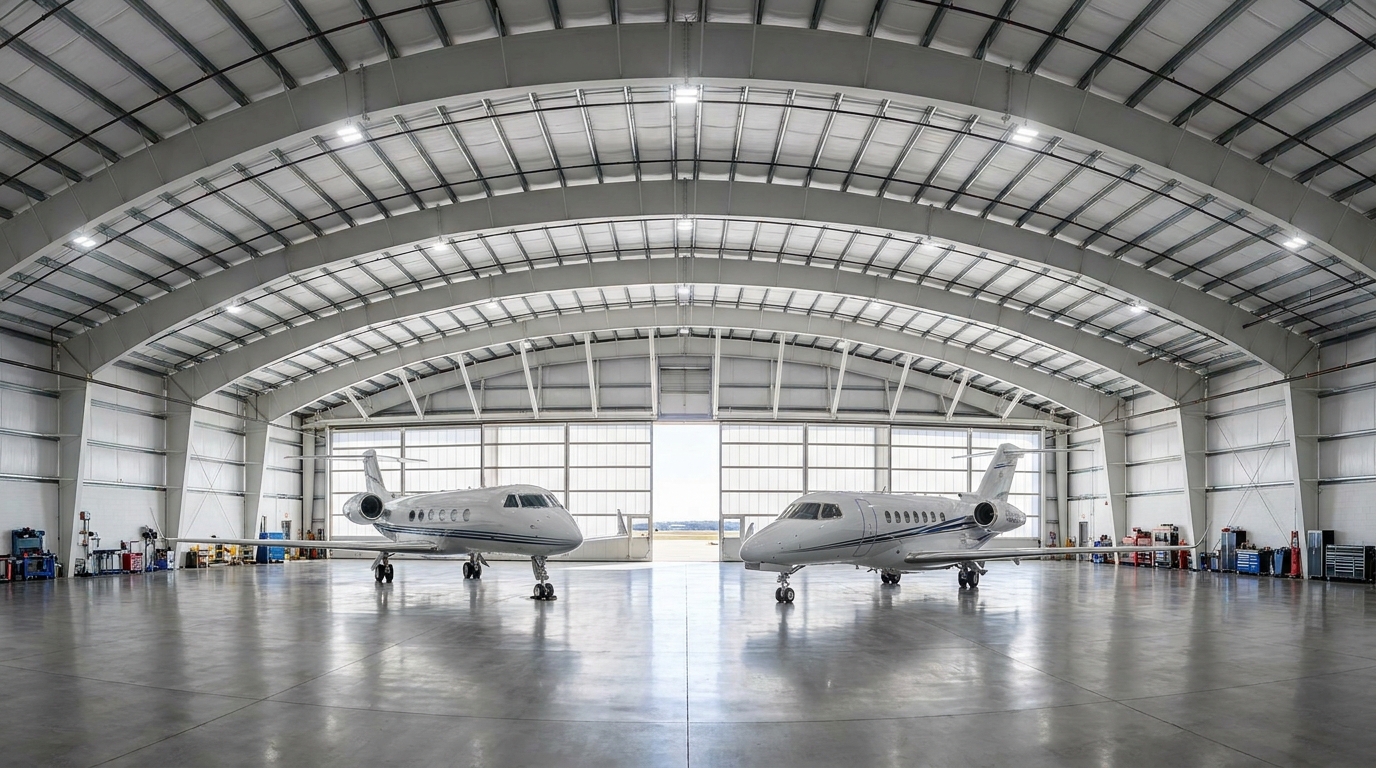
A 30,000-square-foot hangar can accommodate approximately 15 to 20 light aircraft or 3 to 5 mid-size business jets. Assessing how big is 30 000 square feet in aviation terms depends entirely on the wingspan of your fleet.
Storing corporate jets and private fleets
A Gulfstream or Citation jet requires significant “tail room” and wing clearance that eats up square footage quickly.
But wait, there’s more: Steel clear-span designs are non-negotiable for hangars to avoid catastrophic wing-to-column contact.
- Light Planes: Cessna-sized planes can be “nested” tightly.
- Business Jets: Require wide doors and high eave clearances.
- Maintenance: Leave at least 15 feet of space around each plane.
Designing for hangar doors and apron space
The front wall of your 30,000-square-foot building will likely be dominated by a massive bi-fold or sliding door system.
Think about this: The door width needs to be at least 10 feet wider than the largest aircraft you intend to house.
- Door Widths: Often 80 to 120 feet wide for this size.
- Apron Access: You need at least 50 feet of concrete outside the door.
- Floor Coating: Use epoxy to resist corrosive aviation fuels.
Key Takeaway
| Aircraft Class | Capacity (Est.) | Clear Span Needed | |
|---|---|---|---|
| Single Engine | 18 – 22 | 80+ Feet | |
| Light Twins | 8 – 12 | 100+ Feet | |
| Mid-Size Jets | 3 – 5 | 120+ Feet |
Maximizing hangar space requires strategic “nesting” of tails and wings to utilize every available inch.
Is livestock housing suited to how big is 30 000 square feet?
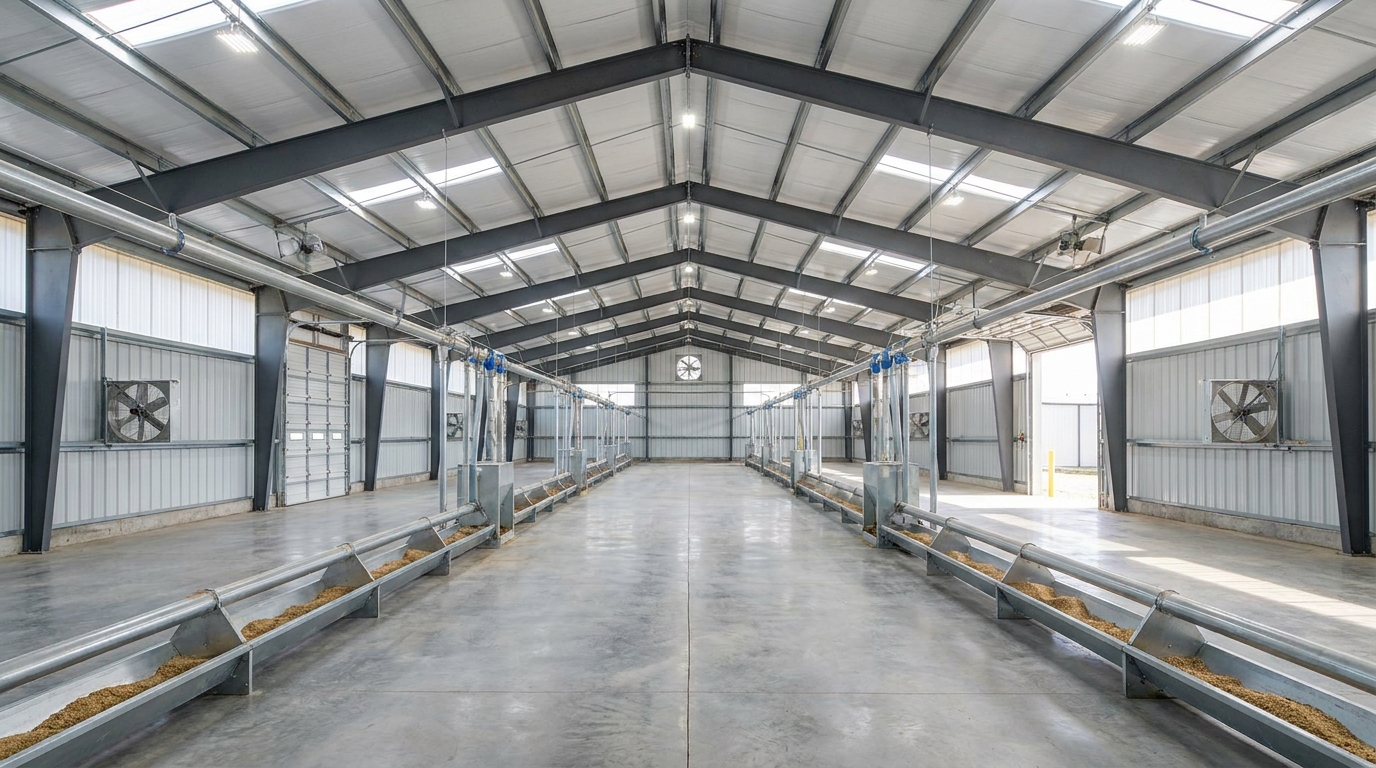
In modern agriculture, 30,000 square feet is the industry standard for high-density poultry or livestock housing. When planning how big is 30 000 square feet , the focus shifts from storage to ventilation and biosecurity.
Planning for poultry and broiler density
A building of this size can house roughly 22,000 to 25,000 broiler chickens in a climate-controlled environment.
The kicker is this: Automated feeding and watering lines must run the entire length of the building to be efficient.
- Broiler Count: Typically 0.75 to 1.0 sq ft per bird.
- Feed Lines: Usually 4 to 6 parallel lines for even distribution.
- Waste Management: Sloped floors or scrapers are essential for hygiene.
Managing ventilation and climate control
The length-to-width ratio of your 30,000-square-foot building determines the efficiency of tunnel ventilation systems.
You might be wondering: How do I keep such a large space at a constant temperature?
- Tunnel Fans: Large-diameter fans at one end pull air through.
- Evaporative Cooling: Critical for preventing heat stress in summer.
- Insulation: High-R-value panels prevent condensation and heat loss.
Key Takeaway
| Feature | Agricultural Spec | Capacity | |
|---|---|---|---|
| Bird Capacity | 22,000 – 25,000 | Broilers | |
| Ventilation | Tunnel Flow | 150,000+ CFM | |
| Feed Storage | External Silos | 20+ Tons |
Steel structures provide the sterile, durable environment necessary for modern biosecurity standards.
Is a shopping mall right for how big is 30 000 square feet?
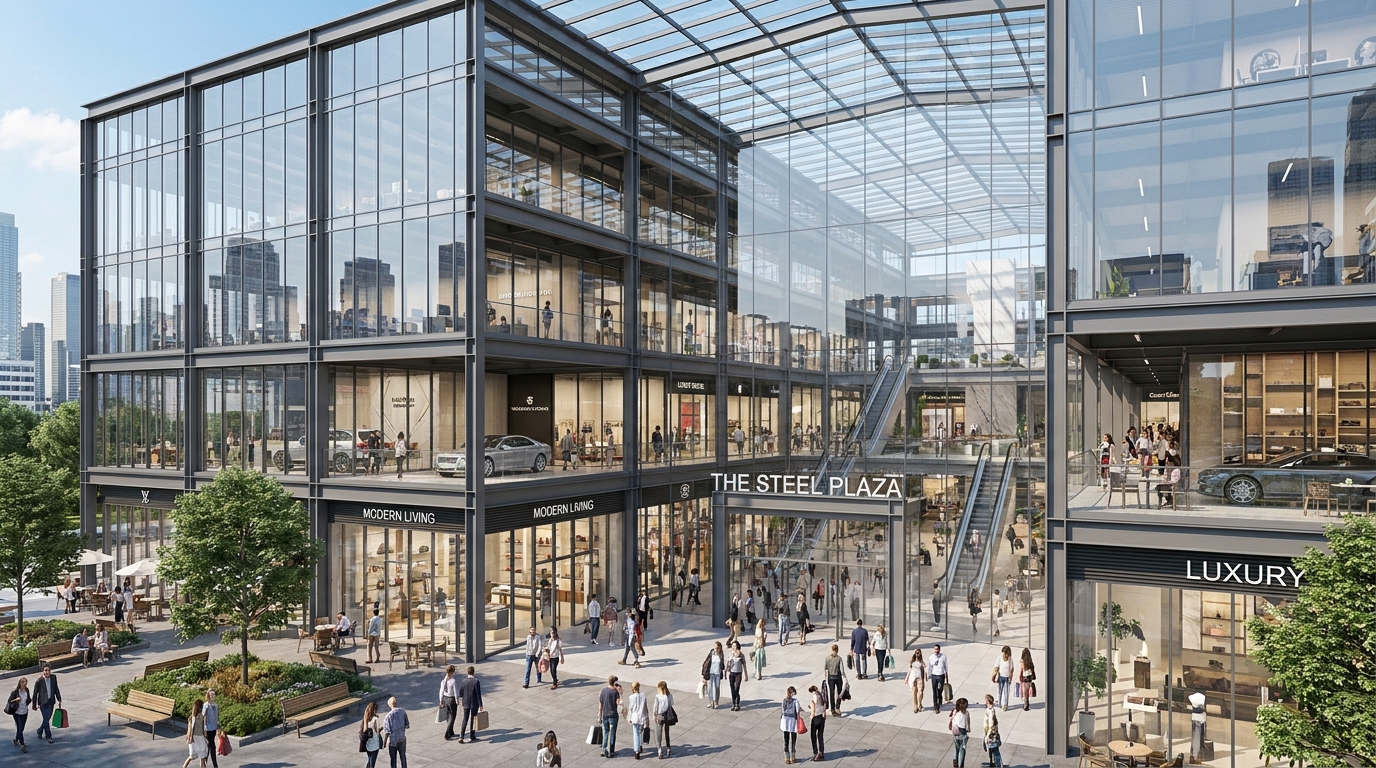
A 30,000-square-foot retail plaza can house 10 to 15 separate tenant units, making it an ideal size for a neighborhood shopping center. Understanding how big is 30 000 square feet for retail requires balancing leasable area with public common space.
Balancing tenant units and public space
You must decide how much of the square footage is “revenue-generating” versus “utility-focused.”
Look at it this way: A 15% allocation for walkways and restrooms is standard for a professional shopping experience.
- Anchor Store: Often takes 10,000 square feet of the total.
- Boutique Shops: Usually 1,500 to 2,000 square feet each.
- Food Court: Requires specialized plumbing and venting.
Designing for aesthetics and visibility
Steel frames allow for massive glass curtain walls that attract customers and make the interior feel expansive.
Believe it or not: You can use a mezzanine level to add another 5,000 square feet for a second-story café.
- Curtain Walls: High transparency for storefront displays.
- Roof Height: High ceilings in the lobby create a luxury feel.
- Parking: Plan for at least 4 spaces per 1,000 square feet.
Key Takeaway
| Space Type | Area Allocation | Unit Count | |
|---|---|---|---|
| Retail GLA | 25,500 sq ft | 12 Units | |
| Common Areas | 3,000 sq ft | N/A | |
| Management | 1,500 sq ft | 1 Unit |
A 30,000-square-foot retail project is the perfect scale for a “community hub” commercial investment.
What costs apply to how big is 30 000 square feet?

The total cost of a 30,000-square-foot steel building typically ranges from 25 to 45 per square foot for the shell alone. When budgeting how big is 30 000 square feet , you must account for steel tonnage, foundation depth, and finish options.
Estimating material and labor costs
Steel prices fluctuate based on global markets, but the sheer volume of a 30,000-square-foot project grants you some economies of scale.
But here is the kicker: Custom engineering for heavy snow or wind loads can add 15% to your total budget.
- Steel Frame: The primary cost driver for the project.
- Foundation: Concrete slab costs can be significant at this scale.
- Erection: Professional labor ensures the building is plum and safe.
Factoring in secondary systems and finishes
The “bare bones” price doesn’t include the electrical, plumbing, or insulation needed to make the space functional.
It gets better: Investing in high-quality insulation now can reduce your operating costs by 30% over the building’s life.
- HVAC: Large units are needed for 750,000 cubic feet.
- Lighting: LED arrays are necessary for high-bay environments.
- Fire Safety: Sprinkler systems are often mandatory at this size.
Key Takeaway
| Budget Item | Estimated Cost/Sq Ft | Impact | |
|---|---|---|---|
| Steel Shell | 15−22 | Primary | |
| Foundation | 6−10 | Secondary | |
| Interior/MEP | 10−25+ | Variable |
Accurate budgeting for a 30,000-square-foot project requires early consultation with a structural engineer.
How much land is needed for how big is 30 000 square feet?
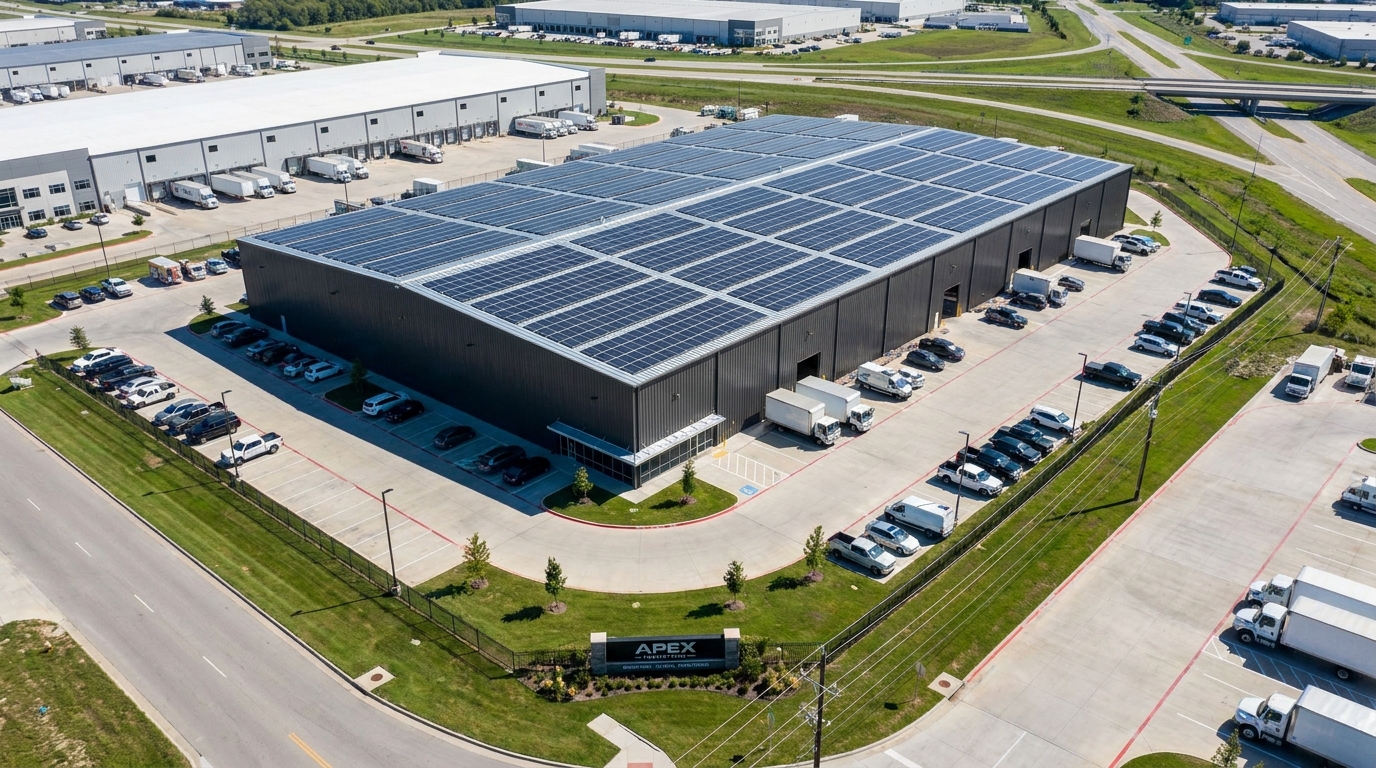
To comfortably house a 30,000-square-foot building, you generally need a minimum of 1.5 to 2 acres of land. Calculating how big is 30 000 square feet in relation to your lot ensures you have room for trucks, parking, and legal setbacks.
Calculating parking and transit requirements
Local zoning laws often dictate how many parking spaces you must provide based on your total square footage.
And that is just the start. A warehouse of this size needs a massive “turn radius” for semi-trucks to back into dock doors safely.
- Truck Courts: Usually 120 to 130 feet of clearance.
- Staff Parking: Often 50 to 100 spaces for a workshop.
- Driveways: Must be wide enough for two-way commercial traffic.
Managing setbacks and green space
Your city will likely require you to leave 10 to 20 feet of space between your wall and the property line.
Look at it this way: You aren’t just buying space for a building; you are buying an operational zone.
- Legal Setbacks: Varies by local industrial zoning codes.
- Retention Ponds: May be required for large roof runoff.
- Future Expansion: Consider buying an extra acre for Phase 2.
Key Takeaway
| Land Usage | Minimum Area | Total Acres | |
|---|---|---|---|
| Building | 30,000 sq ft | 0.69 | |
| Transit/Trucks | 25,000 sq ft | 0.57 | |
| Setbacks/Buffer | 10,000 sq ft | 0.23 |
Always secure more land than the building footprint to avoid operational strangulation as your business grows.
What designs maximize how big is 30 000 square feet?
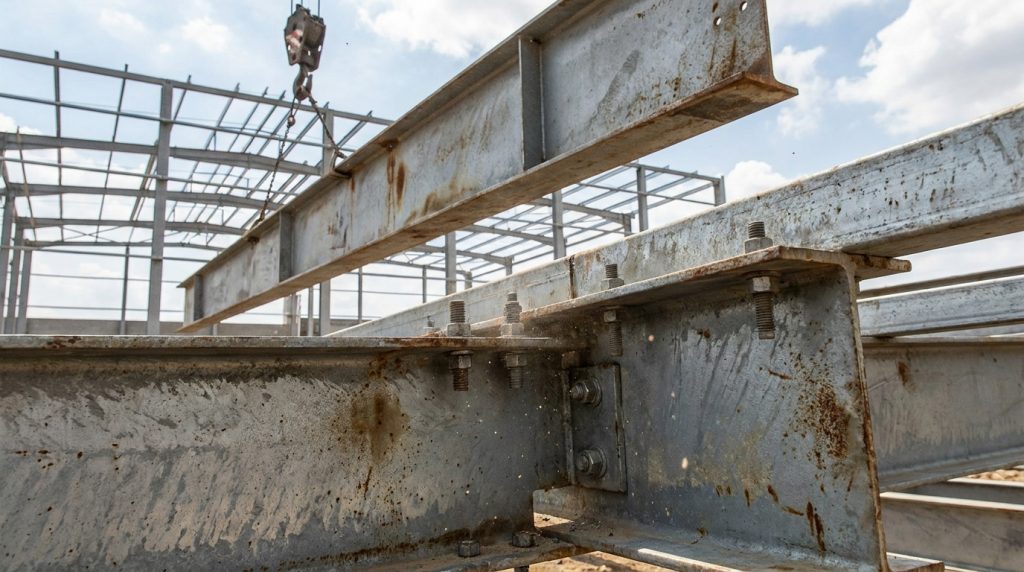
Maximizing this space involves using clear-span engineering and multi-level mezzanine systems to double your usable floor area. Designing how big is 30 000 square feet requires a focus on verticality rather than just horizontal expansion.
Integrating mezzanine levels for office space
Adding a partial second floor is the most efficient way to gain administrative space without losing warehouse floor.
The best part? A mezzanine can be added later if the original steel frame is designed to support the extra weight.
- Office Mezzanines: Perfect for oversight of the production floor.
- Catwalks: Allow for maintenance without obstructing work.
- Storage Lofts: Ideal for light, slow-moving inventory.
Choosing the right roof and wall systems
The exterior materials you choose will impact the interior comfort and the long-term maintenance costs of the facility.
Make no mistake: Using “cool roof” technology on 30,000 square feet can save thousands in summer cooling bills.
- Sandwich Panels: Provide pre-installed insulation and a clean finish.
- Skylights: Reduce daytime lighting costs significantly.
- Gutter Systems: Must be oversized to handle massive roof area runoff.
Key Takeaway
| Optimization | Benefit | Value | |
|---|---|---|---|
| Mezzanine | +20% usable space | High | |
| Clear Span | 100% floor utility | Maximum | |
| Sandwich Panels | Thermal efficiency | Continuous |
Smart design turns a 30,000-square-foot footprint into a versatile, future-proof asset for any industry.
Conclusion
Planning a 30,000-square-foot steel structure is a complex but rewarding task that requires a deep understanding of scale, cost, and design. Whether you are building a distribution center, an aircraft hangar, or a shopping plaza, this size provides the ideal balance of operational capacity and investment efficiency. By focusing on clear-span layouts, vertical storage, and proper land usage, you can create a facility that serves your business needs for decades. To ensure your project meets international standards and local codes, contact us today for a professional consultation and custom quote.
FAQ
Can I add a second story to a 30,000 sq ft steel building?Yes, but only if the main columns and foundation are specifically engineered to handle the additional load. It is much more cost-effective to include these requirements in the initial design phase rather than retrofitting the structure later.
What’s the best way to ventilate a warehouse of this size?A combination of ridge vents and wall-mounted louvers is typically the most efficient passive solution. For active cooling, high-volume, low-speed (HVLS) fans are the gold standard for circulating air in 30,000-square-foot spaces.
How do I know if 30,000 sq ft is enough for my growth?You should calculate your current footprint and add 20-30% for projected growth over the next five years. If your business model involves high inventory turnover, 30,000 square feet is often the minimum threshold for regional distribution success.
Can I build a 30,000 sq ft structure without interior columns?Yes, steel clear-span technology can reach widths of 100 to 200 feet without internal supports. However, as the span increases, the weight and cost of the steel rafters will also rise significantly.
What’s the best foundation for a building of this scale?A reinforced concrete slab-on-grade is the most common foundation for industrial steel buildings. Depending on your soil quality and equipment weight, the slab will usually need to be 6 to 8 inches thick with rebar reinforcement.