
To maximize egg production while managing the active temperament and specific care of your Rhode Island Red chickens, you must provide a stress-free environment, structured nutrition, and robust housing. Managing a high-yield flock can feel like a losing battle when fluctuating temperatures and damp conditions slash your laying rates overnight. This constant stress not only exhausts your resources but also weakens the vibrant rhode island red egg color that your premium customers demand. Fortunately, integrating professional prefabricated steel poultry systems resolves these issues by stabilizing environmental conditions to secure consistent laying cycles and high flock viability.
Why does the rhode island red egg color command premium prices?

The rich, deep brown hue of this breed’s eggs commands a premium price because consumers associate dark pigments with organic farm-fresh quality and superior nutritional value. This visual appeal directly influences purchasing decisions, making the consistent rhode island red egg color a powerful marketing tool for commercial poultry operations. In a crowded marketplace, clean and intensely pigmented brown shells stand out on retail shelves.
How does shell pigment drive buyer trust?
Consumers shopping for eggs will consistently pay more for dark, uniformly colored brown shells over pale or washed-out alternatives. This preference stems from a deeply ingrained belief that rich pigmentation reflects organic husbandry and superior flock health.
Here is why:
- Dark shells signal premium farm freshness.
- Pigmentation consistency builds brand loyalty.
- Rich brown colors command higher wholesale margins.
Can premium housing secure this value?
To maintain this premium appearance, your birds require a highly stable nesting environment that eliminates the physical stress of damp, uninsulated traditional wooden coops. If your flock experiences chronic environmental stress, their hormonal balance drops and their pigment gland fails to secrete the natural protoporphyrin paint during the final stages of shell development.
Think about it:
- Wooden coops absorb harmful humidity.
- Drafty nests induce egg-laying pauses.
- Modern steel barns maintain perfect dry nesting zones.
| Housing Variable | Traditional Wood Coop | Showhoo Steel Poultry House | Impact on Market Value | |
|---|---|---|---|---|
| Nesting Cleanliness | Poor (absorbs moisture) | Excellent (non-porous steel) | High premium prices | |
| Temperature Control | Unpredictable drafts | High thermal insulation | Stable pigment deposition |
This comparison reveals how upgrading to a non-porous steel structure prevents environmental stress, thereby securing stable egg shell quality.
By shifting from timber to an engineered steel house, you protect your laying hens from sudden stress, ensuring they consistently output premium-colored eggs. This structural transition directly preserves your farm’s bottom line and enhances brand authority on retail shelves.
How does lay age affect the rhode island red egg color and yield?
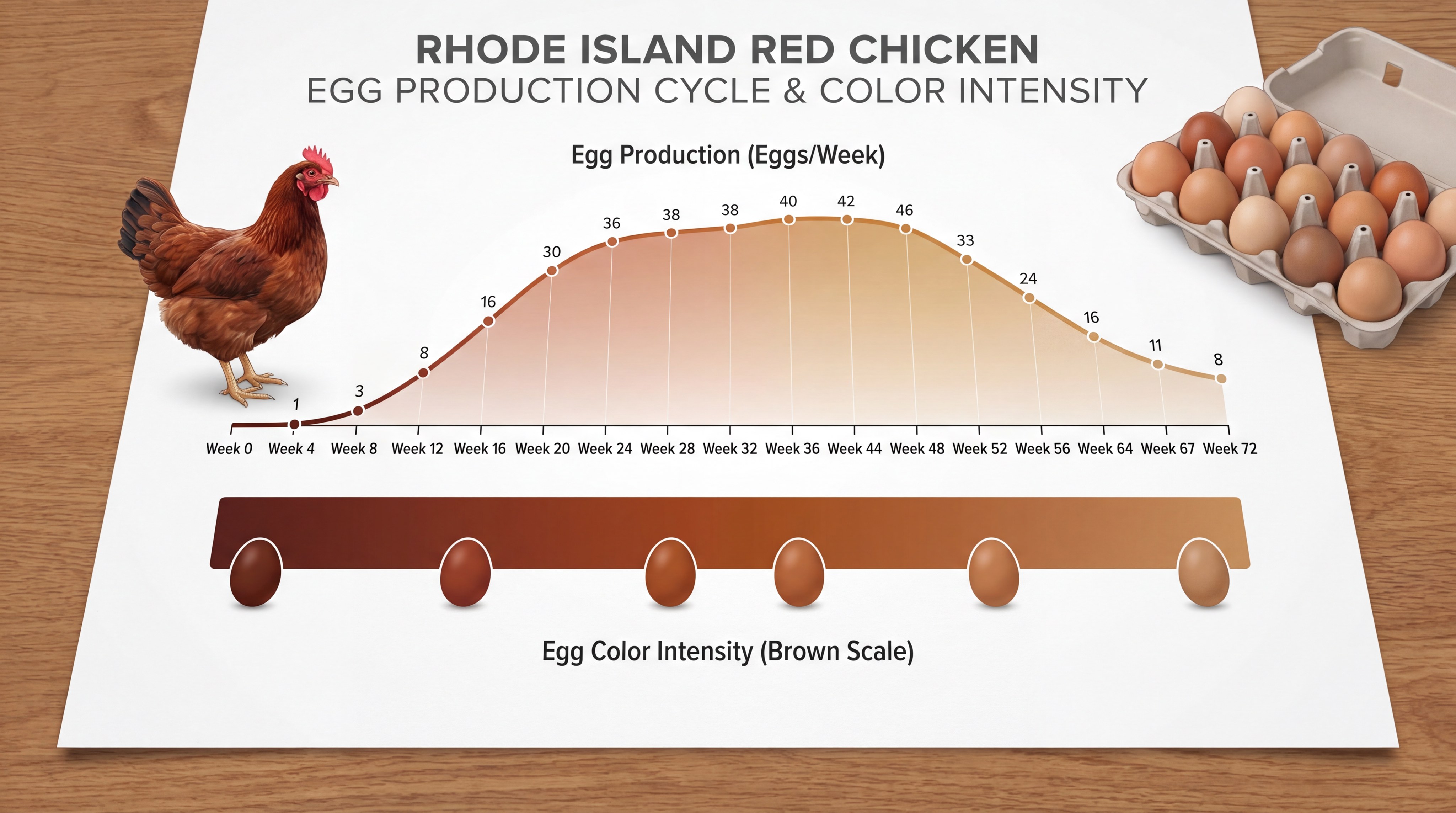
As Rhode Island Red hens advance in age, their egg yield gradually decreases while the overall size of their eggs increases, causing the fixed amount of pigment to spread over a larger surface area. This natural biological expansion results in a slightly lighter rhode island red egg color as the hen moves past her peak laying year. Managing this transition requires you to monitor feed ratios and environmental stressors closely to maintain optimal laying consistency.
What does the production cycle look like?
During the first laying year, your pullets will produce a high volume of medium-sized eggs with incredibly rich, dark pigments. By the second and third years, the egg volume tapers off slightly, but the size expands, requiring you to carefully manage dietary calcium and shell gland health.
But that’s not all:
- Pullets start laying at 18 to 22 weeks.
- Peak production occurs between weeks 26 and 40.
- Annual yields average 250 to 300 eggs per hen.
How do you optimize long-term yields?
To keep production high and shell color uniform as your birds age, you must optimize their daily living conditions. Providing an engineered, climate-controlled space reduces the rate of flock burnout and keeps older hens laying beautiful eggs longer.
Let’s look at the facts:
- Consistent lighting extends the laying cycle.
- Automated gathering prevents shell breakage.
- Thermal insulation stabilizes mature flock metabolism.
| Flock Laying Phase | Average Weekly Yield | Color Intensity Level | Shell Quality Rating | |
|---|---|---|---|---|
| Pullet (18–30 weeks) | 5 to 6 eggs | Intensely Deep Brown | Extremely Strong | |
| Mature (31–72 weeks) | 4 to 5 eggs | Standard Warm Brown | Good to Medium |
This operational data demonstrates how the physiological aging process alters shell traits, demanding a highly stable environment to minimize yield declines.
Tracking lay cycles and housing your mature flock in an insulated steel barn ensures that even older hens maintain reliable yields. This targeted care preserves egg quality and protects your seasonal revenue from unexpected production drops.
Boost Egg Quality with Steel Poultry Houses!
Email:sales@showhoo.com.cn
Phone/WhatsApp: +86 186 7895 5927
How can modern prefab housing protect rhode island red egg color?
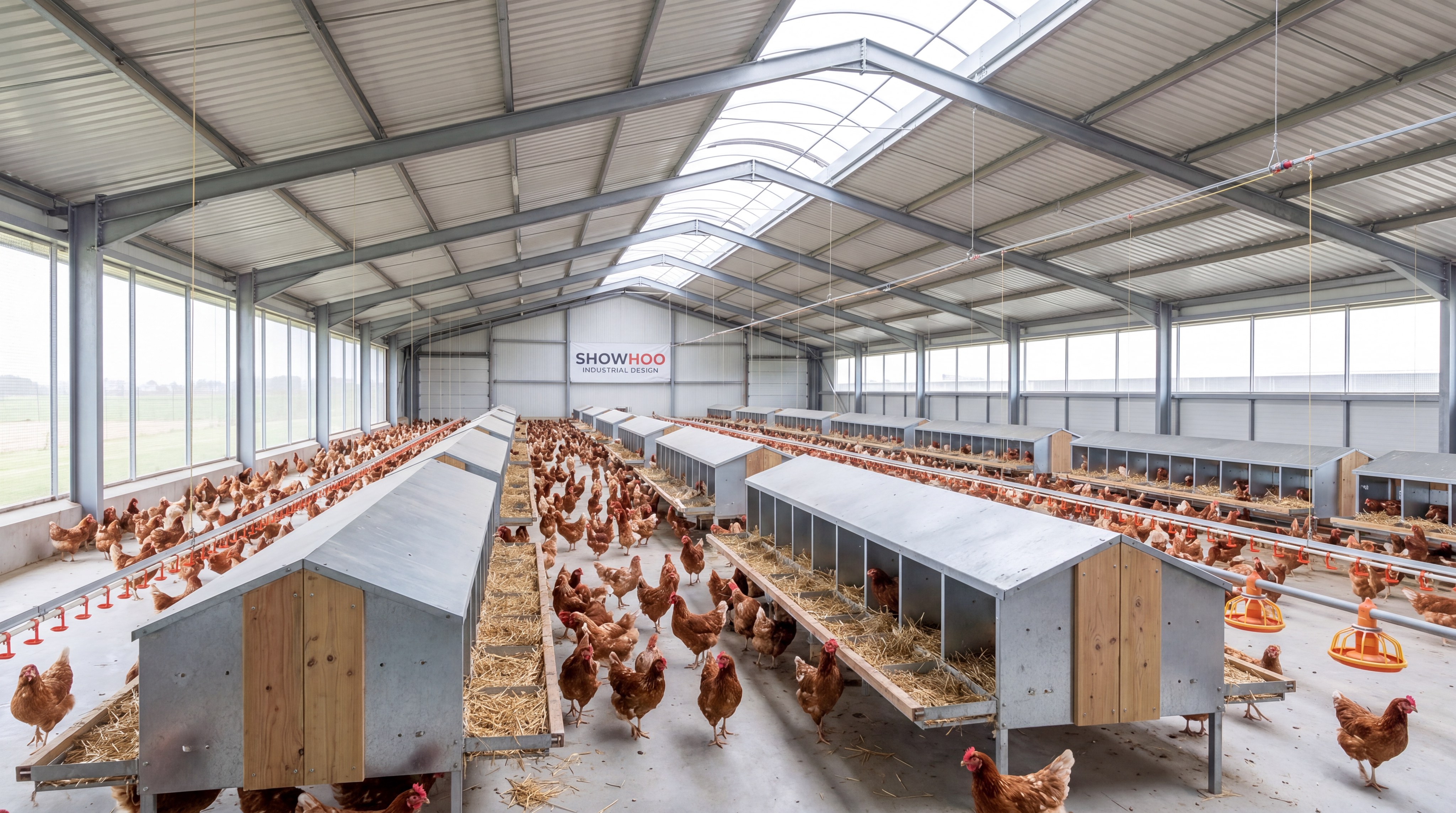
Modern prefabricated steel housing protects your flock by providing a fully controlled, draft-free microclimate that eliminates the physical stressors that disrupt pigment synthesis. By investing in a steel structure, you create a secure, biosecure space that locks out dampness and stabilizes the natural rhode island red egg color for year-round consistency. This heavy-duty agricultural design ensures that your layers remain calm and highly productive in any climate.
Why does structural integrity matter?
Traditional wooden structures deteriorate quickly when exposed to high biological moisture, warping and creating gaps that let in cold winds. Prefabricated steel frames maintain their perfect alignment and airtight seals for decades, completely isolating your flock from sudden outside weather shocks.
Here is the truth:
- Steel’s resistance to warping prevents localized cold spots.
- Precision-engineered panels stop moisture infiltration.
- Durable framing stands up to aggressive daily sanitization.
Is prefab assembly faster for you?
Choosing a prefabricated steel layout allows you to erect a fully functional poultry barn in a fraction of the time required for traditional construction. This rapid setup means you can house your laying hens in a biosecure, clean environment without facing costly construction delays.
Think about the savings:
- Pre-drilled bolt-together steel structures reduce labor.
- Modular sandwich panels are installed in days.
- Integrated designs support immediate automated system setups.
| Housing Material | Assembly Speed | Structural Lifespan | Biosecurity Level | |
|---|---|---|---|---|
| Treated Timber Frame | Slow (weeks to months) | 10 to 15 years | Low (harbors mites) | |
| Showhoo Prefab Steel | Rapid (days to weeks) | 50+ years | Maximum (non-porous) |
The structural metrics confirm that pre-engineered steel buildings deliver far superior lifetime performance and sanitary safety than legacy timber solutions.
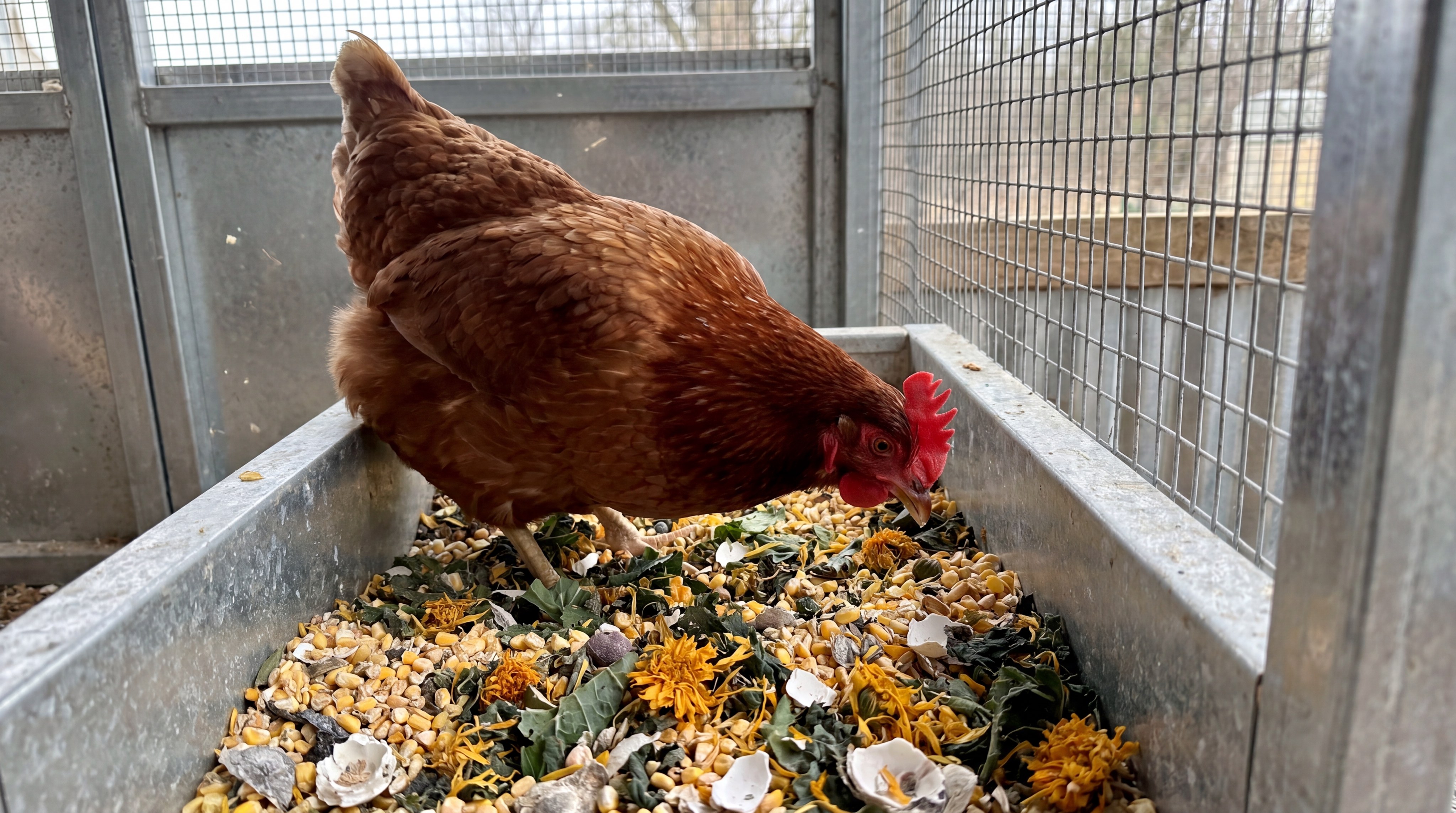
Utilizing a prefabricated steel barn allows you to scale your egg production quickly while guaranteeing a pathogen-free, biosecure home. This clean environment minimizes stress-induced egg discoloration and secures your long-term profits.
What role does flock nutrition play in rhode island red egg color?
High-quality flock nutrition directly influences the pigment synthesis and shell density of your layers, ensuring their shells are both thick and deeply colored. Providing balanced ratios of calcium, trace minerals, and vitamins guarantees that the rhode island red egg color remains saturated and uniform across your entire flock. Without these essential nutrients, your hens’ metabolic reserves will deplete rapidly, leading to pale shells and soft-shelled eggs.
How do minerals boost pigment?
Zinc, copper, and manganese act as crucial catalysts in the shell gland, helping the bird deposit protoporphyrin efficiently during the final laying phase. If your feed is deficient in these micronutrients, your hens cannot lock in that characteristic dark brown shell color.
Keep this in mind:
- Calcium carbonate forms the tough crystalline shell matrix.
- Vitamin D3 regulates systemic calcium absorption.
- Trace minerals secure consistent, intense shell pigmentation.
Does feed safety protect production?
Storing high-quality feed in humid, poorly ventilated wooden structures risks rapid mold growth and dangerous mycotoxin contamination. To protect your investment, you must store feed in a rodent-proof, climate-controlled steel building that prevents moisture from ruining the nutrients.
Look at the risk:
- Damp storage promotes toxic mold blooms.
- Rodents contaminate feed and transmit salmonella.
- Sealed steel panels prevent feed spoilage and maintain freshness.
| Nutritional Component | Biological Function in Hens | Shell Quality Outcome | Storage Requirement | |
|---|---|---|---|---|
| Calcium Carbonate | Builds physical shell wall | Prevents cracks and breaks | Dry and pest-proof | |
| Trace Mineral Mix | Enhances enzyme pathways | Secures deep brown hues | Airtight and cool |
This nutritional breakdown demonstrates how feed quality and safe storage practices directly govern the appearance and durability of your eggs.
Maintaining strict feed biosecurity inside a dry steel structure prevents mold-related immune stress in your layers. This structural protection ensures your hens absorb every nutrient, keeping their eggs strong and beautifully pigmented.
Why do smart farmers boost rhode island red egg color with steel?
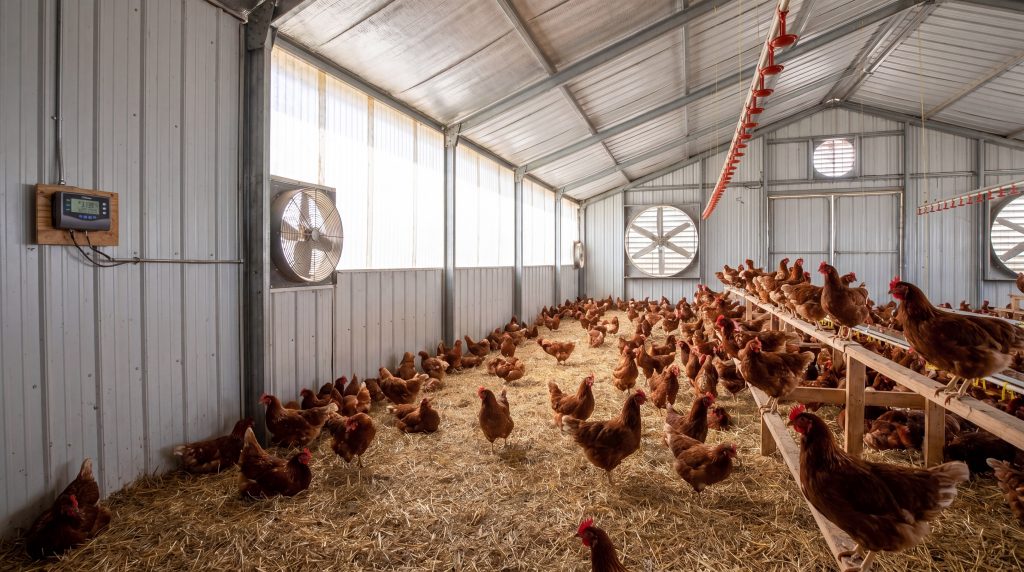
Smart commercial farmers utilize steel structures because they provide the perfect environmental control needed to prevent temperature swings that damage egg shell pigmentation. A professional steel poultry house eliminates the drafts and high humidity that cause systemic stress, directly protecting the deep rhode island red egg color from seasonal fading. This industrial-grade environment helps your flock maintain peak laying rates even during harsh winter months or extreme summer heatwaves.
Why is wooden housing outdated?
Wooden coops are highly vulnerable to rot, moisture buildup, and pest infestations, which trigger chronic stress in your laying hens. This elevated stress causes adrenaline surges that disrupt the shell gland, leading to pale, chalky, or thin-walled eggs.
Let’s face it:
- Timber absorbs water, fostering mold and mites.
- Sagging wooden frames create drafts and leaks.
- Chronic pest stress ruins uniform pigment deposition.
How does steel maximize your profits?
Steel buildings offer smooth, non-porous surfaces that are incredibly easy to wash, sanitize, and keep free of disease-carrying parasites. This sanitary environment minimizes illness and metabolic stress, allowing your hens to channel their full energy into producing premium eggs.
Here is the payoff:
- Rapid high-pressure washdowns save labor costs.
- Seamless steel walls prevent mite populations.
- High biosecurity keeps flock mortality near zero.
| Structural Feature | Wooden Flock Housing | Showhoo Steel Structure | Bird Health Result | |
|---|---|---|---|---|
| Parasite Control | Poor (mites hide in wood cracks) | Excellent (no cracks or pores) | Unstressed, active layers | |
| Disinfection | Hard to clean; timber absorbs chemicals | Fast and highly resistant to washdowns | Zero viral buildup |
The physical differences highlight how a steel framework eliminates chronic disease vectors, ensuring your hens remain in top biological condition.
Upgrading your farm to an easy-to-clean steel structure removes the threat of persistent red mites and viruses. This sanitary defense keeps your layers healthy, happy, and capable of delivering flawless brown eggs with maximum color saturation.
How do you preserve a rich rhode island red egg color naturally?
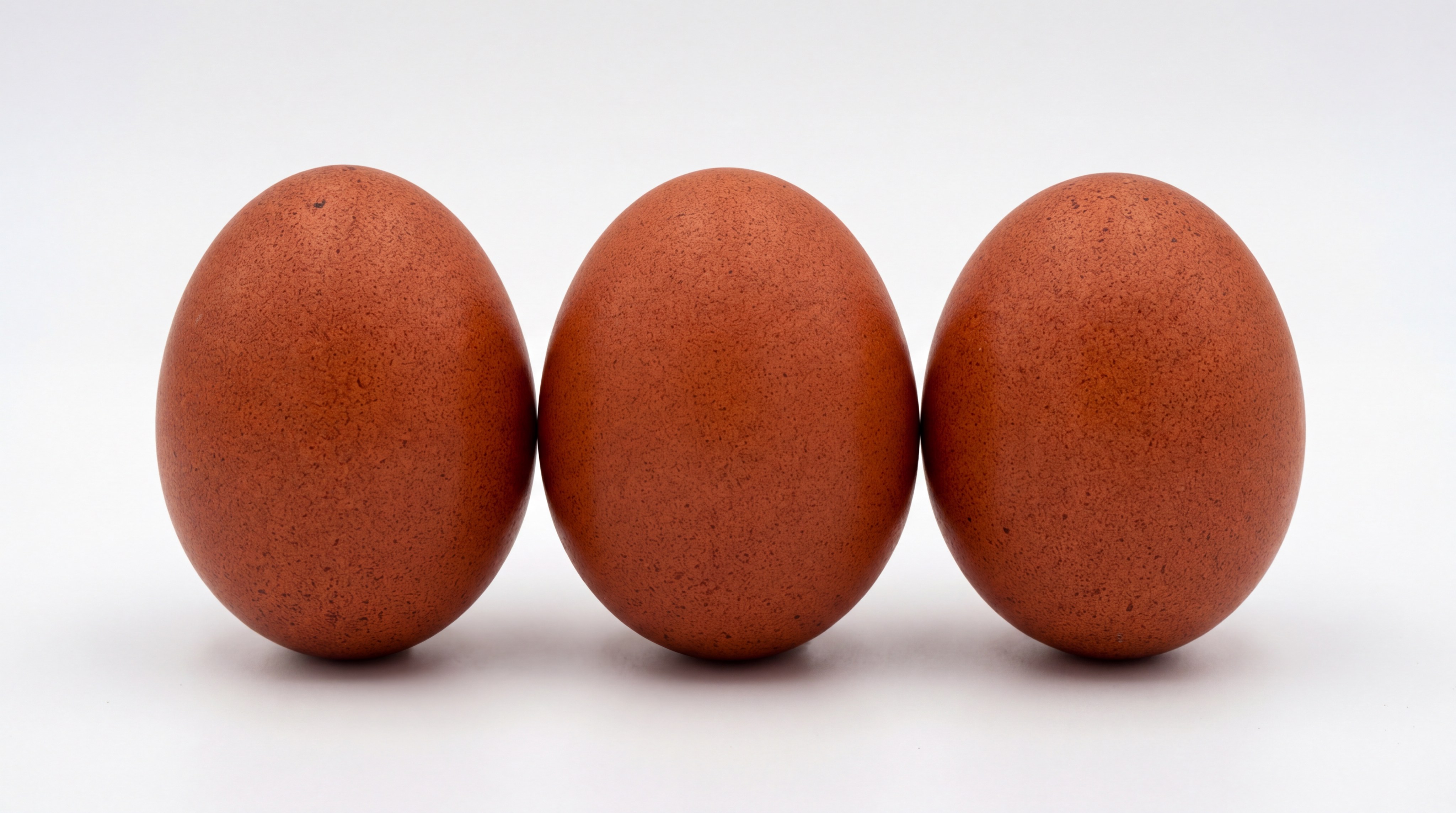
You preserve a rich egg color naturally by maintaining a clean, stress-free nesting zone and protecting your hens from extreme weather fluctuations. Providing stable light, balanced nutrition, and comfortable nesting boxes prevents the hormonal imbalances that cause the rhode island red egg color to fade or appear chalky. By ensuring your hens feel safe and warm, you support their natural biology for consistent pigment deposition.
Why do cozy nests matter?
If your nesting boxes are damp, dirty, or crowded, your hens will feel stressed and may delay laying their eggs. This delay can lead to calcium being deposited unevenly over the shell, creating a pale or chalky appearance.
Think about it:
- Clean, dry straw prevents shell stains.
- Quiet, darker nesting boxes calm your layers.
- Sufficient space prevents egg breakage and stress.
How does temperature stability help?
Sudden temperature drops in drafty coops force your hens to burn extra calories just to stay warm, leaving them with less energy for egg production. Housing your flock in an insulated, draft-proof environment keeps their energy levels high and their egg quality consistent.
But that’s not all:
- Stable temperatures keep laying cycles regular.
- Warm coops prevent winter laying slumps.
- Energy savings translate to better feed conversion.
| Nesting Parameter | Poor Nesting Setup | Optimized Steel Nesting Zone | Pigment Quality | |
|---|---|---|---|---|
| Moisture Level | Damp and drafty (causes stress) | Bone-dry and highly insulated | Deep, uniform brown | |
| Cleanliness | High manure buildup | Smooth steel plates (easy cleaning) | Spotless, premium shells |
This environmental assessment shows that dry, comfortable, and warm nesting spaces are essential for stable egg color and shell quality.
By ensuring your hens have a dry, quiet, and insulated place to lay, you eliminate the daily stressors that disrupt pigment synthesis. This direct care ensures your eggs look beautiful and stand out on the market.
Boost Egg Quality with Steel Poultry Houses!
Email:sales@showhoo.com.cn
Phone/WhatsApp: +86 186 7895 5927
Can insulation in steel coops protect rhode island red egg color?
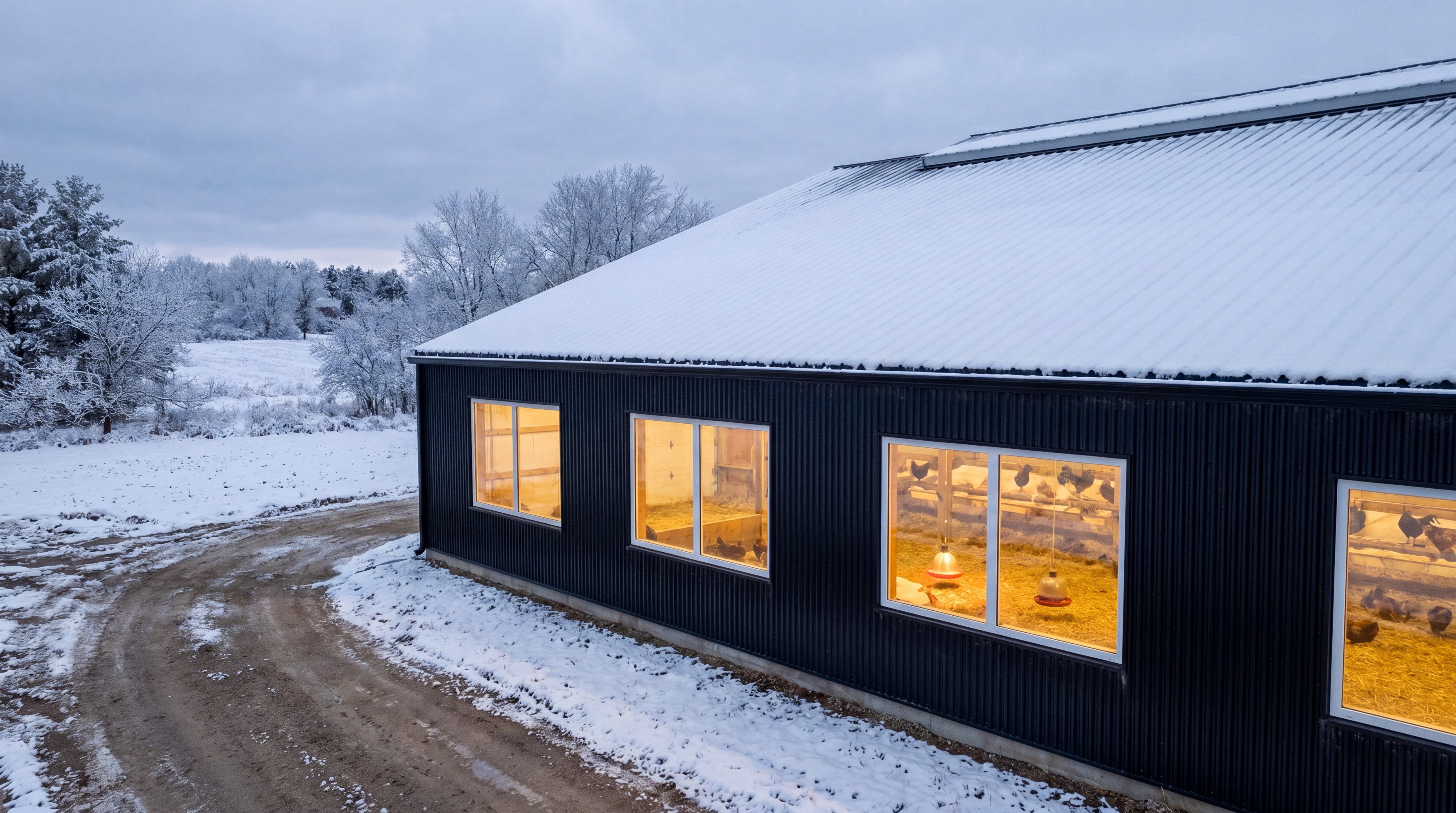
Yes, high-performance insulation in steel coops protects egg color by preventing the extreme temperature changes that stress your layers and disrupt shell calcification. Utilizing insulated sandwich panels keeps your poultry house warm in the winter and cool in the summer, protecting the consistent rhode island red egg color from seasonal weather stress. This climate control ensures that your hens do not have to divert their energy from egg production to stay warm or cool.
How does insulation stop heat stress?
When temperatures spike, hens begin to pant, which lowers the CO2 levels in their blood and reduces the calcium available for shell formation. Insulated metal panels block intense solar heat, keeping the indoor climate comfortable and preventing heat stress.
Let’s look at the science:
- Polyurethane insulation blocks extreme outdoor heat.
- Reduced panting keeps calcium levels stable.
- Thicker, more deeply colored shells are produced.
Does winter insulation prevent cold stress?
In freezing winter weather, uninsulated coops let in freezing drafts that force hens to burn vital calories simply to maintain their body temperature. This caloric diversion slows down their egg-laying cycle and leads to lighter, weaker eggshells.
Here is why:
- Insulated walls retain the flock’s natural body heat.
- Eliminating cold drafts keeps laying rates high.
- Steady metabolism guarantees uniform pigment deposition.
| Thermal Performance | Uninsulated Barn Wall | Showhoo PU Sandwich Panel | Shell Density Impact | |
|---|---|---|---|---|
| Summer Heat Protection | Low (interior heats up quickly) | High (reflects solar heat) | Thicker shells, zero fading | |
| Winter Heat Retention | Poor (flock loses body heat) | Excellent (retains natural warmth) | Stable production, dark hues |
This performance analysis shows that high-quality insulation is critical for protecting your hens from the stress of both extreme summer heat and winter cold.
Installing high-quality insulated panels in your steel poultry house keeps your flock’s environment stable year-round. This investment protects your hens from temperature stress, ensuring they consistently produce premium, deep brown eggs.
Why does ventilation design preserve rhode island red egg color?
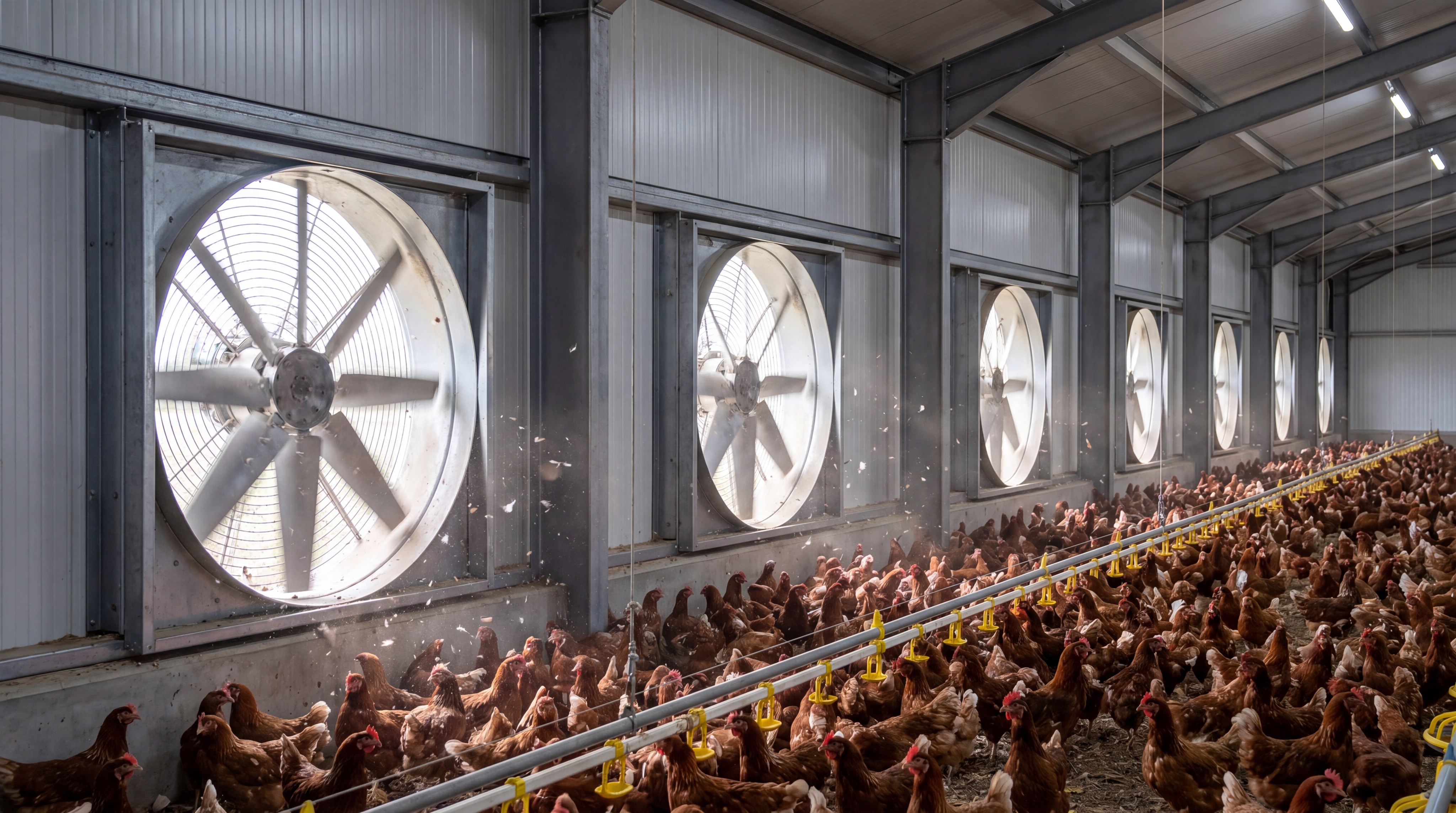
Proper ventilation design preserves egg color by continuously removing harmful ammonia and moisture, preventing respiratory stress that weakens shell gland function. Keeping the air clean and dry prevents respiratory diseases that damage the hen’s reproductive system and cause the rhode island red egg color to fade. By designing your steel barn to support automated ventilation, you ensure your layers always breathe fresh air.
Why is ammonia dangerous?
When chicken droppings break down in damp conditions, they release ammonia gas, which can irritate your hens’ respiratory systems at levels above 20 ppm. This chronic irritation stresses their immune systems, leading to lower egg production and pale, weak shells.
Keep this in mind:
- High ammonia levels weaken your flock’s immunity.
- Poor air quality causes respiratory alkalosis.
- Clean, dry air is essential for stable egg laying.
How does tunnel ventilation help?
Tunnel ventilation uses high-capacity exhaust fans to pull fresh air through the barn, removing moisture and stale air quickly. This continuous airflow prevents hot, damp spots from forming, keeping your hens cool, relaxed, and laying consistently.
Look at the benefits:
- High-volume fans remove stale air instantly.
- Automated controls keep humidity below 70%.
- Fresh air keeps your flock active and healthy.
| Air Quality Metric | Poorly Ventilated Coop | Showhoo Optimized Ventilation | Shell Quality Result | |
|---|---|---|---|---|
| Ammonia Concentration | Above 25 ppm (high risk) | Below 10 ppm (clean and safe) | Uniform pigment deposition | |
| Relative Humidity | Over 85% (encourages bacteria) | 55% to 65% (dry and clean) | Spotless, stain-free shells |
This environmental data highlights how maintaining high air quality is crucial for preventing respiratory stress and protecting shell pigmentation.
Implementing a professional ventilation system in your steel poultry house keeps the air fresh and dry. This clean environment protects your layers from respiratory illness, ensuring they consistently deliver premium-quality brown eggs.
Does shell strength testing match our rhode island red egg color?
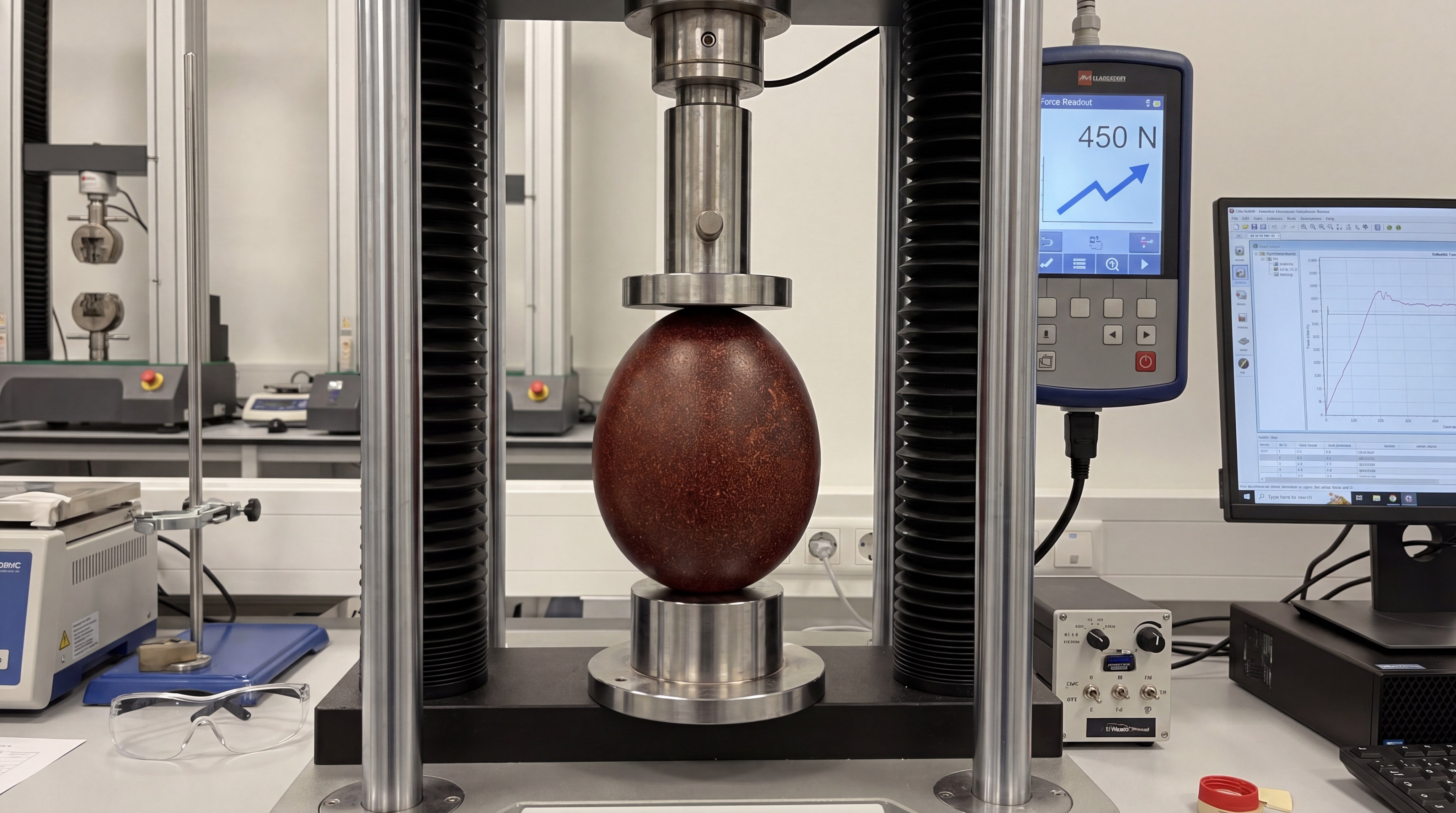
Yes, shell strength testing directly correlates with egg color because the same healthy metabolic processes that deposit rich brown pigments also build thick, crack-resistant calcium walls. Strong, highly pigmented shells indicate that your hens have excellent calcium absorption and are completely free from production stress. By optimizing your flock’s environment, you protect both the vibrant rhode island red egg color and the physical strength of your eggs.
Why are strong shells critical?
Fragile, thin shells lead to high breakage rates during collection and transport, causing significant losses for commercial egg producers. Thicker, well-pigmented shells can withstand automated processing equipment, ensuring your harvest reaches customers safely.
Here is the truth:
- Thick shells reduce egg breakage during transit.
- Darker brown shells naturally have denser calcium walls.
- Unbroken eggs protect your farm’s profits.
How does stress weaken shells?
When a laying hen is stressed by sudden noises, crowded spaces, or temperature swings, her body releases adrenaline, which halts the shell calcification process prematurely. This interruption leads to pale, fragile eggs that are highly prone to cracking.
Think about the impact:
- Chronic stress causes premature egg laying.
- Unfinished shells are thin and poorly colored.
- Quiet, secure housing protects shell development.
| Shell Quality Test | Weak Shell (Faded Color) | Strong Shell (Rich Color) | Processing Outcome | |
|---|---|---|---|---|
| Compression Resistance | Below 35 Newtons (high risk) | Above 45 Newtons (very safe) | Minimal breakage losses | |
| Thickness Measurement | Under 0.30 mm (fragile) | Over 0.35 mm (highly durable) | Safe for automated packing |
The mechanical test data clearly demonstrates that thick, strong shells are directly linked to rich, consistent brown pigmentation.
Managing your flock’s stress levels by housing them in a quiet, insulated steel barn ensures their shell glands function perfectly. This targeted care produces tough, beautifully colored eggs that can withstand transit and command premium prices.
How does a layout upgrade optimize rhode island red egg color?
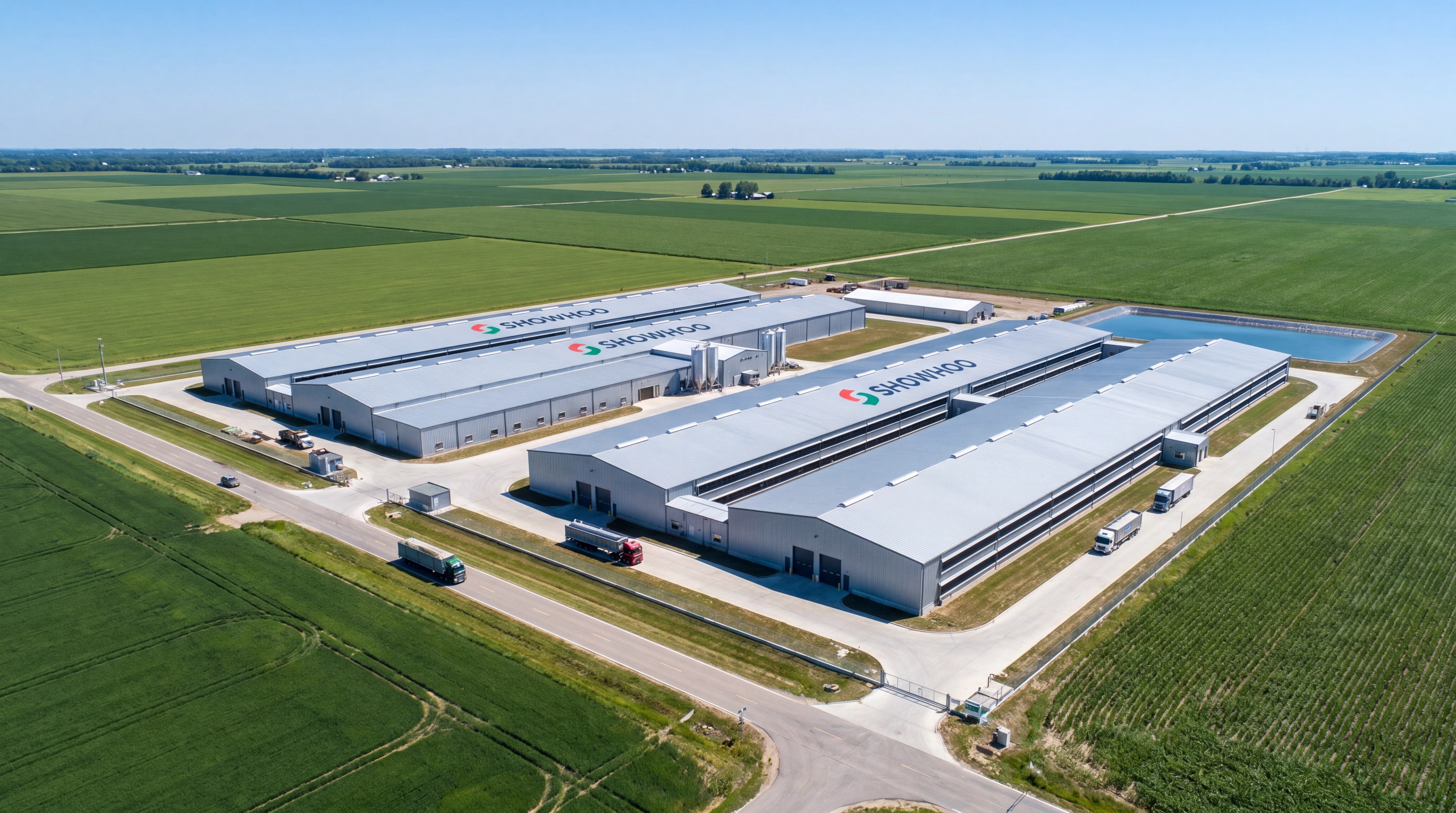
Upgrading your farm’s layout with spacious, modern prefabricated steel barns optimizes egg color by providing a clean, organized, and stress-free environment for your layers. A modern, well-planned facility layout makes it easy to manage biosecurity, feeding, and waste removal, keeping your flock healthy and productive. By reducing crowding and streamlining daily chores, you create the ideal conditions for your hens to produce a beautiful, consistent rhode island red egg color.
Why does layout matter?
Cramped, poorly planned coops increase competition for food, water, and nesting space, causing chronic stress and fighting within the flock. Designing your facility with wide, column-free steel buildings ensures that all birds have easy, stress-free access to resources.
Let’s look at the layout:
- Wide-span designs allow for flexible interior setups.
- Clear walkways make automated egg collection simple.
- Separating feed storage from waste keeps the barn clean.
Can a layout upgrade boost your profits?
Modernizing your farm with high-capacity steel buildings allows you to house more birds efficiently while maintaining strict biosecurity standards. This professional setup reduces labor costs, improves feed conversion, and maximizes your daily egg output.
Here is the payoff:
- Automated systems save hours of manual labor.
- Better biosecurity lowers flock mortality rates.
- Consistent, high-quality production increases revenue.
| Operational Metric | Legacy Wood Coop | Showhoo Prefab Steel Farm | Economic Impact | |
|---|---|---|---|---|
| Space Utilization | Low (limited by internal posts) | Maximum (clear-span design) | Higher stocking density | |
| Biosecurity Level | Poor (harbors disease and pests) | High (easy to clean and sanitize) | Lower veterinary costs |
This comparison shows that upgrading to a modern steel farm layout significantly improves both biological performance and operational efficiency.
Transitioning your egg production to a modern, pre-engineered steel poultry farm gives you complete control over your flock’s environment. This professional setup eliminates stress, helping your hens produce strong, beautifully colored brown eggs consistently.
Conclusion
Managing a highly productive poultry farm requires you to balance flock temperament, nutritional inputs, and strict climate controls to protect your egg yield. By resolving chronic issues like cold winter drafts, high biological humidity, and stress-induced laying breaks, modern pre-engineered steel poultry houses guarantee peak performance. Showhoo designs and manufactures high-quality, fully insulated, and biosecure steel structures that optimize space utilization and streamline automated farming. To secure your flock’s biological potential and elevate your commercial egg production, contact us today to collaborate with our engineering team on a custom agricultural solution. Together, we can build a stronger, more resilient future for sustainable agricultural infrastructure worldwide.
Boost Egg Quality with Steel Poultry Houses!
Email:sales@showhoo.com.cn
Phone/WhatsApp: +86 186 7895 5927
FAQ
Can I use Showhoo steel barns for free-range egg production?
Yes, you can. Showhoo’s customizable steel framing allows you to install automated pop-doors and outdoor run access points easily. This integration gives your birds free-range freedom while keeping their core nesting zones warm, dry, and highly secure.
What’s the best way to clean a steel structure chicken house?
The most effective method is utilizing high-pressure hot water washing followed by poultry-safe chemical sanitizers. Because Showhoo uses pre-painted, non-porous steel panels and hot-dip galvanized columns, the interior surfaces dry quickly without absorbing moisture or harboring dangerous mites.
How do I know if my coop ventilation system is working?
You can tell by measuring the relative humidity and ammonia levels at the bird level. If you notice damp litter, a strong chemical smell, or hens panting, your airflow is insufficient. Upgrading to automated tunnel ventilation solves this by continuously exhausting stale air.
Can I expand my Showhoo poultry barn if my flock grows?
Yes, you can easily expand it. Showhoo’s prefabricated portal frames are designed to allow simple bolt-on extensions to either end of the building. This modular design saves you time and money when scaling your egg production business.