
Designing a successful steel warehouse requires a systematic approach that balances site analysis, structural engineering, and material selection to ensure long-term durability. Many business owners struggle with rising construction costs and inefficient floor plans that limit their operational growth. If you ignore proper planning, you risk facing structural failures or expensive retrofits that could have been avoided. By prioritizing a professional warehouse steel structure design , you can build a high-performance facility that streamlines your logistics and protects your investment for decades.
How to define the warehouse steel structure design scope?
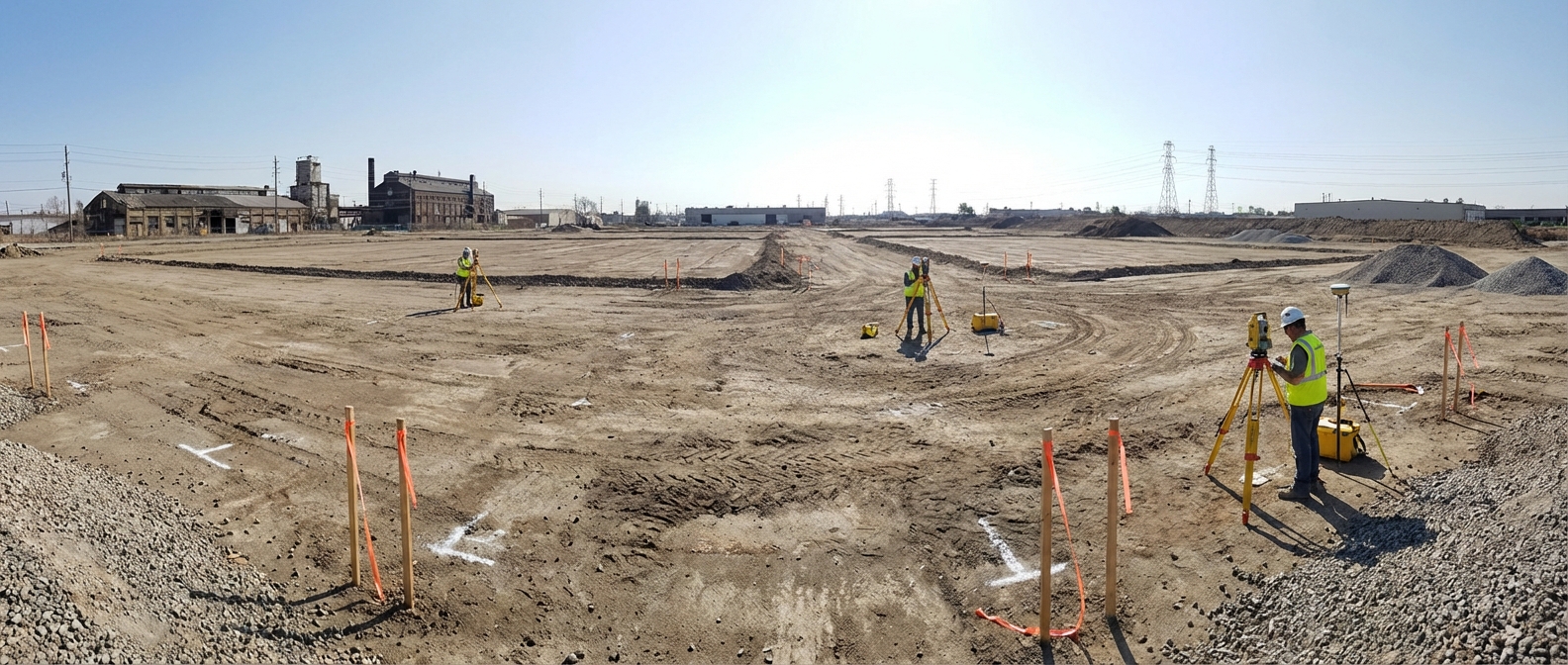
You define the scope by assessing your specific storage needs, site geography, and local environmental regulations before drafting any plans. A comprehensive warehouse steel structure design must account for the total floor area and the height required for your racking systems. Think about it: the more precise your initial measurements, the fewer delays you will face during construction.
What are the site’s environmental constraints?
The location of your building dictates the required strength of the frame. You must evaluate the soil bearing capacity and potential natural hazards.
- Check local seismic activity levels.
- Measure the maximum wind speed in the region.
- Identify drainage and flood risks.
How to determine the required clear span?
Large logistics operations often require unobstructed floor space to move heavy equipment. You need to decide if a single-span or multi-span layout works best for your workflow.
- Evaluate forklift turning radii.
- Determine rack height and spacing.
- Assess potential future expansions.
Key Takeaway: Defining the scope early prevents costly changes and ensures the layout maximizes every square meter of your industrial space.
| Factor | Description | Goal | |
|---|---|---|---|
| Site Geography | Topography and soil | Stable foundation | |
| Clear Span | Column-free width | Operational flow | |
| Eave Height | Vertical clearance | Maximize storage |
This initial planning phase establishes the boundaries within which all technical engineering must operate to guarantee success.
Which warehouse steel structure design materials work best?
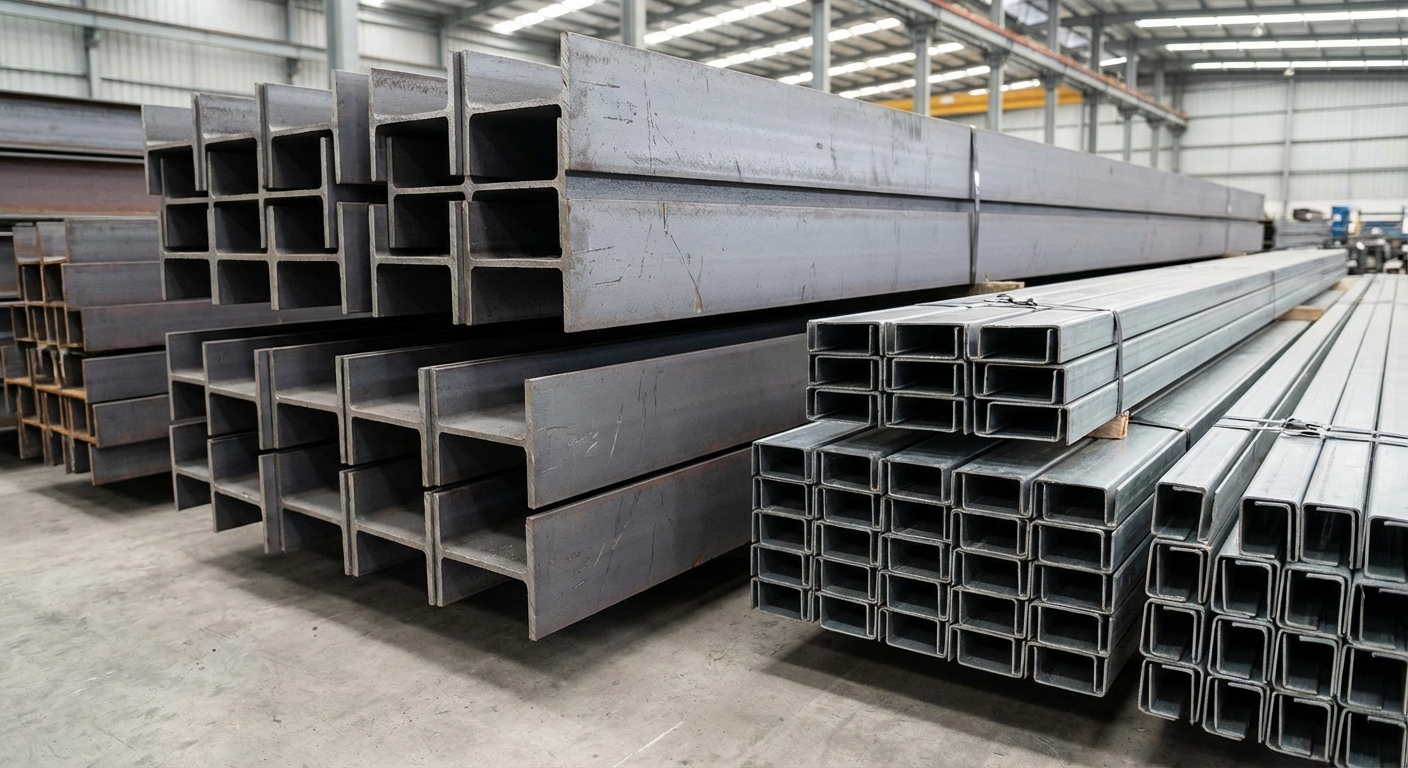
High-strength H-section steel is the industry standard for primary frames because it offers an exceptional strength-to-weight ratio. Your warehouse steel structure design relies on these components to carry the massive loads of the roof and walls. Here is the deal: using the right grade of steel determines how well your building survives harsh weather.
Which steel grades offer the best strength?
Most industrial projects utilize Q235 or Q355B steel. Q355B is often preferred for large-scale buildings due to its higher tensile strength.
- Select Q235 for smaller, light-duty storage.
- Use Q355B for heavy-duty industrial frames.
- Consult engineers for custom alloy requirements.
How does galvanization prevent corrosion?
Protective coatings are essential if you want your building to last without rusting. Hot-dip galvanization provides a thick layer of zinc that protects the steel in high-humidity environments.
- Apply anti-corrosive primer as a minimum.
- Choose galvanization for coastal projects.
- Opt for high-performance paint for aesthetics.
Key Takeaway: Investing in premium materials and anti-corrosive treatments reduces long-term maintenance costs and extends the building’s lifespan.
| Material | Typical Use | Benefit | |
|---|---|---|---|
| H-Section Steel | Main columns and beams | Structural integrity | |
| Zinc Coating | Anti-corrosion layer | Weather resistance | |
| C/Z Purlins | Secondary framework | Lightweight support |
Quality materials are the backbone of any structure, providing the physical resilience needed for demanding industrial environments.
How to draft a warehouse steel structure design blueprint?
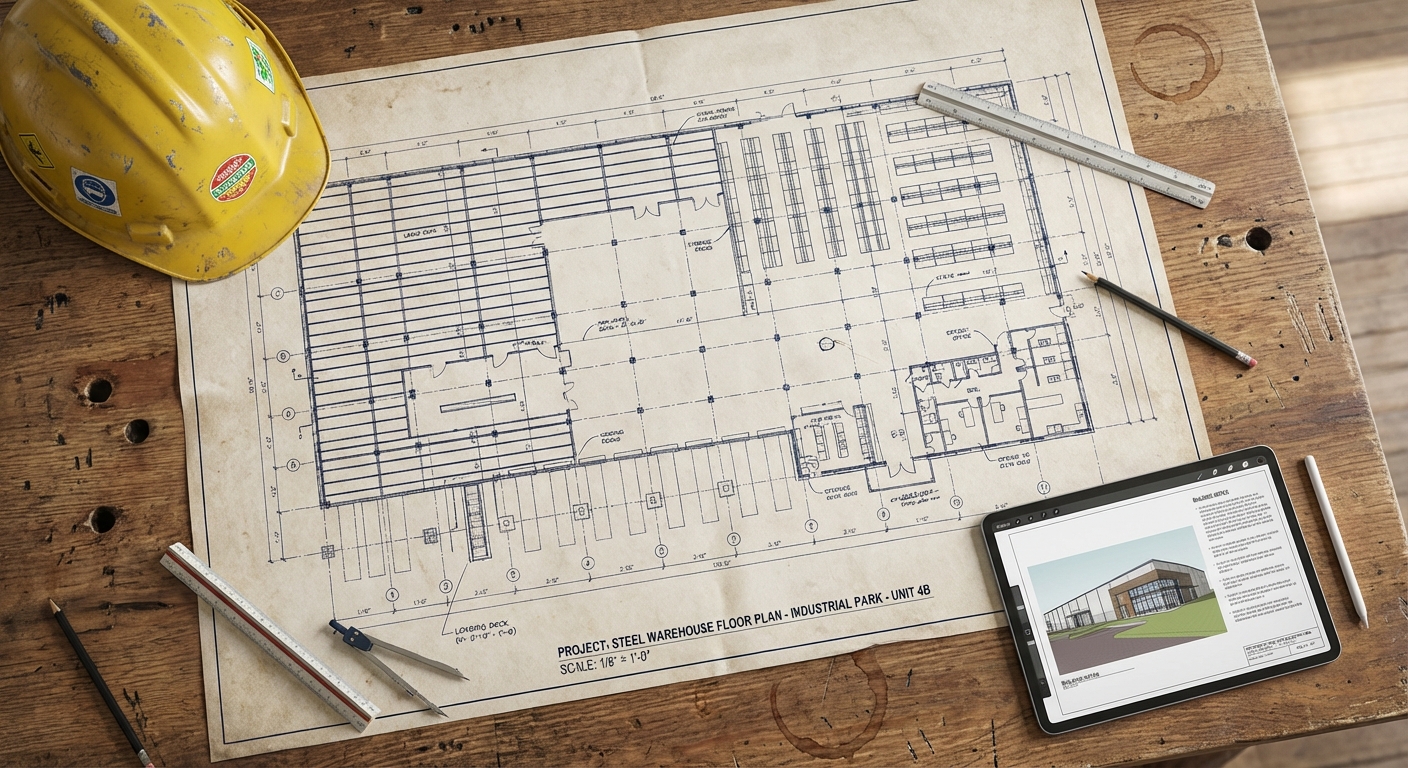
You draft a blueprint by translating your operational requirements into a detailed technical layout that follows international building codes. A detailed warehouse steel structure design blueprint serves as the master map for fabrication and on-site assembly. Let that sink in: a small error on paper can lead to a massive problem in the field.
Which tools ensure maximum accuracy?
Modern engineering uses 3D CAD modeling to visualize the entire structure before a single piece of steel is cut. This allows you to spot potential clashes between columns and storage racks early on.
- Use Revit for structural modeling.
- Employ Tekla for steel detailing.
- Verify all dimensions in a 3D environment.
How to align with local building codes?
Every region has specific safety standards you must follow. Your blueprint must prove that the design can withstand specific fire risks and structural stresses.
- Review AISC or Eurocode standards.
- Ensure emergency exits are clear.
- Verify fire-rated material placement.
Key Takeaway: A precise blueprint minimizes fabrication errors and ensures the final building is safe for your employees and inventory.
| Design Phase | Activity | Result | |
|---|---|---|---|
| Schematic | Basic floor plan | Space allocation | |
| Technical | Connection detailing | Fabrication guide | |
| Compliance | Code verification | Legal approval |
The transition from a conceptual idea to a technical blueprint is where the safety and efficiency of your facility are truly forged.
How to calculate warehouse steel structure design loads?
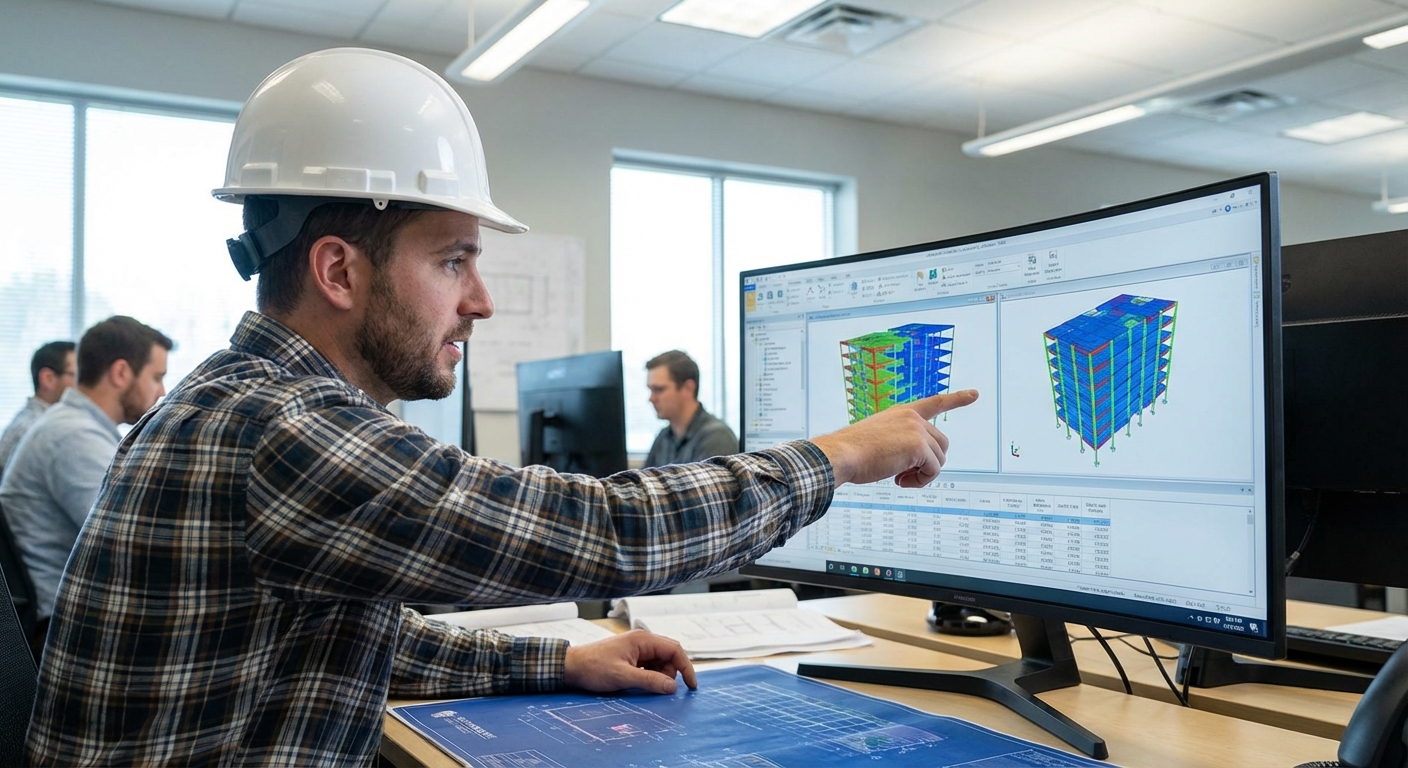
Calculating loads involves mathematically simulating the weight of the building materials, the goods stored inside, and environmental pressures. In every warehouse steel structure design, engineers must account for both “Dead Loads” (permanent weight) and “Live Loads” (temporary weight). Believe it or not, neglecting the weight of accumulated snow can lead to catastrophic roof failure.
Can the design withstand extreme wind?
Wind loads apply lateral pressure that tries to push your building over. You must calculate the force exerted on the walls based on the building’s height and location.
- Analyze historical wind data.
- Calculate pressure on corners.
- Adjust bracing for hurricane zones.
How do seismic factors influence the frame?
If you are building in an earthquake-prone area, your design must be ductile. This means the steel must be able to flex and absorb energy without snapping.
- Use flexible joint connections.
- Distribute mass evenly.
- Implement X-bracing for stability.
Key Takeaway: Rigorous load calculations are the only way to ensure your warehouse doesn’t buckle under the pressure of natural elements.
| Load Type | Example | Impact | |
|---|---|---|---|
| Dead Load | Steel frame, roof panels | Constant gravity | |
| Live Load | Cranes, mezzanine goods | Variable pressure | |
| Snow Load | Winter accumulation | Vertical roof stress |
Engineering precision ensures that the structure remains standing even during the most extreme weather events your region might face.
Why is a diagram vital for warehouse steel structure design?
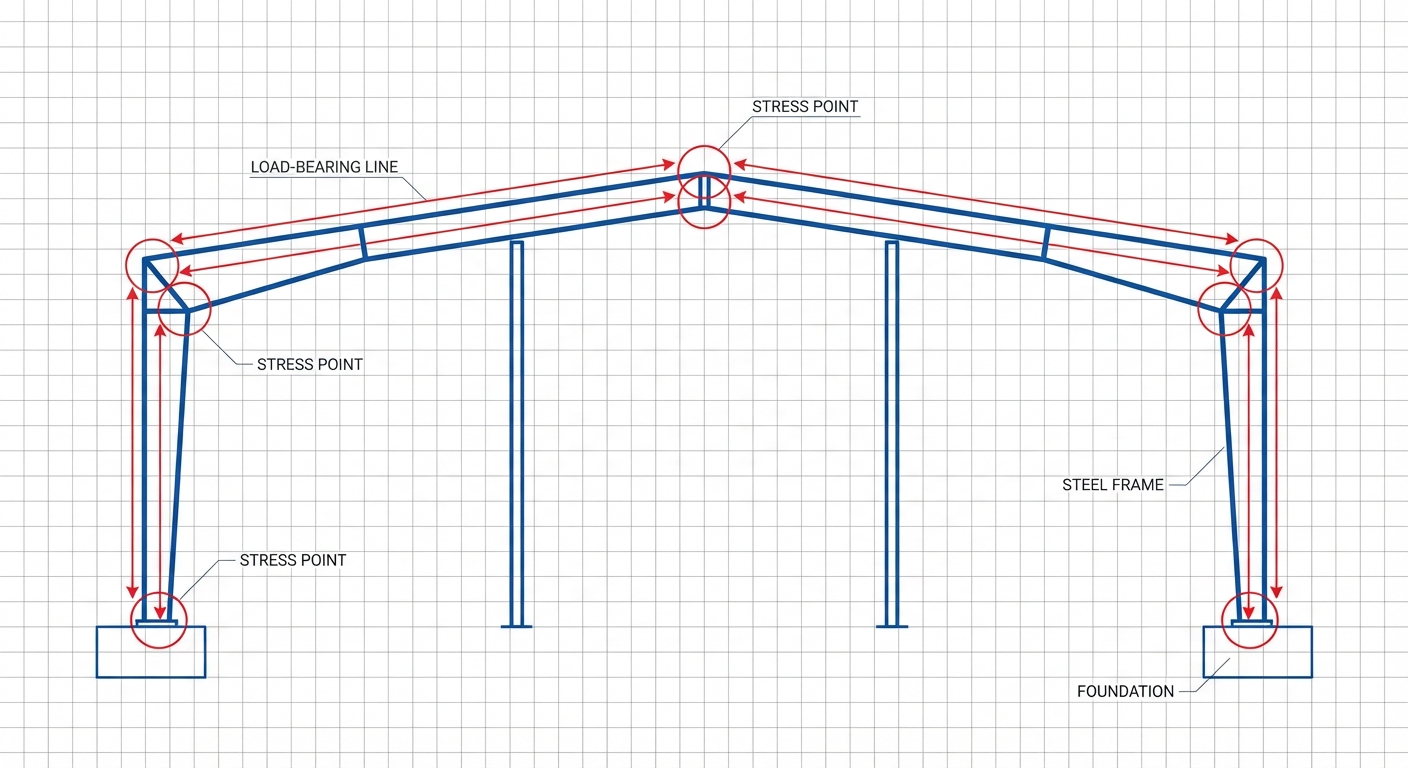
A structural diagram is vital because it illustrates how forces travel through the frame to the foundation. Within a warehouse steel structure design , this visual map identifies the most critical stress points that require extra reinforcement. You see, the diagram is essentially the “logic” behind the physical building.
How to identify high-stress points?
Stress points usually occur at the joints where columns meet the rafters. The diagram uses color-coding to show where the steel might experience the most tension or compression.
- Look for red zones in models.
- Reinforce the knee joints.
- Verify anchor bolt placement logic.
Which frame model is best?
The portal frame is the most common model for modern warehouses. It provides high stability while maintaining the wide-open spaces required for large vehicles and equipment.
- Maximize interior volume.
- Reduce the need for center columns.
- Simplify the assembly process.
Key Takeaway: Using a structural stress diagram allows engineers to optimize the amount of steel used, saving you money without sacrificing safety.
| Diagram Element | Purpose | Benefit | |
|---|---|---|---|
| Moment Frame | Rigid connections | High stability | |
| Stress Map | Visualizes tension | Error prevention | |
| Load Path | Shows force flow | Foundation safety |
Visualization tools allow for a more intuitive understanding of complex physics, ensuring every beam is placed with purpose.
How to prepare the warehouse steel structure design foundation?
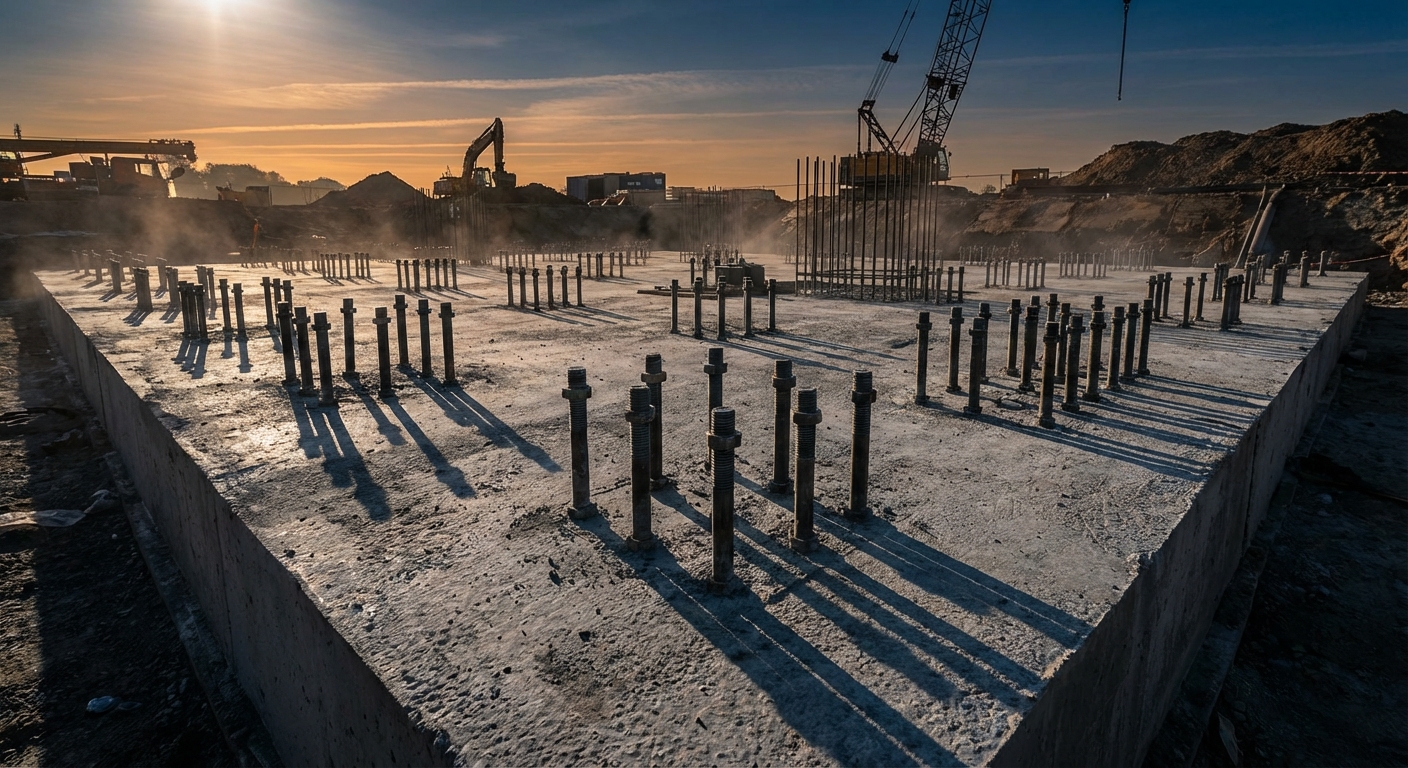
You prepare the foundation by excavating the site and pouring reinforced concrete that includes precisely placed anchor bolts. The foundation is the interface that grounds your warehouse steel structure design to the earth. But wait, there’s more: if your anchor bolts are off by even an inch, the entire steel frame will not fit.
How to select the right anchor bolt layout?
Anchor bolts must be cast directly into the concrete to provide a solid connection for the steel columns. Their size and depth depend on the “uplift” forces the building will experience.
- Use a template for bolt alignment.
- Verify bolt height post-pour.
- Protect threads during concrete work.
What soil conditions affect the base?
Weak soil can cause your building to sink or tilt over time. A geotechnical report tells you if you need a simple spread footing or deep piles to support the weight.
- Test for soil compaction levels.
- Identify moisture-rich clay.
- Reinforce concrete with rebar.
Key Takeaway: A rock-solid foundation is non-negotiable, as it is the only part of the building that cannot be easily fixed once construction is complete.
| Foundation Part | Role | Requirement | |
|---|---|---|---|
| Anchor Bolts | Link steel to concrete | Millimeter precision | |
| Rebar Cage | Strengthens concrete | Tensile resilience | |
| Base Plate | Distributes column load | Proper leveling |
Getting the groundwork right is the most labor-intensive part of the early phase, but it provides the necessary platform for rapid steel assembly.
Can you optimize secondary warehouse steel structure design?
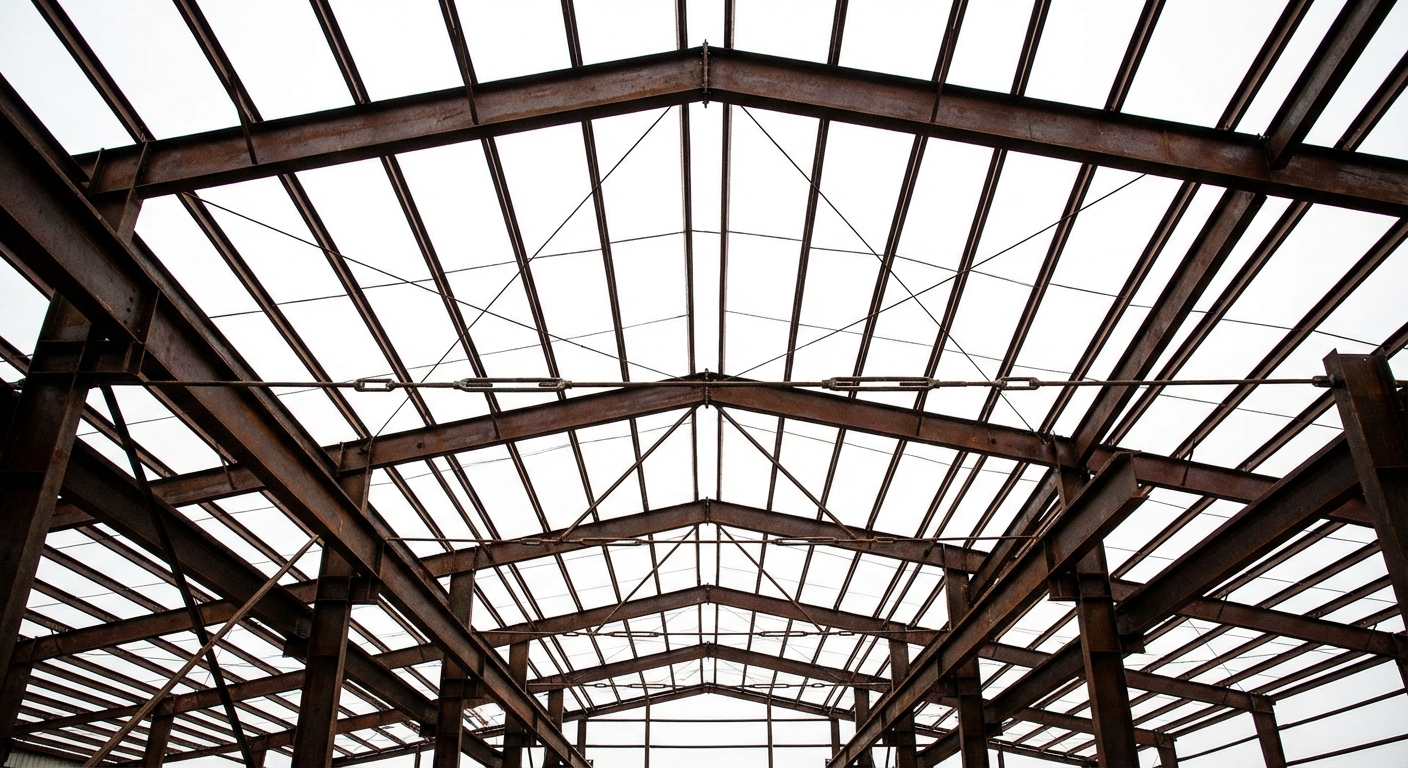
You optimize the secondary structure by using lightweight C or Z-purlins to support the walls and roof panels effectively. A well-executed warehouse steel structure design uses these components to provide lateral stability and prevent the main frame from twisting. It’s the secret sauce: the secondary structure turns a skeleton into a rigid box.
Why are tie rods and bracings critical?
X-bracing and tie rods act like the “muscles” of the building, resisting wind forces that hit the side of the warehouse. Without them, the building could sway dangerously.
- Install diagonal rods for rigidity.
- Use horizontal tie beams.
- Check tension on bracing cables.
How to optimize purlin spacing?
Purlins must be spaced closely enough to support the roof panels under heavy snow but far enough apart to save on material costs. This balance is calculated based on the panel’s strength.
- Match spacing to panel specs.
- Use galvanized purlins for longevity.
- Ensure overlap at support points.
Key Takeaway: Secondary structural elements provide the essential rigidity that allows the building to function as a cohesive, stable unit.
| Component | Function | Material | |
|---|---|---|---|
| Purlins | Roof panel support | Galvanized Z-section | |
| Girts | Wall panel support | Galvanized C-section | |
| Bracing | Resists lateral loads | Steel round bar |
The intricate network of secondary members ensures that every part of the building contributes to its overall strength and durability.
Which panels suit your warehouse steel structure design?
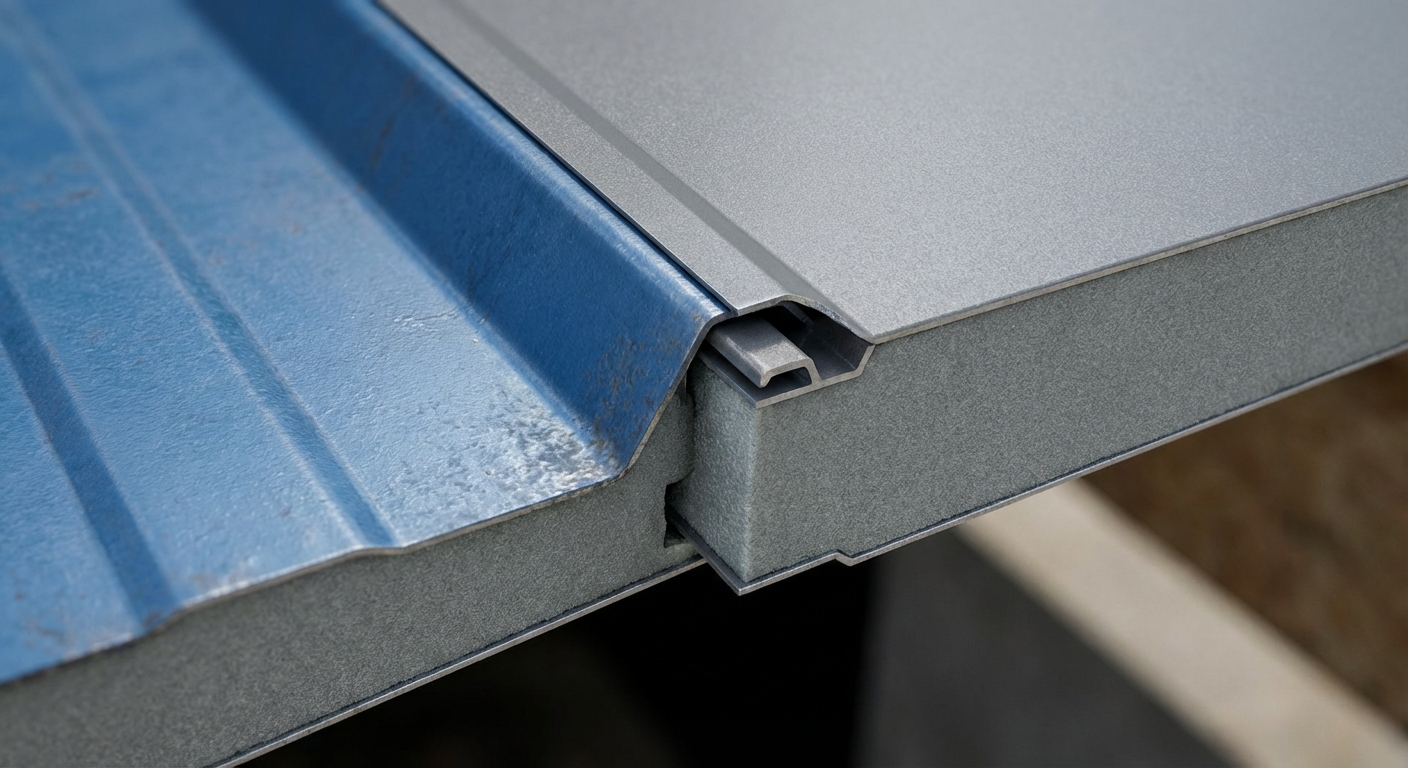
The best panels depend on whether you need climate control, fire resistance, or just a basic weather shield. Your warehouse steel structure design is completed by the “envelope,” which is the skin that protects your inventory. Make no mistake: choosing the wrong panel can lead to massive energy bills or condensation problems.
Should you choose sandwich panels or single sheets?
Sandwich panels offer built-in insulation, making them perfect for food storage or workshops where people work all day. Single corrugated sheets are a budget-friendly option for simple equipment storage.
- Use PU panels for cold storage.
- Select Rockwool for fire safety.
- Pick single sheets for dry goods.
How to maximize natural lighting?
Installing translucent polycarbonate panels in the roof can significantly reduce your daytime electricity usage. This is a simple way to make your warehouse more eco-friendly.
- Place skylights in high-traffic zones.
- Ensure panels are UV-resistant.
- Check for watertight seals.
Key Takeaway: Selecting the right insulation and cladding panels is the most effective way to control your facility’s long-term operating costs.
| Panel Type | Insulation | Best For | |
|---|---|---|---|
| EPS Sandwich | Light insulation | General storage | |
| Rockwool | Fire-rated | Manufacturing plants | |
| Polycarbonate | Natural light | Energy efficiency |
The building envelope is your first line of defense against the elements, making it a critical choice for operational success.
How to ensure warehouse steel structure design longevity?
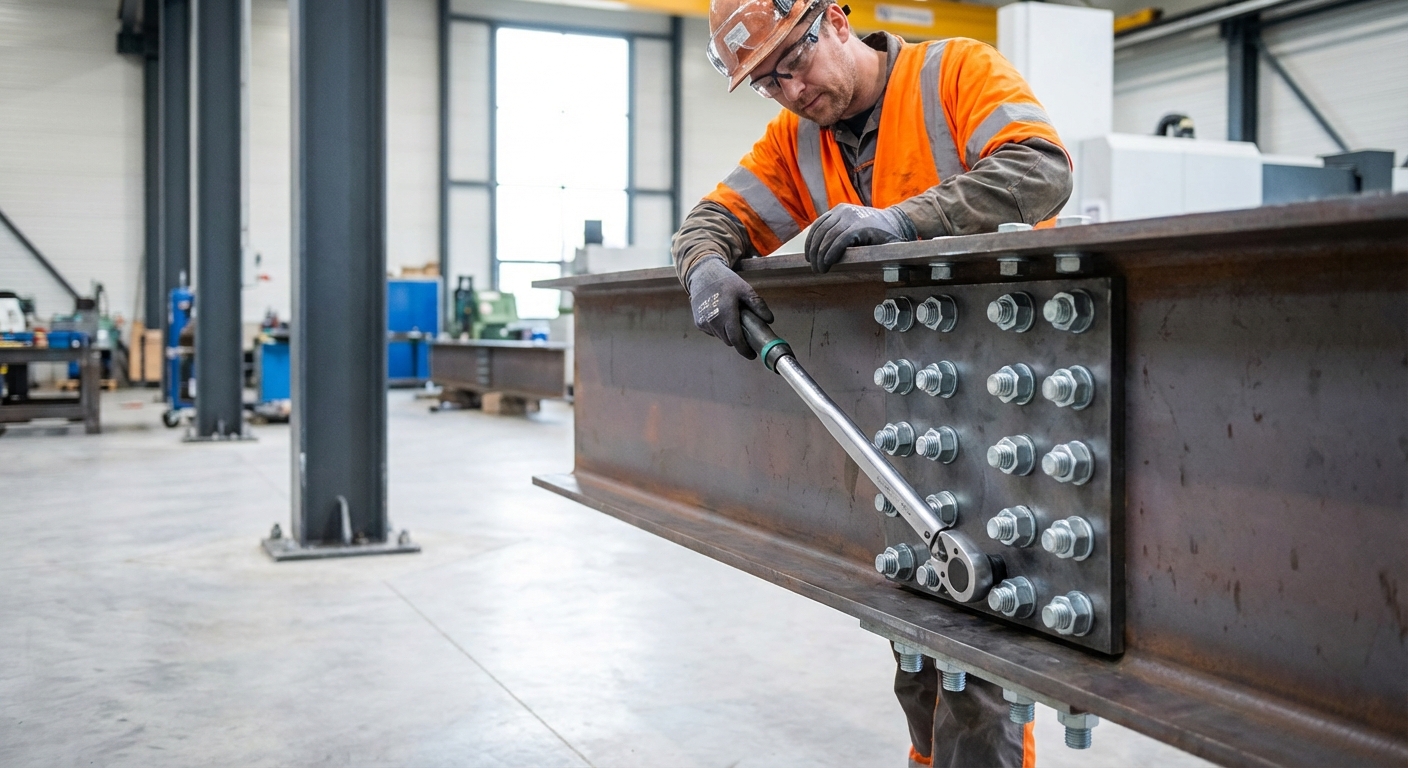
You ensure longevity by scheduling regular inspections and addressing minor surface rust before it compromises the structural integrity. A high-quality warehouse steel structure design is built to last, but even the best steel needs occasional care. The bottom line: an hour of maintenance today saves a week of repairs next year.
What is the best inspection schedule?
You should conduct a visual walkthrough of your facility at least once a year, focusing on the joints and the base of the columns. Pay close attention to areas where water might pool.
- Check for loose bolts.
- Inspect gutters for debris.
- Look for scratches in paint.
How to treat minor surface corrosion?
If you see signs of rust, you must clean the area and apply a fresh coat of zinc-rich primer immediately. This stops the oxidation process from eating into the main steel member.
- Sand down to bare metal.
- Use high-quality touch-up paint.
- Check seals around doors.
Key Takeaway: Proactive maintenance and regular inspections are the keys to making your steel building last for 50 years or more.
| Task | Frequency | Focus | |
|---|---|---|---|
| Gutter Cleaning | Bi-annually | Prevent water damage | |
| Bolt Tightening | Every 5 years | Maintain rigidity | |
| Surface Touch-up | As needed | Prevent deep rust |
Maintenance is not just about aesthetics; it is a critical strategy for protecting the massive capital investment you’ve made.
What is the value of a finished warehouse steel structure design?
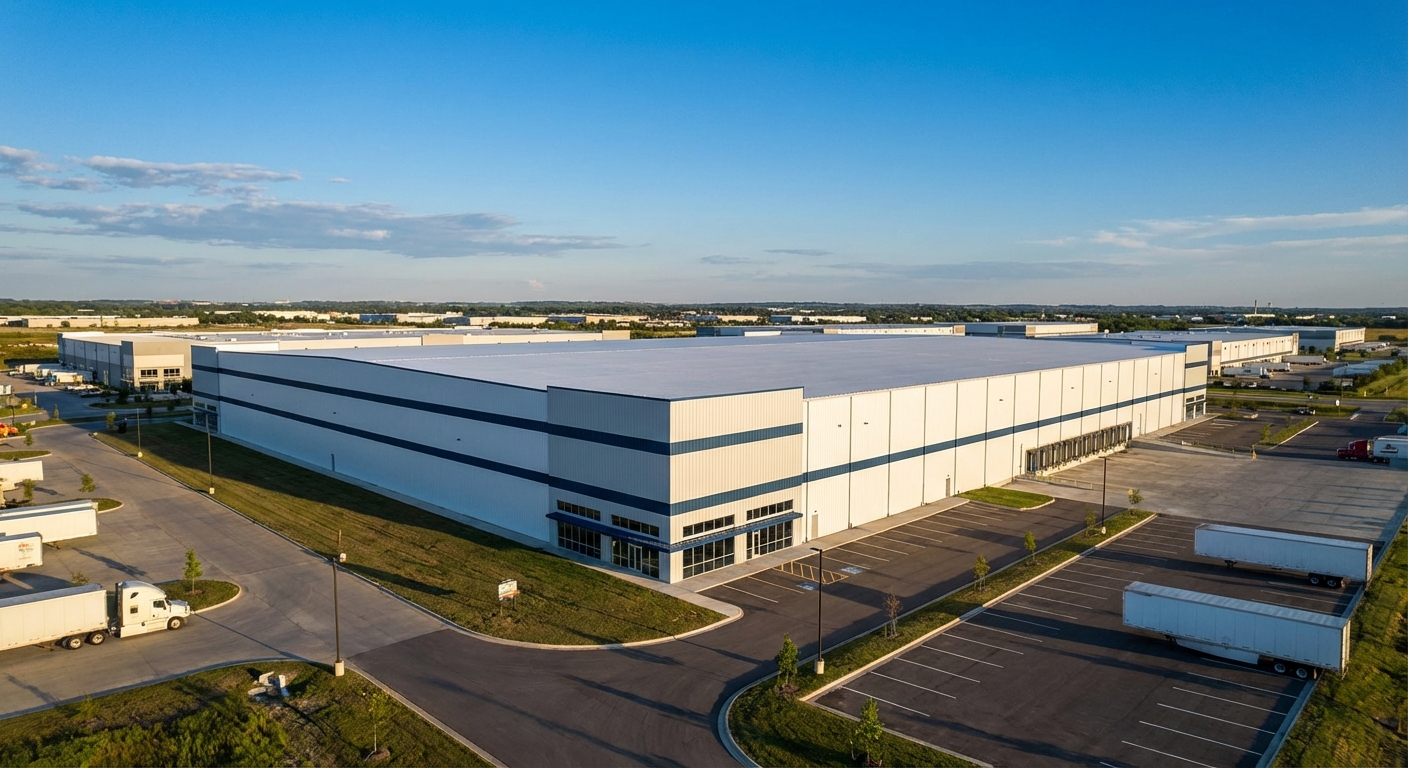
The value lies in having a scalable, durable, and highly efficient space that supports your business growth without constant structural headaches. A completed warehouse steel structure design represents the culmination of precise engineering and high-quality manufacturing. You’ve done it: you’ve built a facility that is ready for the future of global logistics.
Does prefabrication improve the result?
Prefabricating components in a factory ensures that every part is cut with CNC precision, leading to a much tighter and more reliable fit on-site. This eliminates the “human error” often found in traditional on-site welding.
- Ensure faster assembly times.
- Maintain higher quality control.
- Reduce on-site material waste.
Can the facility grow with your business?
One of the best features of a steel warehouse is that it can be easily expanded. You can bolt on new bays or add a mezzanine level as your inventory needs increase.
- Plan for modular extensions.
- Design for future crane loads.
- Keep your business adaptable.
Key Takeaway: A well-designed steel building is an asset that appreciates in value by providing a reliable foundation for your commercial operations.
| Success Metric | Description | Value | |
|---|---|---|---|
| Build Speed | Weeks vs. Months | Faster ROI | |
| Durability | Decades of service | Low total cost | |
| Scalability | Easy to expand | Future-proof |
Your completed warehouse is more than just a building; it is a strategic tool that gives your business a competitive edge in a crowded market.
Frequently Asked Questions
Can I expand my warehouse steel structure in the future?Absolutely, because steel structures are inherently modular. We can design your building with expandable end-walls, allowing you to add more bays later without needing to demolish the existing structure.
What’s the best way to prevent condensation inside the warehouse?Proper ventilation is essential to manage moisture levels. We recommend a combination of ridge vents, louvered wall panels, and high-quality sandwich panel insulation to keep the interior dry.
How do I know if my soil is suitable for a steel warehouse?You must commission a professional geotechnical survey before starting. If the survey shows the soil is too soft, we will simply adjust the foundation design to include reinforced rafts or piles.
Can I install a heavy-duty crane in a prefabricated steel building?Yes, but you must specify the crane’s weight capacity during the design phase. We will then engineer the columns with reinforced brackets called “corbels” to support the crane’s runway beams.
What’s the best material for a fire-rated warehouse?Rockwool sandwich panels are the industry gold standard for fire protection. They are non-combustible and can provide several hours of fire resistance, which is critical for safety and insurance compliance.
Designing a steel warehouse is a journey of precision that transforms your business needs into a physical powerhouse of efficiency. By focusing on site-specific engineering and high-quality fabrication, you solve the problems of limited space and high maintenance costs. We are dedicated to delivering world-class industrial structures that empower businesses to reach their full potential through innovation and engineering excellence. If you are ready to build a facility that stands the test of time, contact us today for a professional design consultation and a factory-direct quote.