
A steel warehouse building is highly recommended for businesses seeking to maximize spatial efficiency, secure capital investment longevity, and dramatically accelerate construction timelines. Rising operational costs, cramped storage zones, and slow expansion capabilities can severely restrict enterprise growth. When you find your forklifts constantly bottlenecked by poorly spaced interior support columns, or when you watch valuable inventory degrade due to moisture leaks and structural wear, your overhead margins begin to shrink. By investing in a custom-engineered steel warehouse building , you gain an unobstructed clear-span layout and a robust weather-resistant envelope designed to streamline material handling and secure your long-term storage assets.
Is a Steel Warehouse Building Best for Logistics?
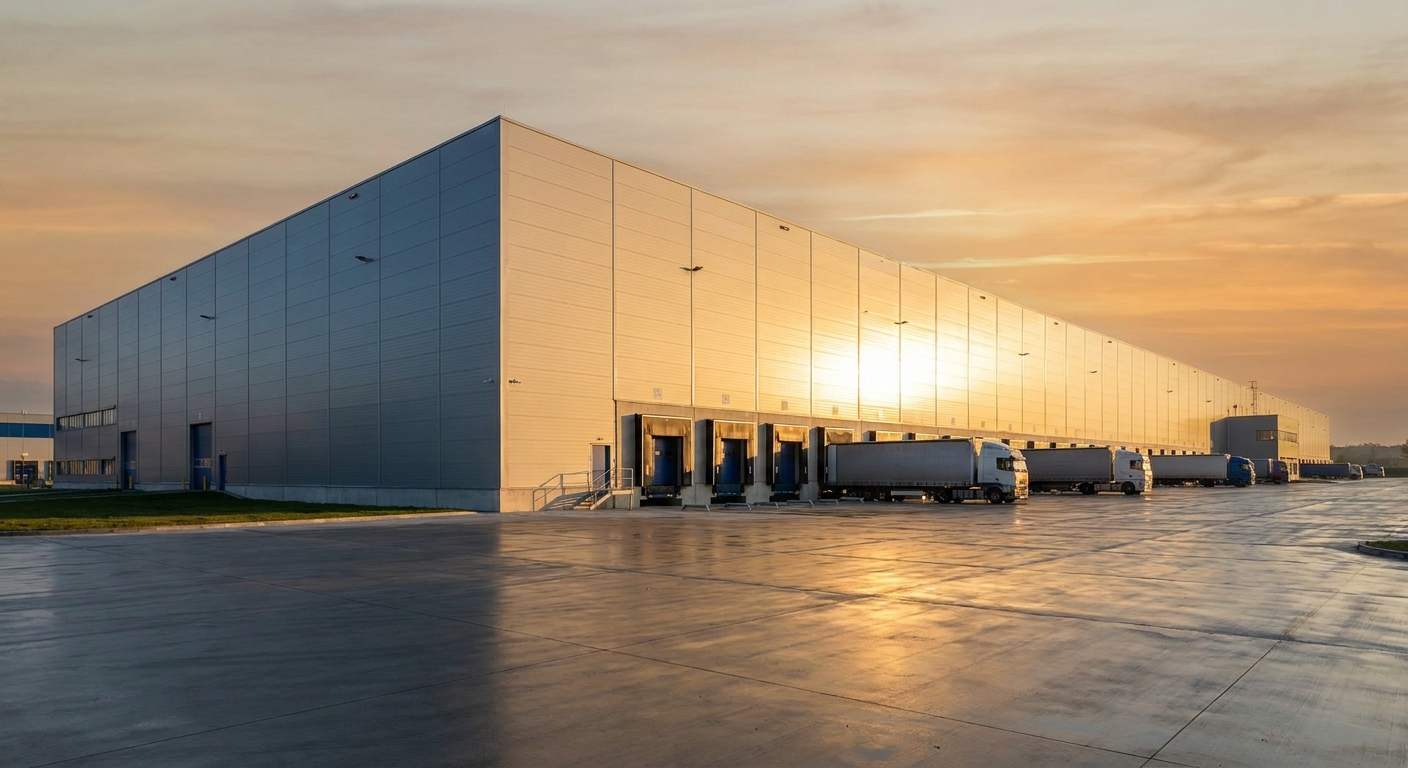
Selecting a steel warehouse building is typically the most efficient decision for logistics operations because it provides unparalleled clear-span capabilities and rapid erection times. This structural system allows your enterprise to operate without the constant hindrance of interior support columns that restrict forklift movement. By eliminating spatial barriers, you can optimize your inventory layout for high-density shelving.
Why is clear-span design crucial for your facility?
Clear-span configurations remove internal support columns entirely to create vast open spaces. Look at it this way: every column you eliminate represents more room for racking systems and forklift paths. This is especially valuable if you plan to implement automated retrieval systems that require unobstructed pathways.
- Unobstructed interior widths up to 150 feet.
- Total flexibility for heavy equipment maneuvers.
- Optimized space utilization for pallet racking.
You will find that an open layout significantly increases operational speed. Without structural columns in the way, inventory turnaround times are typically much faster. This layout flexibility also ensures you can reconfigure your shelving setups as your business demands change.
How does steel accelerate your build schedule?
Prefabricated components are manufactured off-site to precise engineering tolerances and arrive ready for immediate assembly. Here is the truth: this off-site preparation can cut your construction schedule in half compared to traditional masonry methods. You will save valuable time and significantly reduce on-site labor overhead.
- Pre-punched and pre-welded framing components.
- Reduced risk of weather-related delays on-site.
- Shorter overall time-to-market for operations.
Fast-track assembly helps you begin generating revenue much sooner than standard concrete builds allow. By getting your logistical operations running ahead of schedule, you secure a quicker return on your capital investment. This predictable timeline is highly recommended for rapidly expanding supply chain networks.
Key Takeaway: Choosing a clear-span steel frame optimizes internal logistics, dramatically reduces construction delays, and ensures high adaptability for modern material handling technologies.
| Facility Metric | Pre-engineered Steel Frame | Traditional Concrete Masonry | |
|---|---|---|---|
| Max Column-Free Span | Up to 150+ feet | Typically 40 to 50 feet | |
| On-site Erection Time | 4 to 8 weeks | 16 to 24 weeks | |
| Structural Weight Burden | Low dead load | High dead weight |
Comparing these structural characteristics shows that minimizing foundation dead loads directly correlates with faster municipal approval and structural stability.
What Determines Steel Warehouse Building Construction Costs?
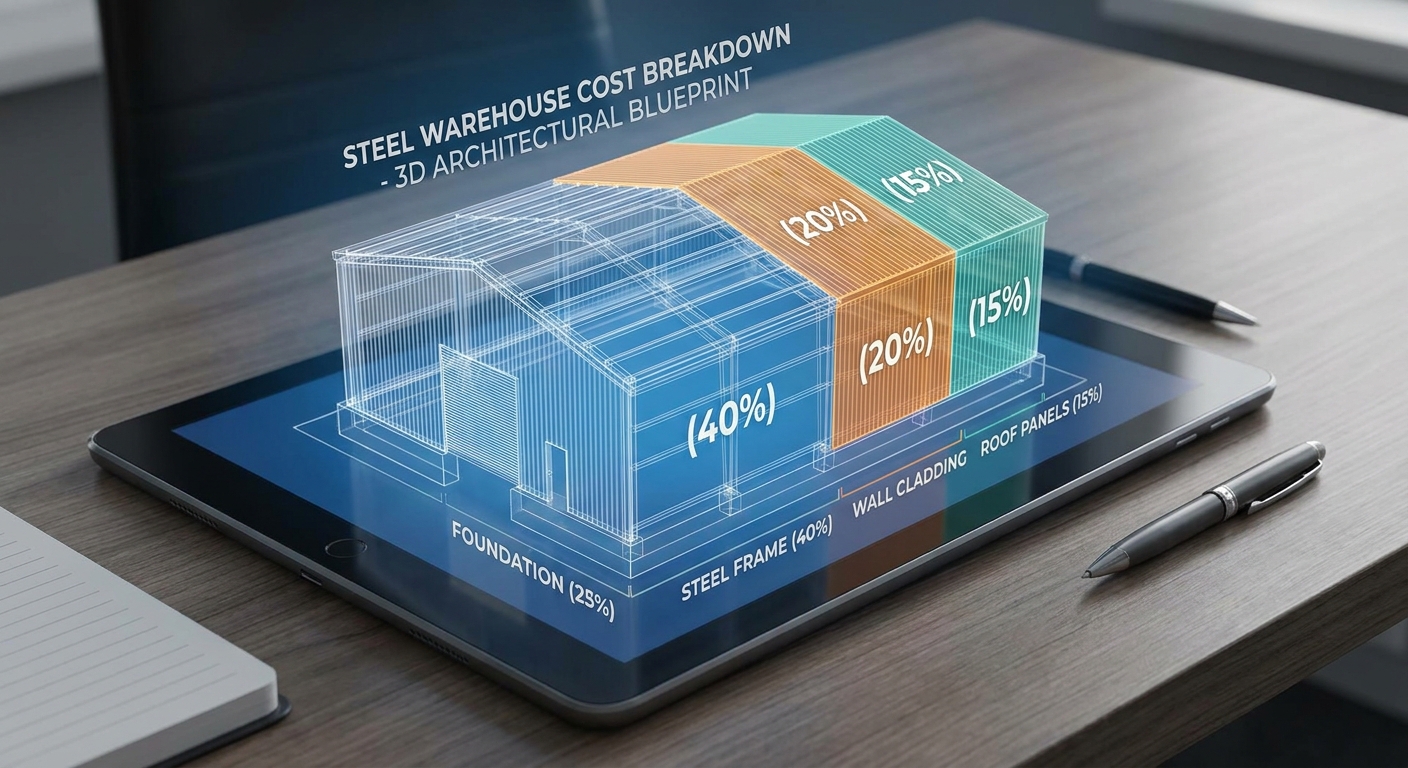
The total cost of a steel warehouse building is determined primarily by current steel commodity pricing, engineering design complexity, and regional labor rates. Understanding these underlying cost drivers allows project managers to establish precise capital expenditure budgets early. You can avoid unexpected financial overruns by identifying cost-saving opportunities during the initial design phase.
How do raw materials influence your budget?
Raw steel prices are subject to global supply chain fluctuations and market tariffs. But it gets better: pre-engineered buildings use optimized steel profiles that minimize waste and material volume. This efficient material use helps stabilize your structural engineering expenses even during volatile economic periods.
- High-strength ASTM steel grades optimize structural weight.
- Standardized components reduce custom fabrication markups.
- Precise factory cuts minimize scrap disposal fees.
You should closely monitor global steel indexes prior to finalizing your procurement contract. Securing raw materials at the right moment typically saves thousands on large-scale industrial projects. This proactive procurement strategy is highly recommended for keeping overall expenditures well within your target budget boundaries.
What is the impact of specialized labor costs?
Prefabrication shifts the highly technical labor from the construction site to the controlled factory environment. Look at it this way: because the steel components arrive pre-cut and pre-marked, your on-site erection crew completes assembly with far less labor time. This major reduction in field hours mitigates the impact of rising local labor wages.
- Shorter crane and heavy equipment rental durations.
- Fewer specialized weld inspections required on-site.
- Lower overall worker-hours needed for envelope completion.
You will find that certified steel erectors work much faster than traditional masonry teams. This streamlined on-site workforce reduces both liability risks and general project management overhead. This labor efficiency is a key factor in keeping your total capital expenditures low.
Key Takeaway: Standardizing your structural dimensions and planning raw material procurement around market cycles will drastically lower your total cost per square foot.
| Cost Category | Est. Budget Share (%) | Primary Driver | |
|---|---|---|---|
| Primary Framing & Panels | 40% – 50% | Global steel commodity pricing | |
| Foundation & Groundwork | 15% – 25% | Soil bearing capacity & concrete | |
| Erection & Field Labor | 20% – 30% | Regional labor rates & equipment |
Evaluating these budget allocations reveals that focusing on pre-engineered precision directly minimizes unpredictable field-assembly labor costs.
How Do You Design a Steel Warehouse Building Layout?
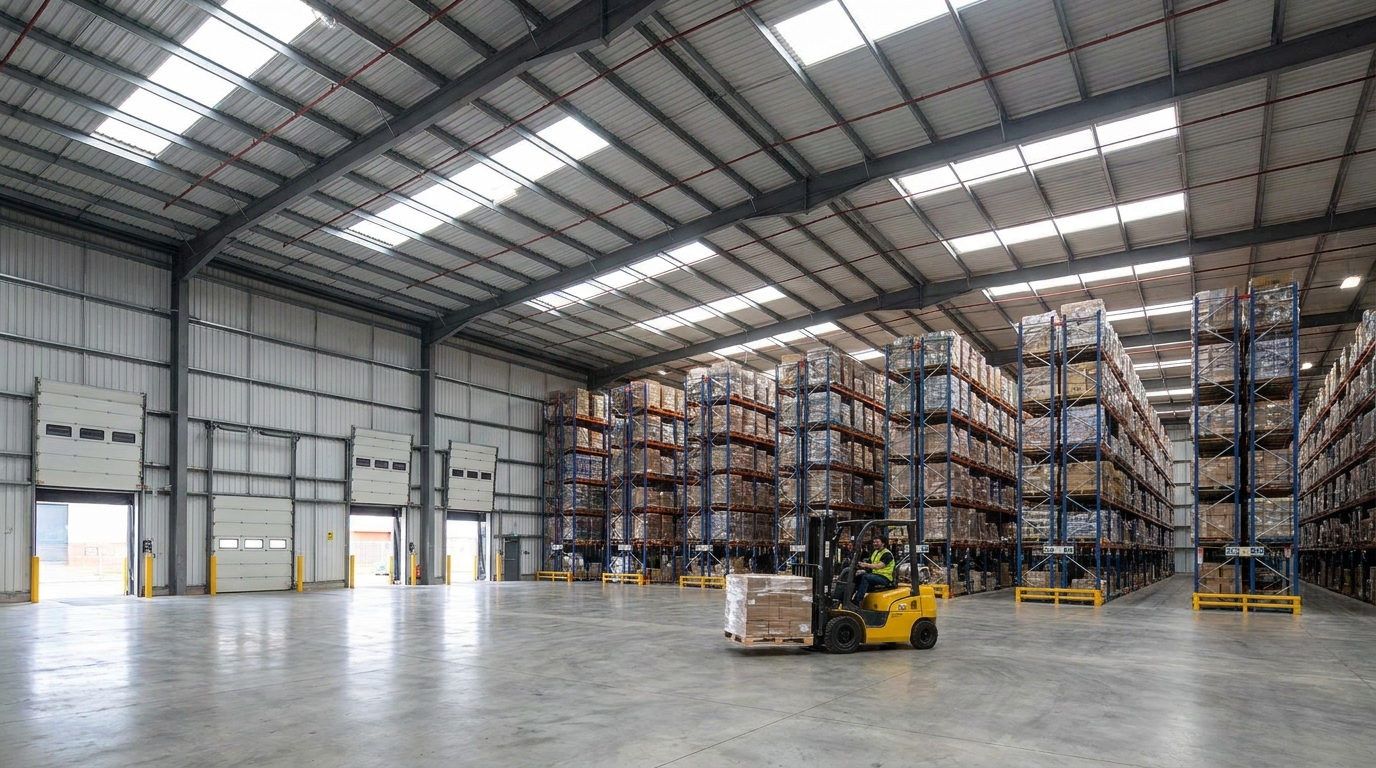
Designing a layout for your steel warehouse building requires a deep understanding of your storage configurations, material flow paths, and clearance heights. This spatial coordination ensures that your machinery and personnel operate with peak efficiency inside the completed envelope. By optimizing your structural dimensions, you can double your usable volume without expanding your building’s physical footprint.
Why is vertical clearance vital for your racking?
Modern logistics relies heavily on vertical cubic space to maximize inventory capacity per square foot. Here is the truth: planning for a taller clear height is highly cost-effective because the roof structure costs the same regardless of building height. This vertical strategy is essential for businesses using high-reach forklifts and automated storage networks.
- Clear heights typically range from 24 to 40 feet.
- Increased vertical storage space lowers cost per pallet.
- Accommodates advanced fire suppression sprinkler networks safely.
You should coordinate your racking design with your structural engineers before finalizing the framing heights. This ensures that overhead steel beams do not obstruct your sprinkler systems or lighting fixtures. This integrated planning prevents costly field adjustments later in the construction phase.
How do frame types affect layout flexibility?
You can select either clear-span rigid frames or modular multi-span frames with interior support columns. But it gets better: clear-span designs provide completely unobstructed floor space, which is perfect for dynamic, frequently changing layouts. Modular frames are often chosen for exceptionally wide structures where column placement does not disrupt operations.
- Rigid frames offer total layout freedom up to 150 feet.
- Modular frames reduce frame depth for ultra-wide buildings.
- Symmetrical roof pitches assist in efficient water drainage.
You should evaluate your material handling equipment paths before selecting a framing style. If your business depends on rapid transit of goods, clear-span designs are certainly the superior choice. This structural flexibility ensures your storage operations remain highly competitive and scalable for decades.
Key Takeaway: Prioritizing vertical clear heights and selecting clear-span frames ensures your warehouse remains highly adaptable to changing logistics technologies and inventory styles.
| Design Option | Best Application | Spatial Advantage | |
|---|---|---|---|
| Clear-Span Rigid Frame | Fast-transit logistics, fulfillment | 100% Column-free floor space | |
| Multi-Span Modular Frame | Heavy manufacturing, massive hubs | Reduced steel weight for wide spans | |
| Multistory Mezzanine | High-density small goods, offices | Doubles usable square footage |
Aligning your material flow requirements with the appropriate frame type prevents structural columns from becoming permanent bottlenecks in your logistics chain.
How Do You Build a Steel Warehouse Building Safely?
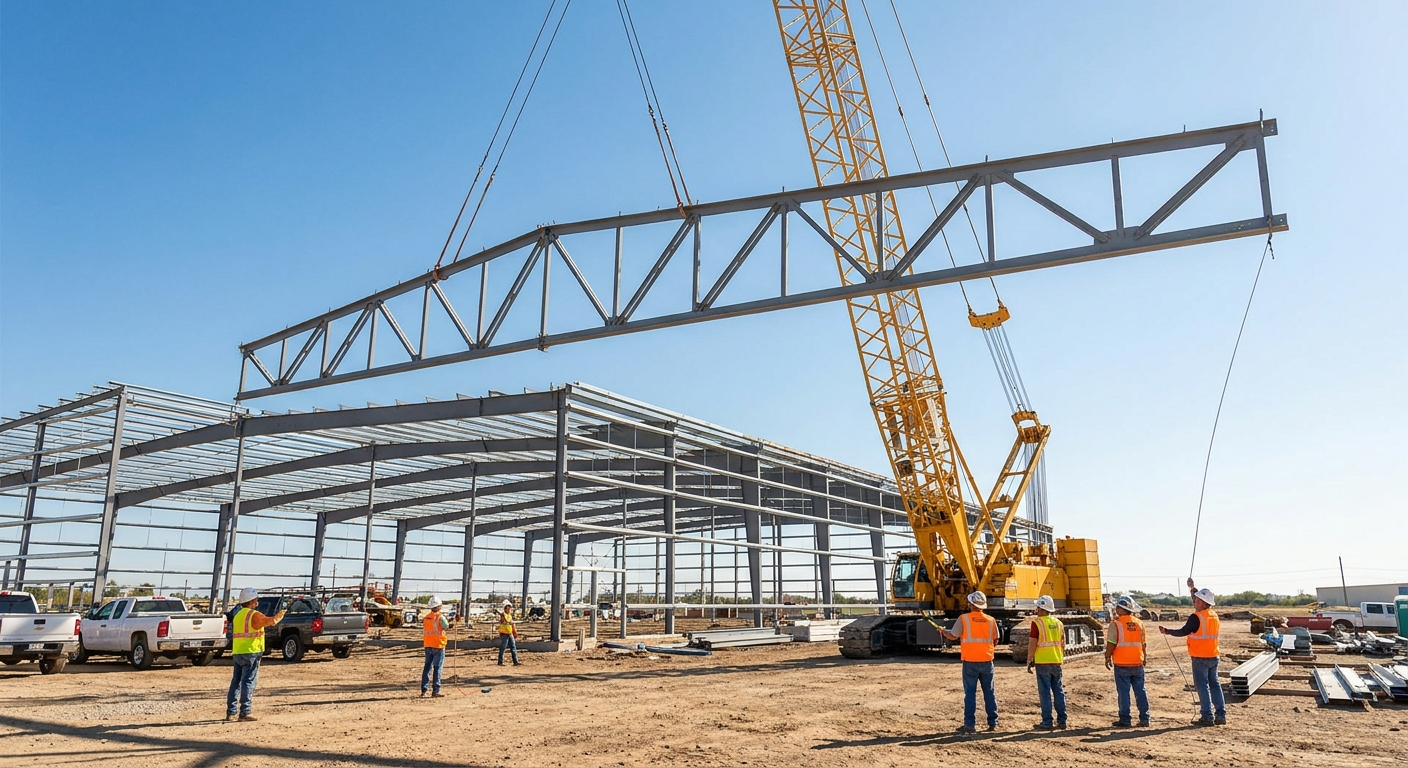
Erecting a modern steel warehouse building involves a highly structured engineering sequence that progresses from primary frame alignment to wall cladding and roof panel installation. Following a strict erection plan prevents structural instability and keeps your field crews working safely. This precise sequence is critical for maintaining structural tolerances and ensuring a perfectly watertight building envelope.
What does safe framing assembly look like?
The erection process begins with securing the primary columns to embedded anchor bolts in the concrete foundation. Look at it this way: temporary cable bracing is essential during this phase to keep the frame stable until the purlins and girts are secured. This careful step prevents wind loads from shifting the unbraced frame during construction.
- Verify anchor bolt alignment before columns arrive.
- Use calibrated tension wrenches for high-strength bolts.
- Install temporary diagonal bracing on every bay.
You should ensure that your crane operators and riggers coordinate their lifts with precision. Lifting massive steel rafters requires steady weather conditions and well-maintained rigging hardware. This deliberate approach to primary framing forms a reliable, square foundation for all subsequent sheeting.
How do you secure a watertight envelope?
Once the skeleton is fully braced, crews install the wall cladding and roof panels. Here is the truth: the quality of fastener installation directly determines if your warehouse will remain free of moisture leaks. Properly applied mastic sealants and self-drilling screws with neoprene washers are vital for this phase.
- Apply continuous sealant tape at all sheet overlaps.
- Pre-drill panels to ensure clean fastener alignment.
- Utilize standing-seam roofs for premium leak protection.
You should inspect every panel seam and flashing detail prior to demobilizing the erection crew. Small gaps in the wall trim or roof valleys can let moisture enter, leading to damaged inventory. This careful inspection phase is highly recommended to protect your stored assets long-term.
Key Takeaway: Rigorous alignment verification and precision fastening during the panel installation stage are essential for achieving a leak-free and structurally sound envelope.
| Erection Step | Core Equipment Required | Key Quality Control Metric | |
|---|---|---|---|
| Column Anchorage | Mobile Crane, Torque Wrench | Bolt tension & vertical plumbness | |
| Secondary Framing | Boom Lifts, Purlin Clamps | Purlin spacing & alignment | |
| Sheeting & Seaming | Mechanical Seamer, Screw Guns | Fastener torque & sealant continuity |
Adhering strictly to sequential assembly guidelines ensures that every component load path aligns perfectly with the original engineering blueprints.
What Foundation Does a Steel Warehouse Building Need?
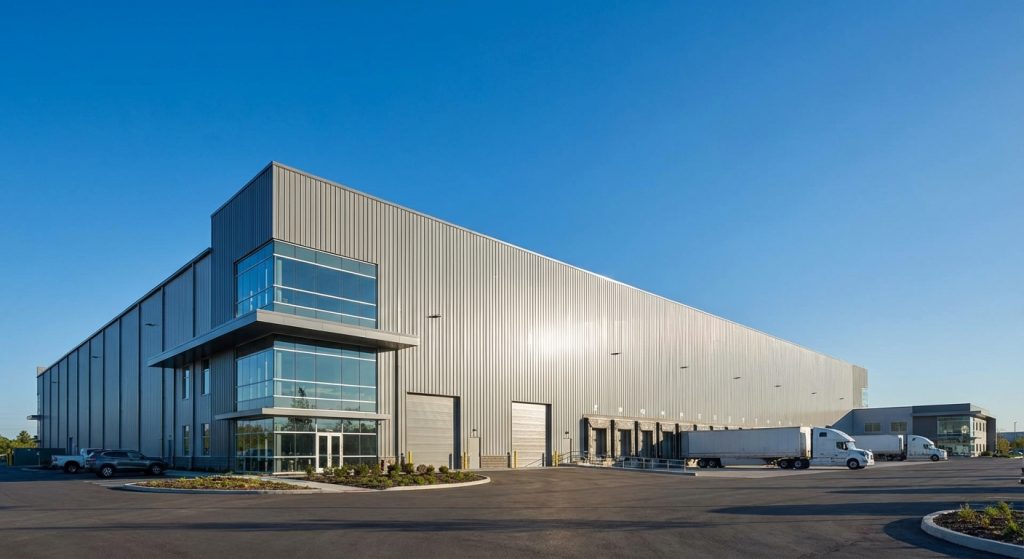
A robust engineered concrete foundation is essential for a steel warehouse building to distribute high vertical loads and resist lateral wind uplift forces. A properly engineered slab prevents uneven structural settling and cracked floors under heavy forklift traffic. This foundation should be customized to your site’s specific soil conditions and regional weather demands.
Why is geotechnical soil testing essential?
Soil bearing capacity determines how wide and deep your concrete foundations should be. But it gets better: knowing your soil’s expansion characteristics allows engineers to design a slab that will not warp or shift during seasonal wet and dry cycles. This testing is the first step toward securing structural longevity.
- Measures soil density and water table depth.
- Determines if soil stabilization is required.
- Informs the design of heavy-duty concrete piers.
You should complete soil testing before finalizing your building’s architectural layout. Poor soil can require deep pier foundations or concrete piles, which can affect your overall site-preparation budget. Addressing these subsurface conditions early keeps your construction progress on a predictable track.
How do you design high-performance concrete slabs?
Warehouse slabs should support concentrated point loads from heavy racking and dynamic wheel loads from forklifts. Look at it this way: the concrete mix design and rebar spacing should be calculated to prevent structural fatigue over decades of continuous use. This durability is highly recommended to maintain safe, smooth material-handling surfaces.
- Specify high-strength concrete mixtures (4,000+ PSI).
- Integrate laser-screed technology for excellent slab flatness.
- Install proper expansion joints to manage thermal movement.
You will notice that a flat, durable floor significantly reduces maintenance costs for your forklift fleet. Bumpy or cracked slabs cause premature tire wear and can lead to safety risks for your equipment operators. Investing in high-quality concrete work pays dividends throughout your building’s operational lifecycle.
Key Takeaway: Soil analysis and high-PSI concrete mixtures are critical to preventing structural settlement and providing a flat, durable floor for high-traffic operations.
| Foundation Design | Recommended For | Primary Structural Advantage | |
|---|---|---|---|
| Reinforced Slab-on-Grade | Standard logistics, level sites | Distributes heavy rack and wheel loads | |
| Pier and Grade Beam | Wide clear-spans, clay soils | Anchor columns securely below frost line | |
| Piles and Caps | Weak soil profiles, coastal zones | Reaches deep, load-bearing strata safely |
Selecting a foundation design that matches your specific soil profile prevents structural shifting and ensures long-term building alignment.
How Do You Warm a Cold Steel Warehouse Building?
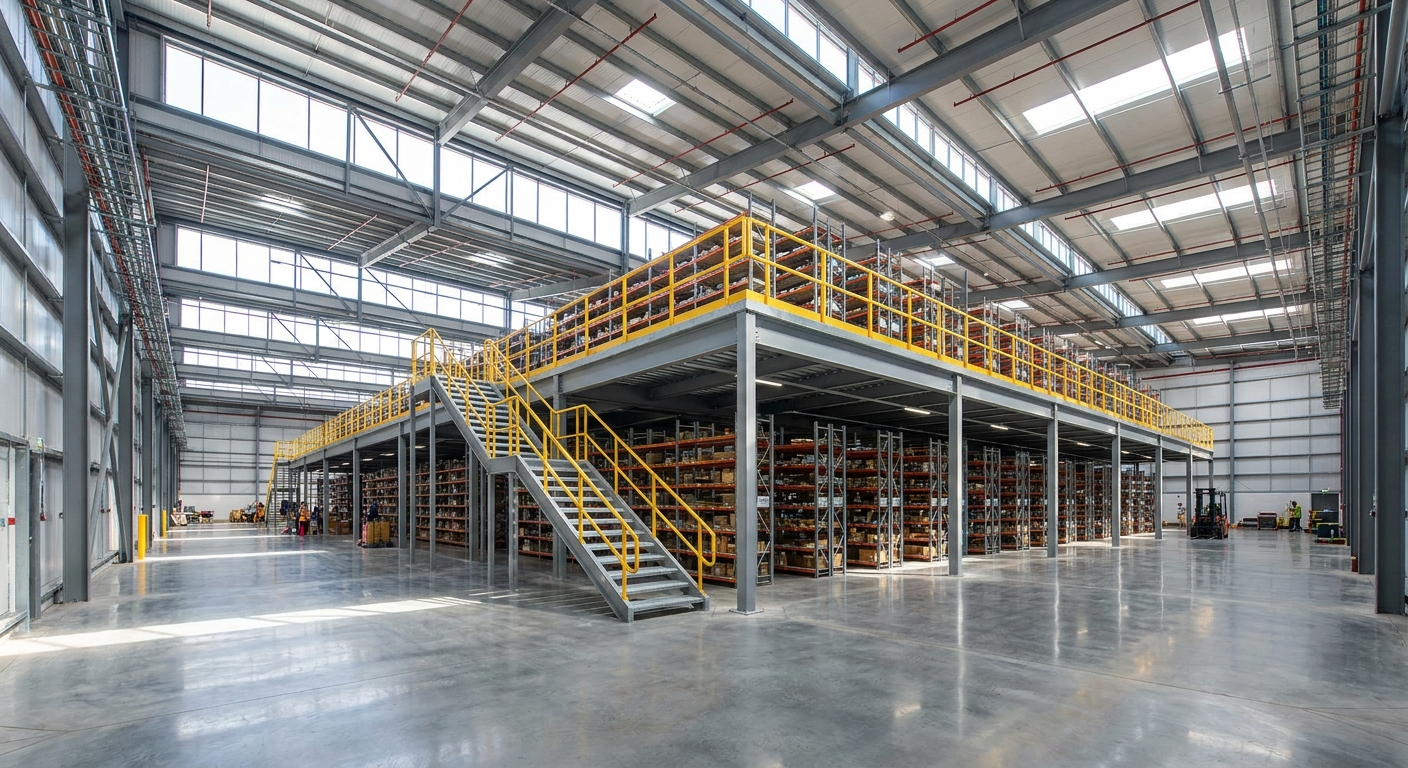
Controlling the internal temperature of your steel warehouse building is best achieved through continuous insulation barriers and custom-designed ventilation systems. Uninsulated metal walls can quickly lead to heavy interior condensation and major temperature swings. Selecting the correct thermal envelope is essential for preserving your stored goods and reducing monthly energy costs.
What insulation options fit your facility?
You can select from fiberglass blanket insulation, rigid foam boards, or advanced insulated metal panels. Here is the truth: insulated metal panels (IMPs) offer superior R-values and clean interior finishes that are easy to maintain. This option is highly recommended for climate-controlled storage and cold-chain facilities.
- Fiberglass blankets provide cost-effective thermal defense.
- Insulated metal panels offer continuous built-in vapor barriers.
- Rigid boards reduce thermal bridging across framing members.
You will find that continuous insulation barriers significantly lower your HVAC operating costs. By stopping heat transfer through the highly conductive steel framing, you prevent the formation of condensation. This dry environment is critical for preventing cardboard box degradation and metal product corrosion.
How do you manage warehouse airflow?
Mechanical ventilation and natural draft systems are necessary to keep air moving and maintain uniform indoor air quality. Look at it this way: stagnant air can trap moisture and exhaust fumes, creating uncomfortable or hazardous conditions for your warehouse staff. A well-designed ventilation layout ensures fresh air circulates continuously.
- Ridge ventilators exhaust hot air naturally from the ceiling.
- Wall louvers pull fresh air through lower building zones.
- HVLS fans destratify temperature layers to keep air balanced.
You should size your ventilation fans to match your warehouse’s volume and occupancy level. Proper airflow rates prevent temperature stratification and support a comfortable working climate for your operations team. This operational comfort boosts worker productivity and protects sensitive inventory.
Key Takeaway: Combining high-R-value insulation panels with active ventilation systems prevents structural moisture damage and lowers climate-control expenses.
| Thermal Solution | Typical R-Value Range | Best Use Case | |
|---|---|---|---|
| Insulated Metal Panels | R-14 to R-40 | Cold storage & strict climate control | |
| Fiberglass Blankets | R-11 to R-30 | Dry storage in temperate climates | |
| HVLS Fan Integration | N/A (Air circulation) | Eliminating temperature stratification |
Optimizing your thermal envelope ensures your warehouse maintains stable interior temperatures while minimizing monthly utility costs.
How Do Codes Impact a Steel Warehouse Building?
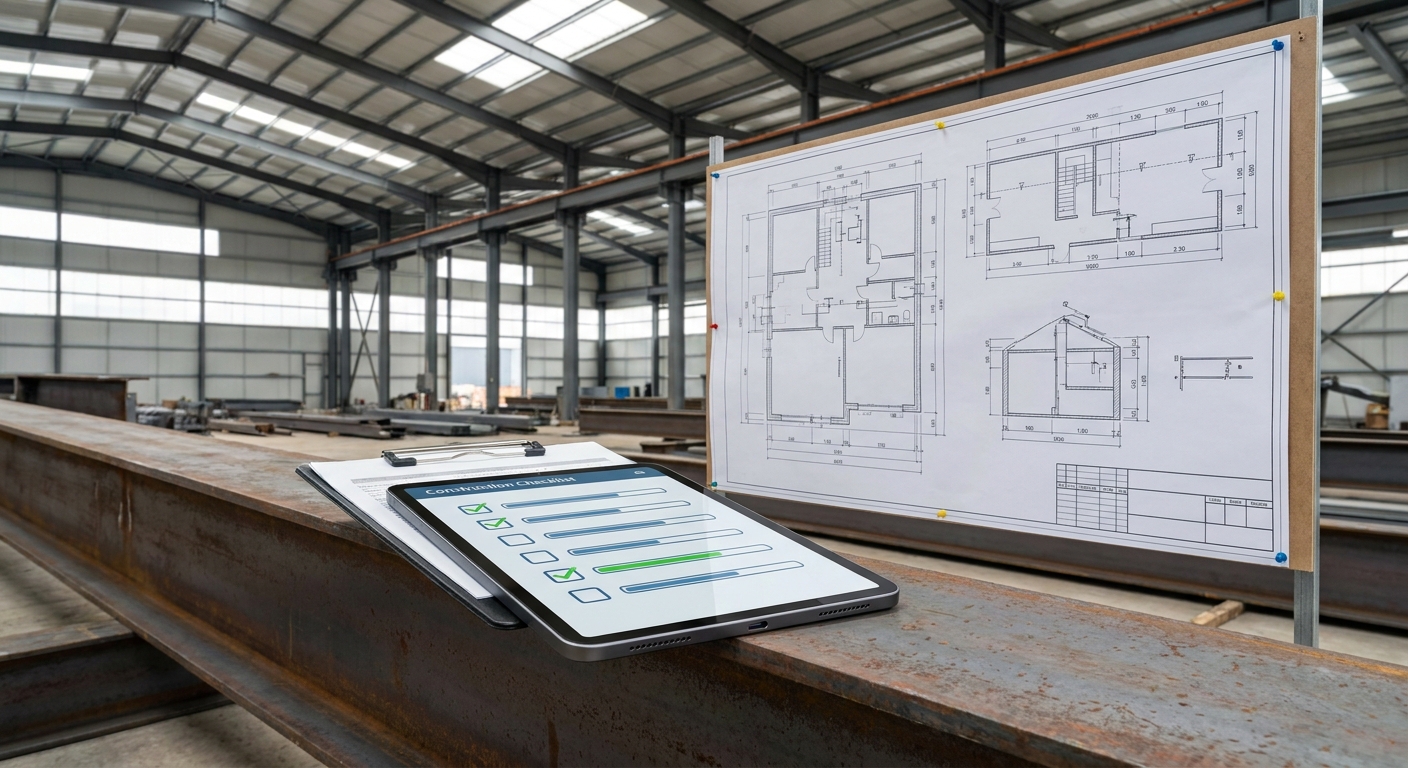
Local building codes and zoning laws heavily influence how a steel warehouse building can be designed, positioned, and operated on your designated property. Adhering to these structural standards ensures that your building remains fully compliant with the International Building Code. This regulatory alignment is essential for securing construction permits and protecting your team during daily operations.
What are the primary zoning hurdles?
Zoning bylaws govern building heights, property line setbacks, parking configurations, and storm runoff management. But it gets better: reviewing these spatial limits early helps you design a site plan that maximizes your land’s potential without violating city rules. This proactive planning is highly recommended to avoid costly land-use disputes.
- Verify allowable building-to-lot coverage ratios.
- Adhere to local building height restrictions for industrial zones.
- Plan adequate space for heavy freight truck turns.
You should account for municipal stormwater runoff requirements. Industrial rooftops generate massive amounts of water runoff during rainstorms, which typically requires a dedicated retention basin. Designing these retention areas early keeps your project moving smoothly through municipal approvals.
Why does fire rating matter for structural steel?
Structural steel loses strength under high heat, which means building codes require strict fire protection measures. Here is the truth: meeting these safety standards is essential for protecting both your employees and your physical capital investment. The required fire rating depends largely on what type of inventory you plan to store.
- Install code-compliant automatic fire sprinkler networks.
- Apply gypsum wrapping or intumescent paint to main columns.
- Incorporate firewall barriers to separate distinct warehouse zones.
You will find that incorporating advanced sprinkler systems can allow you to build larger floor areas under the building code. This trade-off between fire suppression systems and allowable space is a key consideration during the engineering phase. Work closely with code consultants to optimize your layout for safety and efficiency.
Key Takeaway: Early-stage coordination with building code consultants prevents design delays and ensures compliance with fire safety and zoning laws.
| Code Requirement | Governing Standard | Compliance Solution | |
|---|---|---|---|
| Occupancy Class | IBC S-1 / S-2 Storage | Classifies hazard levels of stored goods | |
| Fire Sprinklers | NFPA 13 Guidelines | Wet-pipe or dry-pipe sprinkler systems | |
| Structural Load Resistance | ASCE 7 Standards | Engineered frame to resist regional snow & wind |
Designing your warehouse to meet or exceed International Building Code standards ensures long-term operational legality and structural integrity.
How Do You Protect a Steel Warehouse Building?
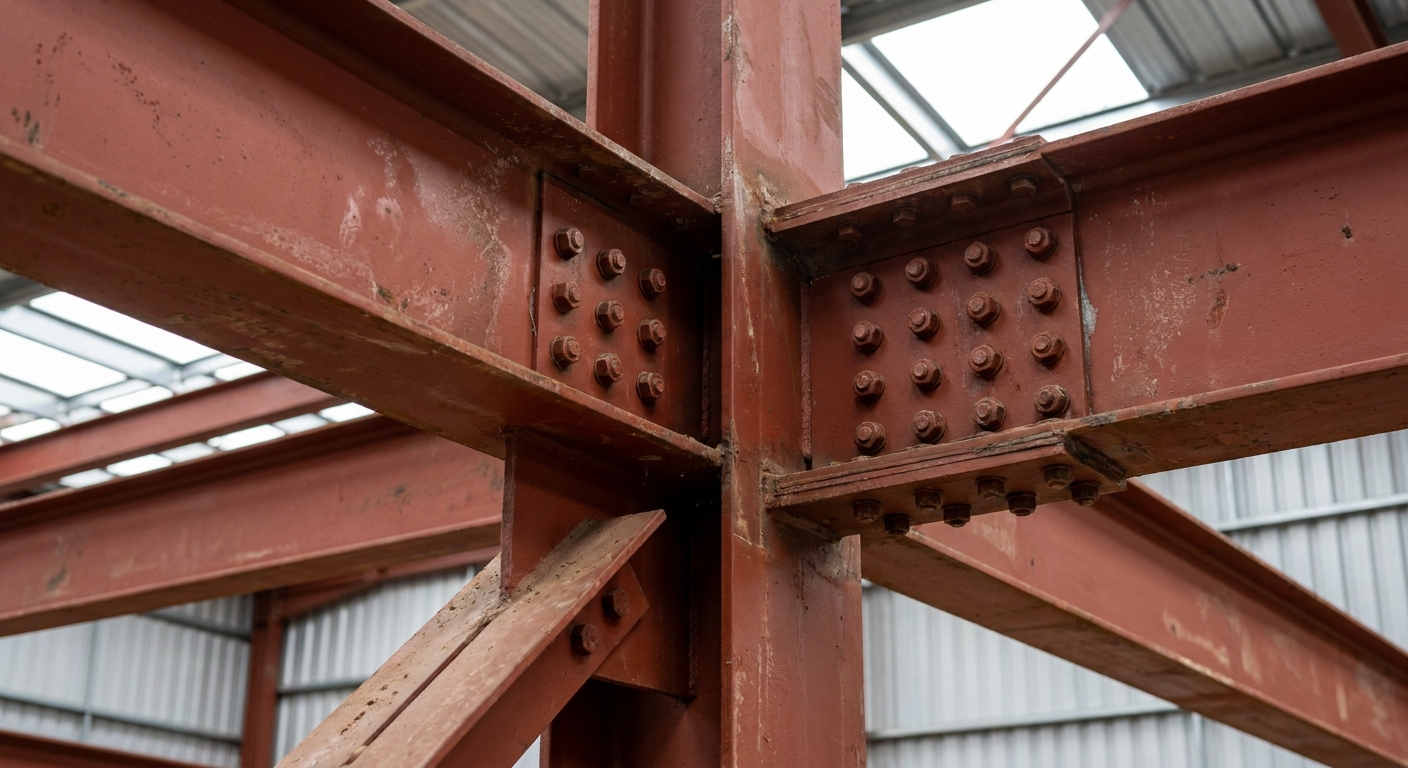
Protecting a steel warehouse building from environmental oxidation and rust is typically achieved by utilizing advanced metallurgical coatings like hot-dip galvanization and high-durability primers. These protective barriers prevent structural steel components from weakening due to continuous moisture exposure. Regular maintenance checks and correct coating applications are highly recommended to secure the longevity of your building.
Why is hot-dip galvanization the gold standard?
Hot-dip galvanization coats structural steel in a protective layer of zinc that physically blocks moisture and oxygen from reaching the core. Look at it this way: even if the surface gets scratched during assembly, the surrounding zinc sacrifices itself to protect the underlying steel from rust. This self-healing property makes galvanization highly effective for harsh industrial areas.
- Provides superior defense in humid and coastal environments.
- Eliminates the need for frequent field painting and touch-ups.
- Dramatically extends the service life of framing members.
You will find that galvanized steel requires far less maintenance over its lifecycle compared to standard painted frames. While the upfront galvanizing cost is slightly higher, the long-term maintenance savings are certainly worth the initial investment. This durability is highly recommended for coastal operations.
What maintenance keeps your steel healthy?
Regular maintenance is essential for identifying early signs of wear and preventing minor issues from becoming major repairs. Here is the truth: simple annual inspections can extend the life of your steel building envelope by decades. Focusing on joints, fasteners, and drainage areas is particularly important.
- Clear debris and standing water from roof gutters.
- Inspect high-strength bolts for correct tension and wear.
- Touch up any paint scratches with zinc-rich primers.
You should pay close attention to the base of structural columns where moisture can collect near the concrete foundation. Keeping these base plates clean and dry prevents localized corrosion from compromising your building’s frame stability. Proactive maintenance is the best way to secure your long-term facility investment.
Key Takeaway: Combining hot-dip galvanization with routine annual maintenance inspections keeps your structural steel frame completely rust-free and functionally sound for decades.
| Protective System | Expected Lifespan | Recommended Location | |
|---|---|---|---|
| Hot-Dip Galvanizing | 50+ Years (Zero maintenance) | High-humidity, coastal, or chemical zones | |
| Zinc-Rich Epoxy Primer | 15 to 25 Years (With topcoat) | Standard dry industrial areas | |
| Acrylic Industrial Enamel | 5 to 10 Years (Needs repaint) | Light-duty indoor framing structures |
Selecting advanced corrosion coatings during fabrication eliminates the need for expensive structural repainting programs down the road.
Is a Green Steel Warehouse Building Sustainable?
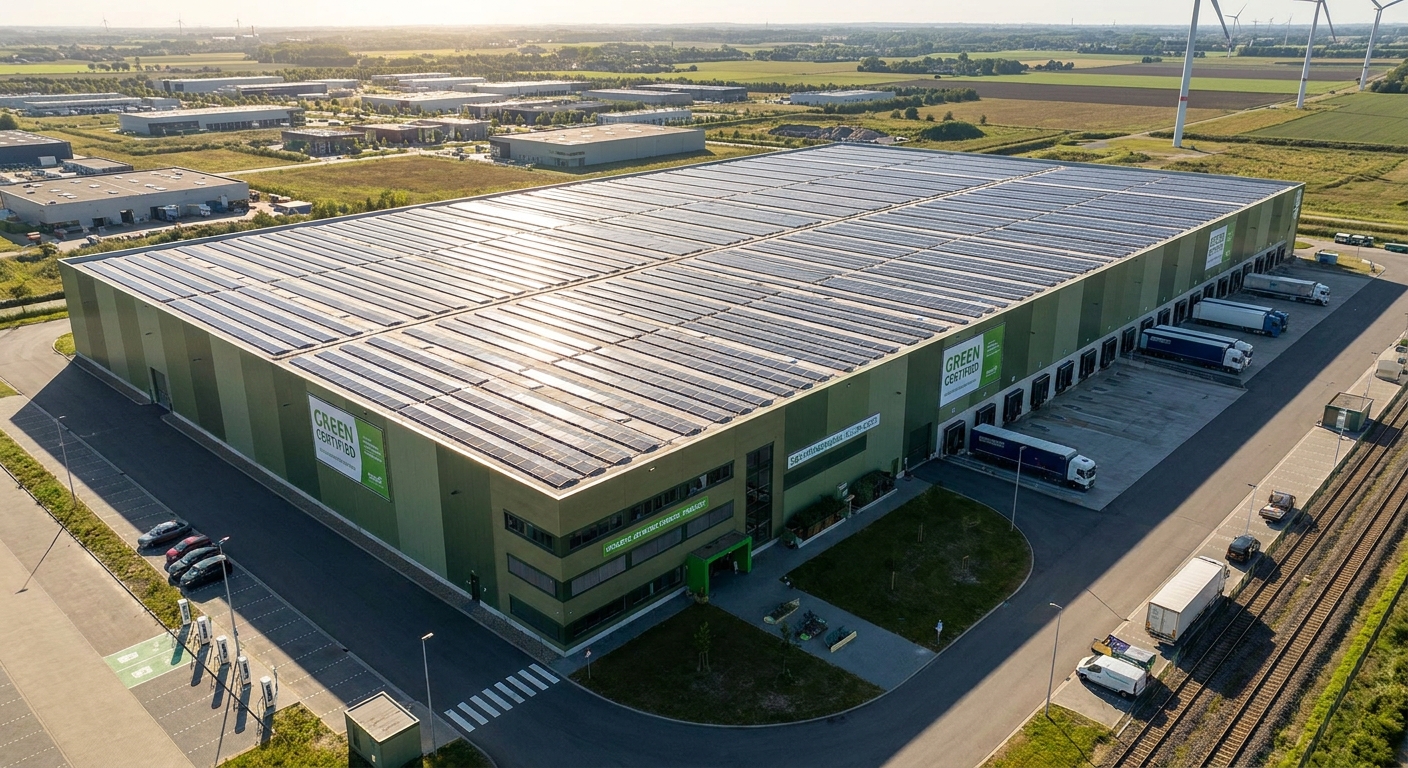
A modern steel warehouse building supports industrial sustainability goals because structural steel is fully recyclable and works seamlessly with high-efficiency energy systems. Unlike traditional concrete structures that generate heavy carbon emissions during production, steel framing can be recycled indefinitely without losing its physical strength. This eco-friendly design helps businesses meet their modern environmental goals while cutting monthly operating costs.
How does steel recyclability help the planet?
Most structural steel used today contains a very high percentage of recycled content. But it gets better: at the end of your building’s lifecycle, the entire steel frame can be melted down and re-engineered into new steel products. This circular lifecycle prevents construction waste from ever filling local landfills.
- Reduces the need to mine raw iron ore.
- Lowers the total carbon footprint of your build.
- Minimizes material waste through precise off-site prefabrication.
You will find that using recycled materials is highly appreciated by eco-conscious customers and corporate partners. Many modern supply chain contracts now require vendors to demonstrate sustainable building practices. Building with steel is an excellent way to secure these valuable business relationships.
Can you integrate solar energy with steel?
The strength and stability of steel roof framing make it the perfect platform for supporting heavy solar panel arrays. Here is the truth: standing-seam metal roofs allow you to mount solar panels without drilling any holes through the roof sheets. This clip-on mounting method keeps your roof watertight while generating clean solar power.
- Mount solar panels using secure, non-penetrating clamps.
- Cool-roof coatings reflect sunlight to lower cooling loads.
- Lower your reliance on local electrical utility grids.
You should coordinate your solar plan with your structural engineers during the initial design phase. This ensures that the roof trusses are calculated to support the extra weight of the solar panels and racking. This early planning guarantees a safe, high-efficiency solar installation.
Key Takeaway: Combining recyclable steel framing with solar-ready standing-seam roofs creates a highly sustainable, low-emission facility that lowers your operational costs.
| Sustainability Feature | Environmental Impact | Financial Advantage | |
|---|---|---|---|
| Recycled Content Steel | Lowers lifecycle carbon emissions | Reduces construction material waste | |
| Standing-Seam Solar Mount | Supports clean solar power production | Zero roof leaks, lower monthly utility bills | |
| High-Reflectance Coatings | Minimizes local heat island effects | Reduces air-conditioning energy use |
Designing a solar-ready steel facility allows you to generate renewable energy while maintaining the structural integrity of your building envelope.
How Do You Buy a Custom Steel Warehouse Building?
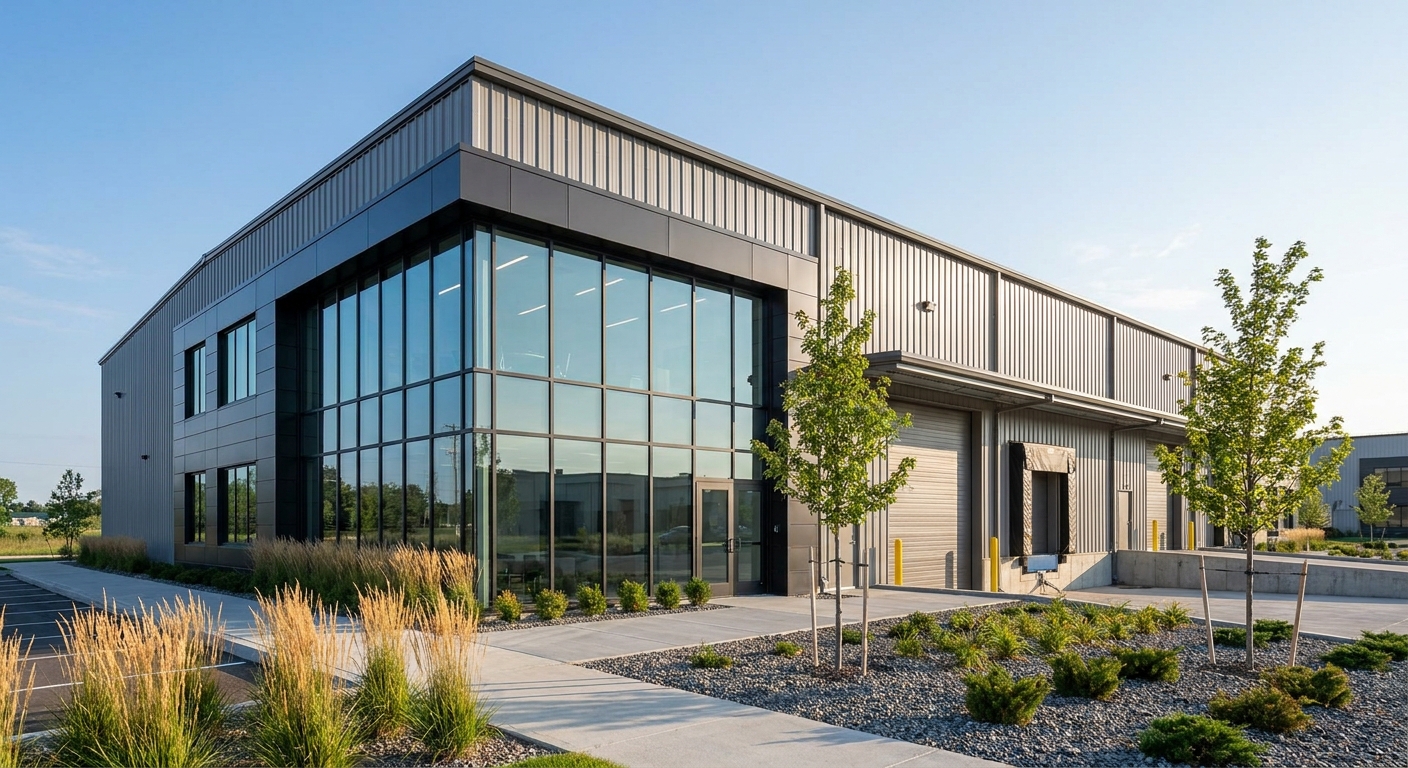
Selecting the ideal manufacturer and general contractor for your steel warehouse building requires verifying their production capacity, engineering experience, and technical support services. A qualified fabrication partner ensures that every component is engineered to your local code requirements and shipped on time. By working with experienced professionals, you can streamline your procurement process and avoid unexpected delays on the job site.
How do you vet steel manufacturers?
You should look for manufacturers with certified fabrication facilities and a proven history of delivering high-quality projects. Look at it this way: a manufacturer with in-house engineering support can coordinate your structural designs much faster than an outsourced team. This integrated expertise prevents communication errors and keeps your project on schedule.
- Check for industry-standard quality certifications.
- Verify they offer comprehensive structural engineering stamps.
- Review their history of successful industrial completions.
You should request a detailed tour of their manufacturing facility or ask for references from past commercial clients. Hearing about another business’s experience with lead times and product quality is highly valuable before signing a contract. This thorough vetting process is highly recommended to protect your capital investment.
What technical support should you expect?
A high-quality manufacturer does not stop working once the steel is loaded onto the shipping truck. Here is the truth: post-delivery technical support is essential for resolving any unexpected challenges that come up during on-site erection. Having access to clear installation drawings and responsive customer service is extremely valuable.
- Clear, step-by-step installation manuals and details.
- Responsive engineering support for on-site adjustments.
- Fast delivery of replacement parts if any damage occurs.
You will find that working with a partner who offers comprehensive technical support makes your entire build process much smoother. This close coordination between fabrication and on-site assembly reduces field stress and keeps your erection crew working safely. This collaborative approach ensures your custom warehouse is built to the highest possible standard.
Key Takeaway: Partnering with a certified, experienced manufacturer that provides full engineering support and post-delivery service guarantees a successful, high-quality build.
| Selection Criteria | What to Look For | Why It Matters | |
|---|---|---|---|
| In-House Engineering | Licensed structural engineers on staff | Speeds up custom drawings & approvals | |
| Quality Certification | ISO or equivalent international standards | Guarantees precise fabrication tolerances | |
| Field Support Services | Direct line to the engineering team | Resolves assembly challenges instantly |
Selecting a manufacturer based on technical expertise rather than the lowest bid guarantees a smoother, more efficient construction experience.
Capitalizing on Your New Commercial Facility
Transitioning your logistical or industrial operations into a highly efficient space is the key to maintaining a competitive edge. Outdated timber or masonry buildings limit your storage density, increase your maintenance overhead, and slow down your overall speed-to-market. By utilizing a custom-engineered steel warehouse building, you gain complete floor space flexibility, decades of corrosion defense, and a sustainable building footprint designed to grow with your business.
Our expert engineering team is prepared to help you design, analyze, and deliver a high-performance facility tailored to your exact operational parameters. From initial soil and zoning calculations to the final on-site panel fastening, we provide the technical expertise and high-quality materials required to make your project a complete success. Contact us today to secure a customized design proposal, and take the first step toward a more profitable, highly resilient industrial future.
Build Smarter with a Custom Steel Warehouse Quote Today.
Email:sales@showhoo.com.cn
Phone/WhatsApp:+86 186 7895 5927
What Are FAQs About a Steel Warehouse Building?
Can I expand my steel warehouse building after construction is complete?
Yes, expansion is highly feasible. The prefabricated nature of steel framing allows you to remove endwalls easily and bolt new bays directly onto the existing frame without structural compromise.
What is the standard lifespan of a galvanized steel warehouse building?
Typically, fifty years or more of low-maintenance operation. The zinc coating chemically prevents rust, ensuring the structural steel skeleton remains robust in diverse environments.
How do I choose the best foundation for my steel warehouse building?
You should perform a professional geotechnical soil test first. An engineer will use the results to design a concrete slab or pier system optimized for your specific soil bearing capacity.
How does rain and wind affect a steel warehouse building during high storms?
These buildings are engineered specifically for high local wind and snow loads. When built correctly, the high-strength fasteners and heavy-duty steel panels withstand extreme wind forces safely.
Can I build a multi-story office space inside my steel warehouse building?
Yes, you can easily integrate a mezzanine floor. Modern steel framing easily supports secondary floor systems for administrative offices, picking zones, or additional storage without requiring wider foundations.