
Implementing eighteen strategic warehouse organization ideas boosts daily industrial productivity while significantly raising employee morale through highly streamlined metal floor layouts, creating smooth material flows. Many growing supply chain companies struggle with cramped storage layouts and workers lose valuable hours searching for misplaced inventory in highly disorganized distribution environments. This constant operational chaos leads to severe shipping delays, which deeply frustrates your valuable clients while driving up labor overhead within competitive global distribution markets. Fortunately, integrating a custom-designed prefabricated steel storage building provides a robust structural framework to execute these warehouse ideas for long-term commercial supply chain success.
Why Do Flow Layouts Define Successful Warehouse Ideas?
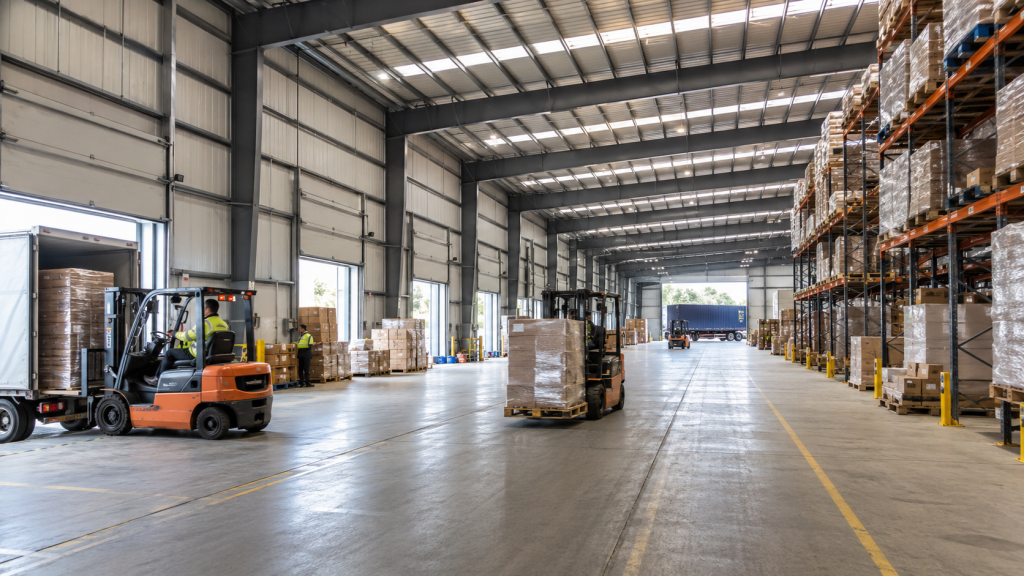
Optimal flow layouts define successful warehouse ideas because they create a straight, unobstructed path from receiving docks directly to shipping zones, minimizing forklift movement. Establishing simple unidirectional product movement prevents worker accidents while accelerating order fulfillment, helping you meet strict daily delivery quotas without needing overtime pay. Inefficient building configurations force labor teams to waste massive energy on repetitive material handling, but planning correct pathways completely eliminates this major operational bottleneck. Thus, coordinating receiving and shipping locations remains the most effective general setup strategy for modern high-performance prefabricated structural steel logistics centers.
What Is the Ideal Path for Incoming Inventory?
Industrial managers who build spacious modern structures like a custom steel structure design enjoy massive staging zones for rapid incoming package scanning. This organized setup keeps workers safe because incoming shipments never block active pedestrian pathways or heavy forklift travel aisles during busy morning shifts. Indeed, the solution is clear. Maintaining clean staging spaces represents the foundational step of rapid inventory logging before stocking items on tall shelves.
Your industrial warehouse staff must always follow a highly structured inbound receiving process to maintain absolute physical order during massive commercial cargo shipping shifts.
- First, receiving crews unload heavy incoming materials directly onto spacious concrete staging pads for immediate visual inspections, checking for any structural damage.
- Second, receivers scan barcode tracking data into your central cloud database to update inventory levels across the general distribution network instantly.
- Third, skilled forklift operators safely transport verified products to assigned tall rack locations without causing any congested and dangerous aisle traffic jams.
How Does Direct Flow Reduce Material Handling?
Direct material flow routing moves inventory along a perfectly straight physical path to minimize touchpoints inside your busy steel storage building. Every single time an operator touches a heavy pallet unnecessarily, operational costs rise and the overall risk of product damage increases dramatically. Let’s face it. This simple layout strategy helps you scale operations without hiring expensive extra warehouse workers during high-demand shipping seasons.
By implementing a standard straight flow layout, you protect fragile commercial cargo items while saving valuable labor hours during busy daily shifts.
Key Takeaway: Designing an uninterrupted, straight product flow path remains highly beneficial because reducing material handling is the primary driver of operational efficiency. When you completely eliminate extra material handling steps, your entire steel logistics facility achieves much higher picking speed and greater order shipping accuracy. Thus, a highly structured floor layout acts as a powerful strategic tool to increase daily cargo throughput without adding complex machinery. Industrial managers should therefore regularly audit their floor layout to identify and eliminate slow physical bottlenecks before shipping delays occur.
| Flow Strategy | Operational Benefit | Key Requirement |
|---|---|---|
| Unidirectional Path | Eliminates cross-traffic congestion | Straight layout design |
| Minimal Touches | Reduces cargo damage rates | Dedicated staging areas |
| Structured Staging | Accelerates check-in processes | Heavy-duty steel space |
Analyzing these core flow strategies reveals that structural layout alignment directly dictates operational profitability.
How Can Vertical Space Maximize Warehouse Ideas?

Vertical storage rack designs maximize warehouse ideas by fully utilizing overhead space instead of expanding outward, doubling total inventory capacity inside steel buildings. Many industrial managers overlook overhead clearance but installing tall heavy-duty structural racking systems offers a rapid solution for severe spatial storage shortages. Choosing high clearance structures like steel warehouses allows you to stack heavy pallets safely without worrying about roof height limits. Thus, high vertical engineering represents the smartest strategic path to take when physical warehouse floor space is extremely limited.
How Can High Mezzanines Double Storage Space?
Clearly, this works. Workers access upper mezzanines via safe steel stairs, which keeps your ground floor completely clear for rapid receiving operations. This intermediate steel floor handles pack stations, assembly areas, or spare parts shelving, separating slow processes from main high-speed forklift lanes. By dividing tasks by height level, your overall team efficiency rises because pedestrian walk traffic stays far away from heavy moving machinery.
Installing heavy-duty structural steel mezzanines effectively creates a completely new floor level for light inventory storage without requiring expensive commercial construction permits.
- First, professional structural engineers must always verify that your concrete foundation slab can safely support the heavy additional weight load.
- Second, heavy-duty swing safety gates are absolutely necessary to protect active platform workers from falling down during high-elevation pallet loading operations.
- Third, high-quality overhead lighting under the installed mezzanine is exceptionally essential to keep the lower floor level bright and safe.
Why Do High Racks Require Expert Engineering?
High-density racking systems always require professional engineering because top-heavy steel structures face severe tipping risks during high-speed forklift collisions. Experienced engineers carefully design custom storage racks to withstand local seismic forces and heavy wind loads inside large steel structure warehouses. This is critical. Using cheap substandard storage racks represents a major physical safety hazard, which can lead directly to catastrophic inventory collapses. Therefore, sourcing highly durable racks from certified industrial manufacturers always ensures your high-capacity logistics facility meets all rigorous safety standards.
Key Takeaway: Prioritizing premium structural engineering remains highly essential because tall rack systems must remain stable to prevent devastating warehouse injuries. When you invest in certified structural steel racks, you protect your valuable physical inventory and employees from unexpected high-elevation structural failures. This simple safety precaution builds immense trust with your entire operations team while effectively lowering your long-term commercial liability insurance premiums. Thus, expert structural safety planning is the single best way to secure your tall vertical storage space.
| Vertical Option | Capacity Increase | Primary Advantage |
|---|---|---|
| Steel Mezzanines | Doubles floor space | Adds flexible work zones |
| High-Bay Racks | Up to 300% more volume | Optimizes tall warehouses |
| Mobile Shelving | Eliminates fixed aisles | Maximizes storage density |
Evaluating these vertical storage options proves that height utilization is key to overcoming severe spatial constraints.
Optimize Your Warehouse—Get a Custom Steel Plan Today !
Email:sales@showhoo.com.cn
Phone/WhatsApp: + 86 186 7895 5927
Where Do Specialized Bins Optimize Warehouse Ideas?
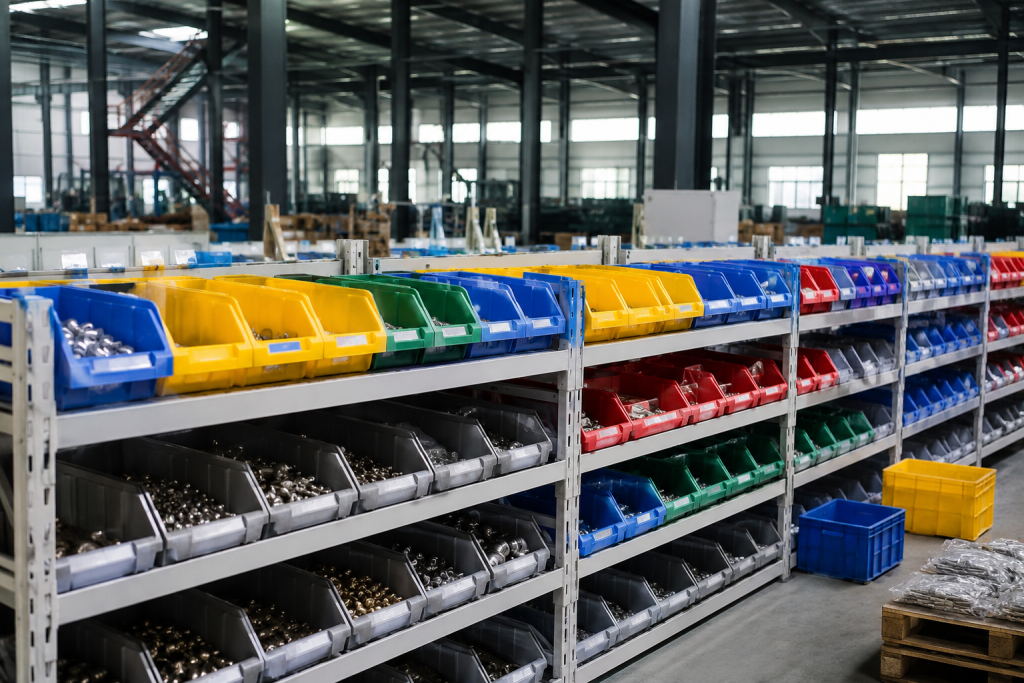
Specialized storage bins optimize warehouse ideas by organizing small loose parts and preventing costly picking errors on active distribution floors. When warehouse workers handle small unorganized hardware components, general order picking processing times slow down and shipping accuracy decreases rapidly. Using smart color-coded containers helps manual operators find specific stock items within seconds, which greatly improves overall material sorting speeds. Therefore, investing in durable industrial plastic dividers is a highly critical step to achieve clean and accurate inventory tracking.
Why Are Color Coded Bins Good for Speed?
Color-coded storage containers provide immediate visual cues that help active workers locate specific product families without reading small and confusing printed labels during picks. This simple visual organization system reduces training time for temporary staff because basic color associations are very easy to memorize. The truth is plain. Managers who implement visual controls see an instant drop in picking mistakes, especially in fast-paced retail shipping environments. By using bright red bins for high-priority orders and blue bins for standard shipping, daily shipping accuracy remains exceptionally high.
Creating a highly reliable color organization system requires standardizing bin meanings across your entire commercial supply chain network to avoid any team confusion.
- First, red containers always signal high-velocity manufacturing parts that demand rapid replenishment to keep your active factory assembly lines running smoothly.
- Second, yellow bins safely hold fragile electronic components that need exceptionally gentle manual handling to prevent expensive product cargo physical damage.
- Third, green containers represent emergency safety stock that remains completely untouched until your regular inventory is fully depleted during busy shipping seasons.
How Do Durable Tote Dividers Prevent Damage?
Tote dividers protect valuable goods by keeping individual fragile parts separated, completely preventing dangerous friction and collisions inside moving plastic storage bins. When forklift operators transport heavy mixed loads, loose delicate parts slide around and fragile surfaces get scratched easily without protective partitions. We must recognize. Using customized dividers creates tight individual slots for each item, which stabilizes cargo during high-speed warehouse transit. As a direct result, your commercial shipping operation achieves a much lower product return rate, saving thousands of operational dollars annually.
Key Takeaway: Using durable plastic tote dividers remains highly effective because physically isolating fragile components reduces cargo damage rates during heavy warehouse transit. When you protect small parts with dividers, you easily avoid expensive picking errors and maintain extremely high quality control standards. This clean bin organization system helps your warehouse workers pick multiple items without ever mixing them up in the same rolling transport cart. Thus, industrial dividers are the simplest physical tool to improve stock safety while keeping small individual parts perfectly visible for active pickers.
| Bin Category | Best Application | Material Choice |
|---|---|---|
| Open Front Bins | Fast-picking hardware | Polypropylene plastic |
| Divided Totes | Kitted assemblies | Cardboard or plastic |
| Stacking Crates | Bulk fragile items | Heavy-duty HDPE |
Analyzing bin categories highlights that choosing correct storage materials is essential to minimize daily cargo damage.
Which Slotting Strategies Fuel Smart Warehouse Ideas?
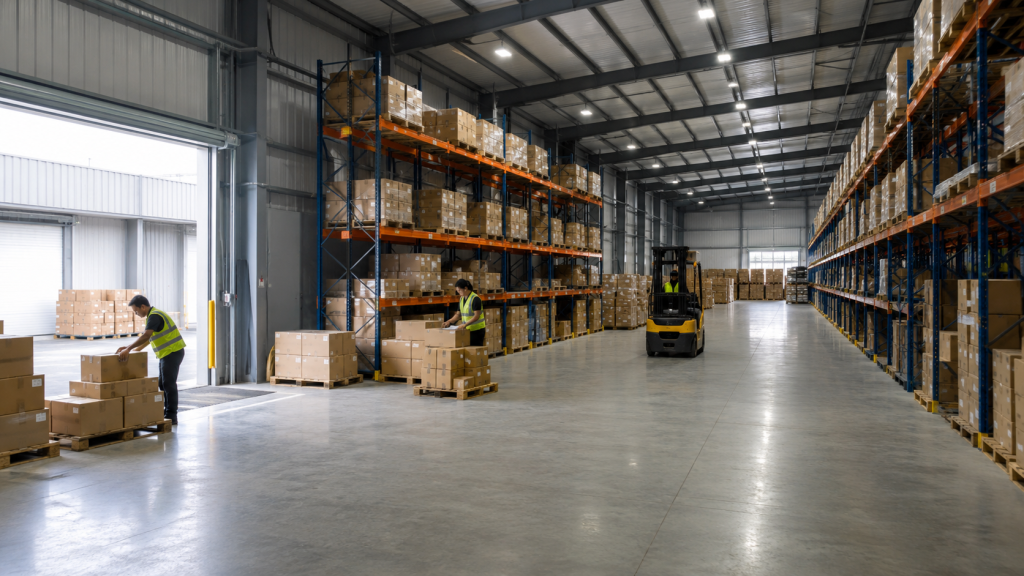
Effective slotting strategies fuel smart warehouse ideas by placing fast-moving products near shipping docks to reduce forklift travel distance during picks. When you store high-demand items in easily accessible rack locations, workers complete orders much faster without walking long distances across massive facilities. Grouping physical products by sales velocity prevents congested traffic lines inside main aisles, but slow-moving items go to remote back storage zones. Thus, physical slotting optimization remains a highly proven strategic way to increase commercial storage capacity and daily order picking speed.
What Is ABC Analysis for Inventory Velocity?
ABC analysis is a classic inventory classification method that ranks physical products based on their transaction frequency and total sales volume. Category A items represent your fast-moving stock, which you should always store at chest height in primary low-level zones. The reason is clear. Class B items move moderately, while Class C products represent slow-moving inventory that goes on high shelves. By separating physical inventory this logical way, you greatly reduce worker fatigue because most heavy-lifting tasks occur near main loading docks.
Successfully implementing ABC velocity slotting always requires auditing your monthly sales data to identify demand changes throughout the fiscal year.
- Group A items represent twenty percent of total inventory but they generate eighty percent of daily warehouse pick traffic.
- Group B products require medium height shelf accessibility because they move at a highly moderate speed during normal daily warehouse operations.
- Group C slow inventory goes to high top racks because these items are picked very rarely by manual fulfillment crews.
How Does Slotting Shorten Travel Distances?
Strategic inventory slotting shortens travel distances by positioning frequently paired items exceptionally close to each other on the main pick path. If your active warehouse workers pick kitted products together, storing them side-by-side easily prevents forklift operators from making extra travel trips. Keep this in mind. This layout optimization reduces engine wear and lowers overall energy costs inside your modern steel warehouse. Therefore, short travel routes keep your picking operations highly sustainable while successfully boosting hourly order fulfillment throughput.
Key Takeaway: Regular slotting updates remain highly critical because seasonal sales trends shift rapidly, requiring you to reorganize high-velocity items accordingly. When you carefully analyze sales data quarterly, you keep your fastest items in the most accessible ground-level storage spots. This proactive warehouse management approach effectively prevents severe layout congestion before peak shipping seasons arrive at your busy commercial facility. Thus, routine slotting analysis remains an indispensable warehouse management tool to maintain rapid and safe material flow.
| Slotting Category | Product Type | Storage Location |
|---|---|---|
| High Velocity (A) | Best sellers | Near shipping docks |
| Medium Velocity (B) | Stable demand | Center warehouse aisles |
| Low Velocity (C) | Bulk materials | High racks or back corners |
Reviewing slotting categories demonstrates that matching product velocity to specific locations is key to reducing transit times.
How Do Lean Inventories Support Warehouse Ideas?
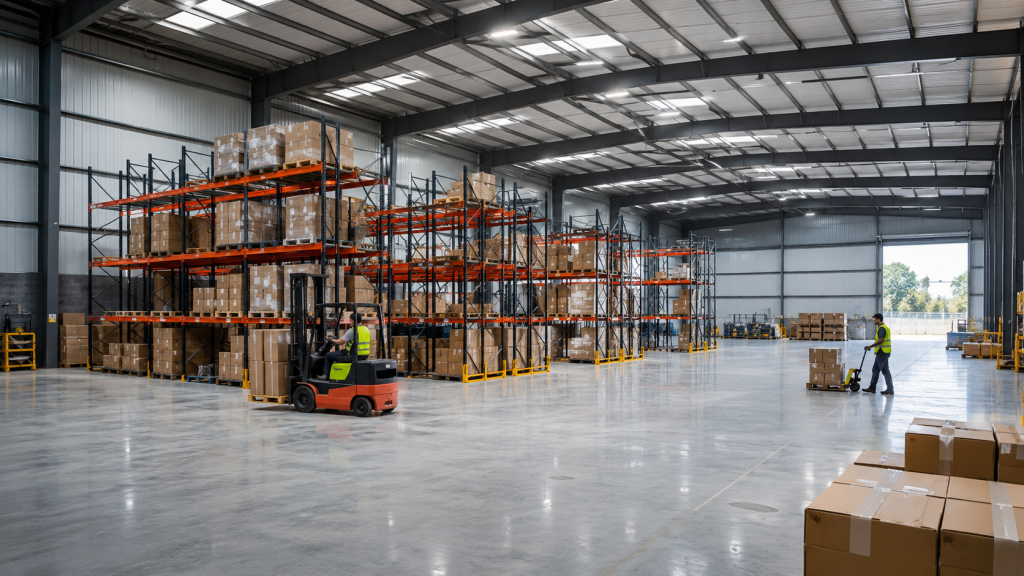
Lean inventories support warehouse ideas by drastically reducing excess stock and freeing up valuable concrete floor space inside modern steel storage buildings. When companies hold too much duplicate product, aisle congestion rises and managing tall storage racks becomes a daily logistical nightmare. Adopting a highly disciplined just-in-time material storage system minimizes holding costs while successfully ensuring your popular cargo items stay in stock. Therefore, keeping stock exceptionally lean remains a powerful operational strategy to maintain a safe and clean industrial steel warehouse.
Why Keep Safety Stock in Dedicated Zones?
Storing emergency safety stock in dedicated physical zones prevents fulfillment workers from picking backup inventory during standard daily cargo shipments. If backup stock is scattered across active aisles, tracking actual product counts becomes highly difficult and stockouts happen unexpectedly. It is clear. By isolating these backup goods, managers maintain high inventory accuracy while protecting operations from sudden supply chain disruptions. This simple zone planning secures your backup emergency materials without cluttering fast-moving pick rack zones during peak commercial shipping seasons.
Successfully setting up a separate safety stock zone always requires evaluating supplier lead times to calculate the correct backup inventory volume.
- First, assign a specific back-corner rack area that remains clearly labeled and reserved for emergency backup inventory only.
- Second, set automated warning alerts in your management database to trigger rapid replenishment when standard stock levels drop low.
- Third, audit this safety zone monthly to ensure products stay in pristine physical condition and avoid any slow product expiration issues.
How Do Regular Cycle Counts Prevent Overstock?
Regular cycle counting prevents overstock by verifying actual physical counts against database records on a highly disciplined daily schedule. When you count small inventory segments routinely, you easily spot data record errors before buying redundant manufacturing cargo materials. We can agree. This highly accurate counting process keeps your stock levels lean, which saves valuable capital for other business expansion needs. As a direct result, your commercial logistics facility completely avoids wasting valuable shelf space on slow-moving and dusty inventory items.
Key Takeaway: Implementing a daily cycle count program remains highly beneficial because accurate stock data easily prevents you from purchasing unnecessary materials. When you know your exact stock numbers, you easily optimize purchasing schedules and protect your active operational cash flow budget. This accurate physical tracking builds immense confidence among sales teams because product availability is always guaranteed for waiting retail clients. Thus, routine cycle counting remains the ultimate management tool to maintain a highly profitable and lean commercial storage facility.
| Inventory Practice | Target Frequency | Main Goal |
|---|---|---|
| ABC Cycle Counts | Daily rotations | 100% database accuracy |
| Safety Stock Zones | Monthly audits | Prevents sudden stockouts |
| Just-in-Time | Continuous tracking | Lowers warehouse overhead |
Reviewing these inventory practices proves that disciplined cycle counting is the key to maintaining an efficient supply chain.
Why Does Pure Cleanliness Transform Warehouse Ideas?
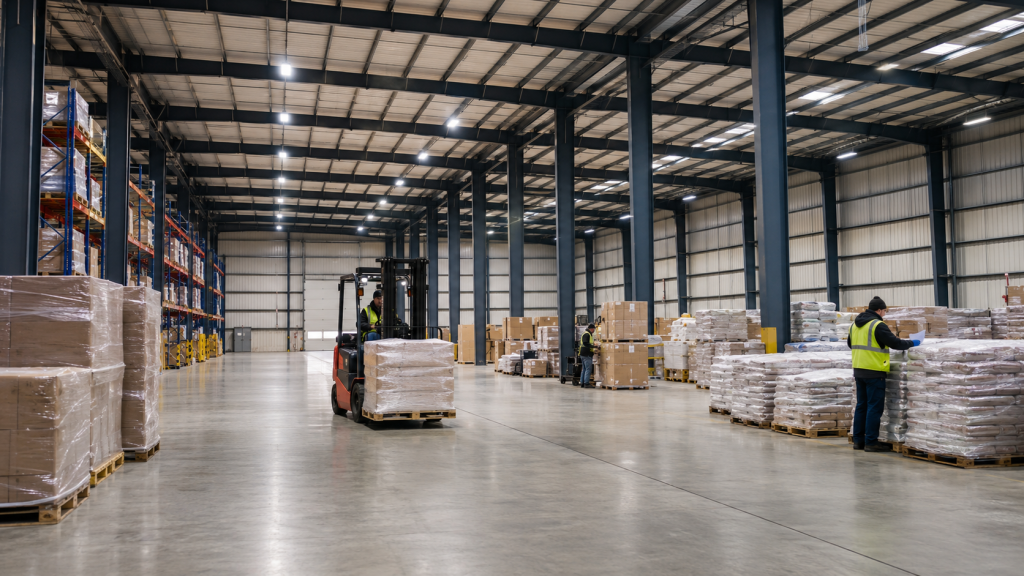
Pure cleanliness transforms warehouse ideas because organized and spotless work areas reduce pick accidents and keep your general logistics personnel highly productive. When cardboard trash and empty wooden pallets pile up in active lanes, machinery operators struggle to navigate safely without causing cargo damage. Establishing strict daily housekeeping schedules keeps concrete floors clear, which allows active forklifts to travel at optimal safe operational speeds. Thus, clean storage facilities enjoy much lower product damage rates and significantly higher overall warehouse worker job satisfaction.
What Are the Benefits of a Daily 5S System?
A daily 5S system stands for sort, set in order, shine, standardize, and sustain, creating a highly disciplined and organized industrial workplace culture. This visual methodology completely eliminates clutter from active packing stations, ensuring your workers find necessary shipping tools like tape guns instantly. It is true. Industrial crews who practice 5S spend zero time looking for misplaced items, which greatly accelerates order packaging speed. Ultimately, a tidy packing desk remains the single best physical way to prevent shipping errors while packing multiple products.
Successfully implementing a 5S housekeeping program always requires clear individual task assignments to maintain high cleanliness standards on every single work shift.
- First, sort through all workstation tools to discard broken tape guns and obsolete cardboard packing materials from desks immediately.
- Second, set essential packing tools in designated shadow boards so every active worker knows exactly where these items belong.
- Third, shine the entire workstation by sweeping dust and removing sticky tape adhesive residue at your shift end.
How Does a Clean Work Area Improve Employee Morale?
A clean work area directly improves employee morale by creating a professional, stress-free environment which shows deep respect for your active workforce. When warehouse workers navigate dusty and cluttered aisles daily, frustration rises and they feel highly unmotivated to complete shipping tasks accurately. Make no mistake. Providing a clean and organized warehouse environment keeps your team happy and reduces employee turnover significantly. Therefore, regular facility cleaning remains a highly valuable investment to secure stable and high-performance warehouse labor crews.
Key Takeaway: Maintaining spotless concrete floors remains highly beneficial because a tidy workspace prevents injuries while building proud and dedicated industrial teams. When you prioritize daily visual cleanliness, you send a clear organizational message that worker physical well-being is your absolute highest priority. This managerial care easily inspires your physical staff to maintain exceptionally clean work areas on their own individual initiative. Thus, routine daily housekeeping remains the easiest and most affordable strategic path to boost general warehouse employee loyalty.
| Cleanliness Step | Specific Action | Frequency |
|---|---|---|
| Aisle Sweeping | Clears debris for forklifts | Every shift end |
| Station Sorting | Organizes packing desks | Daily 5S time |
| Rack Dusting | Keeps items clean | Monthly rotation |
Examining these cleaning schedules confirms that maintaining tidy floors is critical to prevent industrial workplace injuries.
Optimize Your Warehouse—Get a Custom Steel Plan Today !
Email:sales@showhoo.com.cn
Phone/WhatsApp: + 86 186 7895 5927
How Can Wide Aisles Improve Safe Warehouse Ideas?
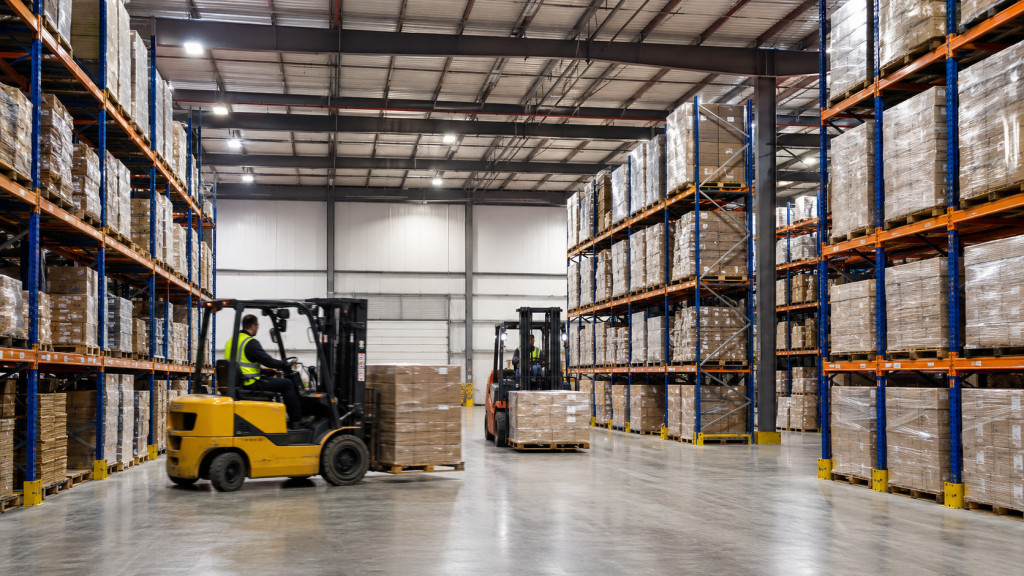
Wide aisles improve safe warehouse ideas by providing plenty of turning clearance for heavy forklift trucks, preventing costly collisions. When travel pathways are narrow and cluttered, forklift drivers struggle to maneuver heavy pallets safely and accident rates rise quickly. Designing wide travel lanes always allows safe two-way machinery movement without causing any traffic gridlock, greatly speeding up your overall shipping operations. Therefore, planning proper main aisle widths remains exceptionally essential to keep your manual workers and valuable cargo safe.
How Do Wide Aisles Prevent Costly Collisions?
Spacious wide aisles prevent costly forklift collisions by giving active operators adequate reaction times and clear physical visibility around blind steel rack corners. When heavy forklift machinery moves through cramped storage channels, drivers run over box edges, which damages valuable goods and weakens steel rack uprights. Believe it or not. By allocating adequate aisle clearance, you secure your structural infrastructure from expensive steel rack repairs. Ultimately, spacious lanes maintain uninterrupted picking productivity because forklift trucks move freely without ever facing physical blockages.
Accurately determining correct traffic aisle width always requires evaluating the specific forklift models used inside your commercial steel storage facility.
- Standard wide aisles measure twelve feet across to accommodate traditional counterbalance forklifts safely without ever hitting rack structures.
- Narrow aisles measure eight feet across and this setup requires specialized reach trucks to pick heavy pallets during standard shipping operations.
- Very narrow aisles measure under six feet wide, maximizing total storage density while requiring automated guidance wire systems.
What Signage Protects Operators from Hazards?
Clear safety signage always protects forklift operators by highlighting strict speed limits, low overhead clearances, and active pedestrian crossings. When warning signs remain completely absent, drivers operate blindly, increasing the overall likelihood of accidents in tight storage zones. It is crucial. Placing bright signs at eye level catches worker attention, which ensures safety rules stay fresh in mind. As a direct result, your commercial steel facility easily maintains an excellent safety record, protecting workers during busy holiday shipments.
Key Takeaway: Prioritizing wide aisles and clear safety signs remains highly beneficial because spatial freedom directly prevents tragic forklift warehouse accidents. When you design pathways with extra safety clearance margins, you build a professional workplace where physical employees work exceptionally confidently. This safe layout setup dramatically reduces material cargo losses while protecting your growing company from expensive and highly stressful legal disputes. Thus, proper lane layout design remains the single best way to maintain peace of mind during rapid shipping operations.
| Aisle Type | Minimum Width | Best Suited Equipment |
|---|---|---|
| Wide Aisle | 12 Feet | Standard counterbalance forklifts |
| Narrow Aisle | 8 Feet | Reach trucks and order pickers |
| Very Narrow Aisle | 5.5 Feet | Turret trucks and AGVs |
Evaluating these aisle types proves that matching forklift specifications to corridor widths is key to maintaining workplace safety.
Why Do Rigid Steel Structures Support Warehouse Ideas?
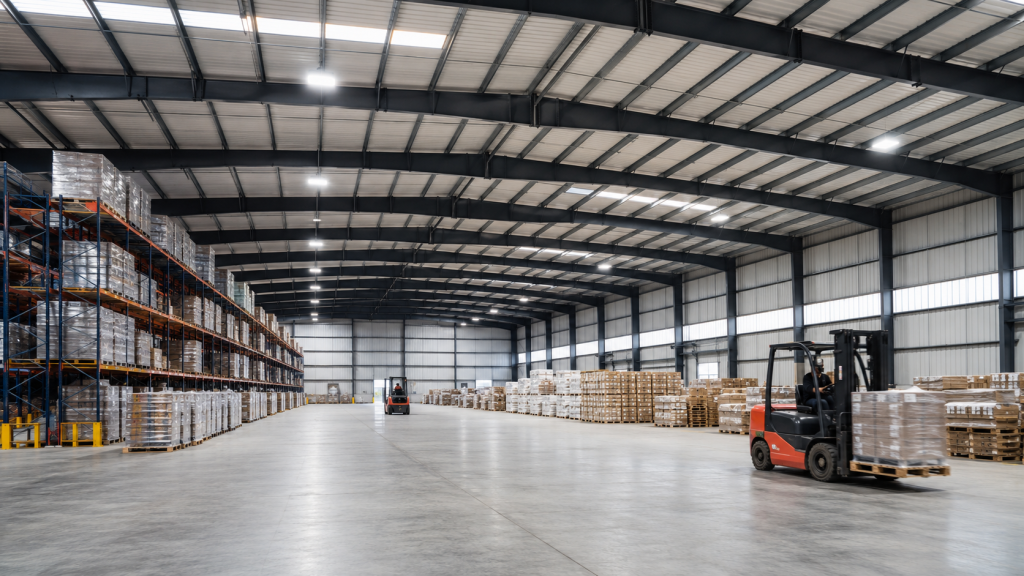
Rigid steel structures support warehouse ideas by providing column-free clear spans which allow flexible storage rack layouts and safe material traffic. When facilities rely on traditional wooden support columns, physical obstructions limit rack placement and forklift drivers face constant collision risks. Choosing a robust Showhoo steel structure building manufacturer design completely eliminates interior pillars, maximizing your available commercial storage space. Therefore, structural steel framing offers the ultimate physical durability to support tall heavy-duty storage racks for many decades.
Why Choose Structural Steel for Heavy Racks?
Structural steel remains the best material choice for heavy racking systems because steel resists bending under massive and tall structural pallet loads. When warehouses store heavy metal raw materials, lightweight racks can buckle and collapse, ruining valuable inventory products within seconds. Take note of this. Heavy-duty structural steel uprights easily handle continuous loading stress without physical fatigue, keeping your manufacturing operations running safely. By investing in certified structural steel racks, you protect your physical inventory and workers from unexpected high-elevation structural failures.
Correctly selecting steel racks requires understanding different manufacturing processes to choose the strongest structural option for your heavy cargo requirements.
- Roll-formed steel racks offer an affordable, lightweight choice for holding standard palletized retail goods safely on medium storage shelves.
- Structural steel racks use thick hot-rolled steel channels to handle high impact and successfully resist heavy warehouse forklift damage.
- Thick powder-coated finishes protect the steel rack frames from rusting in humid storage conditions, extending total shelf system lifespan.
How Does Rigid Framing Resist Seismic Forces?
Rigid framing resists seismic forces by distributing lateral ground movement across a highly engineered system of heavy welded structural steel beams. When severe earthquakes occur, standard weak buildings sway violently and tall storage racks tumble down, destroying inventory and threatening worker lives. The fact is. By choosing a rigid frame building, you protect your entire warehouse operations from catastrophic seismic collapse. Thus, earthquake-resistant steel framing design remains an exceptionally critical safety feature for modern high-capacity industrial logistics storage facilities.
Key Takeaway: Choosing high-quality steel structures remains highly beneficial because rigid framing provides the safest protective shell for vertical inventory systems. When you invest in certified metal buildings, you easily secure your long-term business operations against unpredictable and violent natural disasters. This exceptionally strong structural frame successfully ensures business continuity and reliably protects your physical inventory assets from severe environmental storm damage. Thus, rigid frames are the smartest construction choice to build a durable and safe commercial steel warehouse.
| Steel Structure Feature | Operational Benefit | Seismic Protection |
|---|---|---|
| Clear Span Frames | Column-free floors | Distributes ground energy |
| Welded Connections | Rigid beam alignment | Absorbs lateral shaking |
| Heavy Uprights | High vertical load limits | Prevents structural collapse |
Reviewing these structural features confirms that heavy steel engineering is crucial to build resilient logistics facilities.
How Do Custom Heights Expand Premium Warehouse Ideas?
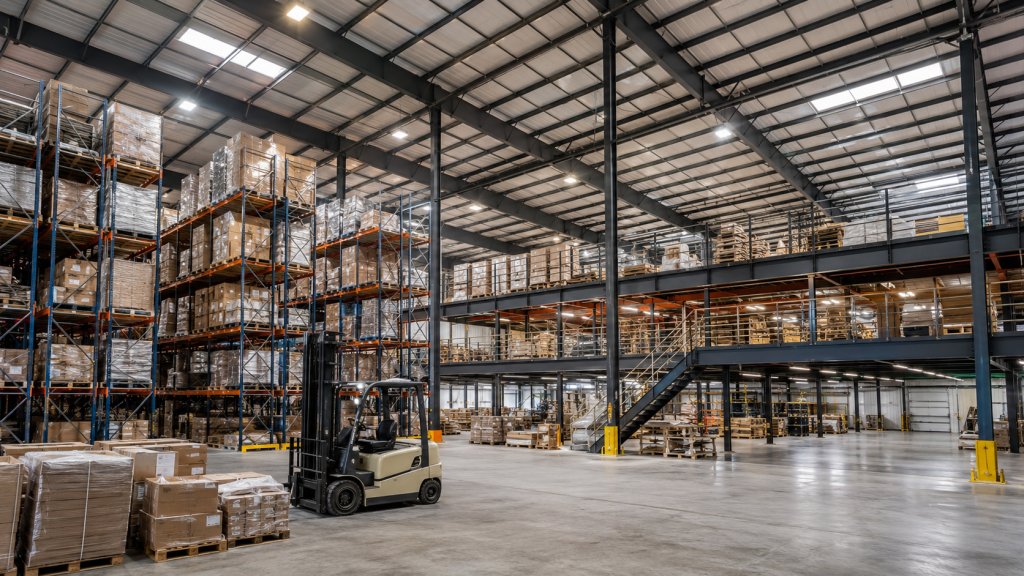
Custom eave heights expand premium warehouse ideas by allowing you to build multi-level mezzanine platforms and install exceptionally tall rack systems safely. When industrial buildings have standard low ceilings, overhead space goes unused and companies waste massive money on expanding their physical building footprint. Choosing customized eave heights allows you to add complex vertical storage options, multiplying total inventory capacity within your original property boundaries. Thus, higher vertical clearances offer a cost-effective path to grow your business operations without ever moving to new manufacturing sites.
What Eave Heights Maximize Vertical Storage?
Eave heights of thirty feet or higher maximize vertical storage by providing enough room for four-level pallet racking setups and mezzanine platforms. When buildings measure under twenty feet tall, modern tall reach trucks cannot operate efficiently and overhead space remains completely wasted. It is certain. Designing a tall custom steel warehouse ensures your growing business can double inventory volume without leasing extra commercial space. Therefore, customizing eave heights remains a highly smart construction decision for high-growth global logistics and steel-framed manufacturing companies.
Correctly choosing your building eave height always requires analyzing your material handling equipment and long-term vertical rack system designs.
- A twenty-foot eave height works exceptionally well for standard light retail shelving and simple low-level pallet storage setups.
- A thirty-foot eave clearance easily allows multi-tier racking systems and mezzanine integration to maximize overhead cargo storage volume.
- A forty-foot eave height is necessary for automated storage retrieval systems which operate at extremely high physical elevations safely.
How Do Clear Span Designs Remove Obstacles?
Clear span designs remove physical obstacles by completely eliminating interior pillars, creating a wide-open floor plan for easy warehouse traffic. When structural columns are scattered in active floor areas, forklift operators must slow down and layout designs remain severely restricted. It is true. By using structural steel frames, you secure maximum layout flexibility and prevent expensive forklift collisions. Therefore, clear span frames offer a great steel construction solution to optimize traffic flow and storage density simultaneously.
Key Takeaway: Combining tall eave heights and clear span steel frames remains highly beneficial because spatial freedom allows you to redesign layouts easily. When your commercial business grows, you can easily adjust your racking systems without buying an expensive new building or moving. This layout flexibility successfully ensures long-term commercial business viability and maximizes your original steel structural investment over time. Thus, custom steel framing remains the single smartest path to secure long-term business agility.
| Structural Option | Capacity Expansion | Best For |
|---|---|---|
| Clear Span Frames | Column-free floors | Flexible rack layouts |
| 30ft Eave Height | 150% more vertical volume | Multi-tier mezzanines |
| 40ft Eave Height | 300% more vertical volume | Automated ASRS systems |
Evaluating these custom building heights confirms that vertical clearance is essential to maximize overall warehouse density.
Can Smart Ventilation Protect Clean Warehouse Ideas?
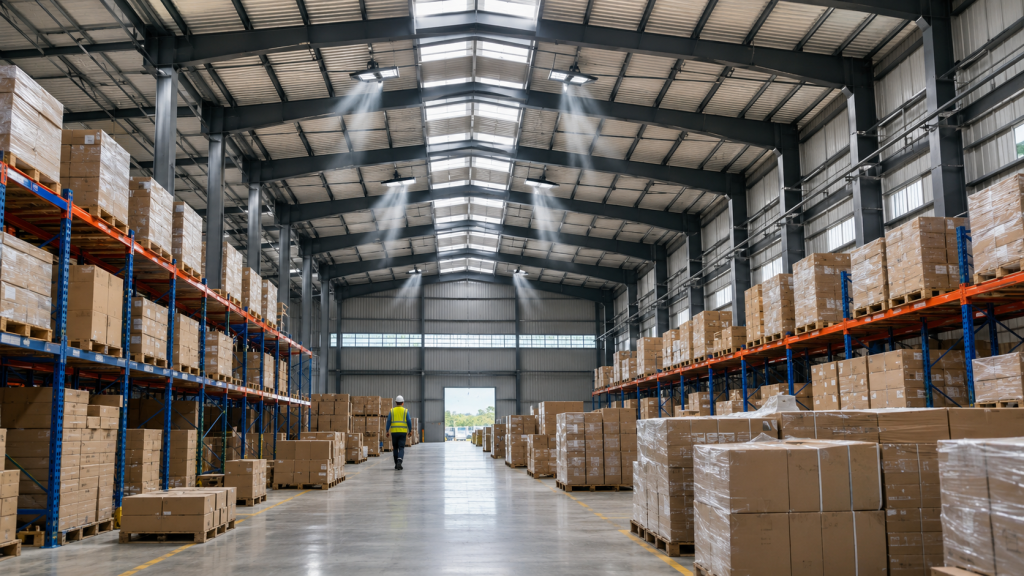
Smart ventilation systems protect clean warehouse ideas by removing stagnant air and successfully preventing heavy moisture buildup on your stored inventory. When industrial steel buildings lack proper air flow, humidity rises and cardboard boxes soften, which damages expensive goods and weakens rack stability. Installing automatic roof vents always keeps the general air circulating, successfully reducing condensation risks on steel frames and keeping workers comfortable. Therefore, planning active ventilation during steel construction is exceptionally crucial to maintain a clean and safe storage environment.
Why Is High Airflow Crucial for Inventory?
High airflow remains highly crucial for sensitive inventory protection because constant air circulation completely prevents dust accumulation and mold growth on stored products. When metal warehouses sit in hot humid regions, stagnant air traps heat, raising the overall temperature inside and spoiling sensitive raw electronics. It is true. By using industrial fan systems, you keep temperatures stable, protecting cargo from heavy heat damage. As a result, your inventory stays in pristine condition, successfully reducing product waste and keeping waiting retail customers happy.
Successfully maintaining proper warehouse airflow always requires setting up a structured visual ventilation layout during your initial steel warehouse planning phase.
- First, install heavy ridge vents on the roof peak to let hot rising air escape naturally from high warehouse ceilings.
- Second, place intake exhaust fans on side walls to pull cool air into lower storage levels of your metal building.
- Third, coordinate ceiling fan operations to ensure active air circulates evenly across all high racking storage zones.
How Do Roof Vents Reduce Interior Moisture?
Roof vents reduce interior moisture by allowing rising warm humid air to escape, drawing dry outside air through lower wall intakes. When condensation forms on structural steel beams, water drips down onto paper boxes and weakens structural metal frames over long periods. We can agree. By using gravity ridge vents, you prevent rust on racks while keeping inventory completely dry. Thus, moisture control remains the easiest way to protect your physical capital assets from severe weather damage.
Key Takeaway: Installing proper ventilation remains highly beneficial because humidity control protects your structural steel frame from rusting and prevents box damage. When you design warehouse airflow channels correctly, you reliably protect your inventory and employees from unhealthy mold and dust buildup. This fresh clean air directly improves physical worker stamina during long shifts and successfully reduces employee sick leave requests annually. Thus, active airflow remains the smartest and most affordable construction choice to keep your storage warehouse clean.
| Ventilation Type | Operational Goal | Main Advantage |
|---|---|---|
| Ridge Roof Vents | Continuous heat exhaust | Zero operating utility costs |
| Wall Exhaust Fans | High airflow turnover | Rapid cooling capacity |
| Ceiling Fans | Destratification | Evens out humidity levels |
Reviewing these ventilation options shows that humidity management is essential to secure long-term product durability.
Conclusion
Successfully implementing eighteen strategic warehouse organization ideas completely resolves severe storage shortages and accelerates order processing speeds, turning logistics centers into highly profitable hubs. By optimizing floor layouts, utilizing vertical eave heights, and choosing rigid structural steel framing, your business easily secures long-term operational excellence. Our team remains fully dedicated to building the strongest industrial steel warehouses which empower global supply chains with absolute spatial reliability. To customize your facility, please contact us today and our structural engineers will draft a premium design.
Optimize Your Warehouse—Get a Custom Steel Plan Today !
Email:sales@showhoo.com.cn
Phone/WhatsApp: + 86 186 7895 5927
FAQ
How do I know if my layout is inefficient?
Look for frequent forklift delays and pileups near staging areas. If workers constantly backtrack to pick inventory, your flow layout requires immediate optimization.
What’s the best way to double storage capacity?
Install tall structural steel racks and heavy-duty mezzanine platforms to utilize vertical clearance. This height engineering increases storage volume without expanding your ground footprint.
Can I combine different warehouse ideas?
Yes, integrating multiple flow layout designs and inventory slotting strategies provides the highest operational efficiency. Combining structural steel spaces with smart WMS tools secures long-term logistics growth.
What’s the best strategy to keep stock lean?
Implement daily cycle counting and establish dedicated safety stock zones to monitor actual inventory levels. This disciplined data tracking prevents purchasing duplicate raw cargo materials.