
To build a modern layer chicken house, you must integrate precision-engineered steel structures with automated climate control systems and biosecure facility layouts. Traditional wood or bamboo poultry sheds often suffer from rot, pest infestations, and structural failure during extreme weather, leaving your flock vulnerable. For commercial farmers, these fragile structures pose a significant risk to flock health and long-term profitability because a single predator breach or a poorly ventilated environment can lead to catastrophic losses in egg production and bird mortality. Engineering a modern steel-structure chicken house offers the ultimate protection and climate control by utilizing precision-fabricated frames and insulated panels.
How do you plan a modern layer chicken house?
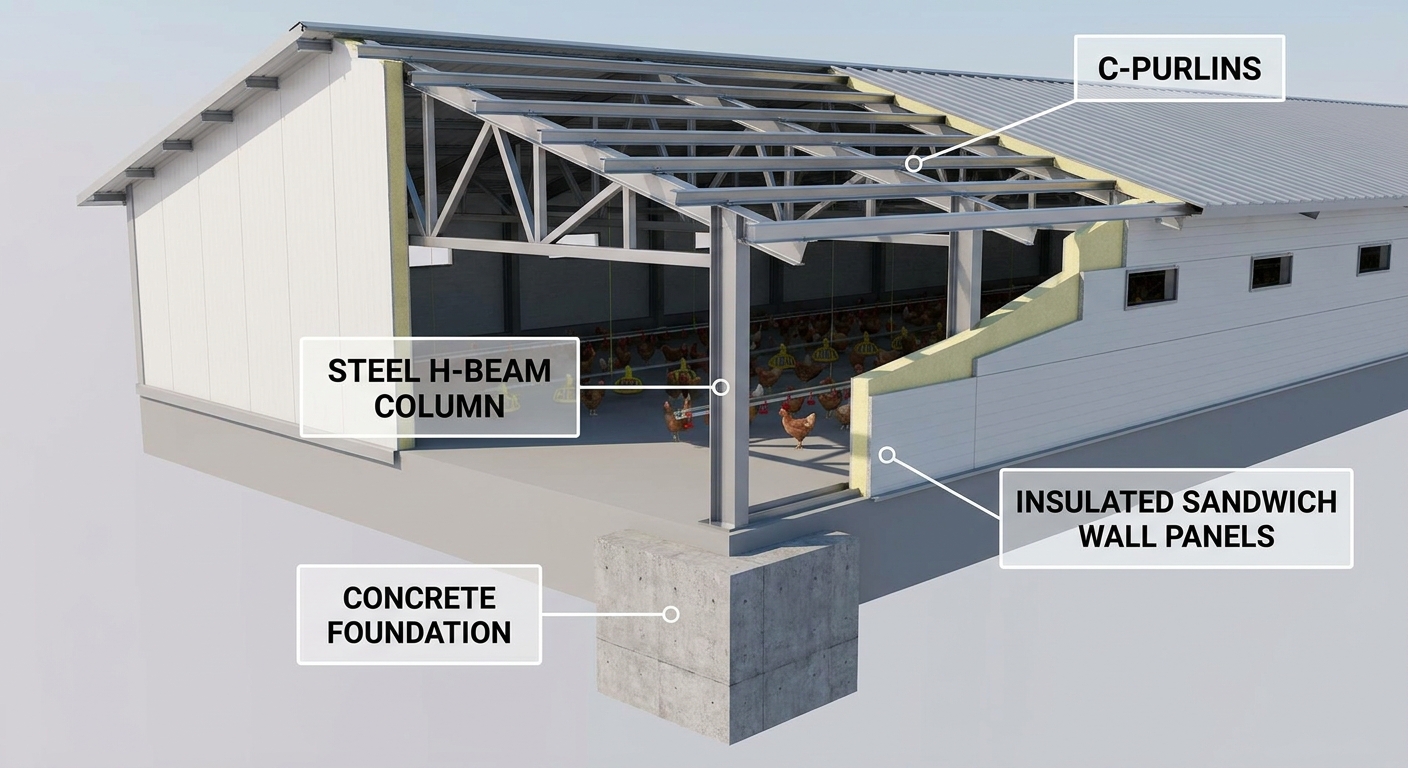
You plan a modern layer chicken house by determining the total bird capacity and utilizing 3D engineering designs to optimize space and airflow. Every professional chicken house requires a layout that accounts for automated feeding, egg collection, and manure removal systems.
Think about it: a well-designed blueprint is the difference between a high-yield operation and a logistical nightmare.
Why is 3D design vital for a house?
3D modeling allows you to visualize the spatial relationship between the steel frame and the internal cage systems before any ground is broken. This precision prevents costly on-site errors and ensures that every bolt and panel fits perfectly.
It also helps in calculating the exact bird density per square meter to maximize your return on investment. Professionals rely on these models to simulate airflow and identify potential dead zones.
What is the ideal house layout?
An ideal layout utilizes a long, narrow footprint that facilitates tunnel ventilation and efficient equipment movement. You should organize the internal space to allow for clear aisles between cage rows and dedicated zones for egg handling.
- High bird density optimization
- Automated equipment integration
- Tunnel ventilation compatibility
- Professional 3D engineering
Key Takeaway: Precise planning ensures your facility operates at peak efficiency while reducing construction delays and material waste.
| Planning Component | Priority | Primary Benefit | |
|---|---|---|---|
| Bird Density | High | Maximizes revenue per square meter | |
| 3D Modeling | Critical | Prevents construction errors | |
| Layout Flow | Medium | Reduces labor costs |
Analysis/Guidance: Utilizing professional 3D design services early in the project is the most effective way to guarantee structural and operational success.
Where should you locate your new chicken house?
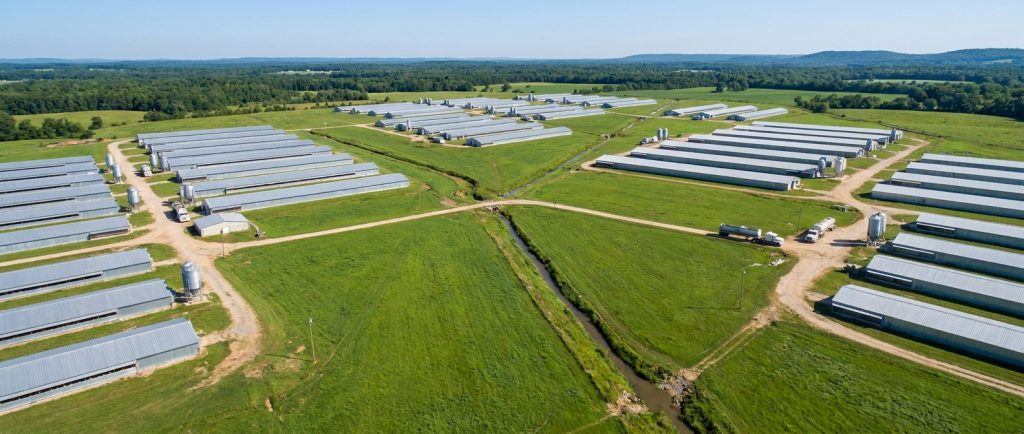
You should locate your new chicken house in an area with excellent natural drainage and sufficient distance from other livestock to maintain strict biosecurity protocols. Reviewing successful poultry project cases can provide insights into how top-tier farms choose sites that minimize environmental stress on the birds.
But here is the kicker: the wrong location can lead to flood damage or disease spread that no amount of technology can fix.
How does wind affect a chicken house?
Prevailing winds should be factored into the orientation of the building to assist in natural cooling or to protect against winter drafts. You must position the structure so that the long axis aligns with the wind for better airflow management.
This orientation also reduces the energy load on your mechanical ventilation fans. Proper site orientation is a fundamental step in sustainable poultry farming.
Is drainage vital for a house?
Standing water near the foundation can lead to soil instability and excessive humidity inside the house. You need to ensure the site has a slight slope or a dedicated drainage system to divert rainwater away from the bird areas.
- Natural slope for runoff
- Prevailing wind orientation
- Utility access proximity
- Biosecurity buffer zones
Key Takeaway: Strategic site selection protects your investment from weather-related damage and reduces the risk of disease transmission.
| Location Factor | Requirement | Long-term Impact | |
|---|---|---|---|
| Drainage | Excellent | Prevents foundation rot | |
| Wind Path | Aligned | Lowers ventilation costs | |
| Bio-distance | 500m+ | Enhances flock health |
Analysis/Guidance: Conduct a professional land survey to confirm that soil load-bearing capacity and drainage meet industrial standards for steel buildings.
Which foundation is best for your chicken house?
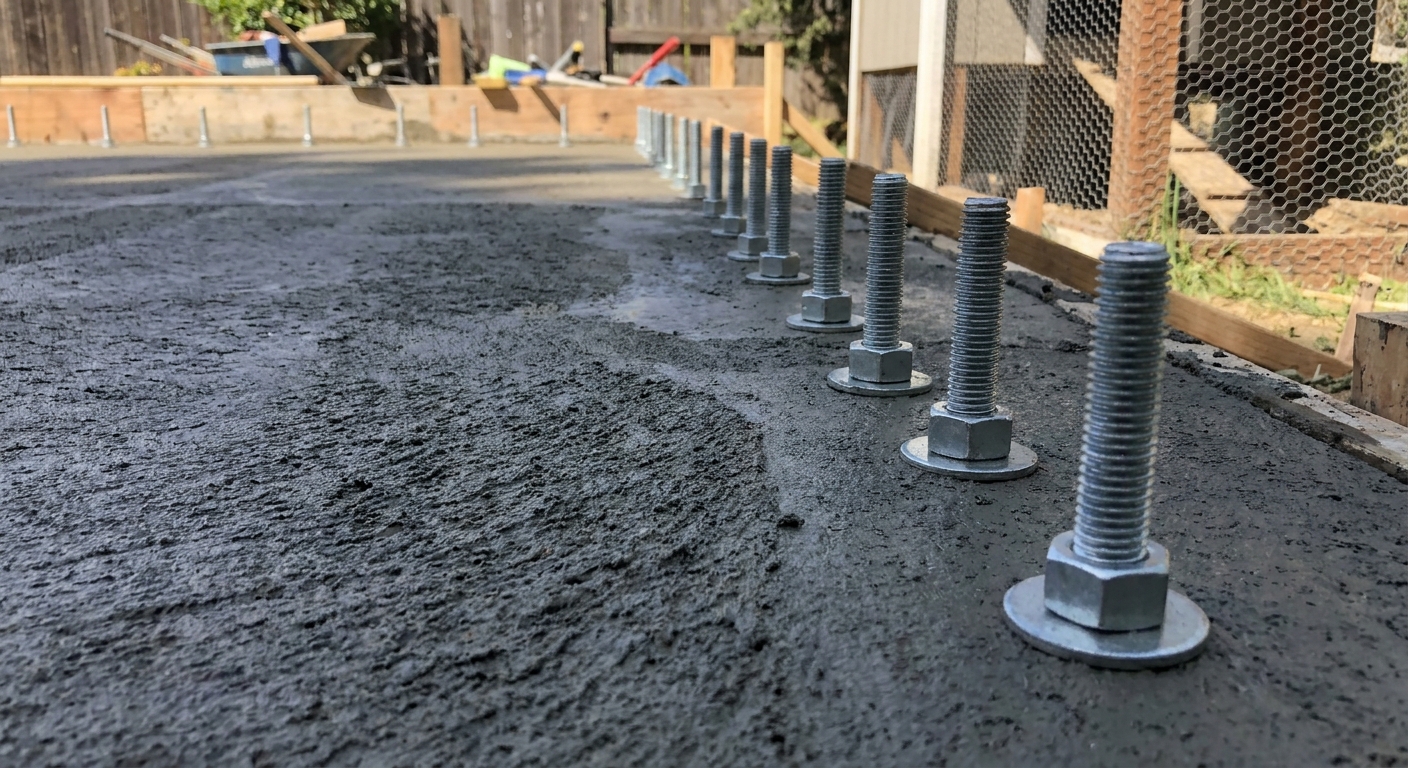
A reinforced concrete slab foundation is the best option for a chicken house because it provides a level surface for cages and a durable barrier against burrowing pests. The foundation must be engineered to support the heavy weight of multi-tier cages and the steel frame.
You might be wondering: why skip the cheaper dirt floor? A solid foundation is the only way to ensure the long-term structural integrity of your facility.
Why is level ground key for a house?
Modern automated cage systems require a perfectly level floor to ensure that water lines and feeding belts function without mechanical strain. If the ground shifts, you risk equipment failure and uneven egg collection.
Leveling also simplifies the installation of the steel columns. Precision at the base level translates to a faster, smoother assembly of the entire superstructure.
Are anchor bolts used in a chicken house?
Heavy-duty galvanized anchor bolts are essential for securing the H-section steel columns to the concrete base. These bolts transfer the structural load and provide resistance against high wind speeds.
- Galvanized anchor bolts
- Reinforced concrete thickness
- Waterproof vapor barriers
- Integrated drainage channels
Key Takeaway: A high-quality concrete foundation is the bedrock of a biosecure, durable, and mechanically sound poultry environment.
| Foundation Element | Standard | Function | |
|---|---|---|---|
| Concrete Grade | C25/C30 | Structural support | |
| Anchor Bolts | Galvanized | Column connection | |
| Floor Finish | Smooth | Easy disinfection |
Analysis/Guidance: Investing in a thick, level concrete slab reduces long-term maintenance costs and facilitates easier cleaning between flock cycles.
Why choose steel frames for your chicken house?
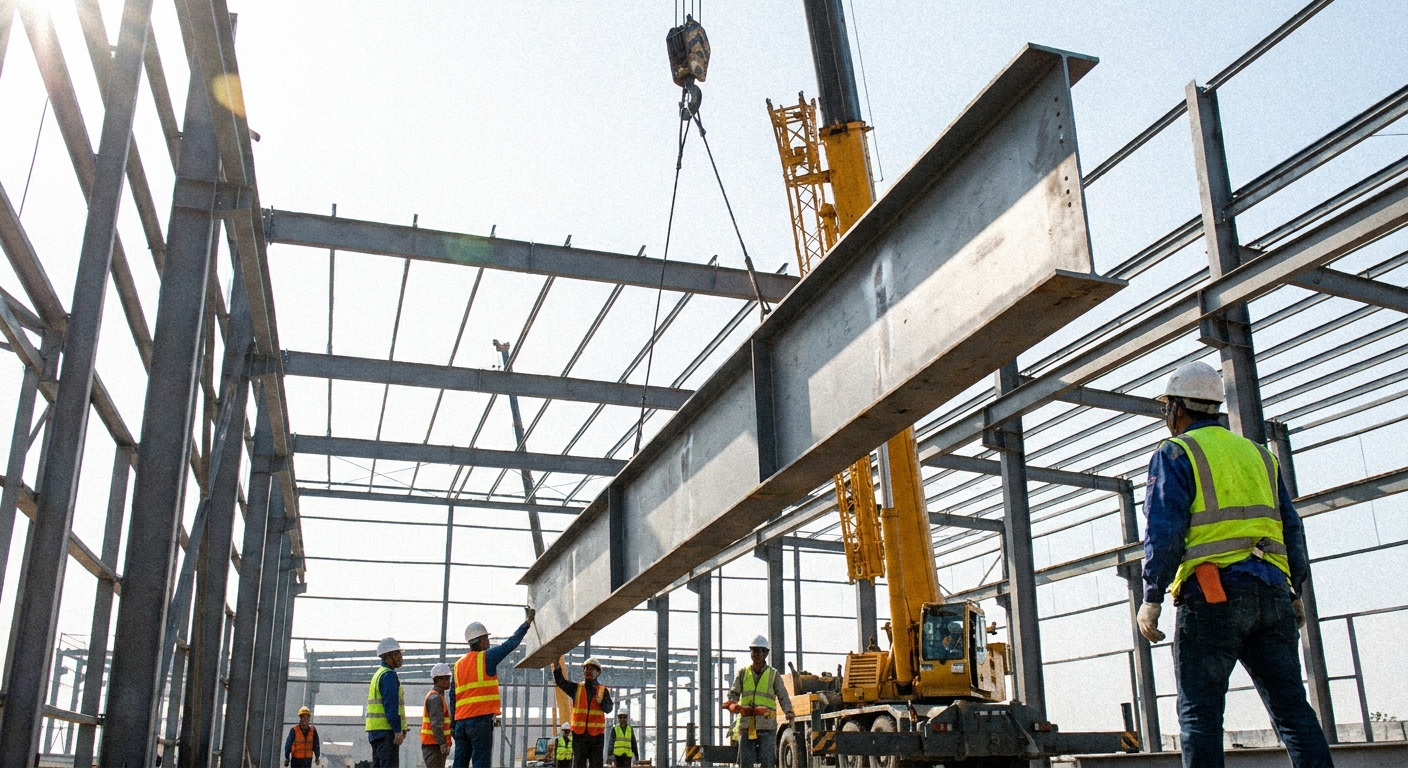
You should choose steel frames for your chicken house because they offer superior durability, rot resistance, and faster construction times compared to traditional materials. Much like the components used in a modern steel structure warehouse , these frames are designed to withstand extreme environmental loads.
The truth is: steel is the only material that can provide the clear spans needed for industrial-scale egg production.
Is H-section steel best for a house?
H-section steel beams are the industry standard for poultry houses due to their high strength-to-weight ratio. They allow for wide, column-free interiors, which gives you more flexibility when installing cage rows.
The uniform nature of factory-produced steel means every component is straight and predictable. This consistency is vital for maintaining the alignment of automated equipment.
How does steel speed up house building?
Steel components arrive at your site pre-cut and pre-drilled, allowing for a rapid “bolt-together” assembly process. This significantly reduces on-site labor costs and allows you to house your birds much sooner.
- Corrosion-resistant coatings
- High clear-span capability
- Rapid modular assembly
- Pest and rot proof
Key Takeaway: Steel frames provide a lifetime of structural stability while allowing for the wide-open spaces required by modern poultry technology.
| Frame Feature | Steel Benefit | Wood Comparison | |
|---|---|---|---|
| Lifespan | 30-50 Years | 10-15 Years | |
| Span Width | Up to 40m | Limited/Complex | |
| Biosecurity | Non-porous | Traps bacteria |
Analysis/Guidance: Select galvanized steel frames for your project to prevent rust in the high-humidity and high-ammonia environment typical of layer houses.
Which roof panels fit a modern chicken house?
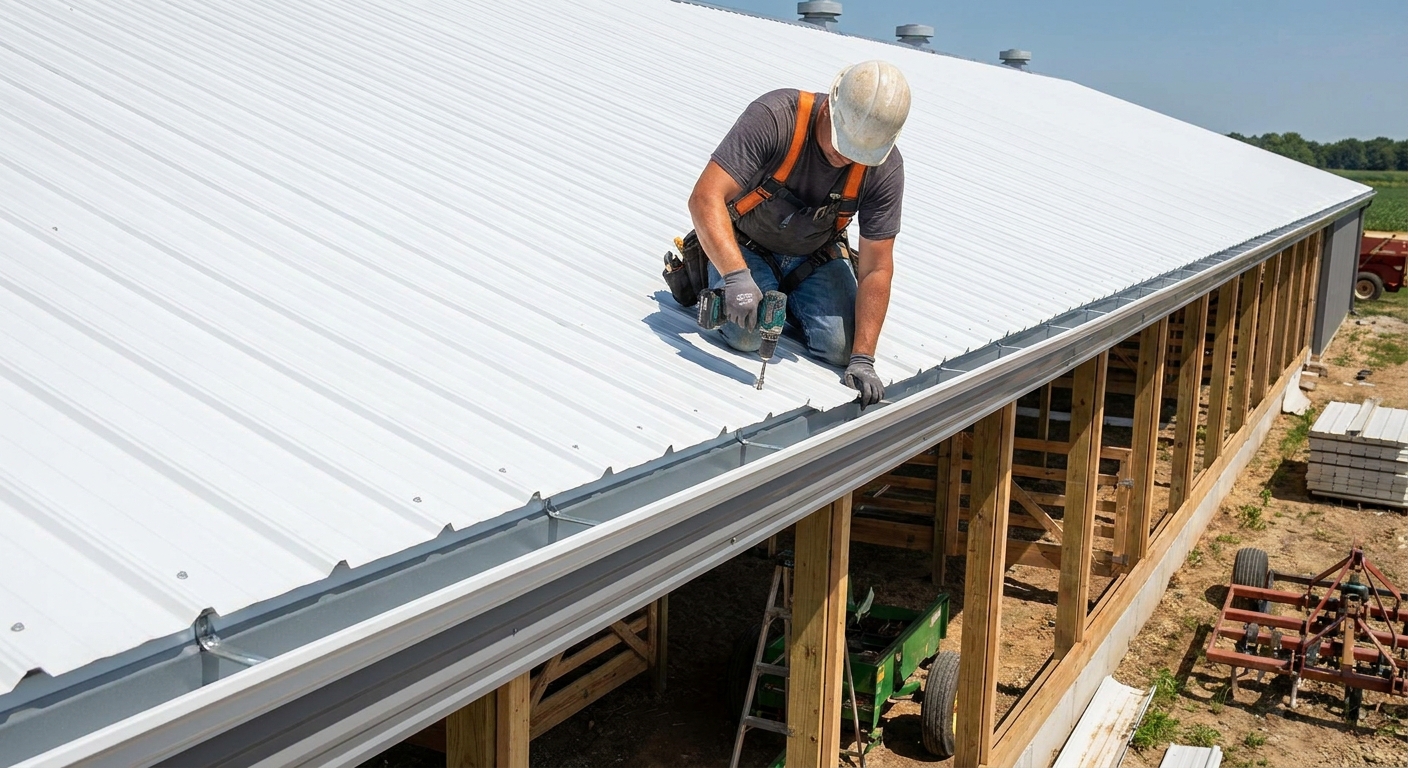
Insulated sandwich panels are the ideal fit for a chicken house roof because they provide excellent thermal regulation and a waterproof seal. These panels protect your layers from the scorching sun and freezing winter temperatures alike.
Look: a roof is more than just a cover; it is your first line of defense against thermal stress.
Are sandwich panels good for a house?
Sandwich panels consist of a thick insulation core between two durable steel skins, providing structural strength and energy efficiency. They are easy to install and significantly reduce the noise of heavy rain, which can stress hens.
By keeping the interior temperature stable, these panels ensure that birds use their energy for egg production rather than regulating body heat. This efficiency directly impacts your bottom line.
What is the best roof pitch for a house?
A roof pitch of 10 to 15 degrees is generally recommended to ensure effective water runoff while maintaining structural efficiency. This angle also assists in the natural rise and exit of warm air through ridge vents.
- Sandwich panel insulation
- Galvanized steel skins
- Anti-leak seam design
- Integrated gutter systems
Key Takeaway: High-performance roofing materials reduce energy costs and create a stable, stress-free climate for your layer hens.
| Roofing Material | Thermal R-Value | Durability | |
|---|---|---|---|
| Sandwich Panels | High | Excellent | |
| Single Sheets | Low | Good | |
| Fiber Cement | Medium | Fragile |
Analysis/Guidance: Always specify roof panels with a high-quality coating system to protect against corrosive ammonia gases rising from the manure below.
How do you ventilate a layer chicken house?
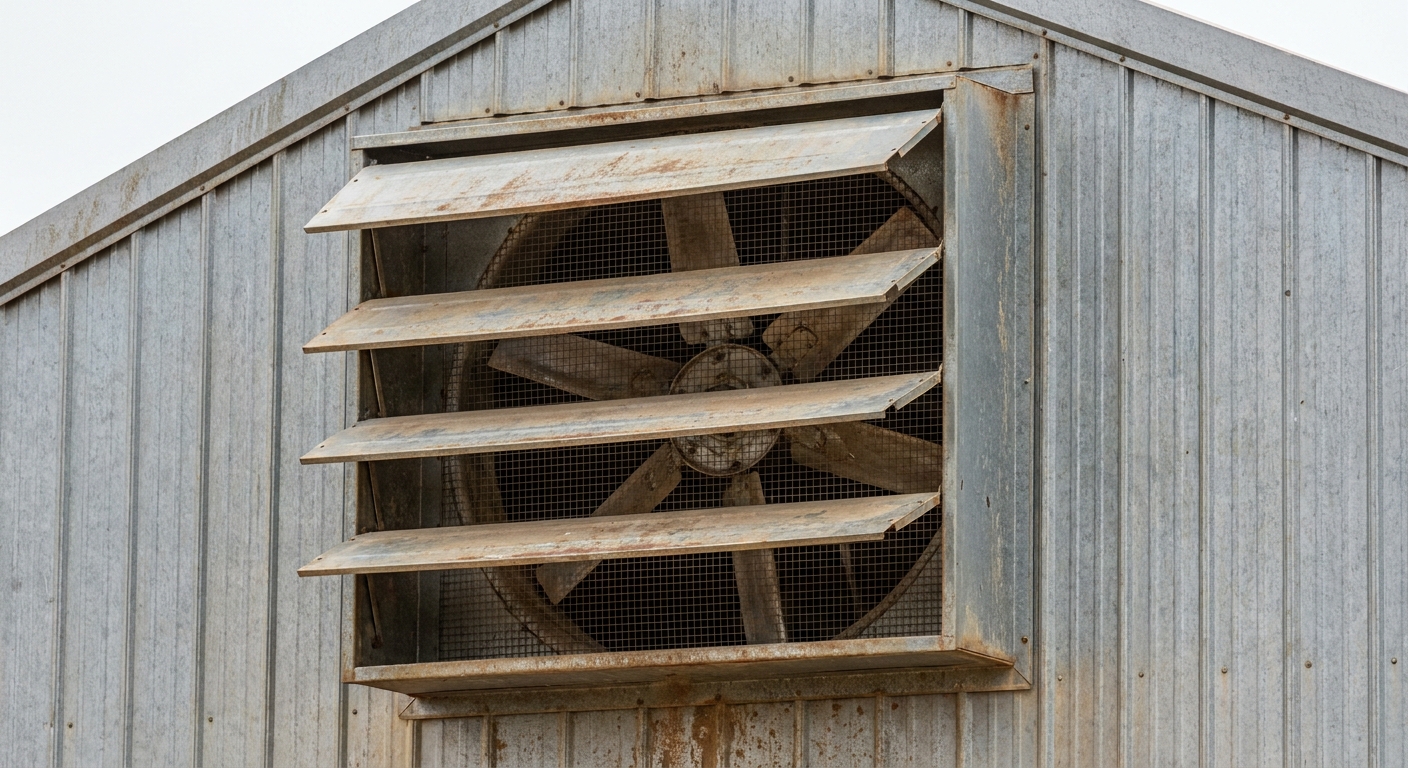
You ventilate a layer chicken house by installing a tunnel ventilation system that uses high-capacity exhaust fans and cooling pads to move large volumes of air. Professional chicken house building designs always prioritize airflow to remove heat, moisture, and toxic gases like ammonia.
Believe it or not: poor ventilation is the leading cause of respiratory disease and reduced egg quality in commercial flocks.
Do fans improve a chicken house?
Industrial-grade exhaust fans create the necessary static pressure to draw fresh air through the entire length of the building. This constant movement prevents the buildup of dangerous carbon dioxide levels and keeps litter dry.
Fans are often equipped with automated controllers that adjust speed based on real-time temperature readings. This ensures your hens remain comfortable regardless of the weather outside.
Are cooling pads used in the house?
Evaporative cooling pads are installed at the opposite end of the fans to lower the temperature of incoming air through moisture evaporation. In hot climates, this system can reduce internal temperatures by as much as 10 to 15 degrees.
- High-CFM exhaust fans
- Evaporative cooling pads
- Automated air inlets
- Static pressure monitors
Key Takeaway: A well-engineered ventilation system is critical for maintaining flock health, bird comfort, and high egg production rates.
| Ventilation Component | Role | Operational Goal | |
|---|---|---|---|
| Exhaust Fans | Air Extraction | Gas/Heat removal | |
| Cooling Pads | Heat Reduction | Temperature drop | |
| Side Inlets | Air Direction | Uniform air distribution |
Analysis/Guidance: Ensure your ventilation system has a backup power source, as even a brief air stagnation can lead to high bird mortality in dense populations.
Is insulation needed for a layer chicken house?
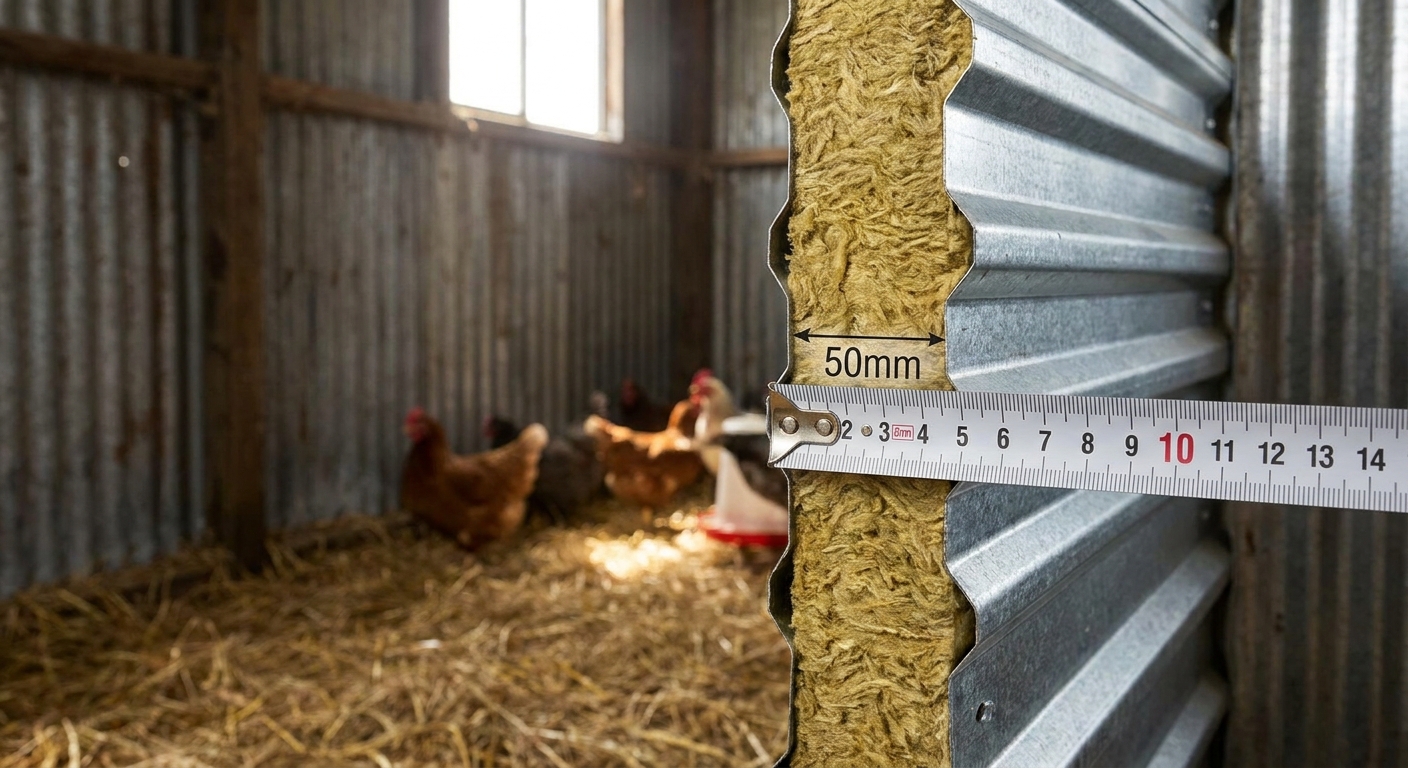
Insulation is absolutely necessary for a chicken house to prevent heat stress in summer and conserve metabolic heat during winter months. Without proper insulation, your heating and cooling costs will spiral out of control, eating into your profits.
Now: think of insulation as an investment in your birds’ metabolic efficiency.
Can foam boards cool a chicken house?
Rigid foam boards or rockwool cores within wall panels act as a thermal barrier, stopping external solar heat from radiating into the coop. This is vital for preventing heat exhaustion, which can stop egg laying entirely.
Effective insulation also prevents condensation on the interior walls. Controlling moisture is key to preventing mold growth and maintaining a healthy environment.
Is R-value important for a house?
The R-value measures the thermal resistance of the insulation; a higher value means better protection against heat transfer. For poultry houses, you should aim for a high R-value in the roof where the sun’s impact is strongest.
- 50mm-100mm core thickness
- Fire-resistant rockwool
- Vapor-proof steel skins
- Thermal bridge reduction
Key Takeaway: Superior insulation creates a consistent internal environment, reducing the stress on both your birds and your ventilation equipment.
| Insulation Type | Fire Rating | Thermal Efficiency | |
|---|---|---|---|
| Rockwool | Class A | High | |
| EPS Foam | Class B | Moderate | |
| Glass Wool | Class A | High |
Analysis/Guidance: Utilizing sandwich panels with rockwool cores provides the best combination of thermal efficiency and fire safety for modern poultry structures.
How to secure a chicken house from predators?
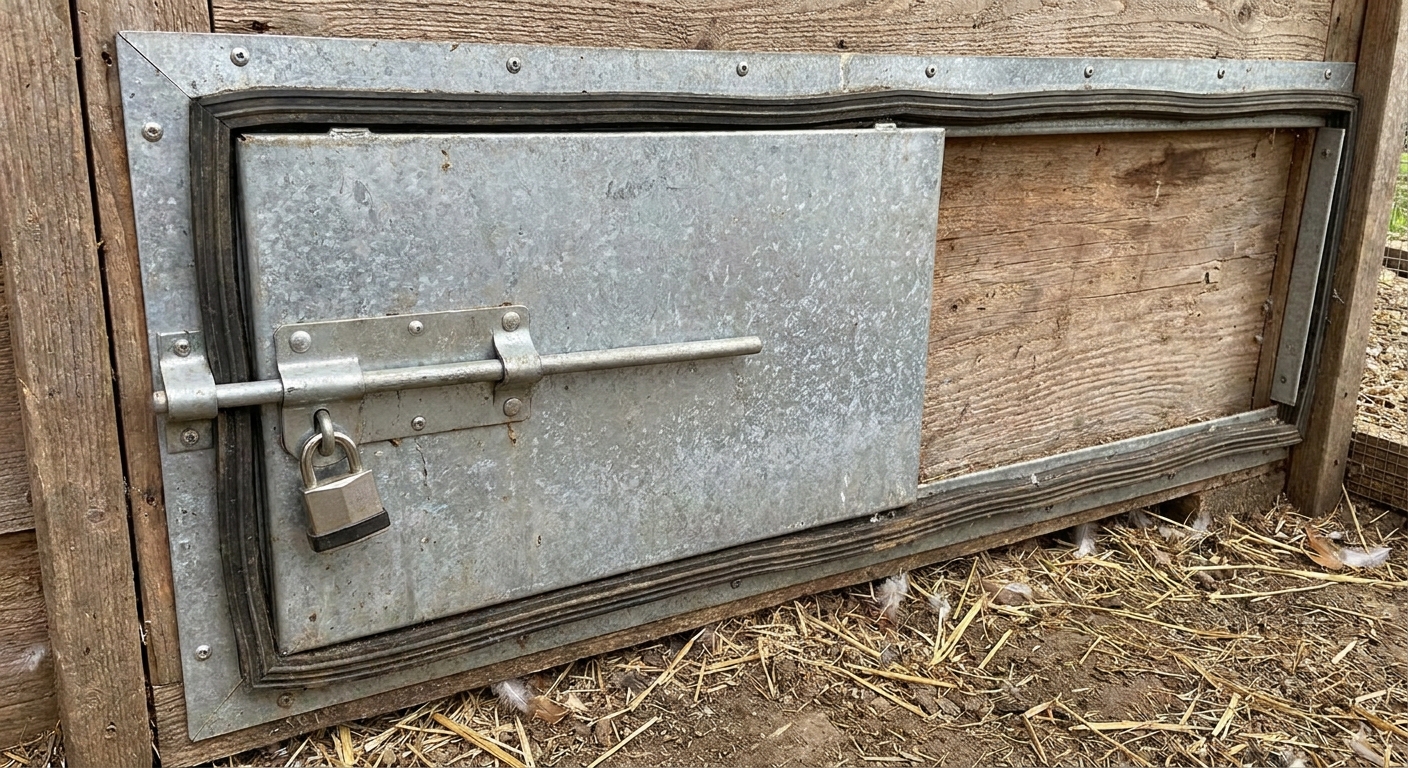
You secure a chicken house from predators by using solid steel walls and heavy-duty locking doors that prevent entry by burrowing, climbing, or gnawing animals. Our experienced engineering team designs every component to be airtight and predator-proof, ensuring your flock remains safe.
Make no mistake: a single predator breach can destroy months of production and cause panic throughout the entire house.
Does a steel house deter rodents?
Unlike wood, which rodents can easily chew through, steel panels and concrete foundations create an impenetrable fortress. This also prevents wild birds from entering, which is critical for preventing the spread of avian influenza.
Tight seals at every joint ensure that even the smallest pests cannot find a way inside. This biosecurity is a major advantage of modern steel construction.
Should windows have mesh in a house?
All ventilation openings, such as side inlets and fan housings, must be covered with heavy-duty galvanized mesh. This allows for airflow while acting as a physical barrier against snakes, rats, and wild birds.
- Steel sliding doors
- Galvanized wire mesh
- Tight-fitting wall joints
- Rodent-proof foundations
Key Takeaway: A biosecure steel structure provides the ultimate protection against external biological threats and physical predators.
| Security Feature | Threat Prevented | Material Requirement | |
|---|---|---|---|
| Concrete Floor | Burrowing Pests | Reinforced Slab | |
| Steel Panels | Gnawing Predators | 0.5mm+ Thickness | |
| Mesh Screens | Wild Birds/Vermin | Galvanized Steel |
Analysis/Guidance: Regularly inspect the seals around doors and ventilation inlets to ensure that the structure remains completely biosecure over time.
What equipment goes in a layer chicken house?
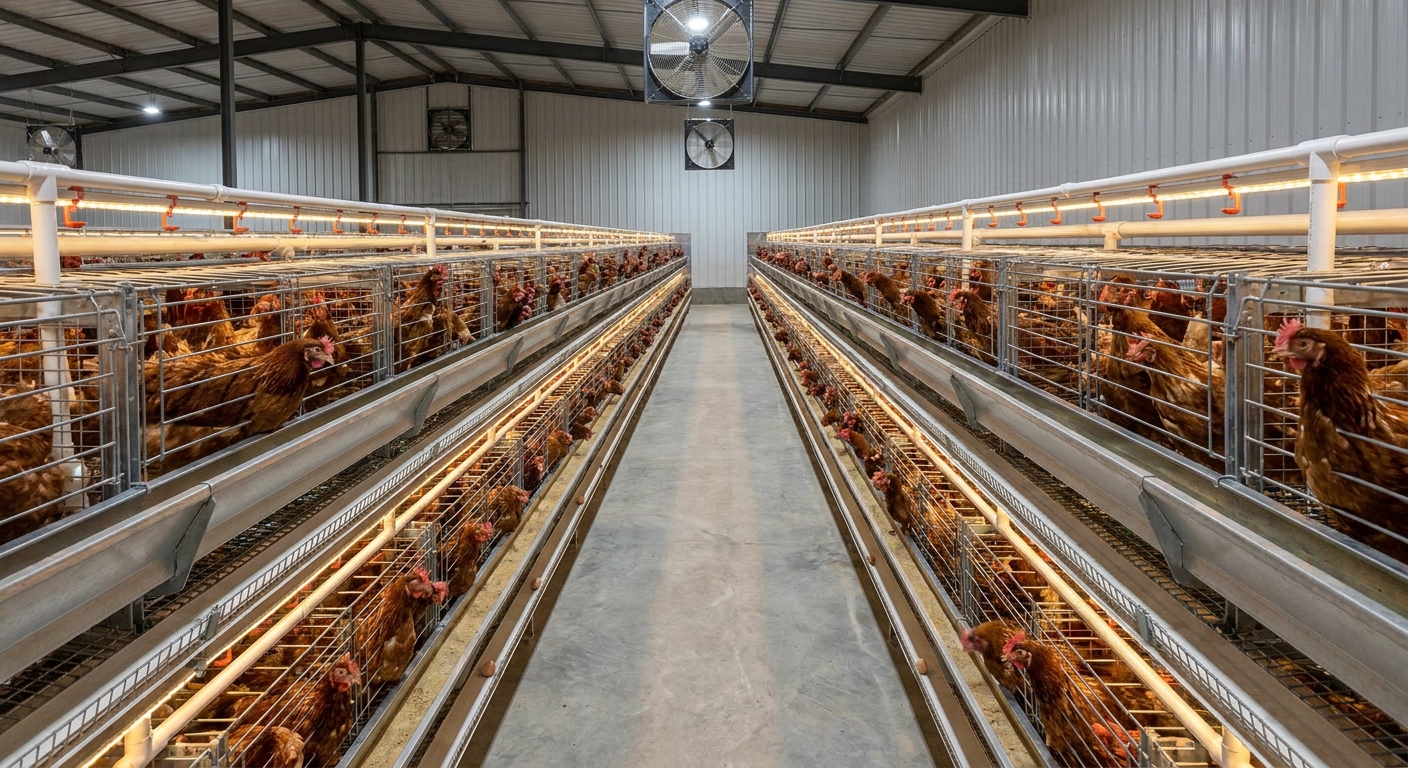
A layer chicken house requires multi-tier automated cage systems, nipple drinking lines, and LED lighting programs to maximize egg output. These systems are designed to work in harmony with the steel structure’s dimensions.
Fact is: the equipment inside your house is what drives the daily revenue of your poultry business.
Do layer cages fit in a chicken house?
Modern “A-frame” or “H-frame” cage systems are designed to maximize vertical space, allowing you to house thousands of birds in a relatively small footprint. These cages include integrated egg belts that transport eggs directly to a collection room.
The height and span of your steel building must be carefully matched to the dimensions of these cage rows. This ensures there is enough room for maintenance and adequate air circulation around each bird.
Is lighting needed in a chicken house?
Controlled LED lighting is used to simulate daylight patterns, which stimulates the hens’ reproductive systems and ensures consistent egg laying. You can program these lights to dim slowly, mimicking a natural sunset to reduce bird stress.
- Multi-tier cage systems
- Automated egg belts
- Nipple drinking lines
- Programmable LED lighting
Key Takeaway: Integrating automated technology reduces labor costs and provides a controlled environment that optimizes the biological performance of the birds.
| Equipment Type | Automation Level | Core Benefit | |
|---|---|---|---|
| Feeding System | Fully Automated | Reduces feed waste | |
| Egg Collection | Fully Automated | Minimizes breakage | |
| Manure Removal | Fully Automated | Improves air quality |
Analysis/Guidance: Work with a building supplier that understands equipment dimensions to ensure that the internal columns do not interfere with your cage rows.
How to maintain a modern steel chicken house?
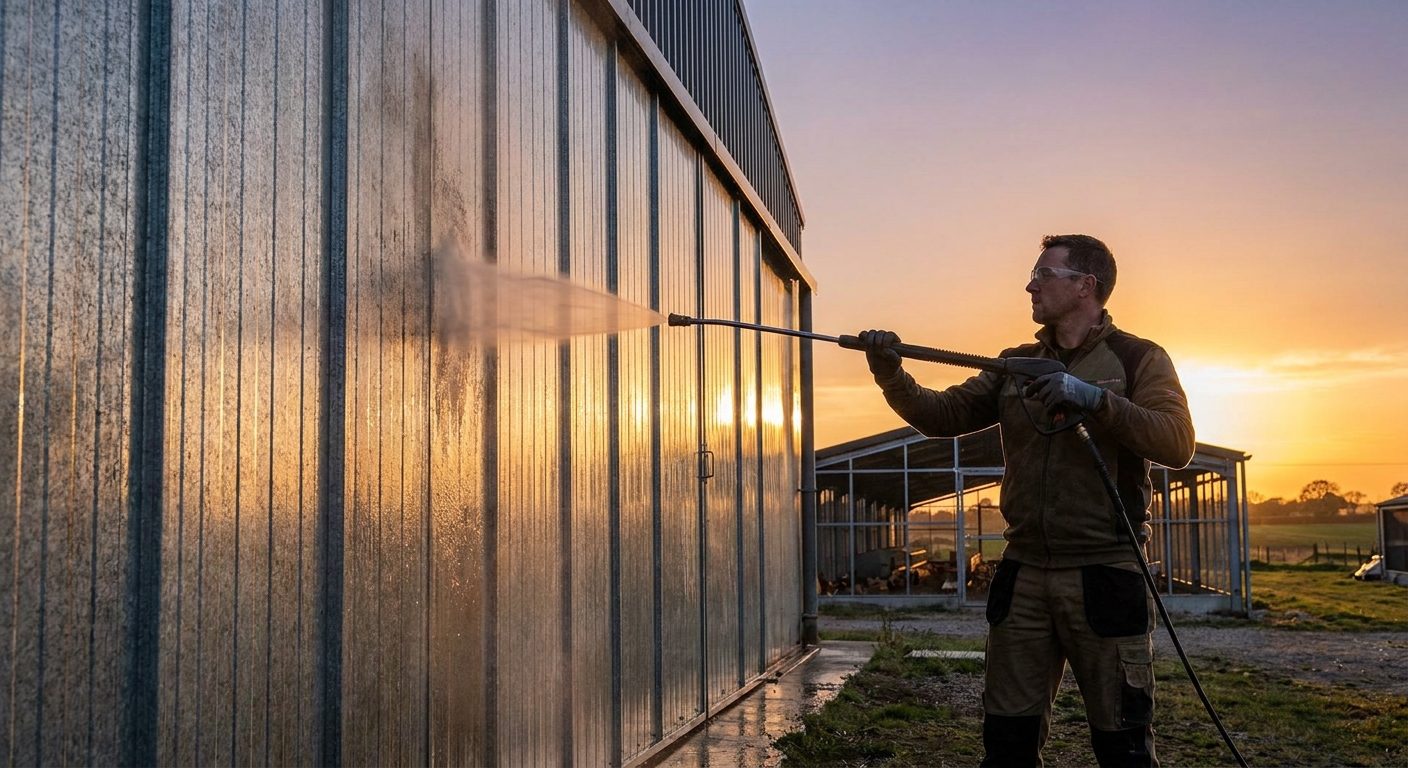
You maintain a modern steel chicken house by performing regular pressure washing and structural inspections to prevent corrosion and ensure equipment efficiency. A clean chicken house is essential for biosecurity and the longevity of the metal components.
Bottom line: a proactive maintenance schedule can extend the life of your facility by decades.
How to prevent rust in a chicken house?
The high ammonia levels in a layer house are highly corrosive, so you must choose galvanized or specially coated steel during construction. Regularly cleaning the dust and debris from steel surfaces prevents moisture from being trapped against the metal.
Touching up any scratches in the coating with zinc-rich paint is a simple way to stop rust before it spreads. This small step protects the structural integrity of your building frame.
Does cleaning extend house life?
Thoroughly disinfecting the house between flock cycles removes pathogens and prevents the buildup of organic matter that can degrade equipment. Using high-pressure washers allows you to reach every corner of the steel structure.
- Zinc-rich touch-up paint
- High-pressure disinfection
- Fan belt tension checks
- Gutter debris removal
Key Takeaway: Consistent maintenance protects your investment, ensures bird health, and maintains the high resale value of your steel asset.
| Task | Frequency | Focus Area | |
|---|---|---|---|
| Deep Cleaning | Between Flocks | Floors, walls, cages | |
| Fan Service | Monthly | Motors and belts | |
| Structural Check | Yearly | Bolts and coatings |
Analysis/Guidance: Developing a standardized maintenance checklist ensures that no critical component is overlooked, keeping your operation running smoothly year-round.
Building Your Future in Poultry
Building a modern layer chicken house is the most effective way to transition from a small-scale farm to a high-yield commercial operation. By moving away from vulnerable wood structures and embracing precision-engineered steel, you solve the chronic problems of rot, predators, and poor climate control. Our vision is to empower farmers with industrial-grade facilities that ensure long-term profitability and animal welfare. If you are ready to upgrade your farming infrastructure, contact us today for a professional consultation and custom quote.
| sales@showhoo.com.cn | |
| Phone/WhatsApp | +86 186 7895 5927 |
Frequently Asked Questions
Can I customize the dimensions of the house?
Yes, because steel structures are modular and can be engineered to any length or span required by your specific cage system. This flexibility allows you to optimize the building for your specific land and bird count.
What’s the best way to control heat in summer?
The most effective method is a combination of evaporative cooling pads and tunnel ventilation fans. This system uses the power of evaporation to drop the temperature of incoming air before it reaches the hens.
How do I know if my house is biosecure?
A house is biosecure if it is completely sealed against wild birds and rodents with a smooth, easy-to-disinfect interior. Professional designs eliminate gaps and use non-porous materials that do not harbor bacteria.
Can I install the building myself?
Yes, because modern steel kits are designed for rapid “bolt-together” assembly with comprehensive installation drawings. Many farmers choose to use their own labor teams to save on construction costs while following professional guidance.
What’s the best material for long-term durability?
Hot-dip galvanized steel is the superior choice because it offers the highest level of protection against the corrosive ammonia gases found in layer houses. This ensures the structure remains stable and rust-free for over 30 years.