
Understanding how to build a chicken house for layers requires a focus on structural durability, biosecurity, and climate control to ensure consistent egg production. Many farmers struggle with low yields and high mortality due to poorly ventilated or weakly constructed coops that fail to protect birds from extreme weather and predators. This lack of professional infrastructure leads to significant financial losses as heating costs rise and disease spreads through the flock. By investing in a high-quality chicken house , you can create a controlled environment that maximizes flock health and your return on investment.
Why is site planning key for how to build a chicken house?
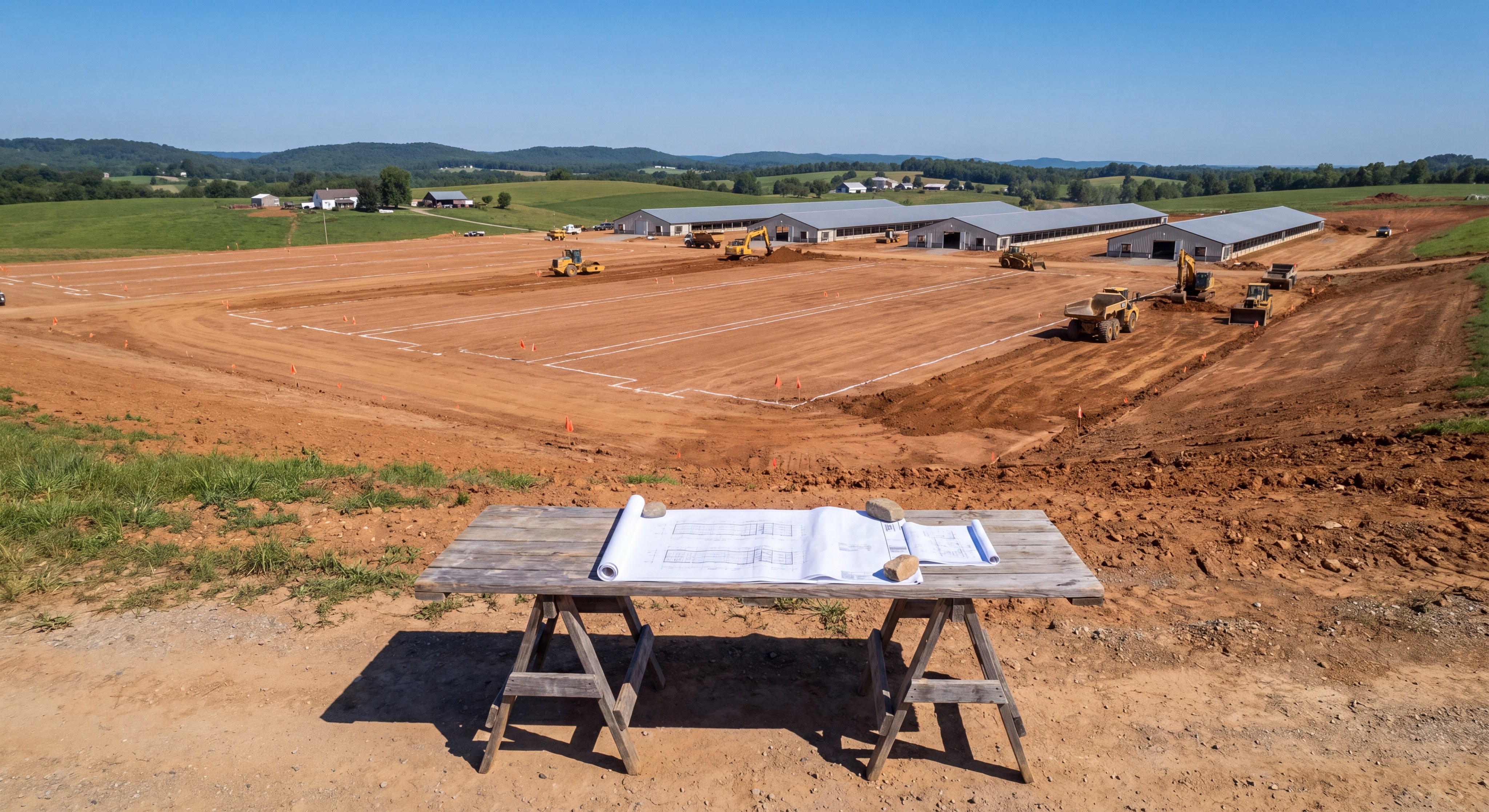
Effective planning for how to build a chicken house involves calculating exact floor space and orienting the structure to leverage natural elements. You must ensure at least 1.5 to 2 square feet per layer hen to prevent stress and feather pecking in commercial operations. Detailed site layouts help you avoid future bottlenecks during egg collection or manure removal processes.
Think about this:
Determining Ideal Floor Space
The dimensions of your facility dictate the maximum capacity and the health of your birds. Overcrowding is a primary driver of disease, so you should design your footprint with future flock expansion in mind.
Site Orientation and Drainage
Properly orienting your building allows you to take advantage of prevailing winds for natural cooling. You should also choose a high-elevation spot to prevent water from pooling around the foundation after heavy rains.
- Survey the land: Identify the highest point for construction.
- Check access: Ensure trucks can easily deliver feed and collect eggs.
- Plan for utilities: Map out water and electricity lines early.
Key Takeaway: Professional planning reduces operational friction and ensures your facility can scale with your business growth.
| Planning Factor | Requirement | |
|---|---|---|
| Space per Hen | 1.5 – 2.0 sq. ft. | |
| Drainage | Sloped away from site | |
| Expansion Room | 20% minimum reserve |
What materials are best for how to build a chicken house?
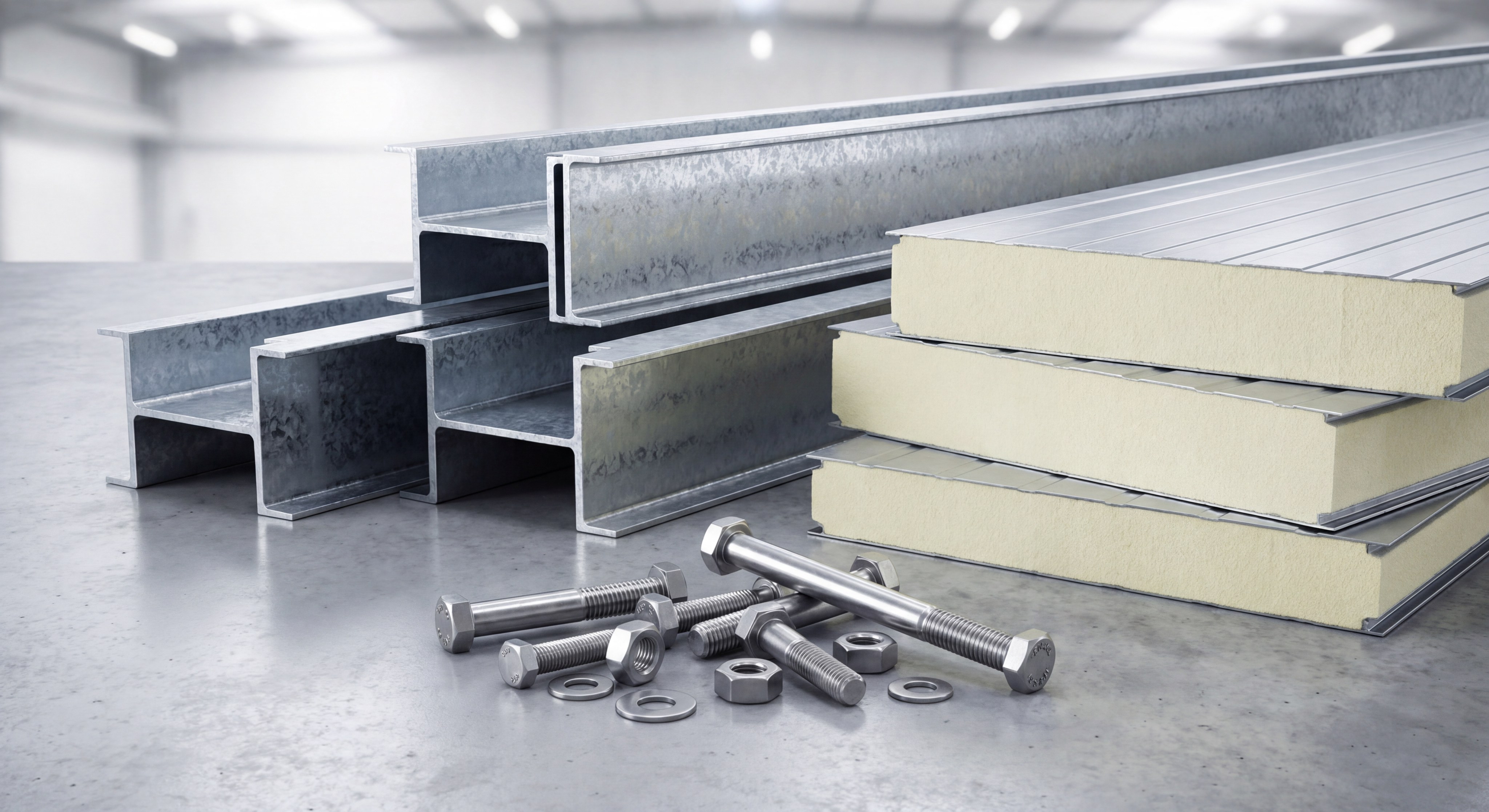
Selecting the right materials is the most critical decision when researching how to build a chicken house that lasts for decades. While timber is common for small coops, industrial-grade steel and sandwich panels are superior for commercial longevity and hygiene. These materials resist rot, pests, and fire, providing a much higher return on investment over the building’s lifecycle.
Here is the kicker:
Steel vs. Wood Construction
Galvanized steel offers unmatched structural integrity compared to traditional wood, which can harbor mites and bacteria. Using steel ensures your building remains stable even in areas prone to high winds or heavy snow.
Corrosion-Resistant Fasteners
Because poultry environments are high in ammonia, you must use stainless steel or specialized coated fasteners. This prevents the primary structure from weakening due to chemical corrosion over time.
- Galvanized Steel: Prevents rust in humid environments.
- EPS Sandwich Panels: Provide excellent thermal insulation.
- Concrete Base: Essential for biosecurity and cleaning.
Key Takeaway: High-quality industrial materials significantly lower maintenance costs and improve the biosecurity of your layer operation.
| Material Type | Primary Benefit | |
|---|---|---|
| Galvanized Steel | Rust resistance & strength | |
| Sandwich Panels | Temperature regulation | |
| Stainless Fasteners | Ammonia resistance |
How to build a chicken house foundation and main frame?
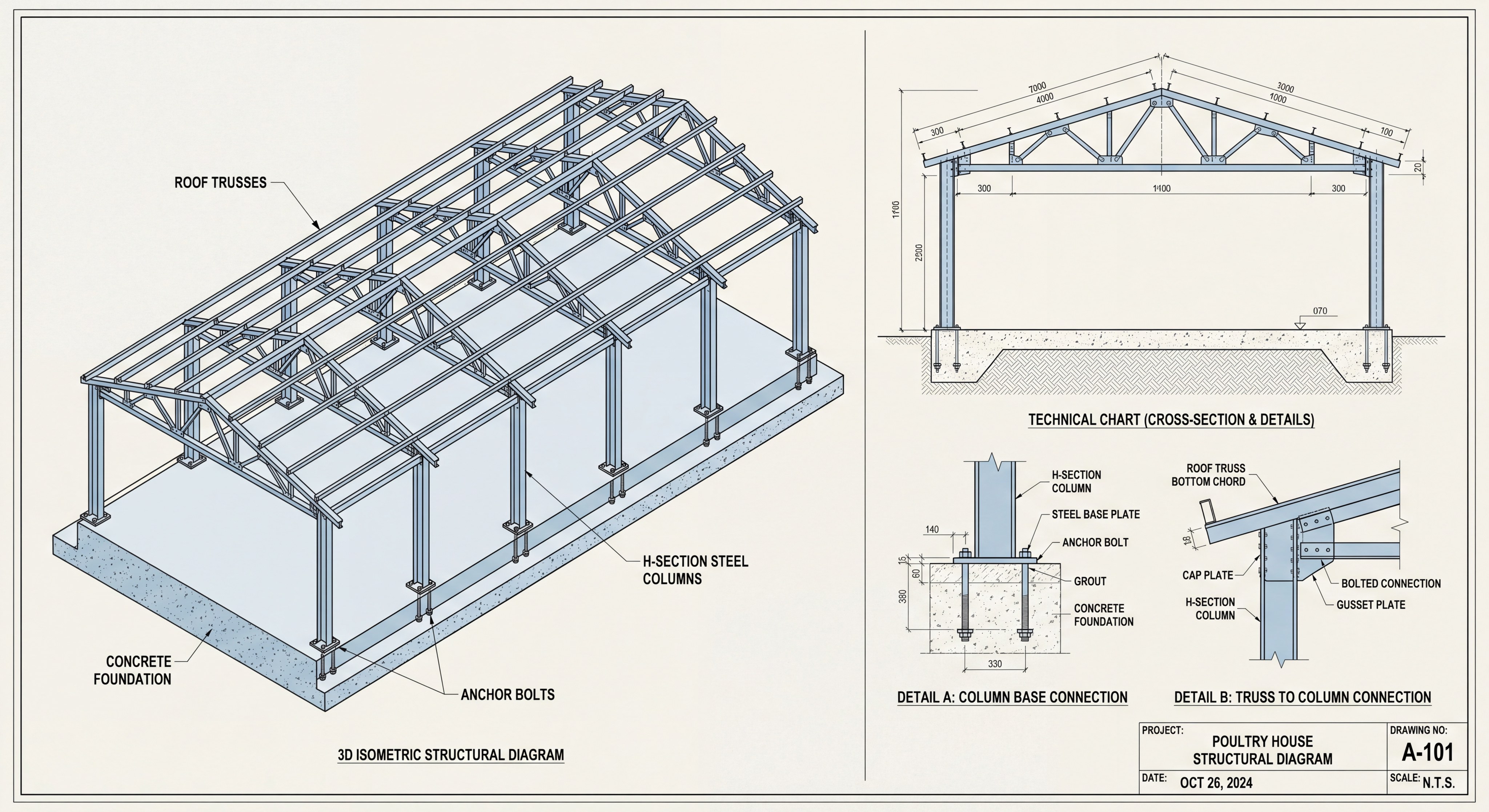
The foundation and frame serve as the backbone for how to build a chicken house that can withstand environmental stressors. You should utilize a concrete slab foundation to prevent predators from digging into the coop and to facilitate easier disinfection. For large-scale operations, the frame design often mirrors that of a Steel Structure Warehouse to provide the necessary clear spans for cage systems.
But wait, there’s more:
Concrete Footing Depth
Deep concrete footings are necessary to anchor the main steel beams securely against seismic activity and wind loads. You must ensure the anchor bolts are precisely placed according to your engineering blueprints to avoid assembly errors.
Benefits of H-Section Columns
Using H-section steel for your main columns provides superior weight distribution and support for heavy roofing systems. This design allows for wide, unobstructed interior spaces that are perfect for automated feeding and manure belts.
- Anchor Bolts: Secure the frame to the concrete base.
- Cross Bracing: Adds lateral stability to the structure.
- Roof Trusses: Support the weight of insulation and equipment.
Key Takeaway: A robust foundation and steel frame are non-negotiable for protecting your long-term capital investment.
| Frame Component | Function | |
|---|---|---|
| H-Section Columns | Main vertical support | |
| Concrete Slab | Biosecurity & floor stability | |
| Anchor Bolts | Structural grounding |
How to build a chicken house with durable walls and roofing?
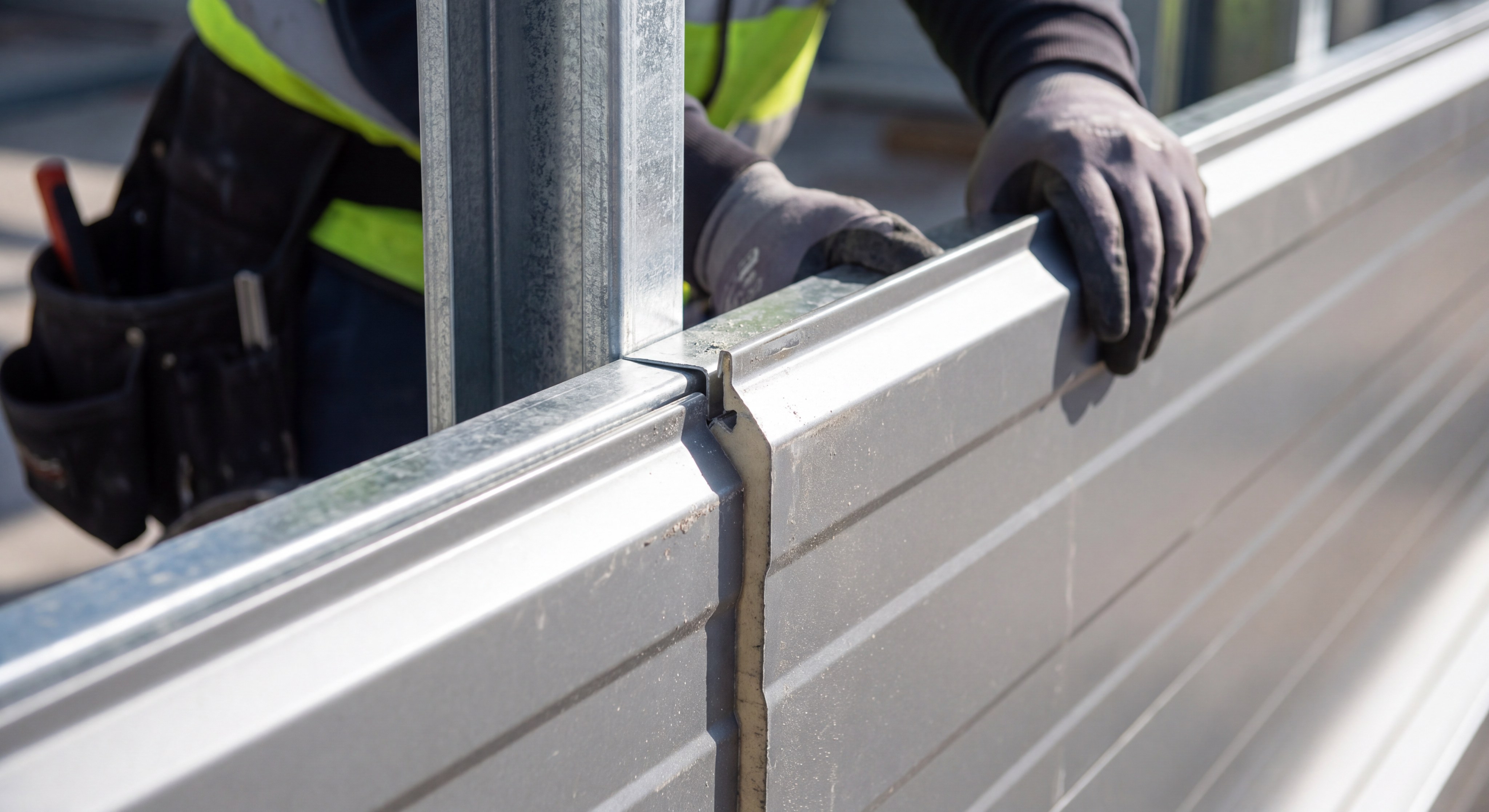
Selecting the right cladding is essential when determining how to build a chicken house that remains energy efficient. Insulated sandwich panels are the industry standard because they provide a thermal bridge that keeps internal temperatures stable. This setup prevents the “oven effect” in summer and retains heat during winter, which is vital for maintaining high egg production rates.
Check this out:
Thermal Protection Panels
Modern wall panels consist of two steel sheets with a foam core to minimize heat transfer. This material is easy to power-wash, which is a major advantage for maintaining a sterile environment between flock cycles.
Weatherproofing the Roof
Your roof must be designed with a sufficient pitch and high-quality flashing to prevent any moisture penetration. Utilizing pre-painted steel sheets ensures the exterior can withstand harsh UV rays without degrading or leaking.
- Interlocking Joints: Create a seamless, draft-free seal.
- UV-Resistant Coating: Extends the life of the roofing.
- Internal Lining: Protects insulation from ammonia vapor.
Key Takeaway: Durable walls and roofing create a climate-controlled sanctuary that directly impacts your flock’s productivity.
| Cladding Element | Benefit | |
|---|---|---|
| Foam Core | R-value thermal efficiency | |
| Pre-painted Steel | Corrosive protection | |
| Flashing | Water-tight sealing |
How to build a chicken house with secure doors and windows?
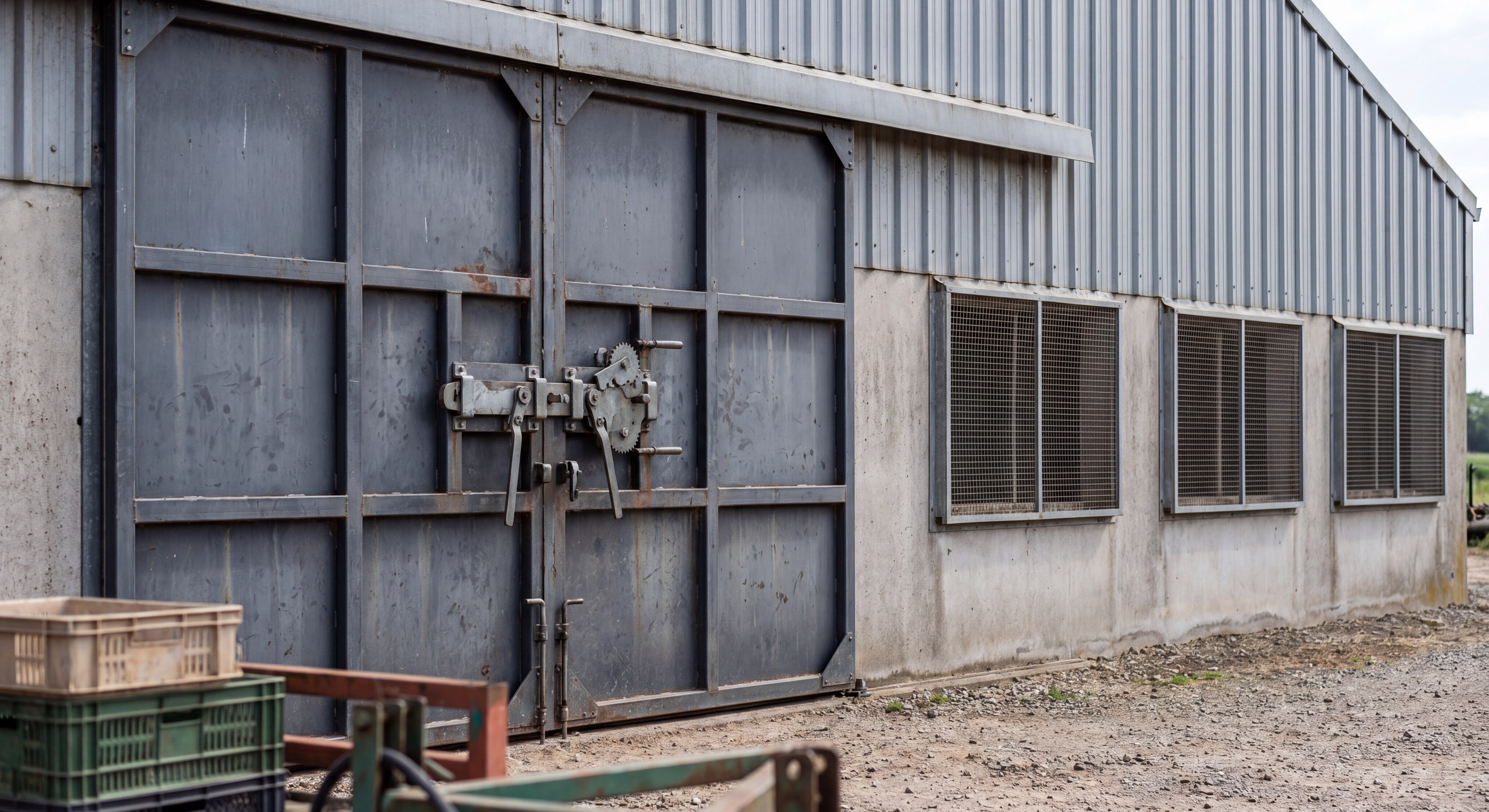
Security is a top priority for how to build a chicken house that protects your birds from both small and large intruders. Utilizing high-quality H-section steel columns for the wall supports ensures your doors can be heavy-duty and tightly sealed. Properly installed industrial doors prevent drafts and keep out pests like rats and wild birds that carry diseases.
The best part?
Predator-Proof Locking Mechanisms
Heavy-duty sliding or swing doors should feature multi-point locking systems that are impossible for animals to bypass. You should also ensure that the thresholds are flush with the floor to eliminate gaps where rodents might enter.
Sealing Windows Against Drafts
Windows must be fitted with tight seals and fine mesh to allow light and air in while keeping moisture and insects out. Using aluminum alloy frames provides a rust-proof solution that operates smoothly for the life of the building.
- Steel Sliding Doors: Allow for easy equipment access.
- Security Mesh: Prevents wild bird entry.
- Airtight Gaskets: Maintain the efficiency of ventilation.
Key Takeaway: Secure entry points are your first line of defense against predators and external biological threats.
| Security Feature | Purpose | |
|---|---|---|
| Industrial Latches | Predator prevention | |
| Fine Wire Mesh | Biosecurity & air flow | |
| Flush Thresholds | Rodent exclusion |
How to build a chicken house that is well-insulated?
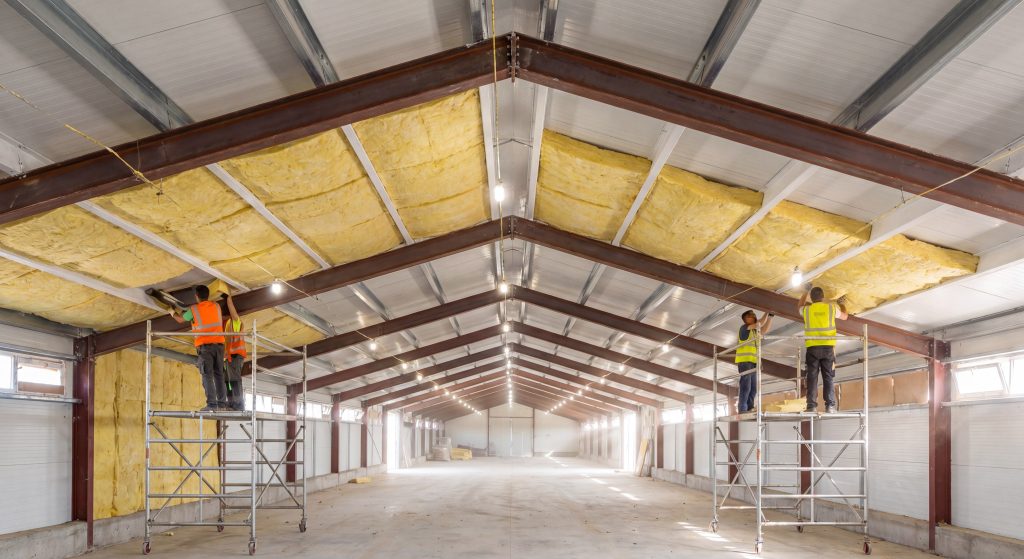
Thermal regulation is a core component of how to build a chicken house that maximizes feed conversion ratios. Layer hens are sensitive to temperature fluctuations; if they get too cold, they use energy for warmth rather than egg production. High-density fiberglass or foam insulation prevents these swings, keeping your utility bills low and your birds comfortable.
Now, consider this:
Achieving Optimal R-Values
You must calculate the required R-value based on your local climate to ensure the building stays within the 18-24°C range. Properly insulated roofs are especially important, as they prevent solar heat gain from radiating down onto the hens during the day.
Vapor Barriers and Moisture Control
Insulation must be protected by a vapor barrier to prevent moisture from the birds’ breath from saturating the material. Wet insulation loses its thermal properties and can lead to mold growth within the wall cavities.
- Fiberglass Batts: Cost-effective for large ceiling spans.
- Rigid Foam Board: Offers high R-values per inch.
- Reflective Foil: Blocks radiant heat in hot climates.
Key Takeaway: Strategic insulation acts as a permanent battery for your farm, saving you money on heating and cooling every month.
| Insulation Factor | Ideal Range/Type | |
|---|---|---|
| Target Temperature | 18°C – 24°C | |
| Moisture Protection | Vapor barrier required | |
| Ceiling Insulation | Higher R-value than walls |
What location works best for how to build a chicken house?
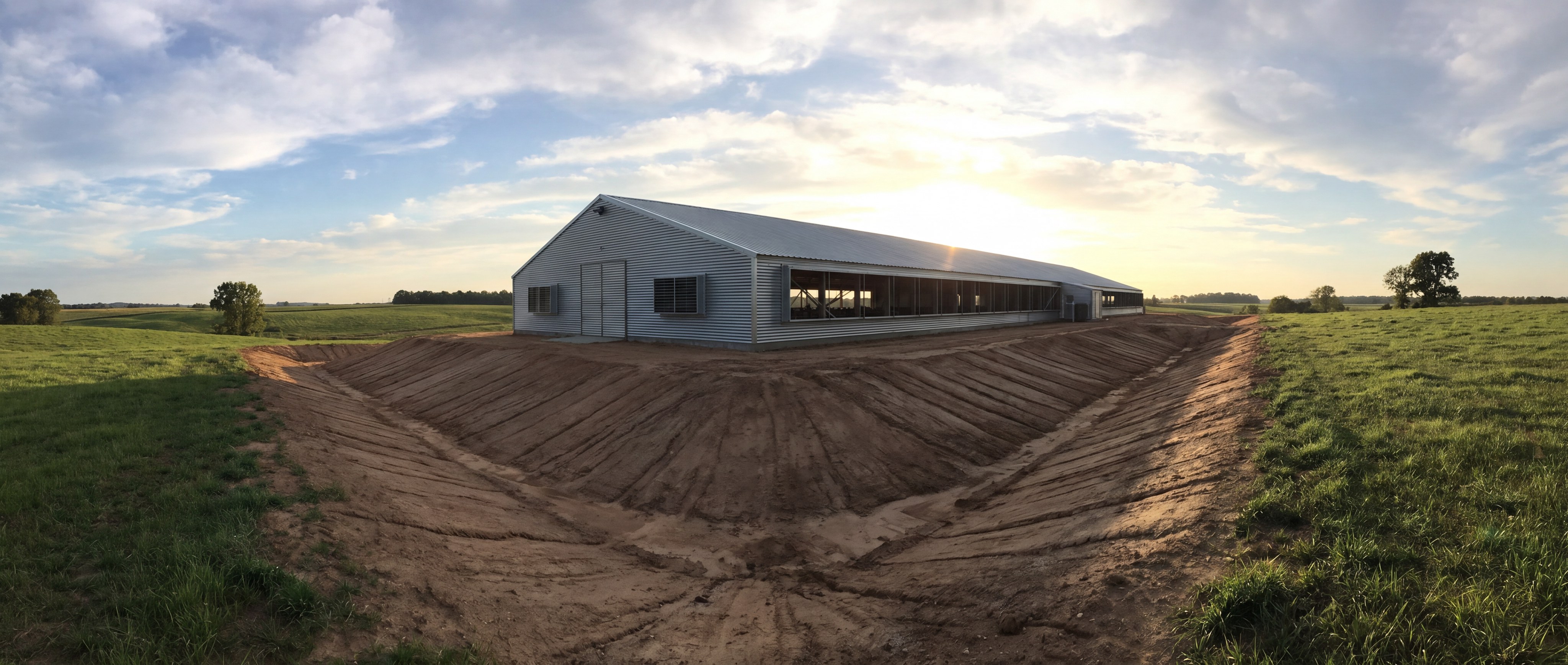
Choosing the perfect site is a fundamental step in how to build a chicken house that operates efficiently year-round. If you are repurposing land, consider how the layout compares to a Steel Structure Workshop for optimal workflow and vehicle access. The location should be far enough from other farms to maintain biosecurity while remaining accessible for egg transport trucks.
In other words:
Solar Orientation Strategies
Placing your building on an east-west axis minimizes the amount of direct sunlight hitting the long side-walls. This orientation helps keep the interior cooler during the peak heat of the day, reducing the load on your ventilation fans.
Elevation and Wind Flow
You should build on slightly elevated ground to ensure natural drainage away from the structure and to catch prevailing breezes. Avoiding low-lying areas prevents dampness, which is a major contributor to respiratory issues in laying hens.
- Biosecurity Buffer: Keep distance from other livestock.
- Graded Drainage: Prevents foundation erosion.
- Power Proximity: Reduces electrical installation costs.
Key Takeaway: A well-located house uses nature to its advantage, lowering your operating costs and protecting flock health.
| Location Factor | Desired Characteristic | |
|---|---|---|
| Sun Path | East-West orientation | |
| Terrain | High and dry elevation | |
| Accessibility | Heavy vehicle-friendly paths |
How to build a chicken house with effective ventilation?
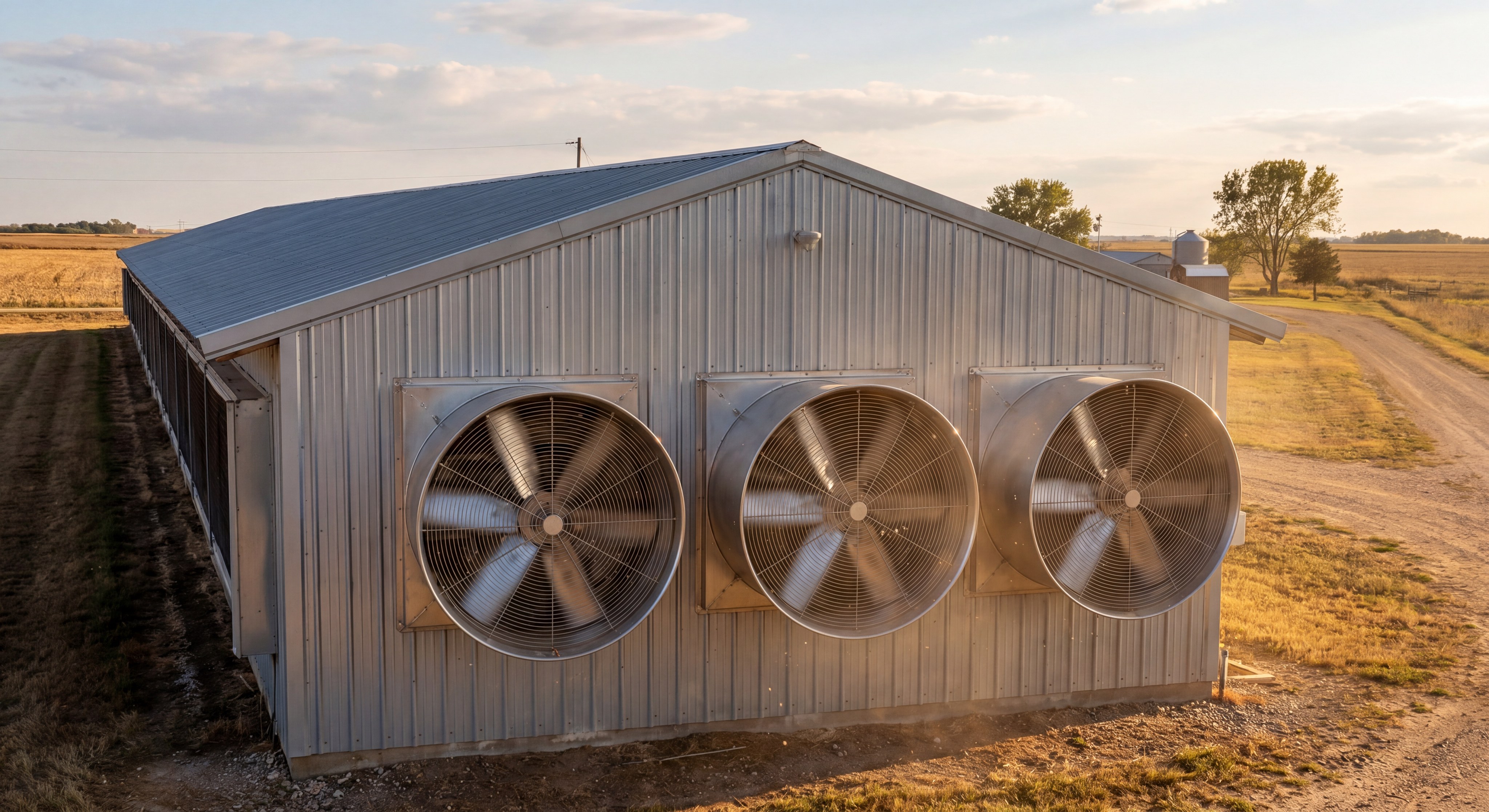
Managing air quality is perhaps the most technical aspect of how to build a chicken house for layers. You need a system that removes ammonia, CO2, and moisture while bringing in oxygen-rich fresh air without causing drafts. Professional ventilation prevents the buildup of toxic gases that can lead to permanent respiratory damage in your flock.
Here’s the deal:
Natural vs. Tunnel Ventilation
While natural ventilation relies on side-wall curtains, tunnel ventilation uses massive exhaust fans to pull air through the entire length of the building. Tunnel systems are far more effective for large-scale operations in hot climates to provide a “wind chill” effect.
Placing Exhaust Fans
Exhaust fans should be placed on the leeward end of the building to work with the wind rather than against it. This placement ensures a consistent flow of air and prevents dead zones where heat and ammonia can accumulate.
- Variable Speed Fans: Adjust flow based on temperature.
- Cooling Pads: Lower air temperature as it enters.
- Automated Controllers: Sync fans with interior sensors.
Key Takeaway: Sophisticated ventilation is the lungs of your poultry house, ensuring birds remain healthy and productive.
| Ventilation Component | Role | |
|---|---|---|
| Exhaust Fans | Air removal & cooling | |
| Side-wall Inlets | Fresh air distribution | |
| Control Sensors | Automated monitoring |
How to build a chicken house that stops all predators?
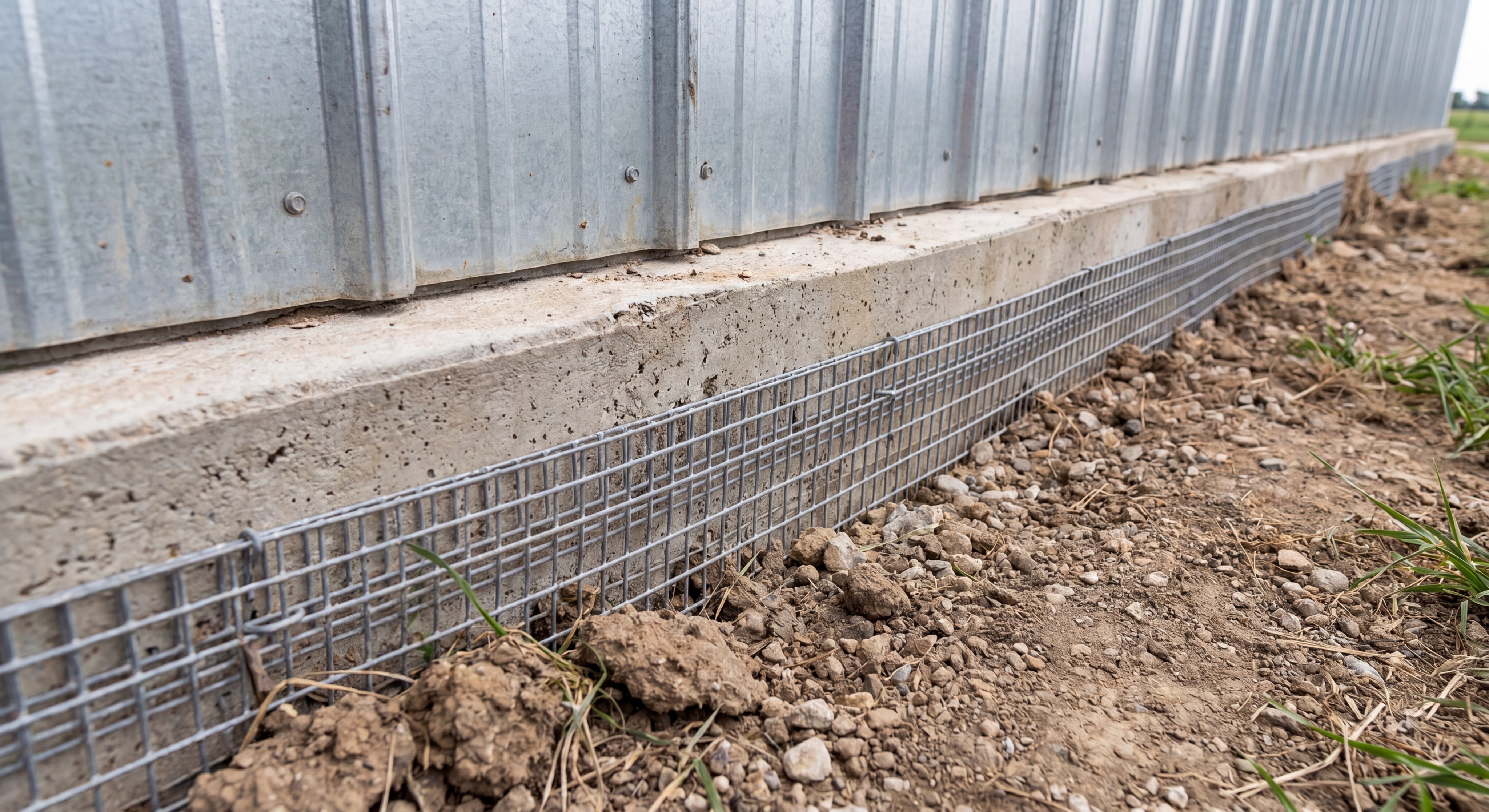
Predator proofing is a non-negotiable requirement for how to build a chicken house in rural environments. Most modern poultry projects now include comprehensive installation guidance to ensure the prefabricated components are assembled to strict engineering standards. This includes burying wire mesh deep into the ground around the perimeter to stop burrowing animals like foxes and rats.
Make no mistake:
Perimeter Fencing Depth
You should bury a heavy-gauge wire mesh at least 12 to 18 inches deep and curve it outward to deter diggers. This physical barrier is your best defense against nighttime raids that can decimate a flock in hours.
Selecting the Correct Mesh Gauge
Generic chicken wire is often too weak to stop determined predators like raccoons or stray dogs. Using 1/2-inch hardware cloth or reinforced steel mesh provides the strength needed to keep even the smallest rodents from squeezing through gaps.
- Burying Mesh: Prevents under-digging.
- Steel Siding: Impenetrable to chewing pests.
- Automated Gates: Ensure coops are locked at dusk.
Key Takeaway: Comprehensive predator proofing provides peace of mind and protects your birds from preventable losses.
| Security Layer | Threat Targeted | |
|---|---|---|
| Buried Mesh | Foxes & digging pests | |
| Fine Gauged Screen | Rats & wild birds | |
| Solid Steel Walls | Large predators & chewing |
How to build a chicken house using modern steel structures?
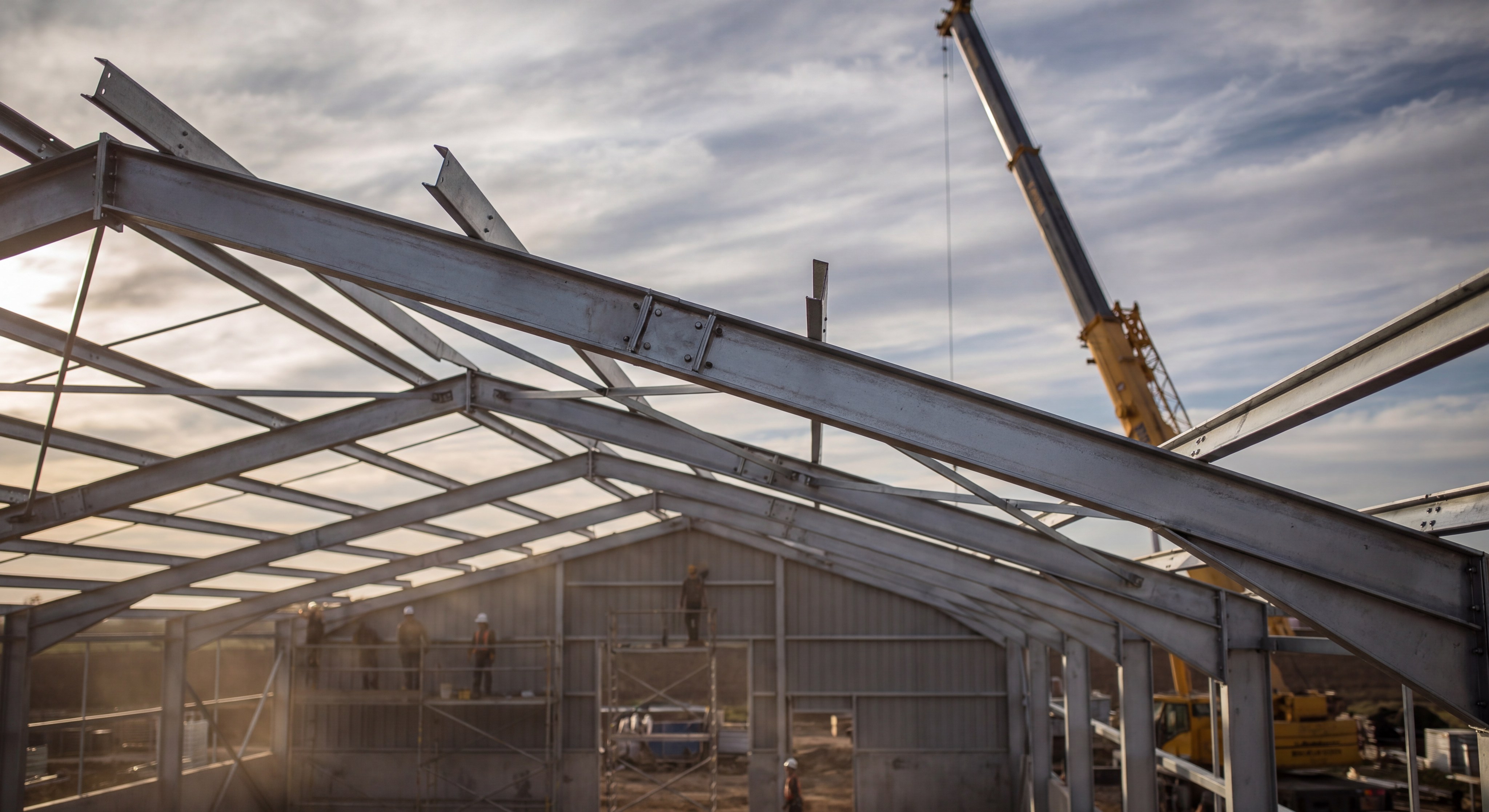
Adopting modern engineering methods is the most efficient way for how to build a chicken house today. Prefabricated steel modules are manufactured in a factory environment with high precision, allowing for rapid assembly on your site. This reduces labor costs and ensures that every bolt hole and joint fits perfectly, creating a more stable and airtight structure.
The bottom line is this:
Hot-Dip Galvanization Longevity
The steel components used in poultry houses are hot-dip galvanized to provide a thick protective layer against the corrosive effects of manure and humidity. This treatment ensures the frame will not lose its structural integrity for 20 years or more.
Speed of Prefabricated Assembly
Because the parts are pre-cut and pre-drilled, a commercial-scale house can be erected in a fraction of the time compared to traditional construction. This allows you to bring your hens in sooner and start generating revenue faster.
- Precision Engineering: Eliminates site modifications.
- Modular Design: Allows for easy future extensions.
- Low Maintenance: Steel requires no painting or treating.
Key Takeaway: Modern steel structures offer the best balance of speed, durability, and long-term cost-efficiency for professional poultry farmers.
| Steel Advantage | Impact | |
|---|---|---|
| Prefabrication | Faster ROI & lower labor | |
| Galvanization | 20+ year lifespan | |
| Modular Framing | Scalable business growth |
FAQ: Common Construction Questions
- Can I build a chicken house myself for a commercial flock?Small coops are DIY-friendly, but commercial-scale houses require professional engineering for steel spans and complex climate control systems.
- What’s the best material for a chicken house floor?Concrete is the best choice because it provides a permanent barrier against predators and can be completely sanitized between flocks.
- How many square feet do I need per layer hen?You should aim for 1.5 to 2 square feet per bird in a commercial setup to ensure welfare and prevent production-killing stress.
- What is the most cost-effective way to insulate a poultry house?Using high-density sandwich panels is the most cost-effective long-term solution as they combine structural siding and insulation in one easy-to-install part.
- Can I use wood for a large-scale layer house?While possible, wood is generally discouraged for large operations because it is difficult to sanitize and prone to structural degradation from moisture and ammonia.
Build for the Future of Your Poultry Farm
Constructing a high-yield layer facility is a strategic investment that determines your profit margins for decades. By focusing on professional steel framing, advanced insulation, and robust predator security, you create a stable environment where your hens can thrive regardless of external weather conditions. At Showhoo, our vision is to empower farmers globally with precision-engineered agricultural structures that prioritize animal welfare and operational efficiency.
Ready to secure your flock’s future? Contact us today to receive a custom engineering quote and start building the professional poultry house your business deserves.
| sales@showhoo.com.cn | |
| Phone/WhatsApp | +86 186 7895 5927 |