
The average turnkey cost to build a 15000 sqft warehouse typically ranges from 300,000 to 900,000, or approximately 20 to 60 per square foot. This variation depends heavily on the construction method you choose, local labor rates, and the complexity of your internal build-out requirements.
Managing a growing business often leads to a critical shortage of inventory space that stifles your operational efficiency. You might feel the pressure of rising storage fees or the chaos of disorganized logistics eating away at your profit margins. Investing in a 15000 sqft warehouse provides the structural foundation needed to regain control over your supply chain and scale your operations with confidence.
What is the total cost for a 15000 sqft warehouse?
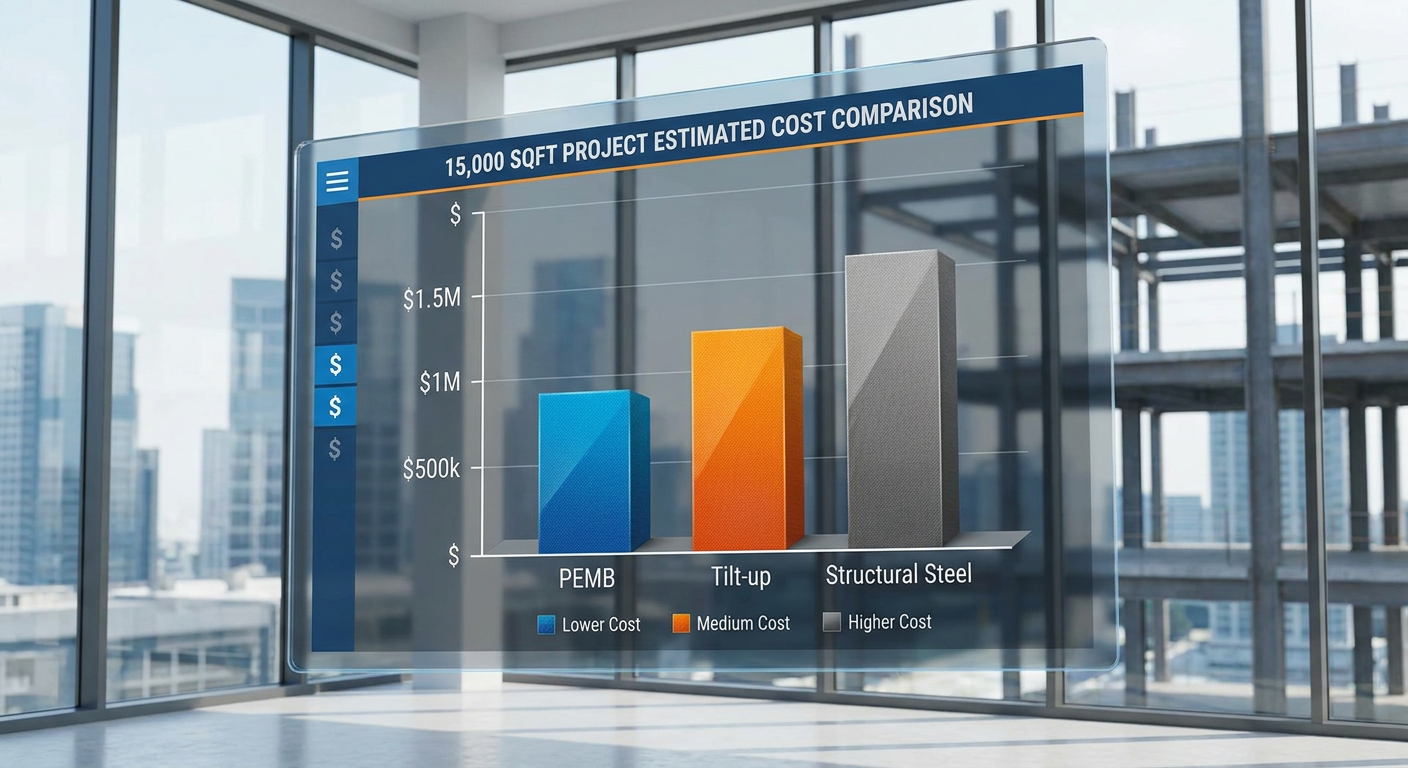
The total investment for a 15000 sqft warehouse starts near 300,000 for basic shells and can exceed 900,000 for fully finished climate-controlled facilities. You must account for the building kit, foundation work, and specialized labor to arrive at a realistic budget.
How do material choices affect your budget?
The specific materials you select for the frame and cladding play the most significant role in your final invoice. Choosing high-quality steel ensures long-term durability while maintaining a lower upfront cost compared to traditional masonry.
Think about this:
- Pre-engineered metal kits are the most affordable.
- Tilt-up concrete panels offer high fire resistance but higher costs.
- Insulated sandwich panels increase efficiency but add to the initial price.
But wait, there’s more…
What are the hidden fees in construction?
Beyond the visible structure, you will face expenses related to permits, utility hookups, and professional engineering stamps. These “soft costs” often catch developers off guard if they aren’t factored into the initial feasibility study.
Check these out:
- Local building permit and inspection fees.
- Structural engineering and architectural design costs.
- Site utility connections for water and electricity.
Key TakeawayBudgeting requires a holistic view that combines the structural kit price with local site requirements and professional service fees to avoid financial surprises.
| Expense Category | Estimated Low End | Estimated High End | |
|---|---|---|---|
| Building Shell | $225,000 | $375,000 | |
| Foundation Slab | $90,000 | $150,000 | |
| Professional Fees | $15,000 | $45,000 |
Detailed planning ensures that your total expenditure remains within the projected 20 to 60 per square foot range.
How long does it take to build a 15000 sqft warehouse?
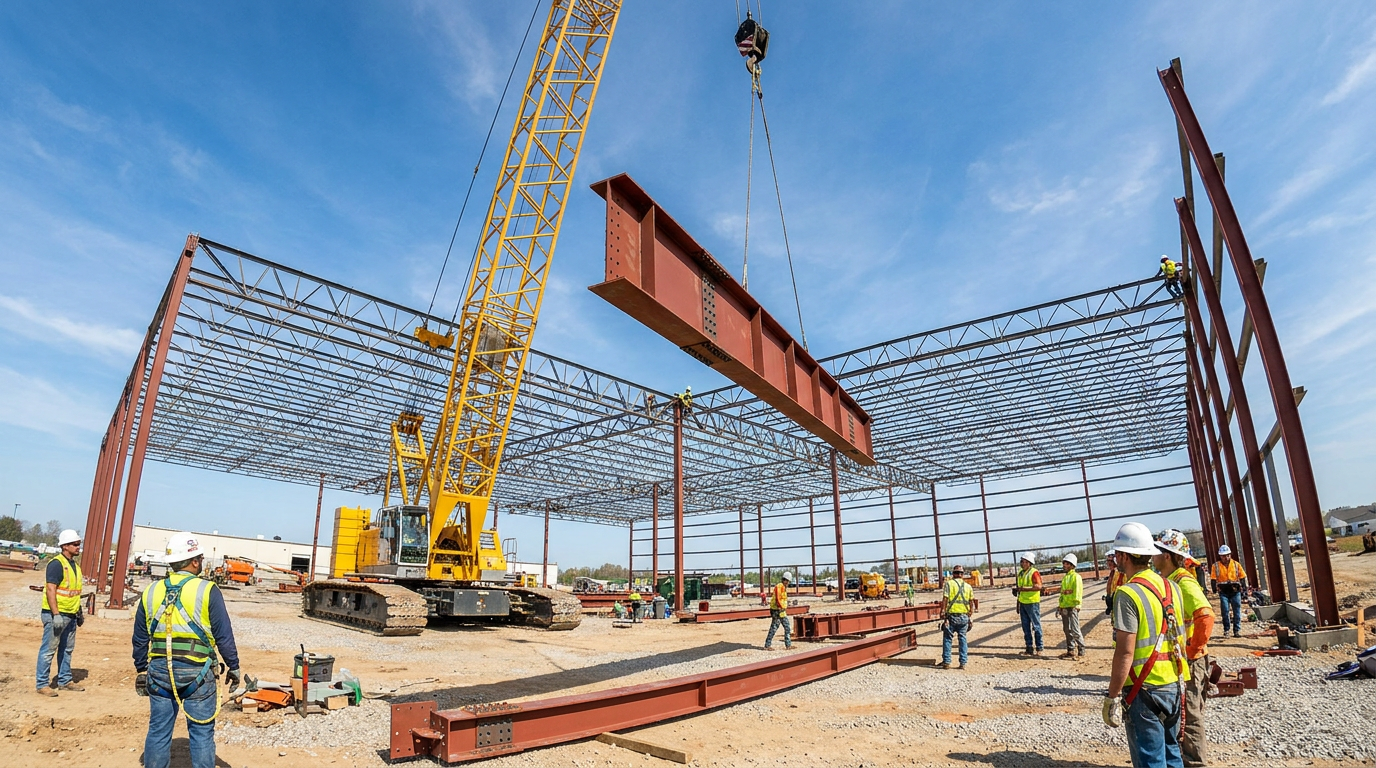
Constructing a 15000 sqft warehouse using pre-engineered methods generally takes between 16 to 24 weeks from the initial design phase to final occupancy. Because the components are manufactured in a controlled factory environment, you can save significant time compared to traditional “stick-built” structures.
How does fabrication impact your timeline?
The fabrication of your steel frame typically occupies the first 8 to 12 weeks of your project schedule. During this time, you can simultaneously prepare your site and pour the foundation to maximize efficiency.
Here is the kicker:
- Factory-direct manufacturing ensures precision engineering.
- Simultaneous site work reduces total project duration.
- Pre-drilled components arrive ready for immediate assembly.
The best part?
What occurs during the on-site erection phase?
Once the materials arrive, a professional crew can often erect the main structural frame of your 15000 sqft warehouse in as little as 4 to 6 weeks. This rapid assembly is possible because every beam and column is designed to bolt together without the need for on-site welding.
Consider these steps:
- Lifting columns and beams into place with cranes.
- Installing secondary purlins and girts for stability.
- Applying wall and roof panels to seal the envelope.
Key TakeawayChoosing a pre-engineered system allows you to open your doors months faster than conventional construction methods, providing a quicker return on your investment.
| Project Phase | Estimated Weeks | Milestone Goal | |
|---|---|---|---|
| Design & Engineering | 3 – 4 | Approved Blueprints | |
| Factory Fabrication | 8 – 12 | Material Delivery | |
| Site Erection | 4 – 8 | Structural Dry-in |
Rapid assembly ensures you can begin operational activities sooner, which is a massive competitive advantage for expanding businesses.
Which construction method is most cost-effective?
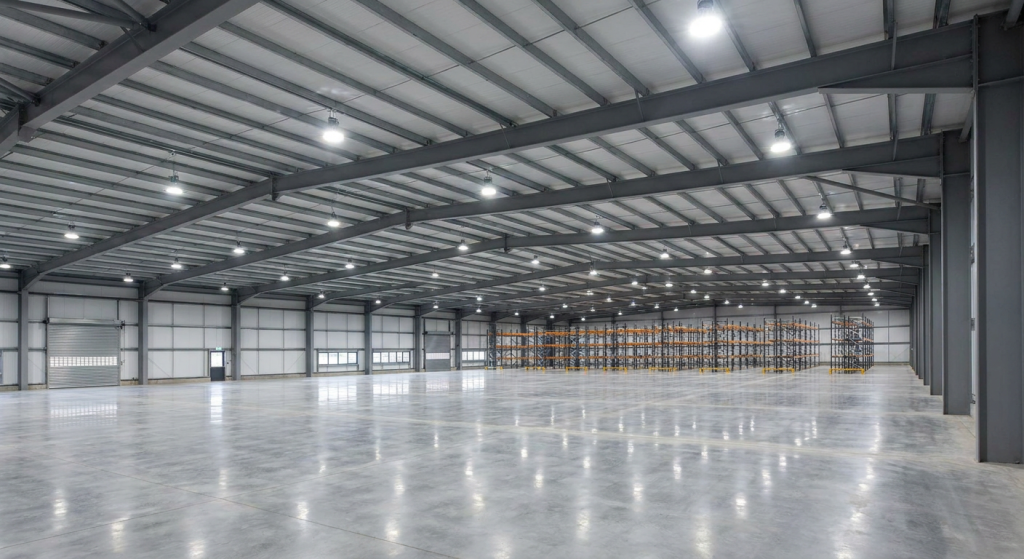
Pre-engineered metal building (PEMB) construction is widely considered the most cost-effective method for a 15000 sqft warehouse. This method optimizes material usage and reduces labor hours, typically costing 20 to 35 per square foot for the building shell and foundation.
Why is PEMB cheaper than tilt-up concrete?
While tilt-up concrete offers impressive durability, the heavy machinery and specialized labor required often push costs toward 40 to 55 per square foot. You will find that steel provides similar clear-span capabilities with much lower logistical overhead.
Let’s be honest:
- Steel requires fewer specialized on-site contractors.
- Foundations for steel buildings are less complex.
- Materials are lighter and easier to transport.
But that’s not all…
How does structural steel compare to weld-up?
Conventional structural steel, or “weld-up” construction, offers the most flexibility but is often the most expensive due to the intensive on-site labor involved. You will likely spend 45 to 60 per square foot if you choose this traditional path.
Here is the deal:
- Extensive on-site welding increases labor costs.
- Higher material waste during the cutting process.
- Longer timelines lead to higher financing expenses.
Key TakeawayPre-engineered steel structures offer the best balance of price and performance, making them the industry standard for medium-scale storage facilities.
| Construction Method | Cost Per Sq Ft | Relative Speed | |
|---|---|---|---|
| Pre-Engineered (PEMB) | 20−35 | Very Fast | |
| Tilt-up Concrete | 40−55 | Moderate | |
| Structural Weld-up | 45−60 | Slow |
Evaluating these methods shows that PEMB is the superior choice for those looking to maximize their square footage on a strict budget.
What site preparation is needed for a 15000 sqft warehouse?
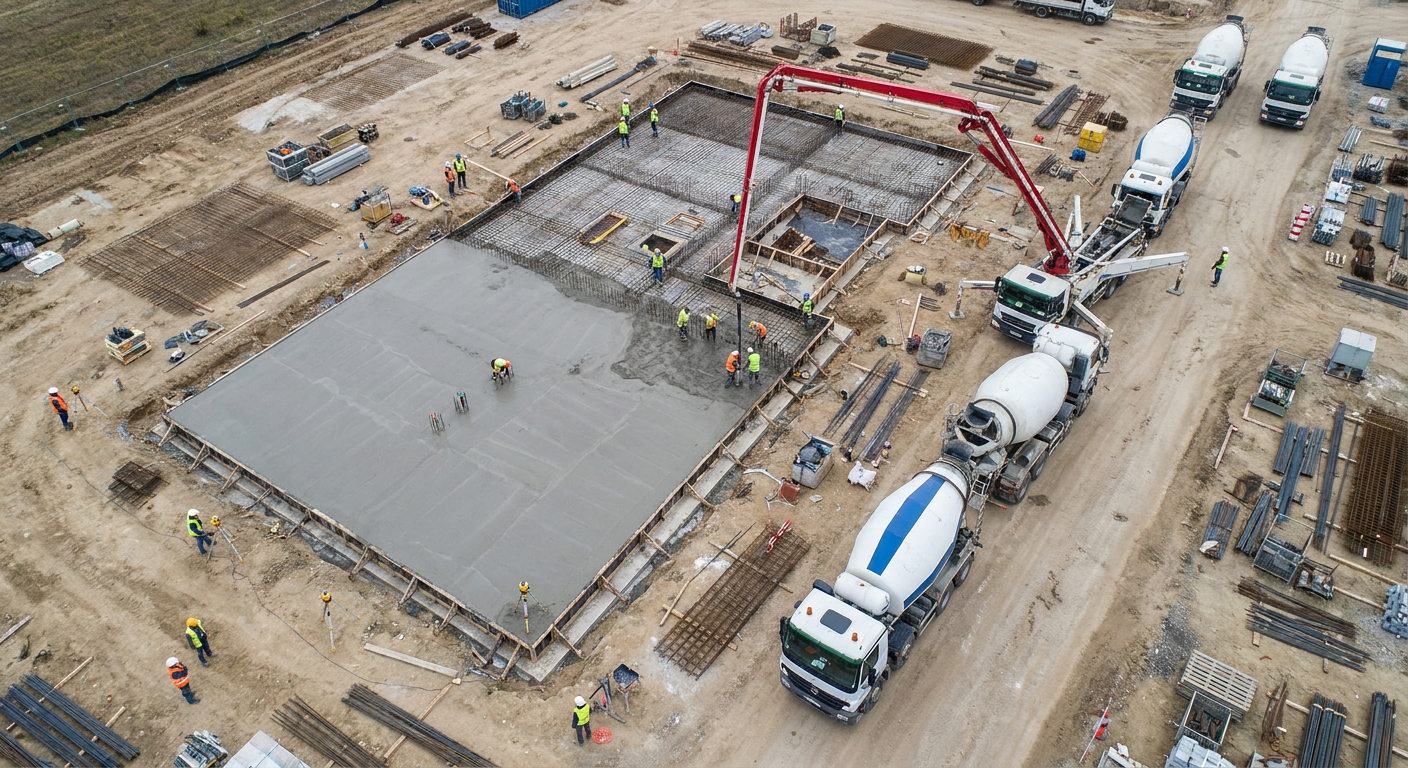
Site preparation for a 15000 sqft warehouse involves clearing the land, grading the soil for proper drainage, and pouring a reinforced concrete foundation. You must ensure the ground is stable enough to support the heavy-duty loads of both the building and the inventory you plan to store.
How do you handle soil stabilization?
Before any steel is delivered to your 15000 sqft warehouse , a geotechnical engineer must test your soil’s bearing capacity. If the ground is too soft, you may need to bring in structural fill or use deep pier foundations to prevent future settling.
Think about this:
- Geotechnical reports prevent foundation cracking.
- Proper grading keeps water away from your slab.
- Soil compaction is critical for heavy forklift traffic.
But wait, there’s more…
What are the foundation requirements?
A standard 6-inch reinforced concrete slab is usually sufficient for general warehousing, but heavy manufacturing might require 8 to 12 inches of depth. You should work closely with your building supplier to ensure the anchor bolts are placed with extreme precision.
Check these out:
- Vapor barriers protect your inventory from moisture.
- Anchor bolt patterns must match the steel frame exactly.
- Control joints prevent random cracking in the concrete.
Key TakeawayInvesting in high-quality site preparation prevents the most common structural failures and ensures your warehouse remains level and safe for decades.
| Prep Task | Purpose | Cost Impact | |
|---|---|---|---|
| Land Clearing | Removes obstructions | Low | |
| Grading & Drainage | Prevents flooding | Moderate | |
| Concrete Foundation | Structural support | High |
A solid foundation is the most critical component of your build, as it dictates the alignment and longevity of the entire steel structure.
How does design complexity impact your final building price?
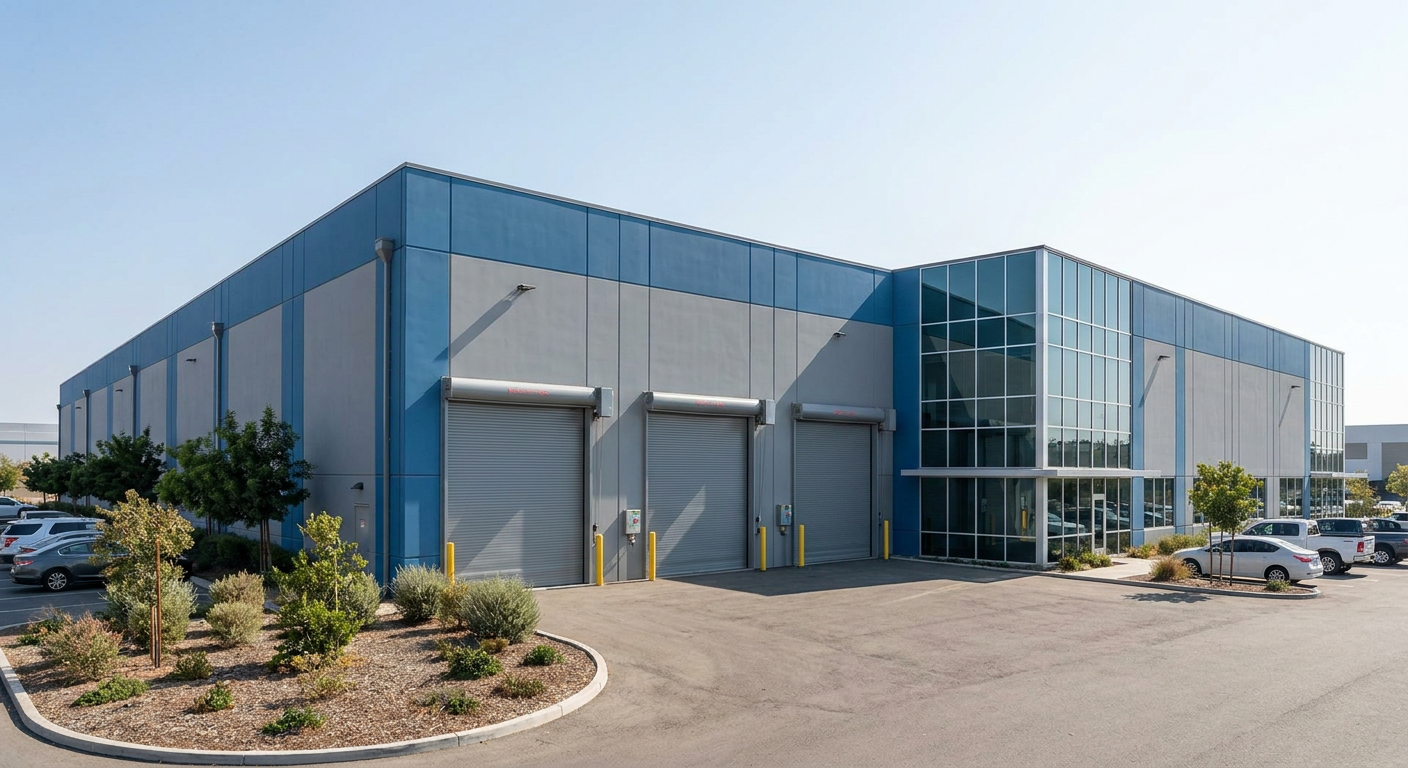
The complexity of your design directly correlates to the total price of your 15000 sqft warehouse project. Simple, rectangular boxes with low-pitched roofs are the most affordable, while custom architectural features and high eaves will increase your material and engineering costs.
How do eave heights affect steel usage?
As you increase the interior clearance height of your warehouse beyond 20 feet, the columns must be reinforced to handle wind and seismic loads. You will notice that taller buildings require more steel, which naturally drives up the per-square-foot cost.
The best part?
- Standard heights (16′-20′) use the least amount of steel.
- High-bay storage requires specialized engineering.
- Taller walls increase your HVAC and lighting expenses.
Here’s the deal:
What role do roof pitches play in cost?
A single-slope roof with a 1:12 pitch is generally the cheapest option because it uses less material and is easier to install. If you opt for more complex gable or hip roofs, you can expect your engineering and labor costs to rise accordingly.
Consider these options:
- Single-slope roofs are ideal for drainage and cost.
- Gable roofs offer a more traditional aesthetic.
- High-pitched roofs are better for heavy snow areas.
Key TakeawayKeeping your warehouse design simple and functional is the most effective way to reduce your total construction bill without sacrificing usable space.
| Design Feature | Budget Impact | Practical Benefit | |
|---|---|---|---|
| Simple Rectangle | Minimal | Most efficient layout | |
| High Eave Height | Moderate | Vertical storage space | |
| Custom Facades | High | Enhanced brand image |
By making smart design choices early on, you can allocate more of your budget toward operational equipment rather than structural aesthetics.
Why choose a steel structure for your 15000 sqft warehouse?
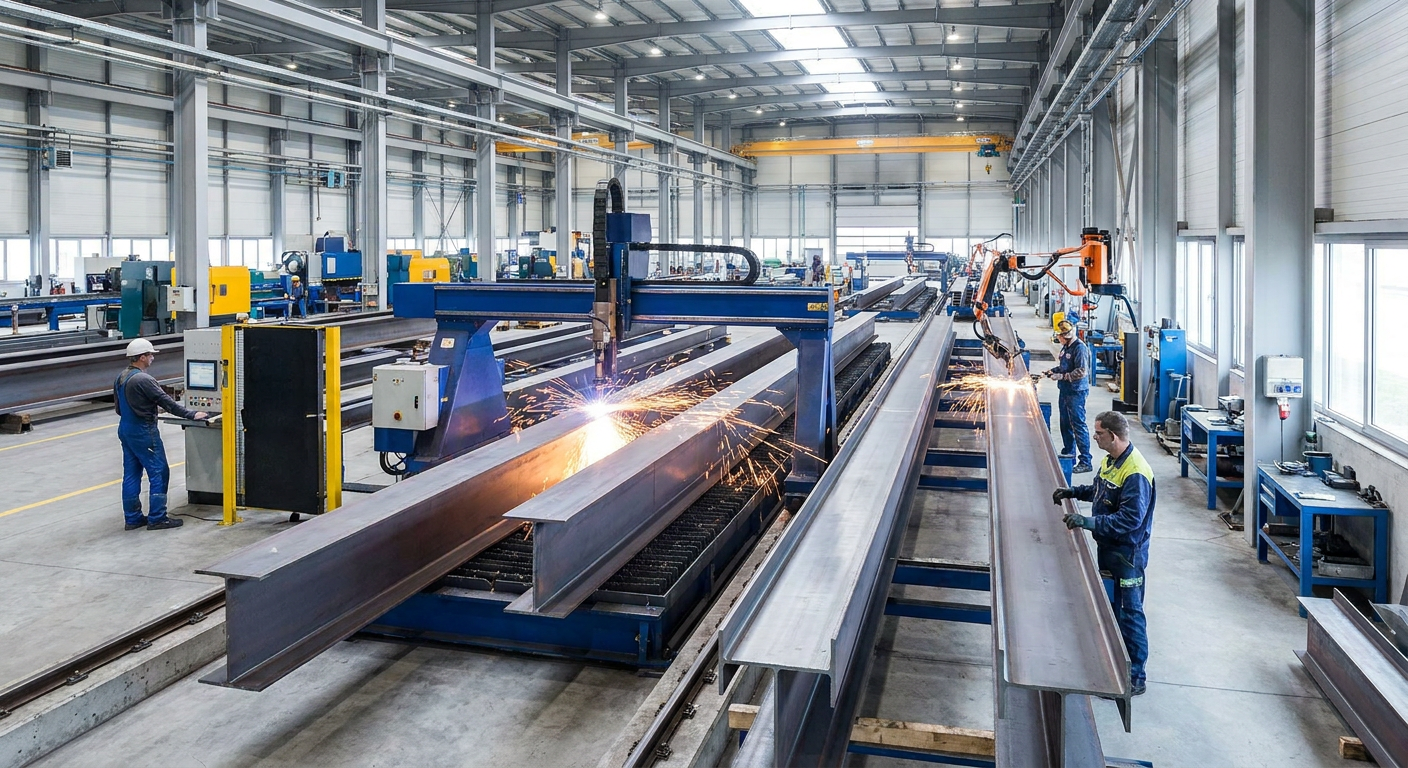
Steel structures are the preferred choice for a 15000 sqft warehouse because they offer unmatched clear-span capabilities and long-term durability. When you source directly from an international steel building manufacturer , you benefit from precision fabrication and competitive factory pricing.
What are the benefits of clear-span design?
Steel allows you to create massive open spaces without internal support columns that would otherwise obstruct your forklifts and racking systems. You can achieve spans of up to 130 feet or more, giving you total flexibility in how you organize your inventory.
Think about this:
- Total freedom for pallet rack configurations.
- Easier maneuverability for heavy machinery.
- Increased safety with fewer structural obstacles.
But wait, there’s more…
Is steel more durable than other materials?
High-strength steel is resistant to fire, termites, and rot, which significantly lowers your long-term insurance premiums and maintenance costs. You will find that a properly coated steel building can last for over 50 years with minimal upkeep.
Check these out:
- Hot-dip galvanizing prevents corrosion in humid areas.
- Steel is 100% recyclable and environmentally friendly.
- Structure retains high resale value over its lifespan.
Key TakeawayThe combination of low maintenance, high durability, and flexible internal layouts makes steel the most logical material choice for modern industrial applications.
| Material Feature | Steel Buildings | Wood/Masonry | |
|---|---|---|---|
| Clear-Span | Up to 150’+ | Very Limited | |
| Pest Resistance | Immune | Vulnerable | |
| Maintenance | Low | Moderate to High |
Choosing steel ensures that your facility remains a valuable asset that adapts to your changing business needs over time.
Are blueprints required for a 15000 sqft warehouse?
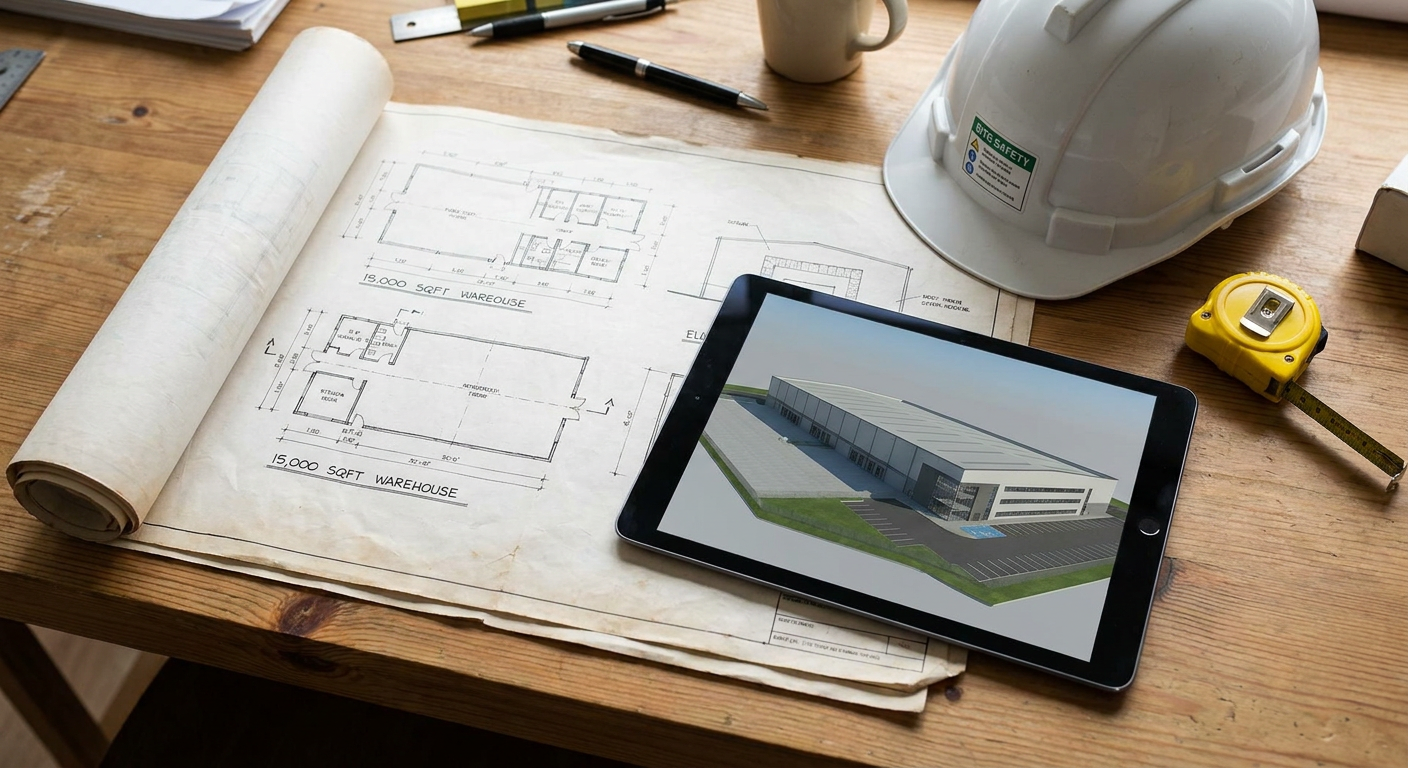
Engineered blueprints and structural calculations are mandatory for any 15000 sqft warehouse to meet local building codes and secure permits. You must provide these documents to demonstrate that your building can withstand local wind, snow, and seismic loads.
Who provides the structural engineering?
Your building supplier typically provides the structural drawings for the steel frame, but you may need a local architect to design the office build-out and site plan. You will find that having a complete set of stamped plans is the only way to ensure a smooth inspection process.
Here is the kicker:
- Certified engineers ensure the safety of your staff.
- Blueprints include critical details for the erection crew.
- Foundation plans must be specific to your site’s soil.
The best part?
Do you need a site plan for your lot?
A site plan is necessary to show the building’s location relative to property lines, setbacks, and utility access points. You will likely need this document to satisfy zoning requirements and ensure your 15000 sqft warehouse doesn’t violate local ordinances.
Consider these factors:
- Fire department access routes are mandatory.
- Stormwater management and drainage must be shown.
- Employee and truck parking requirements.
Key TakeawayProfessional engineering and clear blueprints are non-negotiable investments that protect your legal liability and guarantee the structural integrity of your facility.
| Document Type | Provided By | Primary Use | |
|---|---|---|---|
| Steel Shop Drawings | Manufacturer | Fabrication & Assembly | |
| Foundation Plan | Structural Engineer | Concrete Pouring | |
| Site Plan | Architect/Surveyor | Permit Approval |
Clear documentation prevents costly construction errors and ensures that every bolt and panel is placed exactly according to international safety standards.
Can you install heavy machinery in a 15000 sqft warehouse?
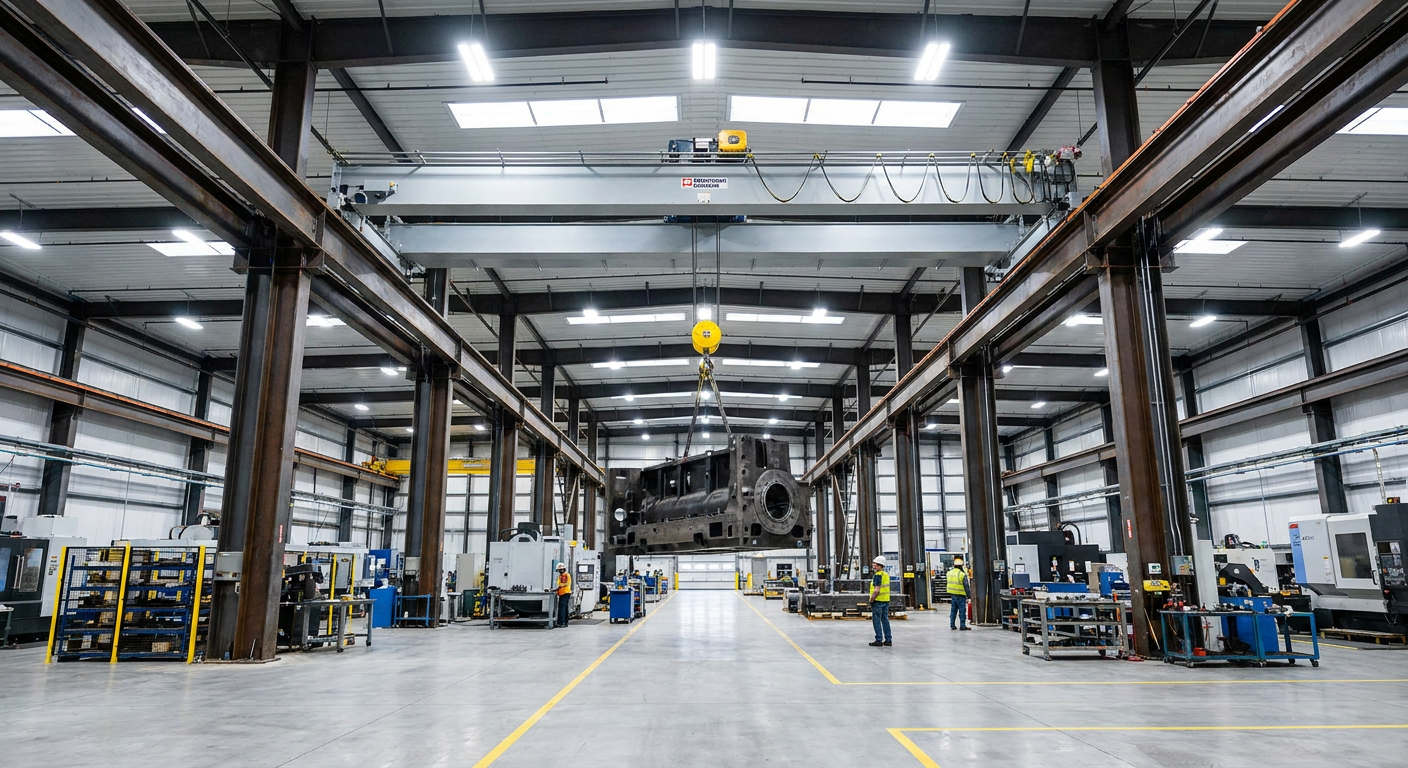
You can definitely install heavy machinery in a 15000 sqft warehouse, provided the columns and foundation are engineered to support the specific dynamic loads. If you plan to use overhead cranes or large manufacturing tools, you must specify these requirements during the design phase of your steel structure warehouse .
How do cranes affect building design?
Installing an overhead bridge crane requires reinforcing the main H-section columns to carry the additional weight and movement of the crane system. You will find that steel is the ideal medium for this because it can be easily strengthened with gantry beams.
Check these out:
- Top-running cranes for the heaviest lift capacities.
- Under-hung cranes for lighter assembly tasks.
- Jib cranes for localized material handling.
But that’s not all…
What foundation upgrades are needed?
For heavy machinery, you will likely need to upgrade from a standard 4-inch slab to a reinforced 8-inch or 10-inch thick foundation. You may also need to install isolated footings beneath high-vibration machines to prevent the rest of your warehouse floor from cracking.
Consider these upgrades:
- Increased rebar density for heavy load points.
- High-strength concrete mixes (4000+ PSI).
- Trench drains for machinery coolant or waste.
Key TakeawaySteel warehouses are incredibly versatile and can be customized into high-performance industrial workshops capable of supporting the world’s heaviest equipment.
| Industrial Upgrade | Necessary Design Change | Cost Increase | |
|---|---|---|---|
| 5-Ton Crane | Reinforced Columns | Moderate | |
| Heavy Press Machine | Thickened Foundation | Moderate | |
| CNC Production Line | Enhanced Electrical | Variable |
By communicating your equipment needs early, you can build a facility that perfectly matches your manufacturing workflow and safety standards.
What insulation options are best for energy efficiency?
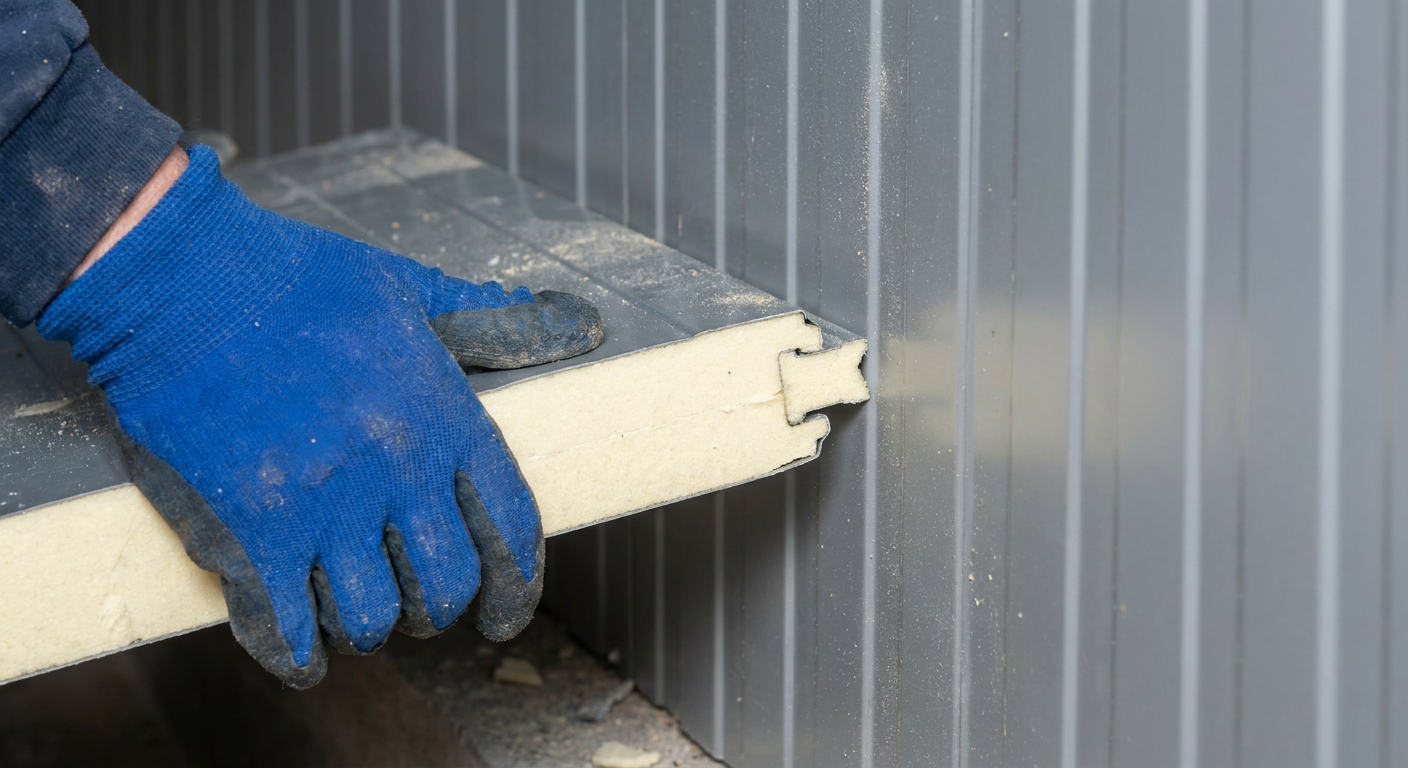
High-performance sandwich panels and fiberglass blankets are the best insulation options for a 15000 sqft warehouse in terms of thermal efficiency. You should choose your insulation based on your local climate and whether you plan to keep the interior climate-controlled for staff or sensitive inventory.
Why choose insulated sandwich panels?
Insulated metal panels (IMPs) provide a continuous thermal break and an airtight seal, making them far superior to traditional insulation methods. You will notice a significant reduction in your monthly energy bills, which helps offset the higher initial material cost.
Let’s be honest:
- IMPs provide the highest R-value per inch.
- Quick installation as they serve as both wall and insulation.
- Clean, professional finish for the interior walls.
But wait, there’s more…
How do fiberglass blankets compare?
Fiberglass blankets are the most budget-friendly option and are highly effective for basic temperature regulation in moderate climates. You can install them with a white vinyl facing to brighten the interior of your warehouse and improve lighting efficiency.
Think about this:
- Cheapest way to prevent condensation.
- Easy to install behind metal wall panels.
- Helps with acoustic dampening inside the building.
Key TakeawaySelecting the right insulation is an investment in your building’s long-term operational efficiency, protecting both your staff and your valuable inventory.
| Insulation Type | Thermal Efficiency | Installation Cost | |
|---|---|---|---|
| Fiberglass Blanket | Moderate | Low | |
| Sandwich Panel (PIR) | Very High | Moderate to High | |
| Spray Foam | High | Moderate |
Proper insulation not only saves money on utilities but also prevents moisture buildup that can lead to rust and damage over the building’s lifespan.
How can you future-proof your 15000 sqft warehouse?
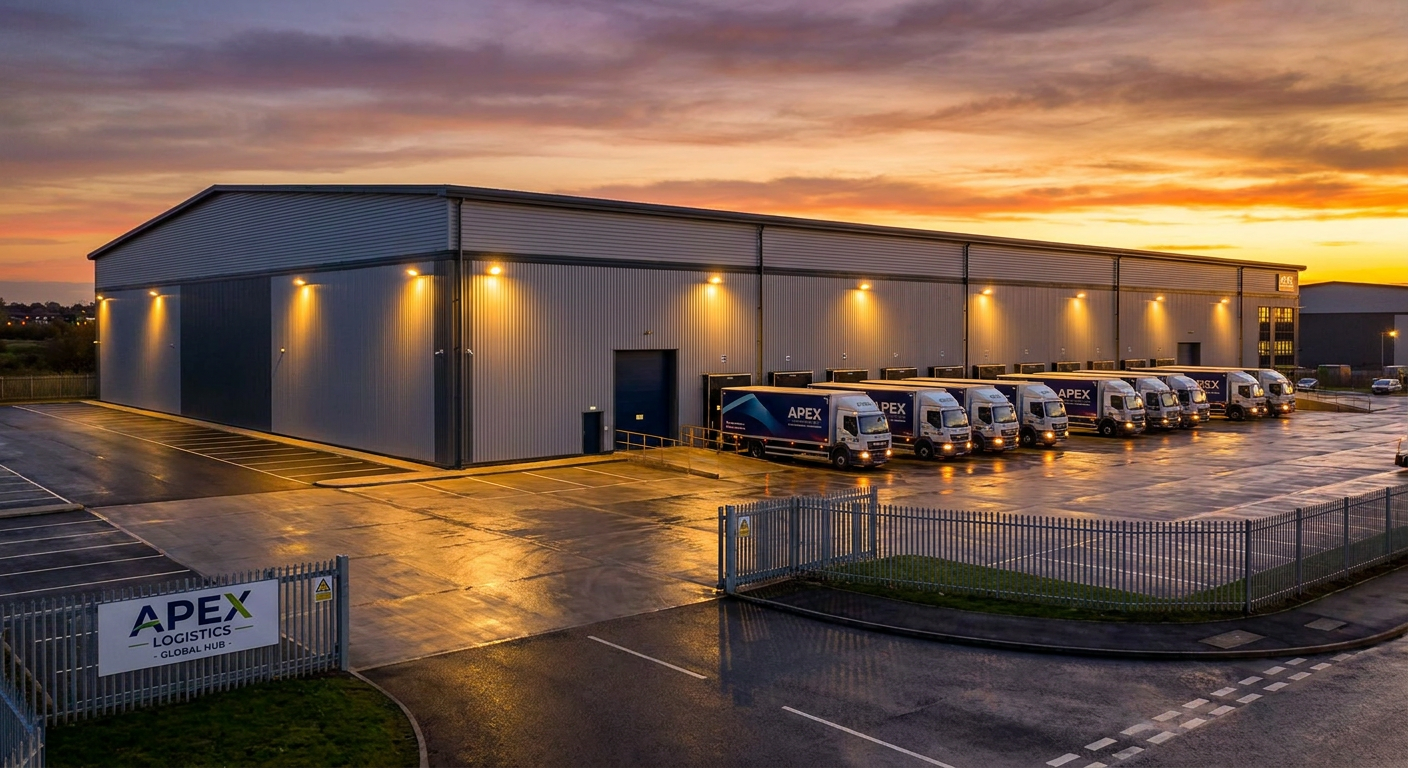
You can future-proof your 15000 sqft warehouse by designing it with “expandable end walls” and versatile electrical layouts. These features allow you to easily add more bays or upgrade your technology without the need for expensive structural demolition.
Can you expand a steel warehouse later?
Steel buildings are modular by nature, which means you can simply unbolt an end wall and add more structural frames as your business grows. You will save thousands in future engineering costs if you specify these expandable features during your initial build.
Here is the deal:
- Modular frames allow for seamless expansion.
- Expandable end walls are a low-cost upfront option.
- Your foundation can be poured with future bays in mind.
The best part?
What technology should you integrate now?
Installing smart lighting systems, high-velocity internet, and security cameras during construction is much cheaper than retrofitting them later. You should also consider solar-ready roof designs to hedge against future energy price increases.
Check these out:
- LED lighting with motion sensors for energy savings.
- Smart security systems with remote monitoring.
- Oversized conduit for future high-power machinery.
Key TakeawayThinking ahead during the design phase ensures that your warehouse remains a functional, high-value asset that can evolve alongside your business.
| Future-Proof Feature | Purpose | Long-term Value | |
|---|---|---|---|
| Expandable End Walls | Easy future growth | Very High | |
| Smart Tech Integration | Operational efficiency | High | |
| Sustainable Materials | Lower carbon footprint | Moderate |
Investing in a forward-thinking design today prevents your business from outgrowing its facility tomorrow, providing true long-term stability.
Conclusion
Building a 15000 sqft warehouse is a strategic investment that requires a careful balance of construction methods, material quality, and site planning. By choosing a pre-engineered steel system, you can achieve a durable, clear-span facility for a turnkey cost of 20 to 60 per square foot. Whether you are expanding logistics or setting up a new workshop, working with a factory-direct manufacturer ensures you get the best value and technical support throughout the process. Ready to take the next step? To receive a customized design and price quote for your specific needs, contact us today to speak with our engineering specialists.
| sales@showhoo.com.cn | |
| Phone/WhatsApp | +86 186 7895 5927 |
Frequently Asked Questions
Can I build a warehouse without a concrete foundation?
No, a professional-grade steel building requires a reinforced concrete slab to anchor the structure against wind and seismic forces. Without a stable foundation, the building would be unsafe and fail to meet international building codes.
What is the best roof pitch for a low-cost build?
A 1:12 single-slope roof pitch is generally the most economical choice for industrial warehouses. This design uses the least amount of material and simplifies the installation process for your erection crew.
How do I know if I need a permit for my warehouse?
You almost certainly need a permit for any permanent structure over a few hundred square feet in a commercial or industrial zone. You should always check with your local building department to verify specific zoning and setback requirements.
Can I install a mezzanine level later on?
Yes, you can add a mezzanine level to a steel warehouse, but it is much easier if the main columns are engineered to support the extra load from the start. Retrospective additions often require expensive structural reinforcements to the existing frame.
What is the life expectancy of a steel warehouse?
A high-quality steel warehouse has a life expectancy of 50 years or more if it is properly maintained. Using modern coating systems like hot-dip galvanizing can extend this lifespan even further in corrosive or humid environments.