
Starting a successful poultry venture requires a combination of land selection, bird sourcing, and specialized housing systems. Many beginners struggle with technical requirements and high initial costs, which often leads to costly mistakes in the early stages. By mastering egg poultry farming , you can build a resilient revenue stream that satisfies the global demand for high-quality protein.
Is egg poultry farming a profitable niche for you?
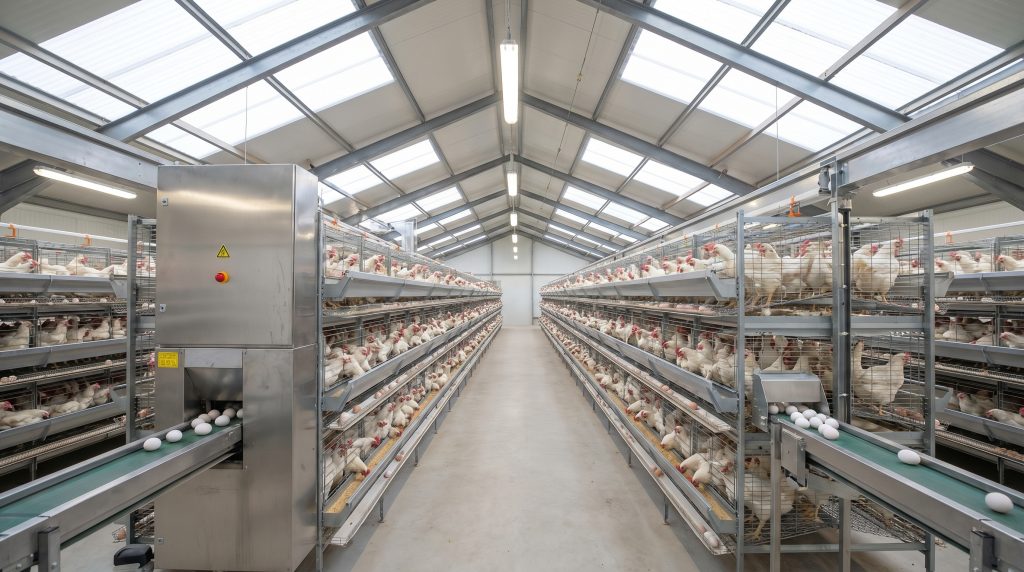
Egg poultry farming is one of the most lucrative agricultural investments because it provides a consistent, daily return on capital. The global demand for affordable protein remains high, ensuring that your egg poultry farming products always have a ready market. Proper management can lead to significant profit margins in a relatively short timeframe.
Why choose layer birds for your business?
Here is the deal: Layer birds offer a steady income stream because they produce eggs almost every day for over a year. You will find that the reproduction rate and growth cycles are much faster than traditional cattle farming. This allow you to recoup your initial investment quickly and scale your operations.
- Rapid return on investment within months.
- High market demand for table eggs.
- Scalable production based on housing size.
Are there risks you should consider?
But wait, there is more: Every business has risks, and poultry is no exception to environmental or biological challenges. You must be prepared for potential disease outbreaks or fluctuations in the cost of bird feed. High-quality management is the only way to safeguard your financial health.
Key Takeaway:Profitability in the poultry sector is driven by high turnover and constant consumer demand, provided you maintain strict operational standards.
| Factor | Description | Potential Impact | |
|---|---|---|---|
| Market Demand | Constant need for protein | High Revenue | |
| Production Cycle | Daily egg collection | Steady Cash Flow | |
| Scalability | Modular housing options | Business Growth |
Analyzing your local market demand is the first step toward determining the scale of your initial bird population.
How to choose the right egg poultry farming bird?
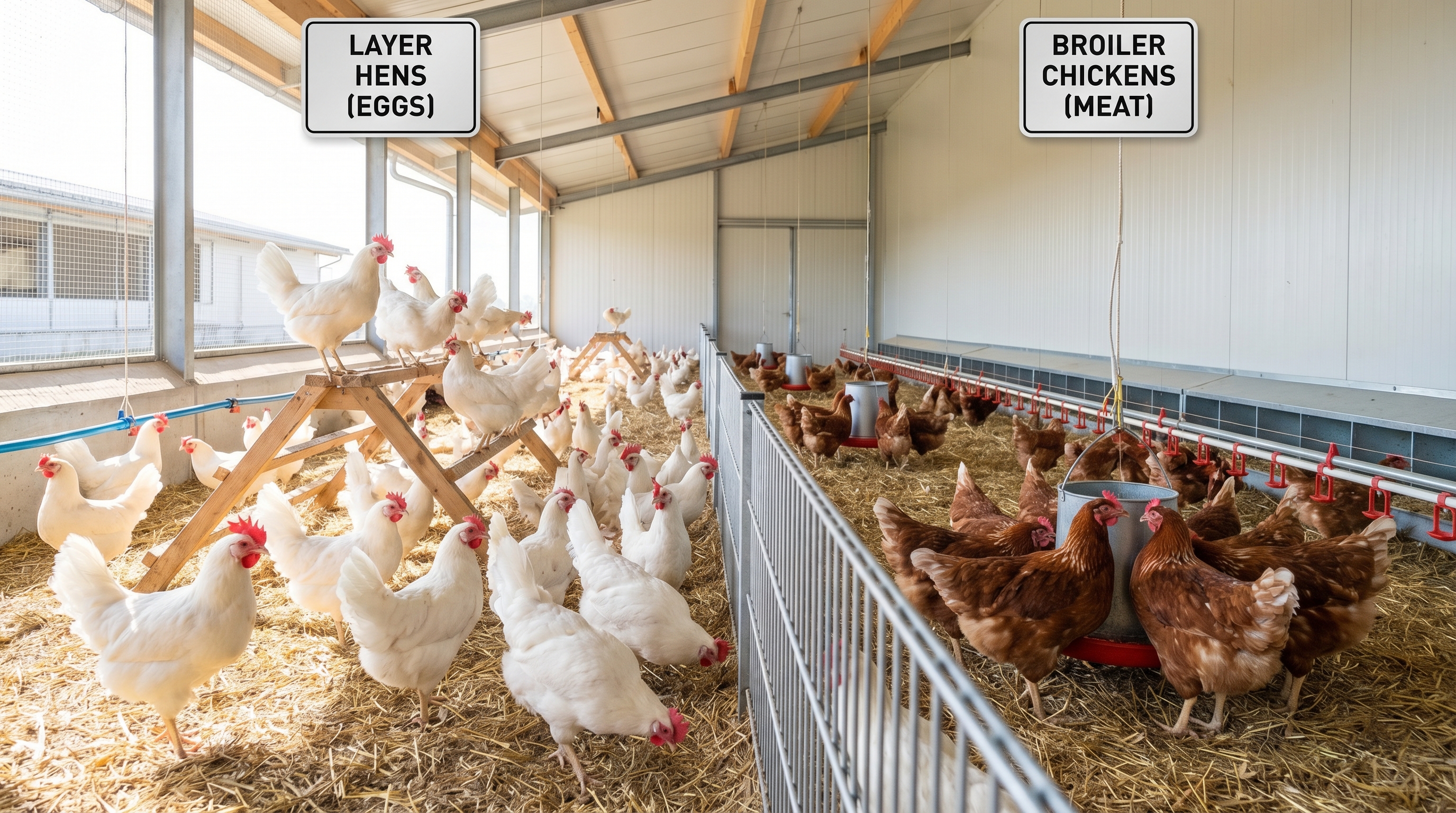
Selecting the right breed is critical because it determines the volume and quality of your egg poultry farming output. You need to decide whether your primary focus is on egg count, egg size, or the resilience of the birds to local climates. Starting with high-quality day-old chicks from a reputable hatchery is a non-negotiable requirement.
Which breeds perform best for you?
Look: You need to select a breed that matches your specific environmental conditions and production goals. Some breeds are specialized for white eggs, while others produce larger brown eggs that may fetch higher prices. Do your research to ensure the genetics of your flock support your business plan.
- Rhode Island Reds for hardy production.
- White Leghorns for high-volume egg counts.
- Hybrid layers for optimized feed conversion.
How do you verify bird quality?
Here is the deal: You should only buy chicks from certified hatcheries that provide vaccination records and health certifications. Healthy chicks are active, have bright eyes, and show no signs of respiratory distress. This initial check prevents you from importing diseases into your brand-new facility.
Key Takeaway:Your bird selection is the biological foundation of your farm, directly influencing your future yield and mortality rates.
| Breed Attribute | Importance | Business Value | |
|---|---|---|---|
| Feed Conversion | High | Lowers Operating Costs | |
| Egg Volume | Critical | Maximizes Monthly Revenue | |
| Disease Resistance | High | Reduces Veterinary Expenses |
A healthy start begins with sourcing birds that have a proven genetic track record for high productivity.
Where to locate your egg poultry farming site?
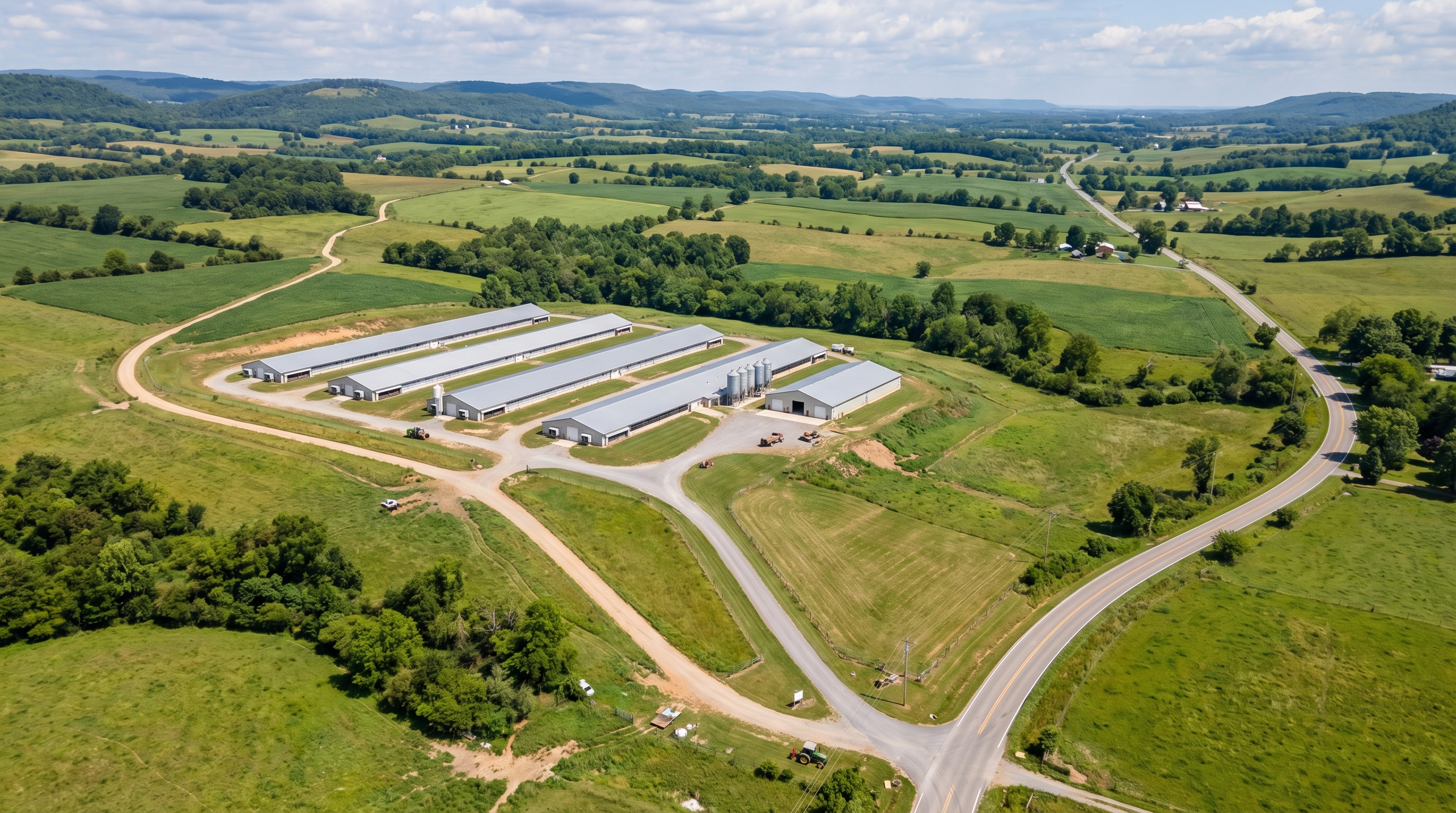
Finding a strategic location is essential for a successful egg poultry farming operation to balance land costs and market access. You need a site that is far enough from residential areas to avoid noise complaints but close enough to major roads for logistics. A rural site often provides the necessary space for expansion and lower labor costs.
What environmental factors matter most?
But wait, there is more: You must ensure your land has access to a reliable supply of clean water and consistent electricity. Proper drainage is also vital to prevent flooding and mud, which can harbor dangerous bacteria. If your site is too humid or lacks airflow, your birds will suffer from heat stress.
- Proximity to main transport routes.
- Access to clean, year-round water.
- Distance from other industrial poultry farms.
Why is biosecurity linked to location?
Look: You want to place your farm in an area with low poultry density to minimize the risk of airborne diseases. High-traffic areas can introduce pathogens through visiting vehicles or wandering wildlife. Keeping your facility isolated allows you to maintain a “closed” bio-secure environment for your flock.
Key Takeaway:The right location minimizes operational friction by providing the infrastructure needed for health, logistics, and future growth.
| Location Criteria | Priority | Strategic Benefit | |
|---|---|---|---|
| Road Accessibility | High | Efficient Product Delivery | |
| Utility Access | Critical | Powers Automated Systems | |
| Buffer Zone | Medium | Prevents Disease Transmission |
Selecting a site with strong utility access ensures your automated feeding and climate systems run without interruption.
What structure suits an egg poultry farming house?
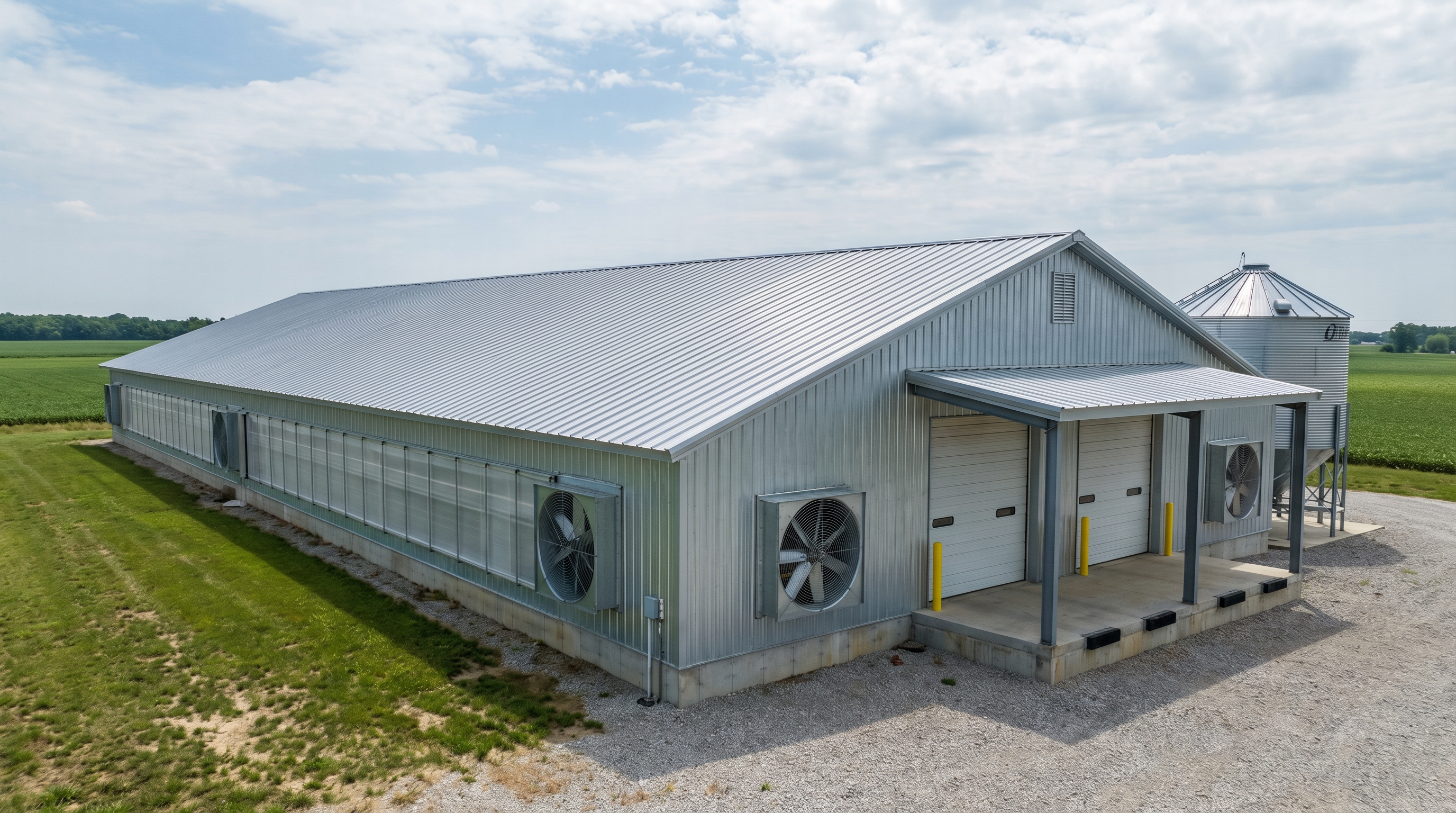
A professional prefab steel building is the best choice for a modern egg poultry farming facility because it offers unmatched durability. These structures provide a controlled environment where you can manage temperature, ventilation, and lighting with precision. Investing in a quality steel house protects your birds from predators and extreme weather events.
Why choose steel structures?
Here is the deal: You will benefit from steel’s resistance to pests, rot, and fire, which are common issues with wooden barns. Steel buildings are also much easier to disinfect, which is a key part of your biosecurity routine. The rapid assembly time means you can get your birds into the house and start earning sooner.
- Fire and pest-resistant materials.
- Easy to clean and sanitize.
- Large clear-span interiors for cages.
Can you optimize internal airflow?
But wait, there is more: Your housing design must incorporate high-performance fans and cooling pads to keep the air fresh. You need to remove ammonia and dust to keep your birds’ respiratory systems healthy and productive. A well-ventilated house reduces the stress that leads to low egg yields.
Key Takeaway:Modern steel housing is a long-term asset that provides the sanitary and structural foundation required for commercial success.
| Building Component | Function | Advantage | |
|---|---|---|---|
| H-Section Frame | Structural Support | High Wind Resistance | |
| Sandwich Panels | Thermal Insulation | Temperature Stability | |
| Ventilation Fans | Air Exchange | Ammonia Removal |
The structural integrity of your poultry house directly impacts your ability to control the environment and prevent bird stress.
What are the egg poultry farming startup costs?
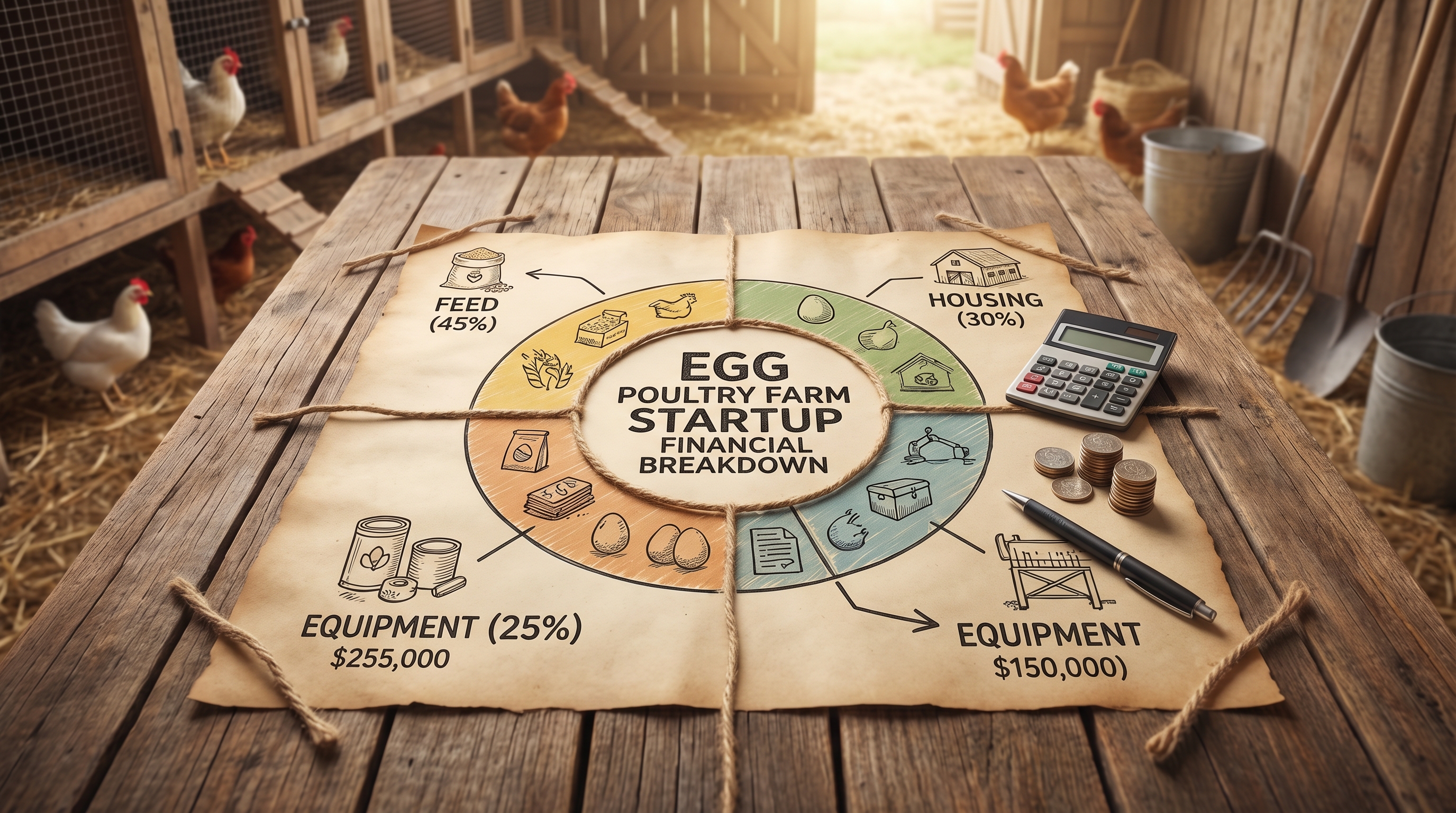
Understanding your initial investment is vital for securing funding and managing your egg poultry farming cash flow effectively. Your budget must cover fixed assets like land and steel buildings, as well as variable costs like bird feed and vaccines. Accuracy at this stage prevents your business from running out of capital before it reaches profitability.
How do you estimate fixed costs?
Look: You need to allocate a significant portion of your budget to high-quality housing and cage systems. While these are expensive upfront, they reduce long-term labor costs and improve your overall bird health. Don’t cut corners on your infrastructure, as it is the most difficult thing to fix later.
- Land acquisition and leveling.
- Steel structure housing construction.
- Automated cage and feeding equipment.
What are your recurring expenses?
Here is the deal: You must plan for feed, which typically accounts for nearly 70% of your total operating budget. Other costs include vaccines, labor, and utility bills for lighting and climate control. Always keep a contingency fund ready for unexpected repairs or sudden spikes in raw material prices.
Key Takeaway:A detailed financial breakdown allows you to monitor your break-even point and plan for sustainable business expansion.
| Expense Category | Typical % of Budget | Frequency | |
|---|---|---|---|
| Housing & Setup | 30% – 40% | One-time | |
| Feed Supplies | 50% – 60% | Monthly | |
| Labor & Utilities | 5% – 10% | Ongoing |
Accurate financial forecasting ensures you have the liquidity needed to sustain operations during the birds’ initial growth phase.
Which cages benefit your egg poultry farming setup?
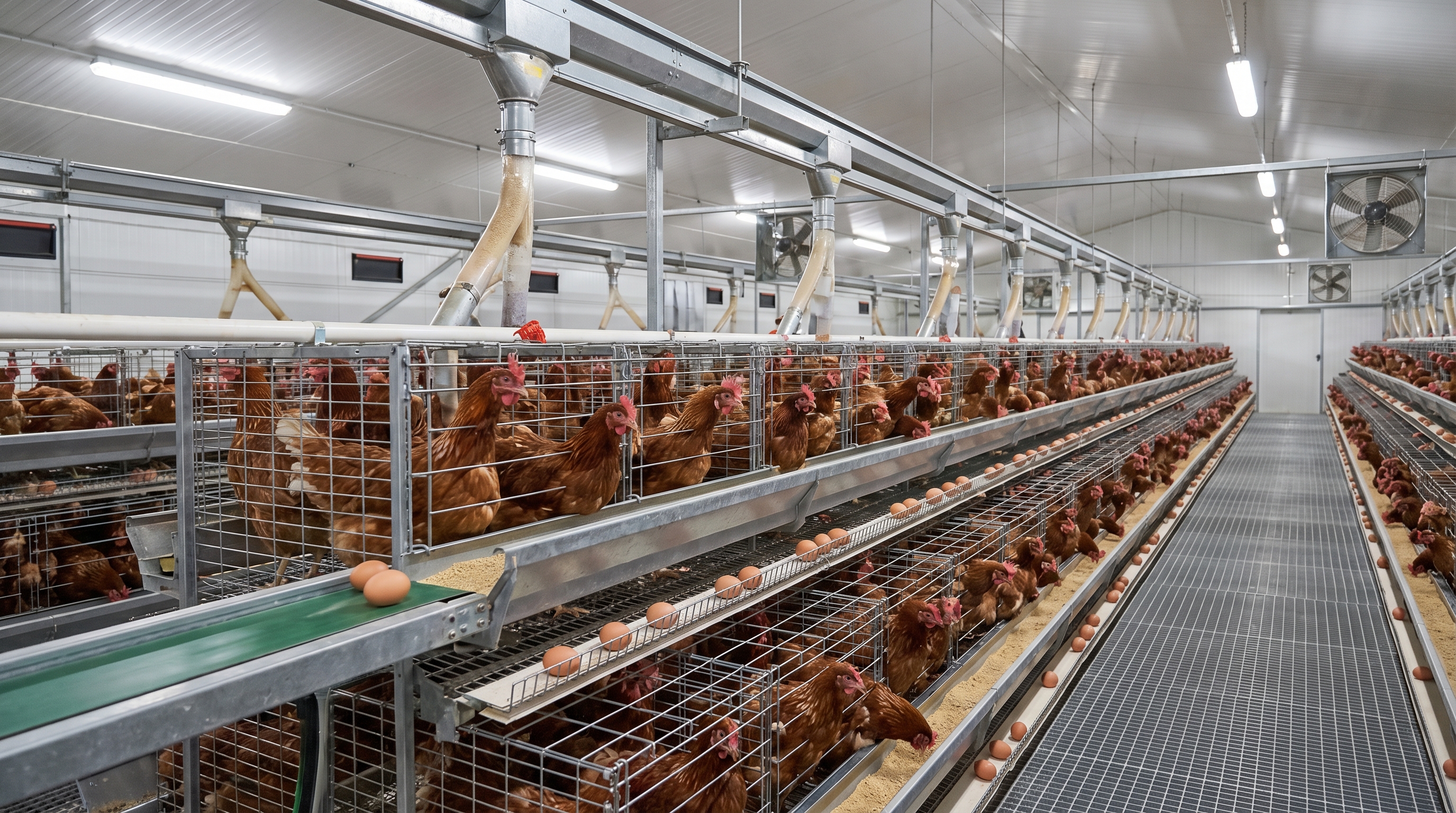
High-performance battery cage systems are the industry standard for commercial egg poultry farming operations worldwide. These systems allow you to house a high density of birds while keeping them separated from their waste for better hygiene. Choosing the right cage layout depends on your house dimensions and your target production volume.
Why use automated cage systems?
But wait, there is more: You will find that automated cages significantly reduce the amount of labor required for egg collection and feeding. This system keeps the eggs clean and reduces breakage, which directly increases your marketable inventory. It also makes it easier for you to spot sick birds and provide individual care.
- Cleaner eggs with less breakage.
- Efficient space utilization.
- Easier waste management via belts.
How does cage design help health?
Look: You want a cage design that provides every bird with easy access to nipple drinkers and feed troughs. Proper spacing prevents aggressive behavior and ensures that even the smaller birds receive enough nutrition. High-quality galvanized steel cages resist corrosion and last for many years in a humid environment.
Key Takeaway:Cage systems are tools for efficiency, allowing you to manage thousands of birds with minimal staff and high sanitary standards.
| Cage Feature | User Benefit | Production Result | |
|---|---|---|---|
| Manure Belt | Automated Cleaning | Lower Disease Risk | |
| Nipple Drinkers | Constant Water Access | Better Bird Growth | |
| Slanted Floors | Automatic Egg Rolling | High Egg Quality |
Investing in durable, automated cages reduces your daily operational workload and maximizes the value of every egg produced.
How to manage egg poultry farming feed supplies?
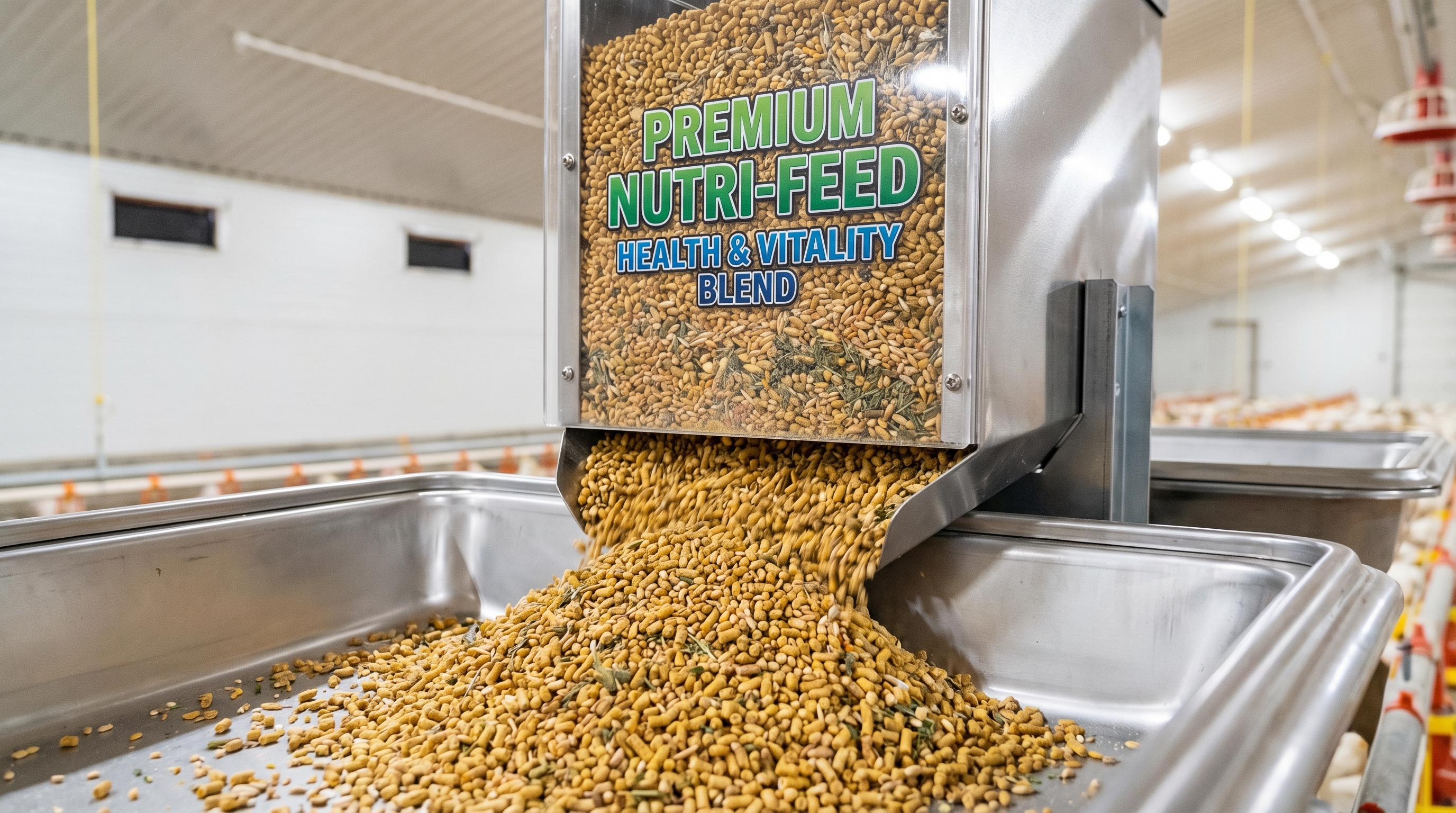
Feeding is the most critical daily task in egg poultry farming because it directly correlates with your egg production rates. You need a reliable supply of nutritionally balanced feed that meets the specific requirements of layer birds. Efficient storage and delivery systems prevent waste and protect your feed from contamination by pests.
How do you balance nutrition?
Here is the deal: You must provide your birds with a diet rich in calcium and protein to ensure strong eggshells and consistent laying cycles. Different growth stages require different feed formulas, so you must adjust your supply as the birds age. Poor nutrition is the fastest way to lose money in this business.
- High calcium for shell strength.
- Balanced protein for egg size.
- Clean storage to prevent mold.
Can you reduce feed waste?
But wait, there is more: You should use automated feeding systems that deliver precise amounts of feed to each trough simultaneously. This prevents the “dominant” birds from eating everything while others go hungry. Keeping your feed in silos protected from rodents and dampness will save you thousands of dollars annually.
Key Takeaway:Superior feed management ensures that your birds reach their full genetic potential for egg laying while minimizing your highest operating cost.
| Feed Management | Best Practice | Economic Benefit | |
|---|---|---|---|
| Silo Storage | Dry and Pest-Proof | Zero Spoilage Loss | |
| Automatic Delivery | Uniform Distribution | Growth Consistency | |
| Nutrient Checks | Regular Batch Testing | Peak Production Yield |
A structured feeding schedule supported by automation ensures every bird in your flock contributes to your daily revenue.
How to ensure egg poultry farming flock health?
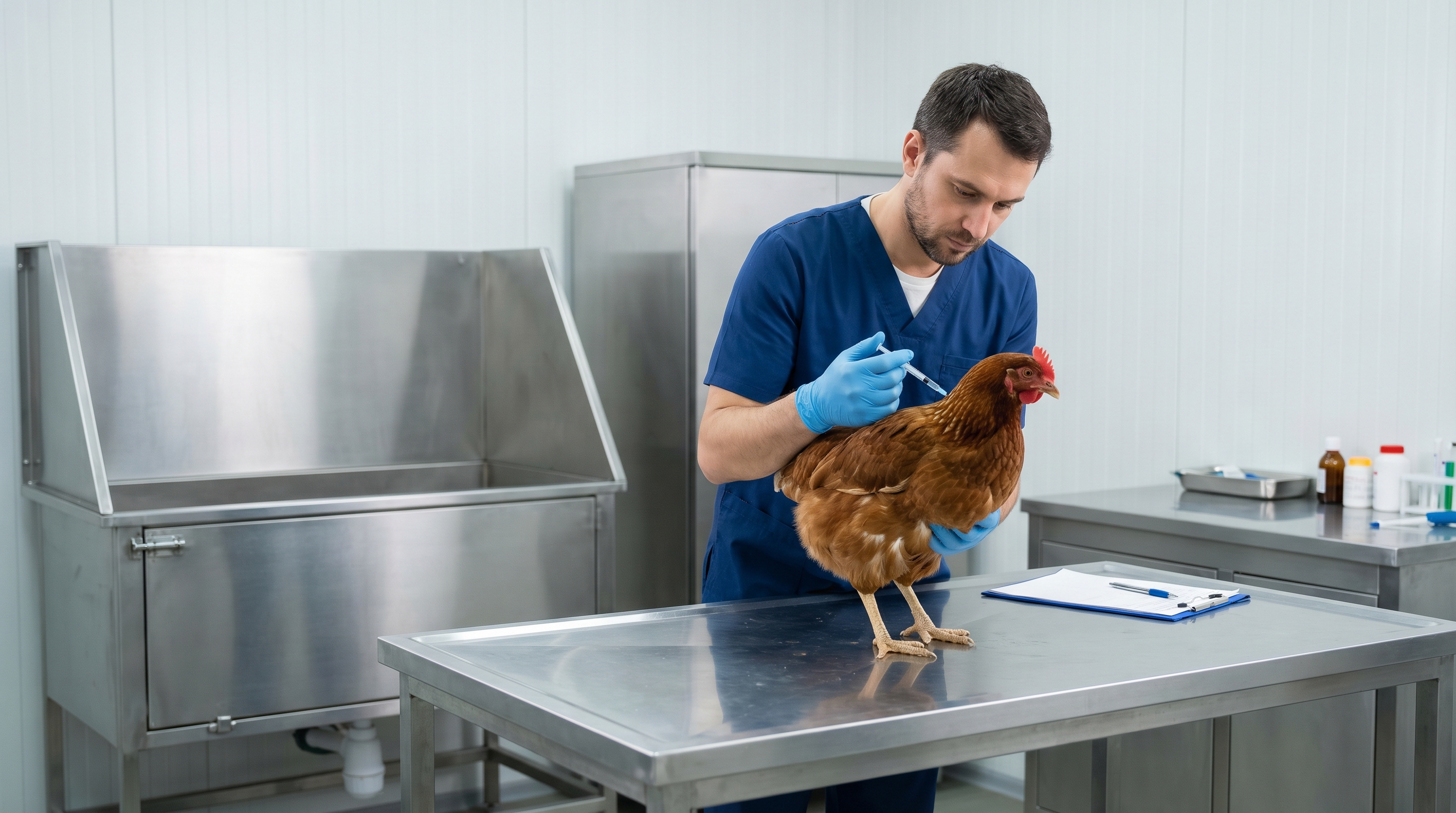
Biosecurity and vaccination are the two pillars that support a healthy egg poultry farming environment and protect your investment. You must prevent pathogens from entering your farm by strictly controlling who and what enters the premises. A single disease outbreak can wipe out your entire flock, so prevention is always better than cure.
Why is vaccination essential?
Look: You need to work with a local veterinarian to create a vaccination schedule that addresses the specific threats in your region. Timely injections protect your birds from deadly viruses like Newcastle disease or Avian Influenza. Keeping accurate health records allows you to track the immunity levels of your entire flock.
- Timely vaccines for local diseases.
- Strict visitor access control.
- Footbaths at every house entrance.
How do you spot early warnings?
Here is the deal: You should monitor your birds’ water and feed intake every single day, as a drop in consumption is the first sign of illness. Healthy birds are active, vocal, and have smooth feathers and bright red combs. If you notice any unusual mortality, you must isolate the area and seek professional help immediately.
Key Takeaway:Consistent health monitoring and strict biosecurity protocols are the only ways to guarantee long-term flock productivity and safety.
| Health Protocol | Implementation | Primary Outcome | |
|---|---|---|---|
| Vaccination Plan | Vet-Guided Schedule | Virus Protection | |
| Access Control | Gated Entry Points | Pathogen Exclusion | |
| Daily Observation | Staff Inspections | Early Disease Detection |
Proactive health management reduces the need for expensive medications and prevents catastrophic losses from contagious outbreaks.
Can automation scale your egg poultry farming?
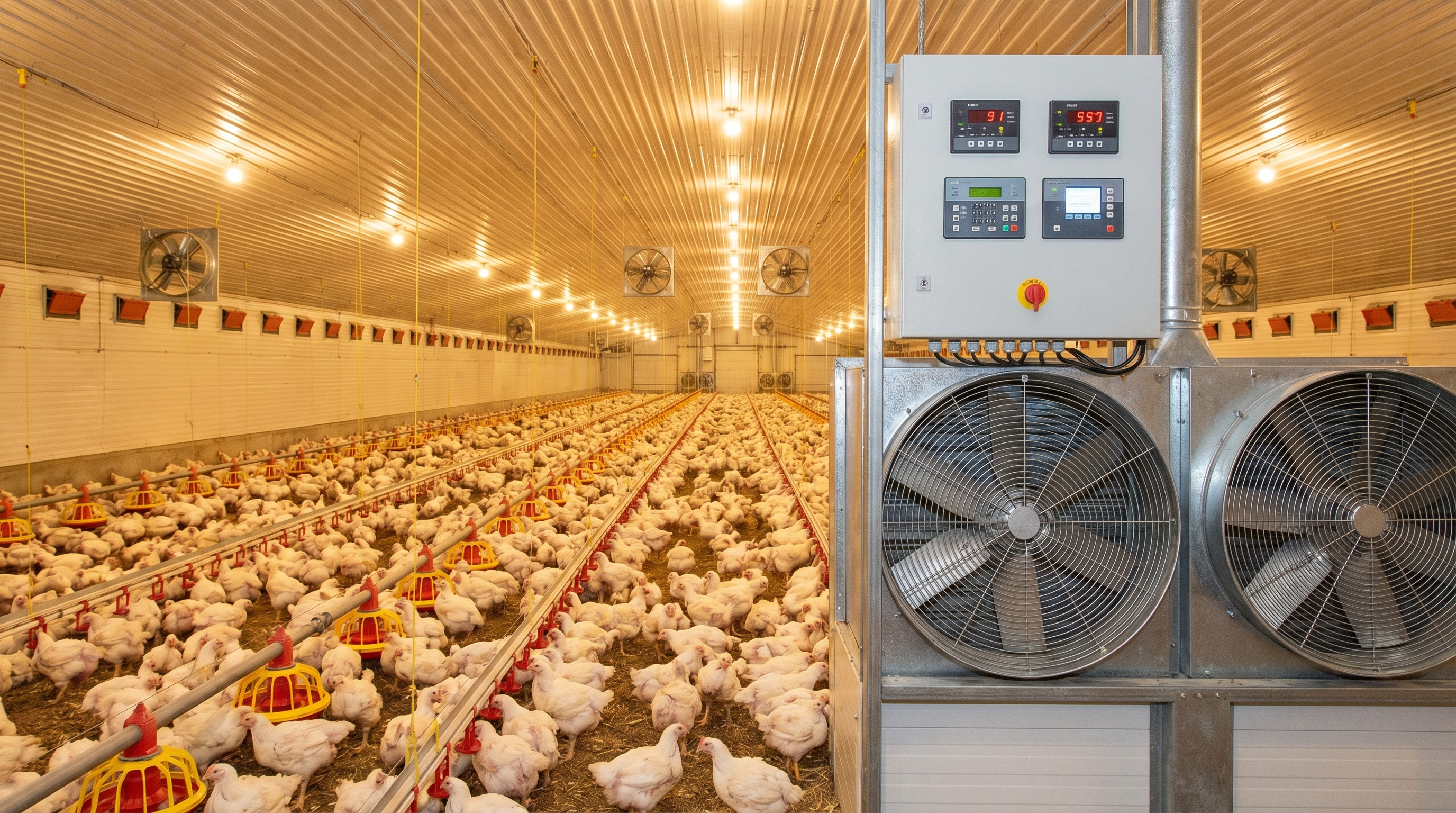
Automation is the key to expanding your egg poultry farming business from a small operation to a massive commercial enterprise. By replacing manual tasks with smart systems, you can manage tens of thousands of birds with a very small team. This efficiency allows you to lower your production cost per egg and compete more effectively in the market.
What systems should you automate?
But wait, there is more: You can automate everything from feeding and watering to egg collection and manure removal. Smart climate controllers adjust fans and heaters in real-time based on the sensors placed throughout the poultry house. This ensures your birds are always in the perfect environment for maximum egg production.
- Automated egg collection belts.
- Smart climate and light control.
- Programmed feeding schedules.
How does data help you?
Look: You can use digital monitoring systems to track egg counts and feed usage patterns on your smartphone. This data helps you identify which parts of your farm are performing best and where you need to improve efficiency. Making decisions based on hard data is much more effective than relying on guesswork.
Key Takeaway:Scaling your business through automation reduces human error and maximizes the efficiency of your land and labor resources.
| Automation Type | Labor Reduction | Precision Benefit | |
|---|---|---|---|
| Egg Collection | Very High | Zero Hand-Touch Damage | |
| Climate Control | High | Optimal Bird Comfort | |
| Feeding System | Medium | Precise Nutrient Delivery |
Implementing advanced technology allows you to maintain high standards of bird welfare while significantly increasing your total output.
Is a plan vital for egg poultry farming success?
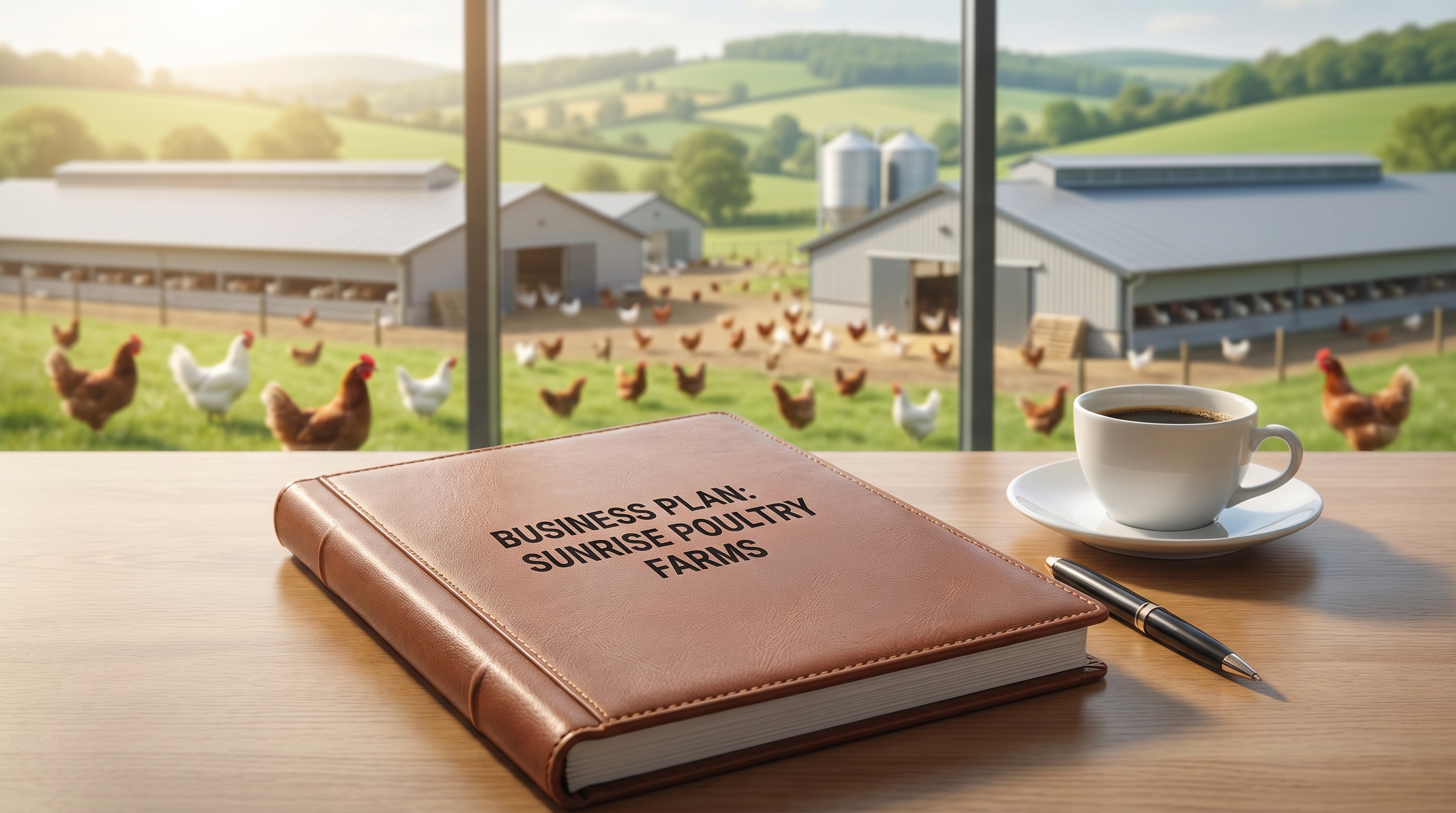
A comprehensive business plan serves as your roadmap, guiding every decision you make in your egg poultry farming journey. It helps you anticipate challenges, manage your finances, and stay focused on your long-term goals. Without a written plan, you are more likely to make impulsive decisions that could jeopardize your farm’s stability.
How do you set realistic goals?
Here is the deal: You should set specific milestones for bird population growth, egg production targets, and revenue goals. Breaking your long-term vision into smaller, manageable steps makes the process of building a farm much less overwhelming. Review your plan regularly to ensure you are staying on track with your original vision.
- Five-year growth milestones.
- Marketing and sales strategies.
- Risk management contingencies.
Why is marketing in the plan?
But wait, there is more: You need a clear strategy for selling your eggs and spent hens to local retailers, wholesalers, or direct consumers. Identifying your buyers before you even buy your first chick ensures that you have a steady outlet for your production. A strong brand and reliable delivery service will help you build long-term customer loyalty.
Key Takeaway:A professional business plan transforms a simple agricultural project into a scalable, resilient, and highly profitable commercial enterprise.
| Plan Section | Focus | Long-Term Value | |
|---|---|---|---|
| Operations | Daily Routine | Efficiency & Quality | |
| Finance | Cash Flow | Stability & Funding | |
| Marketing | Customer Base | Consistent Revenue |
Documenting your strategy ensures that every employee and stakeholder understands the steps required to achieve sustainable farm growth.
Decision FAQ
Can I start poultry farming on a small scale first?Yes, you can. Starting small allows you to learn the fundamentals of bird management and local market dynamics without risking a massive amount of capital upfront.
What’s the best way to handle chicken manure?The best way is through an automated manure removal belt system. This system keeps the house clean and allows you to collect waste that can be sold as high-quality organic fertilizer.
How do I know if my chickens are healthy?The best way is to monitor their activity levels and daily feed intake. Healthy birds are alert, eat consistently, and have bright combs; any sudden drop in these metrics requires immediate veterinary attention.
Can I use local materials to build my chicken house?Yes, you can, but it is not recommended for commercial scaling. Professional steel structures are more durable, easier to sanitize, and provide much better control over the birds’ environment.
What’s the best way to find reliable egg buyers?The best way is to establish direct relationships with local grocery stores and restaurants. Offering a consistent supply of fresh, high-quality eggs will help you secure long-term contracts and steady pricing.
Ready to Build Your Success?
Launching a poultry business is a powerful move toward financial independence and sustainable protein production. By investing in the right infrastructure, following a disciplined plan, and leveraging automation, you can solve the protein gap while building a high-yielding enterprise. Our team at Showhoo is dedicated to helping you achieve these goals with factory-direct steel structures designed for maximum bird productivity. Contact us today to receive a customized solution for your new farm and join our vision of engineering excellence delivered worldwide.