
Starting a successful poultry farming business requires a robust operational strategy covering bird selection, infrastructure, and financial management. Many aspiring entrepreneurs enter the agricultural sector with high hopes, only to face devastating losses due to poor ventilation or disease outbreaks. You must understand that without a professional chicken farming roadmap, your investment is at significant risk. This guide provides the structured approach necessary to transform a simple idea into a high-yielding enterprise.
Why is modern chicken farming so profitable?
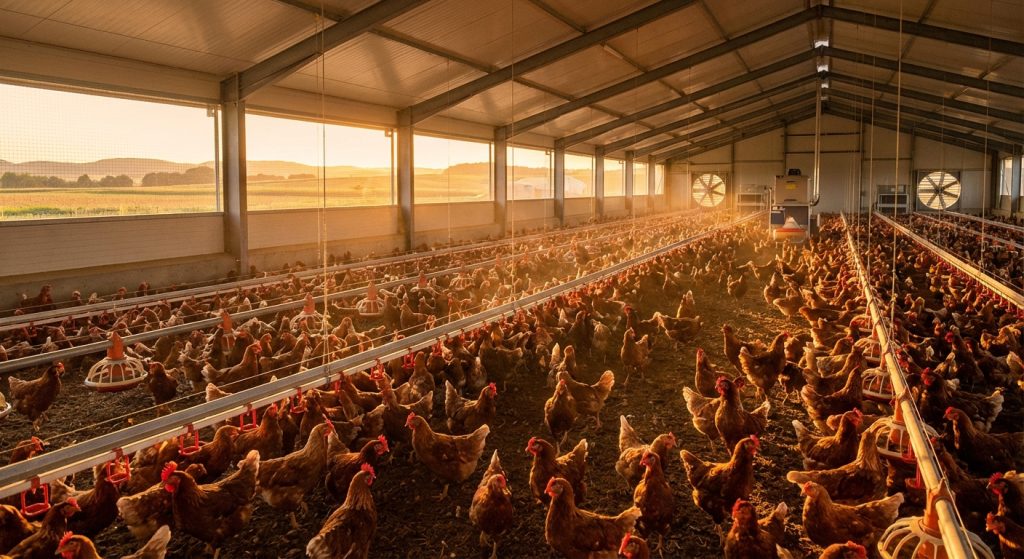
Modern chicken farming is highly lucrative due to the rapid growth cycles of birds and the global demand for affordable protein. You can achieve a return on investment within months rather than years because chickens mature significantly faster than other livestock.
High turnover rates
Broilers reach market weight in as little as six weeks, allowing for multiple production cycles per year. This velocity ensures that your capital remains liquid and keeps your revenue streams consistent.
- Fast reproduction: Layers can produce over 300 eggs annually.
- Market demand: Chicken meat is a primary protein source globally.
- By-product value: Poultry manure serves as a high-grade organic fertilizer.
The bottom line?
The scalability of this business means you can start small and expand your flock size as your profits grow. You just need to maintain strict management over your feed conversion ratios and environmental controls.
Key Takeaway: Profitability in poultry is driven by biological efficiency and the ability to turn over stock quickly in response to market needs.
| Advantage | Impact on Business | |
|---|---|---|
| Growth Speed | Faster cash flow and capital rotation. | |
| Global Demand | Reduced risk of market saturation in the long term. | |
| Scalability | Easy to expand from small-scale to industrial. |
This efficiency allows beginners to enter the market with manageable risks if they focus on stock health.
How to choose bird species for chicken farming?
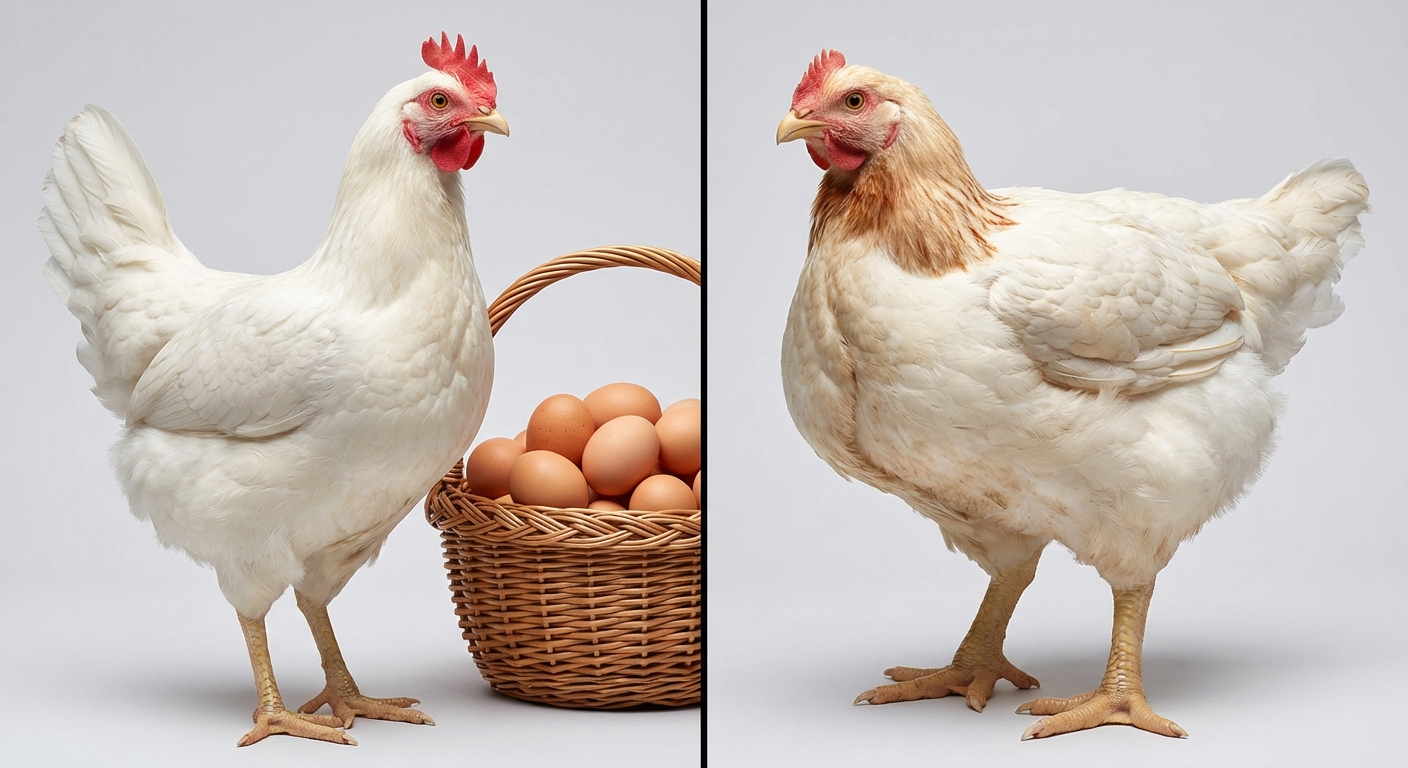
Selecting the right breed is the first critical decision in your chicken farming journey as it dictates your entire production model. You must align your bird choice with the specific demands of your local market to ensure sales.
Layers vs. Broilers
Layers are bred specifically for consistent egg production over a long period, typically starting at 20 weeks. Conversely, broilers are genetically optimized for muscle development and meat yield.
- Layers: Best for steady daily income from egg sales.
- Broilers: Ideal for quick bulk meat sales and high volume.
- Dual-Purpose: Suitable for small farms needing both eggs and meat.
Think about it:
Choosing a bird that doesn’t fit your infrastructure can lead to wasted resources. A high-quality chicken house from Showhoo can be customized to suit the specific biological needs of either species.
Key Takeaway: Your business goals—whether focused on daily egg revenue or rapid meat production—must drive your breed selection.
| Breed Category | Primary Goal | Maturity Time | |
|---|---|---|---|
| Broilers | Meat Production | 6 – 8 Weeks | |
| Layers | Egg Production | 20+ Weeks | |
| Breeders | Egg Hatching | Varies by cycle |
Choosing the wrong breed for your target market can lead to unsold inventory and high feed costs.
What is your specific niche in chicken farming?
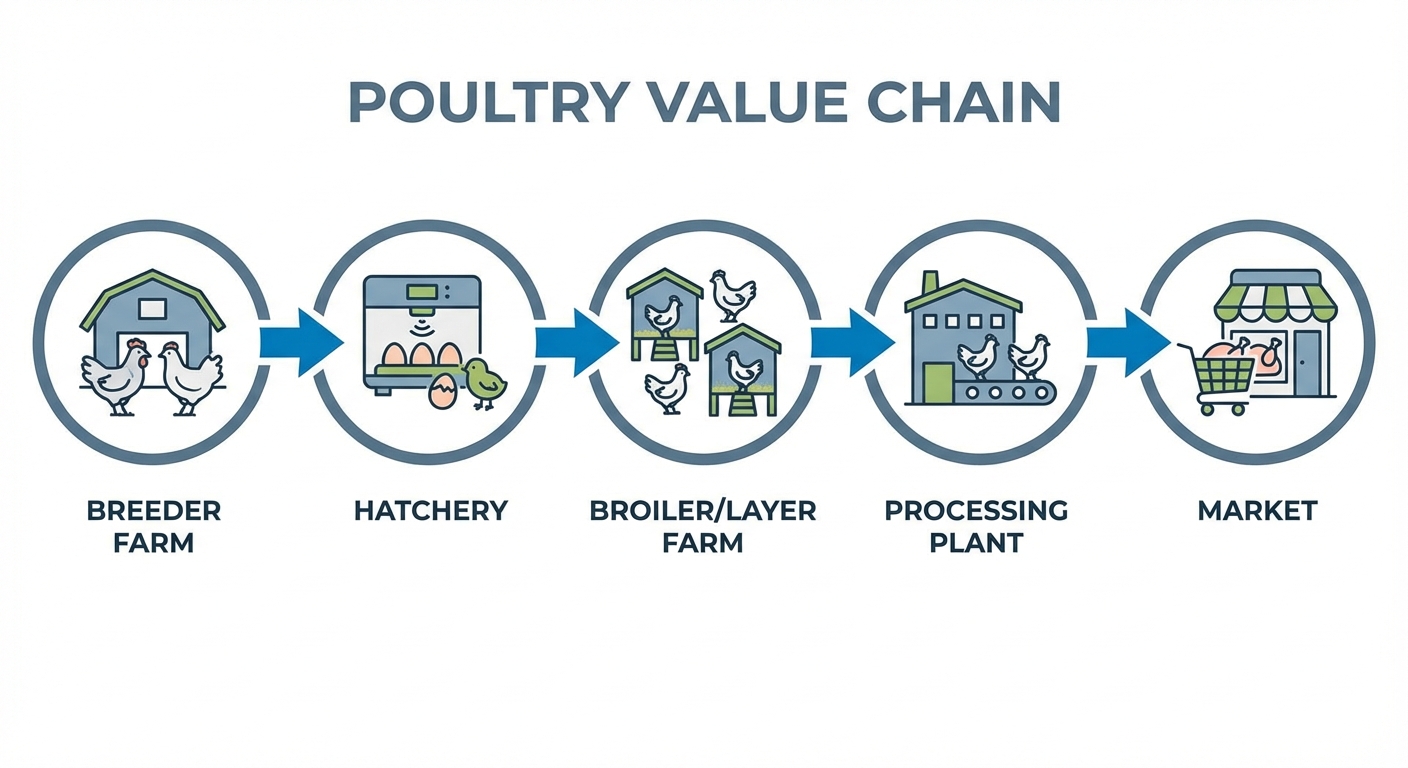
Defining a clear niche within chicken farming allows you to focus your expertise and increase your operational professionalism. Specialization helps you stand out in a competitive agricultural landscape.
Processing or Production?
You might choose to focus entirely on the hatchery stage, producing day-old chicks for other farmers. Alternatively, focusing on egg processing or meat packaging can offer higher margins through value addition.
- Hatchery: Incubation and sale of young chicks.
- Commercial Egg: Large-scale layer flock management.
- Meat Processing: Slaughtering and retail packaging of broilers.
Here’s the deal:
Spreading yourself too thin across multiple niches often leads to inefficiency. Focusing on one segment ensures you can invest in the specialized equipment and skills required for that specific path.
Key Takeaway: A specialized focus reduces complexity and allows for better optimization of your farm’s resources and logistics.
| Niche | Resource Focus | Revenue Type | |
|---|---|---|---|
| Hatchery | Incubation Tech | High volume per unit | |
| Layers | Feed & Housing | Consistent daily sales | |
| Broilers | Growth Efficiency | Bulk quarterly profits |
Each niche requires different infrastructure and market connections to succeed.
How to find a location for chicken farming?
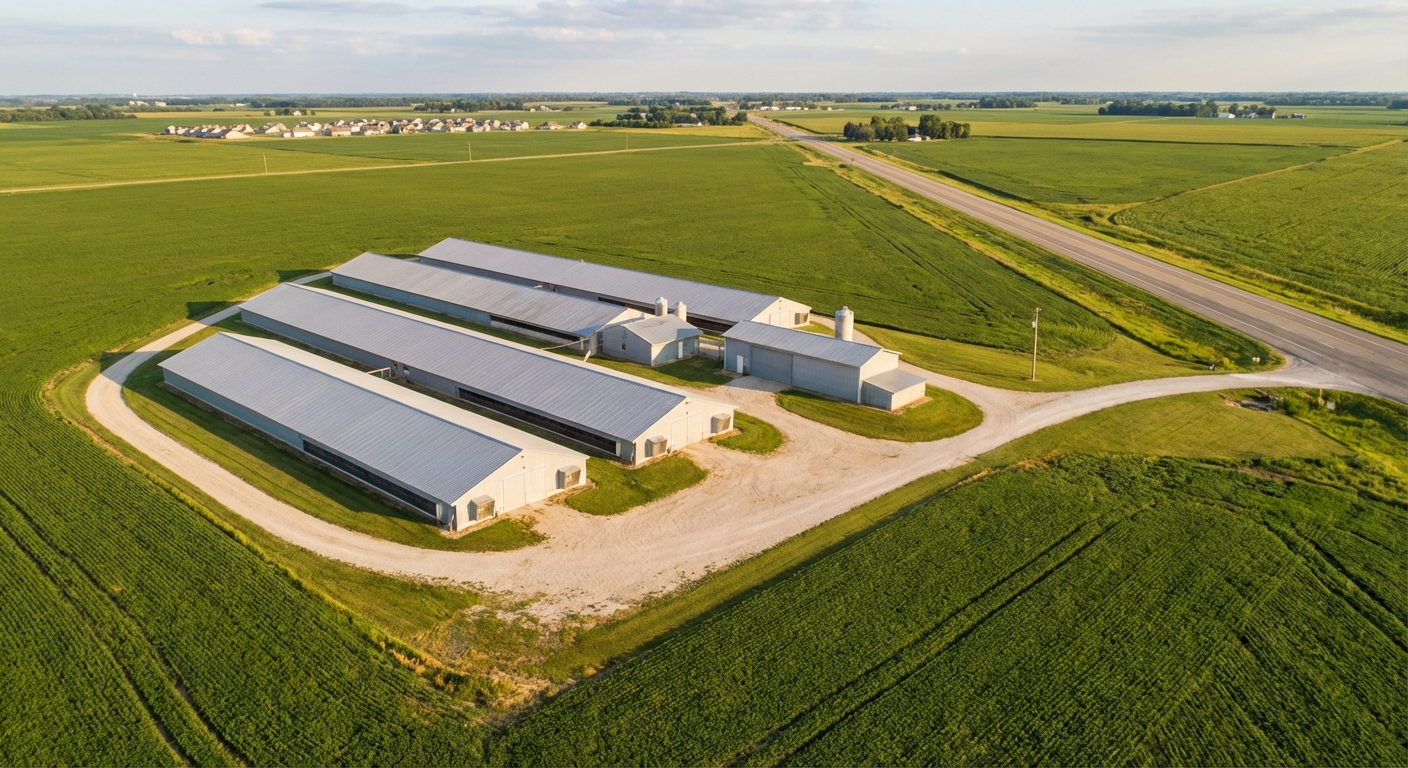
The location of your chicken farming site determines your transportation costs and your ability to prevent disease spread. You need a site that balances urban accessibility with rural isolation for biosecurity.
Site logistics and safety
Proximity to a good road network is essential for the timely delivery of feed and the transport of products. You must also ensure the site has access to reliable water and electricity for climate control systems.
- Market Proximity: Reduces the cost of hauling eggs or meat.
- Biosecurity: Distance from other farms prevents cross-contamination.
- Expansion Room: Ensure the land allows for future building additions.
Look at it this way:
A cheap piece of land might cost more in the long run if it lacks utilities. About us and our site planning services can help you evaluate a location before you commit your capital.
Key Takeaway: Location is a permanent decision that affects every operational cost from logistics to health management.
| Site Factor | Priority | Reason | |
|---|---|---|---|
| Water Supply | Critical | Birds require constant hydration for growth. | |
| Road Access | High | Vital for supply chains and product sales. | |
| Isolation | High | Prevents the spread of contagious avian diseases. |
A poorly located farm often fails due to high transport overhead and recurring health issues.
How much capital does chicken farming require?
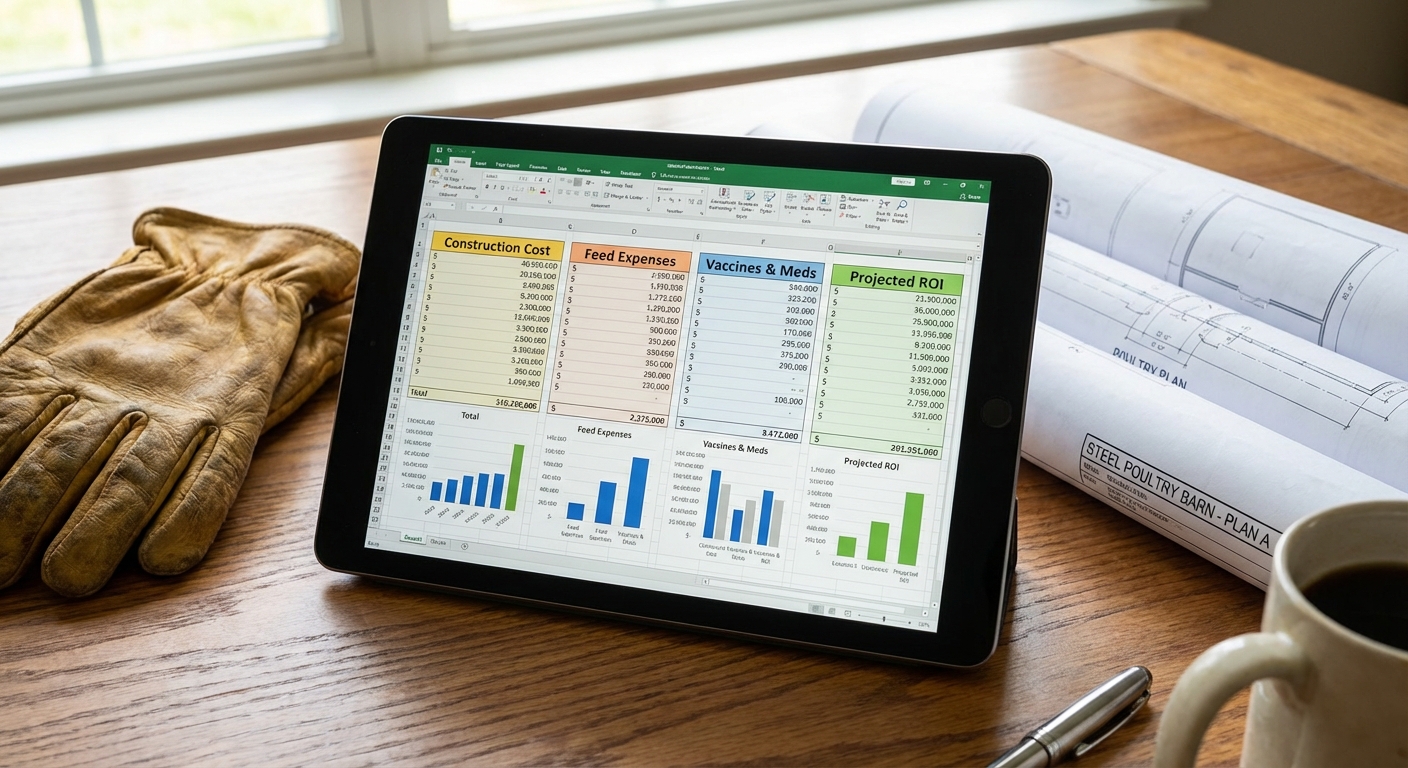
Calculating the startup costs for chicken farming is vital for maintaining a healthy cash flow through the first production cycle. You must account for both fixed infrastructure and variable operational expenses.
Fixed and Variable Costs
The largest investment typically goes toward the construction of durable housing and the purchase of automated systems. You also need a reserve of capital to cover feed and vaccines until your first birds reach the market.
- Infrastructure: Buildings, fencing, and waste management.
- Equipment: Feeders, drinkers, and heating systems.
- Inputs: Day-old chicks, high-protein feed, and medications.
Here is the kicker:
Feed costs can account for up to 70% of your operational budget. If you haven’t budgeted for feed price fluctuations, your margins can disappear almost overnight.
Key Takeaway: Detailed financial planning protects your business from the unexpected costs that often sink new agricultural ventures.
| Expense Category | Typical % | Description | |
|---|---|---|---|
| Housing | 40% | Initial steel structure and land prep. | |
| Feed | 35% | Continuous cost for bird development. | |
| Birds/Meds | 15% | Stock purchase and health protection. |
Managing your initial capital efficiently prevents the need for high-interest loans early in your operation.
How to design a chicken farming house?
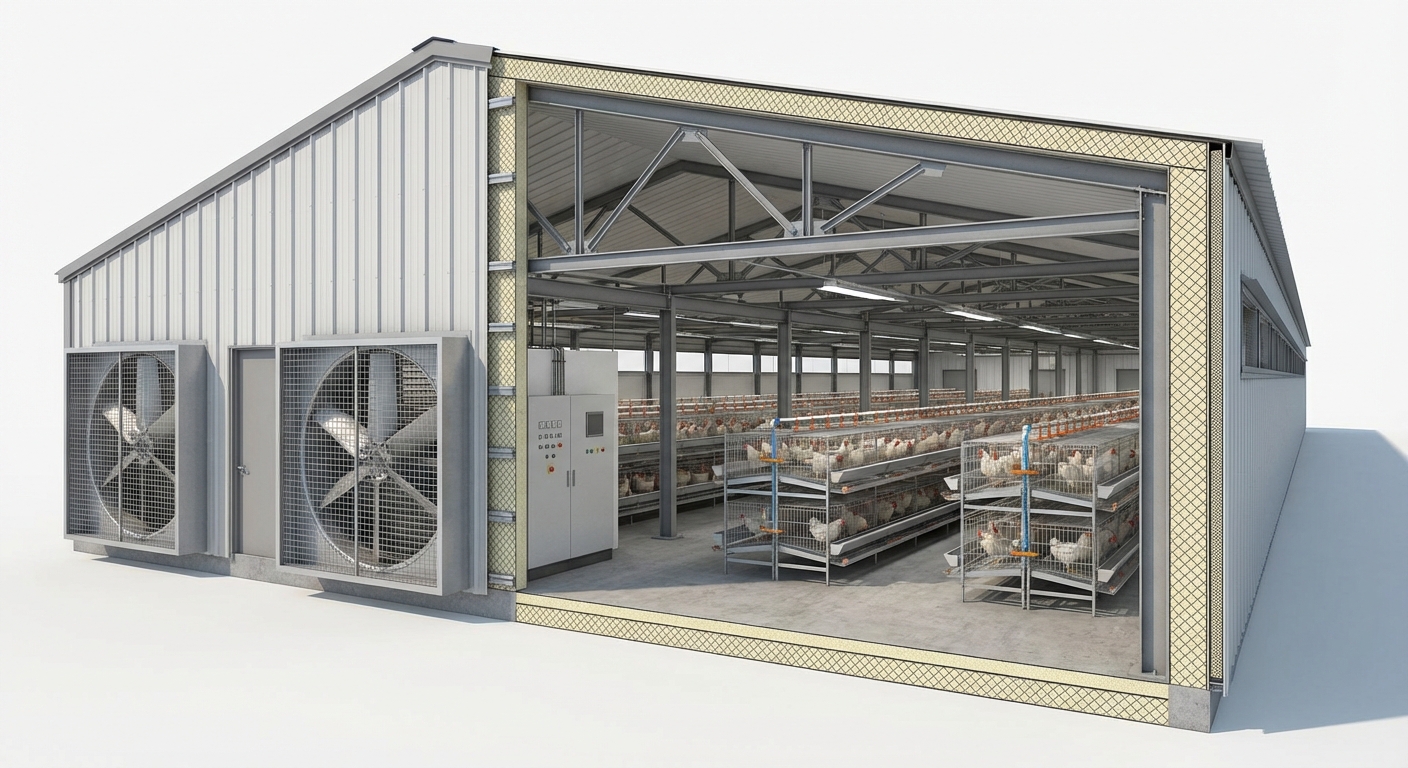
Effective chicken farming starts with an engineered housing design that maximizes bird comfort and growth. A well-designed building regulates temperature and airflow to minimize bird stress and mortality.
Ventilation and Insulation
Natural ventilation must be supplemented with exhaust fans to remove ammonia and heat. Insulation is equally critical, as it prevents external weather conditions from affecting the internal environment of your flock.
- Airflow: Prevents the buildup of harmful gases and moisture.
- Light Control: Essential for managing layer production cycles.
- Hygiene: Floors should be designed for rapid and thorough cleaning.
You might be wondering:
Why choose steel over traditional wood structures for your farm? A steel chicken farming design offers superior durability, pest resistance, and fire safety compared to older methods.
Key Takeaway: The physical environment you provide for your birds is the single most important factor in their health and productivity.
| Design Element | Benefit | Result | |
|---|---|---|---|
| Proper Fans | Gas removal | Reduced respiratory disease. | |
| Insulation | Temp control | Lower feed waste for heating. | |
| Wide Spans | Clear space | Easier management and cleaning. |
Investing in a high-quality building design early prevents expensive retrofits and bird losses later.
Which systems are best for chicken farming?
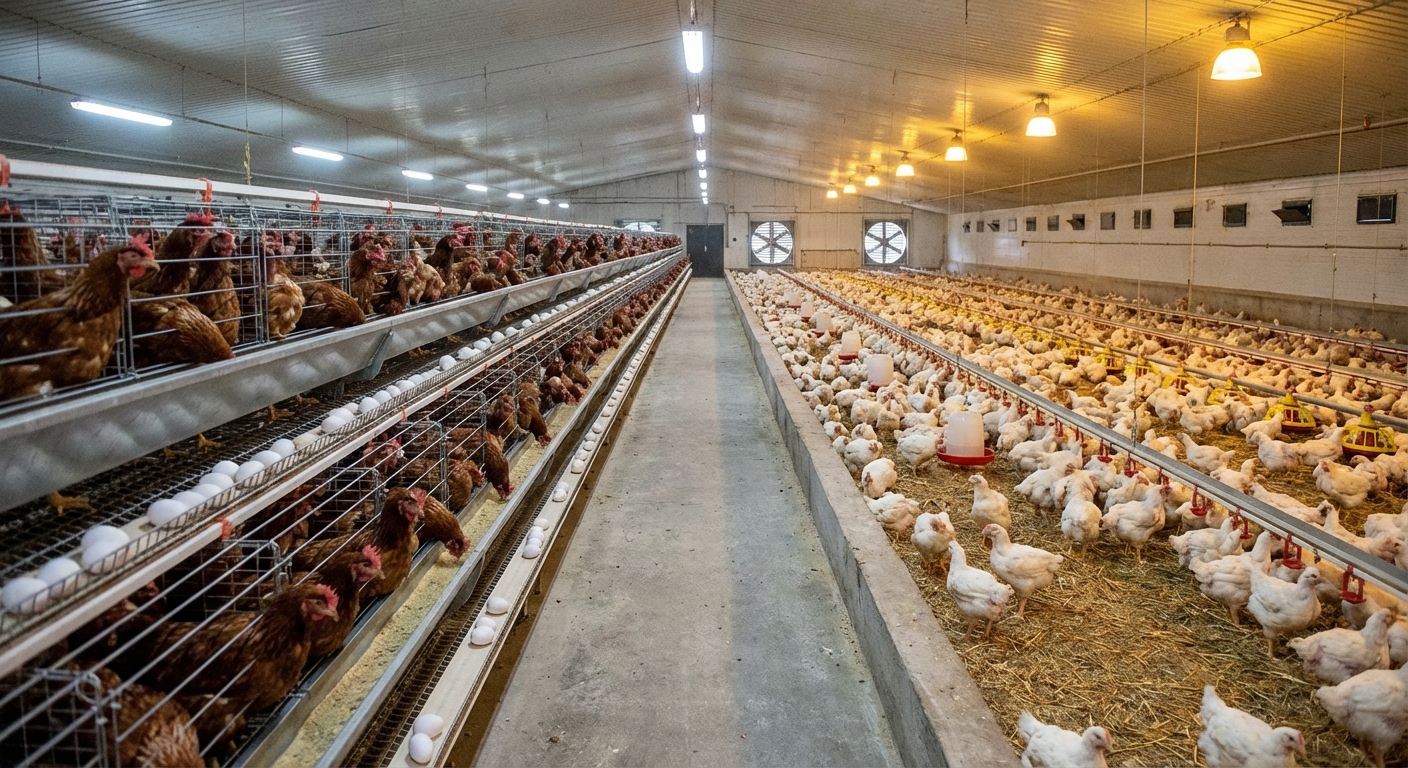
Your management style in chicken farming will dictate whether you use battery cages or deep litter floor systems. Each method has specific advantages depending on your bird density goals and labor availability.
Cage vs. Floor Systems
Battery cages allow for the highest bird density and simplify egg collection, but they require significant capital. Deep litter systems are common for broilers and offer a more natural environment but require more floor space.
- Battery Cages: Maximum space efficiency and easy waste removal.
- Deep Litter: Lower initial equipment cost; common for meat birds.
- Cage-Free: Higher welfare standards; targets premium retail markets.
Simply put:
The choice depends on your target market and local regulations. While cages maximize output, floor-based systems are often preferred for their flexibility and perceived bird welfare.
Key Takeaway: System selection should balance the initial investment costs with your long-term labor and production efficiency goals.
| System Type | Best For | Space Efficiency | |
|---|---|---|---|
| Cages | Layers | Very High | |
| Deep Litter | Broilers | Medium | |
| Aviary | Cage-free eggs | Low to Medium |
Choosing a system that matches your bird type is essential for hitting your growth and production targets.
How to find chicken farming equipment?
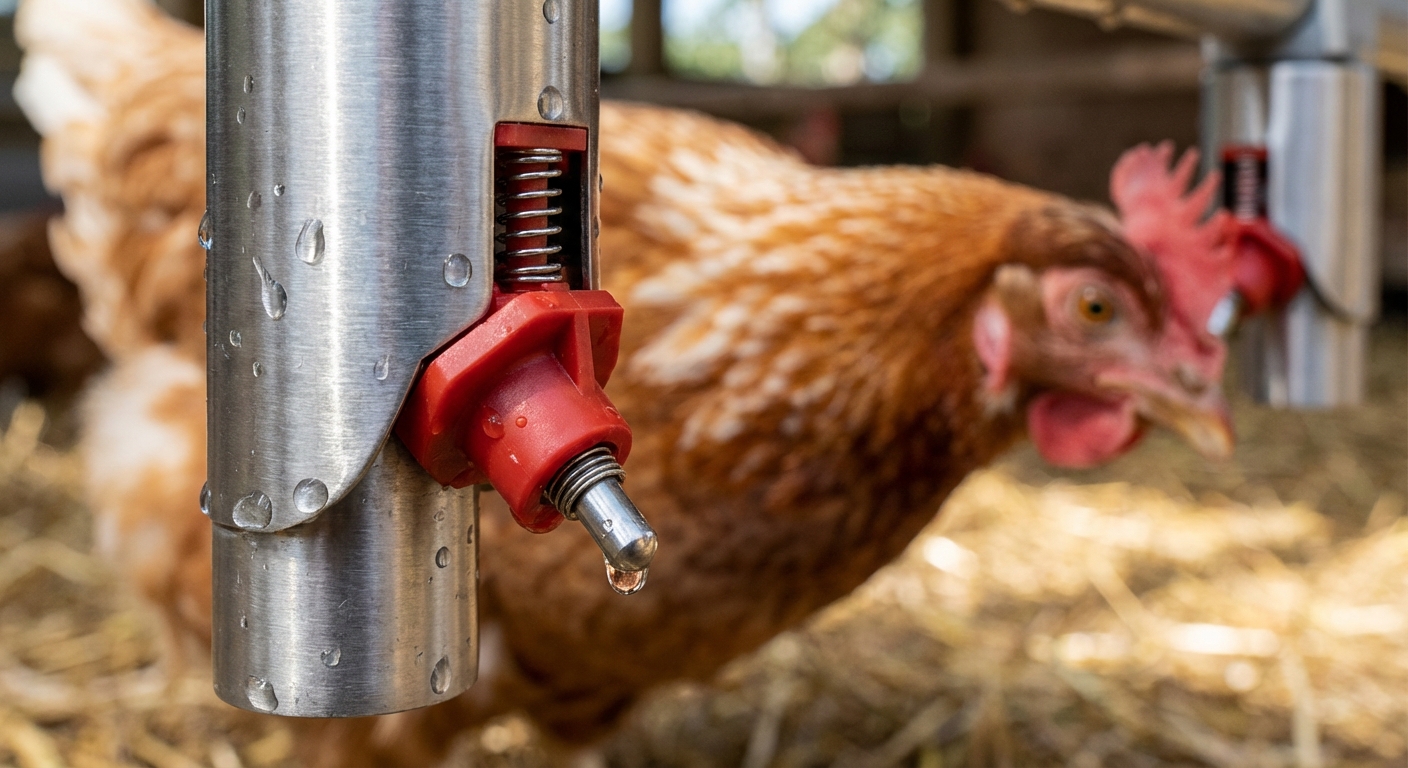
Quality equipment is the backbone of any automated chicken farming operation, reducing manual labor and human error. You should invest in durable hardware that can withstand the corrosive environment of a poultry house.
Automation and Reliability
Automatic feeding and drinking systems ensure that every bird has equal access to nutrition without competition. Nipple drinkers are especially effective because they prevent water wastage and keep the bedding dry.
- Feeding Lines: Automated delivery of grain at specific intervals.
- Cooling Pads: Evaporative cooling for hot climates.
- Sensors: Real-time monitoring of humidity and temperature.
But wait, there’s more:
High-tech equipment only works if your building can support it properly. Showhoo products are designed to integrate seamlessly with the latest automation technologies used in the industry.
Key Takeaway: Reliable, automated equipment pays for itself by reducing labor costs and improving the feed conversion ratio of your flock.
| Equipment | Primary Function | Maintenance Level | |
|---|---|---|---|
| Nipple Drinkers | Hygiene & Hydration | Low | |
| Auger Feeders | Nutrition Delivery | Medium | |
| Climate Controller | Environmental Safety | High (Software) |
Substandard equipment leads to frequent breakdowns that can endanger your entire flock in a matter of hours.
What are the launch steps for chicken farming?
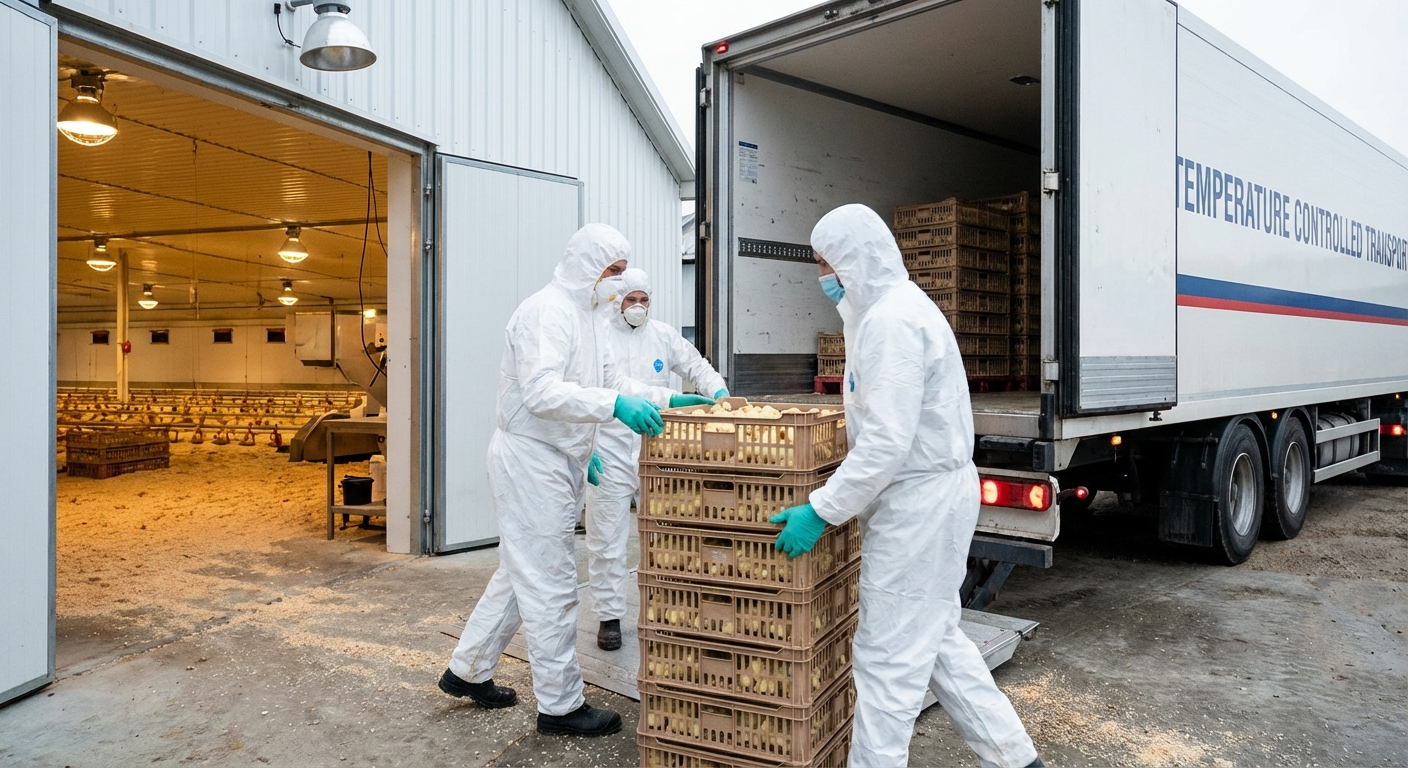
Launching your chicken farming business requires a synchronized timeline between structure completion and bird delivery. You must ensure the environment is fully prepared before the first chicks arrive on-site.
Execution and stocking
The housing must be fully sanitized and the heating systems tested days before the birds land. Managing the “brooding” period—the first few weeks of a chick’s life—is critical for their lifelong health.
- Sanitization: Cleaning every surface to remove pathogens.
- Pre-heating: Ensuring the floor is warm enough for fragile chicks.
- Stocking: Sourcing high-quality day-old chicks from certified hatcheries.
It gets even better:
Once you have your first batch successfully settled, you can begin focusing on the fine-tuning of your operational protocols. Watching your flock thrive in a professional environment is incredibly rewarding for any beginner.
Key Takeaway: A disciplined launch schedule ensures that your birds are not stressed by incomplete facilities or poor climate control.
| Launch Step | Timeline | Goal | |
|---|---|---|---|
| Construction | Months 1-4 | Solid, durable housing. | |
| Fit-out | Month 5 | Equipment installation and testing. | |
| Stocking | Month 6 | Initial flock arrival and brooding. |
Skipping preparation steps during the launch phase often leads to high early mortality rates.
How to manage risks in chicken farming?
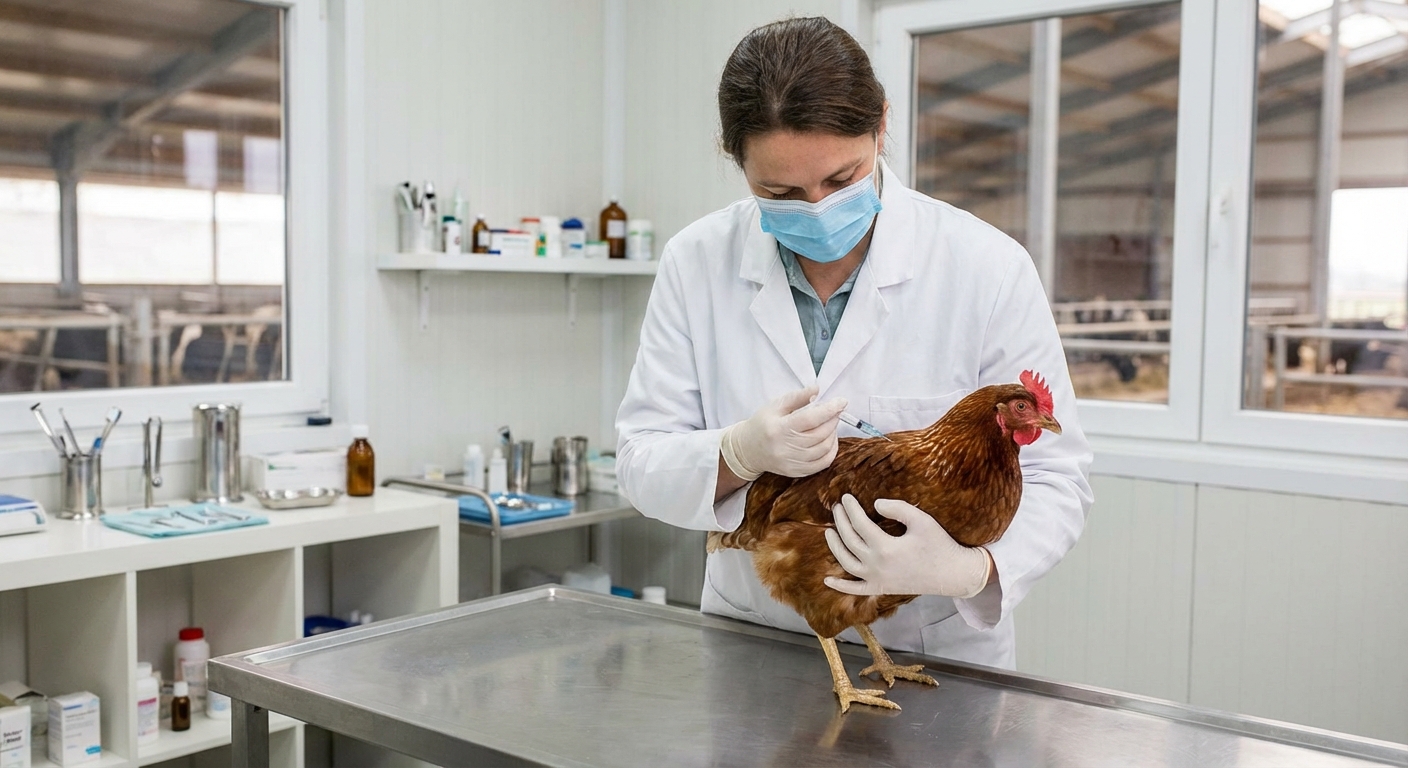
Risk management is what separates professional chicken farming operations from amateur attempts. You must proactively address potential threats like disease, feed price hikes, and market volatility.
Biosecurity and Health
Strict vaccination schedules are non-negotiable for preventing mass mortality from diseases like Newcastle or Gumboro. You should also limit visitor access to your barns to prevent the introduction of outside bacteria.
- Vaccination: Regular dosing to build flock immunity.
- Foot Baths: Disinfecting shoes before entering the house.
- Feed Quality: Regularly testing grain for mold or toxins.
That’s not all:
Financial risks are just as dangerous as biological ones. Diversifying your buyer base—selling to markets, restaurants, and individuals—protects you if one customer fails to pay.
Key Takeaway: Constant vigilance and a “safety first” mindset are required to protect your investment and ensure long-term sustainability.
| Risk Type | Mitigation Strategy | Effectiveness | |
|---|---|---|---|
| Disease | Vaccination & Biosecurity | Very High | |
| Feed Costs | Bulk buying & Storage | Medium | |
| Market Drops | Long-term contracts | High |
Active risk management is the only way to ensure your poultry business remains profitable year after year.
Strategic Summary: Building a Future in Poultry
Starting a poultry farm is a journey of precision, where the quality of your infrastructure dictates the success of your stock. By choosing durable steel housing and automated management systems, you solve the most common pain points of high mortality and labor inefficiency. At Showhoo Building, we believe that world-class agriculture starts with world-class engineering. Whether you are building your first broiler house or expanding an industrial layer farm, our mission is to provide the structural foundation for your agricultural success.
Contact us today to receive a customized quote on a high-performance poultry house and take the first step toward a profitable farming future.
Frequently Asked Questions
Can I start a poultry farm on a very small piece of land?Yes, you can utilize vertical space by implementing battery cage systems. These systems allow you to house thousands of birds on a small footprint, provided you have adequate ventilation and waste management.
What’s the best way to prevent high mortality in chicks?The most effective method is maintaining a consistent brooding temperature and ensuring strict sanitization. Using high-quality brooding heaters and nipple drinkers prevents the most common causes of early death.
How do I know if my poultry house ventilation is adequate?You can tell by the air quality and bird behavior; if you smell strong ammonia or see birds panting, your ventilation is failing. Professional sensors and automated exhaust fans are the best tools for maintaining optimal airflow.
Is it possible to automate a small-scale poultry farm?Absolutely, automation is scalable and can significantly reduce the hours you spend on manual labor. Small automated feeding lines and nipple drinkers are affordable upgrades that improve consistency even on small farms.
Why should I choose a steel structure over a wooden one?Steel offers superior longevity, better hygiene since it doesn’t harbor pests, and it is resistant to fire. While the initial cost may be higher, the reduced maintenance and lower insurance premiums make it a smarter investment.