
To start a chicken farm, you must secure a suitable location, design climate-controlled housing, and establish a reliable supply chain for day-old chicks and high-quality feed. Many aspiring entrepreneurs enter the agricultural sector with dreams of high returns, yet they often find themselves overwhelmed by the technical complexities of livestock management. Without a clear roadmap, you risk facing high bird mortality rates and inefficient resource allocation that can quickly drain your capital. The solution lies in understanding how to start chicken farm by focusing on infrastructure-first planning and modern automated systems to ensure long-term scalability. Explore our poultry farm building solutions to see how we can support your project
Why explore the benefits of how to start chicken farm?
Starting a poultry business offers a high-return investment due to the global demand for affordable protein sources like meat and eggs. When you investigate how to start chicken farm , you find a sector with rapid production cycles that allows for frequent cash flow.
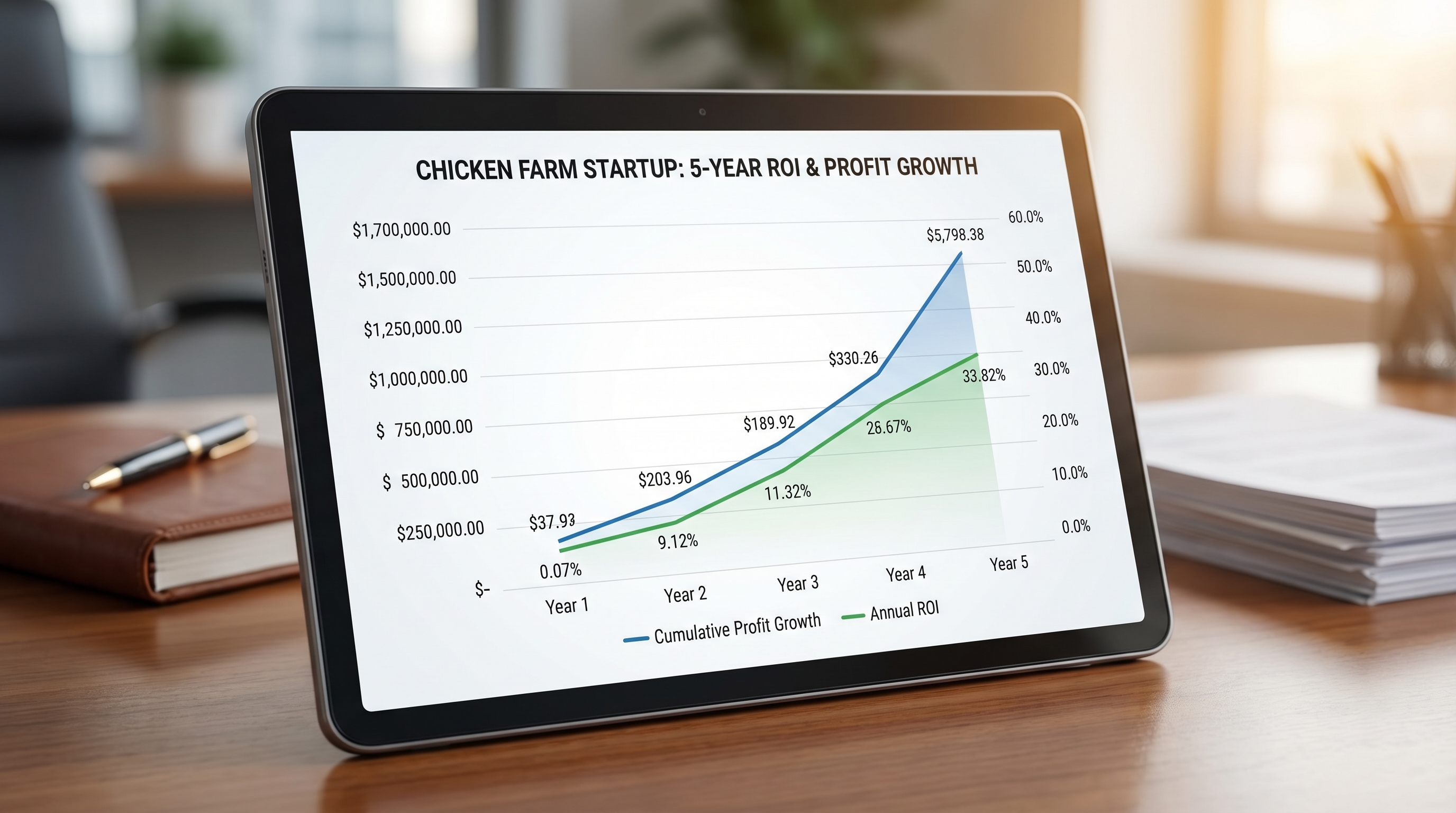
High Global Demand for Poultry Meat and Eggs
The demand for poultry products remains consistently high across both developed and emerging markets. Because chicken is a lean and affordable protein, it is a staple in most household diets worldwide. This ensures that you have a ready market for your produce regardless of the economic climate.
Here is the kicker:
- Low entry barriers for small-scale operations.
- Consistent year-round demand for eggs.
- Broad acceptance across various cultures and religions.
- Growing preference for white meat over red meat.
But wait, there is more… you can scale this demand by targeting B2B sectors like hotels and restaurants.
Rapid Production Cycles and Faster ROI Potential
One of the most attractive aspects of poultry is how quickly you can turn a profit compared to other livestock. Broilers are typically ready for market within six to seven weeks of hatching. This means you can run multiple production cycles per year, maximizing the use of your infrastructure.
The truth is:
- Fast growth rates minimize the time capital is tied up.
- Automated systems further accelerate the growth curve.
- Layers provide daily income once they reach maturity.
- Efficient feed-to-meat conversion ratios improve margins.
Key TakeawayPoultry farming is a high-velocity business that rewards efficient infrastructure and rapid stock turnover.
| Benefit Category | Description | Impact on Business | |
|---|---|---|---|
| Market Stability | Constant demand for protein | Lower sales risk | |
| Growth Cycle | 6–8 weeks for broilers | Faster ROI | |
| Scalability | Modular housing options | Easy expansion |
This data confirms that the speed of the production cycle is the primary driver of profitability for new farmers.
How to start chicken farm niche selection for beginners?
Deciding on your specific niche is the first operational step in learning how to start chicken farm successfully. You must choose between meat production, egg production, or specialized hatchery services based on your local market needs.
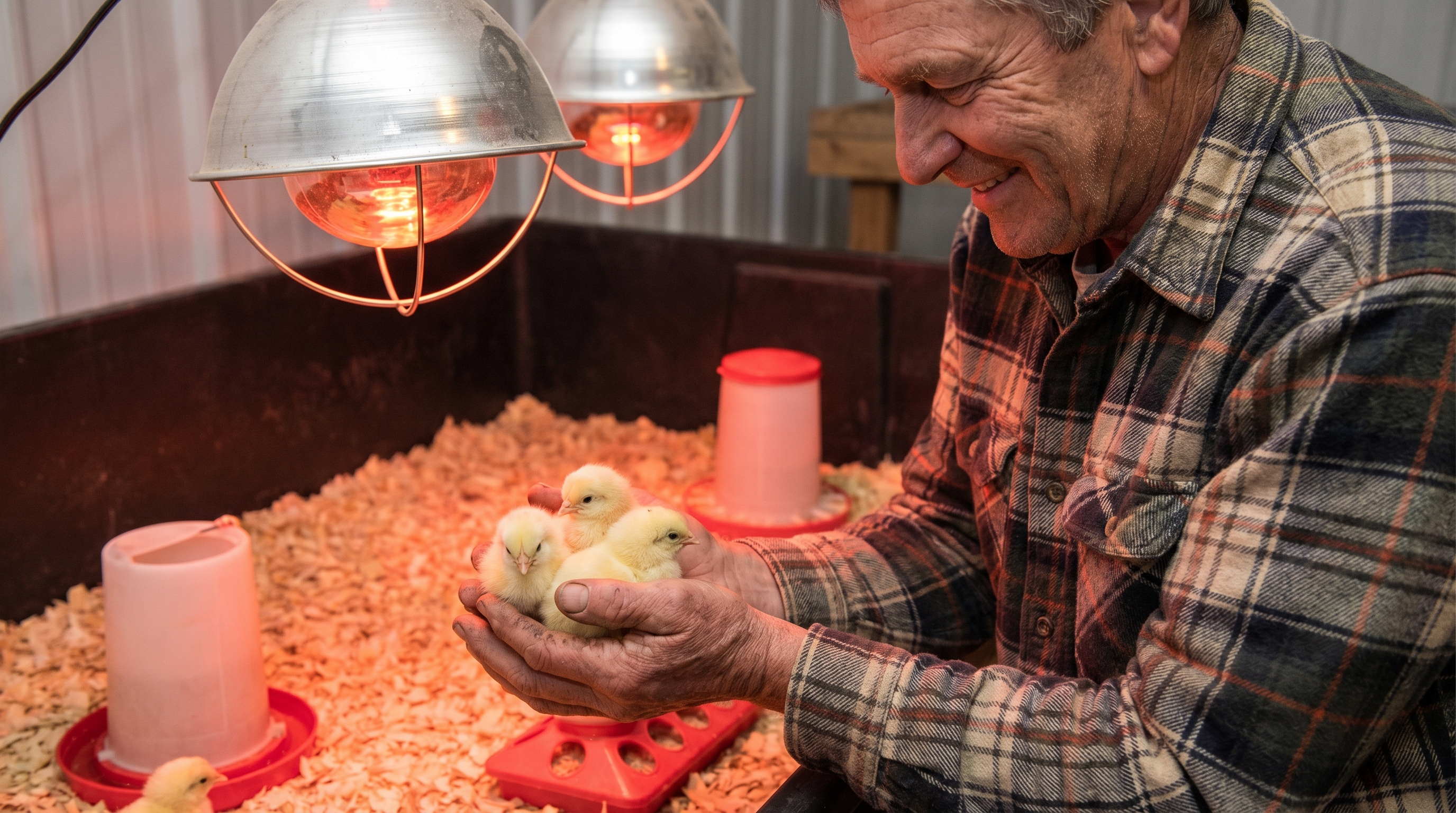
Choosing Between Layer and Broiler Production?
Broilers are raised specifically for meat, while layers are kept for egg production. Each path requires different housing designs and nutritional profiles for the birds. If you want quick cash flow, broilers are ideal, whereas layers offer a steady, long-term daily income stream.
Think about this:
- Broilers require high-protein feed for rapid weight gain.
- Layers need calcium-rich diets to support shell quality.
- Housing for layers often requires more specialized cage systems.
- Broilers are typically floor-raised in large climate-controlled sheds.
Make no mistake: selecting the wrong bird for your infrastructure can lead to massive overhead costs.
Understanding the Role of Hatcheries and Breeders
Some farmers choose to focus on the beginning of the lifecycle by operating hatcheries. This involves keeping parent stock and incubating eggs to sell day-old chicks to other poultry farmers. While this requires more technical expertise and sensitive equipment, it can be a very lucrative B2B niche.
Here’s the deal:
- Hatcheries require high-precision incubation technology.
- Breeding involves long-term genetic management.
- Day-old chicks (DOCs) have high profit margins per unit.
- This niche serves as the “engine” for other poultry farms.
Key TakeawayNiche selection dictates your equipment needs and your daily operational focus, so choose based on your available capital and local demand.
| Niche Type | Primary Product | Capital Intensity | |
|---|---|---|---|
| Broilers | Poultry Meat | Moderate | |
| Layers | Table Eggs | High (Equipment) | |
| Hatchery | Day-Old Chicks | High (Tech) |
Choosing a niche early allows you to customize your facility design for maximum bird performance and health.
Where is the best location for how to start chicken farm?
Selecting a site with proper drainage, utility access, and adequate distance from residential areas is vital for how to start chicken farm without facing regulatory or health hurdles. You need a location that balances logistical ease with environmental biosecurity.
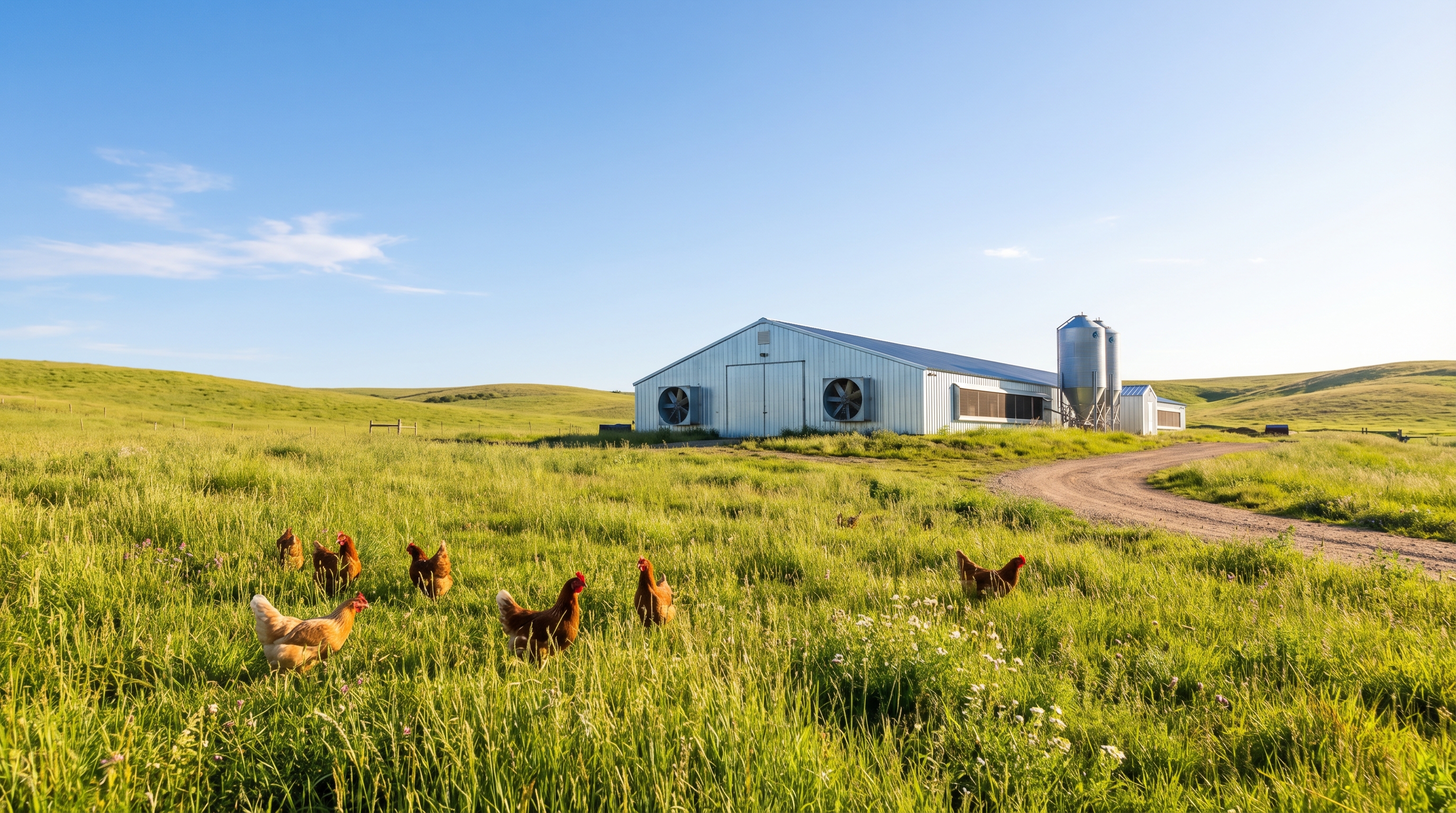
Critical Land Requirements and Utility Access
Your land must be large enough to accommodate not just the current poultry houses, but also future expansions and waste management zones. Reliable access to clean water and electricity is non-negotiable for running automated ventilation and feeding systems. Without these, your mortality rates will skyrocket during heatwaves or equipment failures.
The bottom line:
- Ensure the land has clear legal titles for agricultural use.
- Check for proximity to main roads for feed delivery.
- Verify the depth and quality of groundwater sources.
- Analyze the cost of extending power lines to the site.
It gets better: a well-located farm reduces your transport costs for both inputs and final products.
Environmental Factors Affecting Poultry Health?
Poultry are highly sensitive to temperature fluctuations and humidity levels. You should avoid low-lying areas prone to flooding or regions with extreme prevailing winds that can compromise the structural integrity of your sheds. Proper orientation of the buildings—usually East-West—minimizes direct sunlight and helps maintain a cooler internal environment.
Here is the kicker:
- High humidity can lead to respiratory issues in birds.
- Poor drainage increases the risk of soil-borne diseases.
- Natural windbreaks can help protect the structure.
- Distance from other farms prevents cross-contamination.
Key TakeawayA strategic location acts as the first line of defense against environmental stress and disease outbreaks.
| Location Factor | Requirement | Importance | |
|---|---|---|---|
| Water Supply | Constant and clean | Critical | |
| Topography | Elevated and well-drained | High | |
| Electricity | Stable (or backup gen-set) | Critical |
Proper site selection minimizes the need for expensive environmental corrections later in the project lifecycle.
How to start chicken farm with a professional business plan?
Creating a comprehensive business plan is the backbone of how to start chicken farm because it translates your vision into a measurable financial and operational reality. A professional plan is essential if you intend to seek bank loans or private investment for your startup.

Defining Production Scale and Growth Milestones
You must decide whether you are starting with 1,000 birds or 50,000 birds, as the infrastructure requirements differ vastly. Your plan should outline clear milestones, such as when you will break even and when you plan to add more poultry houses. This clarity prevents you from overextending your resources in the early stages.
The reality is:
- Small scales are good for learning but have lower margins.
- Large scales benefit from significant economies of scale.
- Milestones should include specific target mortality rates.
- Growth plans should account for increased waste management.
But wait, there is more… a scalable plan allows you to start small and grow as you gain experience.
Risk Management and Market Feasibility Analysis?
Every poultry business faces risks like disease outbreaks, feed price volatility, and market saturation. Your plan must include a SWOT analysis and contingency strategies, such as insurance or diverse supplier lists. Understanding your local competitors and pricing trends ensures your financial projections remain realistic.
Here’s the deal:
- Identify at least three reliable feed suppliers.
- Research seasonal price fluctuations in your region.
- Plan for emergency culling or quarantine protocols.
- Analyze the buying habits of local wholesalers.
Key TakeawayA well-documented plan reduces uncertainty and serves as a roadmap for operational excellence and financial stability.
| Plan Component | Detail | Purpose | |
|---|---|---|---|
| Executive Summary | Overview of goals | Investor attraction | |
| Financial Forecast | 3-5 year projections | Capital management | |
| Operations Plan | Daily bird management | Quality control |
Detailed planning ensures that you are prepared for both market opportunities and unforeseen biological challenges.
What is the total cost of how to start chicken farm?
The total cost depends heavily on your scale and choice of technology, but how to start chicken farm generally requires significant upfront capital for land, specialized steel housing, and automated machinery. Balancing initial investment with long-term operational efficiency is the key to a sustainable ROI.
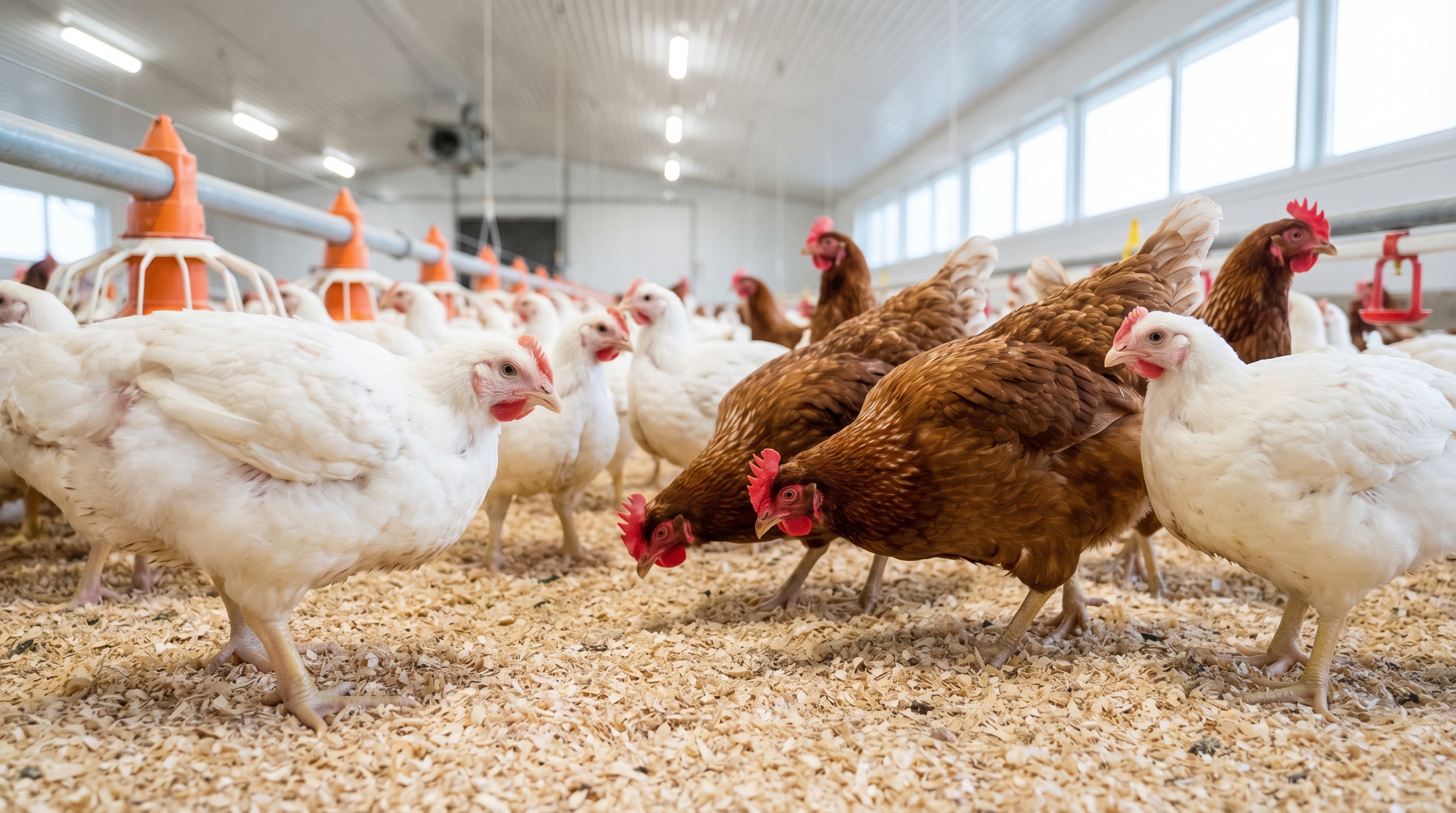
Estimating Initial Capital Expenditure and Fixed Assets
Your largest initial costs will be the acquisition of land and the construction of high-quality poultry houses. Prefabricated steel structures are often the most cost-effective long-term solution because they are durable, easy to clean, and offer superior insulation. You also need to budget for cages, feeders, drinkers, and a reliable power backup system.
Think about this:
- Land costs vary wildly by location and utility access.
- Steel houses offer lower maintenance costs than wood.
- Automated equipment has a high upfront cost but saves labor.
- Don’t forget the cost of specialized transport vehicles.
Make no mistake: cutting corners on infrastructure usually leads to higher costs in bird mortality later.
Projecting Recurring Operational and Feed Expenses?
Feed typically accounts for 70% to 80% of your recurring operational costs. You must also budget for vaccines, labor, electricity, and the purchase of day-old chicks for each new cycle. Managing these variable costs through bulk purchasing or efficient feed conversion ratios is essential for maintaining your profit margins.
Here is the deal:
- Feed prices can fluctuate based on global grain markets.
- Labor costs can be minimized with automated systems.
- Vet bills are an essential insurance against total loss.
- Electricity costs depend on your ventilation and heating needs.
Key TakeawayInfrastructure is your biggest one-time cost, while feed is your biggest ongoing expense; both require careful management.
| Expense Type | Percentage of Budget | Frequency | |
|---|---|---|---|
| Infrastructure | 40-50% (Initial) | One-time | |
| Poultry Feed | 70-80% (OPEX) | Continuous | |
| Day-Old Chicks | 10-15% (OPEX) | Per cycle |
By investing in high-efficiency housing early, you can significantly reduce the recurring costs of energy and labor.
How to start chicken farm house design and construction?
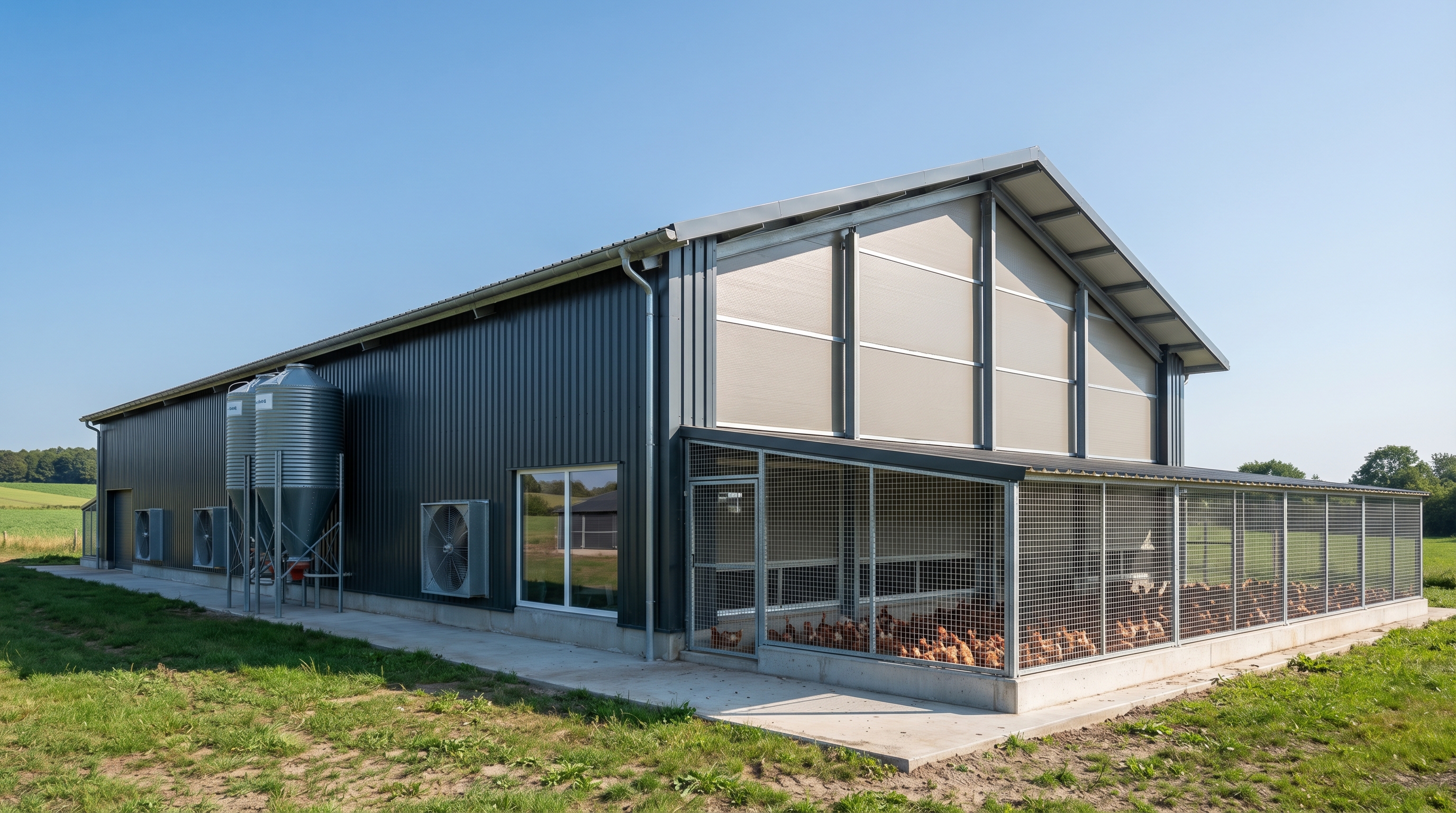
The structural integrity and environmental control of your poultry house are the most critical factors in how to start chicken farm with high survival rates. Modern poultry farming favors prefabricated steel buildings because they provide a sterile, controlled environment that traditional wood or brick structures cannot match.
Prefab Steel Structures vs. Traditional Housing
Prefabricated steel structures are designed for rapid assembly and superior climate management. They are resistant to pests, rot, and fire, ensuring that your investment is protected for decades. Additionally, these buildings are designed with smooth surfaces that are easy to disinfect, which is crucial for maintaining biosecurity and preventing disease spread.
The bottom line:
- Steel frames support large clear spans for better airflow.
- Insulated sandwich panels keep the temperature stable.
- Rapid construction means you can start production sooner.
- Steel is more durable in harsh tropical or coastal climates.
It gets better: prefab systems often come with pre-drilled holes and marked parts for error-free installation.
Optimizing Layout for Ventilation and Efficiency
A well-designed layout ensures that every bird has access to fresh air, clean water, and feed without overcrowding. You must plan the placement of fans, cooling pads, and exhaust systems to create a “tunnel ventilation” effect. This keeps the birds cool even in extreme heat, which is essential for maintaining growth rates and preventing heat stress.
Here’s the Deal:
- East-West orientation minimizes direct heat from the sun.
- Automated manure removal systems improve air quality.
- Strategic lighting layouts stimulate growth and egg laying.
- Separation of storage and production zones prevents contamination.
Real Project: 5,000㎡ Poultry Farm in Nigeria. We helped a client build a high-efficiency broiler farm with optimized ventilation and automated systems, reducing mortality and improving ROI. Planning a similar project? Send your requirements to get a customized solution.
Key TakeawayProfessional house design is not just about shelter; it is an active tool for managing bird health and productivity.
| Design Feature | Purpose | Long-term Value | |
|---|---|---|---|
| Steel Frame | Structural durability | Low maintenance | |
| Sandwich Panels | Thermal insulation | Lower energy bills | |
| Clear Span | Unobstructed airflow | Better bird health |
High-quality construction reduces the risk of structural failure and provides a more stable environment for your flock.
What infrastructure is needed for how to start chicken farm?
Implementing automated infrastructure is essential for how to start chicken farm at a commercial scale where manual labor is neither efficient nor precise enough. Modern systems ensure that feed, water, and climate are delivered consistently to every bird in the house.
Selecting Automatic Feeding and Watering Systems
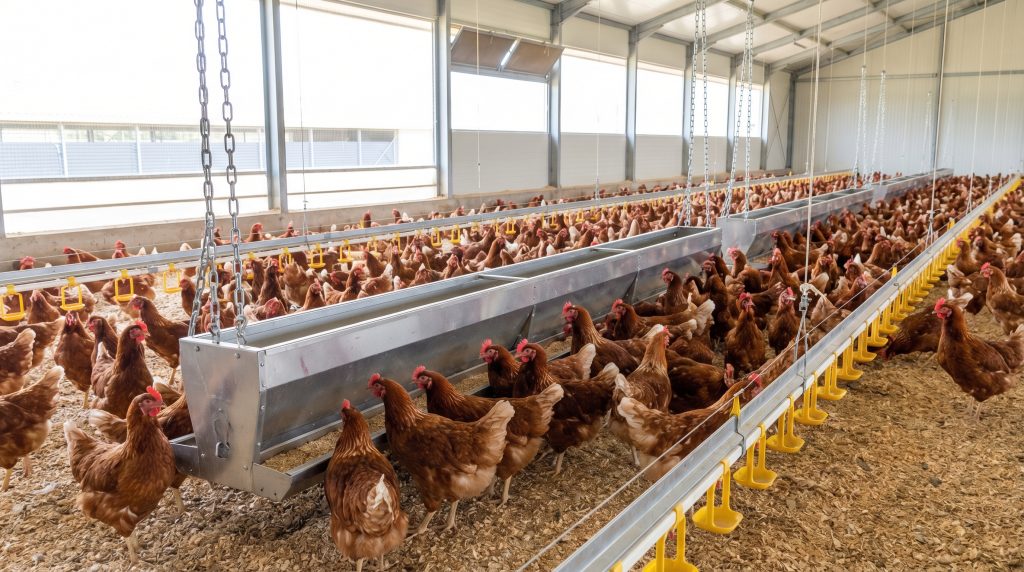
Manual feeding often leads to waste and uneven bird growth, whereas automated pan-feeding systems distribute the exact amount of feed required. Similarly, nipple drinking systems provide clean, fresh water on demand while preventing spills that can lead to wet litter and ammonia buildup. These systems are the secret to keeping your feed conversion ratio (FCR) as low as possible.
The reality is:
- Automatic augers move feed from silos to pans without effort.
- Nipple drinkers reduce water contamination and disease.
- Sensors can alert you if the feed supply is interrupted.
- Consistent feeding schedules promote synchronized growth.
But wait, there is more… these systems allow one worker to manage tens of thousands of birds effectively.
The Importance of Climate Control and Cooling Pads
In hot climates, natural ventilation is rarely enough to keep birds productive. You need a combination of powerful exhaust fans and wet cooling pads that use evaporative cooling to drop the temperature by several degrees. This infrastructure is vital for preventing heat stroke and ensuring that broilers continue to eat and grow during peak summer hours.
Here is the kicker:
- Cooling pads act like a giant radiator for the whole house.
- Variable speed fans allow for precise airflow control.
- Automation controllers manage the system 24/7.
- Proper climate control can reduce mortality by over 10%.
Key TakeawayAutomation is an investment in consistency, significantly reducing the human error associated with bird care.
| Infrastructure Item | Function | Benefit | |
|---|---|---|---|
| Silos & Augers | Bulk feed storage & delivery | Reduced labor & waste | |
| Nipple Drinkers | Hygienic water delivery | Drier litter/Less disease | |
| Cooling Pads | Evaporative temperature drop | Prevent heat stress |
Integrating these systems into your building design from day one ensures maximum operational efficiency and bird comfort.
How to start chicken farm biosecurity and bird health?
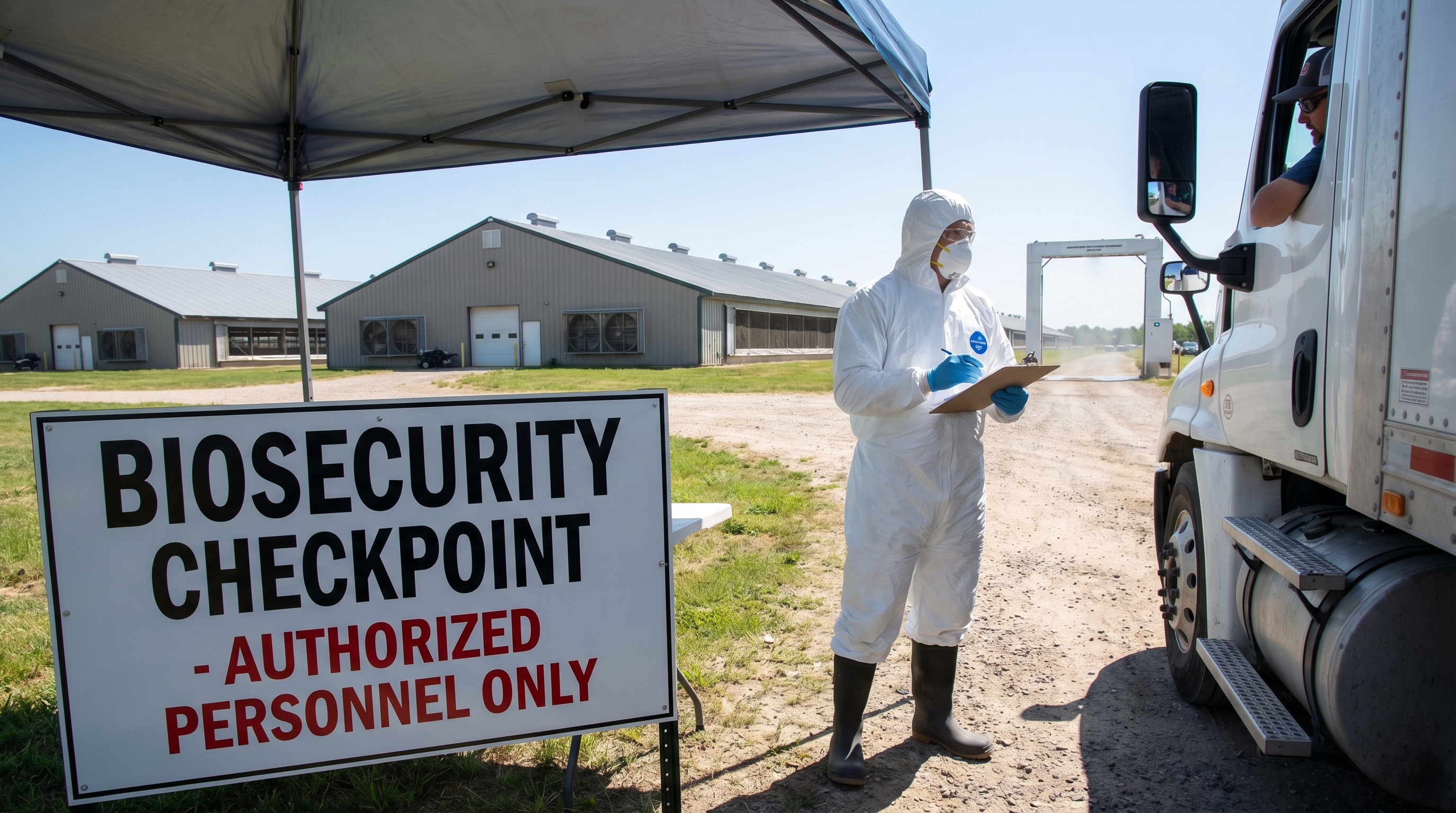
Maintaining a strict biosecurity protocol is the most important defensive strategy in how to start chicken farm because a single disease outbreak can wipe out your entire investment. You must control everything that enters the farm, from people and vehicles to air and water.
Implementing Strict Disease Prevention Protocols
Biosecurity starts at the farm gate with footbaths and vehicle disinfection sprayers. You should limit visitors to your production areas and ensure that staff use dedicated clothing and footwear that never leaves the site. Keeping your farm isolated from other poultry operations is also a key factor in preventing the spread of airborne viruses.
The bottom line:
- Use perimeter fencing to keep out wild animals and pets.
- Establish a “clean” and “dirty” zone for all entries.
- Regularly disinfect all equipment and housing between cycles.
- Monitor wild bird populations near your facilities.
Make no mistake: biosecurity is a 24/7 commitment, not a part-time checklist.
Essential Vaccination Schedules and Vet Oversight?
A proactive vaccination program is cheaper than treating a sick flock. You must work with a qualified poultry veterinarian to develop a schedule tailored to the specific diseases prevalent in your region, such as Newcastle Disease or Gumboro. Regular health monitoring and early diagnostic testing can catch issues before they become catastrophic.
Here’s the deal:
- Vaccines can be administered via water, spray, or injection.
- Keep meticulous records of every dose given to each flock.
- Observe bird behavior daily for early signs of lethargy.
- Ensure your water lines are flushed to prevent biofilm buildup.
Key TakeawayPrevention through biosecurity and vaccination is the only way to ensure the long-term survival of your poultry enterprise.
| Biosecurity Level | Action Required | Target Risk | |
|---|---|---|---|
| External | Gating, disinfection, isolation | Viral/Bacterial entry | |
| Internal | Vaccination, clean water, hygiene | Cross-contamination | |
| Structural | Bird-proof mesh, easy-clean steel | Pests and wild birds |
Strict adherence to these health protocols protects your flock’s genetic potential and your financial bottom line.
How to start chicken farm day-to-day management?
Efficient daily operations are what separate profitable farms from failing ones, and how to start chicken farm requires a disciplined approach to bird monitoring and resource management. Successful managers focus on the “five freedoms” of animal welfare to ensure maximum productivity.
Sourcing High-Quality Day-Old Chicks (DOCs)
Your results are only as good as your starting material. You must source your day-old chicks from reputable hatcheries that provide healthy, vaccinated, and genetically superior stock. Starting with weak or infected chicks will lead to high early-stage mortality and poor feed conversion, regardless of how good your housing is.
Think about this:
- Transport DOCs in climate-controlled vehicles to avoid stress.
- Inspect every batch for alertness and physical deformities.
- Match your bird breed to your specific market (e.g., fast-growth broilers).
- Establish a long-term relationship with one reliable hatchery.
Make no mistake: cheap chicks often cost you more in medication and lost growth.
Effective Feed Management and Nutrition Standards?
Feed is your biggest expense, so every gram must count. You must provide a balanced diet that shifts as the birds age—from “starter” crumbs to “grower” pellets and “finisher” feed. Automated systems help by delivering small, frequent meals that stimulate appetite and ensure that every bird in the house has equal access to nutrition.
Here is the kicker:
- Poor quality feed leads to stunted growth and weak shells.
- Store feed in dry, rodent-proof silos to prevent mold.
- Regularly calibrate your automated feeders to avoid overfilling.
- Monitor the Feed Conversion Ratio (FCR) of every flock.
Key TakeawayDaily management is a game of marginal gains where small improvements in feed and water quality lead to significant profit increases.
| Operational Task | Frequency | Goal | |
|---|---|---|---|
| Mortality Check | Twice Daily | Early disease detection | |
| Equipment Check | Daily | Prevent system failure | |
| Weight Sampling | Weekly | Track growth against targets |
Consistency in these daily tasks ensures that your infrastructure investment delivers the highest possible biological performance.
How to start chicken farm marketing and profitability?
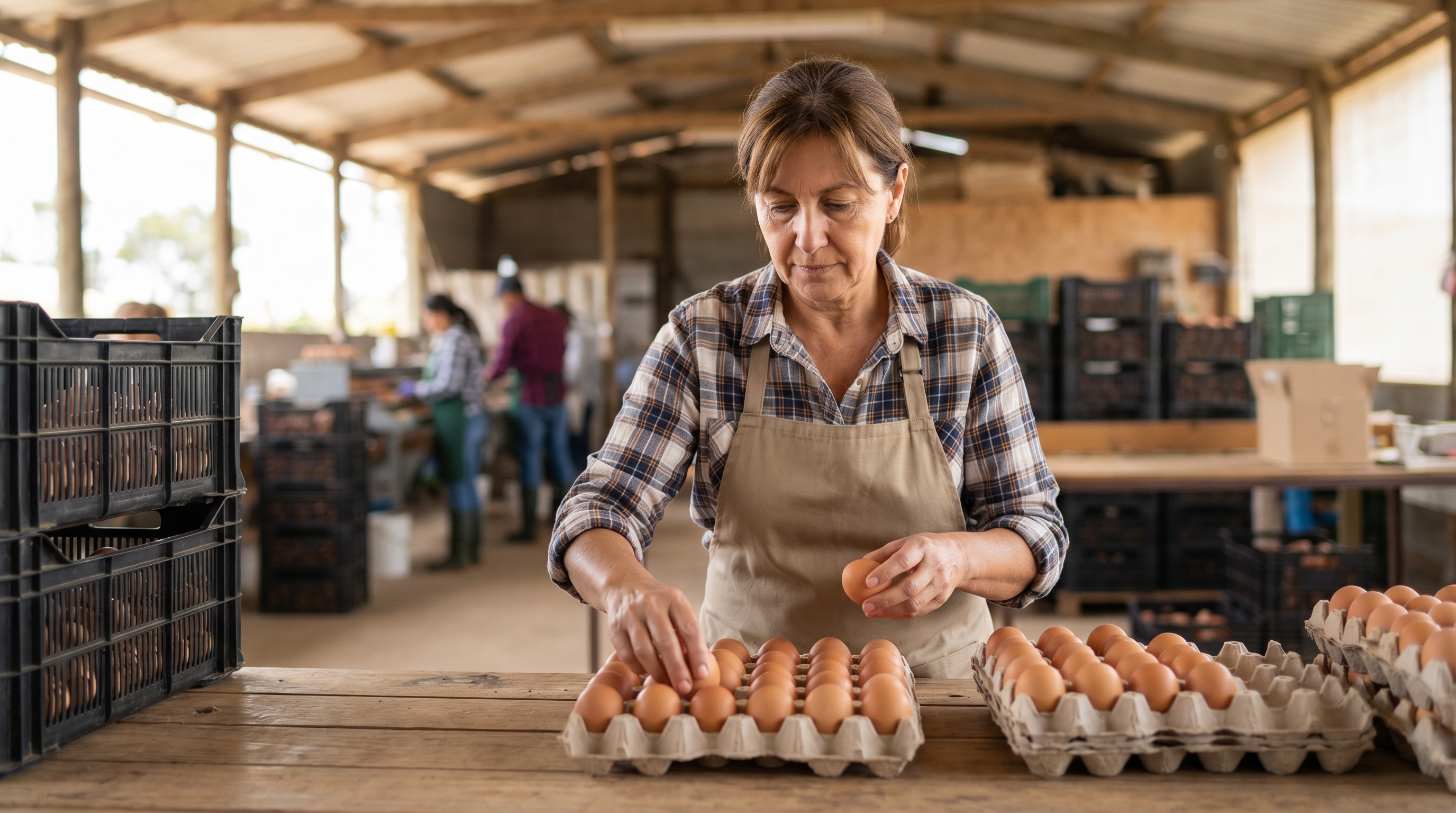
The final piece of the puzzle is turning your birds or eggs into cash, which requires a solid marketing strategy to ensure you aren’t left with perishable products and no buyers. Knowing how to start chicken farm includes mastering the sales cycle to maintain healthy liquidity.
Building Distribution Channels for Meat and Eggs
You should not wait until your birds are ready for slaughter to look for buyers. Start building relationships with local wholesalers, supermarkets, and hotels months in advance. Having signed contracts or “handshake” agreements ensures that your product moves quickly, reducing the costs of keeping mature birds on the farm longer than necessary.
The reality is:
- Wholesalers offer high volume but lower margins.
- Direct-to-retail (supermarkets) offers better prices but requires consistency.
- Restaurants and hotels value quality and reliable delivery.
- Online marketing can help reach local household clusters.
But wait, there is more… branding your eggs or meat as “farm fresh” can justify a premium price point.
Leveraging Branding to Increase Product Margins?
In a commodity market, branding is how you stand out. By emphasizing your biosecurity standards, “no-hormone” approach, or local origins, you can attract health-conscious consumers willing to pay more. Small details like clean, branded egg cartons or professional delivery trucks build trust and long-term customer loyalty.
Here’s the deal:
- Quality packaging protects eggs during transit and builds a brand.
- Certifications (like organic or Halal) open new market segments.
- Consistent sizing and color in eggs signal professional management.
- Social media can show your clean facility to build consumer confidence.
Key TakeawayProfitability is achieved when high-efficiency production meets a diversified and proactive marketing strategy.
| Channel Type | Volume | Margin | |
|---|---|---|---|
| Wholesalers | High | Low | |
| Direct Retail | Moderate | High | |
| B2B (Hotels/Resorts) | Moderate | Medium-High |
A balanced mix of these channels protects your business from the failure of any single buyer.
Starting a poultry business is a journey from structural planning to market delivery. While the challenges of disease and feed costs are real, the solution lies in building a foundation of high-quality steel housing and automated infrastructure. By focusing on biosecurity and efficient daily management, you can transform a simple startup into a high-yield agricultural enterprise. We are here to support your growth with engineering excellence and factory-direct building solutions. Our vision is to empower farmers worldwide with durable, efficient structures that stand the test of time. To take the next step in your agricultural journey, contact us today for a customized quote and expert design support.
Frequently Asked Questions (FAQ)
Can I start a chicken farm with a small budget?Yes, but you must prioritize infrastructure. Start with a smaller bird count in a high-quality, scalable steel building rather than a large count in poor housing to ensure your survival rates remain high.
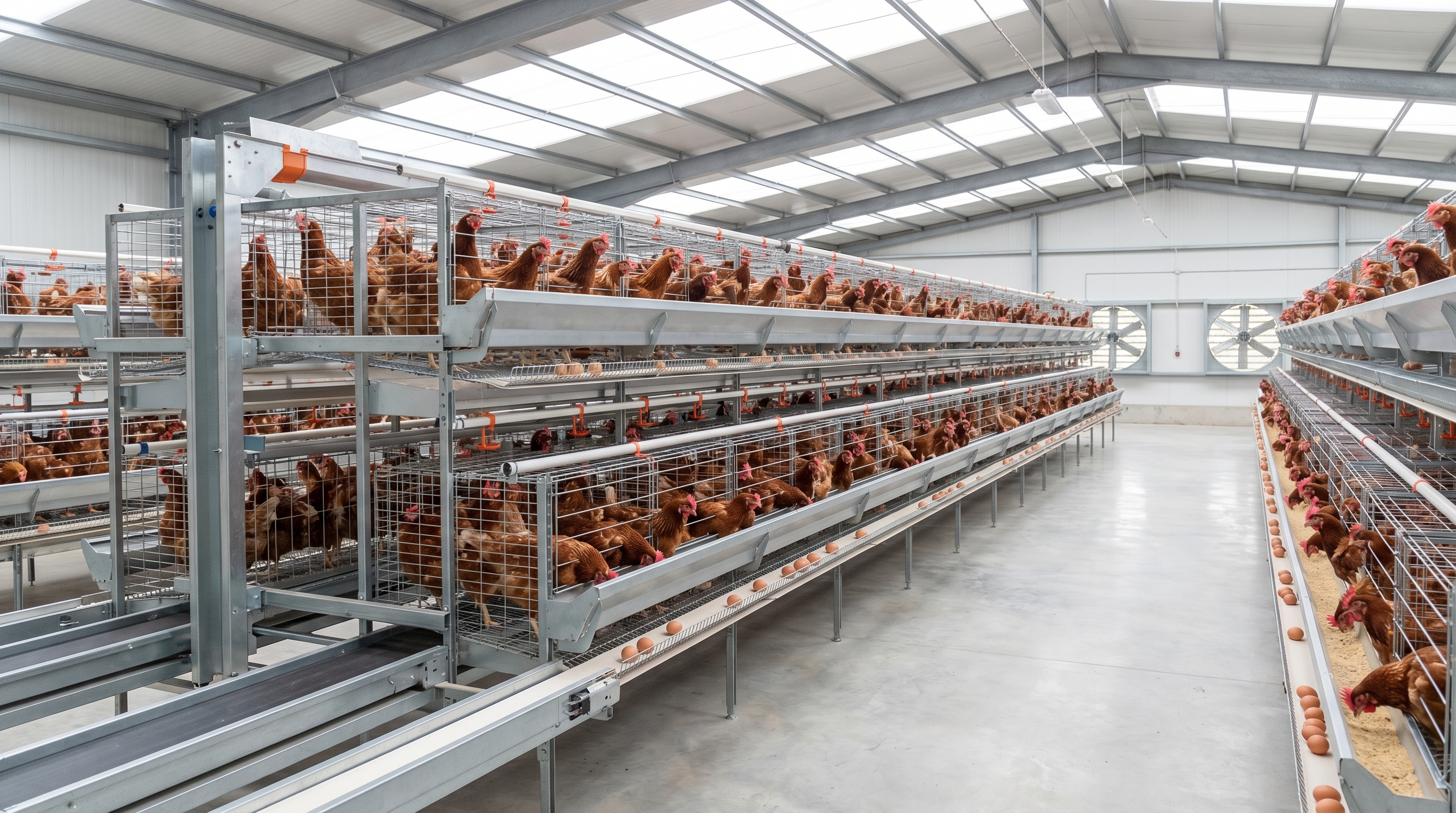
What is the best cage system for high-yield egg production?H-type battery cage systems are generally best. They offer the highest bird density while integrating automated manure removal and egg collection, which significantly reduces labor costs.
Can I manage a poultry farm as a part-time business?No, because poultry requires constant monitoring. While automation handles the heavy lifting of feeding and climate control, daily visual inspections for health and biosecurity are mandatory.
What is the best way to minimize bird mortality rates?Strict biosecurity is the most effective method. Controlling who enters the farm and following a rigorous vaccination schedule prevents the introduction of catastrophic diseases.
Can I get expert design support for my poultry house?Absolutely. Professional manufacturers offer 3D modeling and engineering support to ensure your poultry house is optimized for your local climate and specific bird type.