
Building a 30,000 sq ft warehouse typically costs between 1.2 million and 3.6 million depending on your specific requirements. Finding a reliable space for your growing inventory can feel like an uphill battle against rising rental rates and limited availability. You might worry that delaying your expansion will cause you to lose market share or drown in logistical inefficiencies. Look: the cost to build a warehouse is a strategic investment that eliminates these headaches and puts you back in control of your supply chain.
What is the average cost to build a warehouse of 30,000 sq ft?
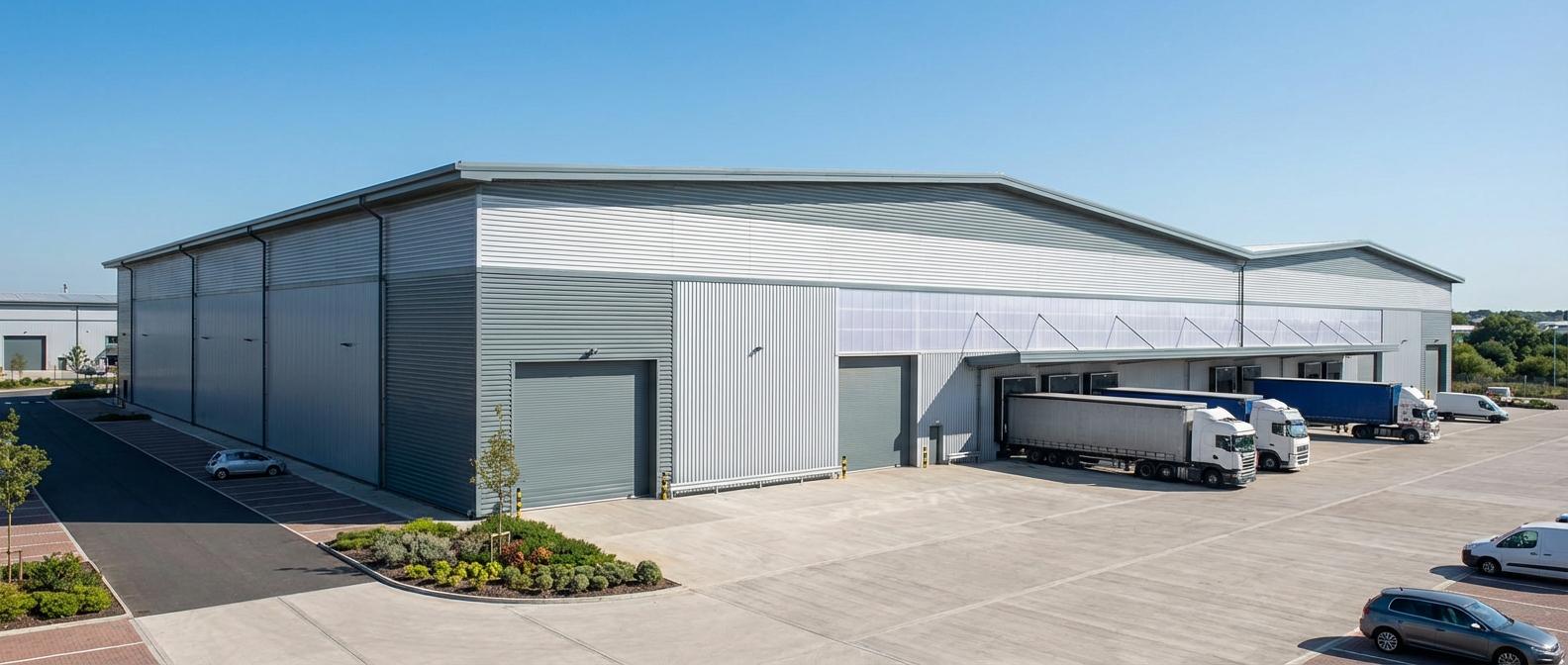
The average total cost generally lands between 40 and 120 per square foot for a standard industrial facility.
What drives the price per square foot?
The price fluctuates based on regional labor rates, material quality, and the complexity of the internal systems. You must account for the primary structural components which represent the largest portion of your budget. Think about it: a shell building is much cheaper than a temperature-controlled facility.
How do initial estimates vary?
Initial estimates often exclude “soft costs” like architectural fees or land acquisition. When calculating the cost to build a warehouse, you should verify if the quote includes the steel structure warehouse price or just the raw materials.
- Shell only: 12−20 per sq ft.
- Finished interior: 40−75 per sq ft.
- Specialized cold storage: $100+ per sq ft.
Key Takeaway: Understanding the difference between shell costs and finished operational costs is vital for accurate budgeting.
| Cost Category | Low Estimate | High Estimate | |
|---|---|---|---|
| Structural Shell | $360,000 | $600,000 | |
| Finishing & Systems | $840,000 | $3,000,000 |
This data shows that internal finishes can often triple the price of the basic structural shell.
How do site conditions impact the cost to build a warehouse?
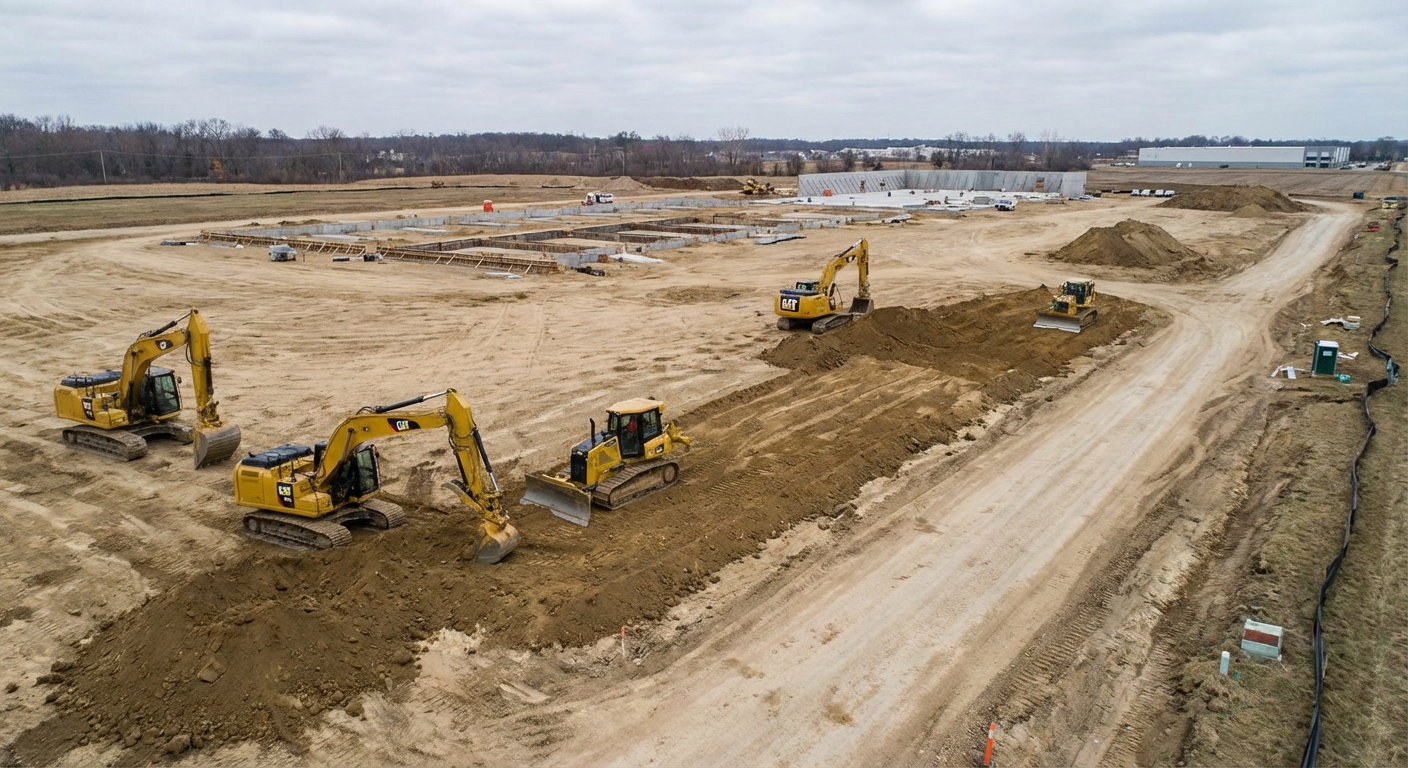
Site preparation typically adds 3 to 10 per square foot to your project total depending on the land’s health.
Does the terrain matter?
The condition of your soil and the slope of the land play a massive role in foundation expenses. When assessing the cost to build a warehouse , you need to check for hidden rocks or poor drainage. The best part? Choosing flat, clear land can save you over $150,000 in grading fees alone.
Are utility connections expensive?
Extending water, electricity, and sewage lines to a remote site can be surprisingly costly. You should always confirm the proximity of existing municipal infrastructure before purchasing land.
- Soil testing: Essential for stability.
- Land clearing: Removing trees and debris.
- Grading: Creating a level building pad.
Key Takeaway: Site preparation is a variable expense that requires professional geological surveys to avoid budget overruns.
| Site Work Type | Estimated Cost | Impact Level | |
|---|---|---|---|
| Grading & Leveling | 90,000−300,000 | High | |
| Utility Hookups | 20,000−100,000 | Moderate |
Proper site analysis ensures that your foundation stays within the projected financial boundaries.
Which materials minimize the cost to build a warehouse?
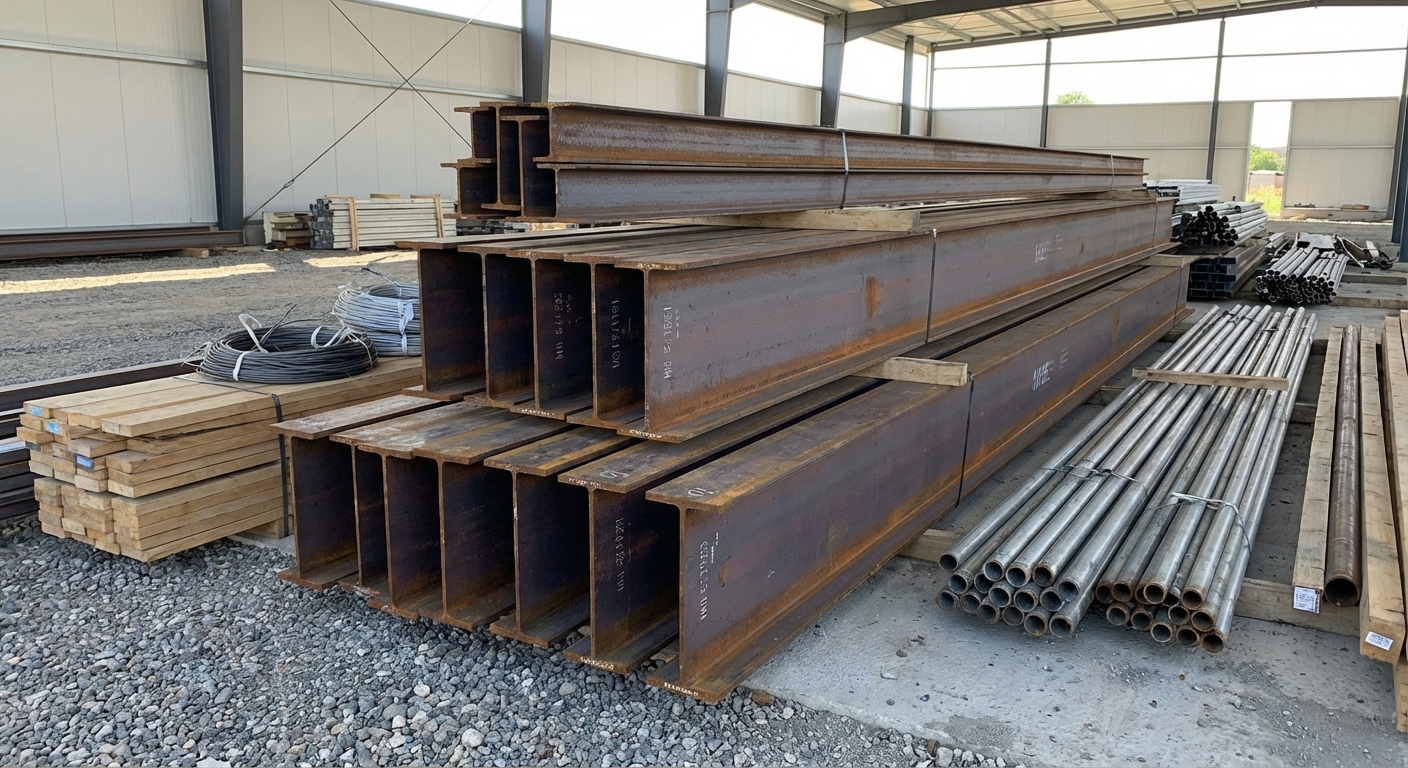
Steel is the most cost-effective material for a 30,000 sq ft facility due to its durability and speed of assembly.
Why choose steel structures?
Steel offers the best strength-to-weight ratio, allowing for clear-span designs that maximize your storage volume. When calculating the cost to build a warehouse, you will find that a prefabricated steel building significantly reduces on-site waste. This translates directly into lower material expenditures.
Are alternative materials viable?
While concrete or tilt-up walls provide excellent fire resistance, they often require higher labor costs and longer timelines. You should weigh the long-term maintenance savings against the higher upfront investment.
- Primary frame: High-strength H-section steel.
- Secondary frame: Purlins and girts for support.
- Cladding: Insulated panels for thermal efficiency.
Key Takeaway: Steel remains the gold standard for industrial buildings because it balances low cost with high structural integrity.
| Material Type | Cost per Sq Ft | Durability | |
|---|---|---|---|
| Structural Steel | 12−19 | Exceptional | |
| Concrete Tilt-up | 25−40 | High |
This comparison highlights why most modern developers prioritize steel to maintain a lean construction budget.
How does labor influence the cost to build a warehouse?
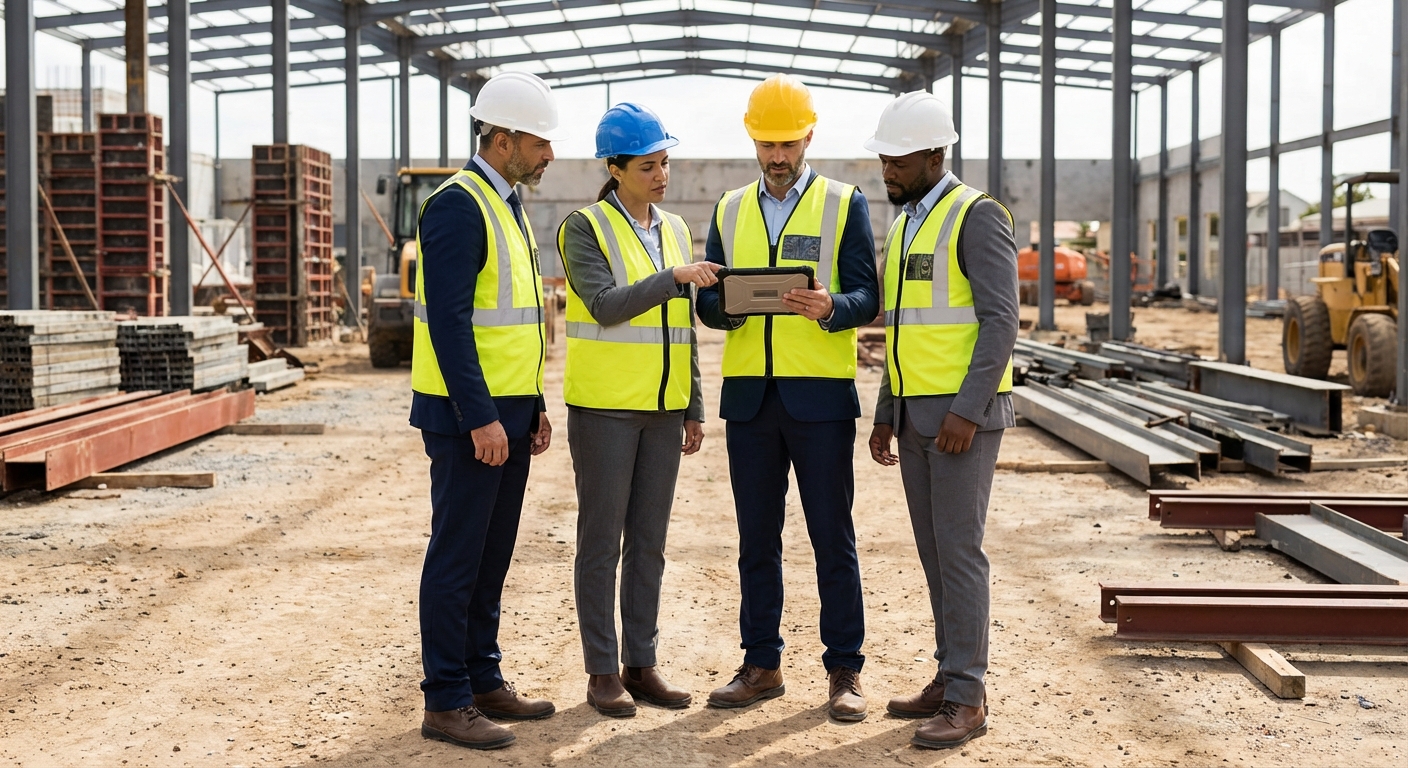
Labor typically accounts for 20% to 40% of the total cost to build a warehouse depending on local wage standards.
Do skilled crews save money?
Hiring experienced contractors might seem expensive upfront, but it prevents costly rework and project delays. You should look for crews that specialize in industrial steel erection. The result? Faster occupancy and a quicker return on your investment.
Does design complexity increase hours?
A complex layout with many interior offices or loading docks requires more man-hours to complete. You can lower the cost to build a warehouse by keeping the footprint a simple rectangle.
- Erection crews: Specialized in steel framing.
- Trade contractors: Electricians and plumbers.
- Project management: Oversight and coordination.
Key Takeaway: Efficient labor management through specialized contractors is the best way to keep your timeline and budget on track.
| Labor Component | Estimated Expense | Time Sensitivity | |
|---|---|---|---|
| Steel Erection | 150,000−300,000 | Critical | |
| General Contracting | 10% – 15% of total | High |
Skilled labor ensures that the structural integrity of your facility meets all international safety standards.
What permit fees affect the cost to build a warehouse?
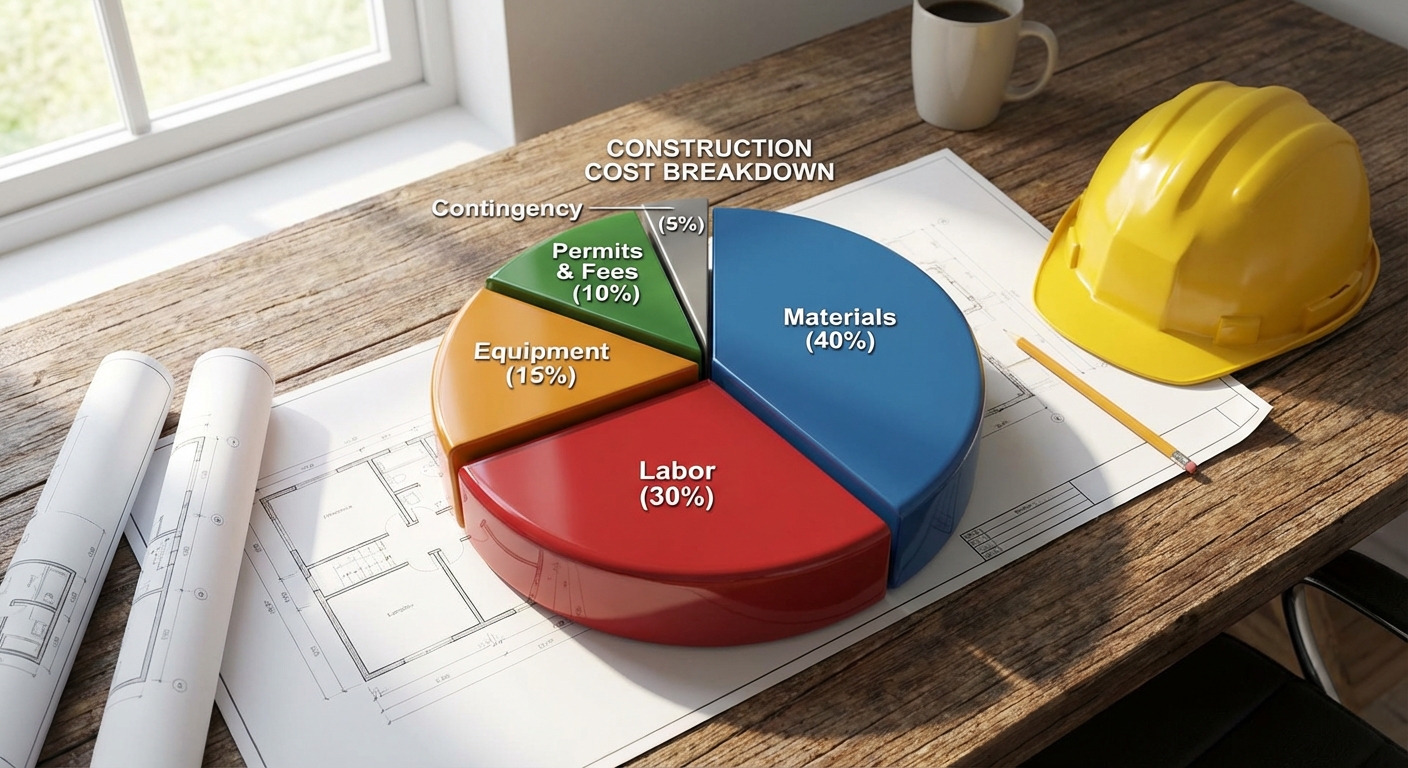
Permits and inspections can range from 5,000 to 50,000 depending on your municipality’s regulations.
Are zoning laws strict?
Zoning approvals ensure your facility complies with local land-use policies and environmental standards. When you factor in the cost to build a warehouse , don’t forget the impact of fire safety codes. These requirements often mandate expensive sprinkler systems or specific egress routes.
Is environmental testing required?
Some regions require detailed studies on water runoff and soil contamination before construction begins. You should check with your local planning department early in the process.
- Building permits: Legal right to construct.
- Fire inspections: Essential for safety compliance.
- Environmental fees: Management of local impact.
Key Takeaway: Early engagement with local officials helps identify potential permit hurdles before they become expensive delays.
| Fee Type | Average Cost Range | Necessity | |
|---|---|---|---|
| Building Permits | 5,000−25,000 | Mandatory | |
| Fire Marshal Review | 2,000−10,000 | Mandatory |
Navigating these regulatory costs is a non-negotiable step in establishing a legal and safe business operation.
Can specialized features increase the cost to build a warehouse?
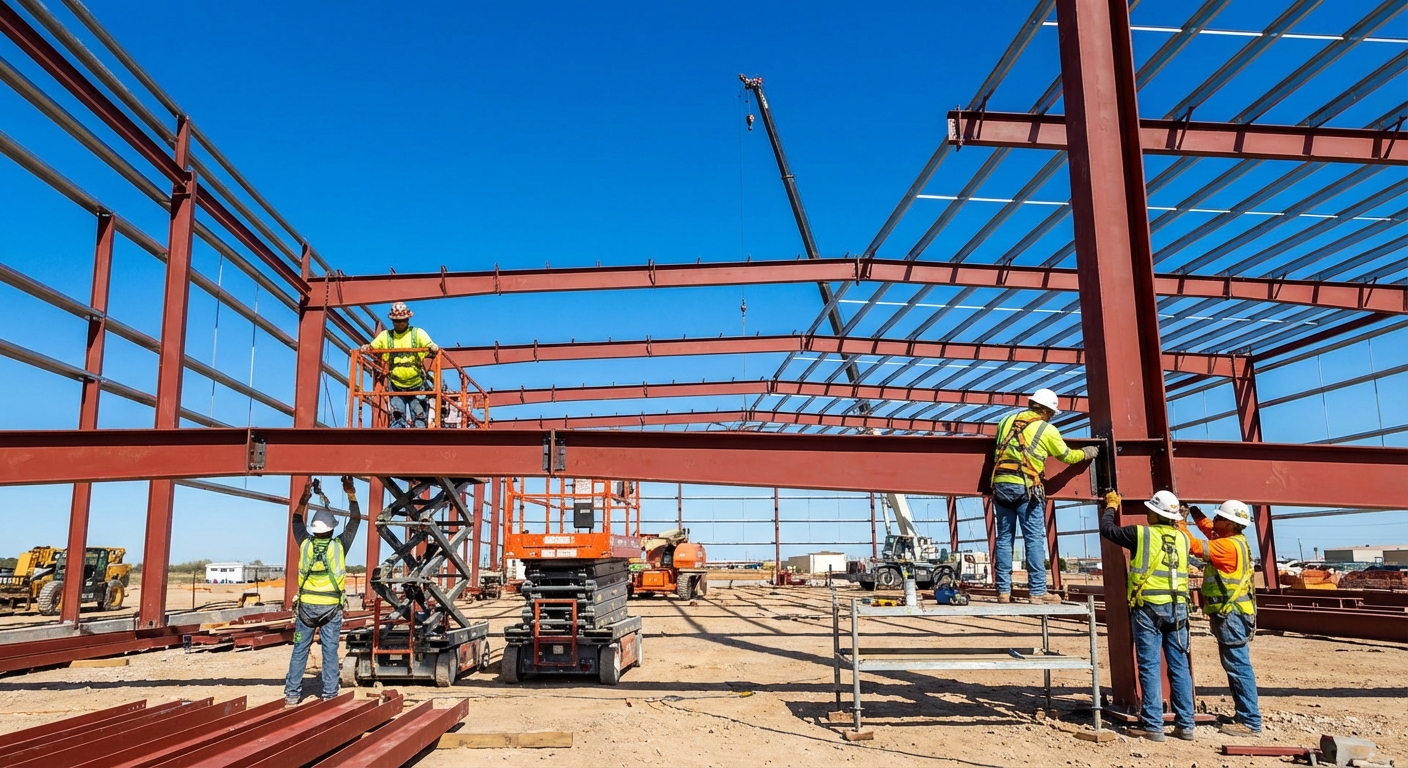
Yes, features like crane systems or heavy-duty floors can increase the cost to build a warehouse by 15% or more.
Do you need crane runways?
If your operation involves moving heavy machinery, you will need reinforced columns and integrated crane runways. You should consult with an engineer early to ensure the steel structure warehouse design can handle these dynamic loads. Think about it: adding these features later is much more expensive than including them in the initial build.
Are loading docks a major expense?
Standard docks include levelers, seals, and specialized doors that add several thousand dollars per opening. You must balance the number of docks with your expected daily freight volume.
- Dock levelers: For seamless loading operations.
- Reinforced floors: For heavy forklift traffic.
- HVAC systems: For climate-sensitive goods.
Key Takeaway: Customizing your warehouse for specific operational needs increases upfront costs but drastically improves long-term efficiency.
| Feature | Added Cost per Unit | Benefit | |
|---|---|---|---|
| Loading Dock | 5,000−15,000 | Logistics Speed | |
| Crane Bridge | 20,000−50,000 | Material Handling |
Specialized features transform a simple shell into a high-performance industrial asset tailored to your industry.
How does design complexity change the cost to build a warehouse?
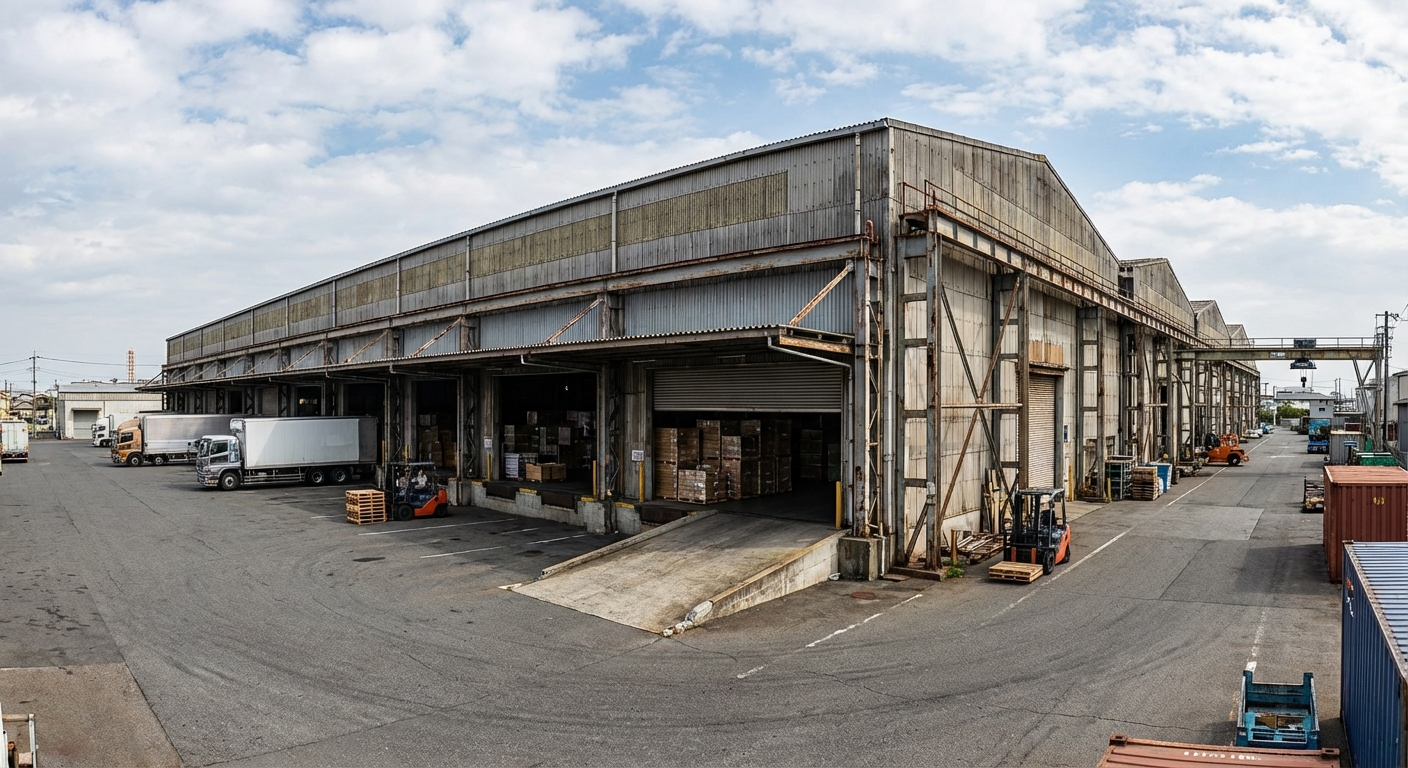
Moving away from a standard rectangular box adds significant engineering and material costs to your project.
Does height impact the price?
Higher ceilings increase the cost to build a warehouse because they require thicker columns and more cladding. However, you can store more inventory vertically, which often justifies the extra investment. The best part? Increasing height is usually cheaper than expanding the building’s footprint on expensive land.
Are mezzanines worth the investment?
Adding a mezzanine level provides extra office or storage space without increasing the building’s total footprint. You should consider this if you need administrative space tucked away from the main warehouse floor.
- Clear height: Impacts racking capacity.
- Roof pitch: Affects drainage and aesthetics.
- Interior partitions: For offices and breakrooms.
Key Takeaway: Simplifying your building’s geometry is the most effective way to reduce engineering fees and material waste.
| Design Element | Cost Impact | ROI Benefit | |
|---|---|---|---|
| High-Bay Ceilings | Moderate | Higher Storage Density | |
| Office Build-out | High | Operational Comfort |
Careful design choices allow you to maximize every square foot while keeping your construction budget under control.
Why do operating costs matter for the cost to build a warehouse?
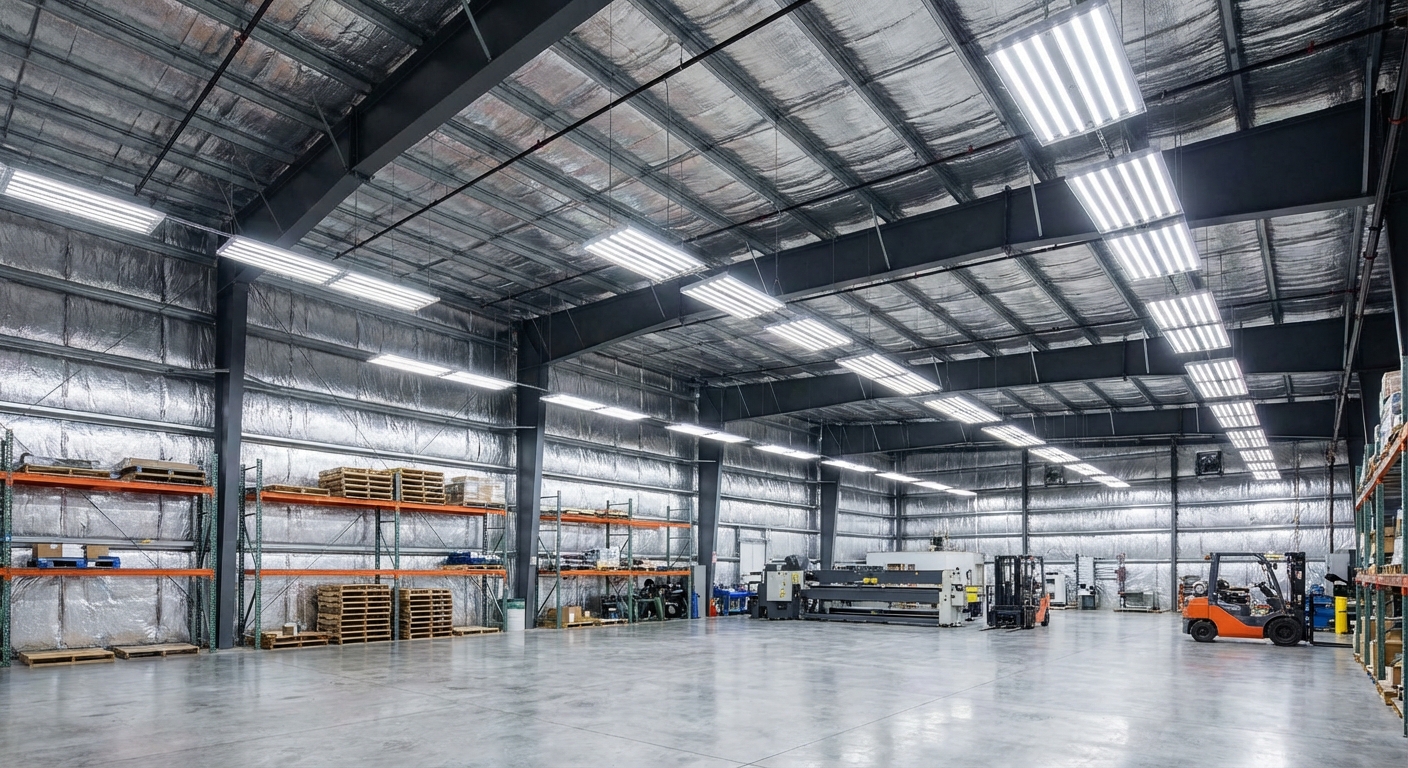
Energy-efficient buildings have a higher cost to build a warehouse initially but save you thousands in monthly utility bills.
Is insulation a smart investment?
High-quality insulation keeps your warehouse cooler in the summer and warmer in the winter with minimal HVAC use. You should look into sandwich panels which offer superior thermal resistance compared to standard metal sheets. Look: spending more today means keeping more profit tomorrow.
Does lighting affect the budget?
LED lighting systems and skylights can reduce your electricity consumption by up to 50%. You should prioritize natural light to create a better working environment for your team.
- Insulated panels: Reduce thermal transfer.
- LED lighting: Lowers power consumption.
- Ventilation: Maintains air quality.
Key Takeaway: Investing in sustainable materials significantly lowers the total cost of ownership over the building’s lifespan.
| Energy Feature | Initial Cost | Est. Annual Savings | |
|---|---|---|---|
| Thermal Insulation | 30,000−60,000 | 5,000−15,000 | |
| LED Systems | 10,000−20,000 | 3,000−8,000 |
Building green is no longer just about the environment; it is a critical strategy for long-term financial health.
What is the ROI relative to the cost to build a warehouse?
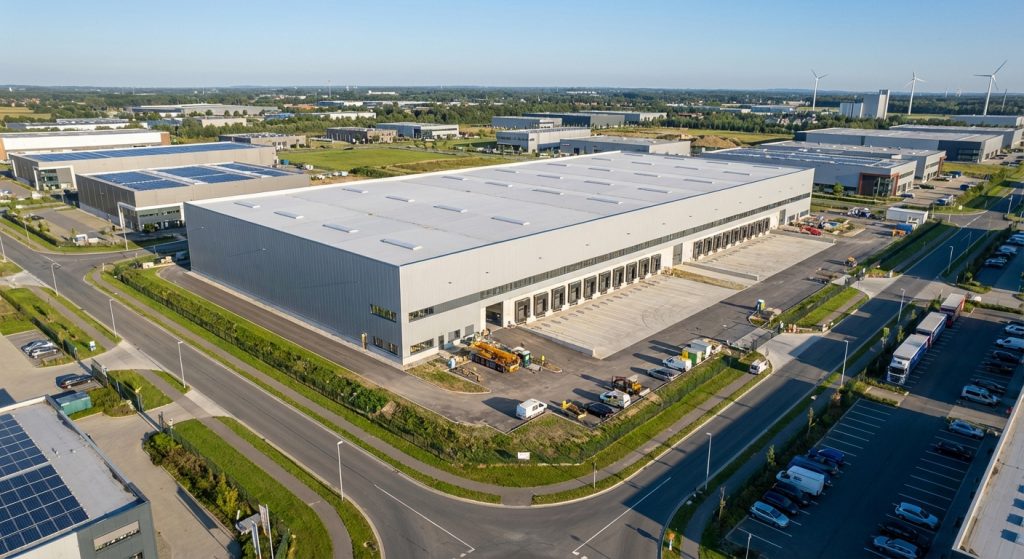
Owning your facility usually pays for itself within 5 to 10 years by eliminating rent and building equity.
Case Study: Philippines Logistics Success
A logistics provider in the Philippines recently transitioned from a rented space to a custom 30,000 sq ft steel building. Their initial cost to build a warehouse was 1.5million, which seemed daunting at first. However,they eliminateda 20,000 monthly rent check and gained 30% more storage efficiency through a custom layout. By the third year, they reported a 25% reduction in total operating overhead.
How does equity build wealth?
Instead of paying a landlord, you are building an asset that appreciates over time. You should view the cost to build a warehouse as a wealth-building tool rather than a simple expense.
- Rent elimination: Direct profit boost.
- Tax benefits: Depreciation and deductions.
- Operational control: No landlord restrictions.
Key Takeaway: Real estate ownership provides a stable foundation for business growth and long-term financial security.
| Financial Metric | Rented Space | Owned Facility | |
|---|---|---|---|
| Monthly Cost | High (Rent) | Low (Maintenance) | |
| Asset Value | Zero | Growing Equity |
The data confirms that building your own facility is the most profitable path for established industrial businesses.
What common questions arise about the cost to build a warehouse?
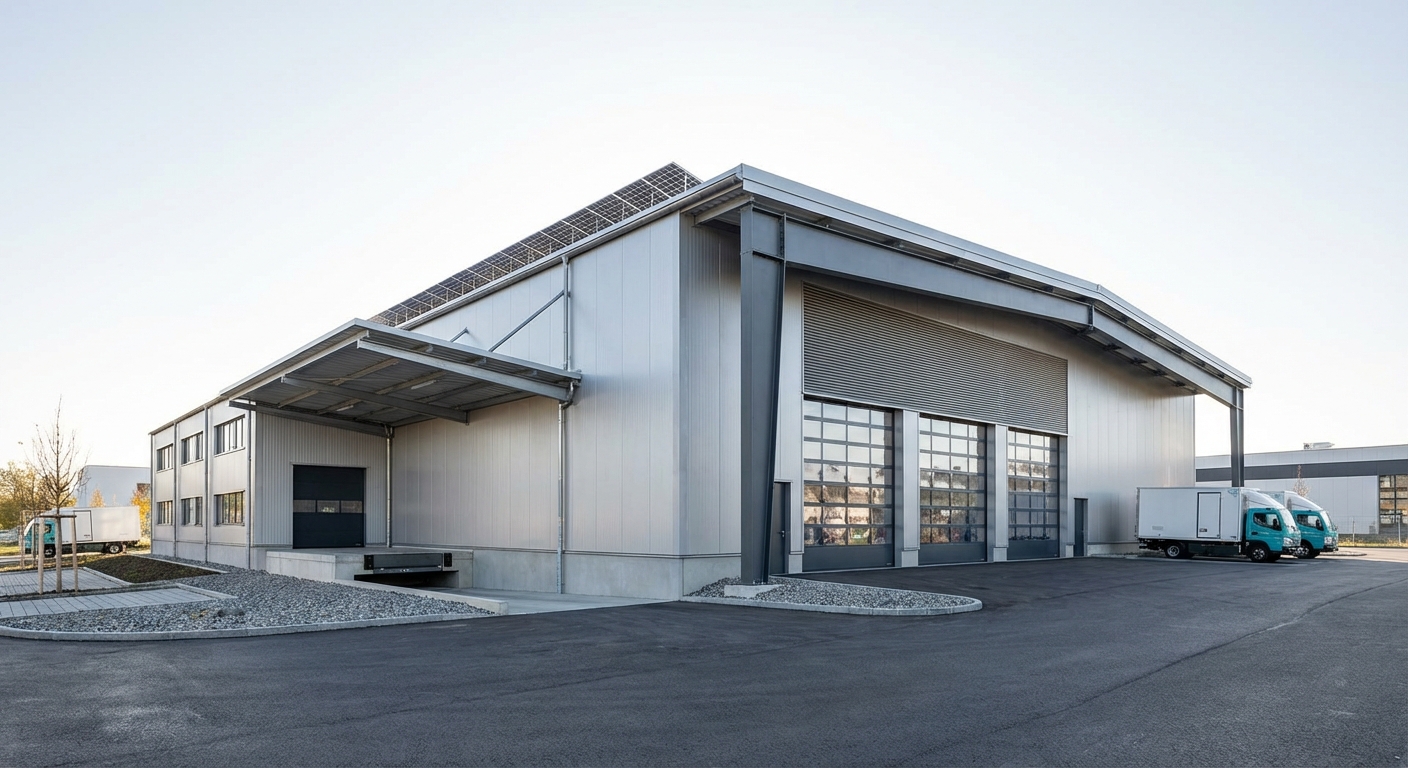
Most developers have specific concerns regarding speed, quality, and the hidden traps of construction.
Can I build in phases to save money?
Yes, but you will pay more in the long run due to mobilization fees and structural modifications. Starting with a 15,000 sq ft unit designed for expansion is a smarter way to manage the initial cost to build a warehouse .
What’s the best way to get an accurate quote?
You should provide detailed site info and clear span requirements to your manufacturer. At Showhoo Building, we provide factory-direct pricing to ensure your budget stays intact.
- How long does construction take? Usually 4 to 6 months for steel.
- Does steel rust? Not with modern galvanized or painted coatings.
- Is insurance expensive? Steel buildings often get lower rates than wood.
- Can I customize the color? Yes, a wide range of cladding colors is available.
- Is it eco-friendly? Steel is nearly 100% recyclable at the end of its life.
Key Takeaway: Professional guidance from the design phase ensures that your project stays on schedule and within budget.
Partner With Showhoo for Your Next Project
Calculating the cost to build a warehouse is the first step toward securing your company’s operational future. By choosing factory-direct steel solutions, you eliminate the middleman and ensure that every dollar spent contributes directly to structural quality. We have helped over 1,000 clients in 50 countries solve their storage problems by delivering high-performance, cost-effective buildings.
At Showhoo Building, our vision is to lead the global supply of high-quality steel structures through engineered excellence. Whether you are facing rising rents, lack of space, or inefficient layouts, we provide the integrated system you need to succeed. Contact us today to receive your free quote and start building the future of your business.
Frequently Asked Questions
Can I build a warehouse on a sloped lot?Yes. However, it will require more extensive grading and foundation work, increasing your site preparation budget.
What’s the best material for a fire-safe warehouse?Steel with specialized fire-retardant coatings is an excellent choice. It provides the strength of metal with the safety required by local codes.
Can I move my steel warehouse later?Possibly. Prefabricated bolted structures can technically be disassembled and relocated, though the foundation and utility costs would be new.
What’s the shortest timeline for a 30,000 sq ft build?With a prefabricated system, the shell can often be erected in as little as 4 to 8 weeks after the foundation is poured.
How do I lower my insurance premiums?Installing modern sprinkler systems and choosing non-combustible steel framing are the two best ways to reduce your rates.