
Building a warehouse requires a strategic sequence of site preparation, steel frame erection, and utility integration to ensure a durable and efficient logistics environment. You might find yourself in a situation where your current storage capacity is bursting at the seams, leading to inventory bottlenecks and operational chaos. This mounting pressure often causes businesses to rush into construction without a roadmap, resulting in massive budget overruns and structural flaws that haunt the facility for decades. By following a professional project planning guide, you can transform the daunting task of building a warehouse into a streamlined investment that powers your company’s growth.
How do you start the process of building a warehouse?
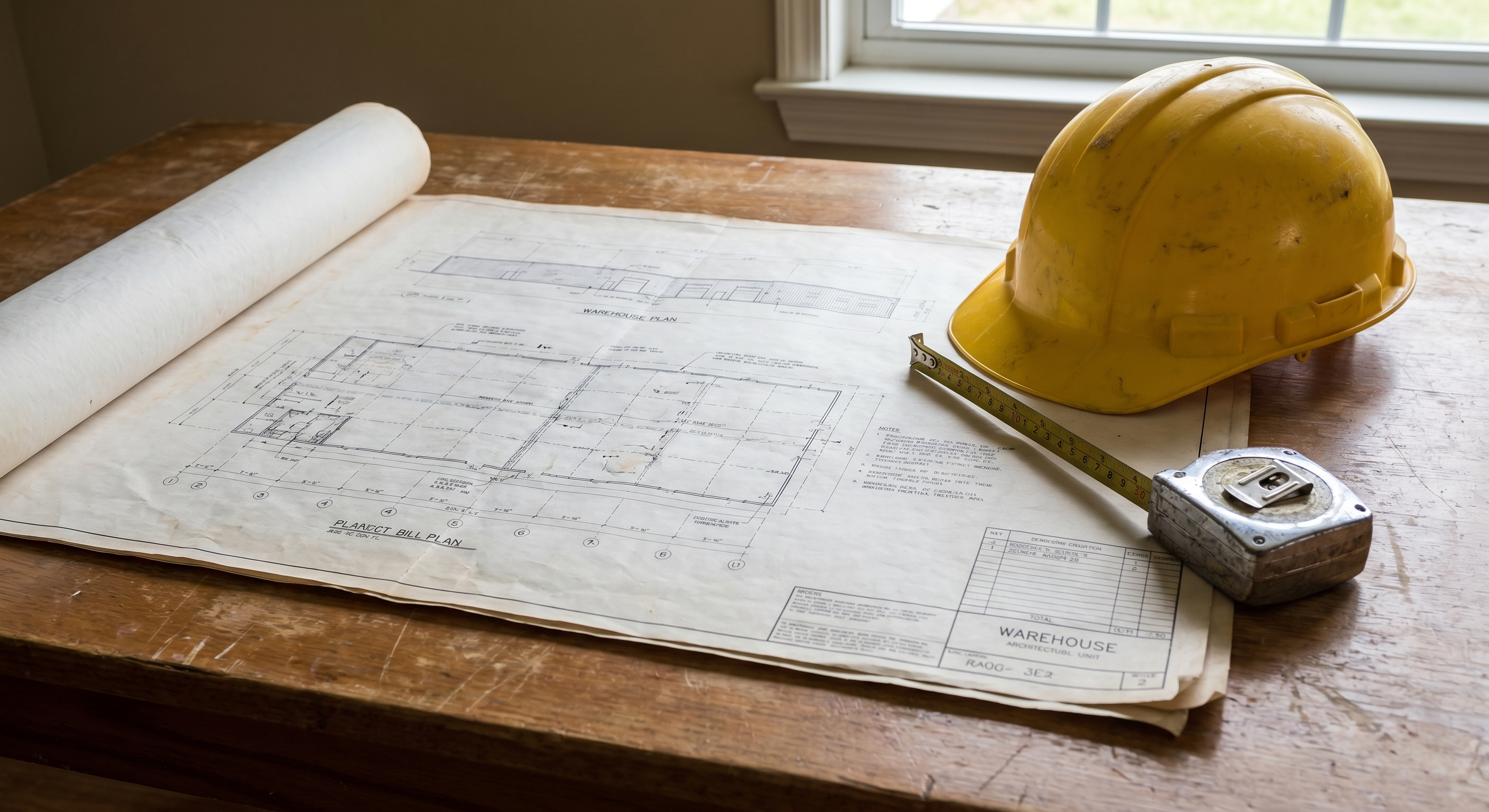
You start by defining your facility’s operational requirements, including its primary function, required square footage, and necessary ceiling heights. Initial planning for building a warehouse involves translating business needs into technical blueprints that account for logistics flow.
Can you define your spatial requirements?
The truth is, many owners underestimate the vertical space needed for modern racking systems. You must decide if your facility will serve as a simple storage unit or a complex steel structure workshop with integrated manufacturing lines.
- Evaluate peak inventory volume levels.
- Determine the maximum height of your forklifts.
- Plan for future expansion possibilities.
How do you choose the right location?
Let’s be honest: location is the most critical factor for long-term logistics costs. You need to verify that the soil can support the heavy loads of a large industrial build.
- Check proximity to major highway interchanges.
- Review local zoning laws and setbacks.
- Confirm availability of industrial-grade utilities.
Key Takeaway: Successful initial planning ensures that the physical dimensions of the building align perfectly with your long-term business strategy and operational workflows.
| Phase | Core Objective | Primary Stakeholder | |
|---|---|---|---|
| Requirements | Define capacity and usage | Business Owner | |
| Site Selection | Infrastructure and zoning | Logistics Manager | |
| Blueprinting | Technical specifications | Lead Architect |
Precise early-stage blueprints act as the foundation for every financial and physical decision made throughout the life of the project.
What are the costs involved in building a warehouse?
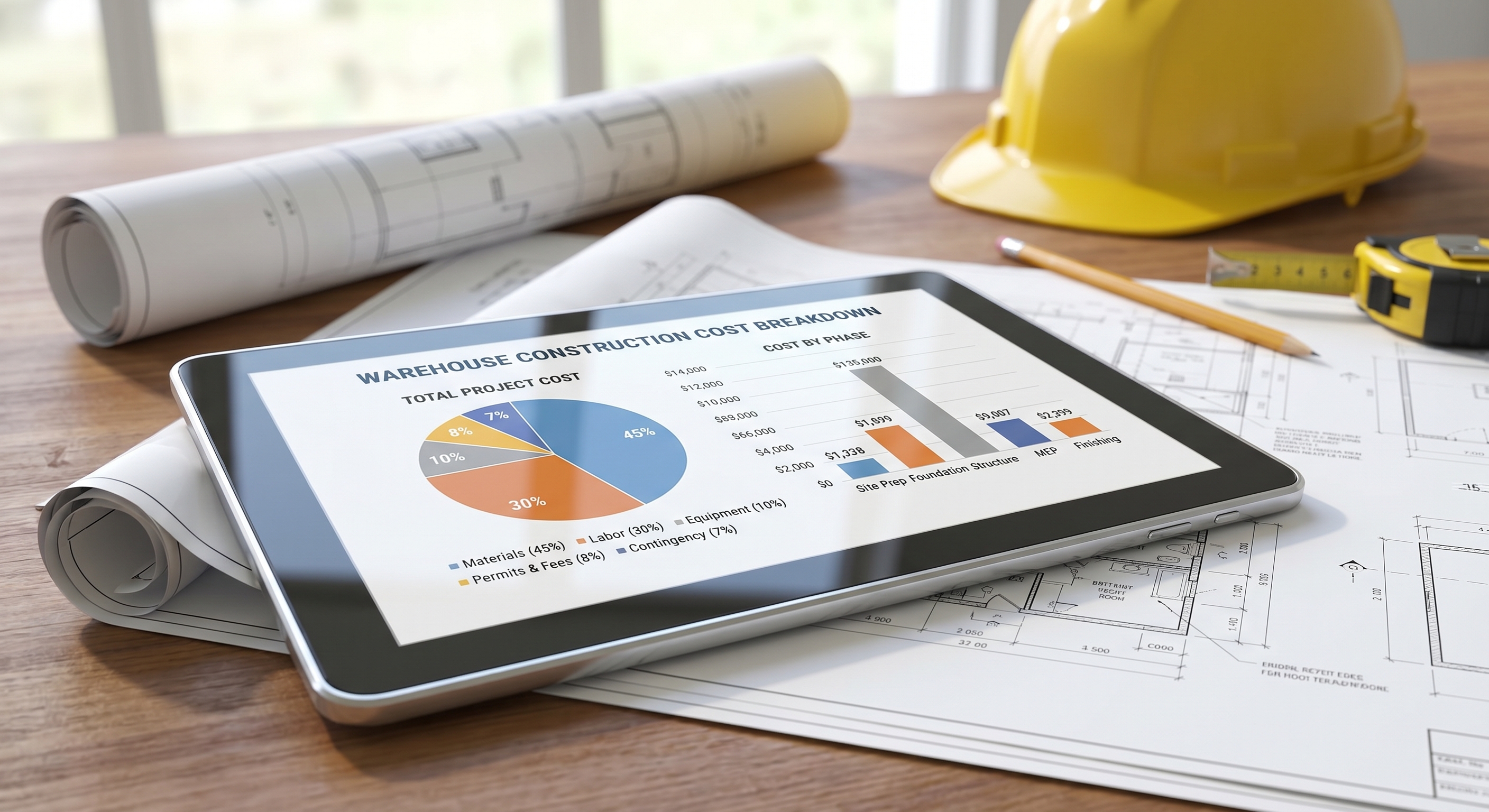
Typical warehouse construction costs range from 20 to 40 per square foot, though these figures vary significantly based on material quality and geographical location. Accurate budgeting for building a warehouse requires a comprehensive breakdown of hard costs like steel and concrete alongside soft costs like permits and design fees.
How do materials influence the budget?
Here is why material selection matters so much: pre-engineered metal buildings often provide the most cost-effective path for large spans. You can find more detail on how to estimate large steel warehouse cost to keep your project within a realistic financial window.
- Structural steel prices fluctuate with global markets.
- Concrete thickness determines the facility’s floor load capacity.
- Insulation types impact long-term energy expenditures.
What are the hidden construction expenses?
But wait, there’s more than just the shell of the building to pay for during the process. Site preparation and utility hookups often represent a larger percentage of the budget than many first-time builders expect.
- Building permits and environmental impact studies.
- Fire suppression system and HVAC installation.
- Electrical grid upgrades for heavy machinery.
Key Takeaway: Maintaining a contingency fund of 10-20% is essential to protect your investment from unpredictable market fluctuations and site-specific challenges.
| Cost Category | Average % of Budget | Impact Factor | |
|---|---|---|---|
| Shell Materials | 45% | Steel market prices | |
| Site Preparation | 15% | Soil condition | |
| Labor & Equipment | 30% | Regional trade rates | |
| Permits & Fees | 10% | Local government |
Financial success in industrial construction relies on granular visibility into every material and labor line item before the first spade hits the dirt.
How do you schedule building a warehouse project?
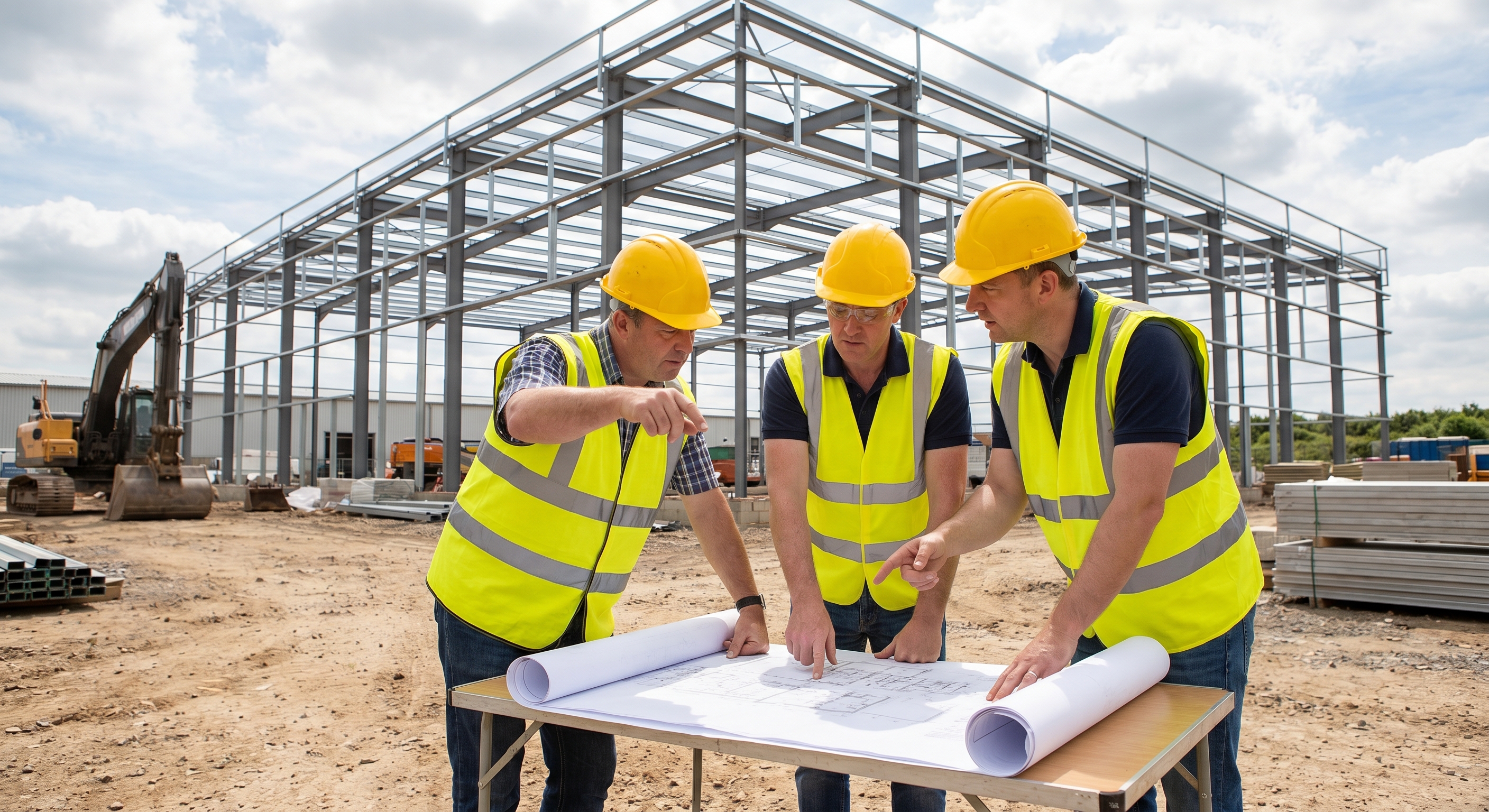
You manage the timeline by establishing critical path milestones that track the project from site clearing through to the final inspections. Orchestrating the various trades involved in building a warehouse requires constant communication and a realistic understanding of lead times for materials.
Can you coordinate multiple contractors?
Think about it: a delay in the concrete pour can push back the steel delivery by weeks. You need a project manager who can juggle the schedules of excavators, steel erectors, and electricians simultaneously.
- Set weekly progress meetings with all stakeholders.
- Use digital project management tools for tracking.
- Establish clear penalties for unexcused delays.
How do lead times affect the schedule?
The good news is that pre-fabricated components can often be manufactured while the site is still being graded. However, you must order specialized equipment like custom loading docks months in advance.
- Track international shipping timelines for steel.
- Confirm availability of local skilled labor crews.
- Monitor weather patterns for concrete pouring windows.
Key Takeaway: A disciplined schedule prevents the compounding delays that often turn minor setbacks into months of lost revenue and operational downtime.
| Milestone | Typical Duration | Priority Level | |
|---|---|---|---|
| Pre-Construction | 2 – 4 Months | High | |
| Foundation & Slab | 1 – 2 Months | Critical | |
| Structural Erection | 2 – 3 Months | High | |
| Finishing & MEP | 2 – 4 Months | Medium |
Time is the most expensive variable in construction, making rigid adherence to a milestone-based schedule a non-negotiable requirement for project health.
What materials are used for building a warehouse?
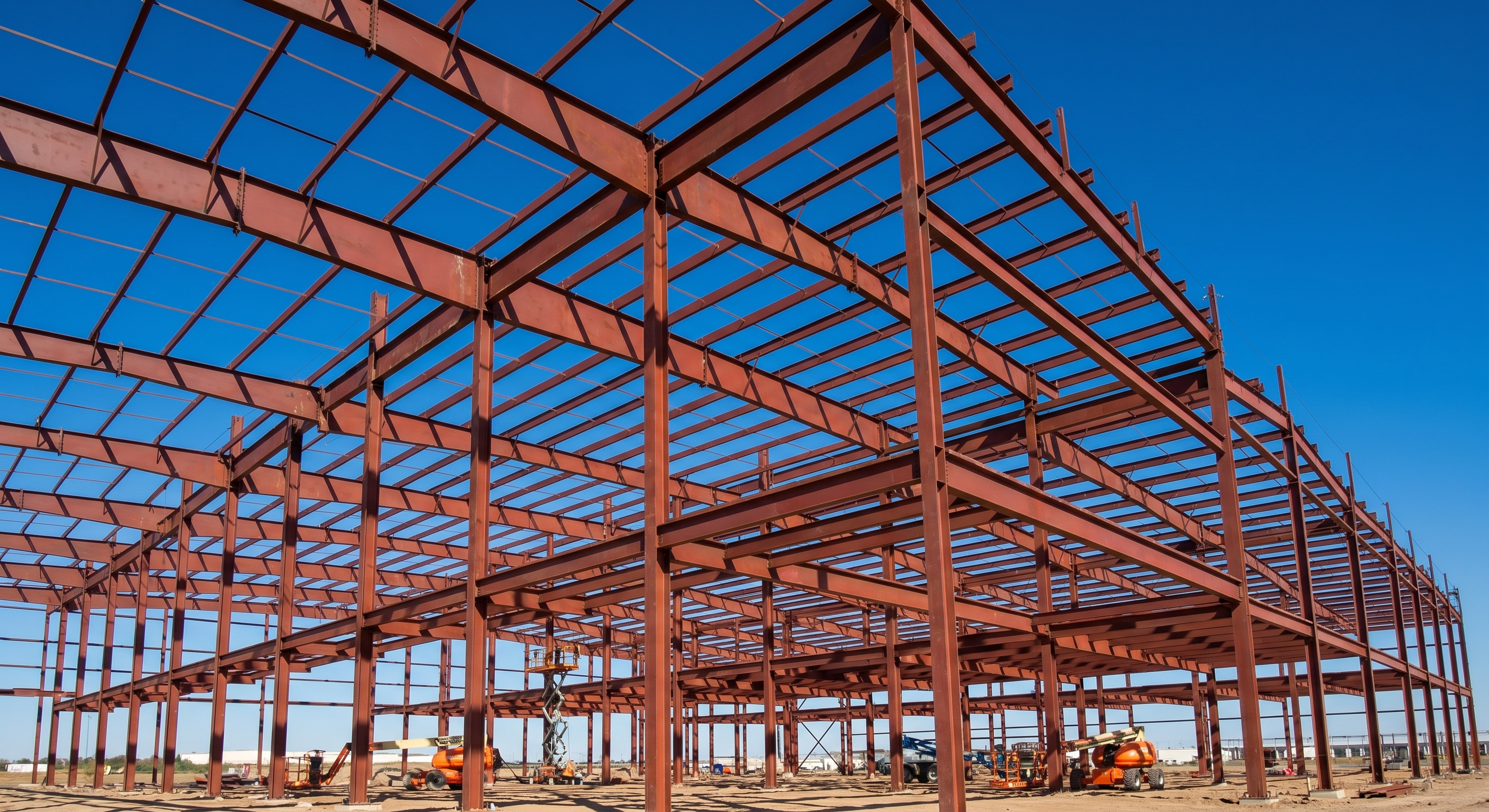
Modern industrial facilities primarily utilize structural steel frames and reinforced concrete for their superior strength, durability, and fire resistance. The material selection phase for building a warehouse determines the facility’s lifespan and its ability to withstand environmental stressors like wind and heavy snow.
Why is steel the preferred frame material?
Look, steel provides the clear-span capabilities necessary for modern logistics without the need for intrusive interior columns. This flexibility is why most commercial developers choose a steel structure warehouse for their logistics hubs.
- High strength-to-weight ratio reduces foundation stress.
- Pre-fabricated pieces ensure high precision during assembly.
- Recyclable materials contribute to corporate green initiatives.
What options exist for wall cladding?
It gets better: you can choose between various cladding options to balance insulation needs with aesthetic requirements. Sandwich panels are increasingly popular for temperature-controlled storage environments.
- Single-skin metal sheets for basic dry storage.
- Insulated sandwich panels for cold storage needs.
- Concrete tilt-up walls for maximum security.
Key Takeaway: Choosing high-grade, pre-engineered materials reduces on-site labor and ensures the building meets modern energy efficiency and safety standards.
| Material | Primary Benefit | Typical Application | |
|---|---|---|---|
| H-Beam Steel | Structural integrity | Main frame and rafters | |
| C/Z Purlins | Secondary support | Roof and wall framing | |
| Concrete | Compression strength | Flooring and foundations |
The structural longevity of your warehouse is directly proportional to the quality of the raw materials selected during the design phase.
How is the ground prepared for building a warehouse?
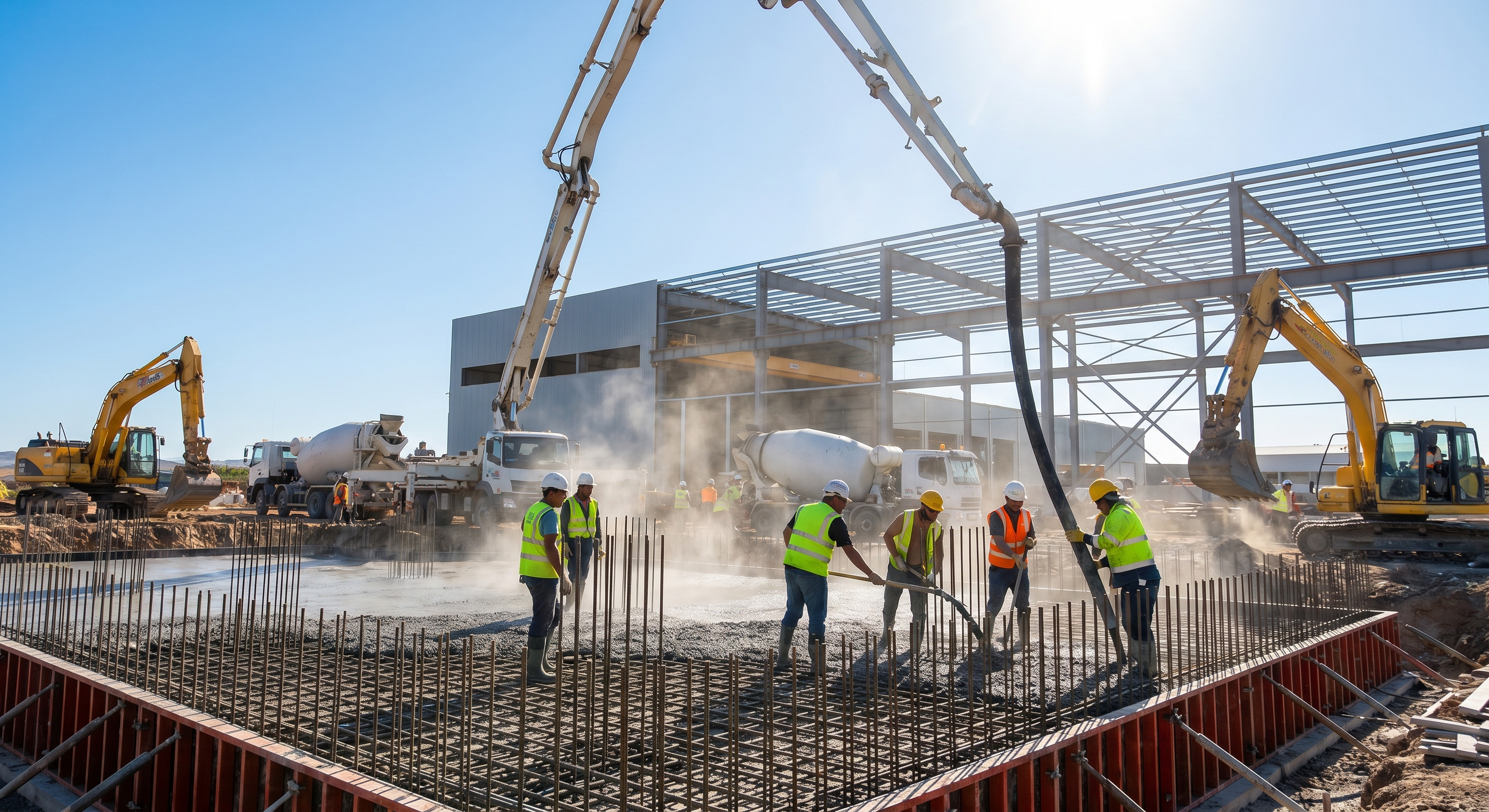
Site preparation involves clearing vegetation, grading the soil for proper drainage, and pouring a reinforced concrete foundation designed for heavy loads. Proper ground engineering for building a warehouse ensures that the massive weight of the structure and its inventory does not lead to structural settling or cracks.
How do you ensure a level foundation?
The bottom line is that even a slight tilt in the slab can cause racking systems to become unstable. You must utilize laser-leveling technology during the pour to achieve the “super-flat” floor specs required for high-reach forklifts.
- Conduct professional soil compaction testing.
- Install moisture barriers to protect inventory.
- Use high-strength rebar reinforcement grids.
What drainage solutions are required?
Let’s be honest: water is the enemy of industrial foundations. You must design a system that directs runoff away from the building to prevent erosion and basement flooding.
- Install perimeter French drains and culverts.
- Design the parking lot with a slight outward slope.
- Integrate detention ponds for large-scale facilities.
Key Takeaway: Investing heavily in site preparation and a high-quality foundation prevents the catastrophic structural failures that can occur years after completion.
| Preparation Step | Technical Goal | Measurement | |
|---|---|---|---|
| Soil Compaction | Stability and density | Proctor test % | |
| Slab Pouring | Level surface | F-number rating | |
| Trenching | Utility access | Depth and grade |
A warehouse is only as strong as the ground it stands on, making geotechnical engineering a vital component of the construction process.
What machinery is needed for building a warehouse?
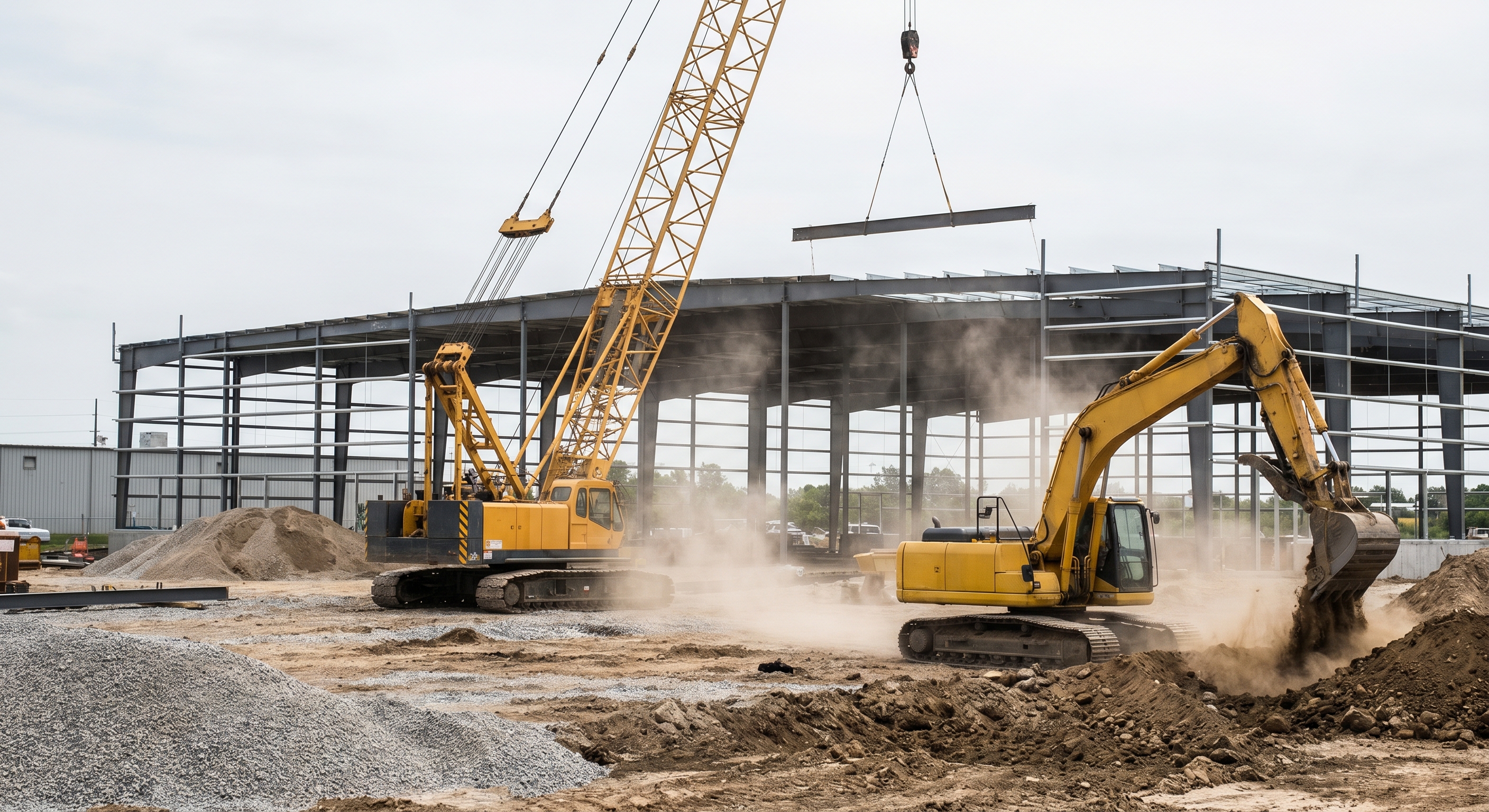
Large-scale construction requires specialized equipment including excavators for earthmoving, cranes for steel erection, and scissor lifts for high-altitude finishing work. Safely building a warehouse relies on using the right machinery for each specific task to maintain both speed and site safety.
How are steel beams lifted into place?
Look, you cannot erect a 50-foot tall steel frame without the precision of a mobile or tower crane. These machines allow for the exact placement of heavy rafters that form the backbone of the roof.
- Cranes handle the primary structural lifts.
- Telehandlers move pallets of material across the site.
- Boom lifts provide access for bolting connections.
What equipment handles the site grading?
Think about it: moving thousands of tons of earth manually is impossible. You need heavy-duty dozers and excavators to prepare the pad before the first concrete truck arrives.
- Excavators dig foundation footings and trenches.
- Rollers compact the soil to prevent future settling.
- Concrete pumps deliver the slab material efficiently.
Key Takeaway: Utilizing modern, well-maintained heavy machinery is the only way to meet tight construction deadlines while ensuring worker safety on-site.
| Machine Type | Primary Function | Operational Phase | |
|---|---|---|---|
| Crane | Steel frame assembly | Structural Erection | |
| Excavator | Earthmoving and digging | Site Preparation | |
| Scissor Lift | Electrical and HVAC | Interior Finishing |
Efficiency on an industrial job site is dictated by the coordination and uptime of the heavy equipment fleet deployed by your contractors.
How is the roof installed when building a warehouse?
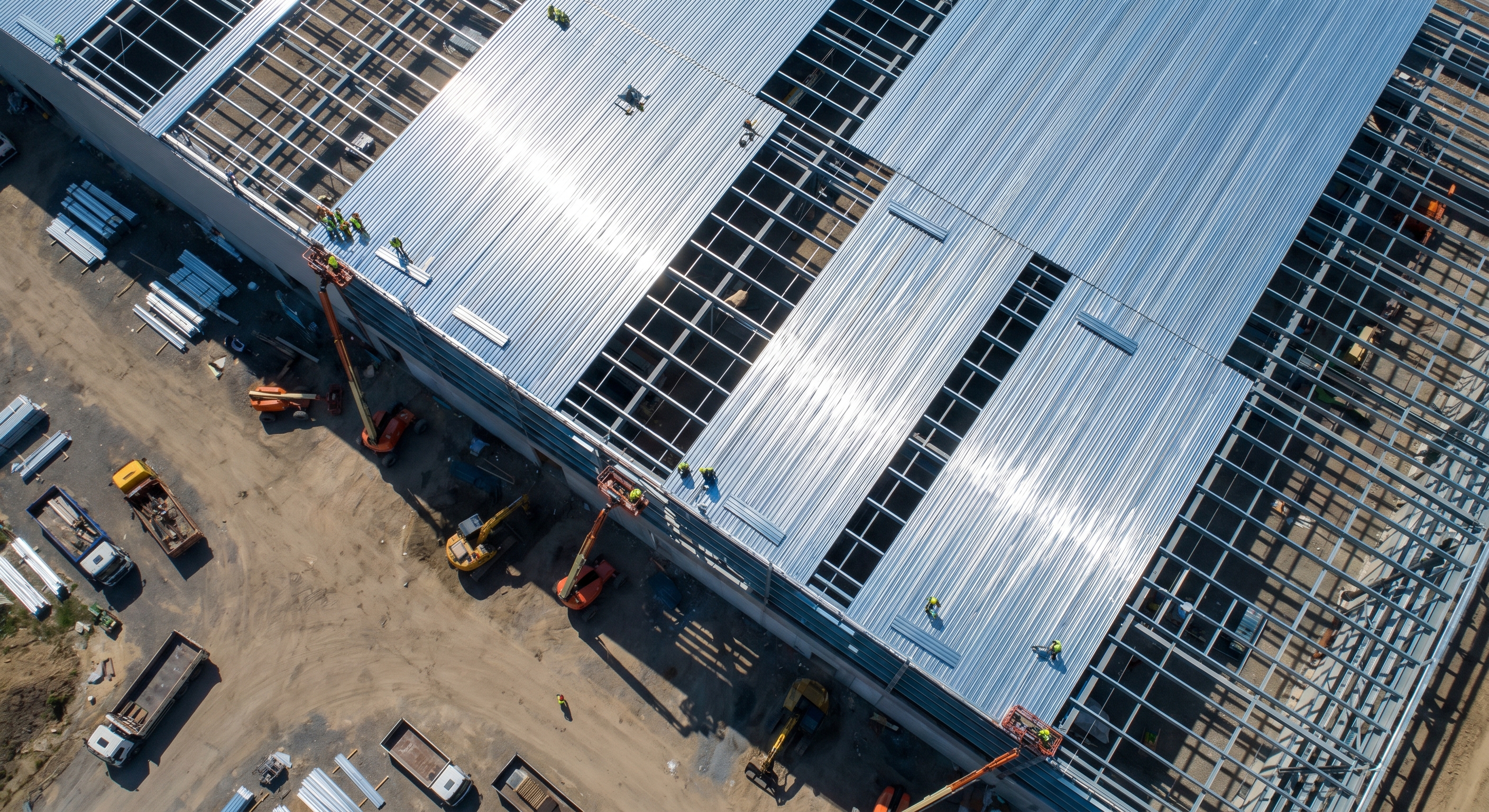
Roofing installation begins once the structural purlins are secured, involving the laying of metal panels or membrane systems to seal the building. During the process of building a warehouse , the roof represents the primary shield against weather, making its installation a critical milestone for moving interior work forward.
What are the best industrial roofing systems?
The truth is, standing seam metal roofs are the gold standard for industrial builds because they eliminate fastener holes that lead to leaks. You might also consider TPO membranes if your facility requires a “cool roof” to reduce cooling costs.
- Standing seam panels offer maximum leak protection.
- Skylights can be integrated to reduce lighting bills.
- Roof insulation is vital for climate-controlled zones.
How do you handle roof drainage and snow?
Best of all, a well-designed pitch ensures that rain and snow do not accumulate and compromise the structural integrity of the rafters. You need to calculate the maximum local snow load to ensure the steel can handle the weight.
- Install heavy-duty gutters and downspouts.
- Use heat traces in climates prone to ice dams.
- Design for internal drains in very large facilities.
Key Takeaway: A high-performance roof not only protects your inventory but also plays a massive role in the overall energy efficiency of the industrial space.
| Component | Function | Material Choice | |
|---|---|---|---|
| Purlins | Support for roof panels | Galvanized steel | |
| Insulation | Thermal regulation | Fiberglass or foam | |
| Outer Skin | Weatherproofing | Steel or TPO |
Securing the building’s envelope allows interior trades to begin their work regardless of the weather conditions outside the construction site.
What interior design fits when building a warehouse?
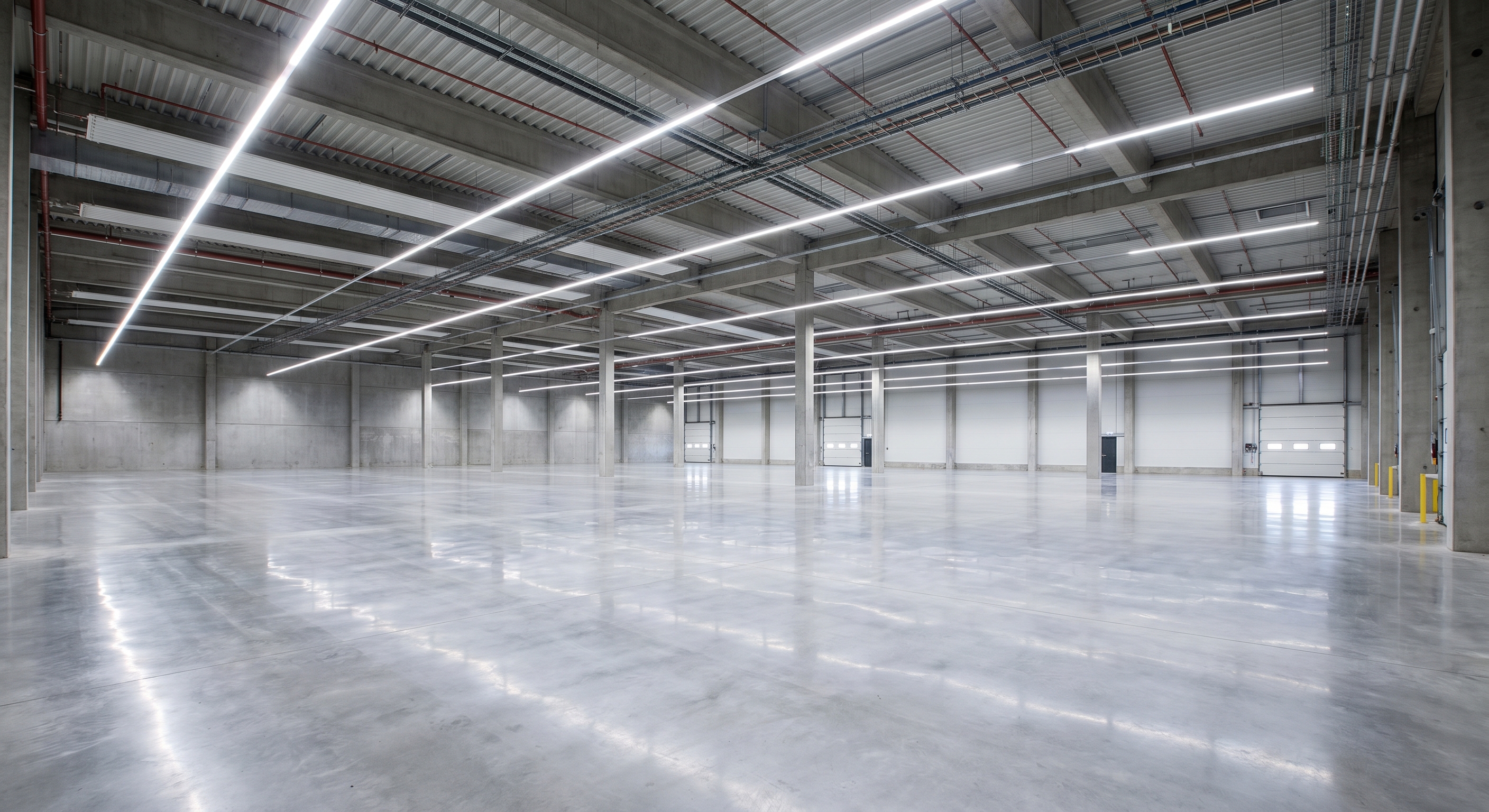
The interior layout should focus on maximizing vertical storage and creating logical traffic lanes for material handling equipment. Efficient interior planning for building a warehouse ensures that every square foot contributes to operational throughput rather than becoming wasted space.
How do you plan for racking systems?
Let’s be honest: the racking layout should be designed before the building is even constructed. You need to ensure that the spacing of the structural columns does not interfere with your optimal aisle widths.
- Determine the pallet turnover rate.
- Select between selective, drive-in, or push-back racks.
- Account for the turning radius of your forklifts.
What utilities are essential for operations?
It gets better: modern facilities require robust data infrastructure to support real-time inventory tracking and automated systems. You must also plan for high-efficiency LED lighting that provides 24/7 visibility without draining the budget.
- Install high-speed Wi-Fi access points throughout.
- Ensure the electrical panel can handle charging stations.
- Design ergonomic packing and shipping stations.
Key Takeaway: A thoughtfully designed interior layout reduces travel time for warehouse staff, directly increasing the number of orders processed per day.
| Feature | Operational Goal | Specification | |
|---|---|---|---|
| Aisle Width | Forklift maneuverability | 10 – 12 feet | |
| Lighting | Safety and accuracy | 30 – 50 foot-candles | |
| Clear Height | Vertical density | 24 – 40 feet |
The internal configuration of your facility is the engine of your logistics operations, demanding a design that prioritizes speed and safety.
What exterior choices define building a warehouse?
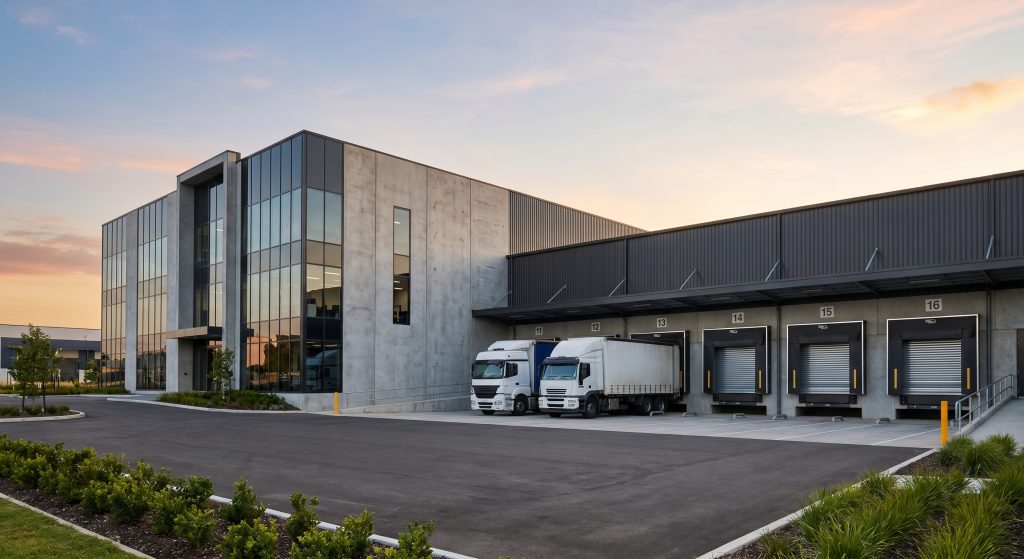
The exterior design includes high-traffic loading docks, secure employee parking, and durable wall cladding that reflects your company’s professional brand. When building a warehouse , the exterior must be as functional as it is durable, providing easy access for 53-foot trailers.
How do you design loading docks?
Look, the loading dock is the gateway to your business and requires enough space for trucks to maneuver safely. You should consider installing a steel structure showroom if your warehouse will also serve as a customer-facing retail point.
- Install dock levelers to accommodate various truck heights.
- Use weather seals to keep the interior climate stable.
- Ensure the “apron” space is large enough for staging.
What security measures are necessary?
Think about it: your warehouse contains millions of dollars in inventory that must be protected. The exterior should feature perimeter fencing, high-definition cameras, and bright LED floodlights.
- Install gated access with keycard entry.
- Use bollards to protect walls from truck impacts.
- Design a secure area for after-hours drop-offs.
Key Takeaway: A professional exterior not only improves operational flow for transport partners but also enhances the long-term resale value of the industrial property.
| Exterior Element | Functional Purpose | Safety Feature | |
|---|---|---|---|
| Loading Docks | Cargo transition | Dock locks and seals | |
| Parking Lot | Staff and visitor access | Clear signage and paint | |
| Cladding | Protection and branding | Fire-rated materials |
Curb appeal in the industrial sector is measured by the efficiency and safety of the transition between the logistics network and the warehouse floor.
What determines success when building a warehouse?
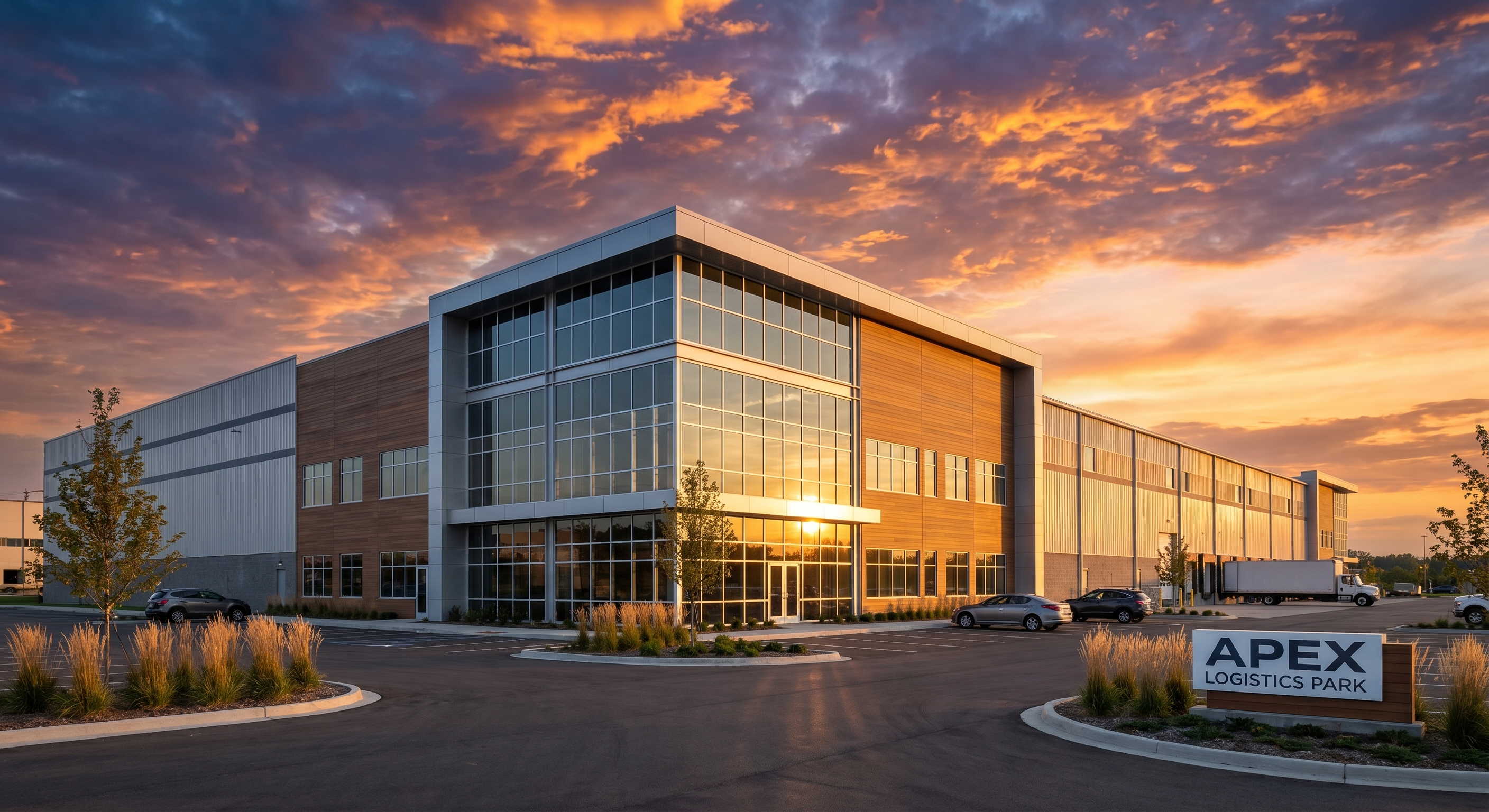
Success is measured by the facility’s ability to meet its operational goals on time and within the projected financial framework. Building a warehouse is a long-term commitment, and the true test of a successful build is how well it adapts to the changing needs of the business over the next 50 years.
How do you ensure long-term durability?
The bottom line is that cutting corners on the frame or foundation will lead to massive maintenance costs later. Utilizing high-quality steel structures ensures that your facility remains a valuable asset for decades.
- Select corrosion-resistant coatings for the steel.
- Choose a building style that allows for future expansion.
- Schedule regular preventative maintenance inspections.
What makes a warehouse truly efficient?
Here is why some warehouses outperform others: they are built with the end-user in mind. From the height of the chicken house or pig shed in agribusiness to the logistics flow of a global distribution center, customization is king.
- Design for the specific inventory type you handle.
- Integrate technology from the ground up.
- Prioritize employee safety and comfort.
Key Takeaway: A successful warehouse project results in a high-performing asset that reduces operational costs while providing a safe environment for your team.
| Success Metric | Target Outcome | Measurement Tool | |
|---|---|---|---|
| Budget Adherence | < 10% Variance | Final Audit | |
| Build Speed | On-time delivery | Project Schedule | |
| Facility ROI | Operational savings | Annual P&L |
The ultimate goal of construction is to create a space where your business can thrive, innovate, and expand without physical limitations.
Conclusion
We understand that constructing a new industrial facility is a monumental undertaking fraught with financial and technical risks. Throughout this guide, we have addressed the critical pain points of budgeting, scheduling, and material selection to provide you with a clear path forward. Our mission is to provide the high-quality steel structures and engineering expertise required to turn your vision into a reality. Whether you are ready to break ground or are just starting your research, we invite you to contact us today to discuss your project requirements with our expert team. Let’s build a future where your infrastructure is your greatest competitive advantage.
| sales@showhoo.com.cn | |
| Phone/WhatsApp | +86 186 7895 5927 |
Frequently Asked Questions
Can I build a warehouse on any industrial lot?Not necessarily, because you must first confirm that the local zoning permits the specific type of activity you plan to conduct. Always perform a due diligence check on easements and environmental restrictions before purchasing the land.
What’s the best material for a cost-effective build?Pre-engineered steel is objectively the best choice for B2B applications because it offers the fastest assembly times and the lowest cost per square foot. It provides the durability of concrete with far more flexibility for future modifications.
How do I know if my warehouse needs climate control?Your inventory requirements determine this necessity, especially if you are storing perishables, electronics, or pharmaceuticals. Climate control significantly increases initial construction costs and ongoing energy bills, so only implement it if the products demand a stable environment.
Can I expand my warehouse later?Yes, provided that you design the initial structure with “expandable” end-walls and ensure the site plan leaves enough room for additional bays. Planning for growth during the initial build is much cheaper than retrofitting a land-locked facility.
How long should I expect the construction to take?Most mid-sized industrial warehouses take between 6 and 12 months to move from site preparation to final occupancy. The timeline depends heavily on the complexity of the interior systems and the speed of local permitting offices.