
Successfully building a metal garage involves a strategic sequence of site planning, foundation engineering, and structural assembly using prefabricated kits. You likely face the challenge of needing secure, large-scale storage but fear the high costs and maintenance of traditional timber construction. Leaving your valuable assets exposed to the elements or in cramped quarters is no longer an option. The solution lies in building a metal garage , which provides a durable, fire-resistant, and cost-effective alternative that scales with your professional or residential needs.
What are the first steps in building a metal garage?
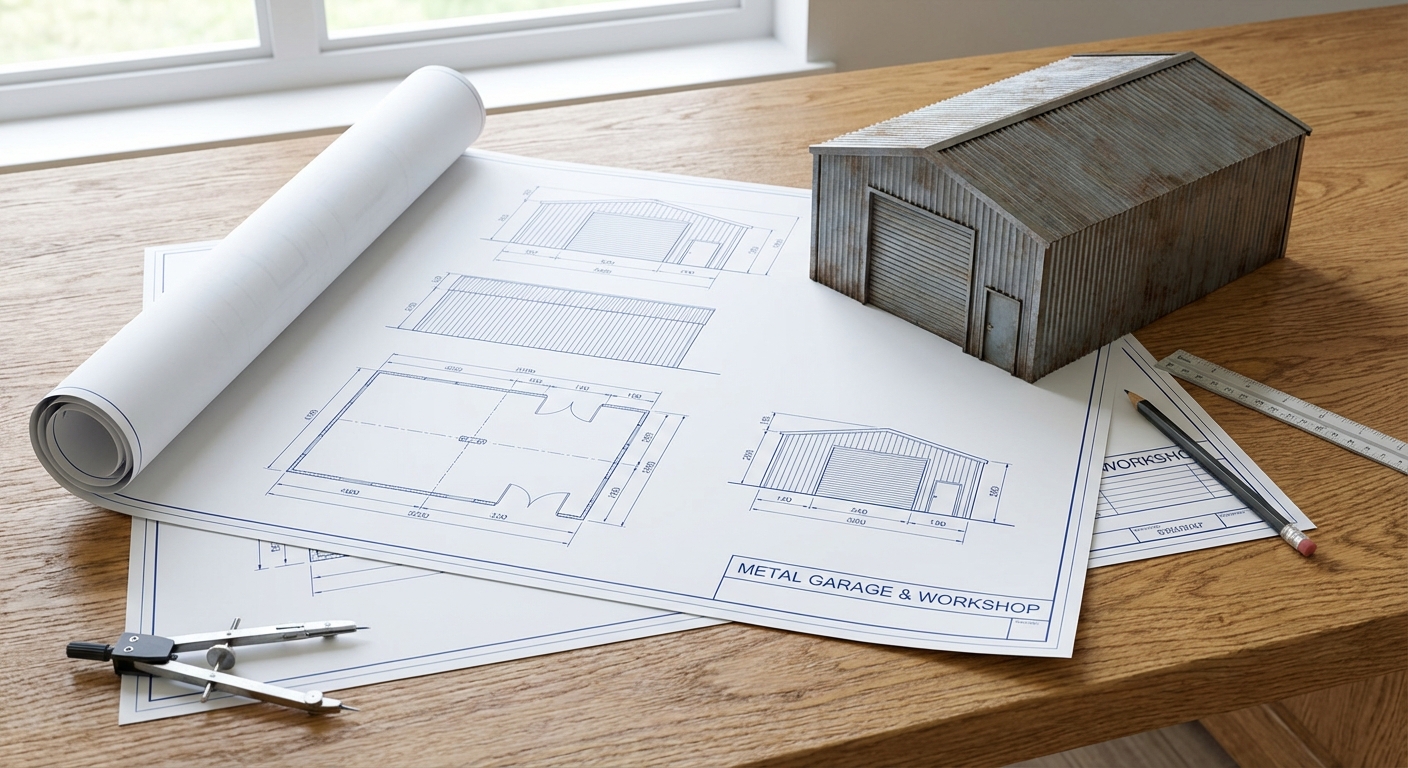
The first steps involve determining the building’s dimensions based on vehicle count and defining its primary intended use. When you begin building a metal garage , you must account for 240 square feet per car and roughly 300 square feet for medium-sized trucks to ensure adequate door clearance. Professional planning at this stage prevents future space constraints.
Determine Your Storage Needs
You need to evaluate how many parking bays and workshop areas are required for your daily operations. Proper sizing ensures that your vehicles have at least two feet of clearance on either side for safe door operation.
- Assess current vehicle inventory.
- Account for future fleet expansion.
- Designate zones for tool storage.
Think about this: A common regret among builders is not opting for a slightly larger footprint when the budget allowed it.
Calculate Structural Clearances
Vertical clearance is just as critical as floor space, especially if you plan to install car lifts or store oversized RVs. For a standard 10-foot overhead door, you typically need to specify a 12-foot eave height for the main structure.
- Measure the height of your tallest equipment.
- Include 2 feet of header space above doors.
- Plan for mezzanine or loft heights.
The bottom line? Correct height calculations ensure your garage remains functional for a wide variety of industrial and personal applications.
Key Takeaway: Initial planning must balance immediate vehicle storage needs with vertical clearance requirements for specialized equipment.
| Planning Factor | Standard Requirement | |
|---|---|---|
| Area per Car | 240 sq. ft. | |
| Area per Truck | 300 sq. ft. | |
| Eave Height for 10′ Door | 12 feet |
Strategic planning prevents the most common construction errors by aligning the building’s physical footprint with its operational demands.
Is a permit required for building a metal garage?
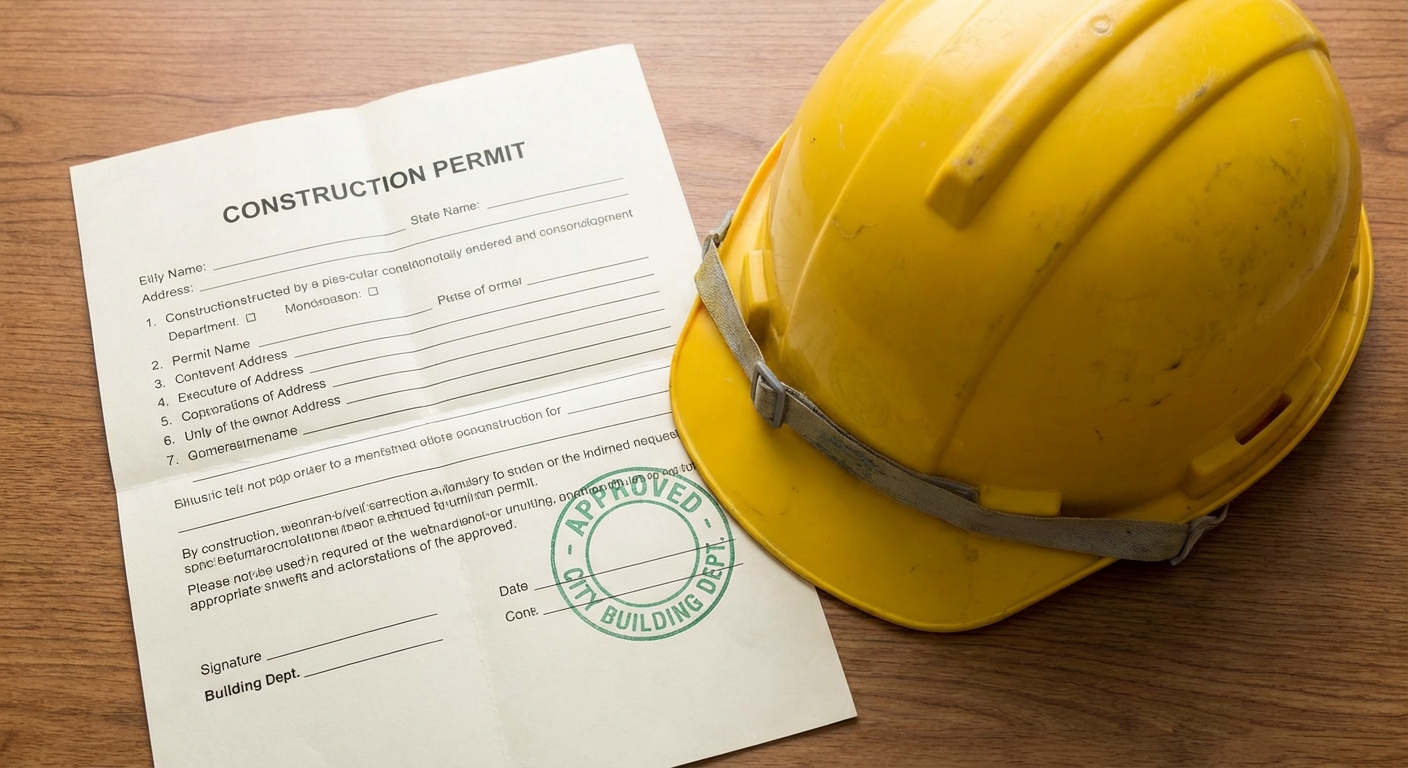
A building permit is almost always required for building a metal garage, though some rural or agricultural zones may offer specific exemptions. You cannot legally begin the permitting process until you have secured engineered drawings from your chosen supplier. These documents prove the structure can withstand local wind, snow, and seismic loads.
Verify Local Zoning Laws
Your first task is to visit the local municipality or county building department to discuss setbacks and easements. Every jurisdiction has specific rules regarding how close a structure can be to property lines or existing utility mains.
- Confirm property setback requirements.
- Check for existing utility easements.
- Review maximum height restrictions.
Here is the kicker: Ignoring zoning laws can lead to expensive fines or a legal requirement to dismantle the entire structure.
Submit Engineering Drawings
Once you place your order, you will receive a set of stamped plans that verify the building meets or exceeds local building codes. You must submit these alongside your foundation plans to obtain the official green light for construction.
- Use plans stamped by a licensed engineer.
- Ensure foundation designs match the soil.
- Pay all required administrative fees.
Look at it this way: Professional engineering support ensures your structure is safe for long-term use and remains fully compliant with regional safety standards.
Key Takeaway: Permitting is a mandatory legal step that requires stamped engineering drawings to verify the building’s structural integrity.
| Permit Requirement | Purpose | |
|---|---|---|
| Zoning Review | Ensures legal placement on lot | |
| Engineered Plans | Verifies load-bearing safety | |
| Foundation Plan | Confirms stable ground connection |
Securing the proper permits protects your investment and ensures the building is recognized as a legal, permanent improvement to the property.
How do you prepare the site for building a metal garage?
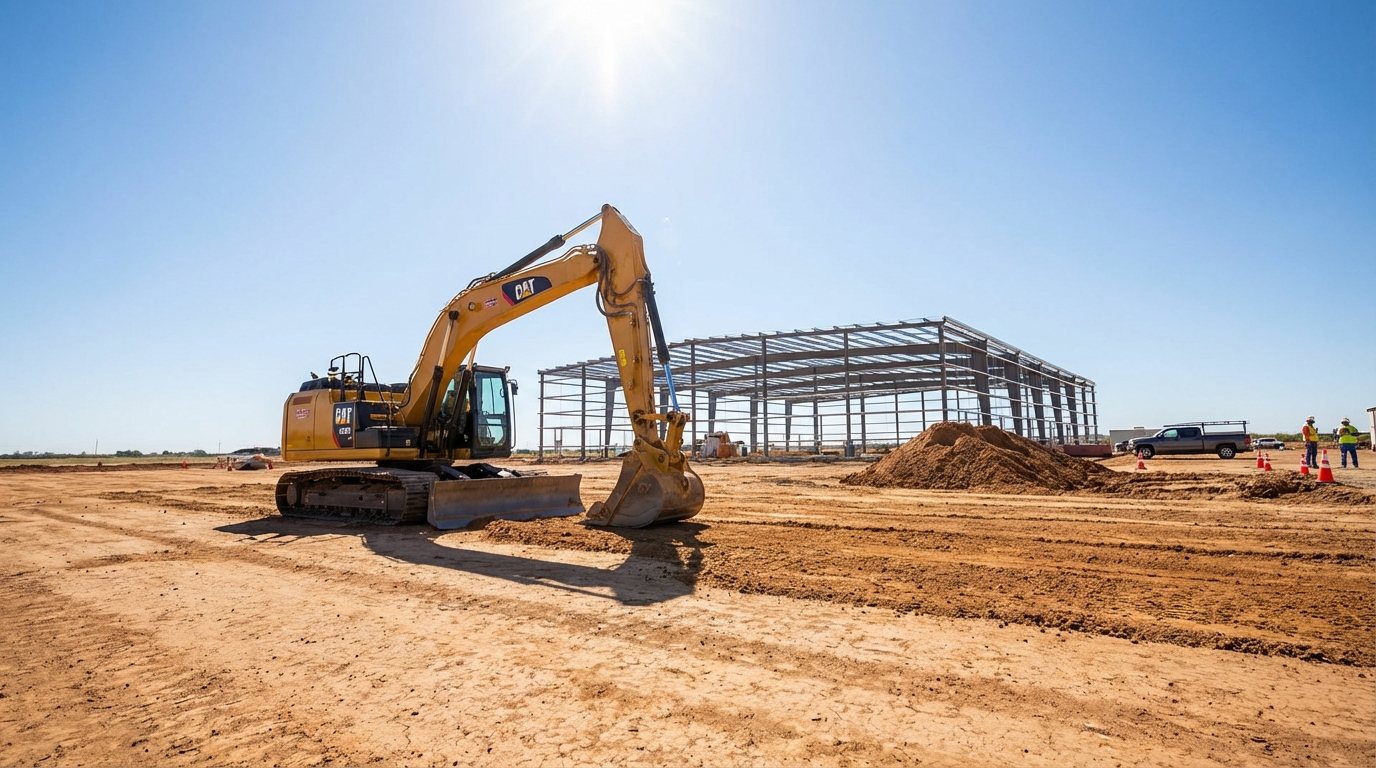
Site preparation involves clearing vegetation, grading the land to a perfectly level state, and ensuring the soil is compacted to support heavy loads. When building a metal garage , the quality of your site work directly dictates the longevity and stability of your foundation. Poor drainage or uneven soil will eventually lead to structural cracks and misalignment of the steel frame.
Clear Debris and Vegetation
You must remove all organic matter, including trees, shrubs, and topsoil, from the designated construction area. Organic material decomposes over time, which can create voids under your concrete slab and lead to catastrophic settling.
- Remove all tree stumps and roots.
- Strip away the top layer of sod.
- Excavate to stable, undisturbed earth.
It gets better: Starting with a clean, barren site makes it much easier to visualize the final footprint and plan for drainage.
Ensure Proper Soil Compaction
After clearing the land, you need to add structural fill and use a vibratory compactor to create a dense, unyielding base. A professional soil perc test may be necessary to determine if the ground can handle the weight of the steel and stored vehicles.
- Grade the site for water runoff.
- Use crushed stone for drainage layers.
- Test soil density before pouring concrete.
Check this out: Proper compaction is the only way to prevent the ground from shifting under the weight of a multi-car garage.
Key Takeaway: Site preparation must focus on removing organic material and creating a compacted, level surface to prevent future structural settling.
| Prep Step | Expected Outcome | |
|---|---|---|
| Clearing | Removal of decomposing organics | |
| Grading | Directing water away from slab | |
| Compacting | High load-bearing soil density |
Meticulous site work serves as the invisible foundation that keeps the rest of your construction project on track and within budget.
What foundation is best for building a metal garage?
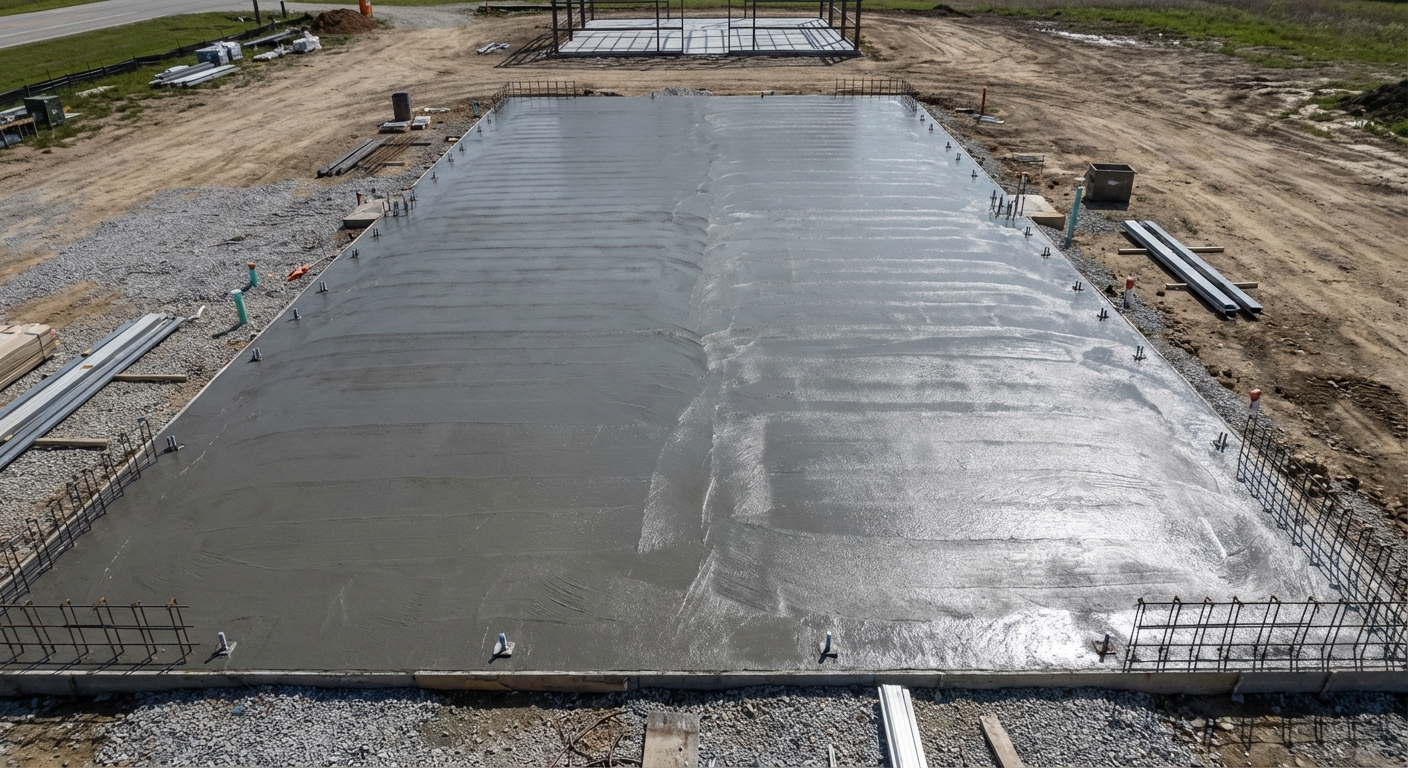
A slab-on-grade foundation is the most common and effective choice for building a metal garage due to its high weight capacity and ease of installation. A standard 4-inch slab works for most personal garages, but you should upgrade to 6 inches for heavy equipment. Professional installation is highly recommended to ensure the surface is level and properly reinforced with rebar.
Opt for Slab-on-Grade
This foundation type involves pouring a single layer of concrete that acts as both the floor and the structural base for the steel frame. It is the most cost-effective method and provides a smooth, durable surface that is easy to maintain and clean.
- Install a vapor barrier under the slab.
- Use rebar or wire mesh for reinforcement.
- Specify high-strength concrete mixes.
The bottom line? A well-poured slab is the most critical component for ensuring your garage doors open and close without sticking.
Install Critical Anchor Bolts
During the pour, you must precisely place anchor bolts according to the engineering plans provided by your steel structure warehouse supplier. These bolts are what permanently secure the steel columns to the concrete, preventing movement during high winds.
- Follow the anchor bolt template exactly.
- Check bolt height and verticality.
- Secure bolts before the concrete sets.
Think about this: Missing an anchor bolt location by even an inch can stall your entire framing process for days.
Key Takeaway: Slab-on-grade foundations provide the necessary strength for vehicle storage, provided anchor bolts are placed with surgical precision.
| Foundation Element | Standard Specification | |
|---|---|---|
| Concrete Thickness | 4″ to 6″ | |
| Reinforcement | #4 Rebar or mesh | |
| Anchoring | Wet-set steel bolts |
A high-quality concrete foundation ensures that the steel structure remains plumb and square throughout the lifespan of the building.
Which steel materials are used for building a metal garage?
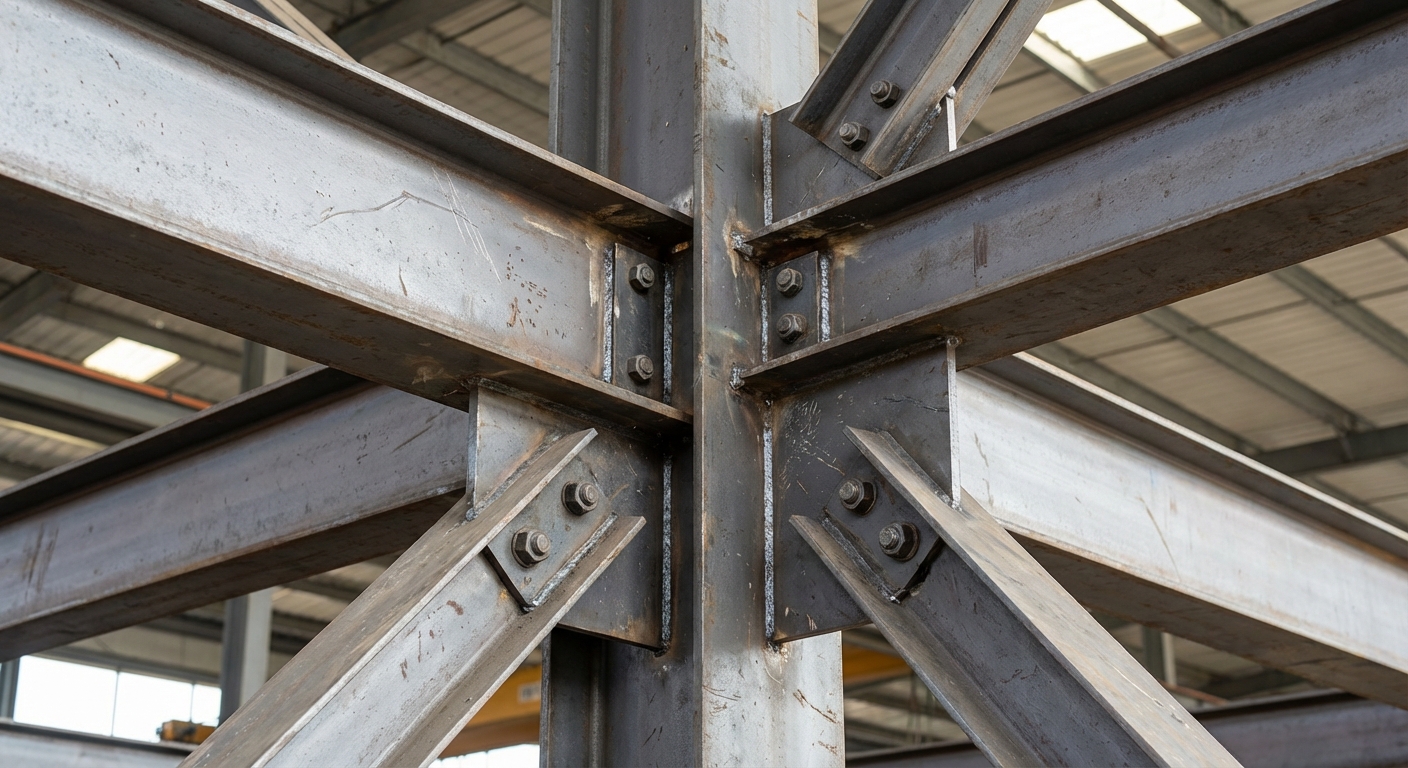
The primary materials used for building a metal garage include I-beam or cold-formed steel frames and high-tensile metal siding panels. Prefabricated kits provide all the necessary primary and secondary framing, including girts and purlins, which are engineered for rapid assembly. These materials are chosen for their high strength-to-weight ratio and resistance to rot, pests, and fire.
Select High-Tensile Framing
Most industrial-grade garages utilize red iron or galvanized steel for the main columns and rafters. These components are cut and punched at the factory, ensuring that every bolt hole aligns perfectly during the onsite assembly process.
- Use galvanized steel to prevent rust.
- Ensure all members are pre-punched.
- Verify structural steel grades.
Here is the kicker: Factory-made steel components are significantly more precise than hand-cut lumber, leading to a much tighter building envelope.
Choose Protective Roof Profiles
Your roof panels are your first line of defense against rain and snow, so selecting a durable PBR (Purling Bearing Rib) profile is essential. These panels feature a large overlap that prevents water from siphoning into the structure during heavy storms.
- Choose 26-gauge steel for durability.
- Opt for Galvalume coatings for longevity.
- Match colors to your existing property.
Look at it this way: The right roofing material can extend the life of your garage by decades while reducing long-term maintenance costs.
Key Takeaway: High-tensile steel frames and coated roofing panels offer unmatched structural durability and weather resistance compared to traditional materials.
| Component Type | Common Material | |
|---|---|---|
| Primary Frame | I-Beam or C-Channel | |
| Siding/Roofing | 26-Gauge PBR Panels | |
| Fasteners | Self-drilling galvanized screws |
Choosing premium steel materials ensures your garage can withstand the harshest environmental conditions without compromising structural integrity.
How is the frame assembled when building a metal garage?
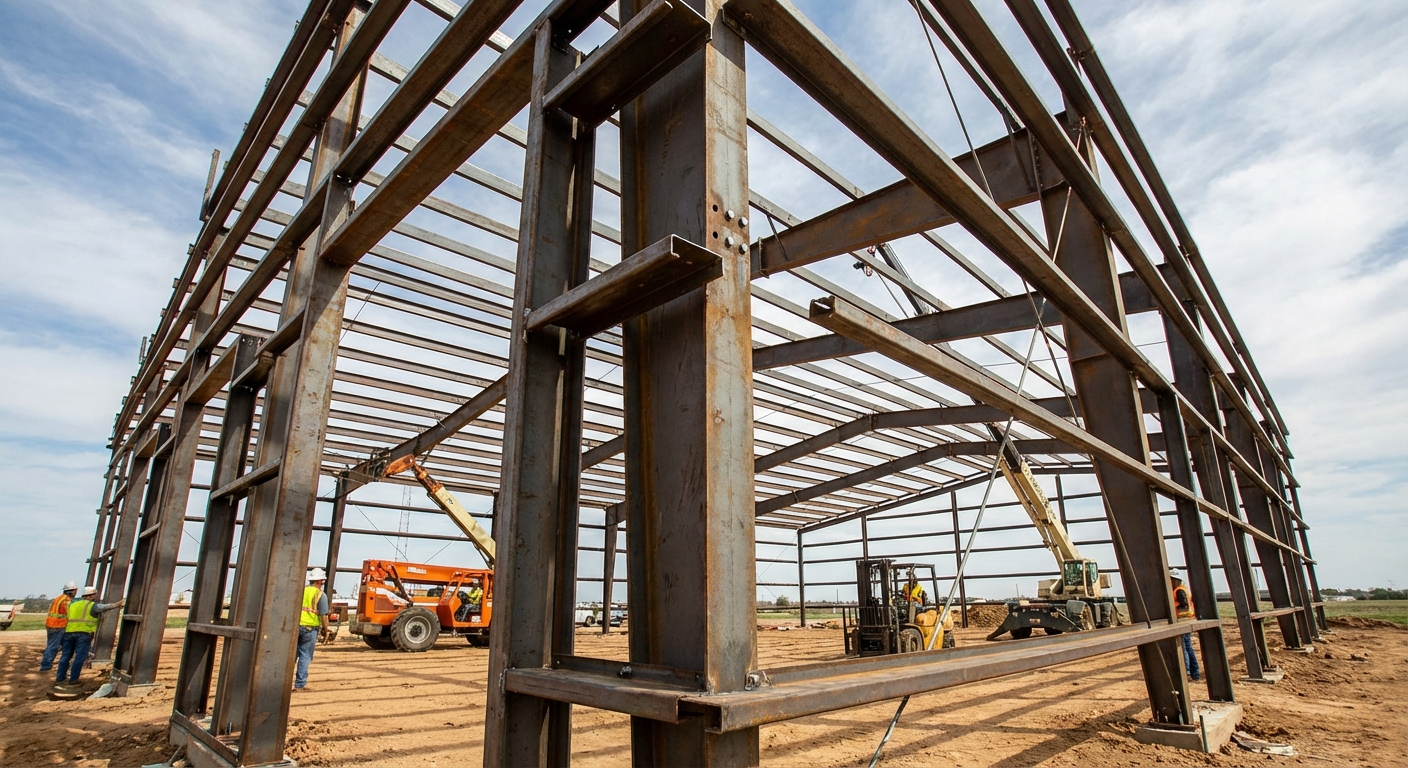
Frame assembly begins with erecting the primary columns and rafters, followed by the installation of secondary members like girts and purlins. When building a metal garage, the process is largely a bolt-together operation that does not require on-site welding or heavy fabrication. This systematic approach allows for much faster construction timelines than wood-frame alternatives.
Erect Primary Rigid Frames
The heavy steel columns are lifted into place and bolted to the pre-set anchor bolts in your foundation. Once the columns are vertical and braced, the rafters are bolted to the tops of the columns to form the main structural bents.
- Use a crane or telehandler for lifting.
- Brace frames immediately for safety.
- Hand-tighten bolts before final torquing.
The bottom line? The speed of erecting a steel structure workshop frame is often what surprises first-time builders the most.
Secure Secondary Girts
Once the main frames are secure, you install the horizontal members known as girts (for walls) and purlins (for the roof). these components provide the necessary surface area for attaching the exterior metal siding and roof panels.
- Space members according to plans.
- Check for squareness at every bay.
- Fasten with heavy-duty structural bolts.
Think about this: The secondary framing is what gives the building its final shape and provides the strength to resist wind pressure.
Key Takeaway: Frame assembly is a logical, sequential process that relies on heavy equipment to lift factory-prepped steel into a bolted configuration.
| Assembly Phase | Primary Activity | |
|---|---|---|
| Phase 1 | Anchor columns to slab | |
| Phase 2 | Raise and bolt rafters | |
| Phase 3 | Install girts and purlins |
A methodical approach to framing ensures that the structure is square and ready for the installation of the exterior skin.
Why is insulation vital when building a metal garage?
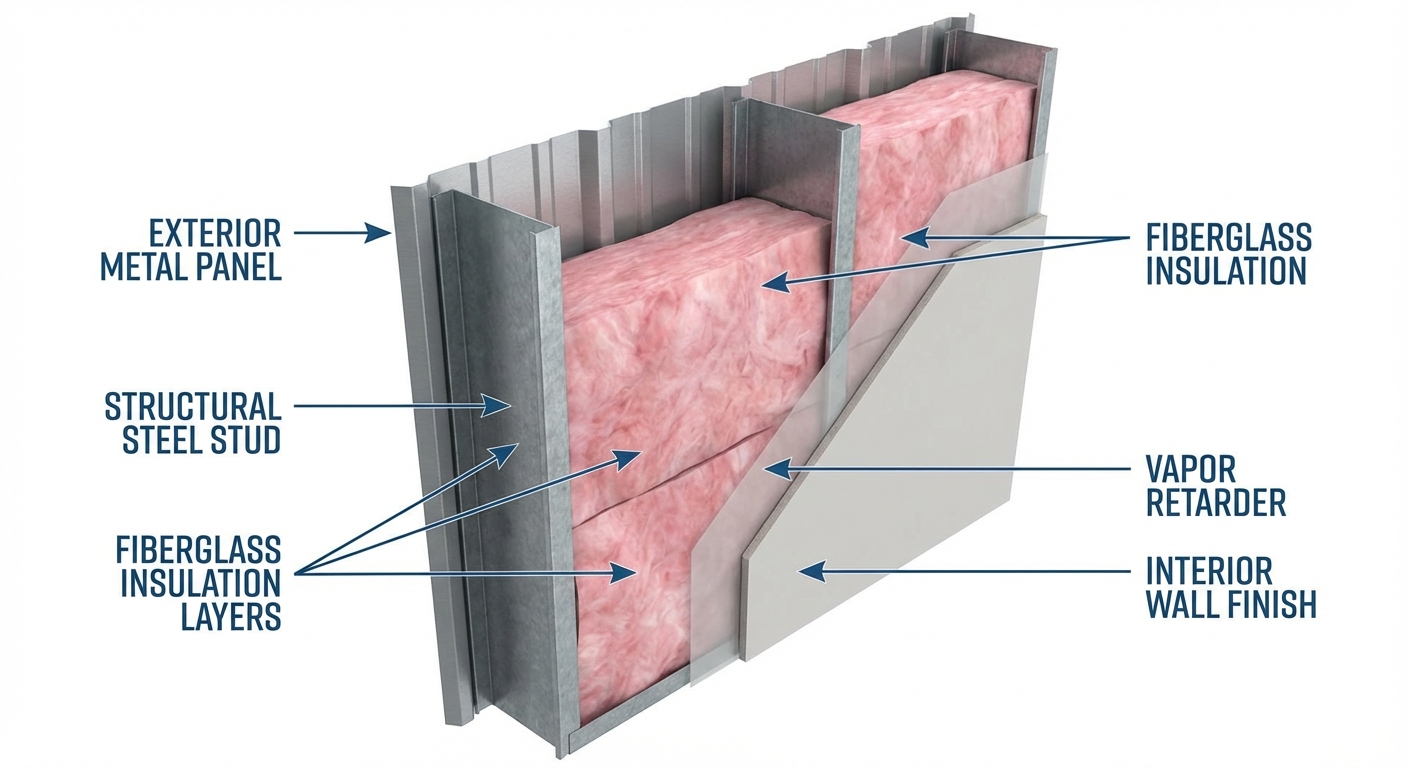
Insulation is vital for building a metal garage because it prevents interior condensation and regulates temperatures for year-round comfort. Without a thermal barrier, the metal surfaces will “sweat” when temperatures fluctuate, leading to moisture damage on vehicles and tools. Investing in high-quality insulation also significantly reduces the energy costs required to heat or cool your workspace.
Prevent Moisture Condensation
Metal buildings are highly susceptible to condensation when warm, humid air hits the cold steel panels. Fiberglass blankets with an integrated vapor retarder are the standard solution to keep your interior dry and protect your equipment from rust.
- Use a heavy-duty vapor barrier.
- Tape all seams for a complete seal.
- Avoid leaving any bare metal exposed.
It gets better: Keeping the interior dry is just as important as keeping the rain out when it comes to preserving your assets.
Maximize Thermal Efficiency
Whether you are using the space as a workshop or storage, insulation keeps the garage cooler in the summer and warmer in the winter. For professional projects, spray foam or rigid board insulation can provide even higher R-values for superior climate control.
- Evaluate R-values for your climate zone.
- Consider radiant barriers for hot regions.
- Install insulation before the siding panels.
Check this out: A well-insulated garage can be kept comfortable with a much smaller, less expensive HVAC system.
Key Takeaway: Insulation serves as a dual-purpose barrier that prevents structural condensation while drastically improving the building’s thermal performance.
| Insulation Type | Best Use Case | |
|---|---|---|
| Fiberglass Blanket | Cost-effective moisture control | |
| Spray Foam | Superior R-value and air sealing | |
| Rigid Board | High-durability wall finishing |
Proper insulation transforms a basic steel shell into a professional-grade environment suitable for sensitive storage and daily work.
Can you customize aesthetics when building a metal garage?
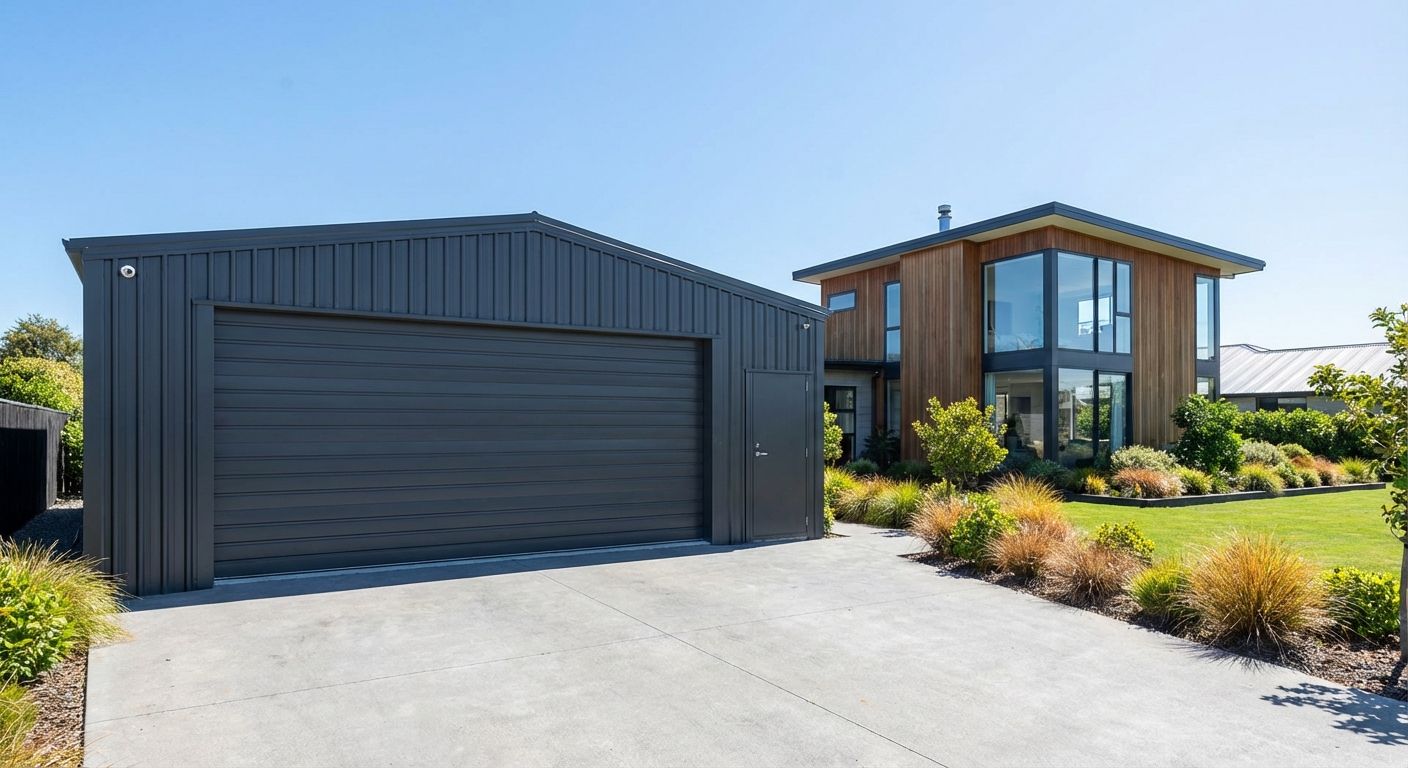
Yes, you can customize almost every visual aspect when building a metal garage to ensure it complements your existing home or business. Modern steel buildings are no longer limited to industrial gray; they offer dozens of color options for siding, roofing, and trim. You can also integrate custom entry doors, windows, and even stone wainscoting to create a premium, high-end appearance.
Select Modern Color Palettes
You have access to a wide range of durable, baked-on coatings that resist fading and chalking for decades. Choosing contrasting colors for the trim and wainscot can give your garage a sophisticated, architectural look that enhances property value.
- Choose from 20+ standard colors.
- Use siliconized polyester for longevity.
- Match siding to your primary residence.
The bottom line? Visual customization allows your metal garage to blend seamlessly into a residential neighborhood without looking like an industrial warehouse.
Integrate Functional Entry Doors
Beyond the main overhead parking bays, you should include at least one personnel “walk door” for easy access without opening the heavy garage doors. Windows can also be added to provide natural light, which reduces the need for artificial lighting during the day.
- Install insulated steel walk doors.
- Add windows for ventilation and light.
- Consider decorative “carriage style” doors.
Think about this: Small aesthetic upgrades like glass-panel garage doors can completely change the character of the entire building.
Key Takeaway: Aesthetic customization through color, trim, and door selection allows a steel garage to match the architectural style of any property.
| Aesthetic Feature | Customization Options | |
|---|---|---|
| Color Schemes | Multi-tone siding and trim | |
| Door Styles | Roll-up, sectional, or carriage | |
| Accents | Stone wainscot or overhangs |
Modern customization options ensure that your functional storage space also serves as a visually appealing addition to your land.
What inspections occur after building a metal garage?
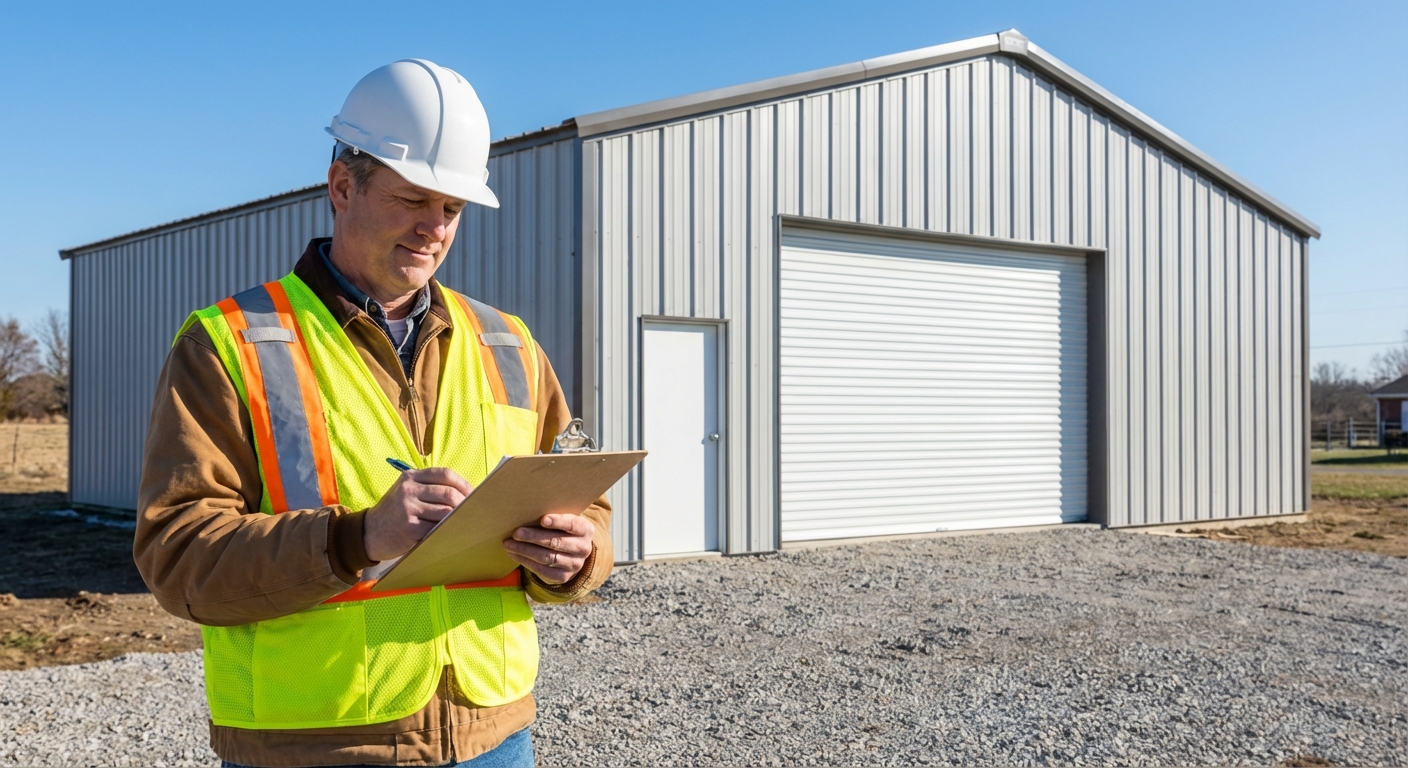
Final inspections occur to verify that building a metal garage was done according to the approved engineering plans and local codes. An inspector will check the anchor bolt tension, framing alignment, and any electrical or plumbing work that was performed inside the structure. Passing these inspections is the final requirement for receiving your Certificate of Occupancy.
Verify Structural Bolt Torque
The most important part of the structural inspection is ensuring that every bolt in the main frame is torqued to the correct specifications. The inspector will also verify that the building is plumb and that all required bracing is properly installed to resist lateral loads.
- Check all primary framing connections.
- Ensure anchor bolt nuts are tight.
- Confirm cross-bracing is in place.
Here is the kicker: A single loose connection can compromise the entire building’s ability to withstand a major storm or snow load.
Obtain Occupancy Certificates
Once the building passes all structural, electrical, and fire safety checks, the local department will issue an official document. This certificate proves the building is safe for use and allows you to fully insure the structure and its contents.
- Finalize any pending utility permits.
- Schedule the walkthrough in advance.
- Address any “punch list” items quickly.
Look at it this way: The occupancy certificate is your legal guarantee that the building meets all national and local safety standards.
Key Takeaway: Inspections are the final verification of safety, focusing on structural bolt integrity and compliance with the original engineered drawings.
| Inspection Type | Key Focus Area | |
|---|---|---|
| Structural | Bolt torque and frame alignment | |
| Electrical | Safe wiring and proper grounding | |
| Final | Overall code compliance |
Successfully passing your final inspections provides peace of mind that your garage is a safe, permanent, and high-quality addition to your property.
What is the total cost of building a metal garage?
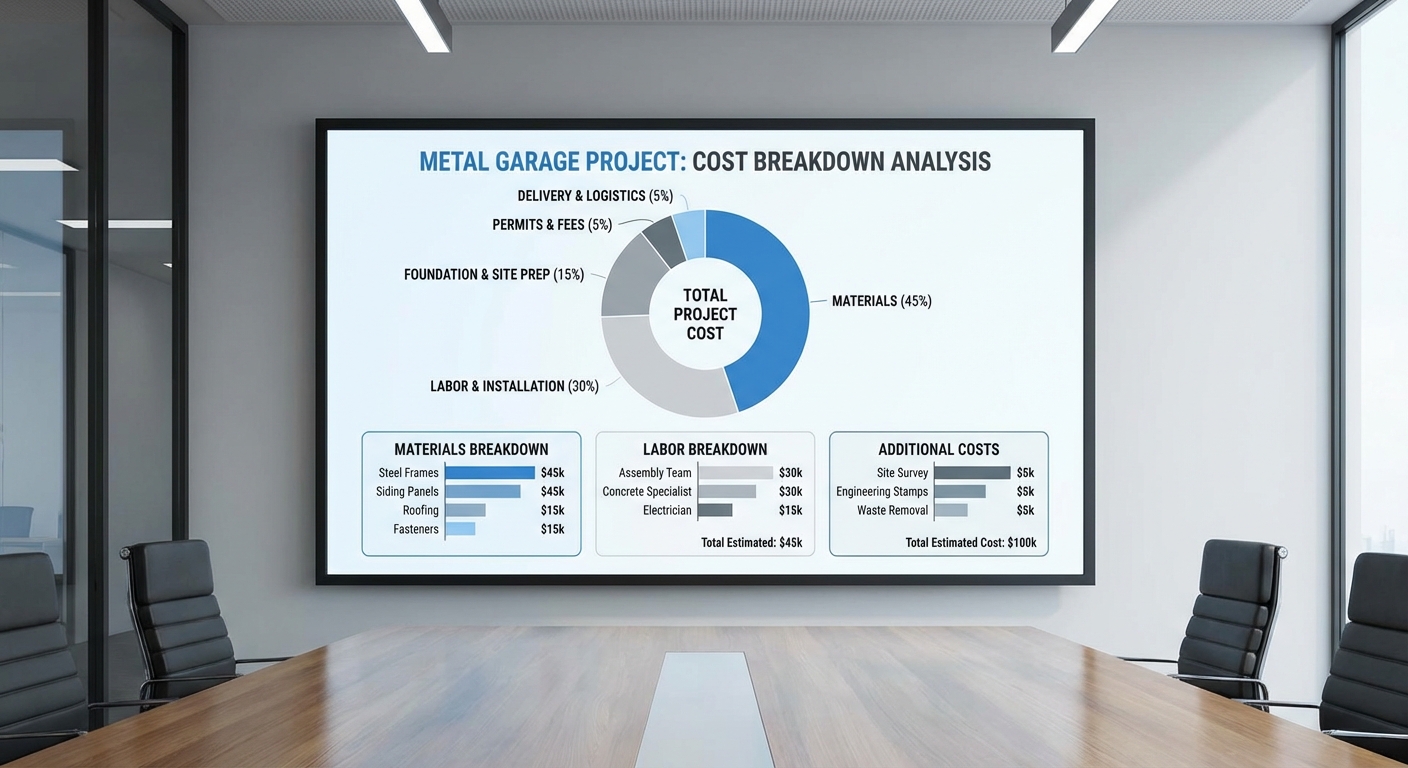
The total cost includes the kit price, foundation work, site preparation, and labor, which typically ranges from 25 to 60 per square foot. When building a metal garage, you can save 20% to 30% by choosing a DIY assembly option if you have basic construction experience. However, professional labor is often the fastest route to a completed, warrantied structure.
Analyze Material vs Labor
The steel kit itself usually accounts for about 40% to 50% of the total project budget, with the remainder split between the foundation and installation. Choosing a reputable steel building manufacturer with factory-direct pricing can save you thousands compared to buying through a local middleman.
- Get multiple quotes for comparison.
- Factor in shipping and delivery fees.
- Account for local sales taxes.
The bottom line? Understanding the cost breakdown allows you to allocate funds effectively between structural quality and interior finishes.
Factor in Utility Connections
Don’t forget to budget for running electricity, water, and gas lines from your main house to the new garage. These costs vary wildly based on the distance from the source and the complexity of the trenching required on your property.
- Budget for trenching and piping.
- Include electrician and plumber fees.
- Factor in local utility permit costs.
Check this out: Adding a bathroom or high-voltage power for shop tools can increase your total budget but significantly boosts the building’s utility.
Key Takeaway: Total costs are driven by the building’s size and the level of professional labor and utility integration you require.
| Cost Component | Percentage of Budget | |
|---|---|---|
| Steel Kit | 45% – 50% | |
| Foundation | 15% – 20% | |
| Labor/Assembly | 25% – 30% |
Careful budgeting ensures that your garage project remains financially viable while meeting all your professional and storage requirements.
Building a metal garage is a strategic investment that provides unmatched durability, rapid construction, and long-term asset protection. From the initial blueprint to the final inspection, every step ensures your property gains a functional, high-value asset. Whether you need a simple two-car storage unit or a complex industrial workshop, steel remains the premier choice for modern construction. To begin your journey toward a secure, custom-designed steel structure, please contact us today. Our mission is to deliver factory-direct, engineered excellence that serves your specific needs for decades to come.
Frequently Asked Questions
Can I build a metal garage by myself?Yes, approximately 50% of buyers choose to build their own garages under 3,000 square feet. All kits come with pre-punched framing and comprehensive instructions designed for straightforward DIY assembly.
How long does it take to deliver a metal garage kit?Metal garage kits are typically ready for delivery between 4 and 16 weeks after the order is placed. The timeline depends on the complexity of your custom design and current factory production schedules.
Can I install a car lift in a metal garage?Yes, but you must plan for this during the design phase. You will typically need a 12-foot eave height for the building and a reinforced 6-inch concrete slab foundation to support the lift’s weight and pressure.
Do metal garages rust over time?Modern metal garages use galvanized steel frames and Galvalume-coated panels that are highly resistant to corrosion. With proper insulation and maintenance, these buildings can last 30 to 50 years without significant rust.
What is the best way to insulate a metal garage?Fiberglass blanket insulation with a heavy-duty vapor barrier is the most cost-effective and common method. For maximum efficiency, spray foam provides a superior air seal and the highest R-value per inch.