
The average cost to build a church typically ranges from 150 to 250 per square foot, depending on location, material choice, and architectural complexity, which you can explore further at showhoobuilding.com/ . For many growing congregations, the dream of a new sanctuary often feels out of reach when initial quotes come back in the millions. You want a sacred space that inspires worship and serves the community, but the fear of debt or unfinished projects can create immense stress for leadership teams. By understanding the variables involved, you can navigate the financial hurdles of construction with confidence.
How does land acquisition impact the cost to build a church?
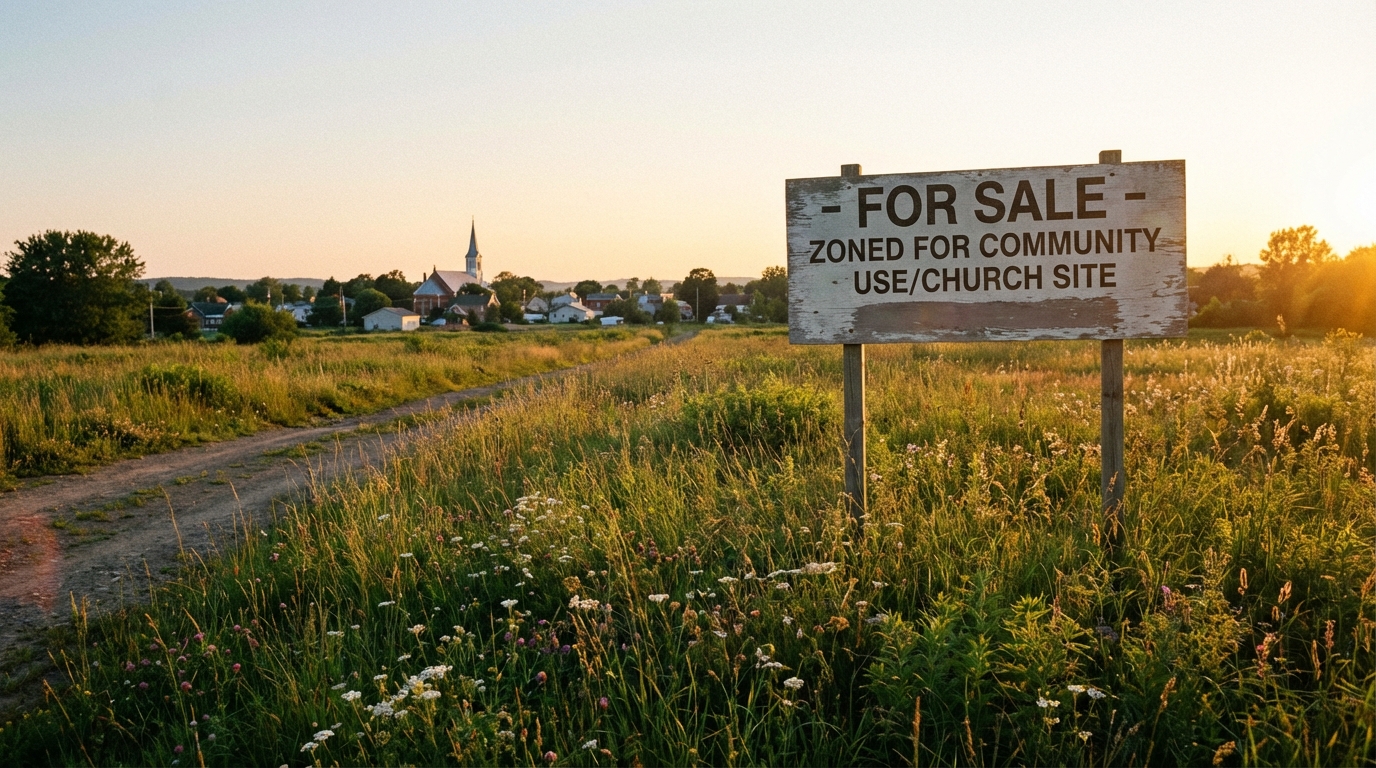
Buying the right plot of land is the first major hurdle that determines the initial cost to build a church . In rural areas, you might find land for as low as 5per square foot,where asurban centers can command over 50 per square foot. Every congregation faces distinct conditions, from land prices to worship style requirements.
Beyond the purchase price, you must account for site preparation—clearing, grading, and utility trenching. These factors can add another 5 to 15 per square foot to your budget. Sites with soft soils or steep grades may require engineered solutions. This often raises early-stage costs by thousands before a single brick is laid.
Can I save on site preparation?
Here is the deal: If your land has existing utility hookups, you can save significant amounts on trenching and permitting. However, urban sites with these features often carry a much higher purchase price. You must balance the land cost against the estimated site work.
- Rural Sites: Lower purchase price, higher utility installation costs.
- Urban Sites: Higher purchase price, lower utility installation costs.
- Grading: Essential for proper drainage and foundation stability.
Is land zoning expensive?
You might be wondering about legal hurdles. Zoning variances and land use permits can cost anywhere from 1,500 to 10,000 depending on your municipality. It is vital to confirm that your site is zoned for religious use before signing any contracts.
Key Takeaway: Evaluating land impacts before committing is essential, as site prep and location can account for 10% to 25% of your total budget.
| Expense Category | Rural Estimated Cost | Urban Estimated Cost | |
|---|---|---|---|
| Land Purchase | 2−10 /sq ft | 50−150 /sq ft | |
| Site Preparation | 5−15 /sq ft | 10−25 /sq ft | |
| Utility Hookups | 10,000−30,000 | 5,000−15,000 |
Detailed site analysis prevents unexpected spikes in your initial construction budget.
What planning fees affect the total cost to build a church?
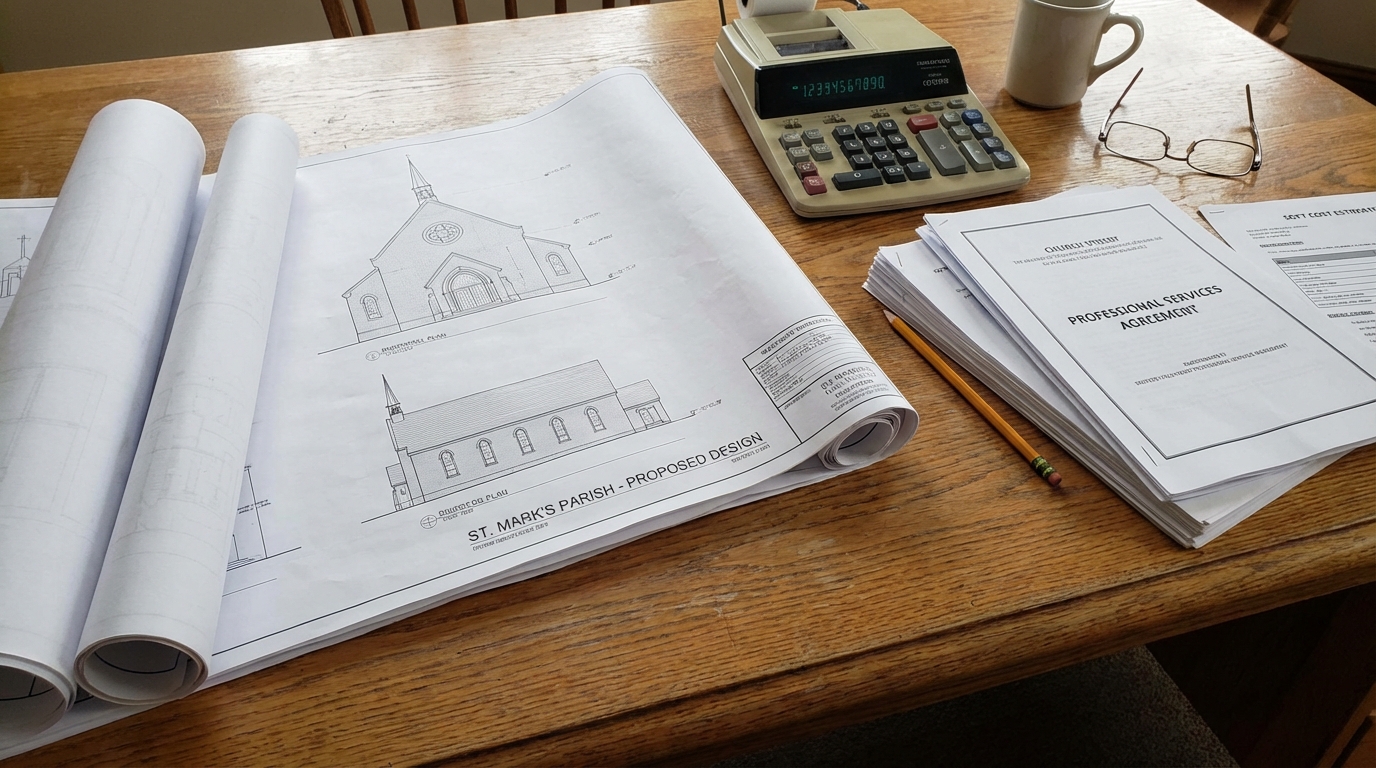
Soft costs, including architectural drawings and engineering, typically represent 8% to 12% of the total cost to build a church. These fees are essential for creating a legally compliant structure that meets the needs of your ministry. Professional services ensure that your building is safe, efficient, and aesthetically pleasing.
Early collaboration with a unified design-build team often improves budget alignment. This prevents mid-project revisions that can lead to expensive change orders. Investing in professional planning early on provides a clear roadmap for the entire construction process.
What do professional fees include?
Think about this: Architects typically charge 4% to 6% of the total project value for their design expertise. Structural engineers and consultants for acoustics or lighting add another 3% to 5%. These professionals translate your vision into technical blueprints.
- Architectural Design: Creating the visual and functional layout.
- Structural Engineering: Ensuring the building can withstand wind and snow loads.
- Energy Modeling: Predicting long-term utility expenses based on design.
Why is feasibility important?
But wait, there’s more. A feasibility study helps you determine if your budget is realistic for the size of building you desire. This study considers local labor availability and material costs specific to your region.
Key Takeaway: Detailed planning fees are a necessary investment that minimizes structural surprises and ensures the project remains within financial reach.
| Planning Component | Estimated Cost Range | Percentage of Total Budget | |
|---|---|---|---|
| Feasibility Study | 5,000−15,000 | 1% – 2% | |
| Architectural Fees | 4% – 6% of Total | Major Cost | |
| Legal/Startup Fees | 20,000−50,000 | Varies |
Comprehensive planning is the foundation of a project that finishes on time and on budget.
Why does architectural design influence the cost to build a church?
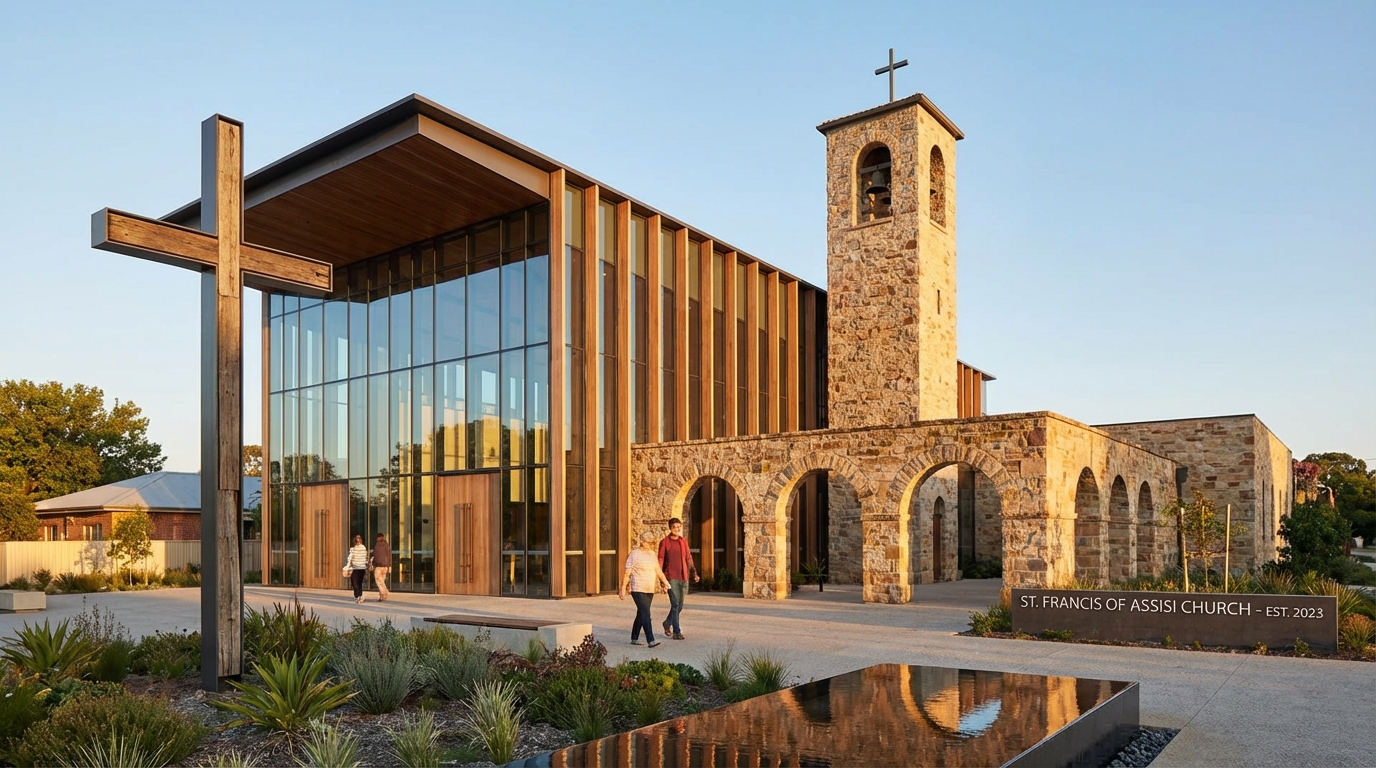
The architectural complexity of your sanctuary is a primary driver of the final cost to build a church . Traditional designs with high steeples and ornate masonry naturally cost more than modern, functional spaces. Your worship style will dictate whether you need a large open sanctuary or smaller multi-purpose rooms.
Every decision, from ceiling height to window placement, carries a price tag. Modern architects can use structural steel to create soaring ceilings at a fraction of the cost of traditional methods. Balancing your liturgical requirements with structural efficiency is the key to managing your budget.
Does seating capacity scale costs?
Here’s the reality: Sanctuary seating capacity directly scales your square footage needs and your budget. More seats mean more floor space, larger HVAC systems, and increased fire safety requirements. You must define your “right-size” capacity to avoid overbuilding.
- Fixed Pews: Higher cost per seat, traditional aesthetic.
- Flexible Seating: Lower cost, allows for multi-purpose room use.
- Balconies: Significantly increase structural engineering and material costs.
Is structural optimization possible?
Can you have beauty on a budget? By standardizing dimensions and using pre-engineered components, you can save up to 15% on material waste. This approach allows you to focus funds on the elements that enhance the worship experience.
Key Takeaway: Smart design choices balance spiritual aesthetics with structural efficiency to keep the project affordable without sacrificing beauty.
| Design Element | Traditional Style Cost | Modern Style Cost | |
|---|---|---|---|
| Shell Materials | 45−70 /sq ft | 20−40 /sq ft | |
| Engineering Complexity | High | Low – Medium | |
| Aesthetic Detail | Expensive Masonry | Efficient Steel/Metal |
Optimizing your architectural design allows for a sacred space that doesn’t drain your ministry’s resources.
How much do permits and legalities add to the cost to build a church?
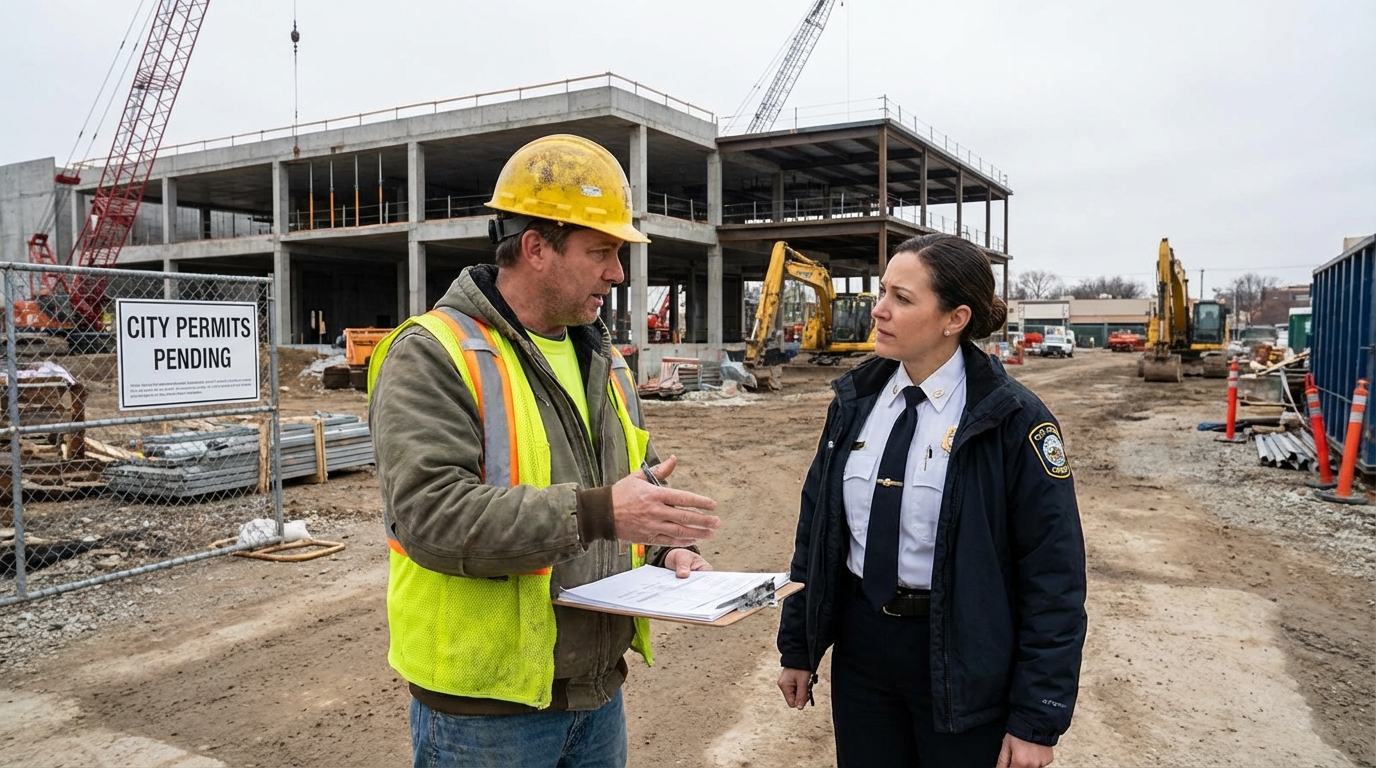
Navigating local bureaucracy is a mandatory part of the cost to build a church, with fees varying wildly by jurisdiction. Some cities charge flat rates, while others base fees on the total occupancy of the building. You should expect building permits and legal reviews to add thousands to your total expenditure.
Zoning laws may also require you to add specific infrastructure to your site. This often includes a set number of parking spaces or specific landscaping density to meet municipal codes. Ignoring these requirements early in the process can lead to project shutdowns or heavy fines.
Are fire safety codes expensive?
Don’t overlook the safety details. Large occupancy buildings often require advanced sprinkler systems and multiple points of egress. These safety features are non-negotiable and can represent a significant portion of your mechanical budget.
- Sprinkler Systems: Essential for fire safety in large halls.
- Handicap Accessibility: ADA compliance is required for all public buildings.
- Egress Lighting: Specialized lighting for emergency exits.
How do I handle zoning variances?
What if the land isn’t perfect? If your building design doesn’t perfectly match local codes, you may need a zoning variance. This process involves legal fees and public hearings, which can add months to your timeline.
Key Takeaway: Factoring in bureaucracy early with a 5% contingency fund ensures legal technicalities do not stall your ministry’s progress.
| Permit/Legal Type | Estimated Fee Range | Impact on Timeline | |
|---|---|---|---|
| Building Permit | 2,000−15,000 | 1 – 3 Months | |
| Fire Marshal Review | 500−2,500 | 2 – 4 Weeks | |
| Zoning Approval | 1,000−10,000 | 3 – 6 Months |
Legal and permit fees are a mandatory gatekeeper for every successful construction project.
Does the foundation type change the cost to build a church?
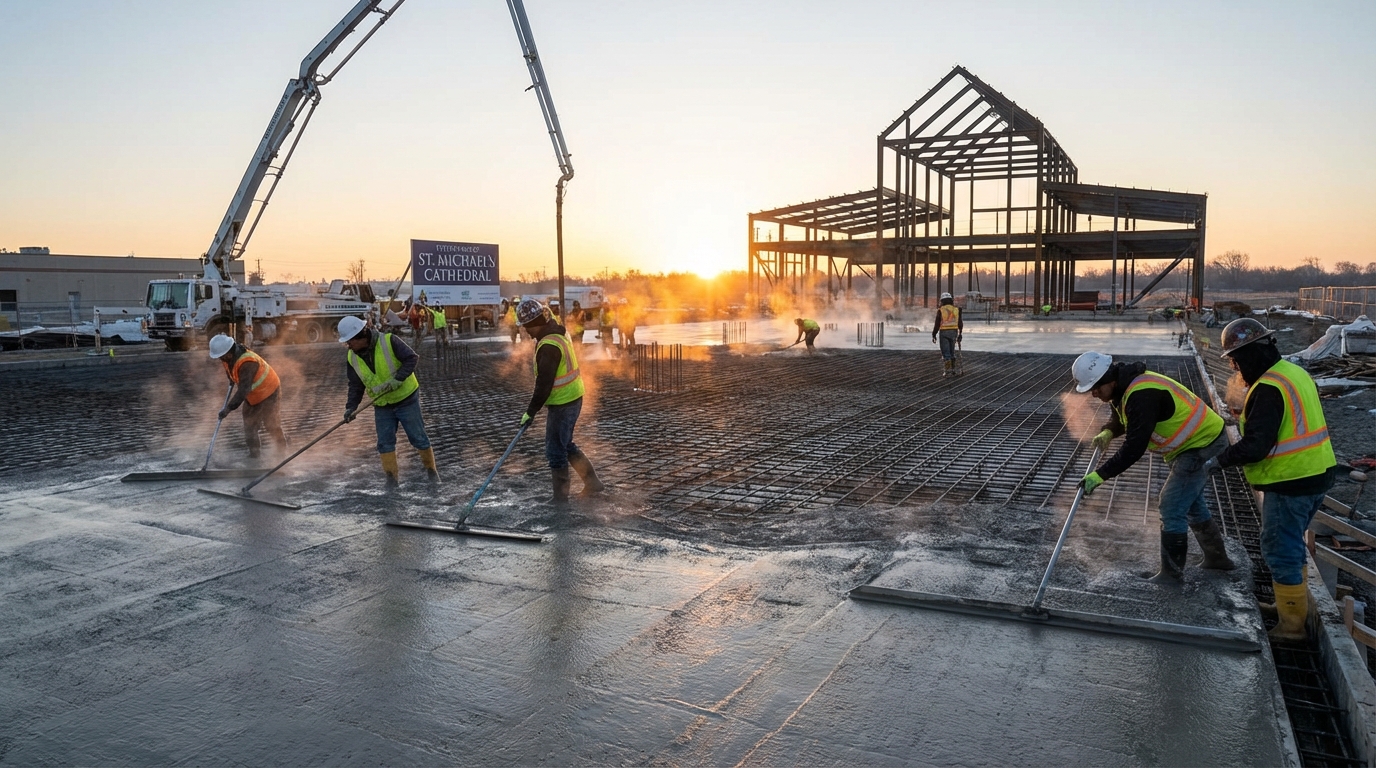
The foundation is the most critical structural element, and its price is dictated by the soil quality and the total cost to build a church . A standard slab-on-grade is the most affordable option for stable ground. However, if your soil is soft or unstable, you will need deeper piers or footings to prevent settling.
Cutting corners on your foundation can lead to catastrophic structural failure years down the road. For a 10,000-square-foot church, expect the foundation and site work to range between 50,000 and 150,000. It is an investment in the long-term safety and stability of your congregation.
What is a geotechnical report?
Here’s the deal: You cannot guess what is under the ground. A geotechnical report involves drilling soil samples to determine the load-bearing capacity of the earth. This report tells your engineer exactly what type of foundation is required.
- Soil Testing: Costs between 2,500 and 5,000.
- Compaction: Necessary to prevent soil shifting under the concrete.
- Vapor Barriers: Protect the slab from moisture intrusion.
Which foundation is best?
Is there a middle ground? If you are building on uneven terrain, a crawl space foundation might be necessary. While more expensive than a slab, it provides easier access for plumbing and electrical repairs in the future.
Key Takeaway: The foundation determines the longevity of your building; investing in stability now prevents expensive repairs in the future.
| Foundation Type | Average Cost (10k Sq Ft) | Best Site Use | |
|---|---|---|---|
| Slab on Grade | 60,000−80,000 | Flat, stable soil | |
| Crawl Space | 90,000−120,000 | Uneven terrain | |
| Deep Piers/Piles | $150,000+ | Soft or wet soil |
Structural integrity begins beneath the surface with a properly engineered foundation.
Can steel structures reduce the overall cost to build a church?
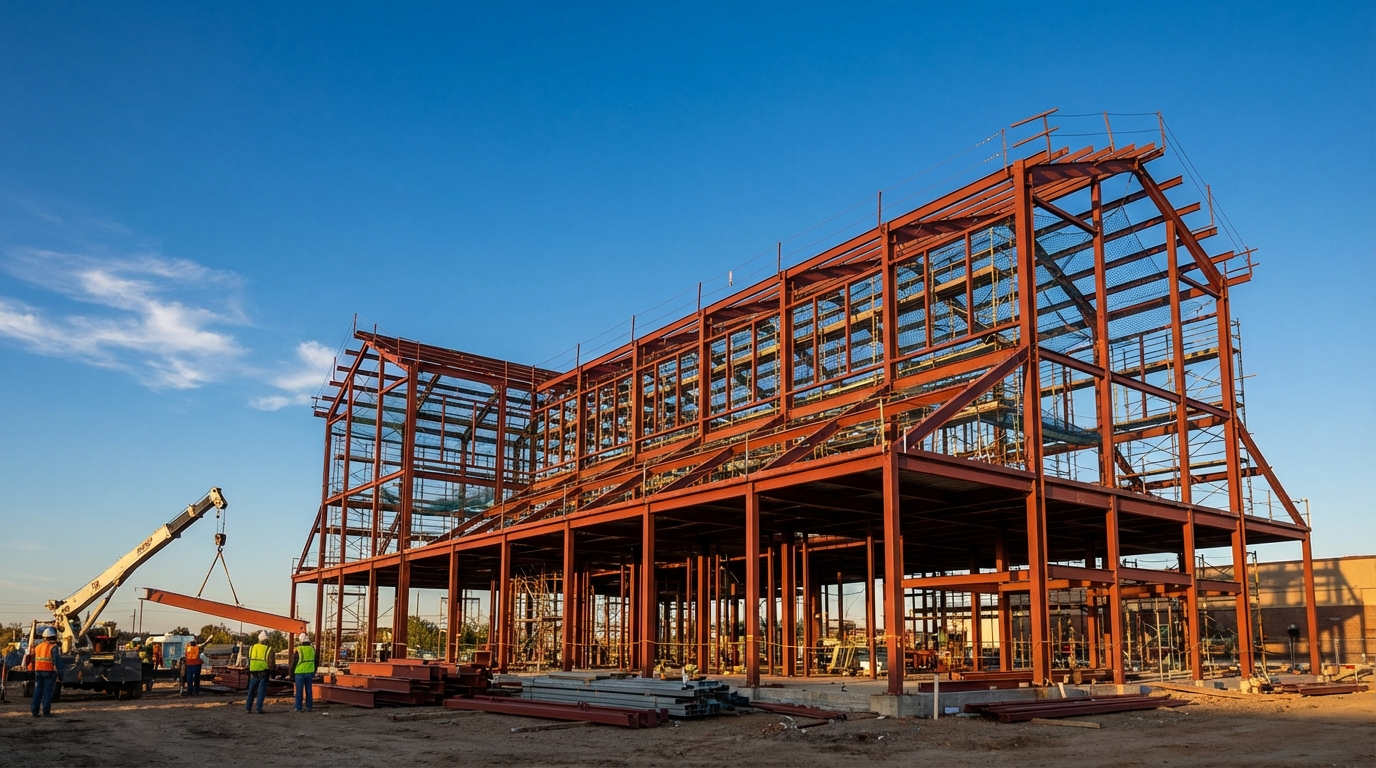
Choosing a steel frame is one of the most effective ways to lower the cost to build a church. Steel offers clear-span capabilities, allowing for large sanctuaries without obstructing pillars. This creates an open, welcoming environment that is perfect for modern worship styles.
Factory-prefabricated steel components can save 30% to 50% on labor costs because they arrive ready to assemble. This significantly speeds up the construction timeline, allowing your congregation to move in sooner. Steel buildings are also resistant to fire, mold, and termites, offering long-term durability.
Why choose pre-engineered steel?
Look at the benefits: Pre-engineered buildings are designed to exact specifications in a factory. This reduces material waste and ensures that every bolt and beam fits perfectly. You avoid the “hidden” costs of field modifications common with traditional wood framing.
- Speed: Faster erection reduces total labor hours.
- Durability: Steel does not warp or rot over time.
- Flexibility: Easy to expand in the future if your congregation grows.
Can steel be beautiful?
Wait, won’t it look like a warehouse? Not at all. Steel frames can be finished with brick, stone, or high-quality metal siding to match any architectural style. You get the structural benefits of steel with the aesthetic appeal of a traditional church.
Key Takeaway: Steel buildings provide the best value for money, lowering initial costs while offering superior structural flexibility.
| System Component | Steel Structure | Traditional Wood/Masonry | |
|---|---|---|---|
| Material Cost (Shell) | 20−40 /sq ft | 45−70 /sq ft | |
| Installation Time | 4 – 8 Weeks | 4 – 6 Months | |
| Maintenance Need | Very Low | Moderate to High |
Efficiency in materials leads directly to a faster and more affordable construction process.
What is the specific cost breakdown for a new church?
Analyzing a detailed cost to build a church helps you allocate funds to the areas that matter most. In most projects, materials and labor account for the vast majority of the budget. However, you must also set aside significant funds for land and professional fees to ensure the project remains viable.
Materials typically represent about 40% to 50% of your total expenditure, while labor follows closely at 30% to 40%. The remaining budget goes toward land acquisition and professional permits. Seeing these numbers in a chart helps your building committee make objective financial decisions.
How much goes to materials?
Consider this: The shell of the building, including the frame and roof, is only one part of the material cost. You must also budget for finishes like flooring, drywall, and specialized lighting. High-quality materials often have a higher upfront cost but lower long-term replacement needs.
- Structural Materials: Steel, concrete, and roofing.
- Finish Materials: Flooring, paint, and acoustic panels.
- Equipment: HVAC units, kitchen appliances, and plumbing fixtures.
Here’s the kicker: Many churches forget to budget for a contingency fund. A 5% to 10% reserve is vital for covering unforeseen material price hikes or site issues that arise during construction.
Key Takeaway: A transparent cost breakdown allows you to prioritize spending on ministry-focused elements while maintaining structural quality.
| Budget Category | Typical Percentage | Primary Focus | |
|---|---|---|---|
| Materials | 40% – 50% | Shell and Finishes | |
| Labor | 30% – 40% | Skilled Trades/Management | |
| Land/Fees | 10% – 20% | Purchase and Permits |
Understanding where every dollar goes empowers your congregation to build with confidence.
How do interior finishes impact the final cost to build a church?
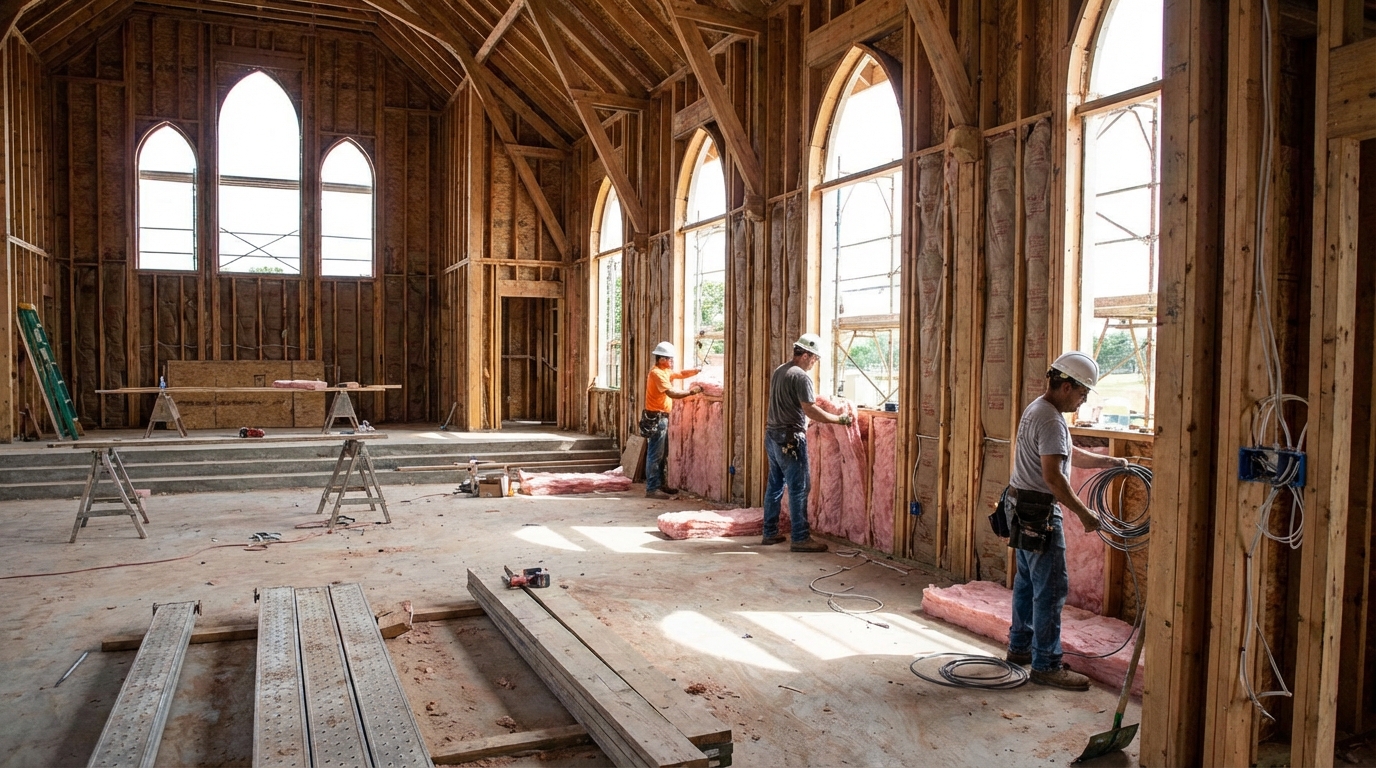
Once the shell is up, the interior finishes—drywall, flooring, and paint—typically range from 10 to 20 per square foot. However, for a worship space, you must also consider specialized requirements like acoustics and AV systems. These specialized finishes can quickly elevate the total cost to build a church.
A church is only as good as its sound; if your congregation can’t hear the sermon, the building fails its purpose. High-end AV and acoustic treatments can add 50,000 to 150,000 to your budget. You must balance the desire for premium finishes with the practical needs of your weekly services.
What are the main interior costs?
Think about the atmosphere: Flooring choices range from durable carpet tiles to polished concrete or premium hardwood. Your choice of seating—fixed pews versus flexible chairs—will also have a major impact on both the budget and the room’s versatility.
- AV/Sound System: The “heart” of modern worship services.
- Lighting: Functional house lights plus theatrical stage lighting.
- Millwork: Custom altars, pulpits, and decorative trim.
How can I save on finishes?
But wait, can we simplify? Using polished concrete floors instead of expensive stone can save thousands. Similarly, opting for flexible chairs instead of fixed pews allows you to use the sanctuary for fellowship events, increasing the room’s value.
Key Takeaway: Interior finishes make the building feel like a home; budgeting carefully for acoustics and lighting ensures your ministry is effective.
| Interior Element | Budget Range | Primary Benefit | |
|---|---|---|---|
| Flooring (Carpet/Tile) | 4−10 /sq ft | Comfort and Sound | |
| AV/Sound System | 25,000−100,000 | Clarity and Engagement | |
| Fixed Pews | 200−500 /seat | Traditional Aesthetic |
High-quality interior finishes define the worship experience for your entire congregation.
Are labor rates a major variable in the cost to build a church?
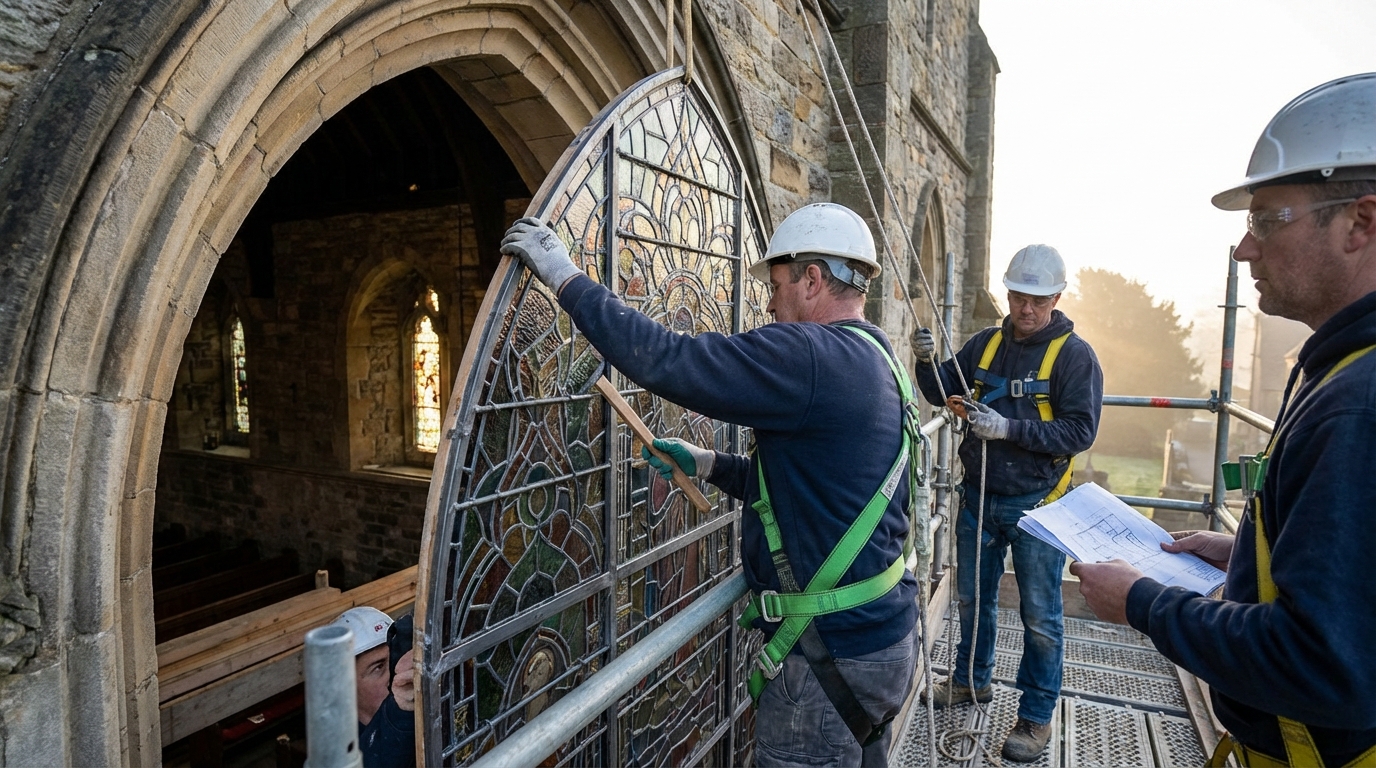
Labor typically accounts for 40% to 60% of your construction budget, making it a major variable in the cost to build a church. In regions with high union presence or labor shortages, costs can skyrocket regardless of material prices. Skilled trades like electricians and plumbers often command the highest hourly rates.
You might be wondering about using church volunteers to save money. While “sweat equity” can lower costs for painting or landscaping, structural and electrical work must be done by licensed professionals. Most municipalities require certified contractors to sign off on major building systems to meet safety codes.
Why are project managers vital?
Here’s the reality: A general contractor usually charges a 10% to 15% management fee. While this seems like a lot, a good manager prevents waste and ensures that trades are scheduled efficiently. This coordination can actually save you more money than it costs.
- Project Management: Overseeing timelines and subcontractors.
- Skilled Trades: Licensed plumbing, electrical, and HVAC work.
- General Labor: Framing, roofing, and site cleanup.
Can volunteers help?
Can we build it ourselves? For smaller projects, some congregations provide their own labor under the supervision of an experienced contractor. This is most effective for non-structural tasks that do not require specialized licensing.
Key Takeaway: Focus on construction speed; reducing the total months spent on-site directly lowers the labor-related expenses of your project.
| Labor Category | Average Hourly Rate | Typical Budget % | |
|---|---|---|---|
| Project Manager | 75−150 | 10% – 15% | |
| Skilled Trades | 50−120 | 30% – 40% | |
| General Labor | 20−45 | 10% |
Efficient labor management is the key to preventing budget overruns during construction.
Does maintenance influence the long-term cost to build a church?
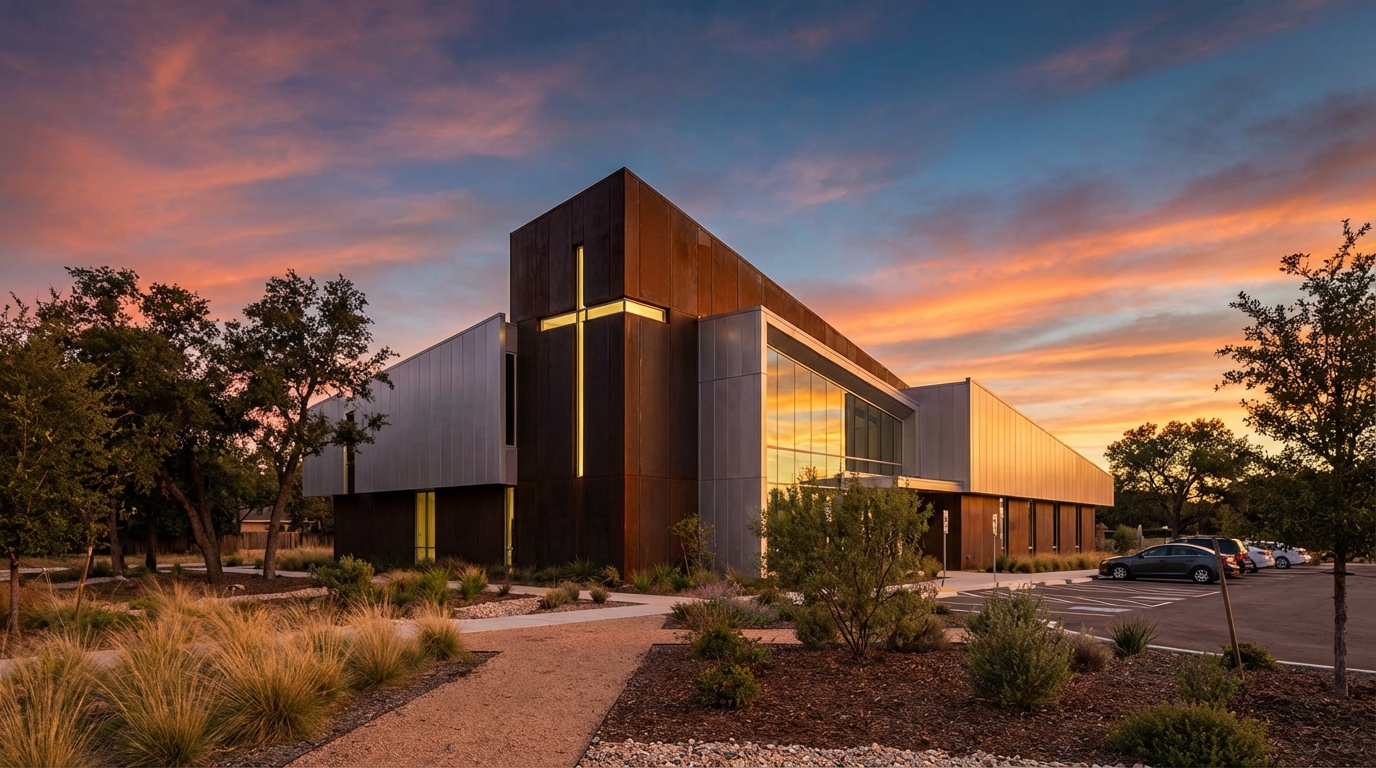
The “real” cost to build a church includes the next 20 years of operation and maintenance. A building that is cheap to build but expensive to heat and cool will eventually drain your ministry’s resources. Investing in energy efficiency during the build phase is a gift to your future leadership team.
Modern materials like insulated metal panels and high-efficiency HVAC systems can lower your monthly bills by 20% to 30%. Over the lifespan of the building, these savings can add up to hundreds of thousands of dollars. Durable materials also reduce the need for periodic repairs, keeping your facility in top shape.
How much do utilities cost?
Think about the future: Heating and cooling a large sanctuary with tall ceilings is a major expense. By using advanced insulation and smart thermostats, you can automate your climate control to only run during services and office hours.
- HVAC Service: Bi-annual checkups prevent major system failures.
- Roof Maintenance: Periodic inspections extend the life of your building.
- Lighting: LED fixtures use 75% less energy than traditional bulbs.
Is preventative care worth it?
What is the best way to save? Establish a permanent maintenance fund as soon as the building is completed. Setting aside a small percentage of your budget each year for repairs prevents the need for emergency fundraising later.
Key Takeaway: Prioritizing durability and efficiency during the build ensures that more of your tithes go toward mission work, not utility bills.
| Maintenance Item | Annual Estimated Cost | Recommended Frequency | |
|---|---|---|---|
| HVAC Service | 500−1,500 | Bi-Annual | |
| Roof Inspection | 300−700 | Annual | |
| Utility Savings | 20% – 30% | Monthly Benefit |
Long-term financial health depends on building an efficient facility that is easy to maintain.
Frequently Asked Questions
Can I build a church in phases to save money?Yes, phasing is a common strategy where you start with a sanctuary and add education or office space later as your congregation grows.
What’s the best material for a low-cost church?Steel structures are generally the most cost-effective because they offer fast construction times and very low long-term maintenance needs.
Can we use volunteer labor for everything?No, because building codes require licensed professionals for structural, electrical, and plumbing systems to ensure the building is safe for public use.
How do I know if our budget is realistic?Compare your goals against local construction averages and always include a 10% contingency for unexpected site issues or material price hikes.
How long does it take to build a church?The construction phase usually takes 6 to 12 months, but the planning and permitting phase can often take just as long.
Conclusion
Understanding the total cost to build a church is the first step toward a successful expansion. From land acquisition and architectural design to the final interior finishes, every decision plays a role in your project’s financial health. At Showhoo Steel Structure, we believe that your mission shouldn’t be limited by construction costs. Our factory-direct steel building solutions are designed to provide maximum value, durability, and spiritual impact for your congregation.
We stand for quality, transparency, and the empowerment of religious communities worldwide. Let us help you turn your vision into a reality with a structure that lasts for generations. If you are ready to begin your journey, please contact us today to receive a customized quote and expert guidance for your next project.