
A poultry farm is a specialized agricultural facility where domesticated birds like chickens, turkeys, ducks, and geese are raised specifically for meat and egg production. Starting a commercial venture in this sector can feel overwhelming due to volatile feed costs and strict biosecurity demands. You may worry that high initial investments won’t yield the expected returns in such a competitive market. By implementing professional-grade infrastructure, you can streamline operations and secure a profitable future in the industry. Understanding what is a poultry farm is the first step toward building a resilient agricultural business.
What is a poultry farm?
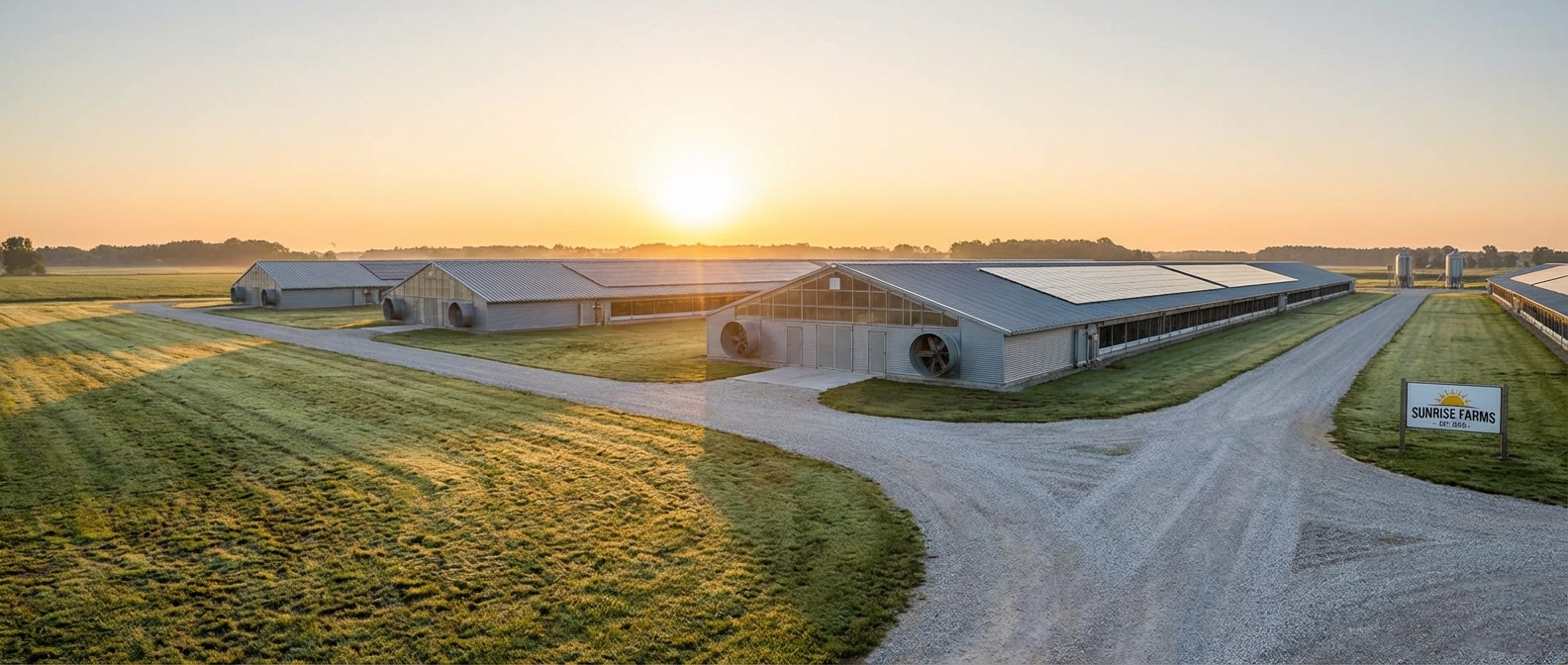
A poultry farm is a dedicated space for the intensive or extensive rearing of birds for human consumption and commercial sale. This facility serves as the primary production point for essential proteins, housing thousands of birds in controlled environments. Understanding what is a poultry farm requires looking at the balance between animal welfare and high-yield production metrics.
What are the main types of birds raised?
Most commercial operations focus on chickens, categorized as either broilers for meat or layers for eggs. However, many diverse farms also incorporate turkeys, ducks, and geese depending on local market demand.
- Broilers: Fast-growing breeds optimized for tender meat production.
- Layers: Specialized hens bred to produce a high volume of quality eggs.
- Custom Breeds: Specifically raised for specialty markets or show competitions.
But wait, there is more to it than just bird selection. You must match your bird type to your regional climate and facility design to ensure maximum survivability.
What routine activities occur on a farm?
Daily operations involve precise management of feed, water, and hygiene to prevent disease outbreaks. Farm staff must constantly monitor bird behavior and technical systems to maintain optimal growth rates.
- Checking automated water and feed lines for blockages.
- Inspecting litter quality to manage ammonia levels.
- Collecting and sanitizing eggs at scheduled intervals.
Here is the deal: a successful farm runs on a strict schedule that prioritizes bird health every single hour of the day.
Key Takeaway: A poultry farm is a complex production ecosystem where bird health, routine maintenance, and market-specific breeding converge to supply global protein needs.
| Activity Category | Primary Goal | Frequency | |
|---|---|---|---|
| Bio-Security | Disease Prevention | Continuous | |
| Resource Mgmt | Waste Reduction | Daily | |
| Production | Yield Optimization | Hourly |
Effective management begins with recognizing that every daily task impacts the final quality of the meat or eggs produced.
How does a sustainable poultry farm operate?
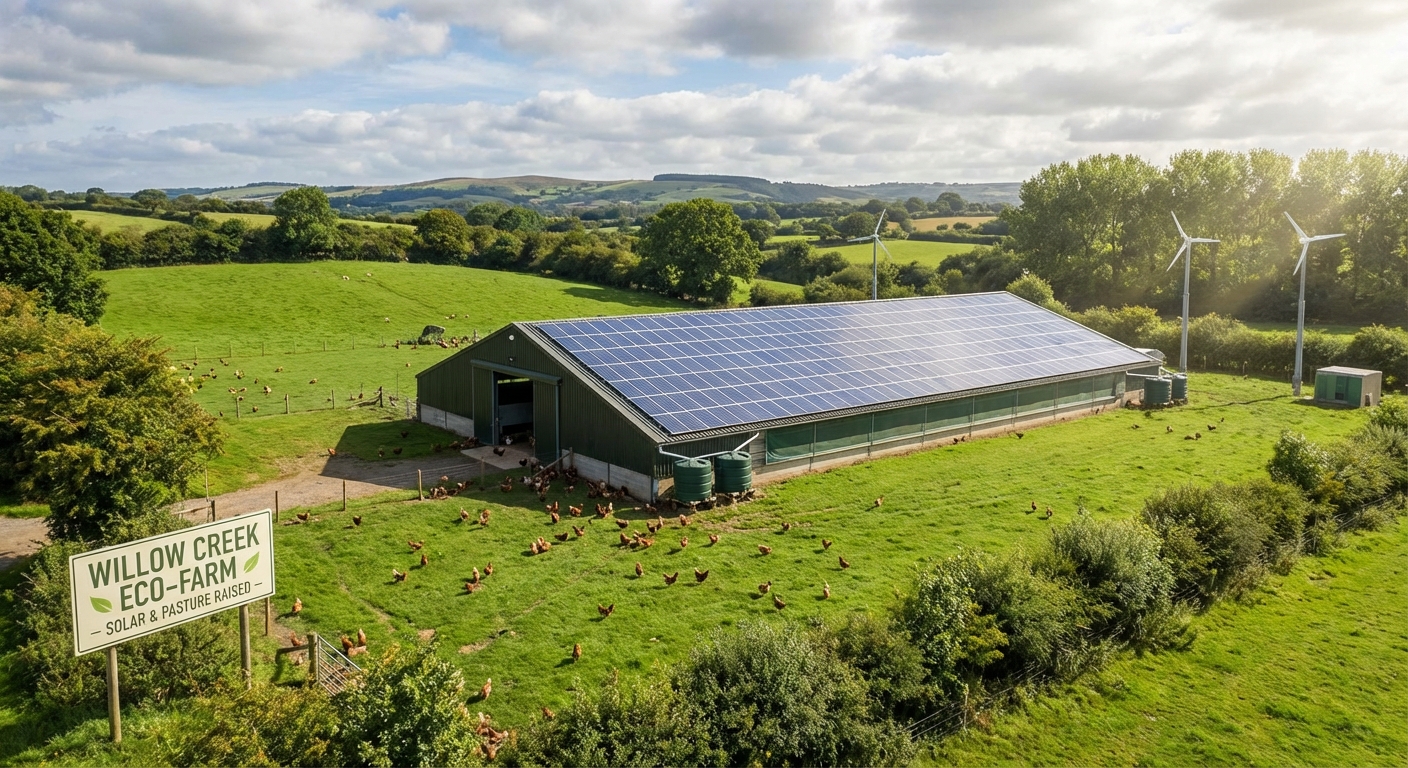
A sustainable operation integrates eco-friendly practices to minimize environmental impact while maintaining long-term economic viability. When asking what is a poultry farm in a modern context, sustainability remains a central pillar of the answer. Alternate energy sources and waste recycling become standard features of these forward-thinking enterprises.
How is waste managed effectively?
Sustainable farms often repurpose poultry litter into nutrient-rich organic fertilizer for nearby crop production. This circular economy model reduces the need for chemical inputs and lowers the farm’s overall carbon footprint.
- Manure Processing: Converting waste into pellets or compost.
- Water Recycling: Implementing systems to treat and reuse cleaning water.
- Methane Capture: Utilizing anaerobic digesters to create green energy.
The best part? You can actually turn a waste management headache into a secondary revenue stream for your business.
What role does renewable energy play?
Modern barns frequently feature solar panels or wind turbines to offset the high electricity costs of climate control. By generating power on-site, you insulate your business from fluctuating utility prices.
- Solar Arrays: Capturing sunlight on large barn roof surfaces.
- Energy Efficient Fans: Reducing the draw on the local power grid.
- LED Lighting: Mimicking natural cycles with minimal heat output.
Check this out: many governments offer tax incentives for farms that adopt these green technologies, making the switch even easier for you.
Key Takeaway: Sustainability transforms a traditional farm into a modern, efficient asset that respects the environment while securing higher profit margins through resource reuse.
| Green Feature | Primary Benefit | ROI Impact | |
|---|---|---|---|
| Solar Power | Energy Independence | High | |
| Manure Composting | Waste Reduction | Moderate | |
| Rainwater Harvest | Utility Savings | Low |
Investing in sustainability today ensures your farm remains competitive and compliant with future environmental regulations.
What are the revenue and expense factors in poultry farming?
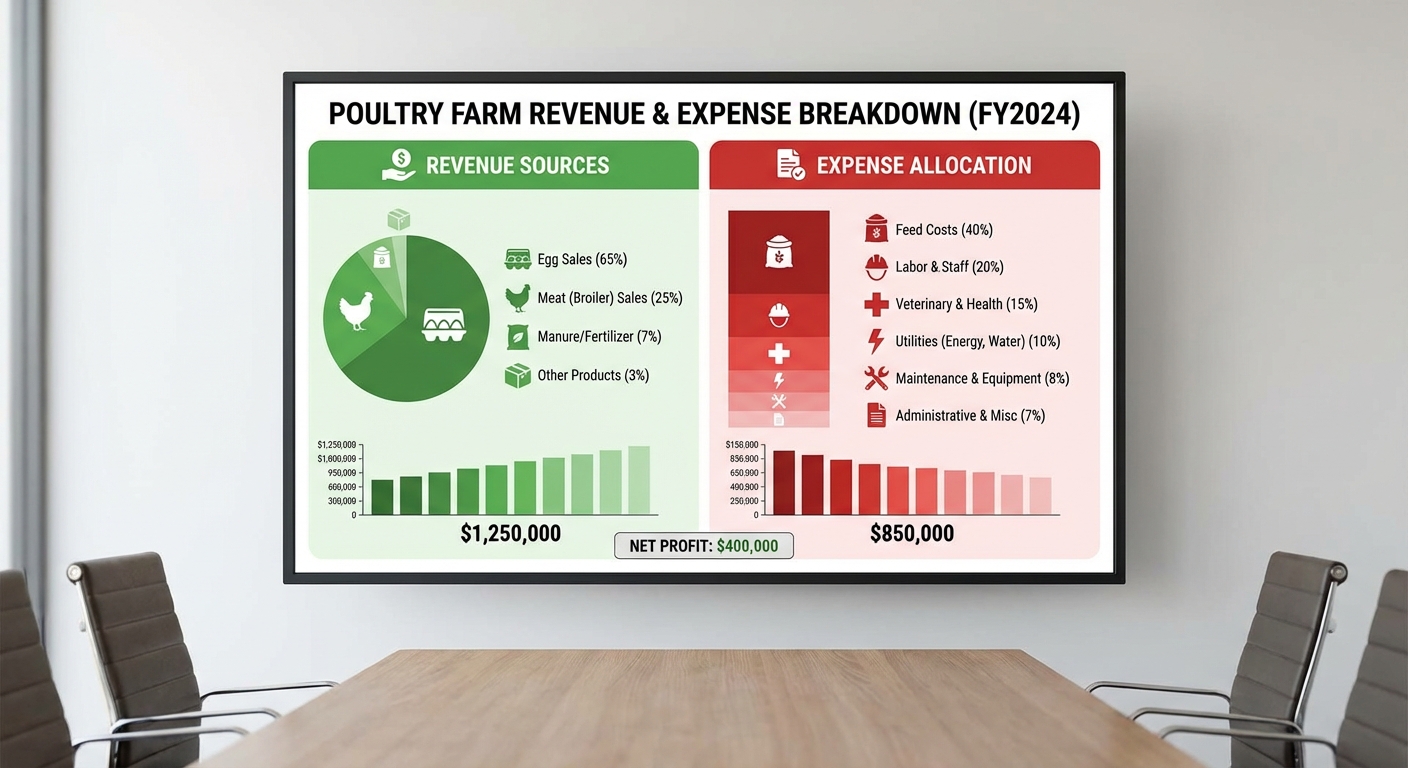
Financial success depends on maintaining a healthy margin between the cost of inputs and the market price of the final products. Every professional wondering what is a poultry farm must first master the delicate balance of a profit and loss statement. Managing high-volume production requires careful tracking of every cent spent on feed and medication.
What drives the primary revenue?
Most income is generated through the sale of meat or eggs, often dictated by long-term contracts with regional processors. You can also explore niche markets like organic or free-range products to command higher price points.
- Bulk Meat Contracts: Guaranteed buyers for large broiler batches.
- Premium Egg Sales: Targeting health-conscious consumers with specialty labels.
- Sub-Products: Selling feathers or processed manure as supplemental income.
And the best part? Diversity in your product line can protect you from price drops in a single commodity category.
Which expenses are most critical to track?
Feed consistently represents the largest ongoing cost, often accounting for sixty to seventy percent of total operating expenses. You must also account for labor, veterinary services, and the depreciation of physical structures.
- Feed Efficiency: Monitoring the ratio of feed intake to weight gain.
- Bio-Security Gear: Investing in protective equipment to prevent costly losses.
- Insurance: Protecting your livestock against natural disasters or epidemics.
Believe me, watching your feed conversion ratio is the single most important habit for maintaining your farm’s solvency.
Key Takeaway: Profitability in poultry is a game of margins where tiny improvements in feed efficiency or structure durability result in massive annual gains.
| Financial Metric | Target Status | Impact Level | |
|---|---|---|---|
| Feed Conversion | Low Ratio | Critical | |
| Mortality Rate | Below 5% | High | |
| Utility Cost | Stable | Moderate |
Careful financial oversight allows you to reinvest in better technology and scale your operations without taking on unnecessary risk.
Why is modern poultry farm design important?
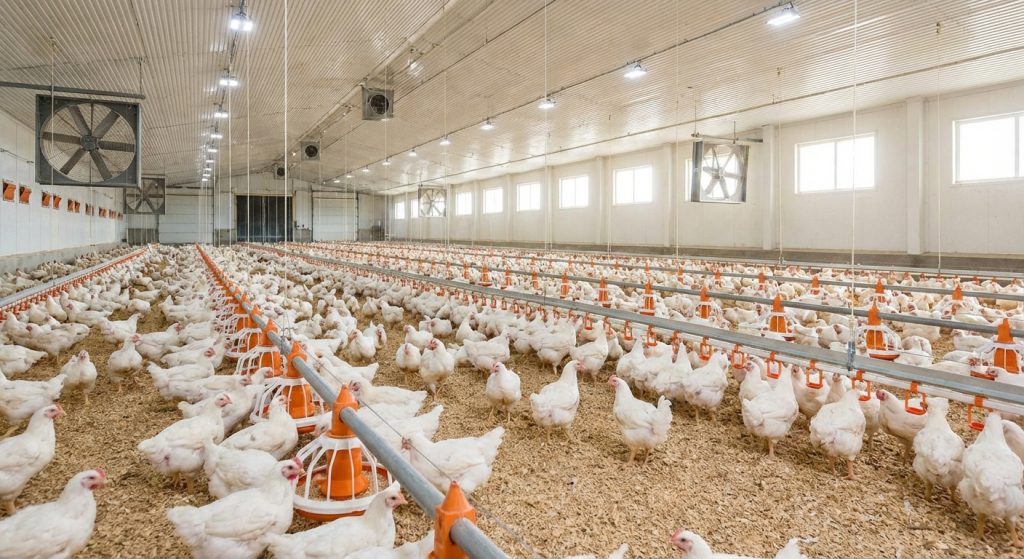
Modern design focuses on bird density optimization and the seamless integration of automated climate and feeding systems. When evaluating what is a poultry farm , the architectural layout often dictates the maximum capacity and sanitary ease of the operation. A well-designed floor plan reduces labor requirements and minimizes stress for the livestock.
How does layout affect biosecurity?
Proper design includes clear “clean” and “dirty” zones to prevent the cross-contamination of different bird batches. You should ensure that the entry points for feed delivery are separated from the areas where birds are removed for processing.
- Footbaths: Strategically located at every entrance.
- Ventilation Orientation: Ensuring air flows away from young, vulnerable birds.
- Smooth Surfaces: Using materials that are easy to pressure wash and disinfect.
Here is the deal: a smart layout does half the work of disease prevention before you even step into the barn.
Why optimize for bird density?
Correct spacing prevents aggressive behavior and ensures that every bird has equal access to water and nutrients. You must calculate the ideal square footage based on your specific breed and local environmental regulations.
- Feeding Lines: Calculated to prevent crowding during peak times.
- Roosting Areas: Provided for layers to encourage natural behavior.
- Movement Corridors: Designed for easy staff inspection without startling birds.
The most important thing for you to remember is that a crowded house leads to higher stress and lower immunity.
Key Takeaway: Sophisticated design isn’t just about aesthetics; it is the structural foundation for animal welfare, biosecurity, and operational efficiency.
| Design Element | Operational Value | Ease of Upkeep | |
|---|---|---|---|
| Zoning | Barrier Control | High | |
| Flow Path | Labor Reduction | Moderate | |
| Sanitizable Walls | Low Bacteria | High |
High-efficiency designs directly correlate with lower mortality rates and more consistent growth cycles.
How do veterinarians ensure poultry health?
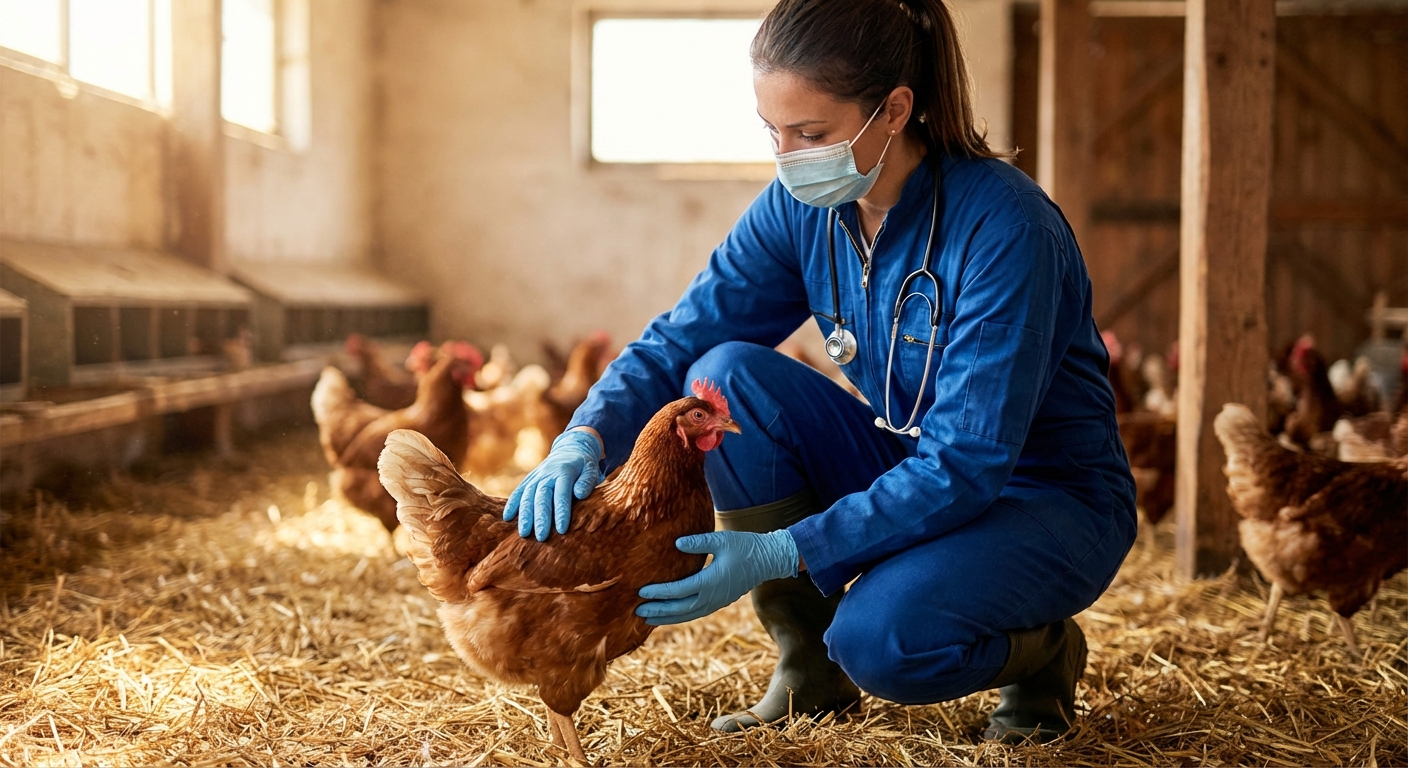
Veterinarians act as the primary defense against catastrophic disease outbreaks that could wipe out an entire flock in days. In any discussion regarding what is a poultry farm, the role of medical oversight cannot be understated for long-term survival. They provide vaccination schedules and diagnostic services to keep the population thriving.
What is included in a vaccination program?
Specialists design custom protocols to protect birds from common threats like Newcastle disease or avian influenza. You should work with a vet to ensure vaccines are administered at the perfect stage of development.
- Batch Vaccination: Treating entire flocks through water lines or sprays.
- Monitoring: Periodic blood tests to confirm immunity levels.
- Record Keeping: Maintaining logs for regulatory compliance and safety.
And you know what? Staying ahead of the curve with vaccines is much cheaper than treating a sick flock.
How are necropsies used in diagnostics?
If unexpected mortality occurs, a veterinarian performs a necropsy to identify the root cause and prevent further spread. This proactive approach helps you adjust management practices before the problem escalates.
- Organ Inspection: Checking for signs of respiratory or digestive distress.
- Pathogen Typing: Identifying specific strains for targeted treatment.
- Farm Audits: Reviewing sanitation protocols after a health incident.
Make no mistake: a quick professional diagnosis is the difference between a minor setback and a total business loss.
Key Takeaway: Veterinary partnership is a strategic investment that safeguards your biological assets through preventative care and rapid crisis response.
| Health Service | Primary Outcome | Priority | |
|---|---|---|---|
| Vaccinations | Herd Immunity | Urgent | |
| Lab Testing | Precise Diagnosis | Routine | |
| Bio-Audit | Risk Mitigation | Monthly |
Establishing a relationship with a poultry specialist ensures you have expert guidance whenever bird health remains your top priority.
What role does automation play in poultry feeding?
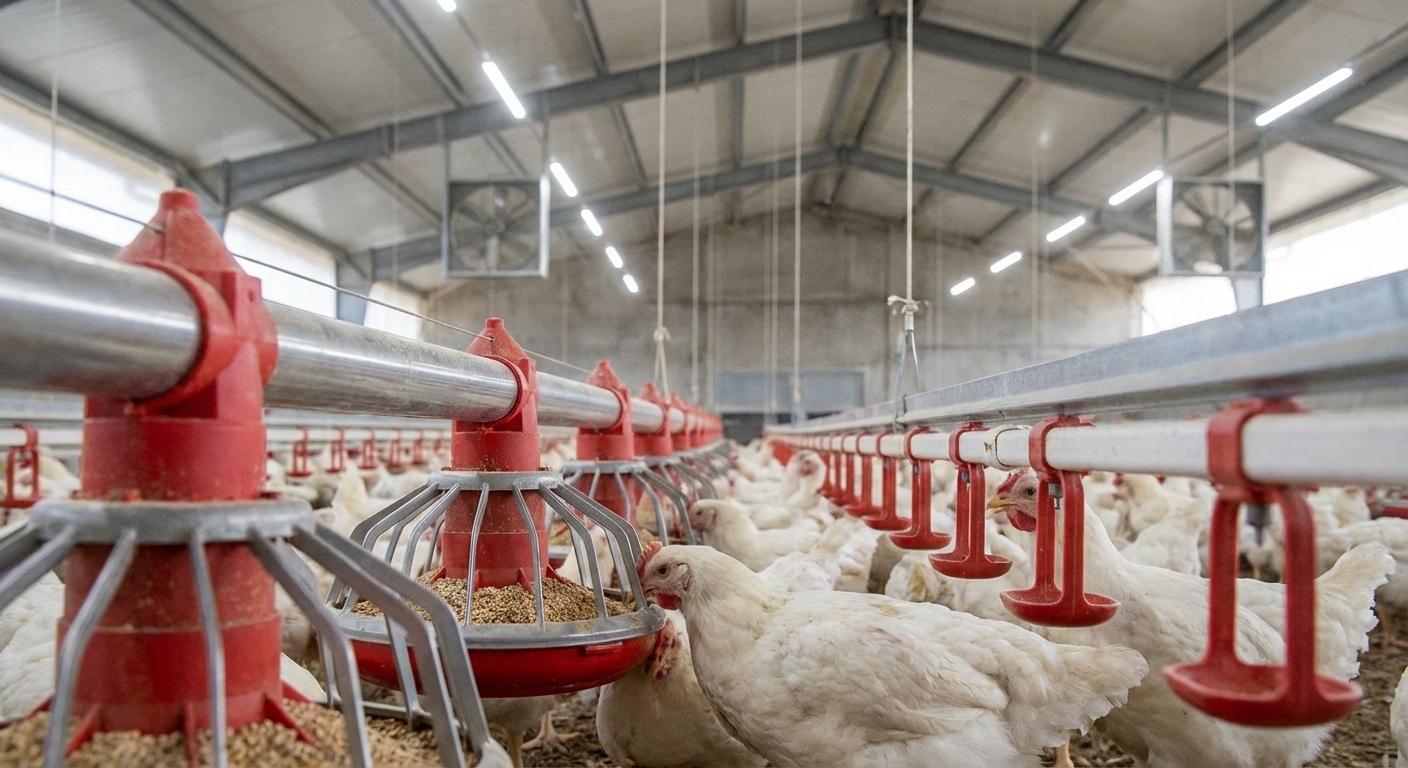
Automation removes human error from the nutrition cycle, ensuring that birds receive the exact amount of feed they need at precise intervals. As you explore what is a poultry farm , you will find that digital feeding systems are the backbone of high-yield commercial sites. These systems reduce waste and labor costs simultaneously.
How do auger systems work?
Automatic auger lines transport feed from external silos directly to individual trays throughout the entire barn. Sensore-controlled systems automatically refill trays when levels drop below a certain threshold.
- Scale Integration: Measuring exact feed consumption per house.
- Distribution: Evenly spacing feed to prevent bird competition.
- Waste Trays: Specially designed to keep feed in the pan and off the floor.
The best part? You can monitor your entire feeding schedule from a smartphone or office computer.
Can water lines be automated?
Nipple drinking systems provide fresh water on demand while keeping the litter dry by preventing spills. These systems are easy to flush and sanitize, ensuring that your birds always have access to clean hydration.
- Pressure Regulators: Ensuring consistent flow throughout long barns.
- Filtration: Removing sediment and pathogens before they reach the birds.
- Medicated Lines: Integrated pumps for delivering supplements or treatments.
Here is the deal: proper hydration is the most critical factor in achieving target weight gains on schedule.
Key Takeaway: Feeding automation translates to precision nutrition, which maximizes your feed conversion ratio and significantly lowers manual labor hours.
| Tech Component | Primary Function | Maintenance Need | |
|---|---|---|---|
| Feed Augers | Content Delivery | Lubrication | |
| Sensors | Demand Triggers | Calibration | |
| Nipple Lines | Dry Hydration | Weekly Flush |
Leveraging automation allows a single operator to manage thousands of birds with high accuracy and minimal physical strain.
Why choose galvanized steel for poultry houses?
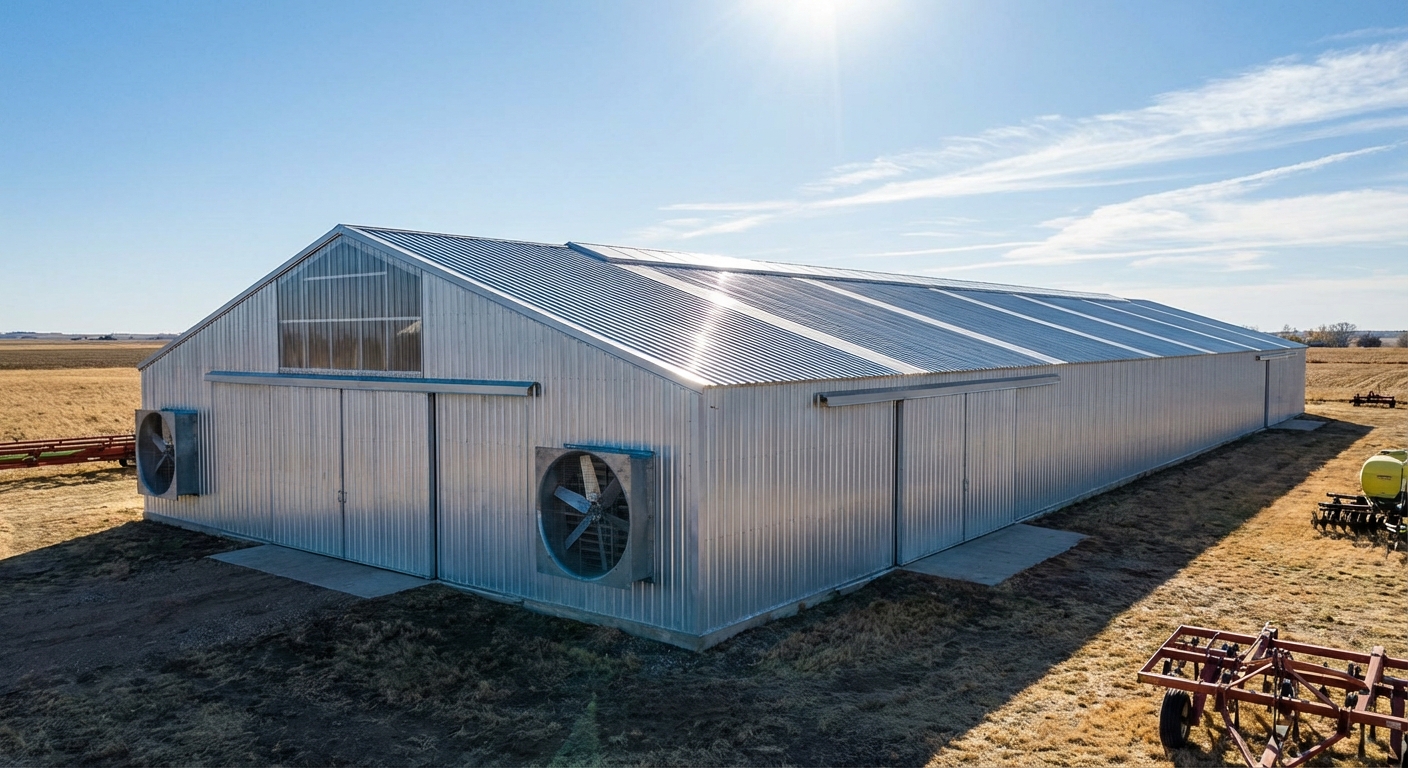
Galvanized steel offers unmatched resistance to the corrosive ammonia gasses and high humidity levels commonly found inside bird enclosures. Any expert defining what is a poultry farm will recommend steel over wood for its durability and fire-resistant properties. High-quality steel structure warehouse technology is now the global standard for large-scale agriculture.
How does steel resist corrosion?
The zinc coating on galvanized steel acts as a sacrificial barrier, preventing the underlying metal from rusting in harsh environments. This is vital because poultry manure produces high levels of ammonia, which quickly eats through inferior materials.
- Long Lifespan: Most steel barns last 25 years or more with minimal care.
- Structural Integrity: Able to withstand heavy snow loads and high winds.
- Insect Proof: Unlike wood, steel is completely immune to termites and mites.
Think about it: choosing the right material now saves you from expensive structural repairs five years down the road.
Is steel easier to modernize?
Steel frames allow for wide, clear spans without the need for central support pillars that obstruct automated equipment. This flexibility makes it much easier for you to install the latest ventilation and feeding technologies.
- Prefabricated Parts: Rapid assembly that reduces on-site construction time.
- Modular Design: Easy to expand the barn length if your business grows.
- Smooth Surface: Allows for faster and more thorough disinfection cycles.
Essentially, a steel building is a future-proof investment that adapts as your farming methods evolve.
Key Takeaway: Galvanized steel provides the structural resilience and hygiene standards required for a high-performing, low-maintenance commercial operation.
| Material Trait | Advantage for Poultry | Cost Impact | |
|---|---|---|---|
| Ammonia Resistance | Structural Longevity | High Savings | |
| Clear Span | Equipment Flexibility | Improved ROI | |
| Fire Rating | Lower Insurance | Reduced Risk |
By prioritizing material quality durring construction, you ensure your facility remains a productive asset for decades to come.
What defines a modern egg-laying operation?
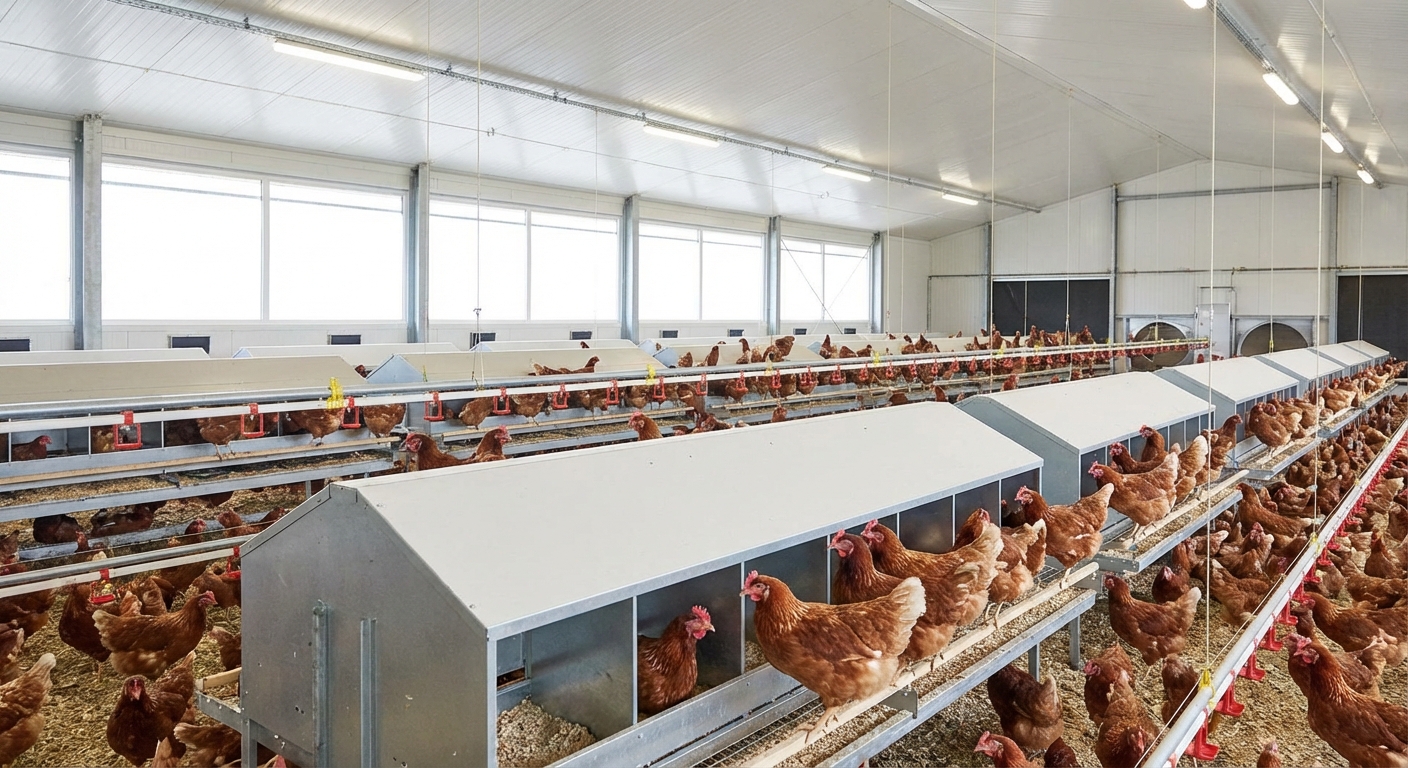
A modern egg operation prioritizes hen health and egg shell quality through controlled lighting and automated collection belts. When researching what is a poultry farm , one sees that layer facilities are highly specialized compared to meat-focused barns. These complexes are engineered for continuous production and maximum sanitation.
What are the different housing systems?
Producers choose between enriched cages, aviary systems, or floor-based housing depending on welfare standards and market demand. Each system is designed to provide clean nesting areas and easy manure removal.
- Aviaries: Multi-level structures that allow hens to fly and hop.
- Enriched Cages: Providing nests and scratching areas in group settings.
- Nesting Boxes: Darkened, quiet spaces to encourage consistent laying.
And the best part? Modern systems are designed so the egg rolls away immediately, keeping it clean and crack-free.
How is lighting managed for production?
Computerized lighting schedules mimic seasonal changes to stimulate the hens’ reproductive systems year-round. Precise control over light intensity and duration ensures a steady supply of eggs regardless of the weather outside.
- Dimming Curves: Gradually waking the birds to reduce stress levels.
- Spectrum Control: Using specific wavelengths to promote calm behavior.
- Energy Efficiency: Transitioning to LED systems to lower production costs.
Here is the deal: if you master the light and the temperature, your hens will reward you with peak productivity.
Key Takeaway: Layer farming is a precision discipline where environmental control and automated handling ensure a high volume of top-tier eggs.
| Feature | Impact on Production | Welfare Level | |
|---|---|---|---|
| Auto-Collection | Reduced Breakage | N/A | |
| Climate Sensors | Consistent Yield | High | |
| Manure Belts | Low Ammonia | High |
Implementing these specialized systems allows you to compete in the high-volume egg market while maintaining strict food safety standards.
Is a backyard poultry setup right for you?
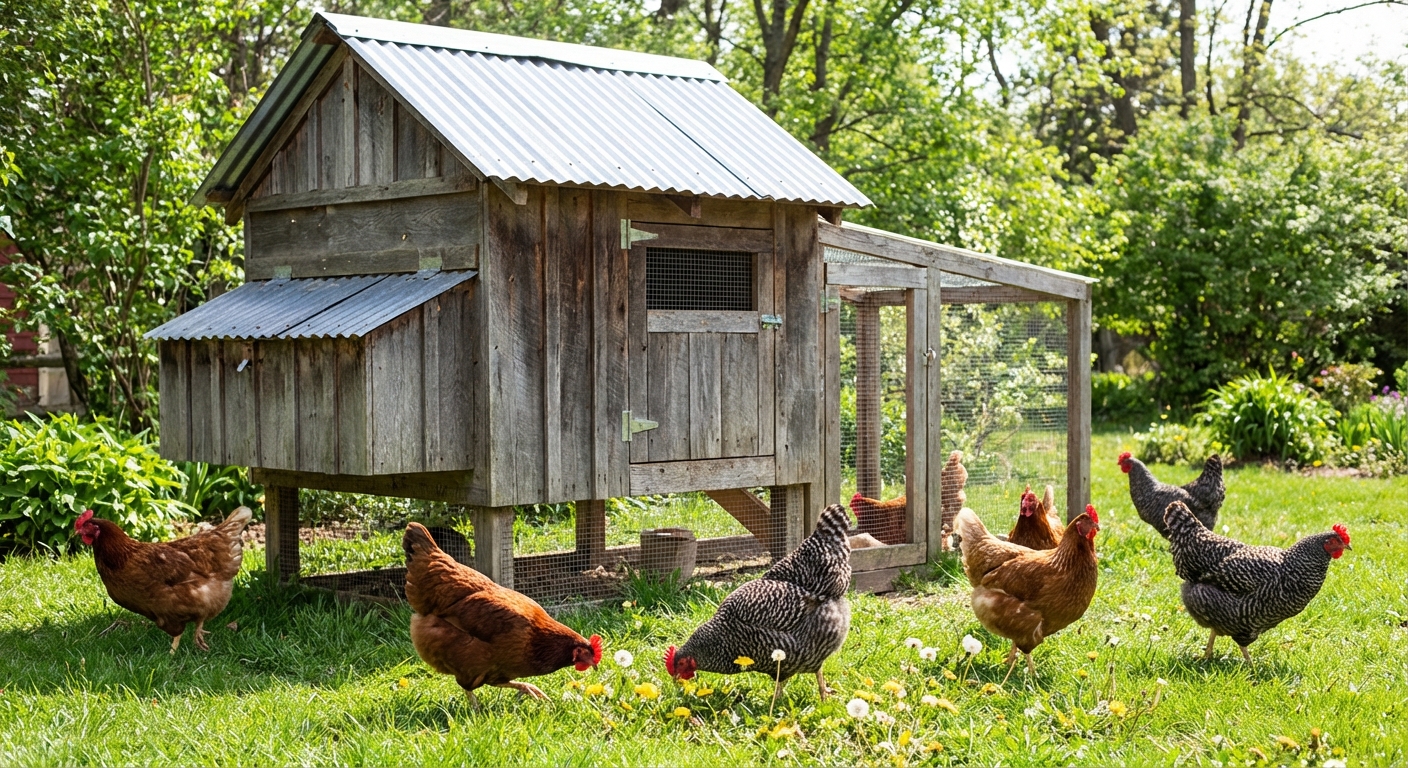
Backyard setups provide a sustainable way for families to produce their own fresh eggs and manage organic waste on a small scale. While a commercial what is a poultry farm focus is on profit, a backyard version emphasizes self-sufficiency and education. These smaller coops require less capital but still demand daily commitment to bird care.
What are the space requirements?
You need enough room for a secure coop and a fenced outdoor run to protect your birds from local predators. Most experts recommend at least three to four square feet of coop space per bird for standard breeds.
- Predator Proofing: Using hardware cloth instead of traditional chicken wire.
- Ventilation: Ensuring airflow at the top of the coop to prevent moisture.
- Portability: Some owners prefer “chicken tractors” that can be moved.
Check this out: even a small urban backyard can often house three or four hens quite comfortably and legally.
How do you manage a small flock?
Daily tasks involve refilling small waterers, collecting eggs, and managing the deep litter system for compost. You must also be prepared to handle common issues like “broody” hens or seasonal molting.
- Scrap Recycling: Hens can eat many kitchen scraps, reducing your waste.
- Pest Control: Chickens are excellent at clearing your garden of bugs.
- Social Dynamics: Understanding the “pecking order” to keep peace in the coop.
Here is the deal: your backyard flock will quickly become part of the family while paying rent in delicious, fresh eggs.
Key Takeaway: Small-scale poultry ownership is a rewarding hobby that provides food security and a deeper connection to where your protein comes from.
| Backyard Goal | Daily Commitment | Cost Level | |
|---|---|---|---|
| Egg Supply | 15 Minutes | Low | |
| Pest Control | 0 Minutes | N/A | |
| Composting | 5 Minutes | Zero |
Before starting, always check your local zoning laws to ensure that keeping poultry is permitted in your residential area.
How is climate control managed in poultry barns?
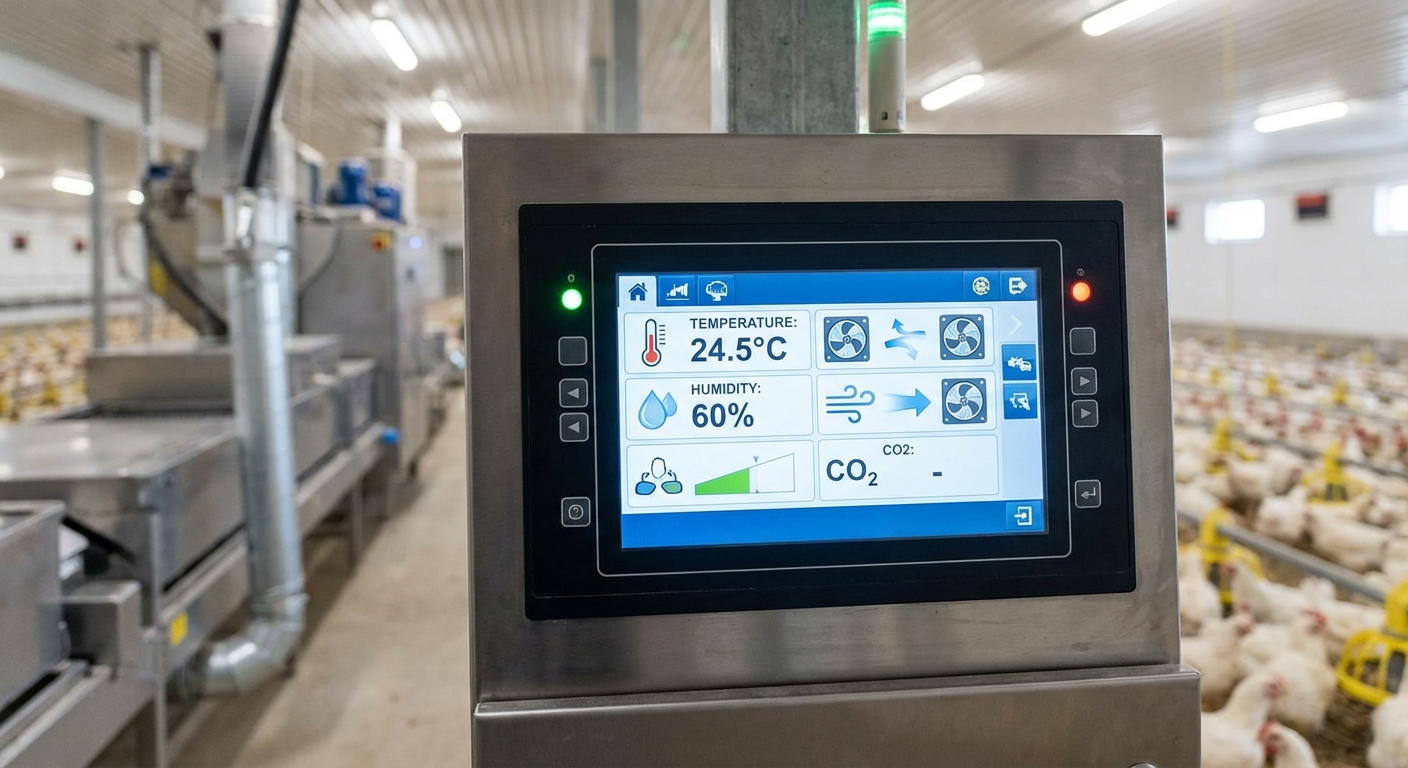
Climate control systems utilize high-powered fans, cooling pads, and heaters to maintain a constant temperature regardless of external weather. When answering what is a poultry farm , heating and cooling are often the most technical aspects of the facility. Proper air exchange is vital for removing moisture, CO2, and ammonia from the living environment.
Why is tunnel ventilation effective?
Tunnel systems pull air through the entire length of the barn at high speeds, creating a wind-chill effect that keeps birds cool during summer. This method is far more efficient than traditional side-wall fans for large, high-density operations.
- Cooling Pads: Using evaporation to drop inlet air temperature.
- Variable Speed Fans: Adjusting airflow based on real-time sensor data.
- Air Curtains: Sealing the house to maintain negative pressure.
The best part? You can keep your birds productive even during the hottest heatwaves of the year.
How do sensors improve air quality?
Modern controllers monitor humidity and gas levels, automatically adjusting fan speeds to keep the air fresh. This prevents respiratory problems and keeps the litter dry, which also reduces the risk of footpad lesions.
- CO2 Monitors: Ensuring birds have plenty of oxygen for growth.
- Humidity Probes: Keeping the air at the “goldilocks” level of 50-70%.
- Alarms: Notifying you immediately if temperatures move out of safe ranges.
And the best part? Precision control means you never waste energy over-ventilating or over-heating your space.
Key Takeaway: Mastering the barn environment through technology is the most effective way to optimize bird growth and prevent seasonal production slumps.
| Climate Variable | Control Method | Bird Benefit | |
|---|---|---|---|
| Heat | Cooling Pads | Reduced Stress | |
| Ammonia | Exhaust Fans | Lung Health | |
| Humidity | Heat/Air Mix | Foot Health |
Investing in a robust climate control dashboard gives you peace of mind and total control over your production environment.
Strategic Conclusion
A poultry farm is more than just a collection of barns; it is a high-technology production engine that requires precision engineering and expert management. From selecting durable galvanized steel structures to implementing automated feeding and climate systems, every decision affects your bottom line and bird welfare.
We provide the structural foundation for your success, engineering world-class poultry houses that withstand the rigors of modern agriculture. Our vision for the industry is one of total efficiency and sustainability, where farmers can grow their businesses with confidence. For a consultation on your next agricultural project, please contact us today .
Frequently Asked Questions
Can I start a poultry farm without prior agricultural experience?Yes, but you should seek professional consultation first. Managing a large-scale operation requires a steep learning curve regarding biosecurity and animal husbandry that is best navigated with expert guidance.
What’s the best material for building a long-lasting poultry house?Galvanized steel is widely considered the industry standard. It offers superior resistance to ammonia corrosion and fire, ensuring your facility remains structuraly sound for decades longer than wood alternatives.
How do I know if my farm is performing efficiently?You must track your feed conversion ratio and mortality rates. Comparing these numbers against industry benchmarks will tell you exactly where your management or infrastructure needs improvement.
Can I manage a commercial poultry farm alone?No, modern operations usually require at least a small team or heavy automation. Even with the best technology, you need personnel for bird inspections, medical treatments, and facility maintenance.
What’s the best way to prevent disease on a new farm?Strict biosecurity protocols are your most effective tool. Limiting access to the site, using footbaths, and ensuring your barn design has clear “clean” zones will keep pathogens away from your flock.