
Commercial production on a poultry farm is the large-scale, systematic rearing of domesticated birds for the primary purpose of generating meat and eggs. Many investors struggle with maintaining consistent yields due to inefficient facility designs and environmental stress on the livestock. If your birds are constantly underperforming or succumbing to seasonal temperature shifts, your operational costs will skyrocket while your profits plummet. To secure your investment, you must implement professional building solutions that prioritize biosecurity and climate control.
How does commercial production work on a poultry farm?
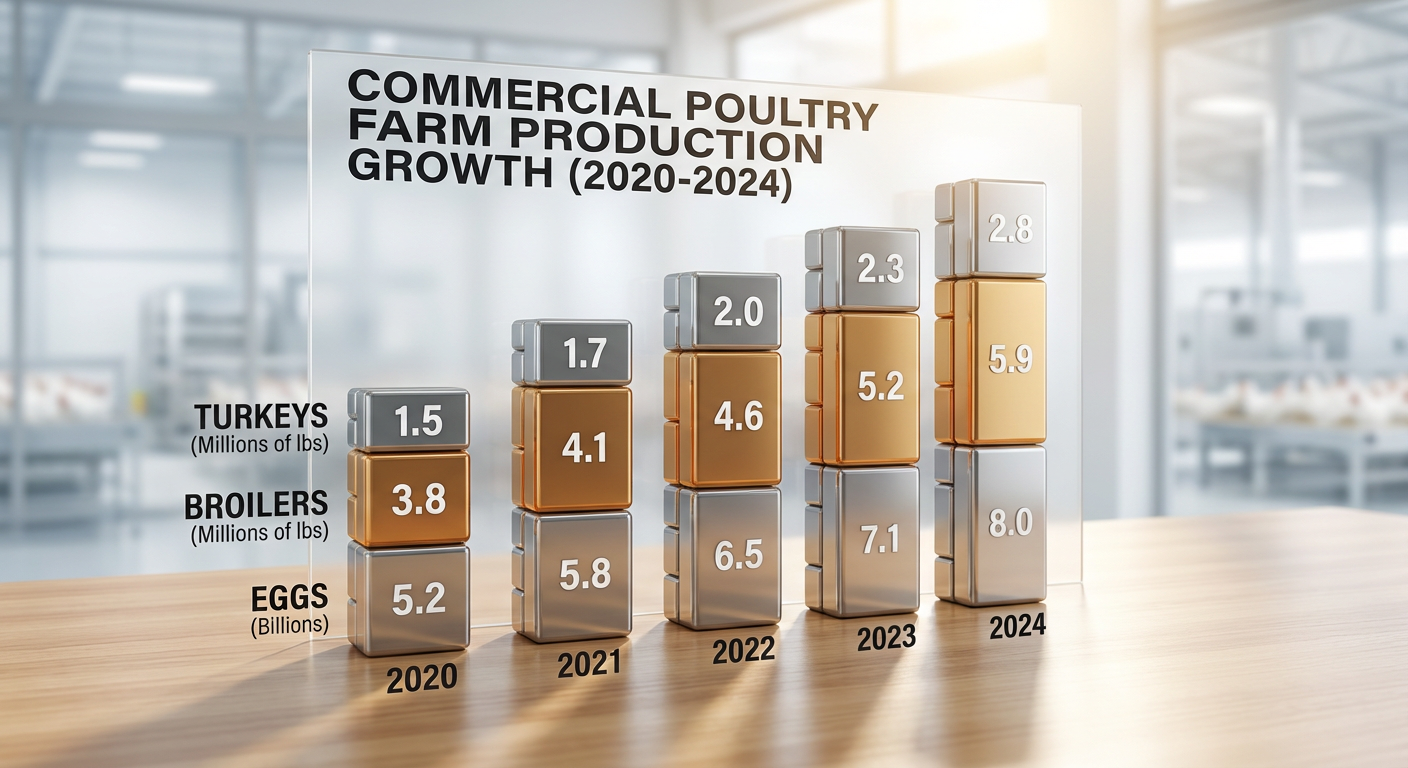
Commercial production on a poultry farm relies on highly specialized genetic strains and automated systems to maximize output and minimize labor. By focusing on high-density rearing, you can produce vast quantities of protein within a relatively small footprint.
How has production shifted toward industrialization?
The transition toward industrial methods has replaced traditional backyard scavenging with intensive confinement systems. You now use scientific breeding and climate-controlled environments to ensure birds reach market weight in record time.
- Advanced genetic selection for rapid growth.
- Total environmental control systems.
- High-density cage or floor-rearing models.
Think about this for a moment. Modern industrialization allows you to produce a broiler to market weight in nearly half the time required just a few decades ago.
What are the economic impacts of mass production?
Mass production has dramatically lowered the unit cost of poultry products, making them accessible to a global market. You benefit from economies of scale that allow for lower feed-to-meat conversion ratios and higher profit margins.
| Economic Factor | Impact on Farm | Long-term Benefit | |
|---|---|---|---|
| Scale | Reduced fixed costs | Higher ROI | |
| Automation | Lower labor overhead | Consistent quality | |
| Breeding | Faster turnover | Increased annual cycles |
Key Takeaway: Industrialized production methods transform biological processes into a predictable manufacturing cycle that ensures food security and business scalability.
This table illustrates how integrating industrial scale with advanced technology stabilizes your financial projections against market volatility.
What should you feed birds on a modern poultry farm?
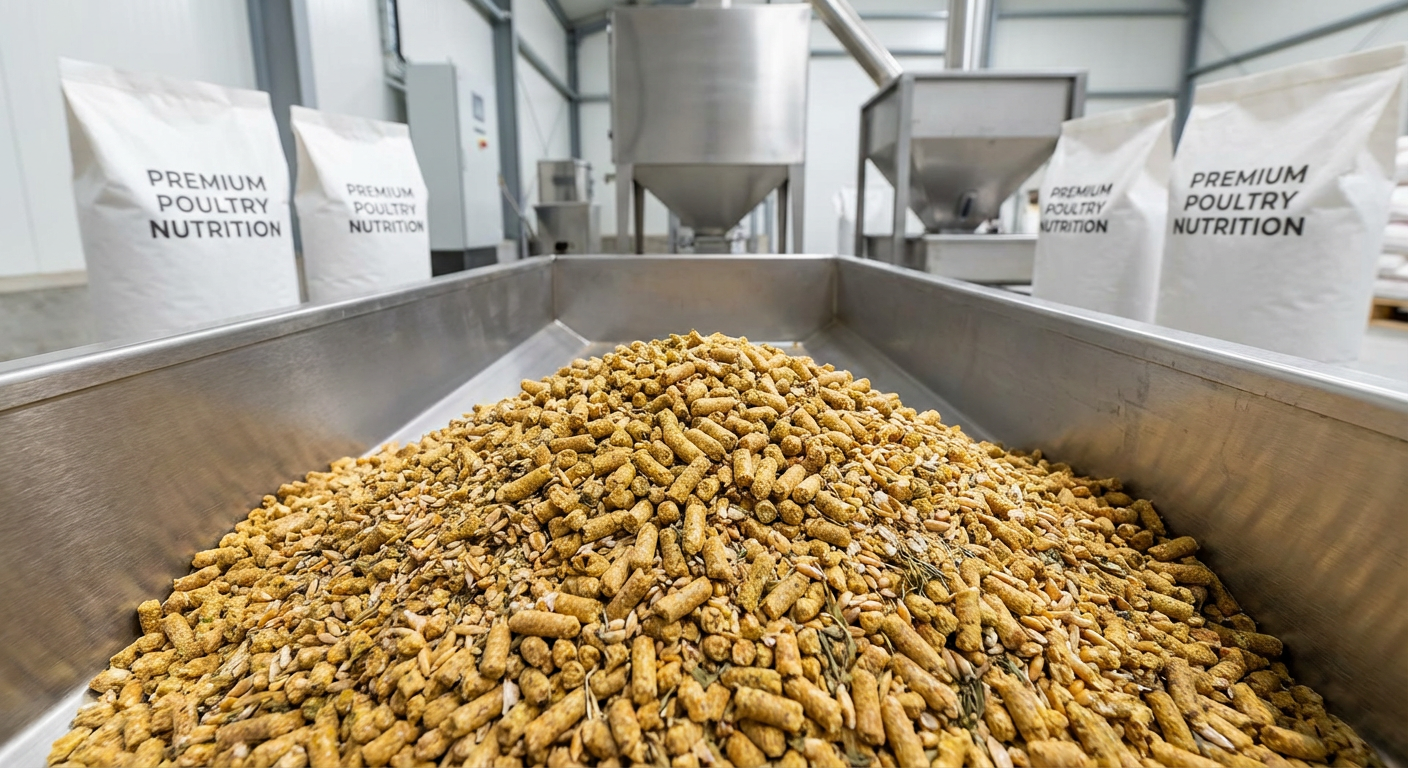
Feeding birds on a modern poultry farm involves using scientifically formulated rations that provide a precise balance of proteins, energy, minerals, and vitamins. You must ensure that every gram of feed contributes to either muscle development or egg production efficiency.
How do you formulate the perfect nutrient ratio?
You formulate these rations by analyzing the specific life stage of the bird and its intended output. A broiler requires high protein for muscle growth, whereas a layer needs higher calcium levels for strong eggshells.
- Starter crumbles for early development.
- Finisher pellets for maximum weight gain.
- Specific amino acid profiles like lysine and methionine.
But wait, there is more. The physical form of the feed, whether mash or pellets, can significantly affect how well your birds digest their nutrients.
What is the role of additives and minerals?
Additives like enzymes and probiotics improve gut health and nutrient absorption on your poultry farm. Essential minerals such as phosphorus and sodium are critical for skeletal integrity and metabolic function.
| Nutrient Category | Primary Function | Source Example | |
|---|---|---|---|
| Proteins | Muscle & Feather growth | Soybean meal | |
| Minerals | Bone & Eggshell strength | Limestone | |
| Vitamins | Immune system health | Premix blends |
Key Takeaway: Precision nutrition is the cornerstone of poultry health, directly impacting your feed conversion ratio and total farm profitability.
Optimizing your feed strategy ensures that your livestock reaches its genetic potential without wasting expensive raw materials.
How do you optimize management within a poultry farm?
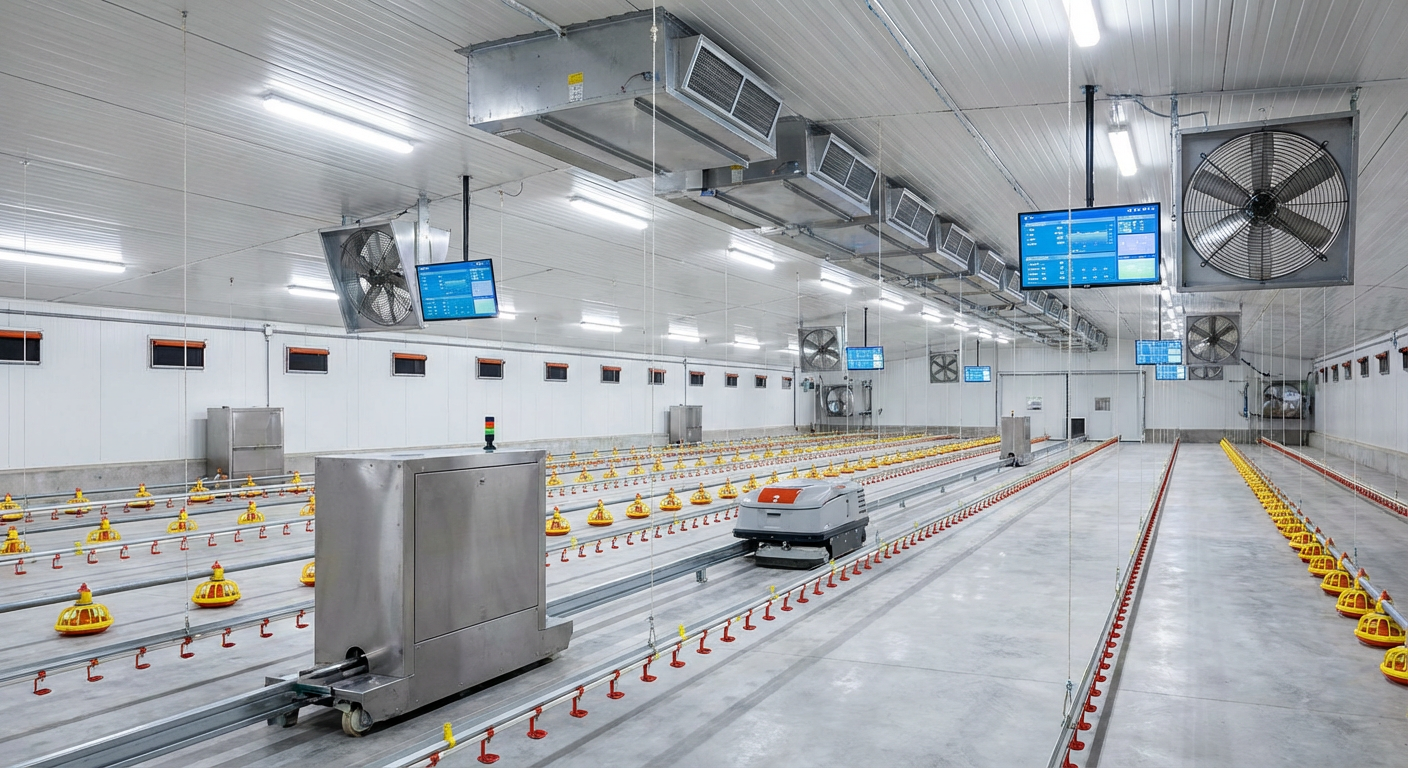
Optimizing management within a poultry farm requires the integration of automated climate control, feeding, and waste removal systems. You need to create a stress-free environment where the birds’ biological needs are met with minimal human intervention.
How do you control the housing environment?
You control the environment by using sensors that monitor temperature, humidity, and ammonia levels in real-time. Proper ventilation prevents respiratory issues and keeps the litter dry, which is vital for bird health.
- Tunnel ventilation for cooling.
- Automated lighting schedules.
- Insulated wall panels for temperature stability.
Here is the kicker. Even a minor fluctuation in house temperature can cause a significant drop in feed intake and overall productivity.
Can you mechanize daily poultry farm tasks?
You can mechanize almost every repetitive task, from delivering feed to collecting eggs and removing manure. Mechanization reduces the risk of human-borne pathogens entering the facility and ensures tasks are performed on a strict schedule.
| Management Area | Mechanization Tool | Efficiency Gain | |
|---|---|---|---|
| Feeding | Auger delivery systems | Zero waste | |
| Egg Collection | Conveyor belts | Reduced breakage | |
| Climate | Smart controllers | Optimized growth |
Key Takeaway: Strategic management through automation allows you to scale your operations while maintaining a high standard of animal welfare and biosecurity.
This structured approach to management proves that technology is the most effective tool for mitigating operational risks in high-density farming.
How can you control common diseases on a poultry farm?
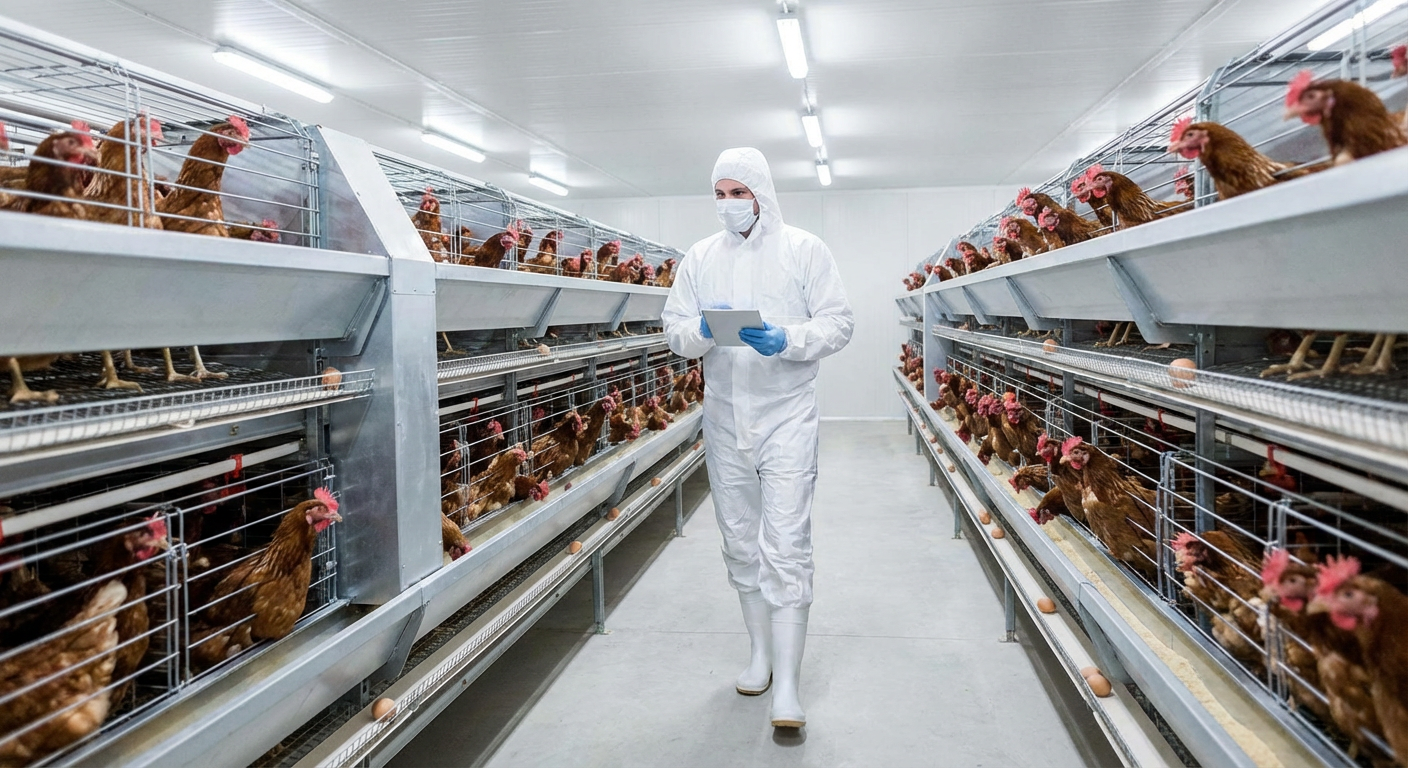
Controlling common diseases on a poultry farm is achieved through a combination of strict biosecurity protocols, routine vaccinations, and proper sanitation. You must view your facility as a secure fortress where external pathogens are barred from entry.
How do you identify viral and bacterial threats?
You identify threats by monitoring flock behavior and physical symptoms such as coughing, lethargy, or sudden drops in production. Common enemies include Newcastle disease, avian influenza, and coccidiosis.
- Respiratory distress or nasal discharge.
- Abnormal mortality rates.
- Changes in eggshell quality or color.
The bottom line is this. Rapid identification and isolation of sick birds are the only ways to prevent a local infection from becoming a farm-wide catastrophe.
Why are strict biosecurity protocols essential?
Strict protocols are essential because they prevent the introduction of viruses from outside sources like wild birds, equipment, or visitors. You should implement “all-in, all-out” systems to allow for thorough cleaning between flocks.
| Biosecurity Level | Action Required | Protective Result | |
|---|---|---|---|
| Perimeter | Fencing & Signage | No unauthorized access | |
| Entry | Footbaths & PPE | Pathogen exclusion | |
| Internal | Sanitation cycles | Cross-contamination prevention |
Key Takeaway: Biosecurity is not a one-time setup but a continuous discipline that protects your livestock and your financial bottom line.
A rigorous biosecurity framework serves as the primary insurance policy against the unpredictable nature of biological disease.
Why are chickens the top choice for any poultry farm?
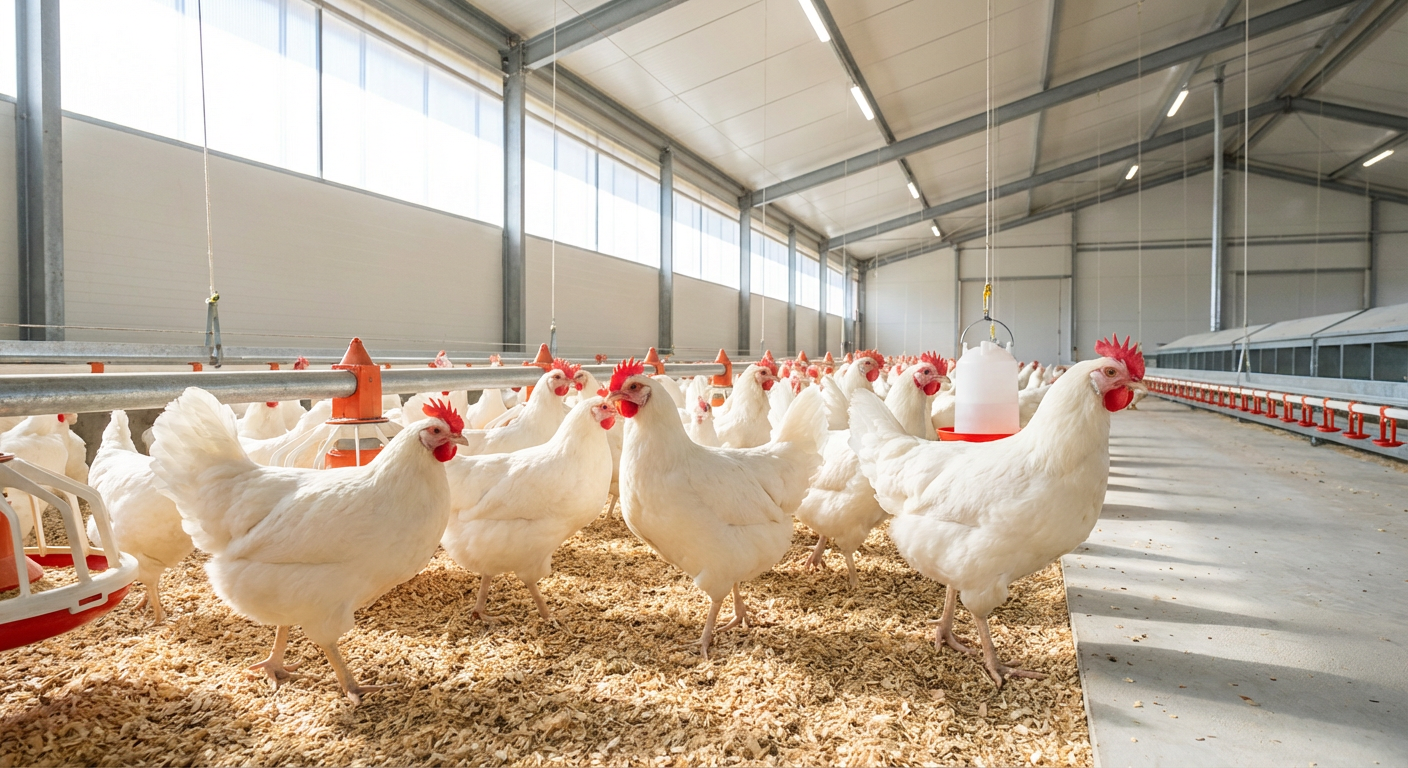
Chickens are the top choice for any poultry farm because of their exceptional feed conversion efficiency and the massive global demand for both their meat and eggs. You can choose from specialized breeds that have been perfected over decades to deliver maximum yield.
What are the leading breeds for meat output?
The leading breeds for meat, known as broilers, are typically hybrids like the Cornish Cross. These birds are bred to grow incredibly fast, reaching market weights in as little as five to seven weeks under optimal conditions.
- Rapid muscle development.
- Broad-breasted conformation.
- High survival rates in controlled environments.
Believe it or not, the modern broiler is so efficient that it can produce one pound of meat for every two pounds of feed consumed.
Why does the White Leghorn dominate egg farms?
The White Leghorn dominates because it is a prolific layer that consumes relatively little feed compared to its output. You can expect a healthy Leghorn to produce over 300 high-quality white eggs per year.
| Chicken Type | Primary Goal | Key Characteristic | |
|---|---|---|---|
| Broiler | Meat Production | Rapid growth | |
| Layer | Egg Production | High cycle frequency | |
| Dual-Purpose | Meat & Eggs | Hardy and versatile |
Key Takeaway: Selecting the right breed allows you to align your farm’s biological assets with specific market demands for maximum profitability.
This selection guide demonstrates why chickens remain the most versatile and economically viable option for modern commercial ventures.
How do turkeys contribute to a specialized poultry farm?
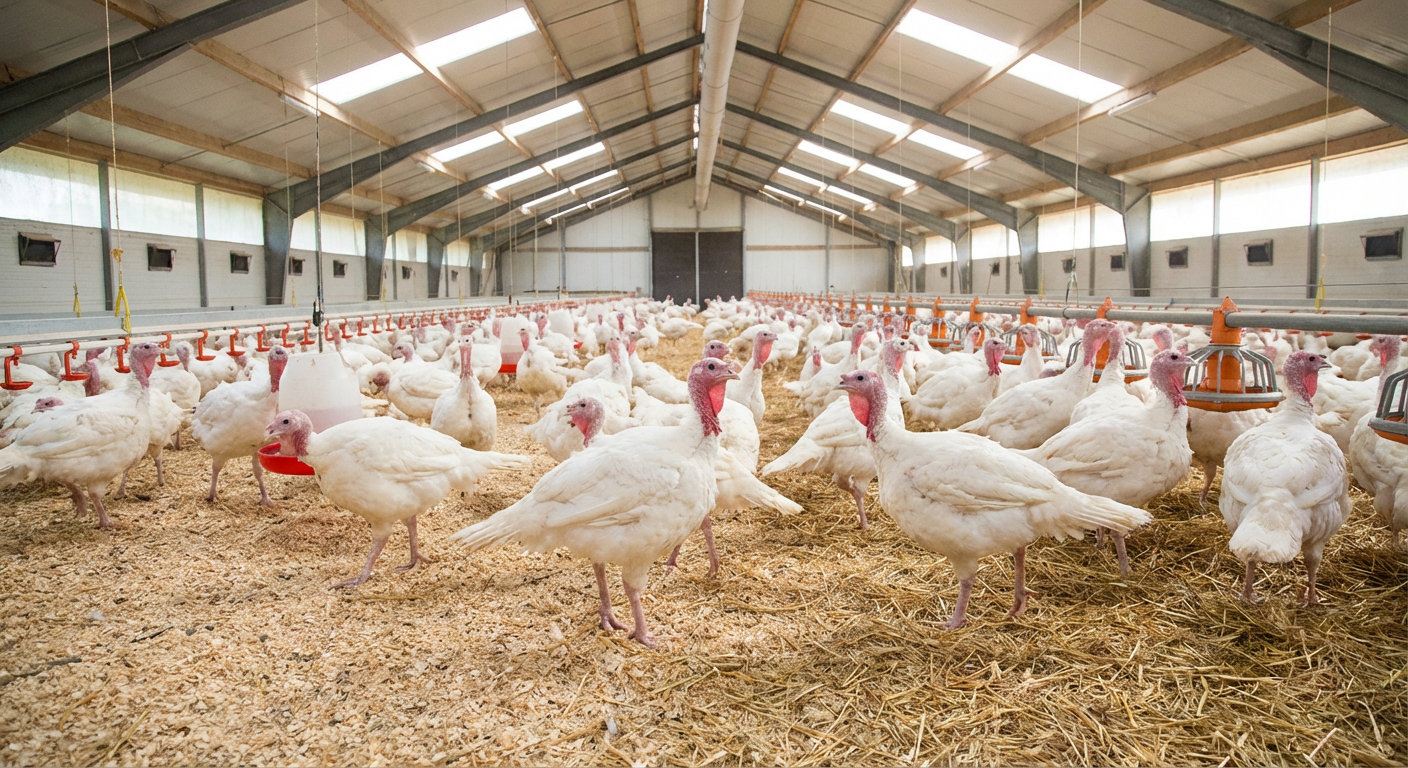
Turkeys contribute to a specialized poultry farm by providing a high-volume meat source that commands a premium price, especially during holiday seasons. You need to manage their unique growth requirements and longer production cycles compared to chickens.
How are specialized white hybrids bred today?
Modern white hybrids are bred for massive breast meat yield and rapid growth. Because these birds are so large, you will often find that they require artificial insemination to ensure high fertility rates in your breeding flock.
- Large, meaty carcasses.
- White feathers for a cleaner processed look.
- Improved skeletal strength to support weight.
But wait, there is more. Turkeys are highly social but can be more sensitive to environmental stressors than chickens, requiring more space per bird.
How do you maximize growth and feed efficiency?
You maximize growth by using high-energy rations and strictly controlled rearing houses that prevent overcrowding. Monitoring the feed-to-gain ratio is crucial since turkeys consume significantly more feed over their 12 to 19-week growth period.
| Growth Phase | Duration (Weeks) | Feed Focus | |
|---|---|---|---|
| Brooding | 0 – 4 | High protein starter | |
| Growing | 5 – 12 | Energy-rich formulas | |
| Finishing | 13 – Market | Maximum weight gain |
Key Takeaway: Specializing in turkeys offers a high-value niche market but requires advanced management skills and robust facility design.
Effective turkey management relies on balancing their longer growth cycles with precise nutritional phases to ensure a profitable market weight.
Can ducks and geese thrive on a versatile poultry farm?
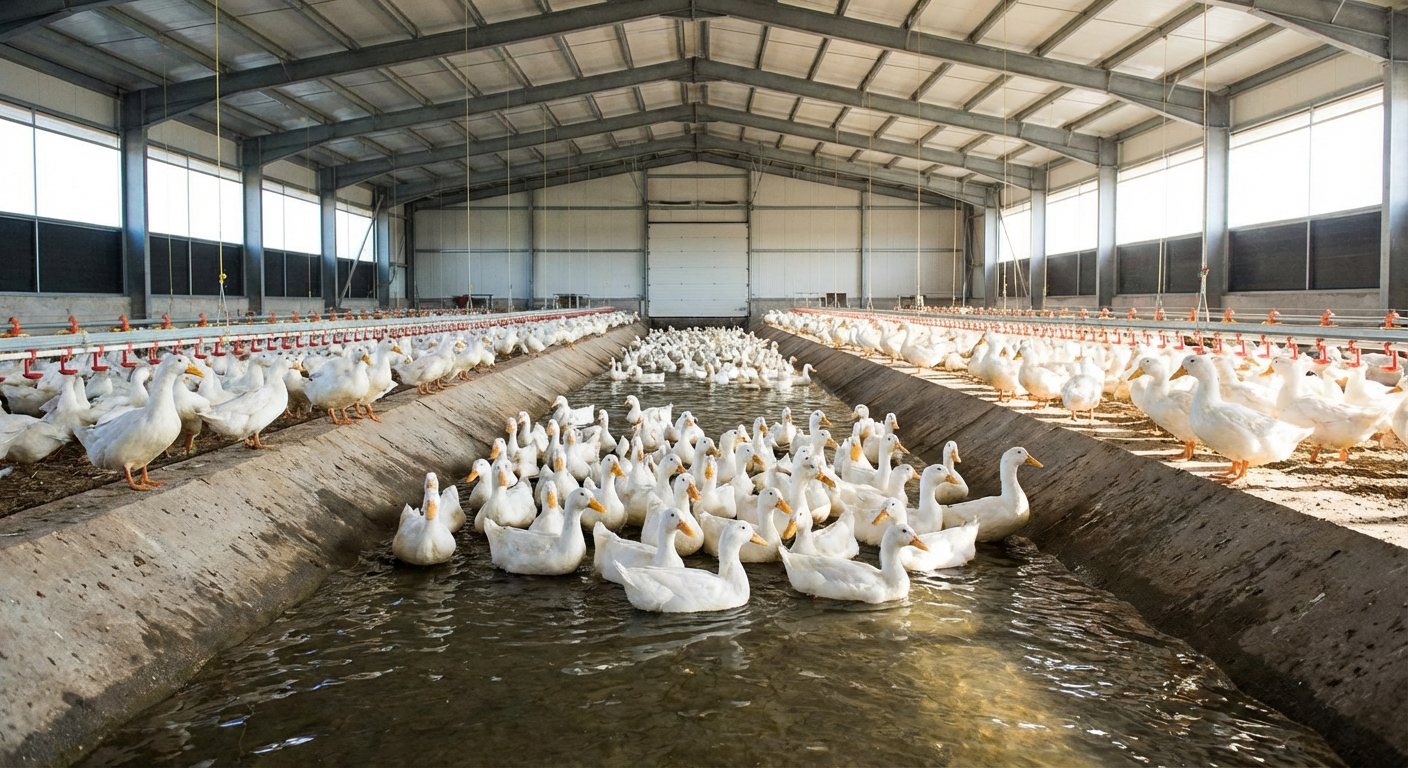
Ducks and geese can certainly thrive on a versatile poultry farm if you provide them with adequate water access and specialized housing. They are generally hardier than chickens and can convert forage and agricultural byproducts into high-quality protein.
Why raise Pekin ducks for meat and egg yields?
Pekin ducks are the industry standard for meat because of their rapid growth and excellent meat quality. You can also utilize them for egg production, as certain strains are prolific layers comparable to some chicken breeds.
- Market-ready in 7 to 8 weeks.
- Excellent resistance to many common diseases.
- Highly adaptable to various climates.
Think about this. Ducks are incredibly efficient at gleaning leftover grain from fields, making them a sustainable choice for integrated farming models.
How do you manage geese for down and feathers?
Managing geese involves a focus on their high-quality meat and the valuable down used in the textile industry. You must provide them with plenty of space to graze, as they are primarily herbivores and thrive on high-quality pasture.
| Waterfowl Type | Primary Product | Secondary Benefit | |
|---|---|---|---|
| Pekin Duck | Meat | Large, rich eggs | |
| Toulouse Goose | Meat | High-value down feathers | |
| Khaki Campbell | Eggs | Excellent foragers |
Key Takeaway: Waterfowl offer a resilient alternative to chickens, allowing you to diversify your farm’s products and tap into gourmet culinary markets.
The inherent hardiness of ducks and geese makes them an excellent choice for farmers looking to reduce medication costs and environmental sensitivity.
Are guinea fowl and squabs right for your poultry farm?
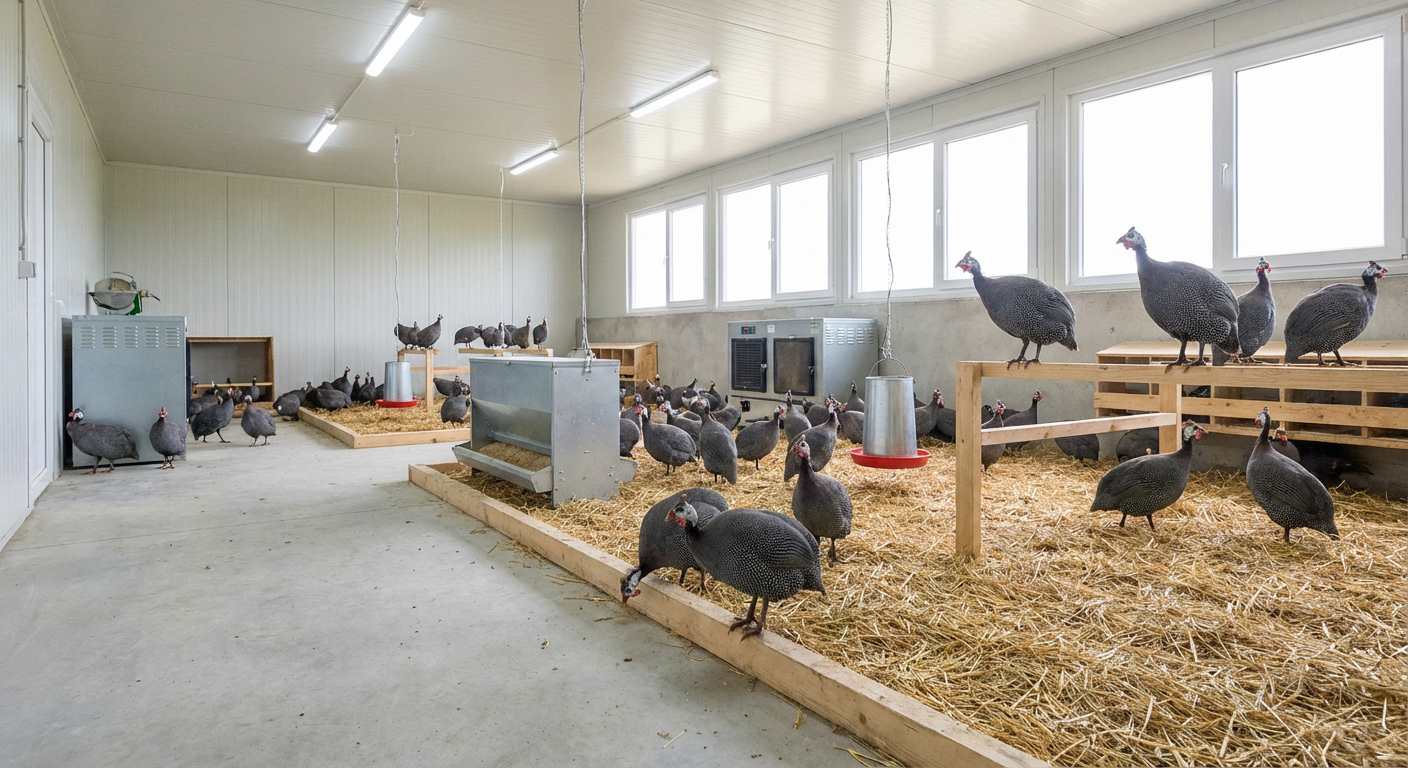
Guinea fowl and squabs are excellent choices for your poultry farm if you are looking to target high-end gourmet markets and boutique restaurants. These birds require less traditional infrastructure but demand a deep understanding of their unique behavioral patterns.
Can you explore niche gourmet squab markets?
You can find significant profit in squab—young pigeon—production because the meat is considered a luxury item in many cuisines. Squabs are harvested just before they are ready to fly, ensuring the meat remains tender and rich.
- High price per pound.
- Short production cycle (about 4 weeks).
- Unique flavor profile favored by chefs.
Here is the kicker. Pigeons are monogamous and raise their own young, meaning your management focus shifts to maintaining healthy breeding pairs rather than mass brooding.
What are the breeding requirements for pigeons?
Breeding pigeons requires specialized loft housing that allows for pair nesting while protecting the birds from predators. You must provide a high-quality “pigeon milk” equivalent in their diet through the parent birds to ensure rapid squab growth.
| Specialty Bird | Market Niche | Housing Style | |
|---|---|---|---|
| Guinea Fowl | Gourmet / Game | Semi-open yards | |
| Squab (Pigeon) | Fine Dining | Nesting lofts | |
| Quail | Specialty Eggs | Multi-tier cages |
Key Takeaway: Niche poultry like guinea fowl and squabs allow for higher margins on smaller volumes, making them ideal for specialized operations.
Diversifying into gourmet birds protects your farm from the price fluctuations of the more commoditized chicken and egg markets.
Why choose steel structures for your poultry farm?
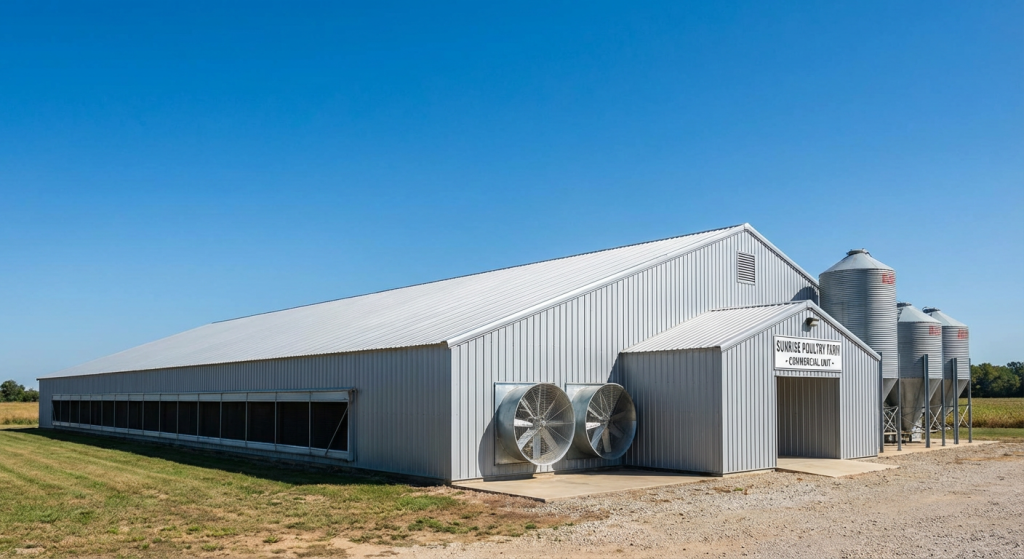
Choosing steel structures for your poultry farm is the smartest way to ensure long-term durability and superior hygiene. Prefabricated steel buildings provide a clear-span interior that makes it easy to install automated equipment and maintain high biosecurity standards.
Why use prefab steel for a modern poultry farm?
Prefab steel is ideal because it is resistant to pests, rot, and the corrosive ammonia levels commonly found in bird housing. You can erect these structures much faster than traditional buildings, allowing you to start your first production cycle sooner.
- Fire-resistant and earthquake-safe.
- Easy to sanitize and wash down.
- Highly customizable clear-span designs.
The bottom line is this. A steel building represents a one-time investment that drastically reduces your maintenance costs over the next twenty years.
How does engineering protect birds from weather?
Engineering plays a vital role in keeping your birds safe from extreme heat and freezing temperatures through advanced insulation and structural integrity. You need a building that can withstand heavy snow loads and high winds without compromising the safety of the livestock inside.
| Feature | Steel Benefit | Biological Result | |
|---|---|---|---|
| Insulation | Stable temperatures | Reduced bird stress | |
| Clear Span | No internal pillars | Optimized airflow | |
| Sealing | Pest-proof | Disease prevention |
Key Takeaway: Investing in high-quality steel infrastructure is the most effective way to protect your livestock from environmental hazards and ensure operational longevity.
A properly engineered steel house provides the stable micro-climate necessary for consistent, high-yield production year-round.
What future trends will reshape the modern poultry farm?
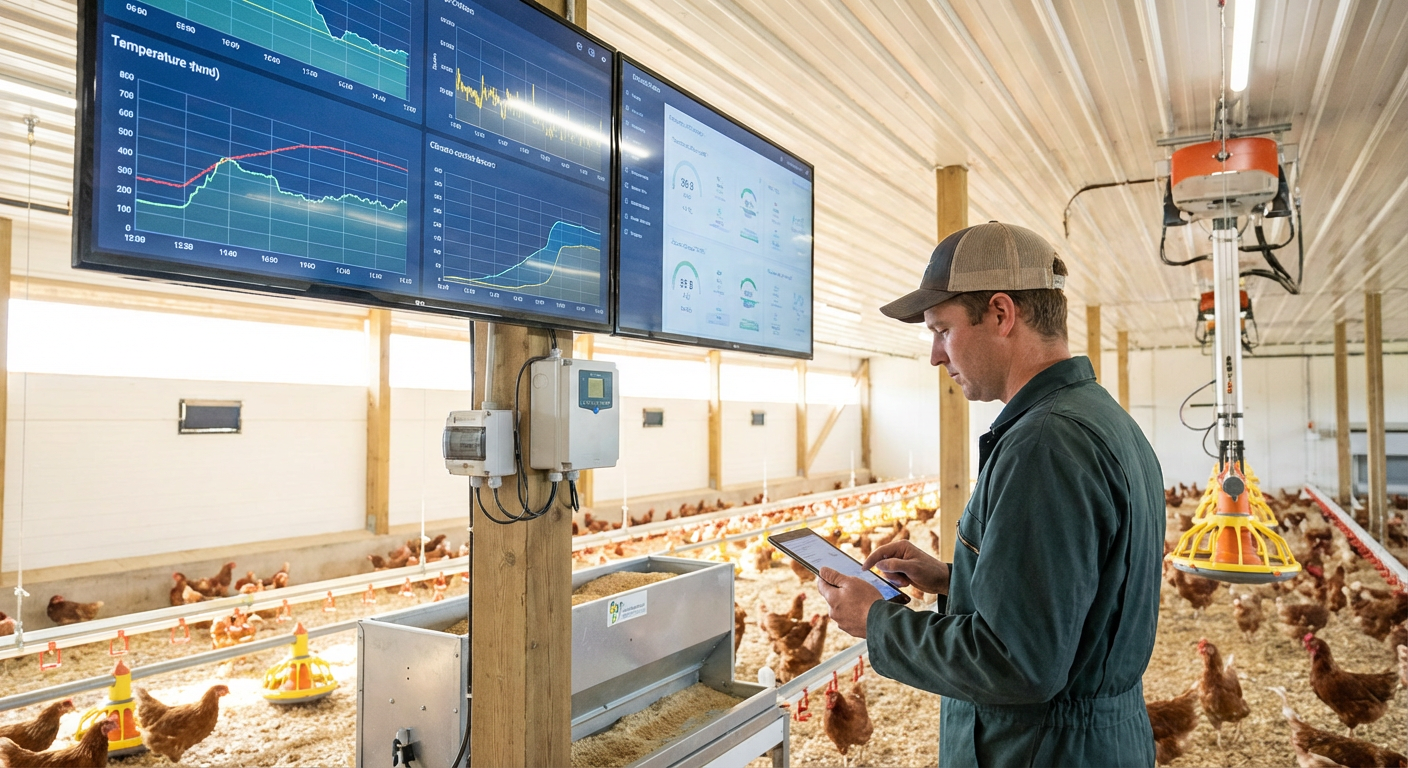
Future trends will reshape the modern poultry farm by integrating artificial intelligence and sustainable energy solutions into the daily workflow. You will see a shift toward data-driven decision-making that optimizes every aspect of the bird’s life cycle.
How will smart technology change farming?
Smart technology will allow you to monitor individual bird health using AI-powered cameras and acoustic sensors that can detect early signs of disease. This proactive approach means you can treat specific issues before they spread to the entire flock.
- Real-time biomass tracking.
- Automated health alerts.
- Predictive analytics for feed ordering.
But wait, there is more. Robotic systems for litter management and egg collection are becoming increasingly affordable for medium-scale operations.
Is sustainability the future of the poultry farm?
Sustainability is becoming a core requirement as consumers demand more transparency regarding the carbon footprint of their food. You will likely integrate solar power and waste-to-energy systems to make your farm more self-sufficient and environmentally friendly.
| Trend | Technology | Expected Outcome | |
|---|---|---|---|
| AI Monitoring | Computer vision | Lower mortality | |
| Green Energy | Solar panels | Reduced utility bills | |
| Circular Economy | Manure composting | Extra revenue stream |
Key Takeaway: Embracing smart technology and sustainable practices will be the defining factor for the most competitive poultry operations in the coming decade.
The evolution of the poultry industry toward a high-tech, sustainable model ensures that it remains the most efficient source of animal protein on the planet.
Commercial poultry farming is a high-stakes industry where the margin for error is narrow. By addressing the fundamental challenges of biosecurity, environmental control, and efficient management, you can transform a volatile venture into a stable, profitable enterprise. At Showhoo, our vision is to empower producers with the structural foundation needed to lead the global protein market. If you are ready to modernize your operations and secure your future, contact us today for a tailored solution.
FAQ
Can I build a poultry farm on a limited budget?Yes, but you must prioritize the quality of the main structure and ventilation system over secondary aesthetic features. Starting with a durable steel frame ensures that you won’t have to spend your profits on structural repairs in a few years.
What’s the best way to prevent heat stress in broilers?A combination of tunnel ventilation and high-quality insulated wall panels is the most effective solution. By maintaining high airspeed at the bird level, you facilitate evaporative cooling which is essential for survival during peak summer months.
Can I use a steel building for organic poultry farming?Absolutely. Steel structures are excellent for organic setups because they are easy to clean without harsh chemicals and provide excellent protection against the predators and pests that often plague free-range operations.
What is the average lifespan of a modern steel poultry house?With proper maintenance, a high-quality galvanized steel structure can easily last 30 to 50 years. This longevity makes it a much more cost-effective choice compared to timber or traditional masonry.
How many birds can I fit in a standard clear-span house?The capacity depends entirely on the species and your local welfare regulations, but a clear-span design maximizes your usable floor area by removing internal obstructions. This allows you to optimize bird density while maintaining proper airflow.