To design and price a metal building, you must first define its dimensions and purpose before using a 3D modeling tool to calculate material costs. Many property owners feel overwhelmed by the technical specifications and fluctuating steel prices involved in large-scale construction. Making a mistake in the planning phase can lead to thousands of dollars in wasted materials or structural failures. By following a structured metal building design process, you can ensure your project is both affordable and built to last.
Why is metal building design vital for your project?
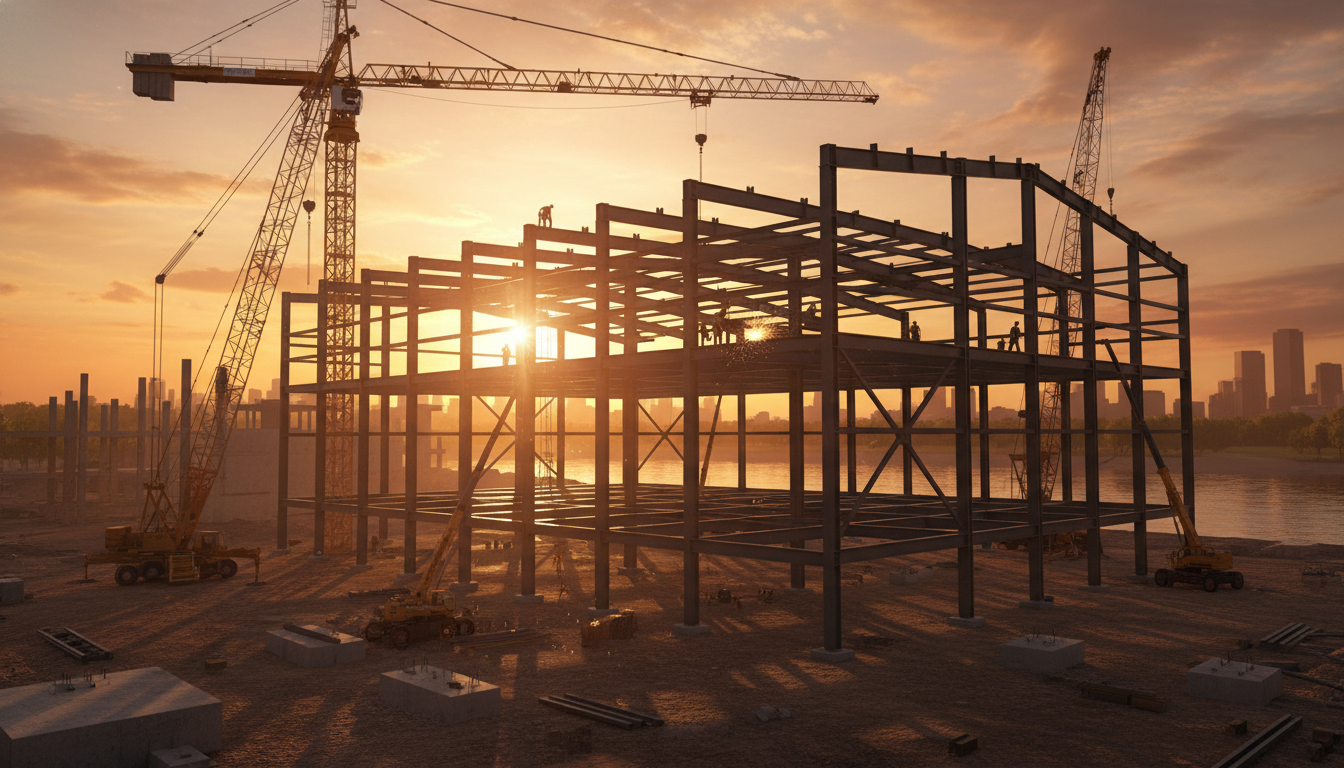
A high-quality metal building design ensures your structure can withstand local environmental stressors while maximizing internal space. Investing time in the blueprint phase prevents costly field modifications during the actual assembly.
Does design affect structural longevity?
- Load Calculation: Engineering must account for specific snow and wind loads.
- Material Selection: Higher steel grades prevent premature rust and wear.
- Foundation Alignment: Precision drawings ensure the frame fits the concrete perfectly.
Think about it: A building is only as strong as the plan behind it. Proper planning ensures that every bolt and beam works in harmony to protect your equipment or livestock for decades.
Key Takeaway: Prioritizing engineering standards during the initial design phase is the most effective way to protect your long-term investment.
| Factor | Impact on Quality | Long-term Benefit | |
|---|---|---|---|
| Load Engineering | Safety Compliance | Reduced Insurance Costs | |
| Material Grade | Corrosion Resistance | Lower Maintenance | |
| Precision Fit | Assembly Speed | Reduced Labor Expenses |
This comparison highlights how initial engineering choices determine the total life-cycle cost of your facility.
How do you start your custom metal building design?
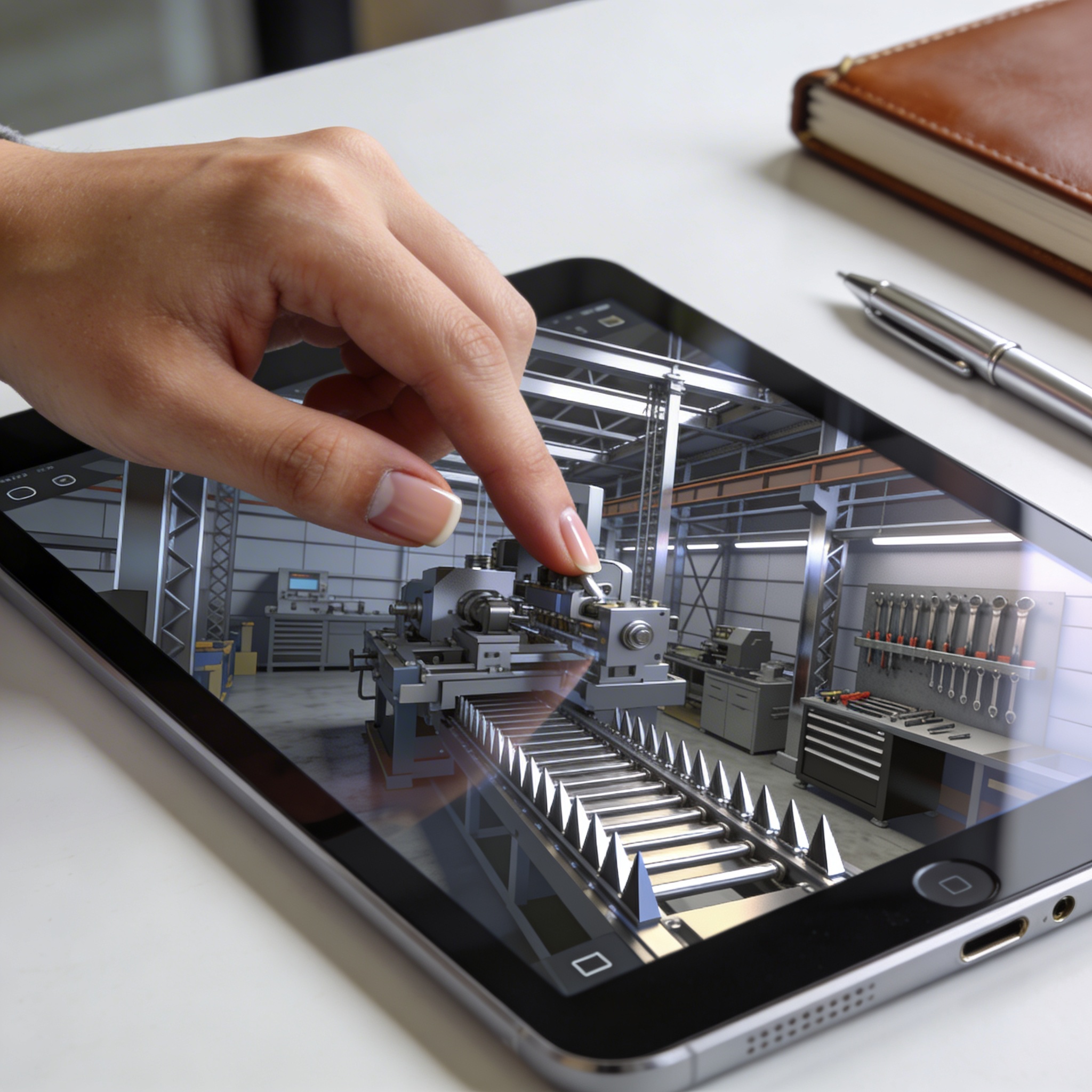
The first step in your metal building design is identifying whether you need a residential storage space or a massive industrial steel workshop . You should begin by selecting a template that most closely matches your intended use.
Can 3D tools simplify the process?
- Visual Confirmation: View your structure from every angle before fabrication.
- Instant Pricing: Watch how the cost updates as you change dimensions.
- Color Testing: Experiment with different trim and wall combinations.
But that’s not all… Modern 3D builders allow you to place doors and windows exactly where you need them for optimal workflow. This level of customization ensures that you don’t end up with a “one size fits all” shed that doesn’t actually fit your needs.
Key Takeaway: Utilizing digital design tools removes the guesswork from the planning phase and provides an accurate visual representation of the final product.
| Tool Feature | User Benefit | Practical Application | |
|---|---|---|---|
| 3D Rendering | Error Prevention | Catching layout issues early | |
| Real-time Quotes | Budget Management | Adjusting specs to fit funds | |
| Custom Templates | Time Efficiency | Faster start for common builds |
Using digital visualization tools ensures that the transition from concept to construction is seamless and error-free.
Which roof styles impact your metal building design?
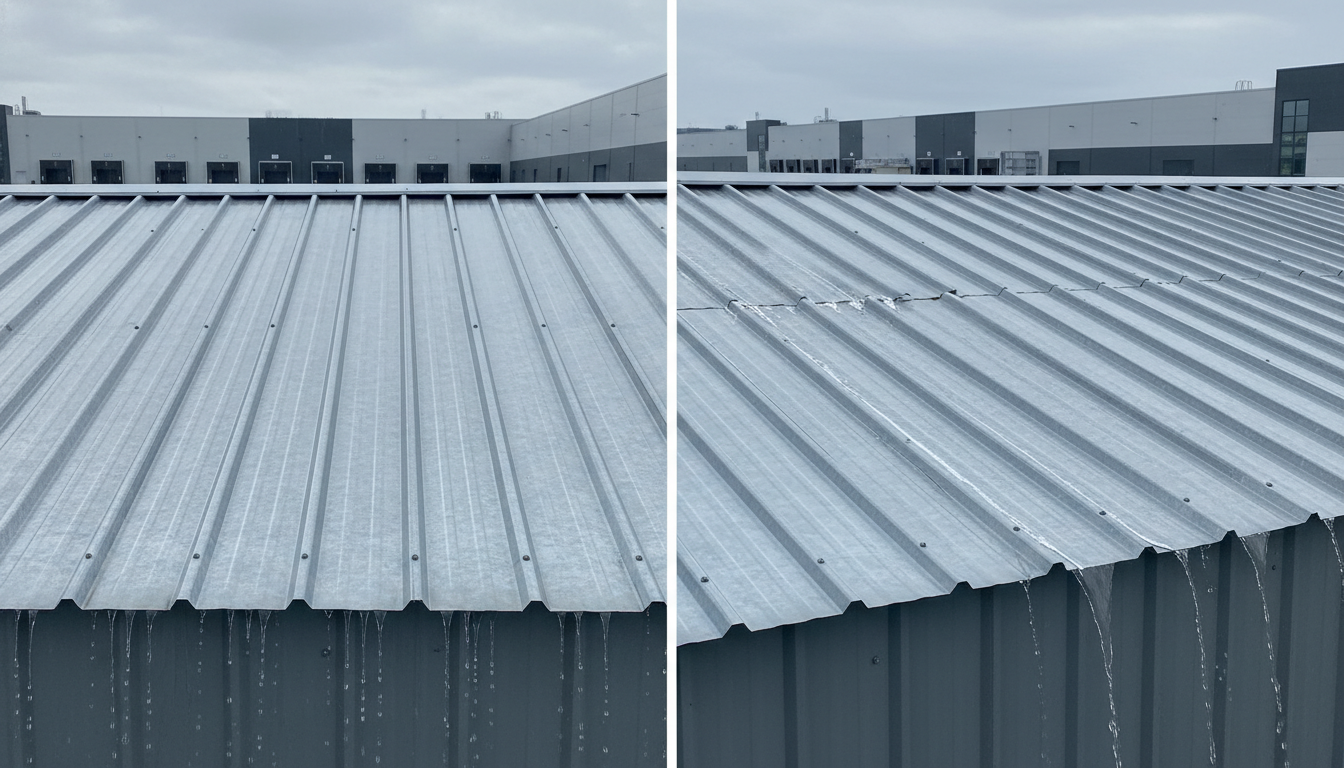
Selecting the right roof style is the most important functional decision you will make during your metal building design. Your choice will dictate how well the building handles rain, snow, and debris over time.
Why is the vertical roof the best choice?
- Superior Drainage: Panels run vertically, allowing water to flow off instantly.
- Debris Prevention: Leaves and snow cannot easily accumulate on the ridges.
- Width Support: This style is required for any building wider than 30 feet.
Here is the kicker: While vertical roofs are a premium option, they save you money on repairs. Standard horizontal roofs often trap moisture at the seams, which can lead to leaks and rust in areas with high precipitation.
Key Takeaway: A vertical roof is the gold standard for durability, especially in regions prone to heavy snow or intense rainstorms.
| Roof Style | Best Environment | Maintenance Level | |
|---|---|---|---|
| Vertical | High Snow/Rain | Very Low | |
| Boxed-Eave | Mild Climates | Moderate | |
| Regular | Dry Regions | High |
The data suggests that vertical roofing provides the highest return on investment through reduced maintenance requirements.
How do you choose the right size for metal building design?
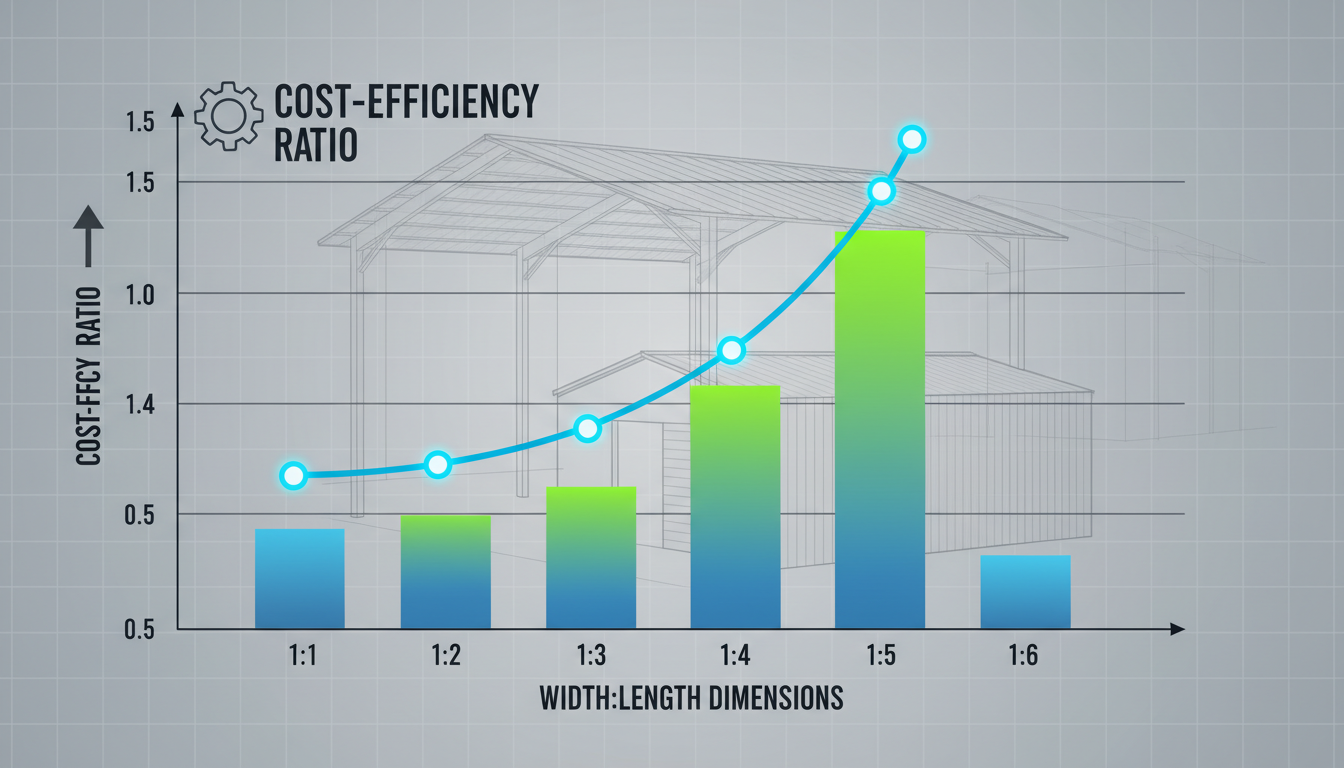
Determining the width and height for your metal building design requires balancing your current storage needs with your site’s physical limits. You must also consider the clearance needed for your largest vehicles or equipment.
Is there a secret to saving on dimensions?
- Length vs Width: Buildings are more affordable when they are long and narrow.
- Manufacturing Standards: Standard widths (12′, 20′, 24′) are cheaper than custom sizes.
- Side Height: Higher walls are necessary if you plan to install tall roll-up doors.
The best part? Swapping your length and width can sometimes cut your material costs nearly in half. For example, a 24×35 structure is often much more cost-effective than a 34×24 layout due to the way steel frames are manufactured.
Key Takeaway: Strategic sizing that follows manufacturing efficiencies can significantly lower your overall project cost without sacrificing square footage.
| Use Case | Recommended Width | Recommended Height | |
|---|---|---|---|
| Two-Car Garage | 20′ – 24′ | 9′ | |
| Workshop Space | 30′ + | 12′ | |
| RV Storage | 14′ + | 14′ – 16′ |
Optimizing dimensions based on standard steel spans is the most effective way to maximize space per dollar spent.
Which frame specs are best for your metal building design?
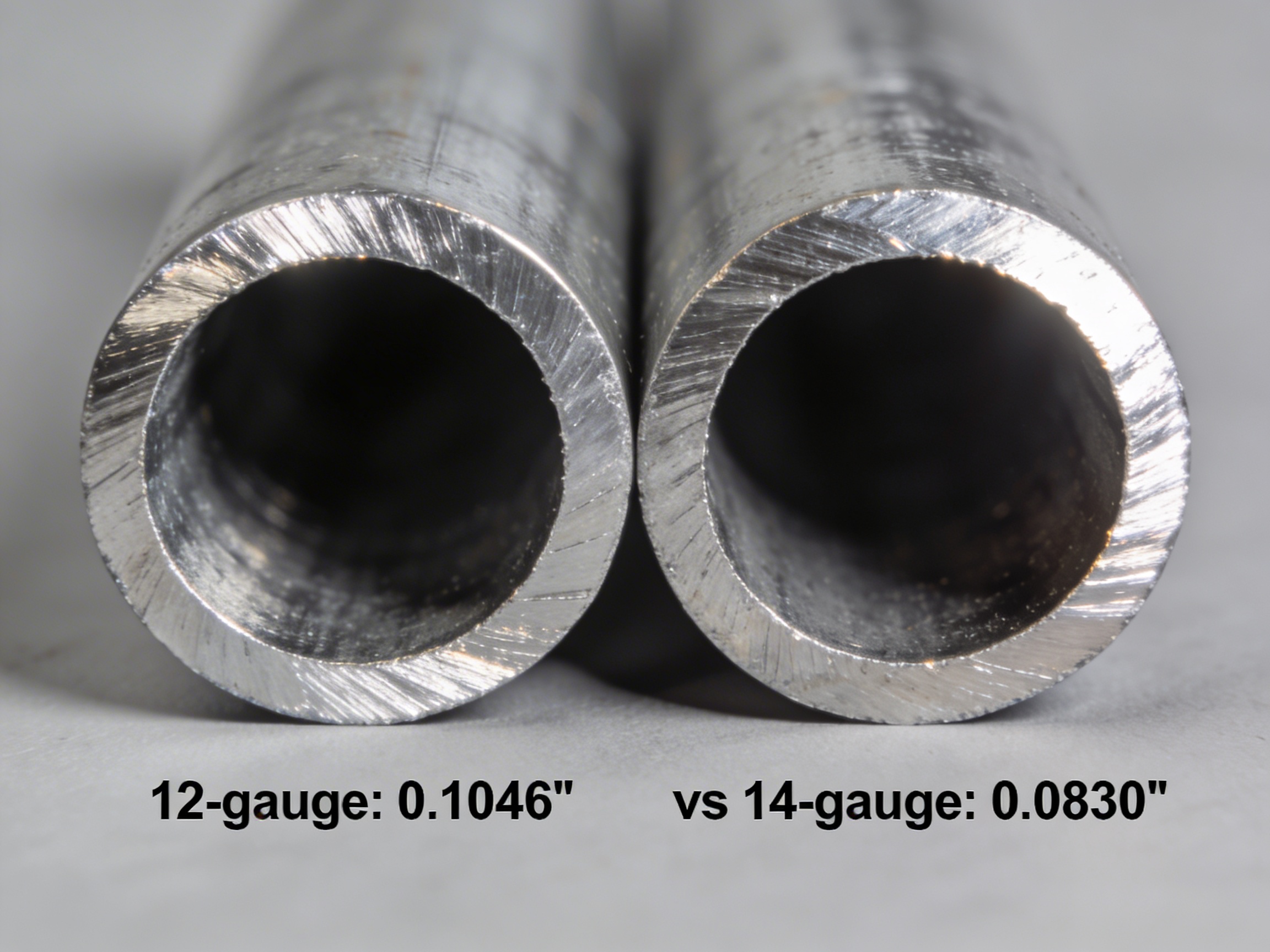
The internal skeleton of your metal building design determines the overall strength and wind resistance of the structure. You must choose between different steel gauges based on your local building codes and climate.
What is the difference between 12-gauge and 14-gauge?
- 14-Gauge: The standard thickness for most residential and light commercial builds.
- 12-Gauge: A thicker, stronger option that offers higher wind and snow ratings.
- Warranty Support: Many manufacturers offer 20-year rust-through warranties only on 12-gauge frames.
Let’s dive deeper: If you live in a hurricane-prone area, the 12-gauge upgrade isn’t just an option; it’s a necessity. The added thickness provides the rigidity needed to prevent the frame from twisting under extreme pressure.
Key Takeaway: Choosing the correct steel gauge ensures your building meets safety standards and qualifies for the best warranty protection.
| Component | Standard Choice | Premium Upgrade | |
|---|---|---|---|
| Steel Frame | 14-Gauge | 12-Gauge | |
| Wall Panels | 29-Gauge | 26-Gauge | |
| Coating | Galvanized | High-Zinc Coating |
This breakdown demonstrates how upgrading frame thickness directly correlates with the structural integrity and lifespan of the building.
How do doors affect your metal building design?
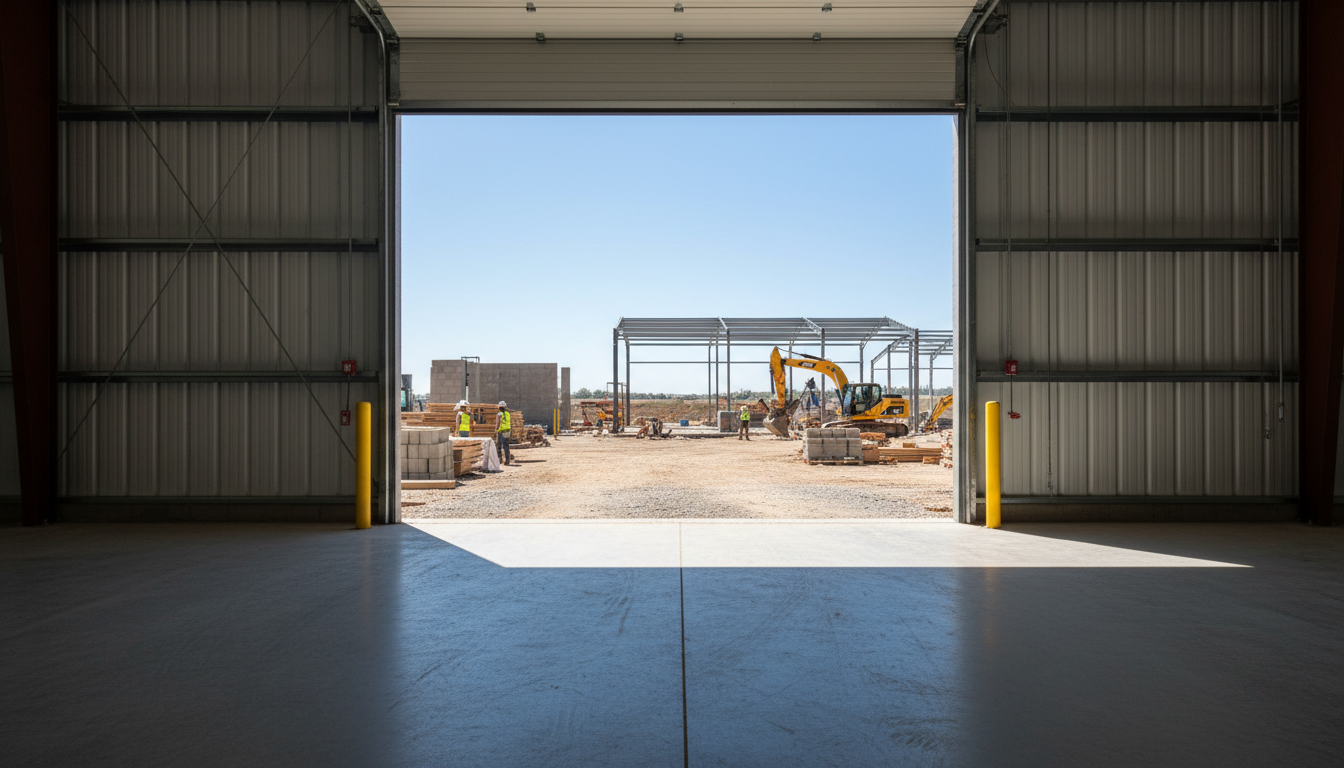
Strategic door placement in your metal building design is essential for creating a functional metal garage or storage unit. You need to ensure the openings are large enough for your vehicles while maintaining structural stability.
Which door sizes should you choose?
- Standard Cars: A 9×8 door is usually the perfect fit for most sedans.
- Trucks/SUVs: Consider 10×8 or 10×10 doors to clear large side mirrors.
- RV Access: Doors should be at least 6 inches taller than the vehicle’s highest point.
But wait, there’s more: It is often cheaper and more convenient to install two small roll-up doors rather than one massive double-wide door. Small doors are easier to operate manually and provide better insulation for the building.
Key Takeaway: Plan your door sizes based on the “tallest and widest” item you ever expect to store to avoid future access problems.
| Door Type | Common Size | Best For | |
|---|---|---|---|
| Single Roll-up | 9′ x 8′ | Daily use vehicles | |
| Oversized Roll-up | 12′ x 12′ | Commercial equipment | |
| Walk-in Door | 36″ x 80″ | Personnel access |
Choosing the right door configuration balances ease of access with the structural efficiency of the steel frame.
Can colors enhance your custom metal building design?
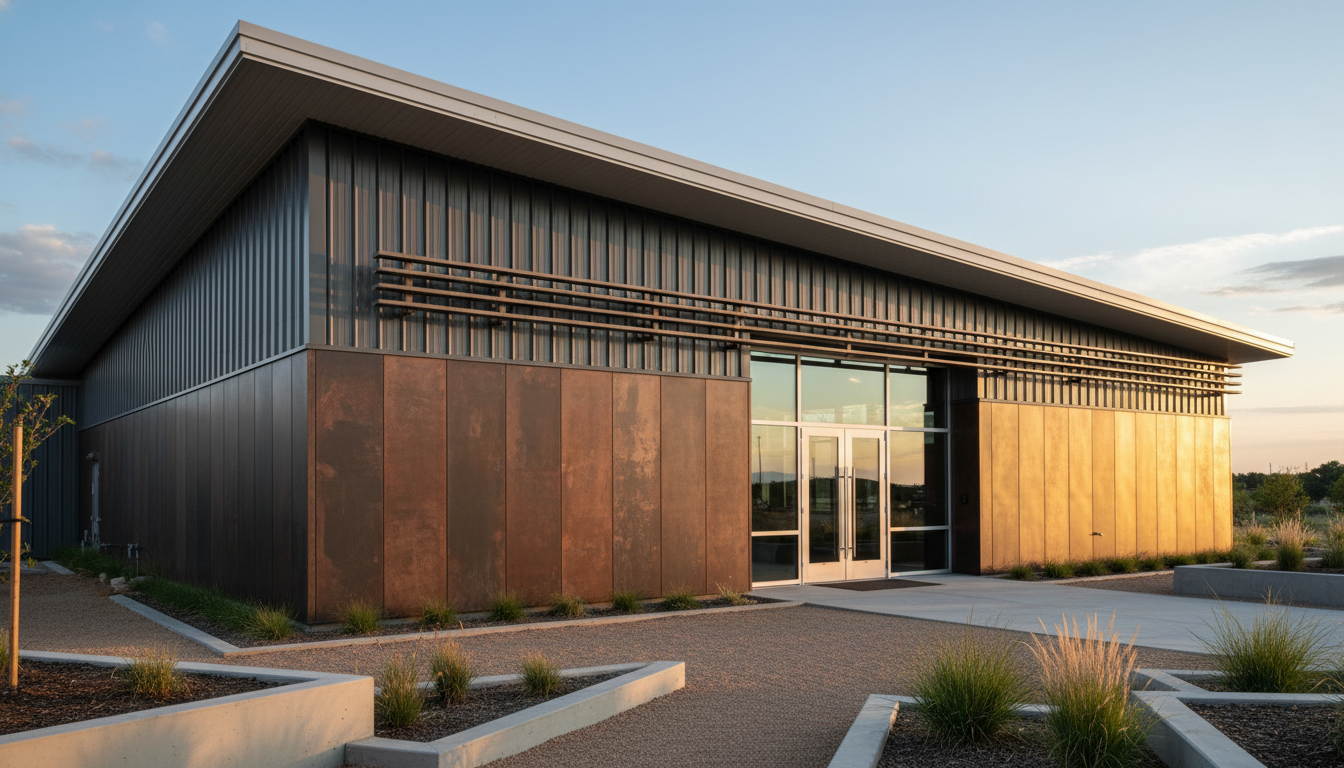
Aesthetic choices in your metal building design allow you to match the structure to your existing home or landscape. Modern steel coatings offer a wide range of colors that stay vibrant for decades without repainting.
How do you create a professional look?
- Two-Tone Siding: Use “wainscoting” to add a different color to the bottom three feet of the walls.
- Contrast Trim: Select a bright white or deep black trim to make the building pop.
- Matched Fasteners: Use screws that match the panel color for a seamless, clean finish.
Here is the kicker: A well-designed color scheme can actually increase your property value. Instead of looking like a generic metal box, a customized color palette makes the building look like a permanent, integrated part of your estate.
Key Takeaway: Custom color options allow you to transform a functional steel structure into an attractive architectural asset.
| Design Element | Standard Look | Premium Look | |
|---|---|---|---|
| Wall Style | Single Color | Two-Tone Wainscot | |
| Trim Color | Basic Gray | High Contrast | |
| Siding Orientation | Horizontal | Vertical / Lap |
Refining the visual elements of your building ensures it complements the surrounding environment and improves curb appeal.
How does insulation affect your metal building design?
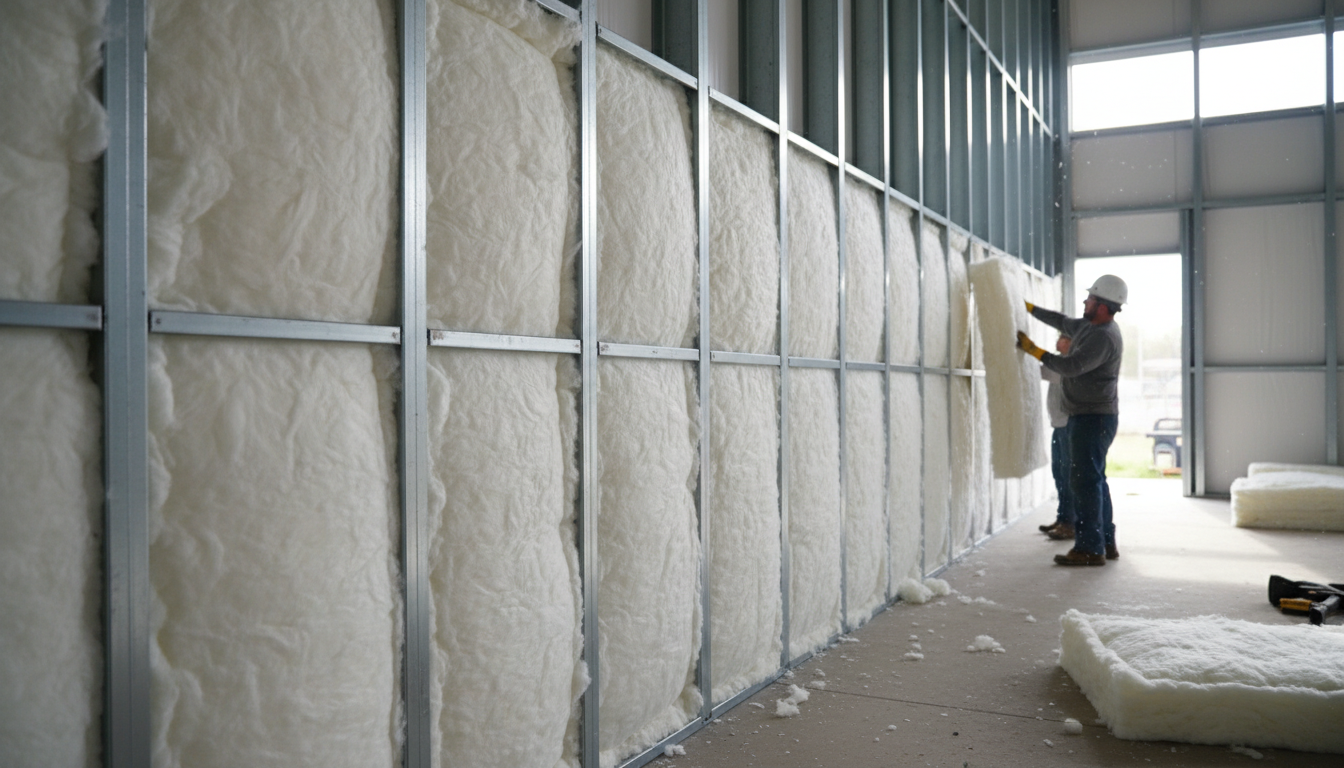
Including climate control features in your metal building design is vital if you plan to use the space as a workshop or office. Proper insulation prevents condensation and helps maintain a stable internal temperature year-round.
What are the benefits of adding insulation?
- Moisture Control: Prevents “sweating” on the underside of the metal roof panels.
- Sound Dampening: Reduces the noise from rain and wind significantly.
- Energy Savings: Keeps the interior cooler in summer and warmer in winter.
Think about it: Without insulation, a metal building can act like an oven in the summer. Adding even a basic vapor barrier or fiberglass batt system makes the space usable 365 days a year, regardless of the weather outside.
Key Takeaway: Insulation is a critical upgrade for any building intended for human occupancy or the storage of moisture-sensitive items.
| Insulation Type | R-Value | Main Benefit | |
|---|---|---|---|
| Bubble Wrap | Low | Moisture/Vapor Barrier | |
| Fiberglass Batts | Medium | Thermal Control | |
| Spray Foam | High | Air Sealing |
Proper insulation selection transforms a simple storage shell into a comfortable and energy-efficient workspace.
What role does site prep play in metal building design?
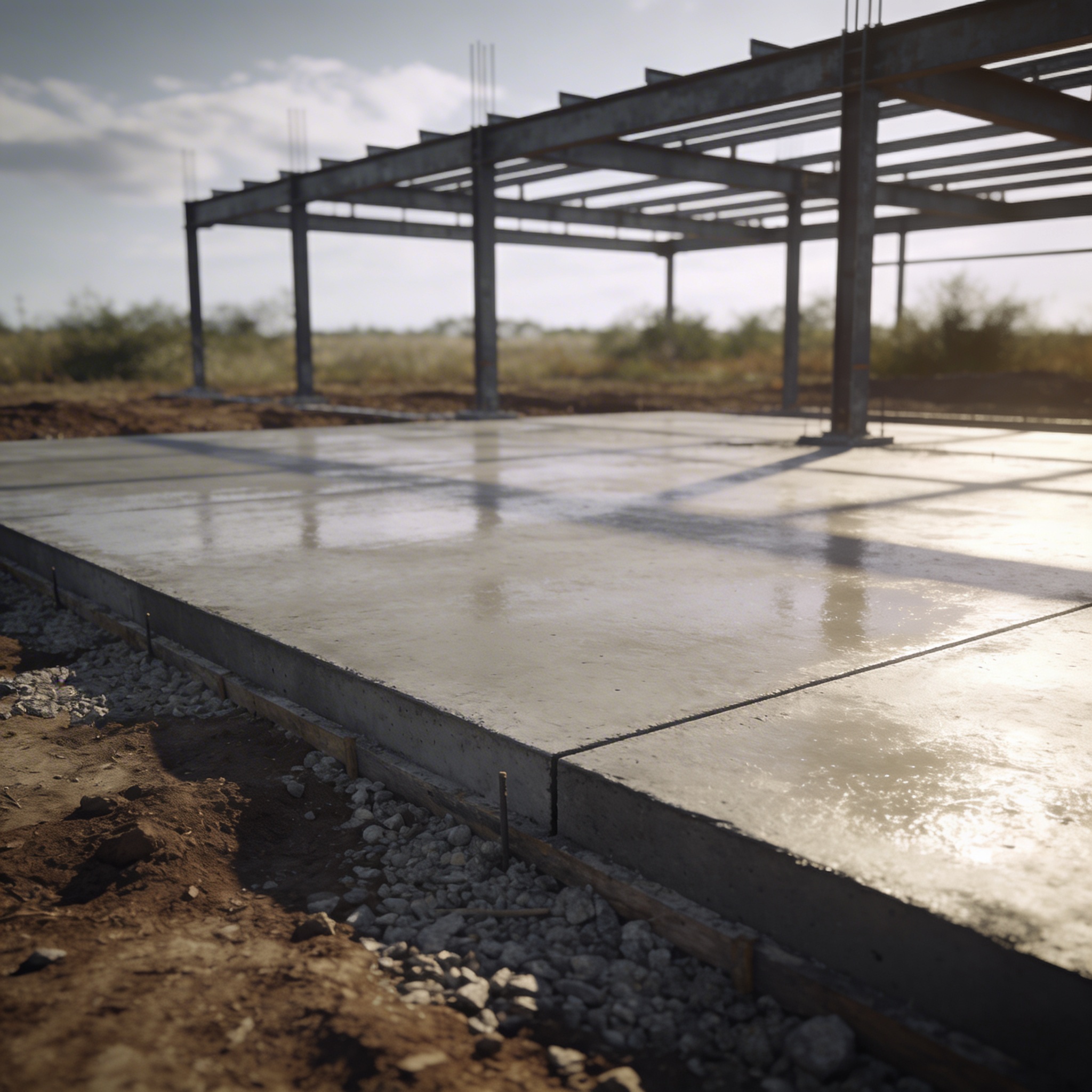
A successful metal building design must be supported by a level and stable foundation. You need to ensure the site is properly prepared before the installation crew arrives to avoid delays or extra fees.
How do you prepare the ground?
- Leveling: The site must be level within 3-4 inches to ensure the frame stays square.
- Foundation Type: Most permanent buildings require a concrete slab or footings.
- Clearance: Ensure there are no overhead power lines or underground utilities in the way.
The best part? A perfectly level concrete slab makes the installation process much faster and more secure. When the base rails sit flush against the concrete, the anchors can be tightened properly, providing maximum wind resistance.
Key Takeaway: Thorough site preparation is the foundation of a safe and successful metal building installation.
| Prep Step | Requirement | Purpose | |
|---|---|---|---|
| Site Leveling | +/- 3 Inches | Structural Alignment | |
| Slab Pouring | Exact Dimensions | Secure Anchoring | |
| Utility Marking | Mandatory | Safety Compliance |
Investing in professional site leveling and foundation work prevents structural issues that can arise from uneven ground.
Why choose experts for your metal building design?
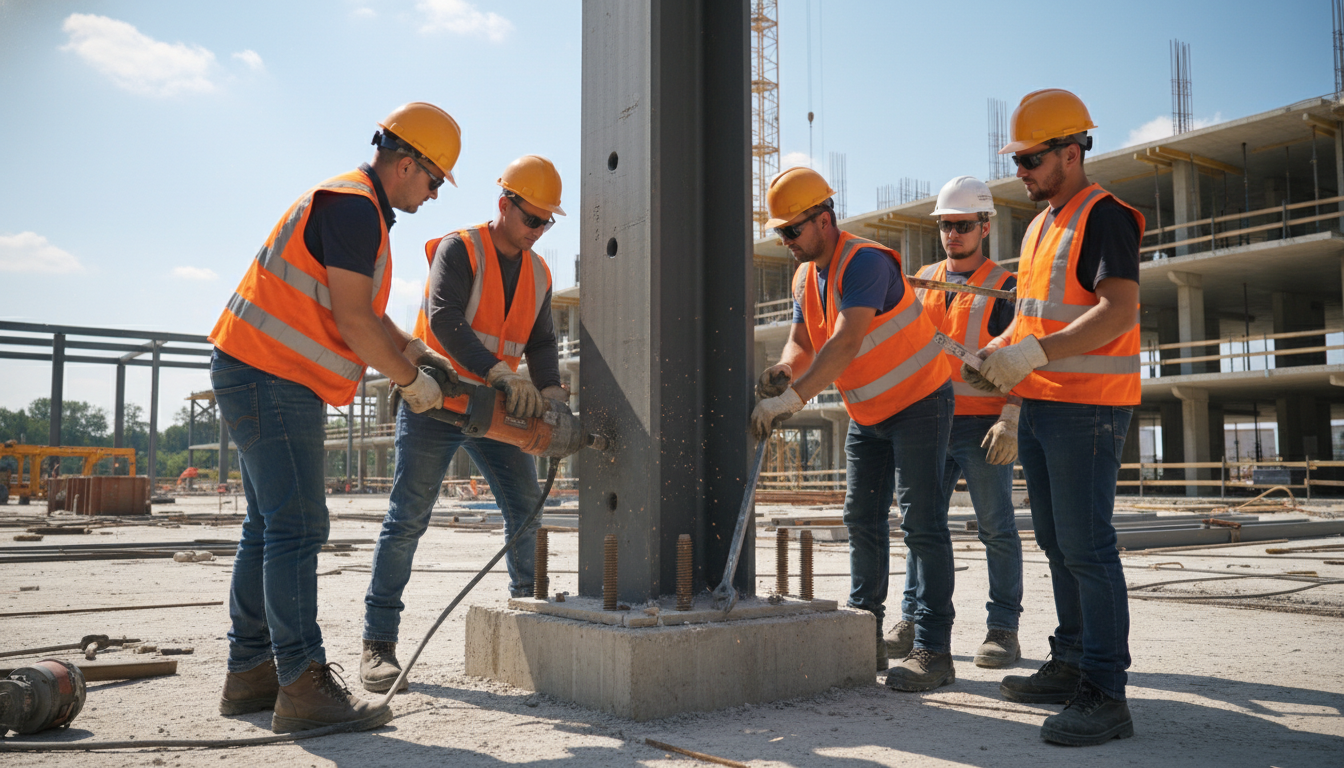
Finalizing your metal building design with a professional manufacturer ensures that every component meets international engineering standards. Experts can provide factory-direct pricing and certified installation crews that a general contractor might lack.
What are the advantages of factory-direct?
- Cost Efficiency: No middleman markups mean more of your budget goes into materials.
- Precision Engineering: Every part is sequenced and marked for rapid, error-free assembly.
- Expert Support: Direct access to the people who actually designed and fabricated your building.
Let’s dive deeper: When you work with a specialist, you receive a complete system—purlins, frames, and panels—that are guaranteed to fit together. This eliminates the need for any dangerous field modifications or cutting during the erection process.
Key Takeaway: Partnering with a specialized steel manufacturer provides the highest level of quality control and the most competitive pricing.
| Expert Service | Value Added | Outcome | |
|---|---|---|---|
| 3D Engineering | Code Compliance | Approved Permits | |
| Factory Fabrication | Part Accuracy | Faster Assembly | |
| Certified Install | Labor Warranty | Peace of Mind |
Professional manufacturing and installation services ensure your project is completed on time and to the highest safety standards.
Frequently Asked Questions
Can I customize the color of my roll-up doors?Yes, most manufacturers offer a wide selection of colors so you can match your doors to the building’s trim or wall panels.
What’s the best roof style for areas with heavy snow?The vertical roof style is the best choice because it allows snow to slide off the ridges easily, preventing dangerous weight accumulation.
How do I know if I need a 12-gauge frame?If you live in a high-wind zone or require a 20-year rust-through warranty, upgrading to the thicker 12-gauge steel is strongly recommended.
Can I add windows to my design later?It is much easier and cheaper to include window framed openings in your initial design than to cut through the metal panels after installation.
How do I know if my site is ready for installation?The site is ready when it is level within 3 inches and free of any overhead or underground obstructions that could hinder the crew or the structure.
Take Control of Your Project Today
At the heart of every great structure is a commitment to engineering excellence and customer satisfaction. We specialize in providing factory-direct solutions that eliminate middleman markups while ensuring your building meets the strictest local codes. Whether you need a simple storage unit or a complex industrial facility, our team is ready to guide you from the first 3D model to the final bolt. We believe that durable, high-quality steel construction should be accessible to everyone.
Contact us today to start your design journey and receive a custom quote within 24 hours!