
In 2026, the average cost to build a standard turnkey warehouse ranges from 85 to 200 per square foot. Navigating the industrial construction landscape today is fraught with challenges, from fluctuating raw material prices to a tightening labor market that threatens to derail your expansion plans. You risk overextending your capital on hidden fees and permitting delays if you proceed without a precise breakdown of the current market drivers. This guide provides the strategic clarity needed to master your warehouse addition cost per square foot 2026 and ensure your logistics infrastructure remains a competitive asset rather than a financial burden.
What is the warehouse addition cost per square foot 2026?
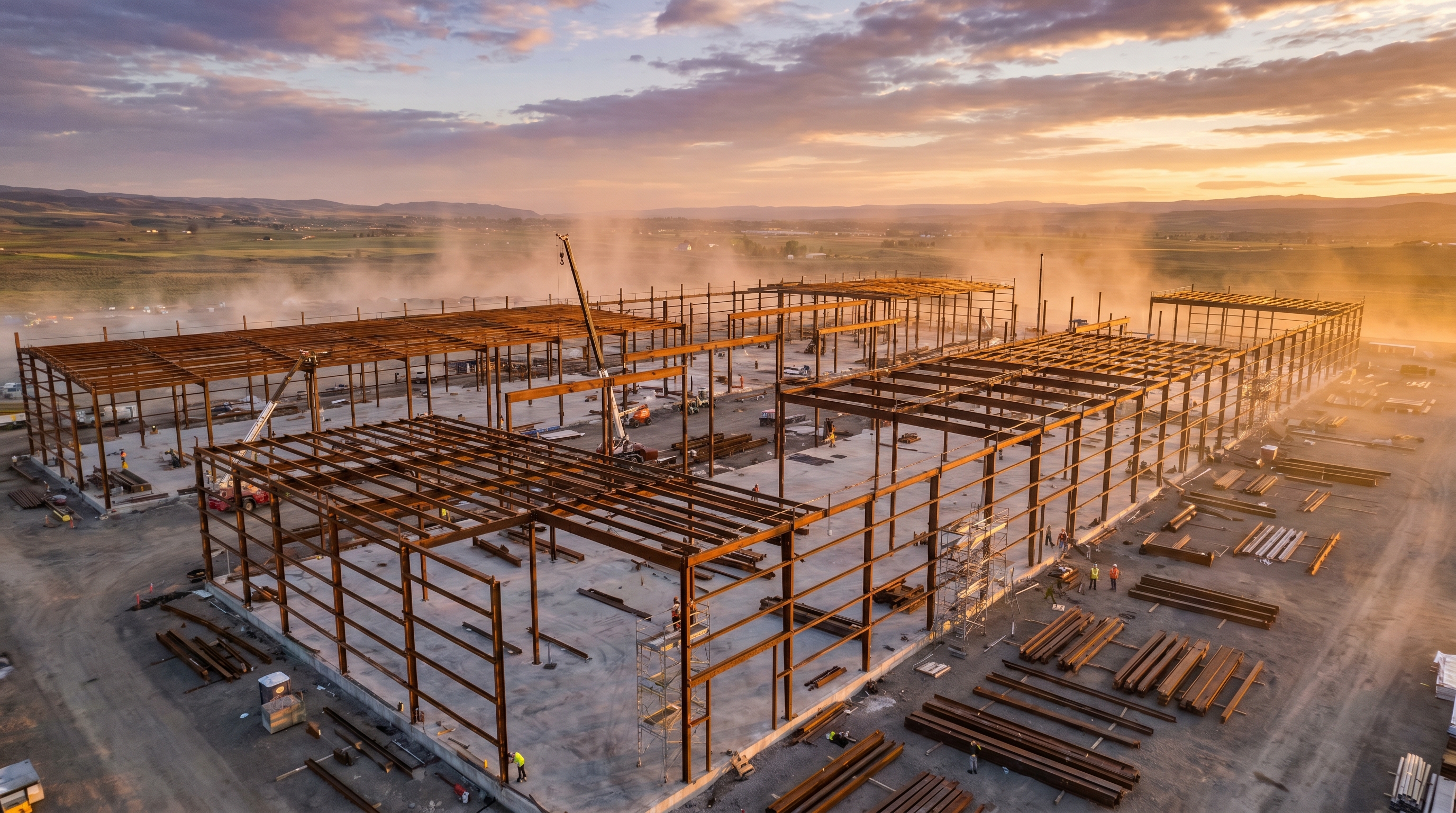
The average warehouse addition cost per square foot 2026 for a standard turnkey facility currently sits between 85 and 200. This range covers the essential shell construction along with basic mechanical, electrical, and plumbing systems required for operation.
Industrial developers are finding that early planning is the only way to lock in these rates before seasonal demand spikes. By understanding these baseline figures, you can better allocate resources for specialized interior needs later.
Understanding Turnkey Averages
A turnkey solution provides you with a move-in-ready facility that meets all local building codes. These estimates generally include the foundation, steel frame, and basic interior lighting.
Here is the deal: Standard dry storage remains the most predictable category for budgeting in the current fiscal year. You should expect the following components in a baseline quote:
- Structural steel framing.
- Reinforced concrete flooring.
- Basic MEP (Mechanical, Electrical, Plumbing).
Why Baseline Costs Vary
While the average is stable, local regulations and specific utility requirements can push prices toward the higher end of the spectrum. You must account for the specific demands of your industry, such as heavy power loads for manufacturing.
| Cost Component | Percentage of Total | Impact Level | |
|---|---|---|---|
| Structural Shell | 45% | High | |
| Foundation/Slab | 20% | Medium | |
| MEP Systems | 25% | High | |
| Finishing Work | 10% | Low |
A detailed breakdown of these components allows for more accurate long-term financial forecasting for your enterprise.
Key Takeaway: Budgeting between 85 and 200 per square foot provides a realistic foundation for a standard facility, provided you account for early procurement.
How does size affect warehouse addition cost per square foot 2026?
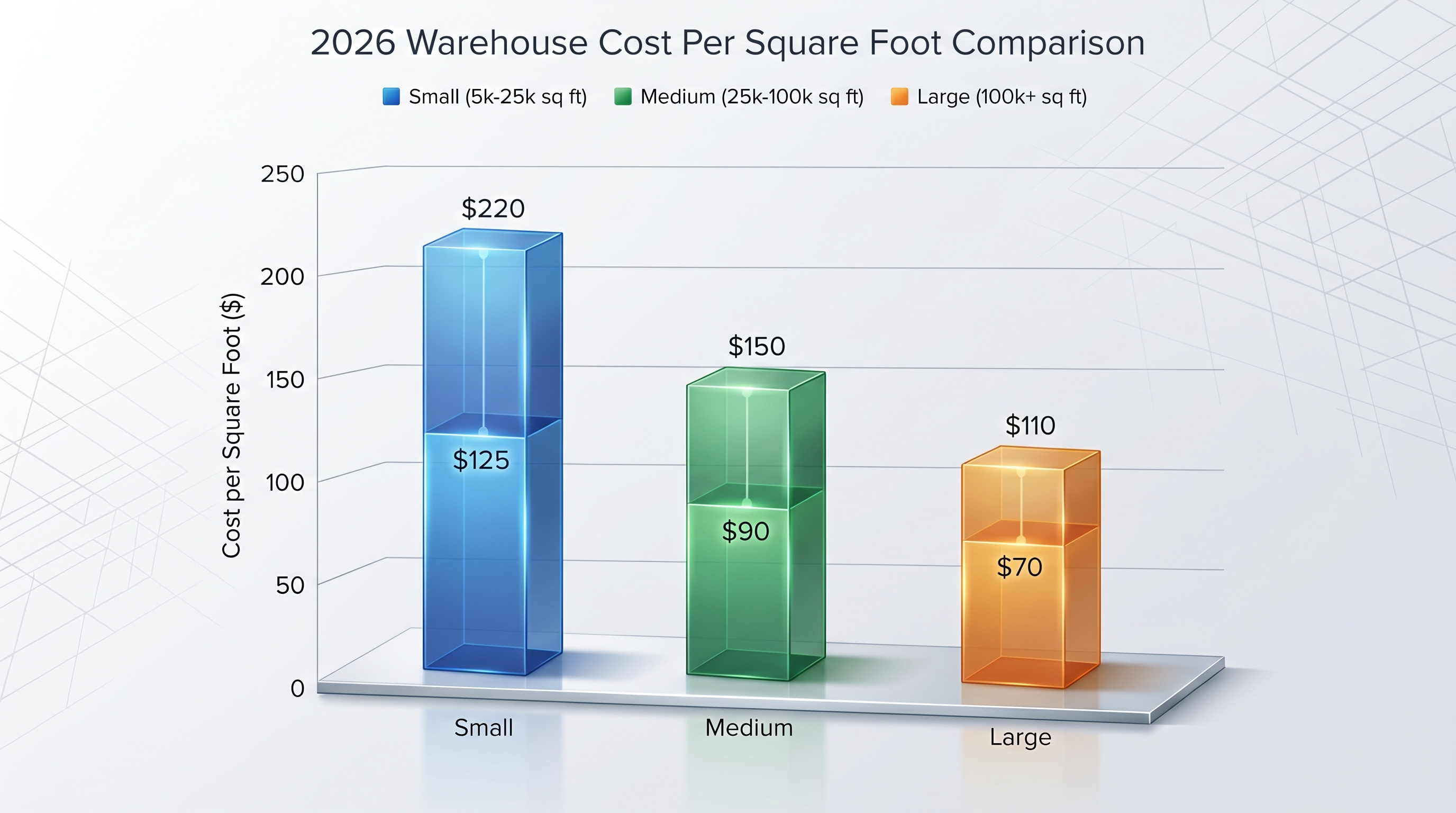
The total warehouse addition cost per square foot 2026 decreases significantly as the overall size of your project increases due to economies of scale. Larger distribution centers over 100,000 square feet often see rates as low as 70 to 110 per square foot.
Smaller builds, conversely, carry a heavier burden of fixed costs like mobilization and design fees. This inverse relationship means that expanding a smaller footprint can sometimes be more expensive per unit than a massive new build.
Scaling Small Facilities
Small warehouses between 5,000 and 25,000 square feet often face the highest unit costs in the industry. You will likely pay between 125 and 220 per square foot for these specialized, niche spaces.
But wait, there’s more: Small projects require the same level of permitting and site mobilization as larger ones.
- Mobilization fees are fixed regardless of size.
- Design costs are higher relative to total square footage.
- Bulk material discounts are rarely available for small orders.
Large-Scale Efficiency
Mega-distribution centers utilize tilt-up construction and bulk steel orders to drive down the price per foot. These projects are the gold standard for cost-efficiency in the 2026 industrial market.
| Facility Size | Sq. Ft. Range | Estimated Cost PSF | |
|---|---|---|---|
| Small | 5,000 – 25,000 | 125−220 | |
| Medium | 25,000 – 100,000 | 90−150 | |
| Large | 100,000+ | 70−110 |
Larger projects benefit from significant purchasing power, reducing the unit cost for every beam and panel installed.
Key Takeaway: You can achieve superior ROI by planning larger expansions that leverage economies of scale to reduce the cost per square foot.
Start Your Project with Our Expert Team
Email:sales@showhoo.com.cn
Phone/WhatsApp:+86 186 7895 5927
Why does metal impact warehouse addition cost per square foot 2026?
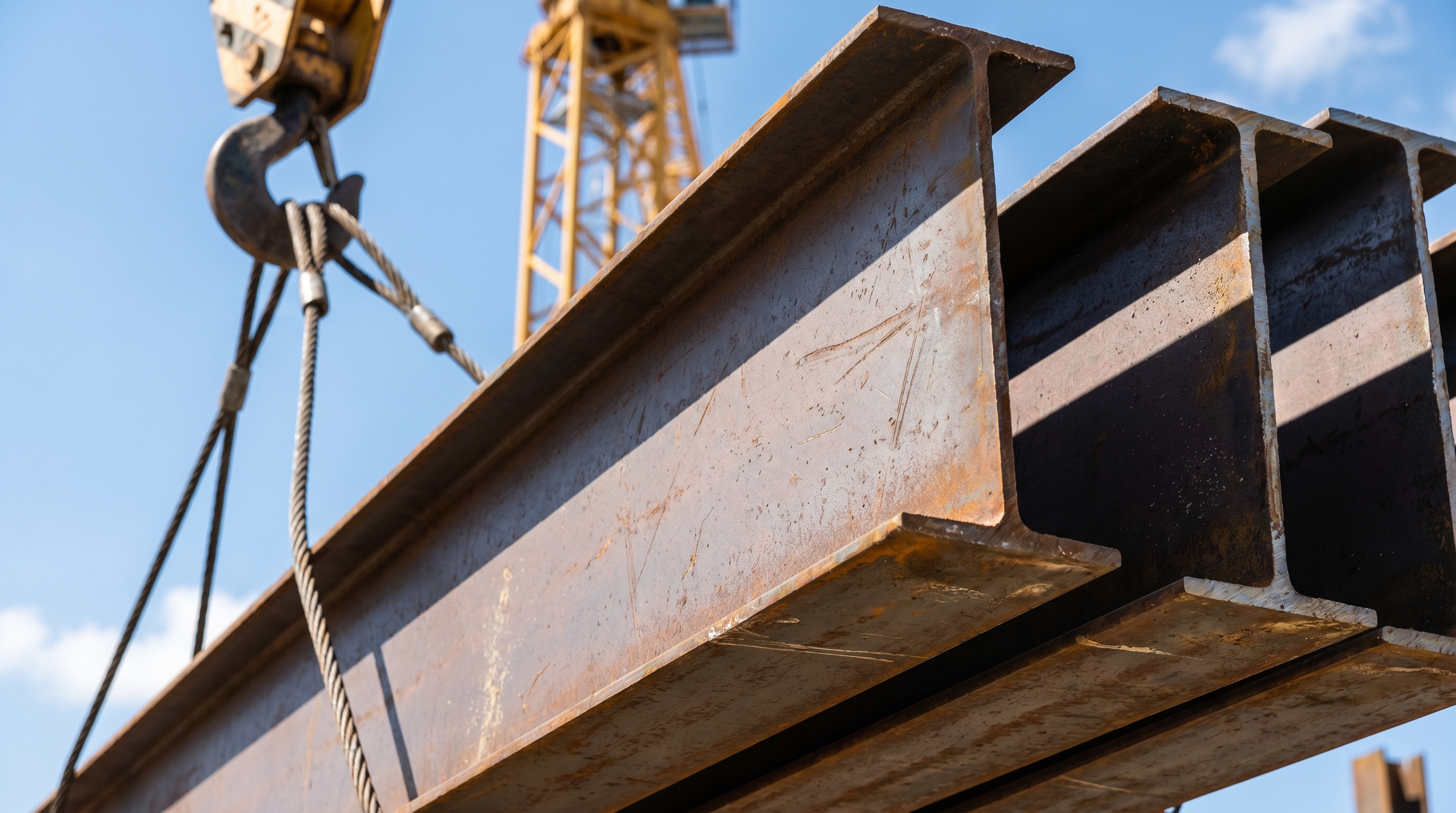
Steel pricing remains a primary driver of the warehouse addition cost per square foot 2026 due to ongoing tariffs and global supply chain shifts. High-quality H-section steel beams are the backbone of modern industrial durability but require strategic procurement.
Fluctuations in the metal market can change a project’s bottom line by 5% to 10% in a single quarter. You must coordinate closely with your supplier to lock in steel prices as early as the design phase.
The Role of Steel Framing
Steel frames offer the clear spans required for modern logistics, but they are sensitive to raw material volatility. Utilizing standardized beam sizes can help mitigate some of these unpredictable cost spikes.
Think about it: Steel is favored for its strength-to-weight ratio and speed of assembly on the job site.
- Precision-engineered parts reduce labor hours.
- Clear spans up to 40m are achievable with steel.
- Recyclability adds long-term value to the asset.
Managing Material Spikes
To protect your budget, consider a direct-to-manufacturer approach that removes middleman markups on your structural steel package. This strategy is becoming a standard practice for savvy 2026 developers.
| Material Type | Cost Trend | 2026 Outlook | |
|---|---|---|---|
| Structural Steel | Volatile | Stabilizing High | |
| Aluminum Panels | Rising | Tariff Impacted | |
| Galvanized Purlins | Steady | Moderate Demand |
Strategic material sourcing is the most effective way to hedge against inflationary pressures in the construction sector.
Key Takeaway: Locking in steel prices early and using standardized components are essential steps to controlling your 2026 construction budget.
How does site prep change warehouse addition cost per square foot 2026?
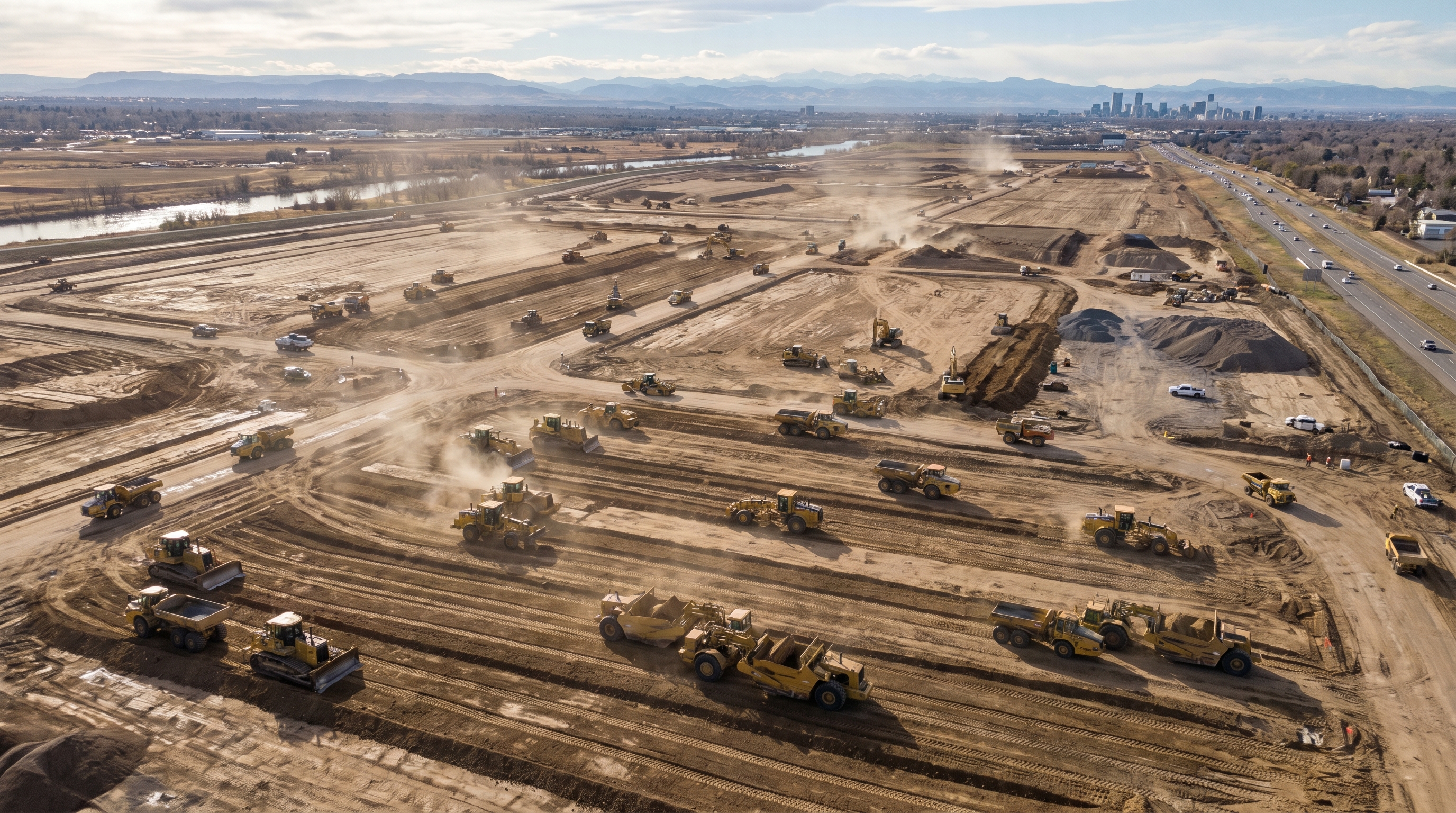
Land preparation and grading can consume up to 25% of your total warehouse addition cost per square foot 2026 if the site lacks proper drainage or stability. As “flat and ready” land becomes scarce, the expense of making a site buildable is rising sharply.
You must factor in the cost of heavy machinery, environmental mitigation, and soil stabilization before any steel arrives. Ignoring site-specific conditions is the most common cause of massive budget overruns.
Grading and Soil Stability
Earthmoving is a significant expense that depends entirely on the topography of your chosen location. Sites requiring extensive cut-and-fill operations will naturally see higher costs than level parcels.
You should know: Proper site preparation ensures the longevity of your concrete slab and the structural integrity of the frame.
- Soil testing is a non-negotiable first step.
- Stormwater management systems are increasingly regulated.
- Retaining walls can add unexpected six-figure costs.
Environmental Mitigation
Modern 2026 regulations often require complex environmental studies and mitigation plans. These “hidden” prep tasks are essential for obtaining the necessary permits to break ground.
| Prep Category | Est. Cost Range | Priority | |
|---|---|---|---|
| Grading/Earthwork | 50k−500k+ | High | |
| Utility Hookups | 20k−150k | High | |
| Stormwater Systems | 30k−200k | Medium |
Site preparation is a foundational investment that dictates the speed and success of every subsequent construction phase.
Key Takeaway: Conduct thorough site surveys and soil tests early to prevent geological surprises from inflating your project costs.
Why do soft costs raise warehouse addition cost per square foot 2026?
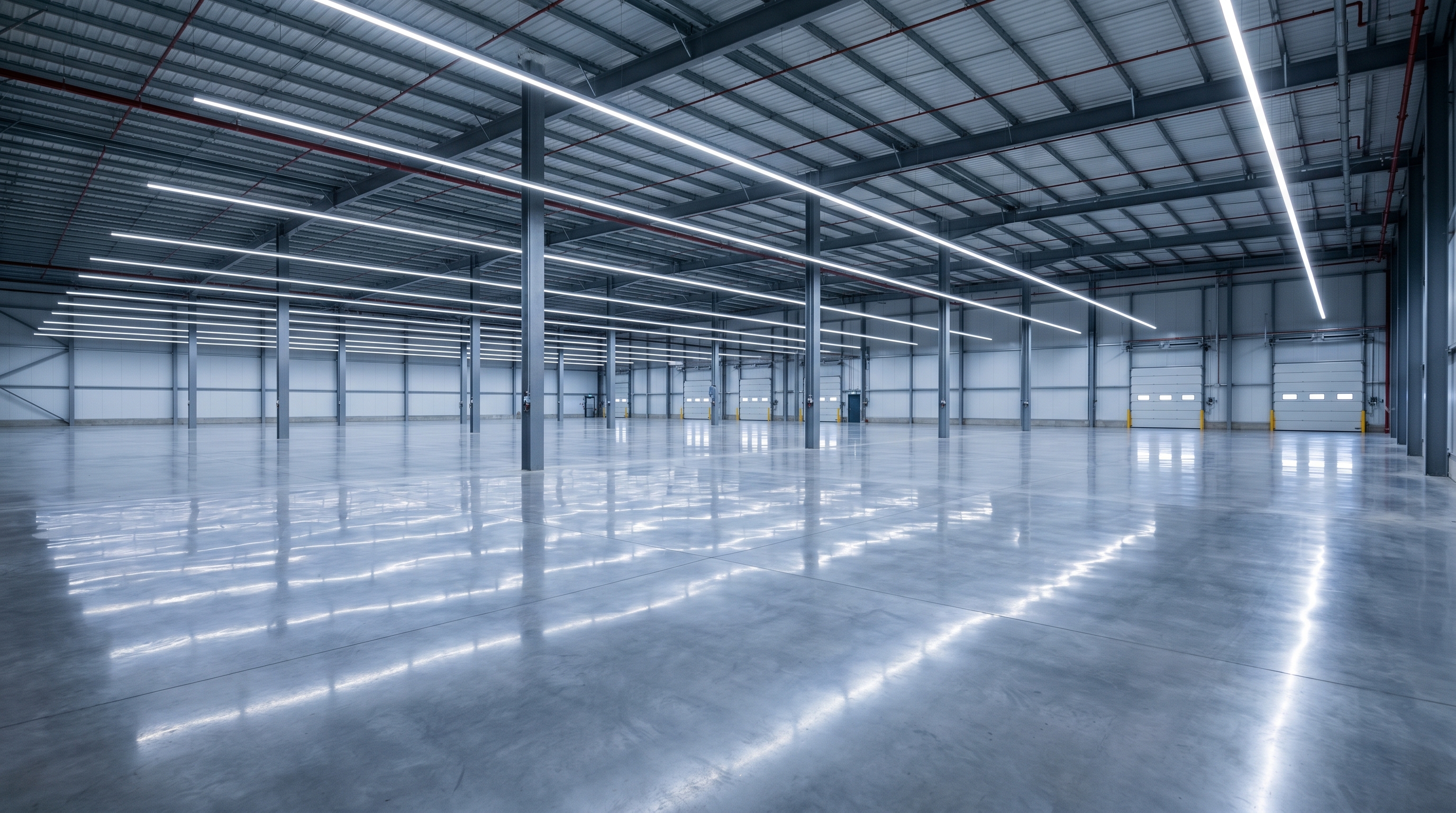
Soft costs, including architectural fees and permitting, now account for 20% to 30% of the warehouse addition cost per square foot 2026 . As regulatory backlogs grow, the time and money spent on administrative hurdles have become a major budget factor.
You cannot afford to overlook these “invisible” expenses, as they are often required long before the first shovel hits the dirt. Professional engineering ensures that your facility meets 2026 seismic and wind load codes.
Impact of Permitting Delays
Securing the right to build is more complex than ever, with many jurisdictions adding new sustainability and impact requirements. These delays carry carrying costs that can erode your project’s profitability.
It gets better: Expert consultants can navigate these hurdles more efficiently than an unguided internal team.
- Local code compliance reduces legal risks.
- Specialized engineering optimizes material usage.
- Insurance premiums are lower for certified designs.
Professional Service Fees
From structural engineers to environmental consultants, professional services are the gatekeepers of your project. Their expertise prevents costly errors during the physical build phase.
| Service Type | Typical Fee | Role | |
|---|---|---|---|
| Architecture | 3% – 5% | Design & Layout | |
| Engineering | 2% – 4% | Structural Integrity | |
| Permits/Legal | 1% – 3% | Regulatory Approval |
Investing in high-quality soft services early in the process creates a smoother path for the actual construction of your facility.
Key Takeaway: Allocate at least 25% of your budget to soft costs to ensure your project is legally compliant and professionally engineered.
Start Your Project with Our Expert Team
Email:sales@showhoo.com.cn
Phone/WhatsApp:+86 186 7895 5927
Can design reduce warehouse addition cost per square foot 2026?
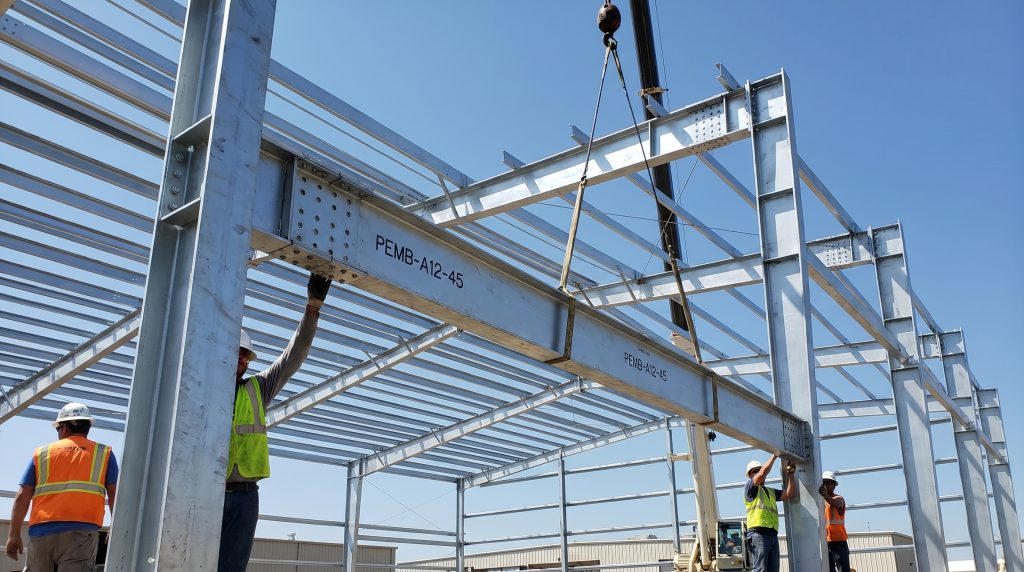
Smart design choices, such as utilizing pre-engineered metal buildings (PEMB), can lower your warehouse addition cost per square foot 2026 by up to 15%. PEMB systems are designed for rapid assembly and efficient material use, minimizing on-site waste.
By choosing standardized spans and heights, you avoid the premium pricing associated with custom architectural flourishes. Functionality should lead design if your goal is cost-per-pallet optimization.
Benefits of PEMB Systems
Pre-engineered systems arrive at your site ready for assembly, which drastically reduces the labor hours required for the frame. This “factory-direct” approach is the most efficient way to build in 2026.
Here is the deal: PEMBs offer a level of precision that traditional “stick-built” structures cannot match.
- Components are pre-punched and marked for assembly.
- Reduced field modifications mean fewer errors.
- Faster erection times lead to earlier occupancy.
Maximizing Vertical Space
Building taller rather than wider allows you to store more inventory on the same footprint. This “vertical cubic foot” strategy is a powerful way to get more value out of expensive land.
| Design Strategy | Potential Savings | Primary Benefit | |
|---|---|---|---|
| Standardization | 10% – 15% | Lower Material Cost | |
| Vertical Storage | 20%+ | Footprint Efficiency | |
| PEMB Framework | 5% – 10% | Labor Reduction |
A focus on structural efficiency and standardized parts is the most direct route to a lower total investment.
Key Takeaway: Adopt pre-engineered systems and standardized designs to slash labor costs and speed up your overall project timeline.
Does location modify warehouse addition cost per square foot 2026?

Regional environmental factors can shift the warehouse addition cost per square foot 2026 by 10% to 20% depending on local weather risks. A facility in a heavy snow zone requires a much stronger roof than one in a temperate coastal region.
You must also consider the proximity to major shipping hubs, as land prices in these areas are at historic highs. Balancing land cost against long-term transportation efficiency is the ultimate logistics puzzle of 2026.
Regional Weather Codes
Buildings in seismic zones or hurricane-prone areas require specialized fasteners and reinforced frames. These local codes are mandatory and will be reflected in your engineering quote.
Don’t miss this: Customizing your build for the local climate prevents future structural failures and lowers your insurance.
- Snow loads require heavy-duty purlins.
- Coastal areas need anti-corrosive coatings.
- High-wind zones demand specific cladding fasteners.
Land Value vs. Transit
The closer you are to a port or rail head, the more you will pay for the dirt beneath your warehouse. You have to decide if the operational savings of a prime location justify the higher initial build cost.
| Region Type | Cost Factor | Structural Need | |
|---|---|---|---|
| Heavy Snow | High | Reinforced Roof | |
| Seismic Zone | High | Flexible Joints | |
| Coastal/Humid | Medium | Corrosion Protection |
Your geographic location dictates the engineering “DNA” of your building and should be chosen based on a total cost of ownership analysis.
Key Takeaway: Factor in regional climate requirements during the design phase to avoid structural non-compliance and rising insurance costs.
Why is cold storage warehouse addition cost per square foot 2026 high?
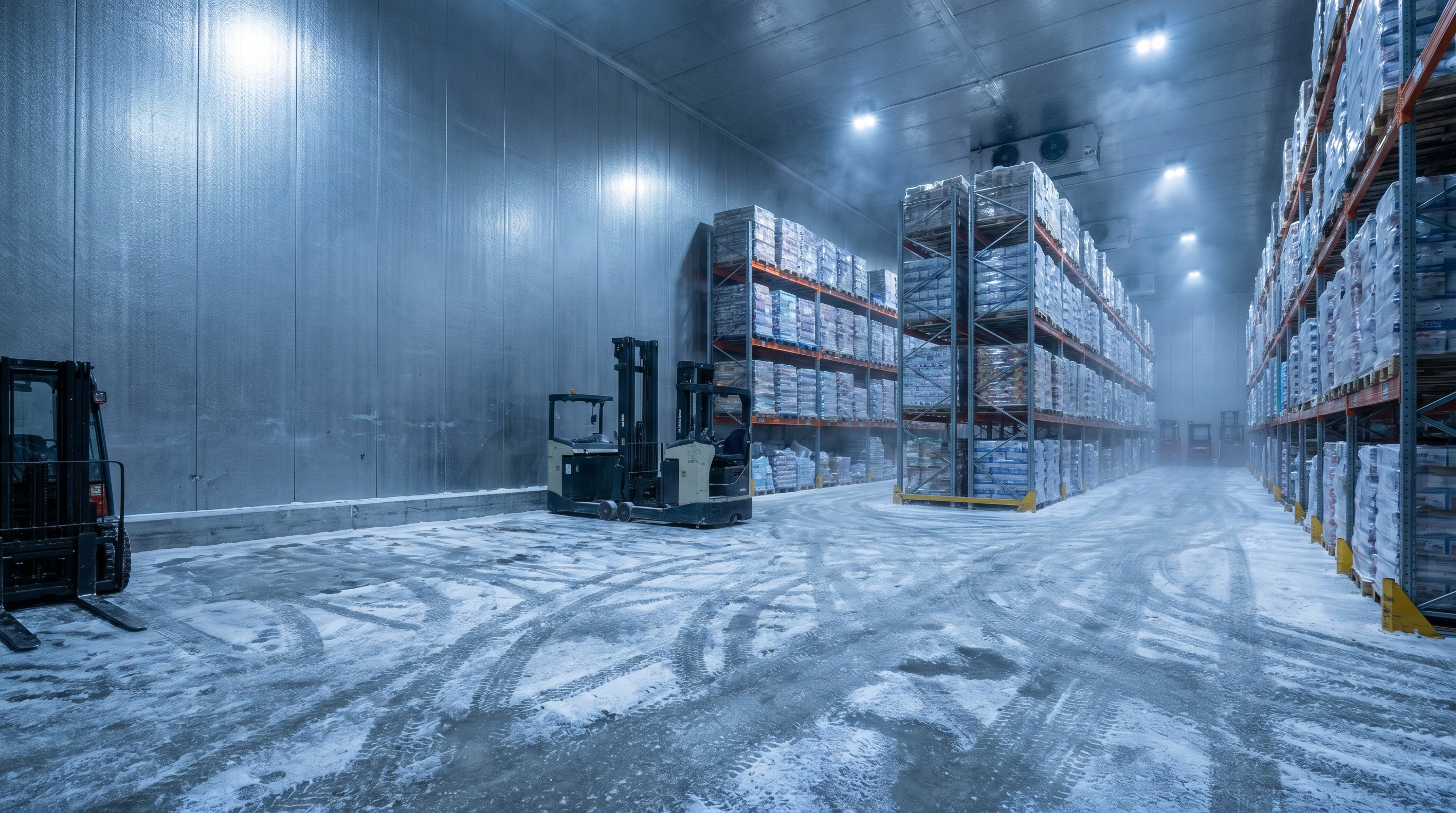
The specialized nature of refrigerated facilities causes the warehouse addition cost per square foot 2026 to soar between 240 and 350. These “cold boxes” require thick insulation, thermal-break foundations, and massive HVAC investments.
Demand for cold storage is currently outstripping supply, making these some of the most expensive but profitable industrial investments. You cannot budget for cold storage using standard dry-storage metrics.
Insulated Wall Panels
Cold storage relies on high-R-value insulated metal panels (IMP) to maintain temperature integrity. These panels are significantly more expensive than standard single-skin metal cladding.
Check this out: Maintaining sub-zero temperatures requires a completely airtight and thermally isolated structural shell.
- Thick insulation is required for all walls and roofs.
- Specialized “thermal-break” concrete slabs are essential.
- Redundant HVAC systems add massive equipment costs.
Automation and Super-Flat Floors
Many modern cold storage units are automation-ready, requiring “super-flat” floors for robotic pickers. This precision masonry work adds another layer of expense to an already high-cost build.
| Feature | Standard Dry | Cold Storage | |
|---|---|---|---|
| Insulation | Minimal | R-30 to R-50+ | |
| Flooring | Standard 6″ | Thermal Break/Heated | |
| Power Needs | Moderate | Extremely High |
Cold storage is a high-stakes investment that requires specialized contractors and a deep understanding of thermal dynamics.
Key Takeaway: If you are building for cold storage, expect to pay triple the cost of a standard warehouse due to insulation and HVAC demands.
Start Your Project with Our Expert Team
Email:sales@showhoo.com.cn
Phone/WhatsApp:+86 186 7895 5927
How to manage warehouse addition cost per square foot 2026?
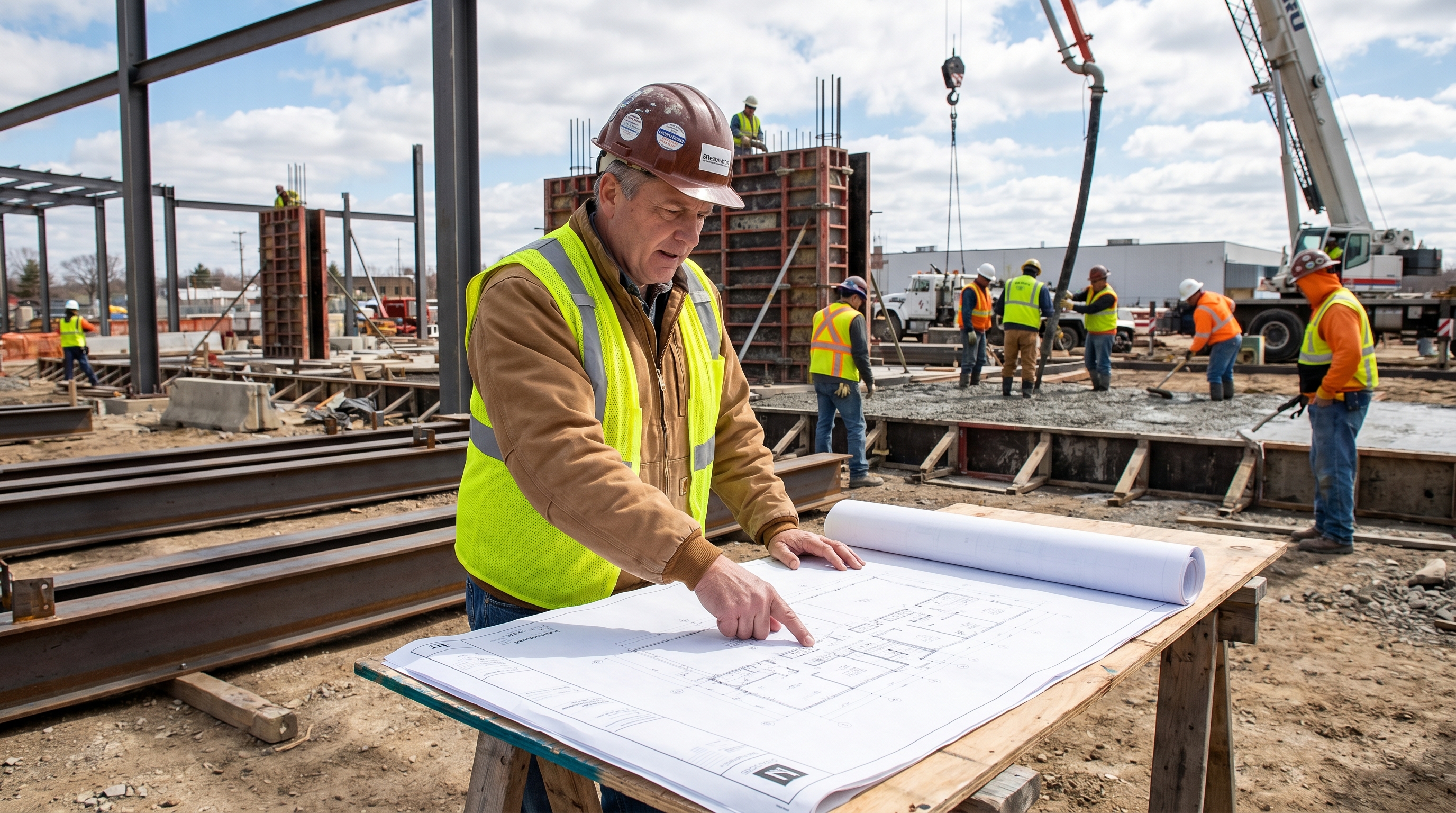
Effective project management is the only way to keep your warehouse addition cost per square foot 2026 within its original budget. Real-time tracking of material orders and labor hours allows you to pivot before small issues become massive overruns.
You should hire a dedicated project manager or use an integrated delivery service that handles design and fabrication in-house. This single point of contact reduces the communication errors that plague multi-vendor projects.
The Value of 3D Modeling
A complete 3D design before fabrication ensures that every beam and bolt fits perfectly once it reaches your site. This prevents the “field modifications” that can stall a project for weeks.
The bottom line is: A well-coordinated project team is your best defense against the rising costs of the current construction market.
- Clear BOMs prevent missing parts on site.
- Sequence-marked materials speed up assembly.
- Remote installation support resolves site questions fast.
Early Procurement Strategy
By ordering your steel and cladding packages months in advance, you can avoid the price hikes that often occur during the busy summer construction season.
| Management Task | Savings Potential | Risk Level | |
|---|---|---|---|
| 3D Design Audit | High | Low | |
| Bulk Procurement | Medium | Medium | |
| Site Coordination | High | High |
Active oversight and early material commitment are the hallmarks of successful industrial development in the 2026 cycle.
Key Takeaway: Single-source your project through a manufacturer to eliminate middleman markups and reduce the risk of on-site assembly errors.
What is the total warehouse addition cost per square foot 2026?
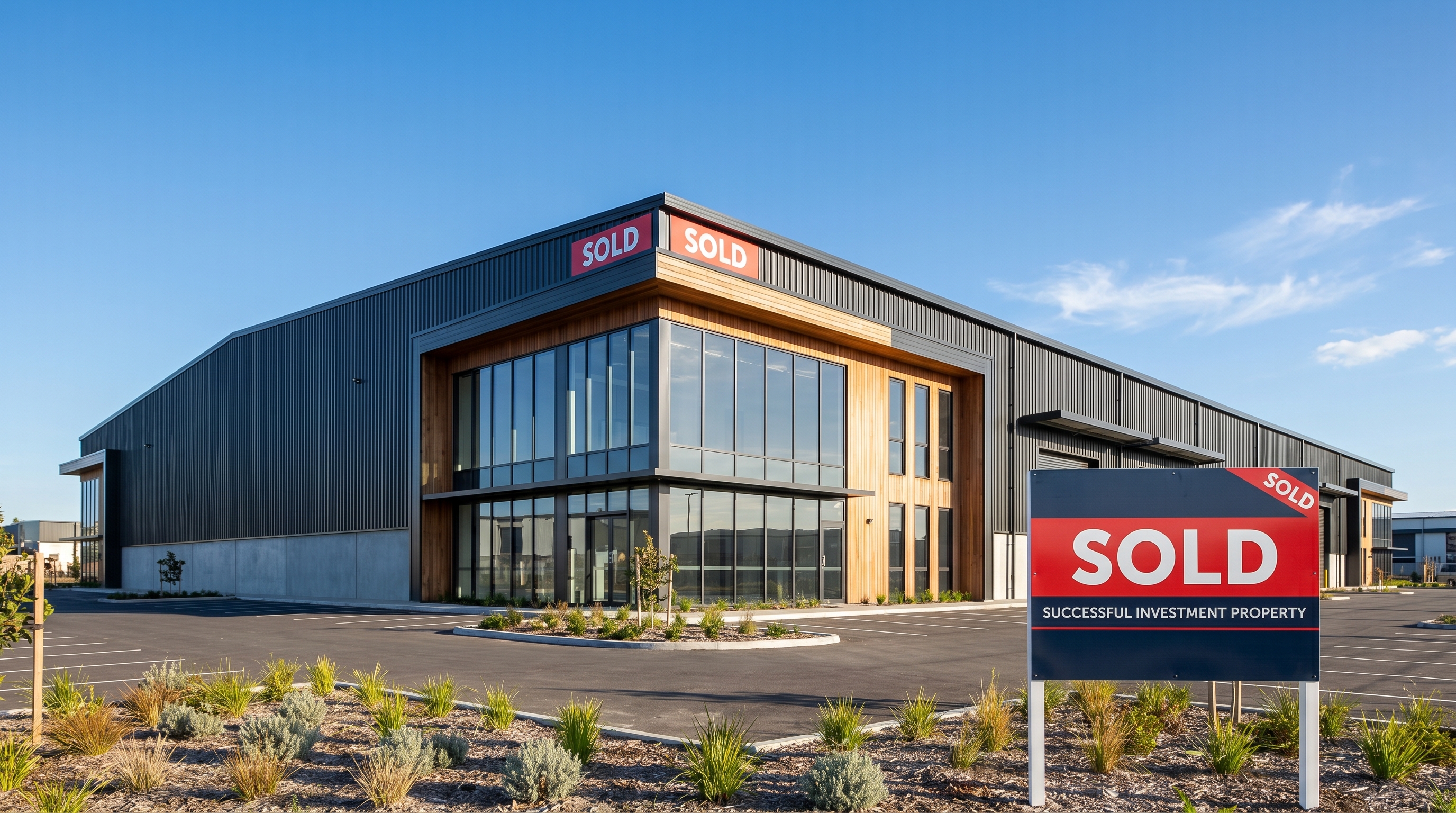
The total warehouse addition cost per square foot 2026 is an all-encompassing figure that includes land, soft costs, shell construction, and final interior build-out. While the building itself is the largest line item, the “landed cost” determines your true ROI.
For a successful 2026 investment, you must view the facility as a comprehensive system where the shell, location, and operational efficiency work in tandem. A finished, modern warehouse remains one of the most stable assets in commercial real estate.
Final Budget Checklist
Before finalizing your capital allocation, ensure every category is represented in your financial model. Omissions in the planning phase are the leading cause of project abandonment.
You need to know: A completed warehouse is more than just four walls; it is a critical hub for your supply chain’s future.
- Account for final paving and landscaping.
- Include interior lighting and racking systems.
- Don’t forget security and fire suppression costs.
Is 2026 the Right Time?
Despite elevated material costs, the 2026 market offers a level of stability that was missing during the post-pandemic years. Stabilized interest rates make this a strong year for those with ready capital.
| Category | Est. Total PSF (Low) | Est. Total PSF (High) | |
|---|---|---|---|
| Construction | $85 | $200 | |
| Soft Costs | $15 | $40 | |
| Site/Prep | $10 | $50 |
The total landed cost of your project should be measured against the long-term logistics savings it will provide for your business operations.
Key Takeaway: Treat your warehouse as a comprehensive logistics asset, factoring in every cost from soil tests to the final security system.
Conclusion
Your expansion project in 2026 is a significant milestone that requires precision, data, and the right partnership to succeed. We have helped hundreds of businesses navigate these cost complexities to deliver durable, high-performance industrial spaces. Stop gambling with your capital and contact us today to receive a customized structural analysis and quote that fits your exact operational needs. Our vision is to empower global commerce through precision-engineered steel structures that stand the test of time.
Start Your Project with Our Expert Team
Email:sales@showhoo.com.cn
Phone/WhatsApp:+86 186 7895 5927
Frequently Asked Questions
What is the best way to save on warehouse construction this year?
You should choose a pre-engineered metal building (PEMB) and work directly with the manufacturer. This eliminates third-party markups, reduces on-site labor through pre-punched components, and ensures a faster path to occupancy.
How do I know if my site preparation costs are fair?
You must obtain a professional geotechnical report and multiple grading bids. Since site prep can fluctuate wildly based on soil quality and topography, having a clear baseline of the required cut-and-fill work is the only way to verify a contractor’s quote.
Is it cheaper to go taller or wider with a new warehouse?
It is generally cheaper and more efficient to go taller. Increasing your vertical cubic footage allows you to store more pallets on the same expensive land footprint, maximizing your ROI without increasing your property tax or foundation costs.
Can local climate codes significantly delay my project?
Yes, engineering for heavy snow or seismic activity can add weeks to the design phase. However, ignoring these requirements will result in permit denials and potential structural failure, so they must be integrated into your timeline from day one.