
The average warehouse rental rate in the United States currently sits at approximately $9.00 per square foot as of early 2026. For businesses managing complex supply chains, finding affordable industrial space has become a significant hurdle that threatens profit margins and operational scalability. If you remain trapped in a high-cost market without exploring regional alternatives or modern building techniques, your logistics overhead will continue to climb uncontrollably. Fortunately, understanding the current warehouse price per square foot across different regions and facility types allows you to optimize your footprint for maximum ROI.
What is the national average warehouse rental rate?
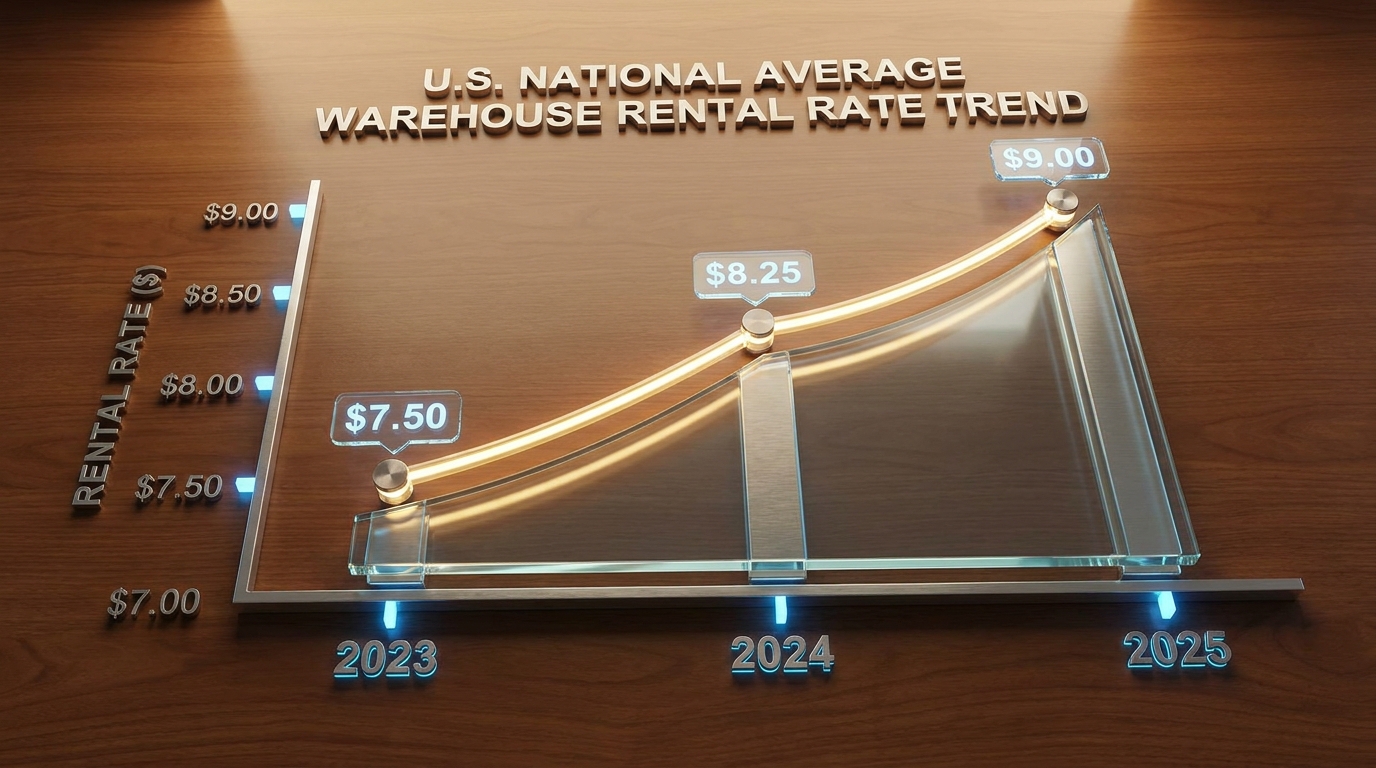
The national average warehouse price per square foot is roughly 9.00 for the 2026 fiscal year. This figurere present sasteady in crease from the 7.50 average seen in 2023, driven by high demand for e-commerce and modern distribution centers.
But here is the kicker:
The market isn’t just growing; it is evolving. You need to account for both base rent and the rising costs of Class A amenities that major tenants now require.
How have rates shifted over time?
Rental rates have seen a 20% cumulative increase over the last two years alone. This upward trajectory is forced by a persistent shortage of modern industrial inventory in key logistics corridors.
- 2023: $7.50/SF baseline.
- 2024: $8.25/SF average.
- 2025: $9.00/SF current rate.
What impacts the national average most?
Demand for last-mile delivery centers near population hubs is the primary driver of these cost increases. When land is scarce and demand is high, you will naturally see these price points rise across the board.
Key Takeaway: You should budget for at least $9.00 per square foot as a starting point for standard nationwide warehousing.
| Year | Average Rate ($/SF) | Year-over-Year Growth | |
|---|---|---|---|
| 2023 | $7.50 | Baseline | |
| 2024 | $8.25 | 10% | |
| 2025 | $9.00 | 9.1% |
The data shows a consistent climb in costs, making early site selection more critical than ever.
Which cities have the highest warehouse costs?
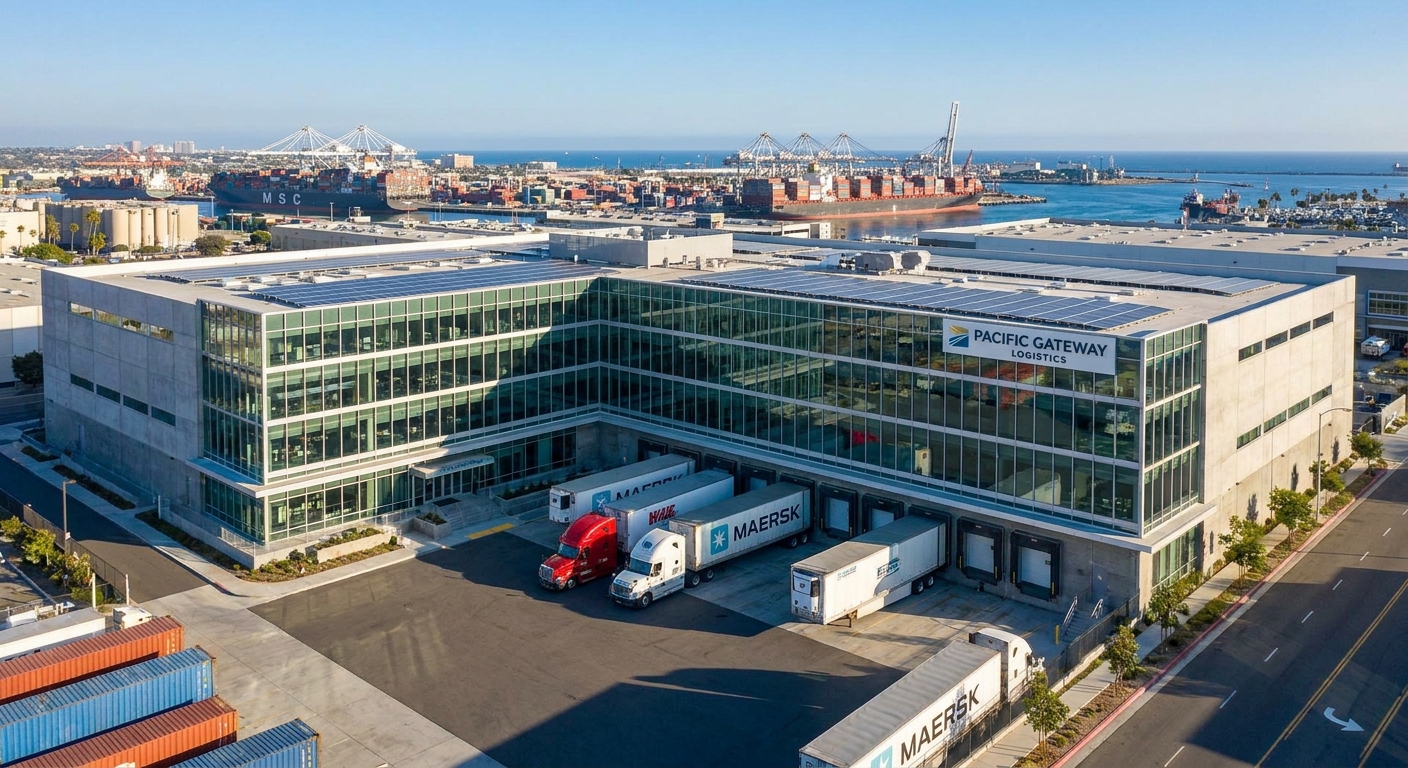
Coastal hubs like Los Angeles and Northern New Jersey currently command the highest warehouse price per square foot in the nation, often exceeding $20.00. These regions capitalize on their proximity to major international ports and massive consumer populations.
Think about it:
If you need immediate access to the Port of Long Beach, you are competing with global giants for limited space. This competition drives prices to levels that can triple the national average.
Why is the West Coast so expensive?
Markets like the Inland Empire and San Francisco have virtually zero vacancy in prime industrial zones. You are paying a premium for the geographical advantage of being the first stop for Pacific imports.
- Inland Empire: 18.00−22.00/SF.
- San Francisco: 17.00−21.00/SF.
- Seattle: 15.00−19.00/SF.
Does the East Coast follow this trend?
Northern New Jersey is the East Coast’s most expensive market due to its role as the gateway to New York City. Port access and high population density ensure that supply never quite meets the surging demand.
Key Takeaway: Port-adjacent markets require a significantly higher capital investment for the same amount of square footage.
| High-Cost Market | Rent Range ($/SF) | Main Advantage | |
|---|---|---|---|
| Los Angeles, CA | 18.00–22.00 | Port access/Density | |
| Northern NJ | 16.00–20.00 | NYC Proximity | |
| Seattle, WA | 15.00–19.00 | West Coast Hub |
Choosing these locations provides speed-to-market but comes with a massive price tag for every foot you occupy.
“Speak to Our Engineering Team Now”
Email:sales@showhoo.com.cn
Phone/WhatsApp:+86 186 7895 5927
Where is the lowest warehouse price per square foot?
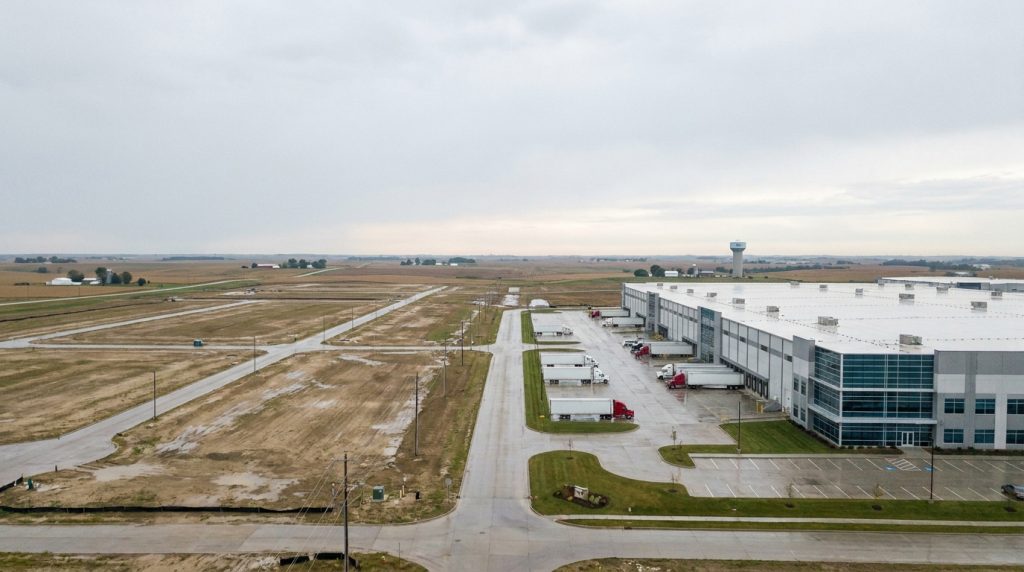
The lowest warehouse price per square foot is typically found in the Midwest and South, with markets like Memphis and Columbus offering rates as low as 4.50 to 7.00. These areas provide excellent national reach without the coastal price inflation.
Now, you might wonder:
Can a lower-cost market really handle my national distribution? In many cases, these “secondary” markets are actually better suited for wide-scale shipping than overcrowded coastal cities.
Is the Midwest a strategic choice?
Columbus, Ohio, is known as the “Crossroads of America” because it can reach nearly 50% of the U.S. population in a one-day drive. You get high-tier logistics connectivity at a fraction of the price of New Jersey.
- Columbus, OH: 5.50−7.00/SF.
- Memphis, TN: 4.50−6.00/SF.
- Greenville, SC: 5.00−6.50/SF.
Does Texas offer regional value?
The Dallas-Fort Worth area is a powerhouse for central U.S. distribution. With abundant land and lower taxes, you can find modern space for a very competitive rate.
Key Takeaway: You can drastically reduce your fixed overhead by moving operations to inland hubs with strong highway and rail access.
| Value Market | Rent Range ($/SF) | Strategic Hub | |
|---|---|---|---|
| Memphis, TN | 4.50–6.00 | FedEx Global Hub | |
| Columbus, OH | 5.50–7.00 | Midwest Crossroads | |
| Dallas, TX | 6.00–8.00 | Central Logistics |
Relocating even a portion of your inventory to these markets can save your business thousands in monthly rent.
Does building type change the price per foot?
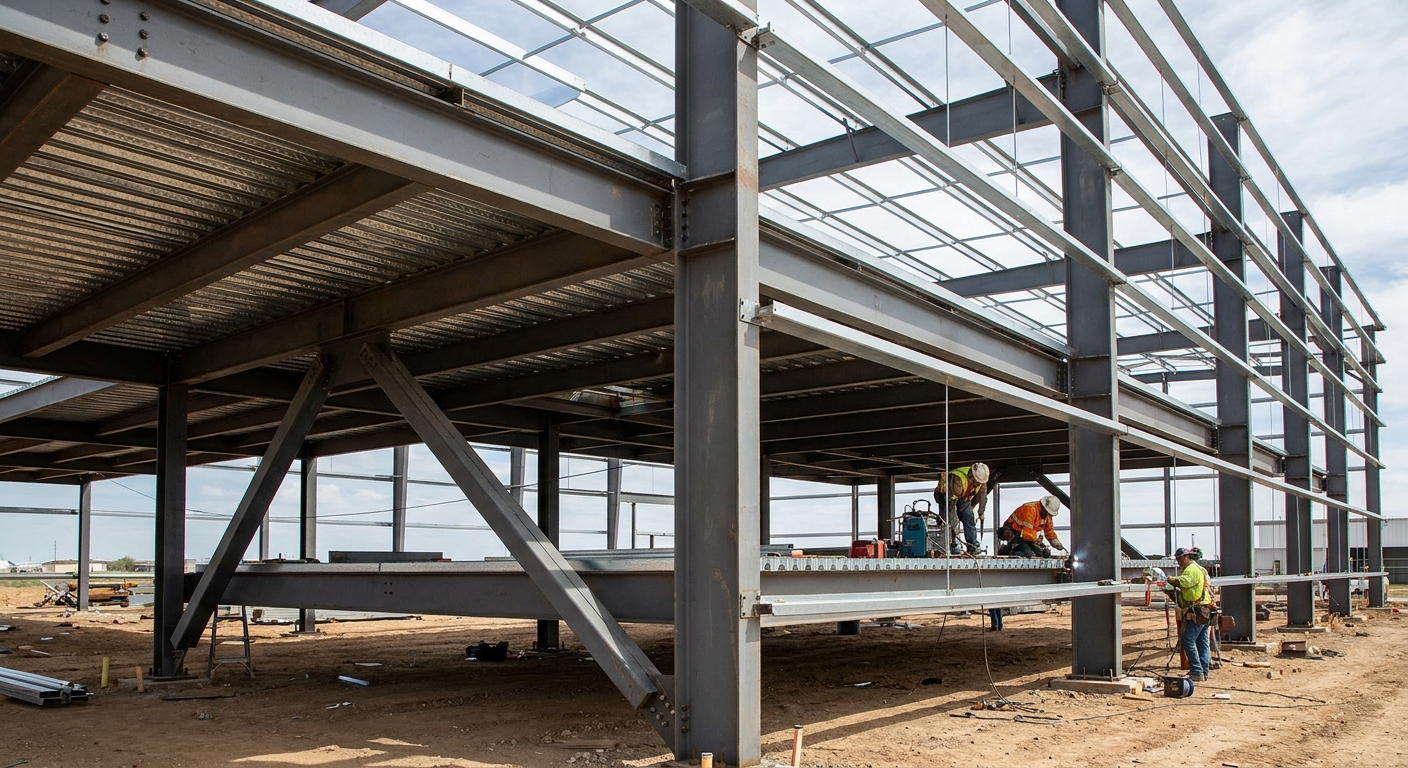
The structural material of your facility significantly influences the final warehouse price per square foot , with steel buildings often being the most cost-effective. Choosing a pre-engineered steel structure can lower both your initial construction costs and long-term maintenance.
Look at the facts:
Concrete tilt-up construction is traditional, but it is often slower and more expensive to execute. Steel allows for wider clear spans and faster assembly times, which gets your operations running sooner.
How does Class A compare to older builds?
Modern Class A facilities have higher ceilings and better floor loading capacities. While they have a higher price per foot, they allow you to utilize vertical space more effectively.
- Pre-Engineered Steel: Lower cost, fast setup.
- Concrete Tilt-up: Traditional, higher initial cost.
- Modern Class A: Premium rate, high efficiency.
Does energy efficiency impact the rate?
Newer buildings often include better insulation and LED lighting systems. These features might slightly increase the base rent but will lower your total cost of occupancy through utility savings.
Key Takeaway: Investing in a modern steel structure often yields the best balance between price per foot and operational capacity.
| Facility Type | Initial Cost | Efficiency | |
|---|---|---|---|
| Steel Prefab | Moderate | High | |
| Class A Concrete | High | Maximum | |
| Older Class B/C | Low | Poor |
Modern engineering allows you to maximize your storage volume even if the physical footprint remains the same.
What hidden fees affect the warehouse price?
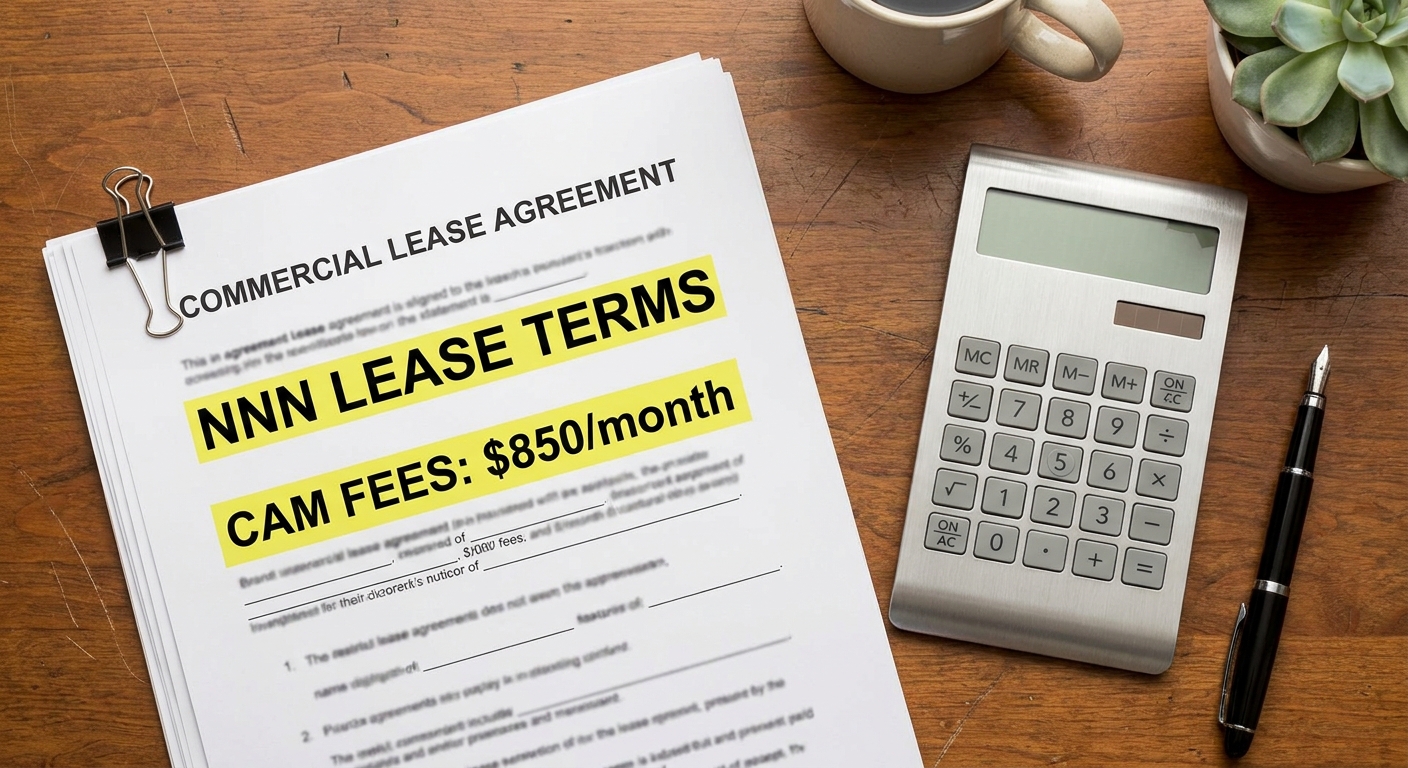
A variety of hidden fees, primarily Net-Net-Net (NNN) charges, can add 2.00 to 4.00 to the base warehouse price per square foot. These are non-negotiable costs that cover property taxes, insurance, and Common Area Maintenance (CAM).
Here is the deal:
If you only look at the base rent, you are only seeing half the picture. You must calculate the “all-in” rate to understand if a property truly fits your budget.
What exactly are CAM fees?
CAM fees cover the upkeep of shared spaces, such as landscaping, snow removal, and parking lot maintenance. You are responsible for a pro-rata share based on your square footage.
- Property Taxes: 0.50−1.50/SF.
- Building Insurance: 0.20−0.60/SF.
- Maintenance (CAM): 0.80−2.00/SF.
Are there other municipal costs?
Some states levy personal property taxes on the inventory you store within the warehouse. You should research local tax abatements before signing a long-term lease.
Key Takeaway: Always request a detailed breakdown of NNN expenses to avoid being blindsided by your first monthly invoice.
| Fee Category | Range ($/SF) | Frequency | |
|---|---|---|---|
| NNN Total | 1.50–4.00 | Monthly/Annual | |
| Utilities | Varies | Monthly | |
| Local Taxes | 0.50–1.50 | Annual |
Understanding these extras is the only way to arrive at a realistic total cost for your industrial space.
“Speak to Our Engineering Team Now”
Email:sales@showhoo.com.cn
Phone/WhatsApp:+86 186 7895 5927
Can site selection lower the warehouse price?
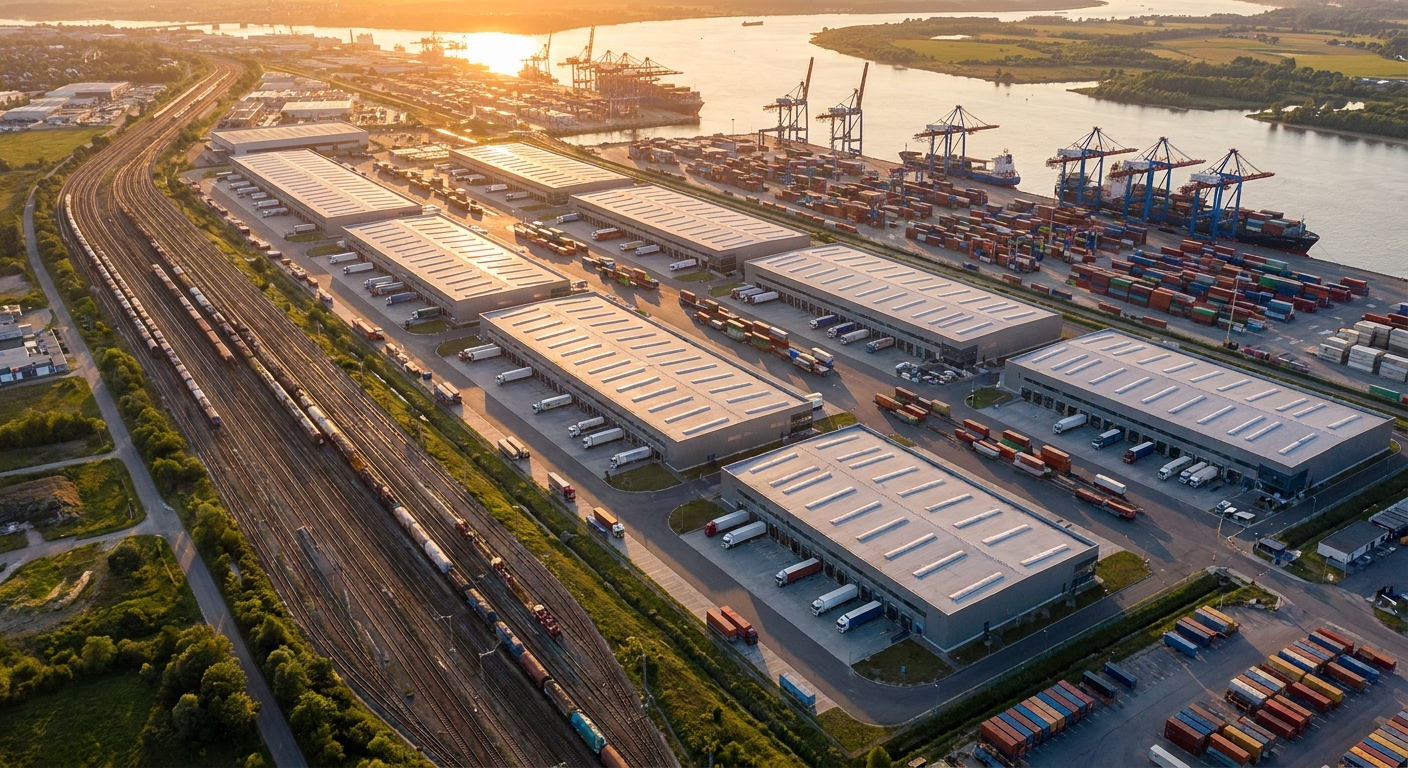
Selecting a site based on labor density and infrastructure can indirectly lower your effective warehouse price per square foot by reducing transportation and hiring costs. A cheap warehouse is actually expensive if it is located too far from your customers or a reliable workforce.
Let’s dive deeper:
You must weigh the savings of a low-rent area against the increased fuel and drayage costs. If you save 2.00 on rent but spend 3.00 more on shipping, you haven’t actually saved anything.
Why does labor availability matter?
Warehouses require people to run them, and high-competition markets drive up hourly wages. Choosing a site near trade schools or in growing residential areas ensures you have access to workers.
- Labor Pool: Look for high-density, lower-wage regions.
- Port Access: Crucial for international trade.
- Highway Links: Vital for last-mile delivery speed.
How do utilities factor into selection?
Industrial-zoned land in certain counties may offer lower electricity and water rates. Since warehouses consume significant power for lighting and HVAC, these small differences add up quickly.
Key Takeaway: The best site selection strategy prioritizes total logistics costs over the simple lease rate per square foot.
| Site Factor | Financial Impact | Strategy | |
|---|---|---|---|
| Labor Access | High | Choose emerging markets | |
| Transport Links | Extreme | Stay near major interstates | |
| Utility Rates | Medium | Compare county-by-county |
A strategic location can pay for itself through increased efficiency and lower turnover.
Does customization change the warehouse price?
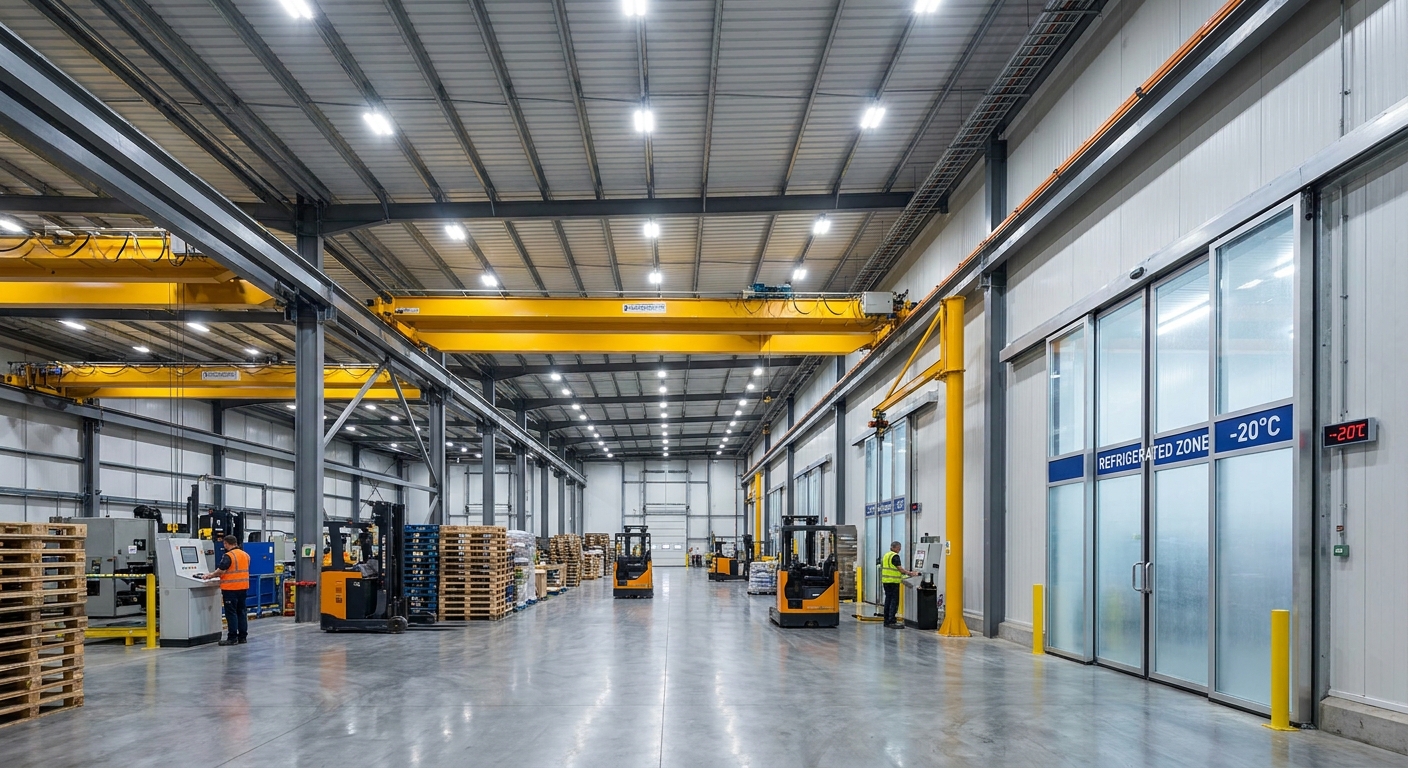
Specific facility customizations, such as cold storage or heavy crane systems, can double or triple the standard warehouse price per square foot. These specialized requirements demand precision engineering and more expensive building materials.
The reality is simple:
If your products require climate control, your costs for insulation and refrigeration equipment will skyrocket. However, these features are essential for preserving high-value or perishable inventory.
How expensive is cold storage?
Cold storage facilities require specialized flooring and high-R-value wall panels to maintain temperatures. You should expect these builds to command a significant premium over dry storage.
- Refrigeration: Adds 5.00−10.00/SF.
- Crane Systems: Adds 3.00−5.00/SF.
- Specialized Loading: Varies by dock count.
Can custom builds save money?
By designing a custom warehouse from the ground up, you avoid paying for features you don’t need. You can optimize the clear height and dock configuration to match your specific workflow perfectly.
Key Takeaway: Customizing a facility at the construction stage is far more economical than retrofitting an existing building later.
| Customization | Rent Premium | Operational Value | |
|---|---|---|---|
| Temperature Control | 100% – 150% | Perishable protection | |
| Overhead Cranes | 30% – 50% | Heavy lift capability | |
| Extra Dock Doors | 5% – 10% | High-volume throughput |
Matching your facility’s features to your specific cargo type is the best way to ensure long-term profitability.
How to calculate total warehouse costs?
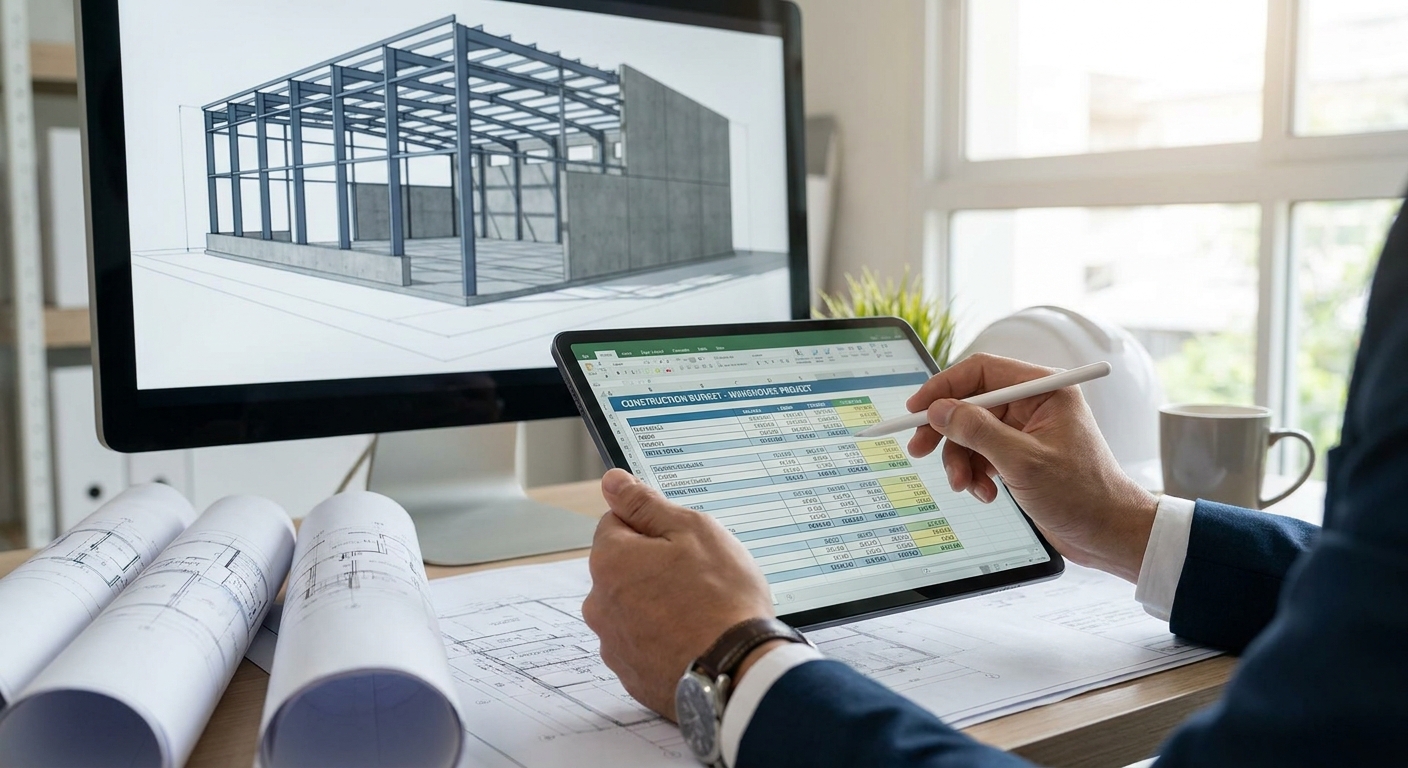
Calculating your total warehouse price per square foot requires adding your base rent to your estimated NNN expenses and utility projections. Most commercial leases are quoted on an annual basis, so you must divide by twelve to find your monthly cash flow requirement.
Let’s take a closer look:
If you find a 50,000 SF warehouse for 9.00/SF,your annual baseis 450,000. Once you add 3.00inNNNfees,your”all−in”monthly payment jumps from 37,500 to $50,000.
Do insurance and utilities stay stable?
Utilities will fluctuate based on the season and your production levels. Insurance premiums for industrial space are also rising, so you should revisit these figures every twelve months.
Key Takeaway: You need to budget roughly 30% above the base rental rate to cover the full reality of industrial occupancy.
| Calculation Step | Example Data | Total | |
|---|---|---|---|
| Base Rent | $9.00 * 50k SF | $450,000 | |
| NNN Fees | $3.00 * 50k SF | $150,000 | |
| Monthly Total | $600,000 / 12 | $50,000 |
Accurate math is the only way to protect your company’s cash flow from unexpected real estate expenses.
“Speak to Our Engineering Team Now”
Email:sales@showhoo.com.cn
Phone/WhatsApp:+86 186 7895 5927
Is the price lower for new prefab builds?
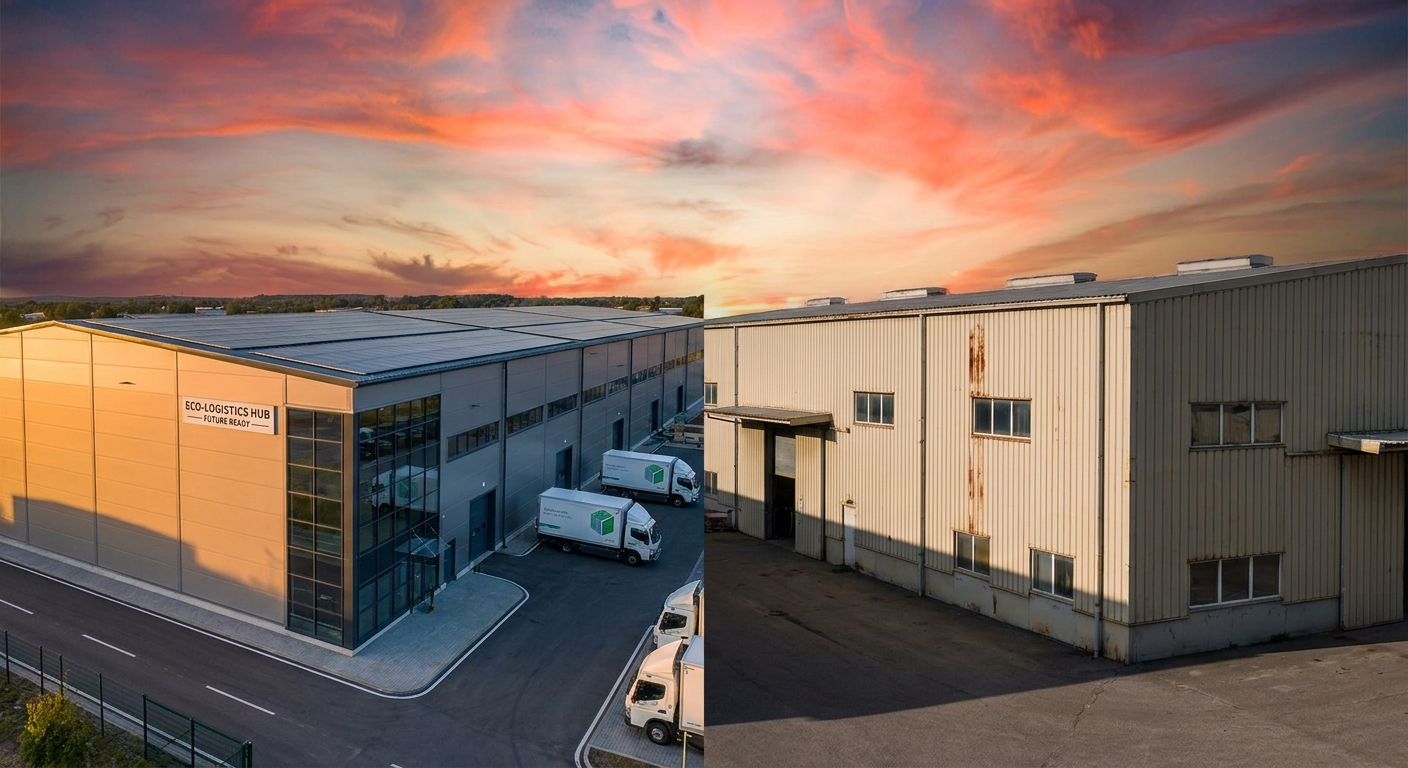
The initial warehouse price per square foot for a new prefab build can be significantly lower than renting a Class A facility over a ten-year period. Building your own facility allows you to capture equity while controlling your monthly “rent” through stable mortgage payments.
Consider this carefully:
Renting keeps you at the mercy of the market, where prices increase by 5-10% annually. Owning a pre-engineered steel warehouse freezes your facility costs and allows you to customize the space exactly as you need.
Why choose prefab steel for ROI?
Steel buildings are manufactured in a controlled factory environment, which eliminates middleman markups and reduces waste. This factory-direct approach brings the construction cost per foot down considerably.
- Cost Control: Direct manufacturing prices.
- Speed: Faster occupancy than traditional builds.
- Durability: Lower long-term maintenance costs.
Does ownership protect against market spikes?
Yes, once you own the structure, you are no longer susceptible to the regional rental spikes seen in cities like Phoenix or Dallas. Your primary ongoing costs will be property taxes and utilities.
Key Takeaway: Moving from leasing to owning a prefab steel warehouse is the most effective way to stabilize your logistics budget for the next decade.
| Own vs. Lease | 5-Year Cost | 10-Year Cost | |
|---|---|---|---|
| Leasing | Increasing annually | No asset equity | |
| Owning Prefab | Stable payments | Full asset ownership |
Choosing to build provides long-term security that a standard lease simply cannot offer.
How to optimize your future warehouse price?
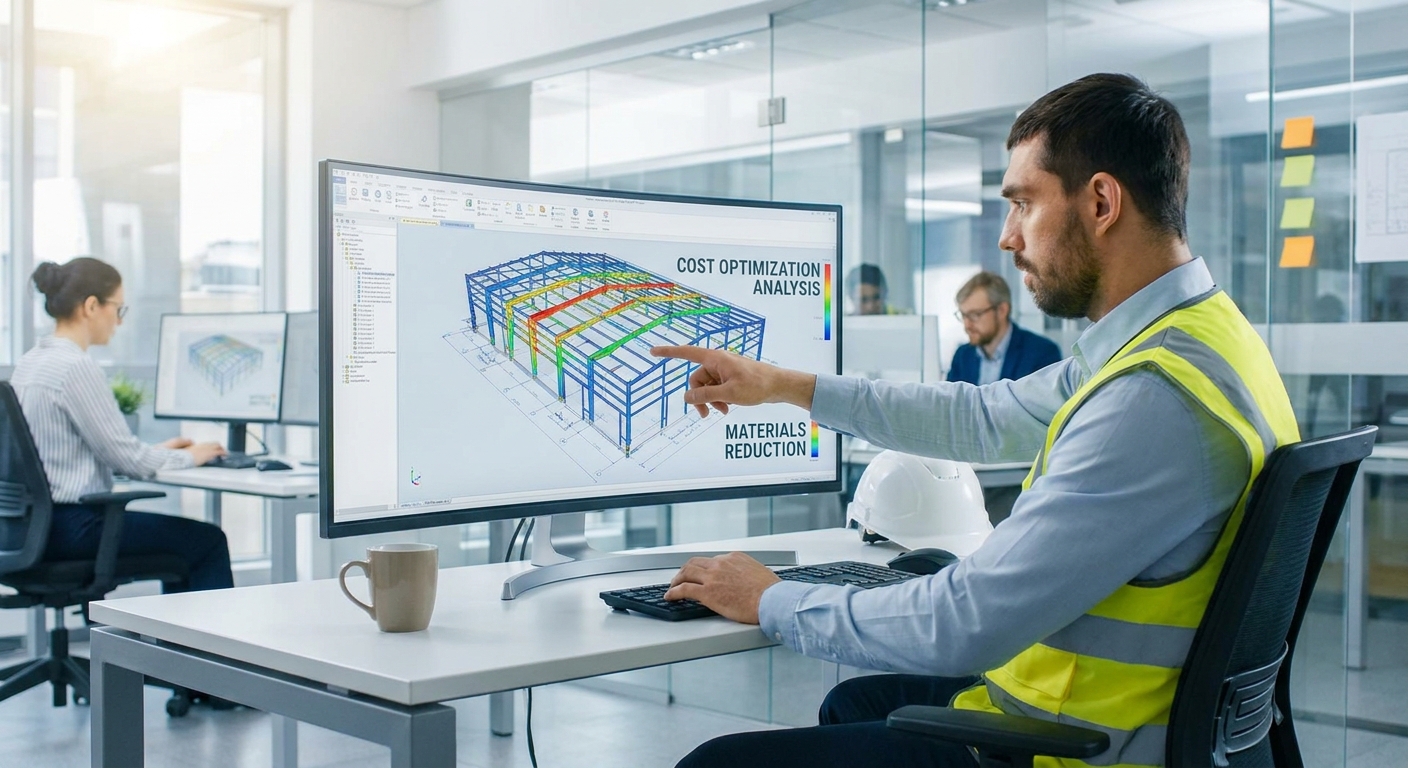
You can optimize your future warehouse price per square foot by utilizing 3D modeling and factory-direct sourcing during the design phase. Precision engineering ensures that no materials are wasted and that the facility is perfectly scaled for your inventory volume.
Imagine the possibilities:
With a 3D model, you can visualize exactly how your racking and machinery will fit before a single beam is cut. This prevents the need for expensive field modifications during the construction process.
What role does 3D modeling play?
Modern software allows engineers to test wind, snow, and seismic loads virtually. This ensures your building meets local codes without over-engineering and wasting expensive steel.
- Design Accuracy: No field modifications.
- Material Optimization: Use only what is necessary.
- Speed-to-Market: Faster design approvals.
Should you work with a manufacturer?
Working directly with a manufacturer like Showhoo Building eliminates the confusion of dealing with multiple contractors. You receive a complete, installation-ready system that is engineered for your specific site.
Key Takeaway: Proactive design and manufacturer-direct communication are your best defenses against rising industrial real estate costs.
| Strategy | Action | Result | |
|---|---|---|---|
| Use 3D Tech | Model before building | Zero waste/errors | |
| Direct Sourcing | Skip distributors | 15-20% savings | |
| Custom Scale | Fit your exact needs | Optimized footprint |
Taking control of the construction process is the ultimate way to secure a competitive price per foot for your logistics operation.
Securing Your Logistics Future
Understanding the national and regional trends in warehouse pricing is essential for any business looking to grow without overspending. We have explored how high-demand coastal markets can strain your budget and how secondary Midwest hubs offer significant relief. By transitioning from volatile lease agreements to owning a custom-engineered steel facility, you can effectively freeze your real estate costs while gaining an asset that supports long-term scalability.
Our vision is to empower global businesses with high-quality, cost-effective steel structures that are engineered for excellence and delivered with precision. Whether you are expanding your current footprint or building your first distribution center, our factory-direct model ensures you get the best value without middleman markups. To receive a customized quote for your next project, contact us today .
“Speak to Our Engineering Team Now”
Email:sales@showhoo.com.cn
Phone/WhatsApp:+86 186 7895 5927
Frequently Asked Questions
Can I reduce my warehouse price per square foot by using steel?
Yes. Steel buildings are generally more cost-effective to manufacture and much faster to install than traditional concrete, reducing both material and labor expenses.
What’s the best region for a low warehouse price per square foot?
Currently, the Midwest (Columbus, OH) and the Southeast (Memphis, TN) offer the best balance of low rental rates and high logistics connectivity.
How do utilities affect the warehouse price per square foot?
Utilities are typically paid by the tenant. Modern steel buildings with high-efficiency insulation can reduce these operational costs by up to 30%.
How do I know if I should lease or build?
If you plan to occupy a space for more than five years, building a custom steel warehouse often provides a better return on investment than paying annual rent increases.
What is the best way to get an accurate construction quote?
Submit a detailed request with your specific clear-span and height requirements to a manufacturer to receive a factory-direct price that avoids local distributor markups.