
A pre-engineered steel basketball court typically costs between 60 and 100 per square foot for a completed, turnkey indoor facility, while the raw structural steel materials range from 15 to 30 per square foot. Planning a sports venue or private athletic center can quickly turn into a financial nightmare when you deal with unpredictability. Traditional wood or brick construction often brings endless labor delays, weather hazards, and skyrocketing raw material bills that stall your progress. If you are struggling to keep your budget under control while seeking a durable shelter, a clear-span steel frame is the perfect solution. Opting for this engineered system helps reduce your overall metal building basketball gym cost while providing a column-free interior perfect for athletics.
What Is the Base Cost of a Steel Court?
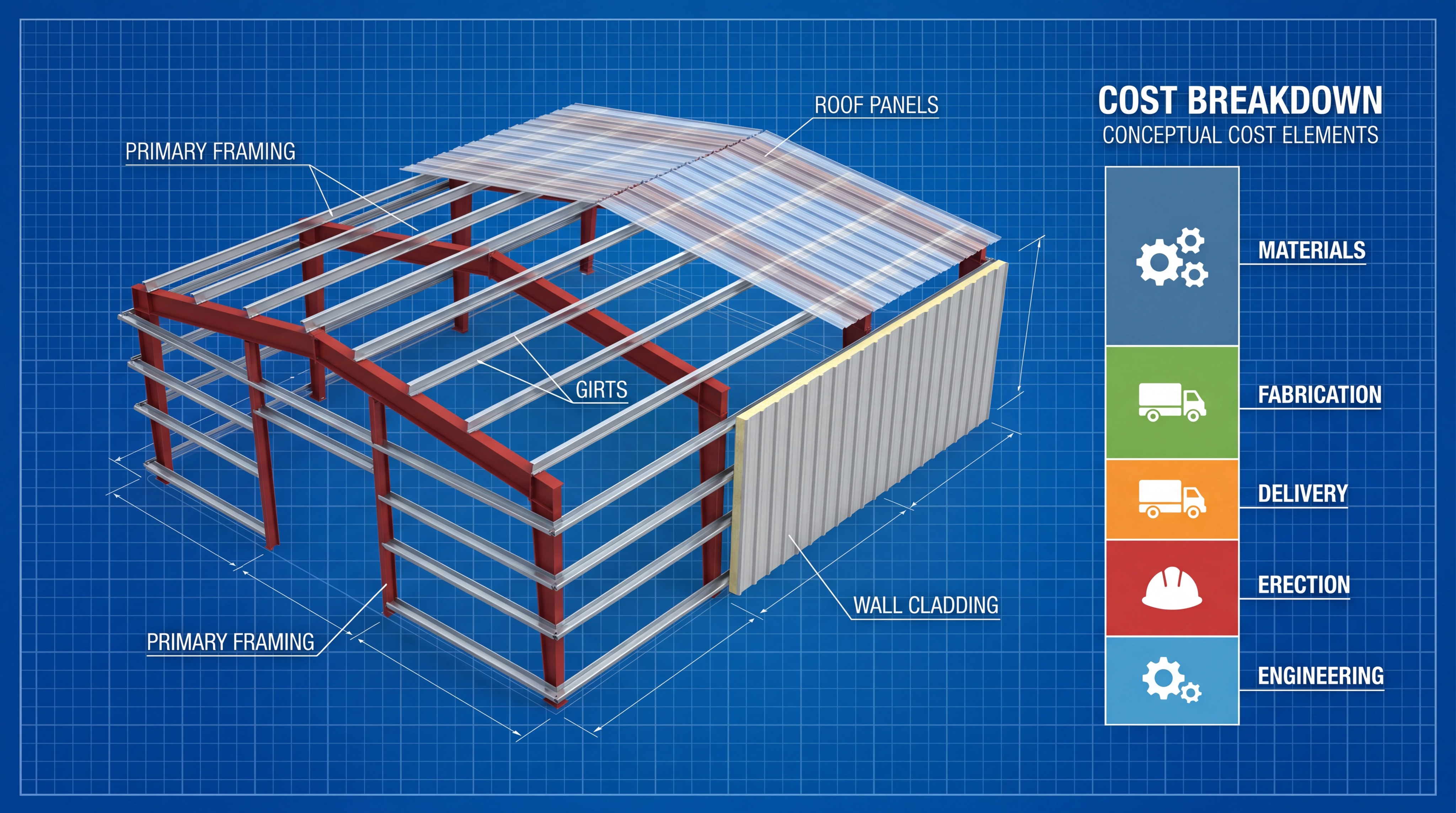
The base cost of a pre-engineered steel court typically starts at 15 to 30 per square foot for primary framing materials. When budgeting for your project, understanding how manufacturing efficiency impacts your total metal building basketball gym cost is essential. These factory-fabricated steel packages arrive at your site pre-cut and pre-punched, cutting down on-site preparation and reducing raw material overhead significantly.
How Raw Material Costs Affect Your Budget
Raw steel material prices fluctuate based on global market conditions and the design’s structural weight. Purchasing factory-direct allows you to bypass local retail markups and lock in stable manufacturing prices.
Standard structures require high-grade carbon steel that resists extreme seismic activity and winds. Think about it:
- Heavy-duty structural columns and clear-span rafter frames
- Secondary wall girts, roof purlins, and steel tension rods
- Corrugated steel wall panels and metal roof cladding
What Are the Assembly and Erection Rates?
Erecting your pre-engineered steel framing usually adds another 10 to 20 per square foot in local field labor. Because the entire framework bolts together cleanly without demanding on-site welding, structural assembly timelines are cut in half.
Here is the kicker: local contractor availability can cause regional differences in erection fees. Hiring a crew familiar with prefabricated sports structures guarantees a faster and more efficient setup.
Key Takeaway: Securing a complete factory-direct structural package keeps your baseline expenses highly predictable and eliminates the costly field adjustments common with wood designs.
| Base Cost Component | Price Range (per Sq. Ft.) | Primary Influence | |
|---|---|---|---|
| Raw Structural Steel | 15–30 | Market pricing and frame layout | |
| Engineering & Freight | 5–10 | Site location and wind load codes | |
| Assembly & Erection Labor | 10–20 | Local general contractor rates |
Let’s evaluate how altering your building’s footprint changes your total material requirements and investment.
How Does Gym Size Impact Your Total Price?
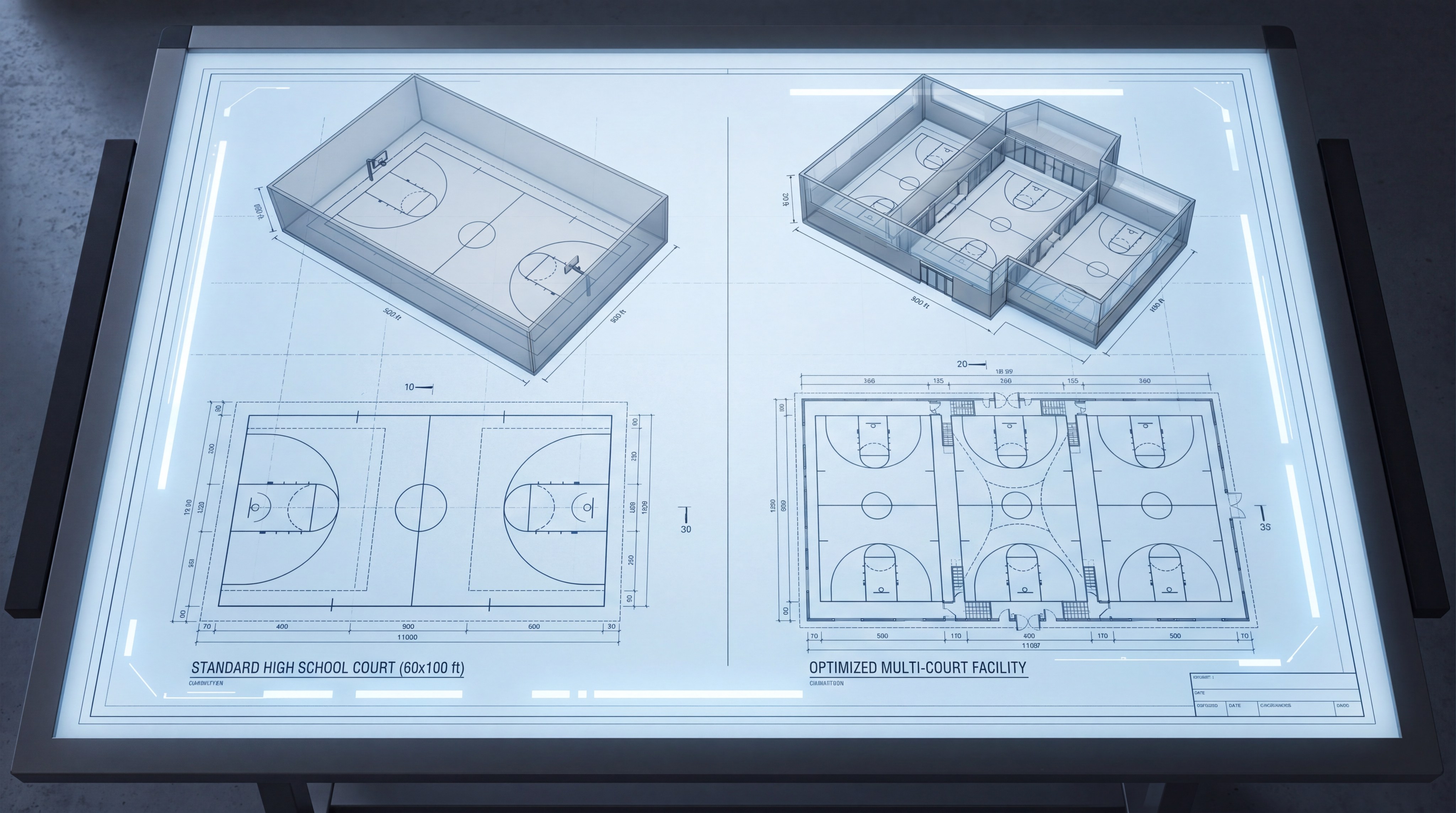
Gym size impacts your total price directly by increasing the volume of steel and the clear-span frame depth needed to clear the court. Standard regulation courts demand a larger footprint, which scales up your overall metal building basketball gym cost. However, because steel buildings benefit from raw material economies of scale, your price per square foot actually drops as the facility footprint expands.
Standard Single-Court and Half-Court Footprints
A standard high school basketball court of 50 by 84 feet requires at least a 60 by 100-foot building envelope. If you only need a recreational setup, a half-court layout of 35 by 45 feet reduces your footprint and foundation expenses.
You must carefully select your dimensions based on safety clearances. Think about these common building sizes:
- 35′ x 45′ Footprint: Ideal for personal backyard half-courts
- 60′ x 100′ Footprint: Fits one standard regulation high school court
- 120′ x 100′ Footprint: Accommodates dual courts with center dividers
Clear-Span Engineering and Overhead Clearances
Clear-span steel frames allow you to build up to 150 feet of unobstructed interior space without any annoying center support pillars. This open layout is a non-negotiable requirement for high-speed sports like basketball.
Think about it: a standard basketball game requires a minimum of 20 to 25 feet of vertical overhead clearance. Steel rigid frames deliver this height easily without needing thick, bulky wooden roof trusses.
Key Takeaway: Sizing your facility to match your player safety margins ensures you purchase the exact amount of steel needed for peak sports performance.
| Building Size (Feet) | Total Area (Sq. Ft.) | Recommended Application | |
|---|---|---|---|
| 35′ x 45′ | 1,575 | Private training and half-court play | |
| 60′ x 100′ | 6,000 | Single standard high school court | |
| 120′ x 100′ | 12,000 | Multi-court community tournament facility |
After determining your ideal layout dimensions, comparing structural materials highlights the distinct advantages of selecting commercial steel.
Get your custom steel structure solution today—quality, precision, and fast delivery guaranteed
Email:sales@showhoo.com.cn
Phone/WhatsApp:+86 186 7895 5927
Why Choose Steel Over Concrete or Wood?
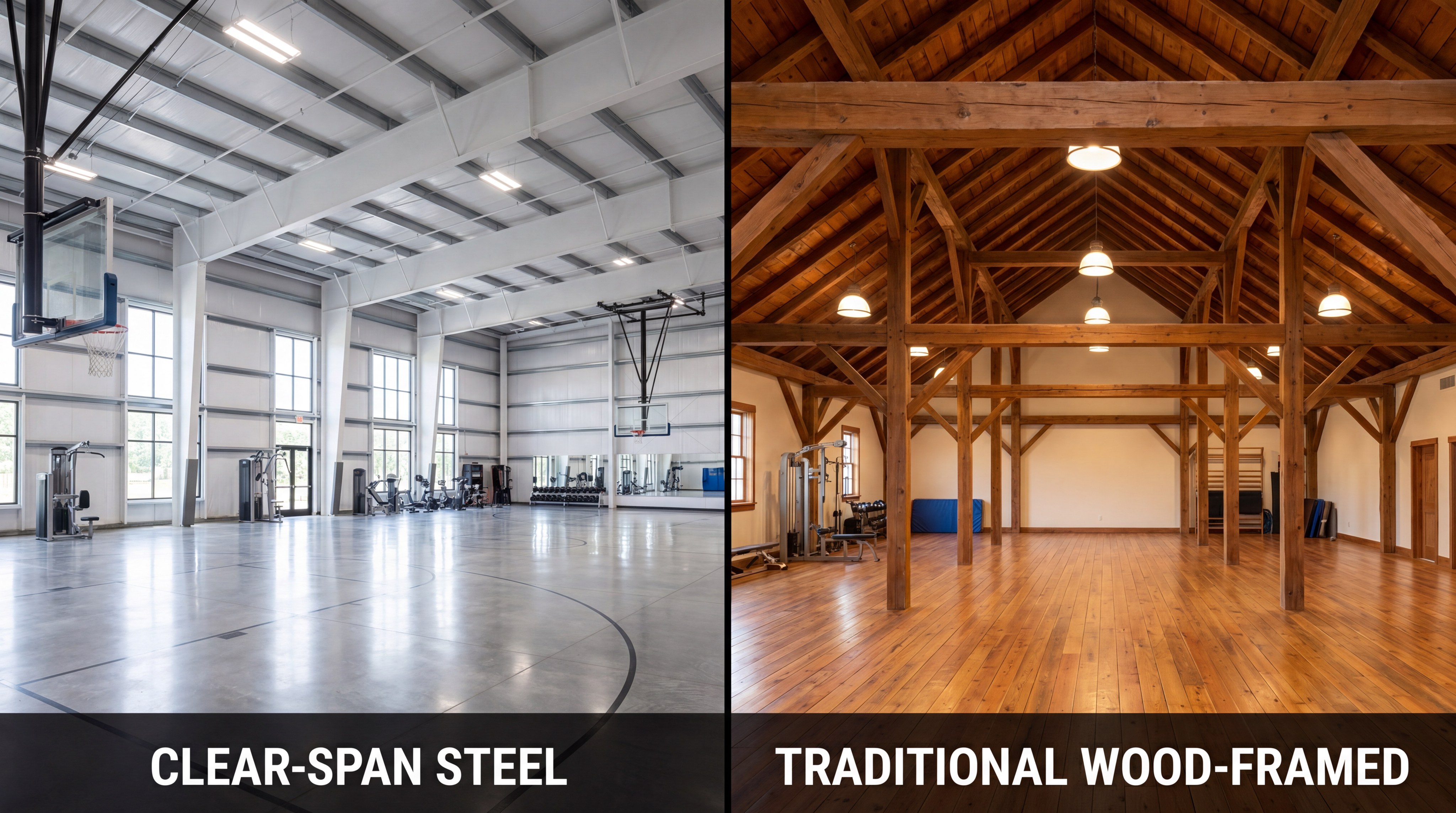
Choosing steel over concrete or wood provides you with superior durability, quicker on-site construction, and much lower long-term maintenance costs. These engineering benefits significantly reduce the lifetime metal building basketball gym cost by preventing expensive structural settling and insect infestations. Unlike traditional building methods that degrade over time, high-quality steel ensures your sports arena remains pristine for generations.
Unmatched Structural Durability and Lifespan
Traditional wood structures are highly vulnerable to humidity, rotting, warping, and destructive pest infestations. Pre-engineered steel is naturally resistant to these hazards, protecting your athletic flooring from structural shifts.
It is built to survive high wind loads and heavy winter snow accumulation. You will benefit from these structural properties:
- Class A fire-resistant framing that lowers commercial insurance rates
- Pest-proof and rot-proof steel components that require zero fumigation
- Corrosion-resistant protective zinc and silicone-polyester paint coatings
Precision Fabrication and Rapid Field Assembly
Steel frame components are manufactured to millimetric accuracy inside a controlled factory environment. This precision means your building kit arrives on-site ready to bolt together, speeding up your building process.
Here is the kicker: faster building timelines mean your crew spends less time in the field, saving you thousands in labor fees. This efficient process ensures your court is ready for games ahead of schedule.
Key Takeaway: Opting for a factory-fabricated steel package guarantees an incredibly fast, highly durable build that requires minimal maintenance.
| Structural Property | Pre-Engineered Steel | Conventional Timber | Masonry / Concrete | |
|---|---|---|---|---|
| Construction Speed | Rapid (Weeks) | Slow (Months) | Extremely Slow | |
| Rot & Pest Resistance | Complete | Low | Complete | |
| Maintenance Needs | Minimal | Regular | Low | |
| Fire Safety Rating | Non-combustible | Combustible | Non-combustible |
To support this robust steel frame safely, pouring a professional concrete foundation is the next vital step.
What Site Prep and Foundation Work Is Needed?
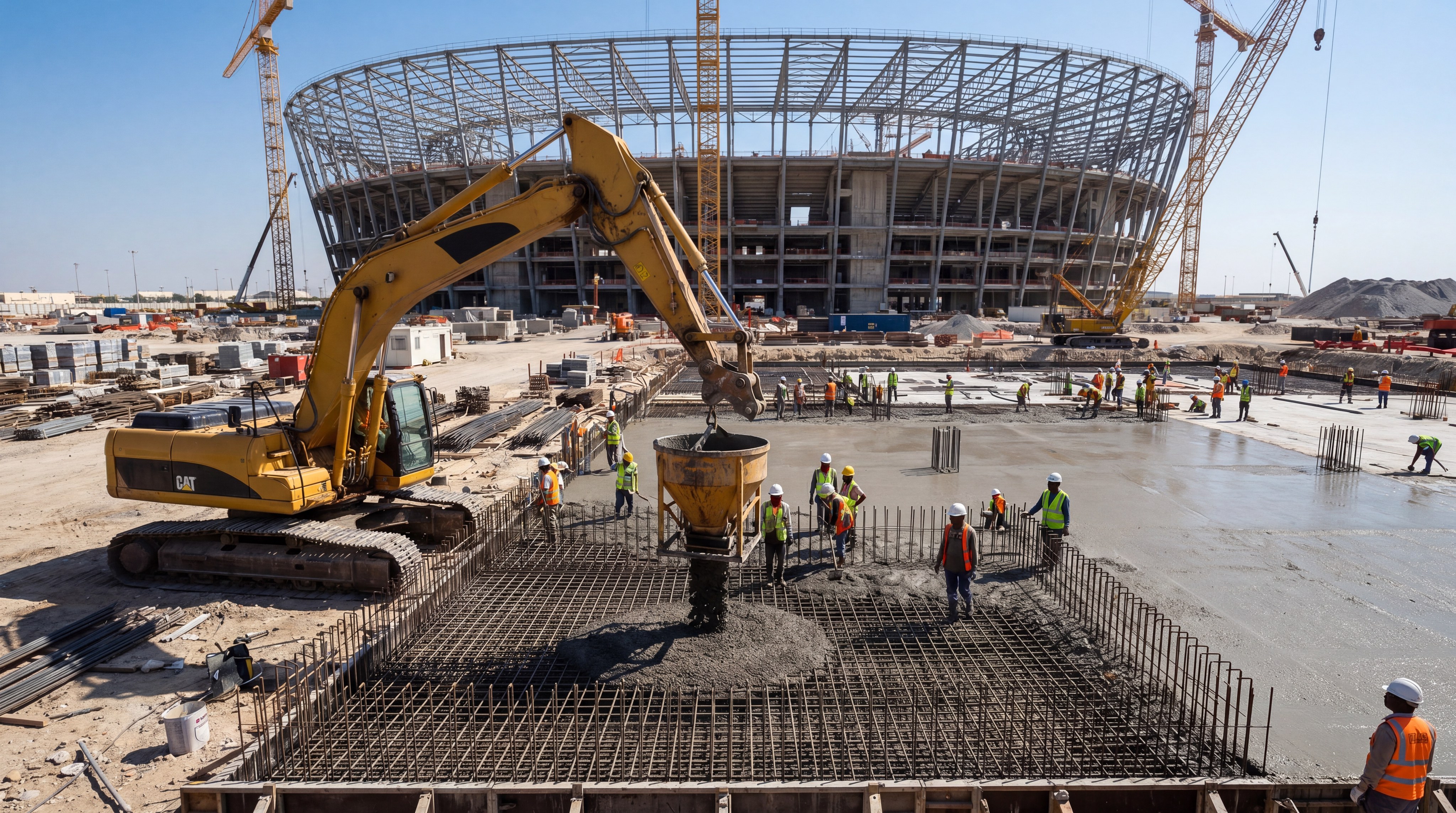
Site preparation and concrete foundation work typically require an investment of 6 to 12 per square foot to create a stable, level building pad. If you neglect soil testing or drainage design, you will face settling issues that drive up your total metal building basketball gym cost. A reinforced slab foundation is absolutely non-negotiable because it anchors your heavy steel frames and supports high-impact sports.
The Importance of Grading and Soil Compaction
Your construction site must be completely cleared of trees, rock formations, and organic topsoil. Sloped areas will need cut-and-fill grading to create a perfectly flat building pad for the foundation crew.
If your soil contains high clay content, you will need to replace it with gravel backfill. Consider these vital site prep steps:
- Soil compaction testing to determine load-bearing capacity
- French drains and gravel drainage channels to redirect water runoff
- Accurate property boundary surveys and utility lines placement
Pouring a Level, Reinforced Concrete Slab
Basketball courts require a 4 to 6-inch reinforced concrete slab to prevent any floor cracking under impact. The slab surface must be finished to strict level tolerances to ensure your athletic floors align perfectly.
Think about it: a bumpy concrete slab will ruin expensive hardwood or rubber flooring and cause dead spots in ball bounces. Installing a high-performance vapor barrier under the slab is essential to keep rising dampness out.
Key Takeaway: Investing in professional grading and a moisture-protected concrete slab secures a level foundation, preserving your premium court flooring.
| Site Prep Phase | Cost Range (per Sq. Ft.) | Engineering Objective | |
|---|---|---|---|
| Clearing & Grading | 1.50–3.50 | Flat building pad creation | |
| Vapor Barrier & Sub-base | 0.50–1.50 | Ground moisture block | |
| Reinforced Concrete Slab | 4.00–7.00 | Durable structural support floor |
Once your foundation is fully cured, you can focus on choosing the best athletic flooring system.
Which Flooring System Fits Your Budget Best?
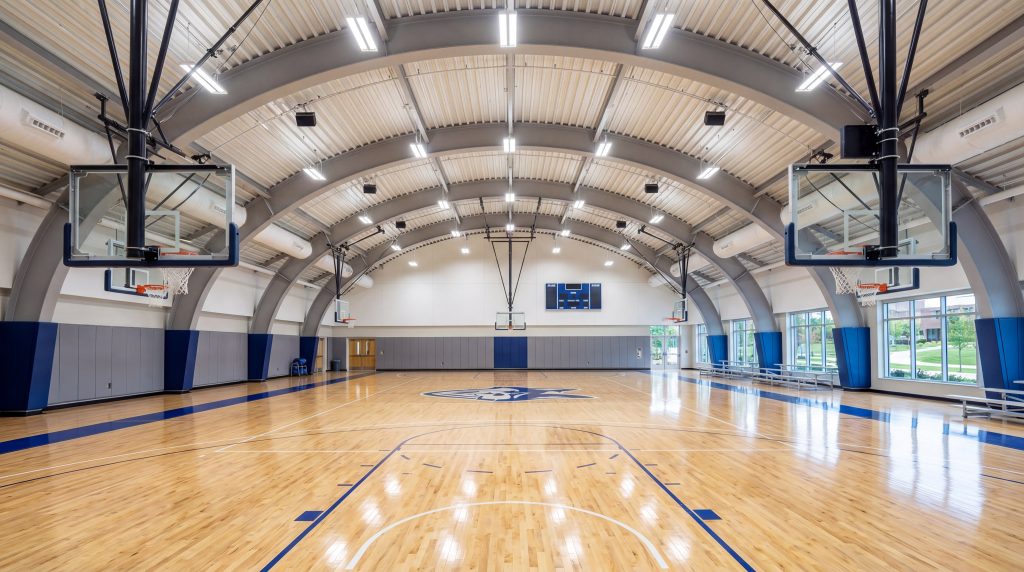
Selecting the ideal court flooring depends on your budget, with options ranging from basic concrete to $16 per square foot for premium maple hardwood. This playing surface represents a significant portion of your overall metal building basketball gym cost and dictates user comfort. Whether you are building a commercial league arena or a multi-purpose gym, selecting the right material is vital for safety.
Synthetic Modular Tiles and Rubber Roll Systems
Interlocking polypropylene tiles are highly popular for community sports projects because they are affordable and easy to install. Rubber roll flooring is exceptionally durable, dampens echoes, and handles non-sporting events without showing wear.
Both synthetic options are highly water-resistant and require very little seasonal upkeep. You should review these synthetic material features:
- Interlocking modular tiles with built-in impact shock absorbing pads
- Vulcanized seamless rubber rolls that resist scuffs and heavy traffic
- UV-resistant color pigments that will not fade under skylights
The Prestige of Traditional Maple Hardwood Floors
Hardwood maple flooring systems deliver the absolute best traction, ball bounce, and professional aesthetic appeal. However, wood floors are highly sensitive to humidity and require dedicated seasonal climate controls to avoid warping.
Here is the kicker: maple courts must be sanded, resealed, and repainted every 10 to 12 years to keep them safe. This periodic maintenance adds to your long-term operational budget.
Key Takeaway: While synthetic tiles offer a cost-effective and low-maintenance option, maple hardwood remains the ultimate choice for professional-level sports play.
| Flooring Type | Cost Range (per Sq. Ft.) | Durability Rating | Maintenance Needs | |
|---|---|---|---|---|
| Sealed Finished Concrete | 1.00–2.50 | Extremely High | Minimum | |
| Modular Poly Tiles | 4.00–8.00 | High | Very Low | |
| Cushioned Rubber Rolls | 3.50–7.00 | High | Low | |
| Maple Hardwood | 10.00–16.00 | High (requires care) | High |
Controlling your gym’s indoor climate is crucial to protect your flooring investment and keep players comfortable.
How Do Insulation Choices Affect Energy Bills?
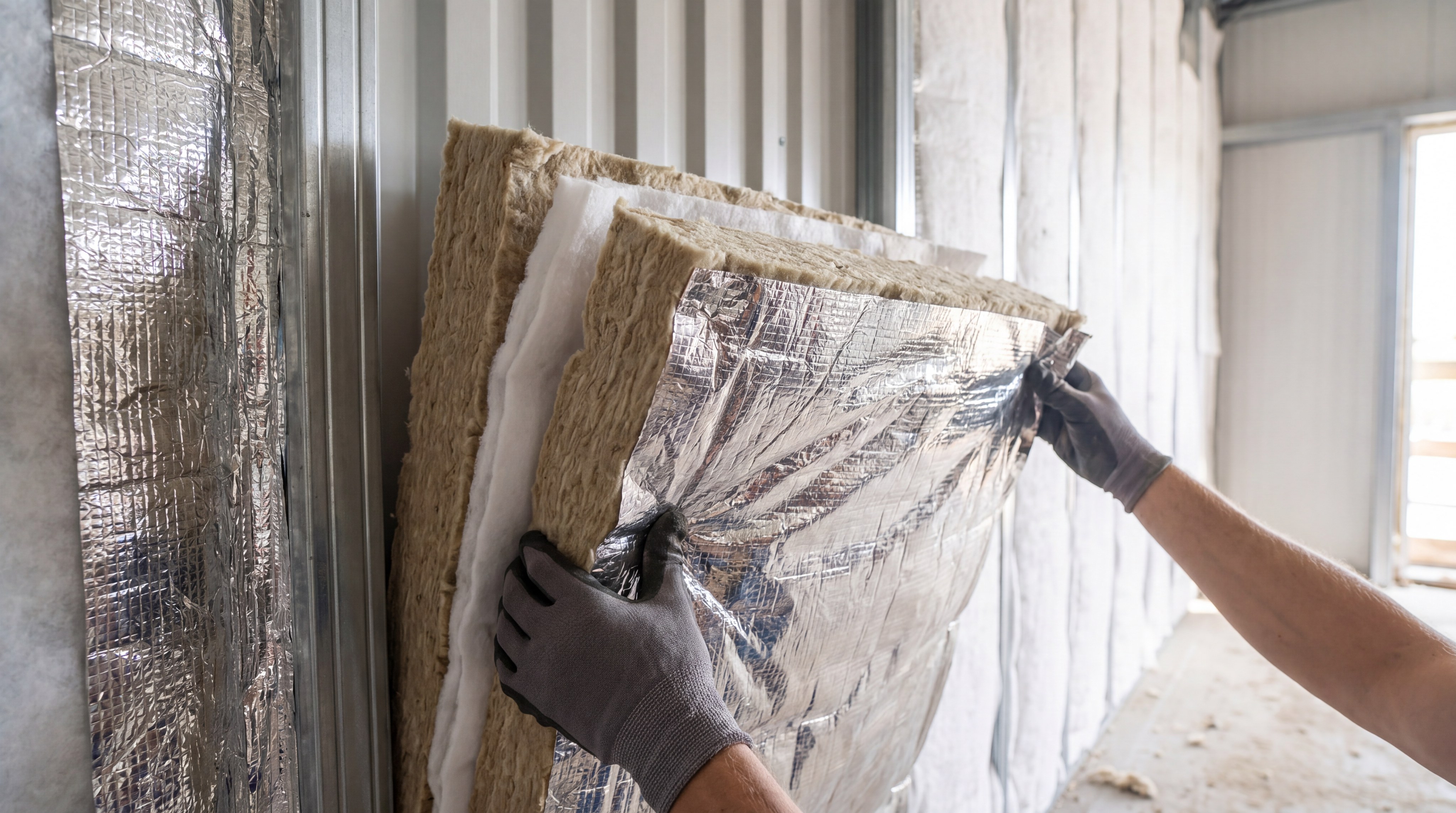
Proper insulation choices dramatically reduce your energy bills by preventing heat transfer through the metal walls and roof. High-clearance athletic centers contain a massive volume of air, making temperature control a primary factor in your ongoing metal building basketball gym cost. Installing a professional insulation barrier prevents severe condensation buildup and protects your indoor playing court from moisture damage.
Fiberglass Blankets and High-R Value Systems
Dual-layer fiberglass blankets are a highly cost-effective way to meet local energy codes and control climate transfer. These fiberglass blankets feature a durable vinyl backing that doubles as a clean, bright interior wall finish.
For extreme winter environments, thick high-R value systems are required. Think about these high-performance insulation styles:
- Double-layer R-25 insulation systems with heavy-duty steel support bands
- Insulated metal panels (IMPs) that feature rigid polyisocyanurate foam
- Foil-backed radiant barriers that reflect solar radiation in warm climates
Preventing Condensation and Rust in Metal Gyms
When warm indoor air meets cold exterior steel panels, moisture condenses and starts to drip onto your courts. This dripping water ruins hardwood, causes dangerous slipping hazards, and slowly rusts structural steel connections.
Think about it: a well-sealed insulation package acts as a continuous vapor barrier that stops condensation before it starts. This simple safety measure keeps your gym interior perfectly dry and safe.
Key Takeaway: High-performance insulation packages lower your heating costs and block humidity, protecting both athletes and sensitive sports equipment.
| Insulation Type | Cost Range (per Sq. Ft.) | Average R-Value | Performance Rating | |
|---|---|---|---|---|
| Fiberglass Blanket (Vinyl) | 1.50–3.00 | R-13 – R-19 | Standard | |
| Double-Layer High-R | 3.00–4.50 | R-25 – R-30 | Great | |
| Insulated Metal Panels (IMPs) | 4.50–8.00 | R-20 – R-32 | Outstanding |
After sealing your building envelope with quality insulation, you can select an efficient climate control system.
Get your custom steel structure solution today—quality, precision, and fast delivery guaranteed
Email:sales@showhoo.com.cn
Phone/WhatsApp:+86 186 7895 5927
What Climate Control Setup Keeps Costs Low?
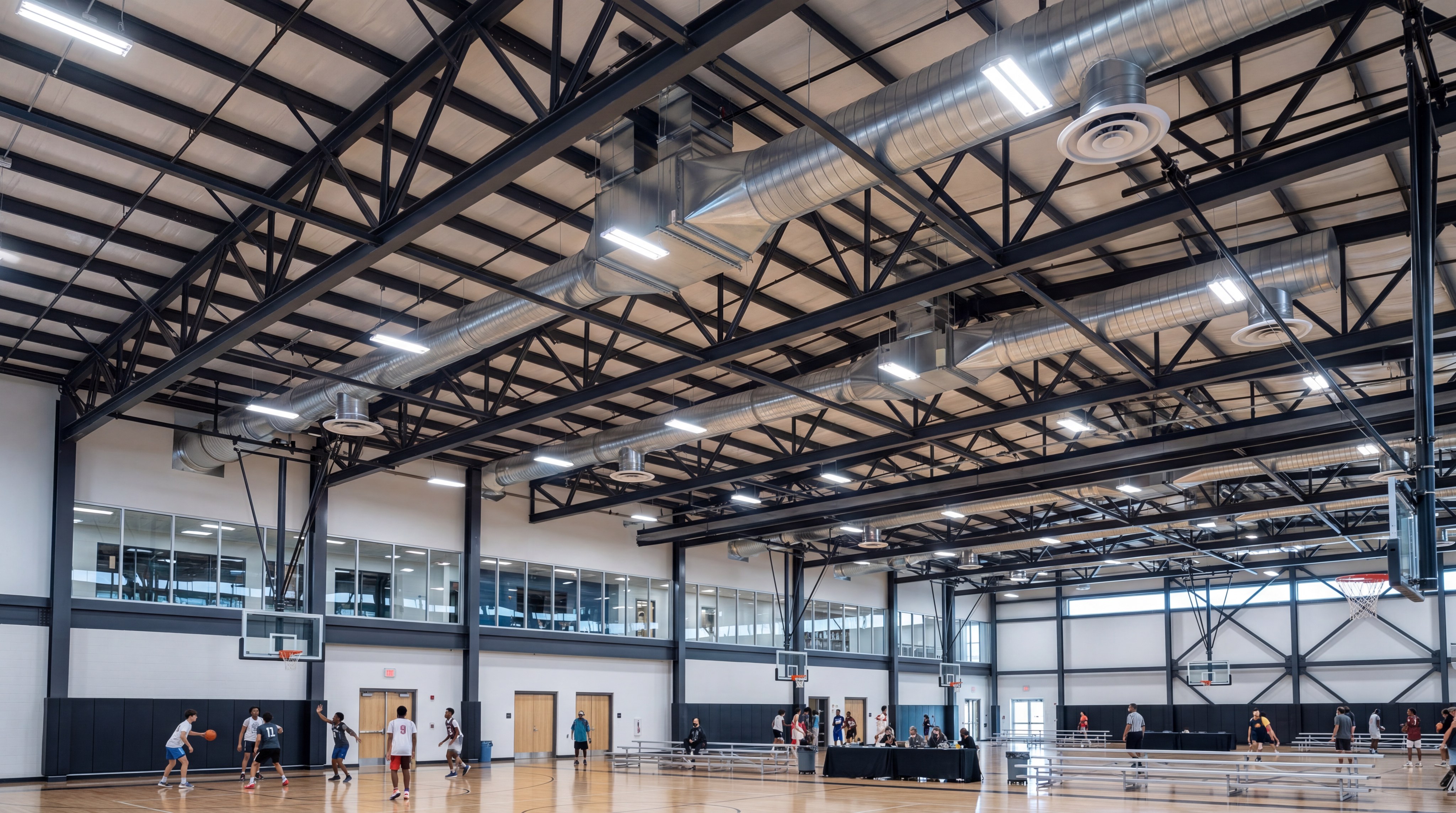
An efficient climate control setup combines roof-mounted packaged HVAC units with high-volume, low-speed fans to keep costs low. Heating and cooling high-ceiling arenas represents a major portion of your overall metal building basketball gym cost if your equipment is poorly engineered. Choosing a balanced mechanical system ensures players stay comfortable without straining your monthly energy budget.
Zoned Mechanical Systems and Heat Pumps
Commercial air-source heat pumps or zoned rooftop packages are ideal for heating and cooling large athletic spaces. These commercial systems allow you to adjust temperatures in the active court areas separate from the locker rooms.
This targeted control prevents you from wasting power on empty zones. Consider these efficient climate control technologies:
- Rooftop package systems (RTUs) with energy recovery ventilators (ERVs)
- Multi-zone commercial heat pumps that adjust heating output dynamically
- Smart programmable commercial thermostats with motion sensors
Maximizing Air Distribution with HVLS Ceiling Fans
High-volume, low-speed (HVLS) ceiling fans circulate massive columns of air downward to keep the playing surface fresh. This steady breeze creates a cooling effect for players without producing distracting, drafty wind currents.
But that is not all. During cold winter months, these large fans push trapped warm ceiling air back down to court level. This simple process lowers your heating bills by up to thirty percent.
Key Takeaway: Integrating high-capacity commercial HVAC systems with HVLS fans keeps indoor air fresh and reduces your monthly utility bills.
| Climate Control Component | Price Range (per Sq. Ft.) | Operational Goal | |
|---|---|---|---|
| Commercial HVAC Package | 3.50–6.00 | Temperature and humidity control | |
| HVLS Circulation Fans | 0.50–1.50 | Consistent indoor airflow | |
| Energy Recovery Ventilation | 1.00–2.50 | Fresh outdoor air replacement |
Designing an efficient environment allows you to safely add commercial amenities like concessions and seating.
Are Commercial and Retail Additions Worth It?
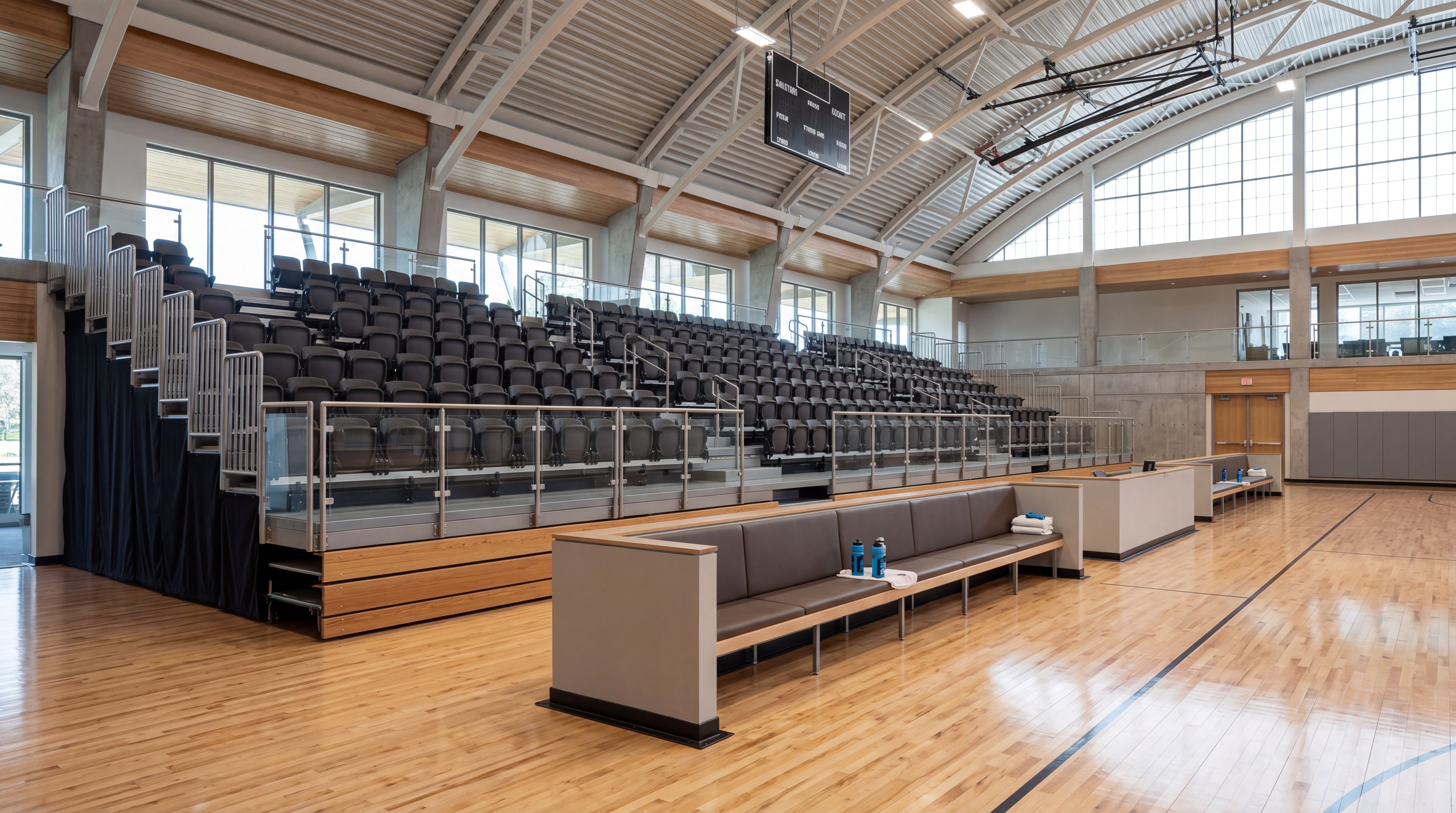
Commercial and retail additions are highly worth it because they turn a simple court into a multi-purpose community center that generates recurring revenue. Adding lockers, spectator seating, and snack bars will increase your upfront metal building basketball gym cost, but these amenities attract lucrative regional tournaments. By planning these additions during the early engineering phase, you avoid expensive building extensions later on.
Designing Locker Rooms, Showers, and Concessions
Tournament complexes require dedicated player locker rooms, restrooms, and physical therapy spaces. Including a retail shop for sports merchandise or healthy snack concessions creates reliable streams of daily revenue.
You can easily plan these spaces using simple interior metal partition walls. Ensure your gym layout features these essential additions:
- Multi-stall public restrooms designed with water-saving fixtures
- Player locker rooms with secure storage lockers and benches
- Concession kitchenettes equipped with grease traps and electrical hookups
Integrating ADA Accessibility and Spectator Areas
Public facilities must comply with strict accessibility codes, including the Americans with Disabilities Act (ADA). This compliance requires designing wide walkways, accessible spectator viewing areas, and barrier-free restrooms.
Think about it: accessible buildings make it easy for families, coaches, and elderly spectators to attend your events. This increased foot traffic directly boosts tournament ticket sales and concession revenue.
Key Takeaway: Adding guest amenities and accessible seating maximizes your gym’s value, transforming a basic court into a highly profitable community sports hub.
| Commercial Addition | Average Price Range | Expected Business Impact | |
|---|---|---|---|
| Restroom / Plumbing Hub | 15,000–30,000 | Mandatory for building safety codes | |
| Player Locker Rooms | 8,000–18,000 | Enhances tournament booking appeal | |
| Concessions Counter | 5,000–12,000 | Generates high-margin event revenue | |
| ADA Ramps & Handrails | 3,000–7,000 | Guarantees complete legal compliance |
While building features dictate internal appeal, regional factors like local weather codes dictate structural pricing.
How Can Regional Factors Alter Your Quote?
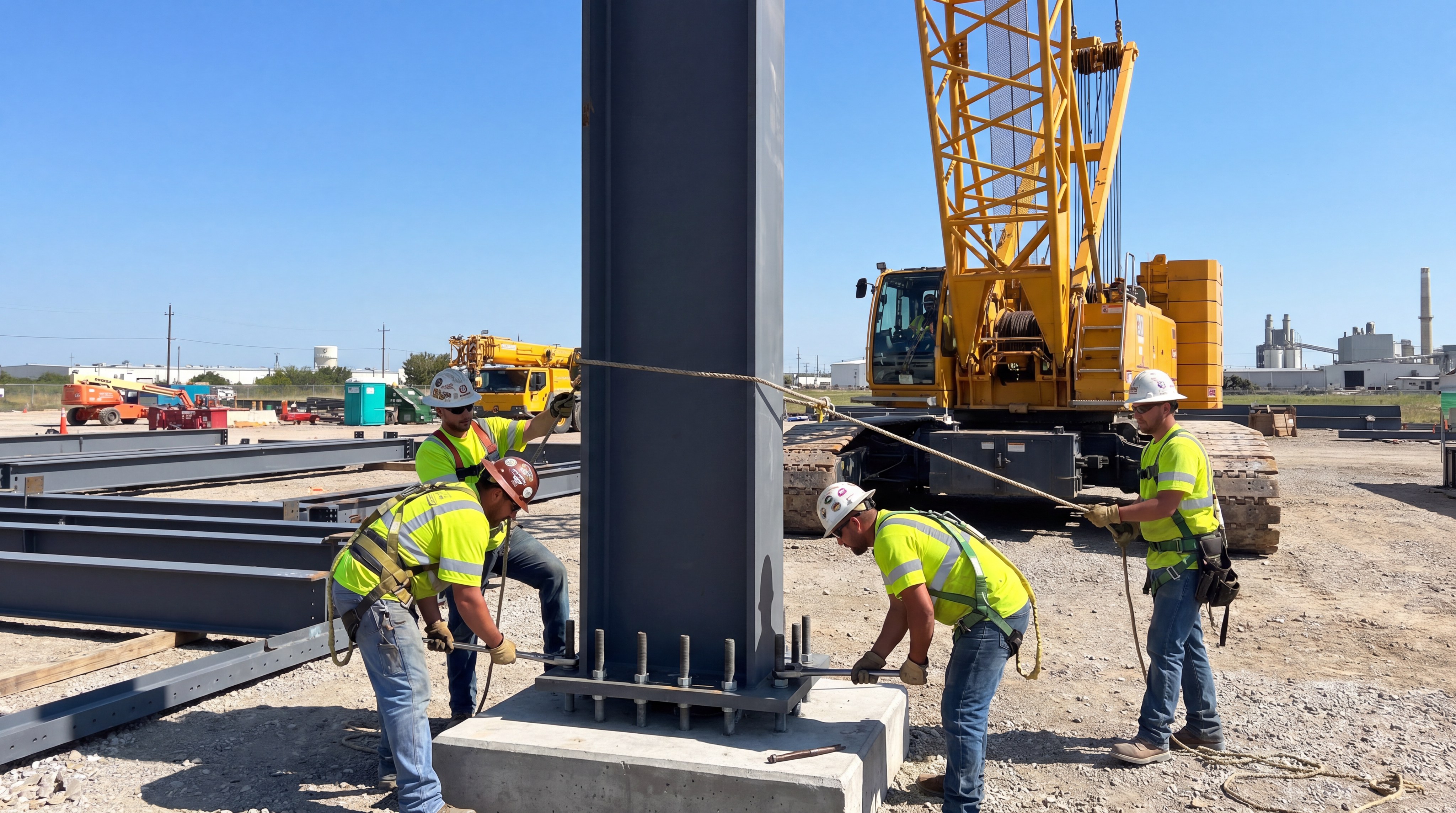
Regional factors like local wind speeds, snow load requirements, and transport distances can alter your building quote by fifteen to twenty percent. If your property is located in an earthquake zone or coastal hurricane region, your metal building basketball gym cost will reflect the heavier steel members required for structural safety. Working with a global logistics expert ensures your building kits are shipped efficiently and pass local permit reviews.
Severe Wind and Snow Load Engineering Upgrades
Building departments require your structural plans to be stamped by a local engineer to guarantee safety under extreme conditions. Roof frameworks in northern areas require thicker steel purlins to support heavy winter snow.
Coastal regions demand high-strength wind bracing to withstand hurricane winds. Make sure your design is built for these regional weather conditions:
- Thicker primary frame steel rafters to handle heavy snow loads
- Tensioned cross-bracing cables to resist hurricane wind uplift forces
- Corrosion-resistant epoxy primers for projects near high-humidity sea air
Navigating Local Freight Fees and Transport Logistics
Transporting massive steel girders and wall panels from the factory requires specialized heavy freight transit. If your building site is remote, transport fees can increase due to longer trucking routes.
Here is the kicker: delivery delays can quickly drive up your on-site labor costs if your assembly crew is left waiting. Coordinating your shipping schedules carefully keeps your project moving forward without costly downtime.
Key Takeaway: Engineering your building package to match local climate codes prevents structural failures and ensures a fast, painless permit process.
| Climate Code / Location | Structural Adjustment | Material Cost Impact | |
|---|---|---|---|
| High Snow Load Zone | Reinforced roof steel purlins | +10% to +15% | |
| Coastal Hurricane Zone | High-wind bracing cables | +12% to +18% | |
| Standard Interior Zone | Standard framing specifications | Baseline quote pricing | |
| Remote Rural Site | Long-distance heavy freight transit | +5% to +10% |
Balancing these immediate setup fees with long-term savings shows why steel delivers a superior return on investment.
What Are the Long-Term ROI and Upkeep Costs?
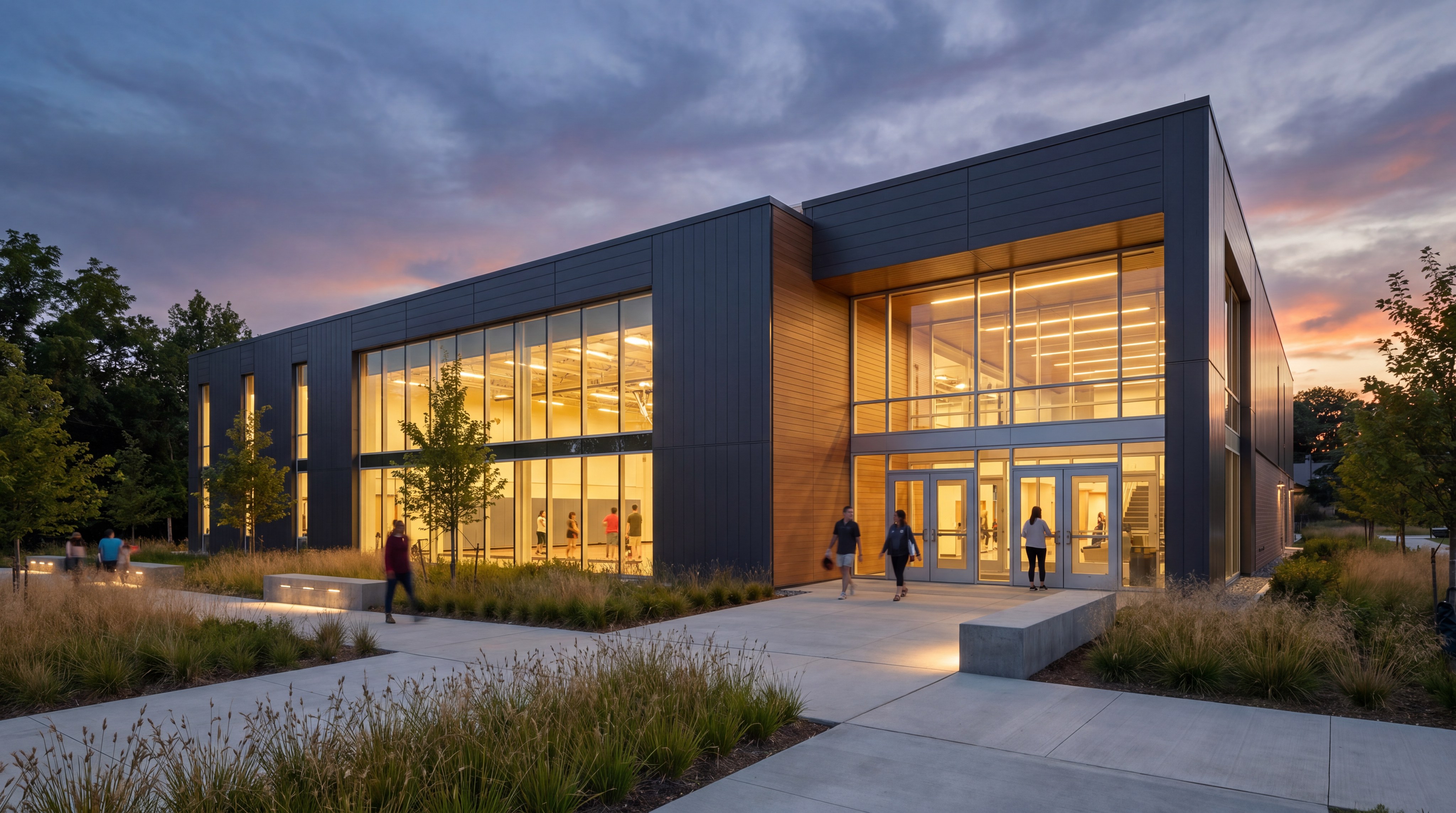
Pre-engineered steel buildings deliver excellent long-term ROI because they require very little annual maintenance and maintain their value for decades. Unlike traditional wood frames that need constant painting, steel keeps your overall metal building basketball gym cost and operating expenses extremely low. Your durable steel sports center remains a valuable, low-maintenance asset for community recreation or profitable business ventures.
Lower Insurance Premiums and Low Upkeep Needs
Insurance companies offer much cheaper property insurance rates for steel frames because they are non-combustible and wind-resistant. You will avoid the constant mold remediation, joint tightening, and wood rot repairs that plague timber gymnasiums.
Basic annual maintenance involves washing the exterior panels and inspecting structural connections. You will save thousands on these operating expenses:
- Zero expensive chemical termite treatments or rot remediation cycles
- Siliconized polyester exterior coatings that will not crack or peel
- Drastically lower commercial fire insurance premiums
Long-Term Value and Multi-Purpose Versatility
Commercial steel buildings hold their structural value much longer than conventional building materials. If your sports needs change, the column-free interior is easy to convert into a warehouse or retail store.
But that is not all. Steel’s excellent structural lifespan makes it easy to secure financing or find buyers if you decide to sell. This versatility makes pre-engineered steel a smart and secure financial investment.
Key Takeaway: Selecting steel lowers your ongoing maintenance and insurance costs, maximizing your facility’s profit potential over decades.
| Annual Operating Expense | Traditional Timber Gym | Pre-Engineered Steel Gym | Estimated 15-Year Savings | |
|---|---|---|---|---|
| Paint & Siding Maintenance | High (Every 3-5 Years) | Virtually Zero | 35,000–70,000 | |
| Termite & Pest Management | Annual Treatments | None Required | 12,000–22,000 | |
| Commercial Insurance Rate | Premium | Highly Discounted | 45,000–95,000 | |
| Total Estimated Upkeep | High Operating Cost | Low Operating Cost | 92,000–187,000 |
To wrap things up, let’s look at how you can get your steel sports arena construction project started today.
Conclusion: Plan Your Sports Complex with Confidence
Building a pre-engineered steel basketball court is the most reliable and cost-effective way to secure a premium, year-round playing space. From clear-span column-free interiors that guarantee absolute safety to weather-resistant framing that stands strong against typhoons, steel is the ultimate building choice. By choosing a factory-direct structural solution, you avoid long construction delays, reduce material waste, and secure high energy efficiency.
Are you ready to bring your dream sports facility to life? contact us today to receive a customized, factory-direct steel building estimate. Let our team of expert structural engineers guide you through every step of design, engineering, and logistics to build an elite athletic center that will serve your community for generations.
Get your custom steel structure solution today—quality, precision, and fast delivery guaranteed
Email:sales@showhoo.com.cn
Phone/WhatsApp:+86 186 7895 5927
Frequently Asked Questions (FAQ)
Can I easily expand my steel basketball court if I want to add more courts later?
Yes, pre-engineered steel buildings are highly modular and simple to expand. Because the framing is assembled using high-strength bolts, you can easily remove an endwall, add new concrete foundation bays, and attach extra steel framing columns. This modular design allows your sports facility to grow smoothly as your athletic programs expand.
What’s the best way to handle climate control in a high-ceiling sports gym?
The best strategy is combining high-efficiency rooftop HVAC units with large, high-volume, low-speed (HVLS) ceiling fans. Rooftop package units provide zoned cooling and heating, while HVLS fans push trapped hot air down during winter and create a breeze during summer. This combined climate control system maintains optimal playing humidity and lowers your monthly power bills.
How do I know if my local soil can support a steel sports building?
You must hire a certified local geotechnical engineer to perform a soil boring test and site analysis. This professional test measures the soil’s moisture level, load-bearing capacity, and expansion behavior to ensure a safe build. The engineer will provide foundation guidelines that prevent structural settling or cracking over the years.
Can I install secondary spaces like fitness centers or offices inside the gym?
Absolutely, you can easily design and build multi-story offices or fitness spaces within your clear-span frame. Steel’s strong structural integrity makes it simple to add load-bearing mezzanine decks for spectator seating, cardio rooms, or administrative offices. This versatile design maximizes your overhead space without blocking your main court layout.
How do I prevent loud echoes and noises inside my steel sports facility?
Installing acoustic perforated panels or vinyl-backed fiberglass insulation blankets is the most effective solution. Large, open sports halls can suffer from loud echoes caused by bouncing basketballs and shouting crowds. Adding sound-absorbing wall liners or thick insulation blankets absorbs sound waves, ensuring a comfortable acoustic environment for coaches and players.