
How much does it cost to open a gym? Opening a gym typically costs between 50,000 for a small boutique studio and upwards of 1,000,000 for a massive commercial fitness complex. Imagine pouring your life savings into a dream fitness facility, only to watch lease negotiations collapse or construction delays eat up your working capital before the doors even open. It is a stressful, high-stakes process that leaves many ambitious entrepreneurs feeling overwhelmed by hidden construction fees and equipment costs. Fortunately, finding a clear breakdown of the cost of building a gym allows you to plan your budget with absolute precision and build a highly profitable fitness business.
How Much Does It Cost to Open a Gym?
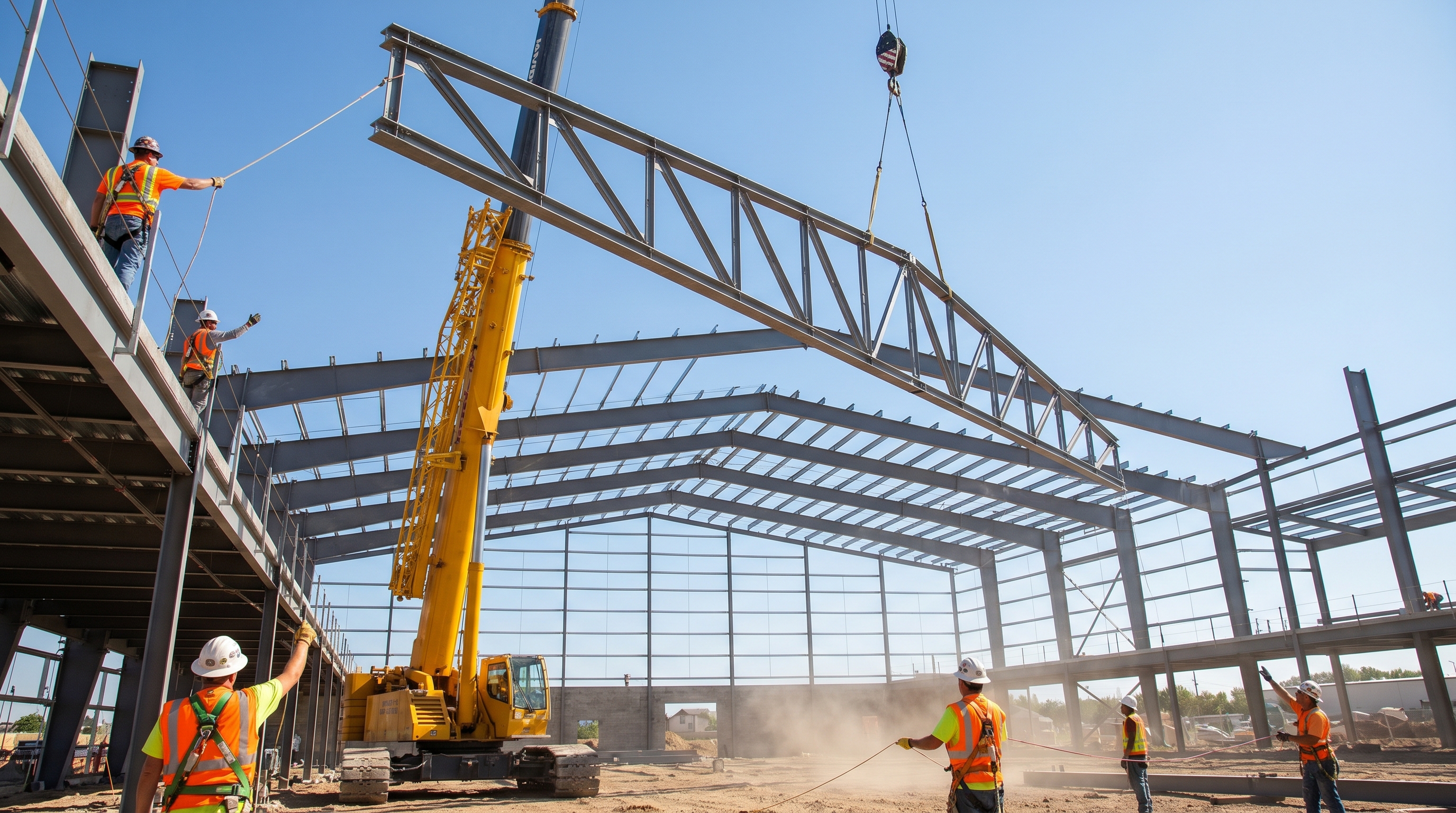
Opening a commercial gym requires an investment ranging from 50,000 toover 1,000,000 depending on your facility’s scale and footprint. Evaluating the total cost of building a gym is the vital first step to securing financing and planning your business layout. By breaking down your capital into one-time setups and ongoing operational expenses, you can avoid financial shortfalls.
What Are the High-Level Estimates by Gym Size?
Here is the breakdown: gym sizes dictate your upfront capital requirements. A boutique studio of 1,500 square feet runs significantly cheaper than a 20,000 square foot regional health club.
- Boutique Studio (1,500 – 3,000 sq. ft.): 50,000 to 65,000
- Mid-Size Commercial Gym (5,000 – 15,000 sq. ft.): 115,000 to 250,000
- Mega-Gym / Complex (20,000+ sq. ft.): $1,000,000+
Planning your physical footprint dictates every other cost, from equipment volume to HVAC capacity. Understanding these tiers keeps your expectations grounded.
Should You Rent or Own Your Gym Building?
Think about it. Choosing whether to sign a commercial lease or build a custom facility shapes your entire business equity. Renting reduces immediate capital demands but subjects you to landlord rent hikes and layout limits.
- Commercial Lease: Low upfront cost, no property ownership, rising rents.
- Property Ownership: High asset equity, complete customization, initial capital intensive.
Purchasing your own steel building secures a long-term asset that eliminates rent inflation entirely. This strategy builds long-term wealth for your enterprise.
Key Takeaway: Determining your physical footprint and choosing property ownership over a lease sets a stable financial foundation that protects your profit margins long-term.
| Gym Type | Square Footage | Startup Budget | Property Strategy | |
|---|---|---|---|---|
| Boutique Studio | 1,500 – 3,000 | 50,000–65,000 | Lease Preferred | |
| Mid-Size Gym | 5,000 – 15,000 | 115,000–250,000 | Buy or Lease | |
| Mega-Complex | 20,000+ | $1,000,000+ | Own Building |
Analyzing these foundational variables proves that initial space acquisition dictates the trajectory of all subsequent capital requirements.
What One-Time Capital Investments Are Required?
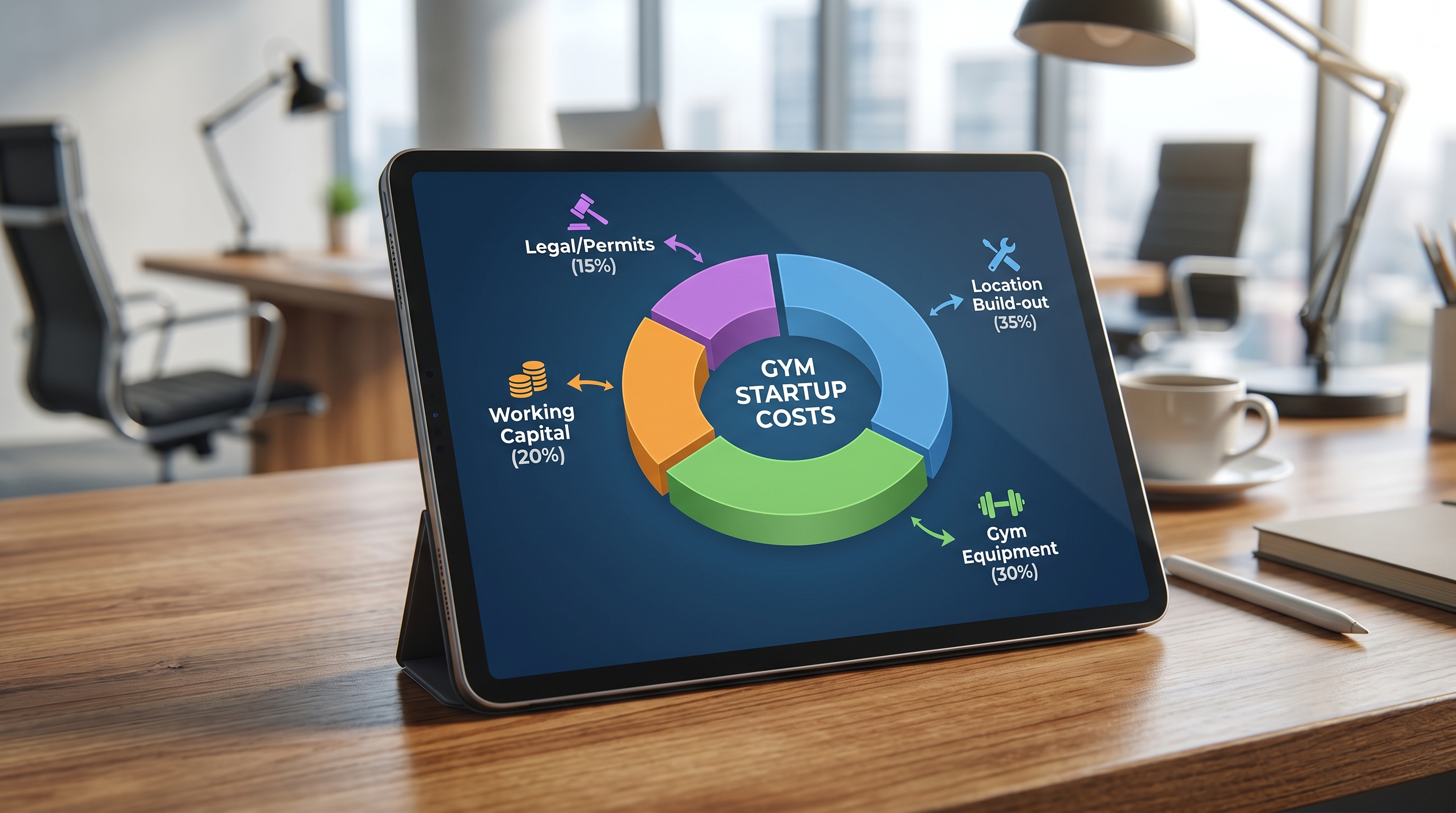
Securing your physical location, purchasing commercial-grade equipment, and obtaining legal permits are the primary one-time capital investments required. When calculating the initial cost of building a gym, developers must allocate approximately 45% of their funds to the location build-out. Balancing these primary expenses ensures your business starts with adequate working capital reserves.
How Do You Secure Your Physical Location?
Let’s face it: finding the right plot of land or existing commercial shell is highly competitive. Ground-up construction requires site preparation, foundation pouring, and structural assembly.
- Zoning permits and structural clearance
- Foundation pouring and site grading
- Utility line hookups and electrical grid upgrades
Selecting durable, fast-assembling materials drastically cuts down these initial ground-up construction costs. Efficient execution keeps your timeline on track.
What Does Commercial Gym Equipment Cost?
Here is the deal: commercial gym equipment must withstand continuous daily use by hundreds of members. Outfitting a standard commercial space ranges from 10,000 for personal studios to over 50,000 for full-service centers.
- Free weights and heavy-duty power racks
- Cardiovascular machines and selectorized strength units
- Specialized athletic turf and rubber floor mats
Buying equipment packages in bulk often secures wholesale discounts of up to twenty percent. Leasing equipment remains an option but adds a monthly recurring liability.
Key Takeaway: Allocating your one-time capital to high-quality structural frames and durable fitness equipment prevents premature replacement costs and guarantees member safety.
| Setup Capital Expense | Average Budget | Allocation % | Long-term Impact | |
|---|---|---|---|---|
| Space Build-Out | 85,000−350,000 | 45% | Property Equity | |
| Equipment Packages | 10,000−50,000 | 30% | Member Retention | |
| Permits & Legal | 9,000−15,000 | 15% | Regulatory Compliance |
Once your physical asset and core equipment are secured, managing the ongoing operational expenses becomes your primary operational challenge.
Get your custom steel structure solution today—quality, precision, fast delivery. Request a quote now!
Email:sales@showhoo.com.cn
Phone/WhatsApp:+86 186 7895 5927
Which Recurring Expenses Keep a Gym Running?

Operating a gym requires managing monthly lease or mortgage payments, utility bills, maintenance contracts, and staff payroll. While the initial cost of building a gym represents your biggest hurdle, long-term profitability depends on controlling monthly overheads. Keeping recurring expenses low allows your business to reach its break-even point much faster.
What Are the Lease and Utility Costs?
You might wonder: how expensive are utilities for a large open-concept commercial space? Gyms require robust HVAC systems running continuously to manage heavy humidity and temperature levels.
- Commercial mortgage or lease payments: 3,000−15,000 monthly
- High-capacity HVAC electricity: 5,000−6,000 monthly
- Water and sanitation utility fees: 500−1,200 monthly
These high utility bills can quickly drain cash reserves if your building is poorly insulated. Investing in thermal efficiency pays massive dividends over time.
How Much is Spent on Maintenance and Cleaning?
Look: fitness equipment undergoes severe daily wear and tear that can cause structural failures. Neglecting regular service contracts leads to broken machines and dissatisfied members.
- Bi-annual equipment cable and pulley inspections
- Daily commercial sanitation supplies and floor cleaners
- Professional cleaning crew salaries or contracted services
Budgets should include a proactive repair fund to maintain a clean, fully operational facility. High hygiene standards directly influence member subscription retention.
Key Takeaway: Monitoring monthly utilities and creating a strict maintenance routine protects your physical assets and ensures consistent business cash flow.
| Monthly Operating Expense | Small Studio Cost | Large Commercial Gym | Financial Impact | |
|---|---|---|---|---|
| Rent / Mortgage | $2,500 / mo | $12,000 / mo | Fixed Overhead | |
| HVAC & Utilities | $800 / mo | $5,500 / mo | Variable Cost | |
| Gear Maintenance | $300 / mo | $2,000 / mo | Asset Protection |
By closely auditing these monthly cash outflows, gym owners can easily identify operational inefficiencies and avoid common startup pitfalls.
How Do You Avoid Costly Gym Startup Mistakes?
Avoiding common startup mistakes involves securing a pre-sale member base, investing only in commercial-grade equipment, and planning for proper acoustic insulation. Many first-time owners miscalculate the true cost of building a gym by ignoring hidden structural and local zoning compliance fees. Preparing for these logistical challenges early saves thousands of dollars in emergency retrofits.
Why Must You Have a Pre-Sale Strategy?
Let’s face the facts: launching a gym without an active member base is a fast track to business bankruptcy. Successful entrepreneurs start marketing campaigns months before the physical doors open.
- Early-bird membership discounts and promotional packages
- Social media brand building and local community outreach
- Temporary pre-sales kiosks near the construction site
Securing hundreds of founding members guarantees immediate cash flow upon your grand opening. This revenue offsets initial operational expenses while your business stabilizes.
Why is Equipment Quality and Acoustics Critical?
Here is the truth: residential-grade fitness equipment cannot survive a commercial environment. Non-commercial gear breaks quickly, voids manufacturer warranties, and poses severe liability risks to your business.
- Heavy-duty steel commercial power cages
- Double-layered impact-absorbing rubber gym flooring
- Wall-mounted acoustic soundproofing panels to dampen noise
Dropping heavy weights creates structural vibrations that can trigger municipal noise complaints. Incorporating sound-decoupling materials during initial construction prevents costly legal disputes with neighbors.
Key Takeaway: Prioritizing early pre-sales and structural acoustic planning prevents early financial deficits and municipal zoning violations.
| Common Startup Mistake | Financial Risk | Prevention Strategy | Success Metric | |
|---|---|---|---|---|
| Zero Pre-Sale Base | Early Cash Deficit | 3-Month Marketing Run | 150+ Signed Members | |
| Cheap Home Equipment | Rapid Gear Failures | Buy Bulk Commercial | 5-Year Warranty | |
| Neglected Soundproofing | Noise Violations | Thick Rubber Subfloors | Zero DB Leaks |
Sidestepping these early errors allows you to capitalize on the wisdom of seasoned fitness industry veterans.
What Golden Advice Do Veteran Owners Share?
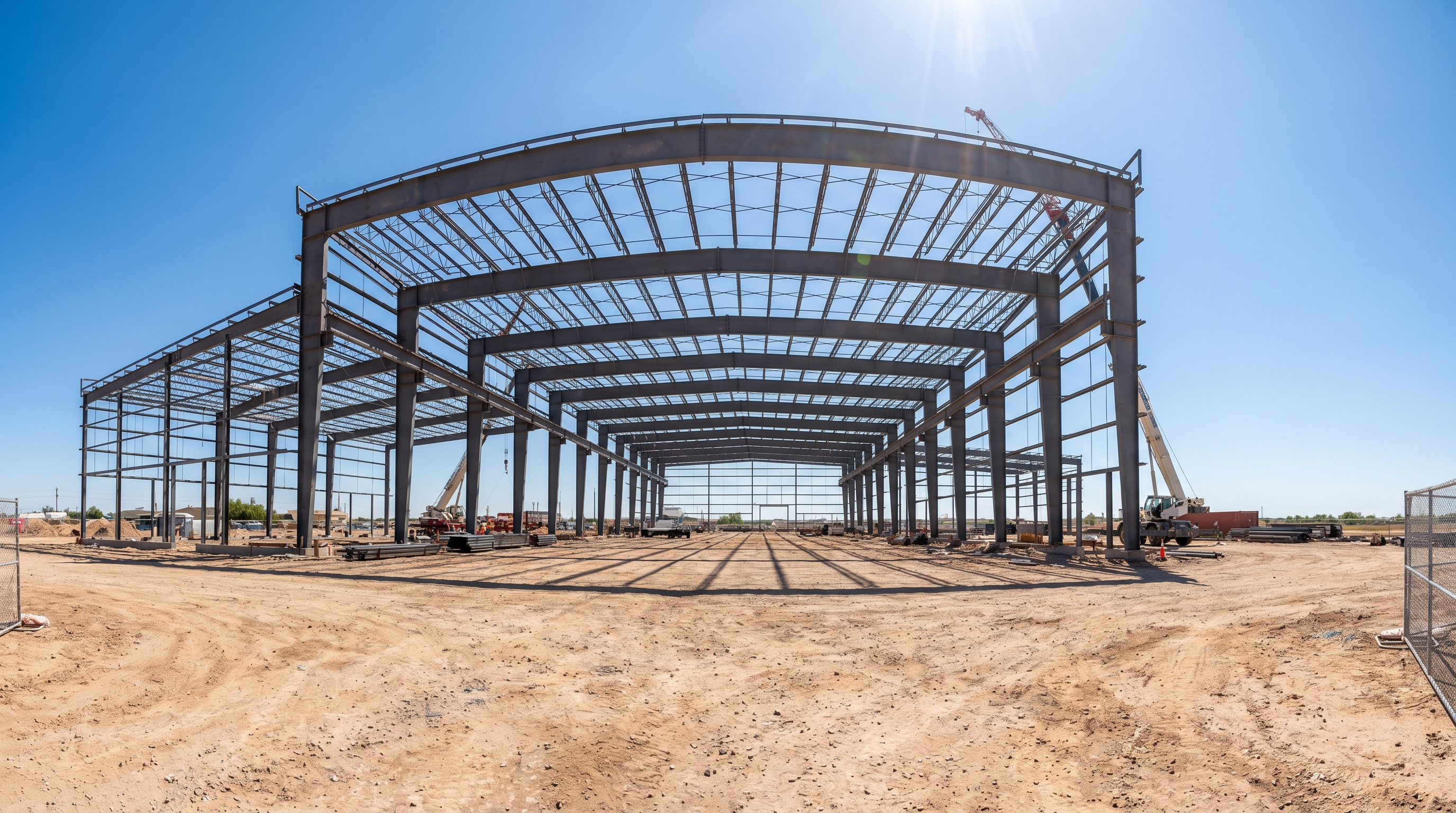
Veteran gym owners advise building an investment team, cultivating a memorable lifestyle brand, and starting with a highly scalable physical footprint. Strategic planning keeps the long-term cost of building a gym manageable as your membership base expands. Listening to experienced operators helps you focus capital where it impacts your profit margins most.
Why Should You Build an Aligned Team?
Believe it or not: attempting to manage construction, marketing, payroll, and personal training alone leads to immediate burnout. Assembling a group of specialized business partners divides these heavy administrative burdens.
- Joint-venture capital partners to share initial financial risks
- Operational managers with gym administration backgrounds
- Marketing specialists to continuously drive membership sales
Partnering with experts who specialize in prefab steel buildings ensures your physical facility is engineered perfectly. Collaborative teams always outperform solo operations.
How Do You Start Small and Scale Up?
Think about it. Over-extending your budget on a massive commercial facility before testing your market is a dangerous gamble. Starting with a smaller, highly efficient clearspan layout allows for organic scaling.
- Highly-optimized clearspan layouts that minimize wasted space
- Modular structural steel frames that support future additions
- Low initial overhead to maximize profit margins early
Once your membership demand exceeds your building capacity, you can expand the physical structure. This step-by-step scaling minimizes your initial capital exposure.
Key Takeaway: Partnering with structural experts and launching a scalable commercial facility allows your business to adapt safely to customer growth.
| Veteran Strategy | Execution Method | Business Benefit | Scalability Rating | |
|---|---|---|---|---|
| Partner Pooling | Equity Investment | Shared Capital Load | Extremely High | |
| Brand Cultivation | Lifestyle Apparel | Recurring Revenue | High | |
| Minimalist Footprint | Modular Frame | Low Early Overhead | Unlimited |
Adopting a scalable mindset directs your attention to structural choices that naturally facilitate commercial expansion.
Why Is Steel Structure the Ideal Gym Building?
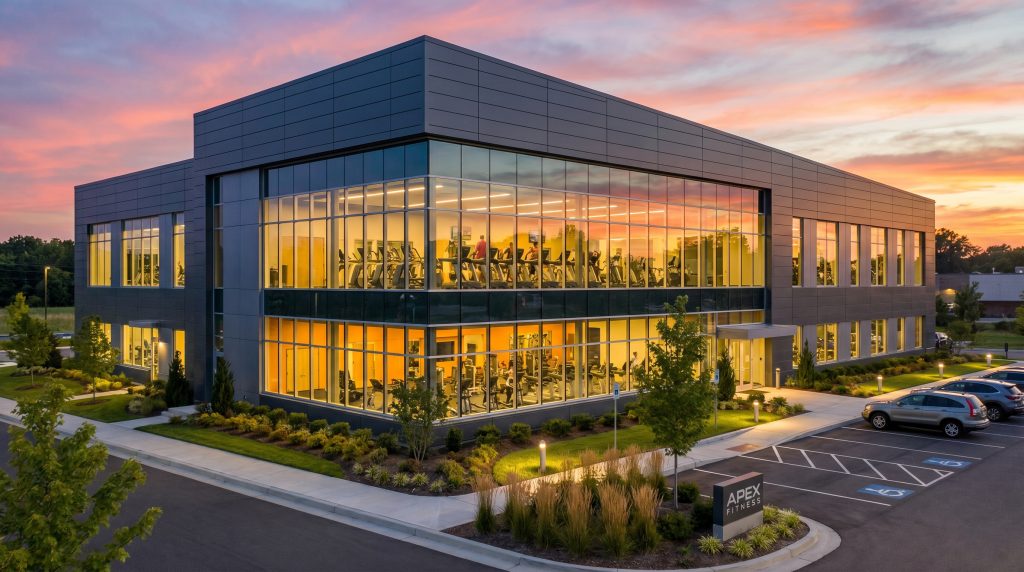
Prefabricated steel buildings are the ideal gym structure because they provide wide column-free clearspans, unmatched structural durability, and resistance to high indoor humidity. Utilizing steel framing drastically reduces the overall cost of building a gym compared to traditional brick-and-mortar or timber construction. This innovative structural material protects your physical investment from decay while maximizing interior layout freedom.
What Are Column-Free Clearspan Spaces?
Here is the deal: athletic training requires wide-open spaces free from intrusive vertical columns. Rigid-frame prefabricated steel can easily span up to 300 feet without requiring center support pillars.
- 100% usable interior floor area with zero structural barriers
- Unlimited freedom to place turf tracks and basketball courts
- Flexible floor plan reconfigurations as fitness trends change
This open architecture allows trainers to run group fitness classes and heavy equipment lines simultaneously. Unobstructed sightlines also significantly improve athlete safety on the gym floor.
How Does Steel Resist Mold and Humidity?
You must realize: commercial gyms produce massive amounts of indoor moisture from sweating athletes and locker room showers. Traditional wood framing absorbs this moisture, leading to structural rot and dangerous black mold.
- Inorganic commercial steel is completely immune to moisture decay
- Pest-resistant structural materials that prevent termite damage
- Highly compatible with mold-resistant commercial insulation panels
Using steel protects your building’s structural integrity from the inside out. Keeping your environment mold-free preserves public health and safeguards your commercial license.
Key Takeaway: Constructing with clearspan structural steel guarantees an open, mold-resistant workout environment that maximizes interior space utility and member safety.
| Structural Feature | Engineered Steel Frame | Wood / Timber Frame | Advantage for Gyms | |
|---|---|---|---|---|
| Max Clearspan | Up to 300 Feet | Limited to 30-40 Feet | Pillar-Free Layouts | |
| Moisture Resistance | 100% Rot-Proof | Highly Susceptible | Mold-Free Environment | |
| Pest Vulnerability | Zero Risk | Termite Risk | Zero Structural Decay |
An open clearspan structure provides the perfect blank canvas to plan a highly optimized workout layout.
Get your custom steel structure solution today—quality, precision, fast delivery. Request a quote now!
Email:sales@showhoo.com.cn
Phone/WhatsApp:+86 186 7895 5927
How Do You Layout Your Fitness Space Safely?
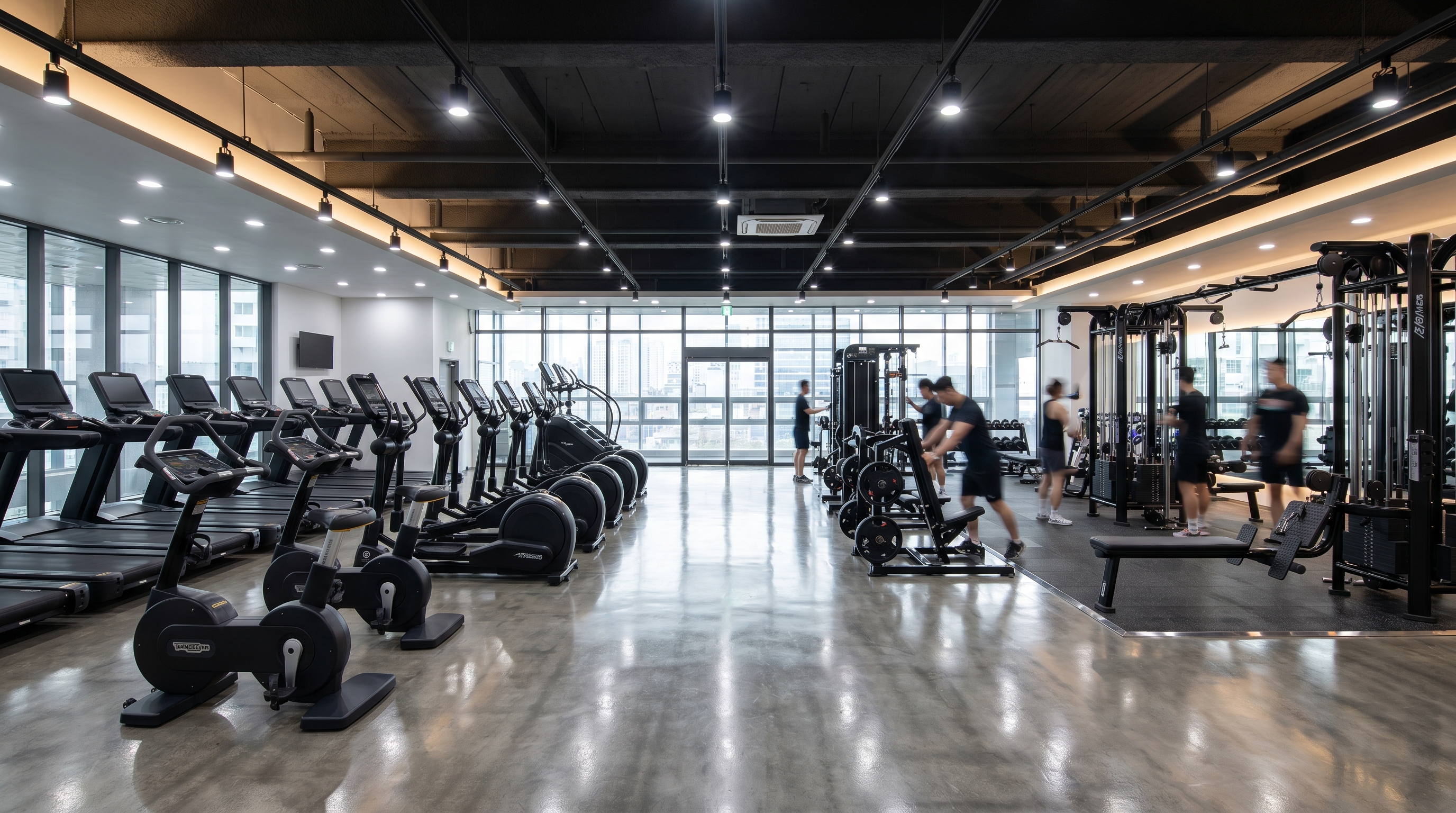
Designing a safe gym layout requires zoning distinct workout areas, optimizing mechanical ventilation, and placing heavy-duty locker rooms near main pathways. A highly functional interior layout keeps the operational cost of building a gym efficient by lowering localized heating and cooling demands. Prioritizing safety minimizes accident risks and ensures a seamless member flow during peak workout hours.
How Do You Plan Workout Zones?
Look: chaotic gym floors with disorganized weights invite accidents and legal liabilities. Separating your space into distinct zones keeps equipment lines organized and traffic flowing smoothly.
- Free weight training sections with impact-absorbing rubber subfloors
- Dedicated cardio decks facing windows for maximum member engagement
- Wide main traffic corridors of at least five feet for safety
Partnering with a reliable steel building manufacturer helps you engineer high ceilings that naturally facilitate fresh air movement. This intelligent zoning protects members and keeps the facility functional.
Why is Ventilation and HVAC Critical?
Let’s face it: stale, humid air ruins the workout experience and fosters bacteria growth. Your physical layout must accommodate high-capacity ductwork to exchange air continuously.
- Strategic duct placement to eliminate hot pockets of air
- Industrial extractor fans situated near high-moisture showers
- Dedicated climate zones for yoga studios and heavy cardio
Clearspan buildings feature high ceilings that naturally collect rising heat away from the workout floor. This spatial advantage significantly lowers the strain on your AC units.
Key Takeaway: Designing a zoned layout with optimized mechanical HVAC systems keeps your athletic environment safe, clean, and highly energy-efficient.
| Gym Facility Zone | Recommended Space | Safety Hazard | Layout Solution | |
|---|---|---|---|---|
| Free Weight Area | 30% of Floor | Tripping over weights | Walkways > 5 Feet | |
| Cardio Deck | 25% of Floor | Overheating / Stale air | Ductwork Integration | |
| Locker Rooms | 15% of Floor | Wet slipping hazards | Non-slip Tile Flooring |
An efficient layout is only as good as the raw materials used to construct your physical facility.
How Can Construction Material Save You Money?
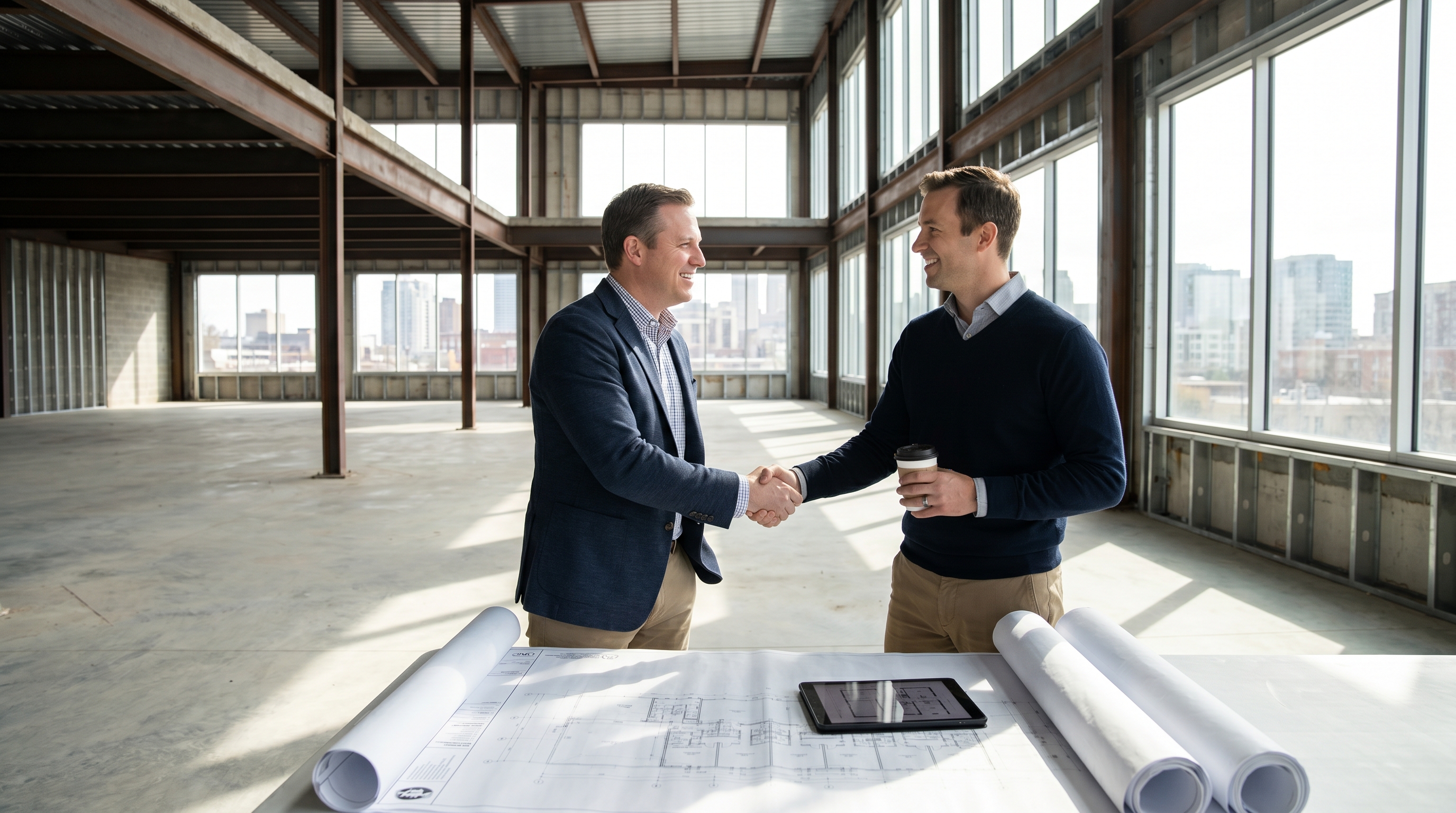
Selecting prefabricated steel over wood or concrete saves money through lower site labor fees, reduced utility bills, and cheaper commercial insurance premiums. Material choice is a primary lever when managing the initial cost of building a gym. Choosing high-strength, low-maintenance materials keeps your recurring operational overhead exceptionally lean.
How Does Prefabrication Lower Labor Costs?
Here is the truth: on-site construction delays can quickly blow past your initial startup budget. Prefabricated steel columns arrive pre-cut, pre-drilled, and ready for rapid assembly by your crew.
- Minimal material waste on-site compared to timber framing
- Fewer specialized labor hours required to stand the mainframe
- Shorter overall construction schedules that lower holding costs
Speeding up structural assembly lets you schedule interior fit-outs months ahead of traditional builds. This rapid turnaround gets your business operational and profitable faster.
How Do Steel Buildings Lower Insurance?
Believe it or not: commercial insurance providers evaluate structural materials when calculating monthly risk premiums. Fire-resistant, non-combustible steel buildings qualify for the lowest premium rates.
- Class-A fire rating that dramatically reduces premium rates
- Superior resistance to structural damage from high winds
- Zero risk of wood rot, warp, or pest infestations
Lowering these fixed monthly expenses saves your enterprise thousands of dollars every year. Reinvesting these savings into member services accelerates your company’s market growth.
Key Takeaway: Constructing with prefabricated steel materials drastically reduces both upfront labor costs and ongoing property insurance premiums.
| Construction Material | Installation Speed | Insurance Premium Rate | Decay Vulnerability | |
|---|---|---|---|---|
| Prefabricated Steel | Extremely Fast | Lowest (Class-A Rating) | Zero Rot or Termite Risk | |
| Traditional Timber | Slow / Labor intensive | High (Combustible) | High Moisture Decay | |
| Concrete Masonry | Very Slow / Expensive | Medium-Low | High Cracking Risk |
These direct material cost savings are further amplified when analyzing your facility’s assembly timeline.
What Is the Fast-Track Route to Gym Launch?

The fast-track route to launch is deploying prefabricated building components that support concurrent workflows and rapid on-site assembly. Minimizing construction delays directly controls the cost of building a gym by reducing your interest expenses and holding costs. Accelerating your construction schedule gets your marketing team on-site sooner to sign up active members.
What is a Concurrent Workflow?
How does this work? In traditional building, you must wait for site prep to finish before materials are processed. Prefabricated engineering allows factory fabrication of your steel frames to happen simultaneously with grading.
- Foundation concrete pouring matches off-site frame manufacturing
- Steel framing delivered ready for immediate bolt assembly
- Minimal weather delays during the streamlined framing phase
This integrated process shaves months off standard commercial building timelines. Starting early operations lets your business dominate the local fitness market ahead of competitors.
Why Does Launch Speed Drive Profit?
Think about it. Every week your facility is under construction is a week you pay overhead without membership income. Shortening your build timeline by 60 days saves massive working capital.
- Reduced construction loan interest payments
- Accelerated membership pre-sales inside a completed space
- Faster local brand dominance over slow-moving competitors
Launching quickly ensures your cash reserves remain healthy for early marketing runs. Generating rapid revenue maximizes your first-year return on investment.
Key Takeaway: Utilizing prefabricated concurrent workflows allows you to launch your facility months ahead of schedule, preserving vital operational capital.
| Construction Stage | Prefab Steel Timeline | Traditional Timeline | Capital Savings Impact | |
|---|---|---|---|---|
| Fabrication & Prep | 4 – 6 Weeks (Simultaneous) | 8 – 12 Weeks (Sequential) | Lowers Holding Interest | |
| Framing Assembly | 2 – 3 Weeks (Bolt assembly) | 6 – 8 Weeks (Wood framing) | Cuts Site Labor Fees | |
| Total Time to Open | 16 – 20 Weeks | 28 – 36 Weeks | 2+ Months Early Revenue |
Opening your doors ahead of schedule provides immediate cash flow to validate your initial financial forecasts.
How Can You Accurately Forecast Gym Profits?
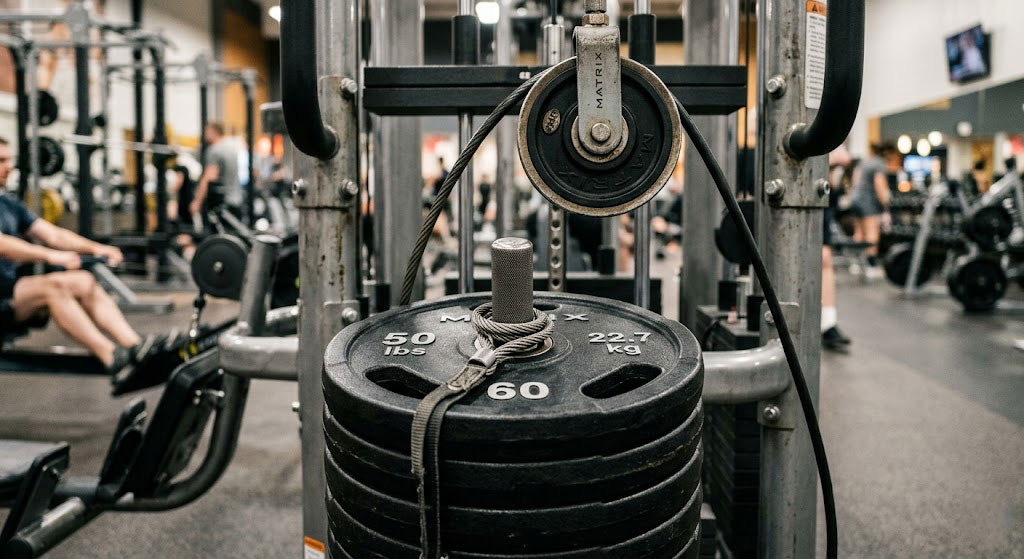
Accurately forecasting gym profits requires calculating your break-even membership threshold, estimating secondary retail revenues, and balancing fixed versus variable operating expenses. Understanding how physical asset investments influence the overall cost of building a gym allows you to set precise subscription pricing. Aligning these revenue streams ensures your business reaches profitability within its first twelve months.
How Do You Calculate the Break-Even Point?
Here is the truth: many gym startups fail because they do not know the exact number of active member subscriptions required to cover fixed monthly overheads. Finding this baseline prevents sudden cash shortages.
- Sum of monthly fixed costs: mortgage, insurance, staff salaries
- Average revenue generated per member per month
- Minimum subscription threshold to reach zero deficit
Keeping your building operating costs low by using energy-efficient steel framing significantly lowers this break-even member count. This margin gives you breathing room during early marketing.
How Can Retail and Pro-Shops Boost Margins?
Look: top-performing fitness centers do not rely solely on monthly subscription fees to drive profitability. Integrating secondary high-margin retail sales inside your lobby dramatically boosts your average profit per square foot.
- Branded gym apparel and training gear
- High-margin nutritional supplements, pre-workout, and recovery shakes
- Grab-and-go energy bars and cold hydration drinks
Providing these nutritional options adds massive lifestyle convenience for your members while generating high-margin revenue. These extra sales can easily offset minor seasonal drops in subscription renewals.
Key Takeaway: Combining strict break-even calculations with targeted retail sales guarantees long-term financial stability and high profit margins for your gym.
| Revenue Stream | Average Margin % | Growth Potential | Cash Flow Impact | |
|---|---|---|---|---|
| Membership Subscriptions | 75% – 85% | Scalable | Consistent Monthly | |
| Personal Training | 50% – 60% | Staff Dependent | Mid-Level Variable | |
| Pro-Shop & Supplements | 40% – 50% | High Upsell | High-Margin Cash |
Combining these diversified profit centers with an efficient physical layout positions your commercial fitness venture for outstanding financial success.
Conclusion
Starting a gym is a massive, rewarding commercial journey that requires a perfect balance of design, materials, and smart budgeting. This guide has addressed your biggest challenges, from high-level startup capital planning to selecting cost-effective clearspan structural steel and designing safe, efficient workouts. We specialize in engineering and manufacturing high-performance, column-free commercial steel buildings that are tailored specifically for modern athletic facilities. Let us help you turn your entrepreneurial fitness vision into a durable, highly profitable, and stunning reality— contact us today to receive your custom architectural plans and build a lasting industry legacy.
Get your custom steel structure solution today—quality, precision, fast delivery. Request a quote now!
Email:sales@showhoo.com.cn
Phone/WhatsApp:+86 186 7895 5927
FAQs
Can I expand my gym facility if my member base grows?
Yes, you can easily scale a pre-engineered steel gym building. Because the structure is designed with modular framing, a specialized contractor can bolt on additional clearspan bays to extend your floor space without needing to demolish your existing walls or disrupt your daily business operations.
What’s the best way to control high utility costs in a commercial gym?
The best way is to utilize insulated metal panels (IMPs) on your steel structure. These heavy-duty commercial insulation systems eliminate thermal bridging, allowing your high-capacity HVAC system to easily regulate massive workout spaces with minimal electricity consumption.
How do I know if I should lease equipment or buy it in bulk?
You should decide based on your immediate cash reserves. Purchasing equipment in bulk is the most cost-effective path because it secures wholesale discounts and complete asset ownership, while equipment leasing is preferred only if you need to preserve your early-stage working capital.
Can I build a commercial gym on a tight budget?
Yes, constructing a prefabricated steel facility is the most budget-friendly method available. Using factory-engineered steel frames dramatically reduces on-site labor hours, minimizes material waste, and lowers structural maintenance fees over decades of heavy fitness operations.
What’s the recommended ceiling height for an athletic training facility?
The recommended height is at least 16 to 20 feet of clear headroom. This vertical clearance accommodates tall power racks, climbing ropes, suspended lighting, and heavy HVAC ductwork, while allowing hot air to naturally rise away from active athletes on the floor.