
Deciding to construct a 50000 square foot prefab steel building requires an initial kit investment of 500,000 to 1,000,000 for materials, while turnkey construction costs typically range from 60 to 100 per square foot. Commercial developers often struggle with unpredictable material costs and sudden project delays when planning massive logistics or manufacturing facilities. A single budgeting error or a minor foundation miscalculation on a project of this scale can quickly balloon into a financial disaster, stalling your operational timeline for months. This comprehensive guide breaks down every direct and indirect cost parameter to ensure your industrial development stays on schedule and within budget. Planning a large-scale commercial space like a 50000 sq ft building becomes highly manageable when you understand the exact cost drivers from procurement to final erection.
What is the baseline cost of a 50000 sq ft building?
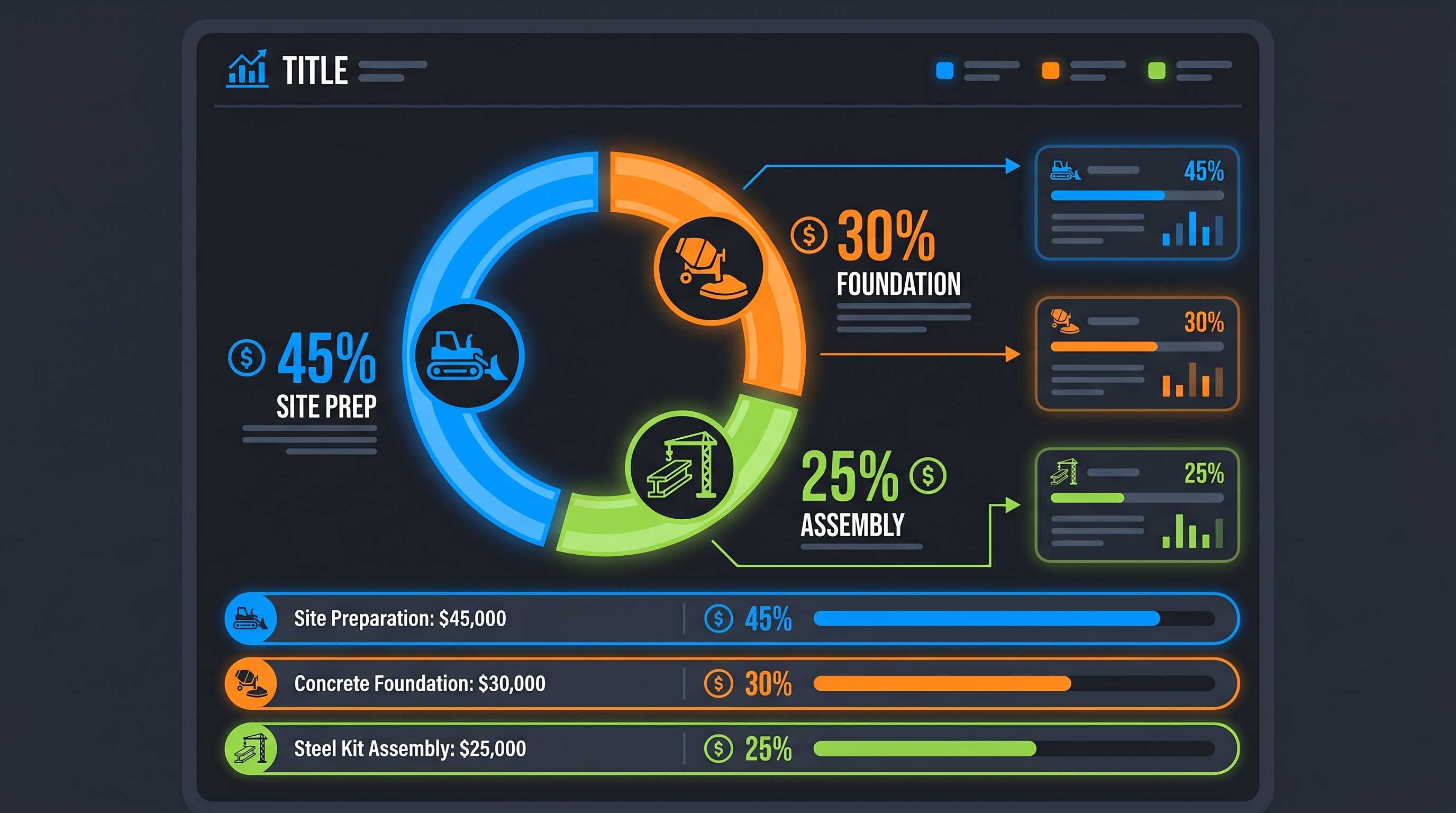
The baseline cost of a 50000 sq ft building typically ranges from 500,000 to 1,000,000 for the basic pre-engineered steel kit alone. Erecting a high-quality 50000 sq ft building provides a durable, cost-effective shell for your commercial operations. This foundational package represents a material-only purchase that does not cover sitework, foundations, or interior fit-outs.
For a fully completed turnkey facility, you should prepare to budget between 60 and 100 per square foot. This broad range covers the architectural designs, local engineering approvals, comprehensive civil work, and electrical systems. Working directly with an experienced manufacturing team helps keep these baseline material costs highly predictable.
What does a basic steel package include?
A standard steel structure kit contains the heavy-duty primary framing, secondary support members, and pre-cut roof and wall cladding. It also includes the necessary high-strength bolts, sealants, and trim packages required to assemble a watertight shell.
Here is the deal:
- Heavy-duty primary rigid steel frames and columns
- Galvanized purlins, girts, and structural bracing
- 26-gauge high-tensile metal wall and roof panels
Using prefabricated pieces allows your team to skip on-site cutting and welding, reducing waste and simplifying layout steps. This standard package accelerates the construction schedule significantly once materials arrive.
Why do raw material prices change?
Global steel commodity markets experience regular pricing shifts due to raw ore availability, trade tariffs, and fuel surcharges. These external supply-chain forces mean your quotation may vary depending on the season.
Why does this matter?
- Trade tariffs and global import taxes
- Domestic production capacity and regional demand
- Fuel transport surcharges for heavy flatbed shipping
Securing your fabrication contract early protects your budget from sudden economic spikes. This planning step gives you financial certainty throughout the subsequent engineering and permitting phases.
Key TakeawayLocking in your material contract during the early design phase protects your industrial project from sudden steel price inflation.
| Cost Component | Low-End Estimate | High-End Estimate | Price Per Sq. Ft. | |
|---|---|---|---|---|
| Raw Steel Kit | $500,000 | $1,000,000 | 10–20 | |
| Assembly Labor | $300,000 | $500,000 | 6–10 | |
| Turnkey Fit-Out | $3,000,000 | $5,000,000 | 60–100 |
Direct factory procurement is the most effective way to eliminate middleman markups and secure competitive baseline rates for bulk steel shipments.
How does location affect a 50000 sq ft building cost?
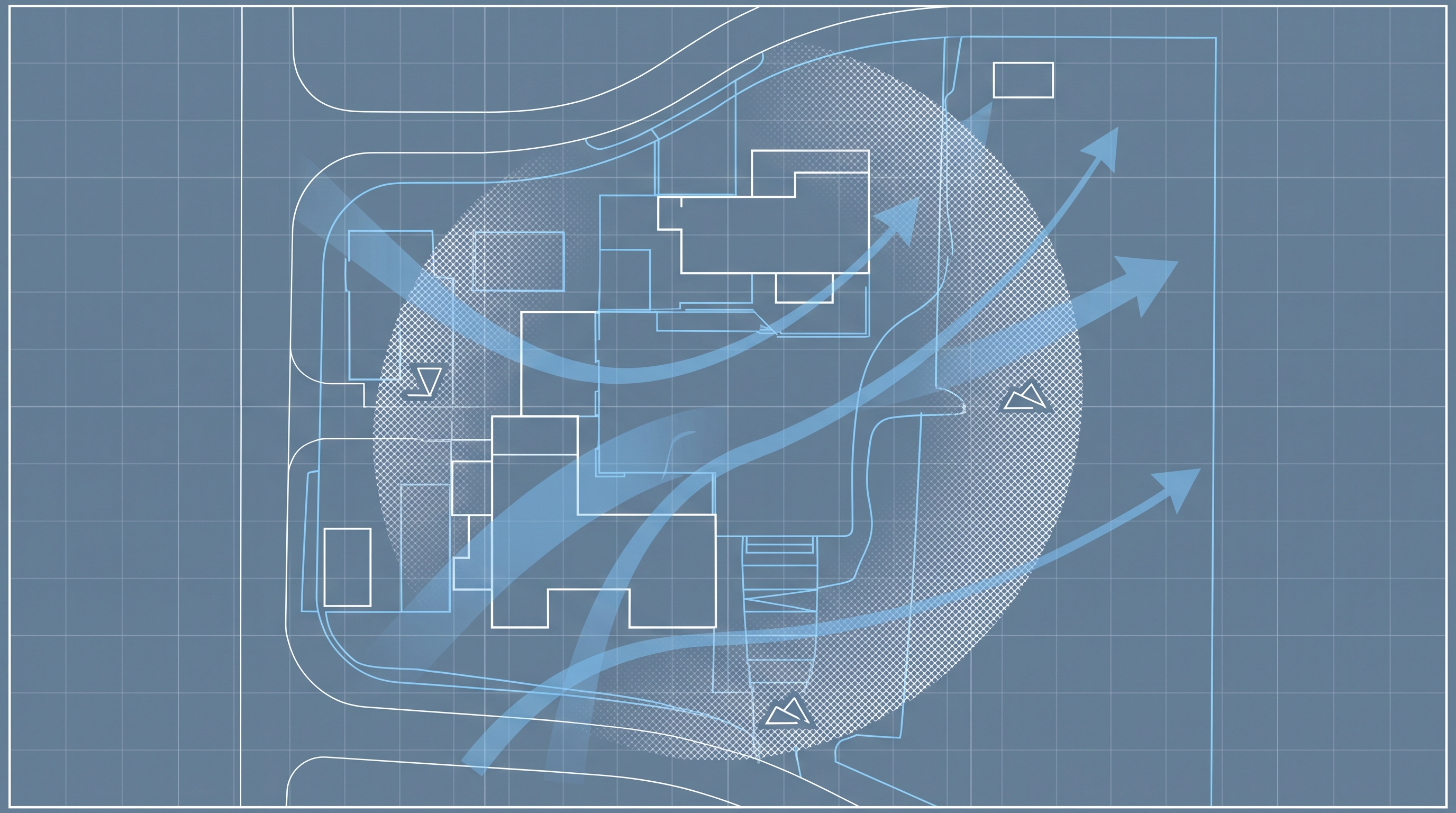
Your regional location changes the price of a 50000 sq ft building due to distinct local building codes, soil profiles, and delivery distances. Constructing a 50000 sq ft building in a coastal zone requires heavier wind-load framing than building in a calm inland valley. These local structural demands directly increase the raw steel weight needed for your structure.
Additionally, municipal fees and zoning permits vary wildly from one city to another, affecting your overall administrative costs. Remote properties will also face higher transit surcharges for freight shipping.
How do structural load codes impact cost?
Local engineering offices mandate strict safety margins for seismic activity, heavy roof snow loads, and extreme hurricane-force winds. Adjusting the framing to meet these criteria increases the steel thickness and reinforces vital frame connections.
The reality is:
- Heavy-duty roof trusses designed for high snow loads
- Specialized seismic bracing in active geological zones
- High-velocity wind framing configurations for coastal properties
Complying with these regulations guarantees the structure’s safety and protects your capital asset during extreme weather events. It also ensures you clear local administrative reviews without engineering revisions.
What are the transit and logistics fees?
Heavy shipping flatbeds are required to deliver massive steel frame components from the fabrication plant directly to your job site. If your site lies far from major transit corridors, logistics costs will rise.
But that is not all:
- Oversized load permits for wide roof beams
- Fuel surcharges linked to total shipping distance
- Specialized offloading crane requirements at your site
Coordinating your deliveries during dry summer seasons prevents transport delays caused by muddy access roads. Efficient flatbed scheduling also ensures crane crews are not left waiting for materials.
Key TakeawayAcquiring site-specific engineering load requirements from local municipal departments before fabrication ensures complete regulatory compliance.
| Location Variable | Cost Impact | Key Structural Driver | |
|---|---|---|---|
| Seismic Engineering | +10% to +15% | Extra Frame Bracing | |
| Heavy Snow Loads | +15% to +20% | Thickened Roof Trusses | |
| Coastal Wind Loads | +12% to +18% | Reinforced Wall Columns |
Balancing local code compliance with optimized structural layouts prevents expensive structural engineering revisions later in the approval cycle.
Unlock your projects potential—partner with us for premium steel structures delivered on time, every time.
Email:sales@showhoo.com.cn
Phone/WhatsApp:+86 186 7895 5927
Which foundation is best for a 50000 sq ft building?
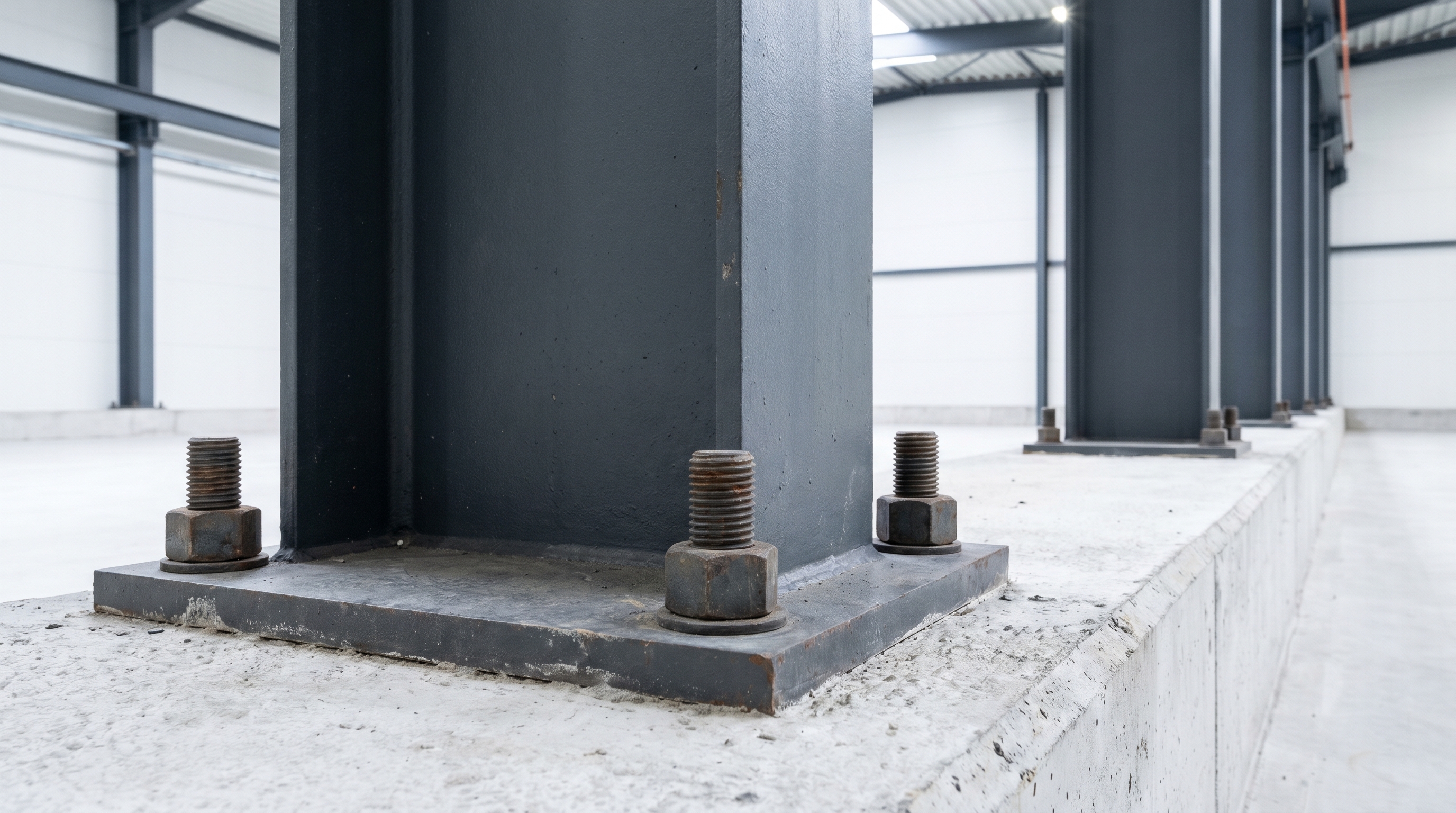
An engineered, reinforced concrete slab-on-grade foundation is the most reliable option for supporting a 50000 sq ft building. Pouring a foundation for a 50000 sq ft building typically demands an investment between 100,000 and 200,000 depending on depth. This step includes excavation, soil grading, setting up formwork, and weaving steel rebar grids.
Heavy industrial applications like forklift operations and automated manufacturing machinery require thicker slabs and reinforced footing zones. Proper site grading prevents water from pooling around your foundation perimeter.
How do soil conditions dictate concrete needs?
Unstable soils like wet clay or loose sand cannot support the concentrated weight loads of heavy steel building columns. Geotechnical engineers must analyze soil samples to determine if deep pier footings are required.
Think about it:
- Expansive clay soil requires deep soil excavation
- Wet sites demand extensive drainage aggregate bases
- Sandy soils necessitate wider concrete perimeter footings
Remediating poor soil up front prevents your building’s concrete slab from cracking or shifting unevenly over the years. This geotechnical preparation guarantees the structural integrity of your entire framing system.
What thickness is needed for industrial slabs?
A standard commercial slab measures around six inches thick and uses a wire mesh grid for core stability. Heavy-duty logistics centers require eight-inch slabs reinforced with Grade 60 steel rebar cages.
Keep this in mind:
- Standard commercial storage slab: 6 inches
- Heavy industrial machinery slab: 8 to 10 inches
- Precision-cast steel anchor bolts set in perimeter grade beams
Ensuring your concrete cures fully under moist blankets achieves maximum design strength before any steel columns are erected. Perfect concrete leveling prevents future structural alignment challenges during assembly.
Key TakeawayInvesting in a professional geotechnical soil report prevents foundation cracks and structural shifting over your facility’s operational lifetime.
| Foundation Stage | Average Low Cost | Average High Cost | Key Material Focus | |
|---|---|---|---|---|
| Soil Remediation | $50,000 | $150,000 | Geotextiles & Fill Dirt | |
| Formwork & Rebar | $40,000 | $80,000 | Grade 60 Steel Rebar | |
| Concrete Pouring | $60,000 | $120,000 | High-PSI Concrete Mix |
A flat, level concrete foundation poured precisely to specification accelerates your steel erection schedule and avoids framing alignment issues.
What are the labor costs for a 50000 sq ft building?
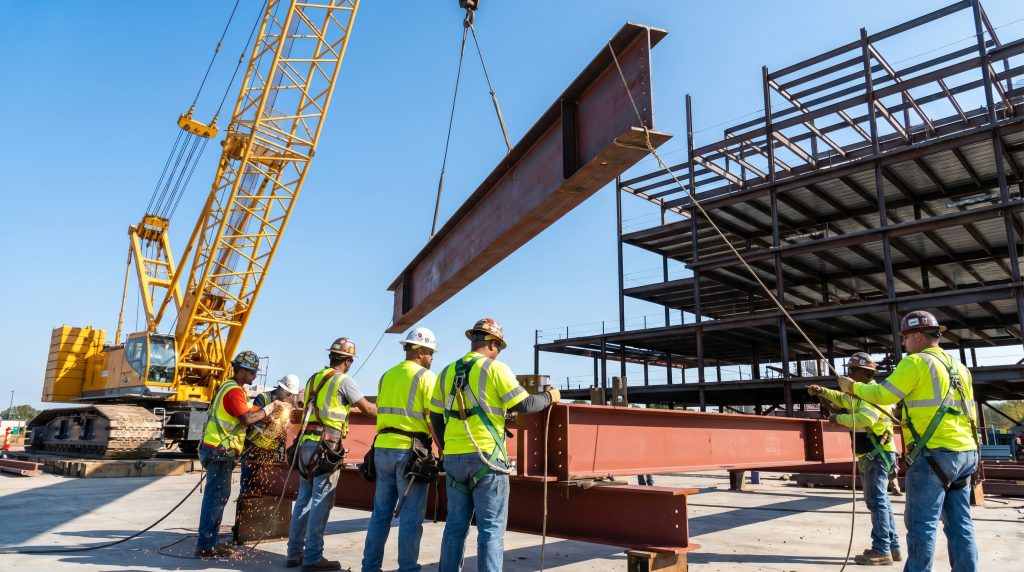
On-site labor and rigging costs to assemble a 50000 sq ft building generally run between 300,000 and 500,000, which is about 20% to 40% of the total budget. Hiring a highly experienced, certified crew ensures that your 50000 sq ft building is assembled safely and quickly. This assembly process involves setting the primary frame columns, raising roof trusses, and bolting secondary members.
Cheap, uncertified labor frequently leads to framing misalignments, structural leaks, and safety violations. Professional commercial crews bring specialized safety equipment and cranes to complete the dry-in phase efficiently.
How do rigging and crane rentals affect costs?
Heavy-duty cranes and high-reach boom lifts are necessary to raise massive steel columns and bolt roof rafters into place. Crane rental rates depend heavily on lifting capacity and total days on site.
Here is the catch:
- Heavy crane daily rental and operator rates
- High-reach scissor and boom lift rentals
- Specialized rigging hardware and safety harnesses
Optimizing material staging on site allows your crane crew to work uninterrupted, reducing expensive equipment rental durations. Proper scheduling coordinates the arrival of erection machinery with your steel shipments.
Why does worker certification matter?
Certified steel erectors guarantee that structural bolts are torqued to exact engineering standards and wall panels are sealed tightly against leaks. Their expertise prevents costly re-work during structural framing inspections.
Why is this vital?
- Certified welding services for complex modifications
- Experienced riggers for safe overhead crane lifts
- Strict compliance with regional construction safety laws
Working with a certified crew also ensures full compliance with federal OSHA fall-protection safety guidelines. This diligent attention to safety protects your project from operational shutdowns.
Key TakeawayContracting experienced, certified steel erectors prevents costly framing misalignments and guarantees a watertight building envelope.
| Labor Category | Daily Rate Range | Total Estimated Spend | Primary Phase Focus | |
|---|---|---|---|---|
| Crane & Heavy Rigging | 2,500–4,000 | 60,000–100,000 | Steel Column Erection | |
| Specialized Erectors | 45–85 / hr | 180,000–300,000 | Framing and Cladding | |
| Safety Coordinator | 60–100 / hr | 60,000–100,000 | Regulatory Compliance |
Optimizing the staging of incoming steel shipments on site reduces crane standby time and significantly lowers your equipment rental costs.
Can design choices reduce a 50000 sq ft building cost?
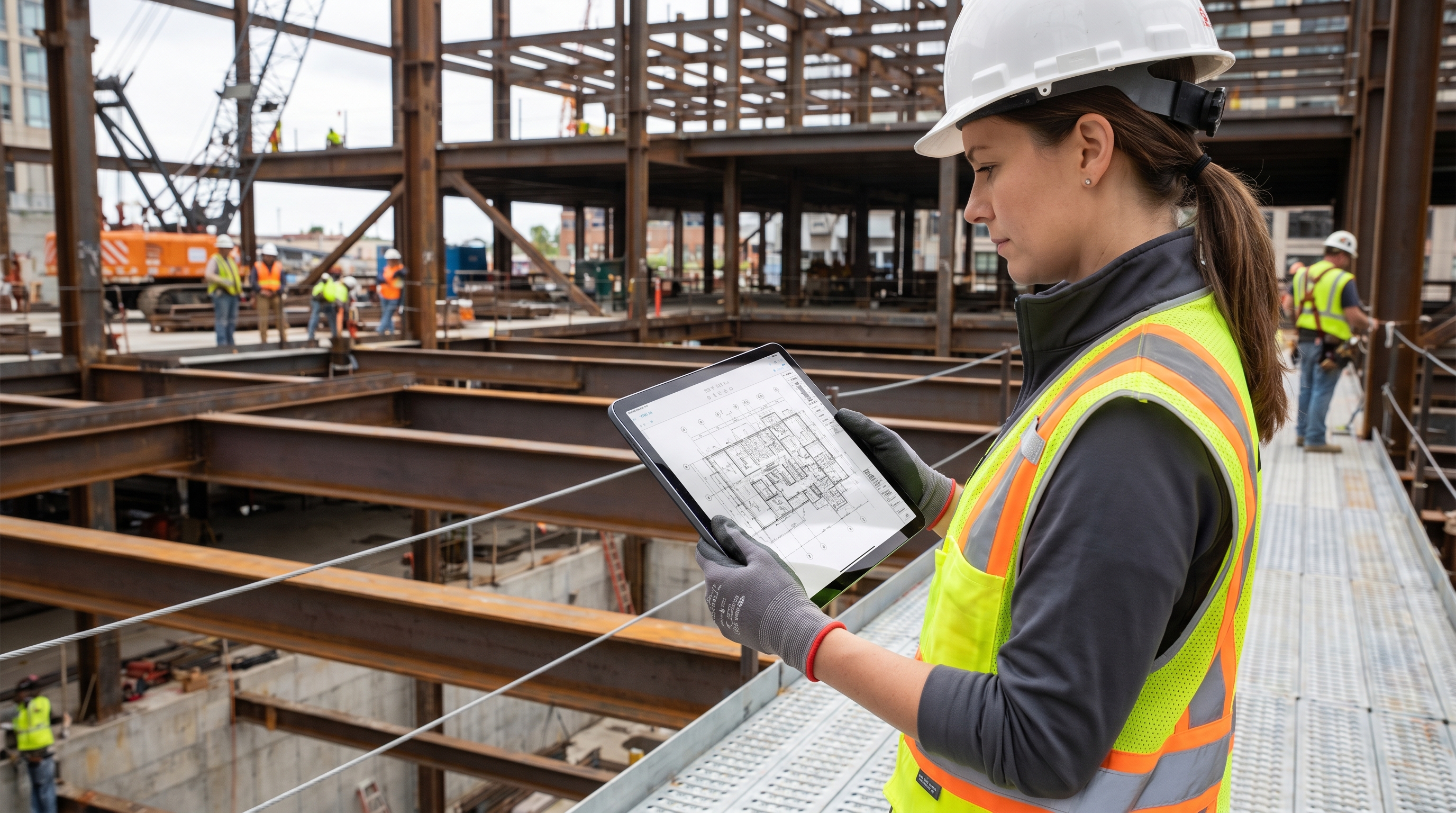
Smart design choices can reduce the final cost of a 50000 sq ft building by up to 15% through optimized raw steel utilization. Designing a standard rectangular 50000 sq ft building maximizes usable indoor area while minimizing custom engineering work. Complex L-shaped footprints or custom roof heights require extensive manual welding at the factory.
Standardizing your interior column spacing allows the fabrication factory to use automated CNC roll-forming machinery. This production efficiency translates directly into lower material costs and faster delivery timelines.
Why are standard dimensions more efficient?
Using standard width-to-length configurations, such as 200 by 250 feet, optimizes structural framing weight and cuts material waste. It also simplifies your foundation design, lowering concrete costs.
Simply put:
- Symmetrical frame patterns limit custom drafting fees
- Uniform wall panel sizes prevent on-site trim adjustments
- Standard roof pitches eliminate complex eave trim needs
Symmetrical designs also speed up local engineering approvals and reduce blueprint drafting hours. This architectural standardization simplifies the entire assembly process on the job site.
Should you include interior support columns?
While clear-span layouts provide wide, column-free spaces, they require much heavier steel rafter beams to bridge the distance. Introducing a single row of interior columns reduces framing weight significantly.
This is where it gets interesting:
- Interior columns reduce structural steel frame weight
- Lighter rafters simplify crane lift requirements
- Foundation footing sizes for main columns are reduced
If your operations can accommodate internal columns, this choice can save you tens of thousands of dollars. It balances spatial efficiency with structural economy for logistics and manufacturing users.
Key TakeawayChoosing a standard rectangular layout with interior support columns significantly reduces steel tonnage and fabrication costs.
| Design Strategy | Steel Weight Impact | Production Speed | Relative Cost Impact | |
|---|---|---|---|---|
| Standard Rectangle | Fully Optimized | Very Fast | Baseline Cost | |
| Complex L-Shape | 15% Heavier | Slow | +15% to 20% Cost | |
| Clear-Span Design | 20% Heavier | Moderate | +12% to 18% Cost |
Utilizing standard structural dimensions avoids custom manual fabrication charges, keeping your pre-engineered steel project highly affordable.
What accessory fees affect a 50000 sq ft building?
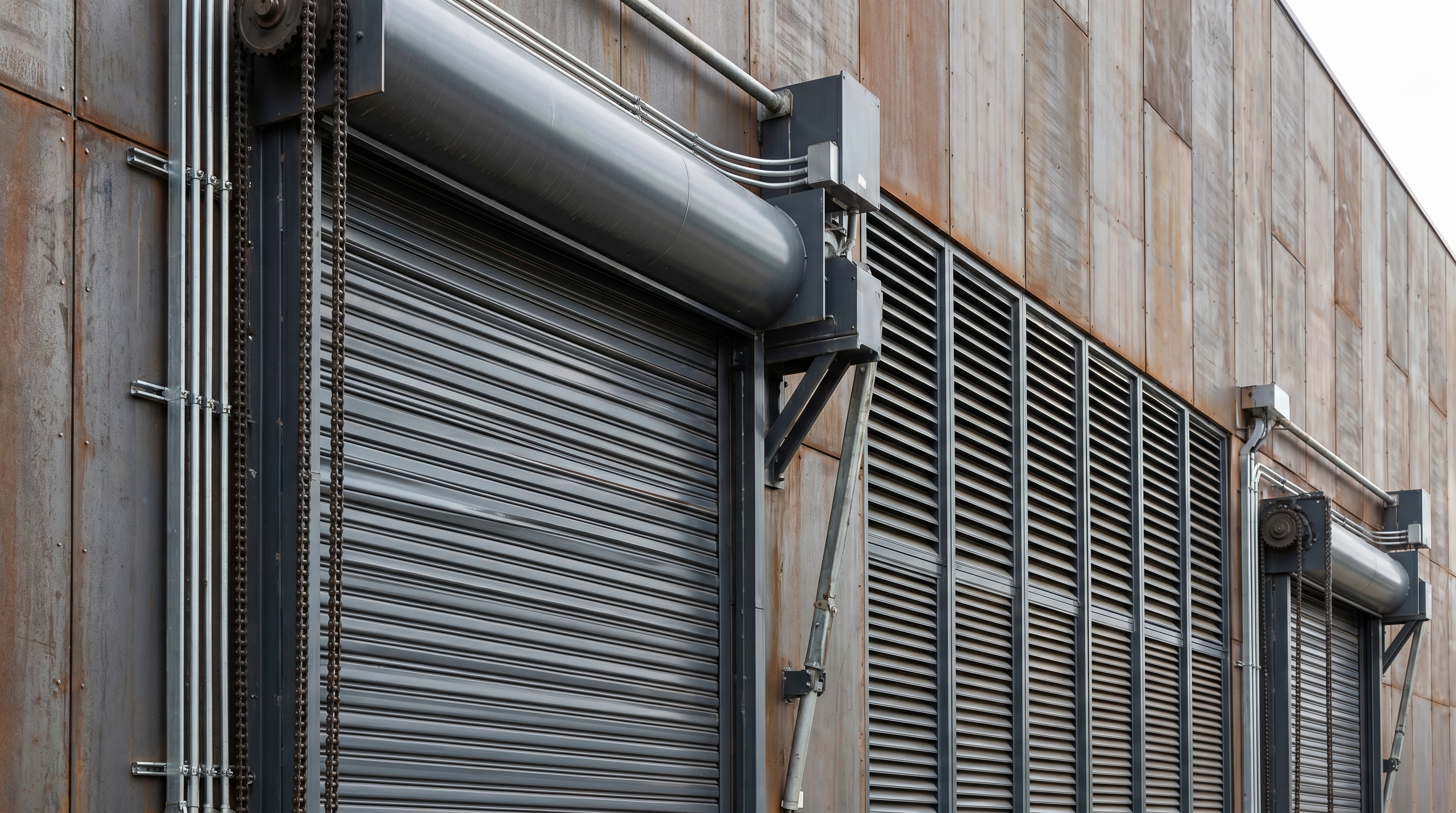
Land development accessory fees for a 50000 sq ft building typically add 200,000 to 450,000 to your total construction budget. When budgeting for a 50000 sq ft building, developers often overlook critical site work like grading, storm runoff systems, and local zoning permits. These preparatory steps must be fully completed before any steel arrives.
Extending vital municipal utility lines like three-phase electrical power and commercial sewer taps requires extensive trenching and impact fees. These municipal costs depend on your regional utility district.
How much do permits and civil planning cost?
Local municipalities charge regulatory permit fees based on the overall footprint and intended use of your commercial structure. Clearing environmental impact reviews is necessary before starting construction.
Watch out for this:
- Municipal commercial building permit fees
- Civil design fees for stormwater retention ponds
- Environmental erosion control plans and barriers
Civil engineers must design robust stormwater containment basins to manage roof water runoff on large facilities. Obtaining these plans early avoids unexpected legal disputes during the development process.
What is the cost of site preparation?
Clearing heavily wooded parcels or excavating rocky terrain requires heavy earthmoving machinery and skilled operators. Creating a stable, level building pad is vital for concrete pouring success.
The real cost lies in:
- Rough grading and tree clearing services
- Heavy soil compaction and imported fill dirt
- Commercial-grade gravel access roads for heavy shipping
Neglecting soil compaction during site prep can lead to foundation settling and cracked structural concrete. Proper drainage design keeps water moving away from the building envelope.
Key TakeawayAcquiring utility access details and assessing soil slope before purchasing land avoids unexpected excavation costs.
| Accessory Category | Average Base Cost | Premium Site Cost | Primary Project Impact | |
|---|---|---|---|---|
| Site Grading | $200,000 | $400,000 | Topography Prep | |
| Utility Hookups | $50,000 | $150,000 | Power and Water Access | |
| Zoning Permits | $5,000 | $30,000 | Regulatory Clearance |
Verifying municipal utility capacity before closing on raw commercial land prevents costly off-site infrastructure extension charges.
Unlock your projects potential—partner with us for premium steel structures delivered on time, every time.
Email:sales@showhoo.com.cn
Phone/WhatsApp:+86 186 7895 5927
How do you insulate a massive 50000 sq ft building?
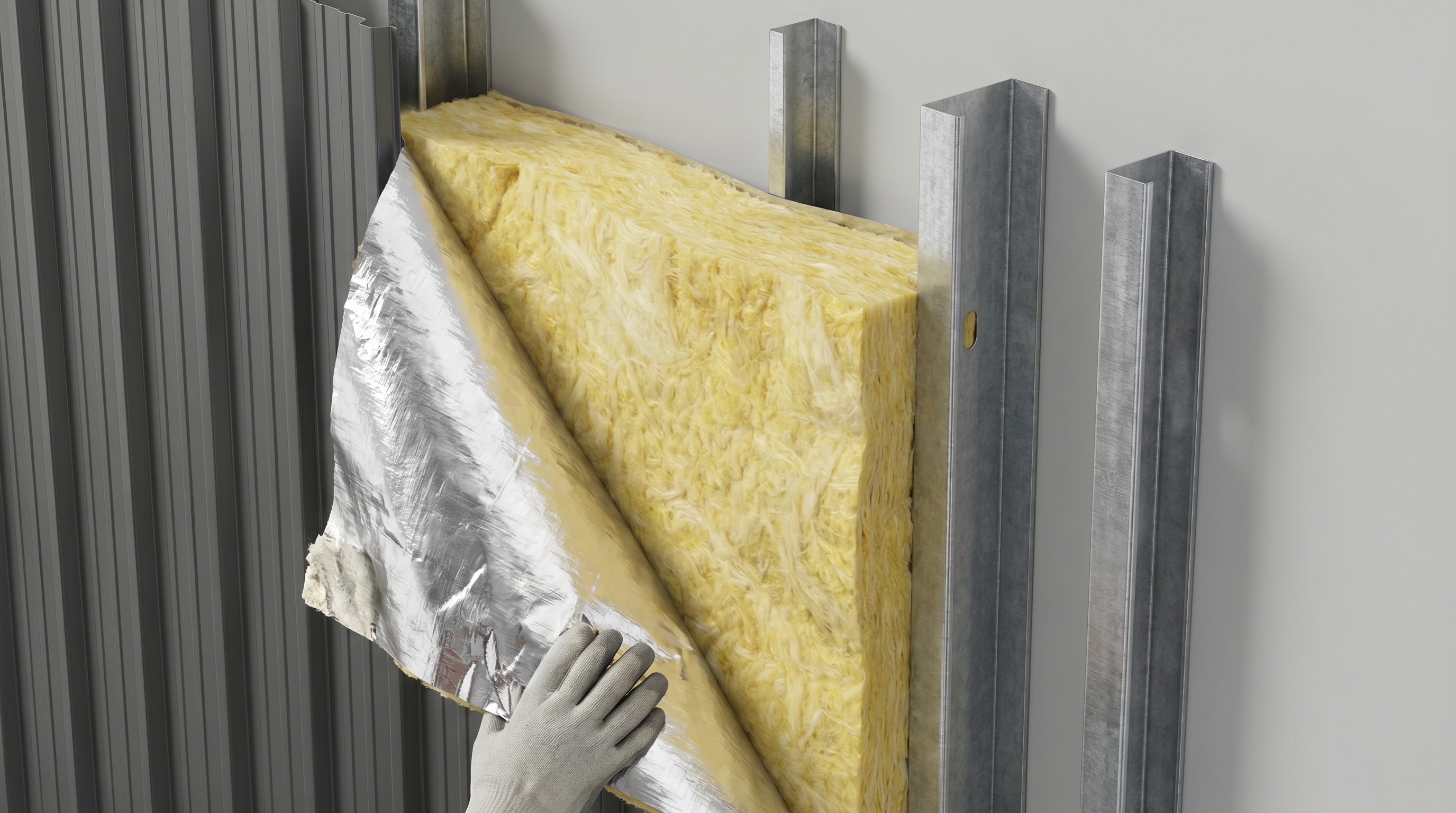
Insulating a 50000 sq ft building is most efficiently achieved using vinyl-faced fiberglass blankets or composite insulated metal panels. Installing proper insulation inside a 50000 sq ft building prevents interior condensation, regulates humidity, and lowers long-term utility bills. Fiberglass blankets are the most popular, cost-effective insulation option for warehouses.
For high-end climate-controlled showrooms or manufacturing plants, premium insulated metal panels (IMPs) are highly recommended. These composite systems provide excellent thermal values and a finished interior wall simultaneously.
Why is condensation control critical?
Metal buildings are highly susceptible to condensation when warm, humid indoor air contacts cool, uninsulated exterior steel panels. This moisture can cause mold growth and rust structural steel components over time.
It is a simple equation:
- Prevents structural rust on secondary framing members
- Protects sensitive stored inventory from moisture damage
- Lowers the runtime of your commercial climate-control systems
An airtight thermal barrier prevents condensation while maintaining comfortable interior temperatures for workers. This step maintains clean indoor air quality and protects machinery.
What insulation yields the best ROI?
Investing in high R-value insulation systems reduces the overall size and initial purchase cost of your commercial heating and cooling equipment. The monthly energy savings will quickly recoup your upfront insulation costs.
But wait, there is more:
- Vinyl-faced fiberglass insulation blankets
- High R-value insulated metal sandwich panels
- Double-layer sag-and-bag roof insulation systems
Choosing cool-roof white finishes reflects solar heat, preventing heat build-up during hot summer months. It is an environmentally friendly strategy that drastically lowers operational energy expenses.
Key TakeawayInstalling high-performance insulation up front lowers commercial energy bills and protects structural steel from condensation.
| Insulation Material | Cost Per Sq. Ft. | Estimated Total Cost | Average R-Value | |
|---|---|---|---|---|
| Faced Fiberglass | 1.50–3.00 | 75,000–150,000 | R-13 to R-30 | |
| Insulated Metal Panels | 4.50–8.00 | 225,000–400,000 | R-20 to R-42 | |
| Closed-Cell Spray Foam | 3.50–6.00 | 175,000–300,000 | R-19 to R-38 |
High-quality vapor barriers are essential in metal buildings to prevent moisture from condensing on framing beams and dripping onto equipment.
Which industries thrive in a 50000 sq ft building?
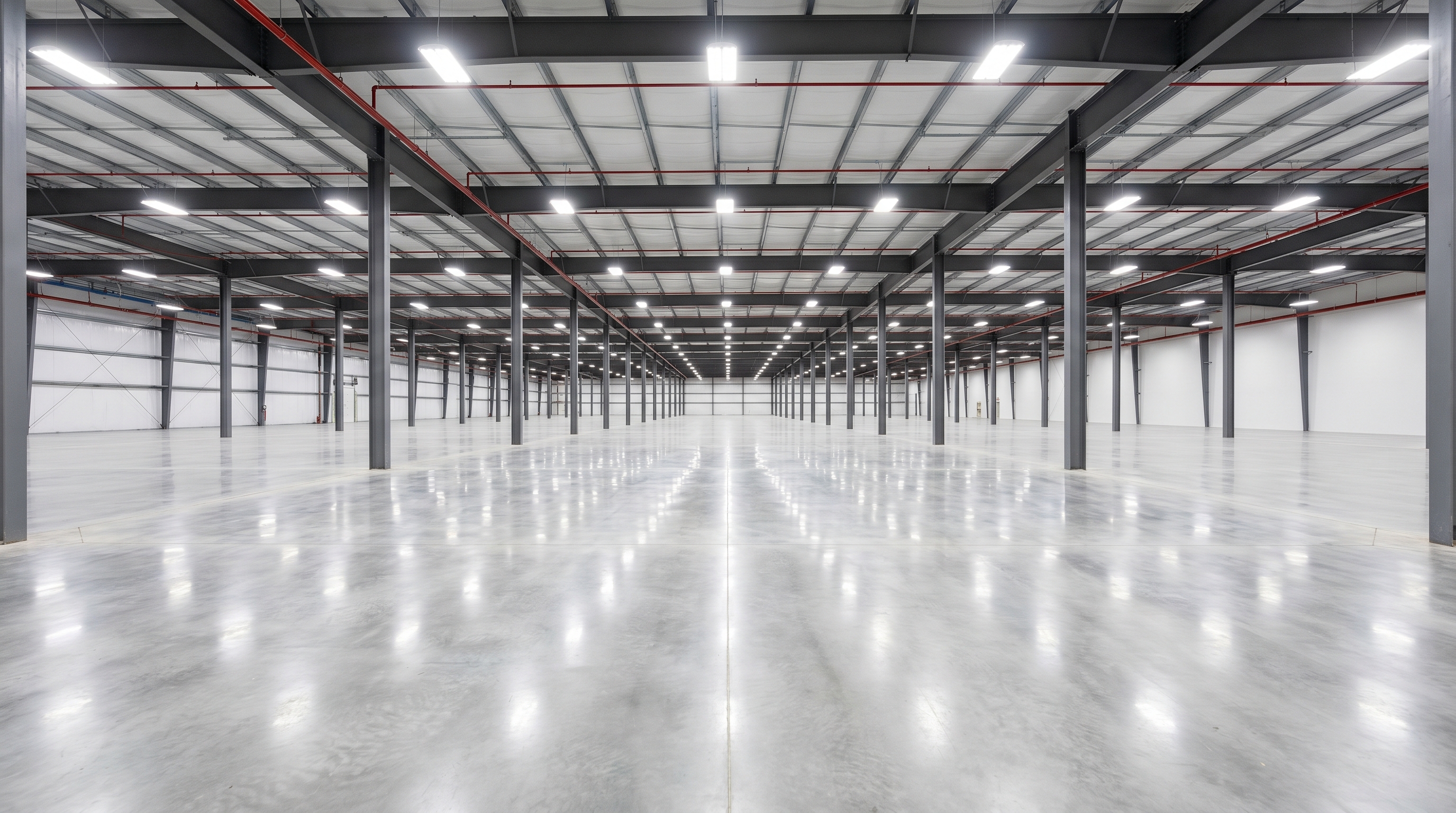
Logistics warehousing, large-scale manufacturing, sports centers, and retail showrooms thrive inside a 50000 sq ft building. The open floor plan of a 50000 sq ft building allows for customizable rack shelving systems and optimized machinery layouts. This column-free versatility makes it easy for commercial operations to adjust their setup over time.
High-clearance ceilings easily accommodate heavy crane runways, high-reach forklifts, and complex exhaust ventilation systems. This adaptability ensures your steel building remains functional as your business grows.
How do logistics centers utilize space?
Modern distribution facilities require high ceiling clearances and wide structural bays to maximize vertical pallet storage. Prefabricated steel frames support these heavy loads while maintaining smooth, open workflows.
This means you can:
- Design uninterrupted assembly lines for smooth product flow
- Place heavy stamping machines without column interference
- Configure flexible zones for quick manufacturing adjustments
Clear-span layouts prevent structural columns from blocking forklifts or interrupting high-speed automated conveyor lines. It offers ultimate operational flexibility for dynamic shipping firms.
Can sports complexes use steel frames?
Indoor soccer fields, ice hockey rinks, and tennis clubs require wide, open spans to keep columns out of play. Steel’s superior structural strength bridges these massive widths without requiring middle supports.
Think about the advantages:
- Unobstructed interior views for players and spectators
- High overhead clearances for court and field sports
- Strong frames for supporting commercial arena heating systems
The durable frames can easily support heavy ceiling-hung arena lighting, HVAC systems, and safety netting. This design speed keeps recreational developments highly cost-efficient.
Key TakeawayThe wide clear-span capabilities of prefabricated steel framing make it perfect for sports complexes, retail spaces, and logistics warehouses.
| Industry Type | Key Structural Focus | Clear Height Needs | Average Fit-Out Cost | |
|---|---|---|---|---|
| Warehousing | High Pallet Racks | 24′ to 32′ Clear Height | Low (5–15/sq ft) | |
| Manufacturing | Heavy Footing Zones | 20′ to 28′ Clear Height | High (25–60/sq ft) | |
| Sports Arena | Column-Free Spans | 30′ to 40′ Clear Height | Premium (40–80/sq ft) |
Pre-planning clear heights and crane requirements ensures your steel frames are fabricated with correct load ratings from day one.
How long does erecting a 50000 sq ft building take?
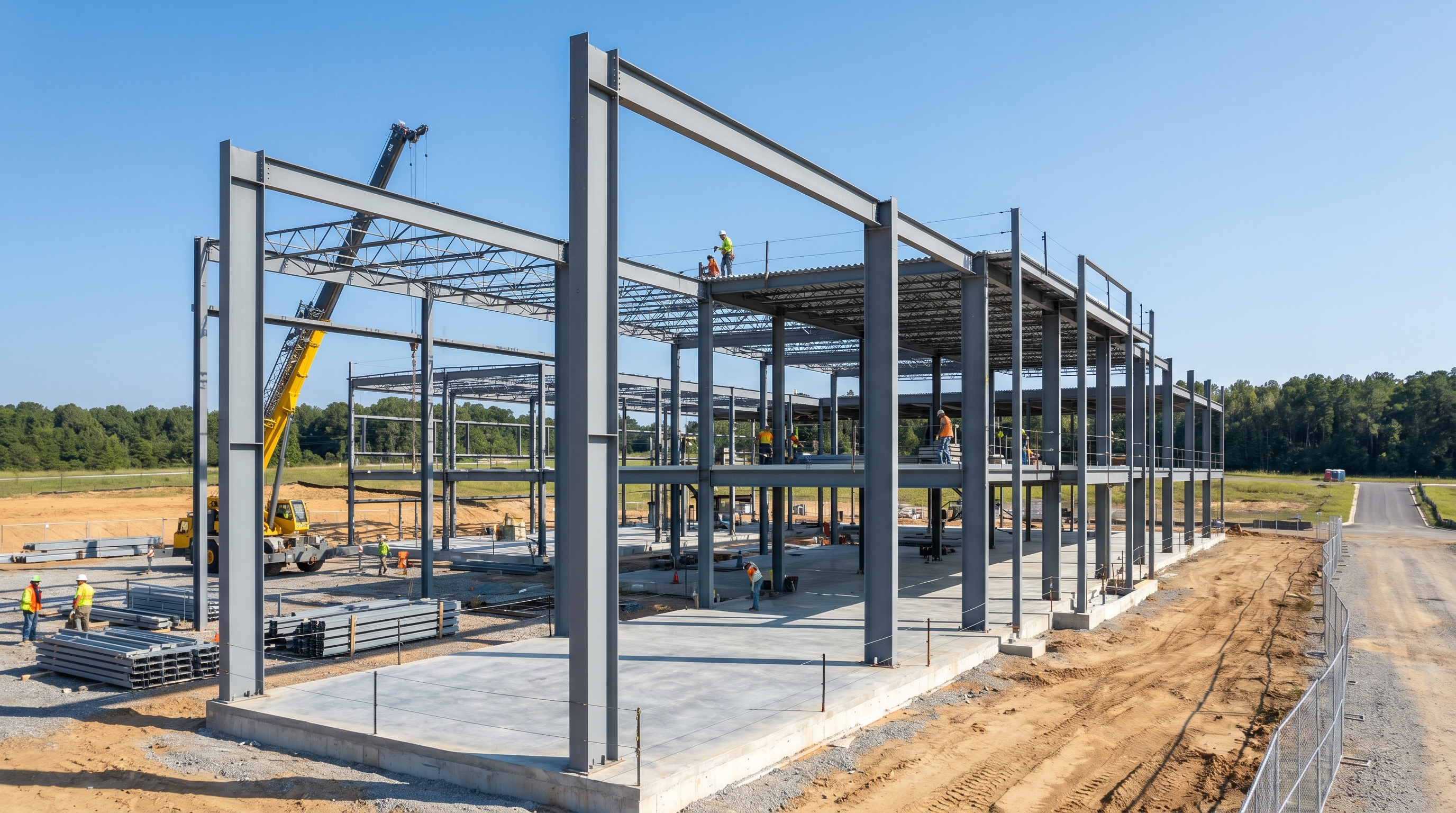
Erecting a 50000 sq ft building typically takes between four and eight months from initial excavation to structural dry-in. Pre-engineered structural kits accelerate construction times because all major components of your 50000 sq ft building arrive pre-cut and pre-punched from the factory. A traditional brick or wood-frame facility of this footprint takes significantly longer to build.
While the steel framing itself goes up in a matter of weeks, you must allocate sufficient time for site grading and concrete curing. Delays in receiving regional building permits can also extend your total schedule.
What occurs during site preparation?
Site work begins with clearing vegetation, grading slopes, and laying down stable gravel access roads. Contractors then pour the reinforced concrete foundation, which must cure for up to 28 days.
Here is the timeline breakdown:
- Clearing trees and heavy grading (2 to 3 weeks)
- Underground plumbing and conduit runs (1 to 2 weeks)
- Concrete foundation pouring and curing (4 weeks)
Ensuring your concrete achieves full structural strength before bolting down heavy steel columns is vital. This scheduling attention prevents costly cracking under structural weight.
How fast is the steel frame assembled?
Once the foundation has cured, cranes lift the primary steel framing columns and roof rafters into place. Teams then install wall girts, roof purlins, and secure the exterior metal panels.
It happens faster than you think:
- Rigid main frame column erection (3 to 5 weeks)
- Purlins, girts, and secondary steel (2 to 3 weeks)
- Roof panels and exterior wall cladding (3 to 4 weeks)
Completing this dry-in stage quickly allows interior plumbing and electrical crews to work safely out of the weather. This efficiency reduces overall weather-related labor downtime.
Key TakeawaySynchronizing your foundation pour with factory fabrication ensures that materials arrive on site just as the concrete finishes curing.
| Construction Phase | Average Timeframe | Key Heavy Equipment | Major Milestone | |
|---|---|---|---|---|
| Site Preparation | 4 to 6 Weeks | Excavators & Bulldozers | Level Building Pad | |
| Foundation Pour | 4 Weeks (with curing) | Concrete Mixer Trucks | Anchor Bolts Placed | |
| Steel Assembly | 8 to 12 Weeks | Cranes & Boom Lifts | Dried-in Outer Shell |
Selecting a pre-engineered steel framing system reduces on-site labor requirements and shortens your total construction schedule by months.
How do you start planning a 50000 sq ft building?
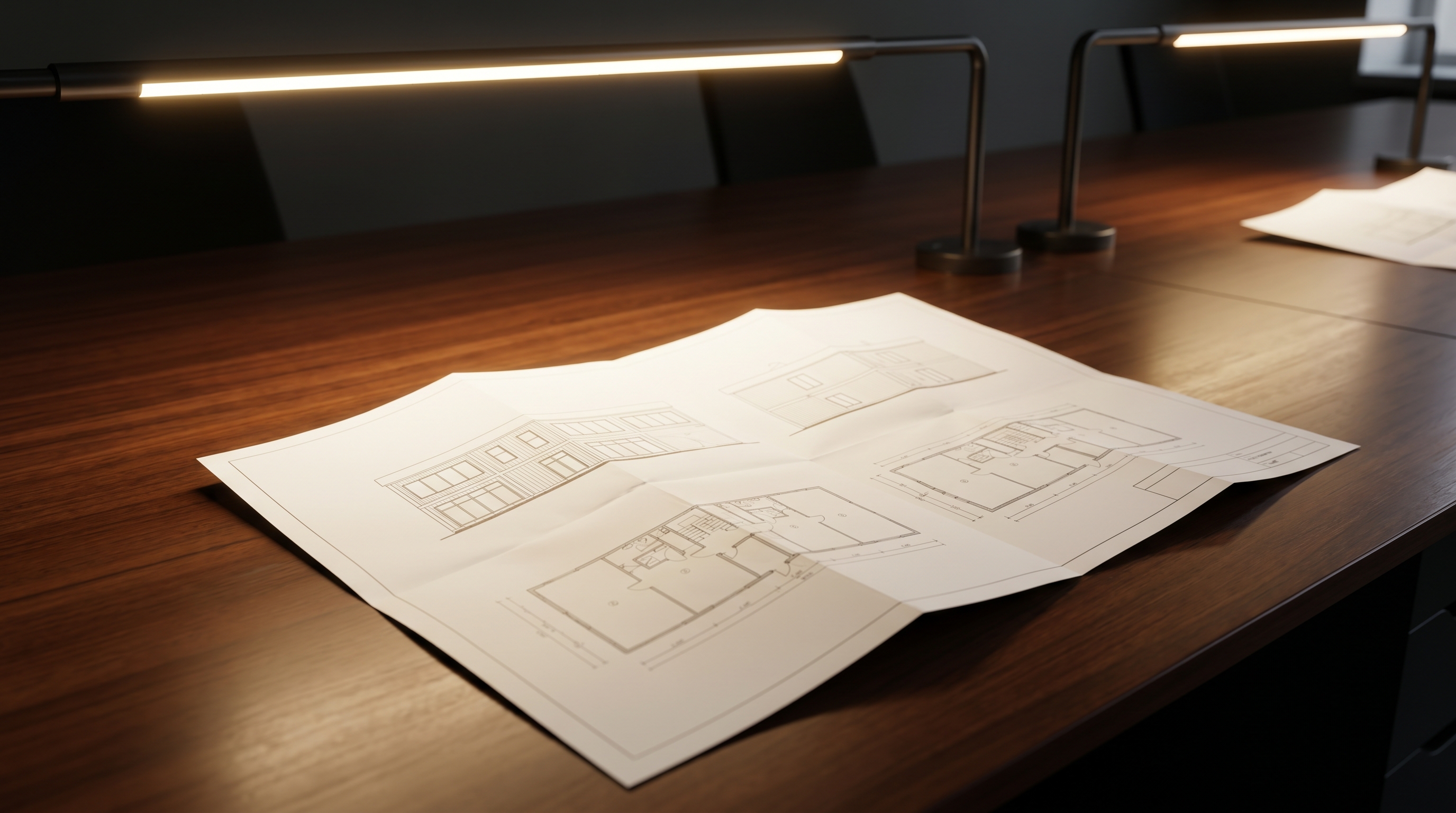
To start planning a 50000 sq ft building, you need to acquire a comprehensive land survey, set a target budget, and select an experienced steel manufacturer. Partnering with a factory-direct steel building manufacturer ensures that your commercial facility is engineered precisely to your regional code demands. Our engineering team helps design efficient layouts that optimize your operational workflows.
Getting a detailed material quotation early keeps your project’s financial plans aligned from design to final delivery. Our professional designers can provide customized architectural layouts to streamline your zoning approval process.
How do you select a reliable manufacturer?
It is essential to choose a steel building supplier with extensive international export experience and dedicated quality certifications. A reliable partner handles in-house engineering, detail fabrication, and provides detailed assembly instructions.
Keep these questions in mind:
- Do they possess international ISO quality control certifications?
- Can they customize building spans for specific local codes?
- Do they offer complete technical drawings for foundation setup?
Direct manufacturing communication prevents coordination mistakes between your framing designers and local foundation contractors. This proactive planning prevents costly shipping adjustments.
What is the step to get an accurate quote?
You must provide your manufacturer with detailed property dimensions, desired ceiling heights, and local snow and wind load ratings. This basic information allows designers to calculate exact structural steel weights.
The next step is easy:
- Submit your basic length, width, and clear eave heights
- Provide your regional snow, wind, and seismic structural ratings
- Review a customized 3D design and steel material quote
Refining these parameters early prevents expensive design revisions during factory production. Standardizing your bay spacing reduces custom manufacturing charges and allows the factory to speed up fabrication.
Key TakeawayDeveloping a complete checklist of your space needs before requesting quotes avoids costly changes during factory production.
| Planning Milestone | Critical Deliverable | Time Investment | Primary Priority | |
|---|---|---|---|---|
| Engineering Review | Certified Blueprints | 2 to 4 Weeks | Code Compliance | |
| Material Estimation | Detailed Price Quote | 1 Week | Budget Alignment | |
| Factory Production | Fabricated Steel Kit | 8 to 12 Weeks | Construction Schedule |
Standardizing your bay spacing reduces custom manufacturing charges and allows the factory to speed up fabrication.
Direct Path to Your Steel Building Project Success
Planning and executing a major commercial project is an enormous undertaking, but pre-engineered steel structures offer the ultimate path to predictable budgeting and structural reliability. By addressing structural baseline pricing, foundation choices, local building codes, and insulation strategies, you can confidently control your capital investments. We deliver precision-engineered prefab structures designed to optimize your operations and lower assembly timelines. Let us help you turn your next big layout concept into a high-performance, durable commercial facility. To get started, contact us today for an expert consultation and specialized blueprints. Our commitment is to build the highly resilient infrastructure of tomorrow, one custom-engineered steel frame at a time.
Unlock your projects potential—partner with us for premium steel structures delivered on time, every time.
Email:sales@showhoo.com.cn
Phone/WhatsApp:+86 186 7895 5927
Frequently Asked Questions (FAQ)
Can I add a second floor to my steel warehouse?
Yes, you can easily integrate a second floor using custom steel mezzanines. Your structural engineering team must design the foundation and main support columns to handle the increased vertical dead load and live load requirements. Designing this multi-story configuration up front avoids expensive retrofit work down the road.
What’s the best way to prevent rust in a steel building?
The absolute best way to prevent rust is to use hot-dip galvanized primary framing and high-quality paint coatings. Pre-engineered panels should feature multi-layer protective finishes designed to resist oxidation and moisture. Routine inspections of panels and gutters ensure water drain lines remain clear, protecting the structure for decades.
How do I know if my site soil can support a steel building?
You can find out by hiring a licensed geotechnician to perform standard soil core drillings. These tests analyze soil density, moisture levels, and load-bearing capacity. The final geotechnical report gives structural engineers the critical soil data they need to design a safe concrete foundation.
Can I expand my commercial steel building in the future?
Yes, prefabricated steel structures are highly expandable by adding more framing bays. During the initial design phase, let your fabricator know about your expansion plans so they can engineer the endwall frames to easily connect with future steel additions. This proactive planning keeps future construction costs low.
What’s the best roof pitch for a building of this size?
The best roof pitch for a massive commercial building is a low-slope 1:12 pitch. Low-slope roofs are highly cost-effective to seal, insulate, and maintain on buildings with wide spans. Low pitches also reduce the total air volume inside the building, lowering your monthly heating and cooling bills.