
Building a metal building fire station requires selecting premium pre-engineered structural steel, optimizing rapid-response floor plans, and integrating custom civic features to ensure lifelong durability. Imagine a midnight alarm screaming through the dark, only for your heavy response trucks to stall behind jamming, moisture-warped wood doors. Traditional municipal structures deteriorate quickly under heavy physical usage, blowing your taxpayer-backed maintenance budget year after year. Modern metal fire stations solve this problem by providing a non-combustible, hurricane-resistant headquarters built to last for generations.
Why should you build metal fire stations?
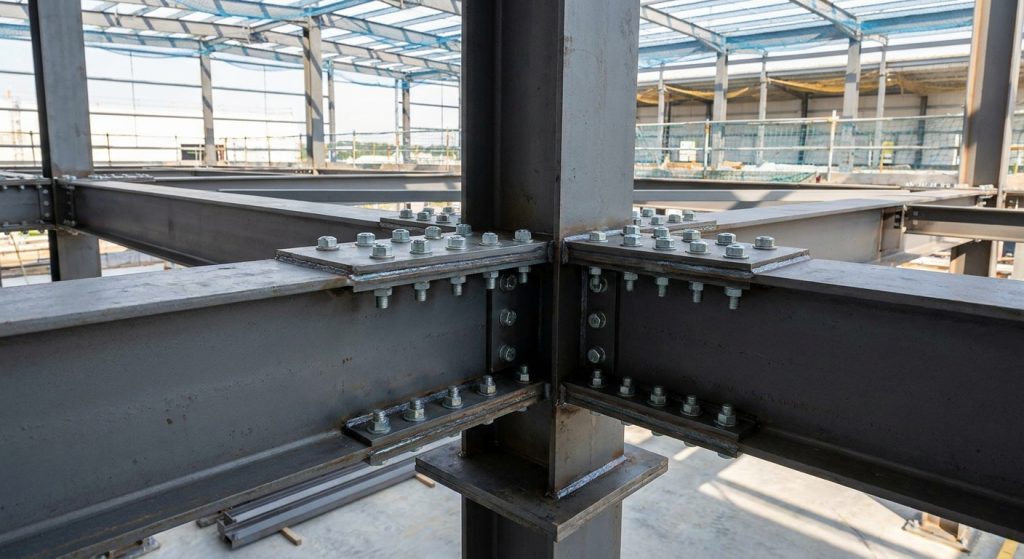
You should build metal fire stations because they deliver exceptional structural longevity, column-free clear spans, and uncompromising protection against severe natural disasters. Traditional wooden frameworks decay, sag, and warp over time under heavy mechanical loads. Pre-engineered steel frames remain completely straight and stable forever.
What makes structural steel superior to wood framing?
Think about it: municipal firehouses must operate 24 hours a day without structural failure. Steel provides high-strength framing that resists moisture, heavy wind, and combustion.
Here is the kicker:
- Total immunity to wood rot and termite damage.
- Non-combustible frames reduce overall fire risks.
- Minimal structural shifting over decades of use.
How do clear-span layouts improve emergency response?
Clear-span frames eliminate internal load-bearing pillars to give you complete freedom of movement. You can park and maneuver massive response apparatuses without worrying about tight spatial restrictions or support column hazards.
This open architecture speeds up dispatch routes and increases active duty safety. Key Takeaway: Choosing clear-span frames eliminates indoor structural barriers to accelerate emergency truck dispatch times.
| System Type | Max Clear-Span Width | Supporting Pillars Needed | Maneuverability Rating | |
|---|---|---|---|---|
| Pre-Engineered Steel | Up to 300 Feet | None Required | Outstanding | |
| Traditional Timber | Under 50 Feet | Multiple Pillars | Poor |
This data demonstrates why modern departments are transitioning away from wood structures to optimize emergency operations.
Are metal fire stations highly cost-effective?
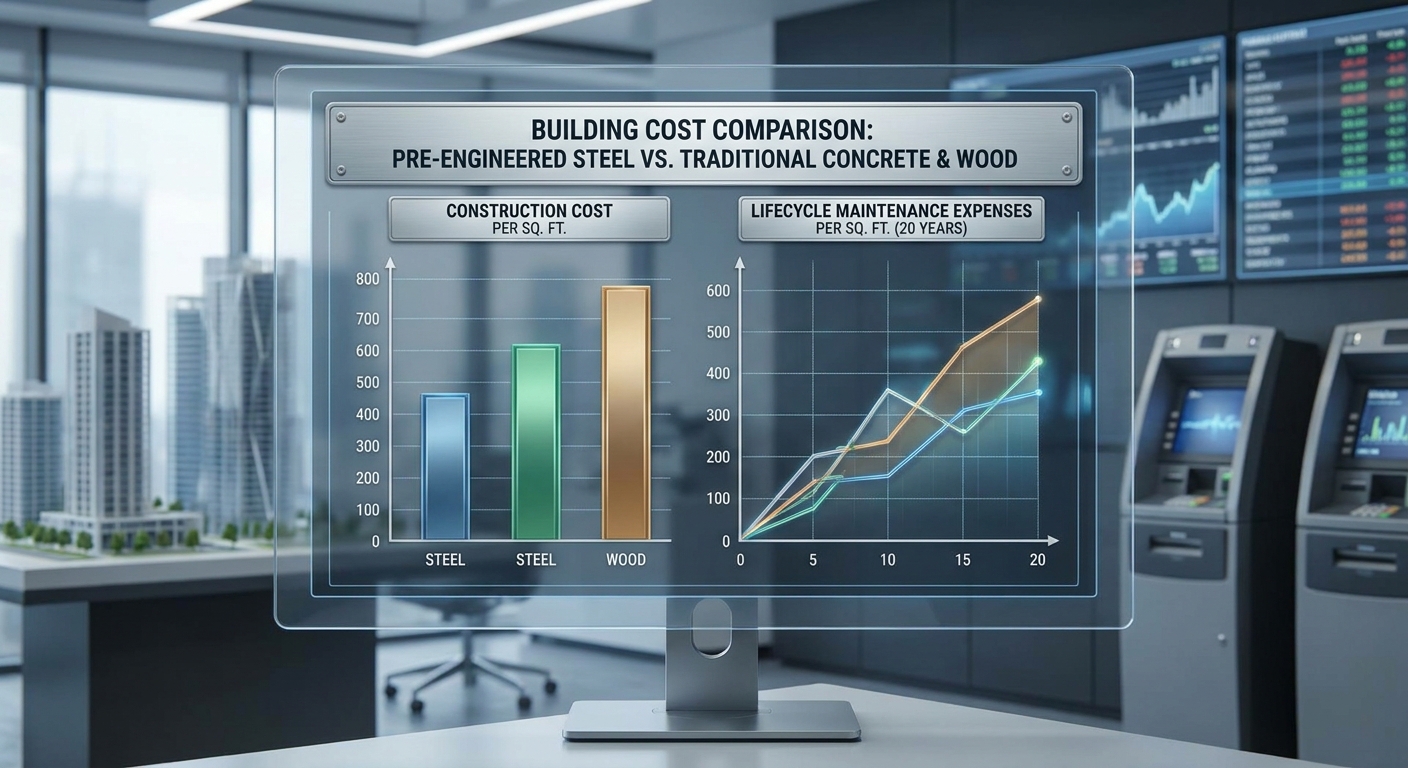
Yes, metal fire stations are highly cost-effective because they drastically lower initial procurement costs, on-site construction labor, and ongoing facility maintenance. Pre-engineered manufacturing optimizes structural steel parts off-site to save public resources. This smart construction method ensures that municipal funds are used with maximum efficiency.
How do prefabricated parts reduce initial building costs?
Think about it: every structural steel column and beam is cut and punched directly in the manufacturing factory. This precise process completely eliminates on-site waste and reduces expensive crane or specialized labor hours.
Here is the kicker:
- Drastically reduced material raw waste.
- Fewer general construction workers needed on-site.
- Lower equipment rental fees over the build phase.
Why are long-term maintenance costs significantly lower?
You will find that pre-engineered steel requires very little upkeep compared to stucco or wood structures. Steel structures do not require frequent painting or wood treatments to maintain structural integrity.
The money saved on painting, sealing, and pest control can be redirected straight into essential community firefighting equipment. Key Takeaway: Utilizing prefabricated steel reduces up-front material costs and lifelong maintenance to maximize municipal tax dollars.
| Building Material | Initial Material Cost | 20-Year Maintenance Cost | Structural Shell Lifespan | |
|---|---|---|---|---|
| Pre-Engineered Steel | Moderate-Low | Minimal | 50+ Years | |
| Timber / Masonry | High | Extremely High | 25-30 Years |
This budget comparison shows how steel delivers a higher long-term return on municipal investments.
Build stronger metal fire stations—request your free quote today!
Email:sales@showhoo.com.cn
Phone/WhatsApp: + 86 186 7895 5927
How durable are modern metal fire stations?
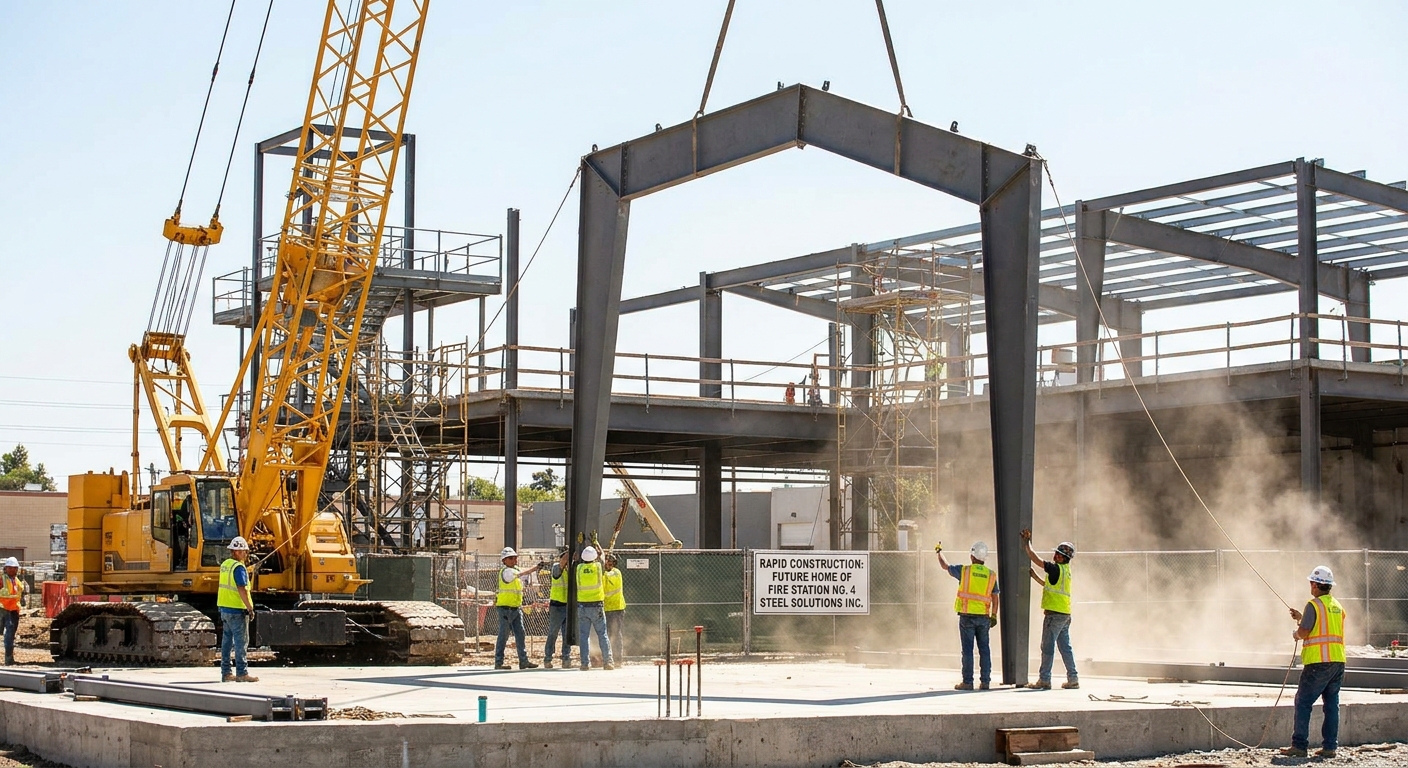
Modern metal fire stations are exceptionally durable, engineered specifically to withstand heavy snow, extreme winds, and severe seismic events. These structures act as critical disaster command centers for local emergency crews. Building with heavy-duty steel ensures the facility remains fully operational when your community needs it most.
How does structural steel handle extreme natural disasters?
High-strength steel frames are engineered to absorb lateral seismic forces without fracturing or collapsing. This ductile performance protects emergency personnel and highly expensive fleet trucks during extreme earthquakes.
Here is the kicker:
- Seismic design Category IV compliant.
- Resists high lateral hurricane wind pressures.
- Heavy snow load load-bearing engineering.
What prevents long-term oxidation and rust damage?
Think about it: moisture damage is the leading cause of structural failure in traditional public utility buildings. Our steel profiles undergo advanced galvanization and multi-layered primer processes to resist oxidation.
These coatings keep your structural steel safe from corrosion even in humid coastal areas. Key Takeaway: Industrial galvanization and advanced paint systems protect the steel framework from corrosion and weathering for generations.
| Environmental Threat | Galvanized Steel Framing | Untreated Wood / Concrete | |
|---|---|---|---|
| Heavy Rust / Oxidation | Fully Resistant (Protected) | Highly Vulnerable to Crack/Rot | |
| Earthquake Vibrations | Absorbs Stress (Flexible) | Cracks Under Lateral Load |
This engineering data highlights how structural steel survives extreme weather scenarios that ruin traditional buildings.
Can you customize modular metal fire stations?
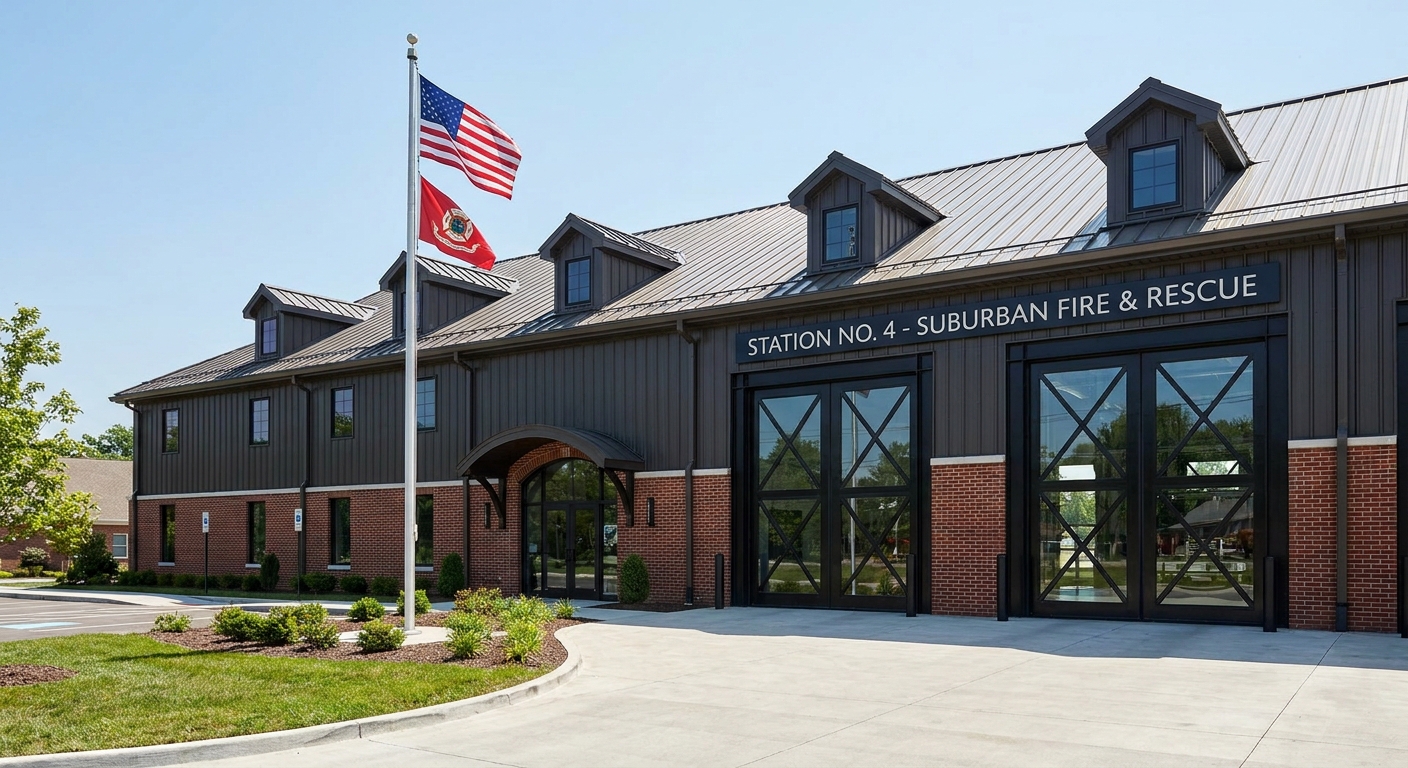
Absolutely, you can fully customize modular metal fire stations to match your local architectural aesthetics and duty shift workflows. These buildings integrate seamlessly into historic downtown districts or quiet suburban neighborhoods. You have full creative control over the external cladding, window glazing, and paint schemes.
How do custom facades enhance municipal civic aesthetics?
Think about it: public safety buildings should match the beautiful, historical character of the surrounding town. You can finish your building with brick veneer, stone parapets, or glass curtain walls easily.
Here is the kicker:
- Dozens of durable silicone-modified polyester colors.
- Attractive brick and natural stone masonry options.
- Modern floor-to-ceiling glass panel facades.
Can interior layouts adjust to future crew expansions?
You can modify interior partition walls quickly without disturbing the main load-bearing frame. This allows you to expand the residential sleeping quarters or the fitness gym as your active-duty crew grows.
Your civic facility can grow and change along with the expanding community it serves. Key Takeaway: Exterior facade options and flexible interior partition walls ensure your public safety building remains attractive and highly functional.
| Customizable Feature | Pre-Engineered Steel | Conventional Concrete / Masonry | |
|---|---|---|---|
| Facade Options | Brick, Stone, Stucco, Metal | Heavy Masonry Only | |
| Future Bay Expansion | Simple (Modular Endwalls) | Complex / High Expense |
This clear versatility shows why municipalities choose customizable steel to future-proof public buildings.
How fast can you erect metal fire stations?
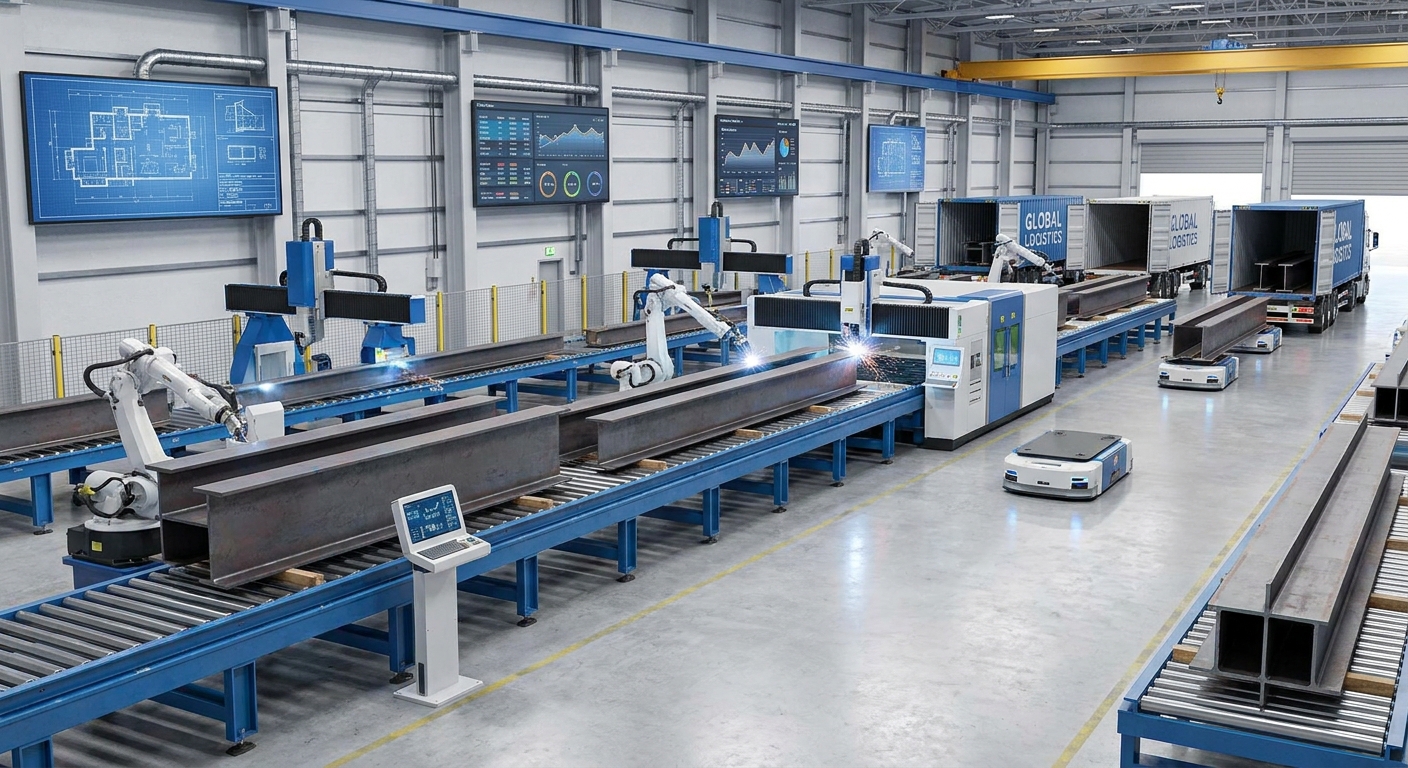
You can erect metal fire stations up to fifty percent faster than traditional concrete buildings due to advanced off-site engineering. Every component is pre-cut, pre-punched, and pre-welded before arriving at your building site. This systematic fabrication process speeds up the assembly phase so your crew can move in early.
Why does factory pre-fabrication accelerate construction?
Think about it: traditional building sites suffer from constant delays due to bad weather and manual labor mistakes. Our factory fabrication relies on high-speed robotic welding to guarantee exact tolerances.
Here is the kicker:
- Pre-labeled structural parts for simple identification.
- Fast bolt-together structural frame assembly.
- Precise fabrication drawings minimize assembly confusion.
How does quick assembly minimize community disruption?
Shortening the overall construction schedule reduces localized road closures, dust, and heavy truck noise. This rapid progress keeps local residents happy and lowers project oversight costs.
The best part is your municipal response crew moves in months ahead of schedule. Key Takeaway: Prefabricated structural components cut on-site assembly schedules in half to save public resources and reduce community disruption.
| Construction Phase | Pre-Engineered Steel | On-Site Concrete Masonry | |
|---|---|---|---|
| Framing & Roofing | 2 to 3 Weeks | 8 to 12 Weeks | |
| Total Build Time | 2 to 3 Months | 6 to 9 Months |
This accelerated schedule proves why pre-engineered systems are the most efficient option for urgent public safety projects.
Are green-certified metal fire stations possible?
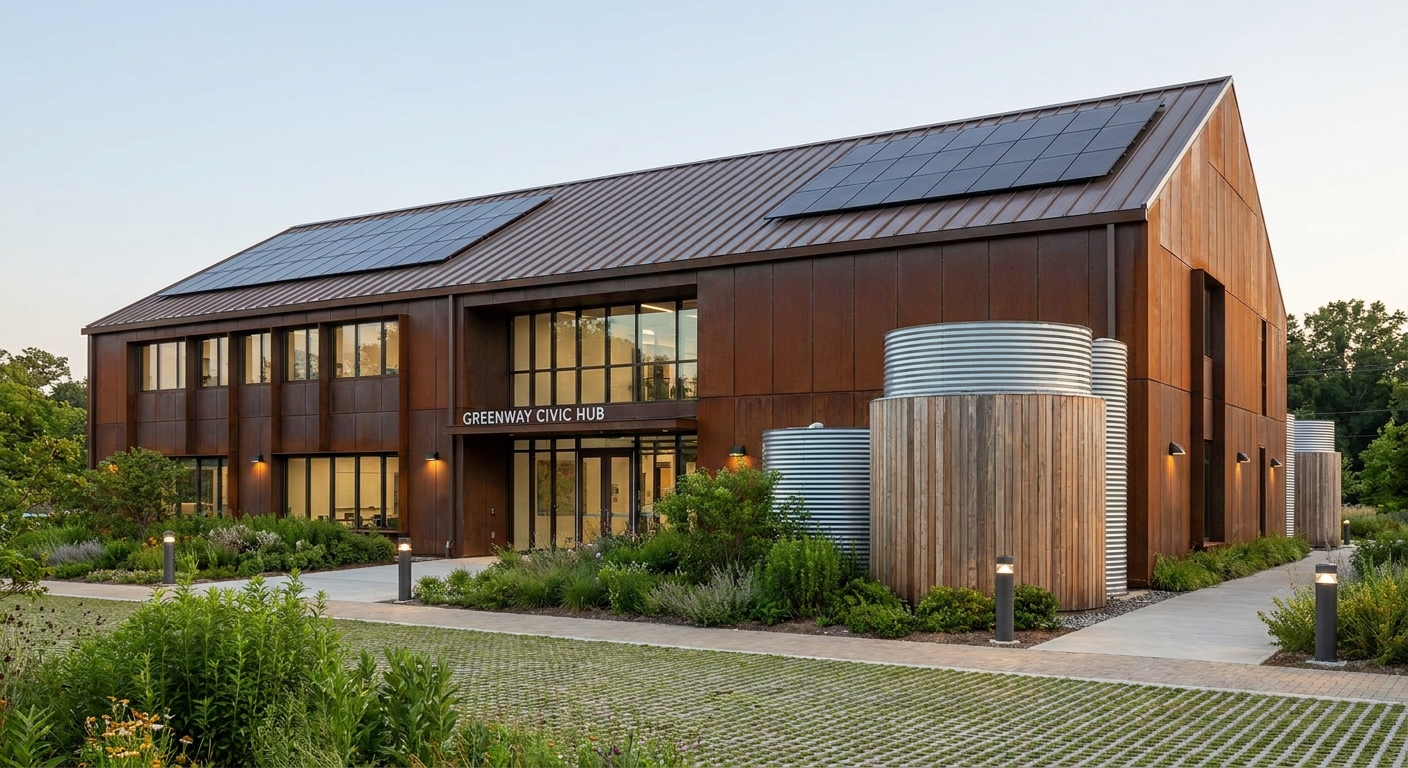
Yes, green-certified metal fire stations are fully achievable, delivering excellent energy efficiency, high-recycled material content, and zero-waste construction. Utilizing eco-friendly materials helps local administrations achieve strict carbon-neutral building targets. These modern structures easily meet high LEED standards while keeping public utility bills incredibly low.
How do insulated panels lower lifetime energy bills?
Think about it: cooling and heating a massive vehicle bay takes an immense amount of power. High-performance insulated metal panels create a tight structural seal that maintains stable indoor climates.
Here is the kicker:
- Airtight tongue-and-groove joint interlocking systems.
- Superior R-value rating per inch of thickness.
- Substantial reduction in monthly HVAC electrical draw.
What makes structural steel eco-friendly over its lifespan?
You can recycle every piece of the structural steel framework once the facility reaches the end of its useful life. This sustainability circular loop ensures that zero building materials end up rotting in landfills.
This eco-friendly material is crafted from over ninety percent recycled steel. Key Takeaway: High-efficiency insulation and fully recyclable steel frames deliver a net-zero-ready civic building that protects taxpayer budgets.
| Building System | Recycled Content | Thermal Barrier Performance | End-of-Life Recyclability | |
|---|---|---|---|---|
| Pre-Engineered Steel | Over 90% | Excellent (Sandwich Panels) | 100% Recyclable | |
| Traditional Concrete | Under 15% | Poor (Requires Extra Insulation) | Very Low |
This performance breakdown demonstrates why eco-conscious city boards prefer steel systems for sustainable civic projects.
Build stronger metal fire stations—request your free quote today!
Email:sales@showhoo.com.cn
Phone/WhatsApp: + 86 186 7895 5927
What is the best layout for metal fire stations?
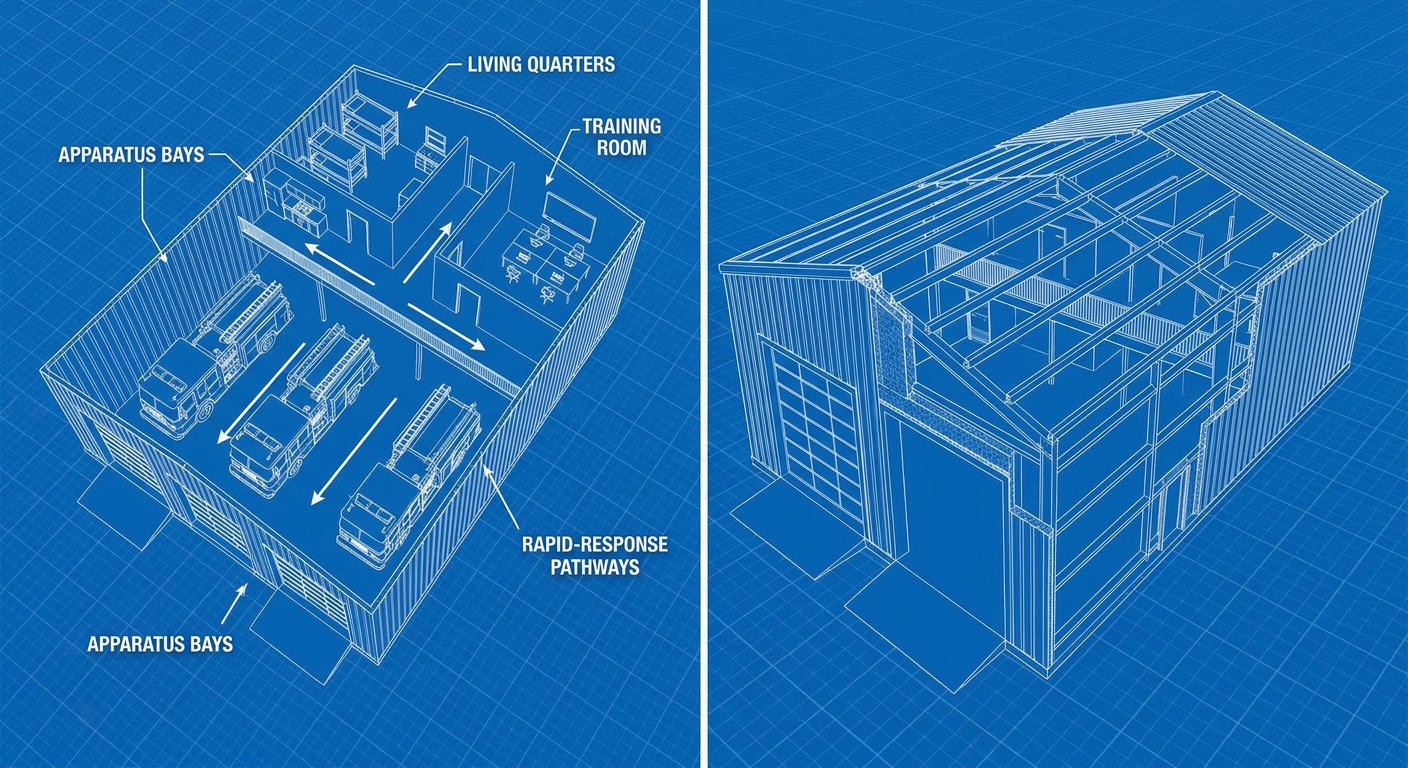
The best layout for metal fire stations utilizes a clean three-zone architectural division to keep dangerous carcinogens separated from crew living areas. This advanced safety layout divides the station into strict operational, transition, and residential zones. This spatial discipline ensures your firefighters work and rest in healthy environments.
How does zoning protect the health of your response crew?
Think about it: diesel exhaust and toxic soot from fire gear must never leak into sleeping dorms or kitchens. Setting up a negative-pressure transition area stops toxic air from moving between zones.
Here is the kicker:
- Red Zone: Apparatus bays and gear cleaning areas.
- Yellow Zone: Decontamination showers and laundry rooms.
- Green Zone: Clean kitchen, positive-pressure dorms, and offices.
How do clear-span frames improve daily shift workflows?
Without supporting pillars in the middle of the floor, you can create direct, straight pathways to the response bays. This barrier-free configuration ensures your firefighters reach the emergency trucks safely and rapidly.
The best part is every second saved in transit speeds up your community response. Key Takeaway: Separating living spaces from toxic bays using clear-span pathways optimizes response times and protects firefighter health.
| Station Zone | Primary Function | Air Quality Strategy | Target Location | |
|---|---|---|---|---|
| Red Zone | Apparatus Housing | Negative Air Pressure / Exhaust Hoses | Front of Building | |
| Green Zone | Crew Living & Sleeping | Positive Air Pressure / Clean Air | Rear / Quiet Side |
This clear separation of spaces highlights the strategic spatial control that pre-engineered steel designs offer.
How safe are municipal metal fire stations?
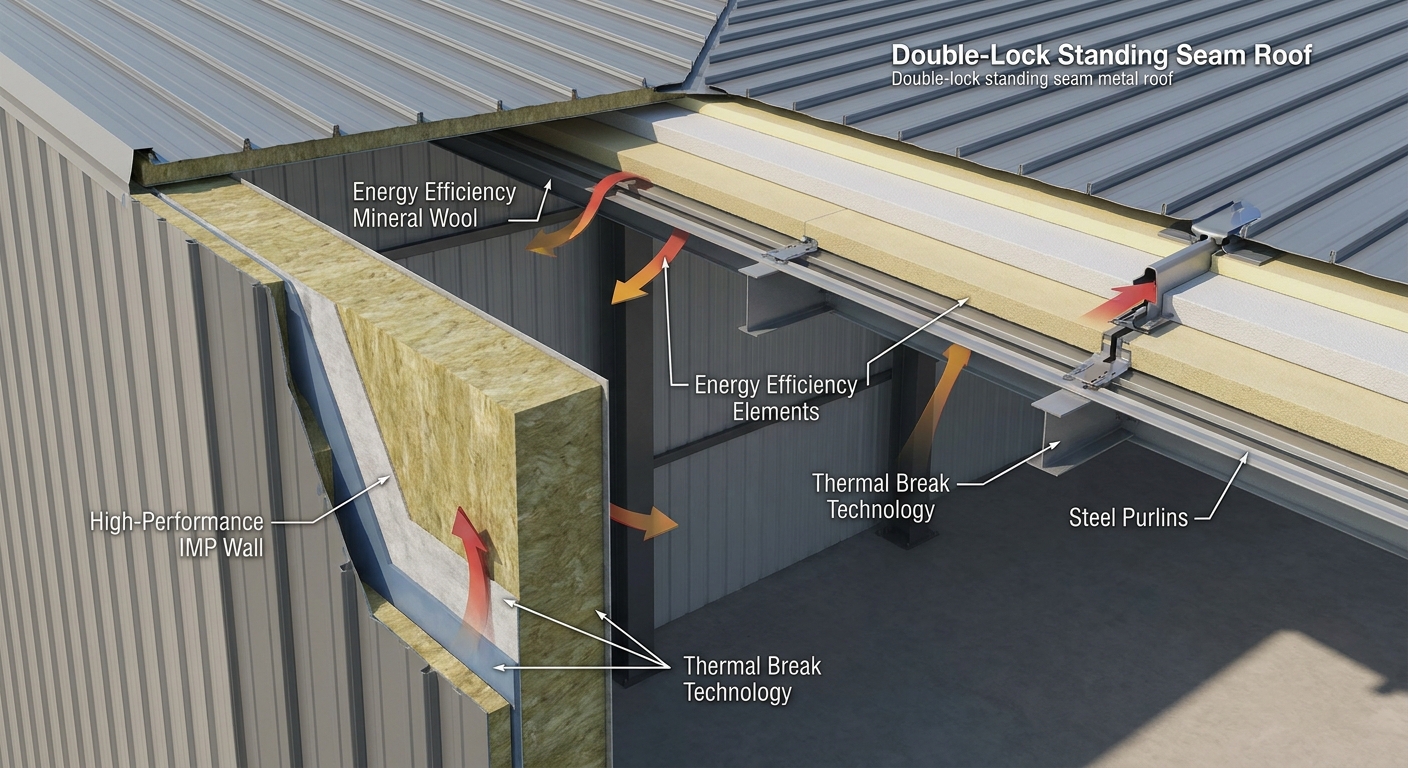
Municipal metal fire stations are extremely safe, featuring completely non-combustible frames, fire-rated insulated wall panels, and high-wind structural reinforcements. These safety elements ensure your building survives intense structural exposure during local fire emergencies or intense storms. This reliable safety framework guarantees complete peace of mind for your active crews.
How do non-combustible steel frames prevent fire spread?
Think about it: a timber fire station can burn from the inside out if an equipment electrical fire starts. Steel does not fuel combustion or produce dangerous toxic smoke plumes during structural fires.
Here is the kicker:
- Non-combustible framing reduces interior structural collapse risk.
- Mineral wool cores provide up to a four-hour fire barrier.
- Airtight wall panels block smoke migration.
What structural systems protect crews during hurricanes?
Heavy-duty baseplate anchors secure the structural H-section beams directly into deep concrete foundations. This industrial framing resists extreme wind uplift forces and flying storm debris effortlessly.
Your station remains standing when neighboring buildings fail. Key Takeaway: Non-combustible steel frames and heavy wind anchors provide unmatched safety for on-duty emergency crews.
| Structural Hazard | Steel System Defense | Traditional Wood Risk | |
|---|---|---|---|
| Interior Flame Spread | Frame Resists Ignition | Frame Burns as Fuel | |
| Wind Uplift (Hurricanes) | Anchored Steel Frames | Weak Joint Detachment |
This structural performance shows why safety boards prioritize heavy-duty steel for critical emergency infrastructure.
Who manufactures heavy-duty metal fire stations?
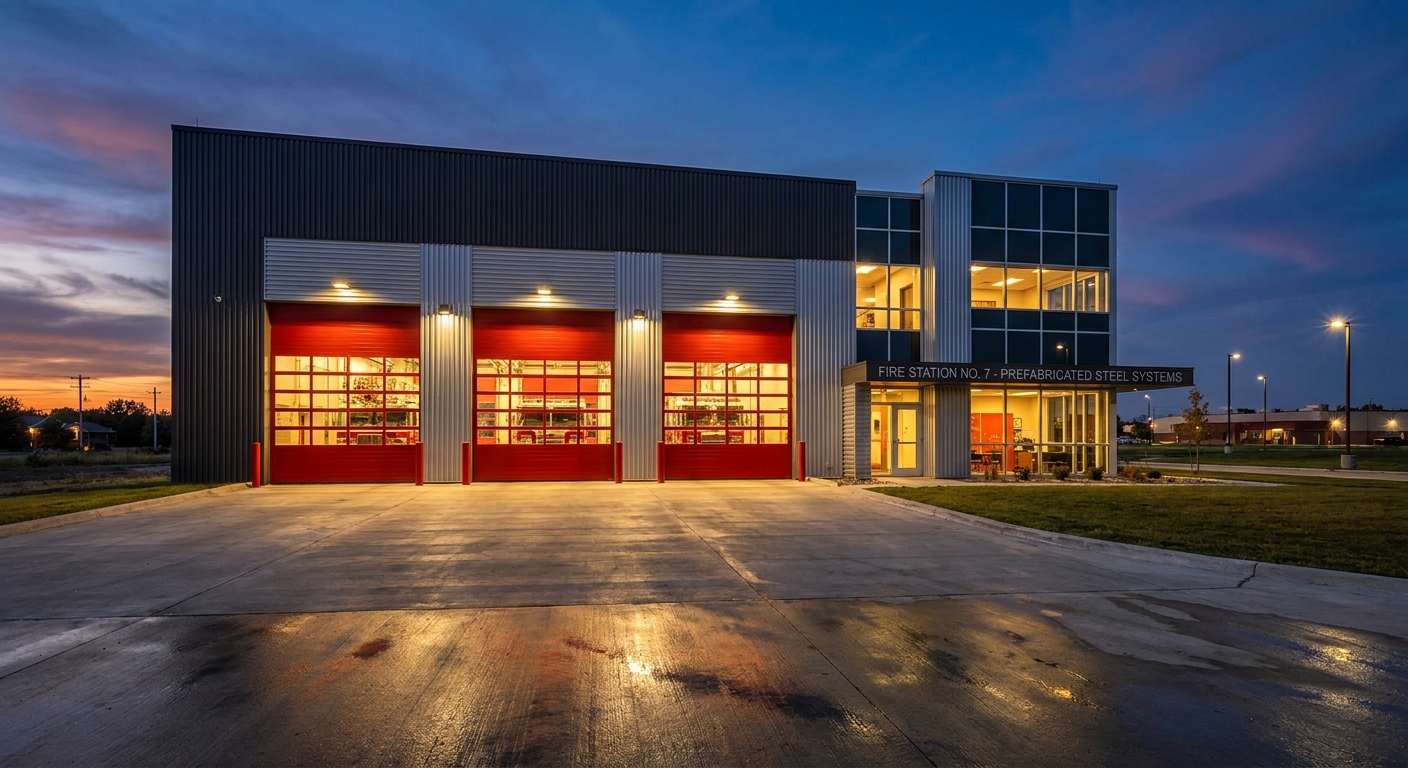
Top-tier steel manufacturers like Showhoo Building design and manufacture heavy-duty metal fire stations with advanced automated production lines. Direct-factory fabrication saves tax dollars by avoiding markup fees from middlemen brokers. This ensures you receive a highly customized, structurally sound building at competitive wholesale pricing.
Why are factory-direct design processes superior?
Think about it: getting your structural layout, engineering, and manufacturing under one roof prevents costly communication errors. Certified structural designers customize every H-beam and purlin to match your specific wind and snow loads.
Here is the kicker:
- Precision CNC robotic cutting and drilling.
- Complete Bill of Materials (BOM) for zero missing parts.
- Direct shipping coordination to international ports.
How does professional global logistics support your build?
Every prefabricated structural piece is clearly labeled and packed in heavy-duty shipping containers. This systematic approach ensures your on-site building crew can locate every structural bolt and panel instantly.
The best part is you will receive full technical installation drawings and real-time remote engineering assistance during site erection. Key Takeaway: Sourcing directly from a global pre-engineered manufacturer ensures premium material quality, direct pricing, and stress-free shipping.
| Procurement Metric | Factory-Direct Manufacture | Retail Construction Agent | |
|---|---|---|---|
| Material Cost Control | Wholesale Pricing | Inflated Retail Markup | |
| Component Precision | High (Robotic CNC Fabrication) | Low (On-Site Manual Adjustments) |
This operational breakdown shows how direct factory integration simplifies municipal procurement and construction.
How do you maintain metal fire stations easily?
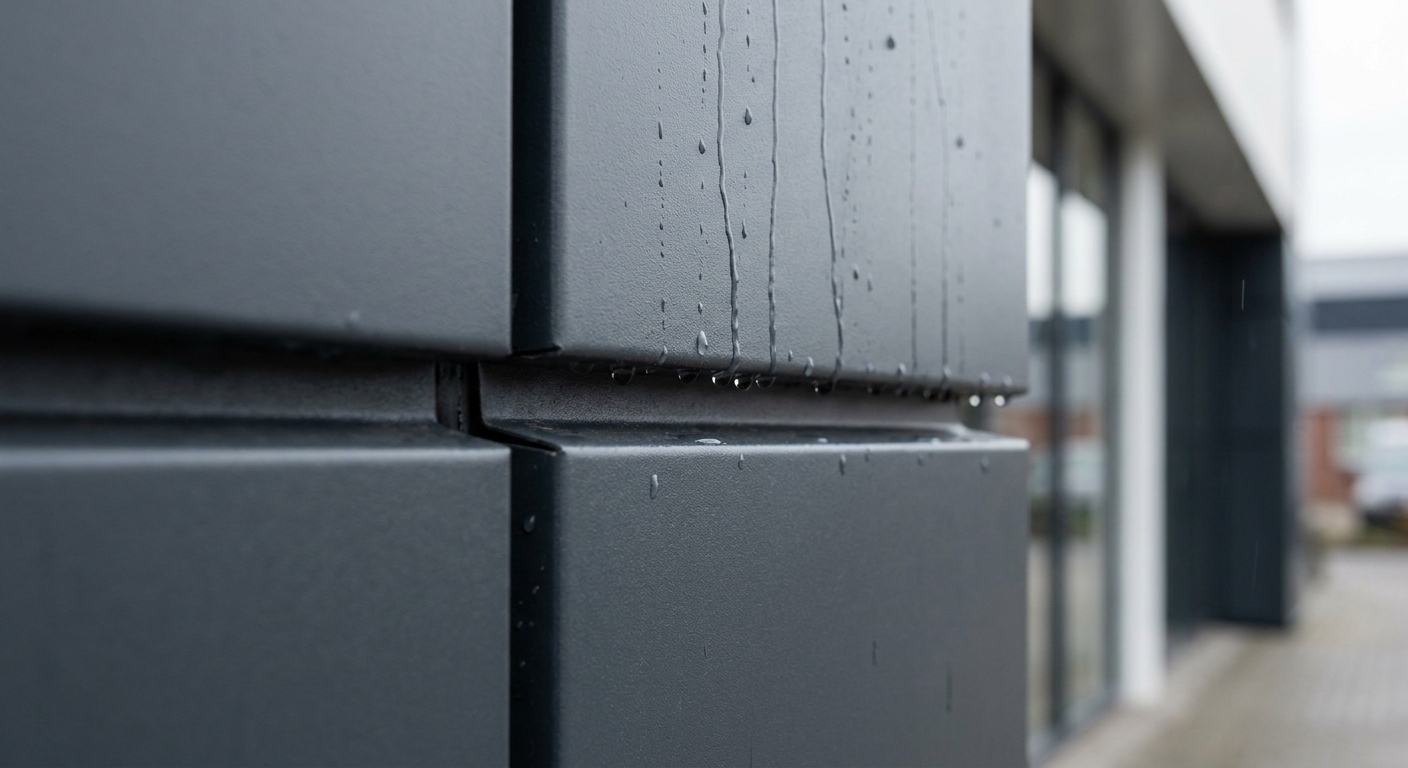
You can maintain metal fire stations easily by completing quick annual structural checks, washing exterior wall panels, and inspecting rubber joint gaskets. These simple steps keep your civic building in pristine condition without costly repairs. The extreme durability of structural steel means you will spend almost nothing on routine maintenance.
What is the simple annual maintenance checklist?
Think about it: a steel building does not require expensive annual chemical sealants or pest control treatments to prevent decay. You only need a small maintenance team to look over the primary joints once a year.
Here is the kicker:
- Visually inspect frame connection bolts and plates.
- Check neoprene rubber washers on cladding screws.
- Clear dry leaves and debris from roof downspouts.
How do you preserve the long-term paint finish?
Washing the external siding with mild liquid soap and water once a year removes dust and salt deposits safely. This easy step protects the protective PVDF paint coat and keeps your facility looking fresh and clean.
You will avoid the high cost of repainting the station exterior every few years. Key Takeaway: Performing basic low-effort checks preserves your building finish and eliminates major repair costs from your operating budget.
| Upkeep Task | Recommended Interval | Associated Expense | |
|---|---|---|---|
| Clean Exterior Cladding | Once Annually | Extremely Low | |
| Clean Gutters & Drainage | Twice Annually | None | |
| Structural Connection Check | Every Five Years | Minimal |
This preventative schedule highlights how pre-engineered steel helps municipalities keep recurring administrative costs low.
Summary
In summary, building modern emergency response facilities requires a structural choice that balances tight civic budgets, extreme storm protection, and rapid project delivery. Pre-engineered steel structures solve all these complex problems by delivering factory-direct, highly insulated frameworks designed to last for over fifty years. We specialize in engineering and shipping custom structural steel systems configured perfectly for municipal departments globally.
The best part? Our dedicated design team handles everything from exact engineering plans to seamless door and facade customization. We look forward to helping you build a highly durable, energy-efficient safety hub for your community, so contact us today for a free design consultation and comprehensive project quote.
Build stronger metal fire stations—request your free quote today!
Email:sales@showhoo.com.cn
Phone/WhatsApp: + 86 186 7895 5927
Frequently Asked Questions
Can I expand my steel station design in the future?
Absolutely, yes. Pre-engineered steel frames are designed with modular endwalls, making it incredibly simple to add extra vehicle bays or crew living quarters later as your department grows.
What’s the best way to insulate rapid-response vehicle bays?
Absolutely, using high-performance insulated metal sandwich panels is the best strategy. These advanced systems feature high-density mineral wool or polyurethane cores that deliver superior thermal resistance and airtight seals.
How do I know if pre-engineered steel meets my local wind load codes?
Yes, easily. Professional steel manufacturers perform comprehensive seismic, snow, and localized wind load structural calculations to guarantee your facility meets all national and regional building safety regulations.