
Building a warehouse typically costs between 35 and 100 per square foot depending on the facility’s complexity and local labor rates. Navigating the financial requirements of industrial construction is often daunting, as unexpected site costs can quickly drain your capital reserves. You need a clear breakdown of how much does it cost to build a warehouse to ensure your investment yields the highest possible ROI for your logistics operations.
What is the average cost per square foot for a warehouse?
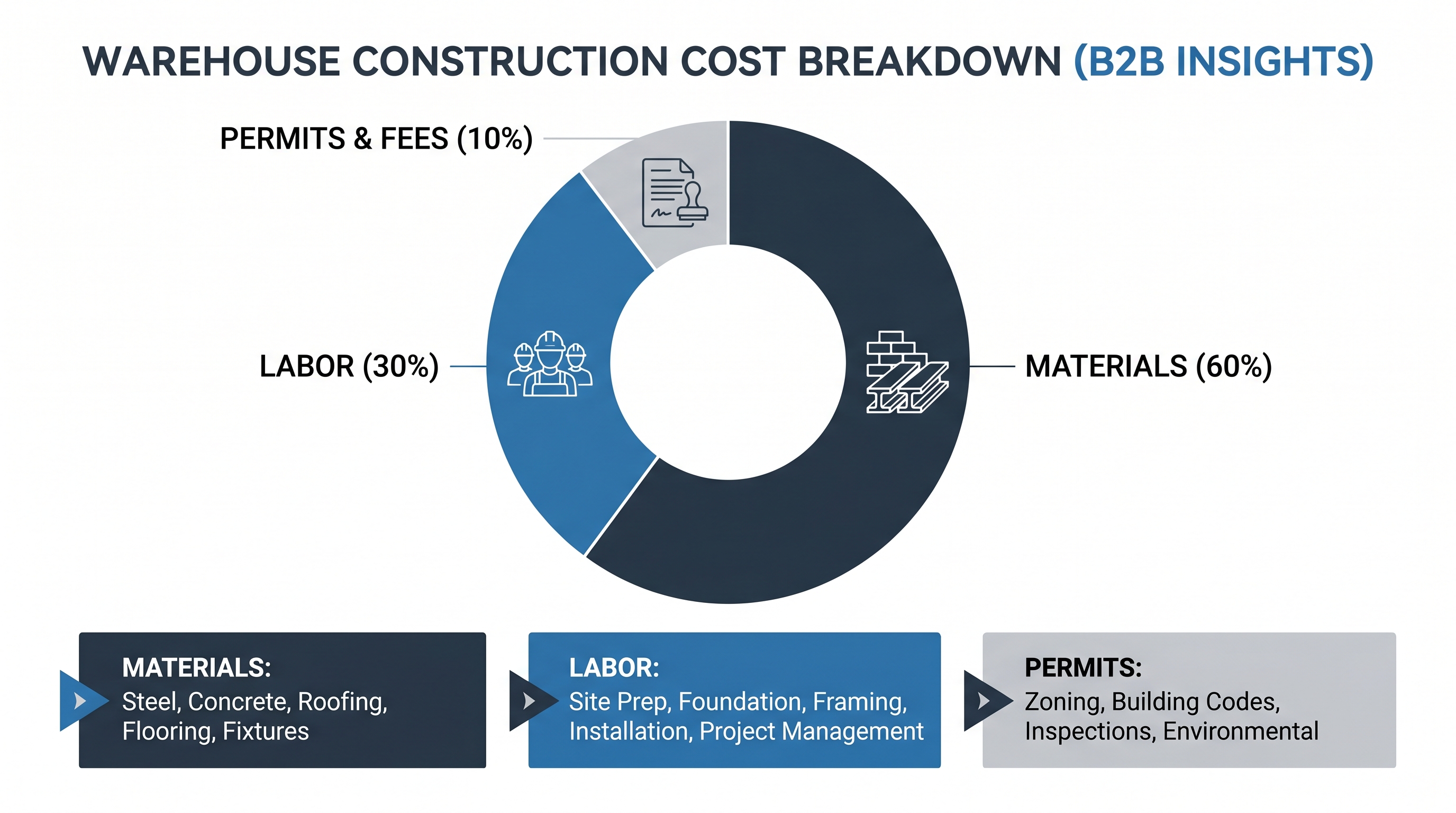
The average cost for a standard dry storage warehouse ranges from 35 to 50 per square foot for the basic shell. Determining exactly how much does it cost to build a warehouse requires looking at whether you need a basic shell or a turnkey facility. Turnkey solutions, which include full HVAC, electrical, and office spaces, often push the price toward the 85 to 100 per square foot mark.
How do shell vs. turnkey costs differ?
Shell costs only cover the primary structure and envelope, while turnkey costs include all interior finishes and systems. Most investors prefer to start with a shell and add systems as business needs evolve.
The bottom line:
- Shell buildings focus on structural integrity and weatherproofing.
- Turnkey facilities are move-in ready with complete utilities.
Are there price benchmarks for 2026?
Current market trends suggest a slight upward trajectory in material costs due to global demand for high-strength steel. Here is why:
- Labor shortages in specialized welding are driving up site assembly costs.
- Energy prices impact the fabrication of heavy-duty concrete slabs.
| Cost Category | Average Price (Sq. Ft.) | Percentage of Budget | |
|---|---|---|---|
| Basic Shell | 35−50 | 60% | |
| Interior Systems | 20−35 | 25% | |
| Site Work/Land | Variable | 15% |
Standard warehouses offer the best balance between initial capital expenditure and long-term storage efficiency.
Key Takeaway: Most industrial developers should budget at least $45 per square foot for a high-quality steel shell that meets international safety standards.
How do material selections influence the total price?
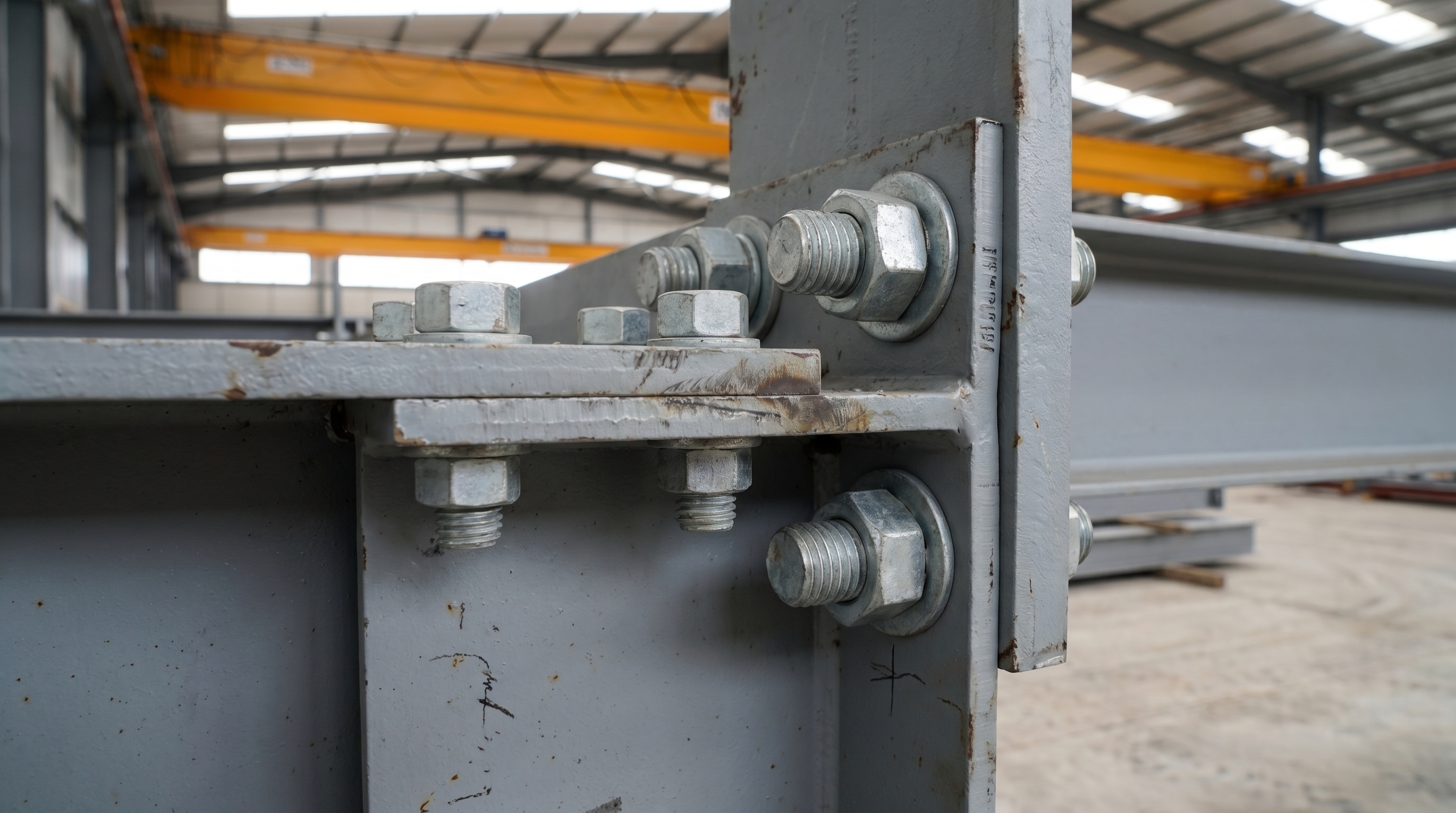
Material choices represent approximately 60% of your total budget and directly impact the lifespan of your facility. When calculating how much does it cost to build a warehouse, the choice between timber, masonry, and steel is the most significant financial decision you will make. Utilizing high-grade Q355 steel provides superior strength-to-weight ratios compared to traditional wood or standard carbon steel.
Why choose Q355 steel for your project?
High-tensile Q355 steel is the industry standard for durability because it supports wider clear spans without requiring internal pillars. This allows for maximum forklift maneuverability and storage density inside the warehouse.
Consider the benefits:
- Excellent weldability for complex structural designs.
- Resistance to low-temperature brittle fracture in cold climates.
- Lower weight reduces foundation stress and shipping costs.
What is the impact of insulation and cladding?
Cladding protects your structural steel from corrosion while maintaining internal temperature control for sensitive inventory. High-performance sandwich panels can significantly reduce your monthly utility bills over a 20-year period.
| Material Type | Cost Index | Longevity (Years) | |
|---|---|---|---|
| Q355 Structural Steel | High Efficiency | 50+ | |
| Standard Concrete | Medium | 40+ | |
| Masonry Walls | High Labor | 35+ |
Investing in premium materials during the initial build phase prevents expensive structural repairs and maintenance costs down the line.
Key Takeaway: Choosing Q355 steel and quality cladding ensures your warehouse remains a high-value asset with minimal upkeep requirements.
Why does project size dictate the cost per square foot?
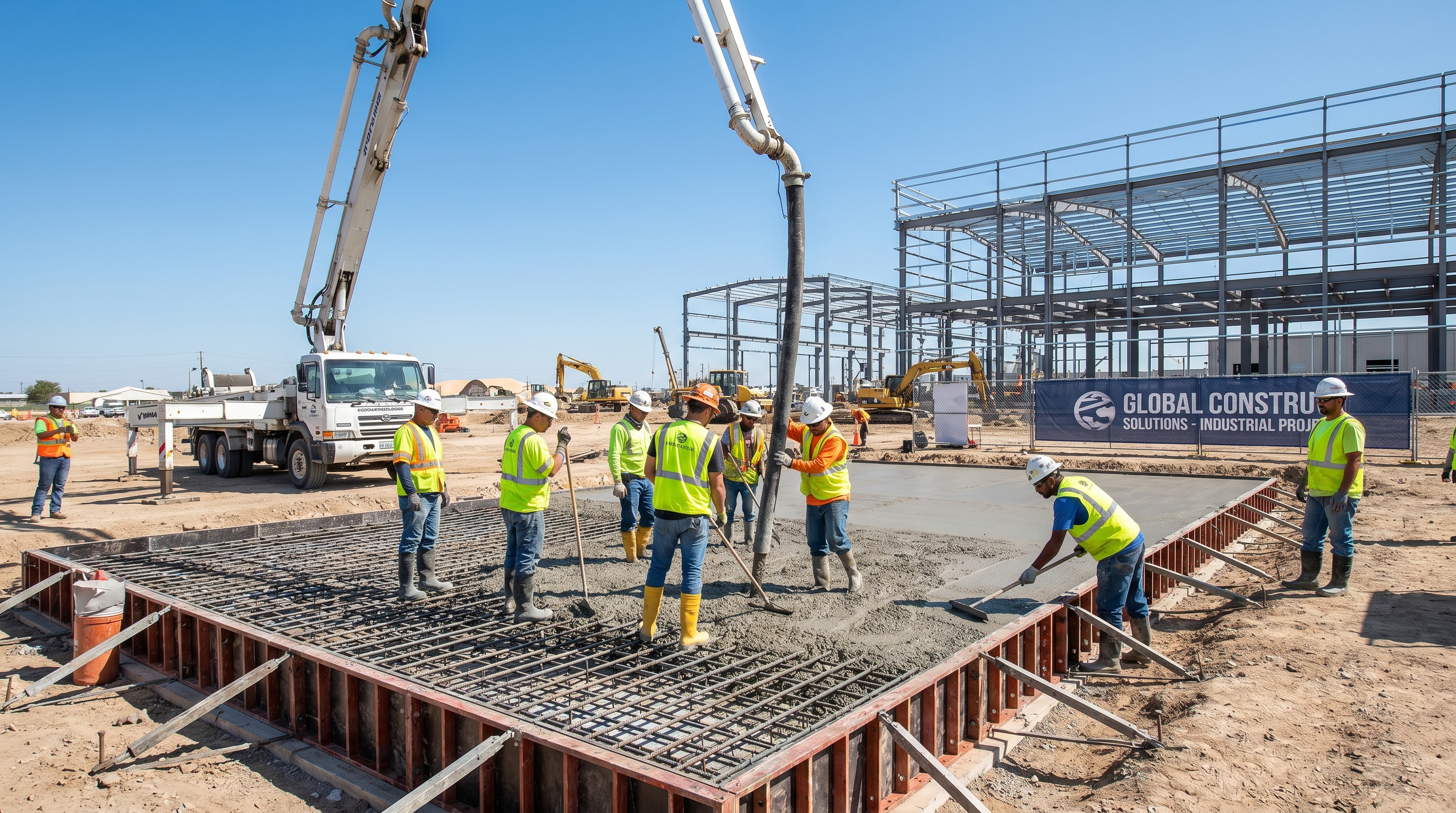
Larger projects benefit from economies of scale that significantly lower the unit price of materials and engineering. To accurately estimate how much does it cost to build a warehouse , you must understand that a 100,000-square-foot building often costs 20% less per foot than a 10,000-square-foot building. This is due to the fixed costs of design, permitting, and site mobilization being spread across a larger area.
Can small warehouses be more expensive?
Small warehouses often carry a higher price per foot because mobilization costs and engineering time are not diluted by high volume. You may find that a 5,000-square-foot facility requires similar administrative overhead to one twice its size.
Think about it:
- Shipping costs for steel are more efficient with full truckloads.
- Crane rental fees are often daily minimums regardless of building size.
How do 100,000 sq. ft. facilities save money?
Mass production of structural components like purlins and beams allows factories to offer deeper discounts on bulk orders. Automation in fabrication facilities thrives on the repetitive nature of large-scale industrial projects.
| Building Size (Sq. Ft.) | Est. Cost Per Foot | Total Estimated Cost | |
|---|---|---|---|
| 10,000 | 55−75 | 550k−750k | |
| 50,000 | 40−60 | 2M−3M | |
| 100,000+ | 30−45 | $3M+ |
Scaling your project size is often the most effective way to optimize your budget for long-term growth.
Key Takeaway: Aim for the largest footprint your site allows to maximize the cost-efficiency of your steel procurement and construction labor.
How do regional location factors impact your budget?
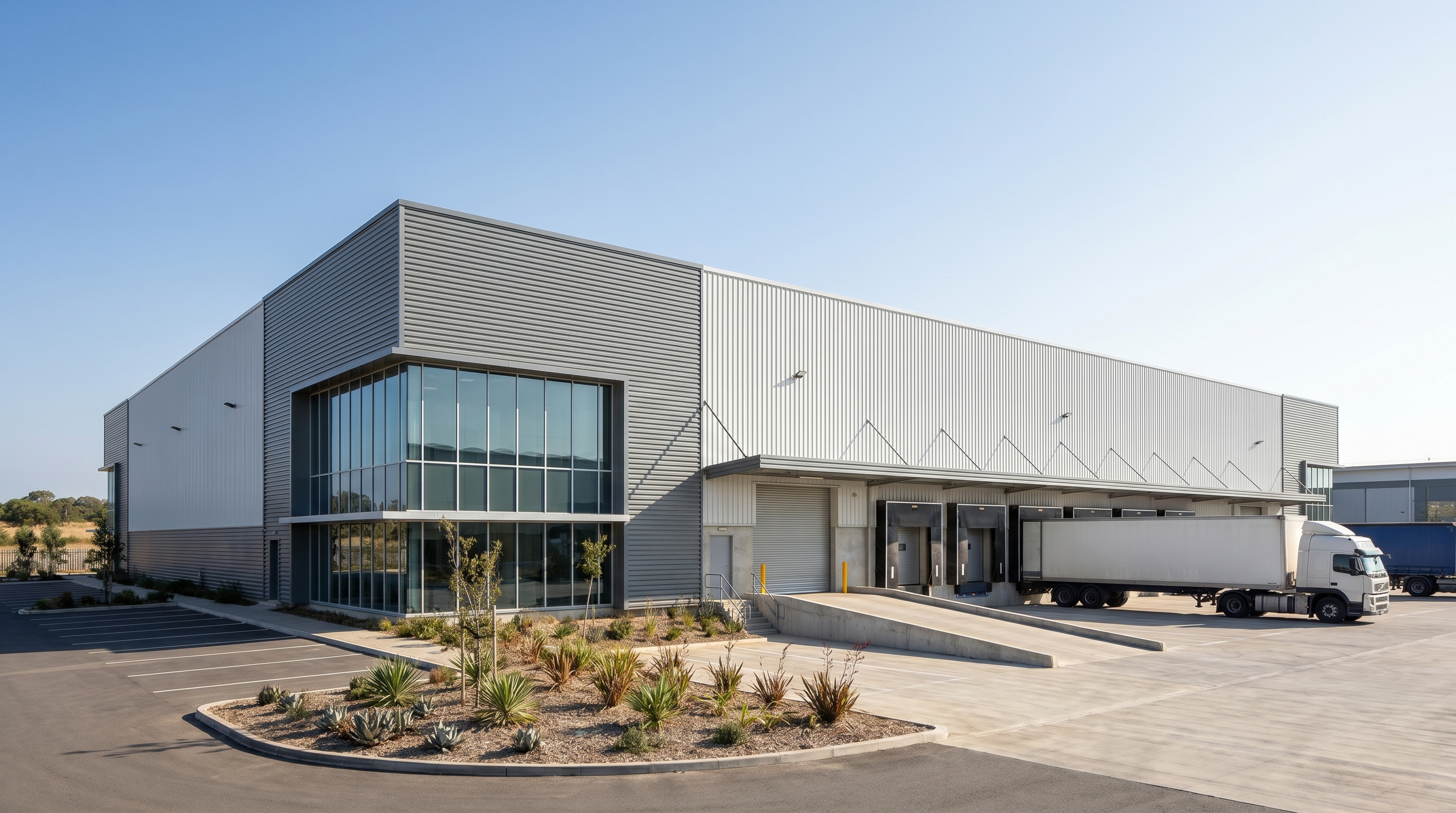
Regional variations in labor costs, land prices, and local building codes can cause project estimates to fluctuate by over 30%. Understanding how much does it cost to build a warehouse in your specific area involves analyzing local environmental loads like snow, wind, and seismic activity. Facilities in coastal regions or earthquake zones require additional reinforcement that increases the structural steel tonnage needed.
Do urban vs. rural locations differ in price?
Urban construction sites typically face higher permit fees, stricter delivery windows, and increased labor rates for unionized workers. Conversely, rural projects might incur higher transportation costs for bringing materials and heavy machinery to the site.
The reality is:
- Urban sites require complex logistics for steel delivery.
- Rural projects often need expensive utility extensions (power/water).
- Local zoning laws dictate expensive facade requirements in cities.
How do seismic and wind loads affect design?
Engineering for high-wind zones or seismic areas necessitates thicker steel columns and specialized bracing systems. These safety features are non-negotiable and must meet the specific codes of your local municipality.
| Factor | Cost Impact | Design Response | |
|---|---|---|---|
| High Snow Load | +10% to +15% | Heavier roof purlins | |
| Seismic Zone 4 | +15% to +20% | Specialized moment frames | |
| High Wind (Hurricane) | +5% to +10% | Enhanced cladding fasteners |
Location dictates your engineering requirements, making site-specific load analysis the first step in any accurate budgeting process.
Key Takeaway: Consult with local engineers early to determine if your specific location requires costly environmental reinforcements that impact your steel requirements.
Quick Contact:
- Email: sales@showhoo.com.cn
- Phone/WhatsApp: +86 186 7895 5927
What specialized features increase building expenses?
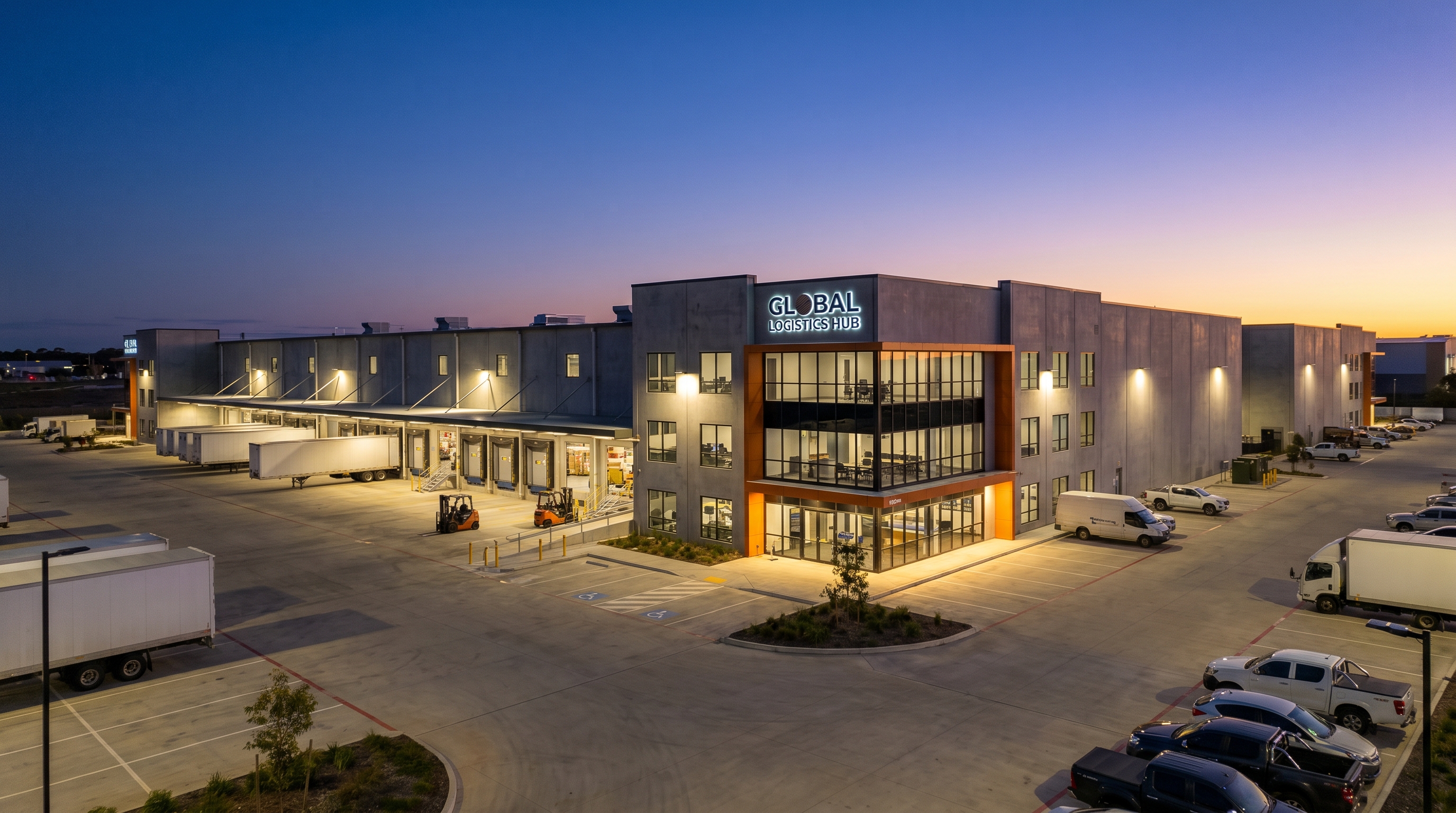
Specialized features like cold storage, high-clearance ceilings, and automated sorting systems can double your initial construction investment. When researching how much does it cost to build a warehouse , you must account for specialized insulation and flooring requirements for heavy automation. A standard dry warehouse is relatively inexpensive, but refrigerated facilities require thick PIR (polyisocyanurate) panels and thermal breaks.
What is the cost of cold storage?
Cold storage facilities are significantly more expensive because they require continuous thermal envelopes and specialized refrigeration plant rooms. These buildings must maintain strict temperatures, requiring high-grade vapor barriers and thick floor insulation to prevent permafrost.
Make no mistake:
- PIR sandwich panels are essential for thermal efficiency.
- Floor heating systems prevent slab cracking in freezers.
How much does automation integration cost?
Integrating Robotics and Automated Storage and Retrieval Systems (ASRS) requires ultra-flat floors and specific power distribution networks. The tolerance for floor leveling in an automated warehouse is measured in millimeters to ensure robots function correctly.
| Feature | Additional Cost | Key Benefit | |
|---|---|---|---|
| Cold Storage | +150/sq.ft. | Perishable goods storage | |
| 40ft+ Clear Height | +10% to +15% | High-density vertical racking | |
| ASRS/Automation | Variable | Reduced long-term labor costs |
Customized features transform a simple shell into a high-performance logistics asset, though they require a significantly larger upfront capital commitment.
Key Takeaway: Evaluate your long-term operational needs before construction, as retrofitting specialized features like refrigeration is far more expensive than building them initially.
How does the foundation affect the total project cost?
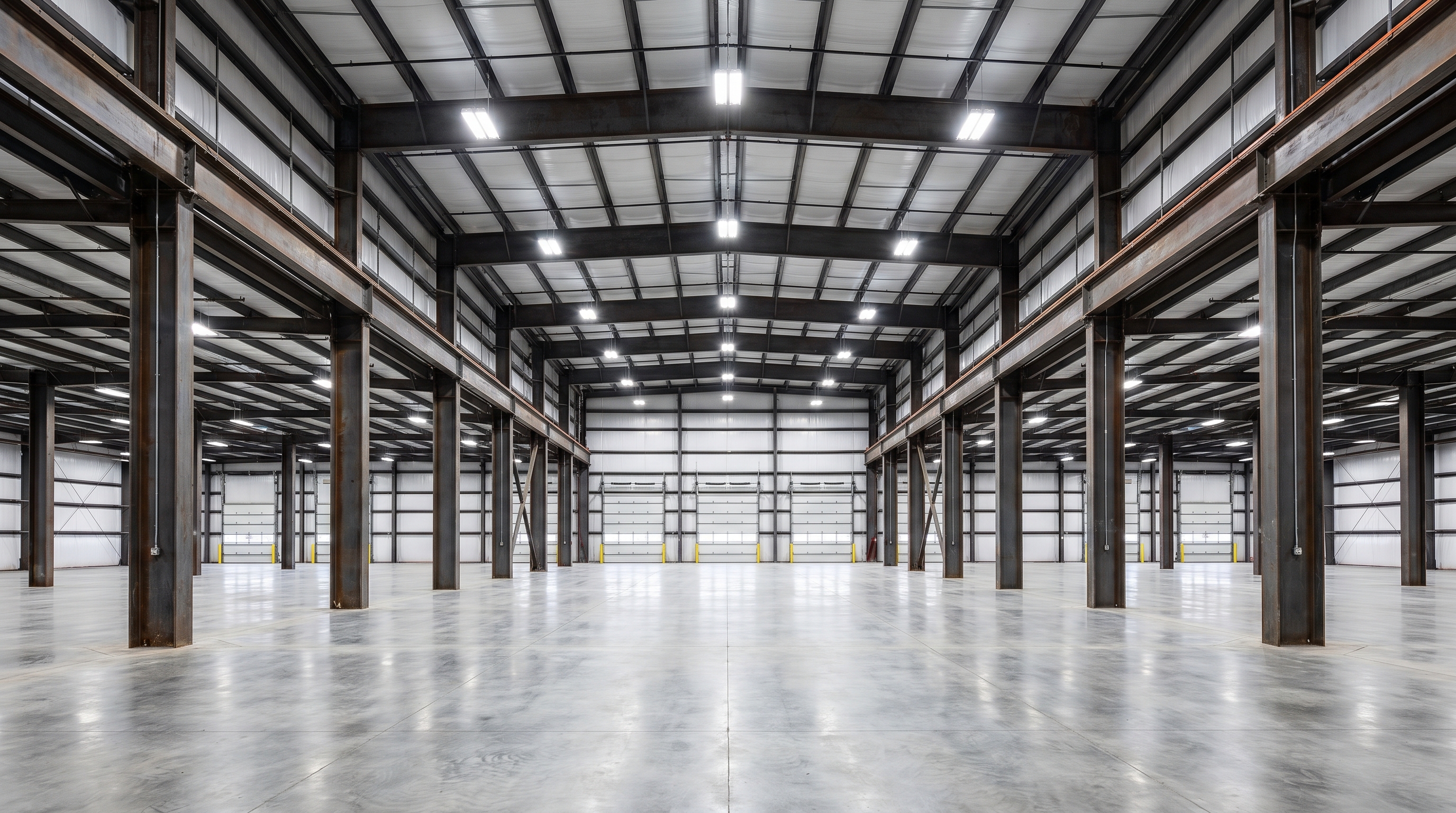
A robust concrete foundation typically accounts for 10% to 15% of the total building cost and serves as the structural anchor. When you ask how much does it cost to build a warehouse, you must consider the thickness of the slab, which is dictated by the weight of your racking and machinery. Standard slabs are 6 inches thick, but heavy-duty distribution centers often require 10 to 12 inches of reinforced concrete.
Is a reinforced foundation worth the investment?
Reinforced slabs prevent long-term cracking and shifting under the immense weight of modern high-density racking systems. High-strength rebar and vapor barriers are essential components that protect both the building and your inventory from moisture damage.
Here is why:
- Thicker slabs support heavy-duty forklift traffic.
- Steel fibers or mesh reinforcement increase tensile strength.
- Leveling systems ensure the accuracy needed for tall racking.
How does soil preparation impact pricing?
If your building site has soft or unstable soil, you may need expensive piling or soil stabilization techniques before the slab can be poured. Geotechnical surveys are the only way to avoid catastrophic foundation failure and unplanned costs.
| Soil Type | Preparation Needed | Cost Level | |
|---|---|---|---|
| Solid Gravel/Rock | Standard Grading | Low | |
| Clay/Silt | Soil Stabilization | Medium | |
| Swamp/Loose Sand | Piling/Deep Foundations | High |
Foundation integrity is the most critical factor in the longevity of your industrial structure, making it a poor place to attempt budget cuts.
Key Takeaway: Always prioritize a high-strength, reinforced concrete slab with a vapor barrier to ensure your warehouse can handle modern industrial loads.
What soft costs should you include in your budget?
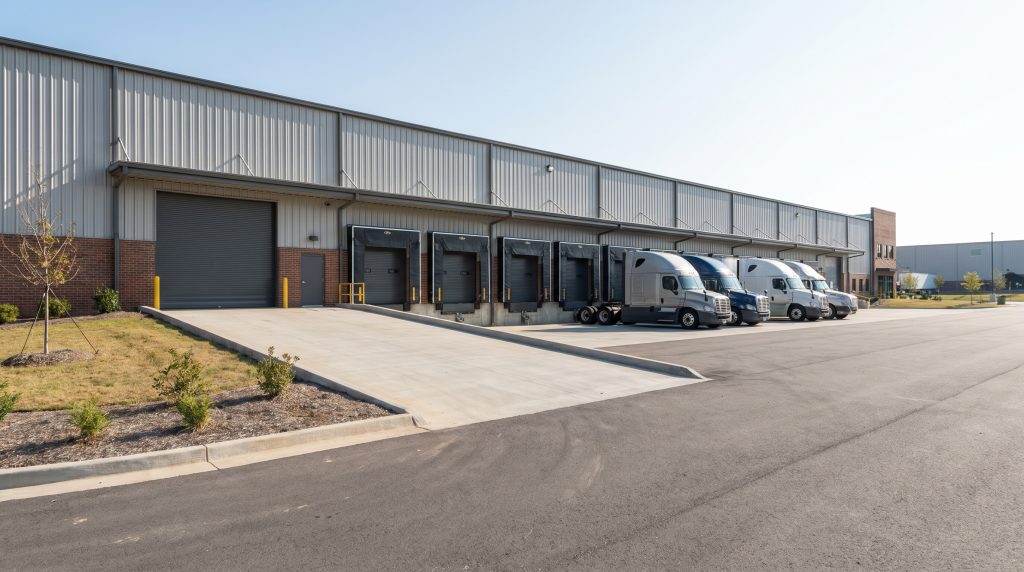
Soft costs like engineering, architectural design, and permitting usually add another 10% to 20% to your total project budget. To fully grasp how much does it cost to build a warehouse , you must account for BIM (Building Information Modeling) services and environmental impact assessments. These professional services ensure your facility is code-compliant and optimized for efficient material flow during daily operations.
Why is BIM modeling vital for accuracy?
BIM modeling allows engineers to detect structural clashes and optimize steel usage before a single beam is fabricated in the factory. This digital twin approach reduces on-site errors and prevents the need for expensive field modifications during the erection phase.
Consider these factors:
- Detailed load analysis ensures safety in extreme weather.
- 3D models facilitate the integration of fire sprinklers and HVAC.
How do permitting and fees vary?
Government fees for zoning changes, environmental impact studies, and utility connection rights can vary widely between different jurisdictions. Some regions offer tax incentives for industrial development, which can offset these initial administrative expenses.
| Soft Cost Category | Typical Percentage | Common Deliverable | |
|---|---|---|---|
| Structural Engineering | 3% – 5% | Stamped blueprints | |
| BIM/3D Design | 1% – 2% | Precision fabrication files | |
| Permits & Impact Fees | 5% – 10% | Legal build authorization |
Soft costs represent the intellectual capital required to ensure your physical structure is safe, legal, and efficient.
Key Takeaway: Allocate at least 15% of your budget for professional engineering and permitting to avoid legal delays and structural errors.
Quick Contact:
- Email: sales@showhoo.com.cn
Phone/WhatsApp: +86 186 7895 5927
Can pre-engineered steel buildings reduce your costs?
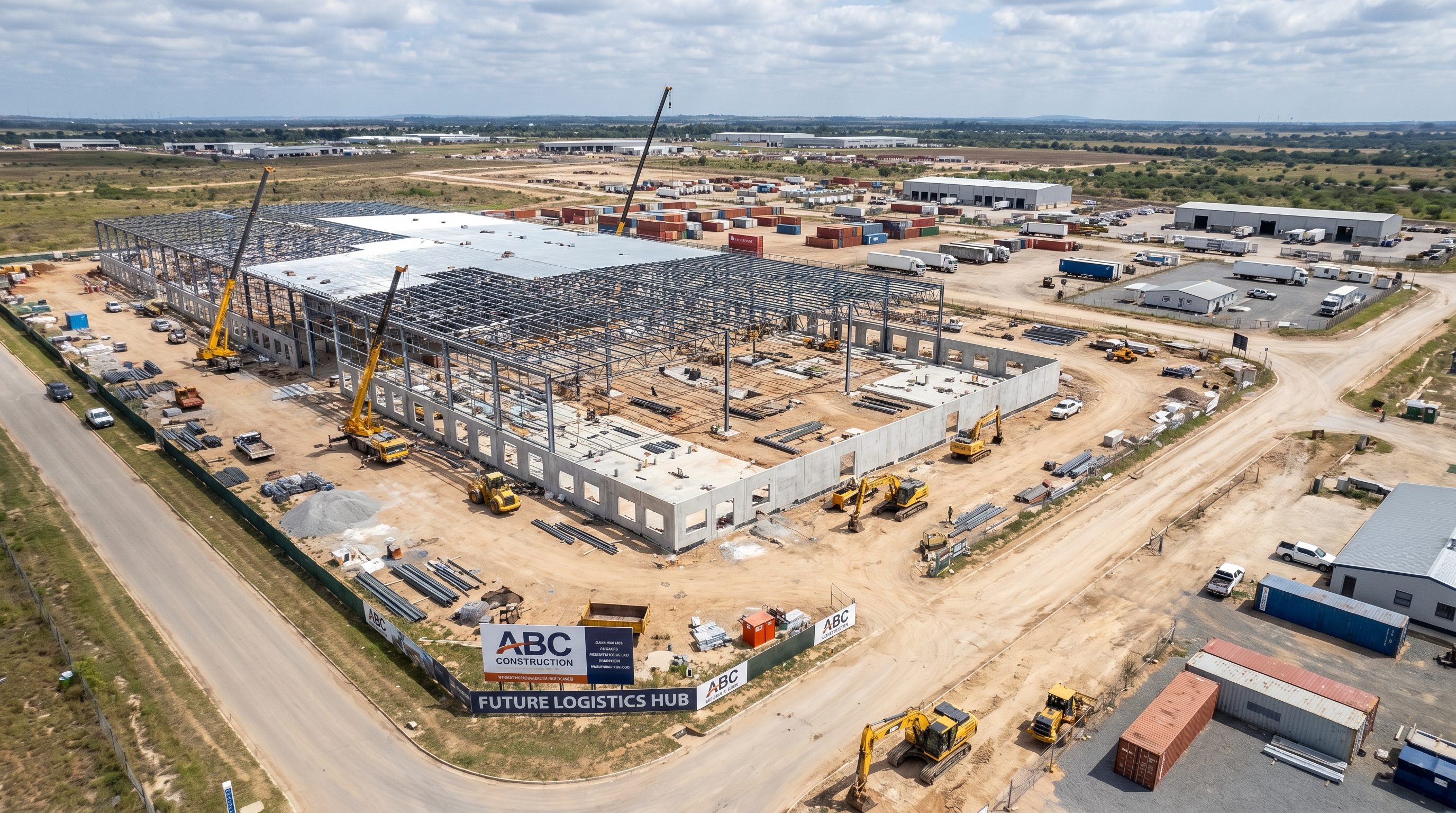
Pre-engineered metal buildings (PEMB) can reduce total construction costs by up to 30% compared to traditional building methods. When calculating how much does it cost to build a warehouse, the speed of erection with a PEMB system significantly lowers your labor expenses. These structures are fabricated in a controlled factory environment and shipped to your site as a complete kit, ready for rapid assembly.
How does factory-direct supply help?
Purchasing directly from a manufacturer with high annual capacity eliminates middleman markups and ensures better quality control throughout the fabrication process. Integrated manufacturing facilities often provide 30,000+ tons of annual capacity, allowing them to handle large-scale projects without outsourcing.
The bottom line:
- Precision welding and cutting reduce material waste.
- Numbered components simplify the assembly process.
- Direct shipping lowers logistics overhead.
Why is erection time a financial factor?
Every month spent in construction is a month without operational revenue or rental income. Pre-engineered systems can often be dried-in weeks faster than masonry or tilt-up concrete alternatives.
| Build Method | Construction Speed | Labor Requirement | |
|---|---|---|---|
| Pre-Engineered Steel | Very Fast | Low | |
| Tilt-Up Concrete | Moderate | Medium | |
| Traditional Masonry | Slow | High |
Speed and efficiency make pre-engineered steel the preferred choice for modern logistics developers looking for rapid market entry.
Key Takeaway: Utilize pre-engineered steel systems to slash both your construction timeline and labor budget while maintaining high structural standards.
How does global project experience ensure cost accuracy?
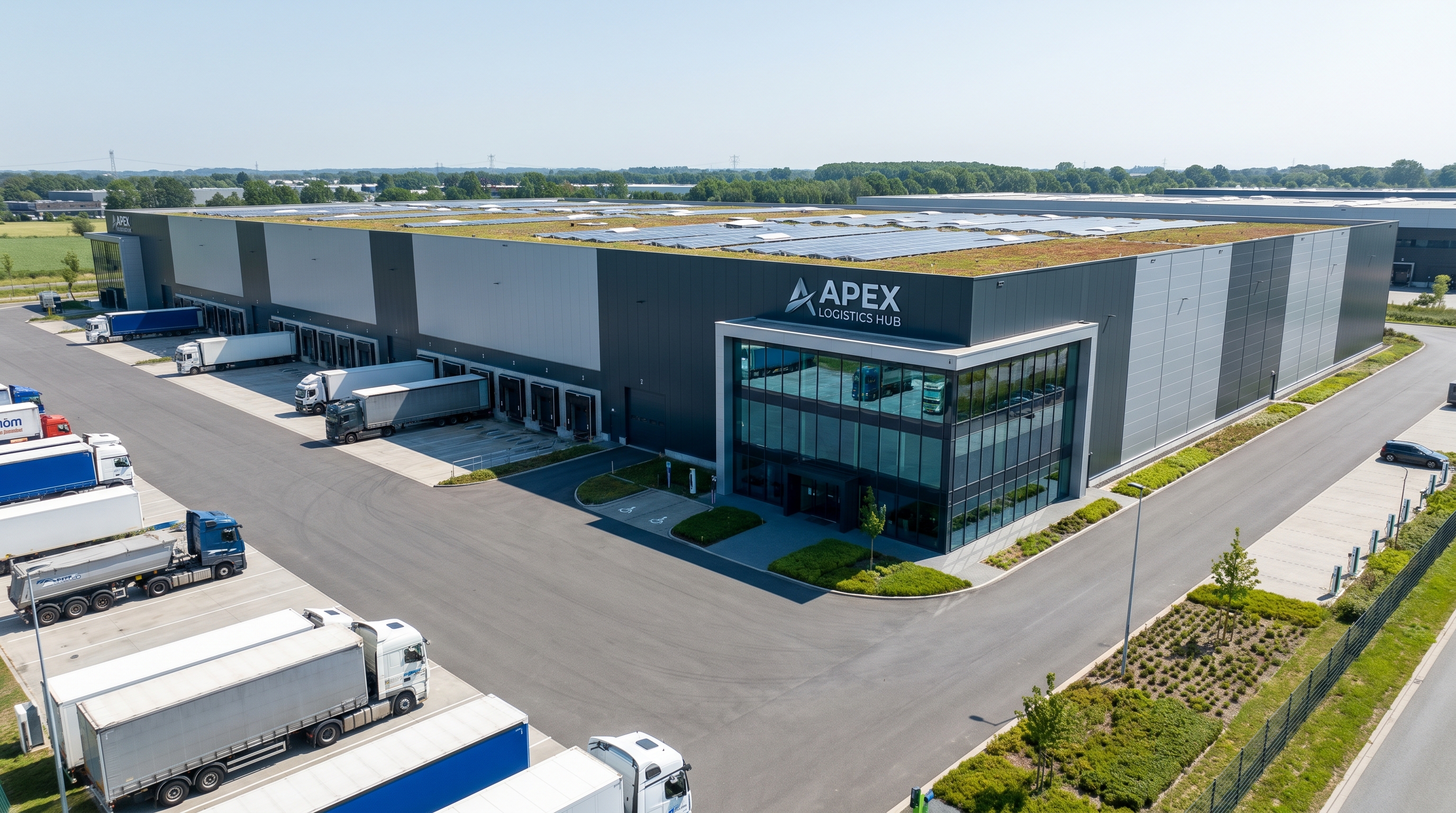
Manufacturers with a track record of 1,000+ export projects provide the most reliable cost estimates and logistical support. When you evaluate how much does it cost to build a warehouse , experience in diverse climates like the 4,320㎡ Bolivia warehouse project proves a builder’s ability to adapt. A partner with global reach understands the nuances of international shipping and local code compliance across over 50 countries.
What can we learn from the Bolivia case?
The Bolivia project demonstrated how a large-scale clear-span storage facility can be delivered and erected efficiently in challenging geographic conditions. This experience ensures that potential hurdles like customs delays or local seismic requirements are anticipated and budgeted for in advance.
Think about it:
- Cross-border logistics require precise documentation.
- Global teams offer proven solutions for varying wind loads.
- Success in 50+ countries implies a high level of trust.
Why is an in-house engineering team essential?
In-house engineers can provide rapid design iterations based on your specific budget and local environment, ensuring you don’t overpay for unnecessary tonnage. They bridge the gap between architectural vision and manufacturing reality.
| Metric of Experience | Industry Benchmark | Significance | |
|---|---|---|---|
| Completed Projects | 1,000+ | Proven reliability | |
| Export Countries | 50+ | Global adaptability | |
| Annual Capacity | 30,000+ Tons | Scalability for large hubs |
Partnering with an experienced global manufacturer reduces the risk of expensive project delays and technical errors.
Key Takeaway: Choose a manufacturer with documented international success to ensure your project benefits from proven logistical and engineering expertise.
How do you verify builder authority and reliability?
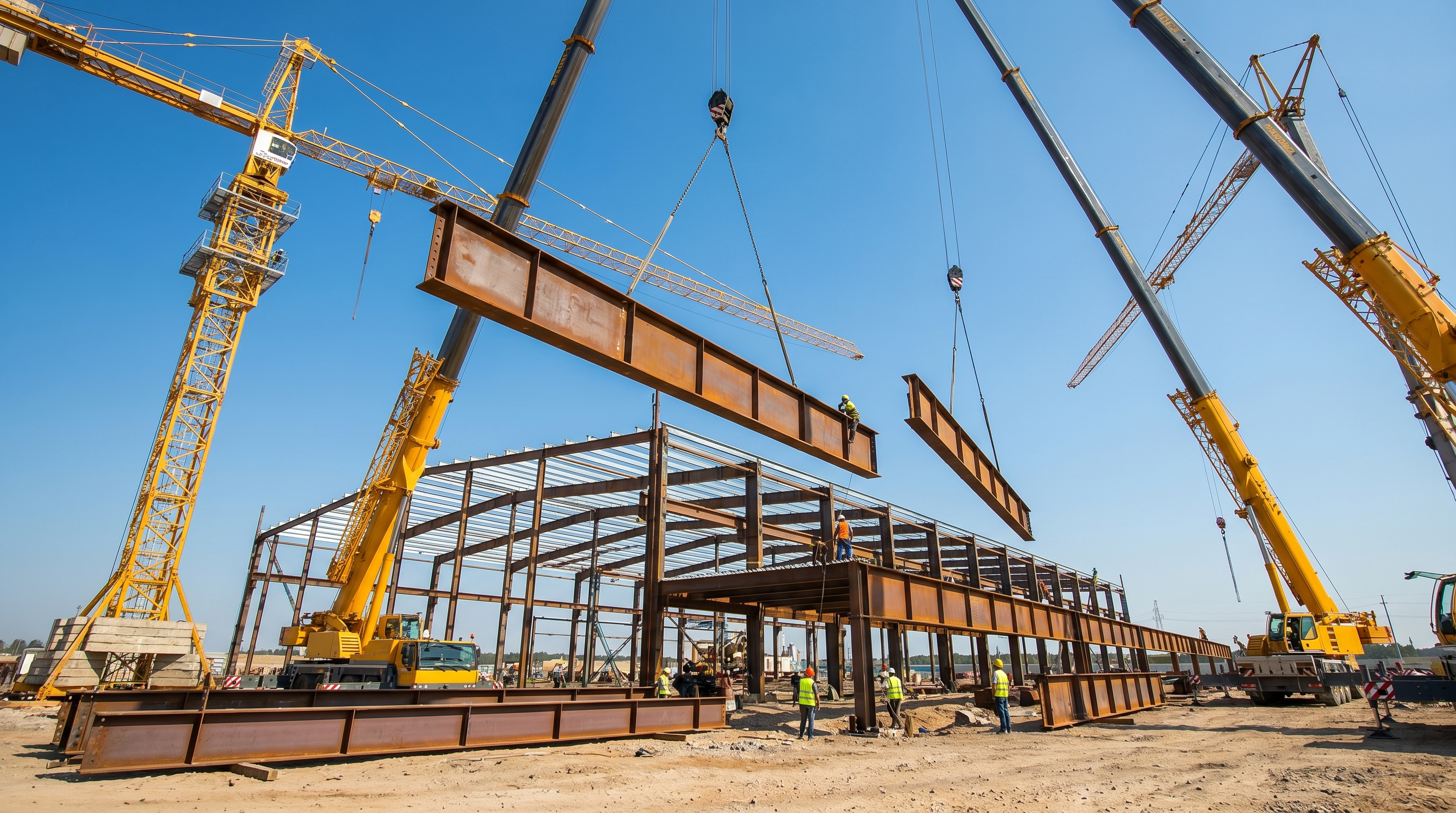
Verification of ISO9001 and EN1090 certifications is the most effective way to ensure your warehouse meets international quality and safety standards. Asking how much does it cost to build a warehouse should always be followed by asking for proof of a rigorous Quality Control (QC) process. Trustworthy manufacturers provide full material traceability, welding certifications, and coating thickness verification for every component they produce.
Why are ISO and EN certifications critical?
ISO9001 ensures a consistent quality management system, while EN1090 is mandatory for steel structures in the EU and serves as a global benchmark for safety. These certifications prove that the factory adheres to strict protocols for material procurement, fabrication, and final inspection.
Here is why:
- EN1090 CE marking guarantees structural integrity.
- ISO14001 proves commitment to environmental standards.
- Third-party inspections (SGS/BV) add an extra layer of trust.
What does a full QC process include?
A complete quality control cycle starts with raw material inspection and follows the steel through automated cutting, robotic welding, and professional painting. This process ensures that every beam arriving at your site is ready for safe and immediate installation.
| Certification | Focus Area | Impact on Your Project | |
|---|---|---|---|
| ISO 9001 | Management Quality | Reliable delivery and service | |
| EN 1090 | Structural Safety | Guaranteed load-bearing capacity | |
| CE Marking | European Standard | Compliance with global safety laws |
Verifying these credentials protects your investment from substandard materials and potentially catastrophic structural failures.
Key Takeaway: Only work with manufacturers who hold valid ISO and EN certifications and provide transparent inspection reports for all structural steel.
Conclusion: Designing Your Logistics Future
Calculating the total investment for a warehouse project requires a blend of structural expertise and financial foresight. From selecting high-grade Q355 steel to ensuring your builder holds EN1090 and ISO9001 certifications, every decision impacts your long-term operational costs and ROI. At Showhoo Building, we leverage our experience with 1,000+ global projects to deliver cost-effective, high-performance steel structures tailored to your specific needs.
Our vision is to provide integrated, installation-ready systems that eliminate on-site errors and minimize construction timelines. Whether you are building a 10,000㎡ distribution hub or a specialized cold storage facility, we offer factory-direct pricing and in-house engineering support. Contact us today to receive a custom quote and begin planning your next successful industrial development.
Quick Contact:
- Email: sales@showhoo.com.cn
- Phone/WhatsApp: +86 186 7895 5927
Frequently Asked Questions
Can I build a warehouse on a budget?Yes, utilizing a pre-engineered metal building (PEMB) shell is the most cost-effective way to develop industrial space quickly. You can save on labor by using a factory-direct manufacturer that provides ready-to-assemble kits.
What is the best material for a low-maintenance warehouse?Steel is the superior choice for low maintenance, especially when treated with high-quality protective coatings or galvanization. Unlike wood or masonry, steel does not rot or crack and is resistant to pests and fire.
How long does it take to build a 20,000 sq. ft. warehouse?A pre-engineered steel warehouse of this size can typically be fabricated and erected in 4 to 6 months. This timeline includes foundation work, steel production, shipping, and on-site assembly.
Do I need a special foundation for heavy machinery?Yes, warehouses intended for heavy machinery or tall racking require a reinforced concrete slab, often 8 to 12 inches thick. Consult with a structural engineer to ensure the slab can handle the specific point loads of your equipment.
Can I expand my steel warehouse later?Absolutely, one of the greatest advantages of steel structures is their modularity. You can easily add additional bays or sections to an existing steel building to accommodate business growth.