
Typical costs to rent a hangar for a private jet range between 1,500 and 10,000 monthly, depending heavily on your geographic location and the physical dimensions of your aircraft.
Imagine taxying your multi-million dollar business jet onto a completely open tarmac and leaving it exposed to the harsh elements overnight. Without a secure, enclosed structure, your asset faces severe risk from sudden hailstorms, high-velocity winds, and intense UV exposure. This lack of reliable protection quickly translates into compounding maintenance costs and accelerated paint degradation that slashes your aircraft’s resale value. Fortunately, modern, heavy-duty steel hangars offer the ultimate shelter to safeguard your aviation investment against wear and unexpected damage. When looking to optimize your overhead, evaluating regional hangar prices is the first critical step toward securing a highly durable and cost-effective home for your private jet.
What Are the Average Hangar Prices Across the US?
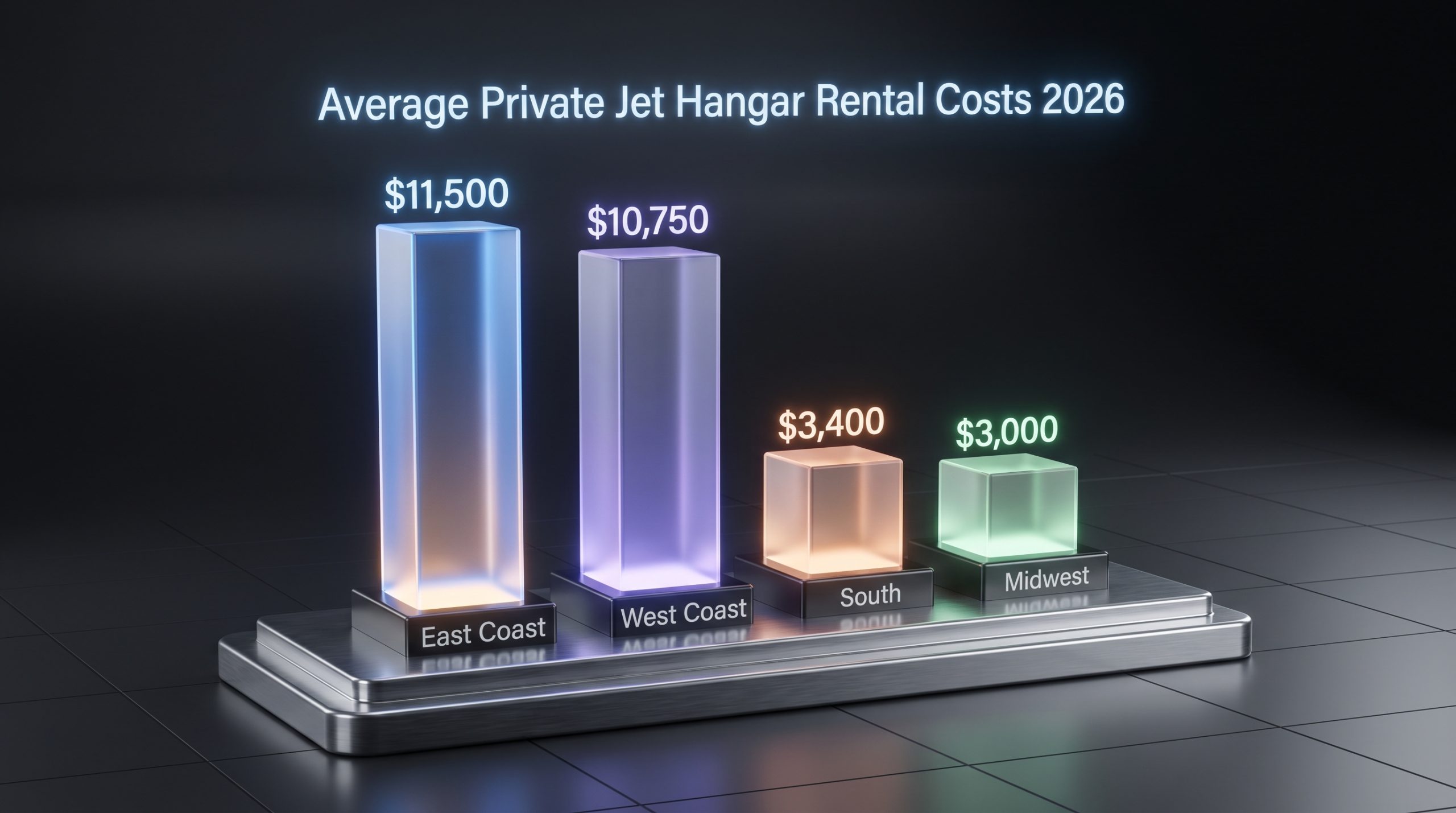
The average hangar prices across the United States typically range from 1,500 toover 11,500 per month depending on the region you operate out of. High-density coastal airports command premium monthly rates due to restricted land availability and heavy demand. In contrast, regional hubs in the South and Midwest provide expansive facilities at far more competitive price points.
Why Do Coastal Regions Demand Premium Rates?
Coastal metropolitan airports experience intense traffic and extremely restricted acreage for new structural expansion. Because of this congestion, local FBOs and private landlords charge top-of-market lease rates for their available hangar space.
Think about it:
- Prime geographic locations put you closer to global business centers.
- Extreme land scarcity prevents the development of new facilities.
- High concentrations of corporate flight departments inflate regional demand.
Can You Find Budget Options in the Midwest?
Yes, the Midwest features spacious airfields with highly competitive pricing structures for aircraft storage. You can easily find large, secure facilities that fit your operations without exhausting your monthly budget.
Key Takeaway: Choosing a Midwestern base can slash your fixed monthly storage costs by up to 70%, allowing you to allocate vital capital to active flight operations.
| Region | Average Monthly Rent | Space Offered (sq. ft.) | |
|---|---|---|---|
| East Coast | $11,500 | 5,000 | |
| West Coast | $10,750 | 5,000 | |
| South | $3,400 | 5,000 | |
| Midwest | $3,000 | 5,000 |
Evaluating these figures reveals that custom steel structures consistently deliver the lowest cost per square foot.
How Do Towing Services Impact Hangar Prices?
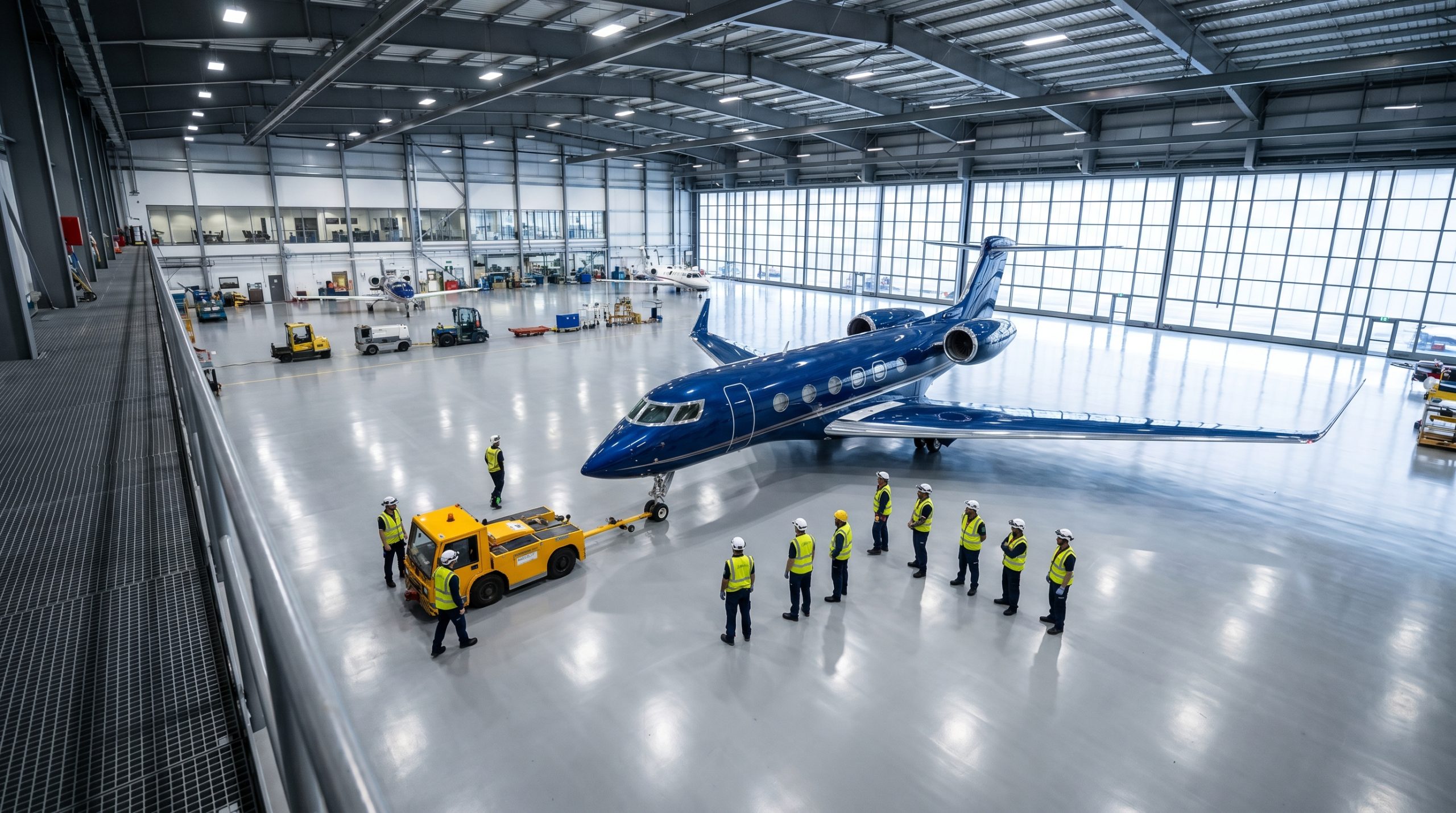
Professional towing and ground handling services directly influence average hangar prices by introducing essential service fees into your monthly rental agreement. Most premium fixed-base operators bundle towing movements to ensure your aircraft is transitioned safely from the taxiway to its hangar. Understanding how these movements are billed prevents unexpected operational surcharges from piling up.
What Ground Handling Services Are Included?
Ground handling involves much more than just pulling your jet inside. Certified ground crews use specialized equipment to manage every transition smoothly and protect your airframe.
But wait, there is more:
- Precision marshalling during active ramp arrivals and departures.
- Specialized towbarless tug operations to reduce nose-gear stress.
- Pre-flight exterior cleaning and basic windshield washing services.
How to Avoid Costly Towing Damage?
To avoid structural damage, you should verify that your provider utilizes modern, well-maintained tugs and employs highly trained crew members. Proper handling protocols save you from expensive repair downtime and insurance disputes.
Key Takeaway: Partnering with an FBO that has a proven safety record and uses modern tugs protects your wingtips and nose gear from expensive structural damage.
| Service Tier | Towing Frequency | Est. Monthly Surcharge | |
|---|---|---|---|
| Basic Rental | Up to 5 moves | $300 | |
| Standard FBO | Up to 15 moves | $750 | |
| Unlimited Premium | Unrestricted | Included in Rent |
Evaluating these figures reveals that custom steel structures consistently deliver the lowest cost per square foot.
Secure your aircraft today—compare hangar prices and save instantly!
Email:sales@showhoo.com.cn
Phone/WhatsApp: + 86 186 7895 5927
How Does Steel Construction Lower Hangar Prices?
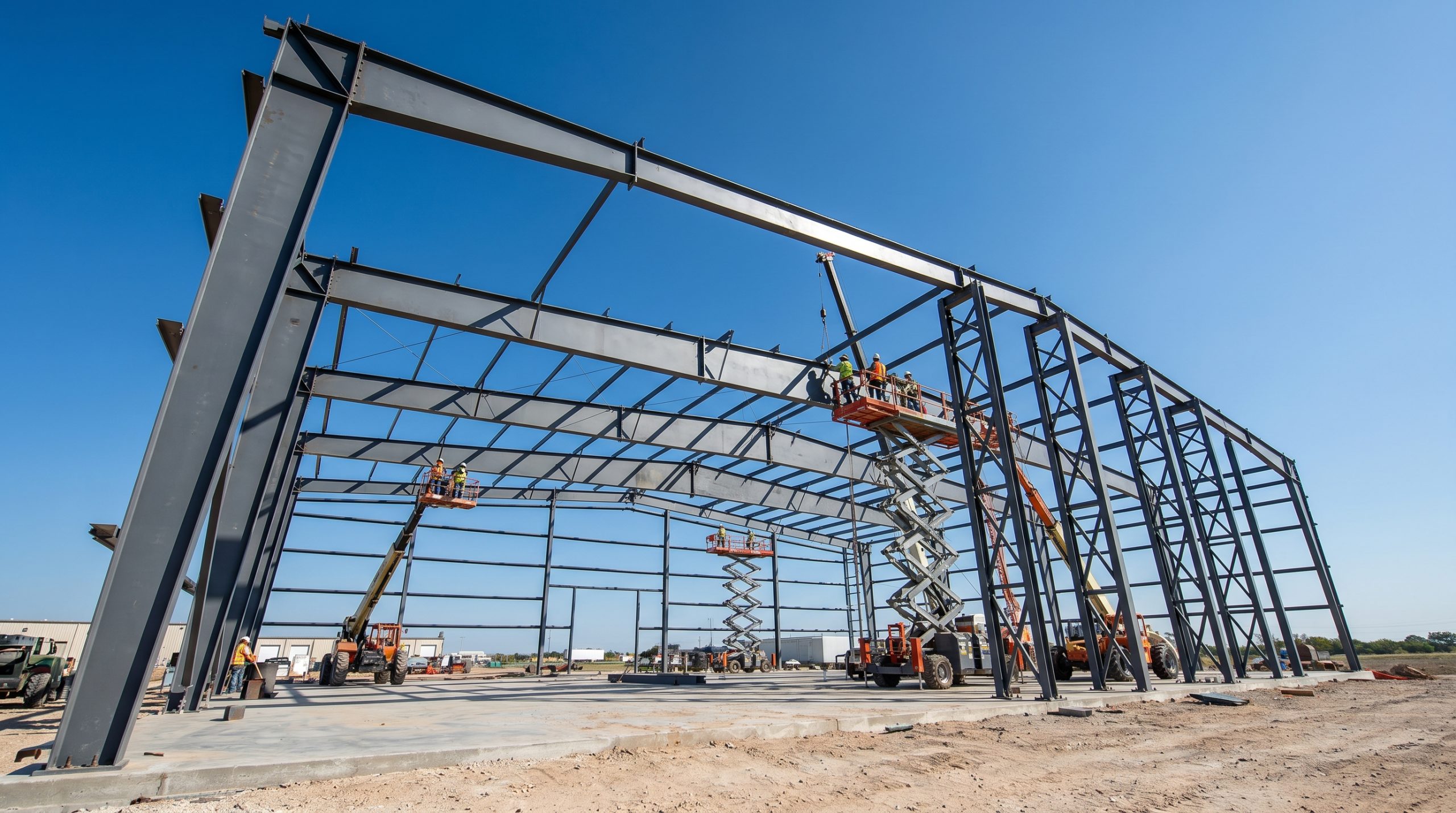
Prefabricated steel construction lowers overall hangar prices by dramatically reducing construction labor hours and ongoing facility maintenance expenses. Choosing a structural steel building provides you with an incredibly durable home that stands up to environmental wear for decades. This longevity ensures you face fewer repair fees over the lifetime of your lease or ownership.
Are Prefabricated Steel Buildings More Durable?
Yes, steel hangars offer superior strength-to-weight ratios compared to traditional wood-frame or concrete structures. They are specifically engineered to withstand extreme environmental forces.
Here is why:
- High resistance against rot, termites, and structural warping.
- Non-combustible framing reduces your commercial insurance premiums.
- Heavy-duty design withstands extreme wind speeds and snow loads.
How Quick Is the Assembly Process?
Pre-engineered steel components are manufactured offsite and delivered ready for rapid assembly on your foundation. This efficient timeline means your hangar is fully operational in weeks rather than months.
Key Takeaway: Building with prefabricated steel cuts onsite construction labor costs by up to 45%, getting your aircraft undercover far faster than conventional construction.
| Building Method | Assembly Timeline | Estimated Material Cost | |
|---|---|---|---|
| Prefabricated Steel | 4 to 8 Weeks | 35−65 per sq. ft. | |
| Traditional Masonry | 6 to 12 Months | 95−160 per sq. ft. |
Evaluating these figures reveals that custom steel structures consistently deliver the lowest cost per square foot.
How Do Aircraft Sizes Affect Hangar Prices?
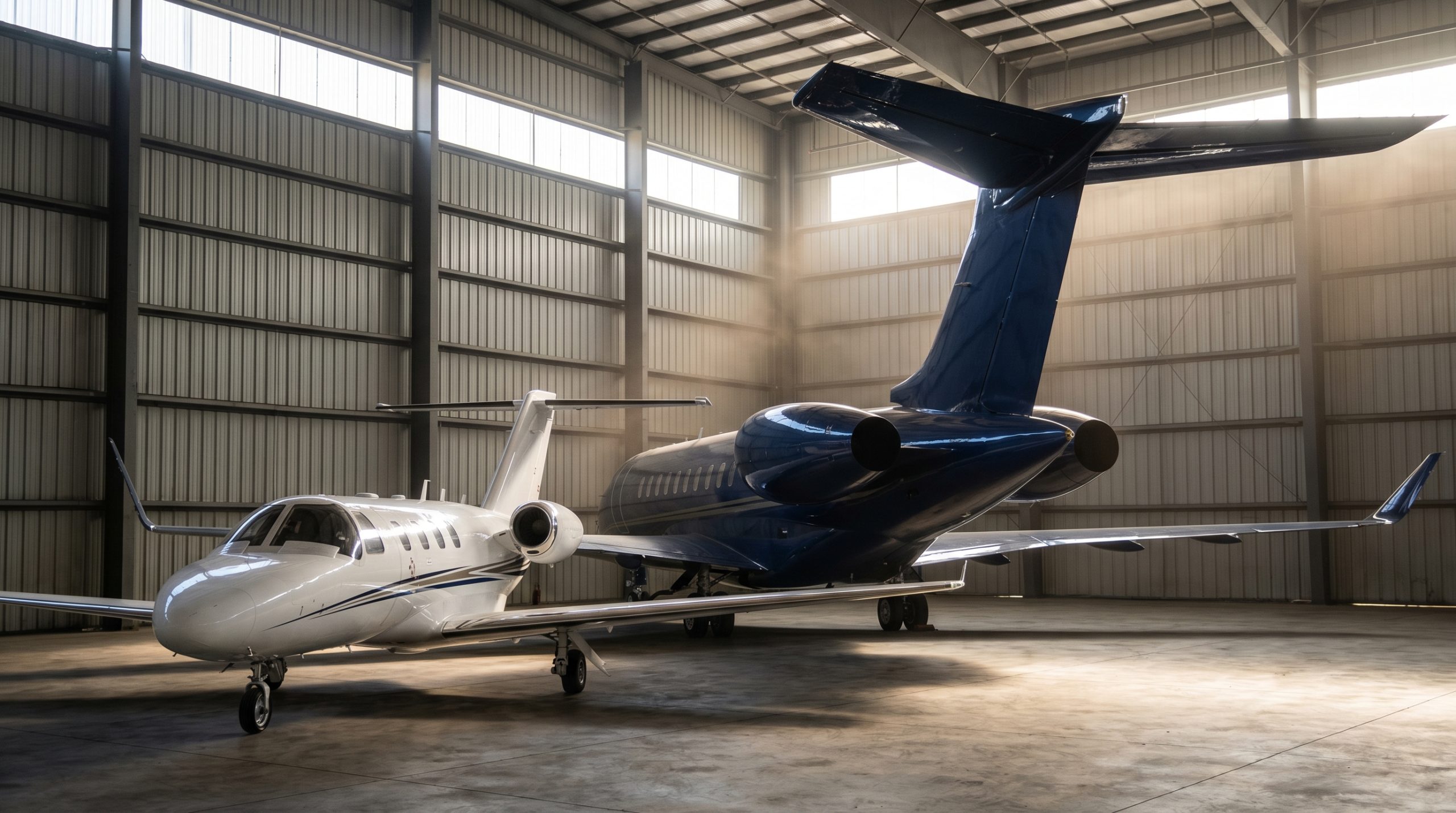
The physical size of your airframe directly determines base hangar prices because rental leases are calculated by the total square footage required. A light jet fits comfortably within standard-sized spaces, keeping your monthly rent highly manageable. Conversely, large cabin business jets require massive clear spans and high door clearances, which commands top-tier pricing.
What Space Do Light Jets Require?
Light private jets generally require a footprint of about 40 to 50 feet in both width and length. This smaller profile allows you to take advantage of standard-sized individual T-hangars.
Think about it:
- They require less physical clearance for safe taxi-in and taxi-out.
- They fit standard rolling doors without needing custom modifications.
- Multiple light aircraft can easily share larger communal hangar bays.
Why Do Heavy Jets Command a Premium?
Heavy, long-range jets feature massive wingspans and towering tail heights that require custom-built facilities. You must lease specialized corporate hangars with heavy-duty door systems to house these large-cabin aircraft safely.
Key Takeaway: Selecting a hangar tailored specifically to your airframe’s actual footprint prevents you from paying for costly, unused square footage.
| Jet Classification | Avg. Wingspan (ft.) | Average Monthly Rent | |
|---|---|---|---|
| Light Jet | 43 – 48 | 1,500−3,000 | |
| Midsize Jet | 50 – 65 | 3,500−6,000 | |
| Large/Heavy Jet | 70 – 95 | 7,000−11,500 |
Evaluating these figures reveals that custom steel structures consistently deliver the lowest cost per square foot.
Do Regional Tarmacs Offer Better Hangar Prices?

Choosing a regional airport tarmac provides you with significantly lower hangar prices because secondary airfields are not burdened by heavy metropolitan traffic and high land leases. Utilizing these executive fields keeps your monthly fixed overhead low while still providing access to quality runways. You also escape the severe congestion typical of major commercial airports.
Should You Choose a Secondary Airport?
Operating out of a secondary regional field reduces both your runway wait times and your overall landing fees. This choice allows your flight department to run a far more streamlined and cost-efficient operation.
Here is why:
- Less air traffic congestion translates to faster taxi times.
- Regional fields feature lower fuel markup fees.
- Closer proximity to local business parks simplifies your travel logistics.
What Amenities Do Regional Tarmacs Offer?
Modern regional tarmacs provide excellent security, modern pilot lounges, and full-service FBO support to handle your private operations. You do not have to sacrifice quality or safety to enjoy lower rental rates.
Key Takeaway: Basing your aircraft at a modern regional facility lowers your direct rental costs while significantly improving your overall trip efficiency.
| Airport Category | Avg. Landing Fee | Avg. Monthly Hangar Rent | |
|---|---|---|---|
| Primary Metropolitan | 350−600 | 9,500−11,500 | |
| Regional Executive | 50−150 | 3,000−5,000 |
Evaluating these figures reveals that custom steel structures consistently deliver the lowest cost per square foot.
Secure your aircraft today—compare hangar prices and save instantly!
Email:sales@showhoo.com.cn
Phone/WhatsApp: + 86 186 7895 5927
Do FBO Checklists Reveal Hidden Hangar Prices?
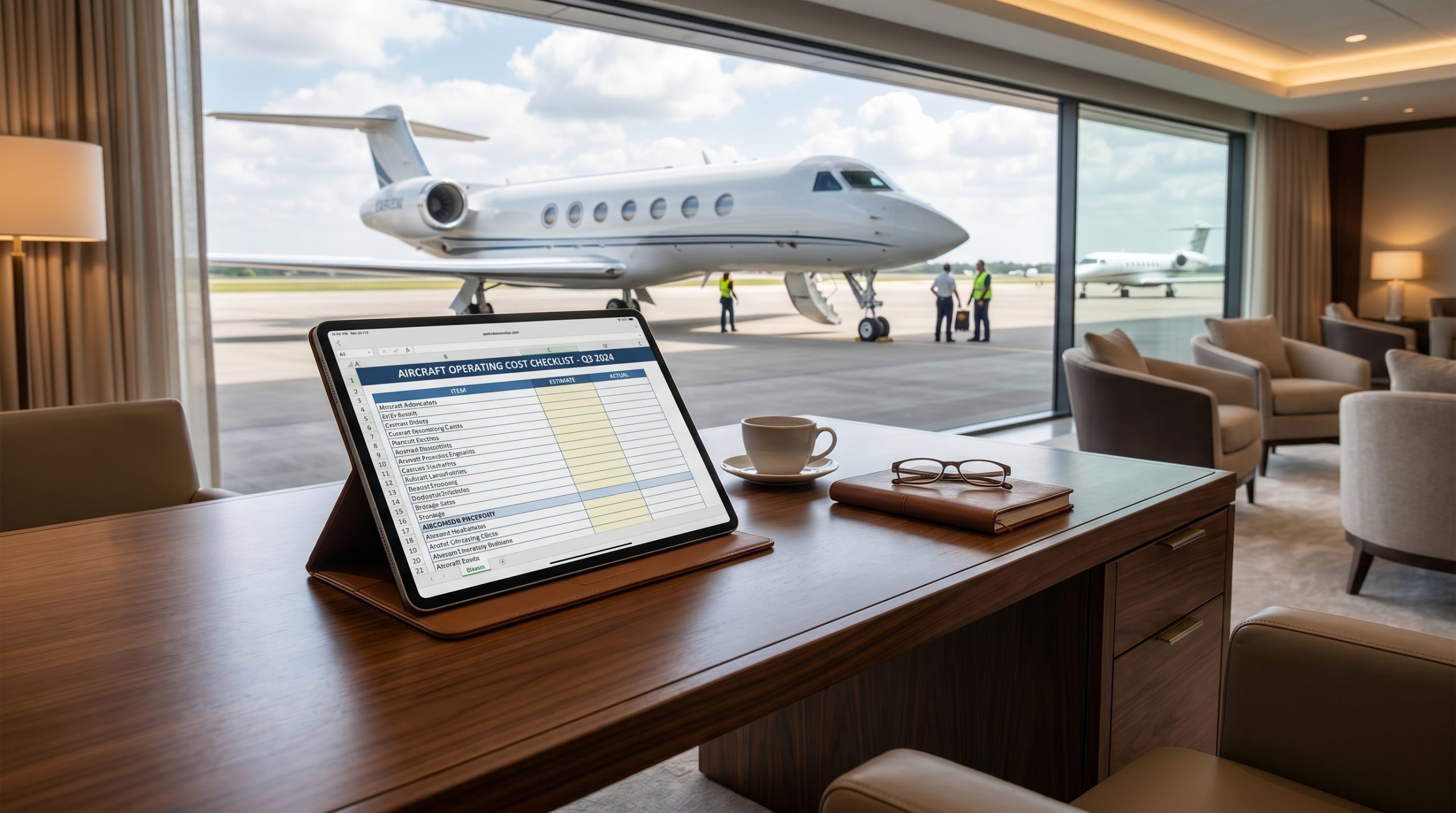
Comprehensive FBO rental checklists frequently reveal hidden hangar prices that are omitted from basic, bare-walls monthly rent quotes. These overlooked costs can include environmental compliance surcharges, facility maintenance taxes, and mandatory ground utility fees. Reviewing these itemized operational checklists ensures you keep your overall operating budget fully aligned.
What Hidden Fees Should You Look For?
Many facilities bill separately for utilities, waste disposal, and ramp access privileges. You must confirm which of these services are included in your base contract before signing.
But wait, there is more:
- Additional charges for winter de-icing services and snow removal.
- Fees for using the FBO’s ground power units (GPU).
- After-hours call-out charges for ground crew assistance.
How to Negotiate FBO Service Bundles?
You can often negotiate a reduced hangar rental rate by committing to purchase all your fuel from the host FBO. This bundling strategy provides a win-win scenario that lowers your overall cost of flight.
Key Takeaway: Auditing FBO operational checklists and negotiating bundled fuel discounts can save you thousands of dollars in hidden aviation fees annually.
| Service Option | Standard Al La Carte Cost | Bundled Contract Rate | |
|---|---|---|---|
| Base Monthly Rent | $4,500 | $4,000 | |
| Lavatory Service | $200 per occurrence | Included | |
| GPU Usage | $150 per connection | Included |
Evaluating these figures reveals that custom steel structures consistently deliver the lowest cost per square foot.
Are Premium Interior Features Worth Hangar Prices?
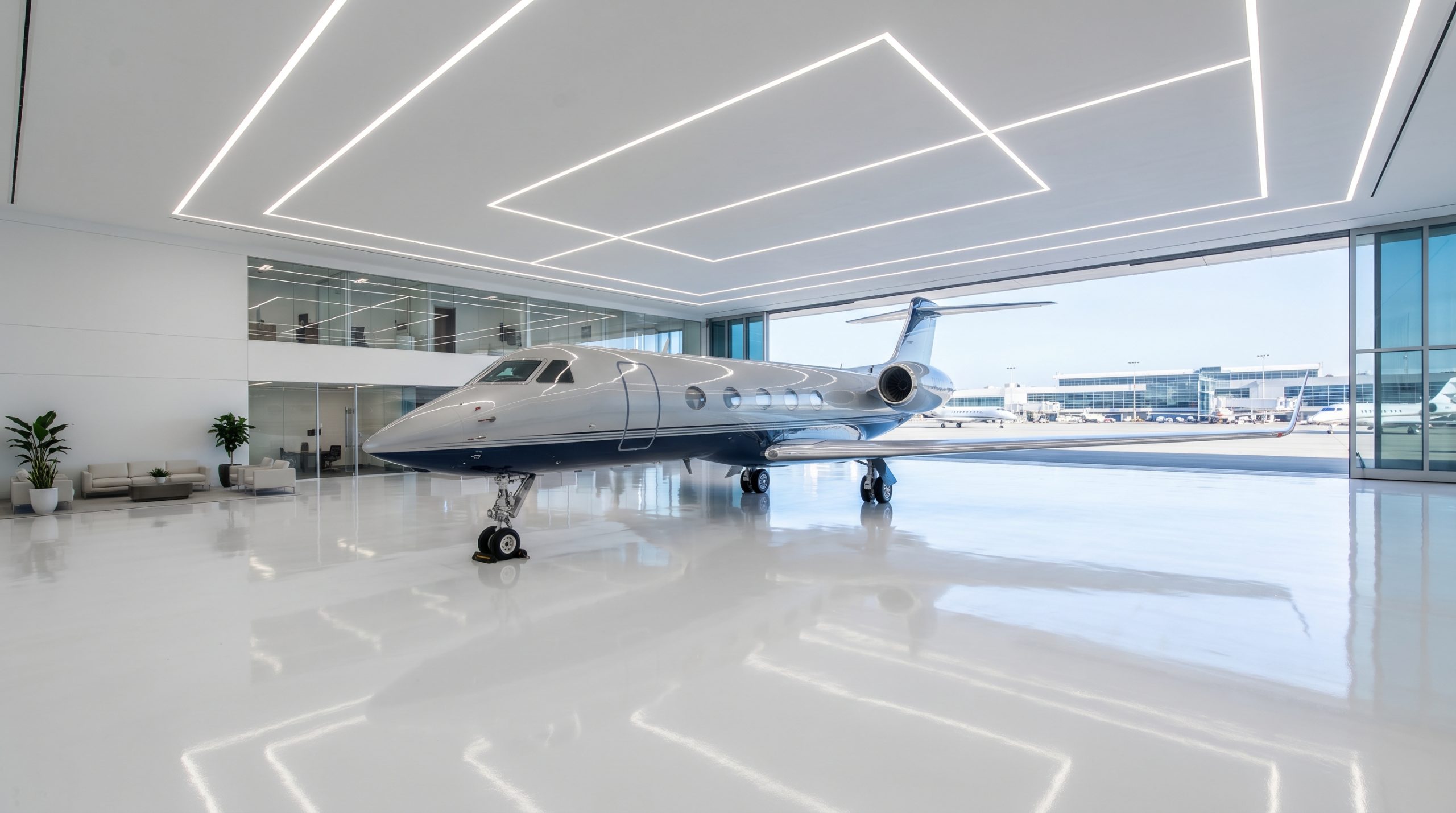
Premium interior finishes like high-grade epoxy flooring and energy-efficient LED lighting directly justify higher hangar prices by preserving the integrity and value of your aircraft. A clean, modern environment facilitates effortless maintenance inspections and reflects a highly professional corporate image. Investing in a premium workspace safeguards your assets while elevating your travel experience.
Why Is Epoxy Flooring Essential?
Industrial-grade epoxy floor coatings prevent harmful chemical absorption and make it incredibly simple to detect active fluid leaks from your aircraft. This clean surface is both a vital safety feature and a maintenance asset.
Think about it:
- Bright surfaces reflect light back up to the airframe underbelly.
- Epoxy resist corrosion from harsh jet fuels and hydraulic fluids.
- It provides non-slip texture to keep your ground crew safe.
Do Premium Offices Add Value?
Integrating crew lounges, flight planning desks, and climate-controlled office spaces into your hangar setup maximizes your daily efficiency. You can conduct confidential corporate meetings directly adjacent to your secured aircraft.
Key Takeaway: Upgrading to a premium hangar interior with quality flooring and lighting reduces maintenance mistakes and maintains your jet’s pristine condition.
| Interior Feature | Basic Hangar Standard | Premium Hangar Upgrade | |
|---|---|---|---|
| Floor Finish | Bare, porous concrete | High-gloss industrial epoxy | |
| Lighting | Metal halide fixtures | High-efficiency LED systems | |
| Crew Amenities | Basic storage closet | Climate-controlled executive offices |
Evaluating these figures reveals that custom steel structures consistently deliver the lowest cost per square foot.
How to Plan Blueprints to Optimize Hangar Prices?

Designing your structural blueprints with precision optimizes long-term hangar prices by eliminating wasted, unheated volume. Tailoring your building’s structural spans to match your current and future aircraft footprints ensures you maximize every square foot of your property. Working with experienced design teams helps you build a highly functional and efficient facility.
Why Does Door Design Impact Cost?
The type of door system you choose—whether hydraulic, bi-fold, or bottom-rolling sliding doors—greatly affects both the initial building price and long-term heating costs. You must select the door system that fits your local weather patterns.
Here is why:
- Hydraulic single-panel doors provide built-in exterior shade canopy space.
- Bottom-rolling sliding doors require minimal electrical power to operate.
- Bi-fold strap doors offer extreme structural resistance against high wind.
Should You Plan for Future Fleet Growth?
Planning for a wider clear span on your structural blueprint allows you to upgrade to a larger aircraft later without having to construct a new building. This foresight protects your capital investment from premature obsolescence.
Key Takeaway: Designing customized blueprints prevents wasted structural space, keeping your initial building and long-term heating costs minimal.
| Door System Type | Estimated Initial Cost | Maintenance Requirement | |
|---|---|---|---|
| Bottom-Rolling Sliding | Low | Minimal (Clean tracks) | |
| Bi-Fold Strap | Moderate | Semi-annual tension checks | |
| Single-Panel Hydraulic | High | Annual hydraulic line inspection |
Evaluating these figures reveals that custom steel structures consistently deliver the lowest cost per square foot.
Secure your aircraft today—compare hangar prices and save instantly!
Email:sales@showhoo.com.cn
Phone/WhatsApp: + 86 186 7895 5927
How Does Climate Control Affect Hangar Prices?
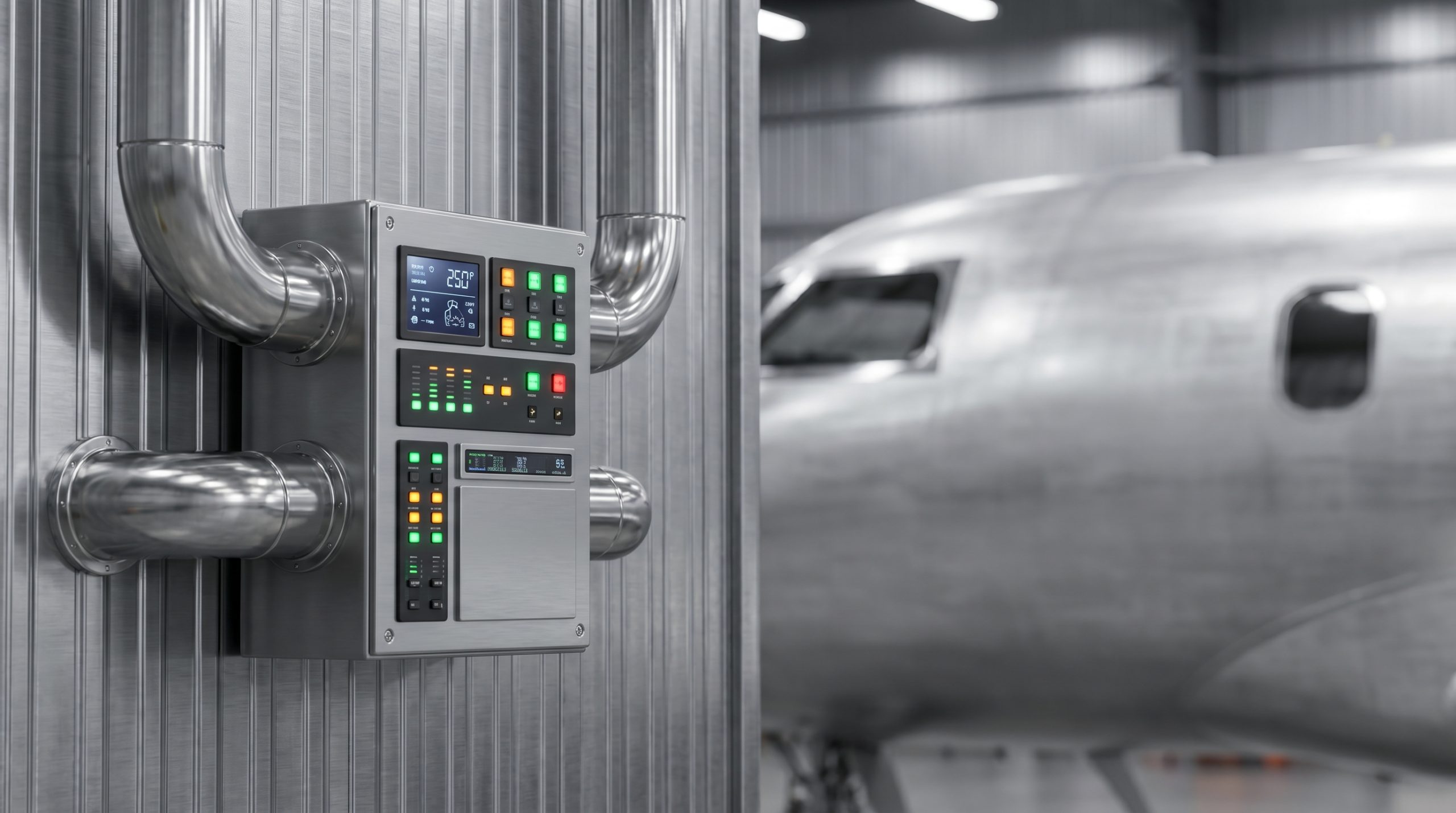
Climate control systems significantly increase monthly hangar prices due to the substantial electricity needed to heat or cool massive open volumes of air. However, maintaining stable temperatures prevents damaging condensation from forming on cold metallic airframes and sensitive electronics. This thermal stability helps you avoid devastating avionics failures and premature airframe corrosion.
What Are the Hazards of Extreme Temps?
Extreme winter cold can freeze hydraulic lines and degrade flight-deck seals, while intense summer heat cooks delicate cabin electronics. You must keep your aircraft housed in a stable climate to prevent system wear.
But wait, there is more:
- Moisture buildup in unheated hangars corrodes wiring harnesses.
- Fluctuating temperatures cause expansion stress on airframe components.
- Uncontrolled humidity can lead to mold issues in fine leather cabins.
Are Energy-Efficient HVAC Systems Worth It?
Installing thick insulated metal panels alongside efficient radiant heating systems reduces your climate control bills by over 30%. You should prioritize energy efficiency from day one.
Key Takeaway: Investing in high-performance insulation and HVAC systems prevents severe structural wear on your jet while slashing overall utility bills.
| Climate Control Setup | Est. Installation Cost | Monthly Utility Impact | |
|---|---|---|---|
| Uninsulated Hangar | Low | High (Loss of heat) | |
| Insulated + Radiant Heat | Moderate | 30% reduction | |
| Full HVAC Climate Control | High | Moderate to High |
Evaluating these figures reveals that custom steel structures consistently deliver the lowest cost per square foot.
Does Maintenance Access Justify Higher Hangar Prices?

Direct, on-site maintenance access easily justifies paying slightly higher hangar prices by eliminating the high cost of ferry flights. Having a dedicated space for scheduled inspections ensures your aircraft is maintained to the highest safety standards. You keep your flight operations run smoothly with minimal scheduling disruption.
What Safety Gear Is Mandatory?
Your hangar must be equipped with proper fire suppression systems, emergency eye-wash stations, and safe chemical storage units. You should maintain full compliance with aviation authorities.
Here is why:
- Mitigates the danger of fuel leaks during service.
- Ensures a safe workplace for your certified technicians.
- Lowers your commercial aviation liability insurance rates.
Does In-Hangar Maintenance Save Money?
Performing routine maintenance on-site eliminates the need to fly your jet to distant service centers. You save thousands of dollars on fuel and flight crew hours.
Key Takeaway: Maintaining a dedicated service hangar keeps your aircraft mission-ready, slashing operational downtime and avoiding unnecessary ferry flight expenses.
| Inspection Type | In-Hangar Cost | Off-Site Cost (Inc. Ferry) | |
|---|---|---|---|
| Pre-Flight Walkthrough | Included in Base | N/A | |
| 100-Hour Inspection | $2,500 | $4,500 + Fuel | |
| Annual Airworthiness | $5,000 | $8,000 + Fuel |
Evaluating these figures reveals that custom steel structures consistently deliver the lowest cost per square foot.
Securing Your Aviation Investment
Leaving your private jet exposed to unpredictable weather, hidden airport fees, and inadequate ground handling is a risk your flight department simply cannot afford. Finding the right hangar rental space or building a custom-designed facility resolves these headaches completely, giving you absolute control over your aircraft’s safety and long-term valuation.
At Showhoo, our vision is to engineer the world’s most durable and cost-effective prefabricated steel aircraft hangars, ensuring your aviation assets are protected by structural perfection. Whether you are expanding a corporate flight department or building your first private hangar, we deliver premium steel structures engineered to meet your exact specifications and withstand the test of time. To receive an accurate estimate tailored to your local region, contact us today and let our expert structural design team bring your hangar project to life.
Secure your aircraft today—compare hangar prices and save instantly!
Email:sales@showhoo.com.cn
Phone/WhatsApp: + 86 186 7895 5927
Frequently Asked Questions
Can I share a hangar to split costs?
Yes, co-leasing or sharing hangar space is a highly effective way to divide monthly rental fees between light aircraft owners. This practice is extremely common at regional airports where multiple owners operate out of a single large bay.
What is the best hangar door for cold climates?
A single-panel hydraulic door is the best option because its tight bottom seal keeps winter drafts out and its upward-swinging motion easily clears heavy snow accumulation. It also provides extra structural wind resistance when fully closed.
How do I know if a hangar has adequate fire protection?
You must verify that the facility is equipped with NFPA 409-compliant fire protection systems, such as overhead foam or water deluge systems. These setups are specifically designed to suppress high-intensity fuel fires inside aircraft storage spaces.
Can I perform major engine overhauls inside a rented hangar?
Yes, provided that your lease agreement and local airport zoning regulations explicitly permit commercial maintenance operations on-site. You must also ensure the space meets all EPA and OSHA environmental standards.
How do I know if renting or building is better for my fleet?
Renting is the best choice if you prioritize short-term flexibility and minimal upfront capital layout. However, building a custom steel hangar delivers far lower long-term costs if you plan to operate out of the same airport for over five years.