
When searching for an aircraft hangar, your primary objective should be finding a structure that balances certified clear-span engineering, heavy-duty door configurations, local zoning and FAA regulations, and a realistic budget.
Traditional hangar construction is notoriously slow, heavily prone to budget overruns, and rarely offers the column-free spans required for safe aircraft maneuvering. Settle for a standard warehouse frame, and poor insulation packages or inadequate wind-load engineering can trigger catastrophic structural failure, ruining delicate avionics and grounding your fleet. Fortunately, investing in a pre-engineered steel aircraft hangar for sale resolves these challenges by delivering rapid bolt-together construction, complete spatial customization, and maximum weather resistance.
Why Is a Steel Hangar a Smart Business Investment?
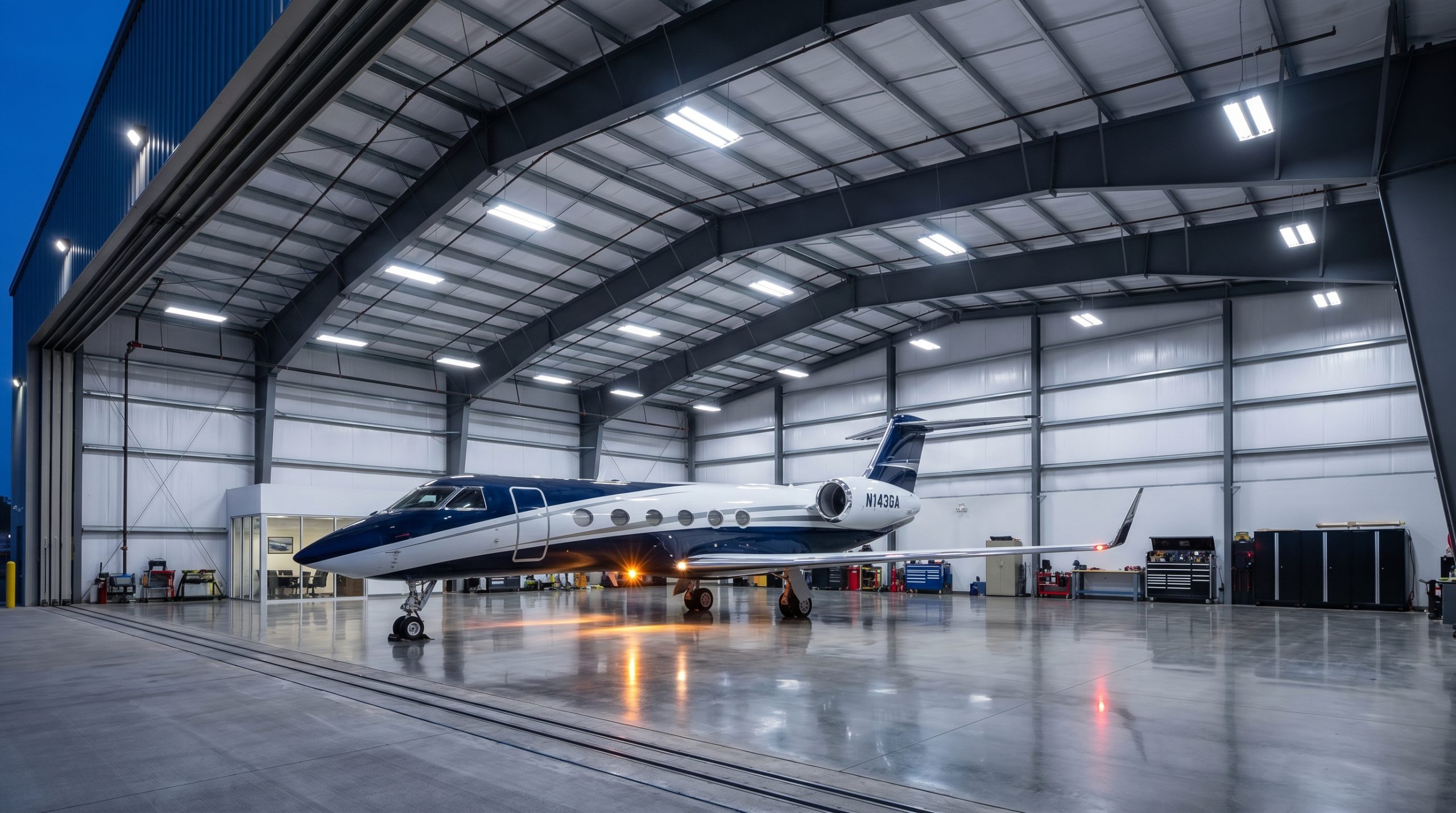
Investing in a prefabricated steel building is the smartest financial decision because it offers unmatched durability, rapid erection times, and exceptional asset appreciation. Buying a quality aircraft hangar for sale ensures you build equity rather than wasting capital on high monthly leasing fees.
Why choose prefabricated steel?
Let’s face it: renting hangar space is a sunk cost that subjects your operation to annual inflation. Prefabricated steel structures offer a permanent asset with a fifty-year lifespan and virtually zero maintenance. These buildings resist rust, fire, and pests, keeping your valuable aviation assets completely protected.
What factors dictate hangar selection?
Think about it: an aircraft is a major capital investment that demands high-security shelter. When selecting a hangar, you must evaluate wingspan clearances, tail heights, and future-proofing for fleet expansion.
- Minimum clearance tolerances with a buffer of ten feet around wingtips.
- Local snow and wind exposure design parameters.
- Compliance with NFPA 409 aircraft fire protection regulations.
Strategic Takeaway: Opting for pre-engineered structural steel over wood avoids structural sagging over time, ensuring your heavy hangar doors operate smoothly for decades.
| Hangar Material Class | Structural Lifespan | Clear-Span Capabilities | Fire Resistance Rating | Relative Initial Investment | |
|---|---|---|---|---|---|
| Pre-Engineered Steel | 50+ Years | Up to 300+ Feet (Column-Free) | Class A (Non-combustible) | Moderate | |
| Light-Gauge Steel | 20-30 Years | Up to 80 Feet | Class A (Non-combustible) | Low to Moderate | |
| Heavy Timber/Wood | 15-25 Years | Highly Limited (<60 Feet) | Combustible (High Risk) | Low |
Let’s explore how financial planning and specific cost drivers influence your total capital expenditure.
What Key Features Should You Look for When Buying a Hangar?
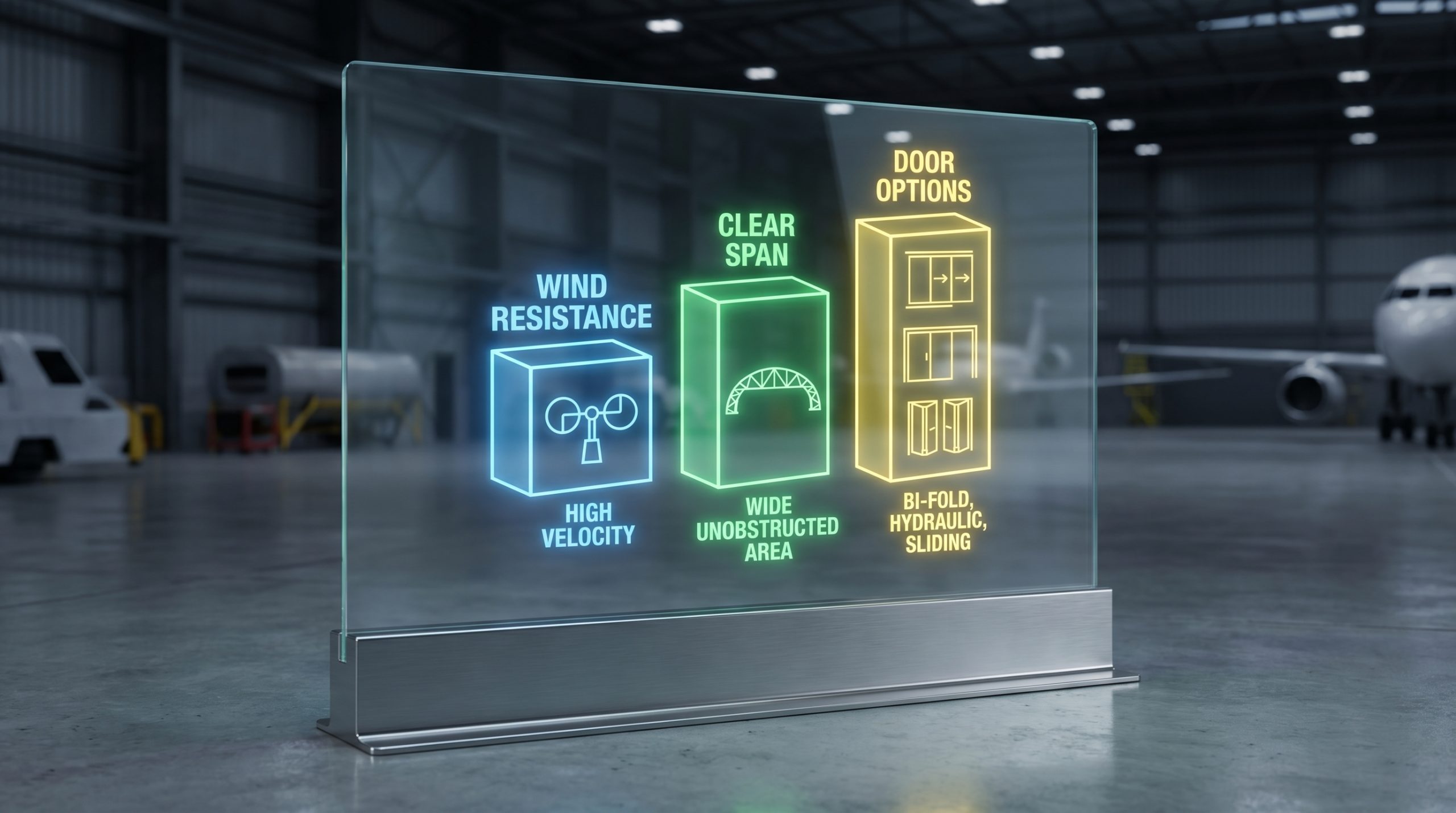
You should prioritize finding structural integrity, proper environmental insulation, and high-performance door mechanisms when investing in a new aviation facility. Securing a reliable aircraft hangar for sale requires focusing on high-quality components designed to endure harsh airfield climates.
Is weather resistance a priority?
But that’s only the beginning. Airfields are notoriously exposed to extreme winds, heavy snow, and intense solar radiation. A premium hangar must incorporate heavy-gauge steel panels and reinforced purlins to maintain long-term structural integrity.
How crucial is the door clearance?
Here is the thing: a hangar is only as functional as its primary door system. If the opening is too narrow or the door operates slowly, your flight schedules will suffer.
- At least four feet of clearance above the aircraft tail.
- Cold-weather seals to prevent drafts and debris accumulation.
- Fail-safe power backup options for automated door opening.
Strategic Takeaway: Choosing a hangar with integrated structural wind-locks and generous tail clearance prevents costly retrofits when upgrading to larger aircraft.
| Hangar Feature | Primary Purpose | Optimal Specification | Operational Benefit | |
|---|---|---|---|---|
| Clear-Span Trusses | Eliminates interior columns | Rigid-frame steel | 100% usable floor space | |
| High-R Insulation | Regulates internal temperature | Double-layer fiberglass | Prevents moisture damage | |
| Heavy Wind-Locks | Secures door during storms | Grade 80 steel fasteners | Prevents structural failure |
Next, we will compare how prefabricated packages match up against custom steel developments.
Get Your Custom Aircraft Hangar for Sale—Request a Free Quote Today!
Email:sales@showhoo.com.cn
Phone/WhatsApp: + 86 186 7895 5927
How Do Prefabricated vs. Custom Steel Aircraft Hangars Compare?
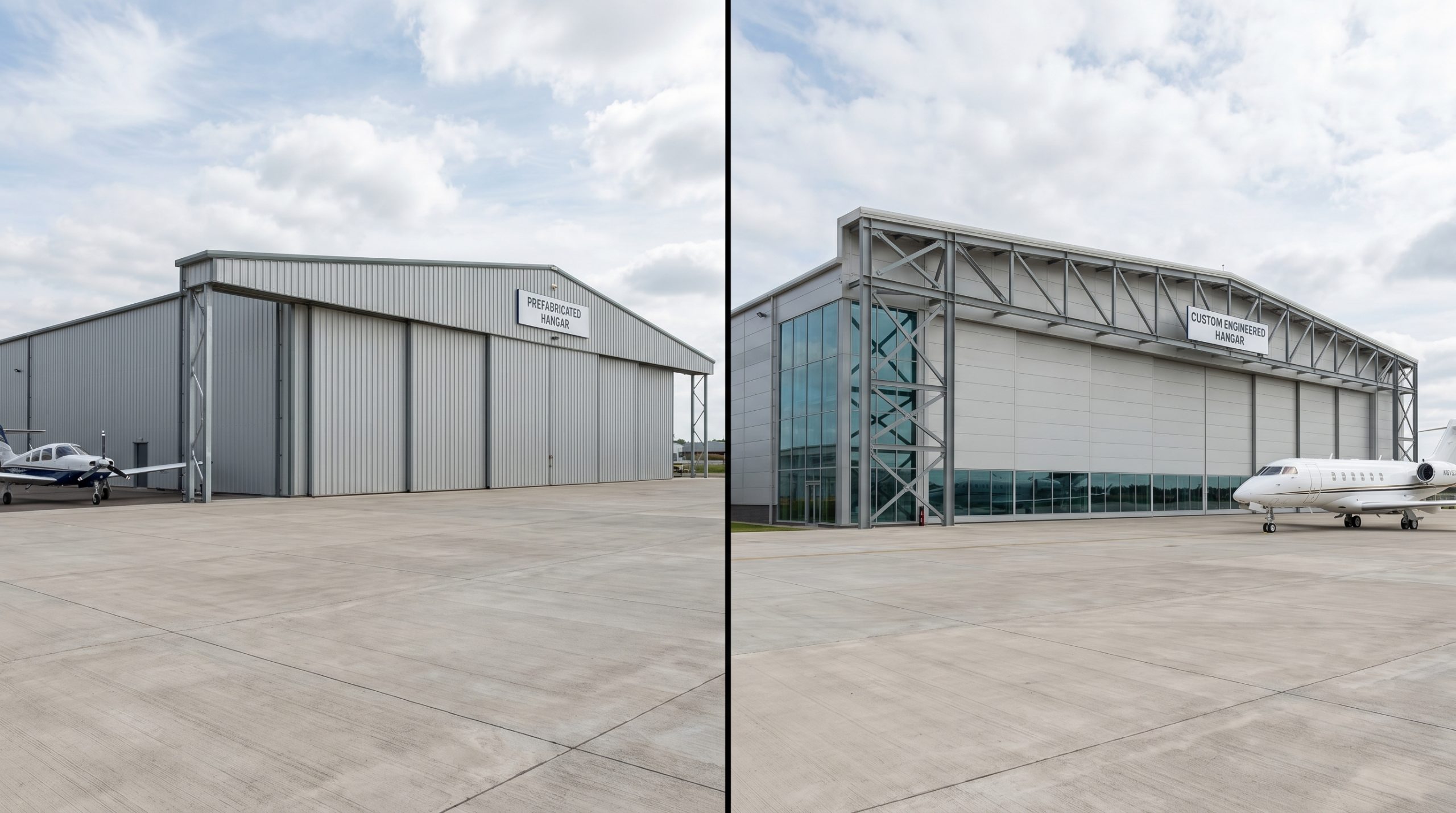
Prefabricated hangars offer rapid construction and lower costs, while custom steel hangars provide complete tailored spatial layouts for multi-aircraft operations. Selecting the correct aircraft hangar for sale depends on your specific fleet size and operational complexity.
Are prefabricated kits faster to erect?
The best part? Prefabricated steel kits are pre-punched, pre-drilled, and welded at the factory, allowing for quick bolt-together assembly on site. This highly streamlined manufacturing process slashes construction timelines by up to fifty percent compared to traditional methods.
When is a custom design necessary?
Here is the bottom line: large-scale flight operations and charter fleets often require custom multi-span layouts and office integrations. Custom engineering ensures your facility can accommodate specific crane systems, maintenance workshops, and pilot lounges.
- Integrated mezzanine levels for administrative offices.
- Custom structural framing for overhead gantry cranes.
- Unique bay sizing to house multiple aircraft types simultaneously.
Strategic Takeaway: While prefabricated kits offer unmatched speed and affordability, custom engineering is necessary for facilities designed as multi-functional aviation hubs.
| Comparison Metric | Prefabricated Hangar Kit | Custom Engineered Hangar | |
|---|---|---|---|
| Design Flexibility | Standardized layouts | Fully customizable | |
| Lead Time | 6 – 10 Weeks | 12 – 20 Weeks | |
| Engineering Cost | Low (Included in kit) | High (Architect/Engineer fees) | |
| On-Site Labor | Fast (Bolt-together assembly) | Moderate (Some field welding/cutting) |
Let us dive deeper into the design and engineering codes that protect your asset.
What Design Standards Apply to Steel Structure Hangars?
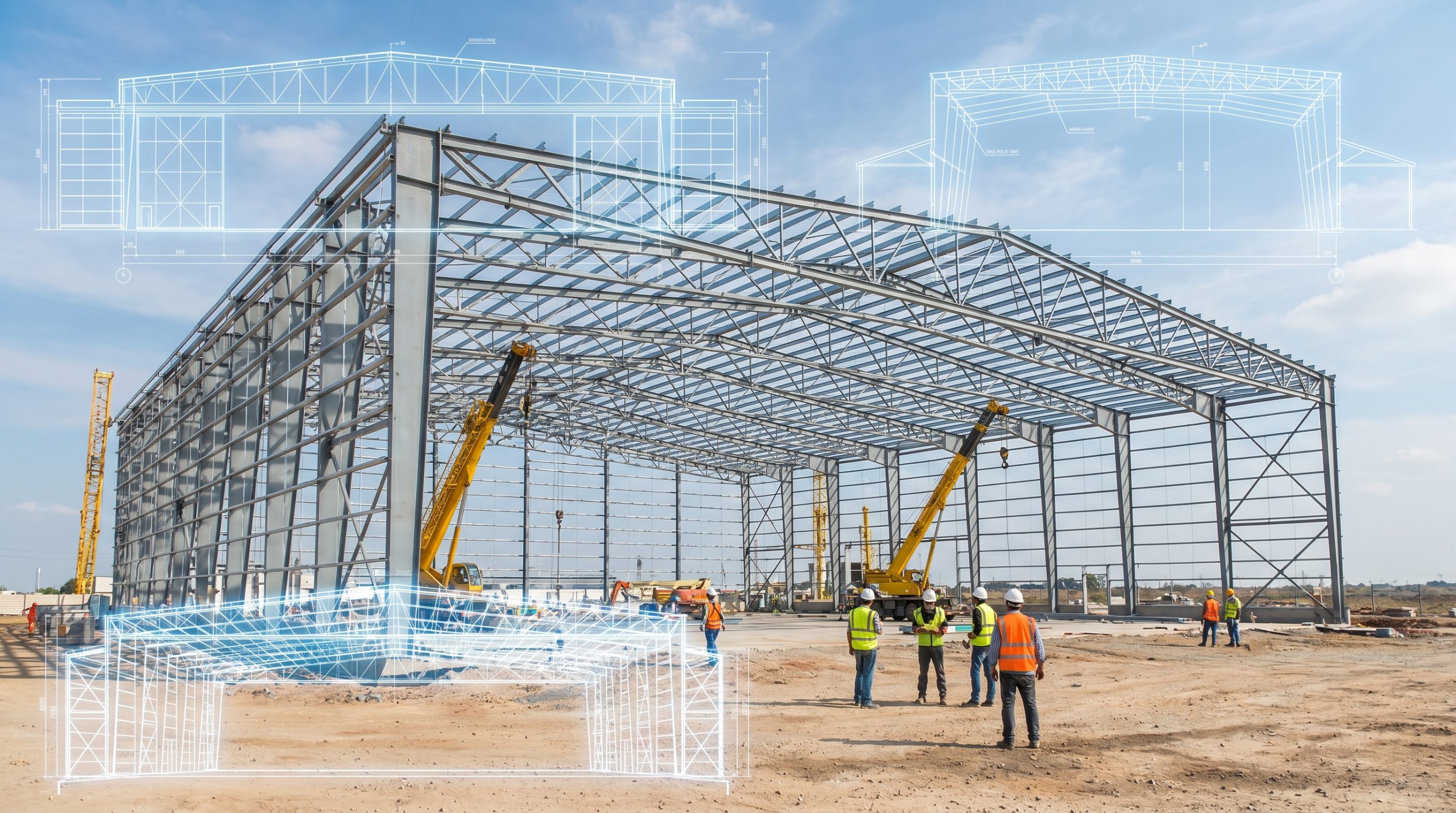
Steel hangars must comply with local International Building Code (IBC) guidelines and FAA height safety limitations. Understanding these rules is vital when purchasing an aircraft hangar for sale to guarantee long-term legal compliance.
How do wind loads affect structural design?
With this in mind: aircraft hangars are highly sensitive to wind uplift because of their massive open interiors. Structural engineers must calculate local wind exposures carefully to prevent roof panel detachment during major storms.
What are the fire safety regulations?
Think about it: storing aircraft with loaded fuel tanks presents unique fire hazards. Your structure must meet NFPA 409 standards to ensure proper fire suppression and safety.
- IBC-compliant wind load ratings up to 150 mph.
- NFPA 409 foam-water deluge system pre-engineering.
- Seismic bracing configuration based on regional geographic data.
Strategic Takeaway: Stamped structural blueprints certified by a licensed local engineer are required to clear municipal permits and secure property insurance.
| Standard / Code | Governing Body | Key Structural Requirement | B2B Impact | |
|---|---|---|---|---|
| IBC 2021 | International Code Council | Local wind/snow load compliance | Guarantees permit approval | |
| NFPA 409 | National Fire Protection Association | Automated fire suppression systems | Lowers insurance premiums | |
| FAA Part 77 | Federal Aviation Administration | Strict height and obstruction limits | Ensures runway safety compliance |
Now, let us examine the financial breakdowns and cost trends affecting the current aviation market.
What Are the Main Cost Factors for Aircraft Hangars?

Steel prices, foundation depth, and specialized hangar doors dictate the ultimate cost of your aviation facility. When budgeting for an aircraft hangar for sale , you must evaluate both the structural kit price and local turnkey construction costs.
What are structural steel costs?
Here is the bottom line: the steel kit itself is highly cost-effective, typically starting between twenty-five and sixty-five dollars per square foot. However, global steel market fluctuations can impact these baseline rates quickly.
What are foundation and door costs?
But that’s only the beginning. Heavy jet wheel loads require reinforced concrete slabs that are several inches thicker than standard warehouses.
- Reinforced concrete foundations with thickness tailored to aircraft weight.
- Heavy-duty sliding or bi-fold door installations.
- Turnkey interior build-outs including electrical and HVAC systems.
Strategic Takeaway: Allocate roughly thirty to fifty percent of your total project budget to site preparation, foundations, and mechanical door installations.
| Cost Element | Average Price Range | Variable Factors | Percent of Total | |
|---|---|---|---|---|
| Steel Framing Kit | 25−65 per Sq. Ft. | Clear-span width, wind loads | 40% | |
| Concrete Slab | 10−25 per Sq. Ft. | Slab depth, steel rebar reinforcement | 20% | |
| Aviation Doors | 15,000−120,000+ | Power mechanism, physical dimensions | 15% | |
| On-Site Erection | 15−35 per Sq. Ft. | Local labor rates, crane rentals | 25% |
Let us explore how geographic location and airfield access shape your project success.
How Do You Choose the Right Location for Your Hangar?
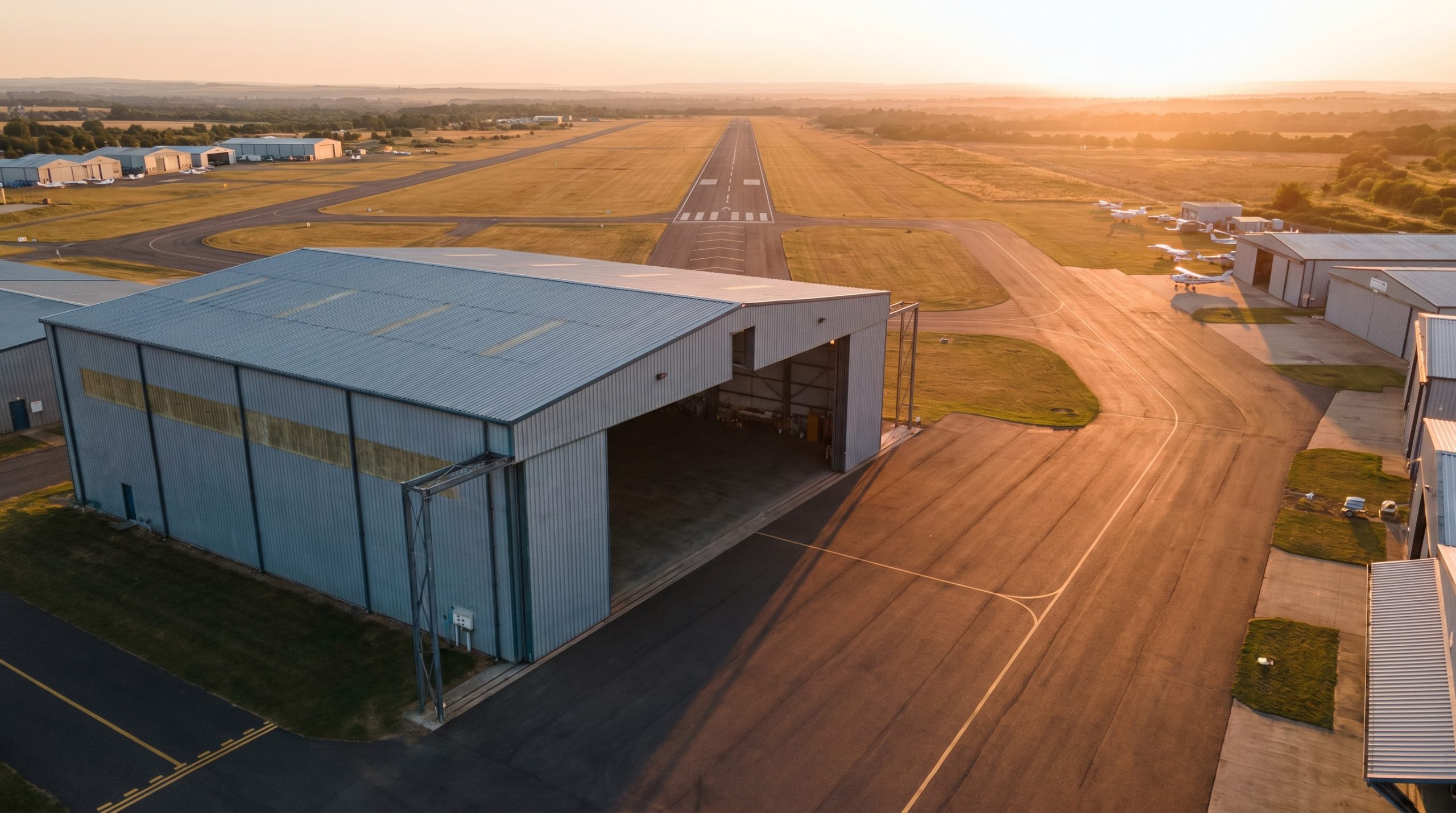
Choosing the right location involves verifying runway access, municipal zoning permissions, and taxiway safety clearances. Finding an aircraft hangar for sale near active aviation networks requires careful site planning to prevent operational bottlenecks.
What are taxiway safety limits?
Think about it: placing your hangar too close to active runways can violate FAA taxiway safety regulations. You must maintain strict distances to prevent wingtip collisions or airspace obstructions.
Why is geotechnical testing vital?
It gets better: conducting a proper soil boring test ensures your foundation can support massive structural loads without settling. Poor soil conditions can cause your concrete slab to crack, risking damage to your aircraft.
- FAA Form 7460-1 airspace safety filing.
- Compaction and geotechnical soil testing.
- Proximity to airport utility connections and power grids.
Strategic Takeaway: Confirming airfield access agreements and zoning restrictions prior to purchasing land prevents costly delays.
| Location Factor | Standard Requirement | Potential Issue | Mitigation Strategy | |
|---|---|---|---|---|
| Taxiway Access | Compliance with FAA clearance | Wingtip collision hazards | Design adequate ramp space | |
| Zoning Laws | Municipal commercial zoning | Noise level or height code violations | Obtain local zoning variance | |
| Soil Compaction | High load-bearing capacity | Floor slab settling and cracking | Execute complete soil stabilization |
We will now examine how proper steel maintenance keeps your hangar in prime condition for decades.
Get Your Custom Aircraft Hangar for Sale—Request a Free Quote Today!
Email:sales@showhoo.com.cn
Phone/WhatsApp: + 86 186 7895 5927
How Do You Maintain a Steel Hangar for Maximum Longevity?
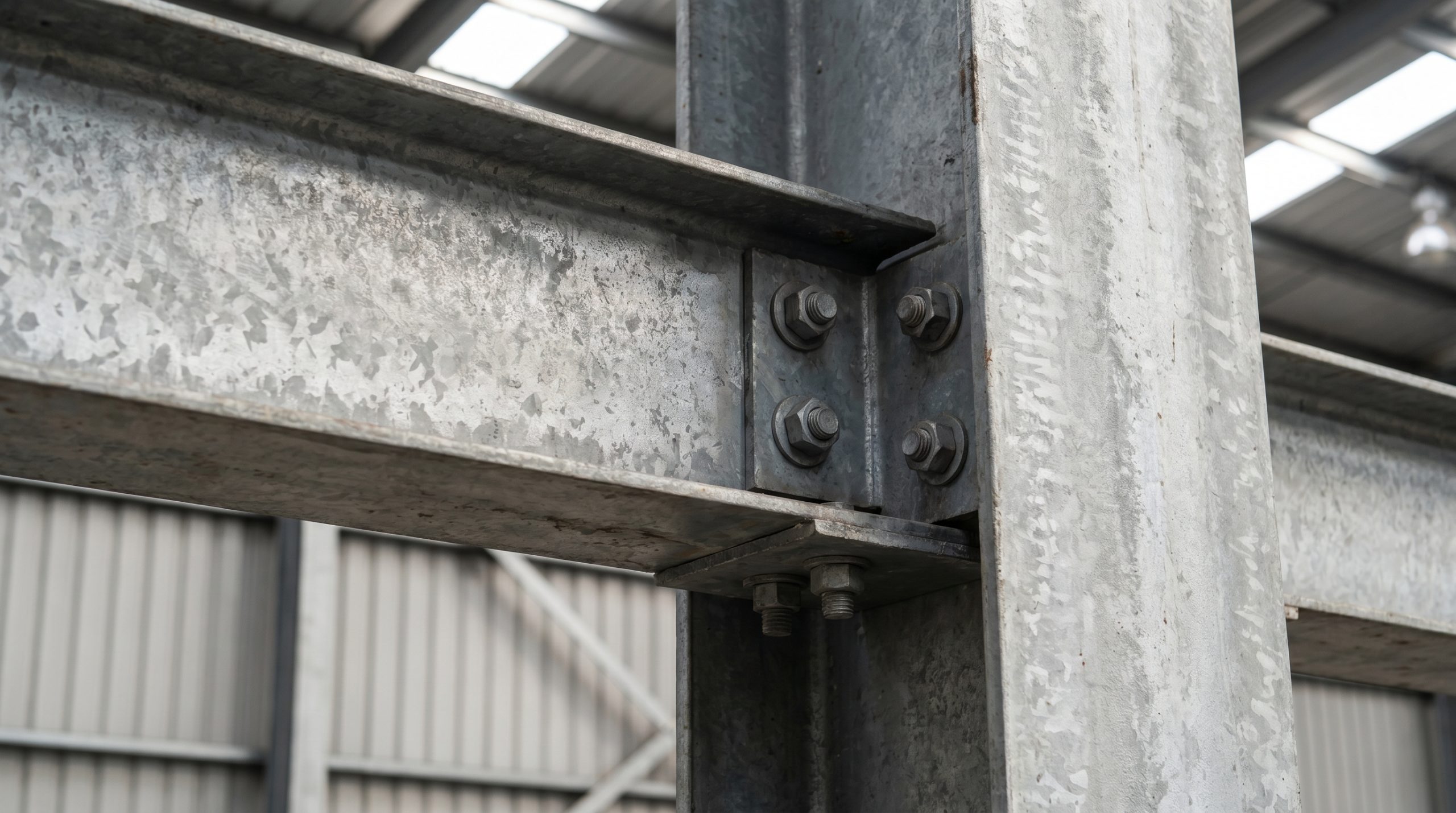
Steel hangars require minimal maintenance when treated with protective hot-dip galvanization and premium corrosion-resistant coatings. Investing in a robust aircraft hangar for sale guarantees a highly durable property that holds its value with simple annual checks.
How do you prevent corrosion?
Here is the catch: salt air in coastal regions and chemical residues from aviation fuel can corrode unprotected metal over time. Using hot-dip galvanized steel frames and zinc-rich primers prevents rust from forming on structural joints.
What are annual maintenance steps?
Look at it this way: a simple weekend inspection once a year can save thousands of dollars in emergency repairs. Checking structural fasteners and cleaning the roof drainage channels keeps your facility perfectly dry.
- Inspect primary structural fasteners for tightness.
- Clean roof gutter systems and clear debris from door tracks.
- Check wall panel seals for moisture intrusion or wear.
Strategic Takeaway: Routine cleaning of door guide rails and lubrication of mechanical hinges ensures smooth operation and prevents motor burnouts.
| Maintenance Task | Recommended Frequency | Key Focus Area | Longevity Benefit | |
|---|---|---|---|---|
| Fastener Check | Annually | High-strength joint bolts | Maintains structural load ratings | |
| Track Cleaning | Bi-annually | Bottom rolling door tracks | Prevents mechanical door strain | |
| Vapor Barrier Check | Annually | Roof insulation blankets | Prevents damaging condensation |
Let us explore the remarkable environmental and sustainability benefits of prefabricated steel structures.
What Are the Sustainability Benefits of Steel Hangars?
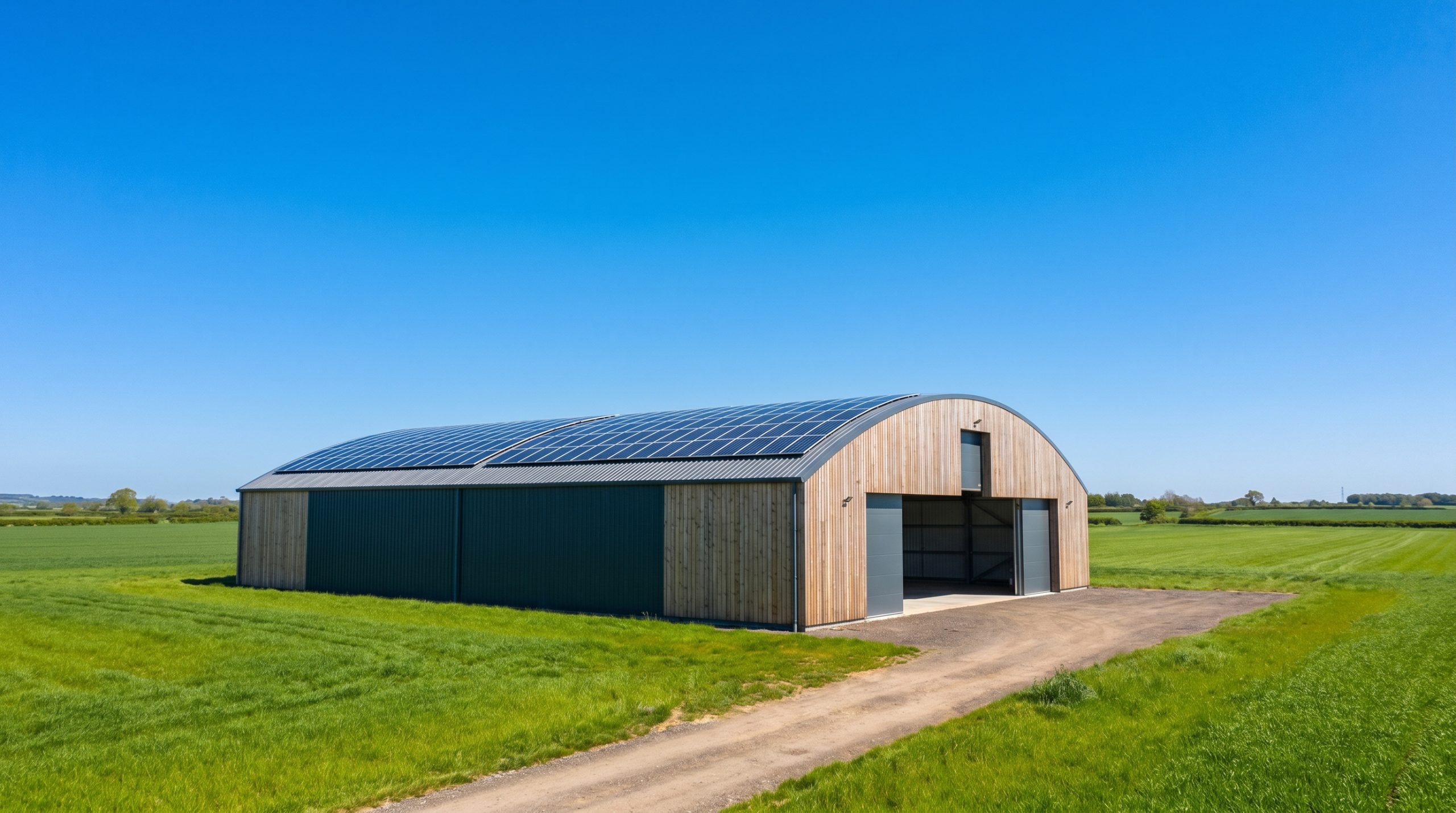
Steel is the most recycled material on earth, making prefabricated steel hangars highly eco-friendly and energy-efficient. Selecting a green aircraft hangar for sale reduces your business’s environmental footprint while lowering long-term operating costs.
Are steel structures fully recyclable?
That is not all: structural steel can be recycled repeatedly without losing any strength or performance. This sustainable recycling loop minimizes industrial waste and conserves natural resources during manufacturing.
Can you reduce heating and cooling costs?
Think about it: massive aircraft hangars require substantial energy to heat and cool. Outfitting your steel structure with insulated metal panels (IMPs) dramatically reduces energy loss.
- One hundred percent recyclable structural steel components.
- Integration of high-performance insulation packages to lower HVAC loads.
- Support structures designed to hold extensive roof-mounted solar panels.
Strategic Takeaway: Building with energy-efficient steel and solar panels can qualify your business for lucrative green tax credits and utility rebates.
| Eco-Friendly Feature | Environmental Impact | Financial Advantage | |
|---|---|---|---|
| Recycled Content | Minimizes industrial raw material extraction | Lowers manufacturing carbon footprint | |
| Insulated Metal Panels | Cuts heating and cooling energy usage | Decreases monthly utility expenses | |
| Solar-Ready Framing | Encourages clean, renewable energy production | Offsets carbon emissions and operating costs |
Next, we look at real-world projects and what successful developments can teach us.
What Can We Learn from Successful Hangar Projects?
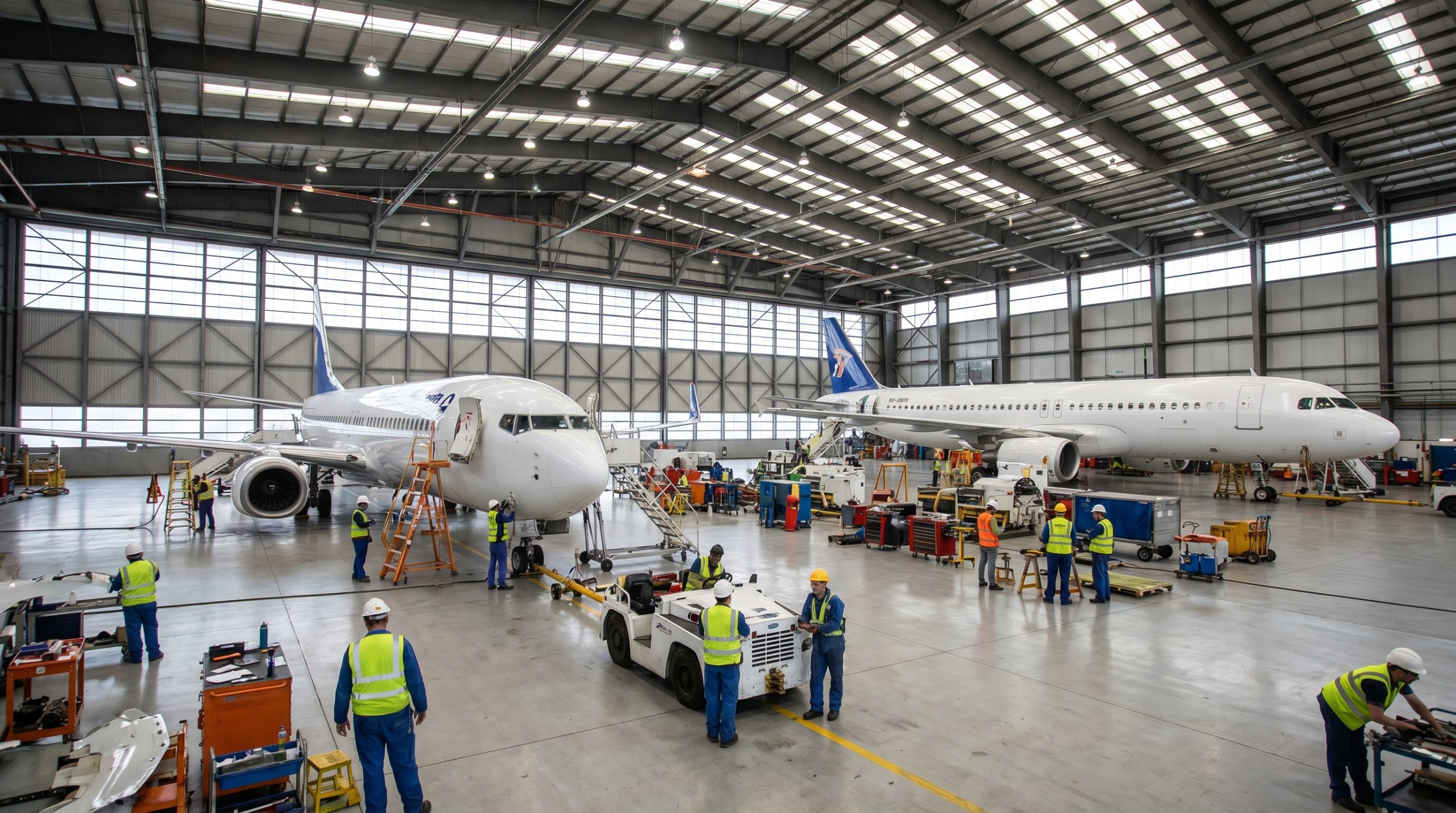
Successful global projects prove that pre-engineered steel structures offer the best safety, efficiency, and scalability for major airlines and private pilots. Reviewing a proven aircraft hangar for sale helps you adopt best-practice designs for your own commercial facility.
How do major airlines optimize space?
Make no mistake: modern commercial airlines rely on rigid clear-span steel frames to maximize their maintenance hangar layouts. Unobstructed interiors allow multiple passenger jets to park side-by-side, maximizing labor efficiency during maintenance overhauls.
What are successful pilot lounge designs?
The best part? Many modern hangars incorporate second-story mezzanine floors to save valuable ground-floor space. This allows operators to build complete administrative offices and pilot briefing rooms right above the parked aircraft.
- Clear-span frames over two hundred feet wide.
- Custom heavy-duty rolling doors that withstand high-velocity coastal winds.
- Integrated overhead utility corridors for pneumatic and power tools.
Strategic Takeaway: Designing multi-functional hangars with built-in office and maintenance zones greatly maximizes workflow and asset value.
| Hangar Project Type | Main Design Goal | Key Structural Choice | Business Outcome | |
|---|---|---|---|---|
| Commercial MRO Hub | High-volume aircraft turnover | 250-foot clear-span design | Decreased maintenance turnaround times | |
| FBO Corporate Terminal | Premium passenger lounge | Integrated mezzanine offices | Attracted high-end charter clientele | |
| Private Airport T-Hangar | Budget-friendly multi-tenant storage | Modular nested layouts | Maximized monthly leasing revenue |
Let us review the best financing paths and B2B procurement strategies for your investment.
What Financing and B2B Procurement Tips Exist for Hangars?

B2B buyers can leverage specialized equipment financing, long-term airport ground leases, and direct manufacturer procurement to control upfront costs. Securing your aircraft hangar for sale requires working with experienced steel builders who understand commercial credit.
Can you finance a steel hangar?
Why does this matter? Many commercial banks view prefabricated steel hangars as high-value, durable real estate, making them eligible for favorable commercial mortgages. Additionally, specialized equipment leasing companies can finance your hangar doors and heating systems separately.
How do you negotiate with manufacturers?
But that’s only the beginning. Buying directly from a certified structural steel manufacturer eliminates costly middleman markups.
- Apply for commercial real estate or specialized aviation construction loans.
- Secure a thirty-to-fifty-year airport ground lease to protect your equity.
- Procure directly from the factory to streamline delivery and cut costs.
Strategic Takeaway: Purchasing directly from an established steel manufacturer ensures you receive precise engineering support and wholesale pricing.
| Procurement Step | Key Business Focus | Recommended Action | Risk Avoided | |
|---|---|---|---|---|
| Ground Lease Security | Long-term land rights | Secure a 30+ year airport lease | Forfeiting building ownership | |
| Direct Purchasing | Wholesale factory cost savings | Buy directly from steel manufacturer | High third-party markups | |
| Loan Pre-Approval | Steady cash flow protection | Use commercial aviation finance | Mid-project funding stops |
Let us conclude with the final steps to launch your custom aviation development.
Conclusion
Building a premium steel hangar is a highly lucrative business investment that guarantees long-term equity, outstanding asset durability, and complete protection for your aircraft. To ensure your project meets strict FAA standards and stays within budget, we invite you to contact us today for a comprehensive structural consultation and custom quote.
Our team is dedicated to engineering top-tier, wind-resistant clear-span buildings tailored to your precise operational needs and regional safety codes. Partner with us to construct a robust, sustainable aviation facility that supports your fleet and elevates your business vision for decades to come.
Get Your Custom Aircraft Hangar for Sale—Request a Free Quote Today!
Email:sales@showhoo.com.cn
Phone/WhatsApp: + 86 186 7895 5927
Frequently Asked Questions (FAQ)
Q1: Can I expand my steel hangar design in the future?
A: Yes. Prefabricated steel frames can be easily expanded by planning for future growth during the initial design phase. Your building engineer can design load-bearing frames on the endwalls so you can simply add bays later.
Q2: What’s the best insulation system for keeping a hangar moisture-free?
A: It depends on your regional climate, but a high-R-value fiberglass blanket system with a continuous vapor barrier is generally the most effective and affordable option. This system stops warm, humid air from contacting the cold steel roof, preventing harmful condensation drips on your avionics.
Q3: Can I build a steel hangar on leased airport land?
A: Absolutely. Most private and corporate hangars are constructed on land leased from airport authorities under twenty to fifty-year agreements. You must secure this ground lease and verify local height clearances before purchasing your structural kit.
Q4: How do I know if my foundation needs custom engineering?
A: Absolutely, you will always need professional engineering because aircraft wheel loads are concentrated in very small areas. A standard warehouse slab will crack under heavy dual-tandem gear, demanding certified concrete layouts based on your specific aircraft weight.
Q5: Can I install multi-story office space inside a prefabricated hangar?
A: Yes. Prefabricated steel frames are strong enough to support heavy interior mezzanine decks without needing external pillars. This allows you to construct pilot lounges, offices, or parts storage spaces directly above your aircraft parking floor.