
There are 10 primary warehouse types serving diverse logistics functions from long-term storage to rapid distribution. You might be staring at a mountain of inventory in a cramped backroom, worrying about how much revenue you are losing to inefficiency. This lack of space slows down your fulfillment and frustrates your team, putting your growth at a standstill. Identifying the right warehouse types is the first step to scaling your operations and reclaiming your competitive edge.
What are the benefits of public warehouse types?
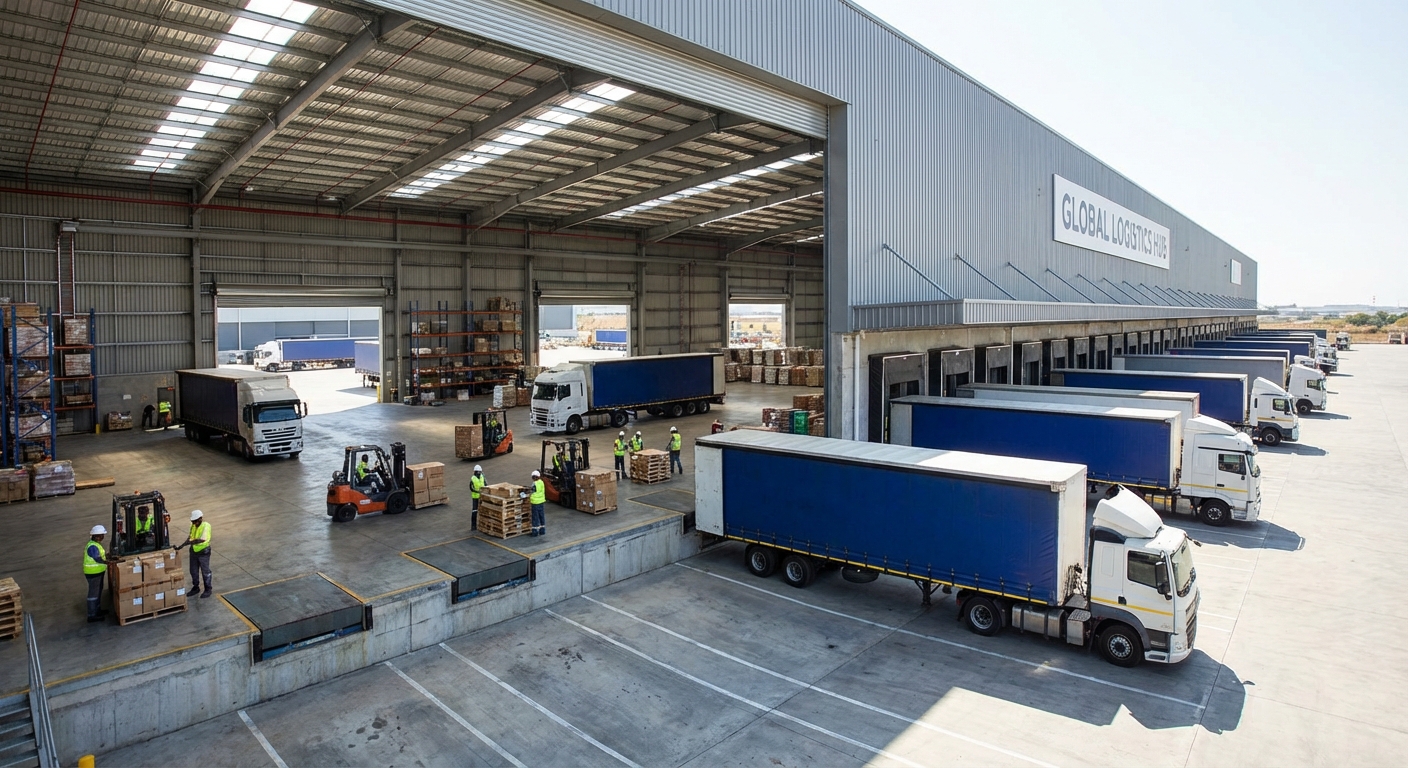
Public warehouse types provide accessible, short-term storage solutions owned by governmental or third-party entities for diverse business needs. These facilities are often the most affordable entry point for startups and small enterprises looking to avoid heavy capital expenditure. You can rent space as needed, making them highly flexible for seasonal spikes.
Are public facilities cost-effective?
Look: public warehouses require zero upfront investment for construction or maintenance. You only pay for the square footage or pallet positions you actually occupy during a specific month. This variable cost structure protects your cash flow during lean periods.
- No long-term lease commitments.
- Maintenance and utility costs included.
- Minimal administrative overhead for you.
- Rapid setup and inventory deployment.
Key Takeaway: Public warehouses are ideal for startups or seasonal businesses needing immediate, low-risk storage.
| Feature | Description | |
|---|---|---|
| Ownership | Government or 3rd Party | |
| Flexibility | High (Month-to-month) | |
| Cost | Low (Variable) |
This model ensures you never pay for empty space during your off-season.
Why choose private warehouse types for business?
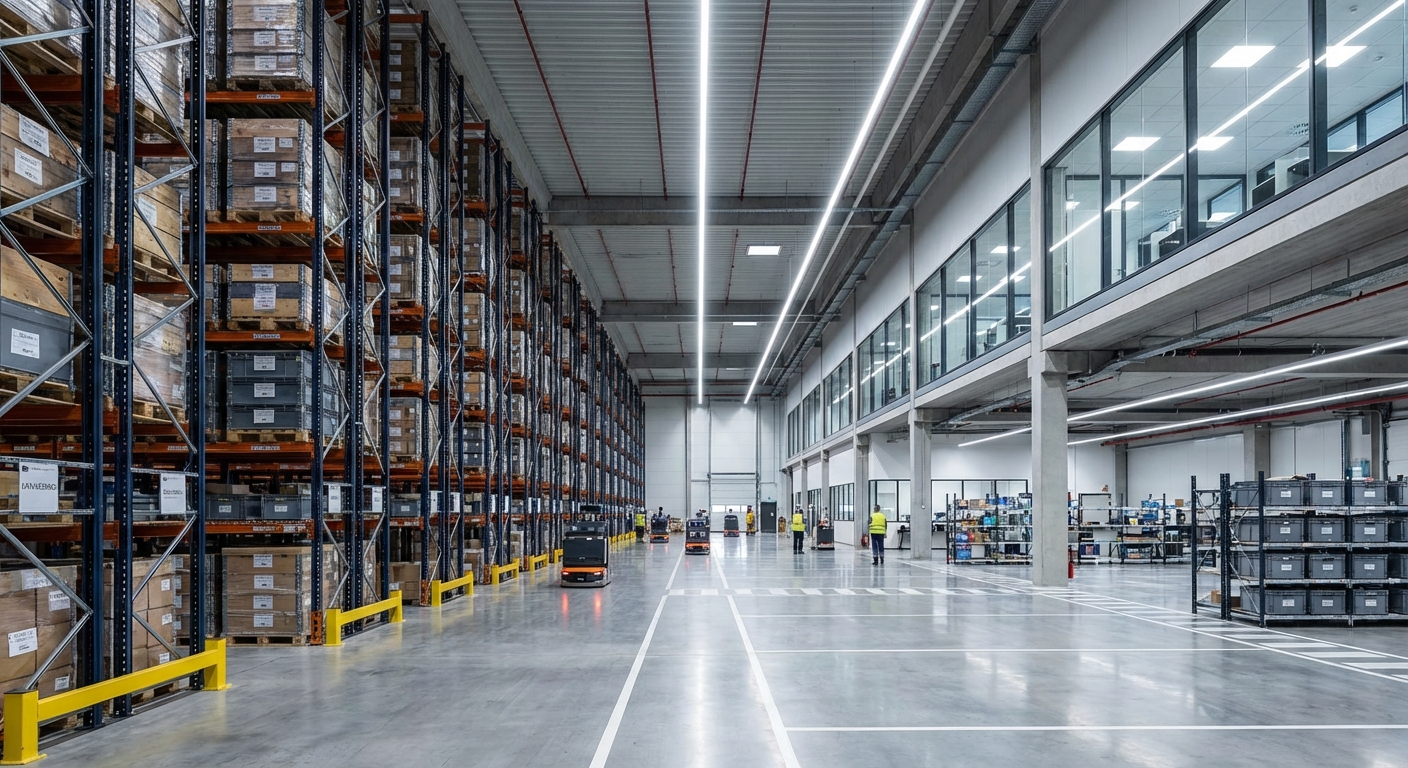
Private warehouse types offer businesses exclusive control over their storage environment, facilities management, and proprietary logistics workflows. While they require a higher upfront investment, they provide unmatched security and customization for a long-term regional presence. You can design the layout specifically to match your unique picking and packing processes.
Is exclusive control worth the investment?
The best part? You have the final say on every detail, from racking height to the integration of specialized conveyor systems. Think about it: when you own the facility, you aren’t at the mercy of a third party’s schedule or price hikes. This stability is crucial for large-scale distributors and manufacturers.
- Total control over security protocols.
- Customized layout for maximum efficiency.
- Long-term cost stability for fixed assets.
- Potential for specialized structural reinforcements.
Key Takeaway: Private warehouses offer the greatest control and long-term ROI for high-volume, established companies.
| Feature | Description | |
|---|---|---|
| Ownership | Corporate/Proprietary | |
| Control | Absolute | |
| Investment | High (Capital asset) |
Choosing this path allows you to build a facility that grows exactly as your business does.
How do smart warehouse types use automation?
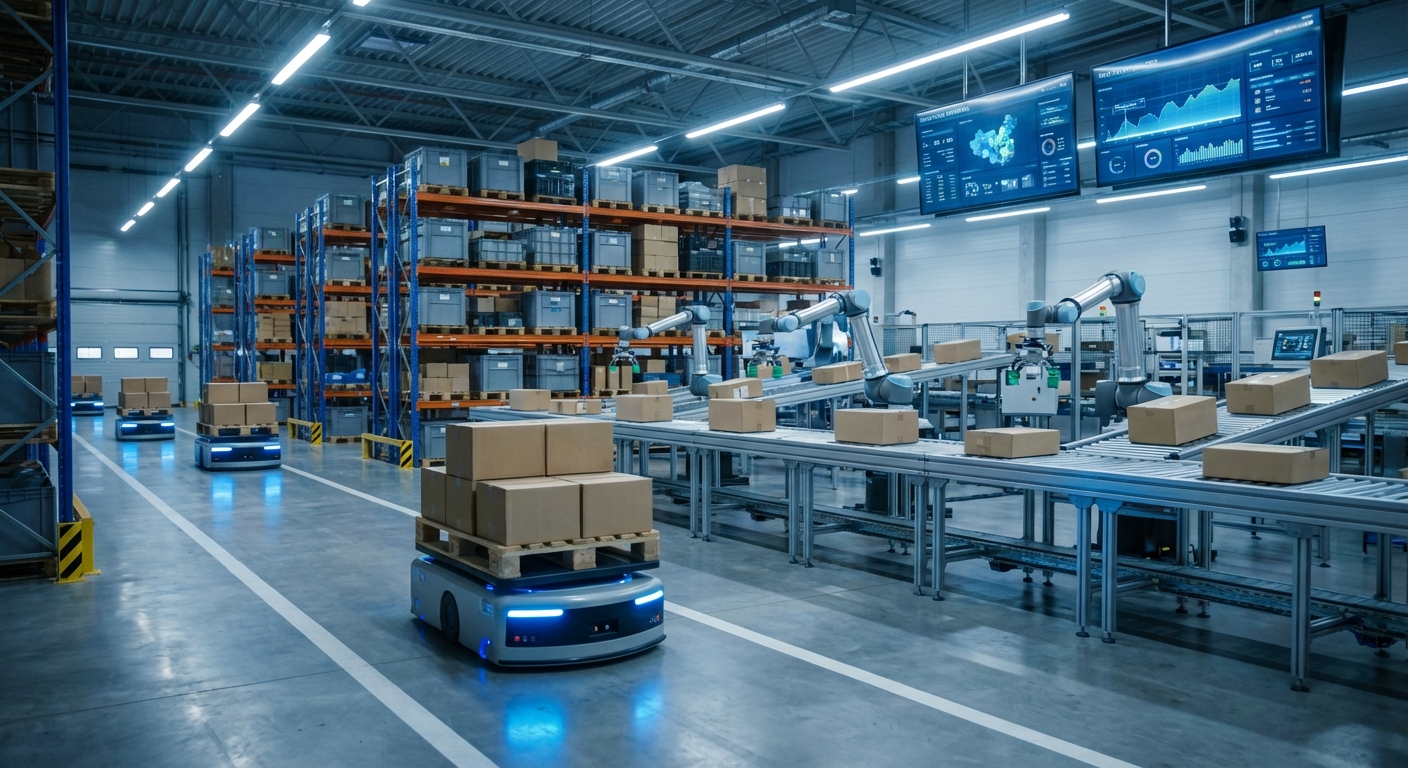
Smart warehouse types utilize artificial intelligence, robotics, and drones to automate the storage and fulfillment process for maximum accuracy. Every movement of inventory is tracked by software, which directs automated guided vehicles (AGVs) to retrieve items without human intervention. This specific type of warehouse is becoming the gold standard for e-commerce giants.
Can AI improve your inventory accuracy?
Simply put: robots don’t get tired and they don’t misread labels. When you automate, you reduce human error and significantly lower your long-term labor costs. You can process thousands of orders daily with a fraction of the traditional staff.
- Automated picking and packing systems.
- Real-time inventory tracking with AI.
- Integration of drones for high-level scanning.
- Drastic reduction in workplace accidents.
Key Takeaway: Smart warehouses maximize speed and accuracy while reducing reliance on manual labor.
| Feature | Description | |
|---|---|---|
| Technology | AI & Robotics | |
| Accuracy | Extremely High | |
| Scalability | High (Software-driven) |
Automation ensures your fulfillment keeps pace with digital consumer demands.
Who benefits from cooperative warehouse types?
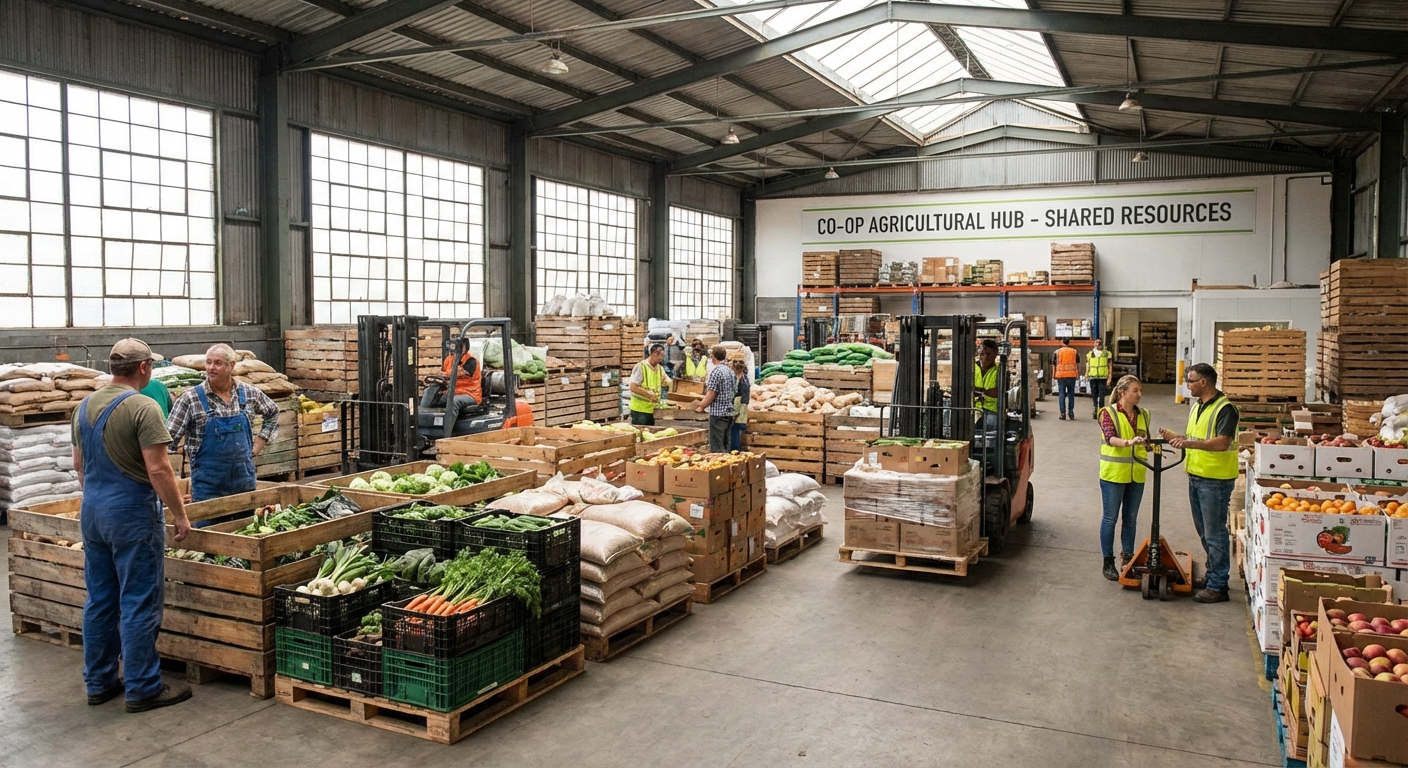
Cooperative warehouse types are facilities owned and operated by multiple organizations that share the same storage needs and operational goals. This model is particularly popular among farmers and niche producers who might not have the capital to build individually. By pooling resources, you can access high-quality storage at a fraction of the cost.
How does resource sharing save you money?
Wait, there is more: sharing the facility also means sharing the cost of expensive equipment like forklifts and heavy-duty refrigeration. Members usually pay a fee based on their usage, which keeps overhead low for everyone involved. It fosters a collaborative environment where logistics expertise is shared.
- Shared costs for building maintenance.
- Access to professional-grade equipment.
- Collaborative logistics and transport.
- Stability through collective ownership.
Key Takeaway: Cooperatives allow smaller businesses to leverage economies of scale usually reserved for giants.
| Feature | Description | |
|---|---|---|
| Ownership | Multi-organizational | |
| Primary Users | Farmers/Niche Producers | |
| Benefit | Shared Infrastructure |
This model provides a safe haven for smaller entities to compete in the global market.
What makes consolidated warehouse types efficient?

Consolidated warehouse types function by collecting small shipments from various suppliers and combining them into larger, more economical loads for specific regions. This type of warehouse is essential for startups that don’t produce enough volume to fill entire shipping containers on their own. You save significantly on freight costs by sharing space with other tenants.
Why is consolidation a game-changer for shipping?
Now: instead of paying for a half-empty truck, you pay only for your portion of a full one. This significantly lowers your shipping costs and reduces the carbon footprint of your logistics operations. It turns small-scale production into a major logistics advantage.
- Lower individual shipping rates.
- Frequent delivery schedules to key hubs.
- No need for high individual inventory levels.
- Reduced transit risk through shared loads.
Key Takeaway: Consolidated warehouses offer the most economical shipping solutions for low-volume businesses.
| Feature | Description | |
|---|---|---|
| Focus | Shipping Economics | |
| Ideal For | LTL (Less-Than-Truckload) | |
| Cost Saving | High Freight Reduction |
Consolidation ensures your small business can ship as efficiently as a multinational corporation.
How do bonded warehouse types manage imports?
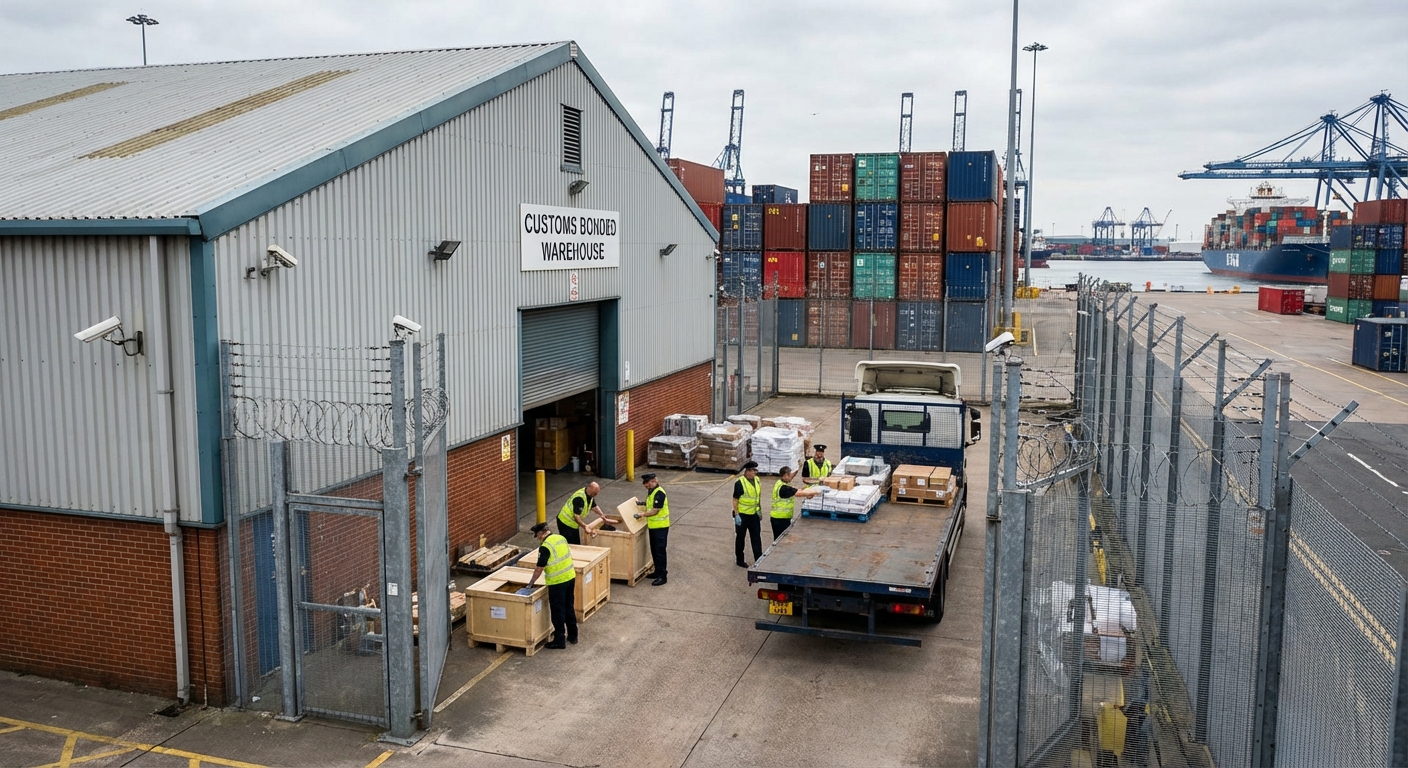
Bonded warehouse types are secure facilities where imported goods can be stored, manipulated, or undergo manufacturing without paying duties for a specified period. The government provides a bond to the warehouse operator to ensure that taxes are eventually paid or the goods are exported. This is a strategic tool for businesses dealing with cross-border trade.
How can you defer your tax payments?
Here is the deal: you don’t pay a cent in customs duties until the moment the product leaves the warehouse for domestic delivery. If you export the goods directly from the bonded facility, you might avoid those duties altogether. This significantly improves your company’s liquidity and cash flow.
- Deferment of customs duties and taxes.
- Secure storage for restricted items.
- Opportunity for local manufacturing or assembly.
- Long-term storage without immediate tax burden.
Key Takeaway: Bonded warehouses are essential for importers looking to optimize cash flow and manage international taxes.
| Feature | Description | |
|---|---|---|
| Regulation | Customs Controlled | |
| Financial | Tax/Duty Deferment | |
| Use Case | International Trade |
Utilizing this facility allows you to manage your global supply chain with financial precision.
Why are government warehouse types so secure?
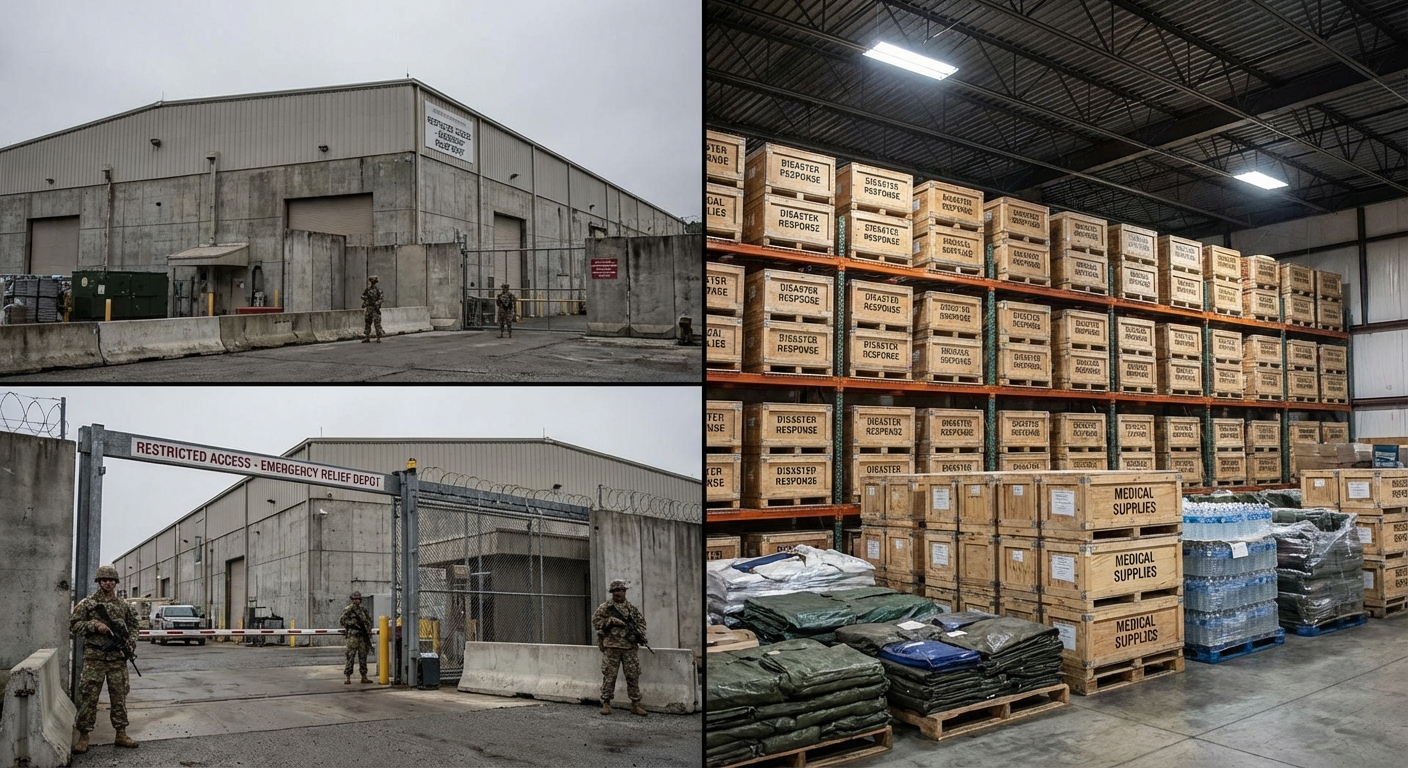
Government warehouse types are facilities owned and strictly regulated by national or local authorities, often used for storing critical supplies or restricted goods. These sites are frequently chosen for their high-level security protocols and strategic locations near major infrastructure. Using this type of warehouse provides peace of mind for sensitive inventory.
Is high-level security your top priority?
Think about it: government facilities often feature military-grade surveillance, restricted access zones, and 24/7 monitoring. While the paperwork might be extensive, the safety of your goods is virtually guaranteed compared to traditional private options. It is the ultimate choice for high-value or highly regulated materials.
- Maximum security for sensitive products.
- Strategically located near ports and rail.
- Strict adherence to safety regulations.
- Availability of specialized storage zones.
Key Takeaway: Government warehouses provide the highest levels of security and regulatory compliance available.
| Feature | Description | |
|---|---|---|
| Security | Elite/Military Grade | |
| Access | Restricted/Strict | |
| Compliance | National Standards |
These facilities offer a level of protection that standard commercial options simply cannot match.
How do cold storage warehouse types work?
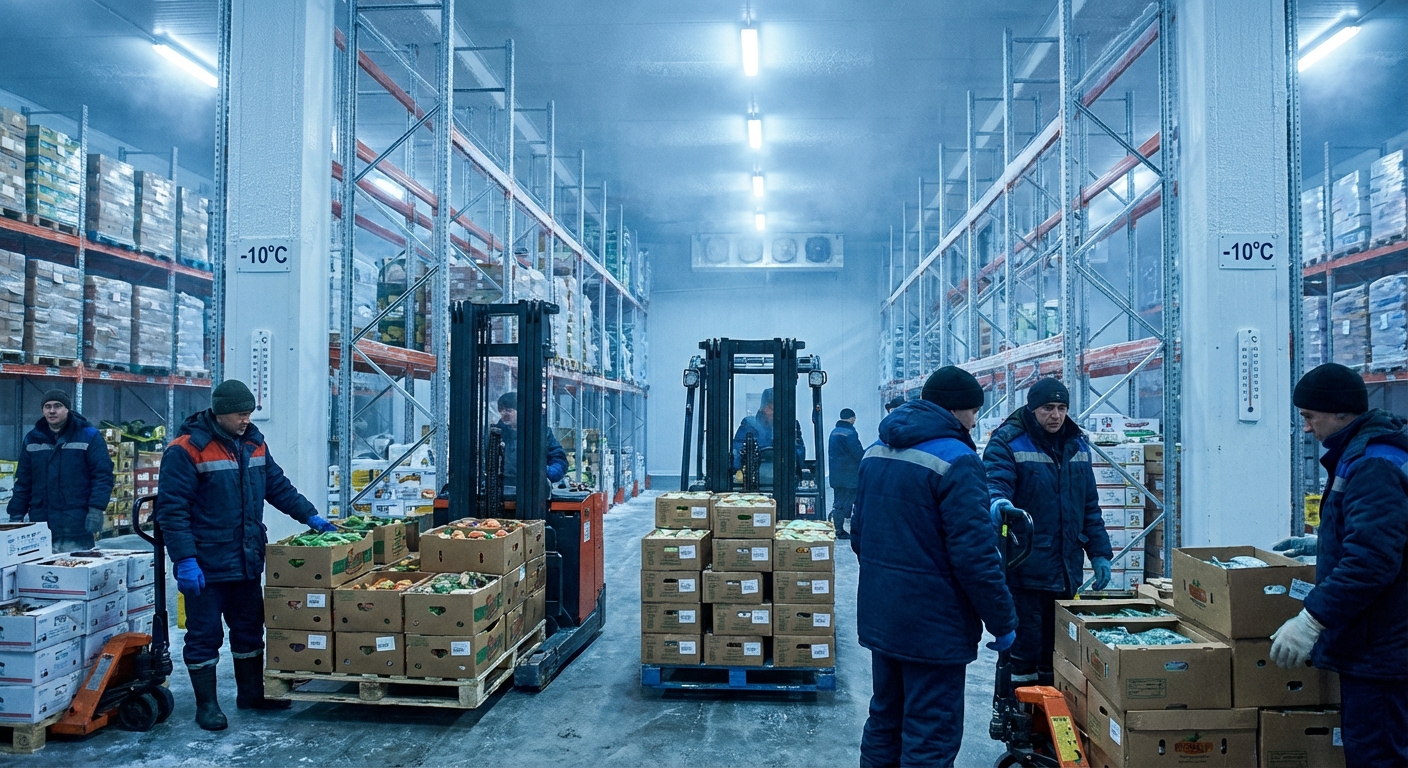
Cold storage warehouse types are specialized facilities with environmental controls designed to store temperature-sensitive products like food, medicine, and artwork. These buildings require heavy insulation and advanced HVAC systems to maintain specific climate conditions around the clock. You rely on these to prevent spoilage and maintain product integrity.
Can your products survive the heat?
The best part? Modern cold storage can be zoned to provide different temperatures for different products within the same building. Look: whether you need deep-freeze or just humidity control, these facilities preserve your inventory’s value until the point of sale. This is non-negotiable for the pharmaceutical and grocery sectors.
- Precise temperature and humidity control.
- Backup power systems for climate stability.
- Specialized loading docks to maintain the cold chain.
- Compliance with strict health and safety codes.
Key Takeaway: Cold storage is the only viable option for preserving perishable or climate-sensitive inventory.
| Feature | Description | |
|---|---|---|
| Control | Temperature/Humidity | |
| Industry | Pharma/Food/Art | |
| Equipment | Industrial Refrigeration |
Maintaining the cold chain ensures your customers receive products in perfect condition.
What defines flexible on-demand warehouse types?
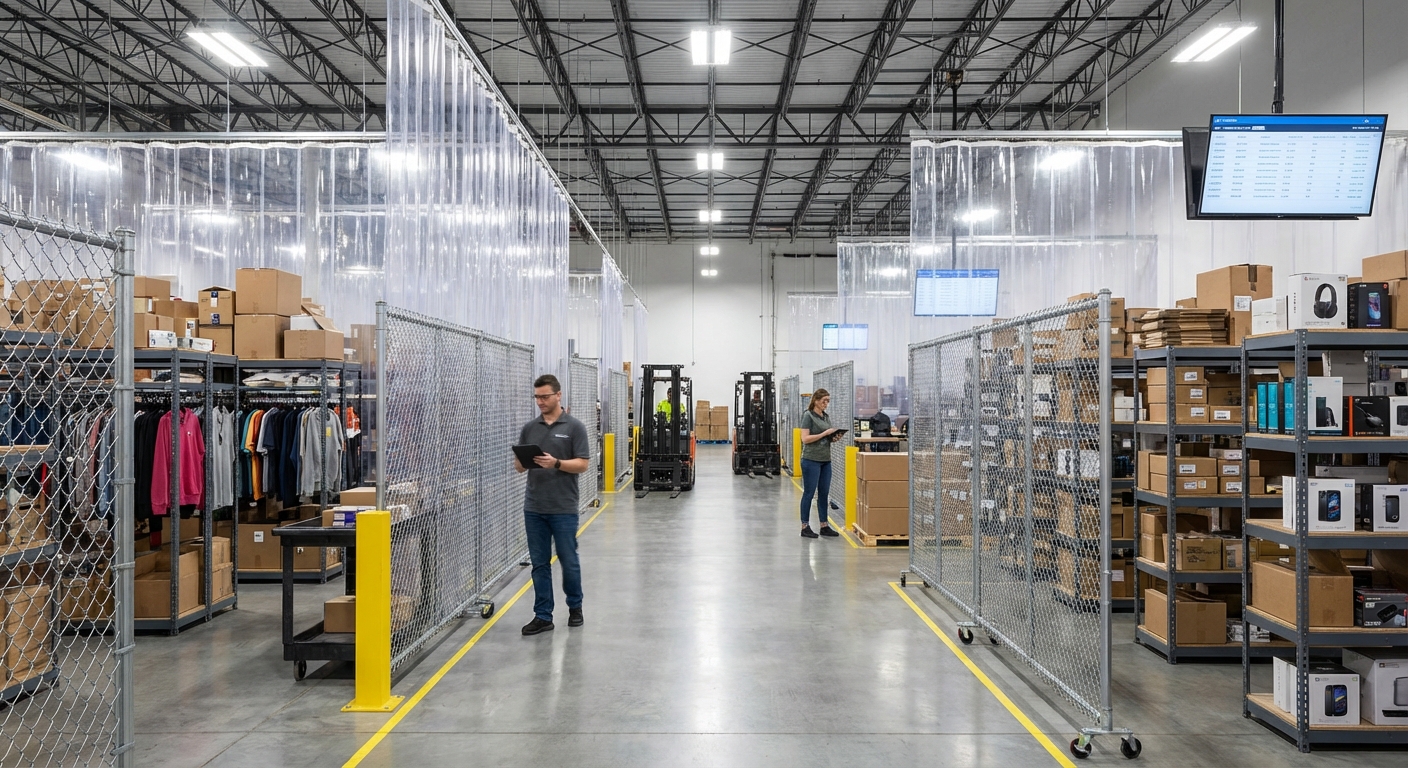
On-demand warehouse types operate as a digital marketplace that connects businesses needing temporary space with warehouses that have excess capacity. This modern type of warehouse model allows you to scale up during a holiday rush without signing a three-year lease. It is the “Uber” of the logistics world, focusing on speed and short-term convenience.
Is on-demand storage the future of e-commerce?
Simply put: it gives you the power to expand your footprint globally in a matter of days. You can place inventory closer to your customers to offer faster shipping times without building new infrastructure. This keeps your business agile and responsive to market shifts.
- No long-term contractual obligations.
- Ability to expand to new regions quickly.
- Lower costs for temporary inventory surges.
- Pay-as-you-go pricing models.
Key Takeaway: On-demand warehousing provides ultimate flexibility for businesses with fluctuating storage needs.
| Feature | Description | |
|---|---|---|
| Model | Digital Marketplace | |
| Lease Term | Short/Flexible | |
| Scaling | Instantaneous |
This flexibility allows you to test new markets without significant financial risk.
How do distribution center warehouse types function?
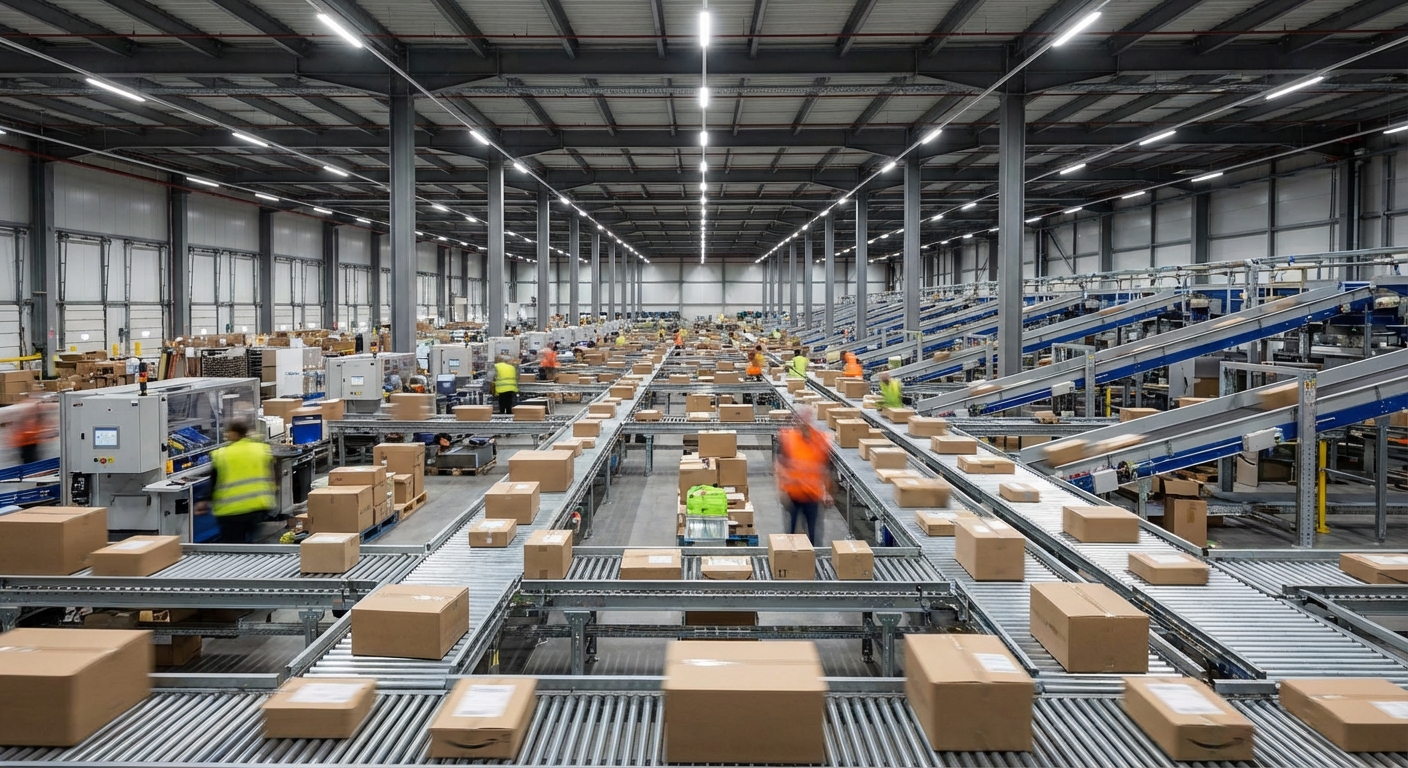
Distribution center warehouse types are designed for the rapid movement of goods rather than long-term storage, acting as a hub for order fulfillment and shipping. These facilities are built with numerous loading docks and wide aisles to accommodate high-velocity throughput. Your inventory usually stays here for days or weeks, not months.
Why is throughput more important than storage?
Bottom line: the faster you move products out, the higher your profit margins become. Distribution centers prioritize the “pick and pack” process to ensure orders reach retailers and consumers as fast as possible. They are the engine room of modern retail logistics.
- High-speed order fulfillment systems.
- Strategic location near major transit hubs.
- Focus on shipping preparation and cross-docking.
- Minimized time-to-market for new products.
Key Takeaway: Distribution centers are optimized for speed, transit, and rapid order turnover.
| Feature | Description | |
|---|---|---|
| Primary Goal | Velocity/Shipping | |
| Stay Duration | Short-term | |
| Infrastructure | High-density Docks |
Investing in a distribution center model ensures your supply chain never hits a bottleneck.
Choosing the right facility doesn’t have to be a gamble; this guide has shown you how each structure serves a unique strategic purpose. Whether you need the security of a private site or the agility of an on-demand hub, the right choice will streamline your workflow and protect your margins. To build a custom solution that fits your specific needs, contact us today for expert guidance on steel structure warehousing. We believe in building the infrastructure that empowers global commerce to reach its full potential.
Frequently Asked Questions
Can I use a bonded warehouse for local manufacturing?Yes, you can often perform assembly or manufacturing within these facilities to defer taxes. Many companies use this to process raw materials into finished goods before formally importing them.
What’s the best type of warehouse for a small e-commerce startup?Consolidated or public warehouses are typically the best choice for startups. They allow you to scale your costs alongside your sales without needing huge capital.
How do I know if I need a smart warehouse?A smart facility is usually necessary if you are processing high volumes of orders with a low tolerance for error. If your current manual picking is causing shipping delays, it is time to automate.
Can I store food in a standard distribution center?Only if the food is non-perishable and does not require temperature control. Perishable goods absolutely require a specialized cold storage facility to remain safe.
How do I know if a cooperative warehouse is right for my farm?If you have high-quality produce but cannot afford a private facility, a cooperative is likely your best move. It allows you to share the financial burden with trusted neighbors.