
Building a high-quality steel structure chicken house requires a coordinated effort between engineering design, material selection, and on-site assembly to ensure a bio-secure environment. You are likely searching for ways to scale your poultry operations without the constant headaches of wood rot or predator breaches. The frustration of dealing with inferior materials often leads to higher long-term costs and lower yields. By focusing on how to build a chicken coop using industrial-grade steel, you provide your flock with a durable home that withstands extreme weather conditions.
Why plan before you learn how to build a chicken coop?
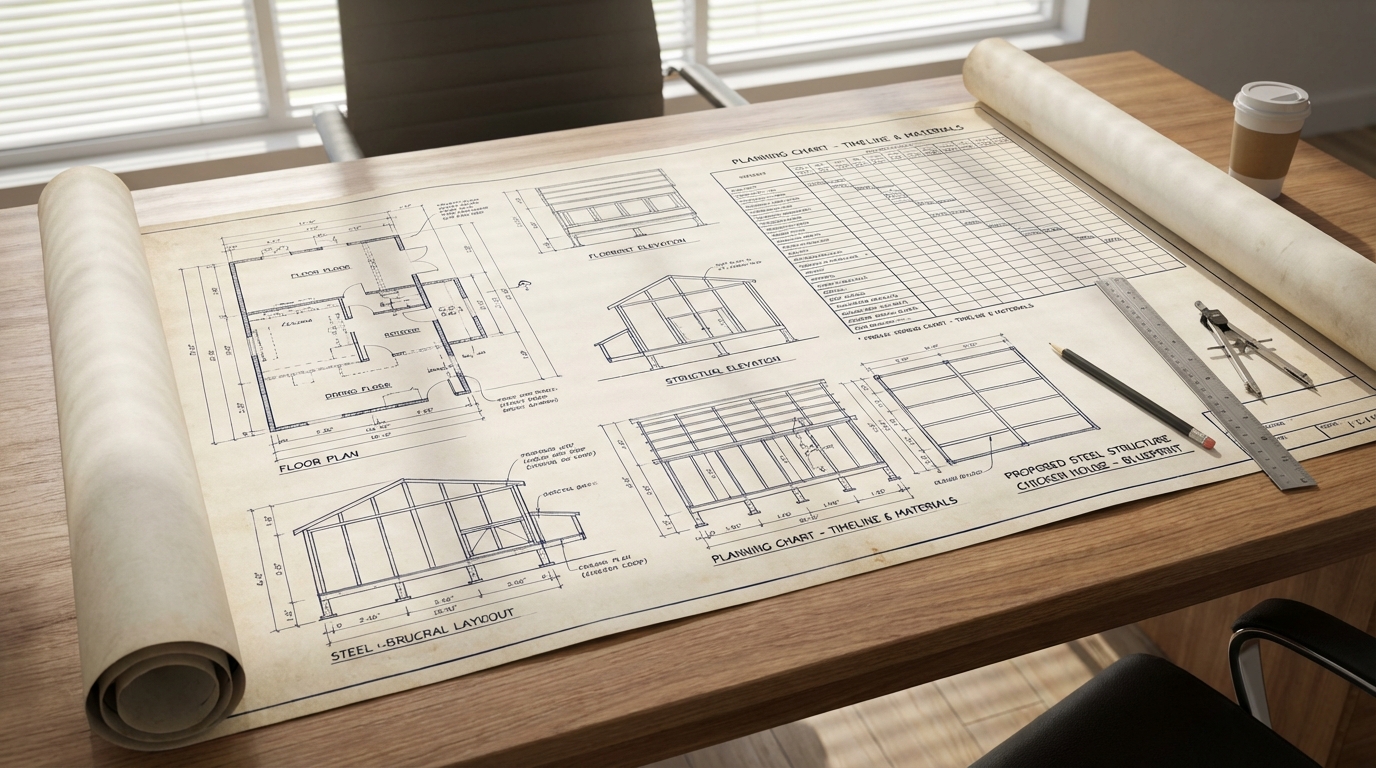
Comprehensive planning involves creating detailed blueprints and bill of materials (BOM) to prevent site delays and construction errors. When you research how to build a chicken coop , your first priority should be a professional layout that optimizes space for both birds and equipment. A well-designed plan serves as the foundation for the entire project, ensuring every bolt and beam has a designated place.
Why are technical blueprints necessary?
Blueprints provide the exact dimensions and load-bearing specifications required to meet your local wind and snow load standards. These documents allow you to visualize the workflow of the facility, including the placement of feeding lines and egg collection systems.
Here is the deal:
- Blueprints reduce material waste by providing exact counts.
- They ensure your structure remains compliant with safety codes.
- Professional drawings simplify the permit application process.
What is the role of a BOM?
A Bill of Materials ensures that every component is tracked from the factory to your site, preventing the common issue of missing parts. This transparency is crucial for maintaining your building chicken coop budget and project timeline.
Now consider this: without a clear BOM, you might find yourself waiting weeks for a single missing fastener.
Key Takeaway: Detailed planning is the only way to ensure structural integrity and operational efficiency from day one.
Is a solid base key to how to build a chicken coop?
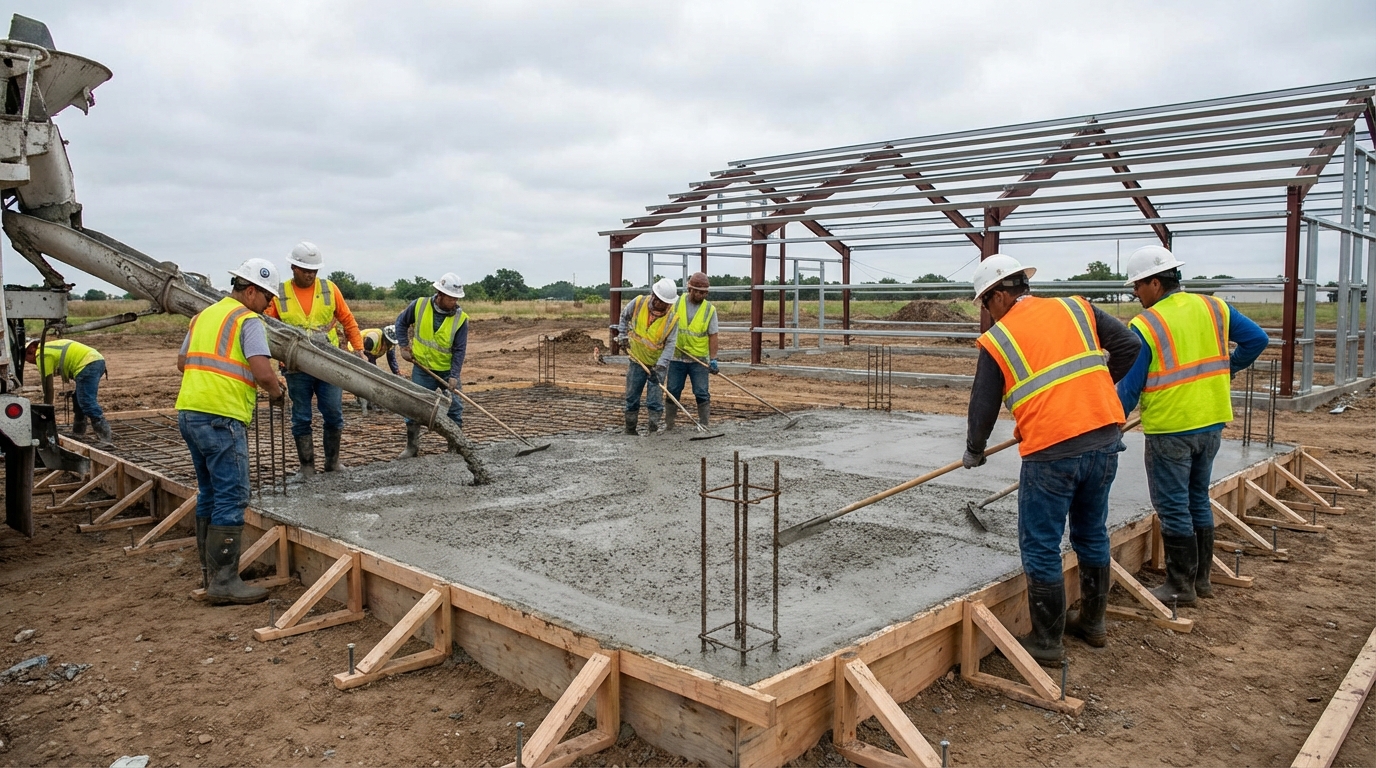
A reinforced concrete foundation is essential because it provides the necessary stability for the heavy steel frame and prevents groundwater seepage. Understanding how to build a chicken coop means recognizing that the structure is only as strong as the ground it stands on. You must also ensure the foundation meets local code requirements for seismic and environmental safety.
Can you skip the anchor bolts?
Anchor bolts must never be skipped as they secure the main H-section steel columns to the concrete slab, preventing movement during high winds. This step is the bridge between civil works and steel erection in your chicken coop building journey.
Think about it:
- Anchor bolts transfer the building’s load to the earth.
- Properly spaced bolts allow for perfect column alignment.
- High-strength steel bolts offer long-term corrosion resistance.
Is drainage a factor for foundations?
Proper site grading and foundation elevation are required to keep the interior dry and manageable during heavy rains. A dry foundation is the first step in a successful building a small chicken coop strategy for large-scale operations.
Key Takeaway: The foundation acts as the anchor for your entire investment, protecting against both structural shifts and moisture-related diseases.
How to build a chicken coop with a sturdy steel frame?
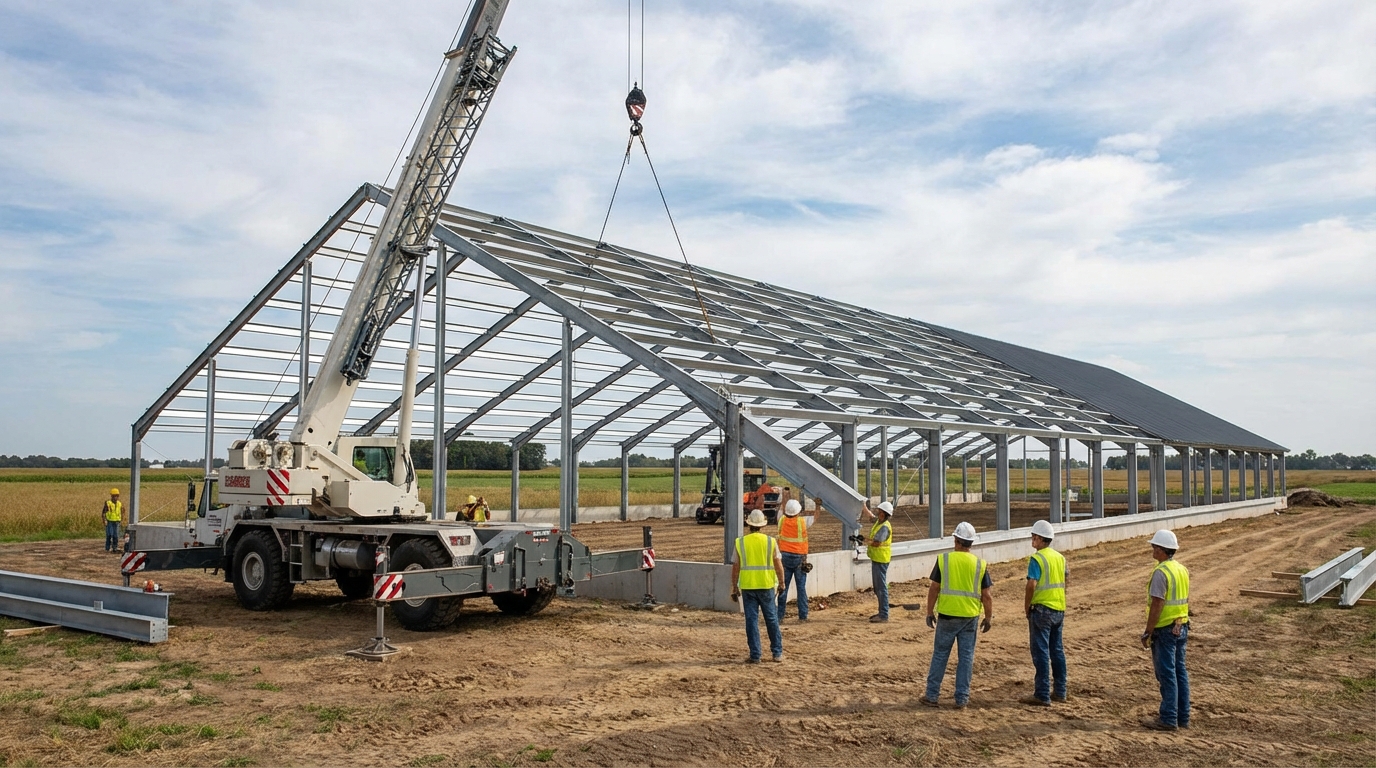
Building the main frame requires erecting H-section steel columns and beams that form the primary skeleton of the poultry house. When looking into how to build a chicken coop , selecting high-strength steel ensures your facility can support the weight of industrial feeding and ventilation systems. The assembly process is streamlined through the use of pre-engineered parts that fit together without the need for field modifications.
How are columns erected safely?
Steel columns are lifted into place using cranes and secured to the foundation anchor bolts to create the main structural bays. This stage of building chicken coop components requires precision to ensure the entire building is perfectly plumb and level.
The truth is:
- H-section steel offers superior strength-to-weight ratios.
- Pre-drilled holes ensure fast and accurate assembly.
- Galvanized finishes protect against the ammonia-rich farm environment.
Why is bracing important?
Secondary bracing, including tie rods and fly bars, provides the lateral stability needed to prevent the frame from swaying under heavy environmental loads. It is a critical component of professional chicken coop building that ensures the structure remains rigid for decades.
Key Takeaway: A precision-engineered steel frame is the most durable option for modern poultry farming, offering unmatched speed and strength.
How to build a chicken coop using insulated roof panels?
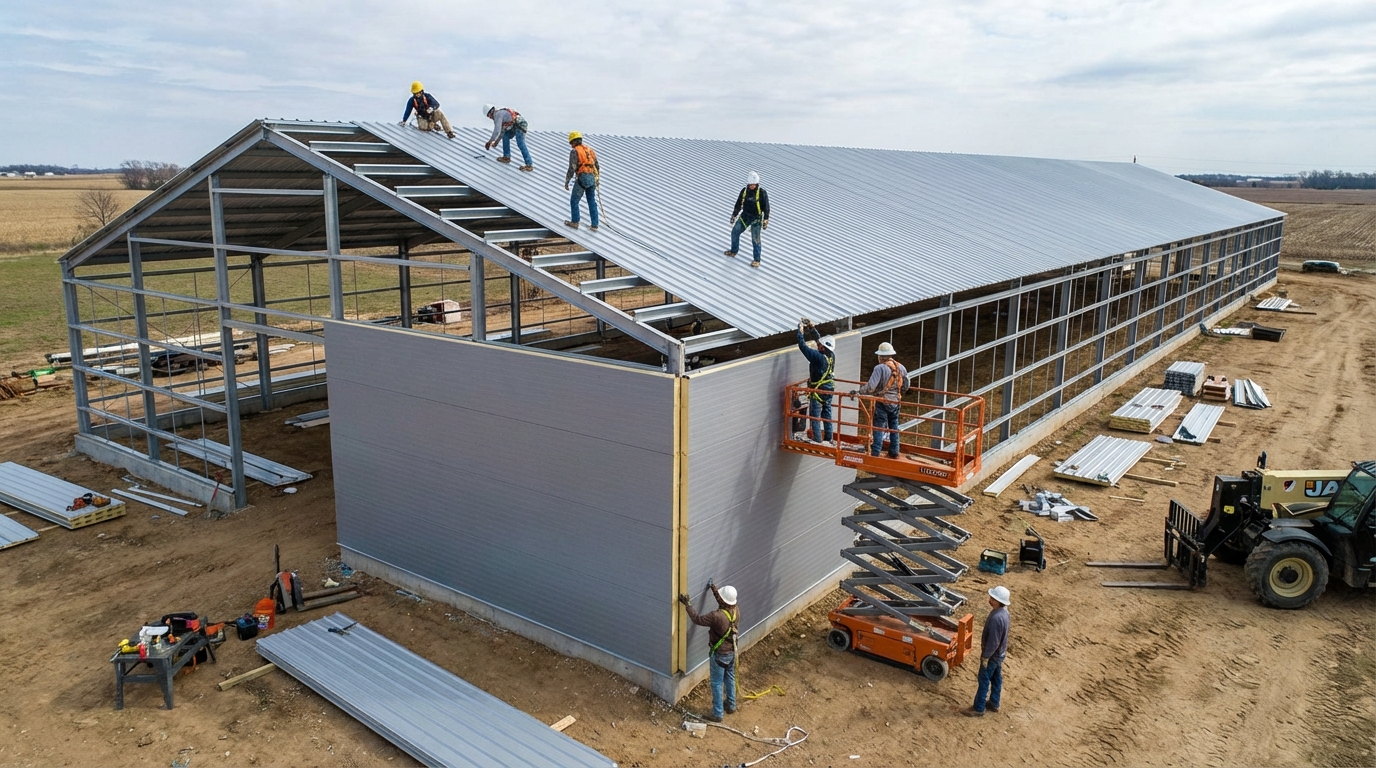
Installing insulated metal roof panels provides a weather-tight seal and essential temperature regulation for the birds inside. As you learn how to build a chicken coop , you will find that a well-insulated roof is the primary defense against heat stress in the summer. These panels are typically designed to overlap, creating a continuous barrier that prevents leaks and drafts.
What are the benefits of sandwich panels?
Sandwich panels consist of two steel sheets with an insulation core, offering excellent thermal performance and structural rigidity in one piece. They are a top choice for anyone building a small chicken coop or a large industrial shed because they simplify installation.
Here is the deal:
- Panels provide R-value insulation to lower energy costs.
- The pre-finished surfaces are easy to clean and disinfect.
- Interlocking edges ensure a pest-proof and water-tight seal.
How do you secure roof panels?
High-strength self-tapping screws with waterproof washers are used to fasten the panels directly to the galvanized purlins. This ensures the roof remains secure even during the most severe storm events in your chicken coop building project.
Key Takeaway: High-quality roofing is a multi-purpose component that protects your flock from moisture, heat, and structural degradation.
How to build a chicken coop to ensure fresh air flow?
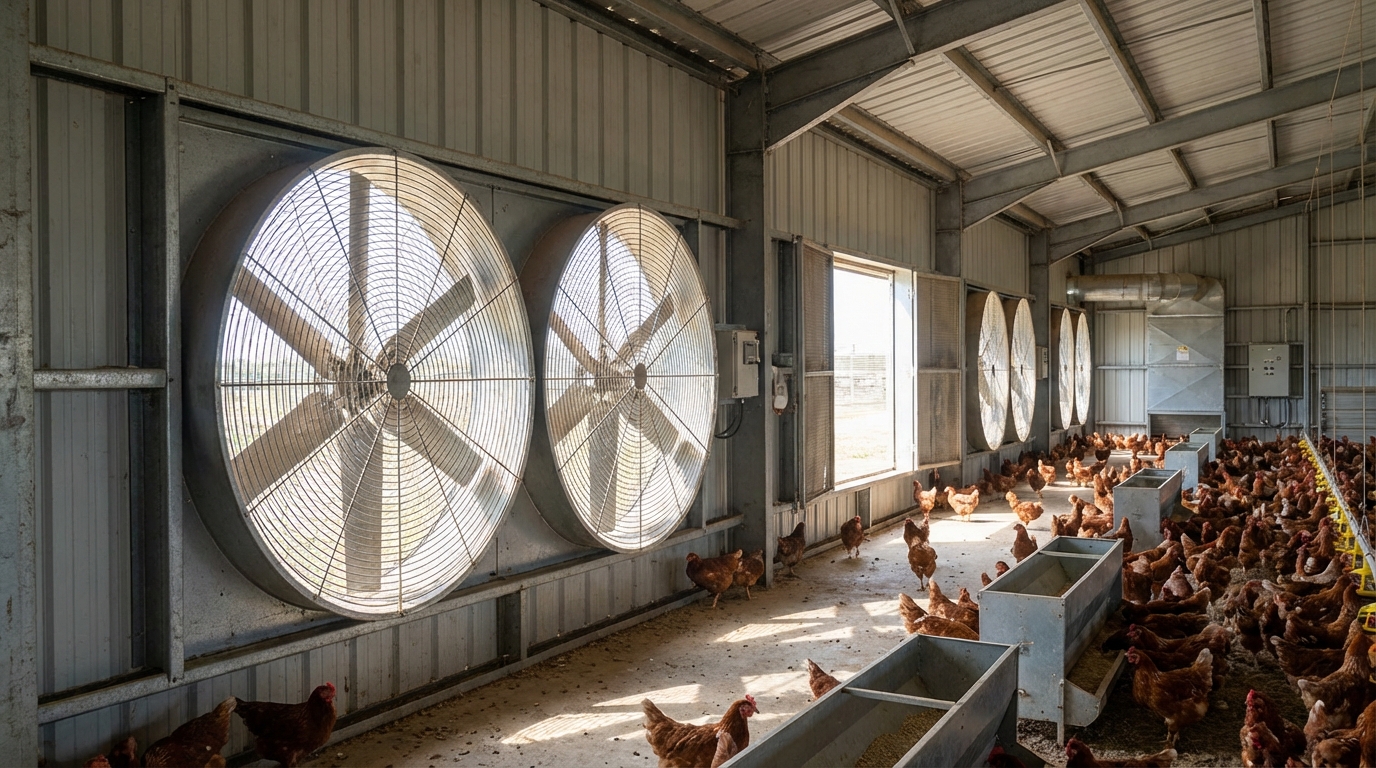
Installing large-diameter exhaust fans and air inlets creates a tunnel ventilation system that effectively removes ammonia and regulates humidity. Mastering how to build a chicken coop requires a deep understanding of air exchange rates to prevent respiratory issues in your flock. You can review completed projects to see how successful farms layout their airflow systems for maximum bird health.
Why use tunnel ventilation?
Tunnel ventilation pulls air through the length of the building, providing a wind-chill effect that keeps birds cool during peak summer temperatures. This is a vital feature of any professional building chicken coop design for high-density farming.
Bottom line:
- High-efficiency fans reduce operational electrical costs.
- Consistent airflow prevents the buildup of toxic gasses.
- Automated shutters protect against drafts in cooler weather.
Can cooling pads help?
Evaporative cooling pads installed at the air intake end can drop the interior temperature significantly by using the natural power of water evaporation. This is an advanced step in building a small chicken coop or commercial unit that pays for itself in bird productivity.
Key Takeaway: Effective ventilation is the heartbeat of a healthy poultry house, directly impacting your growth cycles and mortality rates.
How to build a chicken coop for better thermal control?
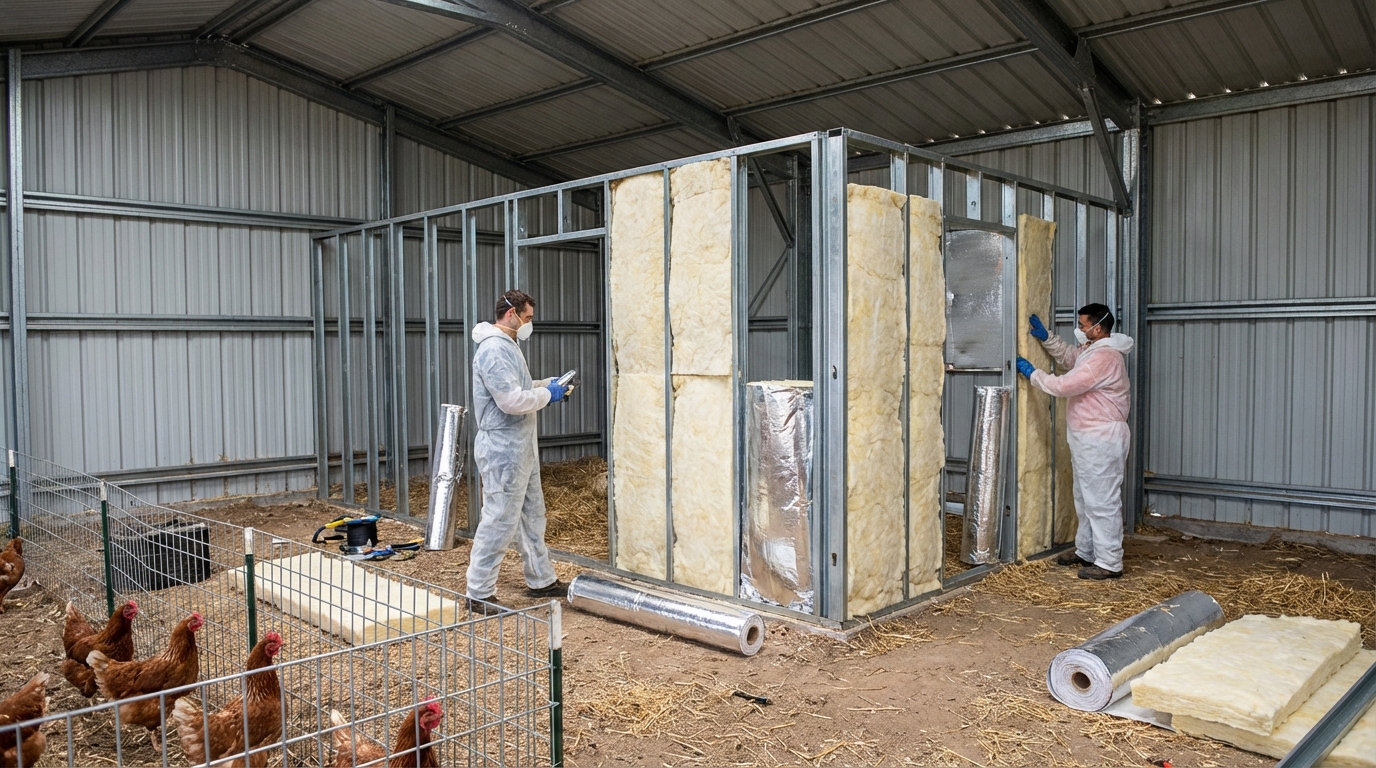
Installing wall insulation boards within the steel wall studs prevents heat transfer and helps maintain a constant internal temperature. When you analyze how to build a chicken coop , you must consider that wall insulation is just as important as the roof for year-round climate management. Properly insulated walls keep the facility warm in the winter and cool in the summer, reducing your heating and cooling expenses.
What materials work best?
Rigid foam boards or fiberglass batts with a protective moisture barrier are the most effective materials for modern poultry house walls. Using these materials in chicken coop building ensures that internal humidity does not damage the structural components over time.
Think about it:
- Insulation prevents condensation on the steel walls.
- It acts as a sound barrier to keep the flock calm.
- Fire-rated materials provide an extra layer of safety.
Is sealing the joints necessary?
You must seal all joints with industrial tape or sealant to prevent air leaks and to stop pests from nesting within the insulation layers. This attention to detail is what separates a DIY attempt from professional building chicken coop standards.
Key Takeaway: Wall insulation is a critical investment for maintaining bio-security and achieving optimal feed conversion ratios through temperature stability.
How to build a chicken coop with automated feeding?
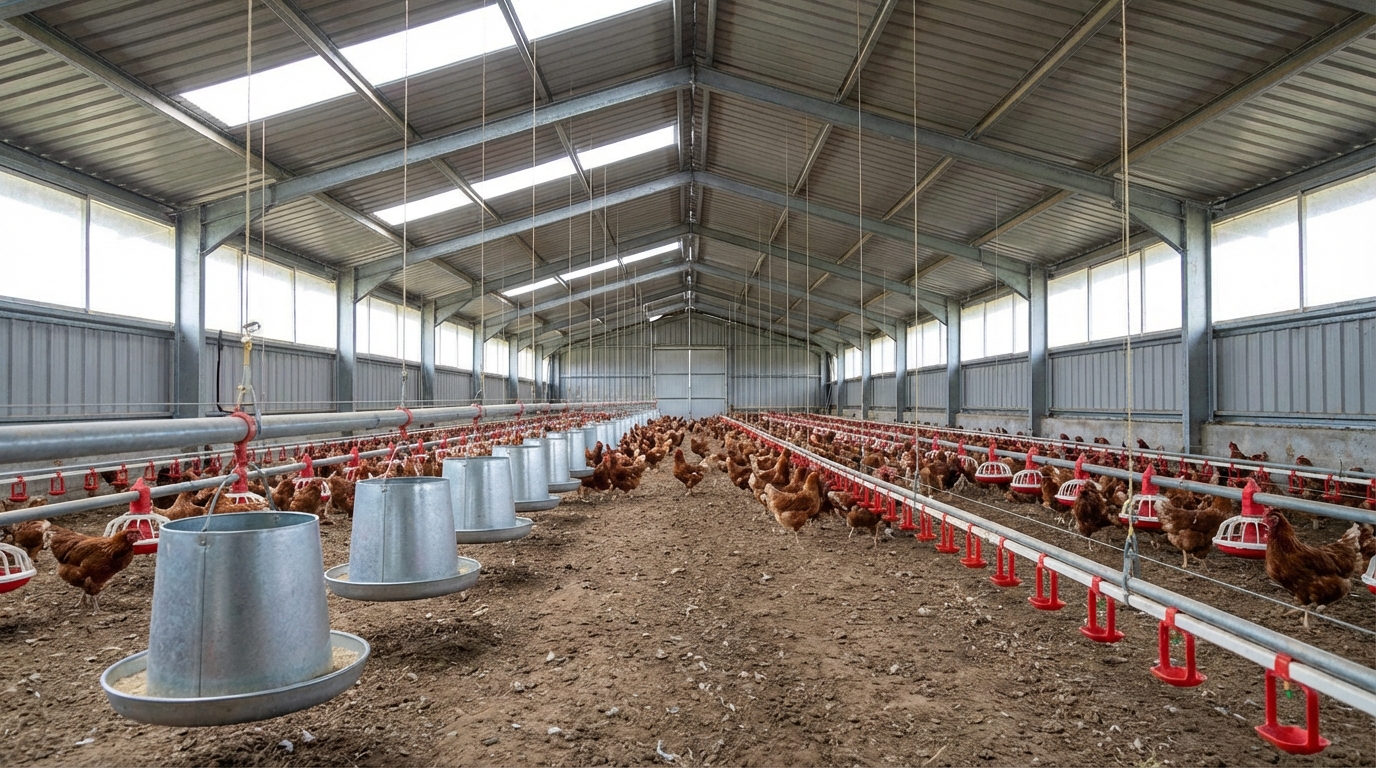
Integrating an automated feeding system involves mounting overhead auger lines and dispensing pans that deliver feed directly to the birds. If you want to know how to build a chicken coop that minimizes labor, automation is the most significant upgrade you can make. These systems ensure that every bird has access to fresh feed without the waste and contamination associated with manual troughs.
How does the auger system work?
A motor-driven auger pulls feed from an external silo and distributes it evenly across the entire length of the building through sealed pipes. This is a game-changer for anyone building a small chicken coop looking to scale up to commercial production levels.
Now consider this:
- Automation reduces the amount of feed spilled on the floor.
- It prevents workers from having to enter the house constantly.
- Sensors ensure the feed pans are always topped off.
Are watering lines integrated?
Most modern systems include nipple drinking lines that run parallel to the feeders, providing a clean and enclosed water source for the flock. This integration is standard in high-end chicken coop building projects today.
Key Takeaway: Automation shifts your focus from manual labor to management, allowing you to oversee larger flocks with fewer staff members.
How to build a chicken coop for interior light control?
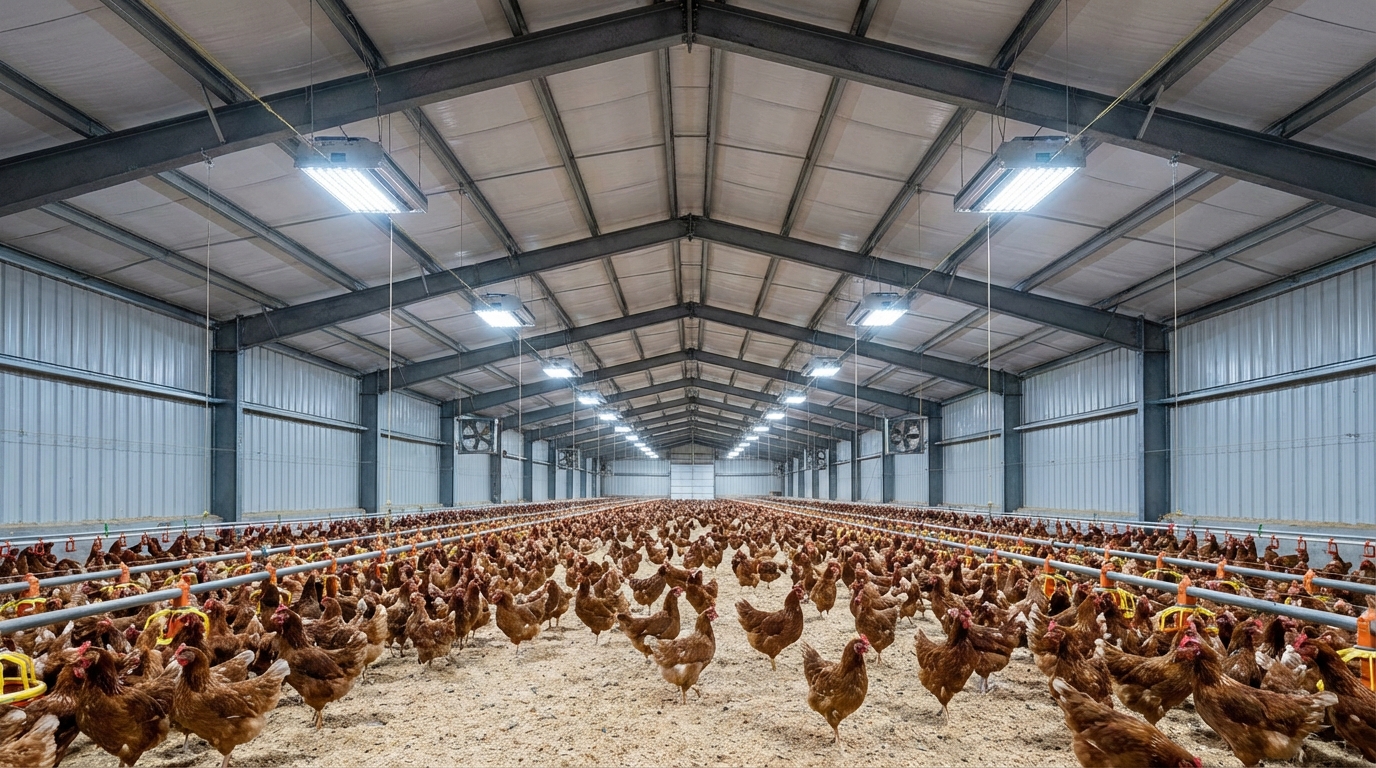
Installing dimmable LED lighting systems allows you to simulate natural day-night cycles, which is crucial for regulating bird growth and egg production. When learning how to build a chicken coop , you must consider how light intensity affects bird behavior and overall health. Modern LED fixtures are designed to withstand the dusty and humid conditions found in poultry houses.
Why use LED technology?
LEDs are highly energy-efficient and have a long lifespan, which significantly reduces maintenance costs compared to traditional incandescent or fluorescent bulbs. They are an essential component of building chicken coop facilities that prioritize sustainability and cost control.
The best part?
- You can program light schedules to match the age of the birds.
- Uniform light distribution prevents huddling and stress.
- Water-resistant housings make cleaning the facility easier.
Is light color important?
Specific light spectrums can be used to promote certain behaviors, such as red light to reduce aggression or blue-green light to stimulate growth. This advanced approach to building a small chicken coop helps optimize your production results.
Key Takeaway: Strategic lighting is a powerful management tool that influences everything from feed intake to the timing of egg-laying.
How to build a chicken coop for waste management?
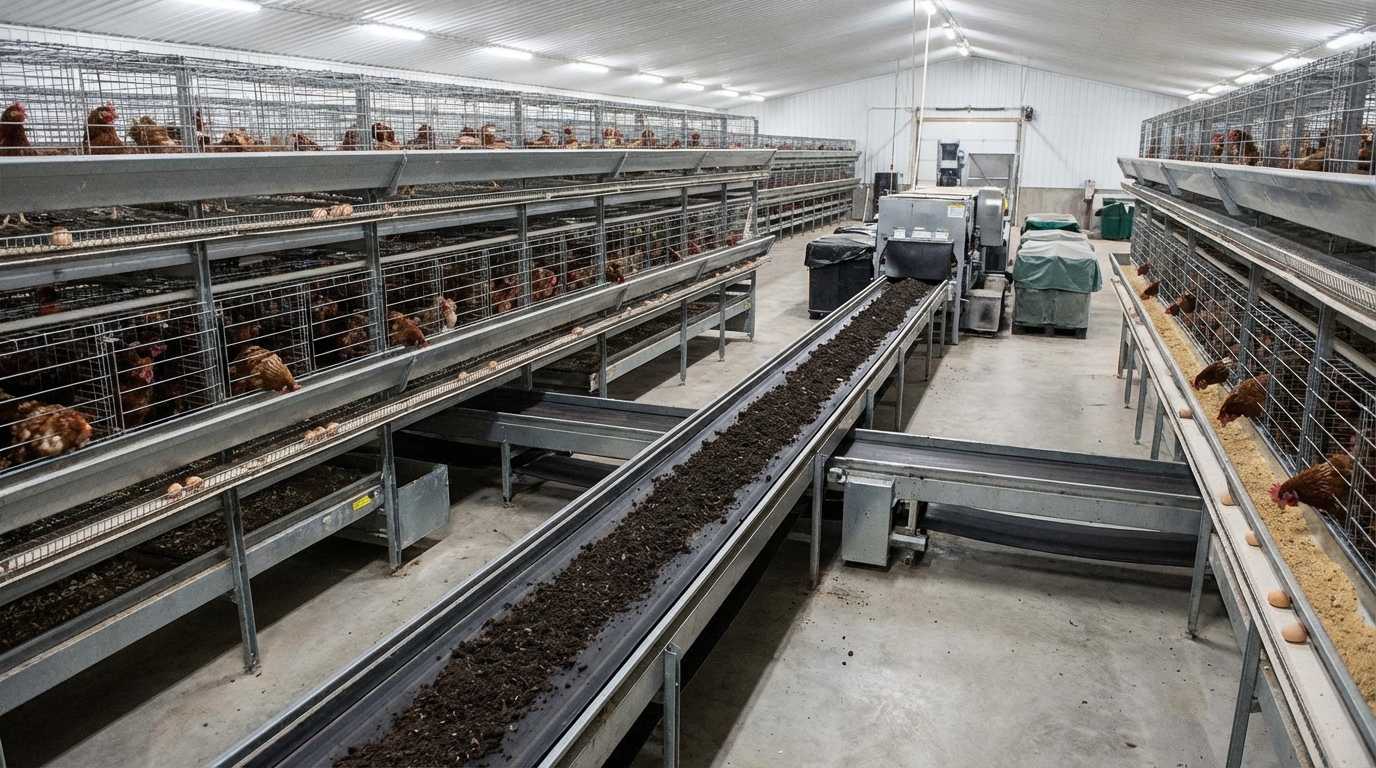
Designing the house with automated manure belts or scrapers allows for the daily removal of waste, keeping the air fresh and the litter dry. To truly understand how to build a chicken coop , you must have a plan for managing the tons of manure produced by a large flock. Efficient waste removal is a cornerstone of modern bio-security and disease prevention strategies.
How do manure belts function?
Belts located under the cages or flooring catch waste and transport it to a collection point at the end of the building for easy disposal. This is a critical feature for any chicken coop building project focused on maintaining a high-standard environment.
Think about it:
- Daily removal reduces ammonia levels in the air.
- It keeps the birds cleaner and reduces skin infections.
- Dried manure can be sold or used as high-quality fertilizer.
Can scrapers be used for floor systems?
Mechanical scrapers can be installed in floor-reared houses to clear waste from under raised slats or within central alleys. This is a popular choice for building chicken coop setups that use deep litter systems.
Key Takeaway: Professional waste management is not just about cleanliness; it is about protecting the health of your birds and your staff.
How to build a chicken coop with a modern steel finish?
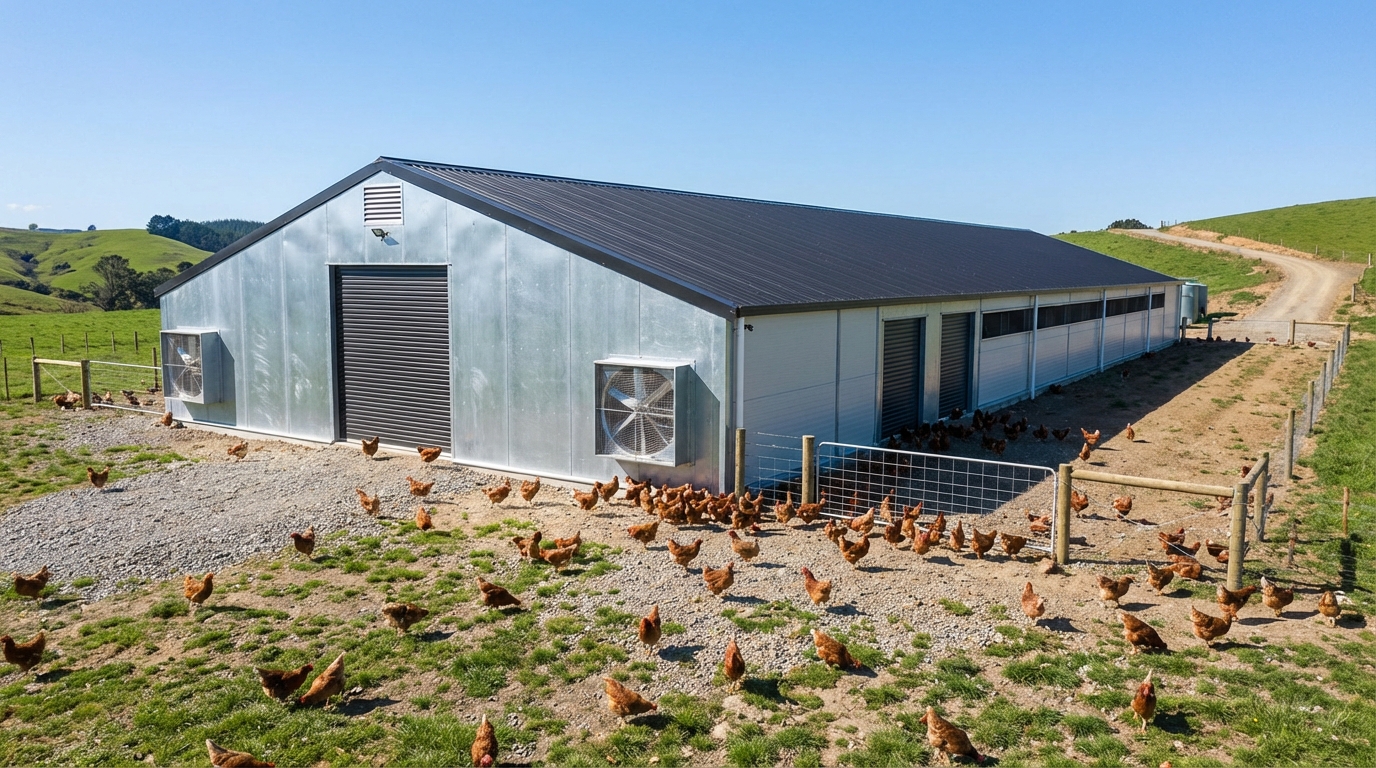
A modern steel poultry house combines all these systems into a sleek, durable, and low-maintenance structure that is ready for operation. When you finally complete how to build a chicken coop , the result should be a facility that is easy to manage and capable of high production. The exterior steel cladding provides a professional appearance while offering maximum protection against the elements and potential biosecurity threats.
Is the exterior easy to maintain?
High-quality painted or galvanized steel sheets require very little maintenance and can be easily washed to keep the site looking professional. This long-term durability is the main reason why building a small chicken coop out of steel is preferred over wood.
But wait, there’s more:
- Steel is naturally resistant to pests and rodents.
- It does not warp, rot, or crack over time.
- The structure can be easily expanded as your business grows.
How do you ensure biosecurity?
A sealed steel building prevents wild birds and rodents from entering, which is the most effective way to prevent the spread of avian diseases. This is the ultimate goal of any chicken coop building effort in today’s global market.
Key Takeaway: A modern steel poultry house is a turnkey solution that provides the best return on investment through durability, efficiency, and bird welfare.
| Component | Material Specification | Primary Benefit | |
|---|---|---|---|
| Main Frame | Q355B H-Section Steel | Structural Integrity & Large Spans | |
| Roof/Walls | Sandwich Panels | Superior Thermal Insulation | |
| Flooring | Reinforced Concrete Slab | Stability & Moisture Control | |
| Fasteners | Grade 8.8/10.9 High-Strength Bolts | Long-Term Connection Security | |
| Coating | Hot-Dip Galvanized / Multi-layer Paint | Corrosion Resistance in Farm Environments |
Building a modern poultry facility requires a strategic balance between advanced structural engineering and the biological needs of your flock.
Conclusion
Building a successful poultry business starts with the right infrastructure. By following these steps on how to build a steel structure chicken house, you move from a vulnerable, high-maintenance setup to a professional, automated powerhouse. We specialize in providing the engineering excellence and high-quality materials you need to thrive in the competitive poultry industry. Whether you are scaling an existing farm or starting a new project, our team is ready to provide custom designs and factory-direct pricing to ensure your success. Our vision is to empower farmers worldwide with durable, efficient buildings that protect both their livestock and their bottom line. We invite you to contact us today to begin your journey toward a more profitable and secure future.
FAQ
Can I customize the size of my steel poultry house?Yes, you can absolutely customize every dimension. The best approach is to design the building around your specific equipment layout and bird density requirements to ensure no space is wasted.
What is the best insulation for a chicken house?Sandwich panels are the best choice for modern poultry houses. These provide an integrated solution that combines structural cladding with high-performance insulation, effectively managing internal temperatures year-round.
How do I know if my site is suitable for a steel structure?A professional site assessment and soil report will confirm your land’s suitability. Steel buildings are highly versatile and can be adapted to most environments with the correct foundation and engineering design.
Can I install the building myself?Yes, you can install the structure using the detailed assembly drawings provided. While we can send supervisors, the pre-engineered nature of our buildings allows experienced local contractors to complete the assembly quickly.
How long does a steel chicken house last?A high-quality steel poultry house typically lasts 30 to 50 years with basic maintenance. The galvanized and painted finishes are specifically designed to resist the corrosive effects of the ammonia produced by the birds.