
In moderate climates, chickens can typically survive for 24 to 48 hours without water before severe dehydration and mortality occur. Imagine walking into your commercial chicken farm on a sweltering summer afternoon only to discover a plumbing rupture has completely cut off the supply to your drinking lines. As temperatures soar, your flock’s metabolic heat rises, egg production stalls instantly, and within hours, silent stress begins to sweep through the flock, threatening your entire business investment. Fortunately, understanding how long can chickens go without water and pairing your farm with climate-controlled, highly insulated steel poultry infrastructure ensures your birds stay safe and hydrated even during unexpected system failures.
In summer, how long can chickens go without water?
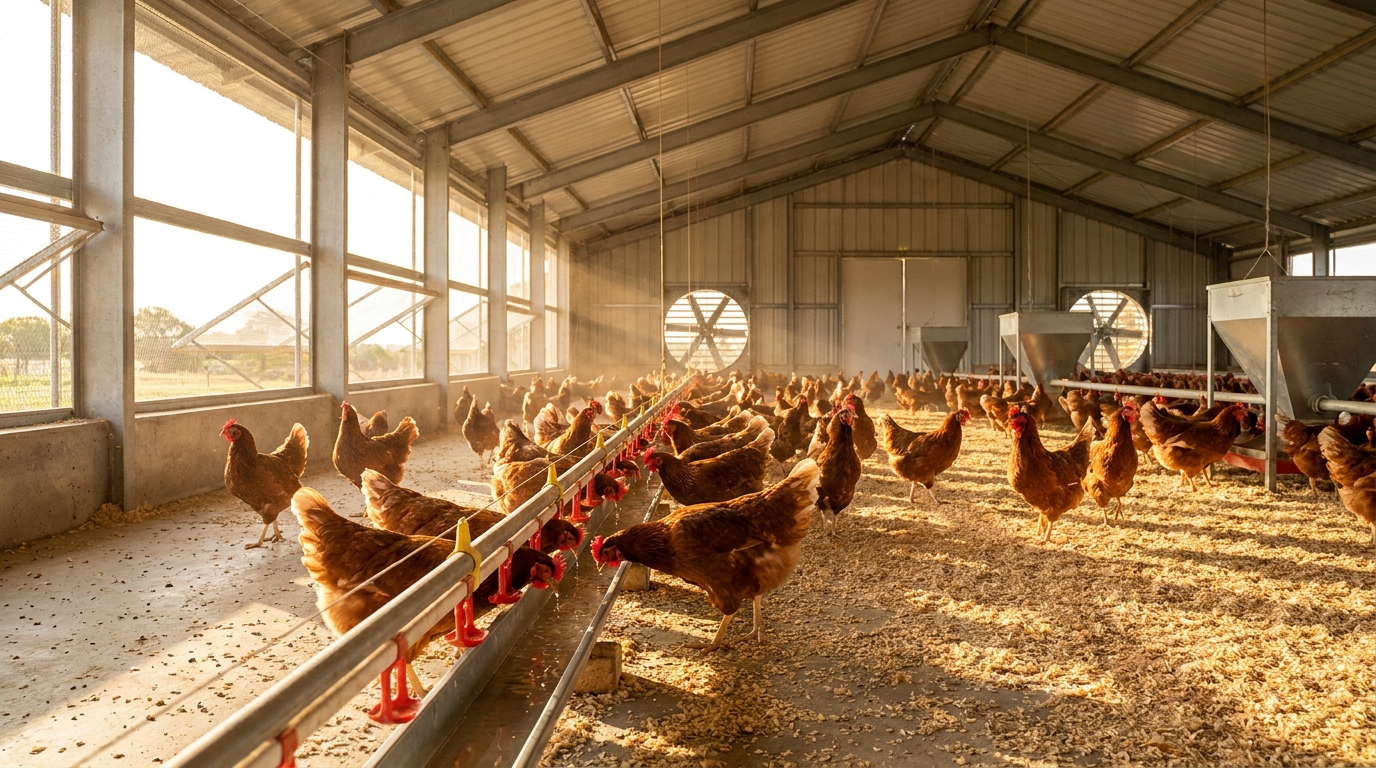
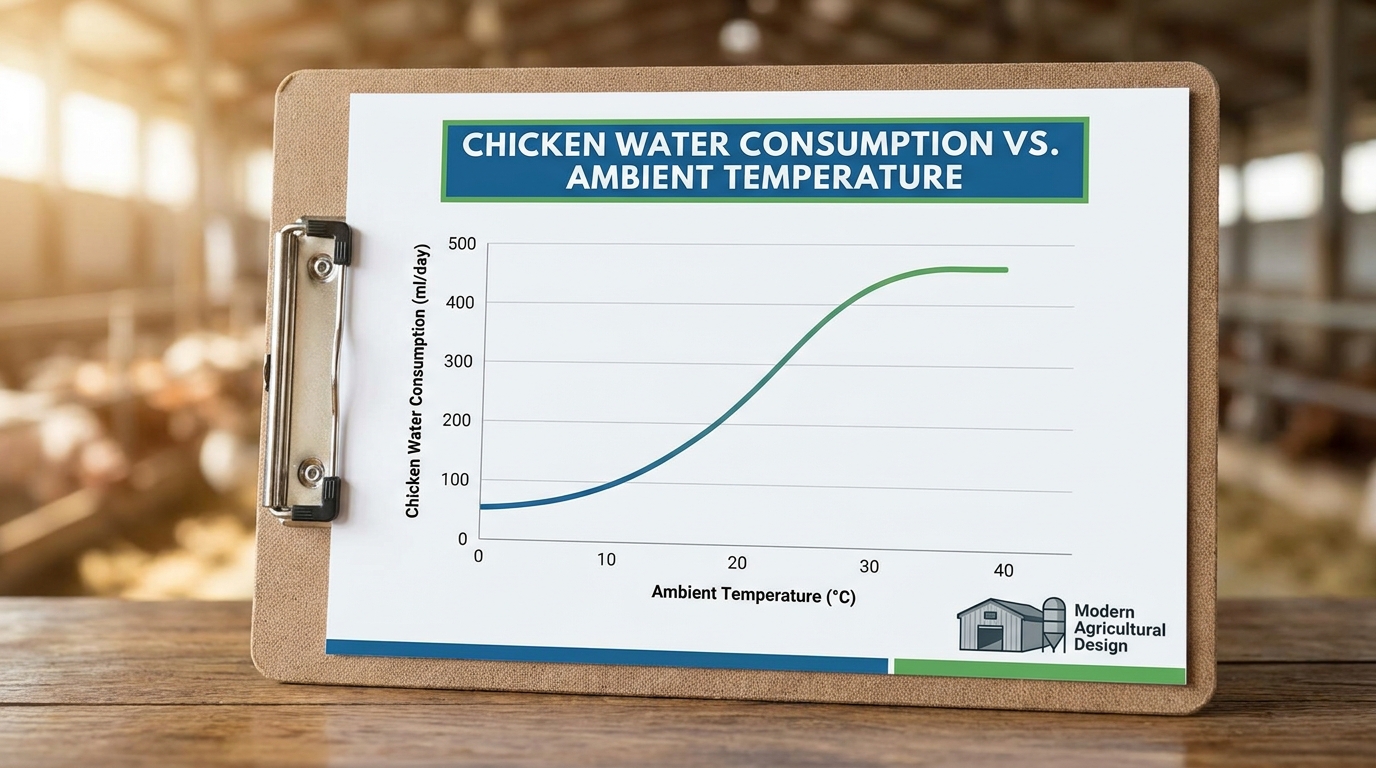
During hot summer days, chickens can survive for only 12 to 24 hours without water before facing heatstroke and death. When temperatures rise, birds rely on panting to release heat, which causes rapid respiratory water loss. This makes regular hydration a critical operational requirement for your flock. You must realize that how long can chickens go without water in summer is a matter of hours, not days.
Heat stress can rapidly devastate a commercial flock, causing immediate financial loss. To mitigate this risk, modern farmers must focus on reliable, high-capacity water delivery systems that stay cool. A robust infrastructure is your first line of defense against summer heat waves.
Why does high heat accelerate poultry dehydration?
Think about it: chickens do not sweat to cool down like mammals do. Instead, they open-mouth pant to circulate air and evaporate moisture from their respiratory systems. This rapid evaporation quickly drains their bodily fluids, raising their internal temperature to dangerous levels.
Keeping water cool is just as important as keeping it available. Water above 85°F will often be rejected by chickens, worsening dehydration.
- Panting increases respiratory rate by up to 10 times, leading to rapid moisture loss.
- Blood vessels dilate, redirecting blood away from internal organs to the skin.
- Water rejection occurs if the drinking water temperature exceeds 85°F.
Here is the deal: keeping water cool is just as important as keeping it available.
| Temperature | Hydration Window | Risk Level | |
|---|---|---|---|
| 85°F to 90°F | 12 to 24 Hours | Moderate | |
| 95°F to 100°F | 6 to 12 Hours | Critical | |
| Above 100°F | Under 6 Hours | Lethal |
This data demonstrates how rising ambient temperatures compress the survival window, requiring automated climate adjustments.
Key Takeaway: Providing cool, continuous water during summer peaks prevents sudden mortality and maintains metabolic stability in your flock.
In frozen winter, how long can chickens go without water?
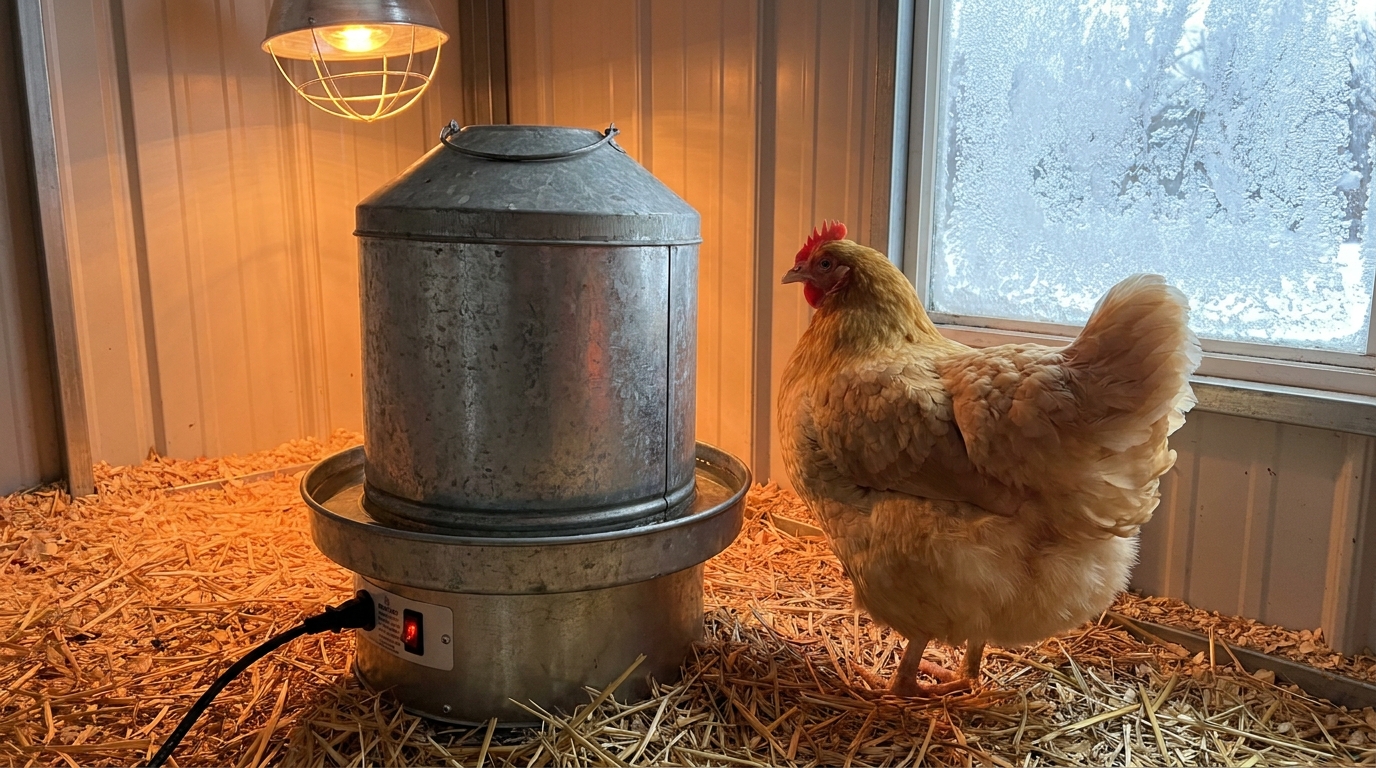
In freezing winter temperatures, chickens can survive for 24 to 48 hours without water, though their health and digestion will deteriorate rapidly within the first 12 hours. If you are questioning how long can chickens go without water when coops freeze, the key lies in their metabolic heat production. Without liquid water, chickens cannot process dry feed, which prevents them from generating the heat needed to stay warm.
Frozen water bowls are the primary cause of winter dehydration in commercial poultry farming. It is a common mistake to assume birds need less water in cold climates. In reality, maintaining clean, liquid water is vital to prevent frostbite and systemic cold shock.
What are the dangers of frozen coop water systems?
The truth is: a frozen water line does more than stop hydration; it triggers a domino effect of metabolic failures. When birds are deprived of liquid water, they stop eating, which quickly drains their energy reserves. This makes them highly vulnerable to hypothermia and frostbite on their combs and wattles.
Dry winter air increases respiratory moisture loss inside poorly ventilated coops. Feed digestion stops completely, leading to immediate weight loss.
- Respiratory drying: Dry winter air increases respiratory moisture loss inside poorly ventilated coops.
- Digestive stop: Feed digestion stops completely, leading to immediate weight loss.
- Hypothermia risk: Weakened birds lose the ability to thermoregulate their bodies.
Look at it this way: insulated housing and heated water lines are essential winter investments.
| Water Temperature | State | Impact on Feed Intake | |
|---|---|---|---|
| 33°F to 40°F | Liquid (Cold) | Normal consumption | |
| 32°F and below | Frozen | Zero consumption, digestive halt |
Observe how freezing states instantly block feed intake, making winter heating systems a critical operational requirement.
Key Takeaway: Keeping winter water systems heated ensures continuous feed digestion and helps your birds maintain vital body heat.
Secure healthy chickens with dependable water systems.
Email:sales@showhoo.com.cn
Phone/WhatsApp: + 86 186 7895 5927
For nesting hens, how long can chickens go without water?
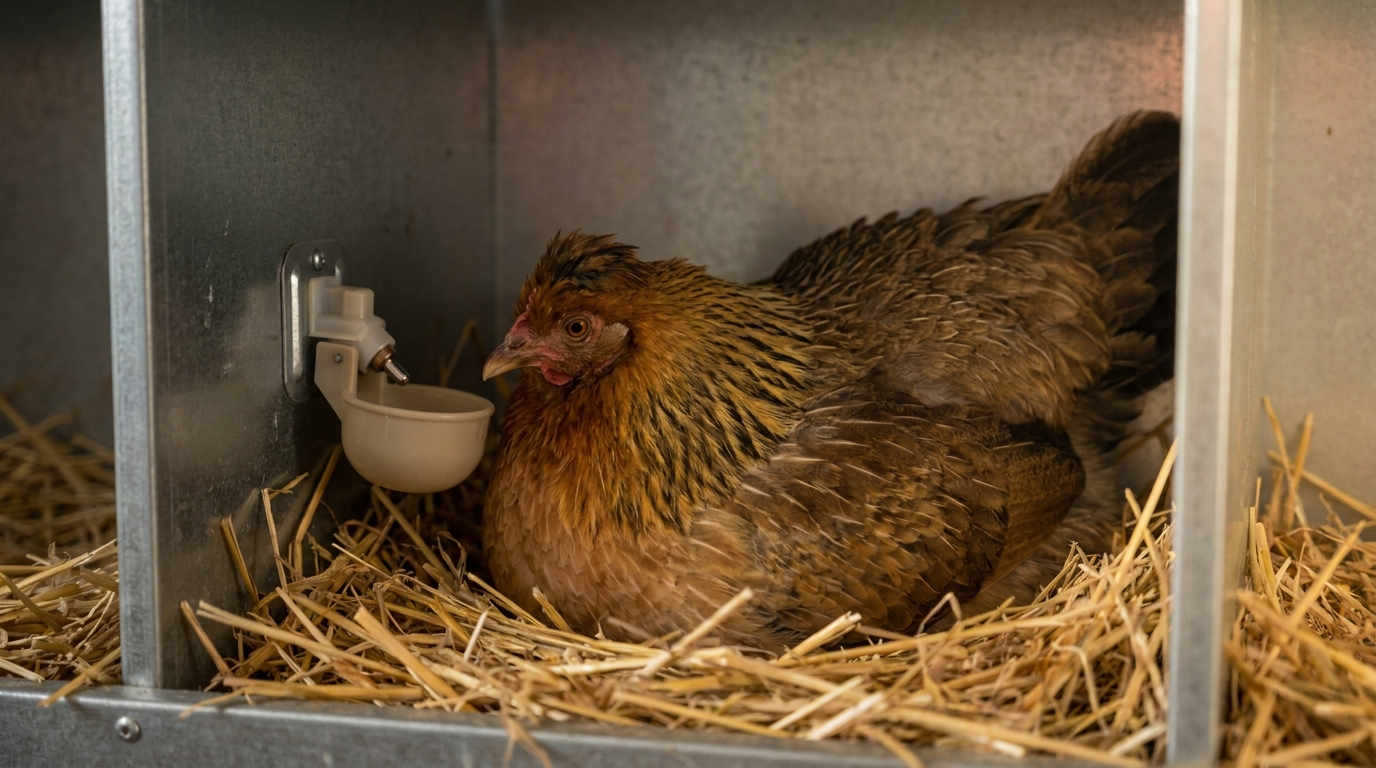
Nesting and broody hens can survive for up to 48 hours without water, but their extreme dedication to their eggs often leads to self-induced dehydration within 24 hours. Because these hens refuse to leave their nests, their physical health can decline rapidly. Experienced farmers must carefully monitor how long can chickens go without water during the critical incubation period.
The hormonal drive to hatch eggs is incredibly strong, overriding the bird’s natural survival instincts. If water is not placed within arm’s reach, a nesting hen may starve and dehydrate herself to death. Active management is required to support these valuable birds.
How should you manage hydration for nesting hens?
Here is the deal: you must bring the water directly to the nesting box to protect the hen’s health. Placing small, dedicated drinking cups right next to her nest allows her to drink without abandoning her eggs. This simple step keeps her hydrated and maintains her body weight during the long incubation cycle.
Broody hens reduce their daily water intake by up to 50% due to inactivity. Dehydration leads to muscle wasting and reduced hatch rates.
- Inactivity drop: Broody hens reduce their daily water intake by up to 50% due to inactivity.
- Hatch decline: Dehydration leads to muscle wasting and reduced hatch rates.
- Drinker security: Waterers must be secured to prevent spilling and spoiling the nest bedding.
The best part? Well-hydrated hens have the physical strength to successfully care for their newly hatched chicks.
| Watering Distance | Consumption Level | Hen Dehydration Risk | |
|---|---|---|---|
| Within 2 feet | Optimal (Regular sips) | Low | |
| Over 5 feet | Intermittent (Rarely leaves) | High |
Analyzing these distance metrics shows that proximity is the defining factor in nesting hen health.
Key Takeaway: Placing watering cups directly inside or next to nesting boxes prevents maternal exhaustion and improves hatch success rates.
Before laying stops, how long can chickens go without water?
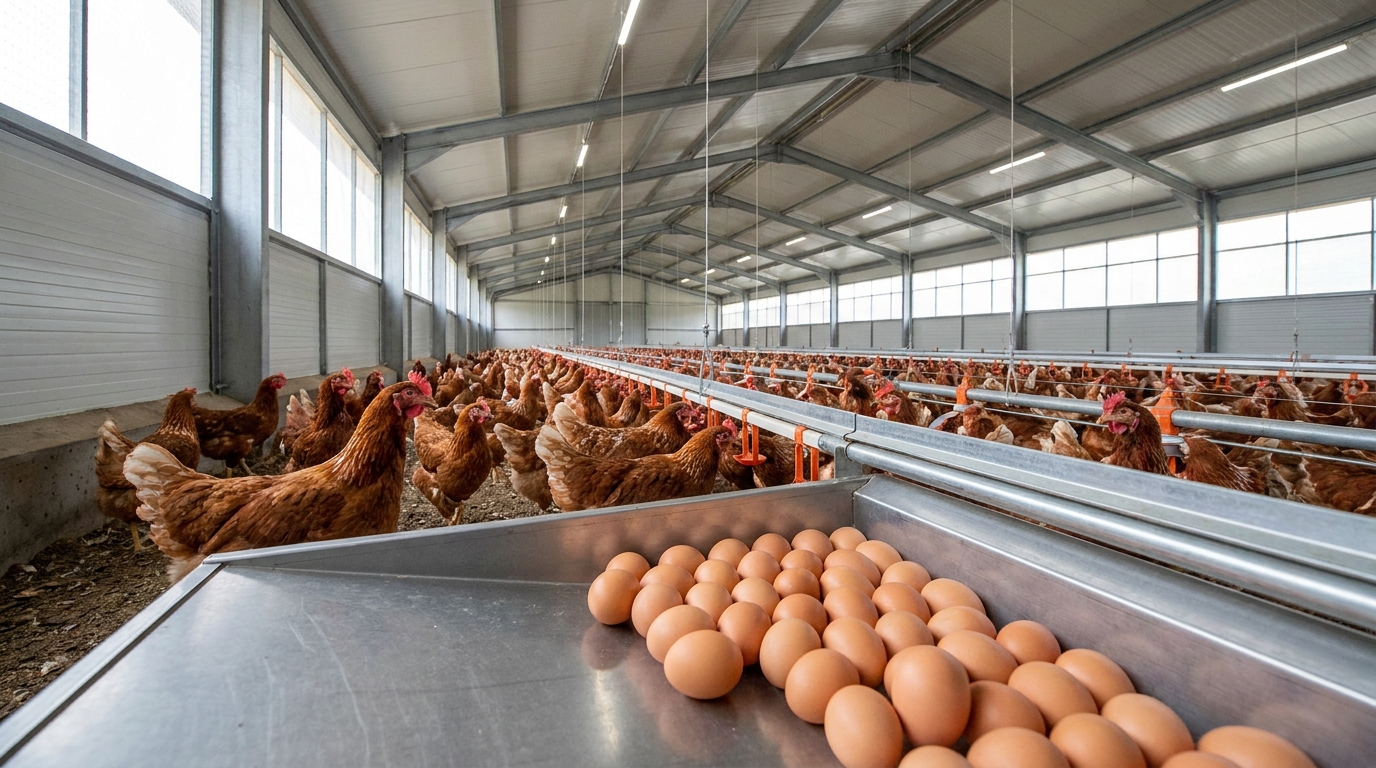
Egg production will drop to zero within 24 hours of water deprivation, as a hen’s body immediately stops egg formation to conserve vital fluids. If you are calculating how long can chickens go without water before your production lines fail, the window is incredibly short. Since an egg consists of nearly 74% water, any reduction in hydration impacts your daily yield.
For commercial egg producers, a water system failure is a high-stakes emergency that directly hurts profitability. Even a brief disruption can disrupt the flock’s laying cycle for weeks. Reliable, continuous water delivery is non-negotiable for a successful laying operation.
What is the financial cost of brief water outages?
Think about it: a single day without water can cost you up to three weeks of peak egg production. Once a hen’s body shuts down her reproductive tract, it takes a significant amount of time and nutrition to restart the cycle. This delay can lead to massive losses in your commercial supply chain.
Hormonal imbalances from water stress halt egg follicle development. Shell quality deteriorates, leading to more cracked and unusable eggs.
- Hormonal stall: Hormonal imbalances from water stress halt egg follicle development.
- Shell weakness: Shell quality deteriorates, leading to more cracked and unusable eggs.
- Feed inefficiency: Feed conversion rates drop as birds struggle to recover their metabolic balance.
The truth is: automated backup water lines are the only way to protect your business from sudden outages.
| Outage Duration | Laying Rate Drop | Recovery Time to Peak | |
|---|---|---|---|
| 12 Hours | 15% to 25% | 3 to 5 Days | |
| 24 Hours | 80% to 100% | 14 to 21 Days |
This table highlights the severe financial impact of even short disruptions, underscoring the need for reliable water infrastructure.
Key Takeaway: Maintaining constant water pressure protects your daily egg yields and avoids costly multi-week production recoveries.
In metal coops, how long can chickens go without water?
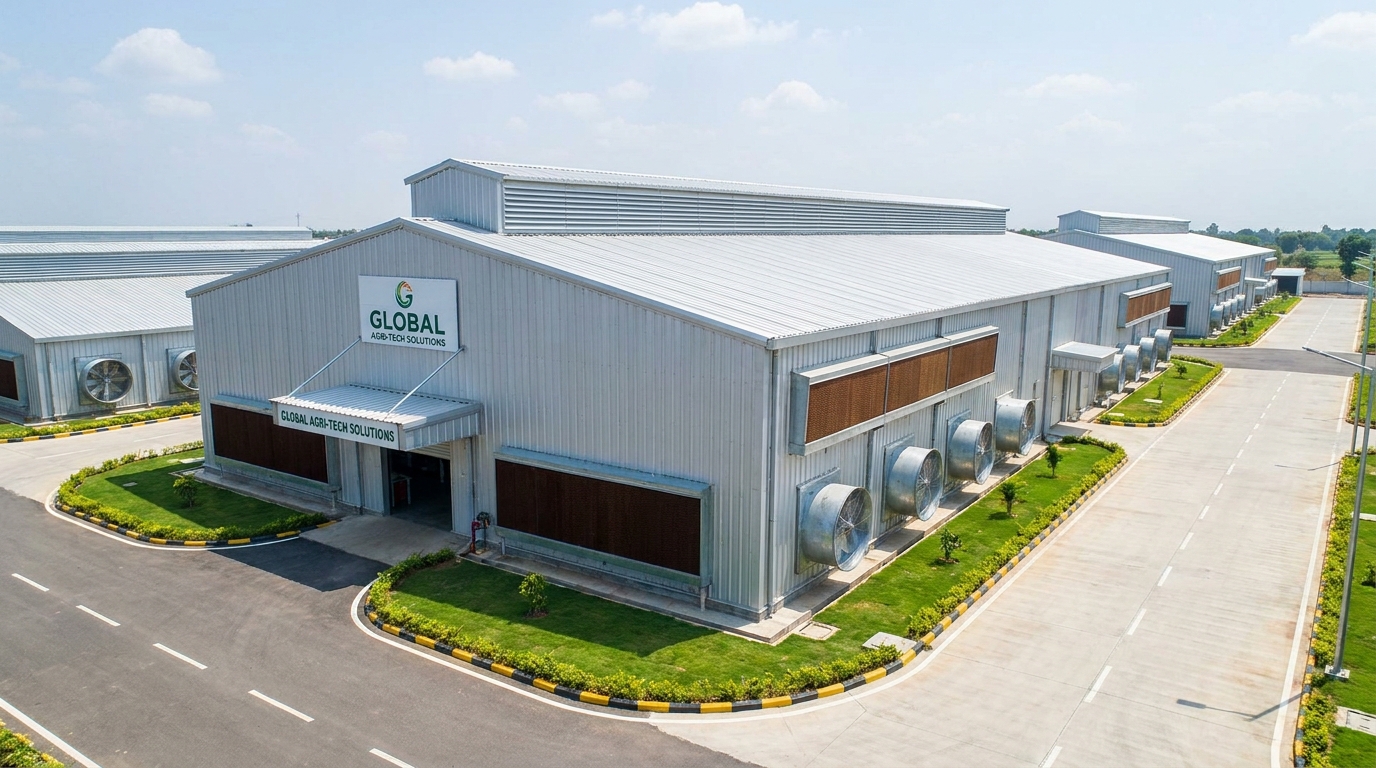
In modern climate-controlled metal coops, chickens can go without water for up to 36 hours under normal conditions, thanks to the superior insulation and ventilation that keep the birds calm and cool. If you are wondering how long can chickens go without water in professional steel structures, the answer highlights the value of high-quality engineering. Unlike drafty wooden buildings, insulated steel coops minimize the rapid temperature shifts that accelerate dehydration.
Modern prefabricated steel chicken houses from Showhoo Steel Structure are engineered to maintain a stable, stress-free climate. By reducing heat stress in summer and drafts in winter, these coops extend the safety window for your flock when water systems require maintenance.
How does insulated steel housing protect flock hydration?
Look at it this way: a stable indoor climate directly reduces your birds’ water consumption. When chickens are not stressed by extreme temperatures, they drink less water, which lowers the strain on your automated plumbing systems. This efficiency is a major advantage for commercial operations.
High-R value sandwich panels block solar heat, keeping the indoor air cool. Automated ventilation controls humidity, reducing respiratory water loss.
- Thermal barriers: High-R value sandwich panels block solar heat, keeping the indoor air cool.
- Humidity control: Automated ventilation controls humidity, reducing respiratory water loss.
- Sanitation standards: Sanitary steel surfaces prevent the growth of water-borne pathogens.
Here is the key: an engineered steel building is a smart investment in biological security and operational safety.
| Housing Material | Insulation Level | Water Consumption Spike Risk | |
|---|---|---|---|
| Traditional Wood | Low (High drafts) | Very High | |
| Insulated Steel | High (Thermal barrier) | Low |
This comparison demonstrates that high-performance steel coops create a buffer that keeps water consumption stable.
Key Takeaway: Investing in an insulated steel poultry house from Showhoo Steel Structure improves climate control, lowers water waste, and protects your flock’s health.
If automation fails, how long can chickens go without water?
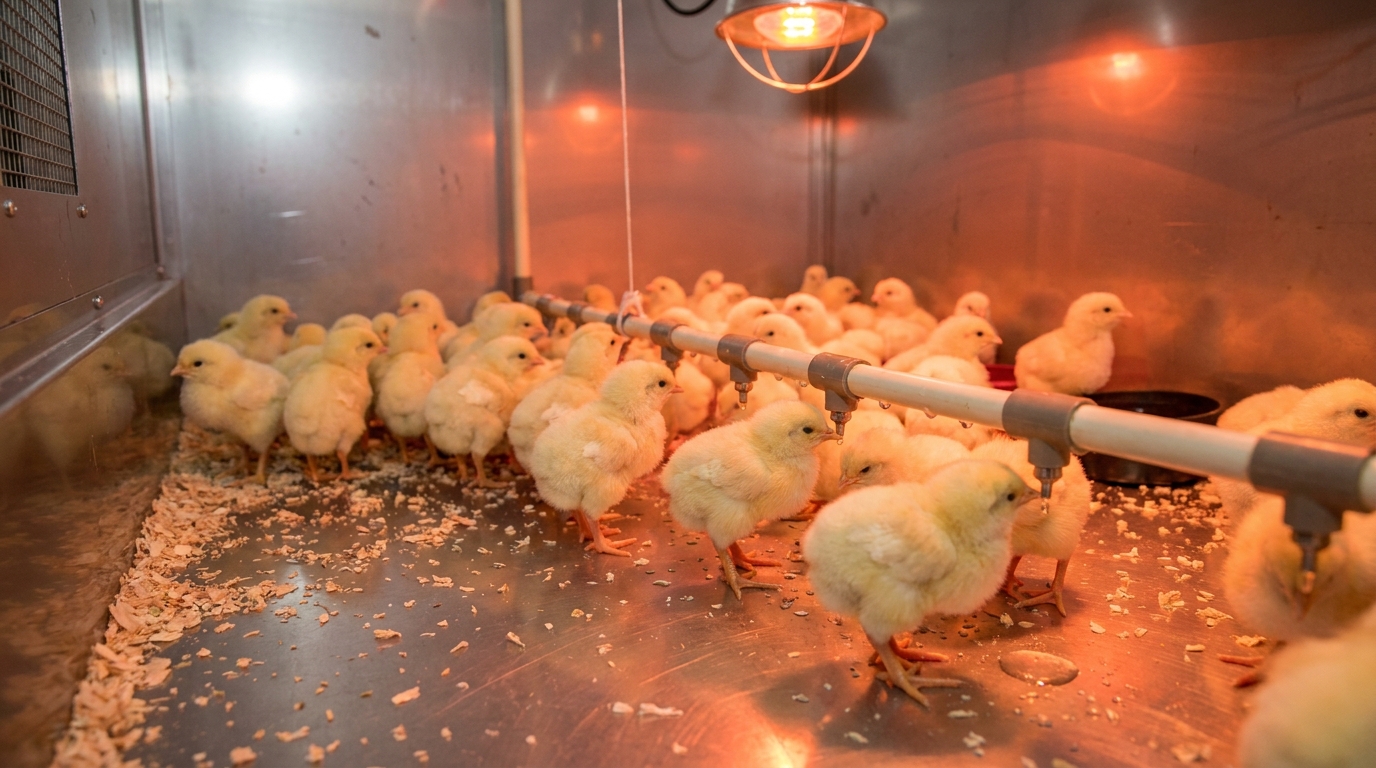
If automated watering lines fail, chickens can go without water for 12 to 24 hours before experiencing severe physiological stress and dehydration. When managing large-scale flocks, you must understand how long can chickens go without water when automation systems suffer from airlocks, clogs, or power outages. A single blocked valve can quietly deprive an entire row of birds of water.
Automated nipple drinker lines are highly efficient, but they require constant monitoring to prevent localized failures. Modern poultry operations must pair their automation with robust monitoring tools to detect drops in pressure or flow rate immediately. Proactive management is the key to preventing widespread dehydration.
How do you prevent and resolve automation failures?
The best part? Modern steel chicken houses make it easy to integrate automated pressure sensors and backup gravity-fed water tanks. These systems act as a reliable safety net, ensuring your birds always have water even if the main power grid goes down.
Install electronic flow meters to monitor water usage in real time. Flush water lines regularly to clear mineral deposits and biofilm.
- Flow monitoring: Install electronic flow meters to monitor water usage in real time.
- Line flushing: Flush water lines regularly to clear mineral deposits and biofilm.
- Gravity backup: Maintain a secondary, gravity-fed water tank as a physical backup.
Think about it: a minor investment in backup systems can save your entire flock from a catastrophic water outage.
| Automation Element | Common Failure Point | Recommended Backup | |
|---|---|---|---|
| Nipple Drinkers | Mineral clogs, sticking | Pressure alarms & manual bypass lines | |
| Pressure Regulators | Diaphragm wear, airlocks | Secondary parallel regulator line |
Understanding these failure modes helps you design a resilient plumbing layout that keeps water flowing under any conditions.
Key Takeaway: Integrating pressure alarms and backup gravity tanks into your automated lines protects your birds from unexpected water failures.
Secure healthy chickens with dependable water systems.
Email:sales@showhoo.com.cn
Phone/WhatsApp: + 86 186 7895 5927
Before illness sets, how long can chickens go without water?
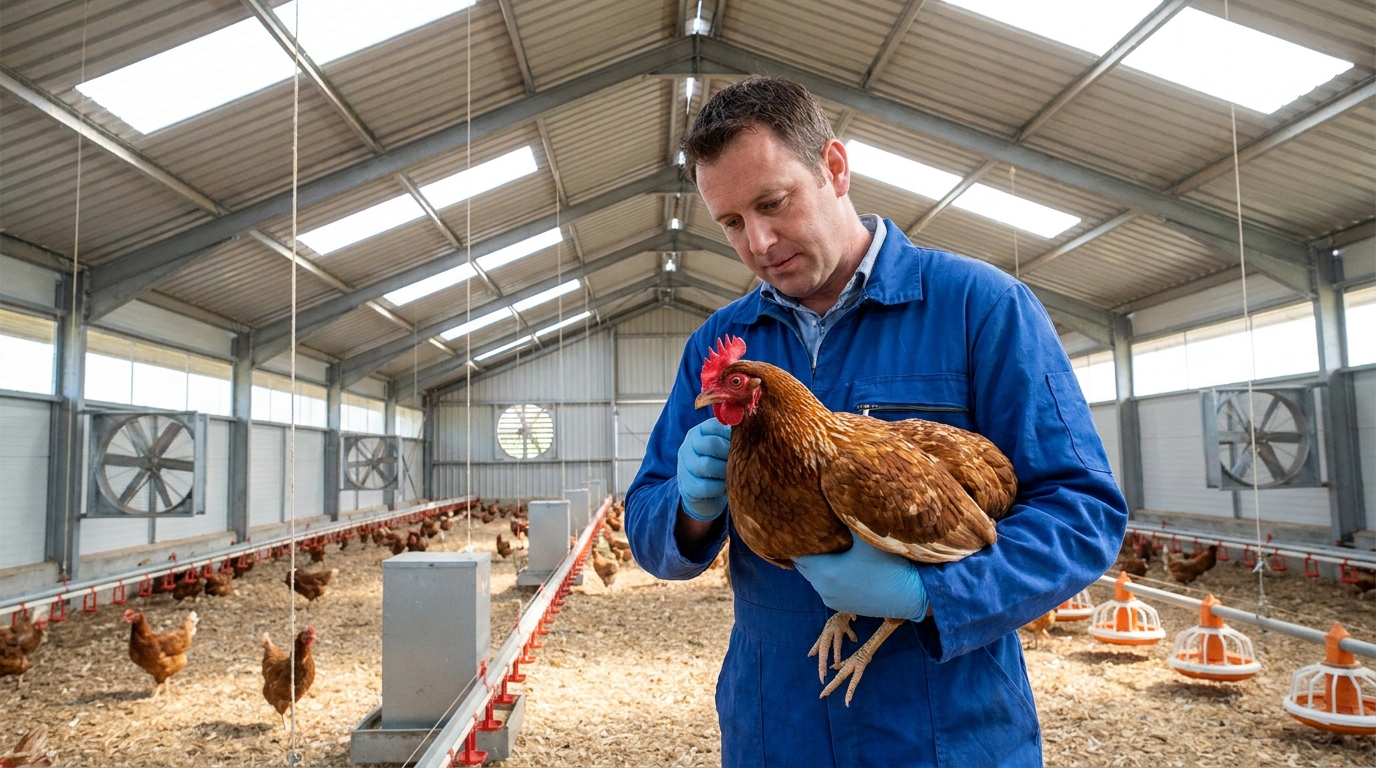
Chickens can go without water for only 12 to 18 hours before early signs of illness, such as lethargy, pale combs, and kidney stress, begin to appear. If you are monitoring your flock’s health, knowing how long can chickens go without water before showing physical decline is vital. Catching these early symptoms allows you to intervene before permanent organ damage occurs.
Dehydration weakens a chicken’s immune system, making them highly vulnerable to respiratory diseases and digestive infections. When a bird’s body is stressed by a lack of water, its natural defenses break down quickly. Protecting their water supply is a fundamental part of biosecurity.
What are the key clinical signs of poultry dehydration?
Here is the deal: you must learn to recognize the physical signs of dehydration before they turn into a full-scale disease outbreak. A healthy chicken has a bright red comb and is active; a dehydrated bird will stand still with closed eyes and drooped wings.
Combs and wattles become pale, shriveled, and dry due to reduced blood flow. Birds show a complete lack of interest in feed, leading to rapid weakness.
- Comb shriveling: Combs and wattles become pale, shriveled, and dry due to reduced blood flow.
- Feed refusal: Birds show a complete lack of interest in feed, leading to rapid weakness.
- Digestive blockage: Feces become dry and hard, leading to cloacal impaction.
The truth is: prompt treatment with electrolyte-enriched water is the only way to save severely dehydrated birds.
| Dehydration Severity | Clinical Symptoms | Action Required | |
|---|---|---|---|
| Mild (12 Hours) | Pale comb, mild lethargy | Add electrolytes to water immediately | |
| Severe (24 Hours+) | Panting, closed eyes, weakness | Individual oral rehydration and shade |
This clinical guide shows how quickly dehydration escalates from mild stress to a critical medical emergency.
Key Takeaway: Training your team to spot pale combs and lethargy early allows for quick rehydration and keeps your flock healthy and productive.
During road transport, how long can chickens go without water?
During long-distance road transport, chickens should not go without water for more than 12 to 18 hours to prevent severe stress and transit mortality. When shipping birds between facilities, you must carefully plan how long can chickens go without water while in transit. The stress of movement, changing temperatures, and confined spaces accelerates their moisture loss.
Proper planning and climate-controlled transport vehicles are essential for long journeys. Keeping transport crates well-ventilated reduces heat build-up and prevents excessive panting, which helps conserve the birds’ internal water reserves.
How do you prepare poultry for long-distance transport?
Look at it this way: pre-transport preparation is the key to minimizing shipping losses. Hydrating your birds with electrolyte-rich water for 48 hours before loading them onto trucks builds up their fluid reserves. This preparation gives them a buffer against the stress of travel.
Provide vitamin-enriched water for two days prior to shipment. Optimize crate density to ensure good airflow between birds.
- Vitamin enrichment: Provide vitamin-enriched water for two days prior to shipment.
- Crate optimization: Optimize crate density to ensure good airflow between birds.
- Thermal scheduling: Schedule transport during cooler night hours to minimize heat stress.
The best part? Well-hydrated birds arrive at their destination alert, healthy, and ready to settle into their new housing.
| Travel Distance | Transit Time | Hydration Protocol | |
|---|---|---|---|
| Short Haul | Under 6 Hours | Standard pre-hydration | |
| Long Haul | 12 to 18 Hours | Electrolyte pre-hydration & post-transit recovery |
Analyzing these transport windows helps you plan your logistics to ensure maximum bird survival and welfare.
Key Takeaway: Pre-hydrating your flock with electrolytes and keeping transport crates well-ventilated reduces transit stress and ensures high survival rates.
For broiler survival, how long can chickens go without water?
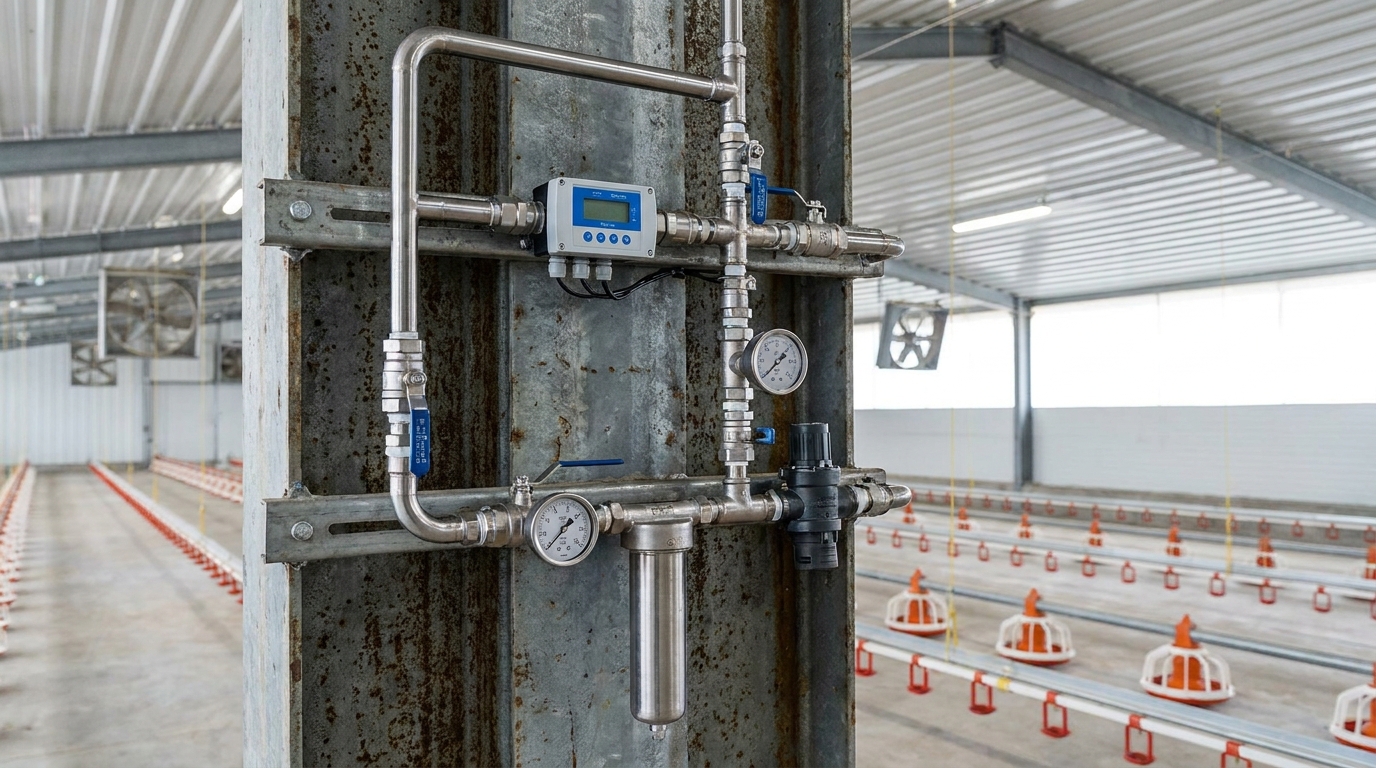
Fast-growing broiler chickens can survive for only 24 hours without water before suffering irreversible kidney damage and a complete halt in weight gain. For commercial meat producers, understanding how long can chickens go without water is a critical factor in feed conversion efficiency. Broilers consume large amounts of feed and require a proportionate amount of water to digest it and build muscle.
Any interruption in water access directly hurts your flock’s growth rate and increases mortality. To support these high-performing birds, commercial operations must use highly reliable, automated water lines that are built to handle high demand.
Why do broilers have unique hydration needs?
Think about it: a modern broiler chicken is a highly efficient metabolic machine. Because they grow so quickly, their bodies generate a massive amount of metabolic heat, which requires constant water intake to regulate. Without water, their high-performance metabolism can quickly lead to organ failure.
Broilers consume twice as much water by weight as they do feed. Dehydration causes a sudden buildup of uric acid, leading to gout and kidney failure.
- Water-to-feed ratio: Broilers consume twice as much water by weight as they do feed.
- Uric acid accumulation: Dehydration causes a sudden buildup of uric acid, leading to gout and kidney failure.
- Weekly calibration: Water flow rates must increase weekly to match the birds’ growth.
Here is the deal: a consistent water supply is the foundation of high-yield meat production.
| Broiler Age | Daily Water Need per 1000 Birds | Critical Flow Rate | |
|---|---|---|---|
| Week 1 | 10 to 15 Gallons | 20 to 30 ml/min | |
| Week 6 | 80 to 100 Gallons | 80 to 100 ml/min |
This growth-based water consumption chart shows why your water lines must be designed to scale up flow rates easily.
Key Takeaway: Designing your water lines with high-capacity flow rates ensures your broilers grow efficiently and stay healthy.
For healthy pullets, how long can chickens go without water?

Young pullets can survive for only 18 to 24 hours without water before their skeletal development and future laying potential are permanently compromised. If you are raising the next generation of your laying flock, understanding how long can chickens go without water during their growing phase is critical. Pullets are highly sensitive to stress, and even brief dehydration can stunt their growth.
Stunted pullets often struggle to reach their target weight, leading to delayed egg production and smaller eggs. Ensuring they have constant access to fresh, clean water is essential to help them grow into highly productive laying hens.
How do you optimize water delivery for growing pullets?
The truth is: pullet development requires a carefully managed environment where water and feed are always easy to access. Using adjustable-height drinker lines ensures that as your pullets grow, they can always drink comfortably. This flexibility is a key feature of modern automated steel coops.
Adjust drinker heights weekly to match the birds’ eye level. Use low-pressure nipple drinkers to prevent water spilling and wet bedding.
- Drinker calibration: Adjust drinker heights weekly to match the birds’ eye level.
- Low-pressure control: Use low-pressure nipple drinkers to prevent water spilling and wet bedding.
- Stress reduction: Add soluble vitamins to their water during vaccination cycles to reduce stress.
The best part? Well-managed pullets transition smoothly into highly productive, profitable laying hens.
| Pullet Age | Target Body Weight | Water Management Strategy | |
|---|---|---|---|
| 0 to 6 Weeks | Under 1.0 lb | Low-pressure nipple drinkers, high temperature comfort | |
| 7 to 15 Weeks | 1.0 to 2.8 lbs | Adjustable-height lines, routine flow rate audits |
Reviewing these growth stages highlights why flexible, adjustable water lines are essential for raising healthy pullets.
Key Takeaway: Using adjustable-height drinker lines in your Showhoo steel coops helps your pullets grow evenly and reach their full laying potential.
Securing Your Poultry Farm’s Hydration Infrastructure
Managing poultry hydration is a fundamental challenge that directly impacts your flock’s health, growth, and overall profitability. From extreme summer heat waves to freezing winter temperatures, even a brief disruption in your water supply can lead to severe stress, a drop in egg production, or sudden bird mortality. This guide has shown that understanding how long chickens can survive without water is only the first step; building a reliable, climate-controlled, and automated infrastructure is the ultimate solution to protect your investment.
By partnering with Showhoo Steel Structure, you can upgrade your farm with custom prefab steel poultry houses and highly efficient, automated water and climate control systems. Our advanced, insulated steel structures protect your birds from extreme temperature swings, keep your water lines from freezing, and provide a clean, highly sanitary environment that helps your flock thrive. To safeguard your business and build a highly resilient, modern poultry farm, contact us today to schedule a consultation with our expert engineering team. Let us build the future of sustainable, high-yield poultry farming together.
Secure healthy chickens with dependable water systems.
Email:sales@showhoo.com.cn
Phone/WhatsApp: + 86 186 7895 5927
Frequently Asked Questions
Can I leave my flock without water overnight?
Yes, you can leave them without water overnight, because chickens sleep in the dark and do not eat or drink during this time. However, you must ensure that they have immediate access to fresh water as soon as dawn breaks and they wake up, as they will need to rehydrate quickly.
What’s the best way to keep chicken water from freezing in winter?
Using electric heated waterer bases or choosing highly insulated prefabricated steel poultry houses is the best way to keep water liquid. Insulated walls prevent cold winter drafts from freezing your main plumbing lines, protecting your water supply and saving significant labor costs.
How do I know if my chicken is suffering from severe dehydration?
You will know by checking for physical signs like a pale, shriveled comb, sunken eyes, continuous panting, and extreme lethargy. If a bird refuses to move, stands with drooped wings, or ignores feed, it is in critical condition and needs immediate electrolyte therapy.
Can I use standard plastic waterers in commercial steel coops?
No, you should avoid using manual plastic waterers in commercial operations, as they require too much manual labor to refill and are easily knocked over, leading to wet bedding. Automated nipple drinker lines are much better, as they provide a clean, continuous water supply directly to the birds.
What’s the best automated water system for a large broiler farm?
A low-pressure nipple drinking line with integrated pressure regulators, automatic flushing systems, and digital flow sensors is the best choice. This setup ensures that your fast-growing birds always have clean water while keeping the floor bedding dry, sanitary, and free of pathogens.