
Designing a horse barn is an intricate process that balances structural integrity with the daily needs of equine care. Building a high-end facility is a massive investment, and a poorly planned layout can lead to safety hazards, poor ventilation, and wasted money. Imagine finishing your build only to realize the stalls are too cramped or that pests have destroyed your expensive leather tack because the storage wasn’t sealed properly. This guide provides 27 expert tips and comprehensive horse stall ideas to ensure your equestrian facility is both beautiful and functional.
What are the best small horse stall ideas?
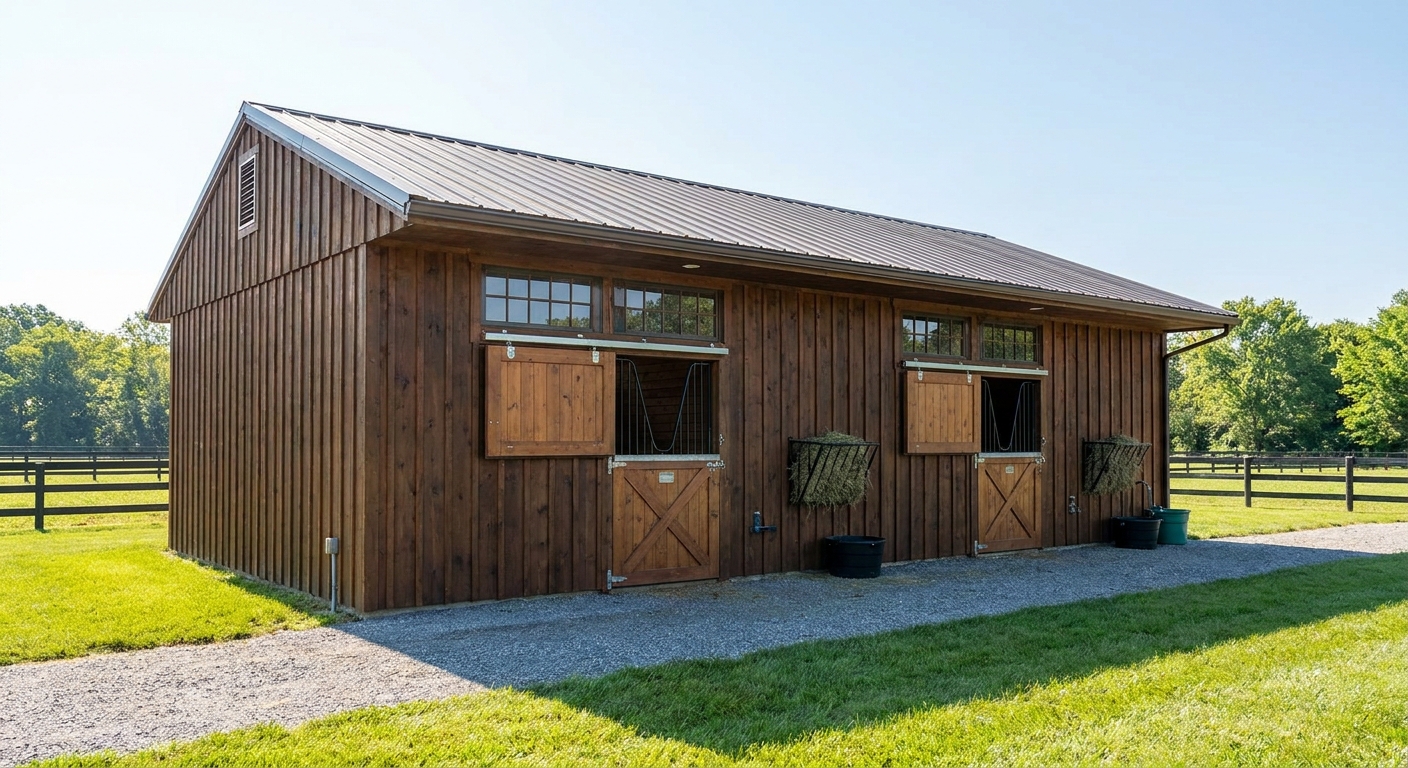
The best small stall designs focus on maximizing efficiency in 10×10 or 10×12 foot dimensions for ponies and average-sized horses. Implementing clever horse stall ideas allows owners to provide a safe, cozy environment without requiring a massive footprint. These compact layouts are perfect for private properties where space is at a premium.
Space-Saving Shed Row Layouts
Shed row barns are the ultimate solution for smaller properties because they eliminate the need for a central aisle. This design places stalls in a single line, opening directly to the outdoors or a covered overhang.
- Lower construction costs due to reduced square footage.
- Excellent natural light for every individual stall.
- Reduced foundation requirements compared to larger barns.
Optimizing Stalls for Smaller Horses
When housing ponies or smaller breeds, a 10×10 stall is often more than adequate and helps conserve building materials. It is essential to ensure the horse has enough room to turn around and lie down comfortably.
Key Takeaway: Always measure your horse’s height and weight before finalizing your floor plans to ensure long-term comfort.
| Horse Size | Recommended Stall Dimensions | Minimum Square Footage | |
|---|---|---|---|
| Pony / Miniature | 10′ x 10′ | 100 sq. ft. | |
| Average Horse | 10′ x 12′ | 120 sq. ft. | |
| Large Horse / Draft | 12′ x 12’+ | 144+ sq. ft. |
Why choose metal for your horse stall ideas?
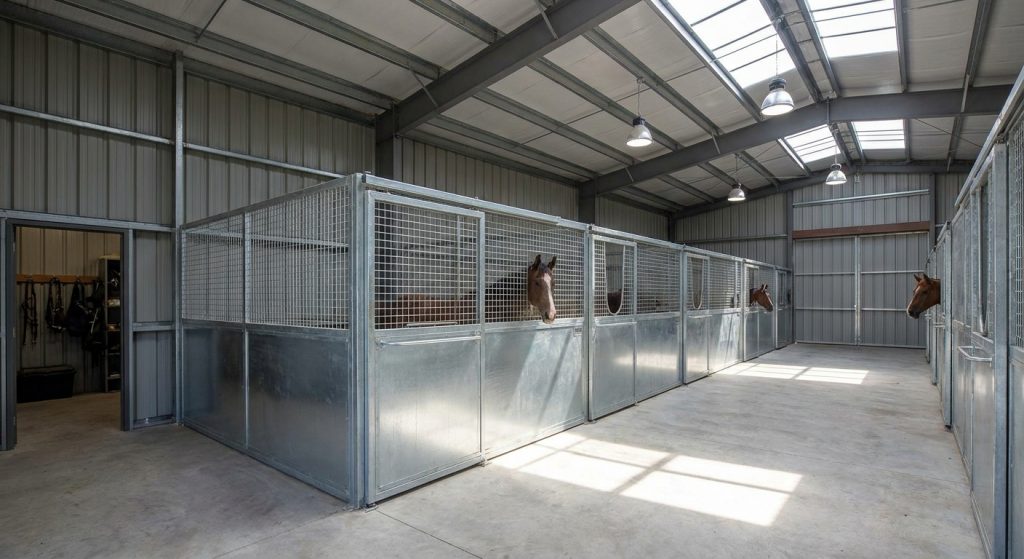
Metal is an ideal choice because it offers unmatched durability, fire resistance, and significantly lower maintenance requirements than traditional wood. Modern horse stall ideas frequently incorporate steel frames to withstand the physical wear and tear caused by large animals. Steel structures do not rot, warp, or invite the same level of pest activity as timber.
Benefits of Industrial-Grade Durability
Using a steel structure workshop design philosophy for your barn ensures the frame remains straight and true for decades. These engineered systems are designed to handle heavy snow loads and high winds, protecting your animals in extreme weather.
Here is the kicker:
- Steel frames are non-combustible, significantly lowering fire risks.
- The smooth surfaces of metal partitions are easier to sanitize.
- Prefabricated components speed up the overall installation time.
Resistance to Pests and Chewing
Horses are notorious for “cribbing” or chewing on wood, which can destroy a traditional barn and lead to expensive repairs. Metal components eliminate this behavior entirely while preventing rodents from nesting within the walls.
Key Takeaway: Metal offers superior longevity and biosecurity, especially in humid or pest-prone climates.
| Feature | Wood Construction | Steel Construction | |
|---|---|---|---|
| Durability | Moderate (Rots/Warps) | High (Rust-resistant) | |
| Fire Safety | Flammable | Non-Combustible | |
| Maintenance | High (Staining/Repairs) | Low (Power washing) | |
| Pest Resistance | Low | High |
How to find affordable horse stall ideas?
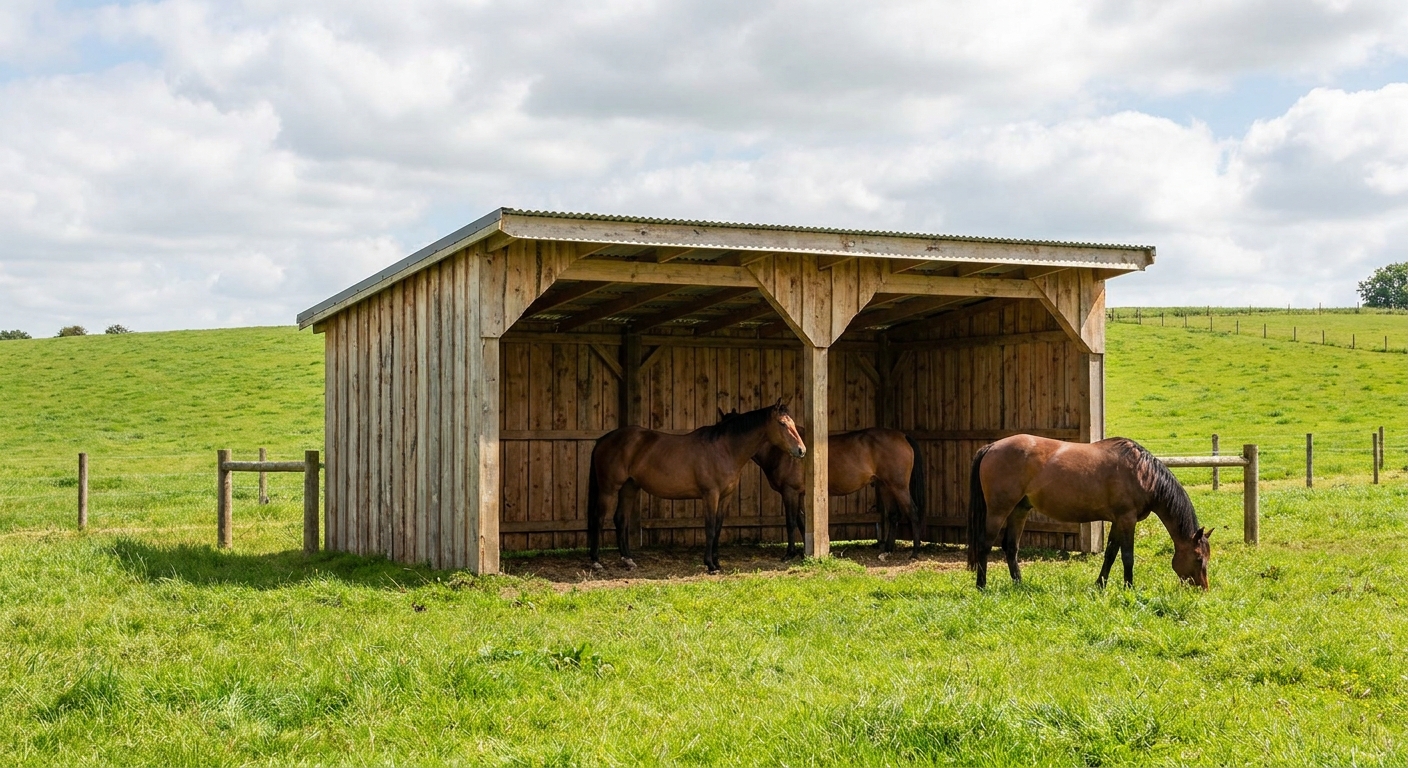
Affordable barn options typically involve run-in sheds or basic shed row designs that use fewer materials while still providing essential shelter. Exploring budget-friendly horse stall ideas allows you to prioritize safety without overextending your financial resources. By focusing on the “shell” of the building first, you can add internal customizations over time.
The Cost-Effectiveness of Run-In Sheds
Run-in sheds are open-faced structures that allow horses to enter and exit freely from the pasture. They are the most affordable way to provide protection from wind, rain, and intense sun.
- Requires no interior stall doors or complex hardware.
- Minimal foundation work is needed for basic models.
- Provides 24/7 access to fresh air and movement.
Basic Shed Row Pricing Efficiency
Shed row barns offer a step up from run-in sheds by providing enclosed stalls without the expense of a center aisle. These units are highly efficient and can often be delivered as prefabricated kits to save on labor.
Think about this:
- Starting costs for basic units can be significantly lower than full barns.
- Modular designs allow for easy expansion in the future.
Key Takeaway: Start with a high-quality basic structure and invest in upgrades as your budget permits.
| Barn Type | Relative Cost | Best Use Case | |
|---|---|---|---|
| Run-In Shed | Low | Pasture shelter/Hardy breeds | |
| Shed Row | Medium | Private small-scale farms | |
| Center Aisle | High | Professional training/Boarding |
What safety features fit your horse stall ideas?
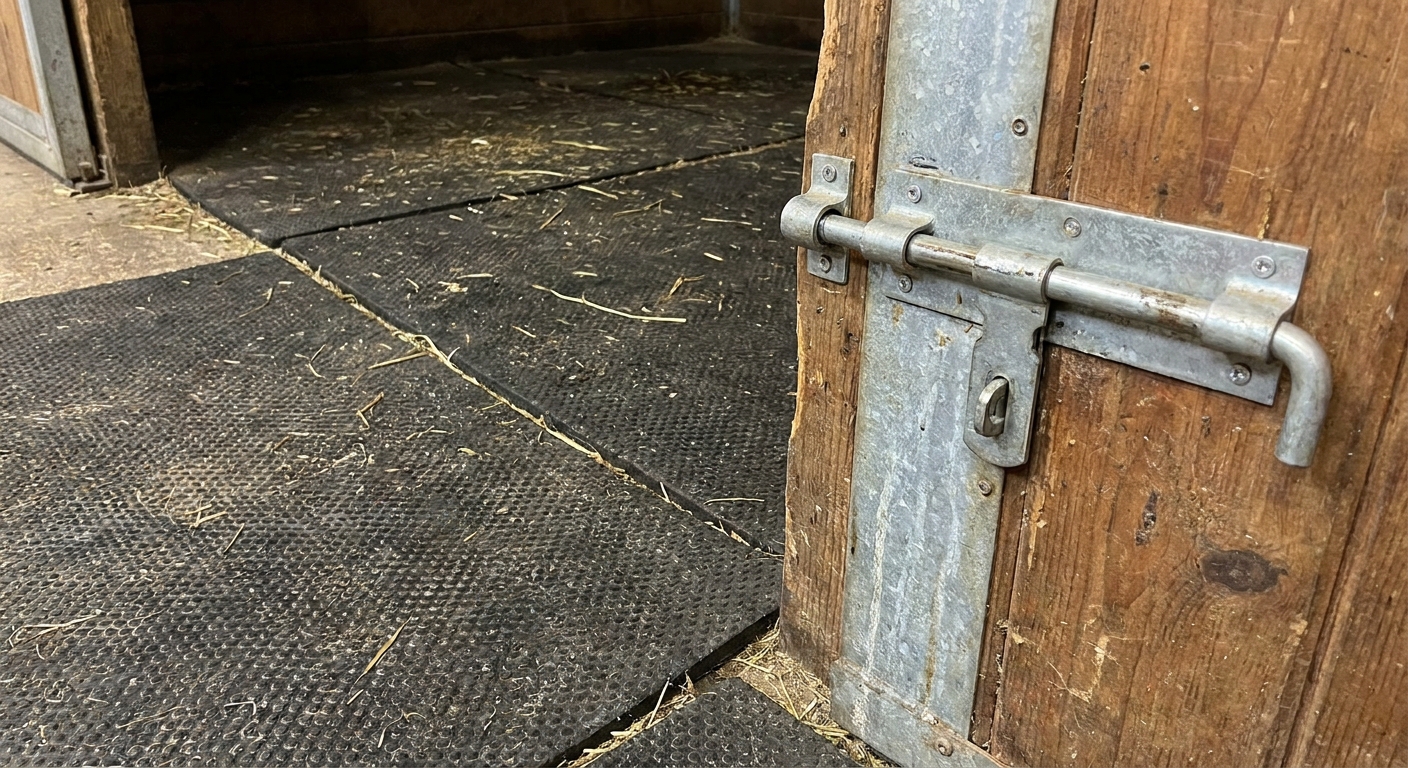
Prioritizing safety involves installing heavy-duty kick mats, non-slip flooring, and secure latching systems that prevent accidental escapes or injuries. Modern horse stall ideas emphasize the use of hardware that is flush with the walls to prevent snagging on blankets or manes. Every edge should be rounded, and every material must be strong enough to withstand a powerful kick.
Secure Latching and Partitioning
Using high-strength livestock partitioning, similar to the standards found in a pig shed , ensures that your stalls can handle aggressive movement. Secure latches should be operable with one hand but impossible for a clever horse to open with its mouth.
Consider this:
- Flush-mounted latches reduce the risk of injury.
- Reinforced bars prevent horses from getting heads stuck.
- Solid lower partitions stop horses from kicking each other.
Non-Slip Flooring and Kick Mats
The floor is the most critical safety surface in any barn, as a slip can lead to career-ending leg injuries. Rubber mats provide necessary traction and cushioning for the horse’s joints during long periods of standing.
- Textured rubber prevents slipping in wet conditions.
- Wall-mounted kick mats protect the building and the horse’s hooves.
- Proper drainage prevents the buildup of slippery ammonia or mud.
Key Takeaway: Safety components should never be sacrificed for aesthetics; functionality must come first.
| Component | Purpose | Recommended Material | |
|---|---|---|---|
| Floor Mats | Slip prevention | 3/4″ Recycled Rubber | |
| Kick Mats | Impact protection | High-density Polyethylene | |
| Latches | Escape prevention | Zinc-plated Steel | |
| Partitions | Social separation | Powder-coated Steel |
How do Dutch doors improve horse stall ideas?
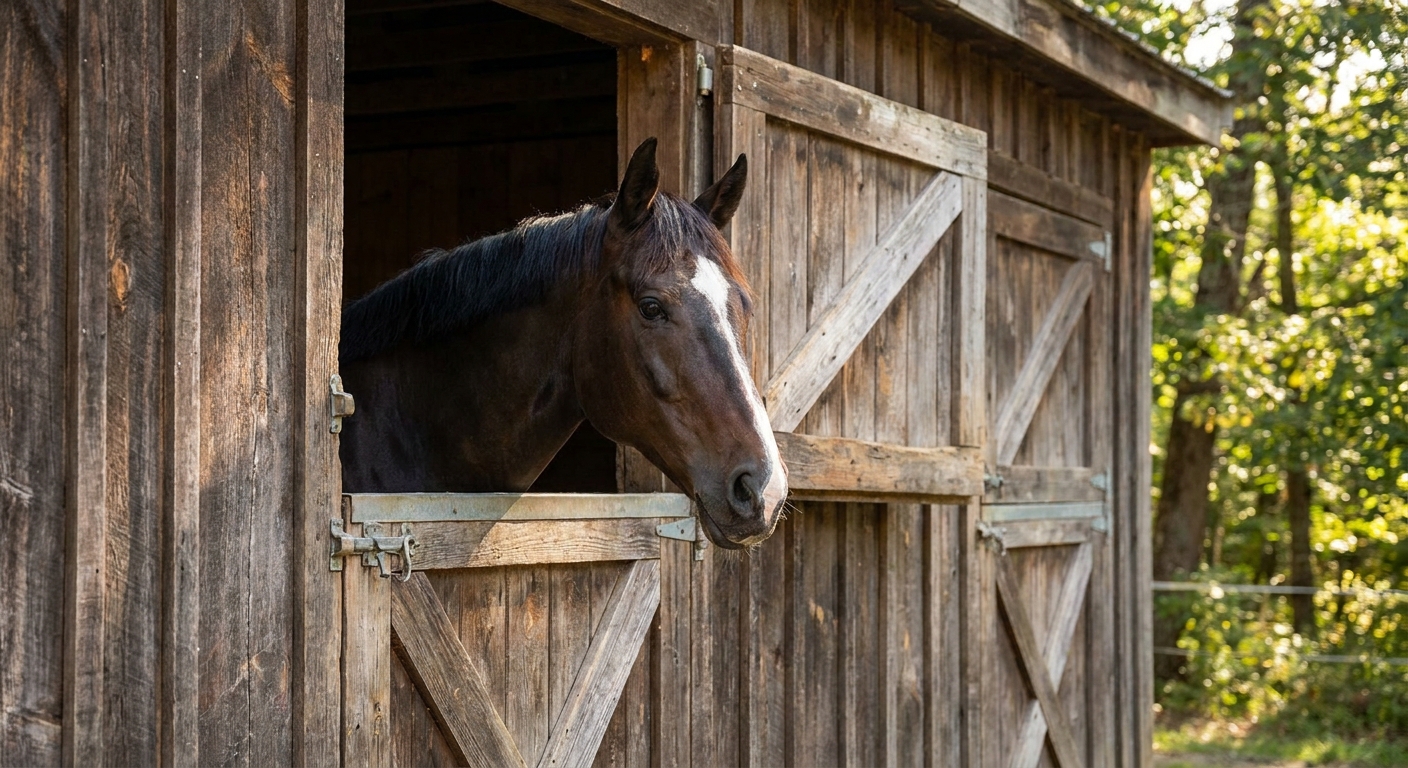
Dutch doors improve a barn by providing adjustable ventilation and allowing horses to satisfy their social curiosity while remaining safely contained. These versatile horse stall ideas consist of two independent panels that can be opened separately or together. They are particularly effective in shed row designs where the stall opens directly to the outside.
Enhancing Stall Ventilation and Light
Opening the top half of a Dutch door allows stale air to escape and fresh air to circulate at the horse’s head level. This natural airflow is essential for preventing respiratory issues like “heaves” in stabled animals.
- Increases natural sunlight, which improves the barn’s atmosphere.
- Reduces the need for artificial lighting during the day.
- Allows for rapid cooling in the hot summer months.
Social Interaction and Mental Health
Horses are herd animals that can become stressed or bored when confined behind solid walls. A Dutch door allows them to look out, watch barn activity, and feel connected to their environment.
It’s a game-changer:
- Reduces stable vices like weaving or stall walking.
- Improves the horse’s overall temperament and relaxation.
Key Takeaway: Dutch doors offer the perfect balance of physical containment and environmental exposure.
| Door Type | Ventilation | Social View | Space Required | |
|---|---|---|---|---|
| Dutch Door | High | Excellent | Moderate (Swing) | |
| Sliding Door | Moderate | Good | Low (Side-to-side) | |
| Standard Grill | Low | Moderate | Moderate (Swing) |
What ventilation works for horse stall ideas?
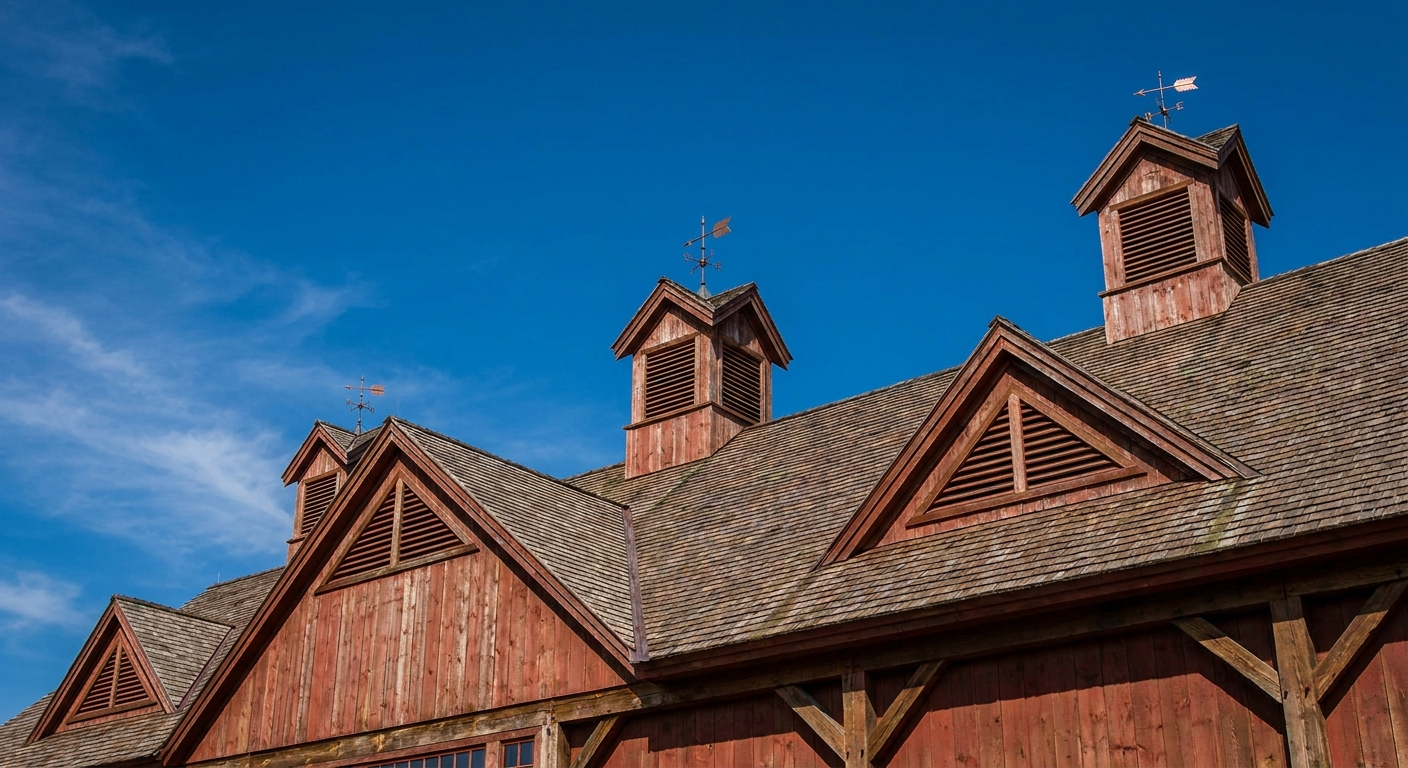
Effective ventilation systems utilize a combination of gable vents, roof cupolas, and mechanical fans to ensure a constant supply of fresh air. In equine facility design, horse stall ideas must prioritize air exchange to remove moisture, ammonia, and dust particles. Stagnant air is the leading cause of respiratory disease in domesticated horses, making airflow a top priority.
Natural Airflow through Structural Vents
Strategic placement of gable vents at the highest points of the barn allows hot, rising air to escape naturally. Following the ventilation standards often used in a cow & sheep shed can help maintain a consistent temperature across the facility.
- Cupolas act as a vacuum to pull air up and out.
- Gable vents facilitate cross-ventilation across the roofline.
- Soffit vents allow cool air to enter at the eaves.
Using Agricultural-Grade Fans Safely
In climates with extreme heat, natural ventilation may need a boost from mechanical fans specifically designed for barn use. These fans must have sealed motors to prevent dust from sparking a fire.
Don’t overlook this:
- Fans should be mounted high and out of the horse’s reach.
- All wiring must be housed in metal conduits to prevent chewing.
Key Takeaway: Proper ventilation is an investment in your horse’s respiratory health and long-term performance.
| Vent Type | Function | Effectiveness | |
|---|---|---|---|
| Cupola | Vertical exhaust | Excellent | |
| Gable Vent | Horizontal cross-flow | Good | |
| Stall Fan | Targeted cooling | High (Active) | |
| Eave Vents | Intake airflow | Moderate |
Where to place storage in horse stall ideas?
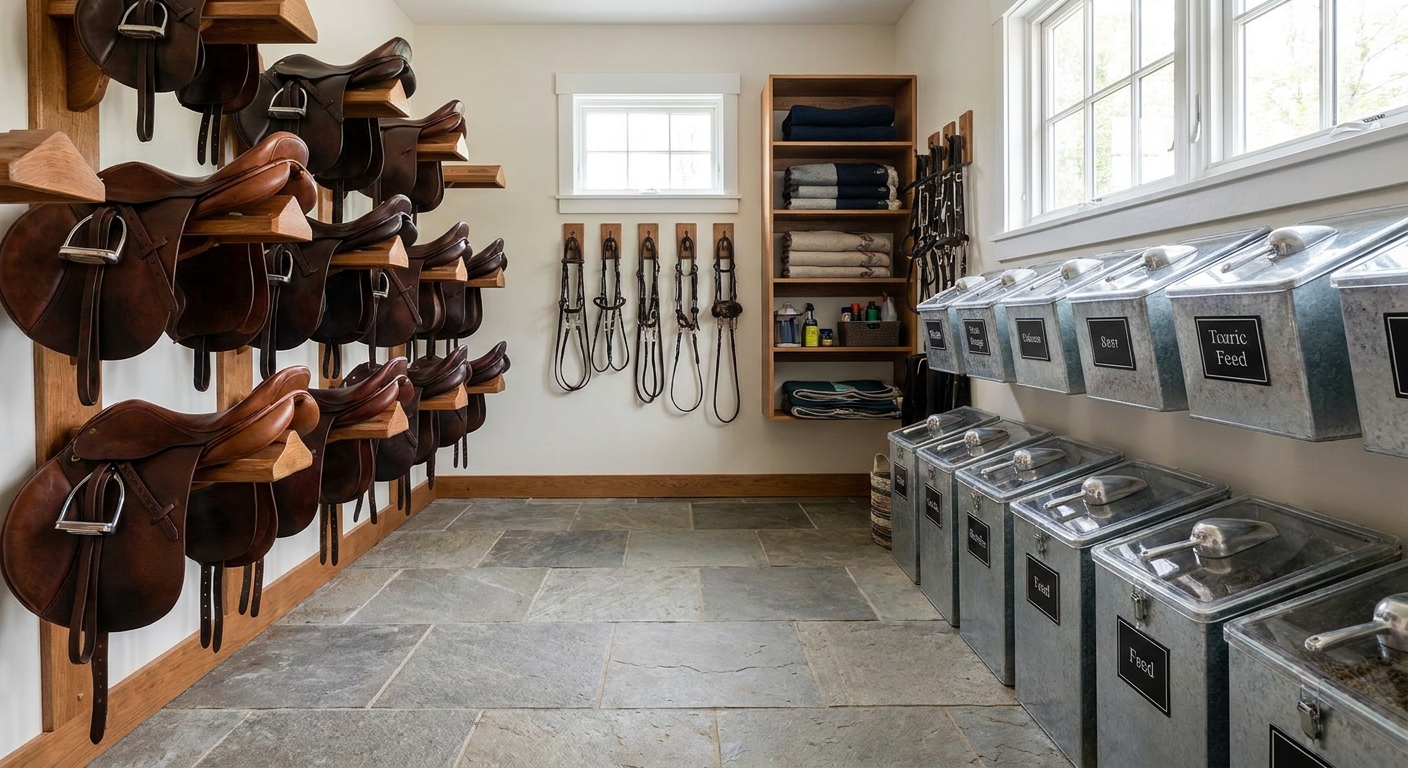
Storage should be placed in a dedicated, sealed room to separate feed and tack, preventing pest damage and keeping the barn organized. Efficient horse stall ideas often involve converting an extra 12×12 stall into a multi-functional utility space. Keeping grain in metal bins and saddles on raised racks ensures your equipment stays in top condition.
Separate Feed and Tack Room Layouts
Storing leather tack in the same room as sweet-smelling grain is a recipe for disaster, as rodents attracted to the food will often chew on the leather. A divided storage area keeps the dust of the feed away from your expensive saddles and bridles.
- Metal bins are essential for rodent-proofing grain.
- Climate control helps prevent mold on expensive leatherwork.
- Rubber-sealed doors keep dust and pests out of the tack room.
Wall-Mounted Solutions for Hay and Gear
Utilizing vertical space is the best way to keep the floor clear and minimize the risk of trips or falls. Wall-mounted hay racks and saddle tiers allow you to store more items in a smaller square footage.
Think about this:
- Wall racks keep hay off the floor and reduce waste.
- Ceiling hooks can hold blankets and seasonal gear.
Key Takeaway: A 12×12 space is the industry standard for a functional, organized storage or tack room.
| Storage Type | Ideal Size | Must-Have Features | |
|---|---|---|---|
| Tack Room | 10′ x 12′ | Dehumidifier, Saddle racks | |
| Feed Room | 8′ x 10′ | Metal bins, Easy-clean floor | |
| Hay Loft | Vertical | Ventilation, Fire detection |
Can you add luxury to your horse stall ideas?
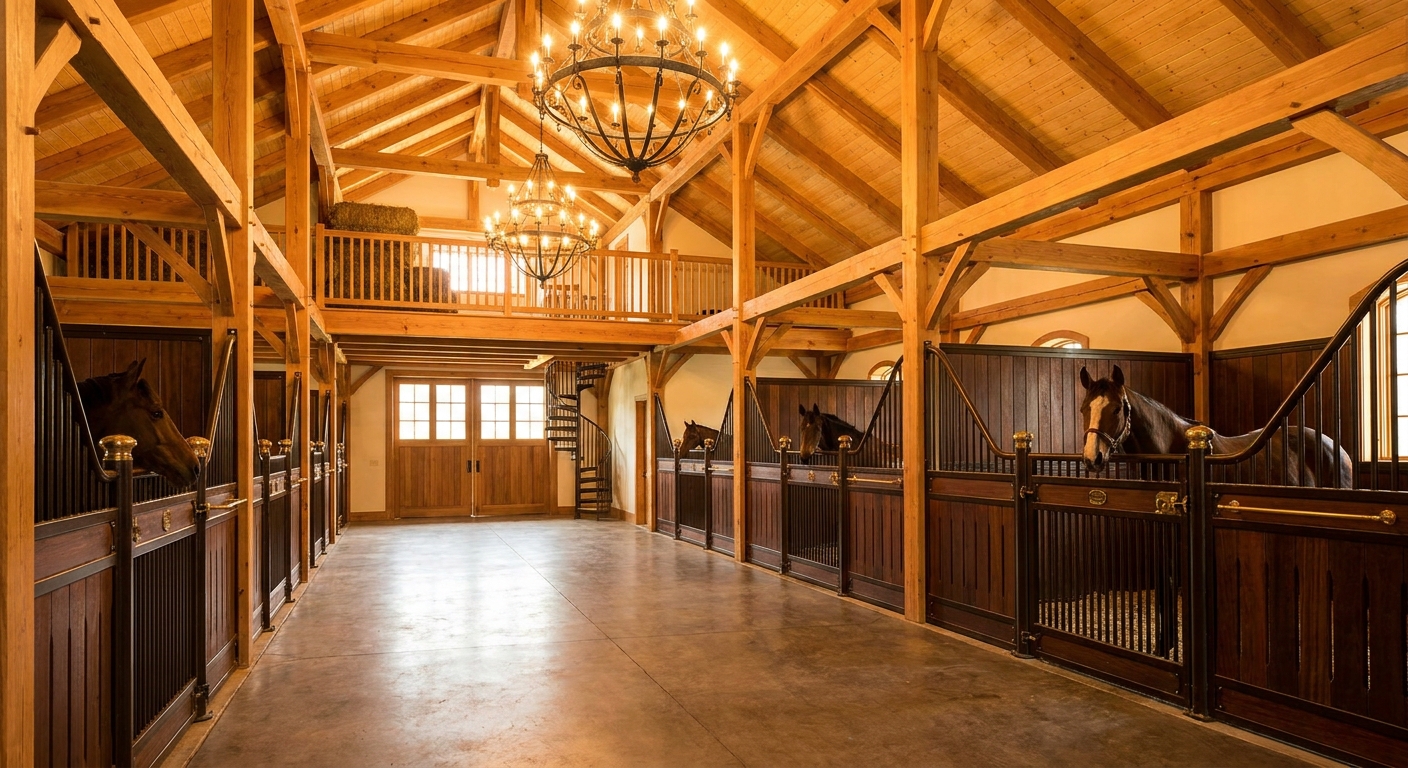
Luxury can be added through loft conversions, decorative lighting, and high-end materials like brass hardware or tongue-and-groove wood. Upscale horse stall ideas often transform a simple barn into a social retreat or a professional-grade training center. Integrating aesthetics with functionality increases both the enjoyment of the space and the property’s overall market value.
Loft Conversions and Office Space
Utilizing the vertical space above the stalls is a hallmark of luxury design, often resembling the clear-span capabilities of an aircraft hangar . This space can be used for a viewing lounge, a private office, or even a guest suite for barn managers.
- Adds significant square footage without increasing the footprint.
- Provides a bird’s-eye view of the horses and arena.
- Can be insulated for year-round comfort and utility.
Aesthetic Lighting and Fine Finishes
Lighting is often overlooked, but a beautiful chandelier in a center aisle or classy cage lights in every stall can completely change the barn’s mood. Decorative finishes like copper accents or custom-painted steel frames add a personalized touch of class.
It’s all in the details:
- Classy barn light cages protect bulbs while looking elegant.
- Brass finials on stall posts add a traditional English look.
Key Takeaway: Aesthetic upgrades significantly boost property value and provide a more pleasant working environment.
| Upgrade | Visual Impact | Relative Cost | |
|---|---|---|---|
| Custom Lighting | High | Low – Medium | |
| Loft Office | Very High | High | |
| Brass Hardware | Medium | Medium | |
| Stone Facade | High | High |
How to customize your unique horse stall ideas?
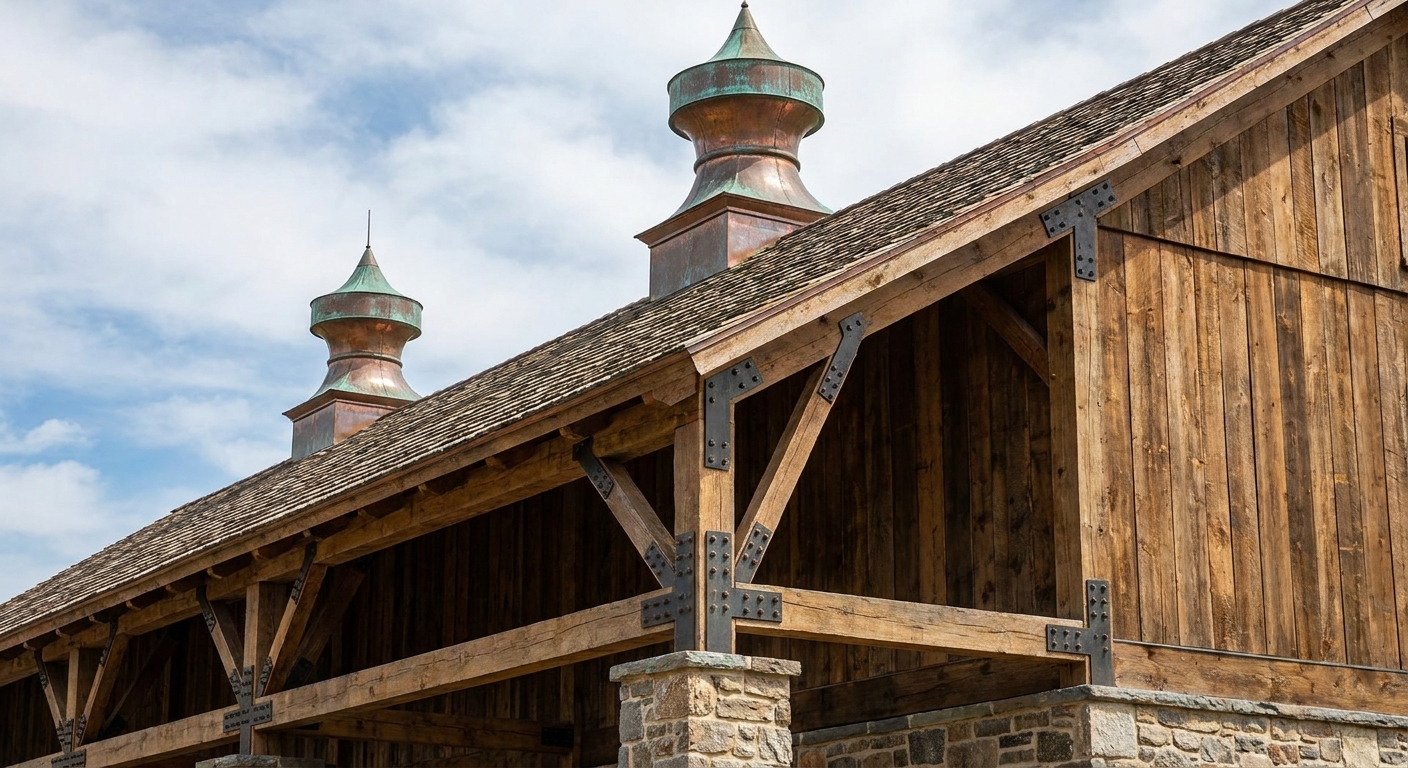
Customization allows you to adapt the barn to your local climate with features like hurricane brackets, architectural cupolas, and specific insulation. Selecting unique horse stall ideas ensures your facility isn’t just a generic kit, but a structure designed for your specific needs. From the color of the metal siding to the style of the weather vane, every detail is under your control.
Adding Architectural Cupolas and Finials
A copper-roofed cupola acts as a stunning focal point on any barn roofline, blending historical charm with modern functionality. These elements are not just for show; they play a vital role in the building’s natural ventilation system.
- Provides a classic, timeless look to the exterior.
- Increases the height and presence of the building.
- Can be customized with unique weather vanes.
Resilience in High-Wind Regions
For owners in coastal or stormy areas, customization must include structural reinforcements like hurricane brackets. These heavy-duty connectors ensure the roof and walls stay attached during extreme weather events.
Check this out:
- Hurricane straps provide extra peace of mind in storm zones.
- Reinforced door tracks prevent wind from blowing doors off.
Key Takeaway: You are the boss; always choose customizations that fit both your style and your local environment.
| Region | Recommended Customization | Benefit | |
|---|---|---|---|
| Coastal | Hurricane Brackets | Structural integrity | |
| Northern | Insulated Roof Panels | Heat retention | |
| Southern | Extra Gable Vents | Cooling airflow | |
| Mountain | Reinforced Purlins | Snow load capacity |
Which layouts optimize these horse stall ideas?
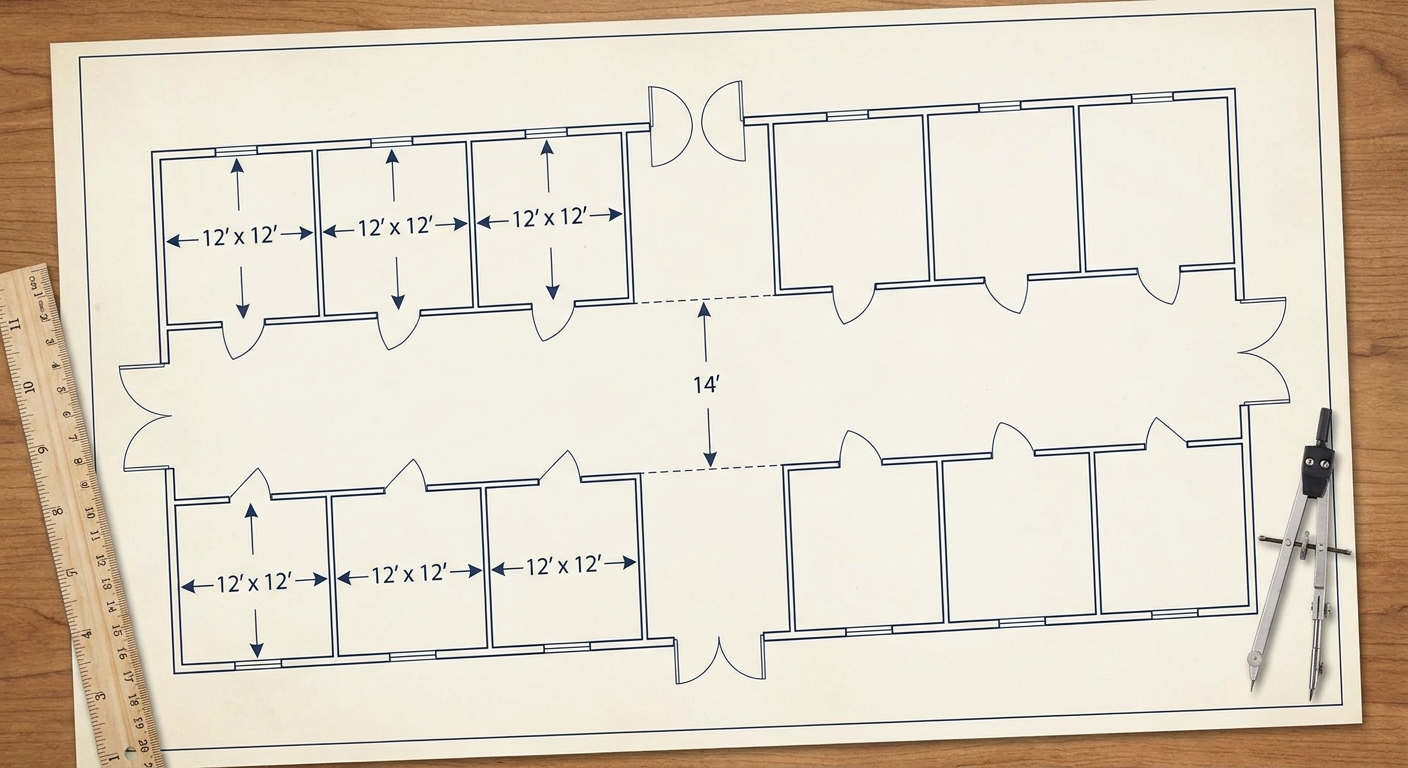
The best layouts include Trailside center-aisle plans, Monitor styles, and High Country multi-level designs that maximize workflow and space utility. When choosing horse stall ideas, the floor plan determines how efficiently you can feed, clean, and move your animals. A well-designed layout reduces the time spent on chores and increases the time spent in the saddle.
Trailside Center Aisle Plans
The Trailside layout is the gold standard for active barns, featuring a wide 12-foot central aisle with stalls on either side. This allows for indoor grooming, vet access, and farrier work regardless of the weather outside.
- Provides a safe, sheltered space for daily operations.
- Allows for easy monitoring of all horses at once.
- Facilitates excellent cross-ventilation through the aisle.
Monitor and High Country Styles
Monitor barns feature a raised center roofline that allows for extra windows and massive airflow, while High Country designs prioritize vertical storage. These multi-level structures are ideal for farms that need to store significant amounts of hay or equipment on-site.
The choice is yours:
- Monitor barns offer the most impressive architectural look.
- High Country plans are the most efficient for hay storage.
Key Takeaway: The center aisle remains the most versatile and professional layout for modern horse facilities.
| Layout Style | Best Feature | Space Efficiency | |
|---|---|---|---|
| Trailside | Indoor Workspace | High | |
| Shed Row | Fresh Air Access | Medium | |
| Monitor | Superior Ventilation | Very High | |
| Run-In | Freedom of Movement | Low (Open) |
We hope these 27 tips and ideas have inspired you to build the perfect sanctuary for your horses. Whether you need a simple run-in shed or a complex multi-stall facility, planning for safety, storage, and ventilation is the key to success. To get a professional quote on a durable steel structure that meets your exact needs, contact us today .
Frequently Asked Questions
Which direction should a horse barn face? It is best to face your barn to catch prevailing winds through the center aisle or toward the North/East to avoid the harsh Southern sun.
Is a 10×10 stall big enough? Yes, a 10×10 stall is perfectly adequate for smaller horses or ponies, though a 12×12 is generally preferred for average horses.
What’s the best way to build a horse barn cheaply? A Run-In shed is the most affordable option because it requires the least material and avoids the cost of interior stalls and doors.
Why choose steel over wood for horse stalls? Steel is fire-resistant, prevents horses from chewing on the structure (cribbing), and lasts much longer with minimal maintenance.
How much space do I need for two horses? While 300 square feet is the minimum, a 30×24 barn with a center aisle is ideal for housing two horses with extra room for tack.