
Building a 10 000 square feet warehouse typically costs between 350,000 and 500,000 for a fully completed, turnkey facility. You may find that determining the exact investment required for such a large-scale industrial project is an overwhelming task filled with hidden variables. Without a clear financial roadmap, you risk facing unexpected budget overruns or compromising on structural integrity due to poor planning. This guide provides a professional breakdown of costs and design factors, ensuring your 10 000 square feet warehouse is built to the highest standards while remaining financially viable.
What is the base cost for a 10 000 square feet warehouse?
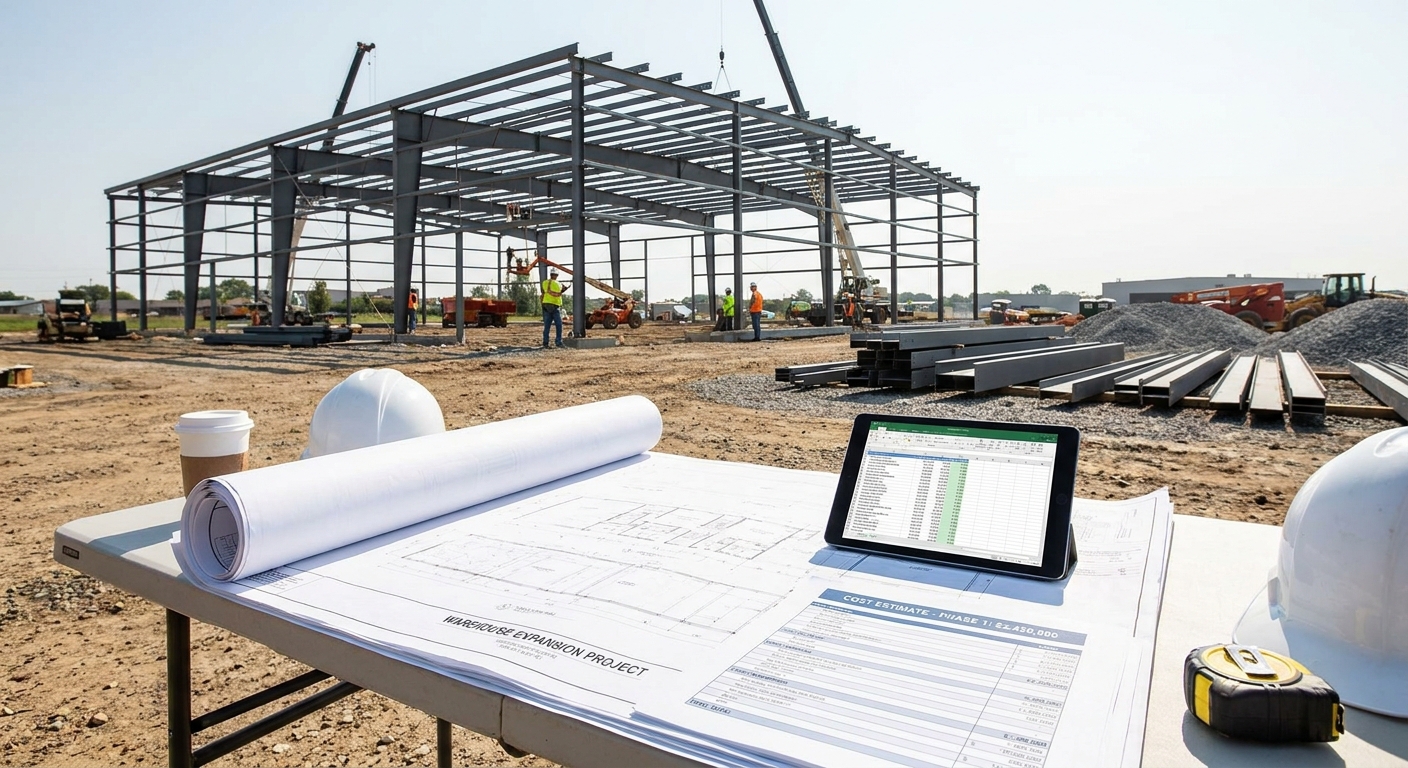
You should expect the base shell price for a 10 000 square feet warehouse to range from 12 to 19 per square foot for the steel materials alone. This foundational cost covers the primary and secondary framing, roofing panels, and wall cladding delivered to your site.
What factors drive the initial shell price?
The primary cost driver is the current market price of raw steel, which fluctuates based on global supply and demand. Think about this:
- Steel tonnage requirements for your specific height.
- The complexity of the framing system.
- Current regional freight and shipping rates.
Buying directly from a manufacturer often eliminates middleman markups and ensures you get the best bulk pricing. Here is the kicker:
- Standardized sizes reduce fabrication waste.
- Pre-engineered kits speed up delivery times.
- Simplified designs lower the initial engineering fees.
How do interior finishes add to the base cost?
If you plan to add office space or specialized mezzanine levels, your per-square-foot cost will rise significantly. But wait, there’s more:
- Interior partitioning and drywall installation.
- Basic lighting and electrical distribution.
- Plumbing for restrooms or break areas.
Key Takeaway: Understanding the split between raw materials and interior finishes allows you to prioritize essential structural components first.
| Cost Component | Estimated Price (Per Sq. Ft.) | Total for 10k Sq. Ft. | |
|---|---|---|---|
| Steel Building Kit | 12−19 | 120,000−190,000 | |
| Basic Interior Finish | 5−15 | 50,000−150,000 | |
| Delivery & Shipping | 2−4 | 20,000−40,000 |
This initial breakdown highlights that the steel shell is the largest single material investment in your project.
How do hard costs affect your 10 000 square feet warehouse?
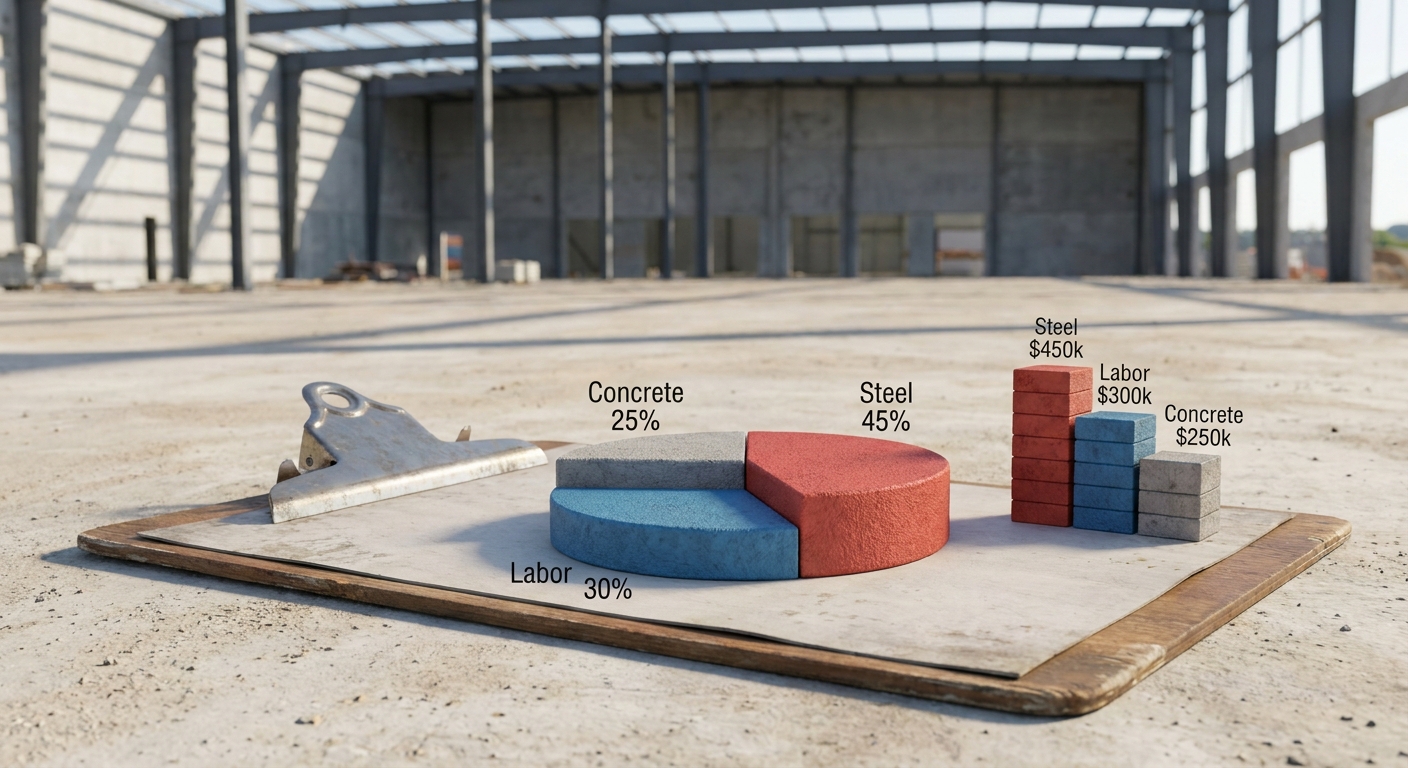
Hard costs represent the physical “brick and mortar” expenses of your 10 000 square feet warehouse, typically accounting for 70% to 80% of your total budget. These costs are the most visible as they include everything from the concrete slab to the final coat of paint on the exterior walls.
What role does labor play in hard costs?
Labor costs for erecting a steel building generally run between 5 and 10 per square foot depending on your region. The best part?
- Specialized steel erection crews work faster than general contractors.
- Heavy machinery rentals like cranes are included in labor quotes.
- Shorter construction timelines reduce overall site management fees.
Using a pre-engineered system means the parts arrive ready to bolt together, which slashes manual labor hours. In other words:
- Reduced on-site cutting and welding needs.
- Fewer mistakes during the assembly phase.
- Faster transition to the interior finishing stage.
Why is the concrete foundation a major hard cost?
A standard 6-inch reinforced concrete slab for an industrial warehouse will cost you approximately 6 to 10 per square foot. Think about this:
- Soil compaction and site grading requirements.
- The amount of rebar needed for heavy load-bearing.
- Current local concrete pouring and finishing rates.
Key Takeaway: Managing hard costs effectively requires a balance between high-quality materials and efficient labor to avoid long-term structural issues.
| Hard Cost Category | Estimated Price (Per Sq. Ft.) | Total Investment | |
|---|---|---|---|
| Concrete Slab | 6−10 | 60,000−100,000 | |
| Erection Labor | 5−10 | 50,000−100,000 | |
| Doors & Windows | 2−5 | 20,000−50,000 |
Investing in a high-quality foundation and experienced labor ensures the longevity of your industrial asset.
What soft costs apply to a 10 000 square feet warehouse?
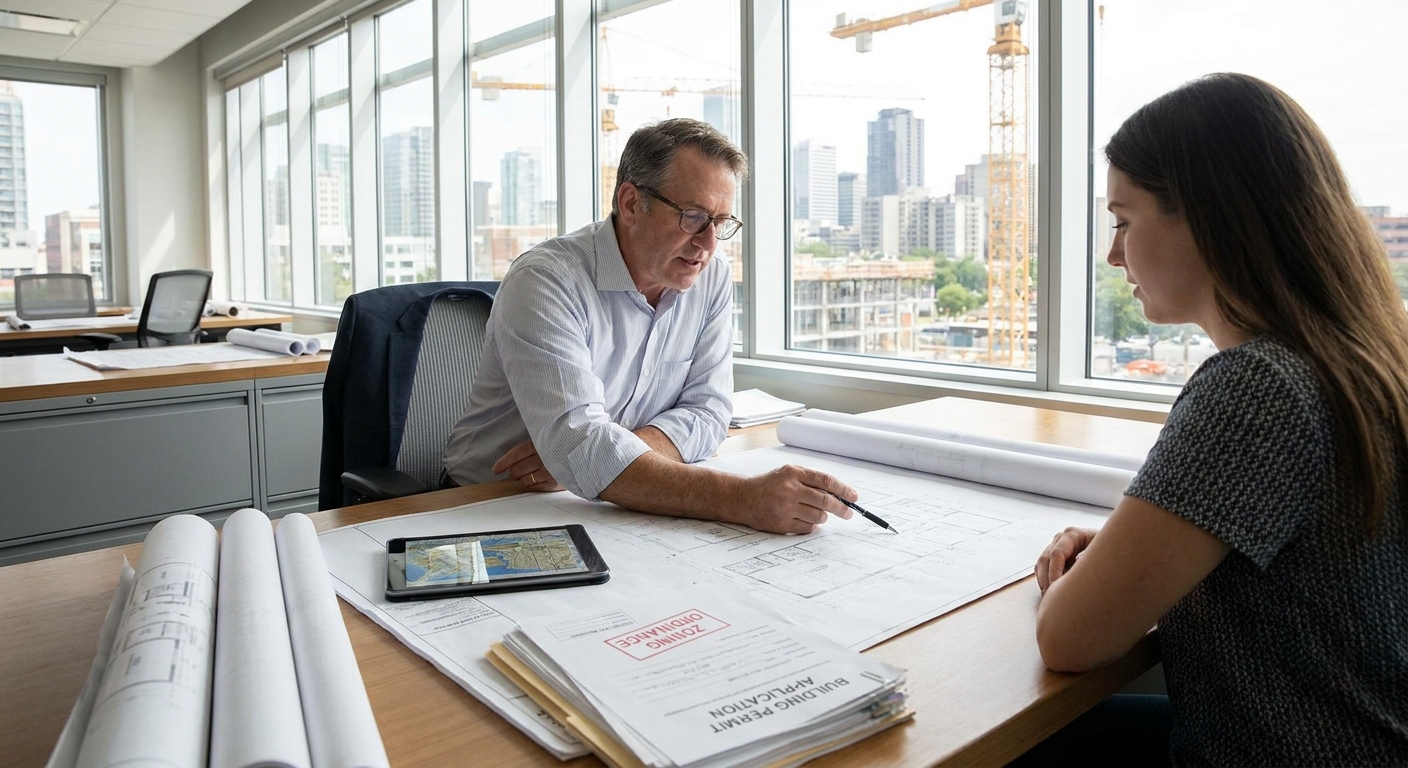
Soft costs for a 10 000 square feet warehouse include “invisible” expenses like permitting, architectural design, and legal fees. While they don’t buy physical materials, these costs are essential for ensuring your building is legal and safe for occupancy.
How much should you budget for permits?
Building permits and zoning fees can range from 2,000 to over 15,000 depending on your local municipality’s regulations. Let’s be honest:
- Zoning variance applications if the land is not pre-approved.
- Environmental impact and drainage study fees.
- Local fire department and life safety inspection costs.
Skipping proper permitting can lead to massive fines or even a total halt to your construction project. Here is the kicker:
- Permits protect your long-term property value.
- Licensed engineers must stamp all structural plans.
- Utility hookup fees are often separate from building permits.
Why do engineering fees matter for steel buildings?
Structural engineering ensures your warehouse can withstand local wind speeds, snow loads, and seismic activity. And the result?
- Custom blueprints that meet specific city codes.
- Optimized steel usage to prevent over-engineering.
- Detailed site plans for plumbing and electrical routing.
Key Takeaway: Allocating at least 5% to 10% of your budget to soft costs prevents legal delays and structural non-compliance.
| Soft Cost Category | Typical Percentage of Budget | Estimated Range | |
|---|---|---|---|
| Permits & Inspections | 2% – 3% | 7,000−15,000 | |
| Design & Engineering | 3% – 5% | 10,000−25,000 | |
| Legal & Insurance | 1% – 2% | 3,500−10,000 |
Accounting for these non-physical costs early prevents financial surprises during the middle of the construction phase.
How does location change 10 000 square feet warehouse pricing?
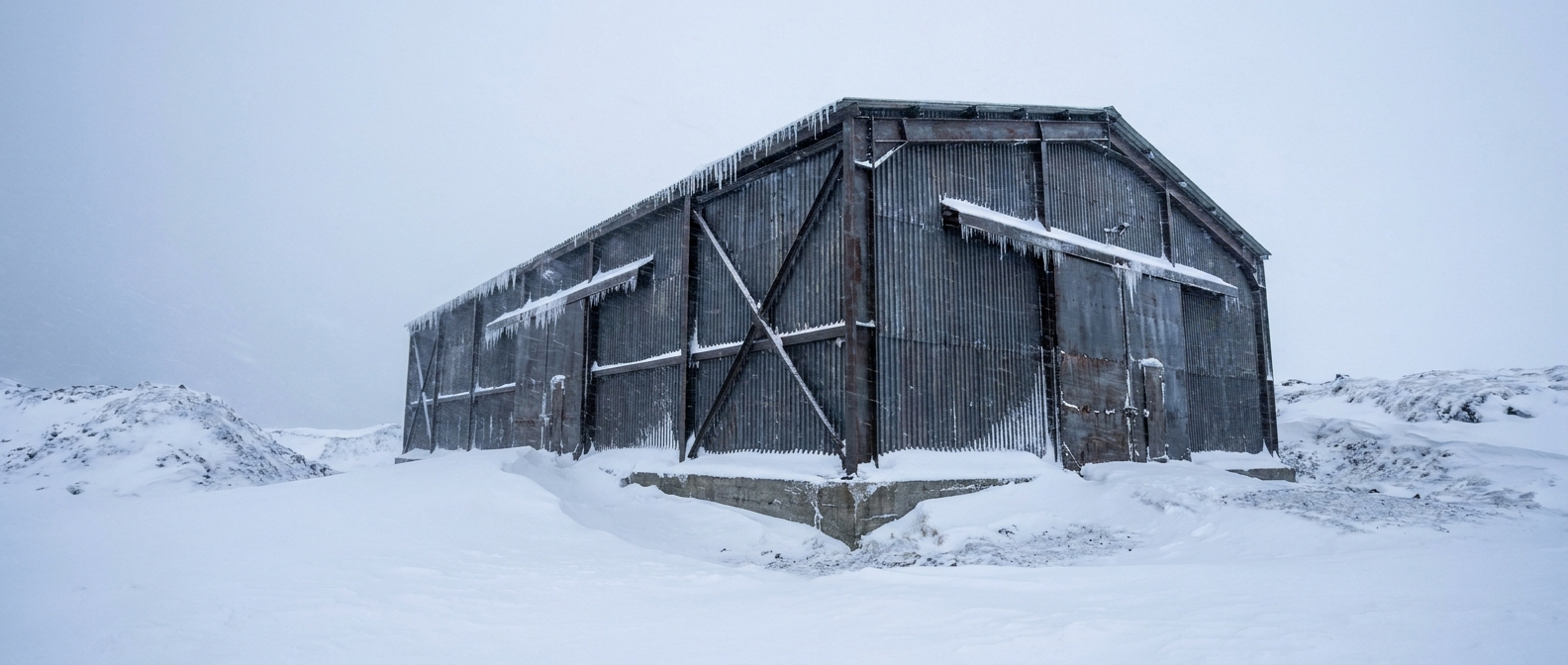
The location of your 10 000 square feet warehouse dictates the environmental engineering required and the local labor rates you will pay. A building in a heavy snow zone like Minnesota will cost significantly more than a similar structure in a mild climate.
How do snow and wind loads impact the design?
Buildings in northern climates require thicker steel beams and reinforced roofing to handle the weight of heavy snow. Think about this:
- Higher roof pitches to allow for natural snow shedding.
- Increased secondary framing to support vertical pressure.
- Costly high-wind bracing for coastal or hurricane regions.
Every pound of additional steel added for climate protection increases the raw material price and shipping weight. The best part?
- Enhanced safety for your inventory and staff.
- Lower insurance premiums due to superior structural resilience.
- Better long-term durability against extreme weather cycles.
Why do regional labor markets fluctuate?
Labor rates for construction vary wildly between metropolitan areas and rural regions due to cost-of-living differences. But wait, there’s more:
- Union vs. non-union labor requirements in specific states.
- The availability of specialized steel erection crews locally.
- Travel and lodging stipends for crews coming from out of town.
Key Takeaway: Choosing a site with favorable zoning and moderate weather can save you tens of thousands in structural reinforcements.
| Climate/Location | Load Requirement | Estimated Cost Impact | |
|---|---|---|---|
| Heavy Snow Zone | 50+ PSF Snow Load | +15% to Material Cost | |
| Coastal High Wind | 150+ MPH Wind Speed | +10% to Framing Cost | |
| Mild Rural Zone | Standard Loads | Base Market Pricing |
Geographic factors are fixed costs that must be addressed during the initial engineering and site selection phase.
What are the long-term 10 000 square feet warehouse costs?
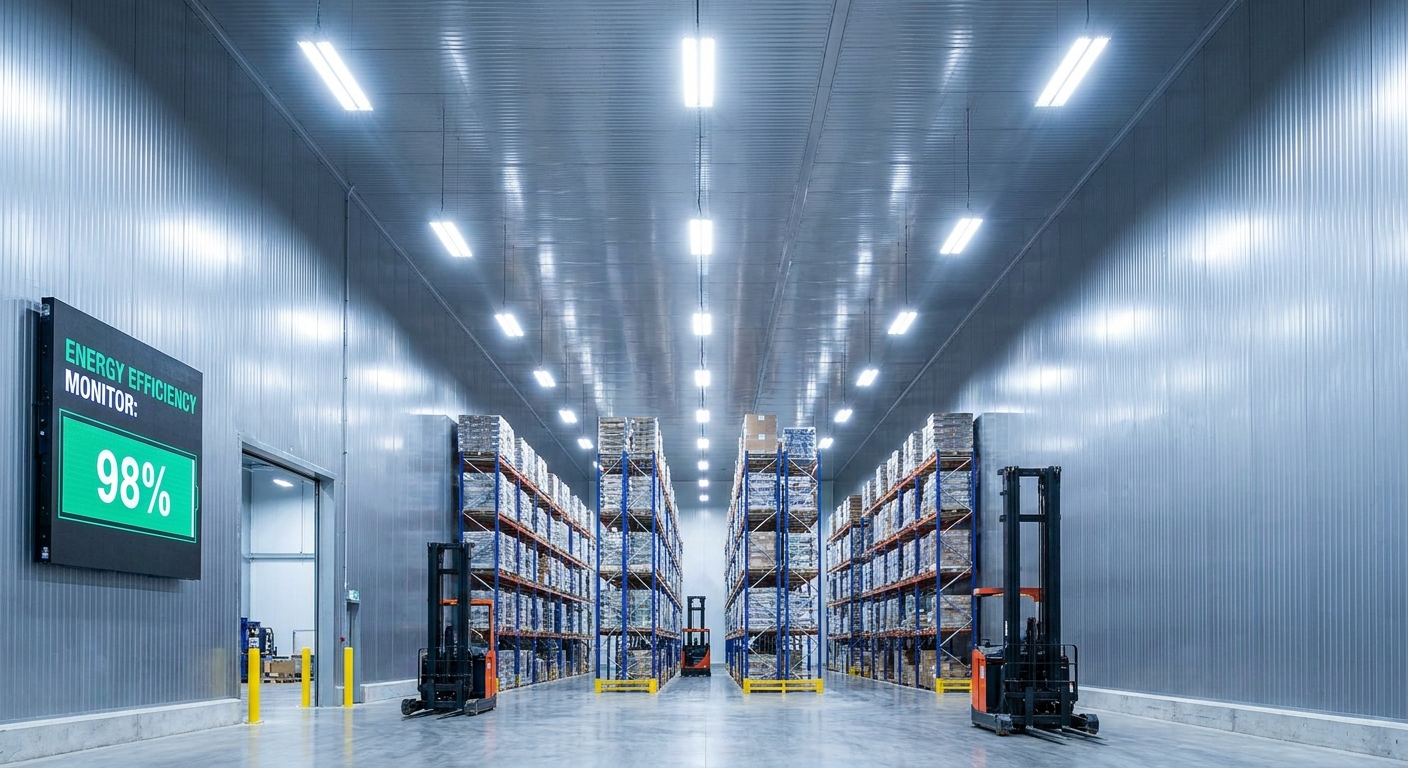
Owning a 10 000 square feet warehouse involves ongoing operational expenses like climate control, maintenance, and property insurance. Steel buildings are designed to minimize these long-term drains on your business capital.
How can insulation save you money?
High-quality insulation like fiberglass blankets or insulated metal panels (IMPs) drastically reduces your monthly heating and cooling bills. Here is the kicker:
- Thermal blocks prevent heat transfer through the steel frame.
- Proper vapor barriers stop moisture buildup and mold.
- Energy-efficient HVAC units work less to maintain temperatures.
While the upfront cost for insulation is higher, the return on investment usually occurs within the first few years. In other words:
- More comfortable working environment for your team.
- Better protection for temperature-sensitive inventory.
- Potential tax credits for green building practices.
What maintenance does a steel building require?
Steel structures require far less maintenance than wood or masonry because they are resistant to rot, pests, and fire. And the result?
- No need for expensive annual termite treatments.
- Durable paint finishes that last for decades without peeling.
- Simple annual inspections of fasteners and roof seals.
Key Takeaway: Focusing on energy efficiency and low-maintenance materials during construction drastically improves your facility’s total cost of ownership.
| Operational Expense | Steel Warehouse Advantage | Estimated Annual Savings | |
|---|---|---|---|
| Insurance Premiums | Fire-resistant materials | 20% – 30% | |
| Energy Costs | High-R value insulation options | 2,000−5,000 | |
| Maintenance | Durable coatings and pest resistance | 1,500−3,000 |
A steel warehouse is not just a one-time purchase but a long-term strategy for operational cost reduction.
Why choose steel for your 10 000 square feet warehouse?
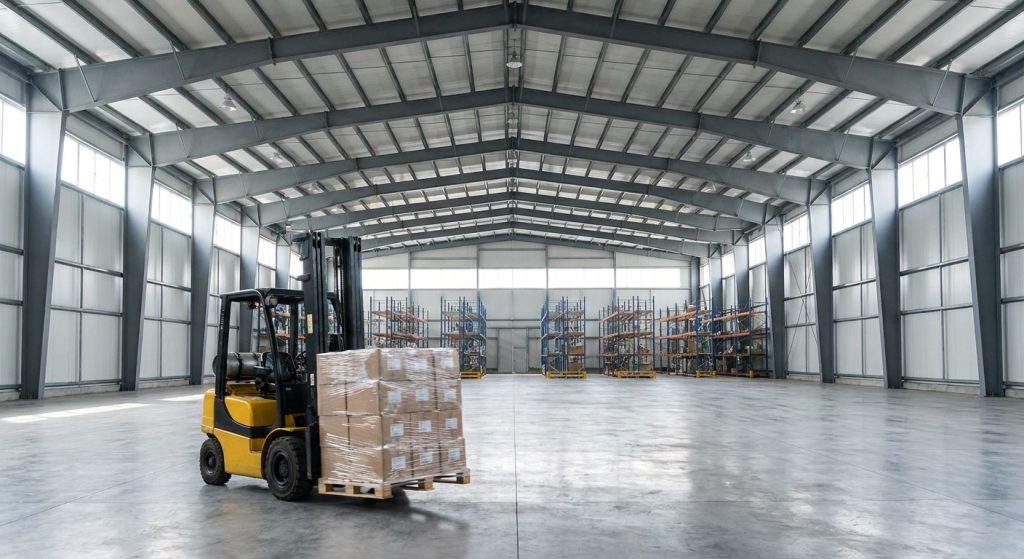
Choosing steel for a 10 000 square feet warehouse is the gold standard for industrial projects due to its superior strength-to-weight ratio. You get more usable space and better durability compared to traditional wood-frame or tilt-up concrete structures.
What are the benefits of clear-span design?
Steel allows for clear-span designs that provide a completely open interior without any obstructive support columns. Think about this:
- Unrestricted movement for forklifts and heavy machinery.
- Maximum flexibility for racking and inventory storage.
- Easy reconfiguration if your business needs change.
Having zero interior columns means you can utilize every single square inch of your 10,000-foot footprint. The best part?
- Higher vertical clearance for stacking inventory.
- Improved visibility for safety and security monitoring.
- Lower risk of accidental damage to support structures.
How does steel provide fire and pest resistance?
Steel is a non-combustible material, meaning it does not fuel fires, which significantly reduces the risk to your business. But wait, there’s more:
- Inorganic nature prevents termite and rodent infestations.
- No warping, twisting, or rotting over decades of use.
- Superior protection against mold and mildew growth.
Key Takeaway: The structural integrity and safety profile of steel make it the most cost-effective and secure choice for high-value warehouse assets.
| Material Feature | Steel Buildings | Wood Framing | |
|---|---|---|---|
| Fire Resistance | Non-combustible | High Risk | |
| Clear Span | Up to 300+ Feet | Extremely Limited | |
| Lifespan | 50+ Years | 20 – 30 Years |
Steel’s inherent properties provide a level of security and flexibility that other building materials simply cannot match.
How does design impact 10 000 square feet warehouse quotes?
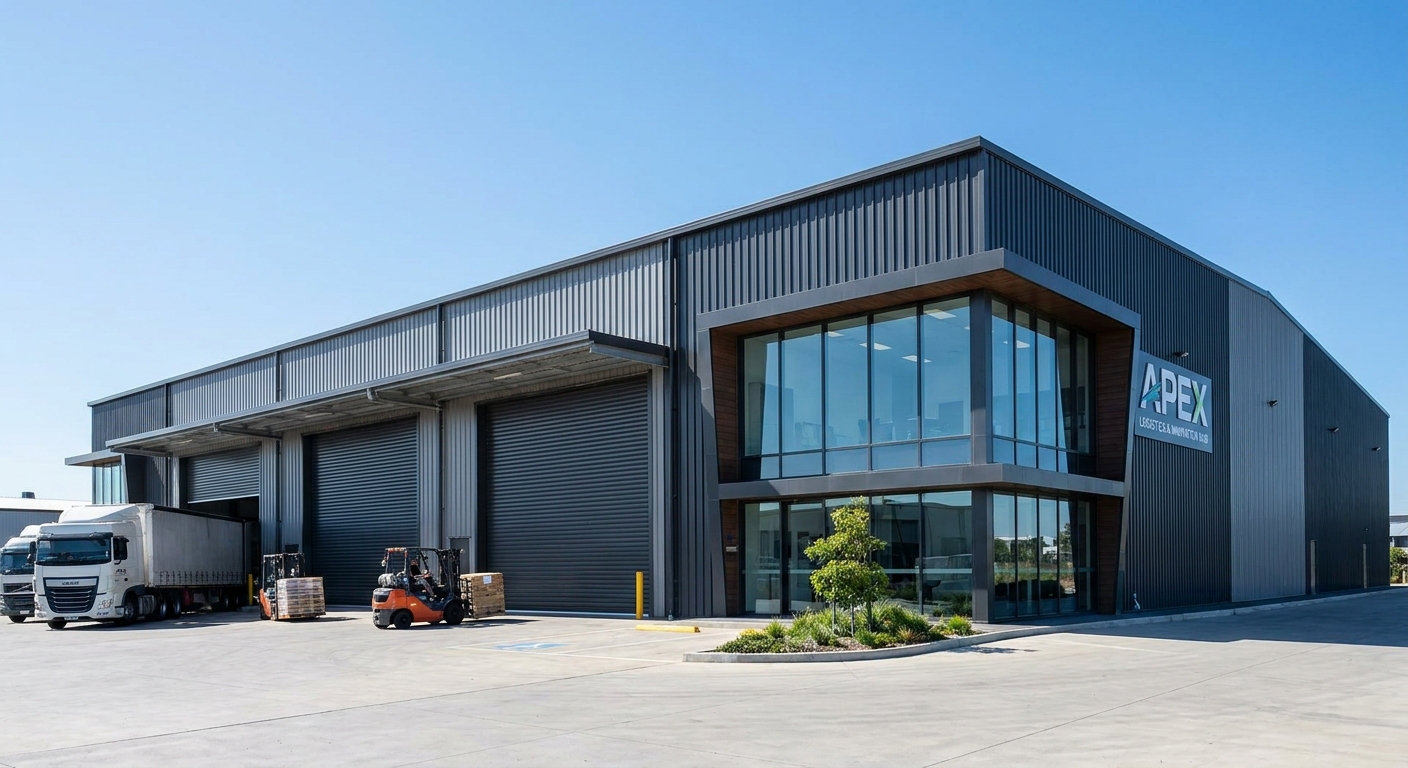
The specific design choices you make for your 10 000 square feet warehouse can swing the final price by tens of thousands of dollars. From roof pitch to the number of loading docks, every customization has a direct financial impact.
How do doors and windows change the price?
Industrial-grade roll-up doors and energy-efficient windows are necessary but expensive additions to any warehouse design. Let’s be honest:
- Automatic loading dock levelers increase operational speed.
- Insulated doors are essential for climate-controlled spaces.
- Skylights reduce the need for daytime artificial lighting.
While adding more openings increases the initial material and labor cost, it often pays off in functional efficiency. Here is the kicker:
- Standard door sizes are much cheaper than custom widths.
- Placement of doors affects the structural bracing requirements.
- Proper glazing on windows prevents excessive heat gain.
Why does roof pitch affect your total budget?
The pitch of your roof determines the amount of steel needed and the efficiency of your drainage and snow management. And the result?
- Low-pitch roofs (1:12) are the most cost-effective to build.
- Steeper pitches require more material and complex engineering.
- Higher roofs increase the volume of air you must heat or cool.
Key Takeaway: Keeping your design simple and using standardized components is the fastest way to lower your overall construction quote.
| Design Feature | Cost Impact Level | Operational Benefit | |
|---|---|---|---|
| Loading Docks | High | Faster Logistics | |
| Mezzanine Level | Moderate | Doubled Floor Space | |
| High-Pitch Roof | Low to Moderate | Better Snow Shedding |
Strategic design choices balance your current budget needs with the future growth of your business operations.
Do supply chains affect 10 000 square feet warehouse prices?
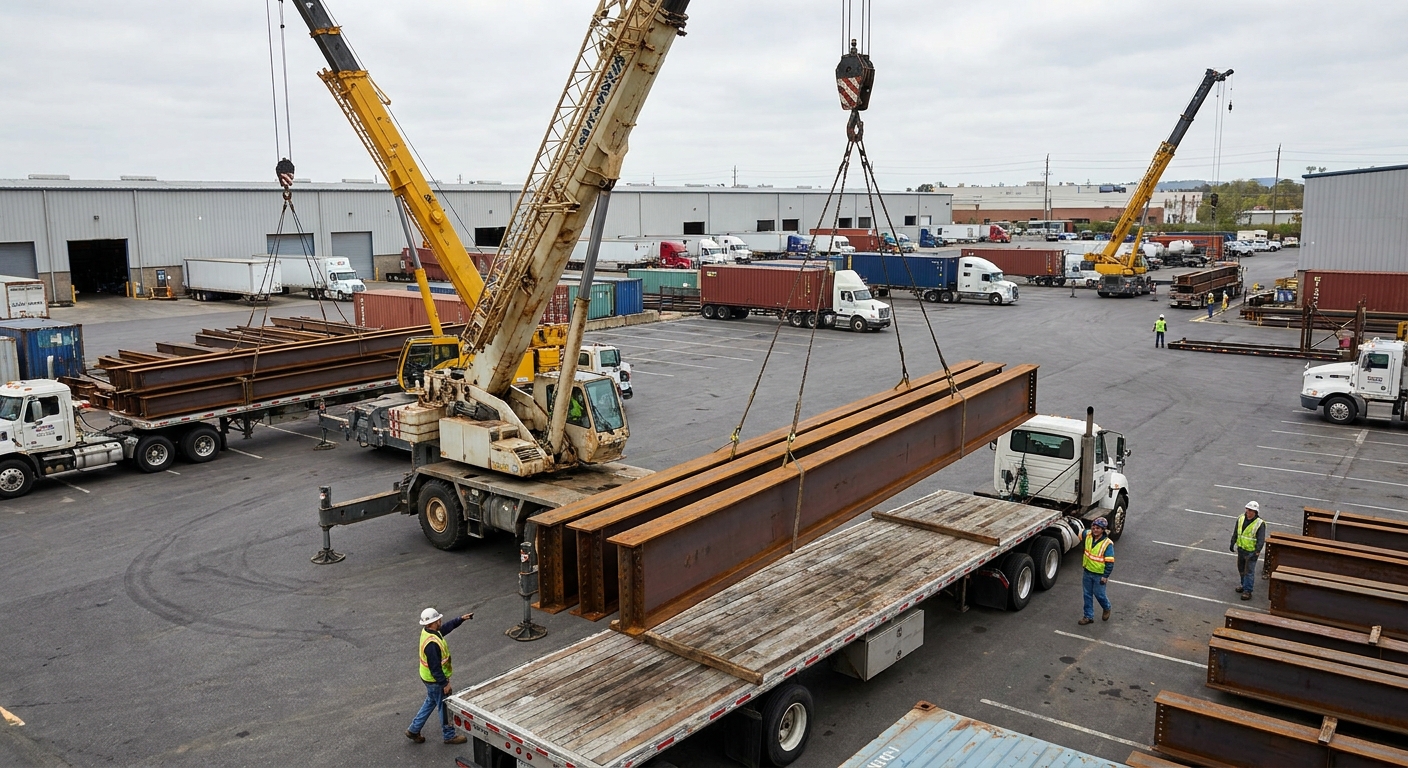
Supply chain disruptions and global trade policies can cause the price of a 10 000 square feet warehouse to shift even after you’ve started planning. Understanding these macro-economic factors helps you time your purchase to lock in the best rates.
How do steel tariffs and trade impact you?
Changes in international trade agreements can lead to sudden spikes in raw steel prices at the fabrication level. Think about this:
- Domestic steel availability vs. imported material costs.
- Daily indexing of steel prices for large industrial orders.
- Fuel surcharges for long-distance logistics and trucking.
Locking in your material price with a deposit is often the only way to protect yourself from market volatility. In other words:
- Price protection agreements prevent mid-project surcharges.
- Early ordering ensures your components are in the queue.
- Predictable budgets lead to easier financing approvals.
What is the current lead time for materials?
Lead times for steel buildings can range from 8 to 24 weeks depending on the complexity and factory backlog. But wait, there’s more:
- Shortages in specialized parts like insulation or fasteners.
- Logistics delays at shipping ports or rail terminals.
- Seasonal demand spikes during peak construction months.
Key Takeaway: Early planning and a firm material contract are your best defenses against global supply chain instability and price inflation.
| Factor | Market Condition | Price Risk | |
|---|---|---|---|
| Raw Steel Price | Volatile | High | |
| Shipping/Logistics | Stable to Moderate | Low to Moderate | |
| Fabrication Lead Time | Increasing | Moderate |
Staying informed about the global steel market allows you to make data-driven decisions on when to break ground.
What are foundation costs for a 10 000 square feet warehouse?
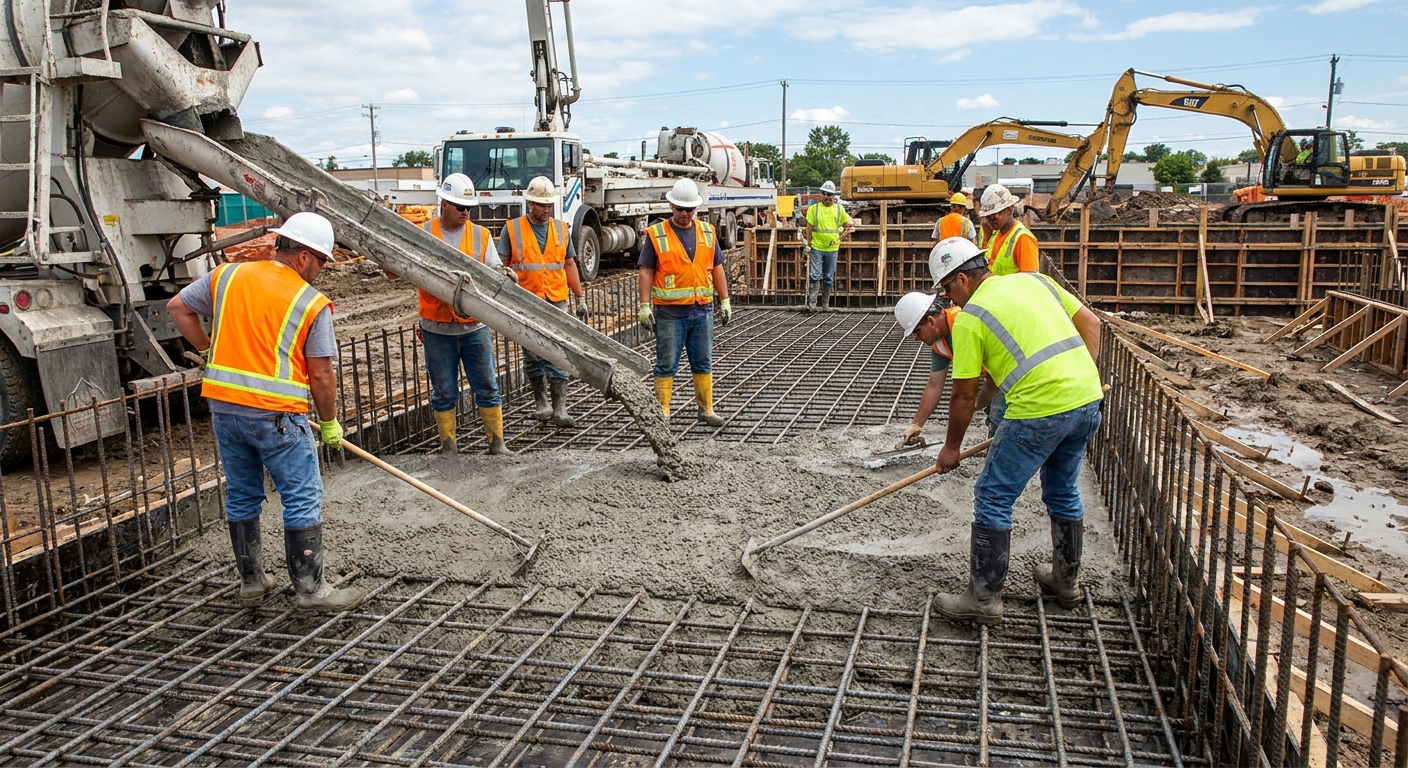
The foundation of your 10 000 square feet warehouse is the most critical structural component and usually represents about 15% of your hard costs. A poorly designed slab will lead to cracks, moisture issues, and limited load capacity for your machinery.
Why does slab thickness matter so much?
Standard warehouses usually require a 6-inch slab, but heavy industrial use may demand 8 to 10 inches of high-strength concrete. Here is the kicker:
- Heavier concrete pours require more labor and finishing.
- Increased thickness supports heavy-duty forklift traffic.
- Thicker slabs are less prone to “curling” or cracking over time.
You must also consider the cost of integrated vapor barriers to protect your inventory from rising ground moisture. Let’s be honest:
- Vapor barriers prevent mold and inventory damage.
- Chemical sealers protect the floor from oil and spills.
- Reinforced mesh or rebar is mandatory for structural slabs.
How does site prep affect the foundation price?
If your land requires significant clearing, leveling, or soil stabilization, your foundation costs can double instantly. Think about this:
- Excavation and removal of large rocks or debris.
- Importing structural fill to ensure a stable building pad.
- Professional soil testing to determine the bearing capacity.
Key Takeaway: Never cut corners on your foundation, as fixing a cracked slab after the building is erected is nearly impossible and extremely expensive.
| Foundation Element | Estimated Cost | Importance Level | |
|---|---|---|---|
| Excavation & Grading | 10,000−30,000 | Critical | |
| 6-Inch Reinforced Slab | 60,000−80,000 | Mandatory | |
| Vapor Barrier & Sealers | 5,000−10,000 | Recommended |
A solid foundation is a one-time investment that protects the structural integrity of your entire steel facility.
How to plan your 10 000 square feet warehouse project?
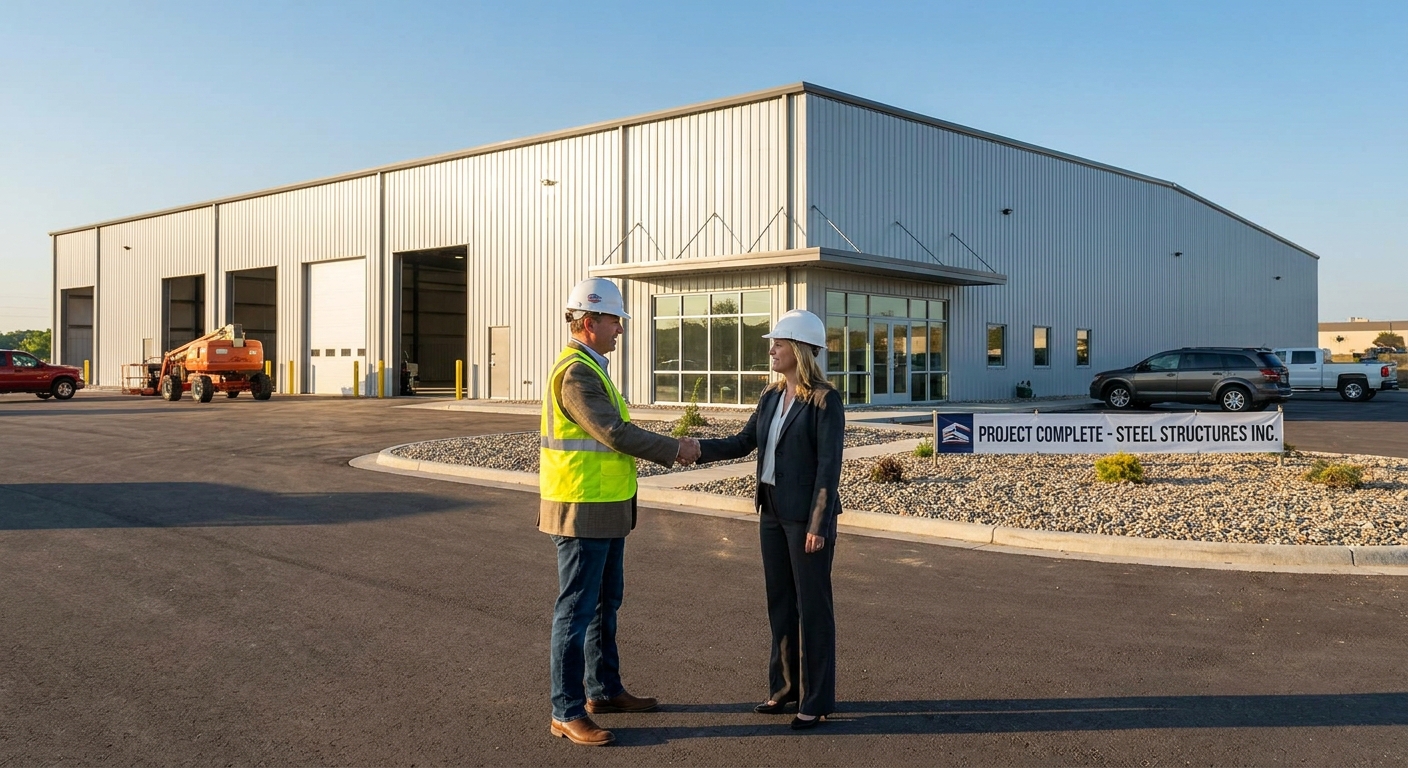
Successful planning for a 10 000 square feet warehouse requires a clear timeline and a realistic understanding of each construction phase. From initial financing to the final walkthrough, organization is the key to minimizing stress and maximizing your return on investment.
How do you secure financing for industrial builds?
Most lenders require a detailed business plan, architectural drawings, and a firm quote from your steel building manufacturer. And the result?
- Faster loan approvals with lower interest rates.
- Clearer disbursement schedules for paying contractors.
- Better leverage when negotiating with material suppliers.
You should also keep a 10% contingency fund to handle any minor on-site changes or unforeseen local code requirements. In other words:
- Protection against small budget overruns.
- Peace of mind during the “rough-in” phase of construction.
- Ability to upgrade finishes without delaying the project.
What is a realistic construction timeline?
A typical 10,000-foot project takes about 6 to 9 months from the first design meeting to the final occupancy permit. Think about this:
- Design and Permitting: 1 to 3 months.
- Fabrication and Shipping: 2 to 4 months.
- Erection and Finishes: 1 to 2 months.
Key Takeaway: Setting a realistic schedule prevents you from rushing critical stages and ensures all safety inspections are passed on the first attempt.
| Planning Stage | Duration | Primary Goal | |
|---|---|---|---|
| Concept & Finance | 4 – 8 Weeks | Budget Approval | |
| Permit Approval | 4 – 12 Weeks | Legal Compliance | |
| On-Site Erection | 4 – 6 Weeks | Shell Completion |
Meticulous planning transforms a complex construction project into a manageable and rewarding business achievement.
Summary and Brand Vision
This article has addressed the primary challenges of budgeting and planning for a large-scale warehouse project by providing a comprehensive breakdown of hard costs, soft costs, and long-term operational factors. We have explored how material choices, geographic location, and design complexity influence your final investment, giving you the tools to optimize every dollar spent.
At Showhoo Building, we are dedicated to providing high-strength, cost-effective steel structures that empower businesses to scale with confidence. Our vision is to simplify the industrial construction process through precision engineering and transparent communication. If you are ready to start your next expansion, contact us today for a customized quote tailored to your specific needs.
| sales@showhoo.com.cn | |
| Phone/WhatsApp | +86 186 7895 5927 |
FAQ
1. Can I build a 10 000 square feet warehouse by myself to save on labor?Yes, but only if you have significant experience and access to heavy machinery like cranes and lifts. Steel erection is dangerous and requires precise bolting to maintain structural integrity, so hiring a professional crew is usually safer and faster.
2. What’s the best way to insulate a 10 000 square feet warehouse for energy savings?The most effective method is using Insulated Metal Panels (IMPs) which provide a continuous thermal barrier. Alternatively, high-density fiberglass blankets with a high R-value and integrated vapor barrier offer excellent results at a lower price point.
3. Can I expand my warehouse later if I start with a 10,000 sq. ft. footprint?Absolutely. Steel buildings are designed for easy expansion by removing the end-wall panels and adding new frames, provided your initial site plan accounts for future land use and utility routing.
4. What’s the most common roof style for a 10 000 square feet warehouse?The gable roof is the most popular choice because it is cost-effective, easy to drain, and provides a classic industrial aesthetic. A low pitch of 1:12 or 2:12 is standard for maximizing interior volume while keeping material costs low.
5. How do I know if my soil is suitable for a 10 000 square feet warehouse foundation?You must hire a geotechnical engineer to perform a soil boring test before pouring your slab. This test determines the soil’s load-bearing capacity and identifies if you need specialized fill material or deeper footings to prevent settling.