
Selecting an incorrect facility size can cripple your logistical efficiency and drain your capital. If your space is too cramped, labor costs skyrocket as workers struggle to navigate inventory, yet an oversized building leaves you paying for heated air and empty corners. Finding the right balance is the only way to ensure your supply chain remains lean and scalable. A typical facility often ranges from 10,000 to over 500,000 square feet, and knowing how many square feet is a warehouse for your specific operation is the first step toward long-term success.
What is the Average Warehouse Size for Modern Businesses?
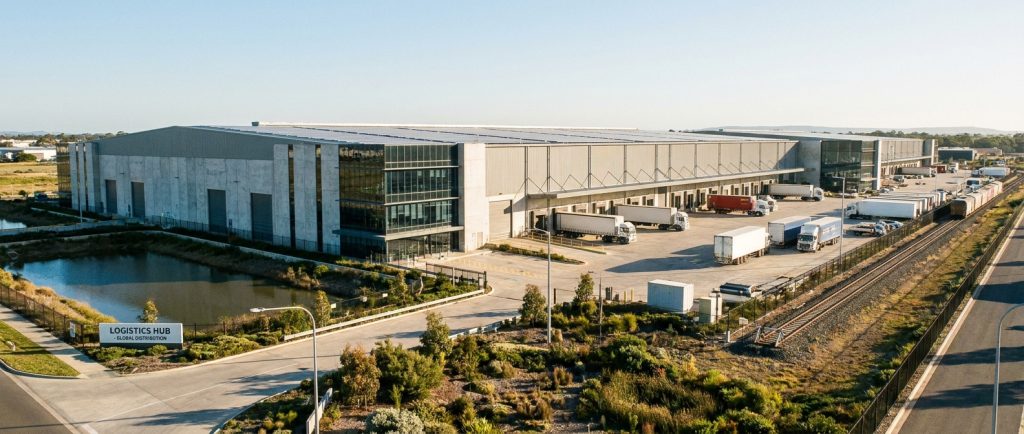
The average warehouse size in the United States is approximately 17,000 square feet, reflecting a diverse landscape of small local hubs and massive regional centers. When businesses ask how many square feet is a warehouse on average, they must account for the recent shift toward larger distribution centers driven by e-commerce demands.
Why the Average is Shifting?
The rise of rapid home delivery has fundamentally changed architectural requirements for industrial buildings.
- Increased SKU counts require more floor space for picking.
- Automation technology needs specific floor layouts to function.
- Higher safety standards demand wider pedestrian walkways.
Regional Differences in Size?
Look closely at coastal versus inland markets to see how location dictates footprint.
- Urban centers often host smaller “last-mile” facilities.
- Rural areas feature sprawling fulfillment centers.
- Port-side warehouses focus on high-velocity throughput.
Key Takeaway: Most modern businesses find their niche between small regional hubs and massive global distribution centers.
| Metric | Industry Average | Trend | |
|---|---|---|---|
| Typical Size | 17,000 sq. ft. | Increasing | |
| E-commerce Needs | 100,000+ sq. ft. | Rising | |
| Small Hubs | 10,000 sq. ft. | Stable |
Modern data suggests that businesses are moving toward larger facilities to accommodate more complex stock-keeping units.
How Many Square Feet is a Small Warehouse?
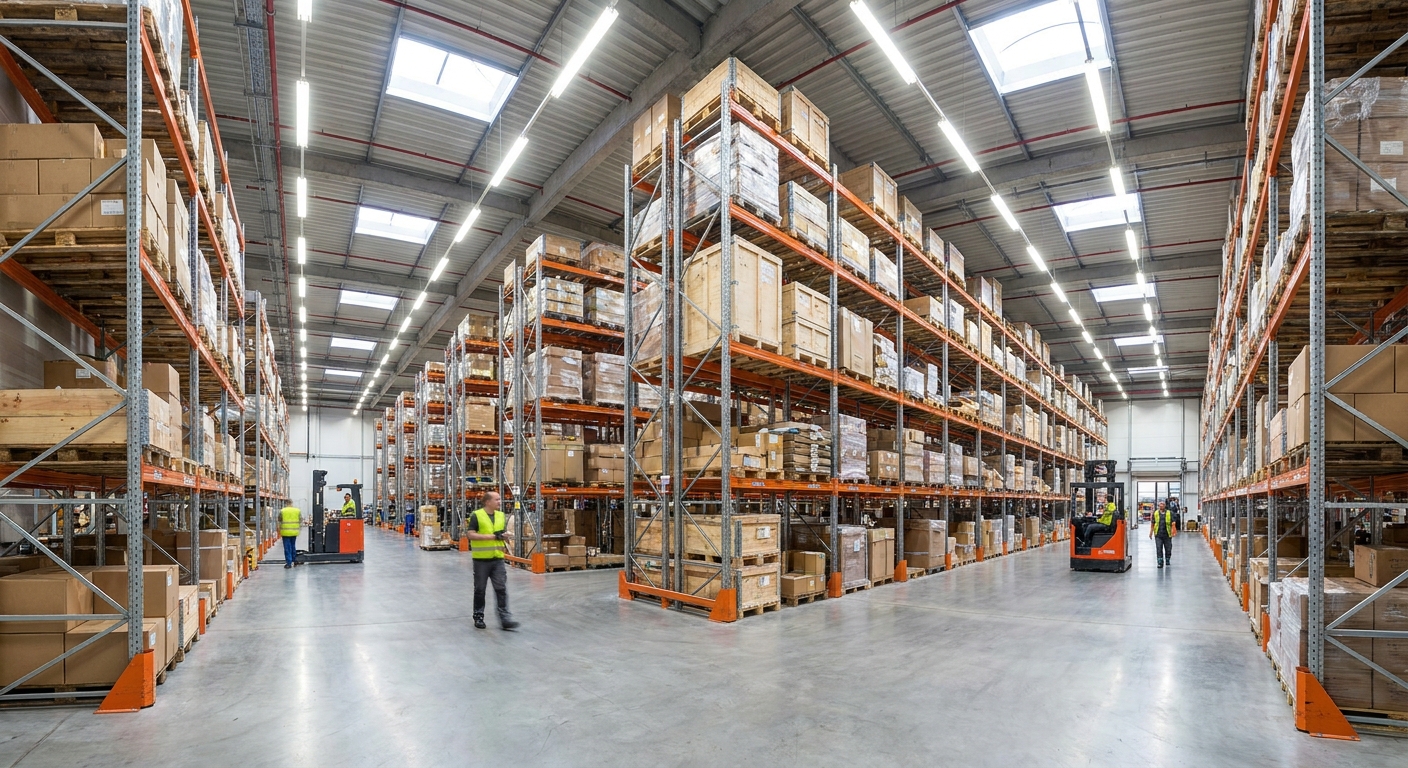
A small warehouse is typically defined as a space ranging between 5,000 and 15,000 square feet. Determining how many square feet is a warehouse in this category involves looking at startups or specialized distributors who prioritize low overhead.
Who Uses Small Spaces?
These facilities are perfect for localized operations that don’t require massive inventory depth.
- Local retailers storing seasonal overflow.
- Artisanal manufacturers needing integrated storage.
- Service businesses holding equipment and tools.
Benefits of Compact Layouts?
Managing a smaller footprint often leads to higher operational agility and lower utility bills.
- Faster picking times due to shorter travel distances.
- Reduced maintenance costs for lighting and HVAC.
- Easier inventory counts and security monitoring.
Key Takeaway: Small warehouses provide a cost-effective entry point for businesses with limited inventory complexity.
| Category | Typical Sq Ft | Best For | |
|---|---|---|---|
| Mini-Warehouse | 5,000 | Local Shops | |
| Standard Small | 10,000 | Startups | |
| Large Small | 15,000 | Light Manufacturing |
Small facilities offer the highest flexibility for businesses that are just beginning to scale their physical operations.
What Defines a Medium-Sized Warehouse Space?
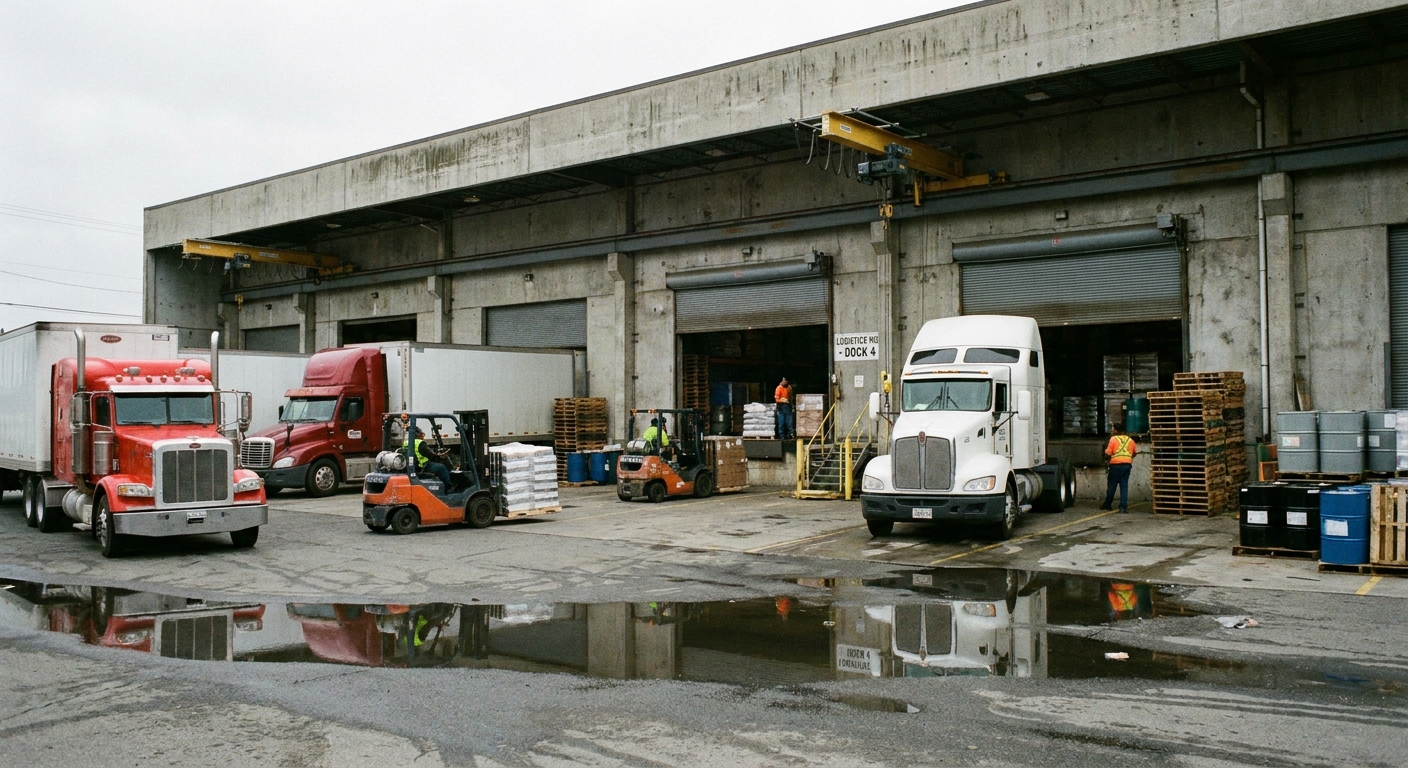
Medium-sized warehouses generally cover between 50,000 and 100,000 square feet, providing the necessary room for complex logistics. Understanding how many square feet is a warehouse in this tier is essential for companies outgrowing their initial local footprints.
The Sweet Spot for Growth?
This size range allows for a professional logistics setup without the extreme costs of a mega-facility.
- Sufficient space for dedicated receiving and shipping docks.
- Room for mid-sized material handling equipment like reach trucks.
- Potential for integrated office spaces for management.
Operational Complexities?
Once you reach this scale, simple manual processes often begin to show their limitations.
- Labor management becomes a significant portion of the budget.
- Tracking inventory requires more robust digital solutions.
- Layout optimization becomes critical to prevent bottlenecks.
Key Takeaway: Medium facilities bridge the gap between local startups and national distribution networks.
| Feature | Medium Warehouse | Benefit | |
|---|---|---|---|
| Floor Area | 50k – 100k sq. ft. | Scalable Storage | |
| Dock Count | 5 – 10 doors | Fast Throughput | |
| Ceiling Height | 24 – 30 feet | Vertical Density |
Facilities in this range are the most common choice for established regional distributors and wholesale operations.
When Should You Move to a Large Warehouse?
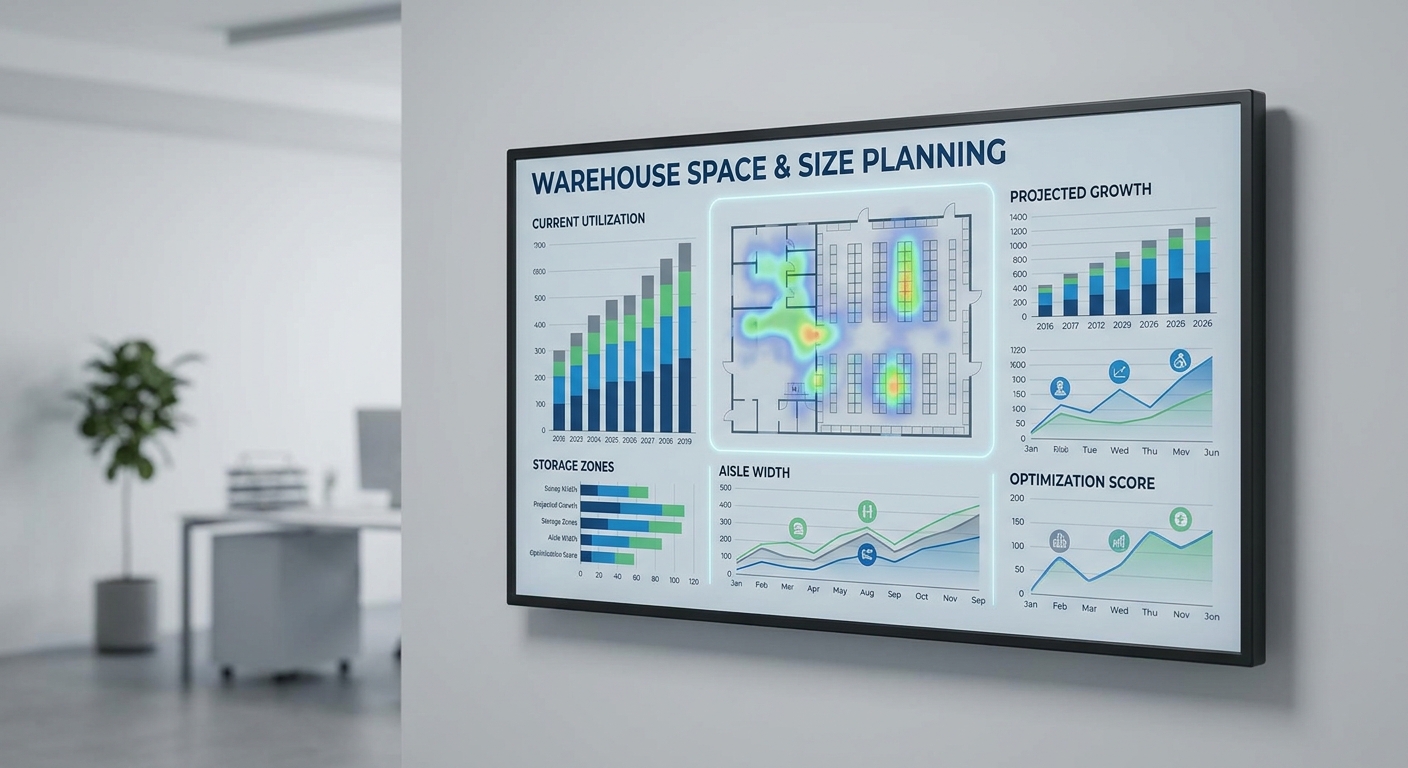
You should move to a large warehouse once your inventory volume consistently exceeds 100,000 square feet and requires advanced automated logistics. Assessing how many square feet is a warehouse at the enterprise level reveals facilities that often span 500,000 square feet or more.
Signs You Need More Room?
Waiting too long to upgrade can result in lost revenue and damaged goods due to overcrowding.
- Inventory is consistently stacked in aisles or staging areas.
- Turnaround times are slowing down due to lack of maneuverability.
- You are paying for off-site storage to handle seasonal peaks.
Leveraging Economy of Scale?
Large facilities offer a lower cost-per-square-foot but require massive upfront investment in technology.
- High-bay racking maximizes every inch of vertical space.
- Automated sorting systems handle thousands of units per hour.
- Bulk purchasing of supplies reduces operational overhead.
Key Takeaway: Large warehouses are high-performance assets that require sophisticated management to remain profitable.
Expansion into these sizes should only occur when your data proves that the increased throughput will cover the overhead.
What Factors Determine Your Ideal Warehouse Footprint?
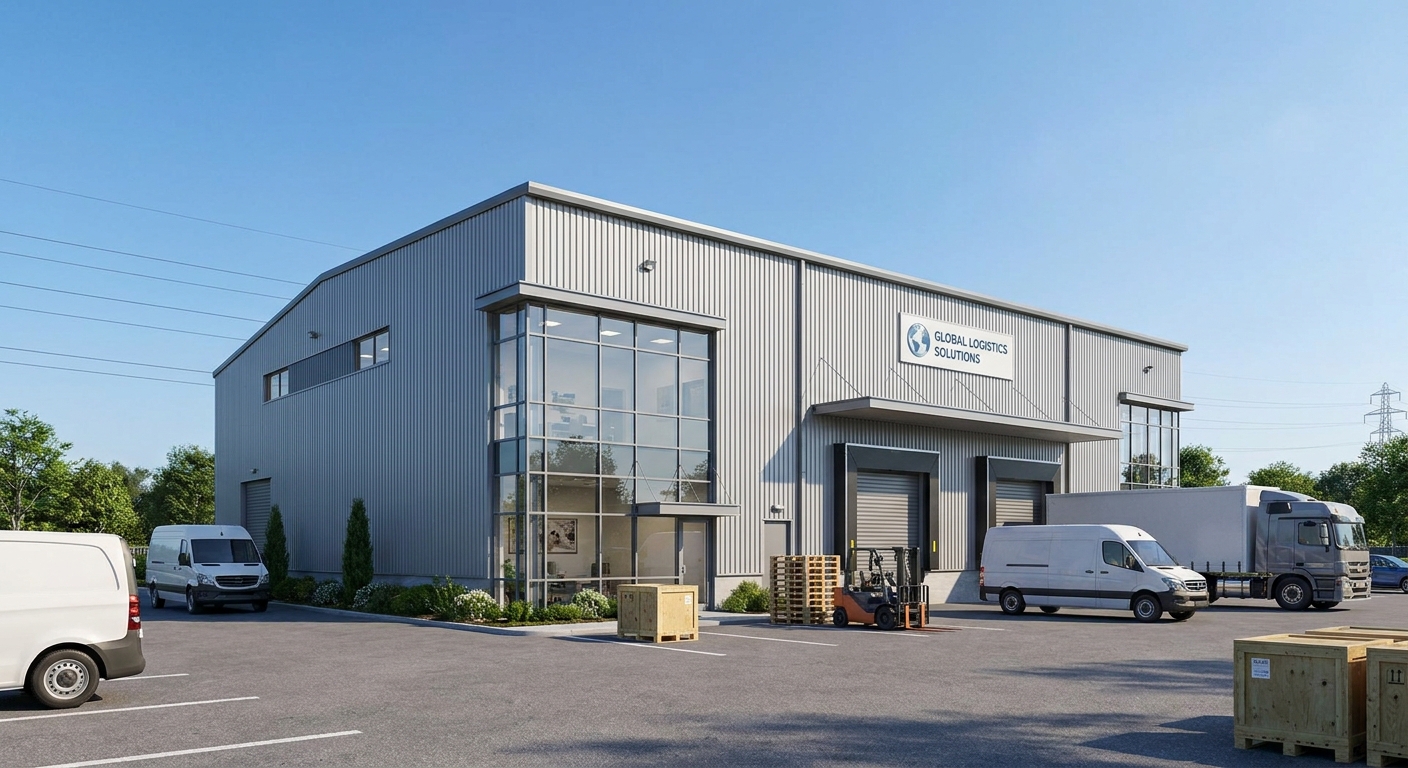
Your ideal footprint is determined by SKU diversity, pallet turnover rates, and specific operational zones for packing or shipping. When calculating how many square feet is a warehouse that fits your brand, you must look beyond just storage.
Inventory Type Matters?
The physical characteristics of your goods dictate the type of storage environment you need.
- Heavy machinery requires reinforced floors and wide aisles.
- Small electronics need dense, secure shelving units.
- Perishables require space for refrigeration and climate control.
Workflow and Throughput?
How fast your goods move through the facility is just as important as how many items you store.
- High-velocity items need to be near the shipping docks.
- Cross-docking operations require large open staging areas.
- Returns processing needs a dedicated zone away from outbound flow.
Key Takeaway: The “perfect” size is a calculation of physical volume multiplied by operational velocity.
| Factor | Impact on Size | Consideration | |
|---|---|---|---|
| Product Size | High | Large items eat floor space | |
| Order Volume | Medium | Packing stations need room | |
| SKU Count | High | More SKUs mean more aisles |
Efficiency is rarely found in the largest space possible, but rather in the most well-utilized footprint.
How Do Space Needs Vary by Industry Type?
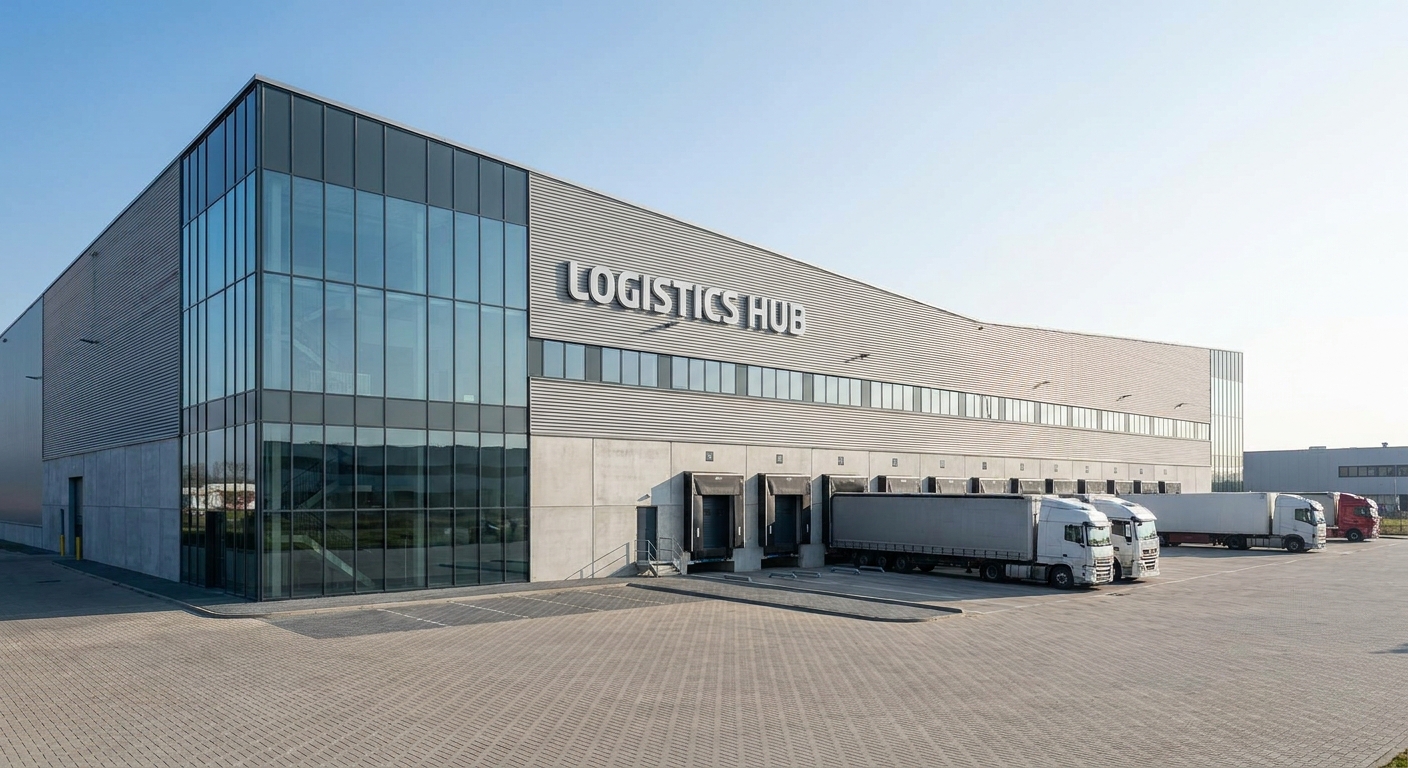
Industry needs vary based on product size and handling requirements, with e-commerce needing significantly more space than traditional retail. Figuring out how many square feet is a warehouse for your sector requires a deep dive into specific industry standards.
E-commerce vs. Retail?
Online fulfillment involves much more labor and space than simple pallet-in, pallet-out operations.
- E-commerce needs space for individual item picking and packing.
- Retail distribution focuses on moving full cases to stores.
- Returns processing is significantly higher in online industries.
Specialized Industry Needs?
Certain sectors have non-negotiable requirements that dictate the minimum viable square footage.
- Pharmaceutical warehouses need strictly controlled temperature zones.
- Automotive hubs require massive heights for heavy-duty components.
- Food service centers must separate raw and cooked goods.
Key Takeaway: Your industry vertical dictates the “floor” of your space requirements before you even count your inventory.
| Industry | Typical Sq Ft | Key Requirement | |
|---|---|---|---|
| E-commerce | 150,000+ | Picking Density | |
| Manufacturing | 80,000+ | Assembly Space | |
| 3PL Provider | 200,000+ | Client Flexibility |
Choosing a facility designed for your specific industry prevents expensive retrofitting costs down the road.
How Do You Calculate Your Actual Space Requirements?
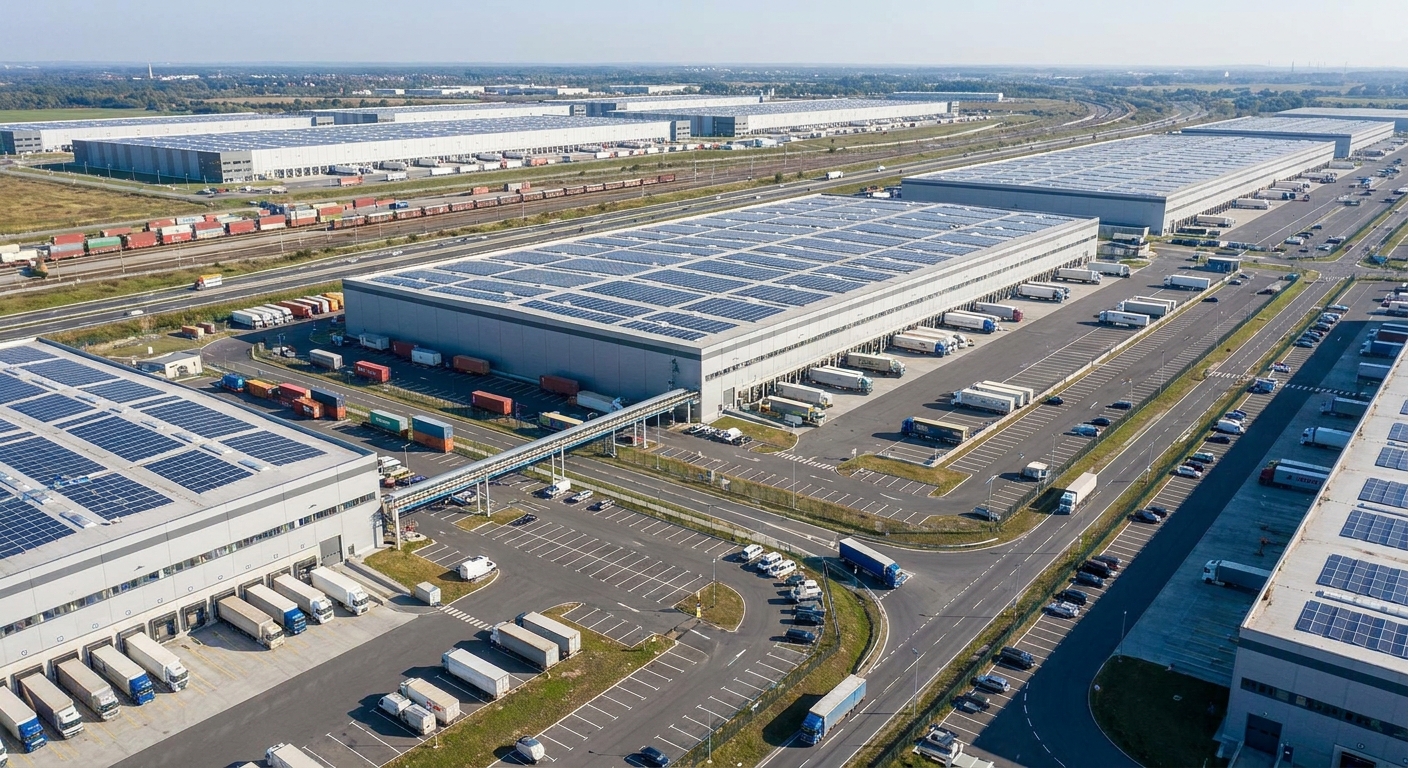
You calculate requirements by measuring your total pallet positions, aisle widths, and necessary staging area square footage. Many owners miscalculate how many square feet is a warehouse by forgetting to account for the “dead space” required for equipment.
The Pallet Math?
The most accurate way to start is by looking at your current and projected pallet counts.
- Multiply your total pallets by the square footage of a standard pallet.
- Add 20% for safety stock and seasonal fluctuations.
- Factor in the “honeycombing” effect where some slots stay empty.
Non-Storage Area Needs?
A warehouse is more than just racks; it is a functioning workplace for your team.
- Battery charging stations for forklifts take up significant room.
- Employee break rooms and restrooms are legally required.
- Staging areas for inbound and outbound shipments are vital.
Key Takeaway: Always add a 20-30% buffer to your storage calculations to account for operational flow.
| Calculation Step | Metric | Purpose | |
|---|---|---|---|
| Storage Cubes | Total Pallets | Primary Footprint | |
| Aisle Width | Equipment Spec | Maneuverability | |
| Staging Zone | Dock Velocity | Traffic Control |
Accurate calculations prevent the operational gridlock that occurs when a facility reaches 85% capacity.
Does Ceiling Height Affect Your Total Square Footage?
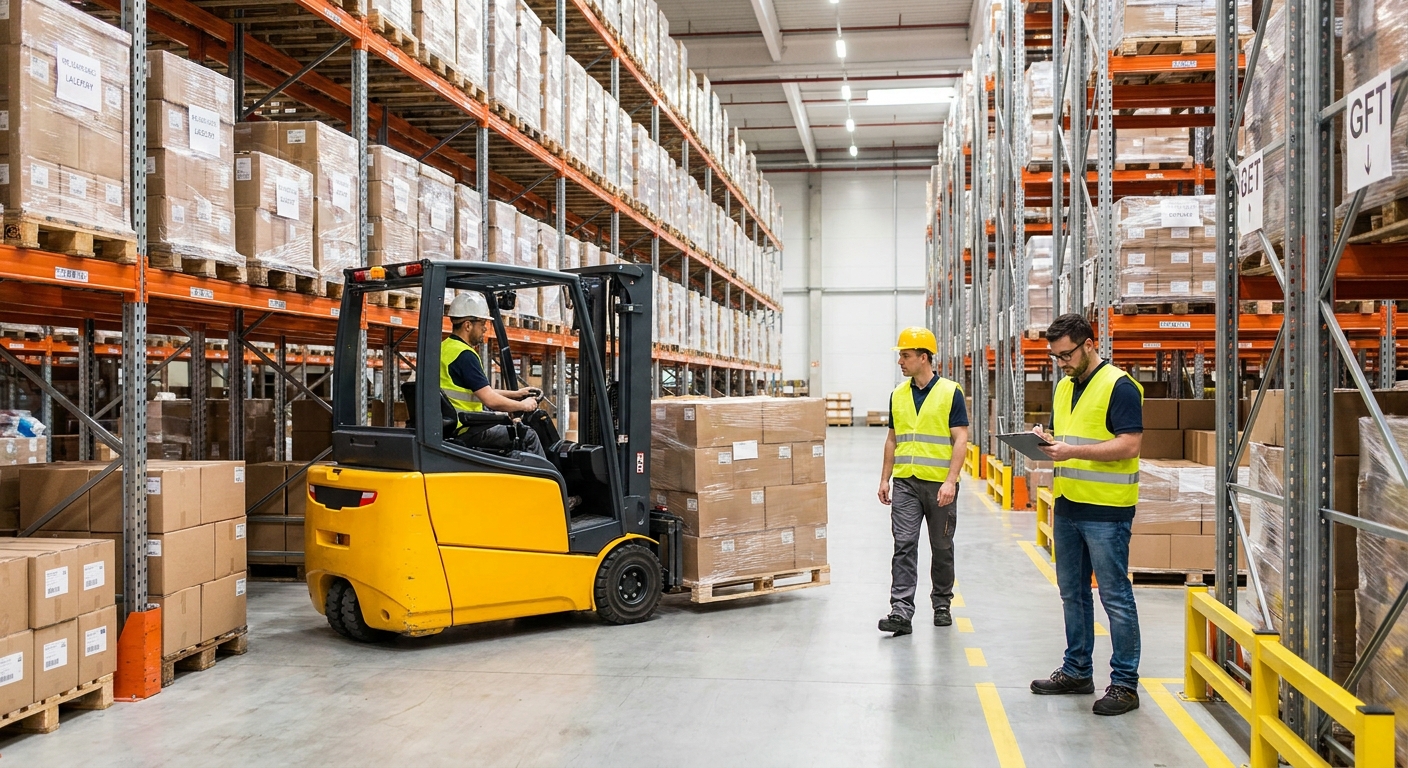
While ceiling height does not change the physical floor square footage, it dramatically increases your cubic storage capacity through vertical racking. When asking how many square feet is a warehouse, you should actually be asking how many cubic feet you can utilize.
Vertical vs. Horizontal?
Building “up” is almost always cheaper than building “out” when it comes to industrial construction.
- A 36-foot ceiling allows for two more pallet levels than a 24-foot one.
- Higher ceilings require specialized Narrow Aisle (VNA) forklifts.
- Lighting and fire suppression must be designed for height.
Limitations of Height?
Just because you have the height doesn’t mean you can always use it effectively.
- Local fire codes often limit the height of your top storage shelf.
- Floor load capacity must be able to handle the weight of tall racks.
- Picking speed can slow down when items are stored at the top.
Key Takeaway: High ceilings allow you to fit a “medium” inventory into a “small” physical footprint.
| Ceiling Height | Max Rack Levels | Capacity Boost | |
|---|---|---|---|
| 18 Feet | 3 Levels | Base | |
| 28 Feet | 5 Levels | +60% | |
| 36+ Feet | 7+ Levels | +130% |
Maximizing your clear height is the most effective way to reduce your real estate costs per unit stored.
What Are the Common Layout Mistakes to Avoid?
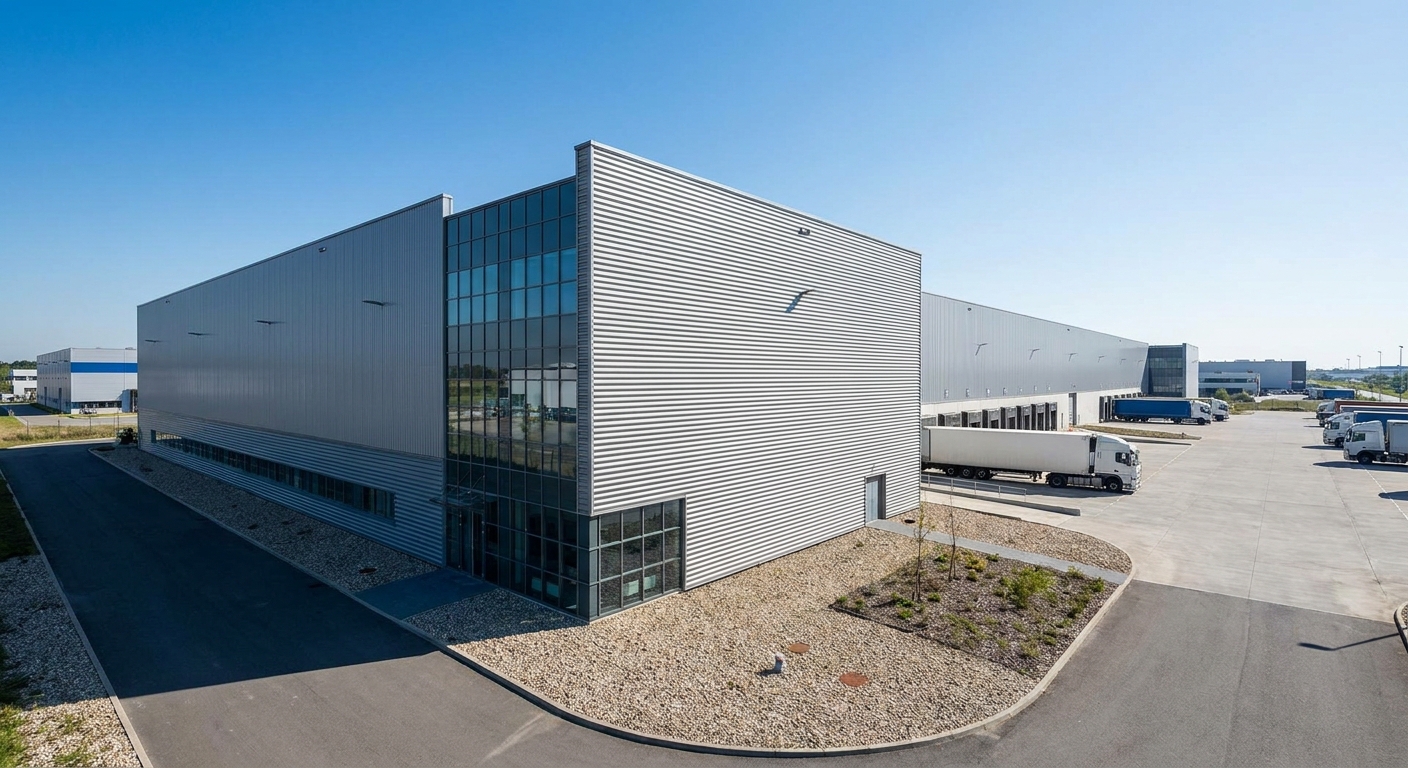
Common mistakes include narrow aisles that restrict forklift movement and poorly planned loading docks that cause traffic bottlenecks. It doesn’t matter how many square feet is a warehouse if the internal layout forces your workers to take the long way around.
The Aisle Bottleneck?
Trying to squeeze too many racks into a small space often backfires on productivity.
- Forklifts need specific turning radii to operate safely.
- Two-way traffic is essential for high-volume picking areas.
- Dead-end aisles create dangerous “trap” zones for workers.
Poor Dock Placement?
The entrance and exit points are the pulse of your operation and must be clear.
- Separating inbound and outbound docks prevents cargo mix-ups.
- Adequate exterior yard space is needed for truck maneuvering.
- Staging areas must be large enough to hold an entire truckload.
Key Takeaway: A smart layout can make a small warehouse feel twice as large as a poorly planned one.
| Mistake | Operational Cost | Solution | |
|---|---|---|---|
| Too Narrow Aisles | Slower Picking | Match Equipment Specs | |
| Long Travel Paths | High Labor Cost | Zone by Velocity | |
| Tiny Staging Areas | Dock Congestion | Clear 15% Floor Area |
The cost of redesigning a layout after the racks are bolted down is ten times higher than planning it right initially.
How Often Should You Re-evaluate Your Storage Capacity?
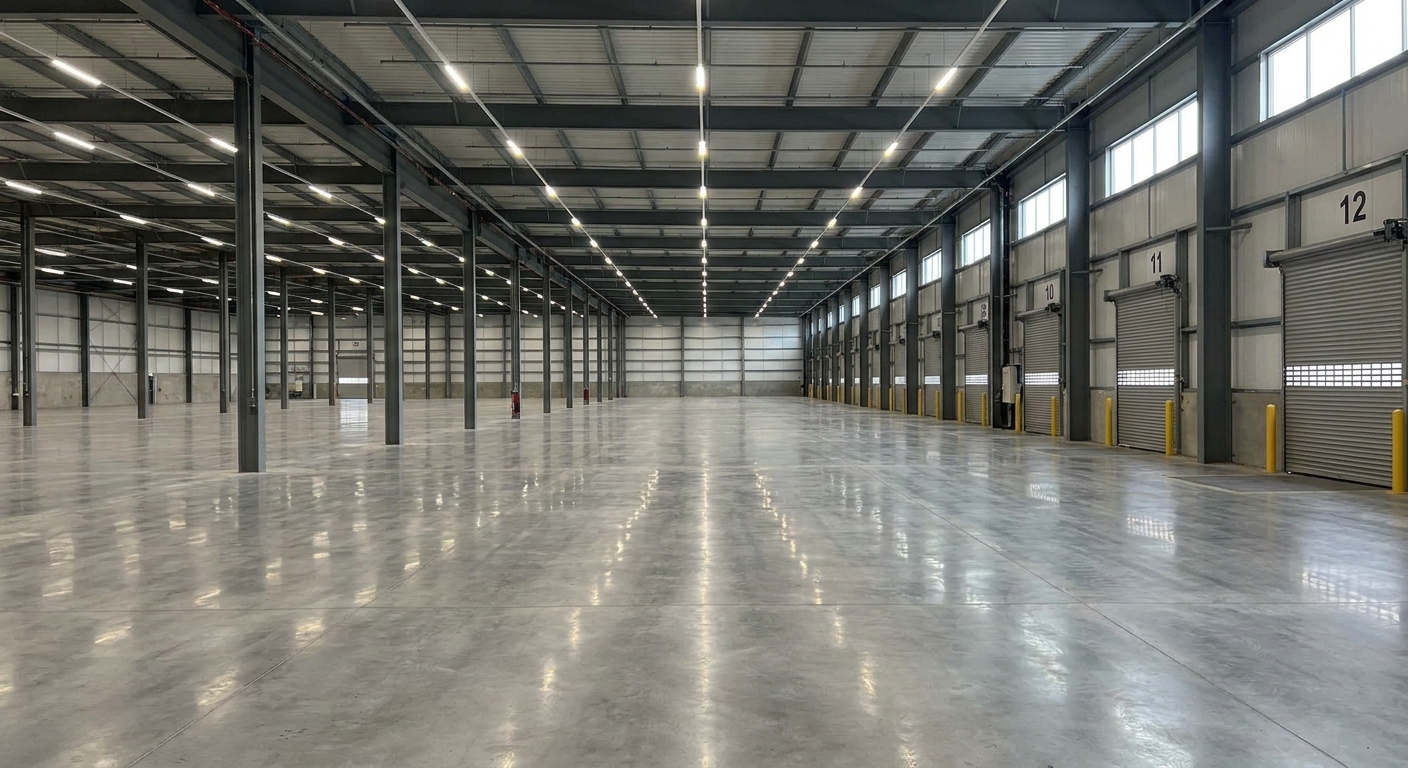
You should re-evaluate your capacity at least once a year or whenever your inventory turnover changes by more than twenty percent. Keeping track of how many square feet is a warehouse requirement for your current stock keeps you ahead of the growth curve.
The Annual Checkup?
Growth happens slowly until it doesn’t, and an annual review prevents capacity crises.
- Analyze your peak season data to see if you hit a “ceiling.”
- Review SKU performance to purge “dead stock” taking up space.
- Check if new technology could increase your current density.
Trigger Events for Review?
Certain business changes should immediately prompt a look at your physical space.
- Launching a new product line with significantly different dimensions.
- Changing your shipping model from wholesale to direct-to-consumer.
- Experiencing a major shift in supply chain lead times.
Key Takeaway: Proactive space management is the difference between a smooth operation and an expensive emergency relocation.
| Event | Action | Outcome | |
|---|---|---|---|
| Sales Growth >20% | Audit Rack Capacity | Prevent Congestion | |
| New SKU Launch | Map Storage Zones | Optimize Picking | |
| Annual Review | Purge Dead Stock | Reclaim Floor Space |
By the time you feel “full,” you have already lost ten percent of your operational efficiency to overcrowding.
Conclusion
Finding the perfect warehouse size is an ongoing process of balancing storage needs with operational speed. Whether you are managing a small local hub or a massive distribution center, understanding the nuances of square footage and layout is critical. By focusing on your specific industry needs and utilizing vertical space, you can build a facility that supports growth rather than hindering it. If you’re ready to optimize your footprint or plan your next expansion, contact us today to discuss your project.
FAQ
Can I use a small warehouse for e-commerce fulfillment?Yes, but you must prioritize high-density shelving and efficient packing stations to maximize the limited footprint.
What’s the best way to increase capacity without moving?Implementing taller racking systems and narrowing your aisles for specialized equipment is the most effective method.
Can I calculate warehouse size based only on sales volume?No, you must account for the physical dimensions of your products and the “buffer” space needed for operations.
What’s the most common warehouse size for a startup?Most startups begin in a 5,000 to 10,000 square foot space to keep overhead manageable while testing their market.
Can a large warehouse be less efficient than a small one?Absolutely, if the layout is poor or the inventory turnover is too low to justify the travel distances for workers.