
Broiler production focuses on the high-efficiency rearing of poultry specifically for meat consumption. Many commercial operations struggle with high mortality rates and low feed conversion ratios that eat into profit margins. This struggle is often compounded by outdated infrastructure that fails to protect the birds or support rapid growth. By investing in modern broiler chicken farming techniques and prefabricated poultry houses , you can transform your facility into a high-yield meat production powerhouse.
What is commercial broiler chicken farming?
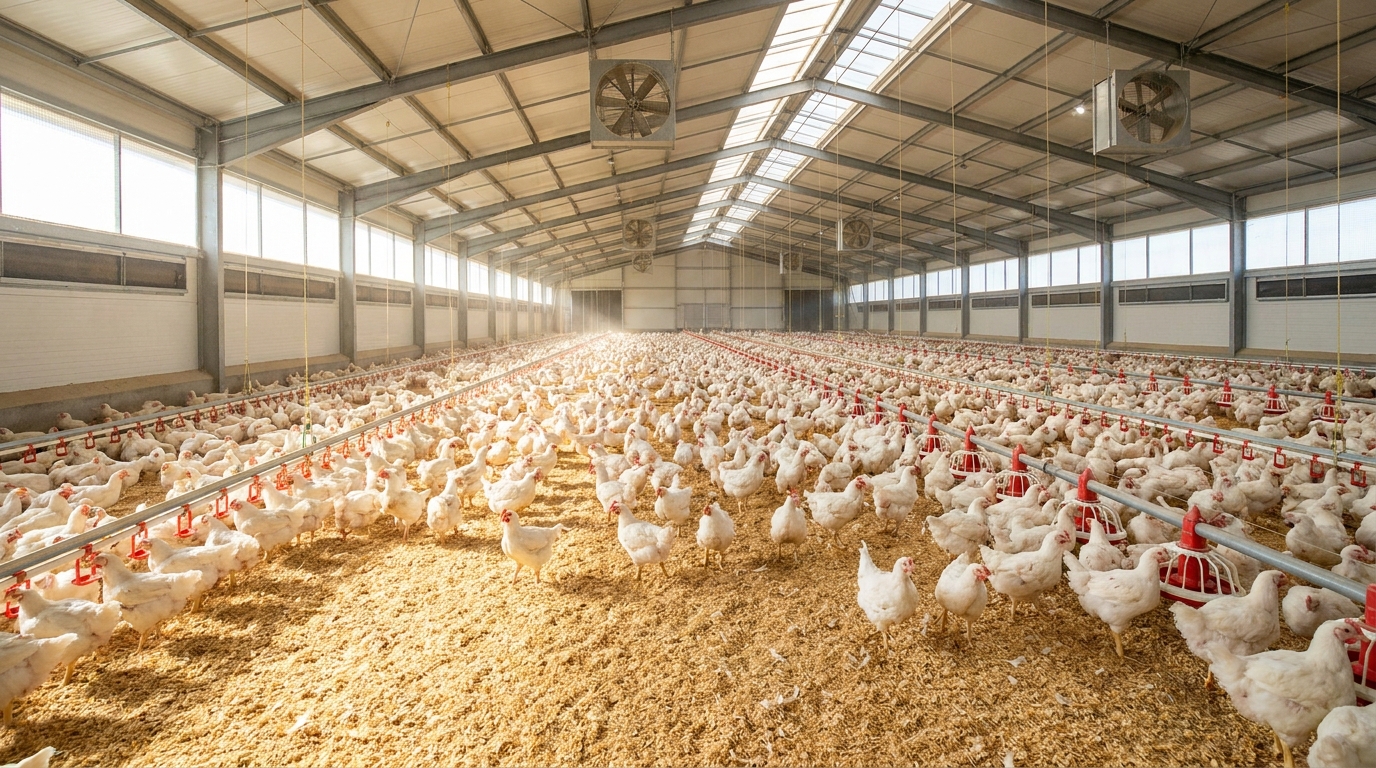
Broiler chicken farming is the specialized process of raising specific chicken breeds for high-yield meat production within a 5-to-7-week cycle. You must focus on rapid growth and efficient feed conversion to remain competitive in the global market. Modern systems utilize intensive management to provide birds with optimal climate control and nutrition.
Defining modern meat production
Modern systems rely on total environmental control to maximize genetic potential. You can achieve market weight faster by eliminating external stressors like temperature fluctuations.
- Intensive indoor rearing
- All-in, all-out management
- Automated climate regulation Think about this: without a controlled environment, your birds waste energy just trying to stay warm or cool.
Key goals for commercial success
The primary objective is to produce the highest volume of meat at the lowest possible cost. You need to monitor your Feed Conversion Ratio (FCR) daily to ensure the flock is converting nutrients into muscle effectively.
- Low mortality rates (under 5%)
- High average daily gain (ADG)
- Uniform bird weight for processing Here is the kicker: even a small improvement in feed efficiency can save you thousands of dollars in large-scale operations.
Key Takeaway: Success in commercial production depends on balancing rapid growth with bird health through environmental precision.
| Production Goal | Industry Benchmark | Economic Impact | |
|---|---|---|---|
| Market Age | 35–42 Days | Higher cycle turnover | |
| Mortality Rate | < 5% | Prevents direct capital loss | |
| Feed Conversion | 1.5 – 1.7 | Lowers primary operating cost |
The data shows that achieving a low FCR is the most significant factor in long-term farm profitability.
Which breed fits broiler chicken farming?
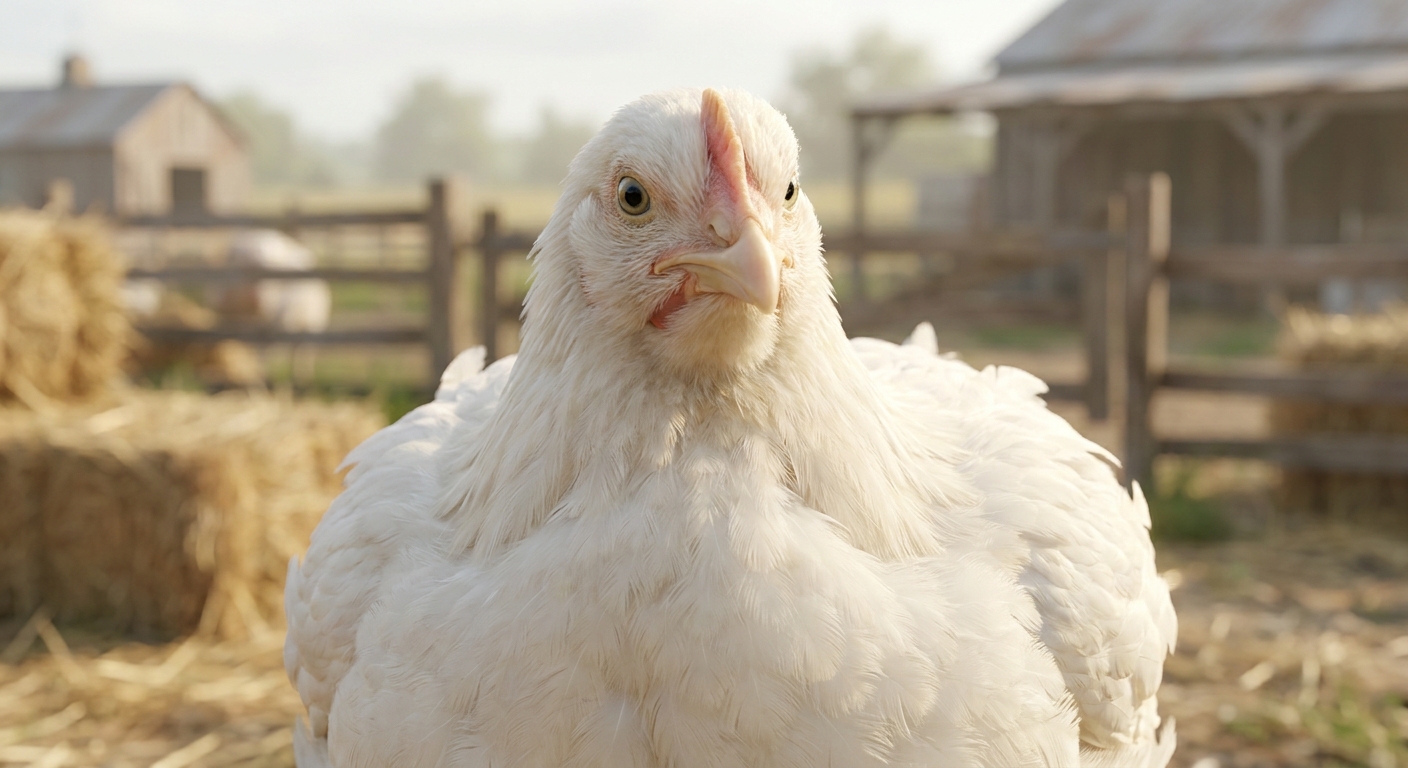
Selecting the right breed, such as the Cobb 500 or Ross 308, is critical to achieving the fastest growth rates and best feed conversion in your broiler chicken farming operation. You should choose a breed that aligns with your specific market requirements and the structural capabilities of your Steel Structure Meat Chicken Farm Building . Genetic selection has advanced so far that modern birds can reach processing weight in half the time it took forty years ago.
Comparing Cobb 500 and Ross 308
The Cobb 500 is globally recognized for its exceptional breast meat yield and efficient growth on lower-density diets. You might prefer the Ross 308 if you prioritize robustness and adaptability across varying climates.
- Cobb 500: Best for breast meat markets
- Ross 308: Excellent overall growth uniformity
- Cornish Cross: The standard for high-speed production But wait, there is more: your choice of breed must also consider the local availability of high-quality day-old chicks.
Selecting for feed efficiency
Efficiency is the cornerstone of modern genetics, where birds are bred to consume less while gaining more. You should evaluate the performance history of different strains in your specific geographic region before committing.
- Check pedigree performance charts
- Analyze regional health resilience
- Verify hatchery vaccination standards It gets better: selecting an efficient breed reduces the environmental footprint of your entire farm.
Key Takeaway: Breed selection determines the ceiling of your farm’s productivity and should be based on market demand and feed availability.
| Breed Strain | Primary Advantage | Best Use Case | |
|---|---|---|---|
| Cobb 500 | Low FCR & Breast Yield | Large scale commercial processing | |
| Ross 308 | Robustness & Versatility | Diverse climate operations | |
| Cornish Cross | Speed of Maturity | Small to medium meat production |
This comparison highlights that Cobb 500 remains the industry leader for operations focused strictly on meat yield efficiency.
How to start broiler chicken farming?
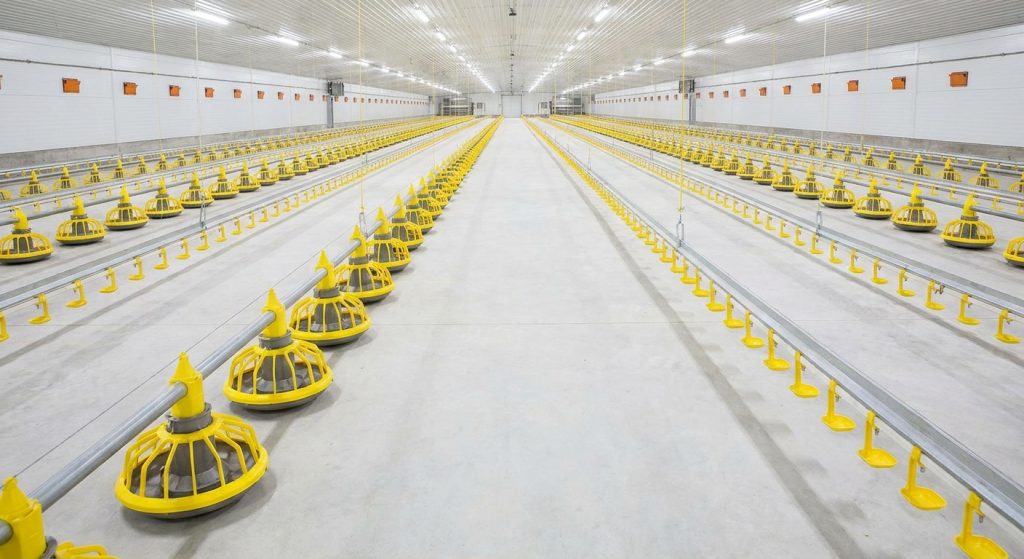
Starting a successful broiler chicken farming operation requires a combination of strategic location planning, robust housing design, and specialized brooding equipment. You must ensure your site has reliable access to clean water, electricity, and transport routes for feed delivery. The initial setup cost is significant, so long-term durability of the infrastructure is vital for your ROI.
Designing efficient layouts
The physical layout of your poultry house should facilitate a smooth flow for both birds and workers. You need to ensure that feeding lines and drinkers are placed so every bird has easy access without overcrowding.
- East-West orientation for heat control
- Clear aisles for easy cleaning
- Centralized equipment control rooms Make no mistake: a poorly designed layout can lead to wet litter and increased disease pressure.
Essential equipment setups
Automation is your best friend when scaling up to thousands of birds per house. You should invest in high-quality feeders and nipple drinkers to minimize waste and keep the environment dry.
- Automatic pan feeding systems
- Nipple drinkers with drip cups
- Precision tunnel ventilation fans Here is the deal: automated systems pay for themselves by drastically reducing labor hours and feed wastage.
Key Takeaway: A well-planned startup phase with automated equipment is the foundation for a scalable and profitable poultry business.
| Equipment Item | Function | Capacity Requirement | |
|---|---|---|---|
| Pan Feeders | Automated nutrient delivery | 1 pan per 50-70 birds | |
| Nipple Drinkers | Hygienic water access | 1 nipple per 10-12 birds | |
| Brooder Heaters | Critical warmth for chicks | 32-35°C for day-old chicks |
Properly scaled equipment ensures that all birds grow at a uniform rate, preventing “runts” in the flock.
Why is feed key in broiler chicken farming?
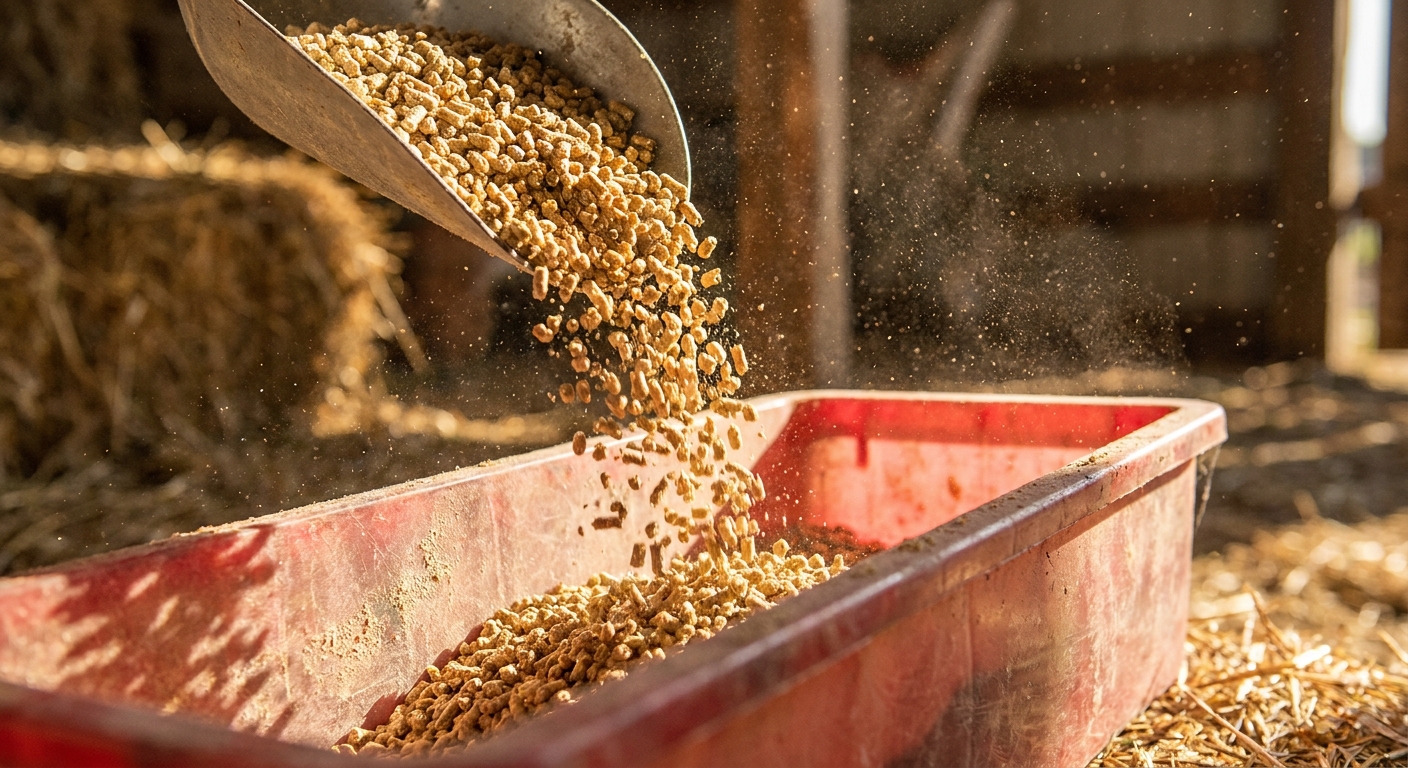
Feed represents approximately 70% of production costs, making nutritional precision the primary driver of your broiler chicken farming profitability. You must provide a scientifically formulated diet that changes as the birds age to support skeletal and muscle development. Utilizing Automated Poultry Farming Equipment ensures that this expensive resource is delivered without spilling or contamination.
Understanding feeding stages
You should divide the feeding program into three distinct phases: starter, grower, and finisher. Each phase provides a specific balance of protein and energy to match the bird’s metabolic needs.
- Starter (0-2 weeks): High protein for development
- Grower (3-4 weeks): Balanced for rapid growth
- Finisher (5-7 weeks): High energy for weight gain Believe it or not: feeding the wrong ration at the wrong time can permanently stunt your flock’s growth.
Maintaining clean water access
Water is the most critical nutrient, as birds consume twice as much water as they do feed. You must monitor water quality and pressure daily to ensure every bird remains hydrated and healthy.
- Daily water meter checks
- Regular nipple line flushing
- Scheduled water quality testing You will find that: cool, clean water is the cheapest way to improve your feed conversion ratio.
Key Takeaway: Nutritional management is a balancing act between high-quality ingredients and precise delivery schedules.
| Feed Phase | Protein % | Energy (kcal/kg) | Duration | |
|---|---|---|---|---|
| Starter | 22-23% | 3,000 | Day 1 to 14 | |
| Grower | 20-21% | 3,100 | Day 15 to 28 | |
| Finisher | 18-19% | 3,200 | Day 29 to Market |
Feeding higher protein in the starter phase is essential for building the skeletal frame needed to support heavy muscle later.
What is the broiler chicken farming cycle?

The broiler chicken farming production cycle typically spans 42 to 49 days, moving through distinct growth phases that require different management techniques. You must adhere to a strict timeline to ensure your birds reach the desired market weight on schedule. Any delay in growth during the early stages cannot be easily recovered later in the cycle.
Managing the starter phase
The first 14 days are the most critical period for the entire life of the broiler. You must provide the perfect temperature and easy access to feed to stimulate early gut development.
- Pre-warm the house before arrival
- Provide 24-hour light initially
- Check crop fill within 12 hours The bottom line is: a good start is half the battle won in meat production.
Weight targets for finishers
As birds enter the final stage, they gain weight at an incredible pace of up to 100 grams per day. You need to manage ventilation carefully to remove the massive amount of heat and moisture these larger birds generate.
- Daily weight monitoring
- Adjusting ventilation for biomass
- Planning for harvest logistics You should know: overcrowding in the final week is the leading cause of heat stress and mortality.
Key Takeaway: Tracking growth against a standard curve allows you to identify and fix management issues before they impact profits.
| Week | Target Weight (g) | Cumulative Feed (g) | FCR (Weekly) | |
|---|---|---|---|---|
| Week 1 | 180 – 200 | 160 | 0.85 | |
| Week 4 | 1,500 – 1,700 | 2,400 | 1.45 | |
| Week 6 | 2,800 – 3,100 | 5,000 | 1.65 |
Monitoring these benchmarks ensures you are on track for a successful harvest and optimal processing weight.
How to secure broiler chicken farming?
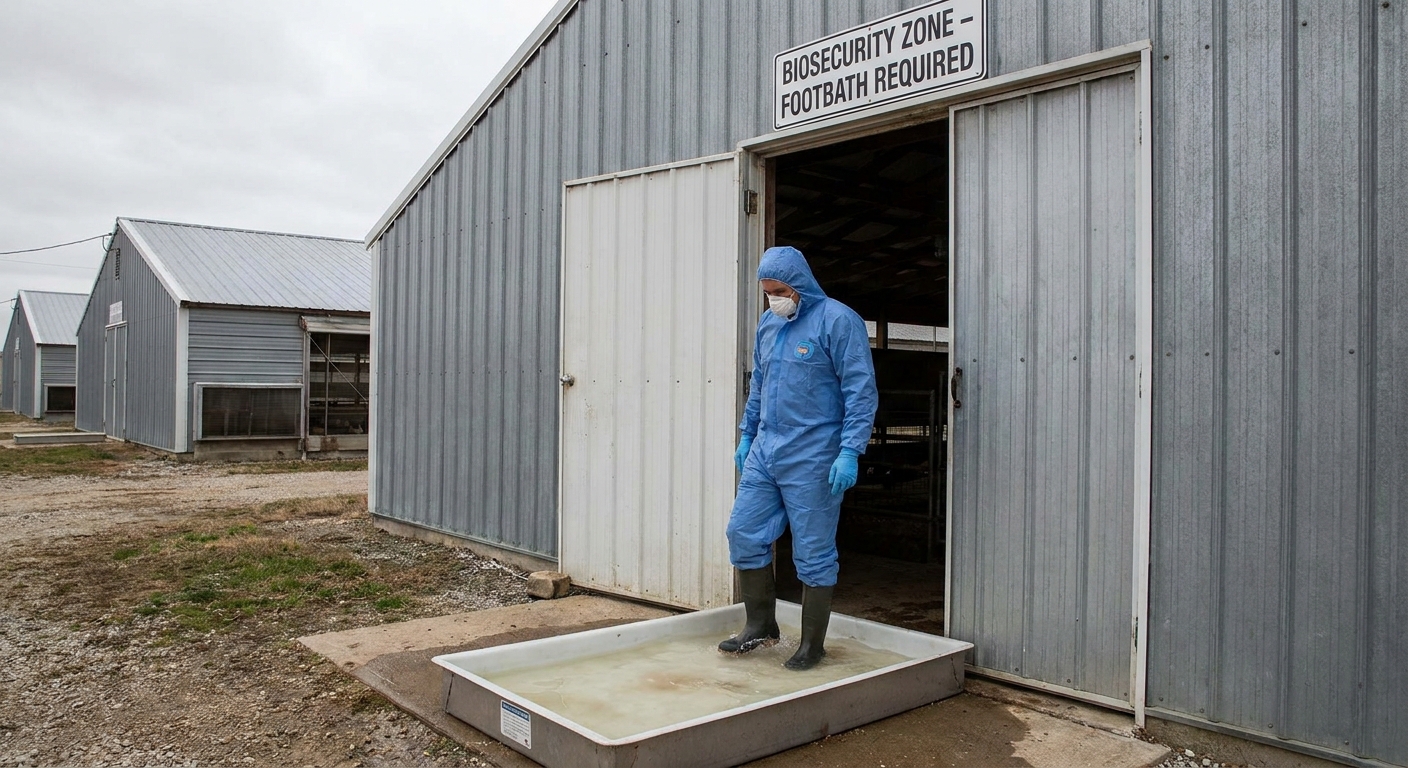
Securing your broiler chicken farming operation involves implementing a multi-layered biosecurity protocol that prevents the entry of pathogens and pests. You must view your poultry house as a high-security zone where every entrance is a potential risk point. Using specialized Biosecurity and Hygiene in Poultry Houses practices is the only way to protect your massive capital investment from disease outbreaks.
Implementing strict biosecurity
You should control all traffic entering the farm, including vehicles, personnel, and equipment. A single breach can lead to a catastrophic disease spread that could force the culling of your entire flock.
- Mandatory footbaths at every door
- Farm-specific clothing and boots
- Vehicle wheel disinfection sprays Think about this: biosecurity is not a set of rules, it is a daily culture of hygiene.
Controlling farm pests
Rodents, wild birds, and insects are common carriers of diseases like Salmonella and Avian Influenza. You must maintain a clean perimeter and secure all building openings to keep these biological threats away from your broilers.
- Regular bait station monitoring
- Bird-proof netting on all vents
- Eliminating standing water nearby But wait, there is more: effective pest control also prevents physical damage to your insulation and electrical systems.
Key Takeaway: Preventing disease through biosecurity is significantly cheaper and more effective than trying to treat a sick flock.
| Risk Factor | Prevention Method | Frequency | |
|---|---|---|---|
| Pathogen Entry | Footbaths & PPE | Every entry | |
| Rodent Infestation | Baiting & Cleaning | Weekly audits | |
| Water Contamination | Chlorination & Testing | Monthly |
A strict biosecurity checklist reduces the likelihood of disease-related financial losses by over 90%.
How to monitor broiler chicken farming health?
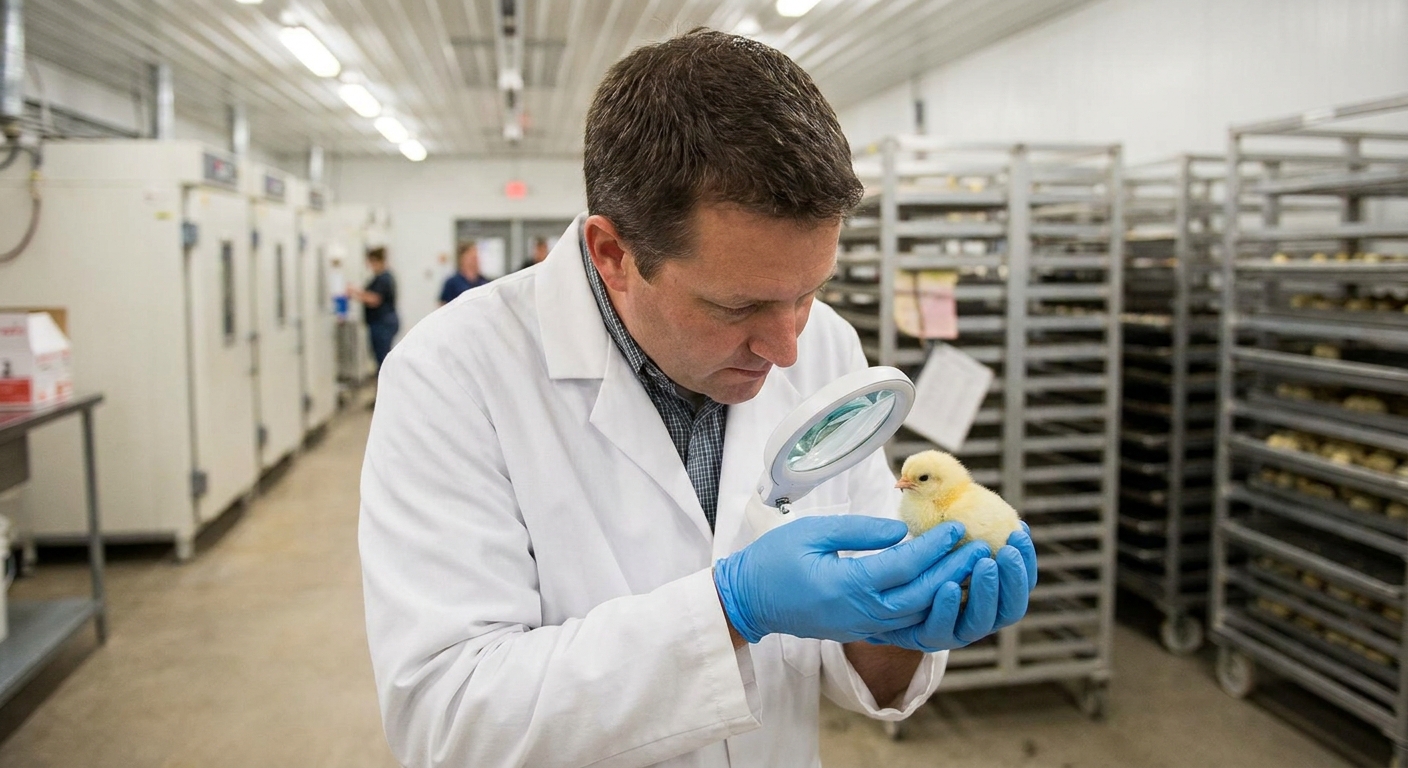
Effective health monitoring in broiler chicken farming relies on daily inspections of bird behavior, respiratory sounds, and litter quality to catch issues early. You must develop an “eye” for the flock, noticing subtle changes in activity levels or feeding patterns. Early detection of a health issue can mean the difference between a minor treatment and a major loss.
Identifying healthy flock signs
Healthy birds are alert, active, and vocal, showing a keen interest in their feed and water. You should walk through the house multiple times a day to observe how the birds distribute themselves across the floor.
- Clear eyes and clean feathers
- Even distribution throughout the house
- Consistent feed and water intake Here is the kicker: if birds are huddling or quiet, they are likely experiencing stress or early illness.
When to call a veterinarian
You should establish a relationship with a poultry specialist before you actually need one. Any sudden spike in mortality or a significant drop in water consumption requires immediate professional diagnostic help.
- Unexplained daily mortality rise
- Respiratory “snicking” or coughing
- Visible lameness or leg weakness You will find that: professional advice in the first 24 hours of an issue can save the remaining 99% of your flock.
Key Takeaway: Active daily observation is the most powerful diagnostic tool available to a poultry manager.
| Observation | Healthy Sign | Red Flag | |
|---|---|---|---|
| Distribution | Spread evenly | Huddling or avoiding areas | |
| Activity | Scratching and moving | Lethargy or drooping wings | |
| Sound | Occasional chirping | Rasping or heavy silence |
Consistent monitoring allows you to adjust environmental controls immediately when birds show signs of discomfort.
Why use steel for broiler chicken farming?
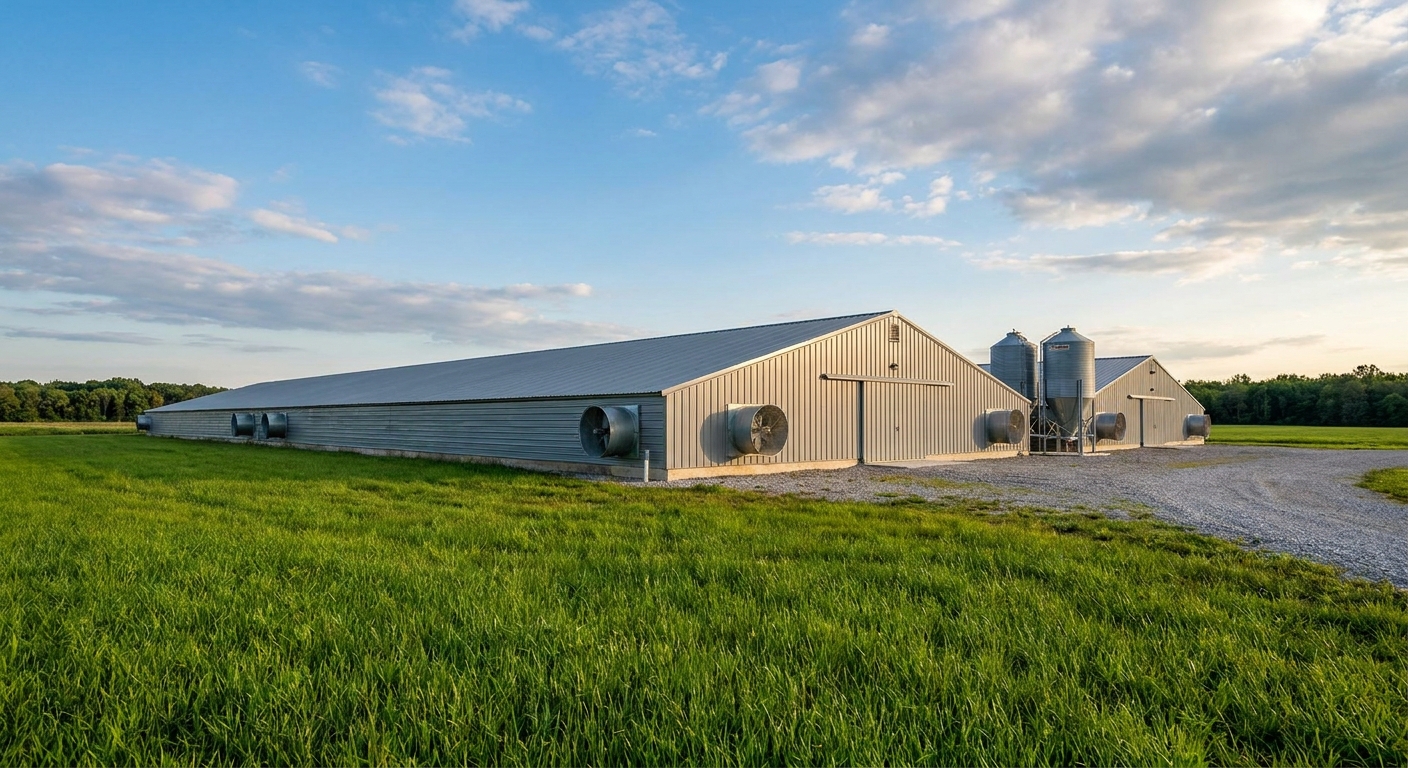
Steel structures offer superior durability, easier disinfection, and better environmental control compared to traditional timber or brick houses for broiler chicken farming. You need a building that can withstand high-pressure washing and harsh chemical disinfectants between every flock cycle. Investing in Durability and Maintenance of Steel Poultry Buildings ensures your facility remains operational for decades without rotting or pest infestation.
Benefits of prefab steel
Prefabricated steel buildings can be erected in a fraction of the time required for traditional masonry. You benefit from clear-span designs that eliminate internal pillars, allowing for easier movement of automated equipment.
- Rapid on-site assembly
- Resistant to rot and termites
- High wind and snow load ratings Think about this: steel doesn’t harbor pathogens in porous surfaces like wood does.
Maximizing building durability
Modern steel poultry houses use specialized coatings to resist the corrosive effects of ammonia produced by the birds. You should choose high-quality materials to minimize your long-term maintenance and repair costs.
- Galvanized steel frames
- High-density sandwich panel insulation
- Seamless joints for biosecurity Here is the deal: a durable building provides a stable environment that directly improves your bird’s performance.
Key Takeaway: Steel infrastructure is a strategic investment that lowers long-term operational costs and improves flock health.
| Material Type | Lifespan | Pest Resistance | Disinfection Ease | |
|---|---|---|---|---|
| Steel | 30+ Years | High | Excellent | |
| Timber | 10-15 Years | Low | Poor | |
| Brick | 25+ Years | Medium | Fair |
Steel structures provide the best overall value by combining longevity with superior hygiene capabilities.
Can tech aid broiler chicken farming?
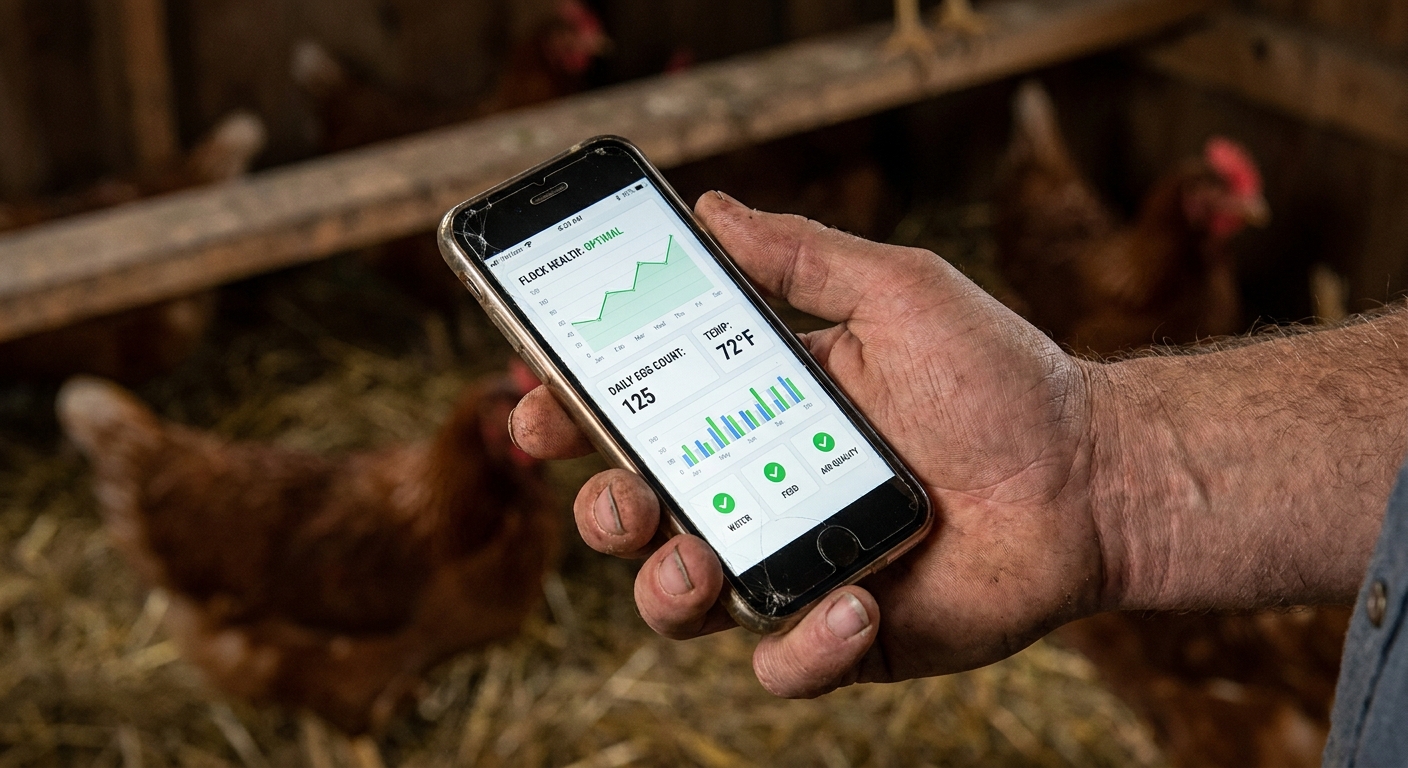
Digital technologies and mobile management apps provide real-time data on environmental metrics and flock performance in broiler chicken farming. You can now monitor temperature, humidity, and CO2 levels from your smartphone, allowing you to react to emergencies instantly. Tech integration moves your operation from reactive management to proactive precision farming.
Benefits of digital records
Digital record-keeping eliminates the errors and loss of data associated with paper logs. You can easily track trends across different flocks to identify which management practices or feed brands are performing best.
- Instant FCR calculations
- Automated environmental logging
- Historical data comparisons Believe it or not: data is just as important as feed when it comes to optimizing your profit margins.
Using apps for audits
Mobile apps allow you to conduct internal biosecurity audits and health checks with standardized checklists. You should use these tools to ensure your staff is following every protocol correctly and consistently.
- Standardized inspection forms
- Photo evidence of issues
- Direct cloud sync for management You will find that: transparency and accountability increase significantly when you digitize your farm audits.
Key Takeaway: Technology empowers you to manage larger operations with higher precision and lower personal stress.
| Tech Feature | Operational Benefit | ROI Factor | |
|---|---|---|---|
| Remote Sensors | 24/7 Alarm monitoring | Prevents mass mortality | |
| Mobile Dashboards | Real-time performance tracking | Optimizes feed costs | |
| Cloud Analytics | Breed & feed comparisons | Long-term strategy optimization |
The integration of smart technology turns a traditional farm into a high-tech production facility.
How to sustain broiler chicken farming?
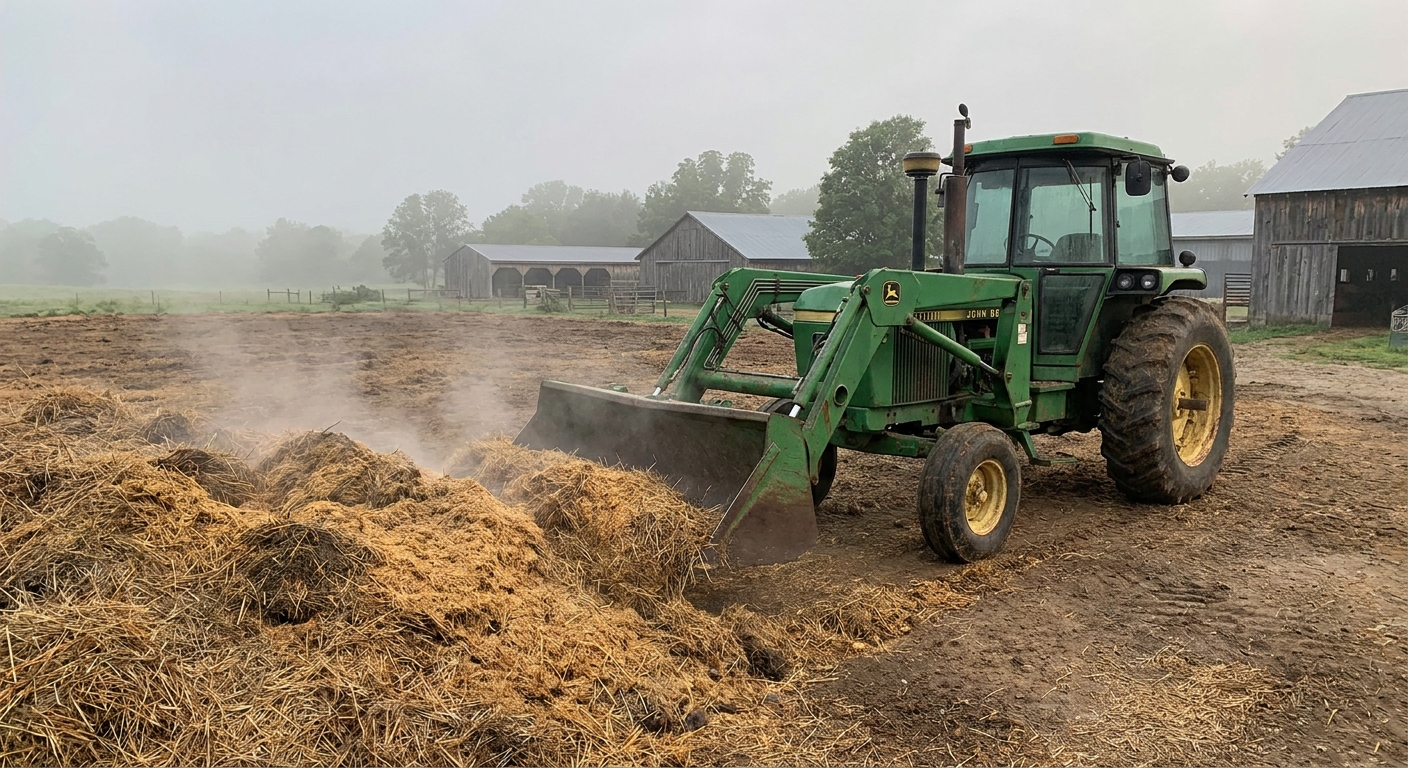
Sustainability in broiler chicken farming is achieved through efficient waste management and the conversion of poultry litter into nutrient-rich fertilizers. You must handle large volumes of manure in a way that protects local water sources and minimizes odor for neighboring communities. Implementing advanced Environmental Control Systems for Poultry Farms helps manage the air and waste quality within your facility.
Best practices for litter
Keeping litter dry is the most important factor for bird welfare and ammonia control. You should use high-quality bedding material and manage your ventilation to prevent “caking” of the manure.
- Use absorbent wood shavings
- Control drinker leaks immediately
- Maintain optimal humidity (50-60%) Here is the kicker: dry litter prevents footpad dermatitis, which is a major welfare and quality issue.
Recycling poultry manure
Manure is not just waste; it is a valuable byproduct that can be composted into high-grade organic fertilizer. You can create an additional revenue stream by selling treated litter to local crop farmers.
- On-farm composting areas
- Proper storage to prevent runoff
- Selling to organic agriculture Make no mistake: sustainable waste management improves your public image and your bottom line simultaneously.
Key Takeaway: A sustainable approach to waste management protects the environment while creating new economic opportunities.
| Waste Product | Disposal Method | Potential Value | |
|---|---|---|---|
| Poultry Litter | Composting / Fertilizer | High nitrogen soil additive | |
| Dead Birds | Incineration / Composting | Biosecure disposal | |
| Wash Water | Settling Ponds / Treatment | Irrigation use |
By recycling waste, you close the nutrient loop and reduce the overall environmental impact of your meat production.
Conclusion
Mastering broiler production requires a dedicated focus on environmental control, nutritional precision, and strict biosecurity. By following these guidelines and adopting the best practices outlined above, you can overcome common challenges like high mortality and inefficient growth. Our goal is to empower poultry producers with the durable infrastructure and modern technology needed to thrive in a competitive market. To learn more about how we can help you build your future, contact us today for expert guidance and custom poultry housing solutions.
| sales@showhoo.com.cn | |
| Phone/WhatsApp | +86 186 7895 5927 |
Frequently Asked Questions (FAQ)
- Can I start a broiler farm with no prior agricultural experience?
Yes, but you should strongly consider hiring an experienced farm manager or consultant to navigate the steep learning curve of bird health and technical equipment.
- What’s the best temperature range for day-old chicks?
The ideal range is between 32°C and 35°C (90-95°F) at floor level to ensure their metabolic systems develop correctly without chilling.
- How do I know if my broilers are reaching the correct market weight?
You must perform random sample weighing of at least 100 birds weekly and compare the average to the genetic breeder’s growth chart.
- Can I automate the feeding process for a small-scale operation?
Absolutely, as many modern pan-feeding systems are modular and can be scaled down to fit smaller houses while still providing the benefits of reduced waste.
- What’s the best way to dispose of used poultry litter sustainably?
The most effective method is controlled composting, which kills pathogens and stabilizes nutrients for safe use as a high-quality agricultural fertilizer.