
To build a warehouse, you must integrate strategic pre-planning, expert structural engineering, and compliant construction management into a unified workflow. When your business operations outpace your current storage capacity, disorganized inventory and bottlenecked logistics can rapidly erode your profit margins. Navigating the complexities of industrial zoning and heavy-load engineering without a roadmap often leads to expensive delays and structural failures. Implementing a professional warehouse building strategy provides the structural engine necessary to transform these logistical hurdles into a scalable competitive advantage for your entire supply chain.
Why is the first phase of warehouse building so critical?
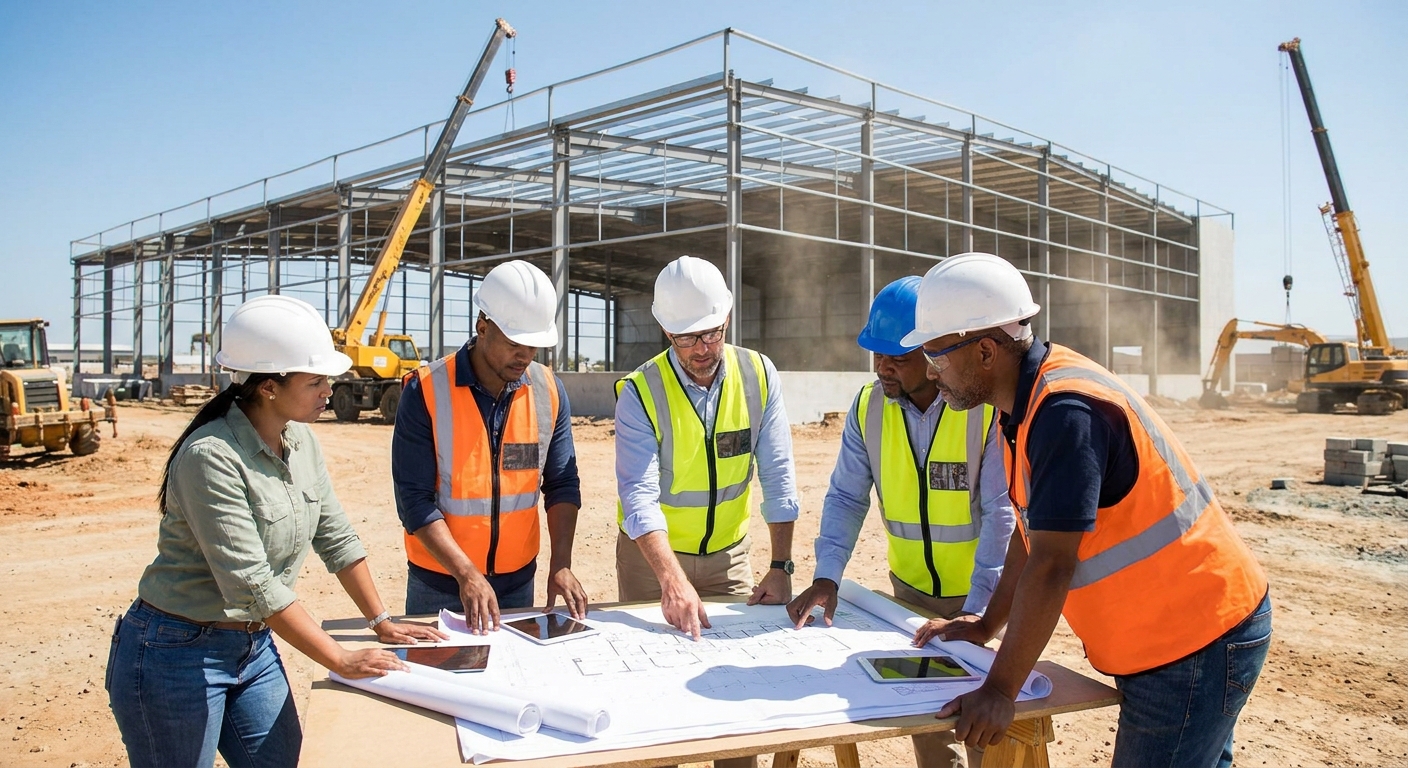
The initial phase is critical because it establishes the functional requirements and financial boundaries that dictate every subsequent construction decision. Careful pre-planning in warehouse building prevents the common mistake of underestimating square footage or floor load capacity. You must align your facility’s layout with specific inventory turnover rates and specialized handling equipment.
This foundational stage involves a rigorous analysis of your operational needs and site potential. By identifying constraints early, you ensure the structure is capable of supporting the high-intensity demands of modern logistics.
Defining Storage and Volume Needs
You must calculate your maximum inventory levels and clear height requirements before finalizing any blueprints. This ensures your racking systems fit perfectly without wasting cubic space.
- Evaluate pallet dimensions and stacking heights.
- Determine necessary aisle widths for forklift traffic.
- Assess requirements for climate-controlled zones.
Here is the deal: Failing to account for vertical volume is the fastest way to outgrow a new facility within months of completion.
Selecting Building Types and Materials
Choosing between traditional tilt-up concrete and pre-engineered metal buildings depends on your budget and timeline. Metal structures often provide faster assembly and easier future modifications for growing enterprises.
Key Takeaway: Early phase decisions act as the blueprint for both structural integrity and long-term operational ROI.
| Pre-Planning Task | Primary Objective | Risk of Omission | |
|---|---|---|---|
| Needs Assessment | Define square footage and volume | Inadequate storage capacity | |
| Budgeting | Allocate funds for soft and hard costs | Project halts due to funding gaps | |
| Site Analysis | Verify utility and soil compatibility | Unforeseen site remediation costs |
Strategic pre-planning ensures your capital investment yields a facility that actually enhances your distribution throughput.
Who should lead your warehouse building project team?
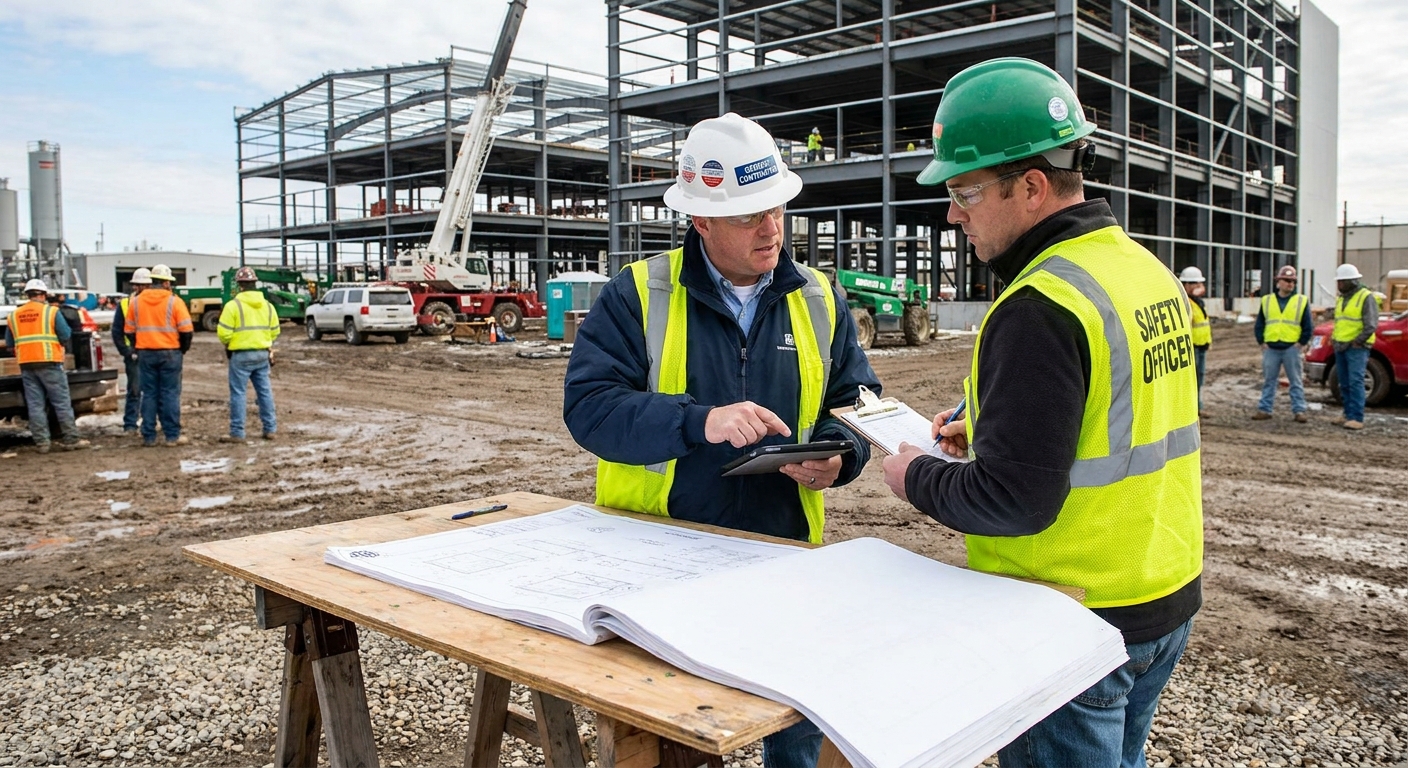
A specialized industrial project manager should lead the team to ensure that complex engineering requirements and tight construction timelines are met. Professional leadership in warehouse building coordinates the efforts of architects, structural engineers, and specialized subcontractors. This oversight is vital for maintaining safety standards while keeping the project on its projected budget.
The team lead serves as the central point of communication between stakeholders and field workers. Without this guidance, technical errors in the foundation or framing can remain undetected until they become costly repairs.
Hiring Specialized Industrial Engineers
Industrial engineers focus on the flow of goods and the structural demands of heavy machinery. They provide the technical expertise needed to design floors that won’t crack under the weight of high-density racking.
- Design of high-tolerance floor slabs.
- Calculation of seismic and wind load requirements.
- Optimization of loading dock placement and flow.
Now: The difference between a standard builder and an industrial specialist is visible in your floor’s durability.
Utilizing Experienced General Contractors
A contractor with a history in large-scale industrial projects understands the nuances of heavy-duty utility integration. They manage the daily logistics of the site and ensure that every subcontractor adheres to the master schedule.
Key Takeaway: Expert leadership mitigates risk by ensuring that every specialist works toward a unified structural goal.
| Team Role | Essential Contribution | Value Proposition | |
|---|---|---|---|
| Project Manager | Timeline and budget control | Reduces operational downtime | |
| Structural Engineer | Load-bearing calculations | Ensures long-term building safety | |
| Site Safety Officer | OSHA and code compliance | Prevents legal and medical liabilities |
Selecting the right experts at the start prevents the fragmentation of responsibilities during the high-pressure construction phase.
How can design choices impact your warehouse building?
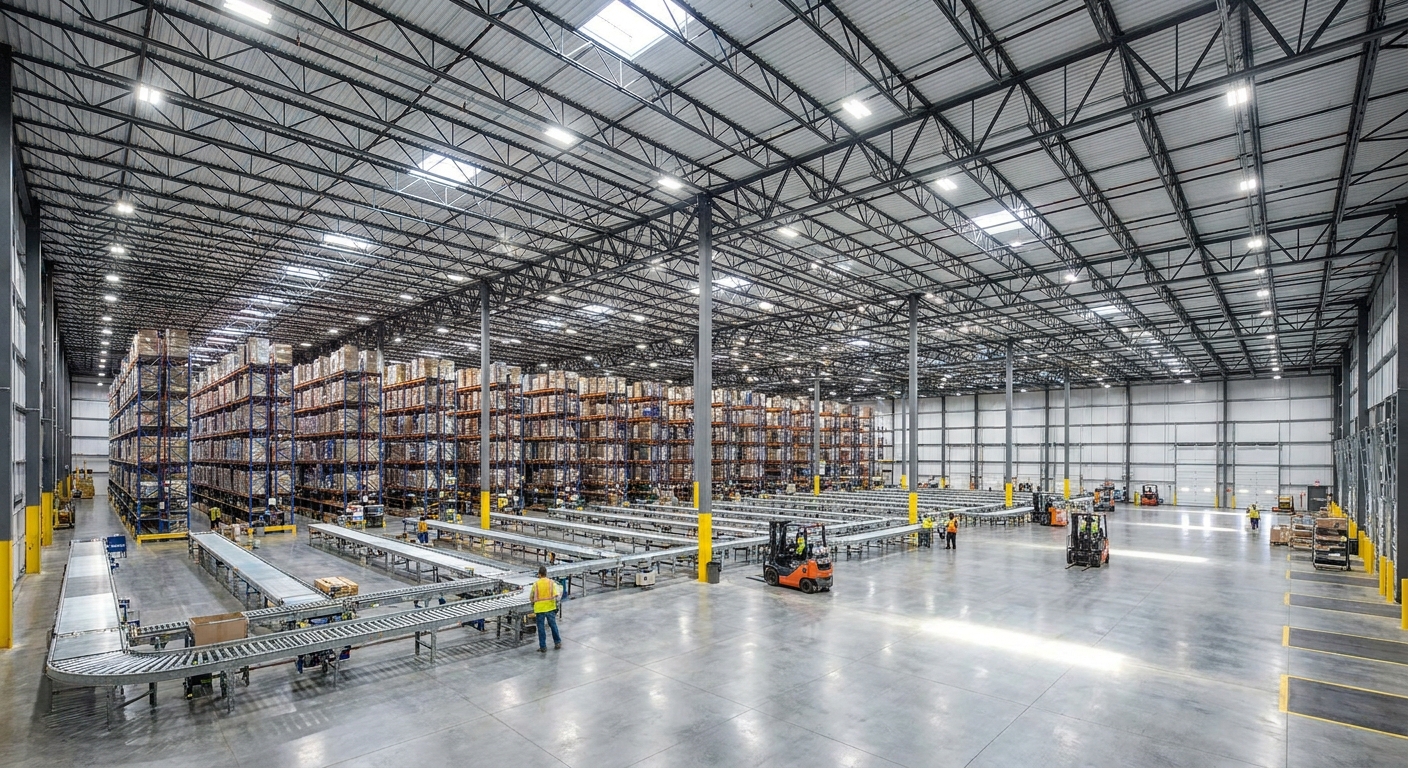
Design choices impact your facility by determining the maximum efficiency of your internal logistics and the flexibility of your storage layout. Strategic design in warehouse building prioritizes clear-span areas to eliminate interior columns that might obstruct equipment movement. You must balance the building’s footprint with the need for high vertical clearance to maximize your storage-per-square-foot.
Modern facilities also integrate technology-ready infrastructure to support automated sorting and inventory tracking systems. Every architectural decision should facilitate a faster, safer flow of goods through your doors.
Maximizing Vertical Clearance
Clear height is often more valuable than total floor area when you utilize high-density racking systems. Standard modern warehouses now target heights between 32 and 40 feet to optimize cubic storage.
- Allows for more pallet levels per rack.
- Supports automated storage and retrieval systems (ASRS).
- Reduces the overall land footprint required for the building.
The bottom line: Vertical space is significantly cheaper to build and maintain than expanding your foundation’s footprint.
Optimizing Dock and Traffic Flow
The placement of loading docks and the design of the truck yard are critical for preventing bottlenecks. You must ensure there is enough room for trailers to maneuver and park without disrupting other warehouse activities.
Key Takeaway: Intelligent design transforms a simple storage shell into a high-speed logistics hub.
| Design Element | Operational Benefit | Long-Term Advantage | |
|---|---|---|---|
| Clear Span Framing | Unobstructed floor space | Flexible racking reconfigurations | |
| LED High-Bay Lighting | Improved worker visibility | Lower energy and maintenance costs | |
| Level-5 Floor Slab | Smooth forklift operation | Reduced equipment wear and tear |
Prioritizing flow and volume in the design phase ensures your building remains functional as your product lines evolve.
What permits are needed for warehouse building success?
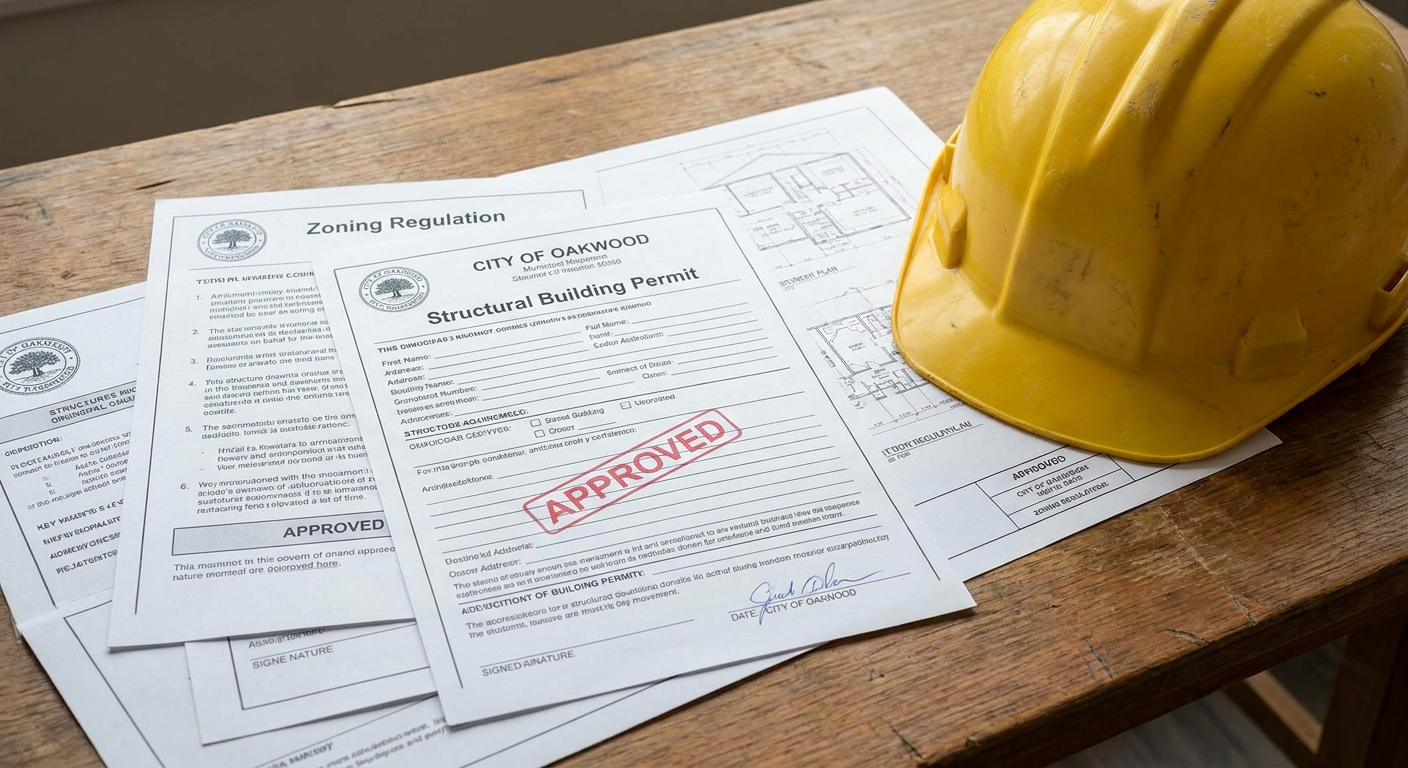
You need a combination of zoning approvals, structural building permits, and environmental clearances to ensure legal construction and operation. Securing these early in the warehouse building process prevents the local authorities from issuing stop-work orders or heavy fines. Each permit verifies that your structure meets specific safety, fire, and land-use regulations.
Navigating the bureaucratic landscape requires detailed documentation and professional blueprints. You must prove that your facility will not negatively impact the surrounding infrastructure or the environment.
Navigating Zoning and Land Use
Zoning permits confirm that your chosen land is legally designated for industrial activities and heavy truck traffic. These regulations also dictate building heights, setback distances, and necessary parking ratios for your staff.
- Verify industrial-heavy (IH) or industrial-light (IL) status.
- Confirm proximity to major transport arteries.
- Review noise and light pollution ordinances.
Look: Securing zoning approval is the most significant hurdle before the first shovel ever touches the dirt.
Structural and Safety Approvals
Building permits are granted once inspectors review your structural engineering plans for code compliance. Fire and safety permits specifically address sprinkler systems, emergency exits, and hazardous material storage protocols.
Key Takeaway: A solid legal foundation is just as important as the concrete one you pour on-site.
| Permit Category | Approving Body | Purpose | |
|---|---|---|---|
| Zoning Approval | Planning Department | Confirms industrial land use | |
| Structural Permit | Building Department | Verifies engineering safety | |
| Environmental | State Agency | Manages stormwater and runoff |
Managing your permit timeline effectively prevents administrative delays from pushing your grand opening into the next fiscal year.
How do you start the warehouse building site work?
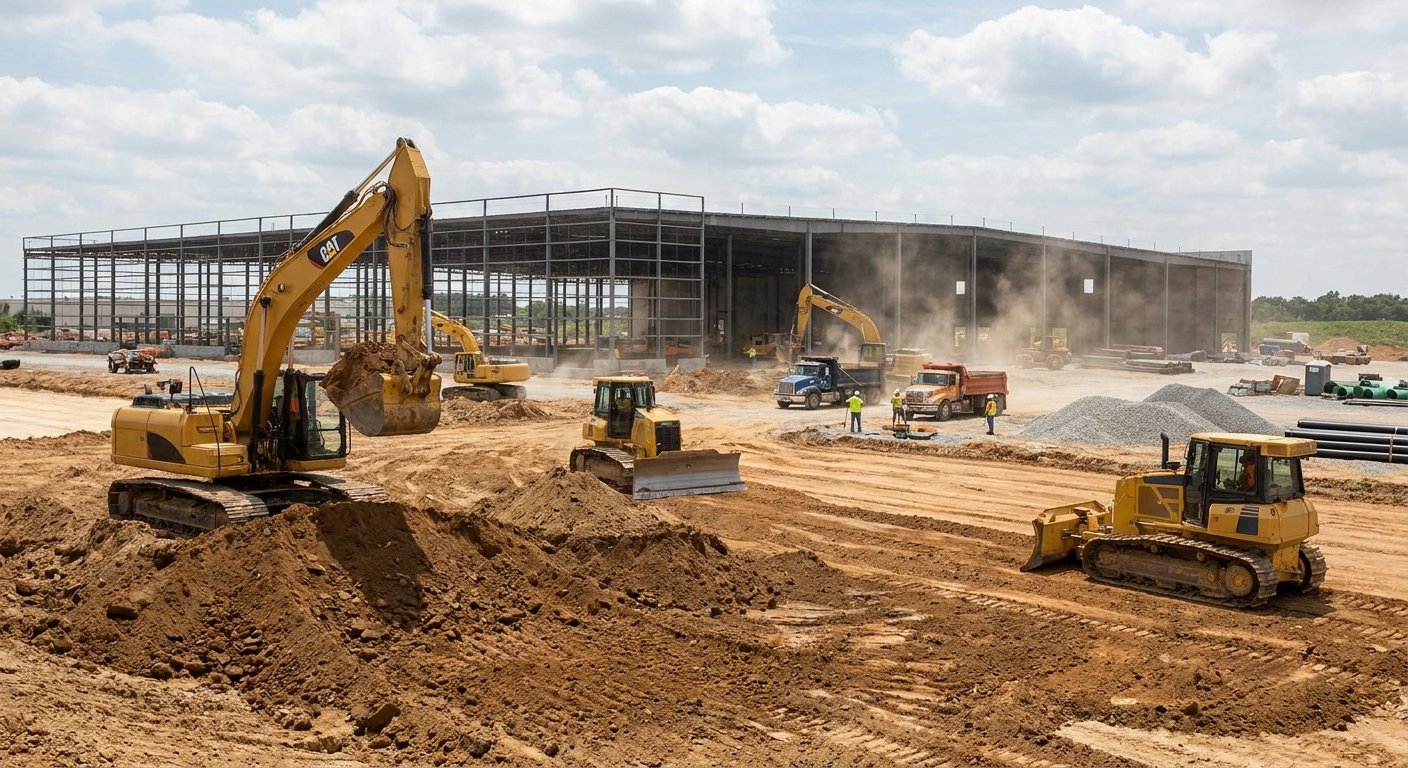
Site work begins with clearing the land, grading the terrain for drainage, and preparing the soil for a heavy-duty foundation. Effective site preparation in warehouse building ensures that the ground can support the immense weight of the building and its inventory. This phase includes excavating for footings and installing the underground utility lines required for water and sewage.
If the soil is not properly compacted or stabilized, your floor slab may sink or crack over time. Professional grading also directs rainwater away from the structure to prevent flooding and erosion.
Foundation and Slab Preparation
The foundation is the most critical structural element, typically consisting of reinforced concrete footings and a thick floor slab. For industrial use, the slab must be engineered with rebar and high-strength concrete to withstand forklift traffic.
- Excavate footings below the local frost line.
- Install vapor barriers to prevent moisture seepage.
- Use laser-guided grading for extreme floor levelness.
The reality is: A poorly prepared site will eventually lead to structural failures that are nearly impossible to fix later.
Underground Utility Integration
Utility crews must lay heavy-duty pipes and conduits before the concrete slab is poured. This includes the high-volume water lines needed for fire suppression and the electrical mains for the entire facility.
Key Takeaway: Site work provides the stable, serviced platform upon which your entire logistics operation rests.
| Site Work Step | Key Action | Critical Outcome | |
|---|---|---|---|
| Soil Compaction | Mechanical vibration/compression | Prevents foundation settling | |
| Foundation Pour | Reinforced concrete placement | Load-bearing structural base | |
| Trenching | Utility conduit installation | Reliable power and water access |
Precision in ground-level work is the best insurance policy against future structural shifting and maintenance costs.
What happens during warehouse building shell assembly?
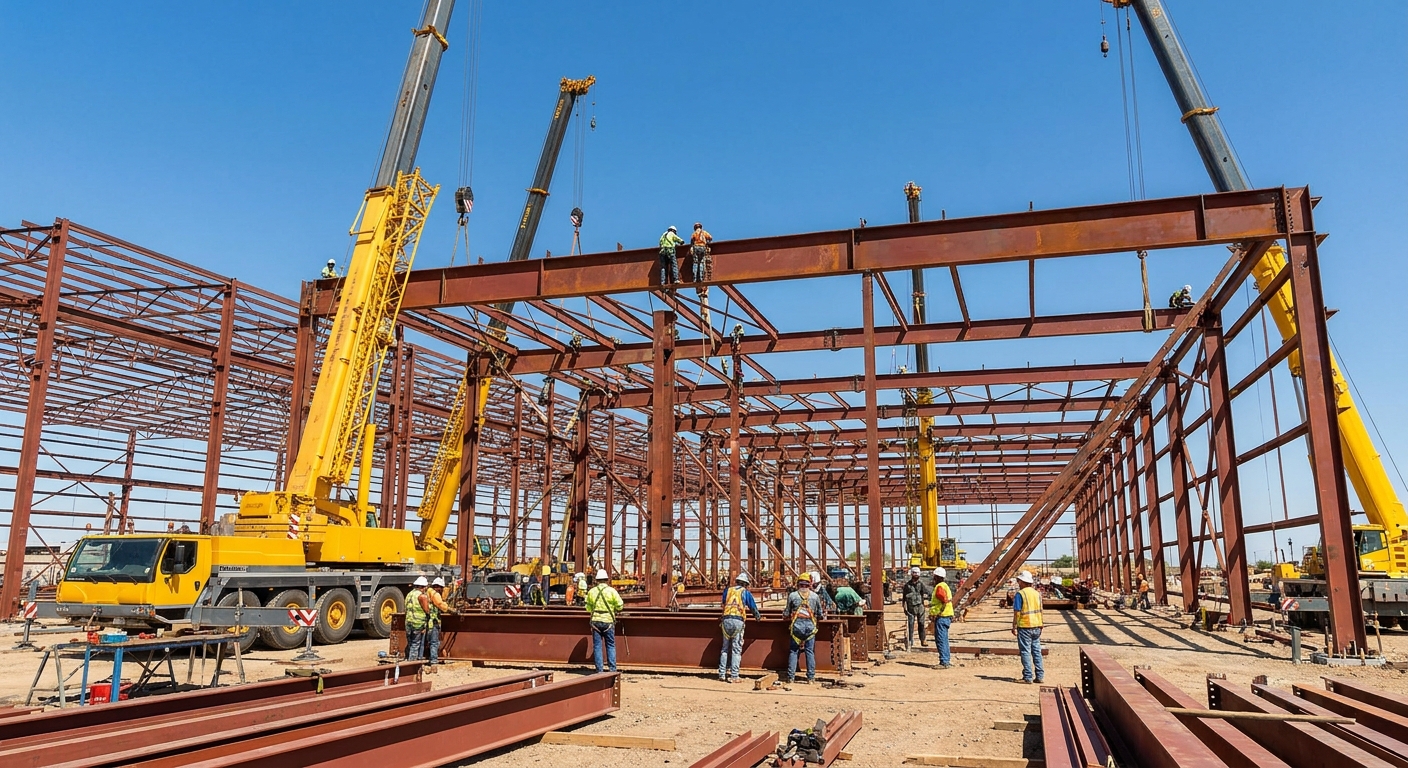
Shell assembly involves erecting the primary steel framework, installing exterior wall panels, and raising the roofing system to create a sealed environment. During this stage of warehouse building, the skeletal structure of I-beams and columns is bolted together by specialized crews. This phase transforms the site from a flat slab into a recognizable industrial facility.
Once the steel frame is secure, exterior cladding provides the building with weather protection and security. Speed is essential here to protect the interior slab and utility rough-ins from environmental damage.
Steel Framework Erection
The use of pre-engineered steel frames allows for large clear spans and rapid construction timelines. Cranes lift the primary members into place, where they are secured with high-strength bolts to the foundation anchors.
- Assembly of H-section columns and I-beams.
- Installation of secondary bracings for stability.
- Alignment checks for structural precision.
It’s a fact: Steel is the preferred material for warehouses because of its superior strength-to-weight ratio and durability.
Wall and Roof Installation
Insulated metal panels are commonly used for walls to provide thermal regulation and a professional finish. The roofing system must be weather-tight and capable of supporting HVAC units or solar arrays if planned.
Key Takeaway: The building shell must be durable enough to protect millions of dollars in inventory from the elements.
| Shell Component | Material Choice | Performance Benefit | |
|---|---|---|---|
| Primary Frame | Pre-engineered steel | Superior span and rapid build | |
| Exterior Walls | Insulated Metal Panels | Temperature control and security | |
| Roofing | Standing Seam Metal | Leak prevention and longevity |
A high-quality building envelope reduces long-term energy costs and protects your inventory from moisture and temperature fluctuations.
Which systems are vital for warehouse building utility?
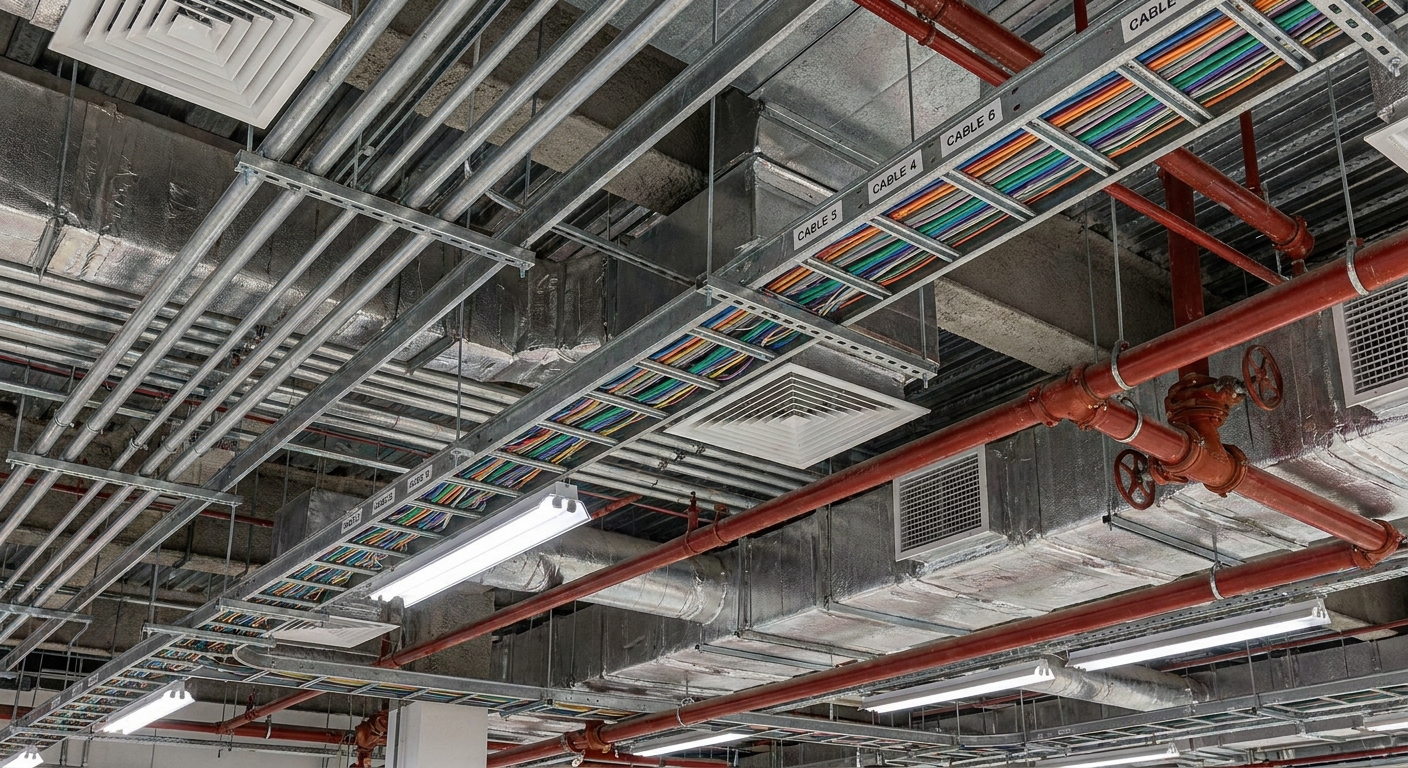
Vital utility systems include high-capacity electrical grids, integrated fire suppression, and climate control infrastructure tailored to your inventory. Managing these systems in warehouse building requires a focus on both operational efficiency and safety compliance. You must install high-bay LED lighting and ensure there is enough power to support conveyors, chargers, and automated systems.
Furthermore, ventilation systems are necessary to maintain air quality and manage the heat generated by machinery. These utilities form the “nervous system” of your facility, enabling daily operations to run without interruption.
Fire Suppression and Safety
Industrial warehouses require sophisticated sprinkler systems, often including Early Suppression Fast Response (ESFR) heads. These are designed to tackle high-challenge fires that can occur in densely packed racking systems.
- High-pressure water mains and pumps.
- Smoke detection and alarm integration.
- Emergency lighting and exit signage.
Think about this: Your insurance premiums are directly tied to the quality and certification of your fire suppression system.
Electrical and Lighting Efficiency
Modern facilities utilize smart LED lighting with motion sensors to reduce energy waste in low-traffic aisles. You also need heavy-duty electrical panels to support the charging stations required for electric forklift fleets.
Key Takeaway: Integrated utility systems must be engineered for high-volume demand and maximum energy efficiency.
| Utility System | Core Objective | Key Feature | |
|---|---|---|---|
| ESFR Sprinklers | Rapid fire suppression | High-volume, ceiling-mount heads | |
| Electrical Grid | Powering automation | High-capacity industrial panels | |
| HVAC/Ventilation | Environmental control | Air turnover for worker comfort |
Robust utility infrastructure ensures that your facility can handle peak operational loads without technical failures.
How to lower costs during the warehouse building phase?
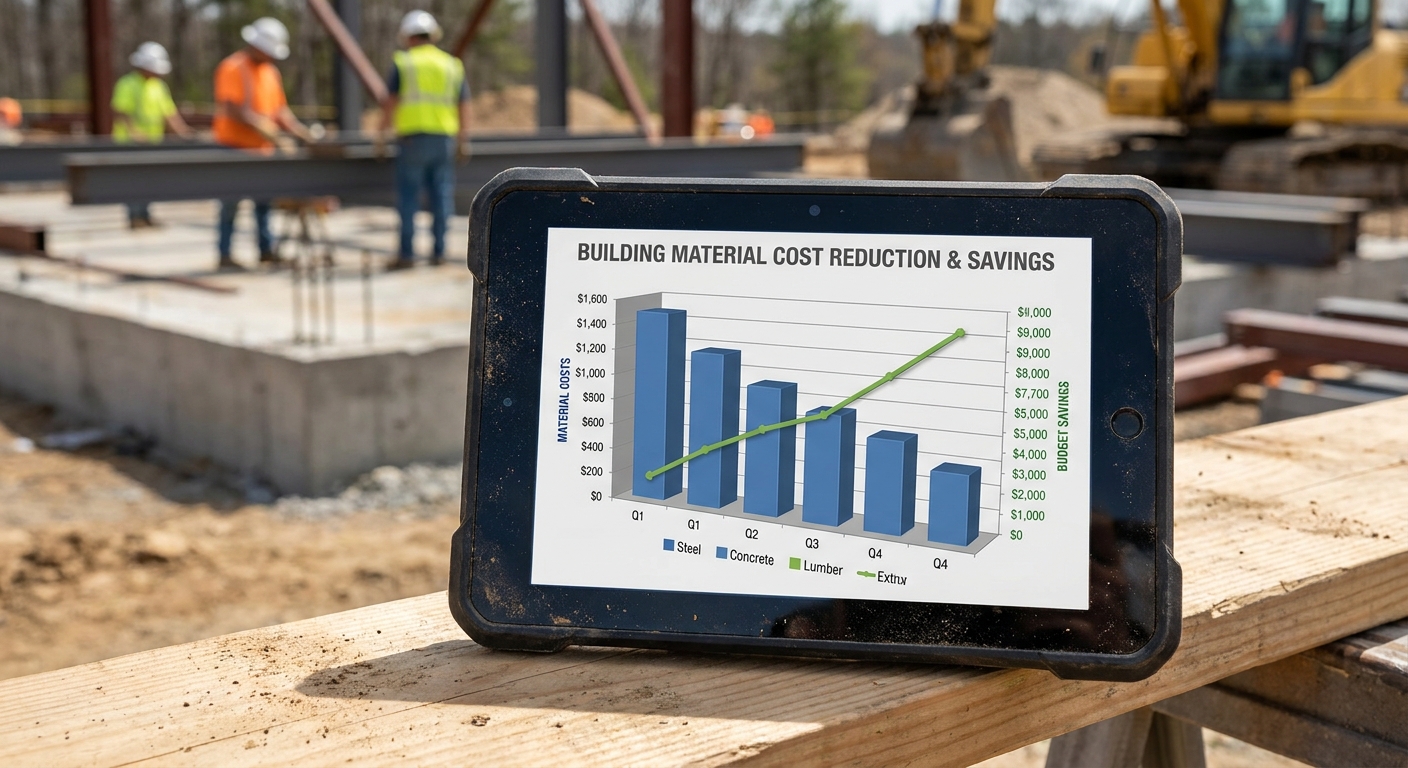
You can lower costs by utilizing prefabricated components, sourcing materials directly from manufacturers, and implementing value engineering. Cost control in warehouse building is about eliminating waste and optimizing the design to use fewer materials without sacrificing strength. Choosing a building partner with strong supply chain connections can save you significant middleman markups on steel and concrete.
Additionally, reducing on-site labor hours through pre-engineered solutions can slash your overhead expenses. Monitoring your budget in real-time allows you to pivot before minor overages become project-threatening deficits.
Utilizing Prefabricated Steel
Prefabricated components are manufactured in a controlled factory setting and shipped to the site ready for assembly. This reduces the time cranes and crews need to spend on-site, which is often the most expensive part of construction.
- Reduced material waste during fabrication.
- Faster erection times on the job site.
- Lower likelihood of on-site errors or rework.
Make no mistake: Time is money in construction; every week saved in the schedule is a week of saved overhead costs.
Value Engineering the Layout
Value engineering involves reviewing your blueprints to find more efficient ways to meet structural requirements. This might include optimizing column spacing or selecting more cost-effective insulation materials that still meet thermal codes.
Key Takeaway: Strategic material choices and design optimization can reduce total costs by 15-20% without losing quality.
| Savings Strategy | Implementation | Financial Impact | |
|---|---|---|---|
| Prefabrication | Factory-built frames | Lower labor and equipment costs | |
| Direct Sourcing | Manufacturer-direct steel | No middleman markups | |
| Design Optimization | Structural refinement | Reduced excess material usage |
Focusing on value rather than just the lowest bid ensures your cost-saving measures don’t lead to higher maintenance bills later.
Can you plan a warehouse building for future growth?
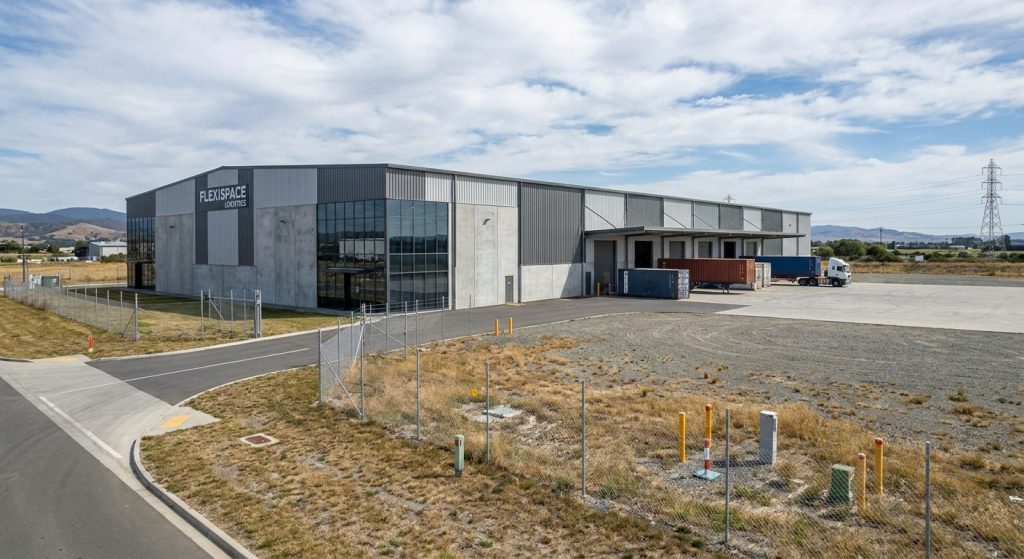
You can plan for growth by incorporating modular design elements, over-sizing foundation slabs, and ensuring your utilities have extra capacity. Future-proofing in warehouse building allows you to expand your facility without tearing down existing structures or pausing operations. You should design exterior walls that can be easily removed or converted into interior passages for new annexes.
Investing in a slightly larger plot of land than currently needed provides the physical space for lateral expansion. Planning for scalability today prevents your building from becoming a bottleneck in five years.
Modular Steel Frameworks
Steel structures are naturally modular, allowing you to bolt on new bays or sections as your storage needs increase. By planning the initial frame to support future additions, you minimize the structural modifications needed later.
- Design for easy roof and wall extensions.
- Include knock-out panels in your initial design.
- Ensure structural loads can handle extra mezzanine levels.
Look at it this way: Building for your needs in 10 years is much cheaper than building twice in five years.
Scalable Utility Infrastructure
It is much more cost-effective to install high-capacity electrical and water mains during initial construction than to upgrade them later. Ensure your electrical panels have spare breakers and your pipes are sized for a larger facility footprint.
Key Takeaway: Scalability ensures your initial capital investment remains relevant as your business scales.
| Expansion Feature | Implementation | Business Benefit | |
|---|---|---|---|
| Knock-out Walls | Temporary exterior panels | Rapid, low-cost expansion | |
| High-Capacity Mains | Over-sized power/water | No future utility upgrades needed | |
| Expansion-Ready Slabs | Extra foundation work | Supports future racking height |
A facility that grows with you is a long-term asset that protects your business from the disruptions of relocation.
What comes next after the warehouse building is done?
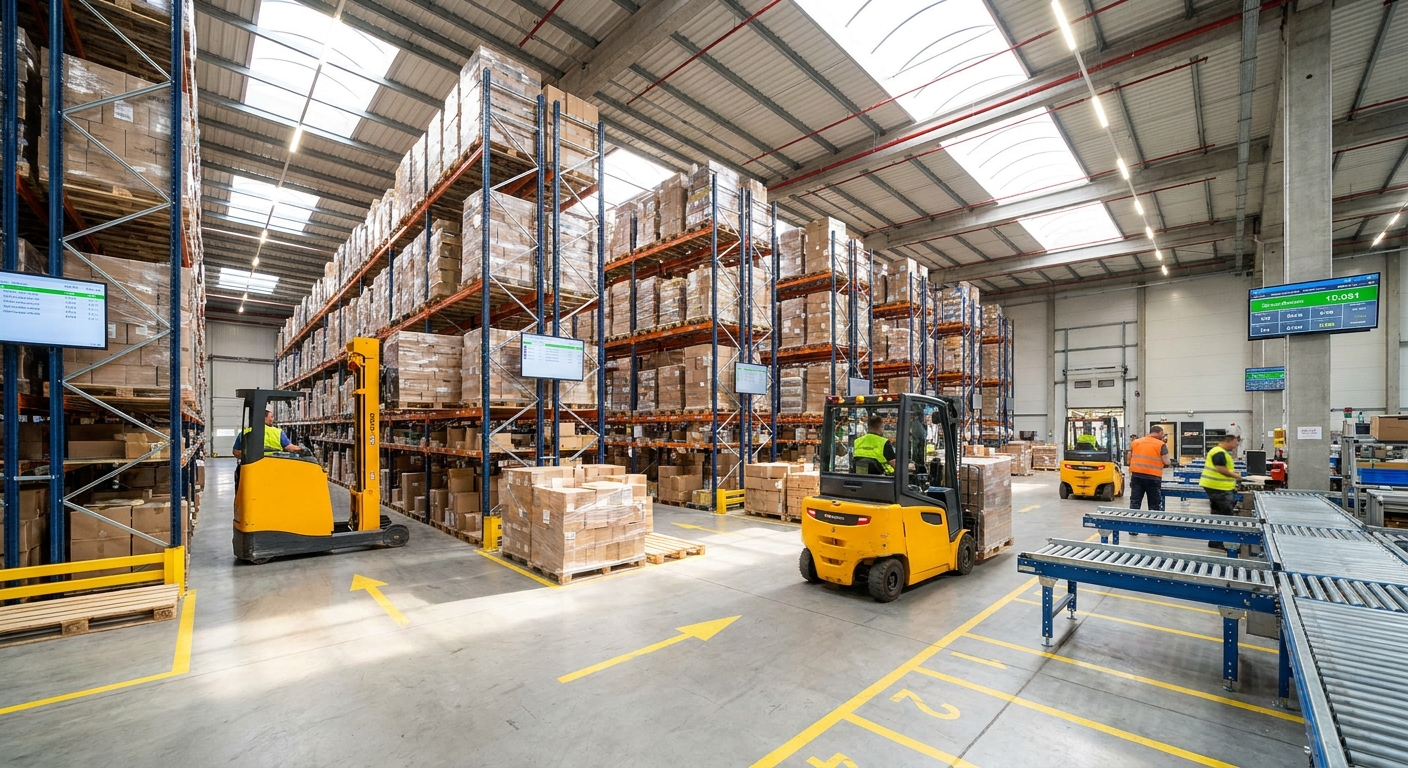
Once construction is finished, the next steps include equipment fit-out, staff training, and the implementation of a long-term maintenance schedule. Completing the warehouse building is just the beginning of the operational phase where you turn the shell into a working logistics hub. You must install your racking systems, conveyor belts, and inventory management software to begin processing shipments.
Regular maintenance is vital to protect your investment and ensure a safe working environment. Establishing these processes early ensures that your new facility operates at peak efficiency from day one.
Equipment Installation and Layout
The fit-out phase involves installing the physical tools needed for storage and distribution. You must ensure that your racking is anchored correctly to the slab and that all automated systems are calibrated for accuracy.
- Install high-density pallet racking.
- Setup conveyor and sorting systems.
- Calibrate Warehouse Management Systems (WMS).
Believe it: The speed of your facility is determined by the precision of your equipment layout.
Maintenance and Staff Training
Your team needs thorough training on new machinery and safety protocols to prevent accidents in the high-activity environment. A scheduled maintenance plan for the building’s roof, HVAC, and floors will extend the lifespan of the structure.
Key Takeaway: Post-construction management is what turns a structural shell into a high-performance logistics asset.
| Post-Build Task | Critical Activity | Operational Outcome | |
|---|---|---|---|
| Racking Fit-out | Secure structural anchoring | Optimized storage density | |
| WMS Integration | Software synchronization | Accurate inventory tracking | |
| Staff Training | Safety and equipment drills | Reduced accidents and downtime |
Consistent maintenance and expert fit-out ensure your facility remains a productive pillar of your business for decades.
Constructing the Foundation for Your Success
A successful warehouse project is measured by its ability to streamline your supply chain and adapt to your future growth. By focusing on structural integrity, intelligent design, and cost-effective execution, you build a facility that serves as the backbone of your operations. Our mission is to help you navigate these complexities, delivering high-quality industrial structures that solve your storage challenges and enhance your market position. We stand for engineering excellence and transparent partnership, ensuring your vision is realized on time and within budget. To transform your logistical goals into a durable structural reality, contact us today for an expert consultation.
| sales@showhoo.com.cn | |
| Phone/WhatsApp | +86 186 7895 5927 |
Frequently Asked Questions
Can I build a warehouse on any commercial land?Not necessarily. You must verify that the specific land is zoned for industrial use and can handle the heavy traffic and noise levels associated with modern warehouse logistics.
What’s the best material for a durable warehouse floor?High-strength reinforced concrete is the standard choice. Adding a floor hardener or epoxy coating can further protect the surface against the constant wear and tear of heavy forklift traffic.
How do I know if I need a specialized fire suppression system?The type of inventory you store and the height of your racking will dictate the fire code requirements. Hazardous materials or high-density storage usually require advanced ESFR sprinkler systems to meet safety standards.
Can I use solar panels on a warehouse roof?Yes, warehouses are ideal for solar installations because of their large, flat roof areas. This can significantly reduce your long-term operational energy costs and improve your company’s sustainability profile.
What’s the best way to determine my ceiling height?Analyze your current racking needs and your potential for future vertical storage growth. Most modern industrial facilities aim for at least 32 feet of “clear height” to maximize their total cubic storage space.