
Building a professional B2B showroom requires a strategic blend of architectural durability, functional design, and brand storytelling to facilitate high-value sales. In a competitive market, you often struggle to convey the true quality of your industrial products through digital catalogs or static images alone. This lack of physical presence can agitate potential clients, leading to hesitation and extended sales cycles that harm your bottom line. The ultimate solution is a dedicated showroom bouwen that provides a tangible environment for demonstration, trust-building, and closing complex deals.
Why is a showroom bouwen essential for your business?
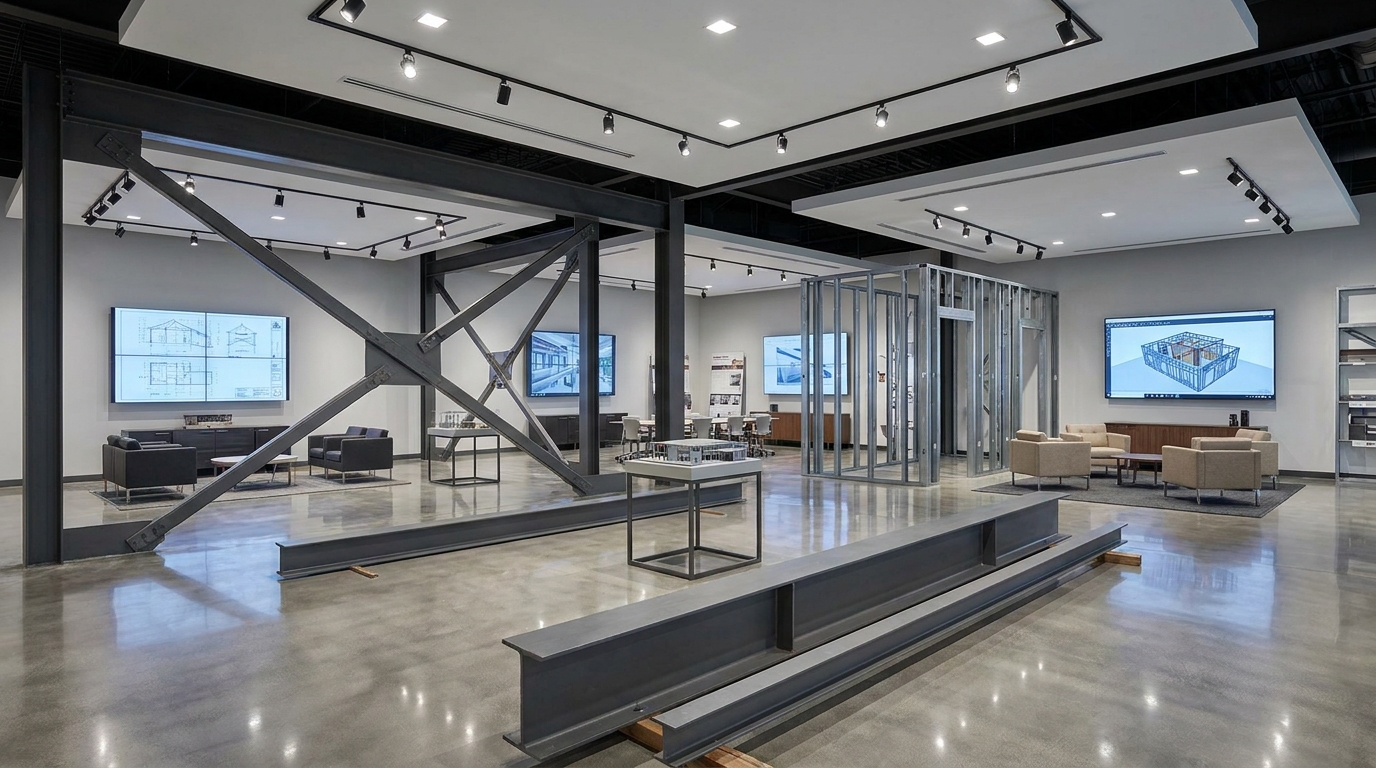
A dedicated space is essential because it bridges the gap between digital marketing and the tactile reality of high-ticket B2B transactions. When you commit to a showroom bouwen, you provide a controlled environment where technical specifications become tangible benefits. This physical presence validates your manufacturing capabilities and reinforces your market position to visiting stakeholders.
Can it accelerate your sales cycle?
You will find that physical interaction with your products reduces the skepticism often found in remote B2B procurement. By allowing clients to touch and test your equipment, you shorten the time needed for technical approvals and stakeholder buy-in.
- Interactive product testing
- Direct stakeholder engagement
- Visual brand reinforcement
But wait, there’s more. Beyond just showing products, you are creating an immersive brand experience that sticks in the client’s memory long after the visit.
Key Takeaway: A showroom acts as a physical trust-builder that significantly lowers the barrier to entry for new industrial clients.
Review the table below to understand how a showroom impacts core business metrics.
| Metric | Impact Level | Primary Benefit | |
|---|---|---|---|
| Client Trust | High | Demonstrates transparency and quality | |
| Sales Velocity | Increased | Shortens technical approval times |
What are the first steps when planning your showroom?
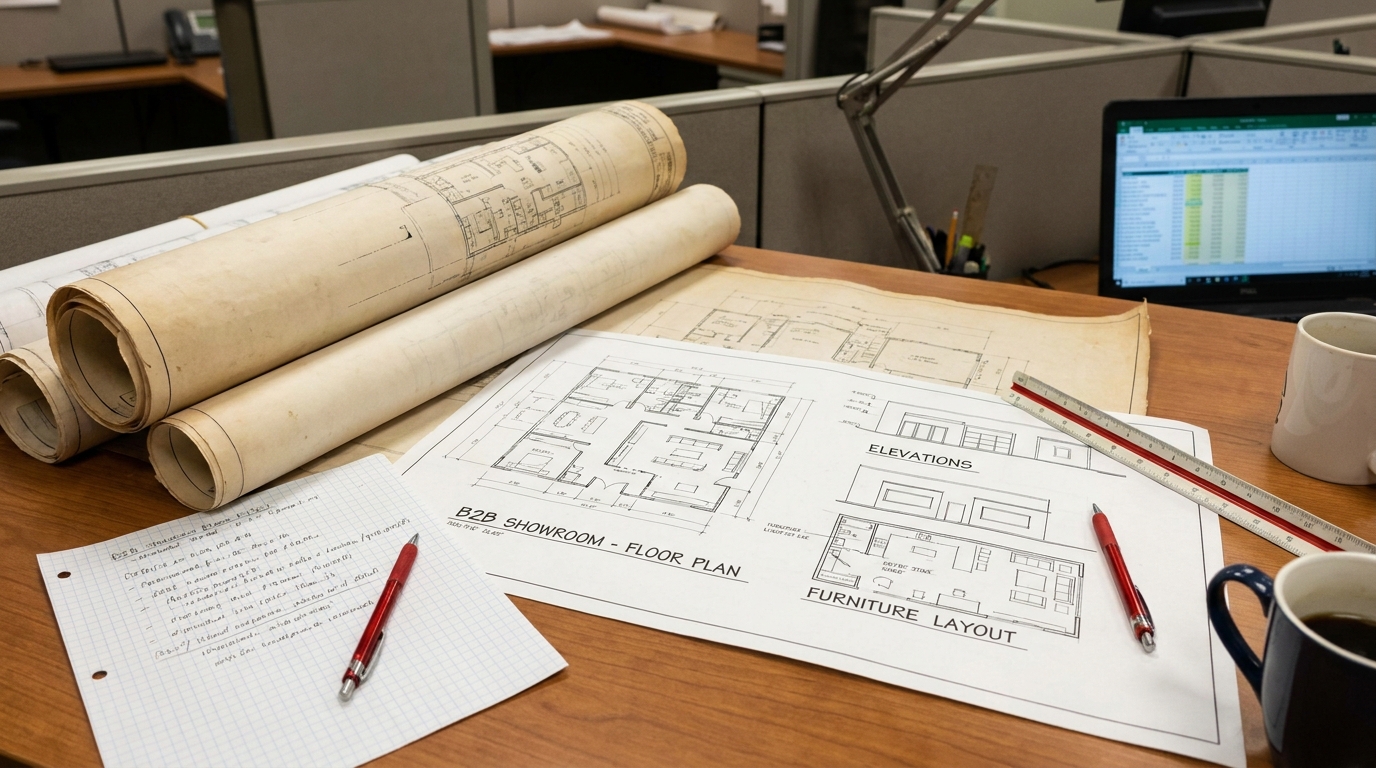
Success begins with defining your core objectives and identifying the specific steel structure requirements needed to house your product line. Initiating a showroom bouwen involves site analysis and clear conceptualization of the space’s primary function. You must decide whether the space will focus on high-volume product displays or intimate, technical consultation areas.
Have you defined your target visitor?
You need to tailor the layout to the specific needs of engineers, procurement officers, or CEOs who will walk through the doors. Each persona requires different levels of technical detail and comfort during their journey.
- Site feasibility study
- Zoning and permit review
- Persona-based layout planning
Here is the kicker: skipping the detailed planning phase often leads to expensive structural modifications during the actual construction stage.
Key Takeaway: Thorough initial planning ensures that the physical structure aligns perfectly with your long-term commercial goals.
Use this planning checklist to guide your initial stakeholder discussions.
| Phase | Priority | Key Outcome | |
|---|---|---|---|
| Objective Setting | Critical | Defined KPIs for the space | |
| Site Selection | High | Logistical and structural feasibility |
Which design principles create an effective B2B showroom?
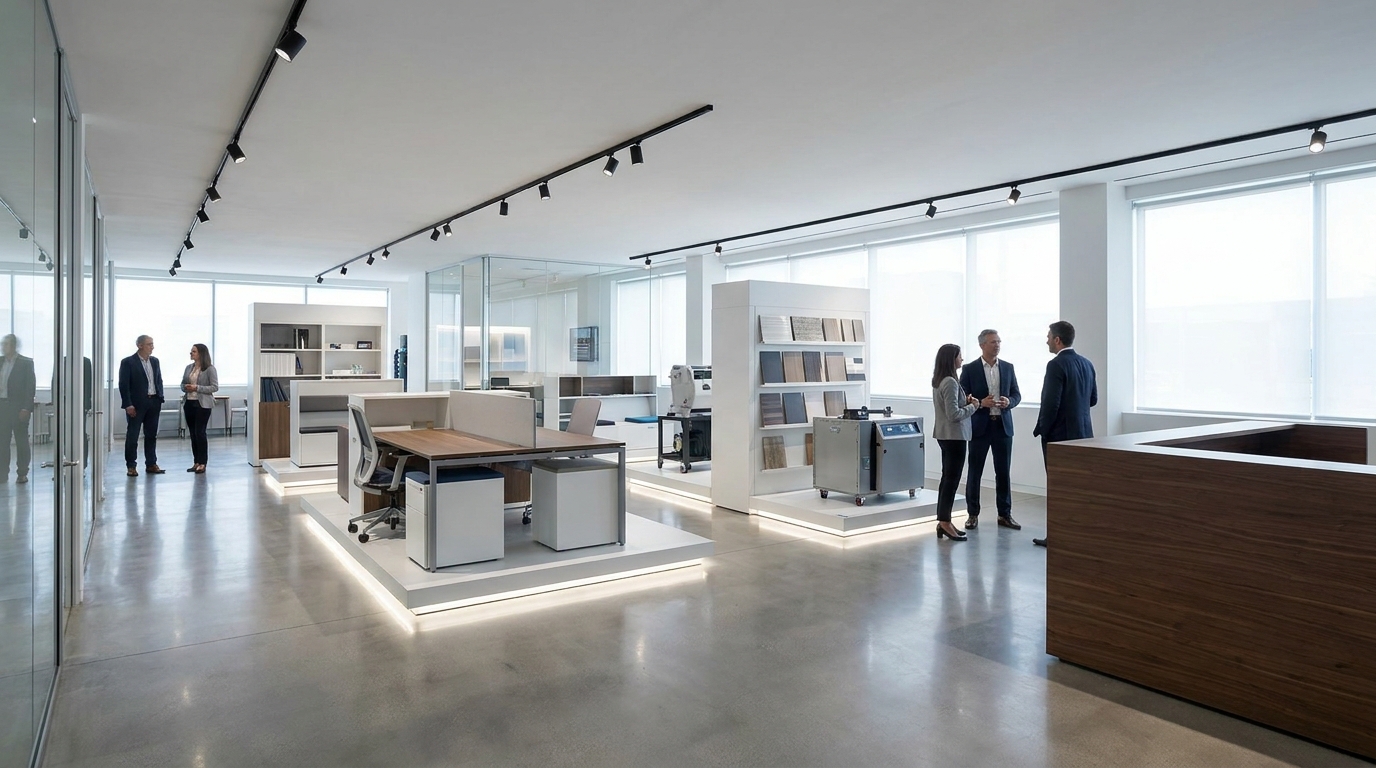
Effective design centers on a logical flow that guides visitors from high-level brand concepts to deep-dive technical demonstrations. When you focus on a professional showroom bouwen, you must balance aesthetic appeal with the industrial strength required for heavy product displays. Utilizing open-span steel frames allows for the flexible, pillar-free spaces that modern B2B presentations demand.
How do you balance aesthetics and function?
You should prioritize modularity so that you can easily update the space as your product technology evolves. Clean lines and high-quality finishes communicate a sense of precision that reflects the quality of your own manufacturing processes.
- Modular display units
- High-load flooring solutions
- Integrated lighting zones
You might be wondering if industrial design can still feel welcoming to executive-level clients. By combining raw steel elements with refined finishes, you create a sophisticated atmosphere that appeals to both technical and corporate visitors.
Key Takeaway: Modern B2B design must be flexible enough to adapt to changing product lines while maintaining a premium brand feel.
The following table highlights the essential design elements for industrial spaces.
| Design Element | Purpose | Expected Result | |
|---|---|---|---|
| Open Spans | Flexibility | Easy reconfiguration of displays | |
| Zoning | Flow | Clearer narrative for visitors |
What materials and building options ensure a durable showroom?
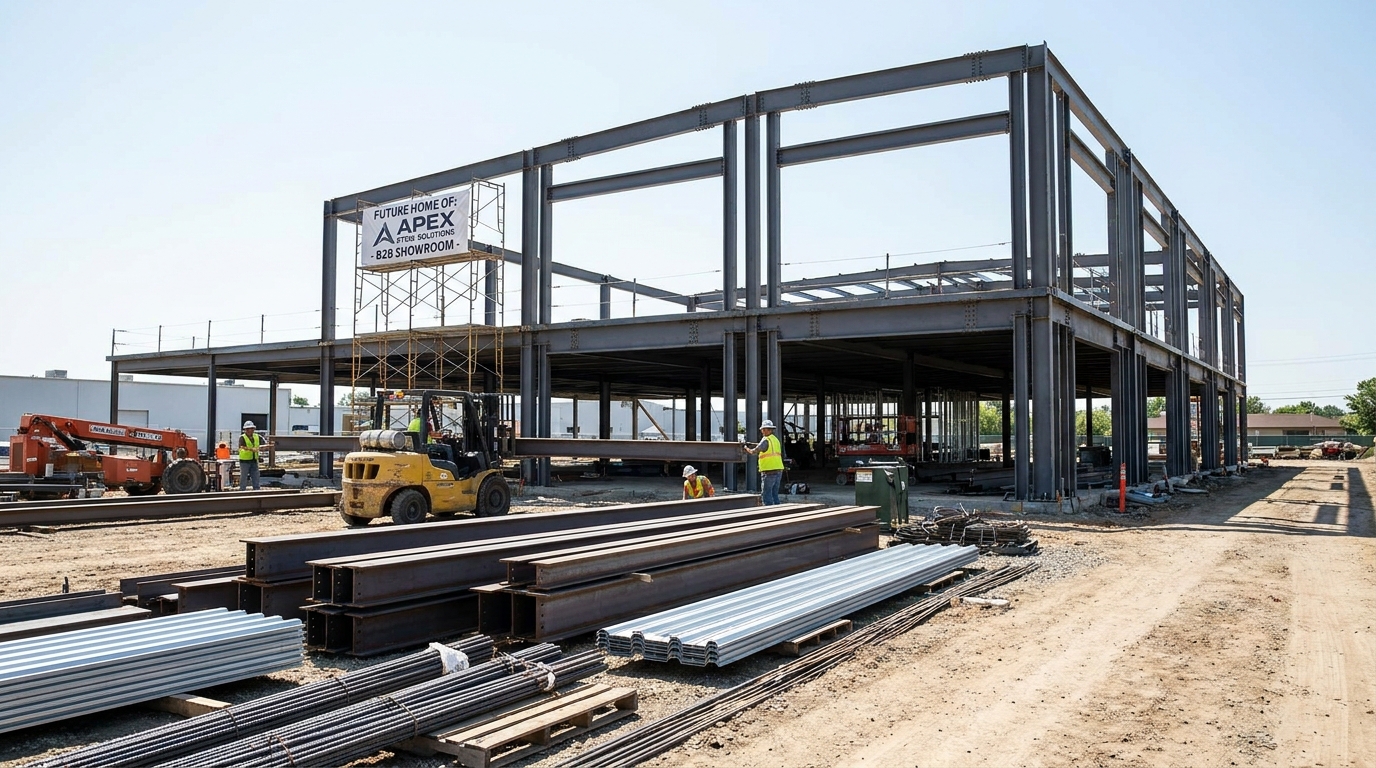
Durability is best achieved through high-quality H-section steel frames and insulated wall panels that protect your investment for decades. Choosing the right materials for your showroom bouwen ensures the structure can withstand diverse environmental conditions and heavy internal loads. Steel construction offers the best strength-to-weight ratio, allowing for large windows and impressive architectural features.
Why choose steel for your facility?
You gain the advantage of rapid assembly and long-term structural integrity that traditional concrete cannot match. Steel buildings are also more resistant to seismic activity and extreme weather, ensuring your product displays remain safe.
- Galvanized steel beams
- Insulated sandwich panels
- High-strength fasteners
Believe it or not, steel is also one of the most sustainable building materials available for modern industrial construction projects.
Key Takeaway: Investing in premium steel components minimizes long-term maintenance costs and provides a safer environment for your inventory.
Check the material specifications below for a standard professional build.
| Component | Material Type | Benefit | |
|---|---|---|---|
| Main Frame | H-Section Steel | Superior load-bearing capacity | |
| Cladding | Sandwich Panels | Thermal insulation and durability |
Act Now to Secure Your Slot
Email:sales@showhoo.com.cn
Phone/WhatsApp:+86 186 7895 5927
How can you integrate technology into your showroom?
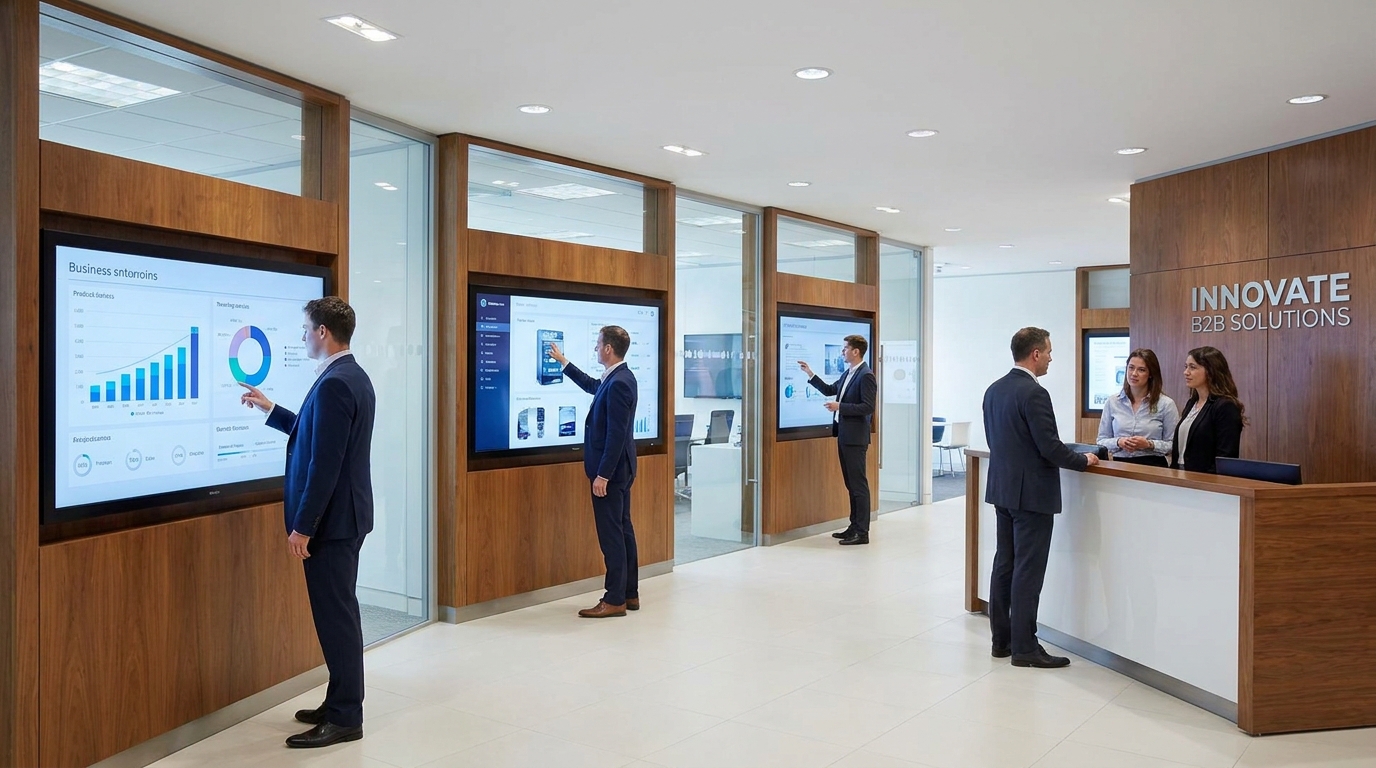
Integrating technology involves embedding digital touchpoints that enhance the physical product experience without overwhelming the visitor. A smart showroom bouwen strategy includes high-speed connectivity and integrated audiovisual systems that allow for real-time data visualization. These tools help you explain complex industrial processes that might be invisible to the naked eye.
Is virtual reality right for you?
You can use augmented or virtual reality to showcase large-scale machinery that is too big to fit inside the physical building. This allows you to demonstrate your full portfolio while keeping the physical footprint of the showroom manageable.
- Interactive touchscreens
- Integrated sound systems
- Smart lighting controls
Best of all, digital integration allows you to track visitor engagement and see which product sections attract the most attention.
Key Takeaway: Technology should serve as a bridge that makes complex technical data accessible and engaging for every visitor.
Review these technological layers to enhance your visitor interaction.
| Technology | Application | Value Add | |
|---|---|---|---|
| Digital Signage | Real-time specs | Eliminates printed brochure waste | |
| AR/VR | Large-scale demos | Showcases impossible-to-move items |
How do you optimize the customer journey in your showroom?
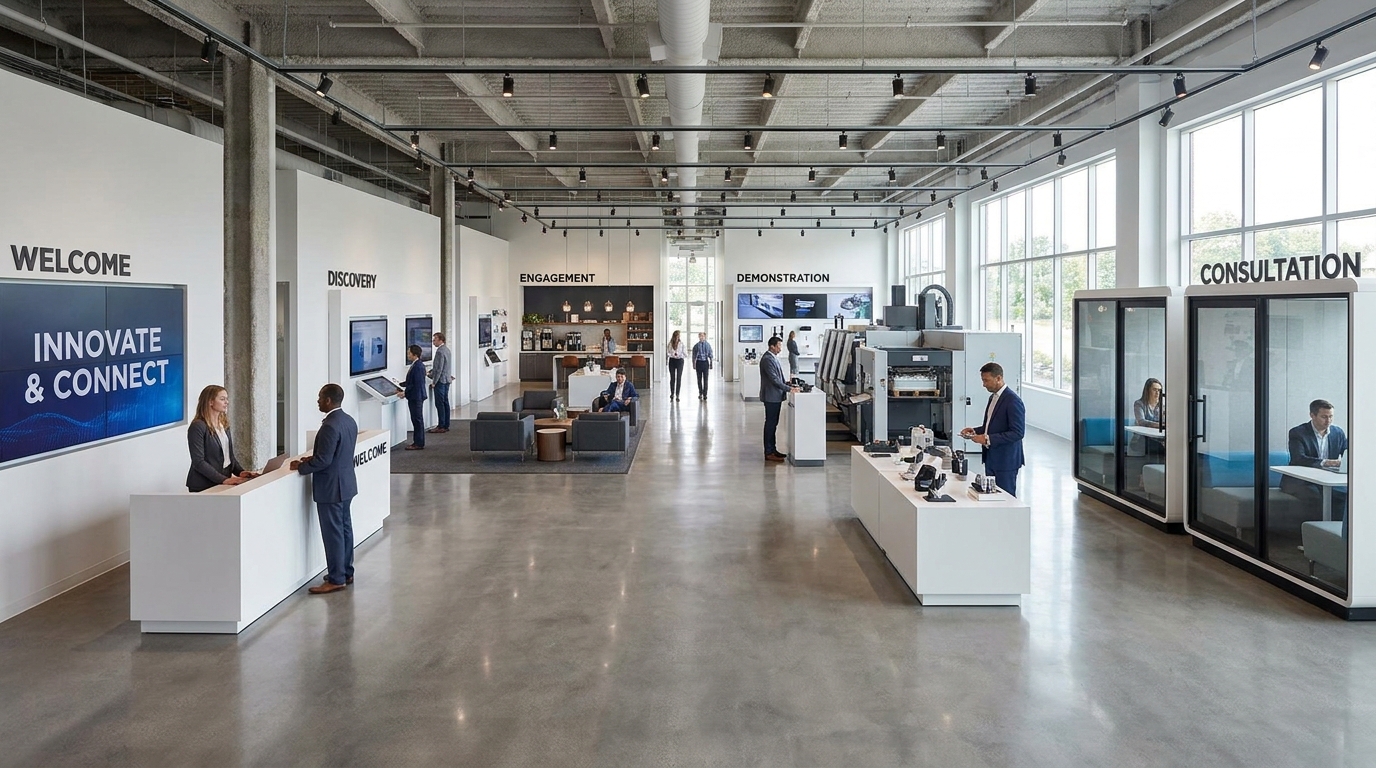
Optimization focuses on creating a narrative path that leads the customer from an initial “wow” moment to a final consultation. During a showroom bouwen , you should design distinct zones for reception, education, demonstration, and closing. This logical progression ensures that the visitor feels guided and informed rather than lost in a sea of products.
Does your layout encourage conversation?
You need to include comfortable “breakout” areas where technical discussions can happen away from the noise of moving machinery or video displays. These quiet zones are where the actual negotiations take place and where relationships are solidified.
- Logical entry sequence
- Defined product categories
- Dedicated meeting pods
That’s not even the best part; a well-planned journey naturally filters out unqualified leads by guiding serious buyers toward technical deep-dives.
Key Takeaway: A strategic layout acts as a silent salesperson, moving visitors through the conversion funnel with minimal friction.
The table below outlines the ideal visitor flow for a professional B2B environment.
| Zone | Primary Action | Goal | |
|---|---|---|---|
| Welcome | Introduction | Set the brand tone | |
| Demo | Engagement | Prove technical competence |
What safety and regulations apply when building a showroom?
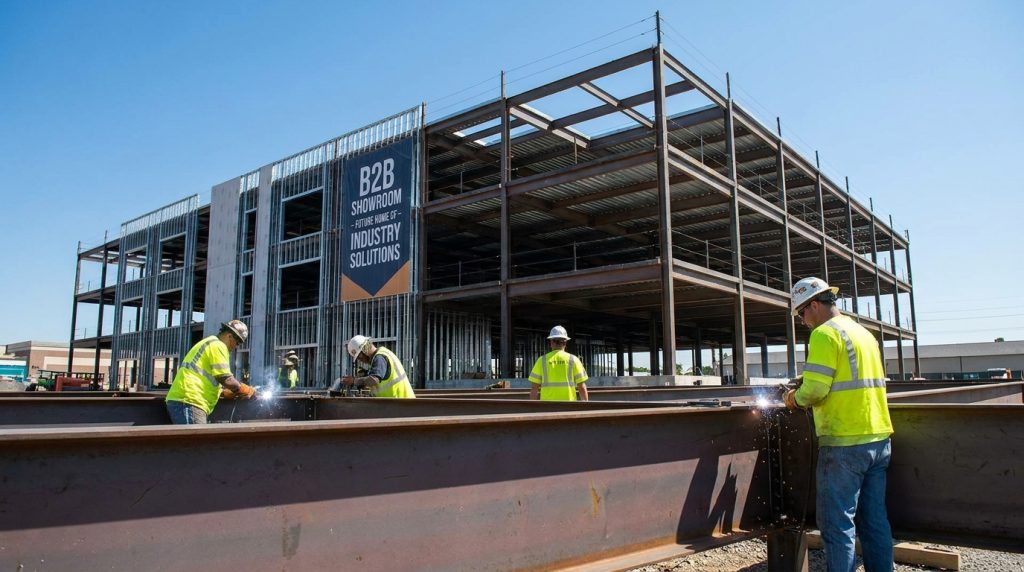
Compliance involves adhering to local building codes, fire safety standards, and accessibility requirements for commercial spaces. When executing a showroom bouwen, you must ensure that the steel structure meets specific wind, snow, and seismic load requirements for your region. Working with certified manufacturers guarantees that the materials used are fully traceable and compliant with international quality standards.
How do you ensure visitor safety?
You must prioritize clear emergency exits, non-slip flooring, and proper ventilation if you plan to run live machinery demonstrations. Regular safety audits during the construction phase prevent future legal liabilities and ensure a secure environment for your staff.
- Fire suppression systems
- ADA accessibility ramps
- Proper load-capacity signage
Think about it: a single safety oversight can lead to massive fines or, worse, accidents that damage your brand’s professional reputation.
Key Takeaway: Strict adherence to local and international regulations is non-negotiable for protecting your human and capital assets.
Follow these regulatory pillars to ensure your facility is fully compliant.
| Category | Standard | Purpose | |
|---|---|---|---|
| Structural | Local Building Code | Stability and safety | |
| Safety | Fire Regulations | Emergency preparedness |
How do you calculate the costs and ROI of a showroom bouwen?

Calculating ROI involves comparing the total cost of construction and operation against the increase in lead conversion and shortened sales cycles. A successful showroom bouwen project should be viewed as a capital investment that generates long-term value through brand equity. You must factor in land costs, steel fabrication, interior fit-out, and ongoing maintenance to find the true break-even point.
What are the hidden costs?
You should account for energy consumption, staff training, and periodic exhibit updates to ensure your financial model is realistic. Many businesses overlook the cost of marketing the showroom itself to existing and potential clients.
- Direct fabrication costs
- Interior design fees
- Operational overheads
Case in point: companies with dedicated showrooms often report a 20% to 30% increase in closing rates for high-value contracts.
Key Takeaway: While the upfront cost is significant, the long-term gains in sales efficiency and brand authority provide a compelling return.
Use this ROI framework to justify the investment to your financial department.
| Factor | Calculation | Expected Outcome | |
|---|---|---|---|
| Efficiency | Sales cycle time | Lower cost per acquisition | |
| Branding | Market perception | Higher premium pricing power |
Act Now to Secure Your Slot
Email:sales@showhoo.com.cn
Phone/WhatsApp:+86 186 7895 5927
Which trends are shaping modern B2B showrooms?
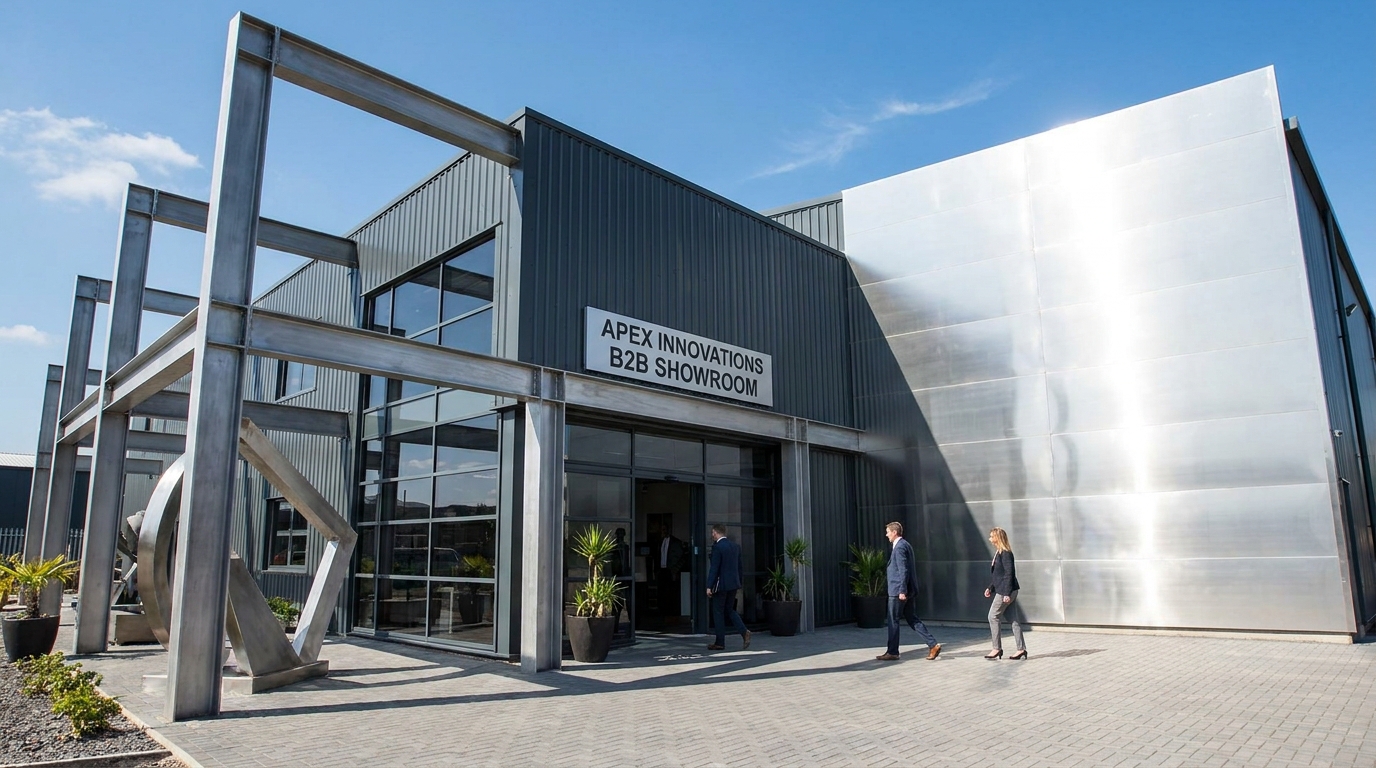
Modern trends are leaning toward sustainable materials, hybrid virtual-physical spaces, and minimalist industrial aesthetics. In today’s showroom bouwen market, clients expect to see your commitment to environmental responsibility reflected in your building’s design. This means incorporating energy-efficient lighting, solar-ready roofs, and recyclable steel components.
Are you ready for a hybrid experience?
You should consider how to broadcast live from your showroom to clients who cannot travel, creating a global reach from a single physical location. This “phygital” approach combines the best of personal interaction with the convenience of digital communication.
- Sustainable steel sourcing
- Live-streaming studios
- Biophilic design elements
It gets better: using your showroom as a content hub for social media marketing can dramatically increase your online visibility and lead generation.
Key Takeaway: Staying ahead of architectural and digital trends ensures your showroom remains relevant and impressive for years to come.
Keep these trends in mind to ensure your facility looks modern and forward-thinking.
| Trend | Implementation | Business Value | |
|---|---|---|---|
| Sustainability | Green materials | Improved ESG rating | |
| Phygital | Live broadcast tech | Global sales reach |
How can you best maintain and update your showroom?
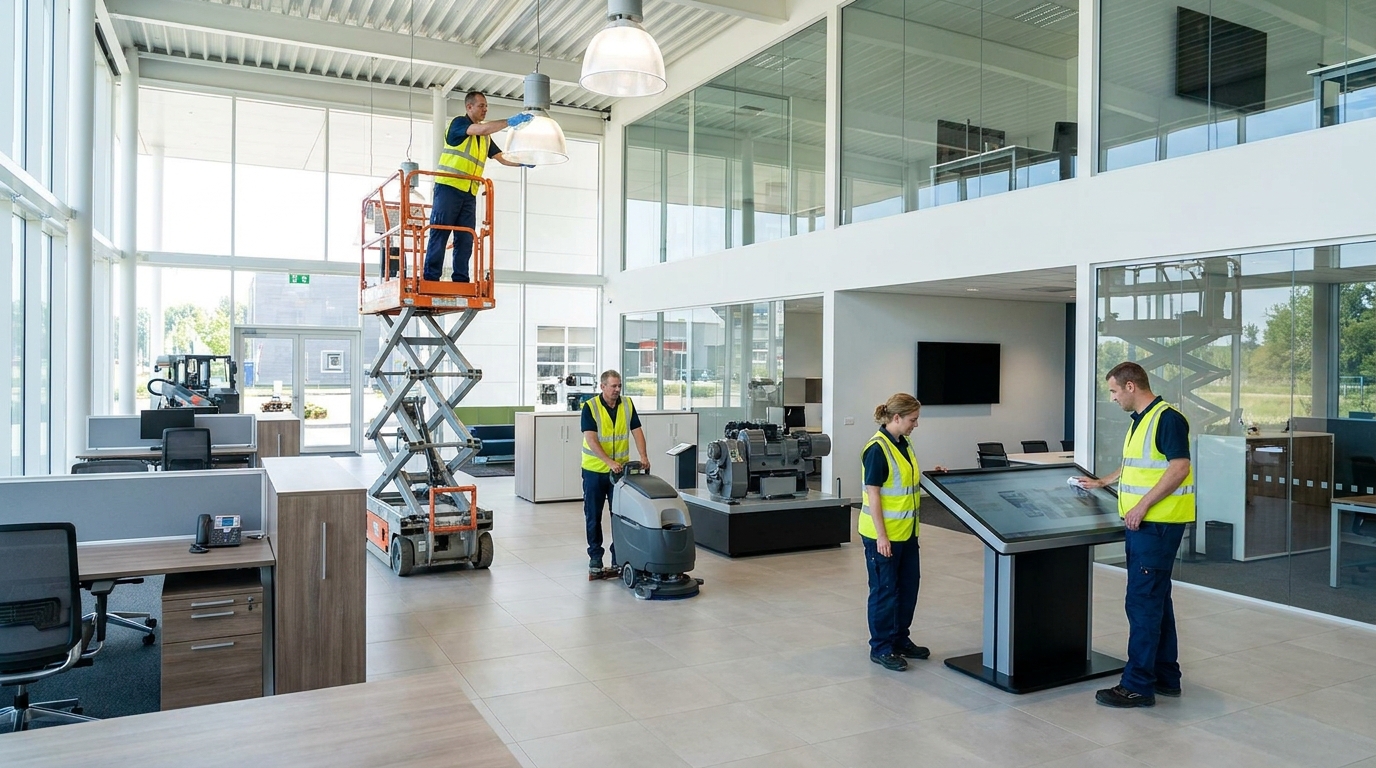
Maintenance involves a rigorous schedule of structural inspections, surface cleaning, and technology updates to keep the space looking pristine. A professional showroom bouwen plan is only as good as the upkeep that follows its completion. You must ensure that high-traffic areas are cleaned daily and that digital displays are checked for software updates every week.
When should you refresh your exhibits?
You need to update your product displays at least once a year to reflect your latest innovations and prevent the space from feeling stagnant. Even small changes in lighting or graphics can make a significant difference in how returning clients perceive your brand.
- HVAC system servicing
- Paint and surface touch-ups
- Software and AV audits
Let me explain: a neglected showroom sends a message of stagnation, whereas a well-maintained one signals growth and attention to detail.
Key Takeaway: Consistent maintenance preserves your capital investment and ensures your brand always presents its best face to the world.
Follow this maintenance schedule to keep your facility in top condition.
| Frequency | Task | Benefit | |
|---|---|---|---|
| Daily | Surface Cleaning | Professional first impression | |
| Annual | Structural Audit | Safety and long-term durability |
Conclusion
As the B2B landscape becomes increasingly digital, the value of a physical, high-tech showroom only grows. It serves as the ultimate proof of your engineering excellence and commitment to client success. If you are ready to elevate your brand and close more high-value deals, contact us today to discuss your vision for a world-class steel structure facility.
Act Now to Secure Your Slot
Email:sales@showhoo.com.cn
Phone/WhatsApp:+86 186 7895 5927
FAQ
Can I build a showroom on an existing industrial site?
Yes, steel structures are highly adaptable and can be designed to integrate seamlessly with your current warehouse or factory footprint. This allows you to keep your sales and production teams in close proximity for better collaboration.
What’s the best way to handle large machinery in a showroom?
You should utilize high-load reinforced concrete floors and open-span steel frames that provide the necessary clearance for heavy equipment. Planning for large industrial doors during the design phase is crucial for easy installation and removal of products.
How do I know if a steel showroom is better than a traditional build?
Steel offers faster construction times, lower costs, and greater design flexibility than traditional concrete or brick methods. If you need a large, pillar-free space with a modern industrial look, steel is almost always the superior choice.
Can I expand my showroom in the future?
One of the primary benefits of steel buildings is their modularity, which makes future expansions relatively simple compared to other materials. You can easily add sections or even a second floor if the original structure is engineered for it.
How do I know if my site is suitable for a professional showroom?
A thorough site analysis by a structural engineer will determine the soil stability and local zoning compliance of your land. Once these factors are confirmed, a customized steel structure can be designed to fit the specific constraints of your location.