
Building a 20,000 square feet warehouse is the most effective way to consolidate your logistics and eliminate the recurring drain of third-party storage fees. You often face the bottleneck of cramped loading zones and disorganized inventory, which inevitably agitates your fulfillment speed and reduces your profit margins. By investing in a custom steel facility from showhoobuilding.com , you solve these operational headaches with a durable, scalable asset that grows with your business.
Why build a 20,000 square foot warehouse for supply chains?

Constructing a 20,000 square foot warehouse provides a massive clear-span environment that allows for optimized vertical racking and seamless forklift traffic. This specific size is ideal for mid-sized logistics hubs looking to maximize cubic footage without the footprint of a mega-facility.
Optimizing Logistics and Inventory Flow
A well-designed layout is the primary driver of efficiency in your daily operations.
- Strategic placement of high-traffic inventory near docks.
- Implementation of wide aisles for improved safety protocols.
- Dedicated zones for quality control and packaging.
Look at it this way: By choosing a steel structure warehouse , you remove interior columns that usually hinder movement. This allows your team to move goods from receiving to shipping with zero structural obstructions.
Key Takeaway: A 20,000 square foot footprint combined with clear-span engineering ensures 100% usable space for your supply chain.
Summary Table: Operational Benefits
| Feature | Impact on Business | |
|---|---|---|
| Clear Span Design | Eliminates column interference for 100% floor usage | |
| Vertical Storage | Increases total SKU capacity through high-density racking | |
| Steel Durability | Ensures long-term structural safety and low insurance costs |
The integration of clear-span technology directly correlates to a lower cost per stored pallet over the building’s lifecycle.
What factors set the price of a 20,000 square foot warehouse?
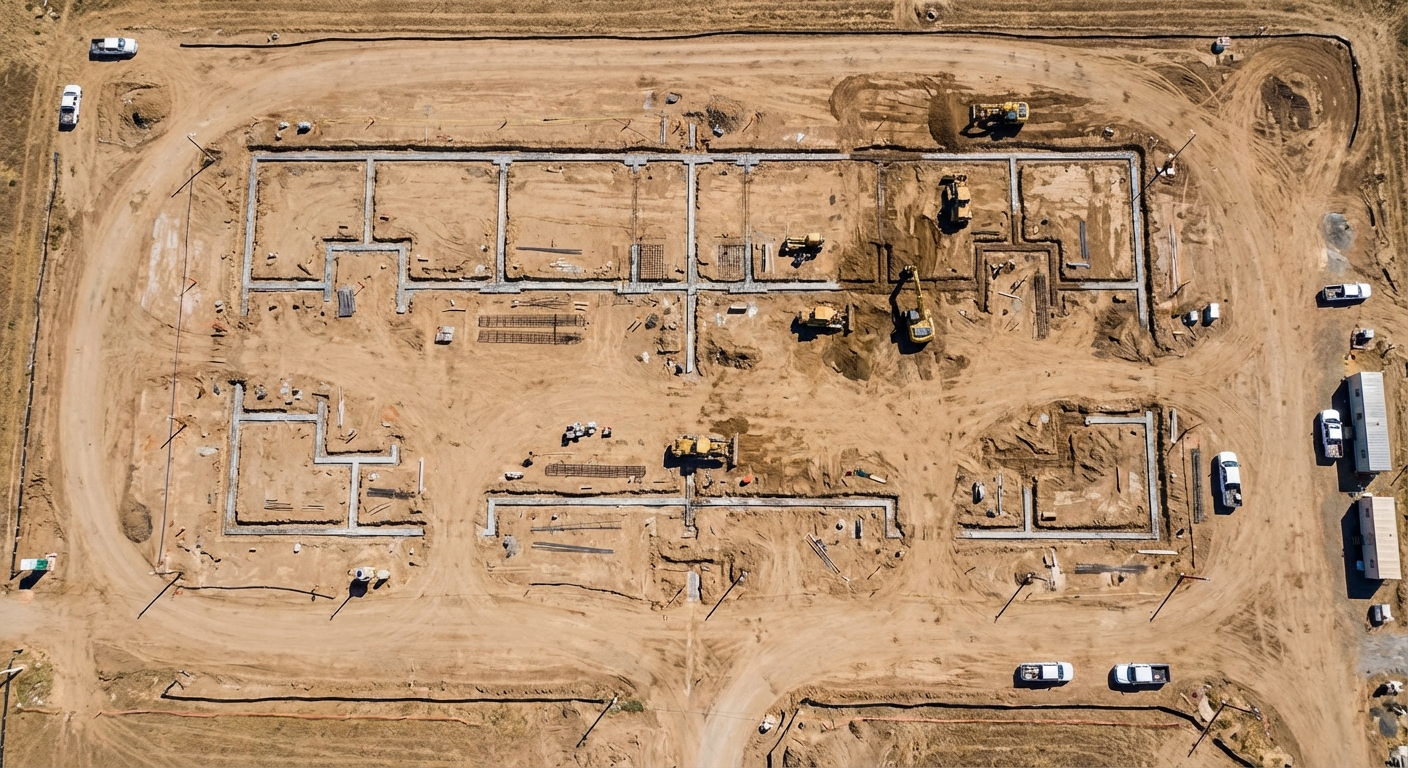
Several critical variables dictate the final budget of a 20,000 square foot warehouse, ranging from local environmental loads to the specific grade of steel used. Your geographical location determines the engineering requirements for snow, wind, and seismic activity, which directly affects material weight.
Impact of Geographical Location and Codes
Local building codes are non-negotiable and significantly influence your structural engineering costs.
- High-wind zones require reinforced wall and roof panels.
- Seismic areas necessitate ductile steel frames to absorb energy.
- Heavy snow regions demand thicker roof purlins and rafters.
Here is the kicker: Failing to account for these specific environmental factors early can lead to massive permit delays and expensive redesign fees later.
Inventory Type and Facility Specialization
The internal requirements for your goods will also shift the pricing scale for the entire structure.
- Cold storage needs extensive insulation and specialized floor slabs.
- Hazardous material storage requires advanced ventilation and drainage.
- High-value goods often require reinforced security and lighting.
Think about this: A simple storage shell is far more affordable than a complex multi-functional facility with integrated offices.
Key Takeaway: Customizing your warehouse for specific environmental loads and inventory needs is the main driver of price variance.
Summary Table: Cost Determinants
| Factor | Budget Impact | |
|---|---|---|
| Environmental Loads | High impact on steel weight and engineering fees | |
| Interior Finishing | Varies based on utility and office requirements | |
| Site Preparation | Includes grading, drainage, and foundation work |
Accurate early-stage engineering prevents “budget creep” by identifying all site-specific structural requirements before production begins.
How to determine exact costs for a 20,000 square foot warehouse?
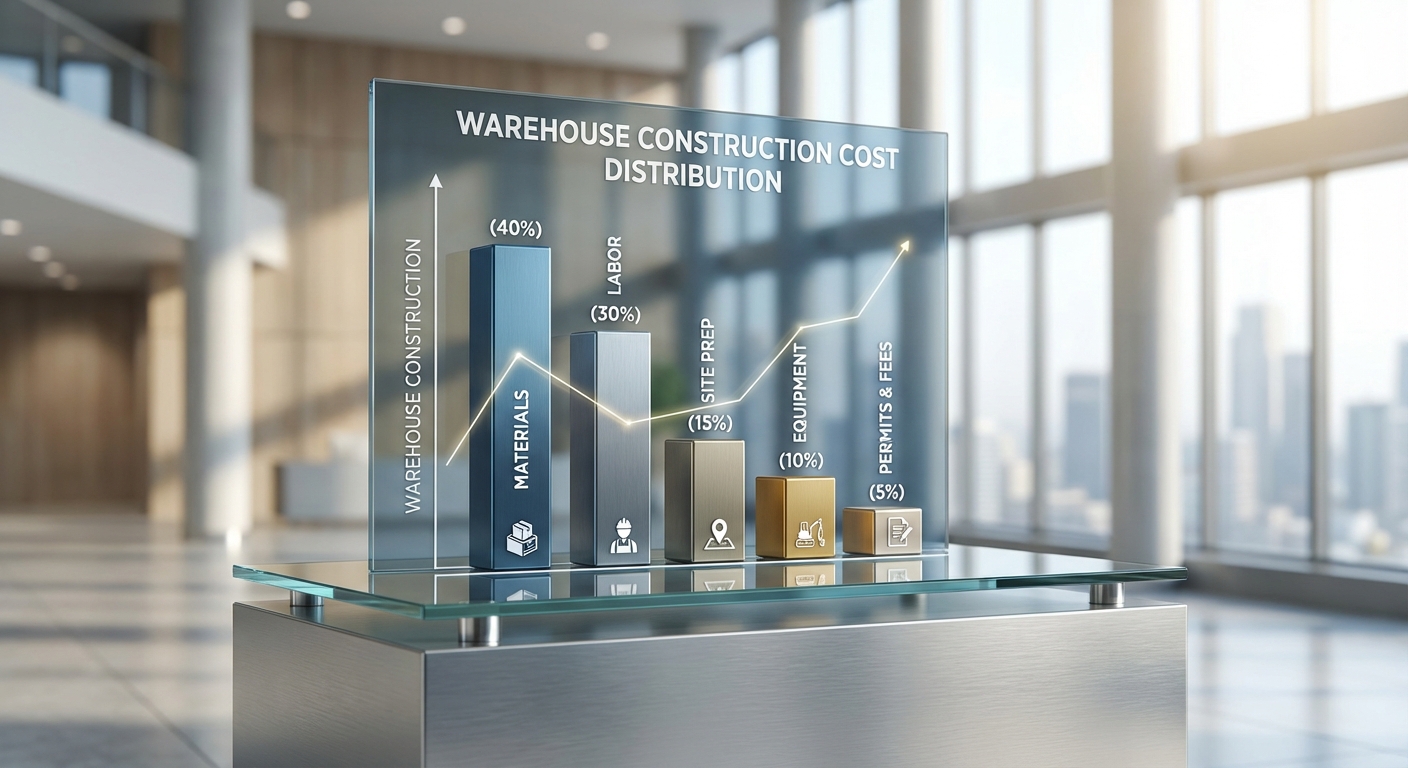
Estimating the total investment for a 20,000 square foot warehouse requires a deep dive into hard costs, soft costs, and long-term operational projections. You must verify every quote against your local labor rates and material availability to ensure financial feasibility.
Using Data to Forecast Total Expenses
A comprehensive data breakdown allows you to visualize where every dollar of your capital is being allocated.
- Hard costs (materials, foundation, and labor).
- Soft costs (permits, architectural fees, and insurance).
- Long-term costs (energy, maintenance, and taxes).
The best part? Reviewing our past Case studies can give you a realistic benchmark for similar industrial builds in your region.
Key Takeaway: A holistic view of construction and operational costs ensures your warehouse remains a profitable business asset.
Summary Table: Investment Categories
| Expense Category | Percentage of Total | |
|---|---|---|
| Tangible Materials | 40% – 45% | |
| Site Work & Labor | 30% – 35% | |
| Design & Permitting | 10% – 15% |
The analytical distribution of your budget helps prioritize structural integrity over cosmetic additions during the planning phase.
What are the hard costs of a 20,000 square foot warehouse?
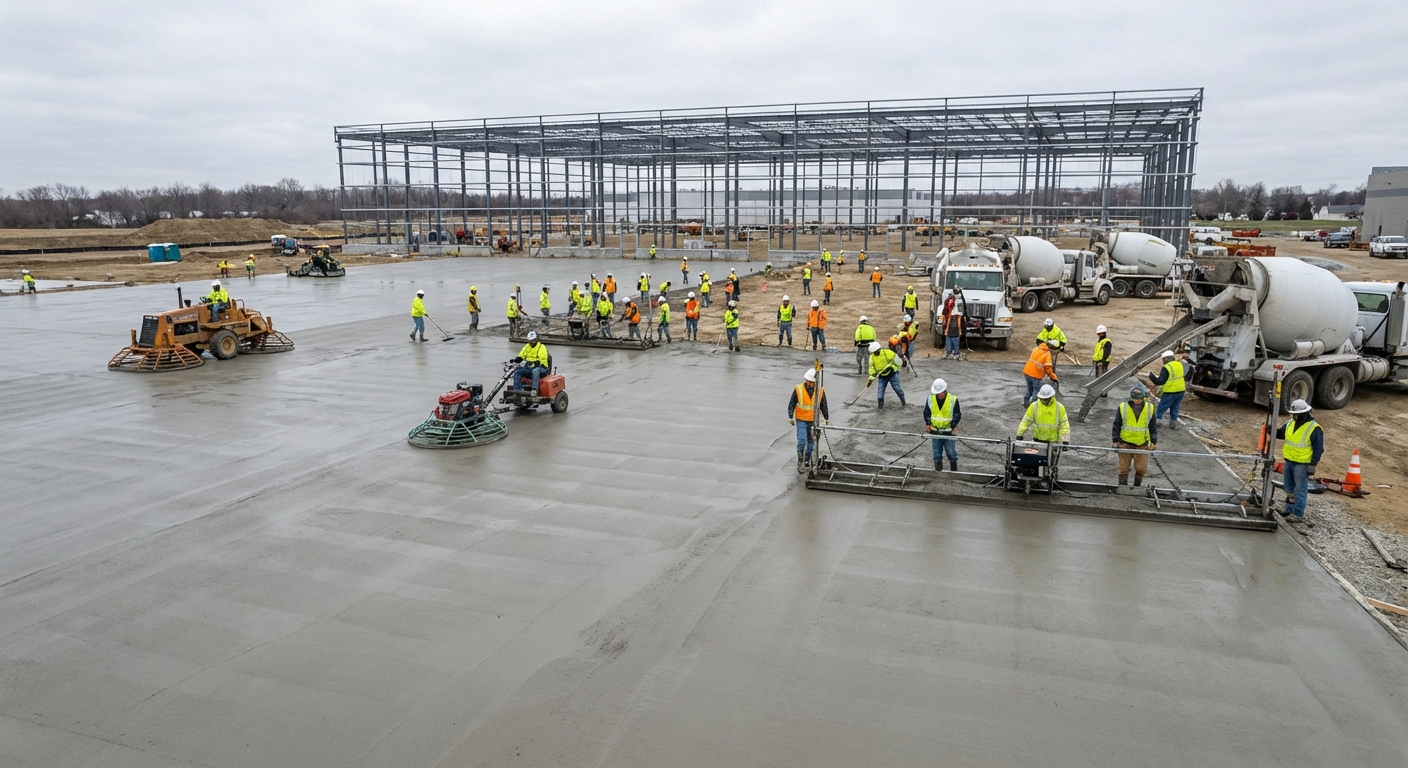
The hard costs for a 20,000 square foot warehouse include the tangible physical components like the concrete foundation, steel framing, and utility infrastructure. These expenses represent the bulk of your immediate capital outlay and the structural backbone of your investment.
Foundation and Concrete Infrastructure
The slab is arguably the most important component of an industrial building supporting heavy equipment.
- Reinforced footings to manage the weight of steel columns.
- High-PSI concrete slabs designed for heavy forklift traffic.
- Vapor barriers to prevent moisture from damaging stored goods.
Simply put: Cutting corners on the foundation can lead to structural shifting that is nearly impossible to repair once the building is erected.
Utilities and Industrial Site Work
Prepping the land to support a facility of this size involves significant engineering and groundwork.
- Stormwater management systems to handle roof runoff.
- Underground electrical and plumbing for interior utilities.
- Paved loading areas and employee parking lots.
But wait, there’s more: Proper site grading ensures that water flows away from your inventory, protecting your long-term operational health.
Key Takeaway: Investing in a high-quality foundation and site drainage is non-negotiable for protecting your inventory and building.
Summary Table: Hard Cost Breakdown
| Component | Function | |
|---|---|---|
| Concrete Slab | Supports heavy machinery and tall racking systems | |
| Site Utilities | Provides power, water, and sewage connectivity | |
| Paving & Access | Enables truck maneuverability and employee access |
Strong site preparation and concrete work form the essential foundation upon which all other warehouse efficiencies are built.
How do material costs affect a 20,000 square foot warehouse?
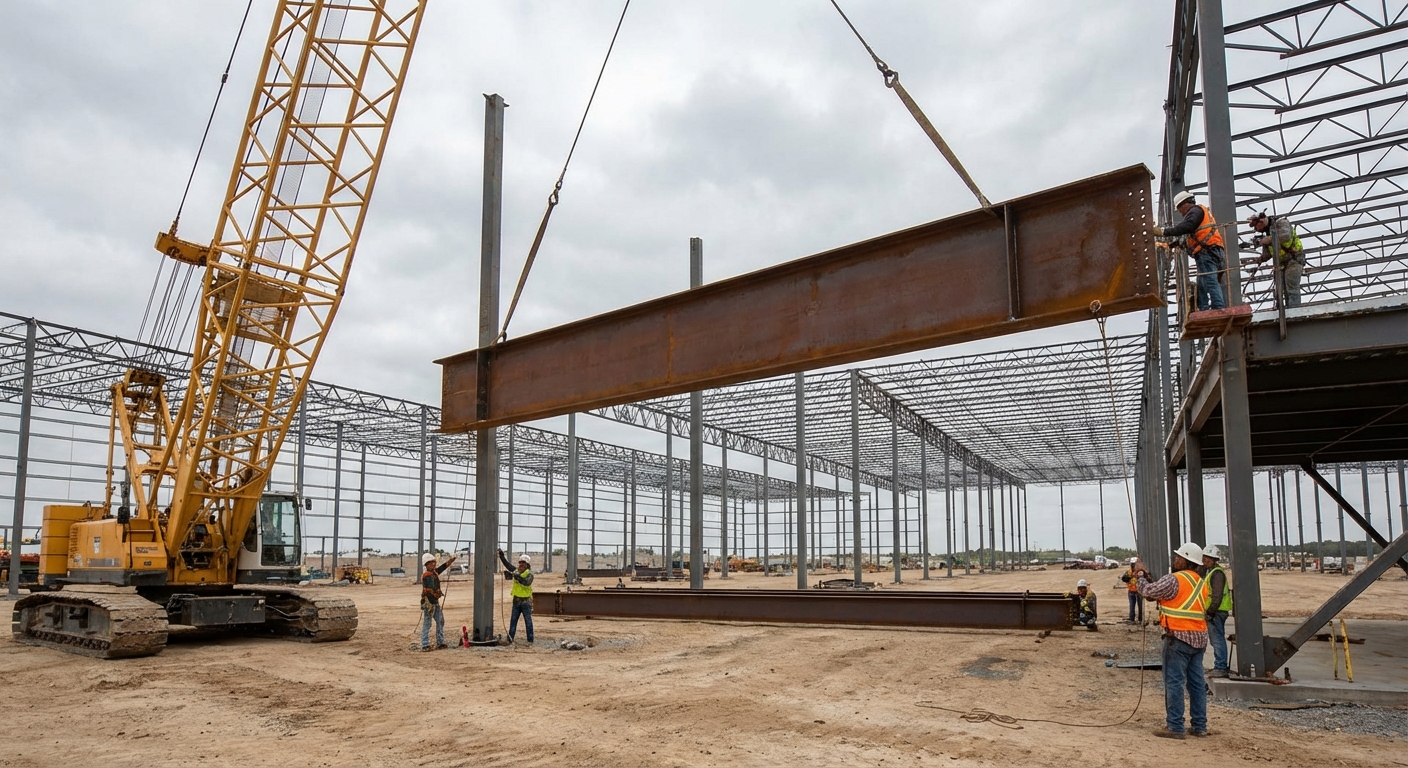
Material expenses for a 20,000 square foot warehouse are subject to the volatility of global steel prices and the specific features you choose. Because steel is the primary structural component, even minor price shifts can impact your total project quote by thousands of dollars.
Steel Quality and Framework Selection
Selecting the right steel grade ensures your building survives the elements while remaining cost-effective.
- H-section steel for the main load-bearing columns.
- Galvanized purlins to resist corrosion in humid climates.
- High-tensile bolts for secure structural connections.
It gets better: Learning About our factory-direct procurement process shows how you can bypass middleman markups and lock in better pricing.
Custom Exterior Features and Add-ons
The functionality of your building shell can be enhanced with specialized components to suit your workflow.
- Industrial roller doors for fast loading dock access.
- Personnel walk doors with high-security locks.
- Skylights to reduce reliance on artificial lighting.
Let’s face it: High-quality cladding and fasteners prevent leaks and rust, saving you from expensive repairs just a few years after construction.
Key Takeaway: Strategic material selection and locking in steel prices early are vital for maintaining your construction budget.
Summary Table: Material Impact
| Material Type | Cost Influence | |
|---|---|---|
| Primary Framing | High (based on tonnage and steel prices) | |
| Wall/Roof Panels | Moderate (based on insulation and coating) | |
| Accessories | Low (based on quantity of doors/windows) |
Prioritizing premium coatings and galvanized steel components significantly extends the lifespan of the facility in harsh environments.
What are the labor costs for a 20,000 square foot warehouse?
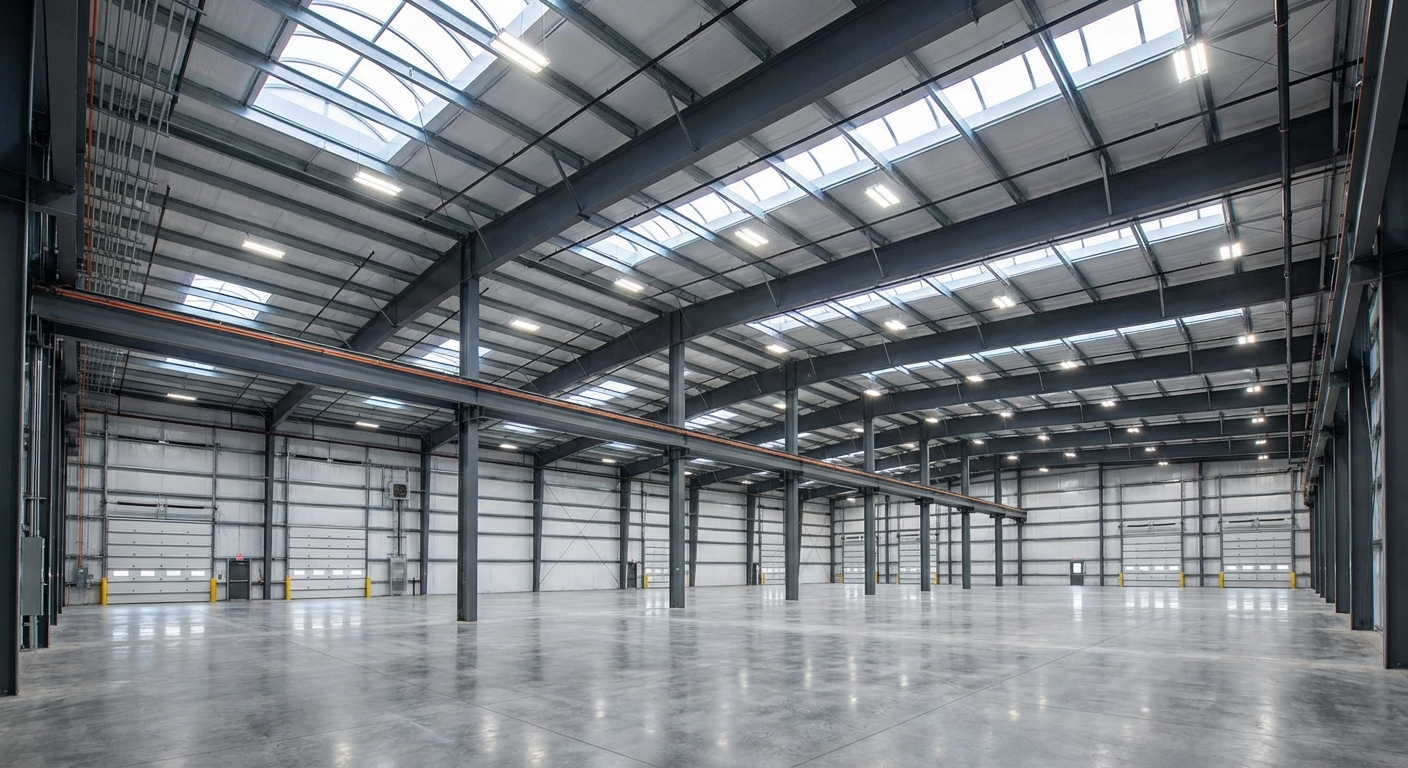
Labor typically accounts for 20% to 40% of the total budget when building a 20,000 square foot warehouse, depending on your local market rates. Using a prefabricated steel kit significantly reduces the total man-hours required because the components arrive ready for assembly.
Assembly Speed and Crew Efficiency
The modular nature of modern steel buildings allows for a much faster erection timeline compared to traditional methods.
- Bolted connections eliminate the need for extensive on-site welding.
- Pre-cut components reduce on-site waste and measuring errors.
- Simplified designs allow smaller crews to work more efficiently.
Believe it or not: A 20,000 sq ft warehouse can often be erected up to 33% faster than a comparable tilt-up or wood-framed structure.
Specialized Labor and Technical Trades
While the frame goes up quickly, you still need specialized professionals for the critical finishing stages.
- Certified crane operators for lifting heavy steel beams safely.
- Licensed electricians for industrial-grade power distribution.
- Experienced roofing teams to ensure a weather-tight seal.
That is not all: A 20,000 square feet warehouse requires professional project management to coordinate these different trades without overlapping schedules.
Key Takeaway: Prefabricated steel components lower total labor costs by streamlining the on-site assembly and erection process.
Summary Table: Labor Timeline
| Phase | Estimated Duration | |
|---|---|---|
| Steel Erection | 10 – 15 Working Days | |
| Cladding & Roofing | 7 – 10 Working Days | |
| Internal Systems | 14 – 21 Working Days |
The efficiency of a bolt-together system translates directly into lower hourly billing and a faster path to operational status.
What long-term costs exist for a 20,000 square foot warehouse?
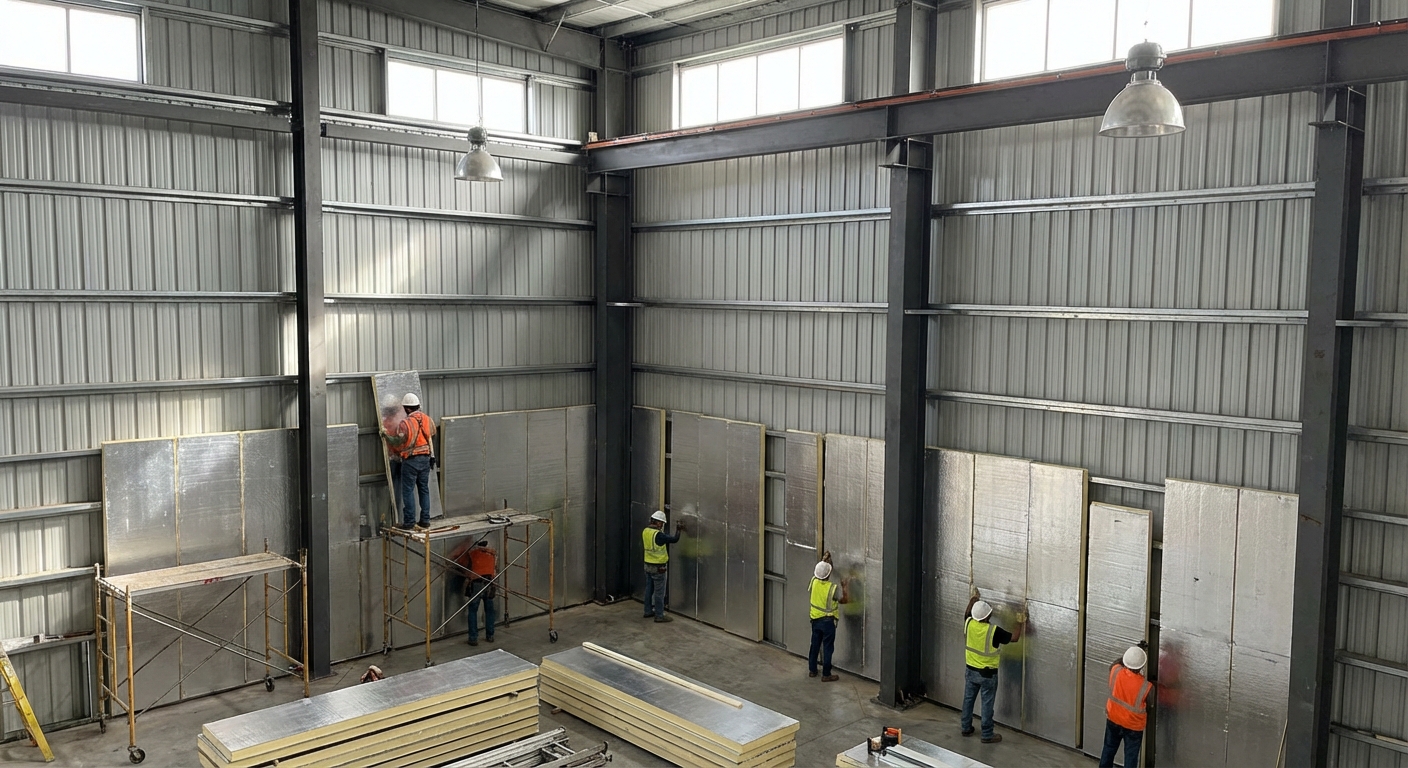
The ongoing ownership of a 20,000 square foot warehouse involves recurring expenses like routine maintenance, taxes, and security. Managing these costs effectively is the difference between an appreciating business asset and a financial liability.
Routine Maintenance and Asset Protection
Keeping your facility in top condition requires a proactive approach to inspections and minor repairs.
- Regular roof cleaning to prevent debris buildup and rusting.
- Checking fasteners and seals to maintain weatherproofing.
- Pest control measures to protect sensitive inventory.
Keep this in mind: A steel structure workshop integrated into your warehouse generally requires less maintenance than traditional wood or masonry buildings.
Key Takeaway: Proactive maintenance and accurate tax planning are essential for the long-term profitability of your facility.
Summary Table: Recurring Expenses
| Expense Type | Estimated Annual Cost | |
|---|---|---|
| Maintenance | 1.45−1.90 per square foot | |
| Property Taxes | Dependent on local municipality | |
| Facility Security | Varies based on technology used |
Consistent care of the building’s exterior shell and structural connections ensures the facility maintains its resale value over decades.
How to reduce energy costs in a 20,000 square foot warehouse?
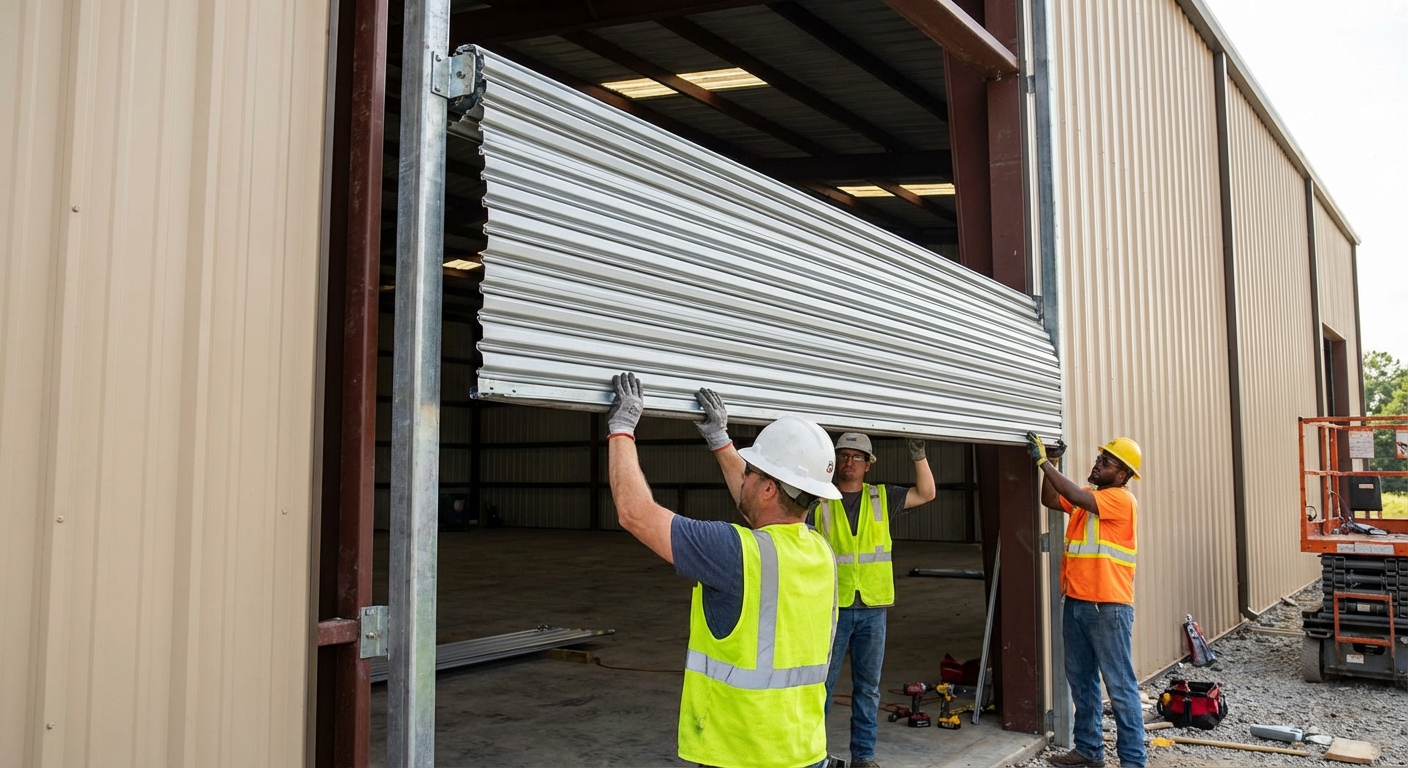
Energy efficiency in a 20,000 square foot warehouse is achieved through a combination of high-performance insulation and passive lighting strategies. With 20,000 sq ft warehouse of roof and wall space, the potential for heat gain or loss is significant if not properly managed.
High-Performance Insulation Systems
Thermal barriers are essential for maintaining a stable internal temperature and protecting your inventory.
- Insulated metal panels (IMPs) for superior thermal resistance.
- Fiberglass blanket insulation as a cost-effective alternative.
- Vapor retarders to prevent internal condensation and mold.
Make no mistake: Proper insulation can reduce your monthly cooling and heating costs by as much as 40% to 50%.
Natural Lighting and Passive Ventilation
Reducing your reliance on high-bay artificial lighting can lead to massive savings on your utility bills.
- Prismatic skylights that diffuse natural light across the floor.
- Ridge vents to allow hot air to escape passively.
- LED lighting systems with motion sensors for targeted efficiency.
Check this out: Natural daylighting doesn’t just save money; it also improves employee morale and warehouse safety.
Key Takeaway: Investing in thick insulation and natural lighting during the build phase pays for itself through lower energy bills.
Summary Table: Efficiency Impact
| Feature | Potential Savings | |
|---|---|---|
| 4-inch Insulation | High (Heating/Cooling) | |
| LED Lighting | Moderate (Electricity) | |
| Ridge Vents | Low (Ventilation) |
Strategic energy upgrades during the construction phase offer a high ROI by permanently lowering the building’s daily operating overhead.
What are the soft costs for a 20,000 square foot warehouse?
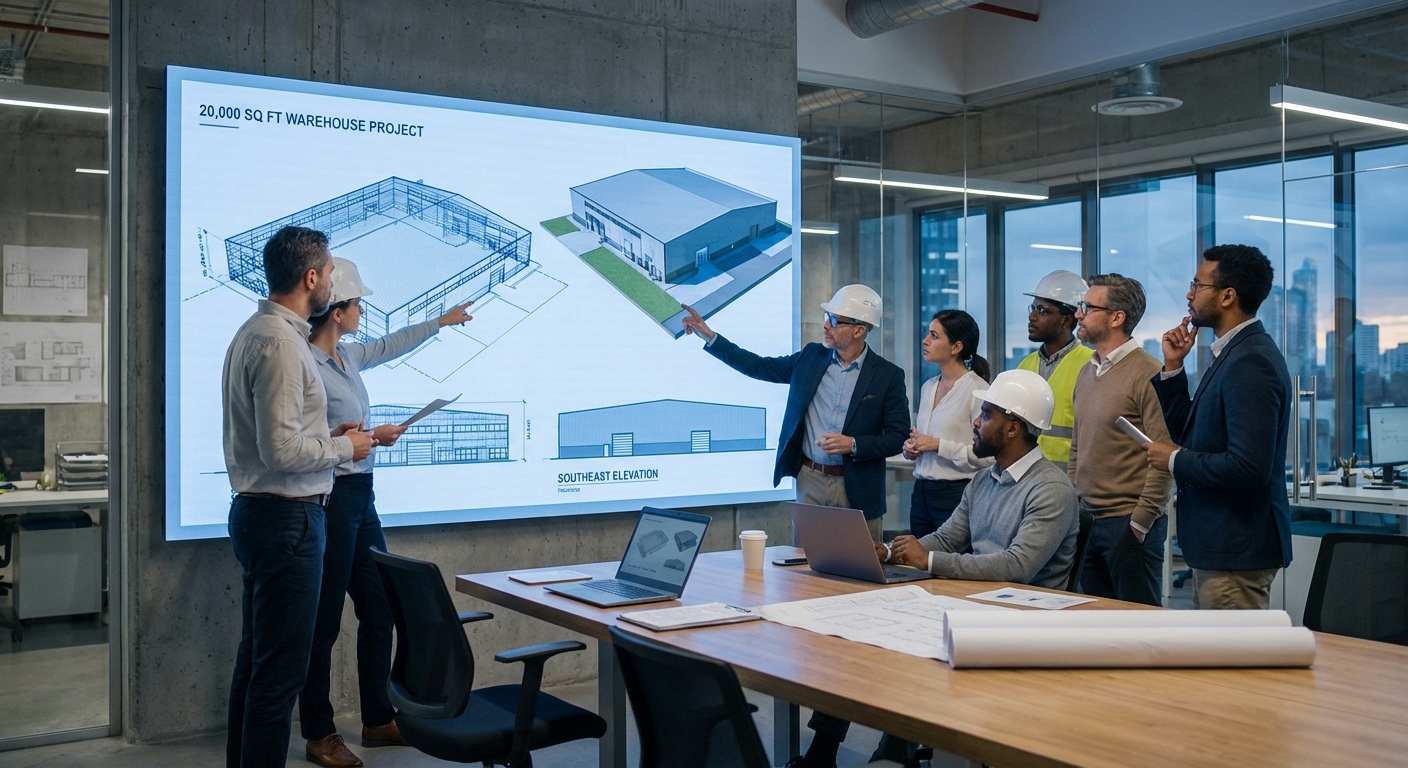
The soft costs of a 20,000 square foot warehouse are the non-physical expenses, such as legal fees, design services, and permits. While you cannot see them on the building site, they often represent up to 30% of the total 20,000 sqft warehouse budget.
Architectural Design and Engineering
Professional engineering ensures your building is safe, efficient, and compliant with all regional codes.
- Structural 3D modeling for accurate material lists.
- MEP (Mechanical, Electrical, Plumbing) design for utilities.
- Foundation engineering based on soil density tests.
As it turns out: If you Contact Us , you can get expert design assistance that integrates your specific workflow into the initial blueprints.
Key Takeaway: Managing soft costs through early professional consultation is vital for keeping your project on its financial track.
Summary Table: Soft Cost Breakdown
| Service | Importance | |
|---|---|---|
| Structural Engineering | Critical for safety and code compliance | |
| Building Permits | Required to legally break ground | |
| Legal/Closing Fees | Ensures land and contract protections |
Detailed early-stage planning minimizes the risk of costly field modifications and structural errors that could derail the project.
Why is insurance cheaper for a 20,000 square foot warehouse?
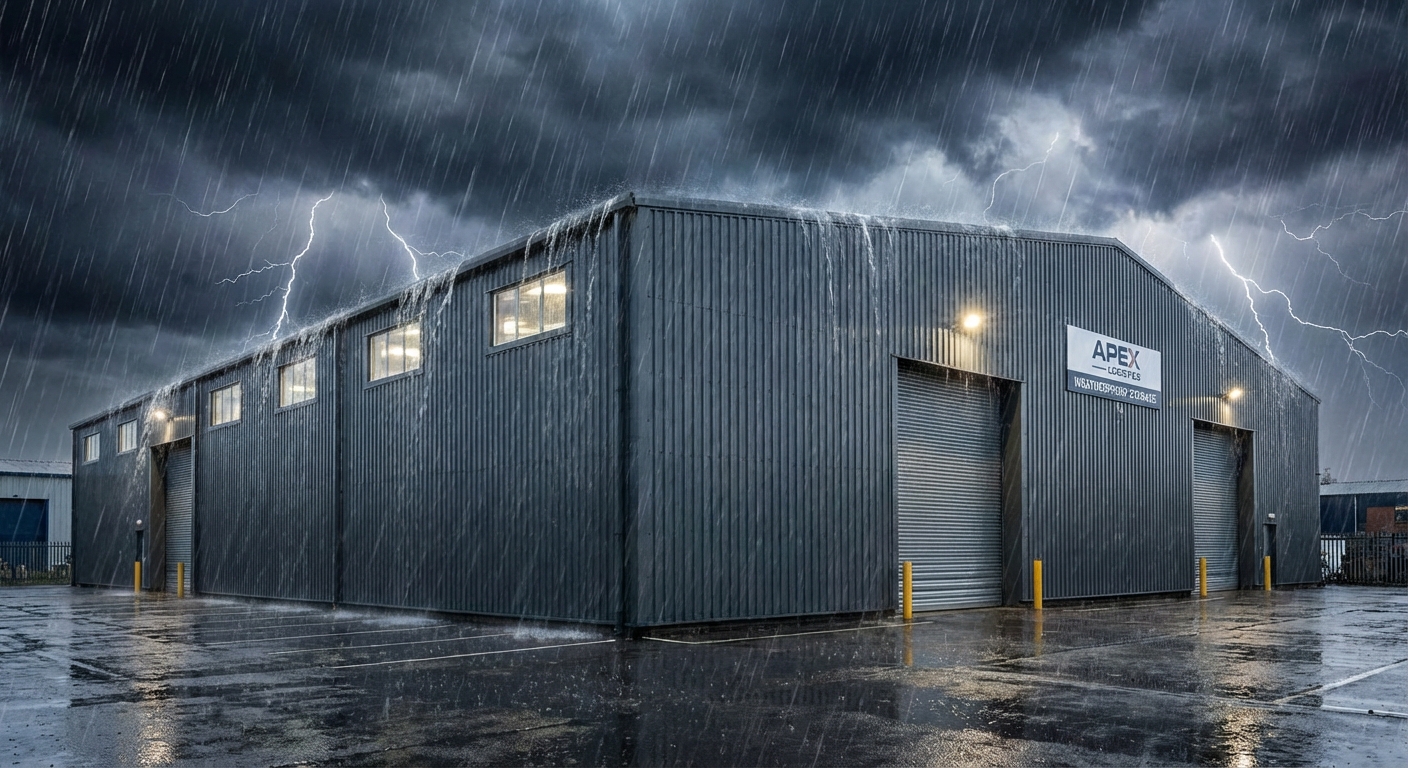
Insurance premiums for a 20,000 square foot warehouse are typically lower when using steel due to the material’s inherent resistance to fire and pests. 20,000 square feet warehouse owners find that insurers favor non-combustible materials, which reduces the risk of a total loss.
Fire Resistance and Material Integrity
Steel is a non-combustible material that does not provide fuel for a fire, unlike wood framing.
- Inorganic properties that prevent the spread of flames.
- High strength-to-weight ratio for seismic and wind safety.
- Resistance to wood-boring pests like termites and carpenter ants.
To put it another way: Your insurance provider sees a steel building as a much lower risk than traditional construction methods.
Weather Resistance and Longevity
Modern steel buildings are engineered to withstand extreme environmental forces that would damage other structures.
- Grounded steel frames that safely channel lightning strikes.
- High-tensile cladding that resists impact from hail or debris.
- Moisture resistance that prevents the growth of mold and mildew.
The point is: A steel building is an investment in durability that pays you back through reduced annual insurance overhead.
Key Takeaway: The non-combustible and weather-resistant nature of steel leads to significant long-term savings on insurance.
Summary Table: Risk Mitigation
| Risk Factor | Steel Building Rating | |
|---|---|---|
| Fire Damage | Excellent (Non-combustible) | |
| Wind Damage | High (Engineered Loads) | |
| Pest Damage | Zero (Inorganic Material) |
The inherent safety features of industrial steel provide peace of mind while lowering the fixed costs of business ownership.
Frequently Asked Questions (FAQ)
- Can I customize the interior layout of a 20,000 square foot warehouse?Absolutely. Because these buildings utilize a clear-span frame, there are no interior load-bearing walls, giving you the freedom to place offices and racking anywhere.
- What’s the best way to handle expansion for a 20,000 square foot warehouse?The modular design is the best approach. You can easily remove an end-wall and add more steel bays in the future to increase your square footage as your company grows.
- Can I build a 20,000 square foot warehouse in a high-wind area?Yes. Our engineering team designs every building to meet or exceed your local wind speed requirements, using reinforced steel panels and heavy-duty fasteners for maximum security.
- Can I finance the construction of a 20,000 square foot warehouse?Yes, steel buildings are considered high-value, permanent assets. Most commercial lenders offer favorable rates for prefab metal buildings due to their durability and long lifespan.
- Can I install solar panels on a 20,000 square foot warehouse?Certainly. The roof of a 20,000 sq ft building provides ample space for solar arrays, and we can engineer the structural frame to handle the additional weight from day one.
Constructing a 20,000 square foot warehouse is a transformative strategic move that secures your operational future and eliminates the inefficiencies of rented space. By opting for a custom steel structure, you benefit from a fast, durable construction process that delivers an exceptional return on investment for decades. Whether you are building a logistics hub or a manufacturing facility, the right planning and professional engineering ensure your success. To receive a customized quote and expert guidance on your project, contact us today .