
A 20,000 square foot warehouse—approximately 1,858 square meters—can support regional distribution, industrial storage, light manufacturing, equipment handling, or an expansion beside an existing factory. However, the floor area alone is not enough to design or price the building.
The most important early decisions include the building dimensions, operational layout, clear height, structural span, door and dock positions, local design loads, foundation responsibility, enclosure system, and delivery scope.
This guide explains how to convert a target area into a practical steel warehouse plan, compare structural options, define the cost scope, and prepare the information required for design, fabrication, shipping, and erection.
Engineering Notice
All structural member sizes, steel grades, connections, anchor bolts, foundations, and floor slabs must be confirmed through project-specific engineering. Wind, snow, seismic conditions, soil properties, operational loads, local codes, and approval requirements can change the final design. The dimensions, schedules, and cost information in this article are intended only for preliminary planning.
How Big Is a 20,000 Square Foot Warehouse?
A 20,000 sq ft warehouse provides approximately 1,858 m² of gross floor area. A common footprint is 100 × 200 ft, but the same area can also be arranged as 125 × 160 ft or 80 × 250 ft.
Gross floor area is not the same as usable storage area. Offices, loading zones, forklift aisles, fire routes, electrical rooms, equipment areas, and structural columns can reduce the space available for inventory or production.
Which Dimensions Work Best for a 20,000 Sq Ft Warehouse?
A 20,000 sq ft warehouse can be configured in several different length-and-width combinations. Although each option provides the same total floor area, the building proportions affect structural span, loading access, internal travel distance, equipment layout, roof drainage, and future expansion.
| Dimensions | Area | Suitable Applications | Key Considerations |
|---|---|---|---|
| 100 × 200 ft | 20,000 sq ft | General storage, distribution, and light manufacturing | The 100 ft span should be evaluated using both clear-span and multi-span structural options. |
| 125 × 160 ft | 20,000 sq ft | Operations requiring more loading doors or wider cross-building material flow | The wider building may increase structural demand for a clear-span solution. |
| 80 × 250 ft | 20,000 sq ft | Linear production processes or long, narrow sites | Longer internal travel distances and increased wall and roof-drainage lengths should be considered. |
| Approximately 140 × 143 ft | Approximately 20,000 sq ft | Multi-purpose warehousing and centralized operating zones | The near-square layout can reduce travel distance, but loading access and truck circulation must be carefully planned. |
No single dimension is suitable for every 20000 square foot warehouse project. The final length and width should be selected according to the site shape, warehouse operation, rack layout, truck circulation, loading-door requirements, structural span, local design loads, and future expansion plan.
Before confirming the structural design, prepare a preliminary warehouse layout showing receiving, storage, production or picking, dispatch, offices, equipment areas, forklift routes, pedestrian access, and fire-safety clearances.
The best dimensions depend on the site, truck circulation, rack layout, structural span, loading doors, production flow, and future expansion.
What Determines the Cost of a 20,000 Sq Ft Steel Warehouse?
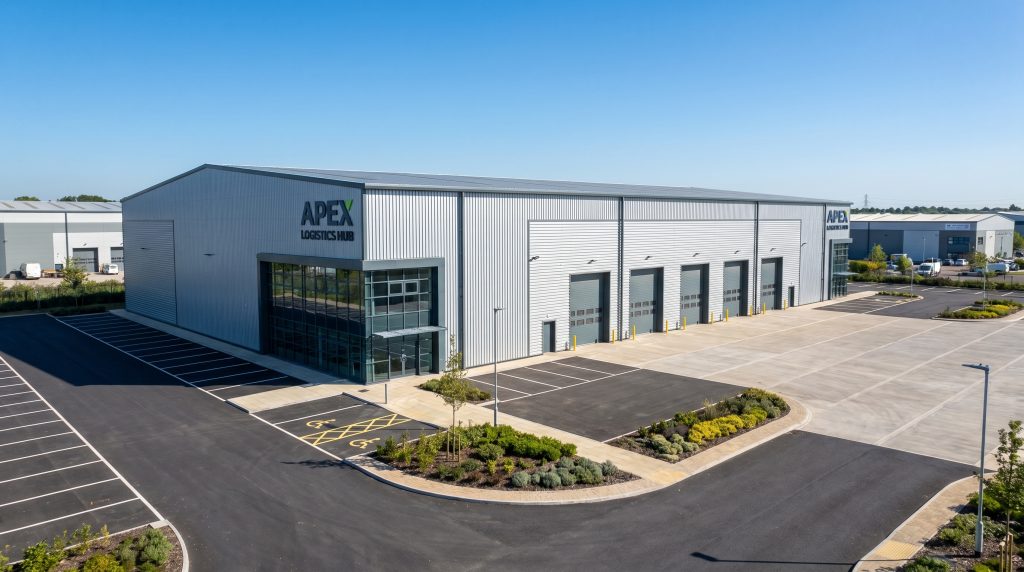
There is no reliable worldwide price for a 20000 square foot warehouse without confirming the project location, structural requirements, material specifications, delivery terms, and construction scope.
The main cost factors include:
- Building length, width, eave height, and required clear height
- Clear-span or multi-span structural system
- Local wind, snow, seismic, and roof-load requirements
- Crane, mezzanine, solar panel, or suspended equipment loads
- Single-skin sheets or insulated roof and wall panels
- Paint, galvanizing, and corrosion-protection requirements
- Quantity and size of doors, windows, docks, and canopies
- Foundation and industrial floor-slab requirements
- Local erection labor, cranes, and access equipment
- Fire protection, electrical, plumbing, ventilation, and HVAC systems
- Ocean freight, destination port, import duty, and local transportation
- Local engineering, permits, inspections, and professional fees
A factory quotation may cover only the fabricated steel frame and selected enclosure materials. Foundations, erection, fire systems, MEP work, taxes, permits, and interior fit-out are normally priced separately unless clearly included in the contract.
For an accurate budget, every quotation should state the currency, quotation date, Incoterm, included materials, excluded work, design assumptions, freight responsibility, and installation scope.
Steel Building Package Cost vs. Total Project Cost
A steel building package quotation is not the same as the total cost of completing a warehouse project. A factory quotation usually covers the fabricated steel structure and selected building-envelope materials, while foundations, erection, local engineering, fire protection, utilities, and interior work are normally priced separately.
The exact scope varies by supplier and contract. Buyers should therefore request a detailed supply list and confirm every included and excluded item before comparing quotations.
| Cost Item | Usually Included in a Chinese Steel Structure Factory Quotation? |
|---|---|
| Primary steel structure | Usually included |
| Secondary steel, bracing, and bolts | Usually included |
| Roof and wall panels | Depends on the quotation scope |
| Flashings, gutters, and downpipes | Depends on the quotation scope |
| Doors and windows | Depends on the quotation scope |
| Export packing | Usually included |
| Ocean freight | Depends on the FOB, CFR, or CIF Incoterm |
| Foundations and floor slab | Usually not included |
| Local erection labor | Usually not included |
| Cranes and construction equipment | Usually not included |
| Fire protection systems | Usually not included |
| Electrical, plumbing, drainage, and HVAC systems | Usually not included |
| Local engineering and permits | Usually not included |
| Interior fit-out | Usually not included |
Important Cost-Scope Notice:
A factory material quotation should not be compared directly with a local contractor’s completed-building price. Buyers should compare the detailed supply schedule, exclusions, Incoterms, freight responsibilities, engineering scope, installation responsibilities, taxes, and local construction work—not only the total quotation value.
Before accepting a quotation, confirm whether it includes structural calculations, shop drawings, erection drawings, anchor-bolt plans, cladding accessories, fasteners, sealants, packing lists, container loading plans, and installation guidance. Items that are not clearly listed should not be assumed to be included.
Email:sales@showhoo.com.cn
Phone/WhatsApp: + 86 186 7895 5927
How Should the Warehouse Layout Match Its Operation?
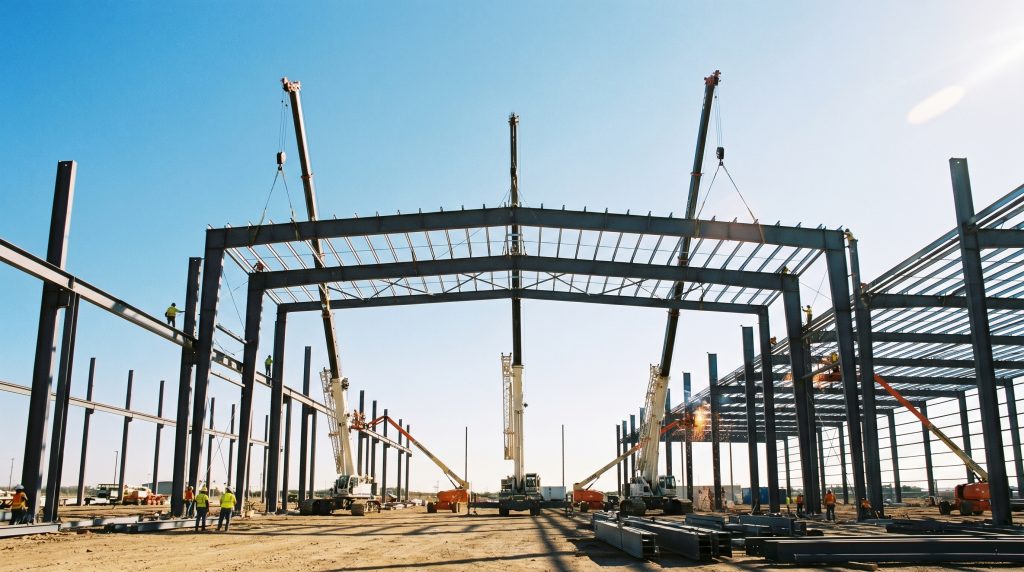
A 20000 square foot warehouse should be planned around its daily operation before the structural grid, door positions, and building height are finalized. Warehouses with the same floor area may require very different layouts depending on whether they are used for storage, distribution, manufacturing, or combined warehouse and office functions.
Storage and Distribution
For storage and distribution facilities, begin with the pallet size, rack arrangement, forklift type, and expected goods flow. These factors determine how much of the building can be used for storage and how much space must remain available for handling and circulation.
The preliminary layout should confirm:
- rack dimensions and storage height;
- forklift aisle width and turning radius;
- receiving and inspection areas;
- temporary staging space;
- picking and packing zones;
- dispatch and outbound staging areas;
- loading docks and grade-level doors;
- truck entrances, turning areas, and departure routes.
Structural columns, wall bracing, and doors should be coordinated with the rack layout. A structurally efficient column grid may create operational problems if columns block rack rows, loading lanes, or forklift routes.
Light Manufacturing
A light-manufacturing warehouse may require more than general floor space. Production machinery, utilities, maintenance access, and material flow should be identified before structural design begins.
Important planning information includes:
- machine dimensions and operating zones;
- equipment foundations and concentrated floor loads;
- compressed-air and process-pipe routes;
- exhaust and ventilation requirements;
- electrical cable trays and power distribution;
- maintenance and equipment-service access;
- raw-material and finished-product movement;
- large doors or removable wall sections for equipment installation.
Heavy machinery should not be placed based only on available floor area. Its weight, vibration, foundation requirements, installation route, and future replacement method should also be reviewed.
Mixed Warehouse and Office Use
When offices and service rooms are located inside or beside the warehouse, they may affect fire separation, escape routes, insulation, ventilation, and utility design.
The layout should identify:
- offices and meeting rooms;
- toilets and staff facilities;
- electrical and control rooms;
- fire-pump or equipment rooms;
- internal stairs;
- mezzanine areas;
- heating, ventilation, and air-conditioning systems;
- fire-rated walls and emergency exits.
A mezzanine should be confirmed during the initial design stage because it adds floor loads, columns, foundations, stairs, fire-protection requirements, and headroom restrictions.
The warehouse layout, structural grid, doors, docks, racks, equipment, and vehicle routes should be reviewed together before the steel frame is finalized.
Clear-Span or Multi-Span: Which Structure Should You Choose?
A clear-span warehouse has no internal structural columns across the building width. A multi-span warehouse uses one or more internal column lines to divide the building into shorter structural spans.
Neither system is automatically better. The correct option depends on the warehouse operation, structural loads, building width, required flexibility, foundation conditions, and total project cost.
| Comparison Factor | Clear-Span Structure | Multi-Span Structure |
|---|---|---|
| Internal columns | No internal columns across the selected width | One or more internal column lines |
| Layout flexibility | Greater flexibility for racks, machinery, and future layout changes | Layout must be coordinated with the column grid |
| Suitable applications | Large equipment, flexible storage, open production areas, and frequently changing layouts | Warehouses where columns can align with rack rows, aisles, or production zones |
| Structural effect | Longer spans may require larger rafters, columns, connections, and foundation reactions | Shorter spans may reduce primary-frame demand but require additional columns and foundations |
| Erection considerations | Fewer internal columns, but individual members may be larger or require transport splices | More repeated columns and foundation points |
| Cost conclusion | Not automatically more expensive | Not automatically less expensive |
A clear-span system may provide greater operational flexibility, but the larger span can increase structural demand. A multi-span system may reduce the required span of each frame, but internal columns can interfere with storage, forklift routes, machinery, or future changes.
The clear-span and multi-span options should be compared based on both structural cost and operational efficiency. The lowest steel weight does not always produce the lowest total project cost.
How to Determine Eave Height, Clear Height and Bay Spacing
Eave height, clear height, and bay spacing describe different parts of the warehouse and should not be treated as the same design value.
What Is Eave Height?
Eave height is generally measured at the sidewall to the roof-eave reference point shown on the project drawings. It affects the external wall height, cladding area, wind exposure, internal space, and overall steel-frame design.
However, the eave height does not represent the complete usable height inside the building.
What Is Clear Height?
Clear height is the unobstructed vertical space available below the lowest structural or building-service component.
Possible obstructions include:
- steel rafters;
- roof bracing;
- fire-sprinkler pipes;
- ventilation ducts;
- lighting fixtures;
- crane rails;
- suspended ceilings;
- cable trays and other services.
For this reason, a warehouse with a specified eave height may have a lower usable clear height.
What Is Bay Spacing?
Bay spacing is the distance between the main structural frame lines along the length of the warehouse.
Bay spacing affects:
- the number of primary frames;
- purlin and girt spans;
- door and window positions;
- wall-bracing locations;
- rack and aisle coordination;
- panel lengths;
- fabrication and transport;
- foundation quantity;
- future building extension.
There is no universal bay spacing that is suitable for every warehouse. It should be selected through structural calculations and coordination with the operating layout.
How to Determine the Required Height
Use the following sequence when determining warehouse height:
- Confirm the highest rack, stored product, machine, or equipment level.
- Add the required clearance above the racks or equipment.
- Allow space for sprinkler pipes, lighting, ducts, and other building services.
- Consider the depth and slope of the steel rafters.
- Confirm the required loading-door and equipment-access heights.
- Check forklift lifting height and safe operating clearance.
- Confirm crane rail level and hook height, when a crane is required.
- Consider future automation, mezzanines, solar equipment, or changes in storage systems.
- Verify local fire, egress, and building-code requirements.
A 24–30 ft clear height may suit some pallet-racking operations, but the final height depends on rack design, forklifts, sprinklers, ducts, lighting, cranes, equipment, and local fire requirements.
The final eave height, clear height, and bay spacing must be confirmed through project-specific structural calculations. The project location, wind and snow loads, seismic requirements, building width, roof slope, operational layout, and local design code can all affect the final solution.
20000 square foot warehouse: Materials, Connections and Corrosion Protection
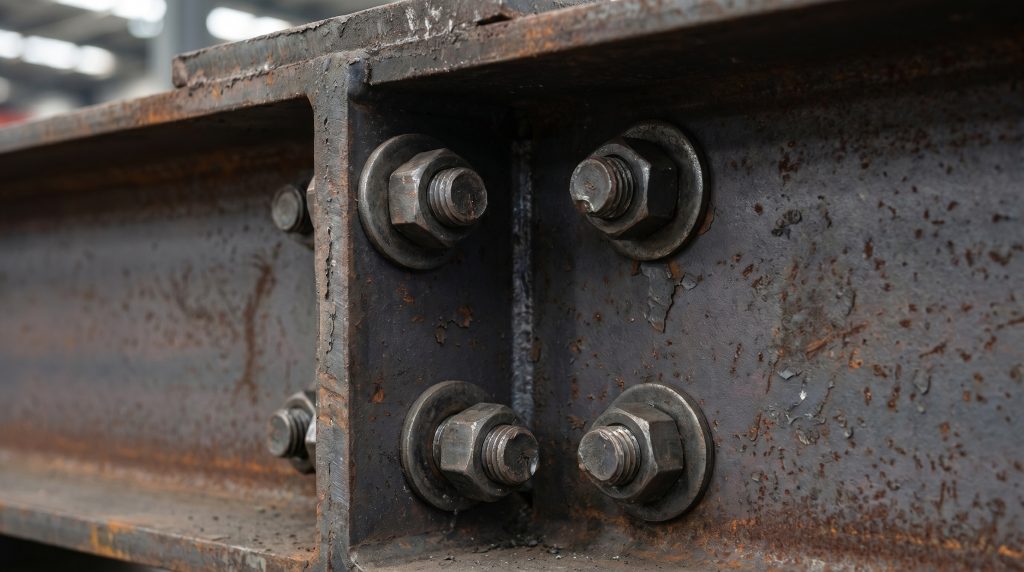
The structural materials used for a 20000 square foot warehouse should be selected according to the project specification, governing design standard, environmental exposure, fabrication requirements, and approval conditions at the project location.
A material grade that is commonly used in one country should not automatically be treated as an equivalent or approved substitute in another country. Before fabrication begins, the responsible structural engineer should confirm the steel grade, connection system, coating specification, and required material documentation.
Is Q355B Suitable for a Steel Warehouse?
Q355B is a structural steel grade within the Chinese GB/T 1591 system and may be suitable for some export warehouse projects. It should only be used when it satisfies the project specification and is accepted by the responsible engineer and relevant local authority.
Q355B should not be described as the best material for every warehouse. Its suitability depends on the structural design, member thickness, required mechanical properties, operating temperature, welding requirements, fabrication process, and local code.
Similar nominal strength does not automatically make Q355B interchangeable with an ASTM, EN, AS/NZS, JIS, or other structural steel grade. Material comparison should review the complete technical requirements rather than only the stated yield strength.
What Should Be Confirmed Before Selecting the Steel Grade?
The following information should be reviewed before the structural material is approved:
| Material item | What should be confirmed |
|---|---|
| Governing standard | The structural design and material standard required by the project country, contract, or local authority |
| Steel grade | The grade specified in the approved structural calculations and drawings |
| Product thickness | The thickness range of plates, welded sections, rolled sections, and hollow sections |
| Mechanical properties | Required yield strength, tensile strength, elongation, and other project-specific properties |
| Impact toughness | Required toughness grade and test temperature for the project environment |
| Chemical composition | Carbon, alloying elements, carbon equivalent, and limits affecting weldability |
| Welding requirements | Approved welding procedures, consumables, preheating, inspection, and welder qualifications |
| Delivery condition | The required rolling, normalizing, thermomechanical, or other delivery condition |
| Material certificates | Mill test certificates and additional inspection documents required by the contract |
| Traceability | Identification connecting raw material, fabricated members, inspection records, and final component marks |
| Local acceptance | Confirmation from the responsible engineer, client, consultant, or approving authority |
The steel supplier should identify the proposed material standard and grade in the quotation. Any proposed substitution should be submitted for technical review before material procurement or fabrication.
Structural Connections and High-Strength Bolts
The connection system must be designed together with the structural frame. Bolt grade, diameter, hole type, connection category, slip requirements, tightening method, surface condition, edge distance, and installation inspection should follow the approved connection design and applicable project standard.
High-strength structural bolts should be selected according to the connection design and the governing project specification. For projects using U.S. standards, applicable structural-bolt grades may be specified under ASTM F3125/F3125M. This standard consolidated the former standalone A325, A490, A325M, A490M, F1852, and F2280 specifications.
Projects designed under European, Australian, Chinese, or other national standards may require different bolt grades, assemblies, installation methods, and inspection procedures. The project drawings and specifications should therefore state:
- the applicable bolt standard and edition;
- bolt grade and diameter;
- bolt, nut, and washer assembly requirements;
- connection type;
- required installation method;
- pretensioning requirements, where applicable;
- coating or galvanizing restrictions;
- inspection and testing requirements;
- replacement procedures for damaged or missing fasteners.
Bolt selection should not be based only on the warehouse size. It depends on the forces in each connection, the structural system, loading conditions, steel thickness, fabrication details, and erection procedure.
Material Certification and Local Compliance
Material certificates, factory quality-management certification, CE documentation, and inspection reports can support technical review, but they serve different purposes.
A mill test certificate records the properties and identification of the supplied steel. A quality-management certificate demonstrates that an independent certification body has assessed the manufacturer’s management system against the relevant standard. CE marking, where applicable to a construction product, relates to its declared performance under the relevant European framework.
None of these documents should be described as automatic approval for the complete warehouse. Final compliance also depends on the building design, intended use, structural calculations, connections, foundations, fire requirements, local permits, and acceptance procedures at the project location.
Before ordering, the buyer should confirm which documents must be submitted with the material, including:
- mill test certificates;
- certificates of conformity;
- welding procedure documents;
- welder qualification records;
- dimensional inspection records;
- coating inspection reports;
- non-destructive testing reports, where required;
- bolt certificates;
- packing and traceability records;
- third-party inspection reports, when specified.
How Should Corrosion Protection Be Selected?
Corrosion protection should be selected according to the actual exposure environment, required maintenance plan, component accessibility, fabrication process, and project specification.
A single coating system is not suitable for every warehouse. A dry inland storage building, a coastal warehouse, an agricultural building, and an industrial chemical facility may require different surface preparation, coating thicknesses, materials, fasteners, and inspection procedures.
Paint Systems
Paint systems are commonly used for fabricated steel frames because they can be applied after cutting, drilling, welding, and inspection.
A project paint specification should define:
- surface preparation standard;
- primer type;
- intermediate coat, where required;
- finish coat;
- dry-film thickness for each coat;
- total dry-film thickness;
- permitted application conditions;
- color;
- repair procedure;
- inspection method;
- maintenance requirements.
The words “primer and finish paint” are not sufficient for a technical specification. The coating system should be matched to the expected humidity, chemicals, condensation, salt exposure, abrasion, and maintenance conditions.
Hot-Dip Galvanizing
Hot-dip galvanizing may be selected for secondary members, external components, agricultural structures, high-humidity environments, or other applications where the project specification requires zinc protection.
Before galvanizing, the manufacturer and designer should consider:
- member dimensions and galvanizing-bath limitations;
- vent and drain holes;
- distortion risk;
- welded details;
- coating thickness requirements;
- connection fit-up;
- treatment of damaged areas;
- compatibility with bolts and fasteners;
- appearance requirements;
- transport and handling damage;
- any additional paint system applied over the zinc coating.
Galvanizing should not be presented as maintenance-free. Its performance depends on zinc-coating thickness, atmospheric exposure, detailing, water retention, chemicals, damage, inspection, and maintenance.
Coastal and Marine Environments
Warehouses near the sea may be exposed to airborne salt, high humidity, wind-driven rain, and frequent condensation.
The corrosion-protection strategy may require:
- a higher-performance paint system;
- hot-dip-galvanized secondary components;
- corrosion-resistant fasteners;
- improved edge and weld protection;
- careful treatment of cut panel edges;
- sealed laps and penetrations;
- adequate roof drainage;
- regular washing and inspection;
- maintenance access.
The distance from the coast alone is not enough to define the corrosivity. Wind direction, salt concentration, rainfall, shelter, temperature, and maintenance conditions should also be reviewed.
Industrial Corrosion Environments
Industrial warehouses may contain fumes, dust, acids, alkalis, solvents, high temperatures, or process chemicals that can attack steel, fasteners, roof panels, sealants, and coatings.
The buyer should provide information about:
- chemicals present in the building;
- expected concentrations;
- operating temperature;
- humidity;
- process emissions;
- washdown procedures;
- ventilation;
- accidental spills;
- internal and external exposure zones.
A coating supplier or corrosion specialist may be required for aggressive environments.
Agricultural and Ammonia Environments
Livestock, poultry, fertilizer, and agricultural-storage buildings may contain ammonia, moisture, organic dust, manure gases, and frequent condensation.
For these projects, material selection should consider:
- galvanized or specially coated secondary steel;
- protected fasteners;
- corrosion-resistant wall and roof panels;
- sealed joints;
- ventilation;
- condensation control;
- drainage and cleaning;
- accessible inspection points;
- scheduled maintenance.
The internal building environment may be more aggressive than the external climate, especially when ventilation is inadequate.
High-Humidity and Condensation Environments
High humidity does not only affect the primary steel frame. It can also damage purlins, girts, fasteners, panel laps, insulation facings, ceilings, and concealed components.
The design should coordinate:
- roof and wall insulation;
- vapor-control layers;
- ventilation;
- thermal bridges;
- panel-joint sealing;
- roof slope;
- gutters and downpipes;
- internal temperature differences;
- air leakage;
- maintenance access.
Corrosion protection and condensation control should be designed together. A high-performance coating cannot correct persistent water leakage or uncontrolled condensation.
How Should the Coating Specification Be Included in the Quotation?
The quotation should clearly state:
- which components will be painted or galvanized;
- the surface-preparation method;
- the coating type;
- the number of coats;
- the specified dry-film thickness;
- the galvanizing requirement, where applicable;
- the treatment of bolts and fasteners;
- repair procedures for transport or erection damage;
- inspection requirements;
- excluded maintenance work.
Without this information, two suppliers may appear to offer the same warehouse while providing very different corrosion-protection systems.
Material and Coating Quality Control Before Shipment
Before export packing, the inspection process should verify the material identification, component marks, critical dimensions, hole locations, connection plates, weld condition, coating appearance, dry-film thickness where specified, and packing-list quantities.
Component identification should remain consistent across:
- fabrication drawings;
- steel member marks;
- inspection records;
- packing lists;
- container-loading lists;
- erection drawings.
This coordination helps the installation team identify members and connections correctly after delivery. It reduces avoidable site confusion, but it does not remove the need for qualified erection supervision, site inspection, and project-specific installation procedures.
Project-Specific Material Selection
The final material and corrosion-protection system should be confirmed only after the following information is available:
- project country and city;
- governing design and material standards;
- structural calculations;
- building use;
- internal temperature and humidity;
- coastal, industrial, agricultural, or chemical exposure;
- required design or service-life criteria;
- inspection requirements;
- maintenance expectations;
- local engineer and authority requirements.
The expected maintenance interval depends on the coating type, coating thickness, exposure environment, workmanship, inspection, and maintenance plan. For this reason, the warehouse specification should define measurable material and coating requirements rather than promise a fixed 20-year or 50-year corrosion-protection period.
Email:sales@showhoo.com.cn
Phone/WhatsApp: + 86 186 7895 5927
20000 square foot warehouse: What Structural Loads Must Be Confirmed Before Design?

A 20,000 sq ft steel warehouse cannot be designed accurately from floor area alone. The structural engineer must first confirm the project location, applicable design code, building use, and required performance level.
Important design inputs include:
- Project country and city
- Applicable local building code
- Building risk or importance category
- Wind load
- Snow load
- Seismic requirements
- Rain load
- Roof live load
- Solar panel loads
- HVAC and fire-pipe loads
- Ceiling and lighting loads
- Equipment loads
- Crane loads
- Mezzanine loads
These conditions affect the steel frame, connections, bracing, anchor bolts, and foundation reactions. Missing load information may result in redesign, additional steel, or changes to the original quotation.
ASCE 7-22 should only be referenced where it is adopted by the project jurisdiction or specified in the contract. Projects in other countries may use Eurocodes, Australian Standards, national standards, or other local requirements.
How Local Codes and Site Conditions Affect the Project
Local regulations and site conditions influence both the warehouse design and the construction schedule. They should be checked before the structural layout and commercial scope are finalized.
Key items to confirm include:
- Land-use and planning approval
- Building setbacks
- Fire-truck access
- Emergency exits and fire separation
- Stormwater drainage
- Site elevation and flood risk
- Road access and truck turning space
- Local building permits
- Local registered engineer requirements
- Environmental approvals
- Import and customs requirements
The steel-building supplier may provide structural design information, fabrication drawings, material specifications, and column reactions. However, local permits, foundation design, fire approval, and professional stamping may require licensed consultants in the project country.
Confirming these responsibilities early helps prevent approval delays, foundation changes, and missing items in the project budget.
20000 square foot warehouse: Typical Design, Fabrication, Shipping and Erection Timeline
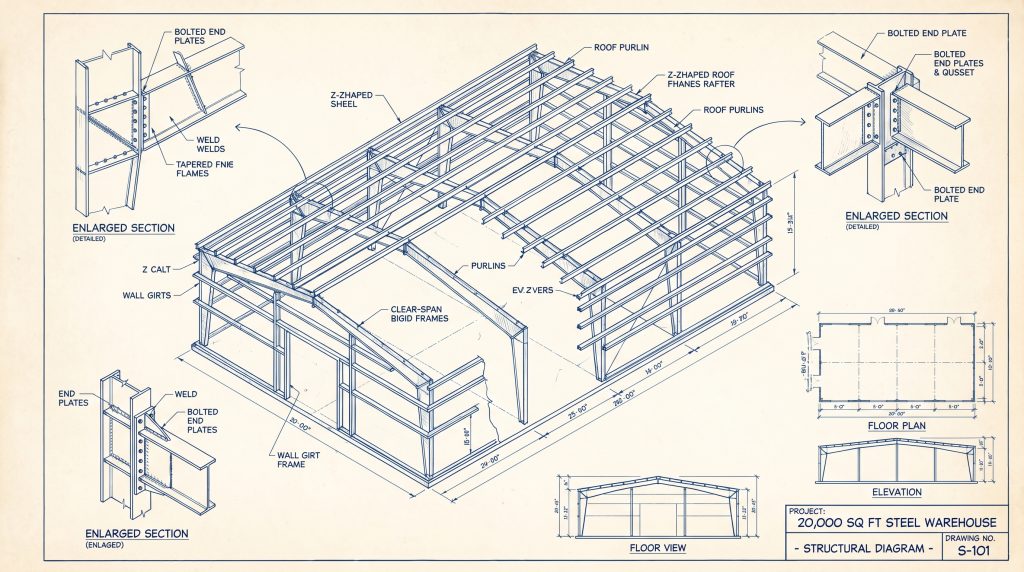
A shorter construction schedule depends on early coordination, approved design information, and clear responsibility between the steel supplier, local engineer, foundation contractor, and erection team. Prefabrication can reduce field fabrication, but it cannot eliminate every site adjustment.
Confirm Requirements Before Final Design
Confirm all major requirements before structural calculations and shop detailing begin, including:
- Door and window sizes
- Crane requirements
- Mezzanine loads
- Solar panel loads
- Equipment locations
- Insulation specifications
- Future expansion direction
Late changes to these items may affect the steel frame, foundations, bracing, cladding, and production drawings.
Coordinate Foundation and Steel Interfaces
Foundation work and steel fabrication may proceed in parallel after the following information has been approved:
- Structural grid lines
- Column reactions
- Base plate details
- Anchor bolt layout
- Finished floor level
- Current drawing revision
The foundation contractor should use the approved anchor bolt plan and column reactions rather than preliminary quotation drawings.
Design for Fabrication and Shipping
Export projects should consider fabrication, container loading, transport, lifting, and erection during the detailing stage. Important checks include:
- Container length and payload
- Maximum member size and weight
- Transport splice locations
- Lifting points
- Bolt installation access
- Erection sequence
These checks help reduce transport problems, difficult lifting operations, and unnecessary field modifications.
Use Component Numbering and Packing Lists
Each fabricated member should carry a component mark that matches the shop drawings, packing lists, and erection drawings. Before shipment, critical dimensions, connection plates, and hole locations should be checked against the approved drawings.
Our export preparation may include:
- Numbered steel components
- Coordinated drawing references
- Packing lists
- Container loading lists
- Erection drawings
- Dimensional and hole-position inspections
These controls help the erection team identify materials and organize installation more efficiently.
Typical Design, Fabrication, Shipping and Erection Timeline
A complete steel warehouse project includes more than steel erection. Design approval, fabrication, transport, foundations, enclosure, and building services must all be included in the schedule.
| Project stage | Preliminary planning allowance | Main influencing factors |
|---|---|---|
| Requirements confirmation | 3–10 business days | Completeness of project information |
| Concept design | 1–3 weeks | Layout and structural complexity |
| Structural calculation | 2–8+ weeks | Design code, loads, and local review |
| Drawing approval | 1–4 weeks | Client and engineer feedback |
| Shop detailing | 1–3 weeks | Final design approval |
| Fabrication | 4–10+ weeks | Factory schedule, steel supply, and complexity |
| Quality inspection | During fabrication | Inspection requirements and third-party checks |
| Packing | 1–2 weeks | Packing plan and export documents |
| Ocean shipping | 2–8+ weeks | Shipping route, port, and transshipment |
| Foundation work | 3–8+ weeks | Soil conditions, concrete work, and site access |
| Steel erection | 2–6+ weeks | Crew size, cranes, weather, and site conditions |
| Roof and wall enclosure | 2–5+ weeks | Cladding system, openings, and weather |
| MEP and interior fit-out | 4–12+ weeks | Building use and system complexity |
These durations are preliminary planning allowances, not guaranteed completion times. Some activities can overlap, but only after the structural grid, column reactions, base plates, anchor bolts, and drawing revision responsibilities have been confirmed.
20000 square foot warehouse: How Site Conditions Affect the Foundation and Floor Slab
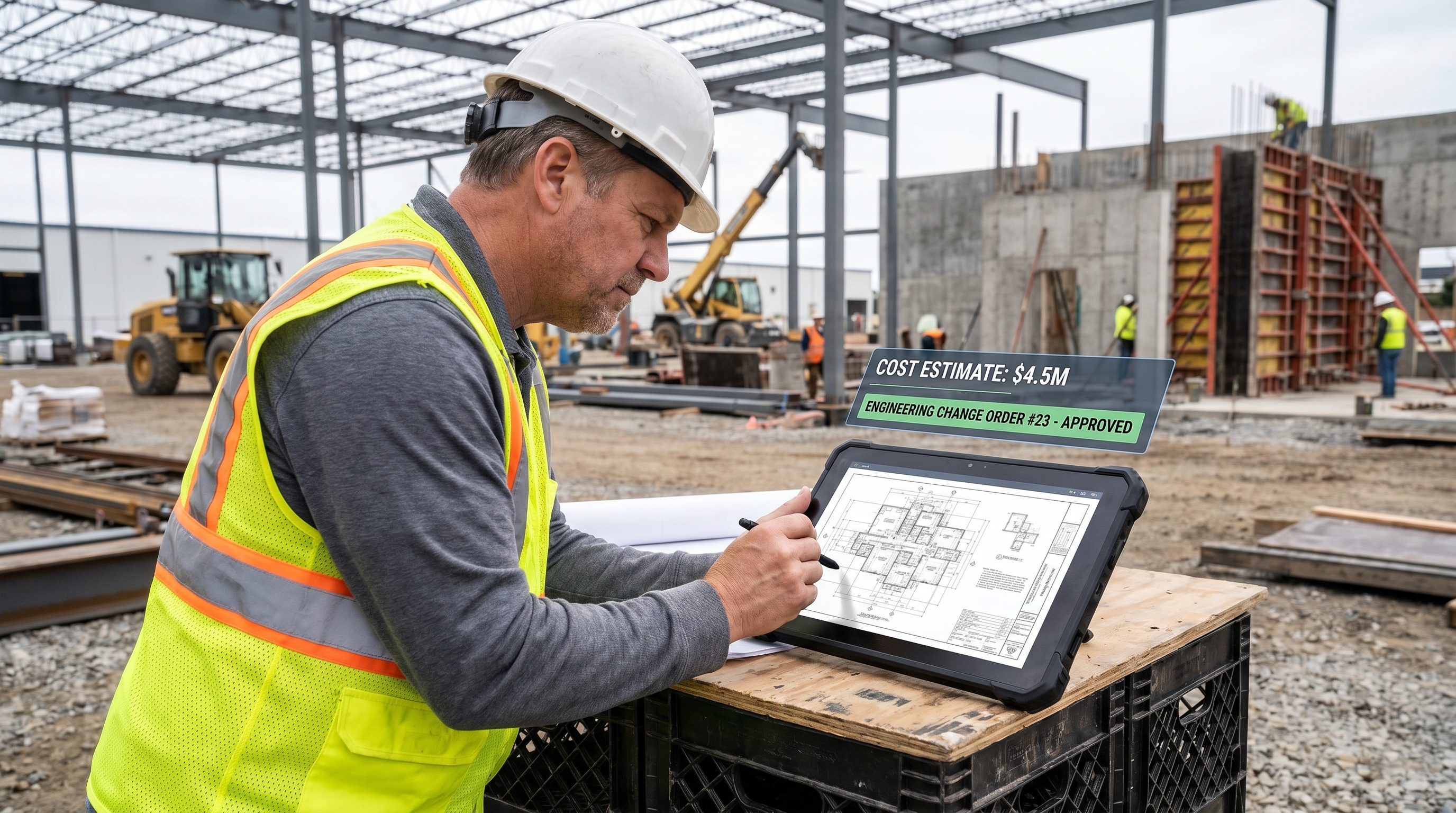
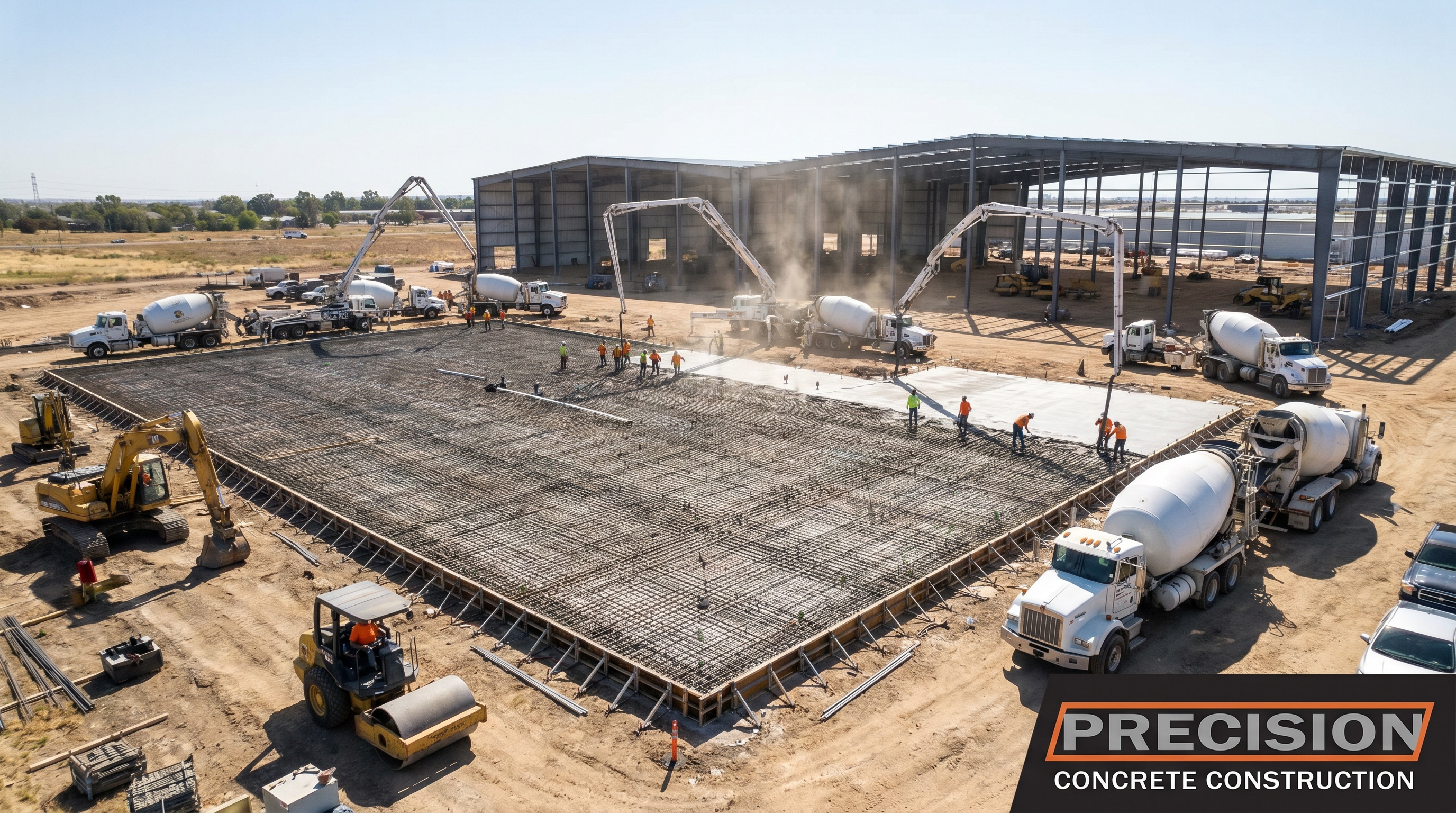
The foundation and floor slab cannot be designed from the warehouse area alone. Their final configuration depends on soil conditions, column reactions, operational loads, local construction practice, and the applicable building code. The steel structure supplier should coordinate closely with the local foundation engineer before construction begins.
Geotechnical Information
A geotechnical report should confirm the soil bearing parameters, settlement risk, groundwater level, fill conditions, expansive soil, frost depth, liquefaction risk, chemical exposure, and compaction requirements.
These conditions determine whether the project requires isolated footings, combined foundations, ground improvement, deeper foundations, or other project-specific solutions. Foundation design should not rely on an assumed soil-bearing value.
Column Reactions and Anchor-Bolt Plan
The steel supplier should provide approved column reactions, base-plate information, and the anchor-bolt setting plan. The local foundation engineer should use this information together with the geotechnical report and local code.
Foundation construction should only begin after the structural grid, column locations, base plates, anchor bolts, and drawing revisions have been confirmed. Incorrect anchor-bolt positions or levels can delay steel erection and require site correction.
Floor-Slab Design Inputs
The floor slab should be designed according to the actual warehouse operation. Important inputs include:
- Forklift wheel loads and traffic frequency
- Rack-post and machinery loads
- Subgrade preparation and compaction
- Joint layout and load transfer
- Flatness and levelness requirements
- Surface wear and abrasion resistance
- Vapor barrier and floor insulation
- Drainage and washdown requirements
- Concrete placement and curing method
A standard slab thickness or concrete strength should not be selected before the operational loads, soil conditions, joint design, and flatness requirements are confirmed.
20000 square foot warehouse: What Crane Information Must Be Confirmed Before Structural Design?
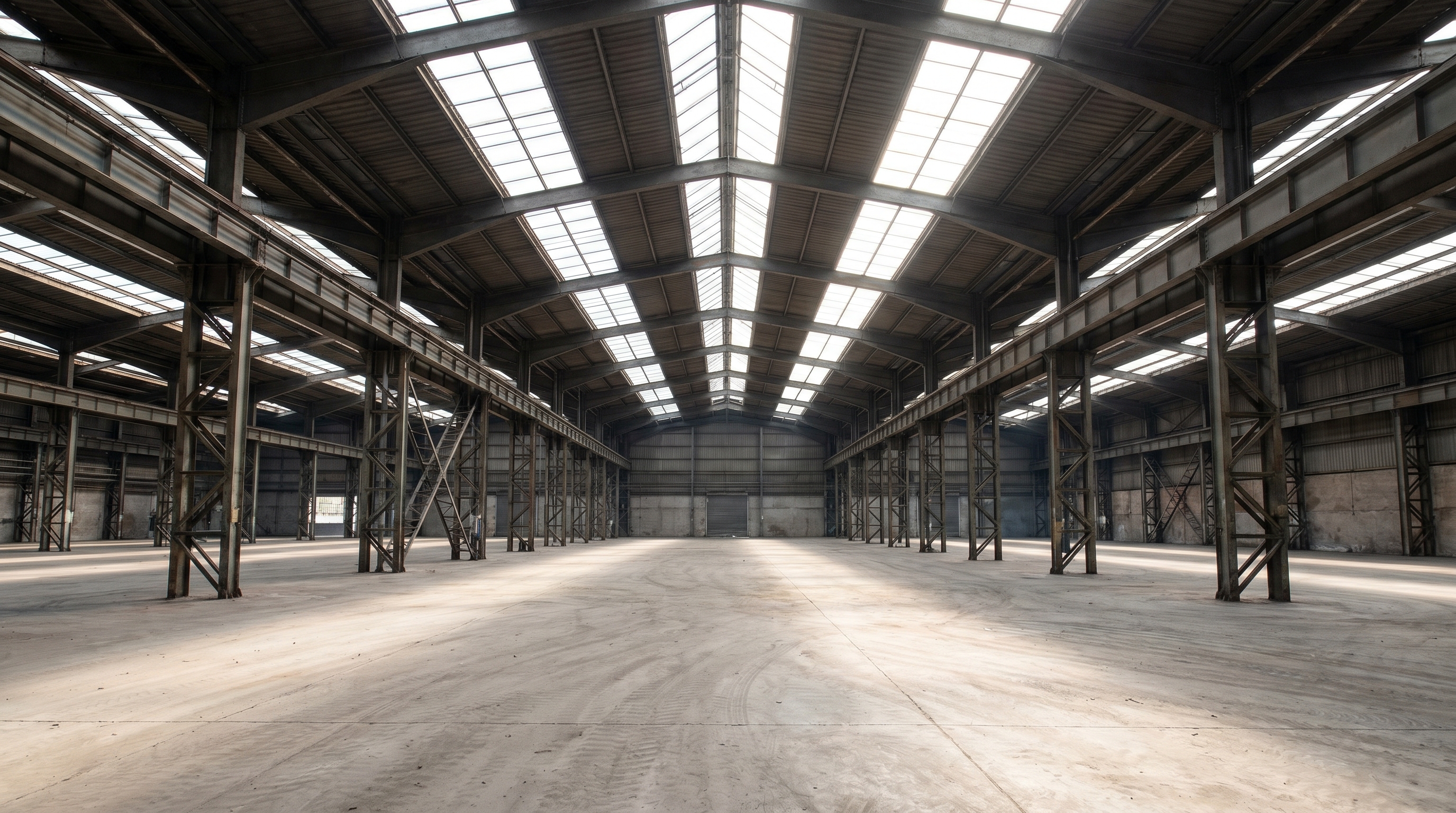
An overhead crane must be confirmed before the warehouse structure is finalized. It can affect the main columns, crane brackets, runway beams, bracing, foundations, and required clear height.
Crane capacity alone is not enough for structural design. The engineer also needs:
- Crane capacity and span
- Duty or service class
- Maximum wheel loads and number of wheels
- Rail level and required hook height
- End and side approach dimensions
- Impact and operating requirements
- Number of cranes and whether they operate together
- Any future crane expansion requirement
These details should preferably come from the crane supplier’s technical data sheet. If the final crane information is not available, all preliminary assumptions must be clearly recorded and verified before fabrication.
Adding or upgrading a crane after the steel frame has been designed may require strengthening the columns, brackets, runway system, bracing, and foundations. Confirming the crane specification early helps reduce redesign, additional steelwork, and project delays.
Email:sales@showhoo.com.cn
Phone/WhatsApp: + 86 186 7895 5927
20000 square foot warehouse: How to Plan Loading, Storage and Internal Traffic
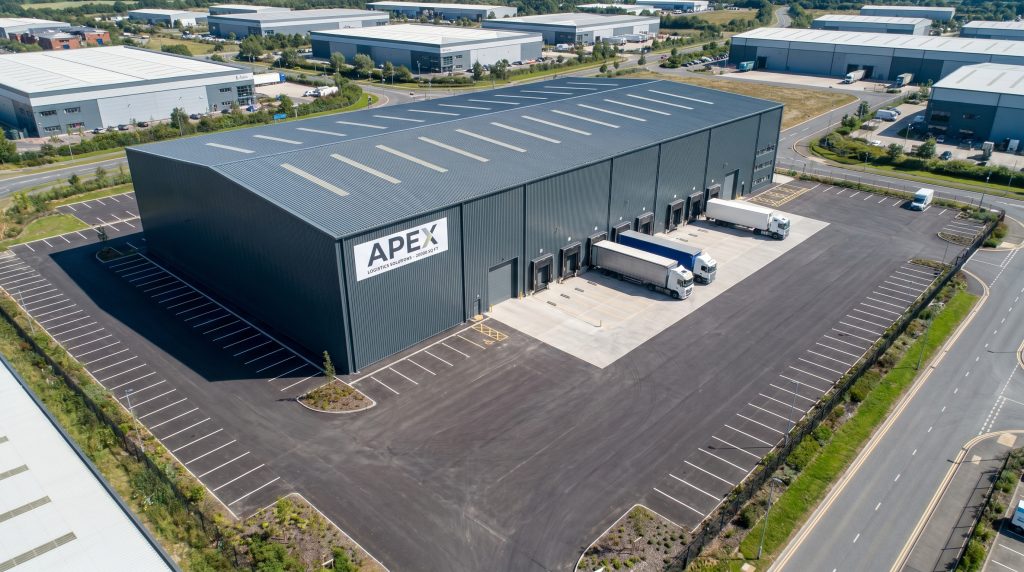
A 20,000 sq ft warehouse should be planned around the movement of goods, forklifts, trucks, employees, and equipment. Before the structural frame is finalized, the loading doors, rack arrangement, internal aisles, service rooms, and external vehicle routes should be shown on a preliminary layout.
Receiving and Inspection
The receiving area should provide enough space for unloading, quantity checks, quality inspection, labeling, and temporary storage. It should be close to the main loading doors without blocking forklift routes or outgoing goods.
For operations with frequent deliveries, separate receiving and dispatch zones can reduce traffic conflicts.
Storage and Picking
The rack direction should coordinate with the structural grid, door positions, and forklift movement. Buyers should confirm the rack dimensions, aisle width, forklift turning radius, lifting height, and required clearance below beams, lights, ducts, and fire-protection systems.
Internal columns and wall bracing should not block rack rows, picking routes, or equipment access.
Packing and Dispatch
The dispatch area may include packing tables, finished-goods storage, order consolidation, and a waiting zone beside the loading doors. Its size should reflect daily shipment volume rather than only the total warehouse area.
Loading doors should align with the proposed outbound flow and external truck maneuvering space.
Offices and Service Rooms
Offices, toilets, electrical rooms, fire-pump rooms, maintenance areas, and staff facilities reduce the floor area available for storage. Their location should be confirmed early because they can affect fire separation, drainage, ventilation, utility routes, and emergency exits.
Where space is limited, a mezzanine may be considered, but its loads, stairs, foundations, fire protection, and clear height must be included in the original design.
Truck and Pedestrian Separation
Truck routes, forklift routes, employee walkways, visitor parking, and fire-appliance access should be separated wherever practical. Clearly planned entrances, loading queues, pedestrian crossings, and safety barriers can reduce operational conflicts.
The yard should also provide enough space for trailer turning, temporary waiting, unloading equipment, and future warehouse expansion.
The structural grid, door locations, rack layout, forklift routes, and truck circulation should be coordinated before the frame design is finalized.
20000 square foot warehouse: FAQ Section
Can the warehouse be expanded later?
Yes, but only when the expansion direction, end-frame condition, bracing, foundations, drainage, utility routes, and available site area are considered in the original design.
Which insulation system should be used?
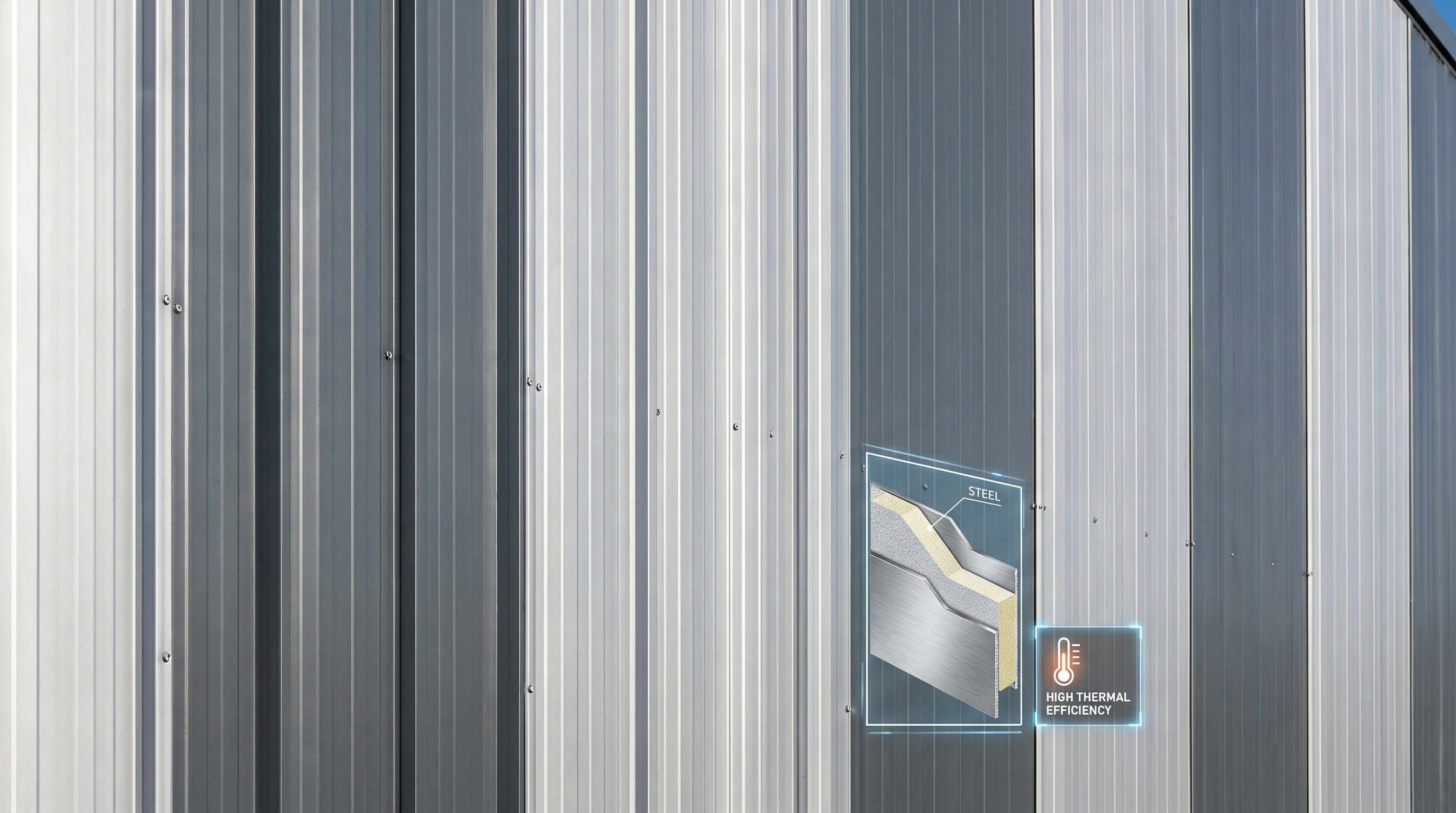
The appropriate system depends on the internal temperature, humidity, climate, fire requirements, condensation risk, operating cost, and budget. Options may include blanket insulation, insulated metal panels, or other project-specific assemblies.
Is a clear-span warehouse more expensive?
It may require larger structural members and foundations, but internal columns also add foundations and may interfere with operations. Both options should be compared using structural cost and operational layout.
Can solar panels be installed on the roof?
Yes, when the panel weight, mounting system, wind uplift, maintenance access, fire requirements, roof warranty, and future load allowance are included in the structural and roofing design.
How long can a steel warehouse remain in service?
The service life depends on the original design basis, exposure environment, coating system, drainage, maintenance, changes in use, and whether the building continues to satisfy applicable safety requirements.
Build Your Future with Showhoo
Building a high-performance industrial facility is a complex undertaking that requires precision engineering and quality materials. Whether you are expanding a distribution center or launching a new manufacturing plant, our team is ready to deliver a custom solution tailored to your operational goals. Contact us today to receive a comprehensive quote and start your journey toward a superior industrial asset.
Email:sales@showhoo.com.cn
Phone/WhatsApp: + 86 186 7895 5927