
Standard horse stall sizes usually measure 12 feet by 12 feet, but the ideal dimensions vary based on your animal’s breed and purpose. You may be struggling with a cramped facility where horses lack the room to move, which often leads to stress or physical injury. This lack of space can agitate your livestock and increase maintenance costs significantly over time. Investing in the right horse stall sizes ensures a safer, more productive environment for both the animals and your staff.
What are standard horse stall sizes?
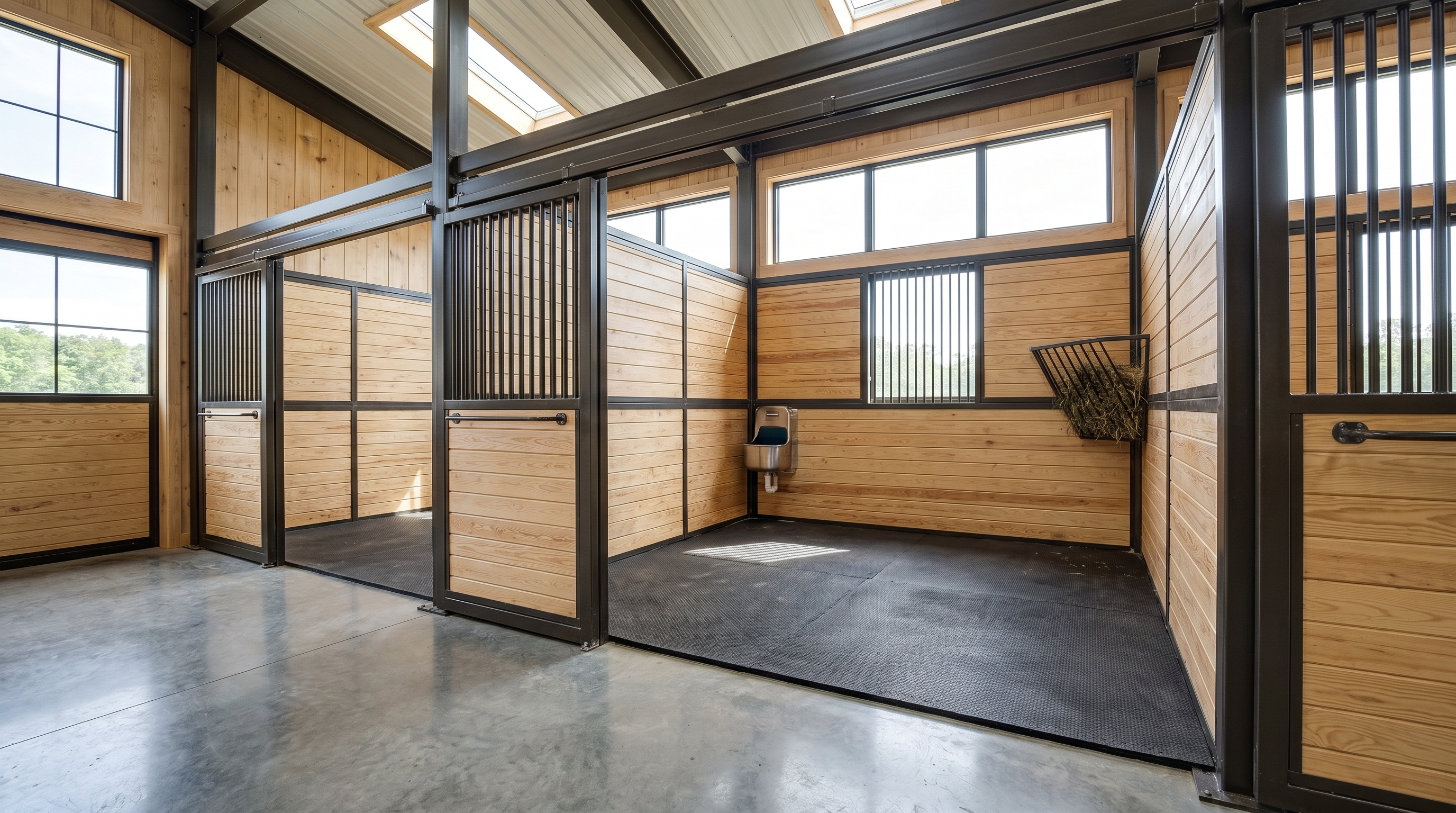
Standard dimensions for a typical horse are 12 feet by 12 feet. Selecting the correct horse stall sizes is the first step in designing a functional equestrian facility. This size provides 144 square feet, allowing most horses to turn and lie down comfortably.
Proper planning prevents the need for expensive structural renovations later. You should always consider the largest horse you plan to house when setting these standards.
Is 12×12 the gold standard?
The 12×12 dimension is widely considered the industry benchmark for average horses. It balances the animal’s need for movement with the owner’s need for space efficiency.
Let us dive deeper:
- Most modular barn kits are designed around this 12-foot grid.
- It accommodates horses up to 16 hands high with ease.
- Cleaning and bedding costs remain manageable at this size.
What is the minimum square footage?
The absolute minimum square footage for a full-grown horse is generally 100 square feet. However, a 10×10 space is often too tight for anything other than small ponies or temporary stabling.
Here is the deal: Key Takeaway: Aiming for 144 square feet ensures your facility remains versatile for various horse types.
| Size Category | Dimensions | Square Footage | |
|---|---|---|---|
| Standard | 12′ x 12′ | 144 sq. ft | |
| Minimum | 10′ x 10′ | 100 sq. ft |
Evaluating standard dimensions helps you establish a safe baseline for your equine residents.
Do horse stall sizes change for draft breeds?
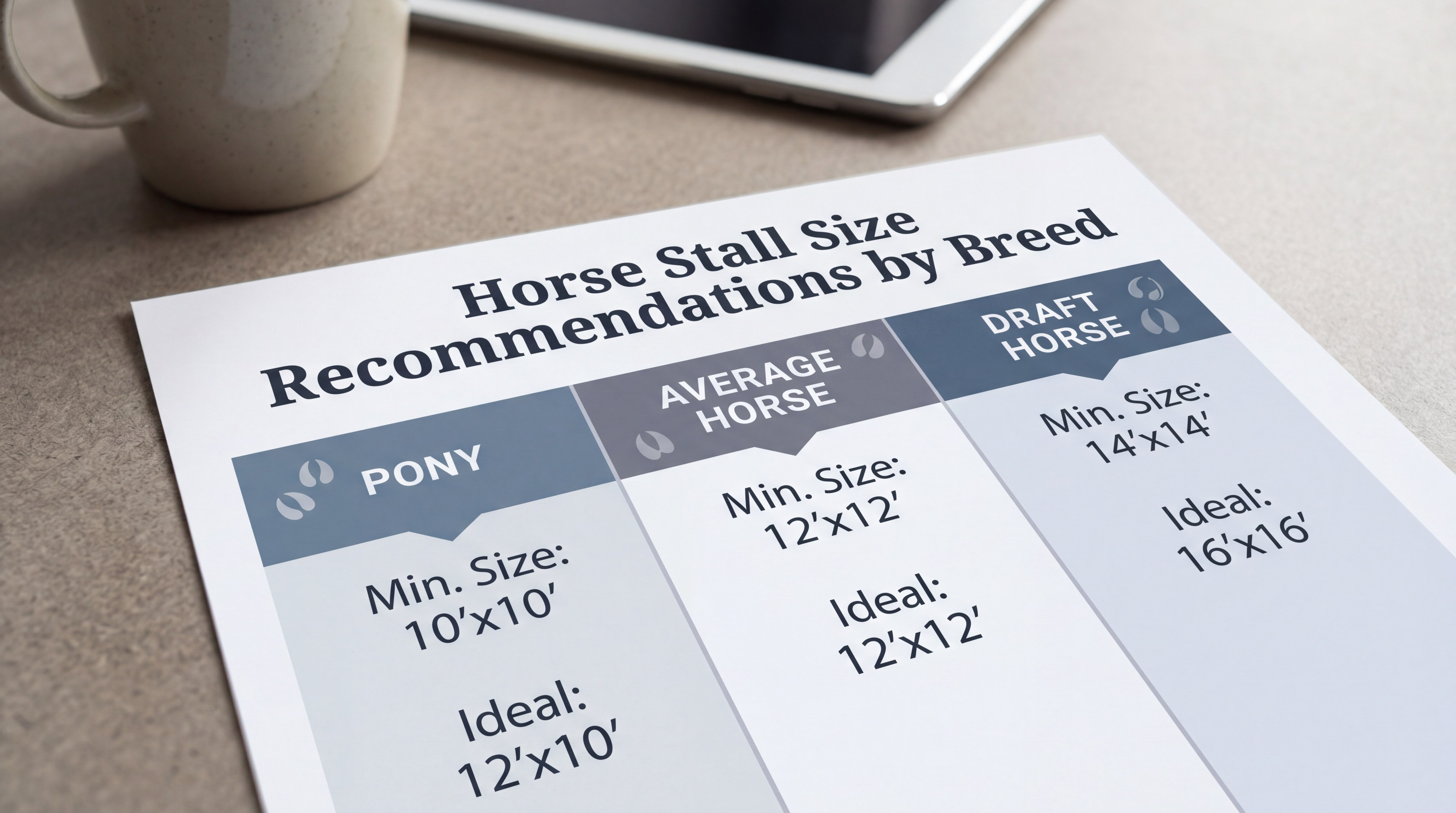
Yes, draft breeds require significantly larger stalls to accommodate their massive frames. When managing larger horse stall sizes, you must account for the increased physical pressure these animals place on walls and floors. A draft horse in a standard stall is at a much higher risk of becoming “cast” against a wall.
These larger horses need enough room to stretch out fully when sleeping. Providing a 14×14 or 16×16 space is essential for their long-term joint health.
How much room does a Warmblood need?
Warmbloods are tall and often require more than the standard 144 square feet. Professionals usually recommend a 12×14 or 14×14 configuration to prevent cramped conditions.
Think about this:
- Warmbloods often have a longer stride and larger turning radius.
- Extra depth helps prevent hock injuries during movement.
- Increased space reduces the likelihood of stable vices like weaving.
Key Takeaway: Large breed horses require custom dimensions to ensure they can rest without physical restriction.
| Breed Type | Recommended Size | Square Footage | |
|---|---|---|---|
| Warmblood | 14′ x 14′ | 196 sq. ft | |
| Draft | 16′ x 16′ | 256 sq. ft |
Customizing dimensions for larger breeds prevents injuries and reduces stress-related veterinary costs.
Can pony horse stall sizes be smaller?
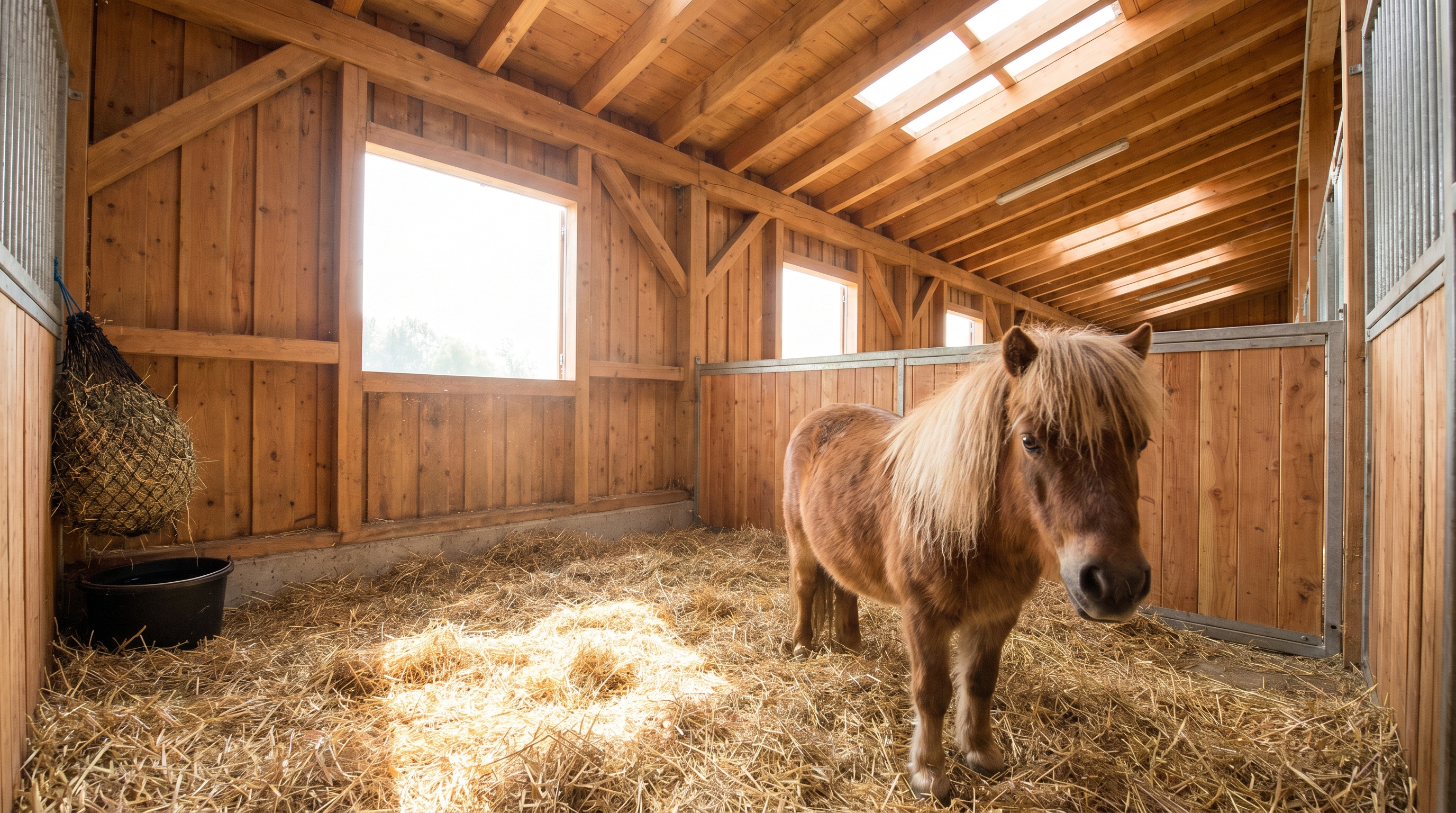
Yes, ponies can be safely housed in smaller stalls, typically measuring 10 feet by 10 feet. When calculating horse stall sizes for ponies, you can maximize your barn’s footprint by creating specialized smaller units. This allows you to fit more stalls within the same building area.
While they are smaller, ponies still need adequate ventilation and floor space. Never compromise on the height of the walls just because the animal is shorter.
What is the ideal size for a pony?
A 10×10 stall is perfect for most ponies under 14 hands. It gives them enough room to roll and sleep without wasting excessive bedding.
Look at it this way:
- Smaller stalls are faster to clean and require less material.
- Ponies feel more secure in a space that fits their proportions.
- You can often fit three pony stalls in the space of two draft stalls.
Key Takeaway: Pony-specific stalls optimize your barn layout while maintaining high welfare standards.
| Pony Height | Ideal Stall Size | Square Footage | |
|---|---|---|---|
| Under 12hh | 8′ x 10′ | 80 sq. ft | |
| 12hh to 14hh | 10′ x 10′ | 100 sq. ft |
Sizing stalls to the specific height of your ponies creates a more efficient and cozy environment.
Why do foaling horse stall sizes need extra room?
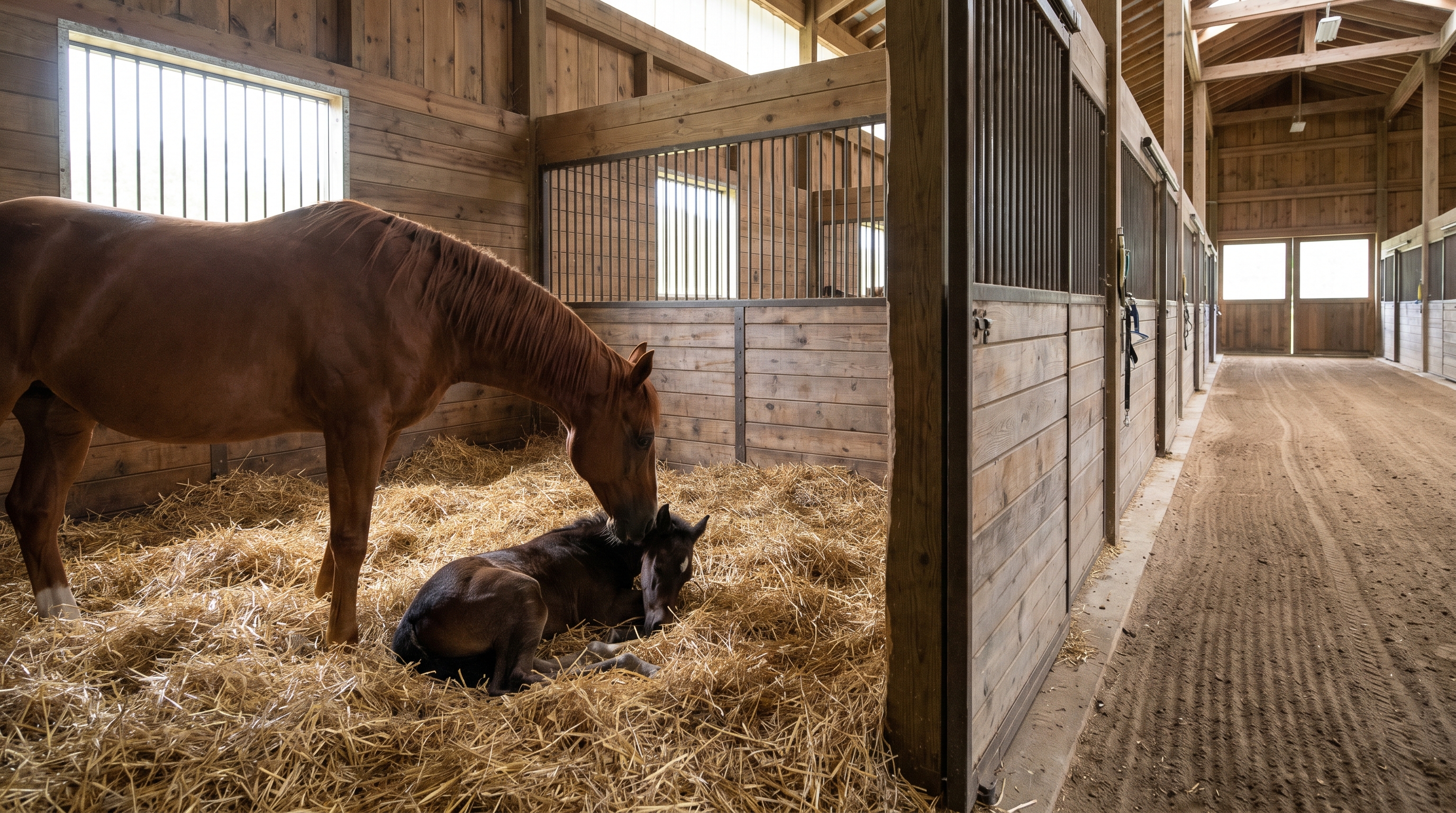
Foaling stalls must be much larger to provide a safe environment for both the mare and the newborn foal. Standard horse stall sizes are insufficient because the mare needs room to move during labor without crushing the foal. Furthermore, there must be enough space for a veterinarian or handler to intervene safely.
Most managers create foaling units by removing a center partition between two standard stalls. This creates a large, open area that can be reverted to standard sizes later.
How big should a foaling unit be?
A foaling stall should ideally be 12×24 or 16×16 feet. This ensures the mare can lie down in the center while leaving a perimeter of safety.
The bottom line is this:
- Extra space prevents the mare from accidentally stepping on the foal.
- It allows for the placement of necessary medical equipment.
- Handlers have multiple exit paths if the mare becomes protective.
Key Takeaway: Doubling the standard stall size for foaling is a critical safety measure for breeding operations.
| Stall Use | Recommended Size | Square Footage | |
|---|---|---|---|
| Standard | 12′ x 12′ | 144 sq. ft | |
| Foaling | 12′ x 24′ | 288 sq. ft |
Expanding the square footage for foaling ensures a safer birthing process and better outcomes for foals.
How does ceiling height affect horse stall sizes?
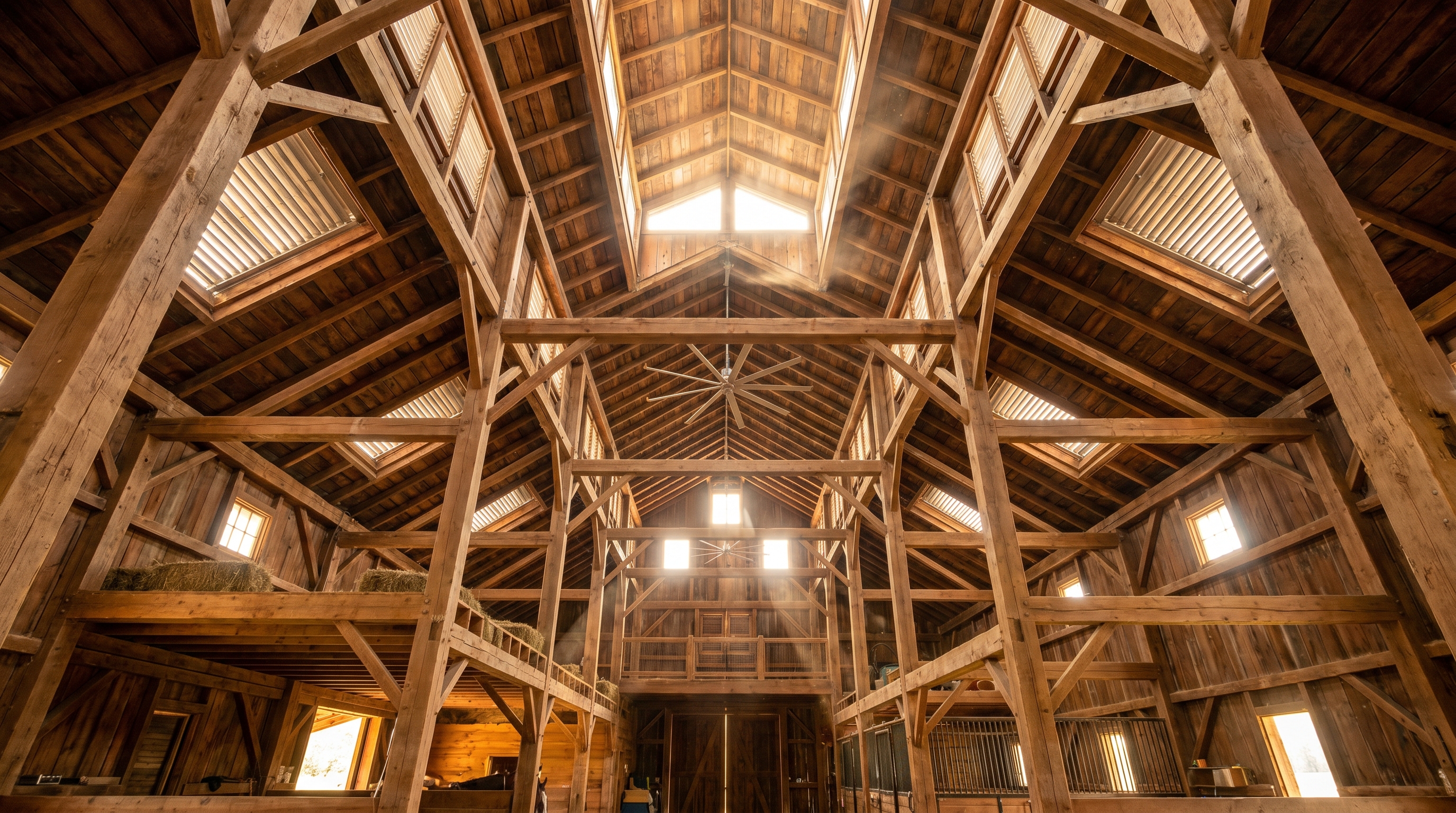
Ceiling height is a critical component of safety that must be integrated with your floor-based horse stall sizes. If a ceiling is too low, a horse that rears up in excitement or fear could suffer a catastrophic head injury. You should aim for a minimum height of 10 to 12 feet throughout the stable.
Higher ceilings also promote better air circulation. Stagnant air leads to respiratory issues, which can be avoided with proper vertical volume designed for horse stalls .
What is the minimum safe height?
The absolute minimum height for any stall is 10 feet. For larger horses or jumpers, 12 feet or higher is strongly recommended for maximum safety.
You might be wondering:
- High ceilings allow ammonia fumes to rise away from the horse.
- They provide clearance for overhead lighting and fans.
- Structural beams stay out of the reach of inquisitive horses.
Key Takeaway: Vertical clearance is just as important as floor area for preventing physical trauma and illness.
| Horse Height | Min Ceiling Height | Ideal Ceiling Height | |
|---|---|---|---|
| Under 15hh | 10 feet | 12 feet | |
| Over 16hh | 12 feet | 14+ feet |
Prioritizing ceiling height ensures your barn remains a safe, breathable environment for all residents.
Does door width impact overall horse stall sizes?
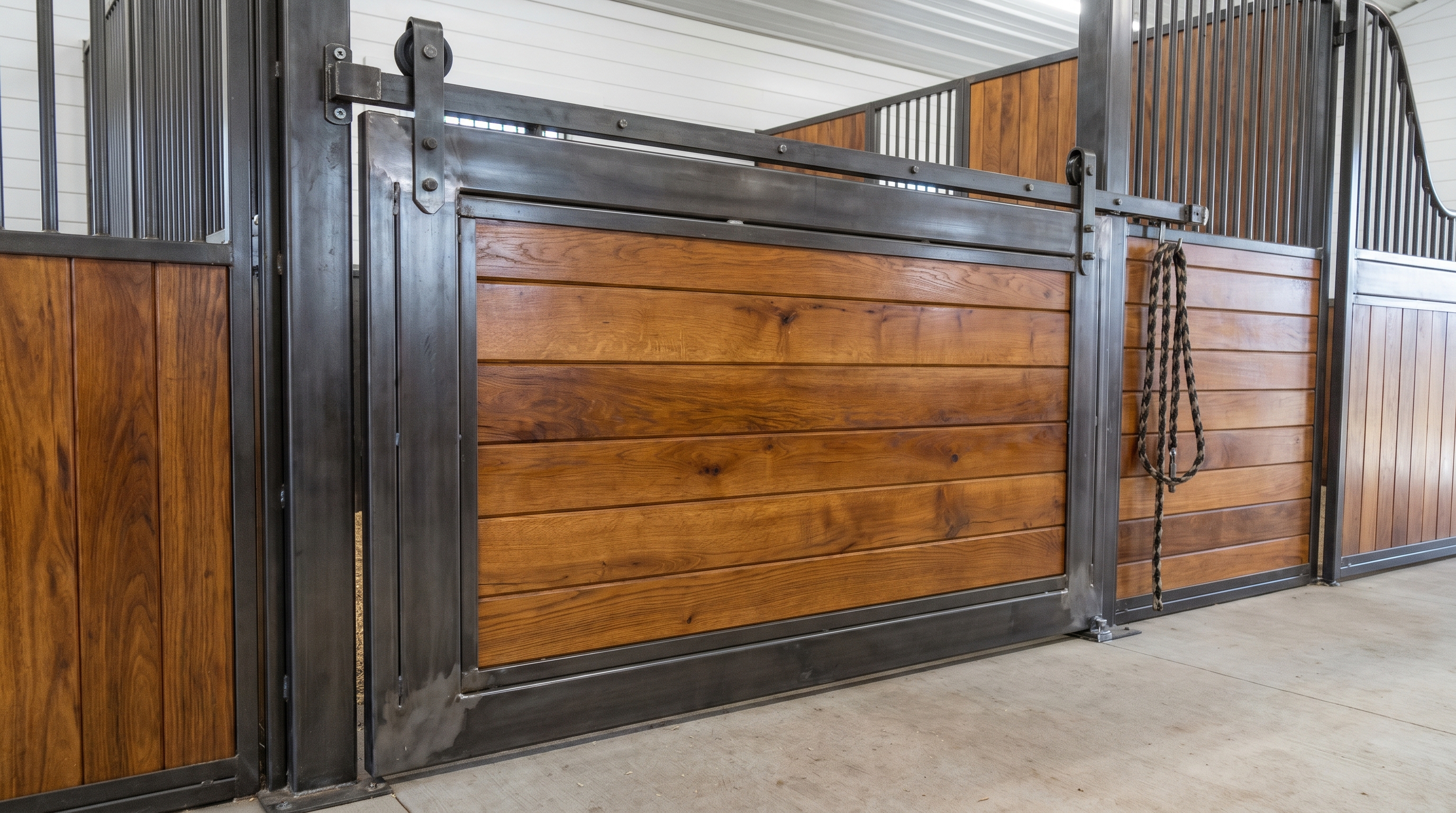
Door width is a vital consideration because it dictates how easily a horse can enter and exit the stall. While horse stall sizes focus on the interior, the threshold is where many hip and shoulder injuries occur. A narrow door creates a bottleneck that can lead to panic during an emergency.
A door that is at least 4 feet wide is the industry standard for safety. This width allows the horse to pass through without catching their tack or their body on the frame.
Is a 4-foot door wide enough?
For most horses, 4 feet is sufficient, but 5 feet is often preferred for larger draft breeds. Sliding doors are usually safer than swinging doors because they do not obstruct the aisle.
Consider this:
- Wider doors make it easier to move equipment and wheelbarrows.
- They reduce the risk of a horse “hooking” a hip on the way out.
- Properly sized doors improve the overall flow of barn chores.
Key Takeaway: Sufficient door width is a non-negotiable safety feature that complements your stall dimensions.
| Door Type | Standard Width | Recommended Width | |
|---|---|---|---|
| Stall Door | 4 feet | 4.5 feet | |
| Aisle Door | 10 feet | 12 feet |
Optimizing door width ensures that moving horses in and out of their stalls remains a risk-free task.
Why is wall height critical for horse stall sizes?
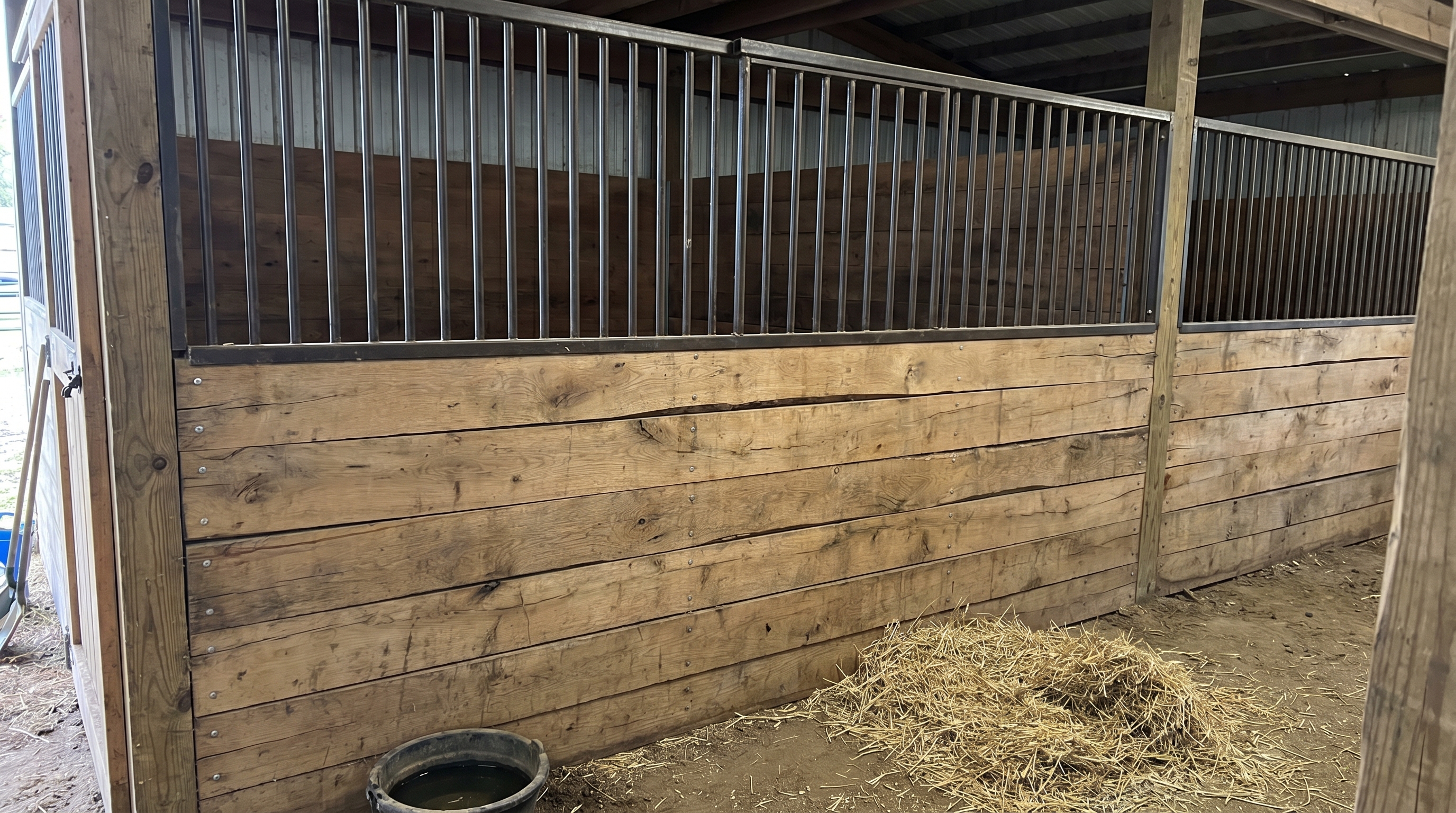
Wall height determines the level of social interaction and safety within your specific horse stall sizes. If walls are too low, horses might try to jump over them or engage in aggressive behavior with neighbors. Conversely, walls that are too high can restrict airflow and make the horse feel isolated.
Most professionals recommend solid walls up to 4 or 5 feet, with bars or mesh above that. This allows the horse to see their companions while remaining physically separated.
What is the standard wall height?
Standard stall walls are usually 7 to 8 feet tall. Using high-quality horse stall sizes involves balancing this height with the need for ventilation.
Believe it or not:
- Solid lower walls prevent horses from kicking through to the next stall.
- Upper bars allow for the “herd effect,” which reduces stress.
- Proper wall height keeps bedding contained within the stall area.
Key Takeaway: Balancing solid and open wall sections creates a secure environment that supports equine mental health.
| Wall Section | Standard Height | Material | |
|---|---|---|---|
| Lower Wall | 4 – 5 feet | Solid Timber/Steel | |
| Upper Wall | 3 feet | Bars/Mesh |
Setting the correct wall height prevents physical altercations while maintaining a bright, airy atmosphere.
How do building materials affect horse stall sizes?
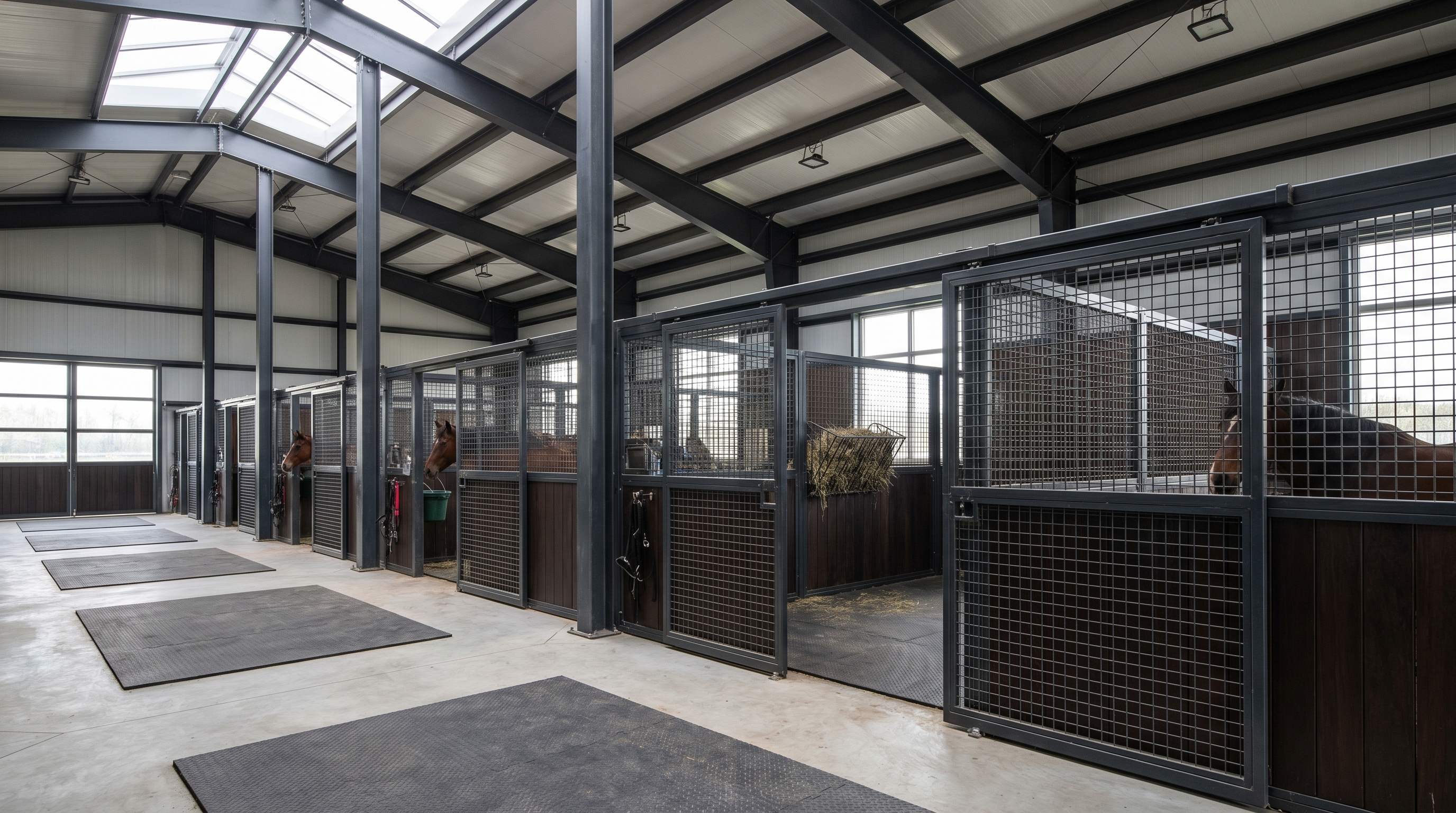
The materials you choose directly impact the flexibility and durability of your horse stalls. Steel structures often allow for larger clear spans, meaning you can adjust your horse stall sizes without moving load-bearing wooden posts. This flexibility is a major advantage for commercial facilities that may change their focus over time.
Steel and reinforced timber are the most common choices for stall construction. They provide the strength needed to withstand the force of a 1,200-pound animal leaning or kicking.
Are steel structures more flexible?
Steel structures offer incredible versatility for internal layouts. You can easily install modular stall systems that can be reconfigured as your needs evolve.
It gets better:
- Steel does not rot or warp like traditional wood.
- It is fire-resistant, providing an extra layer of safety.
- Pre-fabricated steel engineered horse barns are faster to assemble than traditional builds.
Key Takeaway: Choosing modern building materials allows for easier customization and long-term facility adaptability.
| Material | Durability | Flexibility | |
|---|---|---|---|
| Wood | Moderate | Low | |
| Steel | High | High |
Investing in durable materials ensures that your stall dimensions remain structurally sound for decades.
How to budget for different horse stall sizes?

Budgeting for your project requires an understanding of how square footage impacts material costs. When you increase your horse stall sizes , you are not just buying more wood; you are also increasing the cost of mats, bedding, and labor. A 14×14 stall can be significantly more expensive to maintain over ten years than a 12×12 stall.
However, cutting corners on size to save money often leads to higher veterinary bills. It is better to build fewer high-quality stalls than many cramped ones.
Does a 14×14 stall cost much more?
A 14×14 stall typically costs 20% to 30% more in materials than a 12×12 stall. You must also factor in the increased daily cost of bedding to cover the larger floor area.
Even better:
- Larger stalls often have a higher resale or rental value.
- They reduce the risk of injury, saving money on vet visits.
- Quality construction lasts longer, reducing your long-term repair budget.
Key Takeaway: While larger stalls have higher upfront costs, they provide better long-term value through animal health.
| Size | Material Cost | Annual Bedding Cost | |
|---|---|---|---|
| 12′ x 12′ | Base | $1,200 | |
| 14′ x 14′ | +25% | $1,600 |
Analyzing costs versus benefits helps you make an informed decision that supports your business’s bottom line.
How to plan future growth for horse stall sizes?
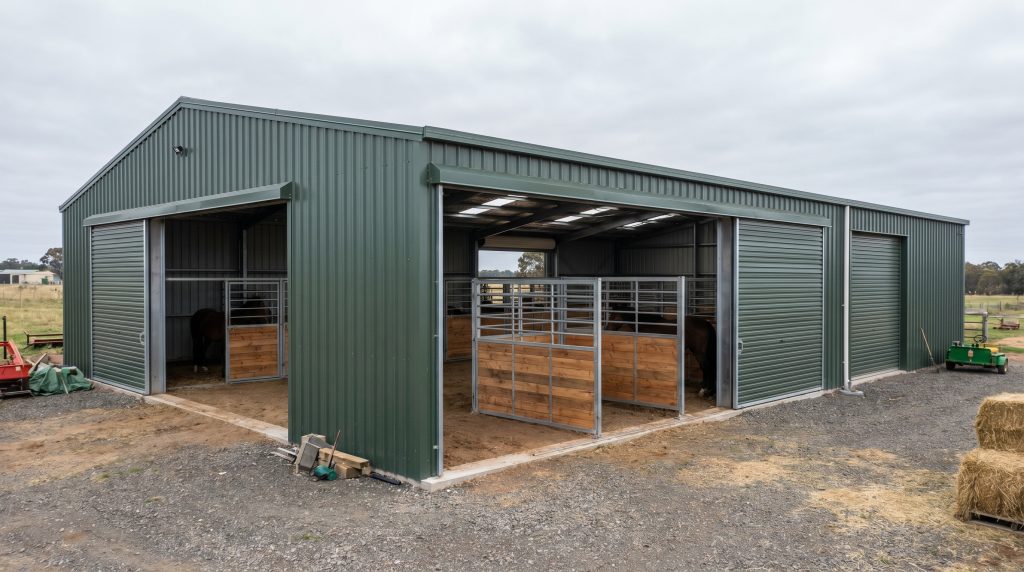
Planning for future growth ensures that your barn remains functional as your equine business evolves. If you start with a steel structure horse barn design, you can easily add or expand horse stall sizes without major structural changes. Modular wall systems are the best way to maintain this flexibility.
Consider the possibility that you might transition from training ponies to housing larger sport horses. A barn designed with the future in mind will accommodate both without needing a total rebuild.
Can I expand stalls later?
Expanding stalls is easy if you use removable partitions between units. This allows you to combine two smaller stalls into one large foaling or draft stall in minutes.
Consider this:
- Modular designs allow for rapid business scaling.
- You can upgrade individual components without gutting the building.
- Future-proofing your layout increases the property’s overall market value.
Key Takeaway: Building for flexibility ensures that your facility can adapt to any equine discipline or breed.
| Growth Strategy | Method | Benefit | |
|---|---|---|---|
| Modular Walls | Removable Panels | Quick Expansion | |
| Clear Span | Steel Frames | No Post Obstruction |
Strategic planning today prevents your facility from becoming obsolete as your horse population changes.
Conclusion
Choosing the right dimensions is a fundamental decision that impacts the safety, health, and value of your equestrian property. At Showhoo, we specialize in delivering high-quality, durable steel structures tailored to your specific needs. Whether you are building a private stable or a commercial boarding facility, we provide the expertise to ensure your stalls are built to last. Our vision is to empower horse owners with structures that combine functionality with long-term reliability. To start planning your dream facility with an expert team, contact us today for a professional consultation.
Frequently Asked Questions
Can I use a 10×10 stall for a full-grown horse?It depends on the horse’s size; while a 10×10 is acceptable for smaller breeds or ponies, it is generally considered too restrictive for an average horse over 15 hands.
What is the best way to measure my horse for a stall?The best way is to measure the horse from the point of the shoulder to the buttock and then ensure the stall width is at least double that length.
Can I build stalls without a permanent foundation?No, a permanent foundation or a properly compacted base is essential to ensure drainage and prevent the stall floor from becoming uneven and dangerous over time.
What is the best material for stall walls?It depends on your budget and horse temperament, but a combination of heavy-duty steel frames and thick timber planks is the industry standard for durability and safety.
Can I use sliding doors in a small barn?Yes, sliding doors are actually the best choice for smaller barns because they do not swing out into the aisle, maximizing your available workspace.