
Airplane hangar design is the specialized synthesis of wide-span structural engineering and integrated utility systems required to house and maintain high-value aviation assets. You may currently face the problem of storing expensive aircraft in generic, cramped sheds that expose your fleet to environmental degradation and hinder routine maintenance. This lack of specialization agitates the risk of mechanical failure and significantly increases operational downtime, potentially leading to catastrophic fire hazards without proper suppression. Investing in a professional airplane hangar design provides the tailored infrastructure needed to protect your investments and maximize your fleet’s flight availability.
Why is planning essential for airplane hangar design?
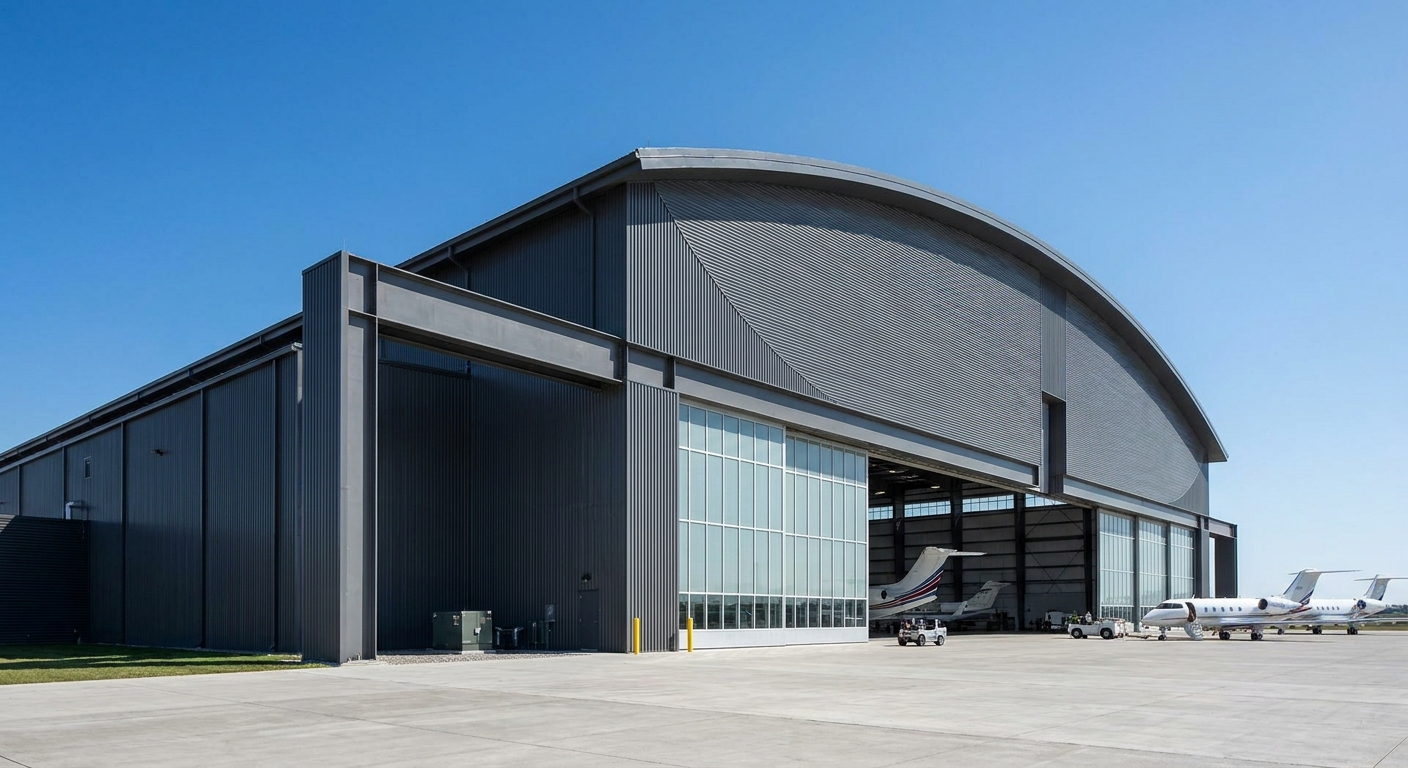
Comprehensive planning ensures that maintenance downtime is minimized while aircraft availability for flight operations is maximized. By initiating a precise airplane hangar design early, you can avoid costly structural modifications during the construction phase. This phase allows you to analyze your specific fleet requirements to create a high-performance environment.
Minimizing maintenance downtime
You need to ensure that every square foot of the facility supports rapid turnaround times for your aircraft.
Look:
- Optimized tool placement reduces technician movement.
- Clear floor spans allow for easy aircraft positioning.
- Integrated utility access points speed up service tasks.
Is fleet diversity a factor?
It is vital to account for the variety of aircraft types that will populate your hangar over its lifetime.
The best part?
- Adjustable tail docks accommodate different heights.
- Flexible floor plans support various wingspan configurations.
- Modular shop areas can evolve with your fleet.
Key Takeaway: Early strategic planning allows you to create a versatile space that adapts to changing fleet demographics and operational demands.
| Planning Factor | Operational Impact | Long-term Value | |
|---|---|---|---|
| Fleet Analysis | Optimized Space | Reduced Waste | |
| Future-Proofing | Scalability | Asset Protection |
Analysis: Strategic planning directly correlates with lower lifecycle costs and higher aircraft readiness rates.
How to define space for airplane hangar design?
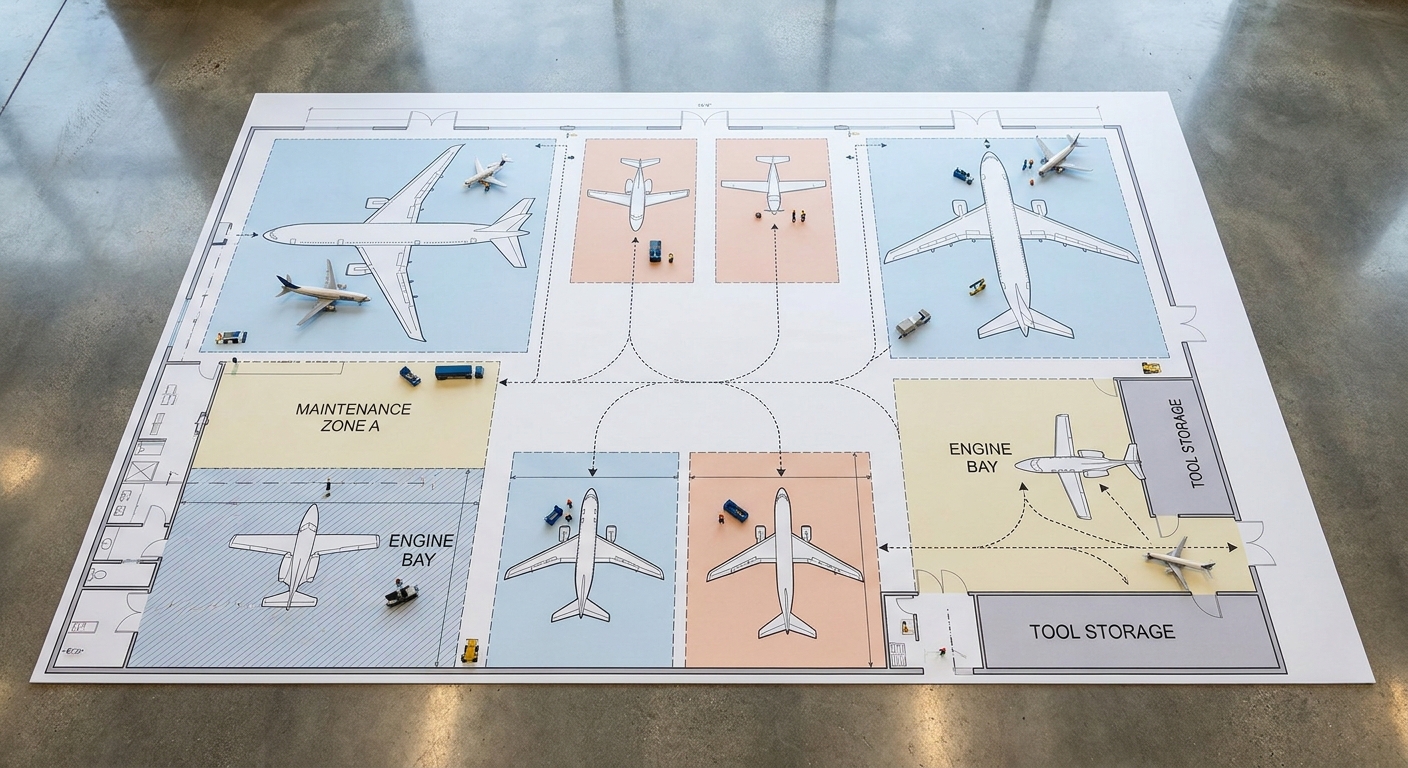
Space definition requires a systematic analysis of your fleet mix, maintenance functions, and administrative support zones to ensure operational flow. An effective airplane hangar design must start by identifying the physical characteristics of the largest aircraft to set baseline dimensions. You must account for clear heights, wingspans, and safety egress margins within the floor plan.
Assessing fleet mix and sizes
You must determine the exact dimensions of all aircraft that will utilize the facility simultaneously.
Here is the deal:
- Tail heights dictate the necessary door clearances.
- Wingspans define the total clear span of the building.
- Turning radii of tow vehicles impact the floor layout.
Utilizing spatial templates
The use of scaled templates helps you visualize the most efficient arrangement of aircraft within the hangar area.
Believe it or not:
- Templates prevent overcrowding and potential wing-tip collisions.
- Proper spacing ensures compliance with safety egress codes.
- Overlapping zones can be identified for multi-purpose use.
Key Takeaway: Accurate spatial definition ensures that your hangar can safely house its intended fleet without compromising technician safety.
| Spatial Element | Requirement | Design Consideration | |
|---|---|---|---|
| Clear Height | Tail Clearance | Structural Depth | |
| Width | Wingspan + Gap | Column Placement |
Analysis: Defining space by aircraft characteristics prevents operational bottlenecks and safety hazards during peak maintenance periods.
Email:sales@showhoo.com.cn
Phone/WhatsApp:+86 186 7895 5927
What shops are needed in airplane hangar design?
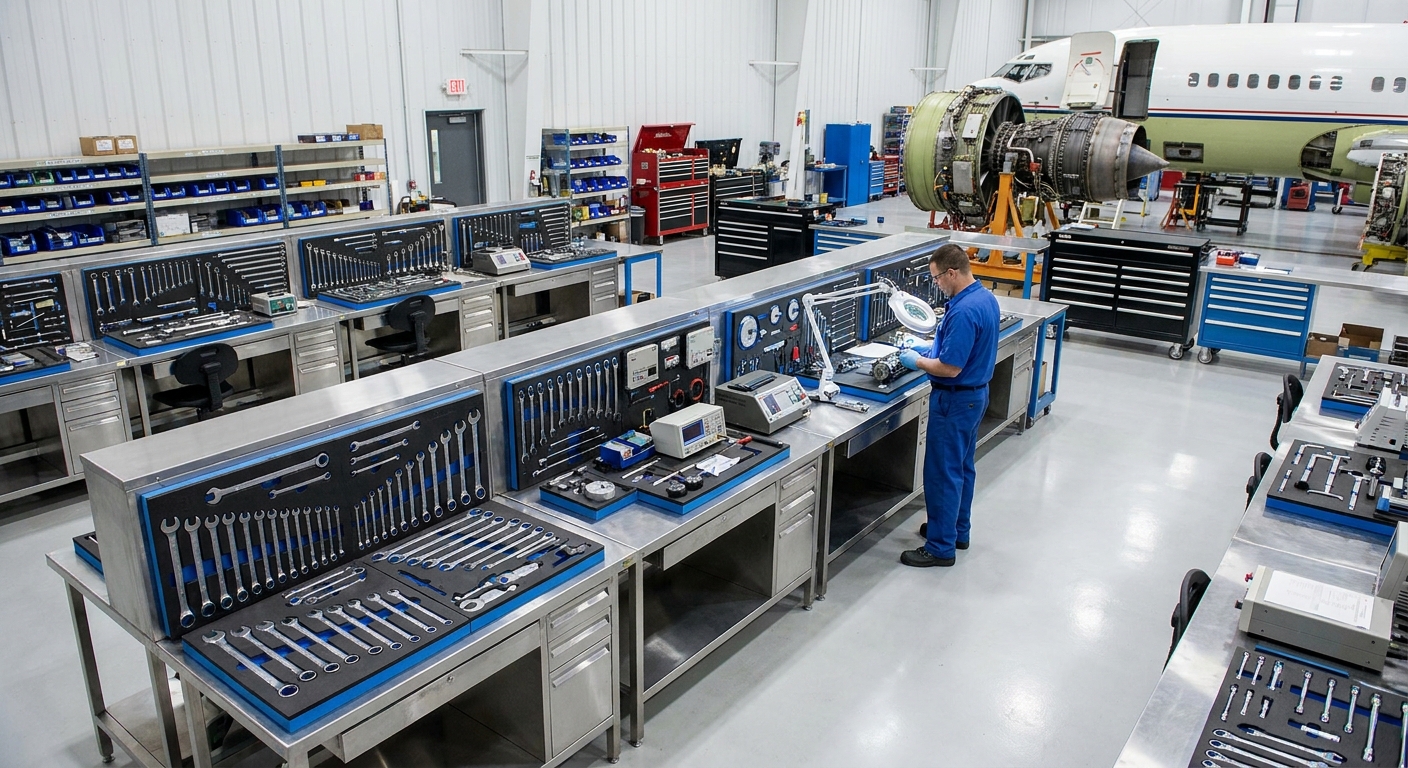
Specialized shops for airframe repair, engine servicing, and battery maintenance are the functional heart of a successful aviation facility. A robust airplane hangar design integrates these support areas to facilitate rapid repair cycles and part availability. These zones provide the climate-controlled environments necessary for sensitive avionics and composite restoration.
Supporting technical repair functions
You should designate specific areas for tasks such as composite repair and nondestructive testing.
Think about this:
- Climate-controlled shops protect sensitive components.
- Dedicated fabrication zones keep hazardous tasks isolated.
- Proximity to the hangar floor reduces part transit time.
Optimizing inventory logistics?
Effective warehouse areas ensure that your technicians always have immediate access to critical spare parts and consumables.
Check this out:
- Vertical storage systems maximize the use of shop height.
- Secure tool rooms prevent loss and improve accountability.
- Organized shelving units simplify inventory audits.
Key Takeaway: Integrated support spaces turn a storage hangar into a full-service maintenance facility that increases technical productivity.
| Support Zone | Primary Function | Design Feature | |
|---|---|---|---|
| Specialty Shop | Technical Repair | HVAC Control | |
| Warehouse | Parts Storage | High-Density Racking |
Analysis: Placing support shops adjacent to the aircraft bay minimizes workflow interruptions and speeds up the repair process.
How do costs influence airplane hangar design?

Evaluating lifecycle costs helps you balance initial construction expenses with long-term energy and maintenance savings for the facility. When considering airplane hangar design , you must view the building as a long-term asset rather than just a simple expense. High-quality materials often lead to lower operational costs over a fifty-year lifespan.
Analyzing lifecycle expenses
You must consider the total cost of ownership, including utilities, insurance, and structural maintenance.
Here is the secret:
- Energy-efficient systems reduce monthly utility drains.
- Durable steel frames lower long-term repair needs.
- Compliant fire systems can reduce annual insurance premiums.
Balancing space efficiency?
Investing in wider clear spans today can prevent the facility from becoming obsolete as your fleet grows.
Look:
- More floor area increases aircraft capacity.
- Clear spans allow for flexible interior reconfigurations.
- Efficient lighting reduces the need for expensive high-bay lamps.
Key Takeaway: A focus on lifecycle costs ensures that your hangar remains a profitable and efficient asset for decades.
| Cost Type | Initial Impact | Long-term Benefit | |
|---|---|---|---|
| Energy Systems | Higher Cost | Lower Bills | |
| Steel Quality | Higher Cost | Less Maintenance |
Analysis: Lifecycle cost analysis proves that superior design choices pay for themselves through operational savings.
Why is fire safety key in airplane hangar design?
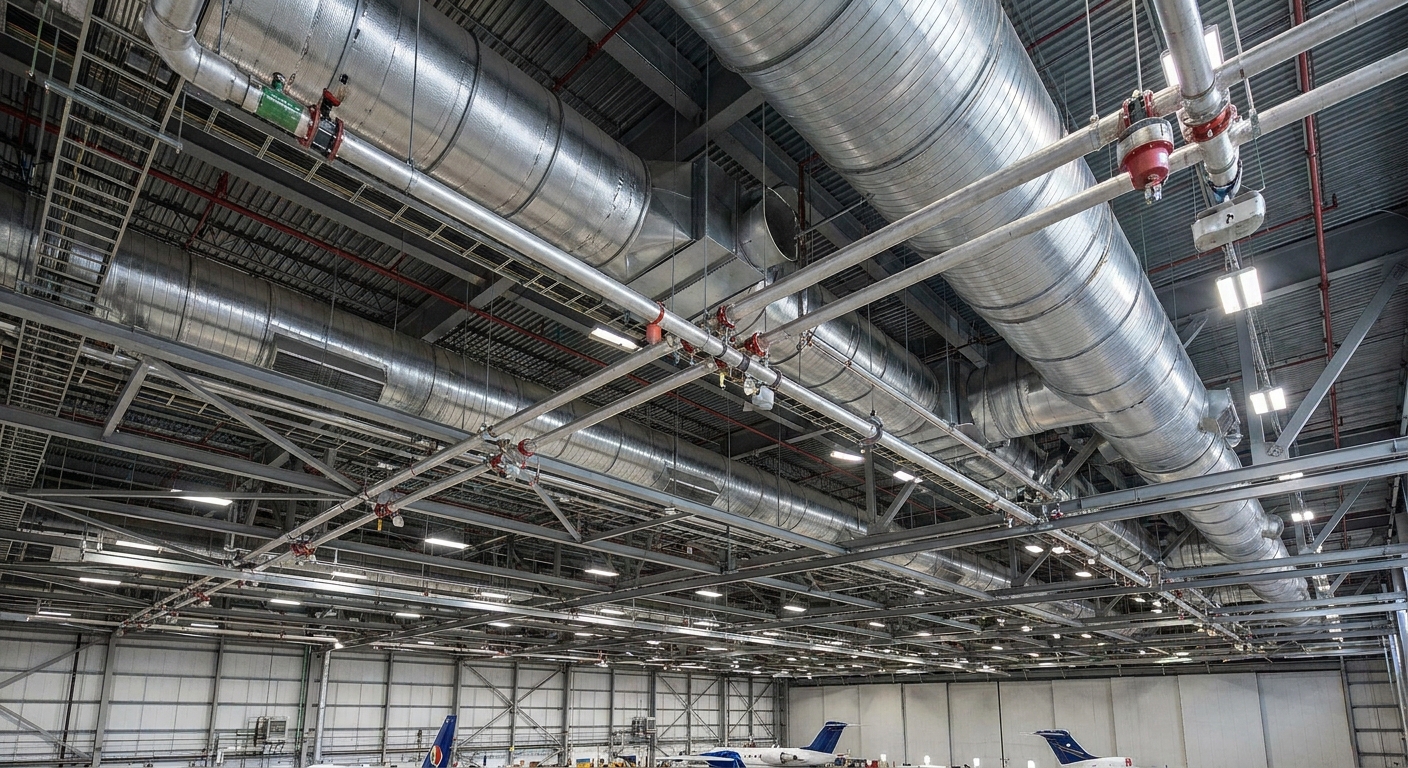
Fire safety is paramount because it protects multi-million dollar assets and personnel through specialized suppression and detection systems. In airplane hangar design, you must implement solutions like Aqueous Film Forming Foam (AFFF) to manage high-fuel-load risks. These systems are often integrated with high-volume HVAC units to manage air quality during emergencies.
Implementing suppression systems
Protecting high-value aircraft from fire requires targeted response mechanisms like floor-mounted water cannons.
Keep this in mind:
- Overhead deluge systems provide total bay coverage.
- Floor cannons target fire sources beneath wings.
- Integrated alarms ensure rapid crew evacuation.
Managing smoke and air quality?
HVAC systems must be designed to shut down or switch to exhaust mode during a fire event.
The reality is:
- Roof vents help clear smoke for rescue teams.
- High air exchange rates prevent toxic fume buildup.
- Automatic dampers isolate fire zones from offices.
Key Takeaway: Robust fire and air management systems are the primary defense against catastrophic loss and environmental hazards.
| System Type | Core Objective | Maintenance Need | |
|---|---|---|---|
| Fire Foam | Asset Protection | Annual Testing | |
| Smoke Vents | Personnel Safety | Regular Inspection |
Analysis: Reliable fire infrastructure is non-negotiable for protecting high-value aviation investments and meeting insurance standards.
What electrical standards fit airplane hangar design?
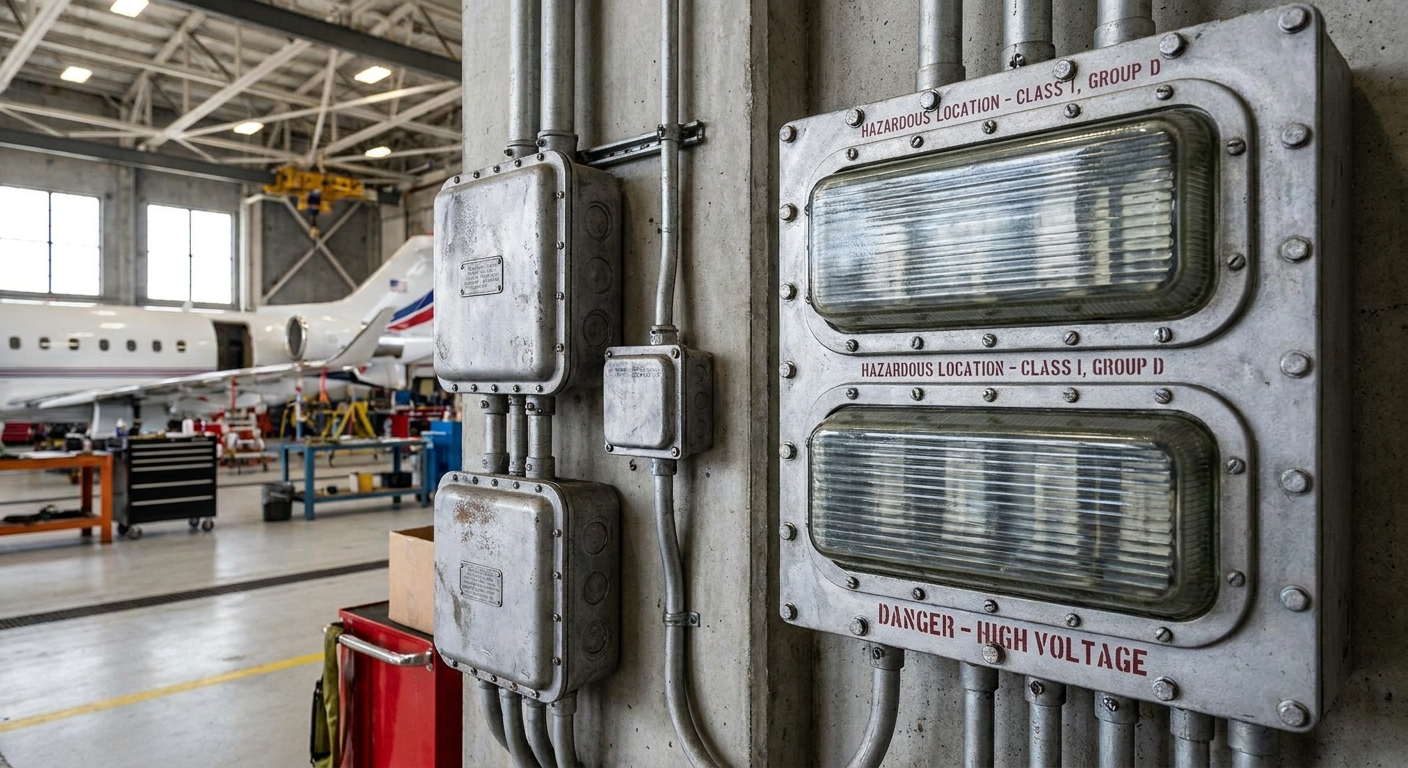
Electrical standards must classify hangar environments as hazardous to prevent ignition sources near sensitive aircraft fuel systems. For a compliant airplane hangar design , you need explosion-proof fixtures in zones where fuel vapors may linger. You also require various power frequencies, such as 400Hz, for modern avionics diagnostics.
Classifying hazardous environments
You have to ensure that all electrical installations meet strict codes for zones where fuel vapors are present.
Bottom line:
- Waterproof ratings protect equipment during system testing.
- Grounding points are essential for safe fueling.
- Explosion-proof lighting is mandatory in specific floor zones.
Ensuring power frequency stability?
Modern aircraft require specialized electrical frequencies that differ from standard public utility supplies.
Think about this:
- Dedicated converters provide 400Hz power for cockpits.
- Flush-mounted floor pits keep cables away from traffic.
- Redundant circuits prevent data loss during tests.
Key Takeaway: High-standard electrical engineering prevents workplace accidents and ensures compatibility with sophisticated modern avionics.
| Electrical Component | Purpose | Safety Standard | |
|---|---|---|---|
| Power Pits | Floor Connectivity | NEMA 4 Rated | |
| Converters | Avionics Power | 400Hz Stability |
Analysis: Proper electrical classification and specialized power delivery are essential for the safe maintenance of high-tech aircraft.
Email:sales@showhoo.com.cn
Phone/WhatsApp:+86 186 7895 5927
Which door type suits your airplane hangar design?
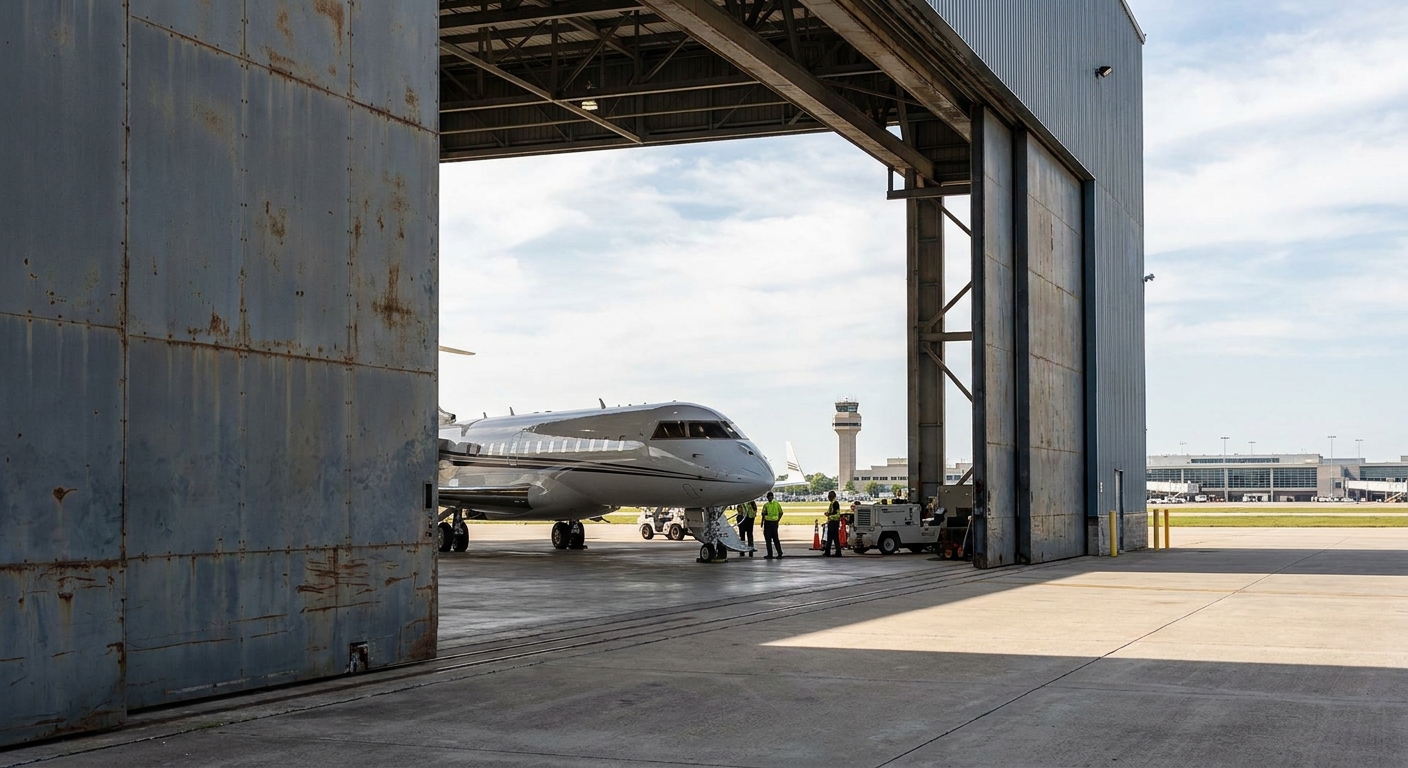
Selecting the right hangar door is a major structural decision that impacts the building’s overall span, weight, and operational speed. Your airplane hangar design must support the massive load of sliding, bifold, or vertical lift fabric doors. These openings must seal tightly to maintain climate control while allowing for rapid aircraft movement.
Evaluating structural opening options
You need to consider how the door’s operation affects the clear height and structural load of the front gable.
Watch this:
- Bifold doors offer a clean aesthetic and simple operation.
- Vertical lift fabric doors are excellent for wide spans.
- Sliding doors require tracks but offer high reliability.
Balancing speed and weather seals?
Efficient doors must open quickly while preventing thermal energy loss when closed.
And here is why:
- Weather stripping reduces drafts and keeps out debris.
- High-speed motors minimize interior exposure time.
- Safety sensors prevent closing on aircraft tails.
Key Takeaway: The hangar door is the most active component of the building and dictates the operational flow.
| Door Type | Best For | Structural Impact | |
|---|---|---|---|
| Sliding | Large Fleets | Side Extensions | |
| Bifold | General Aviation | Header Loading |
Analysis: Choosing the right door type balances initial construction costs with long-term energy efficiency and ease of access.
Is corrosion control part of airplane hangar design?
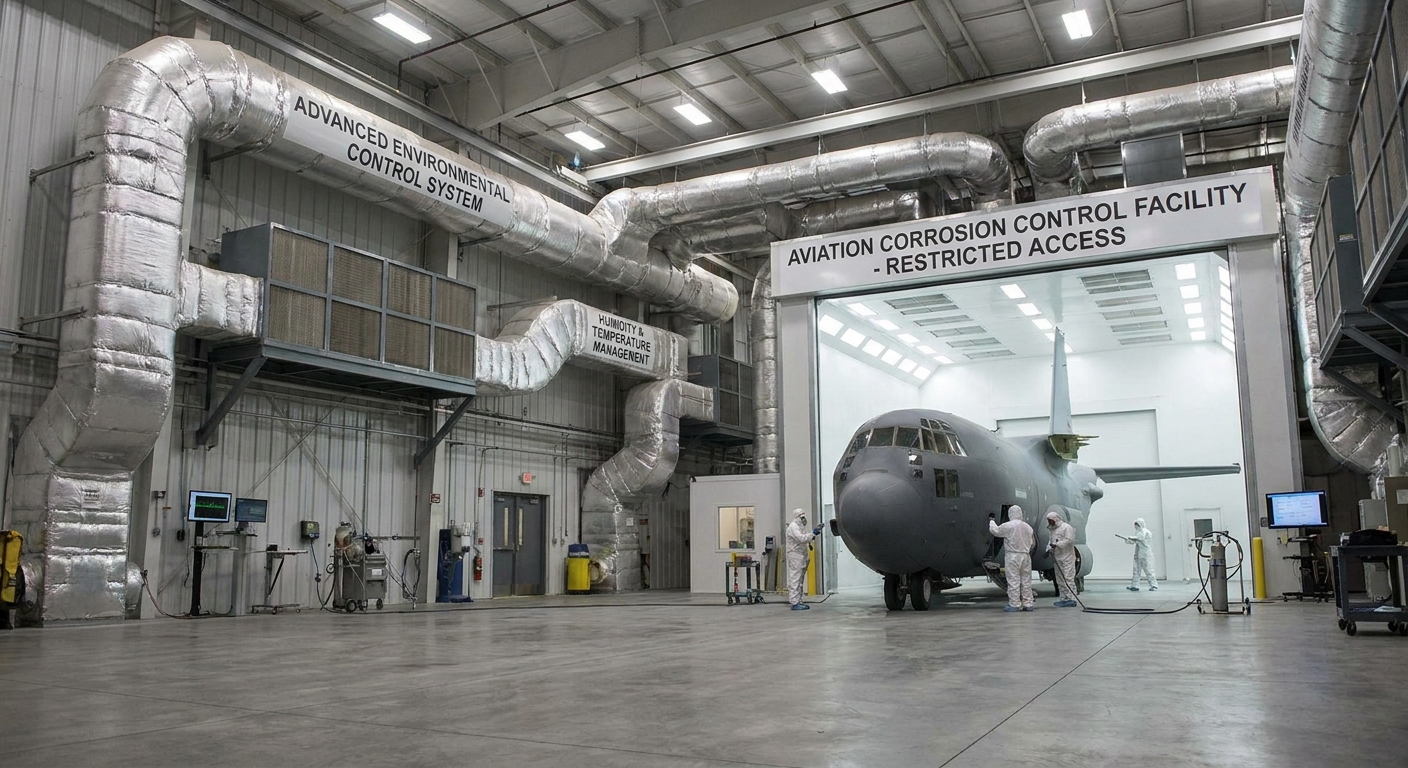
Corrosion control is a critical design element that requires strict environmental parameters to protect metal airframes from moisture and chemical damage. When working on airplane hangar design , you must incorporate advanced HVAC systems to manage humidity and toxic effluents. Specialized facilities like these require air pollution permits and hazardous waste remediation systems.
Managing HVAC for coating protection
You must maintain precise temperature and humidity to ensure that paint applications meet aviation standards.
Look:
- Dehumidification systems prevent metal fatigue.
- High-volume air exchange clears toxic fumes.
- Zoning allows you to heat only active work areas.
Implementing waste remediation?
Facilities dedicated to corrosion control must handle the toxic runoff from aircraft washing and stripping.
The best part?
- Integrated drainage separates oils and chemicals.
- Filtration systems ensure compliance with local laws.
- Specialized coatings on hangar floors resist chemical spills.
Key Takeaway: Dedicated corrosion control features extend the lifespan of your aircraft and ensure a safe working environment.
| Control Element | Purpose | Design Impact | |
|---|---|---|---|
| Dehumidifier | Prevents Rust | Mechanical Load | |
| Floor Coating | Chemical Defense | Material Finish |
Analysis: Specialized corrosion control infrastructure is the primary defense against environmental degradation and airframe fatigue.
How do building codes impact airplane hangar design?
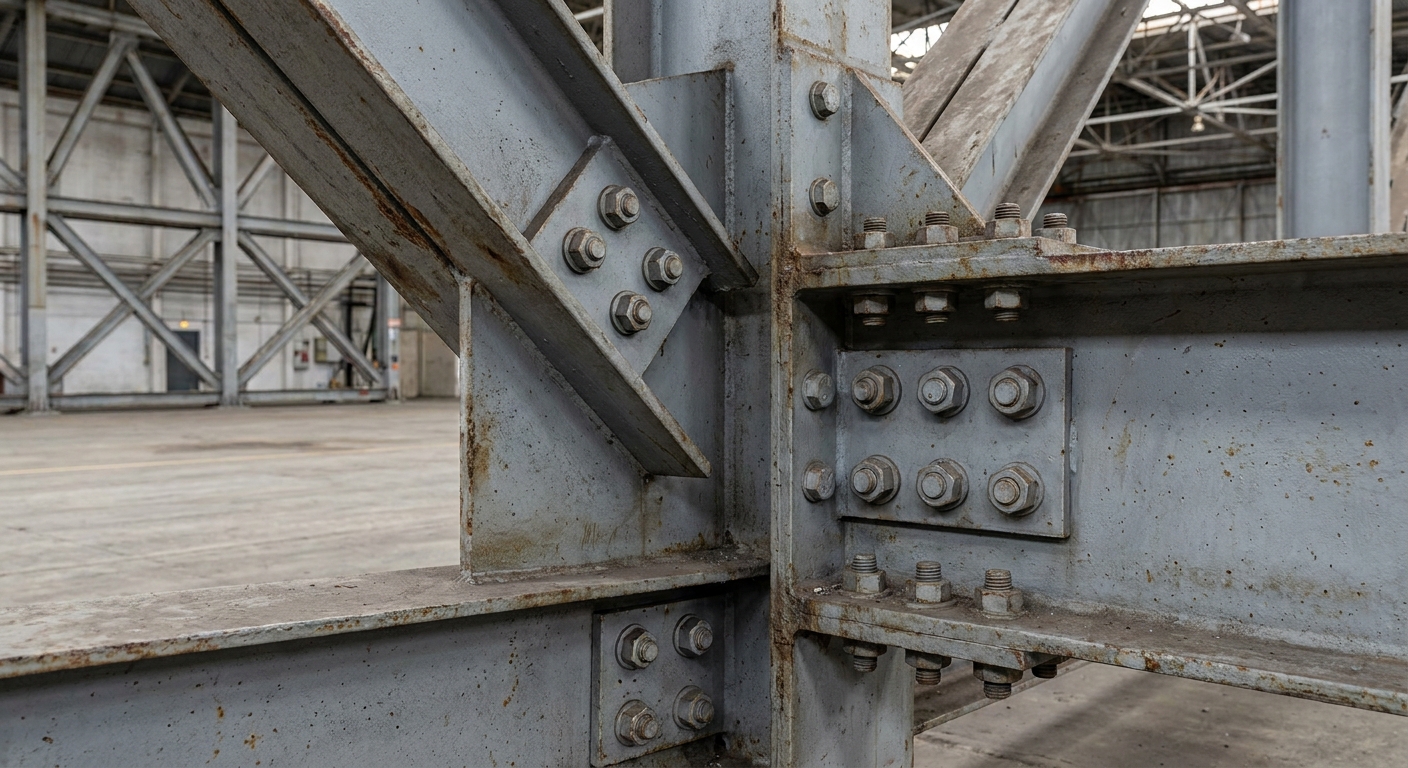
Building codes provide the legal framework that ensures your structure can withstand local wind loads, snow loads, and seismic activity. A compliant airplane hangar design must adhere to international standards like the IBC to prevent structural failure. Following these guidelines ensures that fire-rated walls and emergency lighting protect all occupants.
Adhering to life safety codes
You must follow codes that dictate maximum distances to emergency exits and the fire rating of materials.
Stay focused on this:
- Fire-rated walls separate shops from the bay.
- Emergency lighting ensures safe egress during power loss.
- Smoke vents clear air for first responders.
Navigating load requirements?
Global standards ensure that your steel structure is engineered for local environmental extremes.
The reality is:
- Wind load calculations protect during major storms.
- Seismic bracing is required in earthquake-prone regions.
- Roof drainage prevents leaks during peak rainfall.
Key Takeaway: Strict adherence to building codes protects your liability and ensures the facility remains standing for decades.
| Code Source | Focus Area | Design Impact | |
|---|---|---|---|
| NFPA 409 | Fire Protection | Suppression Type | |
| IBC | Structural | Steel Thickness |
Analysis: Compliance with international codes is the only way to guarantee the structural integrity and insurance eligibility of a hangar.
What is the future for airplane hangar design?
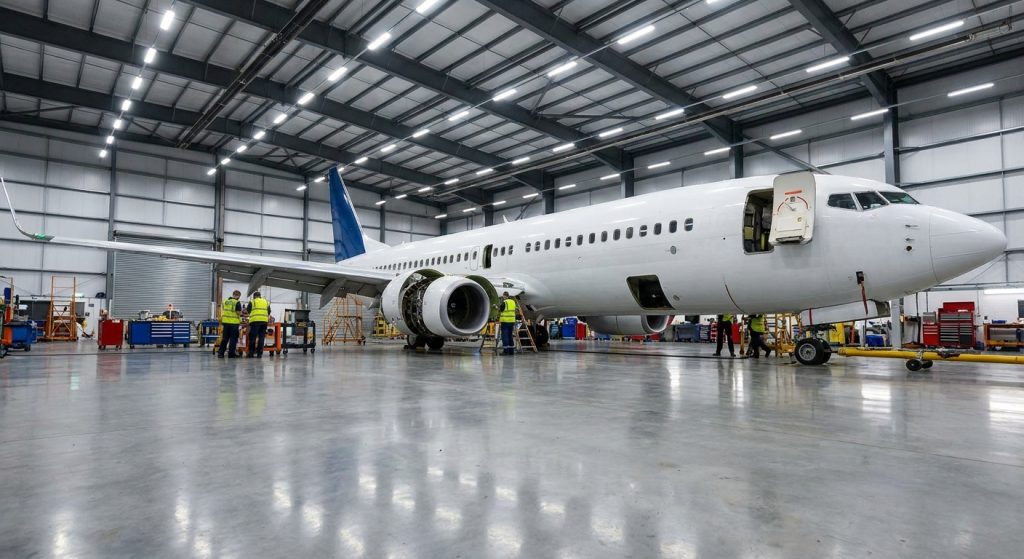
The future of aviation facilities involves accommodating larger aircraft wingspans and the specialized labs required for next-generation composite materials. Using a flexible airplane hangar design philosophy ensures your building does not become obsolete as fleet metrics change. You must anticipate the need for clean rooms and curing ovens for carbon fiber repairs.
Accommodating wider wingspans
You must anticipate the trend toward taller tail heights and wider wings in the commercial sector.
Here is the deal:
- Increase clear spans today to avoid future limitations.
- Ensure floor slabs handle heavier gross weights.
- Design modular systems for future expansion.
Integrating composite labs?
As manufacturers move toward composite materials, your hangar must handle high-tech carbon fiber repairs.
Look:
- Dust-free clean rooms are required for bonding.
- Specialized ovens need high-power circuits.
- Advanced ventilation manages composite particles.
Key Takeaway: Planning for larger, more complex aircraft today prevents your facility from requiring a total rebuild tomorrow.
| Future Trend | Requirement | Prep Level | |
|---|---|---|---|
| Wider Wings | 200ft+ Clear Spans | Essential | |
| Composites | Clean Room Labs | High |
Analysis: Future-proofing through oversized spans and specialized labs ensures long-term facility relevance and market value.
Conclusion
Building a high-performance aviation facility requires a deep understanding of fleet metrics, structural safety, and long-term operational efficiency. By focusing on specialized design elements—from wide-span steel frames to advanced fire suppression—you ensure that your aviation assets are protected and mission-ready. We specialize in engineering durable, cost-effective steel structures that meet the most demanding international aviation standards. If you are ready to elevate your facility’s capabilities and protect your fleet, contact us today to discuss your custom vision. Our commitment to precision engineering ensures your investment provides a secure and efficient home for your aircraft for many years to come.
Email:sales@showhoo.com.cn
Phone/WhatsApp:+86 186 7895 5927
FAQ
1.Can I customize the size of my hangar for future fleet growth?
Yes, customizing for future growth is a core part of strategic design. You can utilize extra-wide clear spans and “knock-out” walls to ensure your facility accommodates larger aircraft as your fleet evolves.
2.What’s the best door type for a wide-span aviation hangar?
The best door type depends on your local climate and operational frequency. Sliding doors are often the most reliable for massive spans, while vertical lift fabric doors provide excellent thermal sealing in colder environments.
3.Can I integrate office space directly into the hangar building?
Absolutely, integrating administrative areas is standard practice for improving staff efficiency. You should ensure these offices are separated by fire-rated walls and sound-dampening materials to maintain a safe and quiet workspace.
4.What is the best way to reduce energy costs in a large hangar?
Focusing on the building envelope is the most effective strategy. You should invest in high-R-value insulation, radiant floor heating, and automated hangar doors that minimize the time the interior is exposed to the elements.
5.How do I know if my hangar requires a foam fire suppression system?
A concise assessment against NFPA 409 standards will determine this requirement based on building size and construction type. Generally, if you perform major maintenance on large, fueled aircraft, a foam system is mandatory for safety and insurance.