
Optimizing your aviation hangar involves integrating high-strength steel structures, precise clear-span engineering, and strategic internal zoning to maximize aircraft availability and maintenance efficiency. High-value aircraft are often vulnerable to environmental degradation and inefficient maintenance spaces in outdated facilities. Corrosion, weather damage, and slow turnaround times increase operational costs while decreasing your flight availability. Investing in a modern airplane hangar provides a durable, clear-span solution that ensures your fleet remains mission-ready and protected from the elements.
What defines a modern aviation hangar?
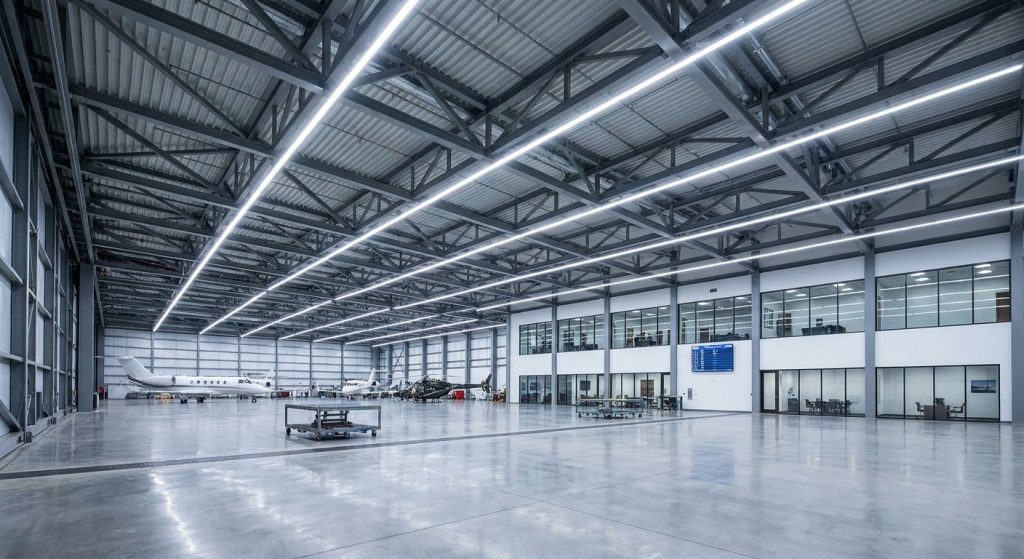
A modern aviation hangar is a multi-functional facility designed to protect aircraft while facilitating complex maintenance and coating operations. This specialized airplane hangar serves as a “glorified garage” that minimizes downtime and maximizes the flight life of your assets.
The facility must balance the need for vast open space with the technical requirements of modern avionics and airframe repair. By utilizing engineered steel, these buildings achieve the massive spans required for heavy aircraft without internal support columns.
Specialized Maintenance Environments
Modern facilities often transition from simple storage to high-tech environments like robotic coating labs. You need to ensure the structure can support the weight of specialized equipment and ventilation systems.
The best part? A well-designed facility can accommodate various aircraft mixes:
- Narrow-body commercial jets
- Corporate turboprops
- Rotary-wing aircraft
- Defense fighter fleets
Strategic Design Foundations
Your facility design should follow established standards such as the Unified Facilities Criteria for military applications or manufacturer-specific planning for commercial fleets. These guidelines ensure that your workspace is both functional and safe for personnel.
Key Takeaway: Modern hangars are high-tech industrial hubs rather than simple storage sheds.
| Feature | Primary Function | Operational Benefit | |
|---|---|---|---|
| Clear Span | Unobstructed floor space | Safe maneuvering | |
| Controlled Climate | Corrosion prevention | Extended asset life | |
| Modular Design | Future scalability | Long-term ROI |
This breakdown illustrates how modern structural elements directly translate into aviation operational excellence.
How do you determine airplane hangar size?
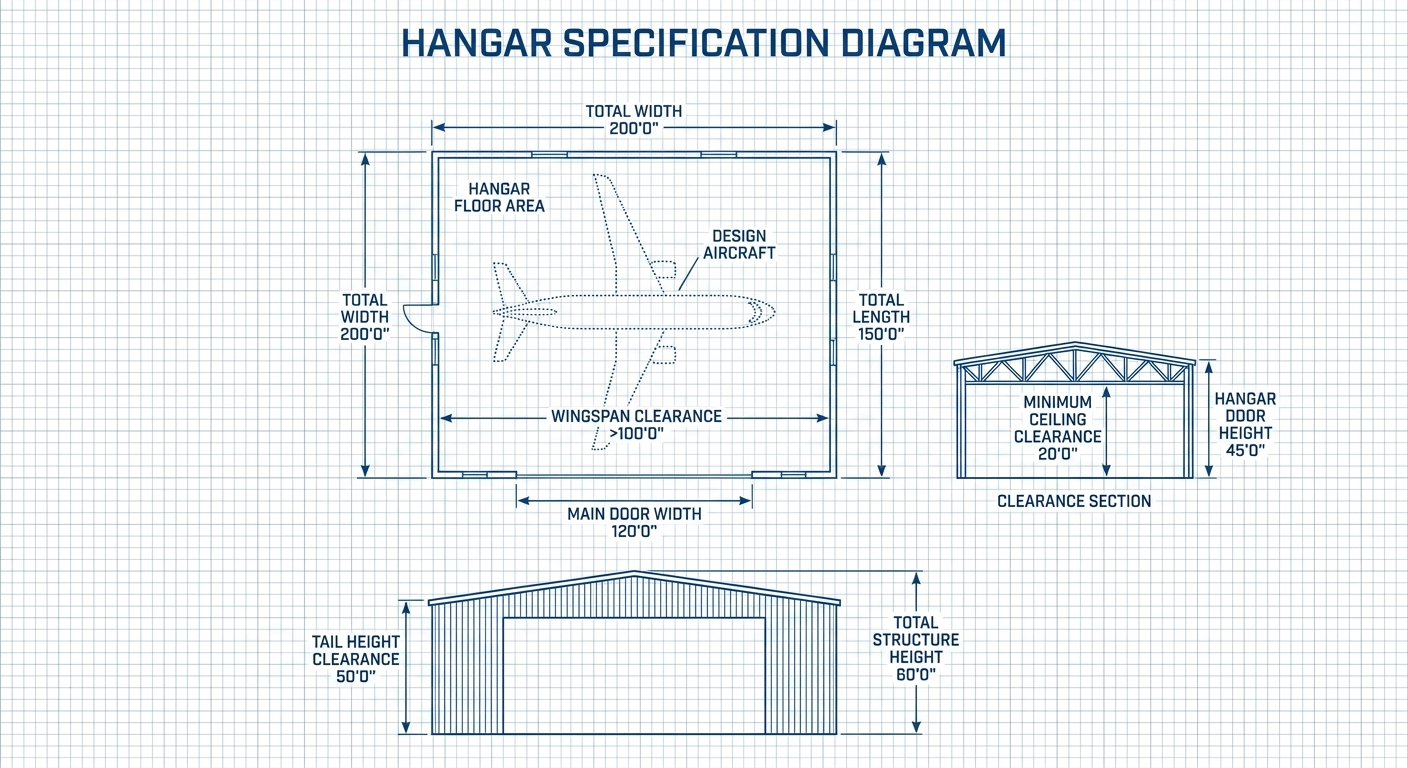
Determining the correct size requires a meticulous analysis of aircraft dimensions, tail heights, and required clearances for safe maneuvering. Selecting the right airplane hangar involves planning for your current fleet while future-proofing for larger aircraft types.
You must consider the maximum wingspan and tail height of the largest aircraft expected to enter the facility. Proper spacing prevents accidental collisions and provides ample room for ground support equipment to navigate around the airframe.
Calculating Clearance and Spacing
Minimum separation distances are defined by building codes to ensure safety during maintenance tasks. You should also account for the turning radius of tow vehicles when laying out your internal floor plan.
Here is the deal:
- Measure the tallest tail height in your fleet.
- Allow for overhead crane clearance above the fuselage.
- Factor in structural depth of the roof trusses.
- Verify the width of the main hangar door opening.
Future-Proofing Your Facility
It is much more cost-effective to build for tomorrow’s fleet today. Next-generation aircraft are becoming larger and heavier, making many older, smaller hangars obsolete for commercial operations.
Key Takeaway: Precision in the initial dimensioning phase prevents costly structural limitations during future fleet upgrades.
| Dimension Type | Metric to Watch | Impact on Design | |
|---|---|---|---|
| Wingspan | Total width | Door and span width | |
| Tail Height | Maximum elevation | Roof and door height | |
| Buffer Zone | 10-20 foot clearance | Overall floor area |
Accurate spatial planning ensures your facility remains versatile as your aviation operations grow over the decades.
Email:sales@showhoo.com.cn
Phone/WhatsApp:+86 186 7895 5927
Why choose steel for aircraft maintenance?
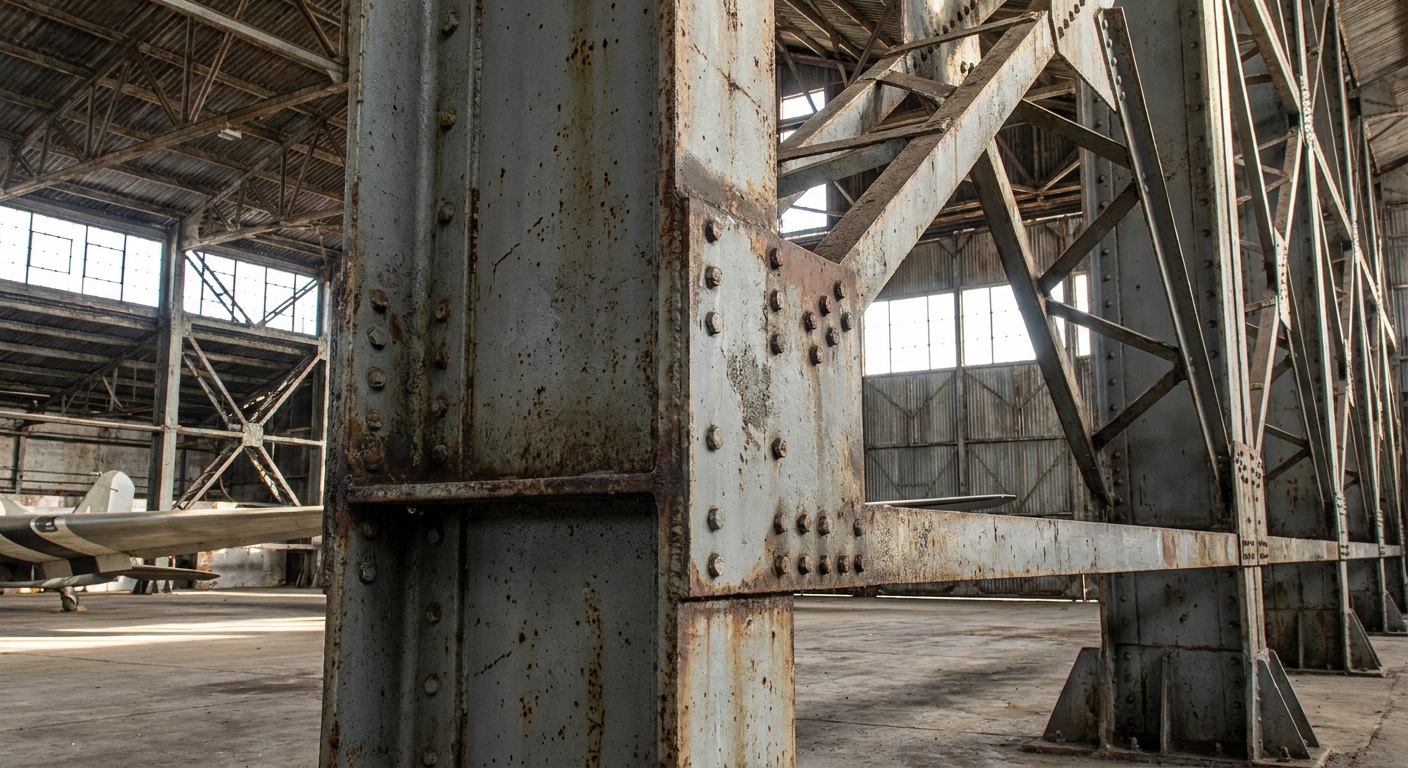
Steel is the preferred material because it offers superior clear-span capabilities and durability against harsh environmental conditions. An airplane hangar built with H-section steel provides the structural integrity needed to support heavy overhead cranes and specialized maintenance equipment.
This material choice allows for rapid construction and significant cost savings over traditional masonry buildings. Steel’s resistance to corrosion and seismic forces makes it ideal for airport environments located in diverse climates.
Structural Efficiency and Clear Spans
High-quality steel frames allow for spans exceeding 100 meters without any central columns. This maximizes your usable floor area, giving you total freedom to rearrange aircraft and maintenance bays as needed.
The real kicker? Steel structures offer several maintenance advantages:
- High strength-to-weight ratio for large spans.
- Prefabricated components for rapid on-site assembly.
- Resistance to pests and fire hazards.
- Ease of expansion for growing operations.
Durability and Lifecycle Costs
Steel requires minimal maintenance compared to other building materials, especially when treated with high-performance coatings. This ensures your facility remains operational for decades with low recurring overhead costs.
Key Takeaway: Steel provides the necessary structural freedom and durability required for large-scale aviation maintenance.
| Material | Clear Span Capability | Construction Speed | |
|---|---|---|---|
| Steel Structure | Excellent (100m+) | High | |
| Traditional Masonry | Limited | Low | |
| Wood Frames | Poor | Medium |
Choosing steel ensures your building meets the demanding engineering standards required for heavy aircraft storage.
What are the key hangar internal zones?
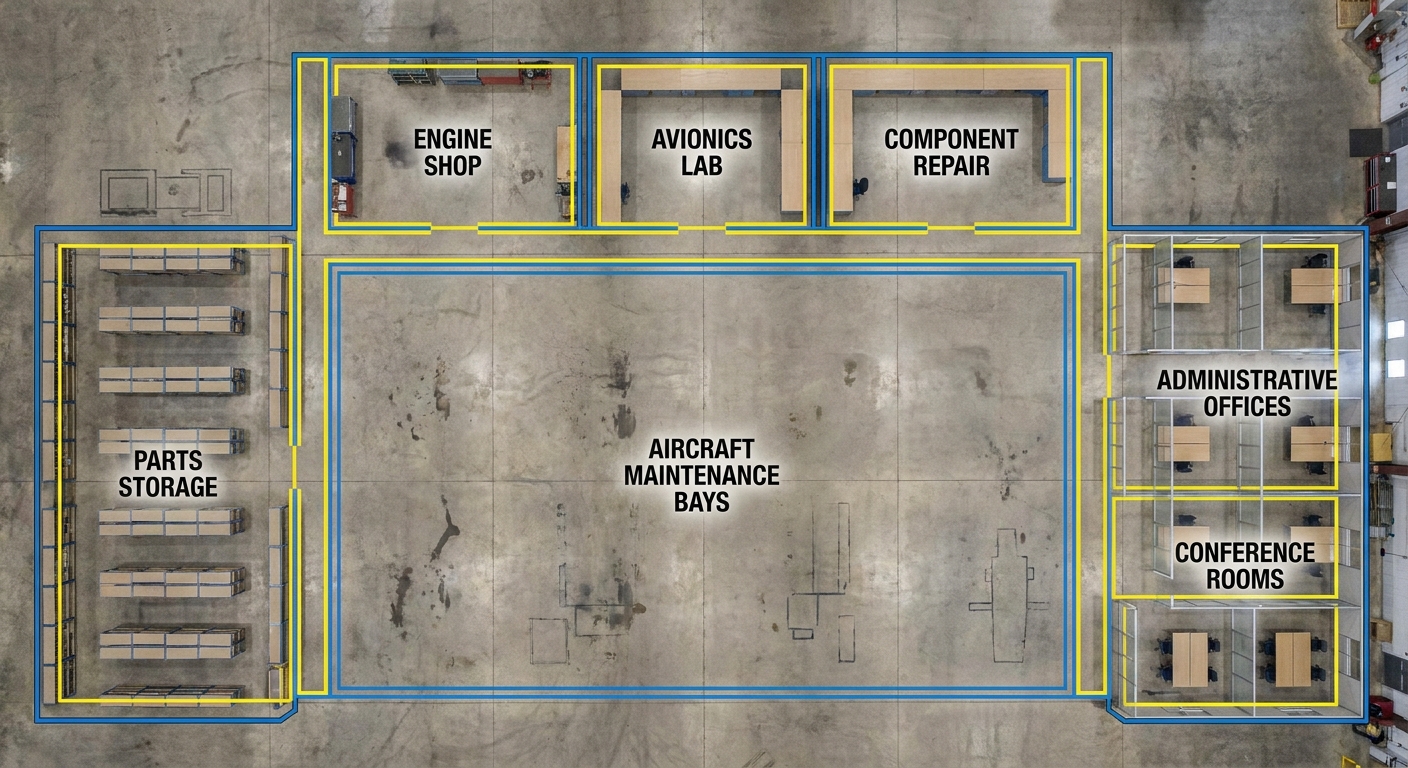
Key internal zones include the primary hangar floor, specialized maintenance shops, administrative offices, and utility support areas. By integrating a steel structure workshop within the facility, you can separate hazardous repair tasks from general storage areas.
Proper zoning improves workflow and ensures that administrative tasks do not interfere with active maintenance operations. Dedicated spaces for tools and spare parts inventory are essential for maintaining high aircraft availability.
Specialized Maintenance and Shop Areas
A productive facility needs dedicated rooms for engine repair, avionics testing, and composite restoration. These zones often require different environmental controls and safety protocols than the main hangar floor.
Here is the secret:
- Place parts storage adjacent to maintenance bays.
- Locate administrative offices away from high-noise zones.
- Ensure utility rooms have exterior access for maintenance.
- Designate specific areas for hazardous material handling.
Administrative and Utility Zones
Personnel need comfortable offices, briefing rooms, and locker facilities to perform at their best. Efficient utility zones house the massive HVAC and fire suppression equipment needed to keep the entire facility running.
Key Takeaway: Optimized zoning reduces personnel transit time and improves overall maintenance safety and efficiency.
| Zone Type | Critical Equipment | Workflow Benefit | |
|---|---|---|---|
| Hangar Bay | Clear span floor | Primary aircraft work | |
| Specialty Shop | Workbenches & tools | Component-level repair | |
| Office Area | IT & comms | Project management |
This zoning strategy creates a logical flow from management to the technicians performing hands-on aircraft repairs.
Which hangar door system is best for you?
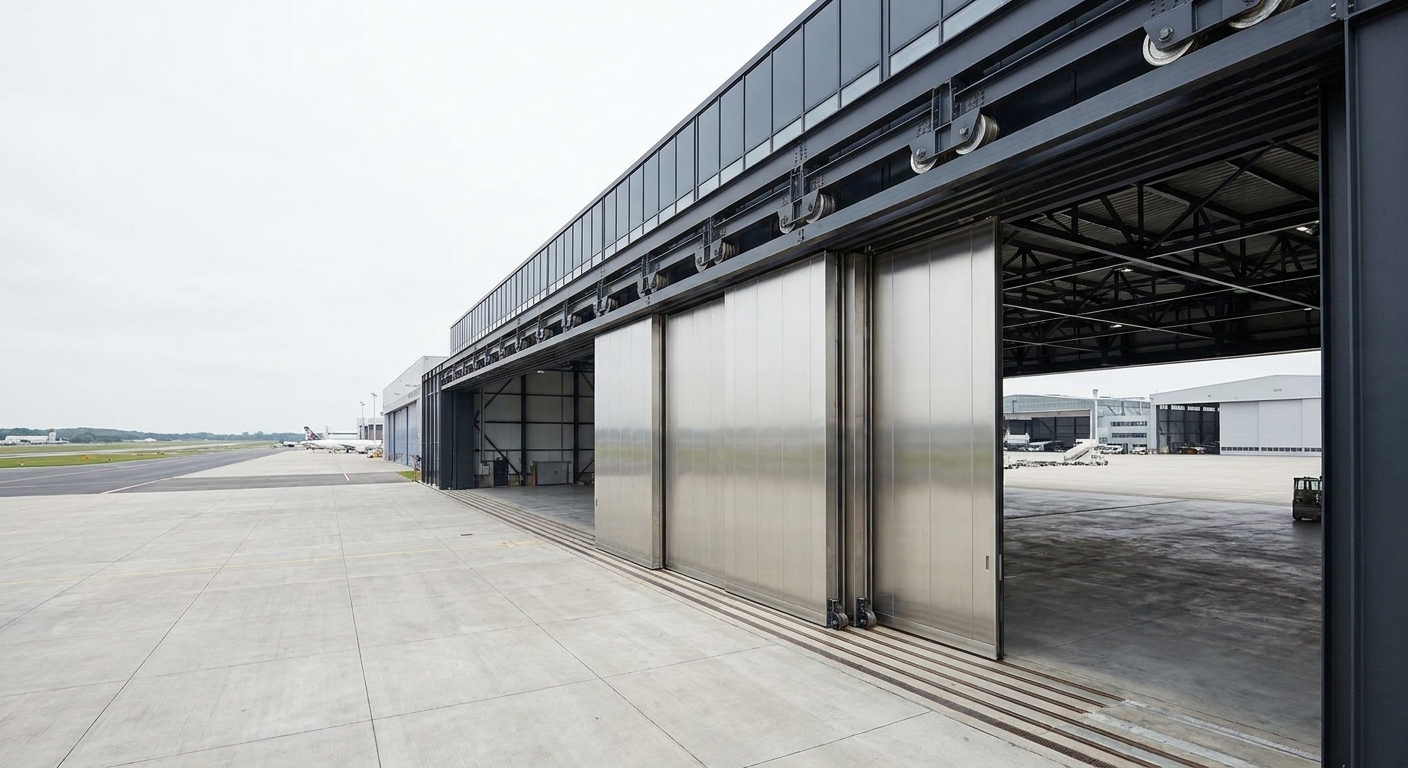
The best door system depends on your clear opening requirements, with sliding and bifolding doors being the most popular choices for large-scale operations. Every modern airplane hangar must account for the structural weight and mechanical needs of these massive entry systems to ensure smooth operation.
Your choice impacts the structural design of the building’s front gable and determines how much usable space is available inside. High-quality door mechanisms prevent mechanical failures that could ground your entire fleet.
Comparing Door Mechanisms
Sliding doors are excellent for massive openings but require exterior tracks and pockets. Bifold doors lift vertically, saving ground space but adding significant stress to the building’s header beam.
The best part? You have several robust options to choose from:
- Multi-part horizontal sliding doors
- Vertical lift fabric doors
- Hydraulic bifolding systems
- Single-panel hydraulic swing doors
Operational Considerations
You must evaluate the wind load ratings and the speed of operation for each door type. Rapid door cycles help maintain internal temperatures and protect technicians from external weather conditions during aircraft movement.
Key Takeaway: Hangar doors are a primary mechanical component that dictates the structural requirements of the entire building.
| Door Type | Space Requirement | Structural Impact | |
|---|---|---|---|
| Horizontal Sliding | High (sides) | Low (header) | |
| Vertical Bifold | Low | High (header) | |
| Fabric Lift | Lowest | Medium |
Evaluating these trade-offs ensures you select a door system that aligns with your operational priorities.
How do fire and safety codes impact design?
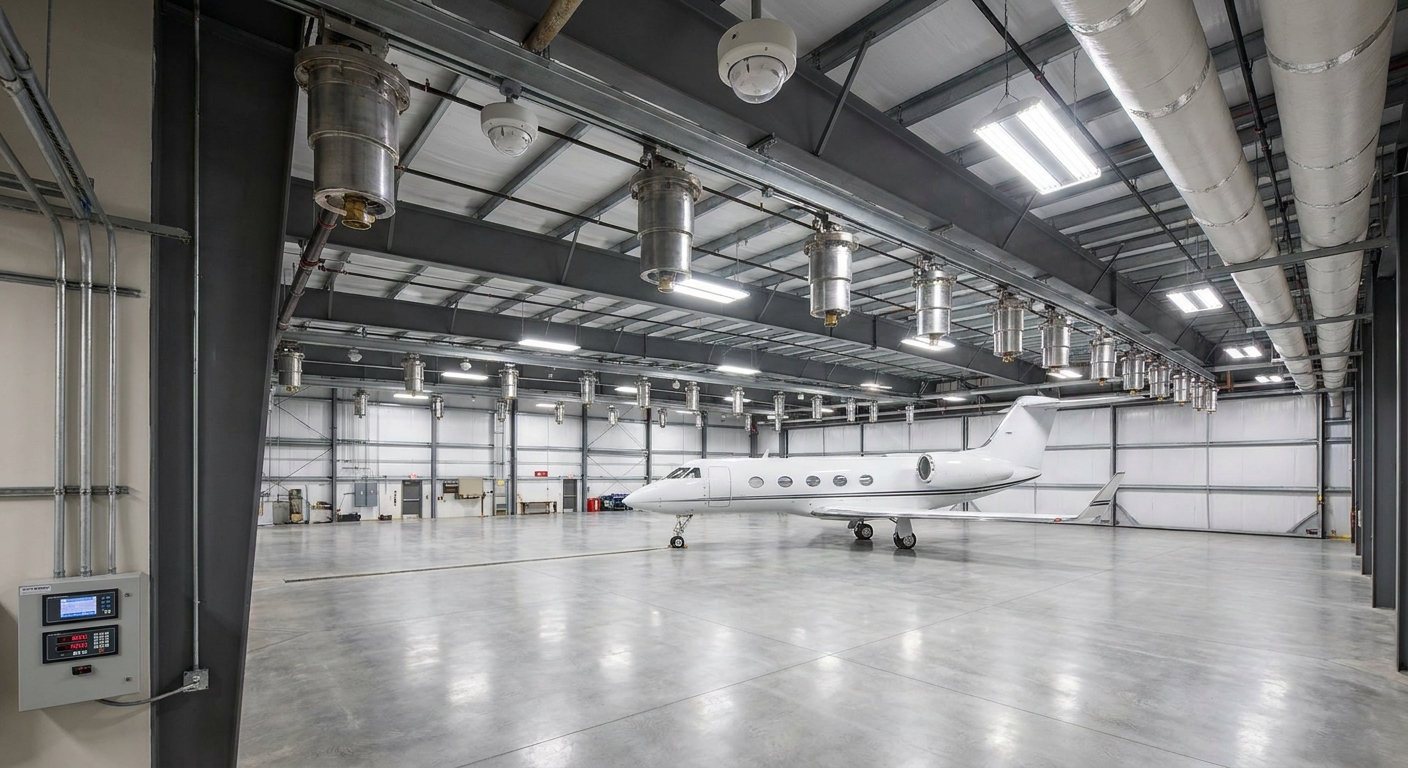
Safety codes mandate specific fire suppression systems and electrical classifications to prevent disasters within the high-value environment. Designing a compliant airplane hangar requires adherence to NFPA 409 standards to ensure personnel and equipment remain protected at all times.
Fire suppression systems in hangars typically utilize water mixed with Aqueous Film Forming Foam (AFFF) to extinguish fuel fires rapidly. These systems must be carefully integrated into the building’s ceiling structure and floor drainage.
Fire Suppression and Detection
Automated foam cannons and overhead sprinklers provide the first line of defense against hangar fires. You must also ensure that your water supply and pump capacity can meet the high demand of these specialized systems.
The bottom line:
- NFPA 409 dictates suppression based on hangar size.
- Foam systems require specialized containment and drainage.
- Heat and flame detectors must be placed strategically.
- Manual override stations should be accessible to all staff.
Hazardous Zone Classifications
The presence of aviation fuel requires electrical systems to be explosion-proof in certain zones. You must classify the hangar space according to NFPA 70 to determine where specialized lighting and power outlets are required.
Key Takeaway: Strict adherence to safety codes is non-negotiable for protecting high-value aircraft and human lives.
| Safety System | Compliance Standard | Critical Purpose | |
|---|---|---|---|
| Suppression | NFPA 409 | Rapid fuel fire control | |
| Electrical | NFPA 70 | Ignition prevention | |
| Life Safety | NFPA 101 | Personnel emergency egress |
Following these guidelines ensures your facility is insurable and provides a safe working environment for your team.
Email:sales@showhoo.com.cn
Phone/WhatsApp:+86 186 7895 5927
What mechanical systems does a hangar need?
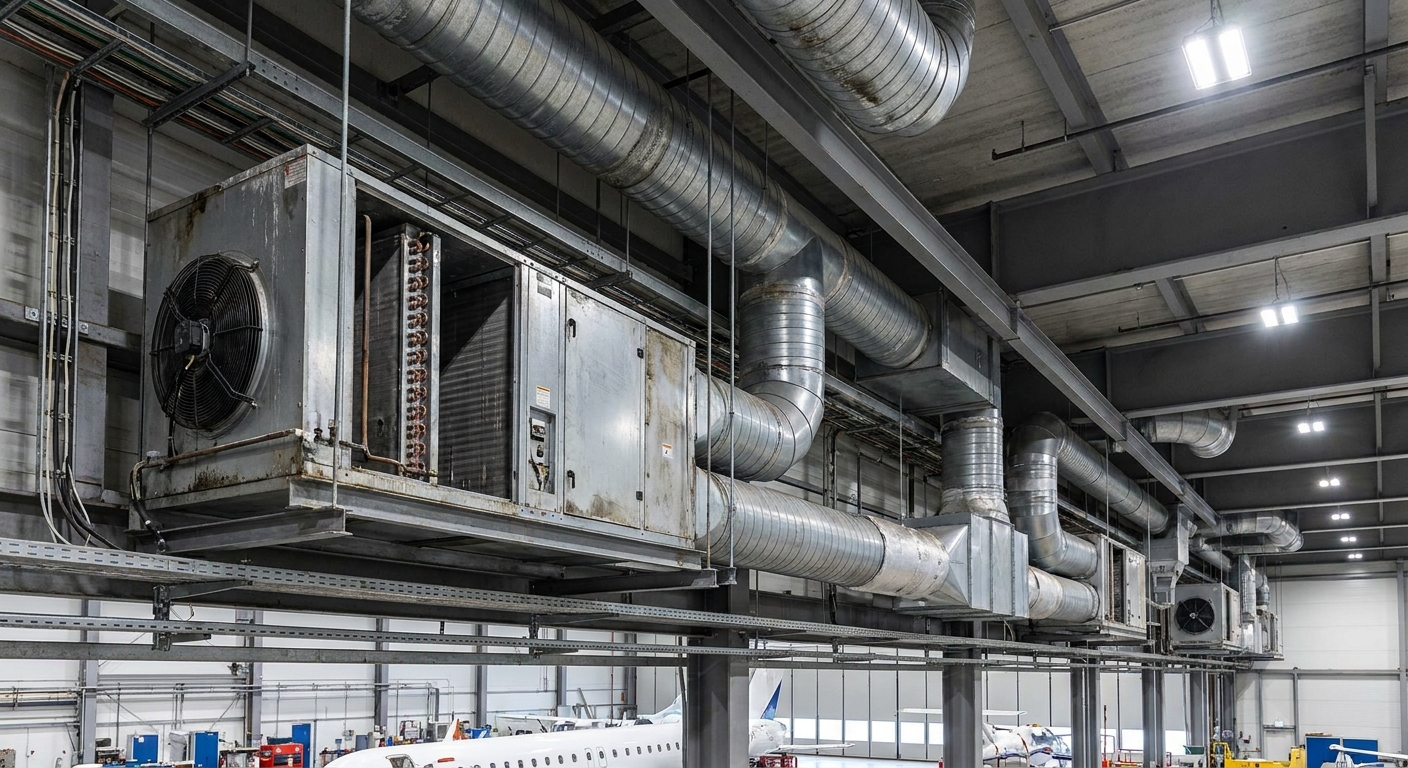
A hangar requires advanced HVAC systems for environmental control, specialized utility power, and robust fire suppression mechanisms. The climate within an airplane hangar must be managed to prevent corrosion and support sensitive avionics or coating processes.
In specialized corrosion control facilities, the mechanical room can be as large as the hangar bay itself. Proper ventilation is also critical for removing toxic fumes generated during maintenance and painting tasks.
HVAC and Ventilation
Large-volume air handling units maintain stable temperatures even when the massive hangar doors are opened. Radiant floor heating is often the most efficient way to keep technicians warm in cold climates while maximizing air quality.
The deal is:
- Radiant heating keeps heat near the floor.
- Exhaust systems must handle paint and chemical fumes.
- Dehumidification prevents corrosion on airframes.
- Ductwork should not interfere with overhead cranes.
Power and Specialized Utilities
Aircraft operate on different voltages and frequencies than standard public utilities, requiring specialized power converters on the floor. You also need high-pressure compressed air and reliable waste management systems for hazardous effluents.
Key Takeaway: Robust mechanical systems are the lifeblood of a functional and compliant aircraft maintenance facility.
| System | Primary Function | Maintenance Value | |
|---|---|---|---|
| HVAC | Climate stability | Corrosion prevention | |
| Power | Ground support power | Avionics testing | |
| Exhaust | Air purification | Technician health |
Investing in high-performance mechanical systems directly correlates with the quality and speed of your aircraft maintenance.
How is a steel airplane hangar constructed?
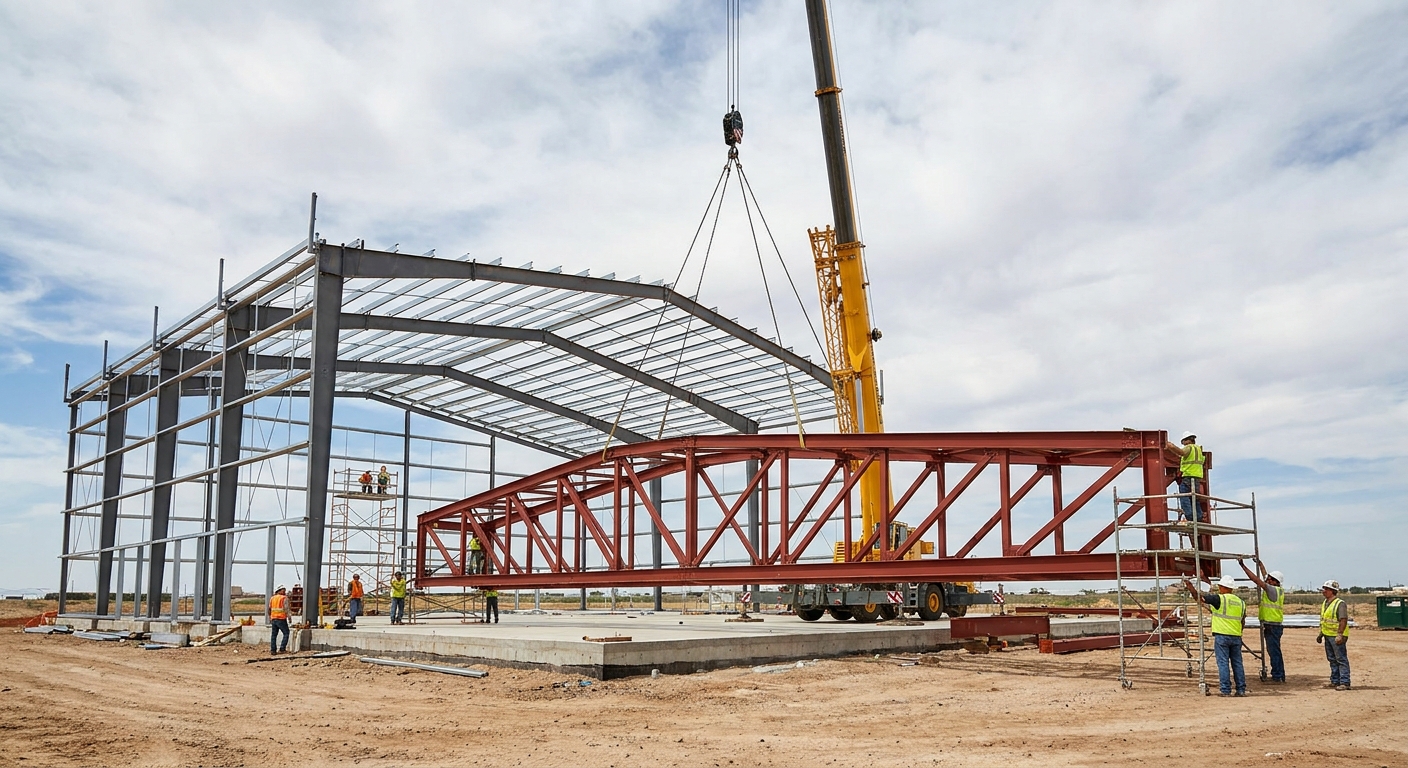
Construction begins with high-precision foundation work and anchor bolt placement, followed by the rapid erection of the steel framework. Utilizing an integrated steel structure warehouse delivery system ensures that every component is marked and ready for immediate on-site assembly.
The use of prefabricated steel allows for a much shorter project timeline compared to traditional construction methods. This speed is vital for aviation operators who need to get their facilities online and their aircraft protected as quickly as possible.
Foundation and Frame Erection
The foundation must be engineered to support massive concentrated loads from aircraft landing gear. Once the concrete is cured, H-section steel columns and beams are bolted together to form the rigid primary frame.
The best part? Steel construction follows a logical, repeatable sequence:
- Anchor bolt placement with laser precision.
- Primary frame erection using heavy cranes.
- Installation of secondary purlins and girts.
- Enclosure with insulated wall and roof panels.
Integrated System Delivery
Top manufacturers provide a complete building package, including doors, windows, and fasteners. This integrated approach eliminates site errors and ensures that all components work together seamlessly.
Key Takeaway: Prefabricated steel construction offers the fastest and most reliable path to a mission-ready hangar.
| Step | Focus Area | Success Metric | |
|---|---|---|---|
| Foundation | Load bearing | Zero settlement cracks | |
| Erection | Structural frame | Perfect alignment | |
| Finishing | Doors & Panels | Weather-tight seal |
Standardized construction steps ensure that your facility is built to last while minimizing on-site modifications.
Can hangars incorporate sustainable design?
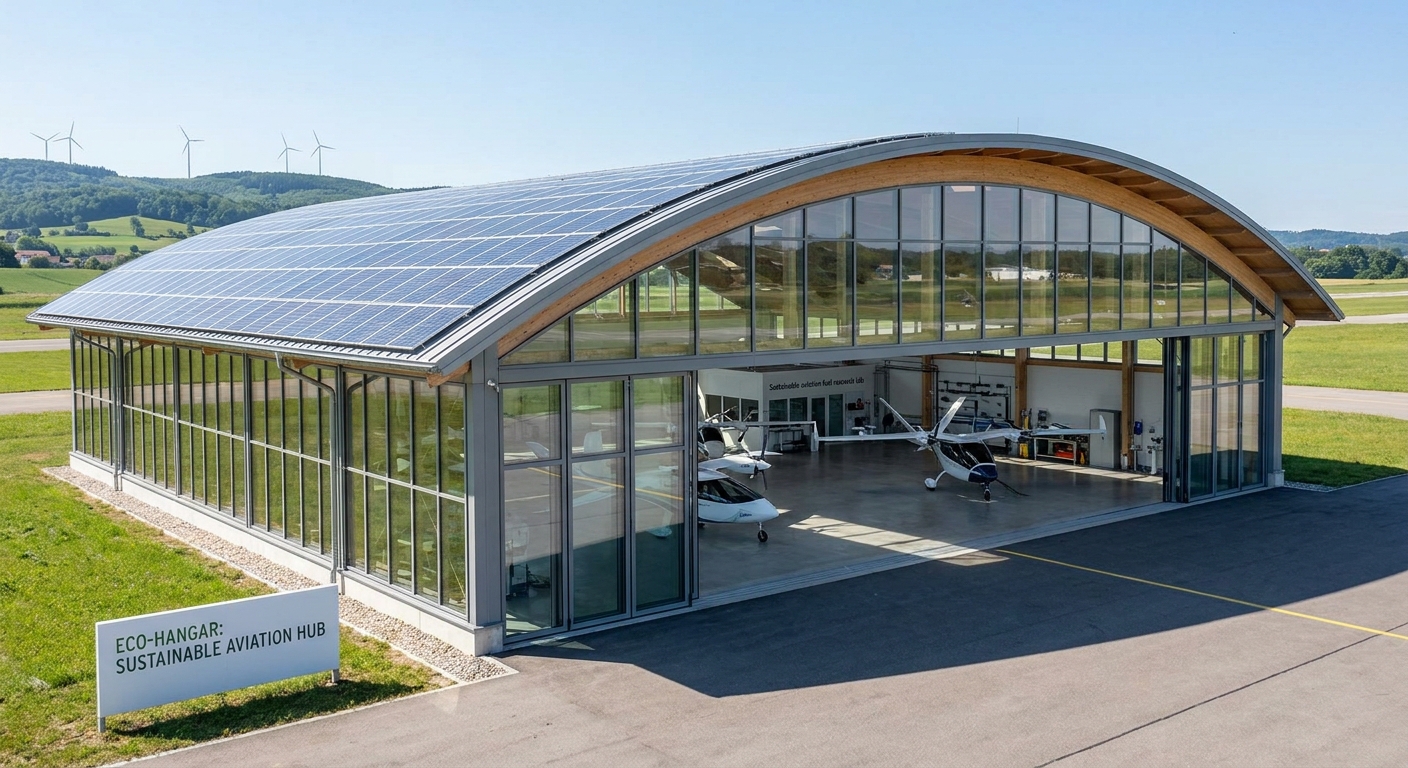
Yes, hangars can incorporate sustainable features like thermal insulation, energy-efficient lighting, and solar-ready roofing systems. A sustainable airplane hangar reduces long-term operational costs while minimizing the environmental impact of your aviation hub.
Energy-efficient designs focus on retaining conditioned air and utilizing natural light wherever possible. This is especially important in large-volume buildings where heating and cooling costs can become significant overhead expenses.
Thermal Efficiency and Insulation
High-performance sandwich panels provide excellent thermal resistance for both walls and roofs. Proper insulation prevents condensation and helps maintain a stable internal environment for sensitive aircraft components.
Here is the deal:
- Insulated panels reduce HVAC energy loads.
- Skylights reduce the need for artificial daytime lighting.
- LED fixtures lower power consumption and maintenance.
- Solar panels can be integrated into the roof system.
Resource Management
Modern hangars can also implement rainwater harvesting and greywater recycling for washing aircraft. Efficient drainage systems ensure that any toxic effluents are captured and treated before entering the local environment.
Key Takeaway: Sustainability in hangar design translates directly into lower operating costs and a better environmental footprint.
| Feature | Sustainability Goal | Economic Benefit | |
|---|---|---|---|
| LED Lighting | Energy reduction | Lower utility bills | |
| Sandwich Panels | Thermal control | Reduced HVAC usage | |
| Solar Ready | Renewable energy | Long-term energy independence |
Eco-friendly design choices prove that industrial efficiency and environmental responsibility can go hand in hand.
How do you find the right hangar partner?
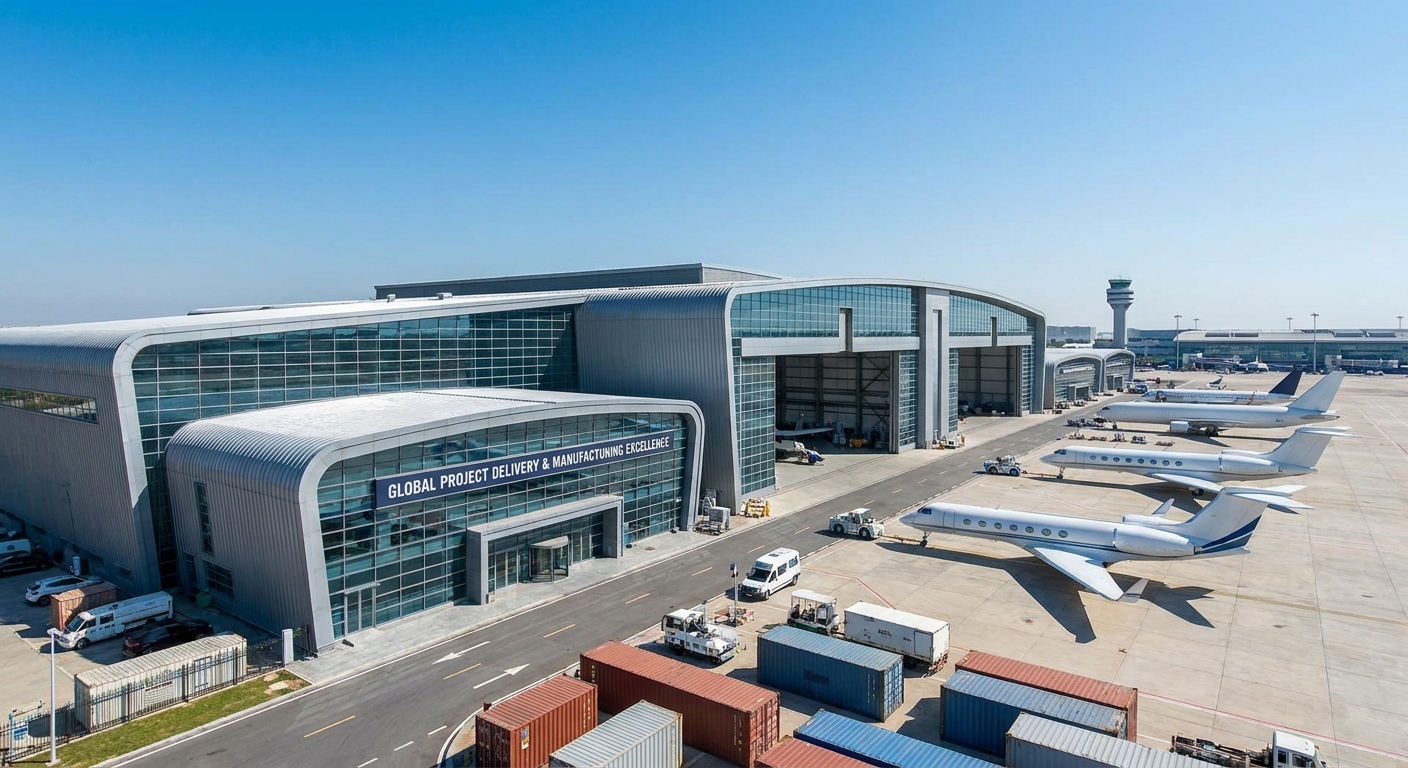
Finding the right partner involves evaluating a manufacturer’s global project experience, factory-direct pricing, and technical engineering support. You can browse global case studies to see how an experienced provider manages complex delivery logistics for every unique airplane hangar project.
A reliable partner provides end-to-end support, from initial 3D design to installation guidance on-site. Choosing a manufacturer with direct control over the fabrication process ensures higher quality and more competitive pricing.
Evaluating Manufacturer Expertise
You should look for a partner with a proven track record in the aviation industry across different global markets. Experience with local building codes and international shipping logistics is crucial for a smooth project execution.
The bottom line:
- Verify factory-direct pricing with no middleman markups.
- Check for comprehensive QC certifications and mill tests.
- Ensure the team offers 24-hour customized quote support.
- Confirm availability of on-site installation supervision.
Integrated Service Model
The best partners act as an extension of your project team, providing technical expertise that reduces risks. They should offer a clear bill of materials and marked components to simplify the erection process.
Key Takeaway: The right manufacturer is a strategic partner that ensures project precision, quality, and budget control.
| Provider Trait | Client Benefit | Outcome | |
|---|---|---|---|
| Factory-Direct | No hidden markups | Lower total cost | |
| Engineering Support | Local code compliance | Safe & legal structure | |
| 1,000+ Case Studies | Proven reliability | Reduced project risk |
Selecting a partner with extensive international experience ensures your project succeeds regardless of your location.
Strategic Aviation Solutions
Choosing the right facility is a critical step in protecting your aviation assets and ensuring operational success. Our team is dedicated to providing high-quality, clear-span steel structures that meet the rigorous demands of the modern aerospace industry. If you are ready to elevate your aircraft storage or maintenance capabilities, contact us today for a comprehensive project analysis and a customized quote within 24 hours. Let us help you build a facility that stands the test of time and keeps your fleet in the air.
Email:sales@showhoo.com.cn
Phone/WhatsApp:+86 186 7895 5927
Decision FAQ
Can I modify the hangar design during production?Modifications are evaluated by our engineering team immediately. While changes to components already fabricated may impact cost, we provide clear documentation for all revisions.
What’s the best way to handle local building codes?We coordinate directly with your local engineers to ensure fabrication drawings meet specific standards like AISC or Eurocode. Our team has experience adapting designs to diverse national requirements.
How do I know if my foundation is sufficient?Our engineers provide detailed anchor bolt layouts and load specifications. You should work with a local geotechnical engineer to verify soil conditions and concrete depth.
Can I get on-site support for installation?Yes, we can deploy experienced supervisors to your site. Alternatively, we provide detailed 3D drawings and video guidance for your local contractors to follow.
What’s the best way to prevent corrosion in marine climates?We offer high-performance coating systems and hot-dip galvanization for all steel components. This provides the highest level of protection against salty, humid air.
Showhoo Building: Engineered Excellence, Delivered Worldwide.