
Modern aviation facilities are high-performance engineering hubs designed to maximize aircraft uptime while ensuring total structural protection. Leaving multi-million dollar assets exposed to the elements leads to rapid corrosion, increased maintenance cycles, and severe operational delays. You cannot afford the risk of specialized equipment deteriorating in a standard warehouse or “glorified garage.” To protect your fleet and streamline your operations, professional airplane hangar construction provides the durability and customized clear-span space your mission requires.
What defines the modern airplane hangar construction process?
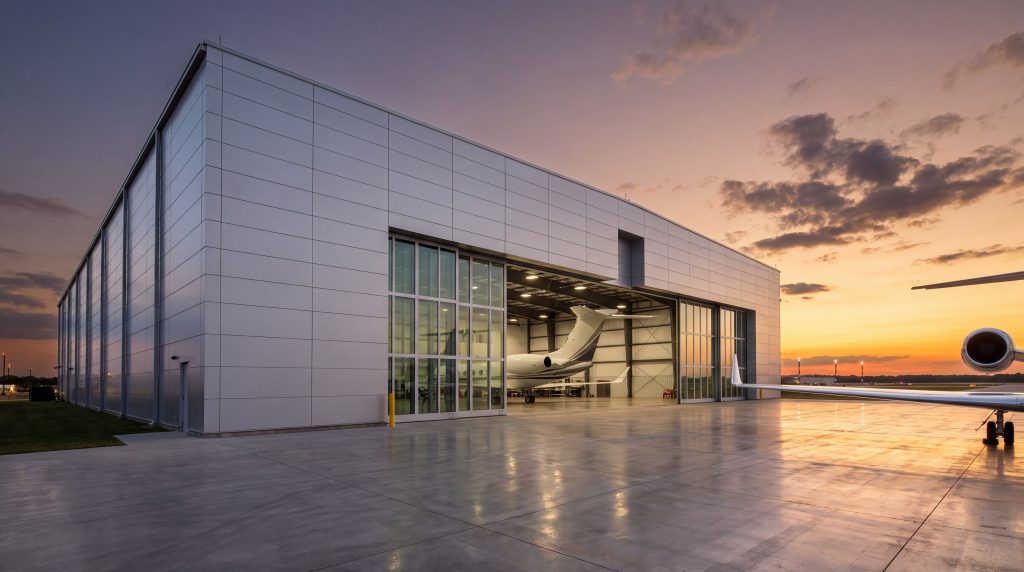
The modern process is an integrated engineering workflow that transforms high-grade raw materials into specialized maintenance environments tailored to specific aircraft metrics. Professional airplane hangar construction focuses on creating a facility that balances structural rigidity with the flexible logistics needed for rapid flight line access.
You must view the hangar as a tool for availability rather than just a storage unit. By following WBDG concepts, designers prioritize the flow of personnel, parts, and heavy machinery to minimize maintenance downtime.
Precision Engineering for Aviation
Think about this: Aviation structures require significantly more planning than standard commercial buildings due to the massive clear spans involved.
- 3D modeling ensures all structural nodes align perfectly.
- Wind and snow load calculations are customized to your specific airfield coordinates.
- Foundation designs must support the concentrated point loads of heavy landing gear.
The truth is, without precision engineering at the start, you face costly field modifications later. We ensure that every component is fabricated to meet rigorous international standards before it ever reaches your site.
Comprehensive Project Integration
Best of all: Your project is managed as a single, cohesive system from the first drawing to the final bolt.
- Material sourcing is handled directly to maintain quality control.
- Installation drawings are provided in advance for local contractor coordination.
- Logistics teams sequence deliveries to match your on-site assembly schedule.
Key Takeaway: A holistic approach to construction ensures that the final facility operates as a high-efficiency maintenance tool rather than just a building.
| Component | Function | Impact | |
|---|---|---|---|
| Design | 3D Structural Modeling | Reduces field errors by 95% | |
| Fabrication | Factory-Direct Steel | Ensures material consistency and cost control | |
| Logistics | Sequenced Delivery | Accelerates the total construction timeline |
Analysis: Integrated delivery models significantly reduce communication errors and ensure the building meets all aviation-specific clearance requirements.
How do you determine airplane hangar construction space needs?
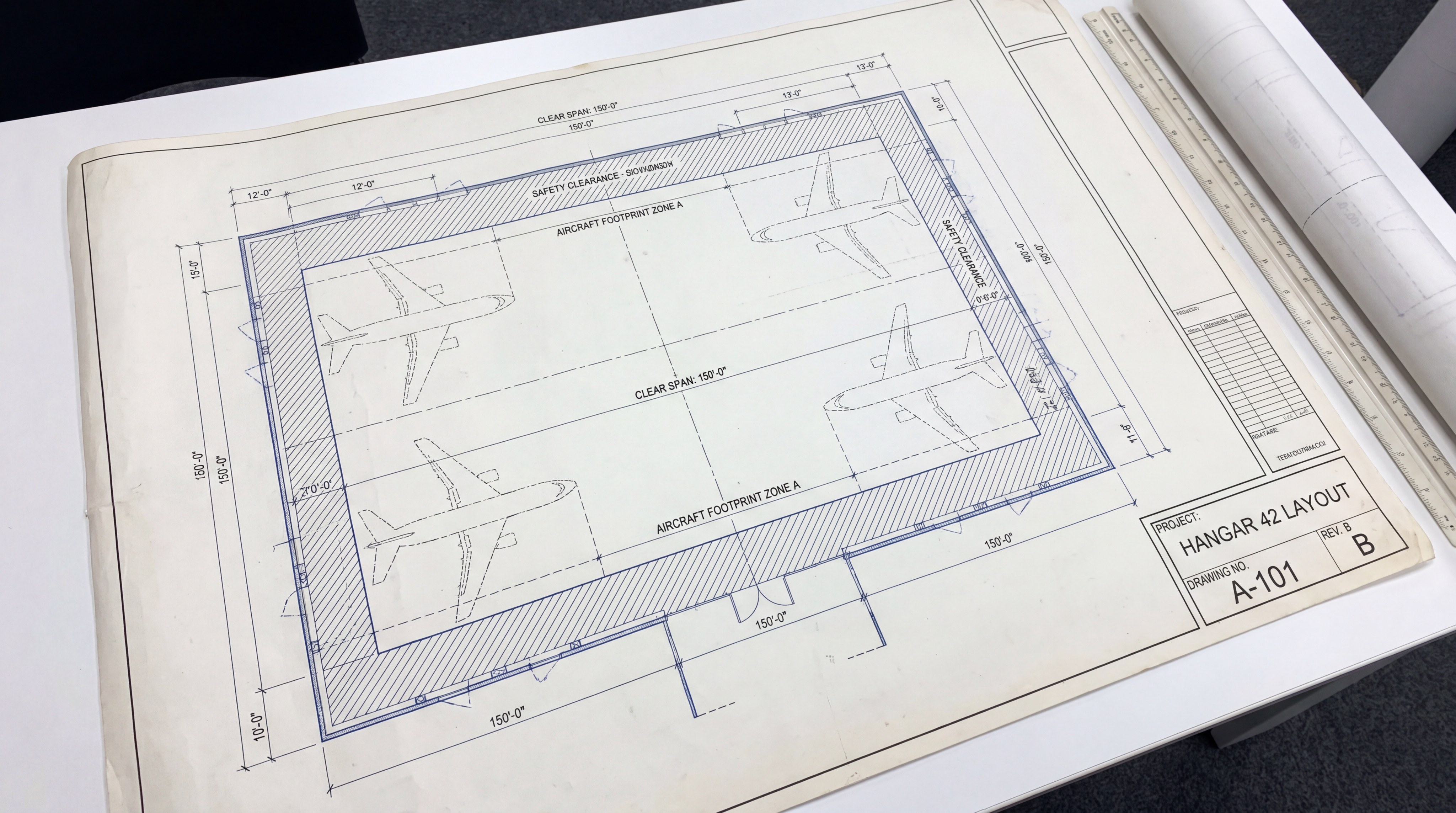
You calculate space requirements by mapping your fleet’s maximum wingspan and tail height against necessary safety clearances and future expansion goals. In airplane hangar construction , the goal is to provide enough volume for the largest aircraft in the mix while maintaining a footprint that allows for efficient movement.
Successful planning relies on utilizing templates representing each aircraft type. This allows you to visualize various parking and maintenance configurations to ensure you aren’t wasting expensive square footage or creating dangerous bottlenecks.
Calculating Clearance and Separation
Wait, there’s more: Safety clearances aren’t just for parking; they are critical for moving heavy maintenance equipment and personnel safely around the airframe.
- Minimum separation distances prevent accidental contact between wingtips.
- Tail height clearances must account for the structural depth of the roof trusses.
- Turning radii for tow vehicles must be factored into the door width and apron design.
The reality is that a hangar that is “just big enough” today will become a liability tomorrow as your fleet evolves. We recommend building in a 15-20% margin for larger aircraft models.
Identifying Specialty Space Needs
Think about this: A hangar is more than just a bay; it requires dedicated zones for shops, administration, and equipment storage.
- Shop areas must be adjacent to the aircraft nose or tail for tool access.
- Hazardous material storage requires specialized ventilation and fire containment.
- Administrative offices need clear sightlines to the hangar floor for safety monitoring.
Key Takeaway: Accurate space assessment prevents operational bottlenecks and ensures your facility remains viable for the next generation of aircraft.
| Space Type | Primary Metric | Requirement | |
|---|---|---|---|
| Hangar Bay | Clear Span Width | Largest aircraft wingspan plus 10-foot safety buffer | |
| Tail Door | Vertical Clearance | Tail height plus 2 feet for structural truss depth | |
| Shop Area | Workflow Distance | Proximity to primary airframe maintenance zones |
Analysis: Prioritizing clear-span volume ensures that your aircraft hangar can accommodate a versatile mix of fixed-wing and rotary assets.
Email:sales@showhoo.com.cn
Phone/WhatsApp:+86 186 7895 5927
Which functional zones are in airplane hangar construction?
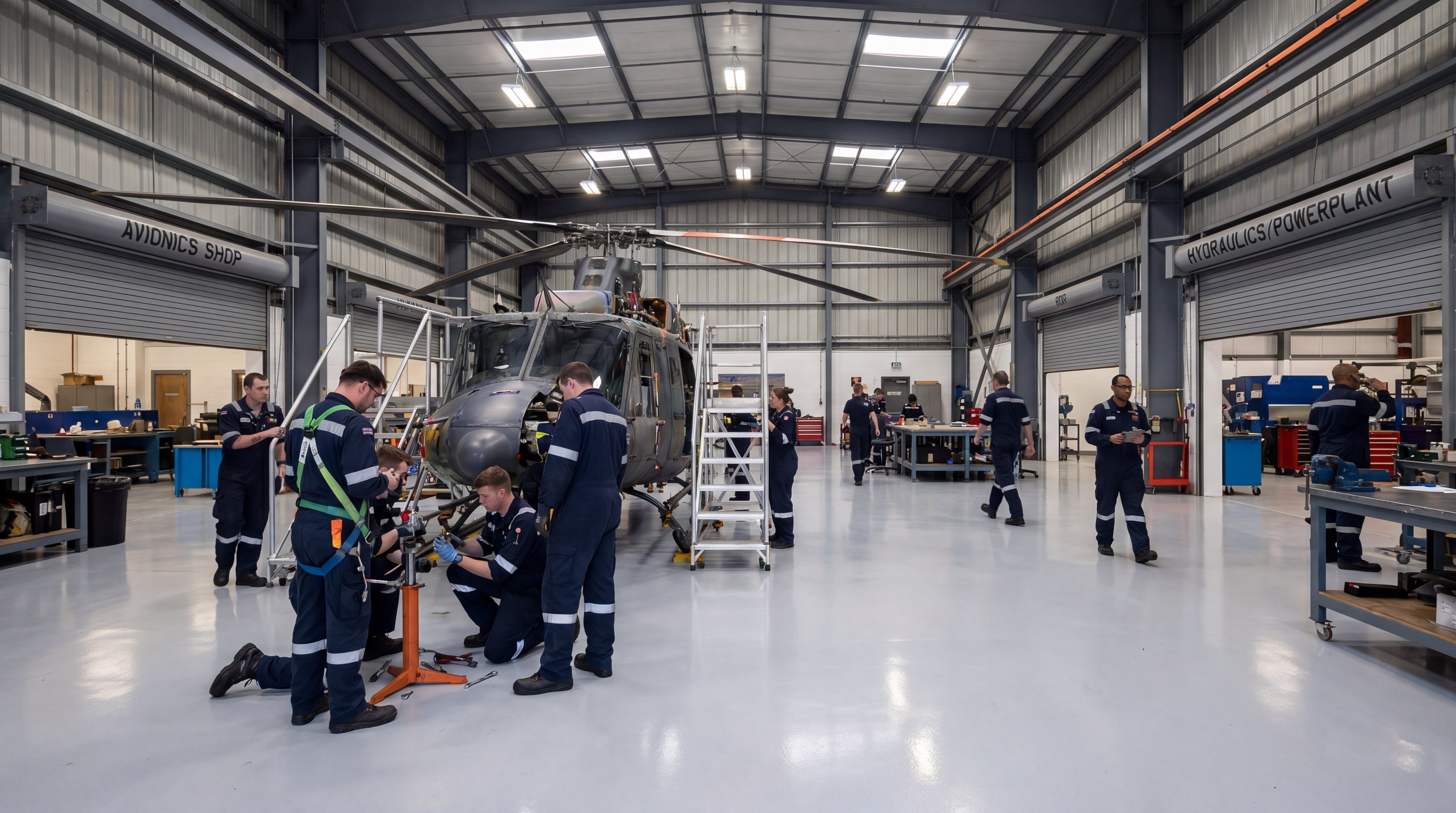
A professional aviation facility integrates the primary hangar bay with specialized maintenance shops, parts warehouses, administrative offices, and utility housing. Modern airplane hangar construction requires these five zones to work in harmony to prevent “part-chasing” and unnecessary personnel movement.
The placement of these zones is dictated by the maintenance functions being performed. For example, a corrosion control facility will have a vastly different utility footprint compared to a light maintenance storage hangar.
Strategic Maintenance Shop Layout
Here is the kicker: If your mechanics have to walk more than 50 feet for a tool or part, your operational efficiency is dropping.
- Avionics and engine repair shops should be located on the hangar perimeter.
- Battery servicing rooms require specialized ventilation separate from the main bay.
- Nondestructive testing laboratories need controlled environments for accurate analysis.
The truth is, a well-planned shop zone can reduce the time spent on scheduled inspections by as much as 20%. We design these spaces to be modular and installation-ready.
Warehousing and Utility Integration
But wait, there’s more: Your warehouse must be able to store everything from small fasteners to large composite panels in a temperature-controlled environment.
- Parts storage should utilize vertical space to keep the ground floor clear.
- Utility rooms for HVAC and fire suppression should be externally accessible.
- Ground support equipment (GSE) needs dedicated charging and parking zones.
Key Takeaway: Zoning your hangar by frequency of use and hazard level creates a safer, more productive environment for your flight crew.
| Zone | Priority | Design Feature | |
|---|---|---|---|
| Primary Bay | Accessibility | High-speed sliding or bifold door systems | |
| Specialty Shops | Precision | Climate-controlled interiors with ESD flooring | |
| Utilities | Safety | Explosion-proof electrical and AFFF reservoirs |
Analysis: Strategic zoning in airplane hangar construction ensures that high-risk activities are isolated from the main airframe storage area.
Why use steel for airplane hangar construction projects?
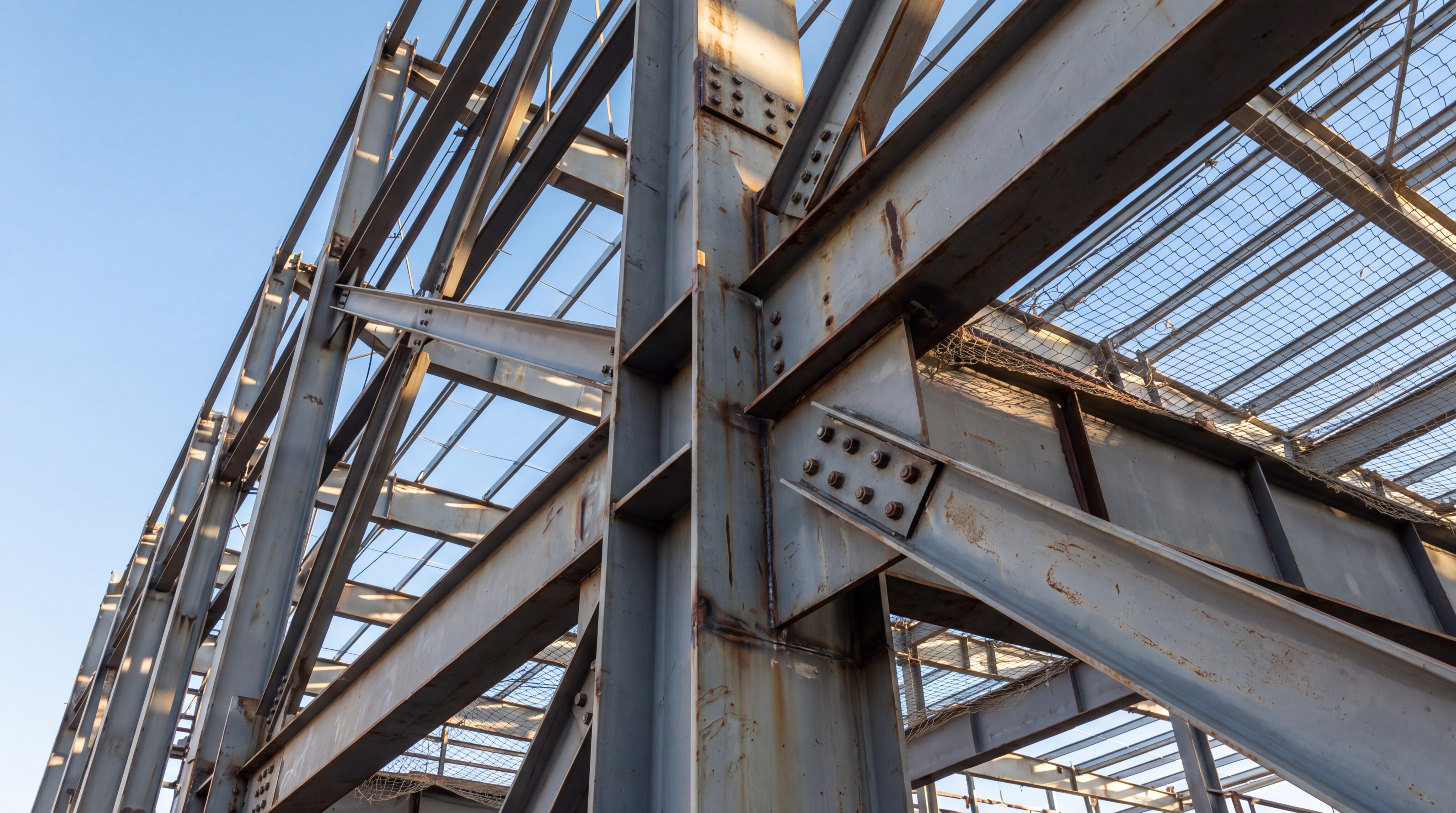
Steel is the gold standard for aviation because it allows for massive, column-free clear spans that are physically impossible with other materials. In airplane hangar construction , H-section steel frames provide the necessary strength to resist extreme lateral wind loads while supporting the heavy weight of hangar door systems.
Furthermore, steel is resistant to the pests, rot, and fire hazards that threaten traditional construction. When you are housing high-value assets, you need a structure that offers engineering excellence and long-term durability.
Advantages of H-Section Framework
Think about this: The strength-to-weight ratio of steel allows you to span over 100 meters without a single internal pillar.
- Primary frames provide the rigid skeleton for the entire building.
- Secondary structures like purlins and bracings ensure lateral stability.
- Galvanized coatings protect the steel from corrosive jet fuel and maritime air.
The truth is, steel allows for a faster erection time because components are pre-punched and pre-marked. This means your facility can be operational months ahead of traditional masonry builds.
Cost-Efficiency and Customization
Wait, there’s more: Prefabricated steel structures offer the lowest total cost of ownership over the building’s lifespan.
- Maintenance costs for steel are minimal compared to wood or concrete.
- Standardized parts make it easy to expand or modify the building later.
- High-strength bolts ensure the structure can withstand seismic events and heavy snow.
Key Takeaway: Steel provides the structural integrity required for large-volume aviation spaces while offering superior resistance to environmental hazards.
| Feature | Steel Benefit | Operational Result | |
|---|---|---|---|
| Clear Span | No internal columns | 100% usable floor space for aircraft | |
| Durability | Corrosion resistance | 50+ year lifespan with minimal maintenance | |
| Speed | Bolt-together assembly | Drastic reduction in on-site labor costs |
Analysis: Utilizing a steel structure warehouse design for your hangar guarantees a scalable and resilient asset protection solution.
How do site factors affect airplane hangar construction?
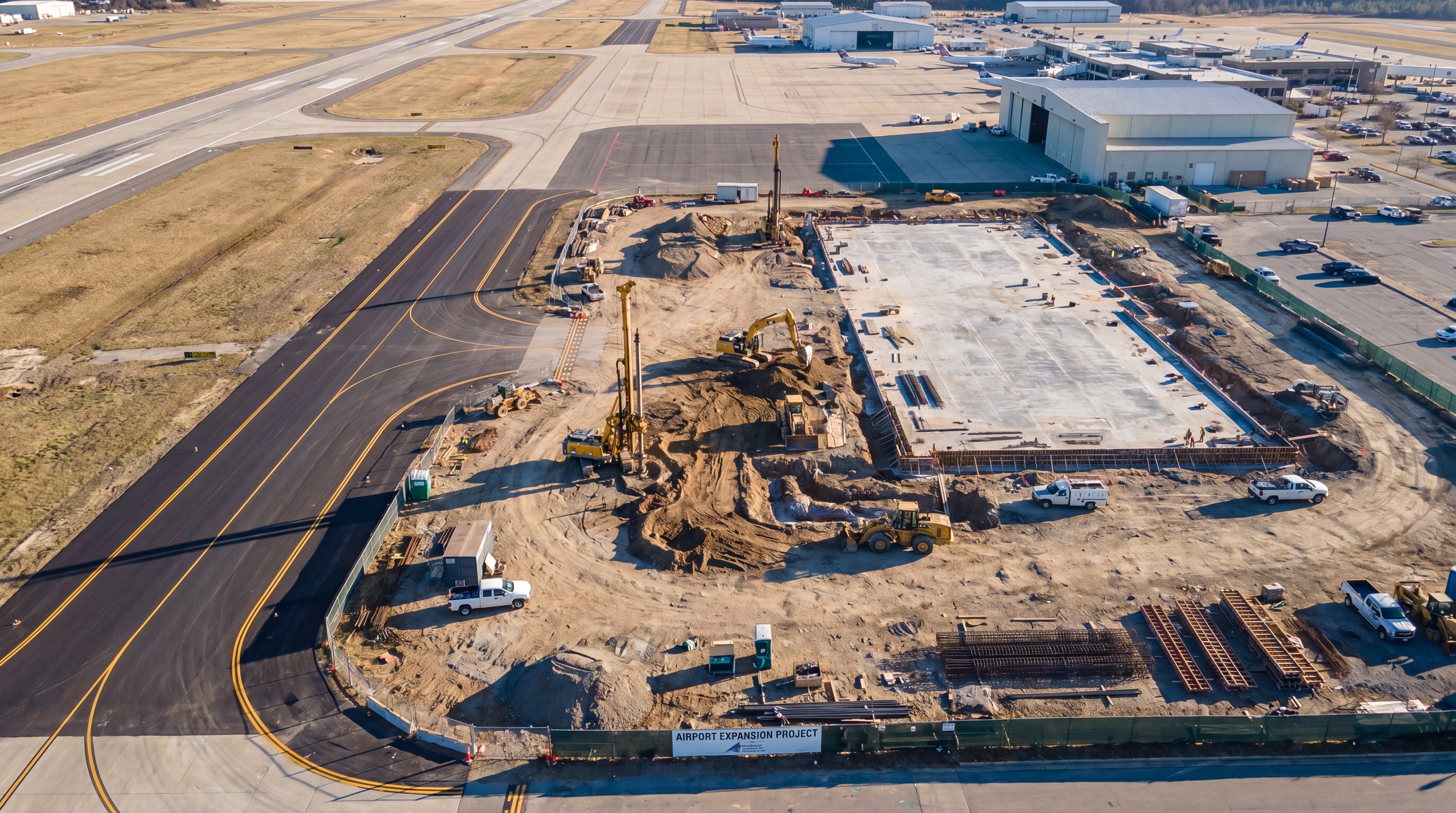
Site selection impacts everything from the depth of your foundation to the orientation of your main bay doors. During airplane hangar construction , engineers must analyze the soil bearing capacity to ensure the concrete slab can support the concentrated weight of a fully loaded aircraft.
Proximity to the taxiway and the direction of prevailing winds are also critical considerations. Improperly oriented doors can lead to massive energy loss or structural stress during high-wind events.
Soil and Foundation Assessment
Here is the kicker: Standard foundations often fail under the extreme point loads generated by airplane landing gear.
- Soil testing determines if deep pilings or reinforced slabs are needed.
- Thicker concrete sections are required in the primary aircraft tow paths.
- Drainage systems must be integrated to handle fuel spills and toxic effluents.
The reality is that your building is only as strong as the ground beneath it. We coordinate with local engineers to ensure your airplane hangar construction meets all regional geotechnical codes.
Environmental and Climate Planning
Think about this: If you build in a hurricane zone or a high-altitude snow region, your steel specifications must change.
- Wind load ratings are calculated based on local building and zoning codes.
- Corrosion-resistant paint systems are vital for facilities near saltwater.
- Roof pitches are designed to shed heavy snow and prevent structural overload.
Key Takeaway: A thorough site analysis at the start of the project prevents structural failures and reduces long-term maintenance costs.
| Site Factor | Construction Impact | Strategic Solution | |
|---|---|---|---|
| Soil Quality | Slab Thickness | Reinforced concrete with high-PSI ratings | |
| Wind Loads | Frame Rigidity | Enhanced cross-bracing and heavy-duty fasteners | |
| Taxiway Access | Door Positioning | Aligning doors to minimize aircraft turning radius |
Analysis: Precision in site preparation is the foundation of successful airplane hangar construction, ensuring the building remains stable under the most extreme conditions.
How is security built into airplane hangar construction?
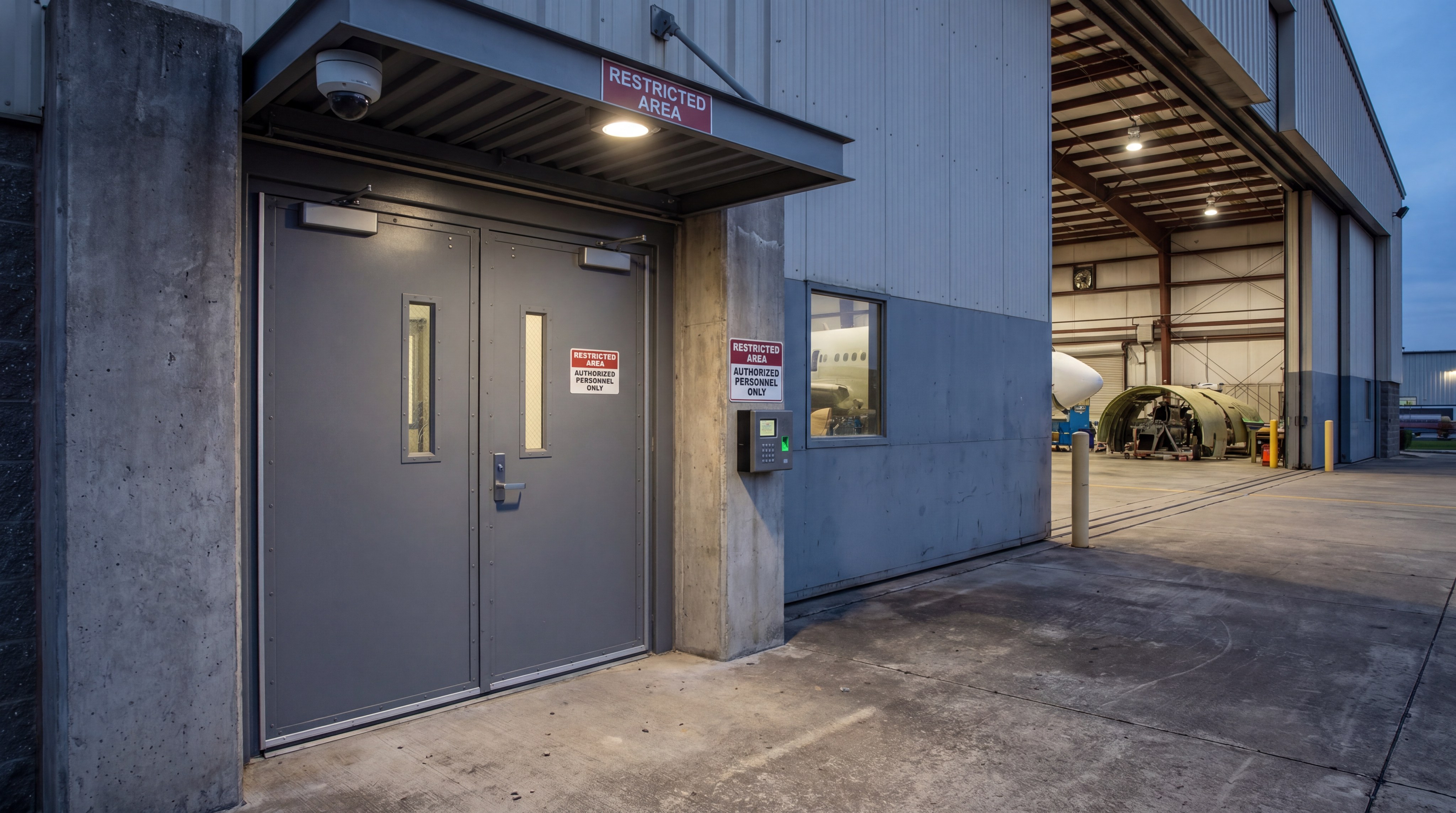
Security is integrated through a combination of blast-resistant materials, secure access control zones, and hazardous area classifications. Modern airplane hangar construction requires a focus on physical security to protect assets from both external threats and internal safety hazards.
By following Force Protection and Anti-Terrorism standards, facilities are hardened with reinforced cladding and secure personnel entrances. This ensures that only authorized staff can access the sensitive maintenance and avionics zones.
Physical Security Hardening
Wait, there’s more: Future-proof hangars are designed to be “defensible” structures that can withstand unauthorized entry attempts.
- Reinforced steel doors are fitted with electronic badge access and monitoring.
- Security cameras are mounted with 360-degree coverage of the apron and bay.
- Blast-resistant cladding panels reduce the impact of external threats.
The truth is, aviation is a high-profile industry that requires military-grade security. We provide the structural hardware to meet these certified quality standards.
Safety and Hazardous Area Management
Think about this: Security also means protecting your crew from the invisible hazards of aviation maintenance.
- Electrical systems must be explosion-proof in fuel-heavy zones.
- NFPA 70 compliance ensures all wiring is waterproof and NEMA 4 rated.
- Personnel doors are designed for rapid egress in the event of an emergency.
Key Takeaway: Integrating security into the structural design phase is significantly more cost-effective than adding it as an afterthought.
| Security Feature | Purpose | Implementation | |
|---|---|---|---|
| Access Control | Threat Mitigation | Electronic locks and restricted-entry zones | |
| Hardened Shell | Blast Resistance | High-gauge steel wall and roof panels | |
| Explosion-Proofing | Fire Prevention | Sealed electrical conduits and spark-free lighting |
Analysis: Building with an experienced partner ensures that your about us commitment to safety is reflected in every structural detail.
Email:sales@showhoo.com.cn
Phone/WhatsApp:+86 186 7895 5927
Can airplane hangar construction reduce long-term energy costs?
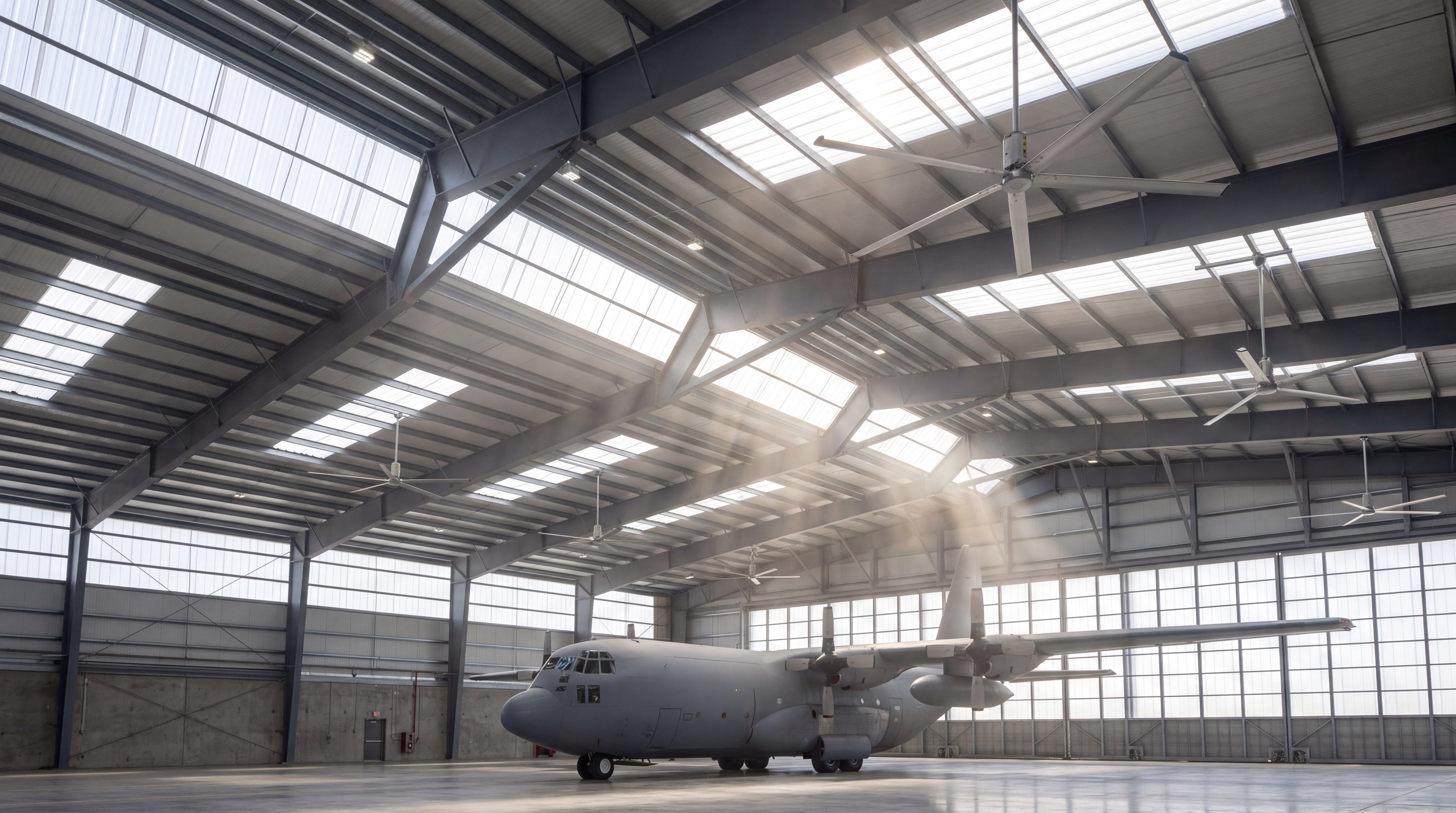
Yes, you can significantly reduce costs by utilizing high-performance insulation, advanced door seals, and natural daylighting strategies. In large-volume airplane hangar construction , the primary challenge is preventing “conditioned air bleed” when the massive bay doors are opened for aircraft movement.
Sustainable design practices focus on the building envelope. By using insulated sandwich panels and high-efficiency weather stripping, you can maintain internal temperatures even in extreme climates.
Maximizing Thermal Efficiency
Here is the kicker: Heating and cooling a 30,000-square-foot bay is expensive, but the right insulation pays for itself in 36 months.
- Glass wool or rock wool sandwich panels provide superior thermal resistance.
- High-speed door motors reduce the time the bay is exposed to the elements.
- HVLS (High-Volume Low-Speed) fans circulate air to prevent thermal stratification.
The reality is that “green” hangars aren’t just for the environment; they are for your bottom line. Energy-efficient lighting and natural ventilation drastically reduce your monthly utility bills.
Natural Daylighting Solutions
Best of all: Harvesting sunlight during the day reduces the need for artificial lighting by up to 40%.
- Translucent wall panels provide soft, diffused light for mechanics.
- Skylights are integrated with the steel purlins for structural stability.
- LED systems with motion sensors ensure lights are only on when needed.
Key Takeaway: Strategic use of insulated panels and natural light creates a high-performance building envelope that lowers operational overhead.
| Efficiency Strategy | Implementation | Benefit | |
|---|---|---|---|
| Insulated Panels | Sandwich wall/roof cladding | Reduces HVAC load by up to 30% | |
| Door Sealing | Heavy-duty weather strips | Prevents heat loss during hangar door operation | |
| Daylighting | Polycarbonate wall sheets | Eliminates need for daytime electrical lighting |
Analysis: Sustainable airplane hangar construction delivers a massive return on investment by decreasing long-term energy consumption.
What fire codes govern airplane hangar construction?
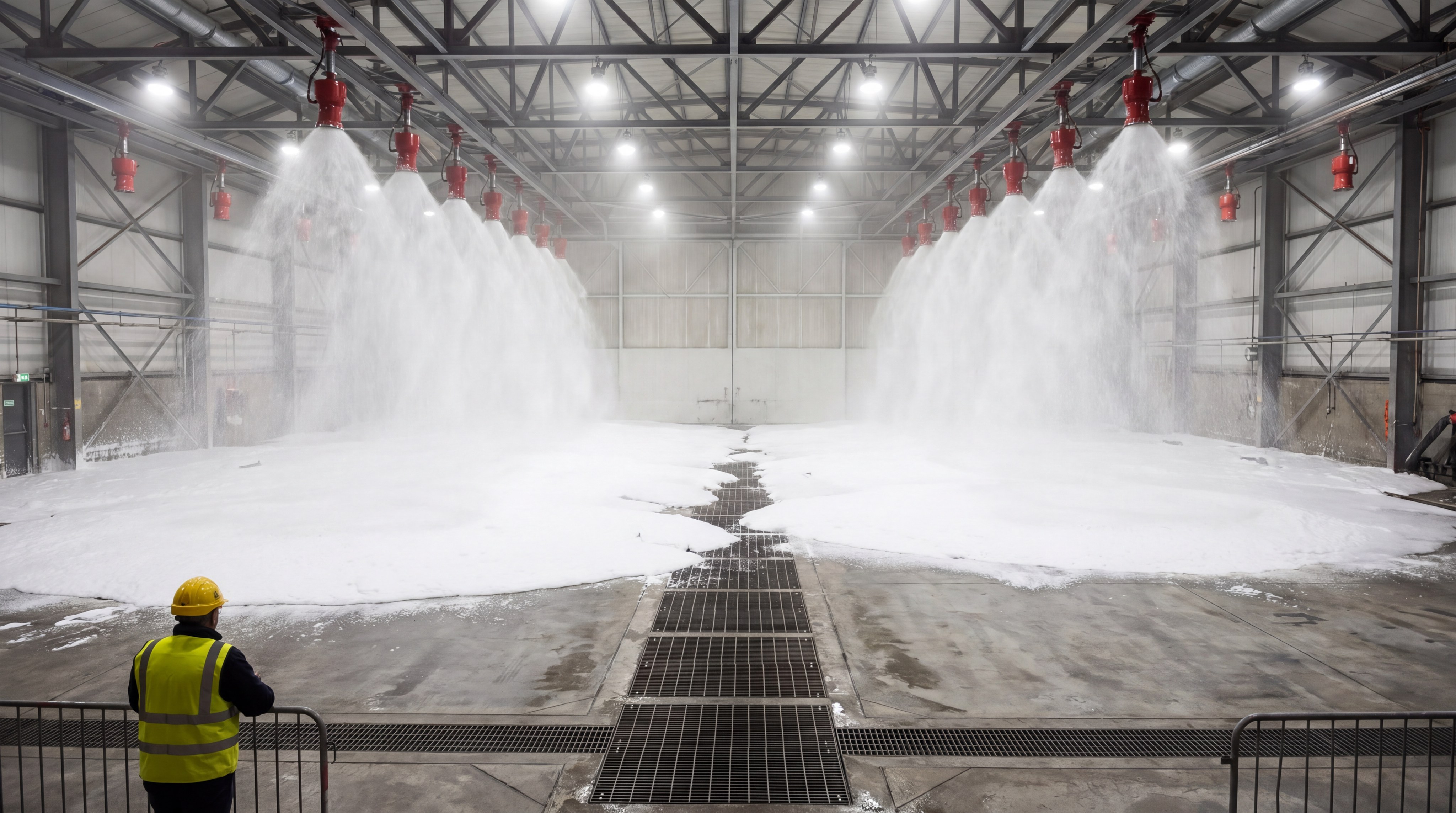
Hangar safety is primarily governed by NFPA 409, which establishes the fire suppression requirements based on the hangar’s size and the type of aircraft housed. In professional airplane hangar construction , you must integrate an Aqueous Film Forming Foam (AFFF) system to suppress fuel fires in seconds.
These systems are highly complex and must be integrated with the building’s drainage and HVAC systems. When a fire is detected, the HVAC must shut down instantly to prevent the spread of smoke and toxic fumes.
Understanding NFPA 409 Classifications
Think about this: Your fire suppression system cost is directly tied to your hangar’s group classification.
- Group I hangars require full-scale foam water deluge systems.
- Group II hangars can utilize smaller, targeted foam systems.
- Fire walls are required between the hangar bay and office zones.
The truth is, cutting corners on fire safety can lead to uninsurable buildings and catastrophic losses. We design our steel structure workshop and hangar products to exceed these local and international codes.
Integrated Foam and Drainage Systems
Wait, there’s more: An AFFF system is only as good as the drainage system designed to capture the toxic effluent.
- Overhead foam generators suppress fires from the ceiling down.
- Floor-mounted water cannons target the under-wing and engine areas.
- Containment tanks prevent fuel and foam from entering the local groundwater.
Key Takeaway: Compliance with fire codes is a non-negotiable aspect of hangar design that protects your crew, your assets, and your liability.
| Requirement | Code Standard | Implementation | |
|---|---|---|---|
| Suppression | NFPA 409 | AFFF foam deluge or under-wing water cannons | |
| Electrical | NFPA 70 | Waterproof and explosion-proof installations | |
| Life Safety | NFPA 101 | Clear egress paths and high-visibility exit marking |
Analysis: Building a steel structure workshop or hangar with integrated fire safety ensures your facility is fully compliant and ready for inspection.
How does prefab aid airplane hangar construction timelines?

Prefabrication allows for simultaneous site preparation and building manufacturing, cutting the total project timeline by up to 50%. In airplane hangar construction , components are precision-engineered in a factory environment, ensuring that every bolt hole aligns perfectly when the steel reaches your airfield.
This “ready-to-assemble” model eliminates the need for field cutting, welding, or painting, which are often the primary sources of construction delays and safety incidents.
Streamlined Factory-Direct Workflow
Here is the kicker: When you eliminate the middleman, you eliminate the communication errors that cause missing parts.
- Automated cutting and welding ensure 100% structural accuracy.
- Integrated quality control (QC) checks happen at every stage of production.
- Components are sandblasted and painted in a controlled environment for longevity.
The reality is that factory-direct manufacturing allows for better price control and faster delivery schedules. We manage the entire process without outsourcing to third-party fabricators.
Simplified On-Site Assembly
Best of all: Your building arrives as a complete, sequenced kit that any experienced local crew can erect.
- Every H-beam and purlin is labeled to match the installation drawings.
- No specialized field modifications are required for the main structure.
- Detailed video guidance and remote support are provided throughout the build.
Key Takeaway: Prefabricated steel structures offer the fastest path from a vacant lot to an operational aviation facility.
| Phase | Traditional Construction | Prefab Steel Construction | |
|---|---|---|---|
| Design/Fab | Sequential and Slow | Concurrent and Rapid | |
| Site Labor | Extensive Field Work | Bolt-Together Assembly | |
| Total Timeline | 12-18 Months | 4-6 Months |
Analysis: Choosing the prefab model in airplane hangar construction provides an installation-ready system that eliminates on-site rework.
What is the future of airplane hangar construction tech?

The future involves hangars that are smarter, larger, and more responsive to the needs of composite-heavy airframes. Next-generation airplane hangar construction will feature integrated robotics for painting and inspection, as well as ultra-precise climate controls for carbon-fiber repairs.
As aircraft manufacturers move toward larger designs with unique wing geometries, hangars must evolve with wider clear spans and modular internal layouts that can be reconfigured in hours, not days.
Accommodating Next-Gen Aircraft
Think about this: The next generation of ultra-large aircraft will make many existing hangars obsolete due to tail height requirements.
- Hangars are being designed with “jacking” capabilities for future height adjustments.
- Wider clear spans are becoming the standard to accommodate folding wingtips.
- Heavier floor slabs are being poured to support increased takeoff weights.
The truth is, your hangar needs to be as high-tech as the aircraft it houses. We stay ahead of these trends by coordinating with global aviation planners.
Integration of Smart Facility Tech
Wait, there’s more: Smart hangars will utilize IoT sensors to monitor structural health and environmental conditions in real-time.
- Automated inspection robots will be integrated into the ceiling truss systems.
- Real-time monitoring of fuel vapors will trigger high-speed ventilation.
- Advanced effluent treatment systems will remediate toxic runoff on-site.
Key Takeaway: The hangars of tomorrow will act as intelligent partners in aircraft maintenance, prioritizing efficiency and environmental safety.
| Tech Trend | Operational Impact | Strategic Benefit | |
|---|---|---|---|
| Robotic Integration | Automated inspections | Reduces airframe downtime by 30% | |
| Advanced Composites | Climate-controlled zones | Ensures structural integrity of modern airframes | |
| IoT Monitoring | Predictive maintenance | Prevents facility failure and emergency repairs |
Analysis: Staying at the forefront of tech ensures your facility remains a valuable asset. Contact us today to discuss how we can future-proof your aviation infrastructure.
Conclusion
Protect your aviation assets with a structure built for the future. For customized engineering solutions and factory-direct pricing, contact us today to start your project.
Email:sales@showhoo.com.cn
Phone/WhatsApp:+86 186 7895 5927
Decision FAQ
1. Can I customize the door height for specific tail clearance?Yes. Every hangar is engineered to your specific tail height requirements, including specialized tail-door notches if needed.
2. How do you handle wind and snow load compliance for my region?We design according to your local building codes (AISC, Eurocode, etc.) to ensure the steel frame can withstand extreme regional weather.
3. Is on-site installation guidance available for international projects?Absolutely. We provide detailed 3D erection drawings and can deploy supervisors to your site or provide comprehensive remote support.
4. How long does a typical factory-direct hangar take to deliver?Once the design is finalized, production usually takes 30-45 days, followed by global shipping to your location.
5. Can you integrate office space directly into the steel frame?Yes. Our mezzanine systems allow you to build multi-storey offices or parts storage within the main hangar envelope.