
Efficient steel warehouse design is critical because it ensures structural stability while maximizing usable space for high-volume storage and rapid distribution. Many global logistics firms face the nightmare of sagging roofs or restrictive column layouts that kill productivity. This leads to wasted overhead costs and dangerous working environments. By partnering with Showhoo for your next steel warehouse design , you secure a precision-engineered facility that prioritizes longevity and operational flow.
Why is Steel Warehouse Design Crucial for Global Logistics?
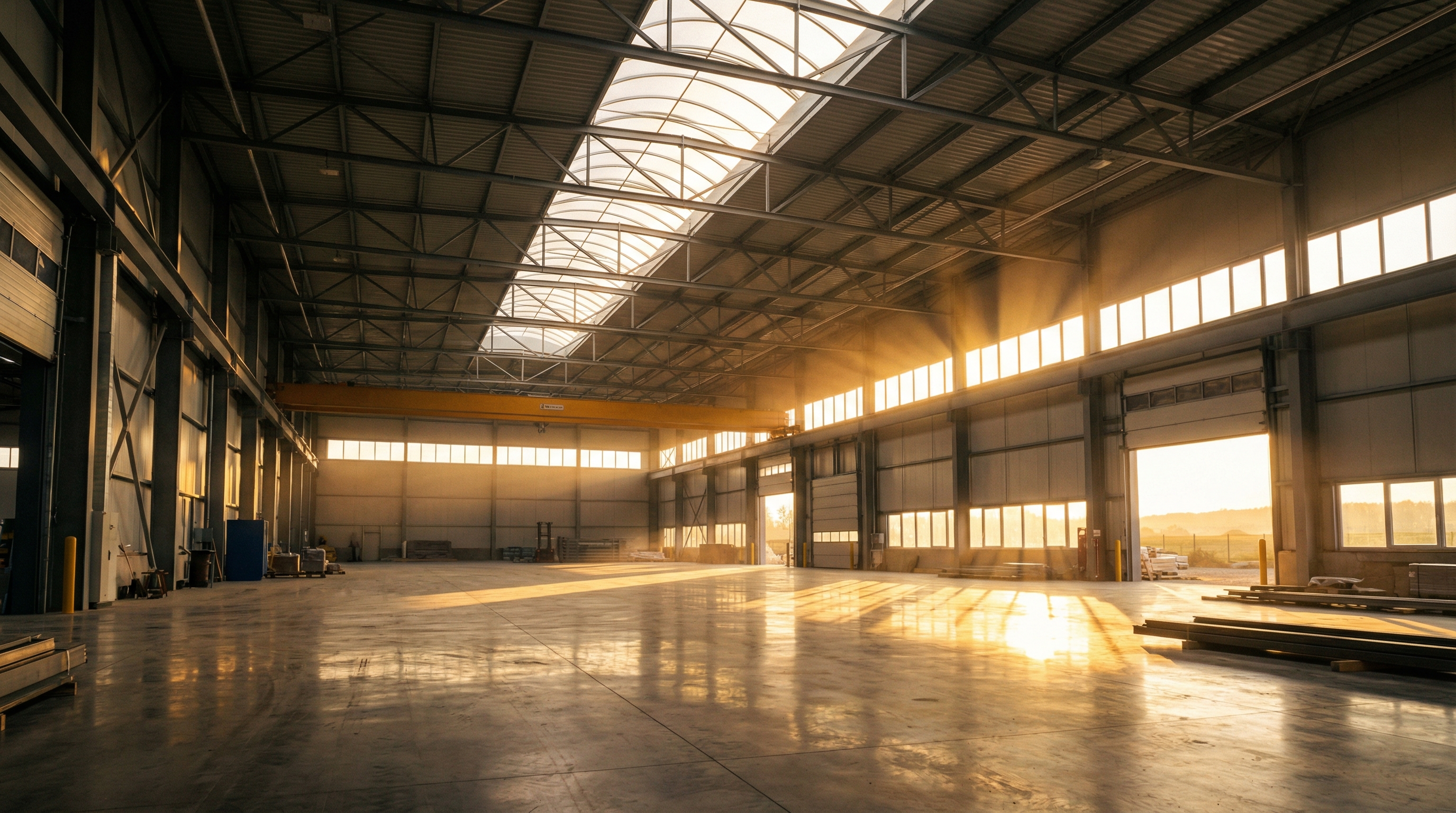
High-quality steel warehouse design is essential for logistics because it allows for massive interior spans that accommodate modern racking systems and heavy machinery. When you invest in a superior warehouse building design, you are effectively future-proofing your supply chain against shifting storage demands. Think about it: a facility that cannot grow with your business is a liability rather than an asset.
Maximizing Clear Spans up to 40m
A clear span warehouse design removes restrictive internal pillars, allowing for a completely open floor area. This flexibility is vital for logistics warehouse layout planning where every square meter counts for revenue.
- Eliminates forklift navigation obstacles.
- Increases total storage volume capacity.
- Facilitates easy warehouse floor plan reconfigurations.
Can you optimize for rapid construction?
Rapid erection timelines are a hallmark of a professional logistics warehouse design. Pre-engineered components ensure that your steel structure warehouse design translates into a functional building in weeks, not months.
Key Takeaway: Superior design maximizes spatial efficiency and speeds up the ROI on your industrial infrastructure project.
| Feature | Impact on Logistics | |
|---|---|---|
| 40m Clear Span | Unobstructed storage flow | |
| Rapid Erection | Faster time-to-market | |
| Flexible Layout | Dynamic inventory management |
This table illustrates how specific structural choices directly enhance the operational performance of a logistics hub.
What are the Core Elements of Warehouse Building Design?
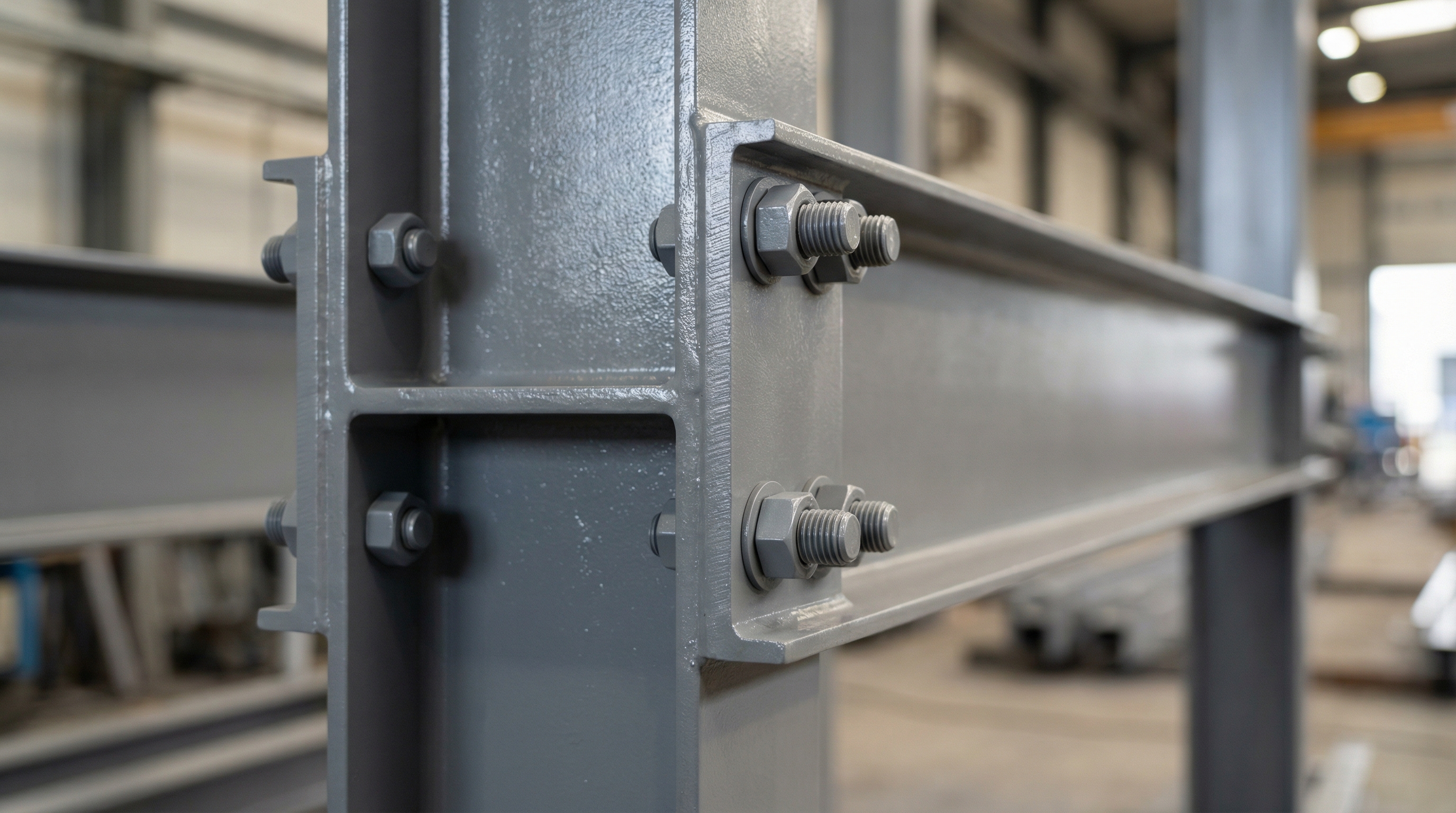
The core elements of steel warehouse design involve the integration of main frames, secondary supports, and high-performance cladding. Every steel frame warehouse structure relies on the synergy between H-section steel columns and roof beams to distribute loads safely. But here is the kicker: without precision at the joint level, the entire building’s integrity is compromised.
Main Frame H-Section Columns and Beams
The primary skeleton of an industrial warehouse design uses H-section steel for its superior strength-to-weight ratio. These members are the backbone of the warehouse span design, ensuring the roof remains stable under environmental stress.
- Q345-B high-strength steel.
- Precision-drilled bolt holes for easy assembly.
- Anti-corrosive coating for long-term durability.
What are the best roofing and wall solutions?
Your steel structure warehouse design must include high-quality cladding to protect your inventory from the elements. Durable panels are a standard part of any robust manufacturing warehouse design to ensure climate control.
Key Takeaway: Using standardized H-section components ensures a predictable, high-strength framework for any industrial application.
| Component | Function | Material Used | |
|---|---|---|---|
| H-Columns | Main vertical support | Q345-B Steel | |
| Roof Beams | Span support | H-Section Steel | |
| Cladding | Weather protection | Sandwiched Panels |
Understanding these core components helps you communicate more effectively with engineering teams during the planning phase.
How Do Support Systems Ensure Structural Integrity?
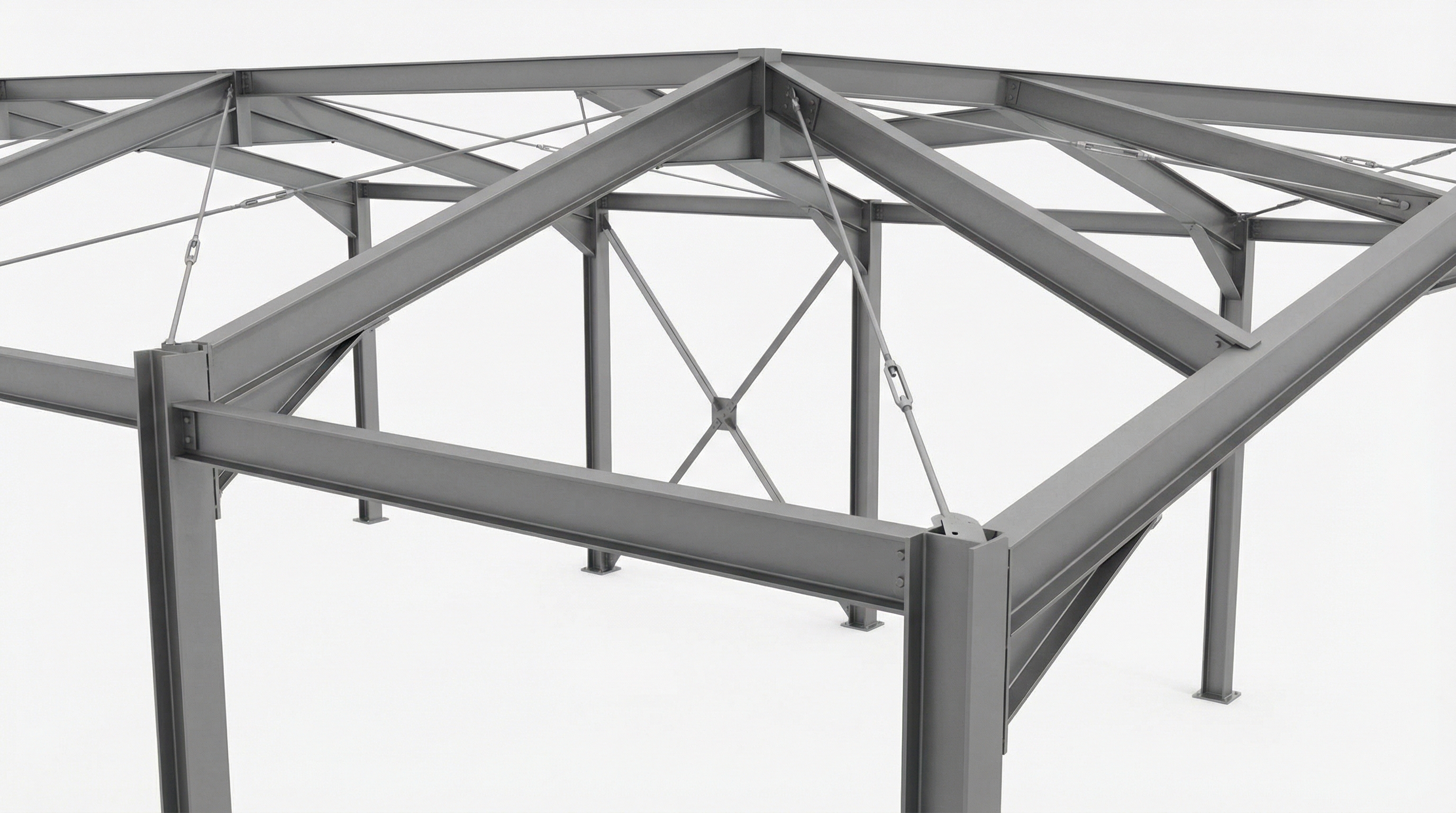
Support systems in steel warehouse design provide the necessary bracing to handle longitudinal loads and prevent out-of-plane buckling. These secondary structures are often overlooked, yet they are the “connective tissue” of a steel frame warehouse structure. You must ensure that tie rods and horizontal supports are strategically placed to resist wind and seismic forces.
Balancing Longitudinal and Horizontal Loads
A stable warehouse building design uses a balanced layout of rigid tie rods and cross-bracing. This system transfers stress from the roof down to the foundation, maintaining the industrial warehouse design‘s shape during storms.
- Vertical supports in column bays.
- Horizontal roof bracing systems.
- Rigid tie rods at the ridge and eaves.
Why are corner braces necessary?
Corner braces are vital in a clear span warehouse design to reduce the unsupported length of roof beams. This addition increases the stability of the compression flange and is a cost-effective way to strengthen the warehouse span design.
Key Takeaway: Integrated bracing systems are the silent guardians of structural safety, preventing collapse under extreme weather.
| Support Type | Primary Role | Load Direction | |
|---|---|---|---|
| Tie Rods | Structural alignment | Longitudinal | |
| Cross Bracing | Stability against wind | Horizontal | |
| Corner Braces | Beam flange support | Out-of-plane |
Structural support systems are indispensable for maintaining the geometry of large-scale buildings under stress.
Why Choose Factory-Direct Manufacturing for Your Project?
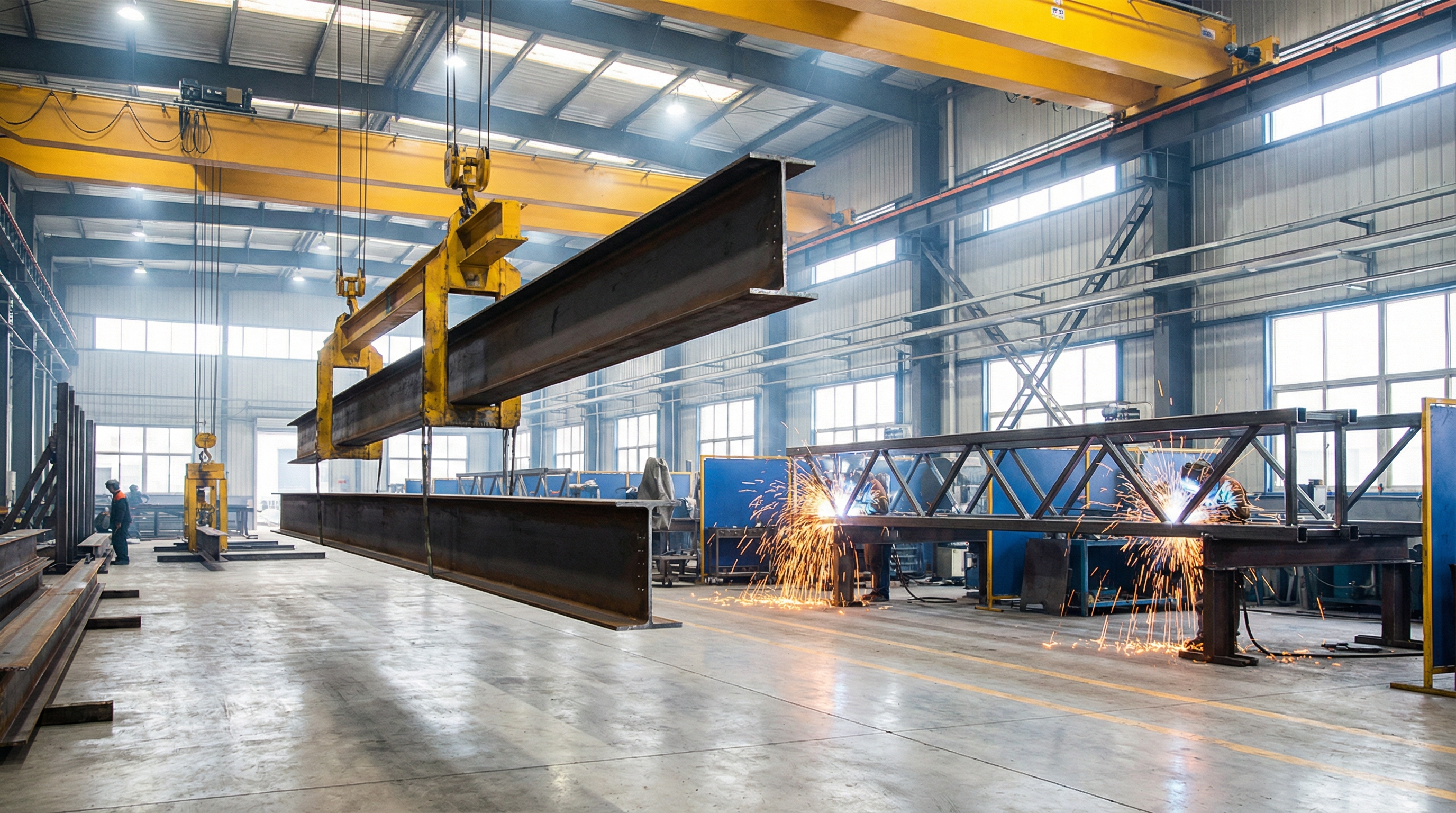
Choosing factory-direct manufacturing for your steel warehouse design eliminates middleman markups and gives you direct control over material quality. When the factory handles the warehouse building design and fabrication simultaneously, communication errors disappear. You get a building that fits together like a puzzle because every piece was engineered and cut in the same facility.
Streamlined Fabrication Workflow Efficiency
A professional industrial warehouse design benefits from high-tech cutting and welding processes within a controlled environment. This ensures that every component of your steel structure warehouse design meets rigorous international standards before it ever reaches the site.
- Automated submerged arc welding.
- Strict QC checkpoints at every stage.
- Direct coordination with the design team.
Can direct sourcing reduce the cost of warehouse design?
Absolutely, because purchasing directly from the manufacturer significantly lowers the design impact on warehouse cost. You save on procurement fees while gaining access to specialized logistics warehouse design expertise.
Key Takeaway: Direct manufacturing offers a “single point of truth” that reduces errors, costs, and project lead times.
| Benefit | Impact on Buyer | |
|---|---|---|
| No Middlemen | 20-30% Cost Savings | |
| Single-Source QC | Higher material reliability | |
| Better Support | Direct technical guidance |
Eliminating intermediaries is the most effective way to protect your budget without sacrificing structural quality.
How to Optimize Material Costs for Steel Structures?
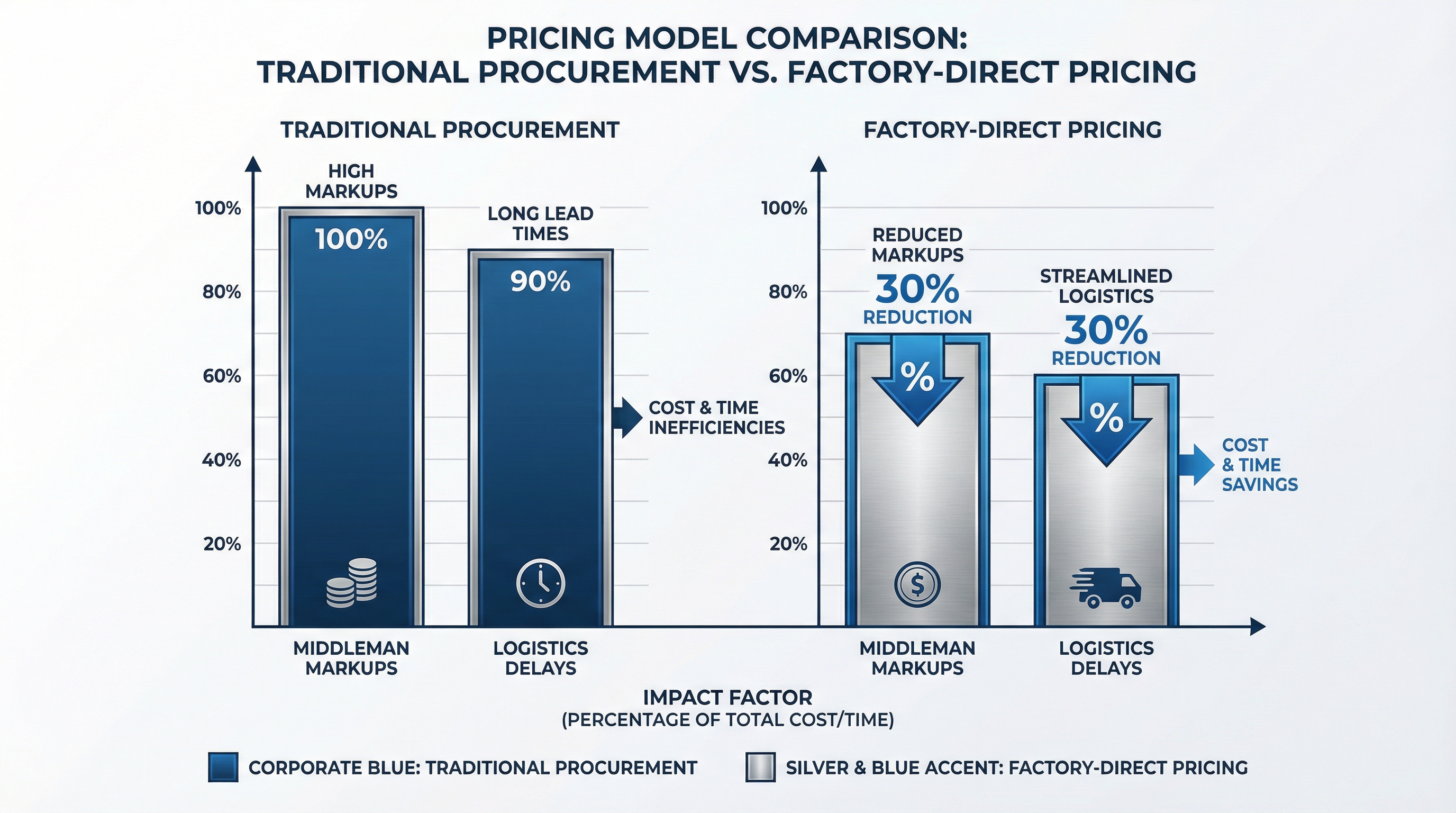
Optimizing material costs in steel warehouse design requires a balance between high-strength steel selection and efficient engineering. You can significantly reduce the cost of warehouse design by using variable-section beams where stress is lower. This “smart design” approach ensures that you only pay for the steel that is actually doing the heavy lifting.
Selecting High-Strength Q345-B Steel
Using high-grade steel allows for a leaner steel structure warehouse design without sacrificing safety. This results in a lighter overall warehouse building design, which reduces both material expenses and shipping costs.
- Higher yield strength than standard steel.
- Reduced member weight for easier erection.
- Lower total warehouse design cost per square meter.
How does column spacing affect the budget?
Your choice of warehouse column spacing directly impacts the amount of secondary steel required for purlins. Finding the “sweet spot” in your warehouse layout design can save thousands in raw material consumption.
Key Takeaway: Intelligent engineering uses material exactly where it is needed, driving down the overall project price.
| Cost Factor | Optimization Strategy | Saving Potential | |
|---|---|---|---|
| Steel Grade | Use Q345-B for strength | High | |
| Beam Section | Variable depth engineering | Moderate | |
| Shipping | One-stop supply kits | Moderate |
By focusing on high-strength materials and smart spacing, you can achieve a world-class facility within a tight budget.
Which Compliance Standards Govern International Projects?
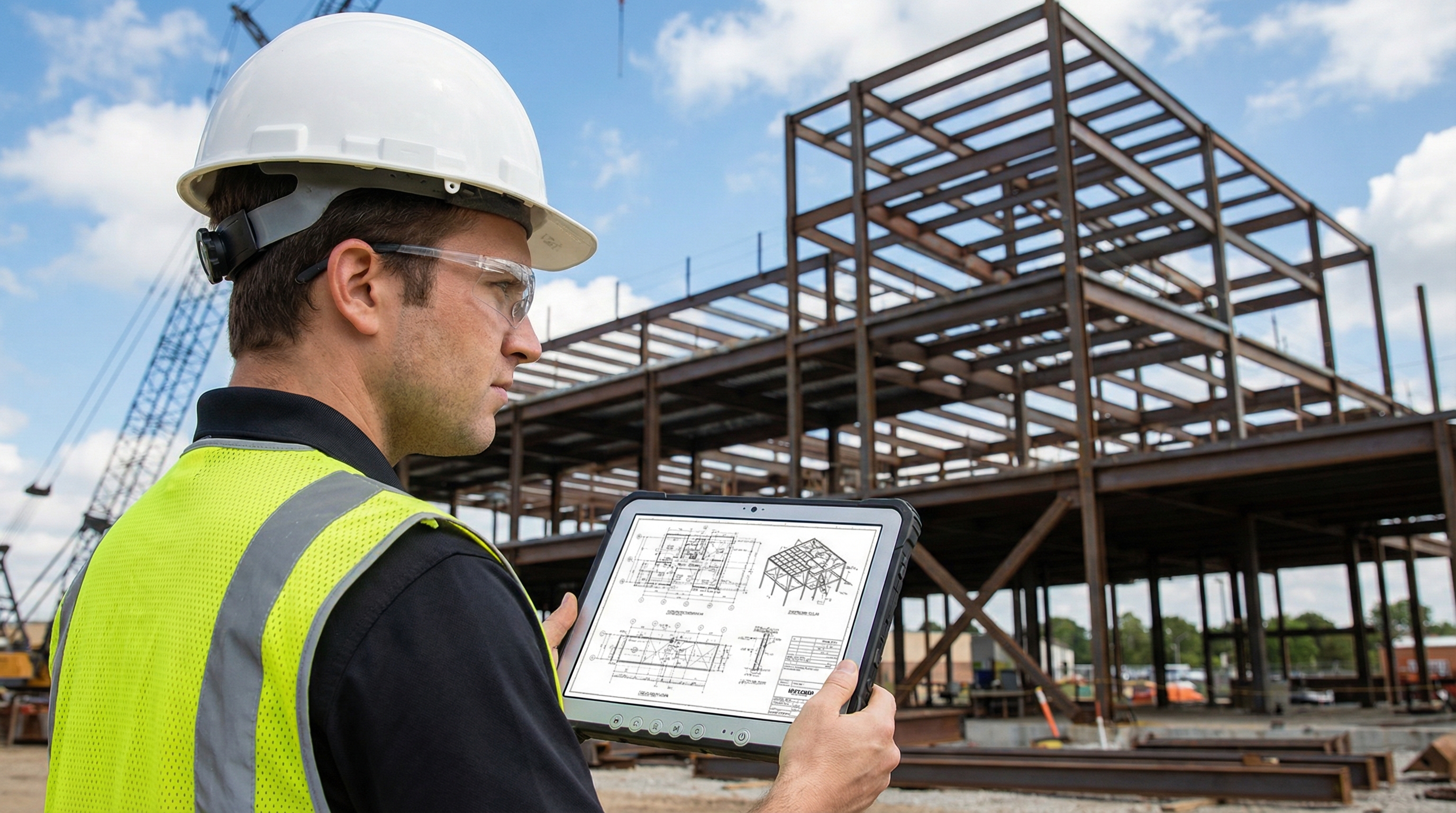
Compliance in steel warehouse design means adhering to specific local codes such as AISC, Eurocode, or AS/NZS to ensure safety. Your industrial warehouse design must be calculated to withstand specific wind, snow, and seismic loads unique to your location. You should never settle for a generic design that ignores the local climate risks of your project site.
Designing for Wind, Snow, and Seismic Loads
Every manufacturing warehouse design must be validated against extreme weather data to prevent catastrophic failure. This involves complex calculations for the warehouse span design to ensure the roof can carry heavy snow or resist high wind uplift.
- Seismic zone adaptations.
- Wind pressure coefficient analysis.
- Snow load distribution modeling.
Is third-party inspection accepted?
Reputable suppliers of logistics warehouse design welcome third-party audits to verify the quality of the steel and welding. This builds trust and ensures your steel frame warehouse structure meets every regulatory requirement.
Key Takeaway: International certification is your insurance policy against structural defects and legal non-compliance.
| Standard | Region | Focus Area | |
|---|---|---|---|
| AISC | USA / Global | Steel construction quality | |
| Eurocode | Europe | Structural safety & loads | |
| AS/NZS | Australia / NZ | Corrosion & wind resistance |
Meeting these standards is non-negotiable for ensuring the long-term safety and resale value of your industrial asset.
What are the Critical Steps in Warehouse Installation?
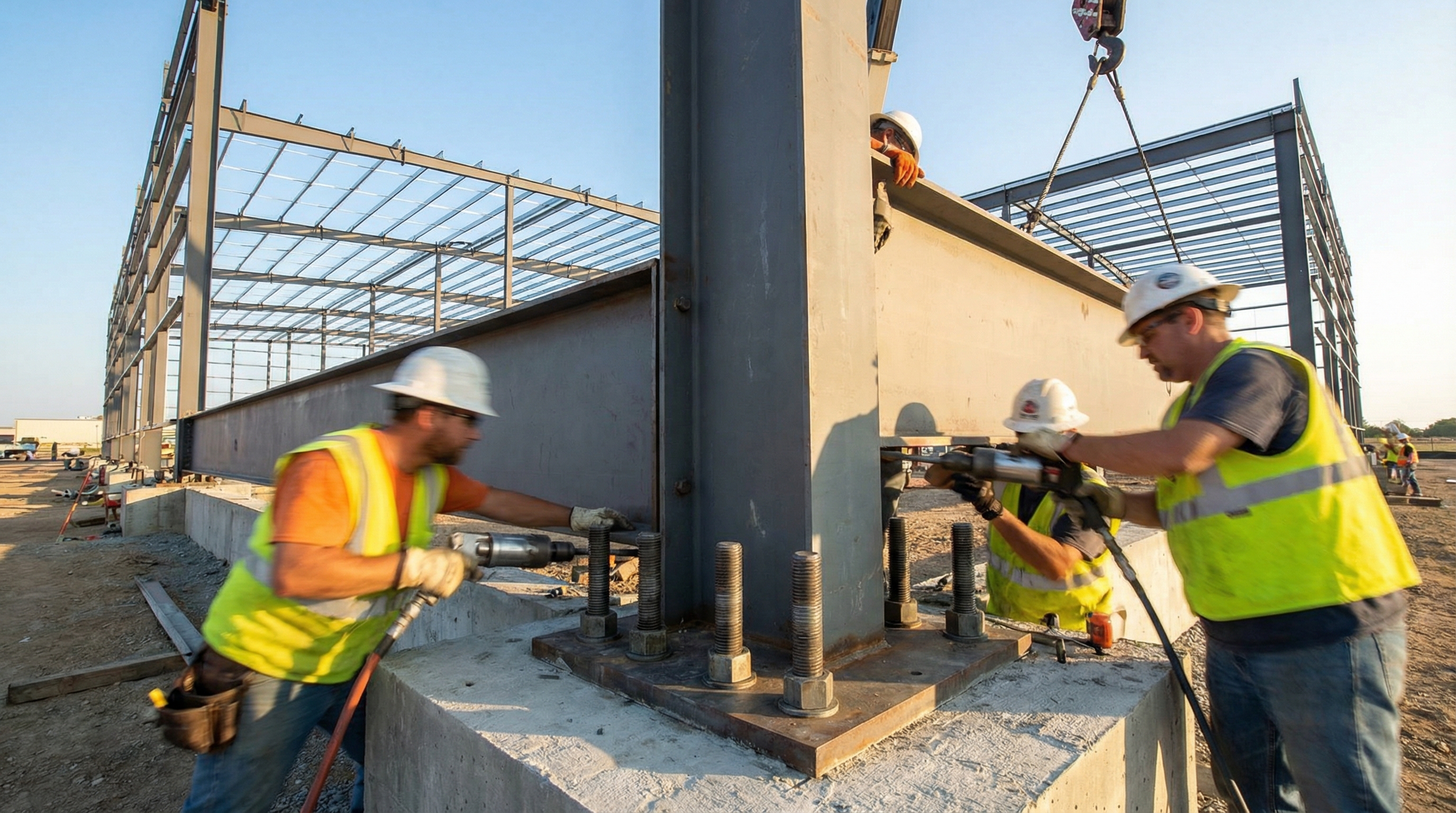
The installation of a steel warehouse design follows a precise sequence starting with foundation anchoring and ending with facade cladding. Success on the construction site depends heavily on the accuracy of the anchor bolt placement during the initial phase. You will find that a well-executed warehouse building design includes detailed 3D erection drawings that guide the crew step-by-step.
Foundation and Anchor Bolt Precision
The foundation is the most critical part of any steel structure warehouse design because it transfers all building loads to the ground. If the anchor bolts are misaligned by even a few millimeters, the entire steel frame warehouse structure will be difficult to erect.
- Precision surveying for bolt layout.
- Heavy-duty base plates for columns.
- Strict leveling of the foundation surface.
How do you handle the sequential erection?
Erection starts with the primary columns, followed by the roof beams to create stable “bays” in the industrial warehouse design. Once the main frame is locked, workers install the drainage system warehouse and cladding.
Key Takeaway: A structured installation process minimizes site delays and ensures a safer environment for the construction crew.
| Installation Phase | Key Milestone | Priority | |
|---|---|---|---|
| Phase 1 | Anchor bolt setting | Precision | |
| Phase 2 | Column & Beam erection | Structural stability | |
| Phase 3 | Purlins & Cladding | Weatherproofing |
Following a strict sequence prevents the need for costly field modifications and keeps the project on schedule.
How are Specialized Industrial Requirements Handled?
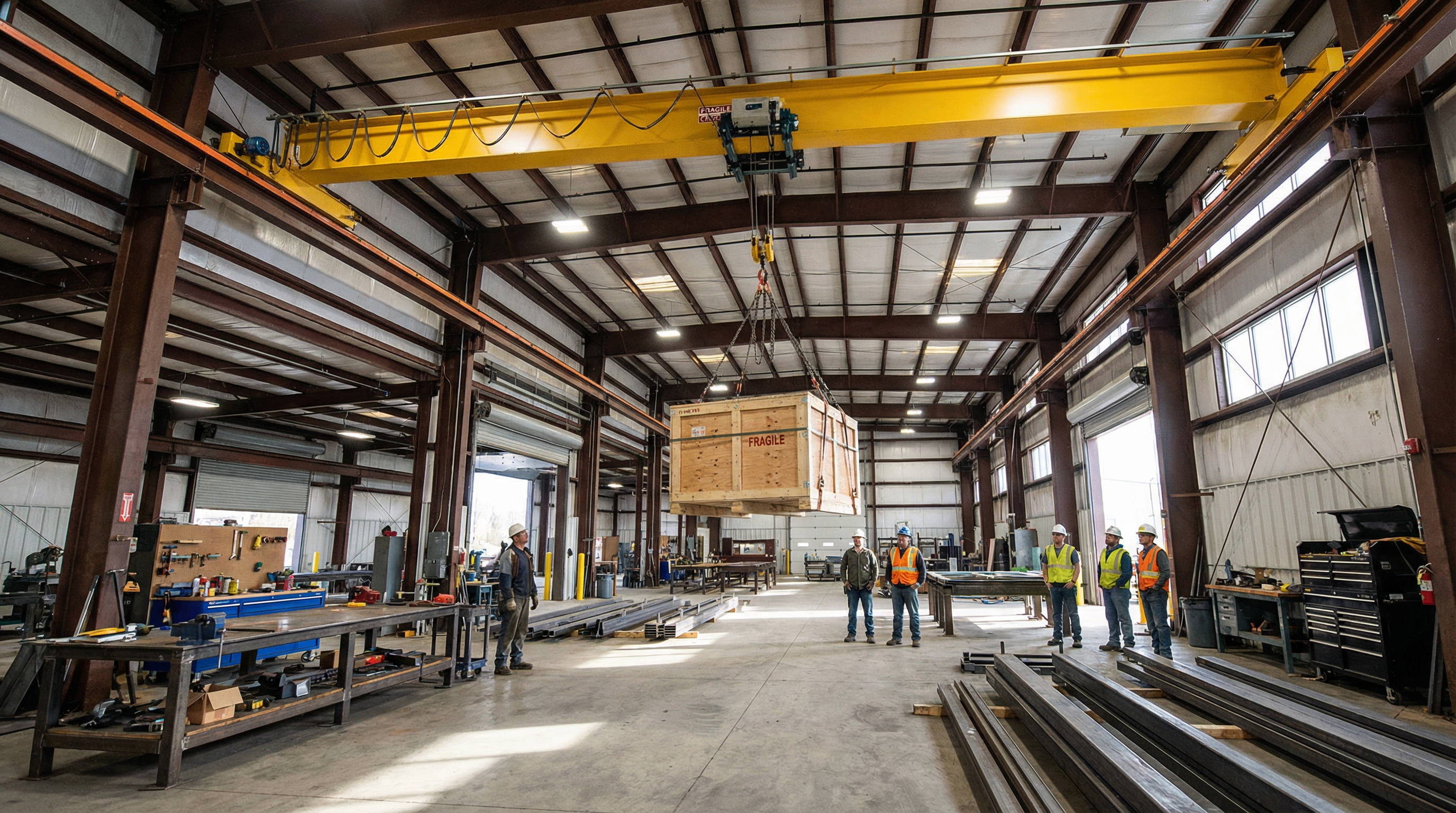
Handling specialized requirements in steel warehouse design involves integrating overhead cranes, climate control, and advanced lighting systems. For many businesses, a simple shell is not enough; they need a manufacturing warehouse design that supports heavy lifting operations. You must verify that your warehouse building design accounts for the dynamic loads of moving cranes to prevent frame fatigue.
Overhead Crane System Integration
Integrating a crane into your steel structure warehouse design requires reinforced columns and specialized bracket (corbel) supports. This is a standard feature in high-end industrial warehouse design where heavy goods are frequently moved.
- Crane beam alignment for smooth travel.
- Dynamic load calculations for columns.
- Clearance height optimization.
Can insulation and ventilation be integrated?
Effective warehouse ventilation design and warehouse insulation design are essential for employee comfort and inventory protection. In a cold storage warehouse design, high-R-value panels are mandatory to maintain specific temperatures.
Key Takeaway: Specialized features must be planned at the engineering stage to ensure they are fully integrated into the building’s load path.
| Feature | Design Necessity | Application | |
|---|---|---|---|
| Overhead Crane | Reinforced corbels | Heavy manufacturing | |
| Insulation | Sandwich panels | Cold storage | |
| Skylights | lighting design for warehouse | Energy efficiency |
Specialized industrial needs transform a simple warehouse into a high-performance production facility.
Why are Longitudinal Expansion Joints Necessary?
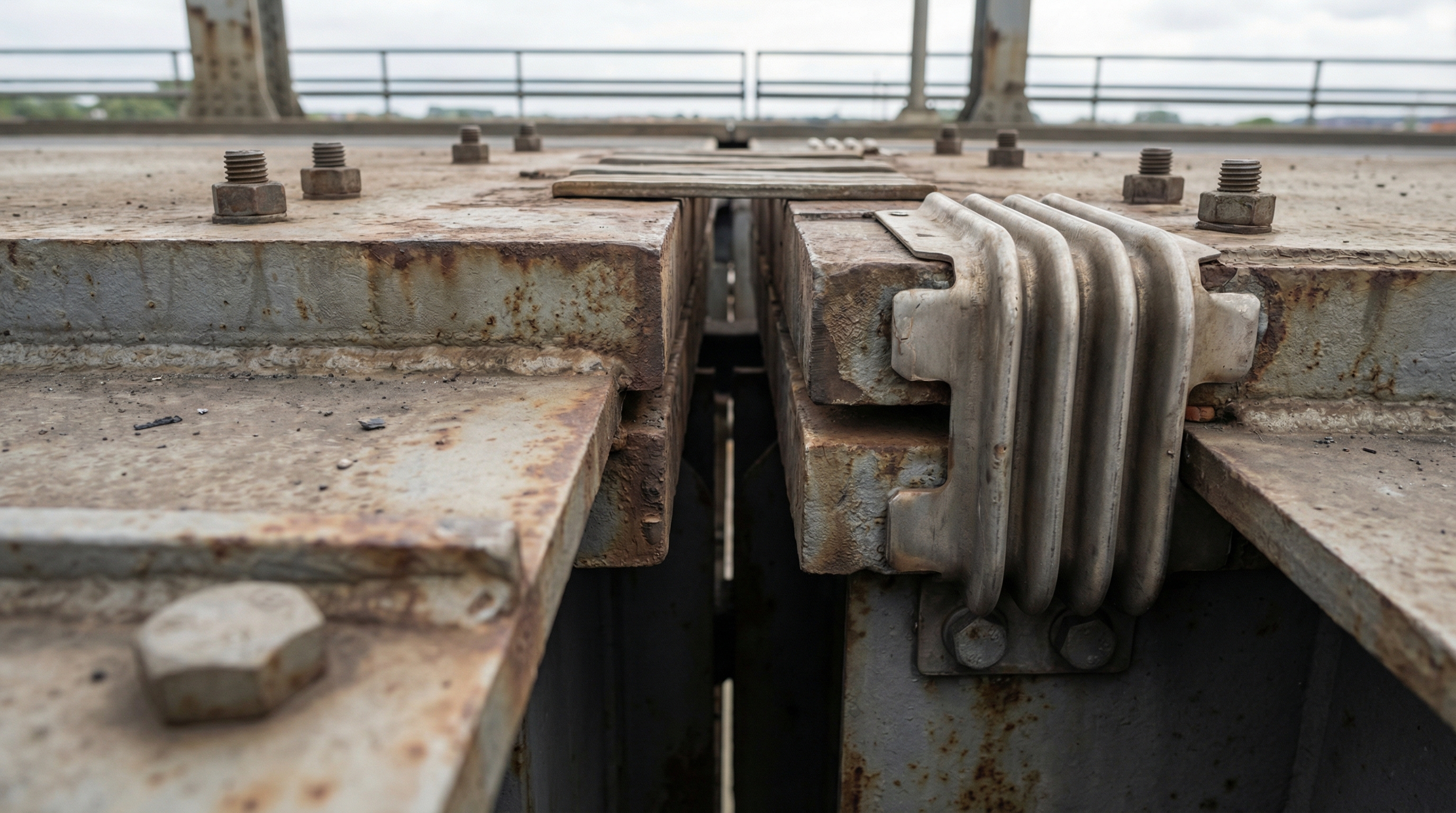
Longitudinal expansion joints are necessary in steel warehouse design to manage the natural expansion and contraction of steel due to temperature changes. In very long buildings, thermal stress can cause bolts to shear or panels to buckle if the structure is too rigid. You will find that including these joints in your warehouse building design is a standard practice for facilities exceeding 120 meters in length.
Managing Temperature Stress in Large Spans
Steel is highly sensitive to temperature fluctuations, making expansion joints a critical part of a logistics warehouse design. These joints allow the building to “breathe” without compromising the overall stability of the industrial warehouse design.
- Reduction in internal stress buildup.
- Protection of cladding and roof panels.
- Prevention of foundation cracking.
Do expansion joints simplify the design process?
Actually, yes; by breaking the building into smaller sections, you can simplify the warehouse span design calculations. This often leads to a more predictable warehouse design cost because individual segments are easier to model.
Key Takeaway: Expansion joints are essential for long buildings to prevent thermal stress from damaging the structural components.
| Length Milestone | Joint Requirement | Risk if Ignored | |
|---|---|---|---|
| Over 120m | Mandatory joint | Component fatigue | |
| Extreme Heat | Increased joint width | Panel buckling | |
| Cold Climates | Specialized seals | Energy loss |
Designing for thermal movement is a hallmark of an experienced engineering team and ensures the building’s longevity.
How Can Partnering Simplify Your Global Supply Chain?
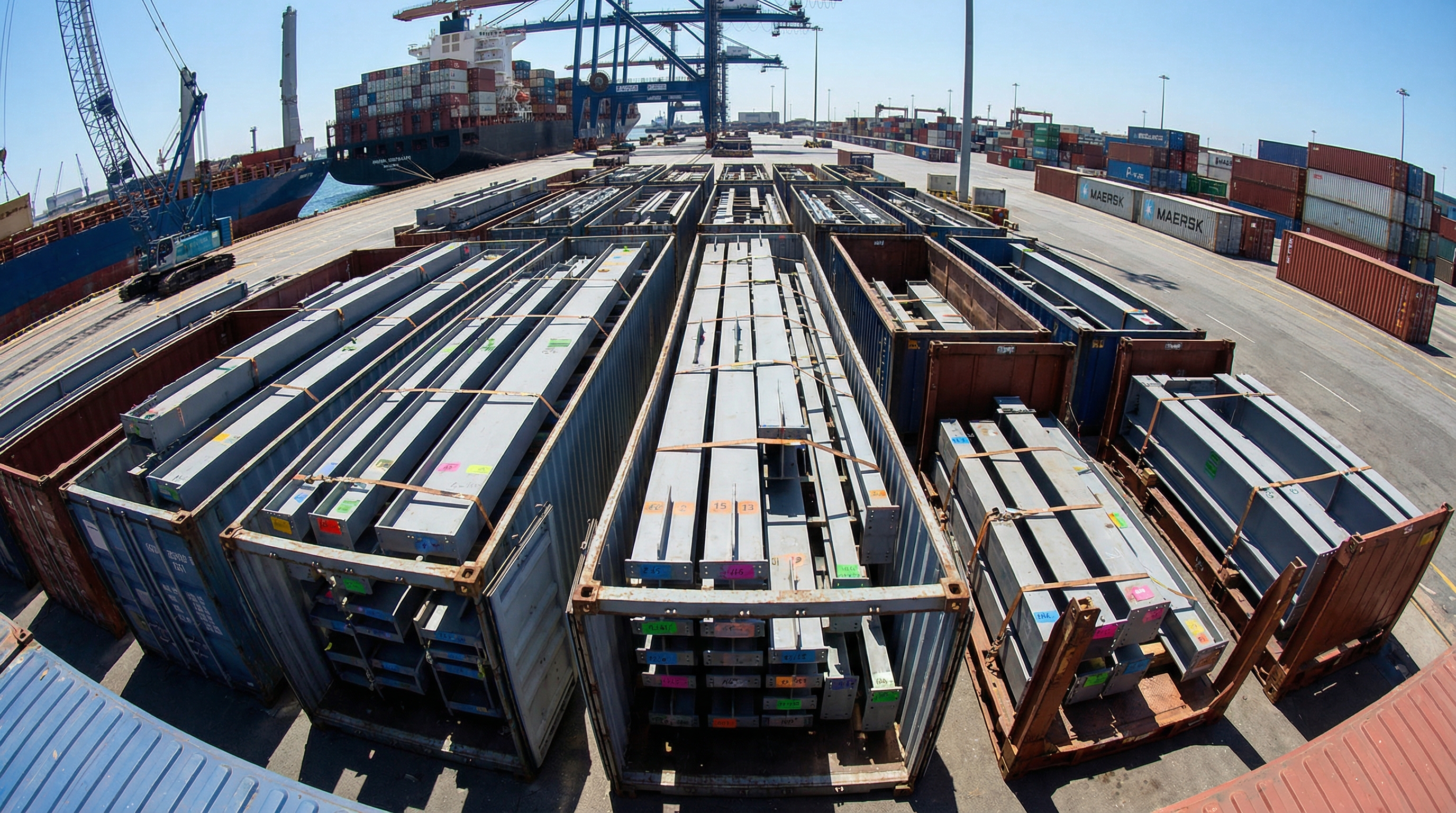
Partnering with an expert for your steel warehouse design simplifies your supply chain by providing a complete, installation-ready kit. When you source a warehouse building design from a single provider, you receive a perfectly coordinated package of steel, fasteners, and accessories. Think about it: why manage ten different vendors when you can have one partner who takes full responsibility for the entire project?
3D Modeling and Pre-Shipment Verification
Modern industrial warehouse design relies on 3D modeling to catch potential clashes before the steel is even cut. This results in an industrial warehouse design that arrives at your site with zero missing parts and perfectly aligned holes.
- Virtual walkthroughs for layout approval.
- Accurate Bill of Materials (BOM).
- Pre-assembly of critical joints at the factory.
What are the benefits of installation-ready kits?
An installation-ready steel warehouse design kit reduces site labor because every part is marked and sequenced. This is especially beneficial for logistics warehouse layout projects in remote locations where skilled labor might be scarce.
Key Takeaway: A comprehensive partnership ensures that your project moves from the drawing board to the shipping container without a hitch.
| Service Element | Purpose | Benefit | |
|---|---|---|---|
| 3D Modeling | Virtual clash detection | No site modifications | |
| Labeled Parts | Easy sorting on site | Faster assembly | |
| Remote Support | Expert guidance | Problem-solving |
A professional supply chain partner turns a complex construction project into a manageable and predictable delivery.
Conclusion
Mastering steel warehouse design is the key to unlocking superior operational efficiency and long-term structural value. From optimizing your warehouse layout design to ensuring a robust drainage system warehouse, every detail contributes to your bottom line. At Showhoo, we are committed to delivering engineering excellence and factory-direct value to partners worldwide. Our “Design-to-Delivery” model ensures your manufacturing warehouse design is built to last. For a customized solution that fits your specific needs, contact us today and let’s start building your future together.
FAQ
Can I use an overhead crane in a light steel warehouse?Yes, but you must reinforce the primary columns and include specialized brackets (corbels) during the design phase to handle the dynamic loads.
What’s the best way to reduce my warehouse design cost?The most effective way is to purchase directly from the manufacturer to eliminate markups and use high-strength Q345-B steel to minimize material weight.
How do I know if my warehouse span design is safe?You must ensure your design is validated by an engineer against local wind, snow, and seismic load codes like AISC or Eurocode.
Can I extend a steel warehouse in the future?Yes, steel structures are modular by nature, allowing you to add new bays to your existing building as your business grows.
What’s the best insulation for a cold storage warehouse design?The industry standard is high-density PIR or PUR sandwich panels, which provide superior thermal resistance and fire safety for temperature-controlled environments.