
Building a 30,000 square foot warehouse typically costs between12and19 per square foot for the steel shell, totaling 360,000to570,000 before labor and site work. You are likely facing the pressure of expanding operations while navigating a volatile construction market where every dollar counts. Without a precise understanding of your large steel warehouse cost , your project budget could easily spiral out of control due to unforeseen variables. We provide a data-driven breakdown to ensure your industrial investment remains profitable and structurally sound from the first pour of concrete to the final bolt.
What is the average large steel warehouse cost in 2026?
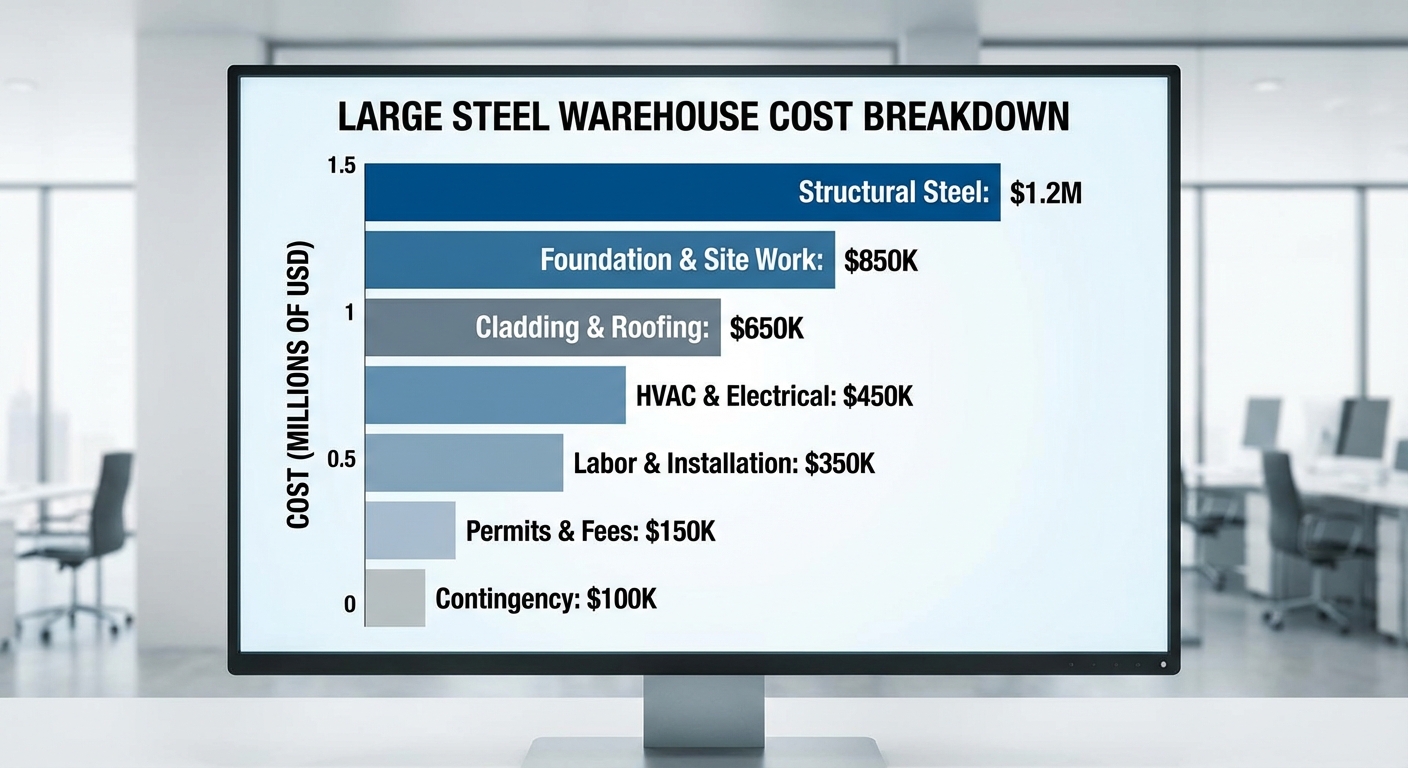
The average total project cost for a 30,000 sq ft facility in 2026 ranges from 1.1millionto1.8 million when accounting for all variables. This large steel warehouse cost covers the spectrum from basic dry storage shells to fully climate-controlled distribution centers. Market conditions and regional material availability remain the primary drivers of these price fluctuations.
How do regional prices fluctuate?
Are you building in a high-demand urban zone or a remote rural area? Local zoning laws and shipping logistics for heavy steel components can drastically alter your bottom line.
But that’s not all:
- Coastal regions require higher wind-load certifications.
- Seismic zones demand advanced structural bracing.
- Urban sites often face higher staging and delivery fees.
What are the scaling advantages?
Does a larger footprint always mean a higher price per unit? Generally, as your square footage increases, the cost per square foot tends to decrease because of bulk material procurement and fixed overhead distribution.
Check it out:
- Steel manufacturers offer tiered pricing for high-volume orders.
- Fixed costs like architectural fees are spread over more area.
- Mobilization costs for heavy machinery stay relatively constant.
| Building Size | Est. Cost Per Sq Ft | Total Shell Budget | |
|---|---|---|---|
| 10,000 Sq Ft | 22−28 | 220K−280K | |
| 20,000 Sq Ft | 18−24 | 360K−480K | |
| 30,000 Sq Ft | 12−19 | 360K−570K |
This table illustrates how the efficiency of steel fabrication benefits projects with larger footprints through reduced unit pricing.
Key Takeaway: While the total capital requirement rises with size, the unit cost efficiency makes 30,000 sq ft a strategic sweet spot for industrial ROI.
How do materials impact your large steel warehouse cost?
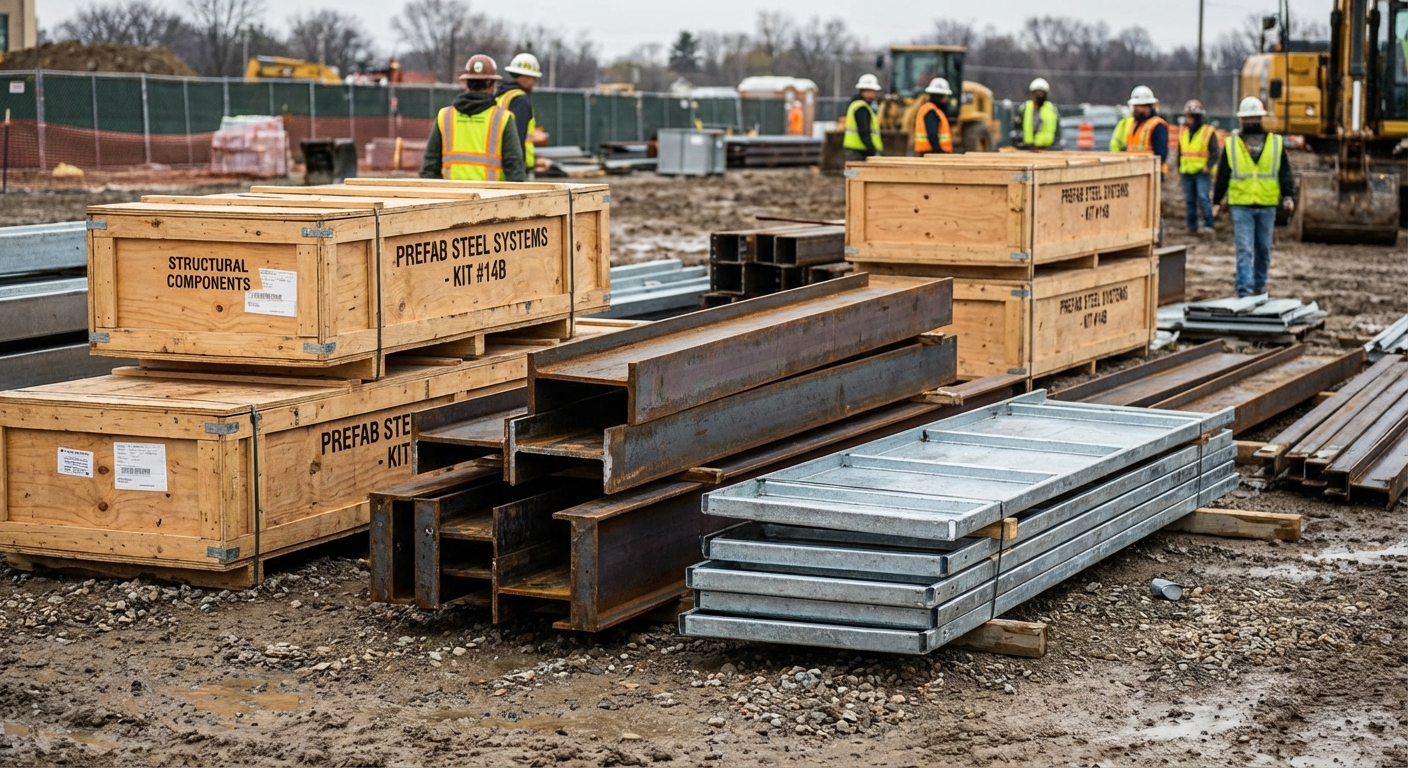
Material selection typically accounts for 30% to 45% of your total large steel warehouse cost depending on the grade of steel and cladding. Choosing high-quality steel warehouse solutions ensures that your building withstands environmental stressors while maintaining low maintenance needs. The price of raw steel remains sensitive to global supply chain shifts, requiring proactive procurement strategies.
Why choose prefabricated kits?
Have you considered the speed and precision of a pre-engineered metal building? These kits are manufactured off-site to exact specifications, which virtually eliminates material waste during the assembly phase.
Here is the kicker:
- Components arrive labeled and ready for immediate erection.
- Precise engineering reduces the amount of steel needed for clear spans.
- Integrated systems ensure compatible roofing and wall panels.
What about roofing grades?
Will you opt for a standard screw-down roof or a premium standing-seam system? While the latter involves a higher initial investment, it offers superior leak protection and thermal expansion capabilities.
But wait, there’s more:
- Standing-seam roofs can last up to 50 years with minimal care.
- Galvalume coatings reflect heat to reduce cooling loads.
- Thicker gauges offer better resistance to hail and debris.
| Material Component | Standard Grade | Premium Grade | |
|---|---|---|---|
| Main Frame Steel | 8−12 /sq ft | 13−16 /sq ft | |
| Wall Cladding | 2−4 /sq ft | 5−8 /sq ft | |
| Roofing System | 3−5 /sq ft | 6−10 /sq ft |
Selecting premium materials for critical components like the roof often leads to significant savings in long-term facility maintenance.
Key Takeaway: Prioritizing high-grade steel and advanced roofing systems protects your capital investment from premature degradation and high insurance premiums.
Why does site prep affect your large steel warehouse cost?
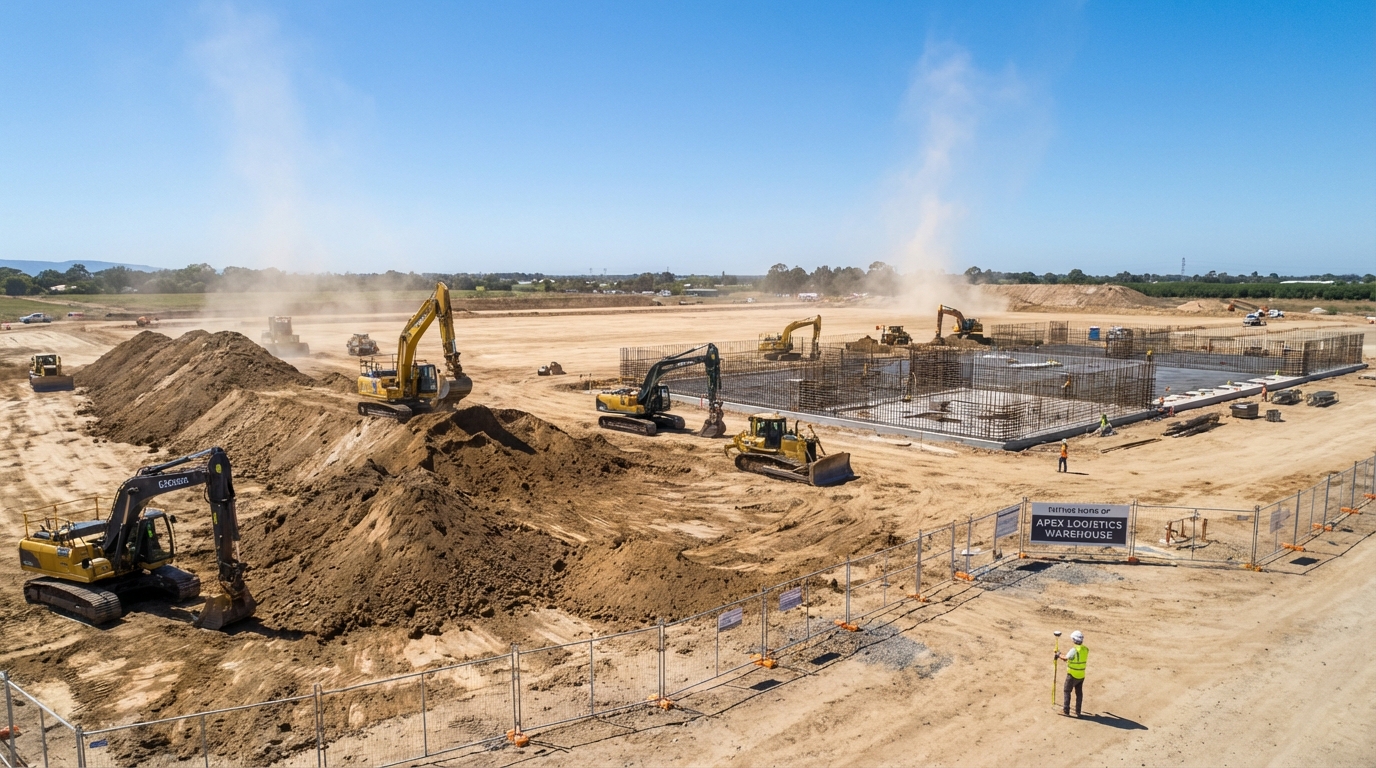
Site preparation and foundation work can represent up to 20% of your large steel warehouse cost if the soil conditions are poor or the topography is uneven. A standard 30,000 sq ft slab must be engineered to handle heavy point loads from racking and forklift traffic. Investing in a thorough geological survey before breaking ground is the most effective way to avoid expensive mid-project corrections.
How do ground conditions vary?
Are you building on stable bedrock or expansive clay? Soil that requires additional compaction or chemical stabilization will add thousands to your excavation budget.
Here is the truth:
- Poor drainage can lead to slab cracking over time.
- High water tables require specialized moisture barriers.
- Sloped sites necessitate extensive grading and retaining walls.
What foundation is best?
Is a standard floating slab sufficient for your equipment? Many industrial operations require thickened edges or reinforced piers to support massive structural loads.
But that’s not all:
- Footing depth is determined by the local frost line.
- Rebar density must match the weight of your internal storage.
- Utility trenching must be precisely integrated before the pour.
| Site Work Phase | Estimated Cost | Impact Level | |
|---|---|---|---|
| Clearing & Grading | 40,000−90,000 | High | |
| Soil Stabilization | 15,000−35,000 | Variable | |
| Concrete Slab (6″) | 180,000−240,000 | Critical |
Proper site preparation ensures that the foundation remains stable, preventing structural alignment issues in the steel frame.
Key Takeaway: Never cut corners on earthwork, as the foundation is the only component of your warehouse that cannot be easily repaired.
Are soft costs inflating your large steel warehouse cost?
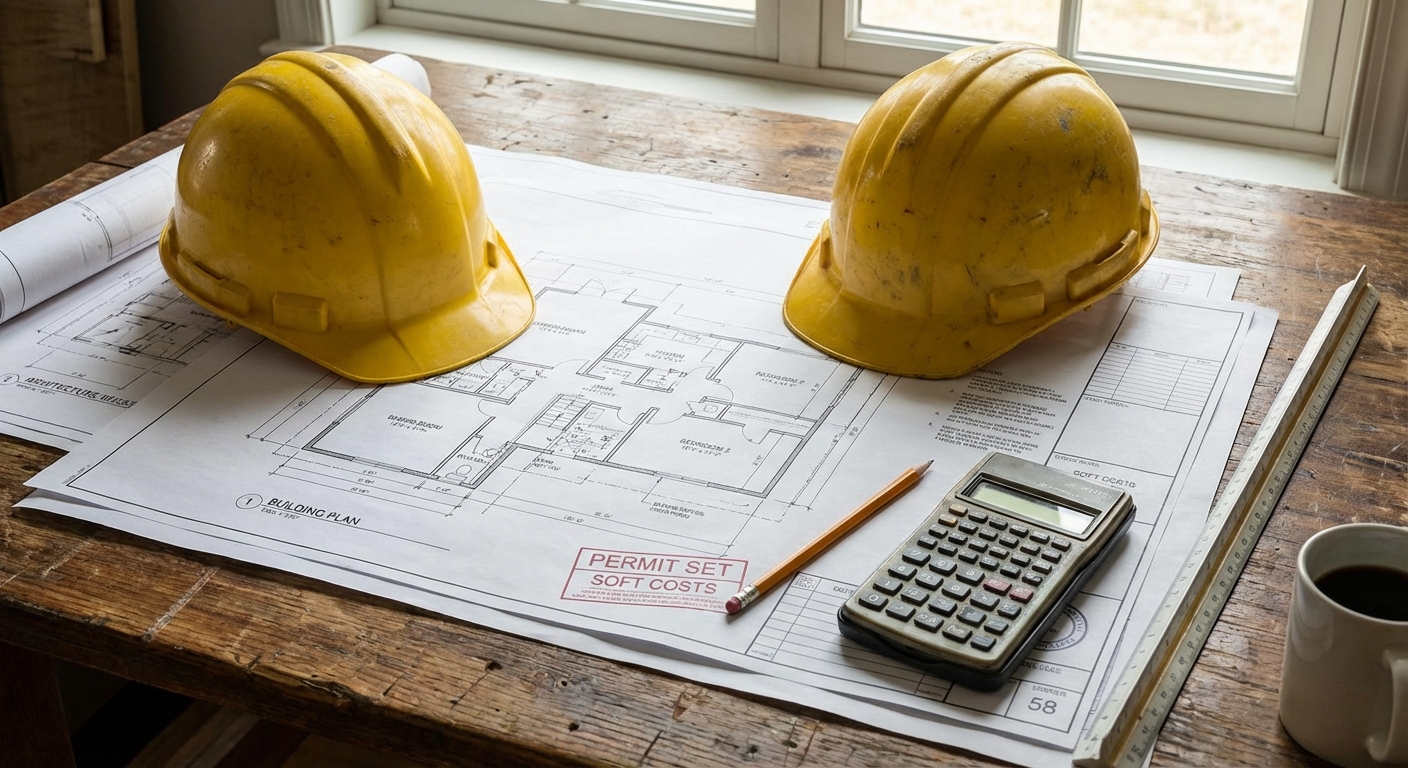
Soft costs, including engineering, permits, and legal fees, typically add another 5% to 15% to your large steel warehouse cost. These “invisible” expenses are often overlooked during initial budgeting but are mandatory for compliance and safety. You must account for architectural design and local impact fees which vary wildly between different municipalities.
What about permit delays?
How long can your capital sit idle while waiting for city approval? Slow permitting processes can indirectly increase costs through interest on construction loans and inflation on materials.
The reality is:
- Environmental impact studies may be required for large footprints.
- Fire safety plans must meet rigorous modern code standards.
- Stormwater management permits are increasingly complex and costly.
Are engineering fees worth it?
Why spend tens of thousands on structural drawings? Professional engineering ensures that your building uses the minimum amount of steel necessary while remaining safe under extreme loads.
Here is the kicker:
- Value engineering can find ways to trim material waste.
- Stamped drawings are a requirement for securing insurance.
- Detailed plans prevent costly errors by the erection crew.
| Soft Cost Category | Typical Percentage | Est. Dollar Range | |
|---|---|---|---|
| Architectural/Eng. | 3% – 6% | 45K−90K | |
| Permits & Filing | 1% – 3% | 15K−45K | |
| Legal & Admin | 1% – 2% | 15K−30K |
Tracking soft costs early in the planning phase prevents budget overruns and ensures a smoother transition from design to construction.
Key Takeaway: High-quality engineering pays for itself by optimizing material usage and streamlining the complex permitting process.
How does labor influence a large steel warehouse cost?
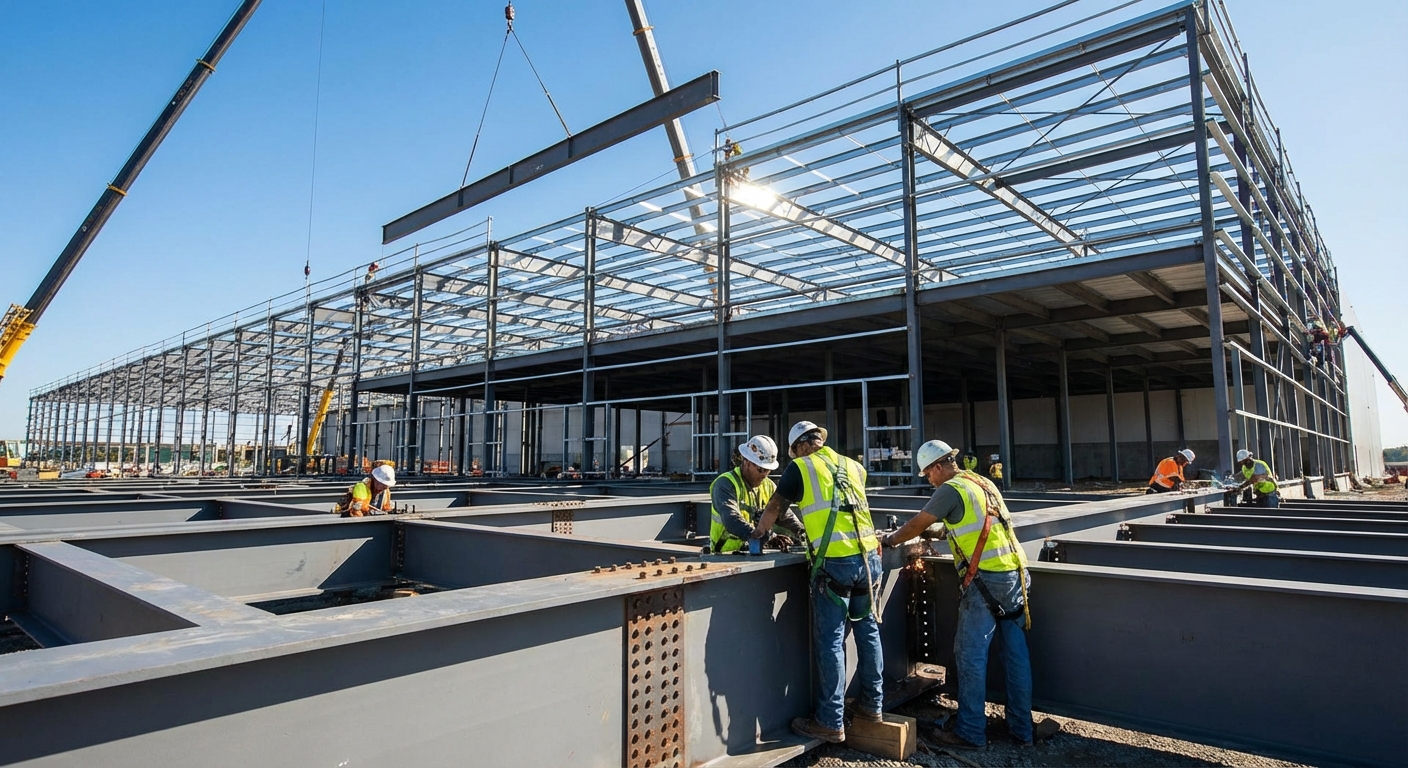
Labor and installation fees generally account for 20% to 35% of the total large steel warehouse cost depending on the complexity of the design. Hiring a crew with specialized building expertise is vital for ensuring the structural integrity of a large-scale project. Skilled labor rates are currently at historic highs, making efficient project management more critical than ever.
Do you need specialized crews?
Can a general contractor handle a 30,000 sq ft steel frame? Large-scale steel erection requires certified welders and crane operators who understand the tolerances of industrial structures.
Keep this in mind:
- Experienced crews install panels faster with fewer errors.
- Safety protocols are strictly followed by specialized teams.
- Proper alignment of the primary frame prevents secondary component failure.
What about project management?
Is someone watching the clock and the budget every day? A professional project manager coordinates deliveries and labor shifts to minimize downtime on the job site.
Here is why it matters:
- Delays in material arrival can lead to expensive labor standby.
- Poor scheduling creates bottlenecks between trades.
- Quality control checks ensure every bolt is torqued to spec.
| Labor Component | Estimated Rate | Duration | |
|---|---|---|---|
| Steel Erection Crew | 5−9 /sq ft | 4 – 8 Weeks | |
| MEP Installations | 4−7 /sq ft | 6 – 10 Weeks | |
| General Supervision | $2,500 /week | Full Duration |
Labor costs are highly sensitive to timeline efficiency; every extra week on the job site directly erodes your project’s profitability.
Key Takeaway: Hiring specialized steel erectors may cost more upfront but saves money by preventing delays and structural defects.
Can sustainability lower your large steel warehouse cost?
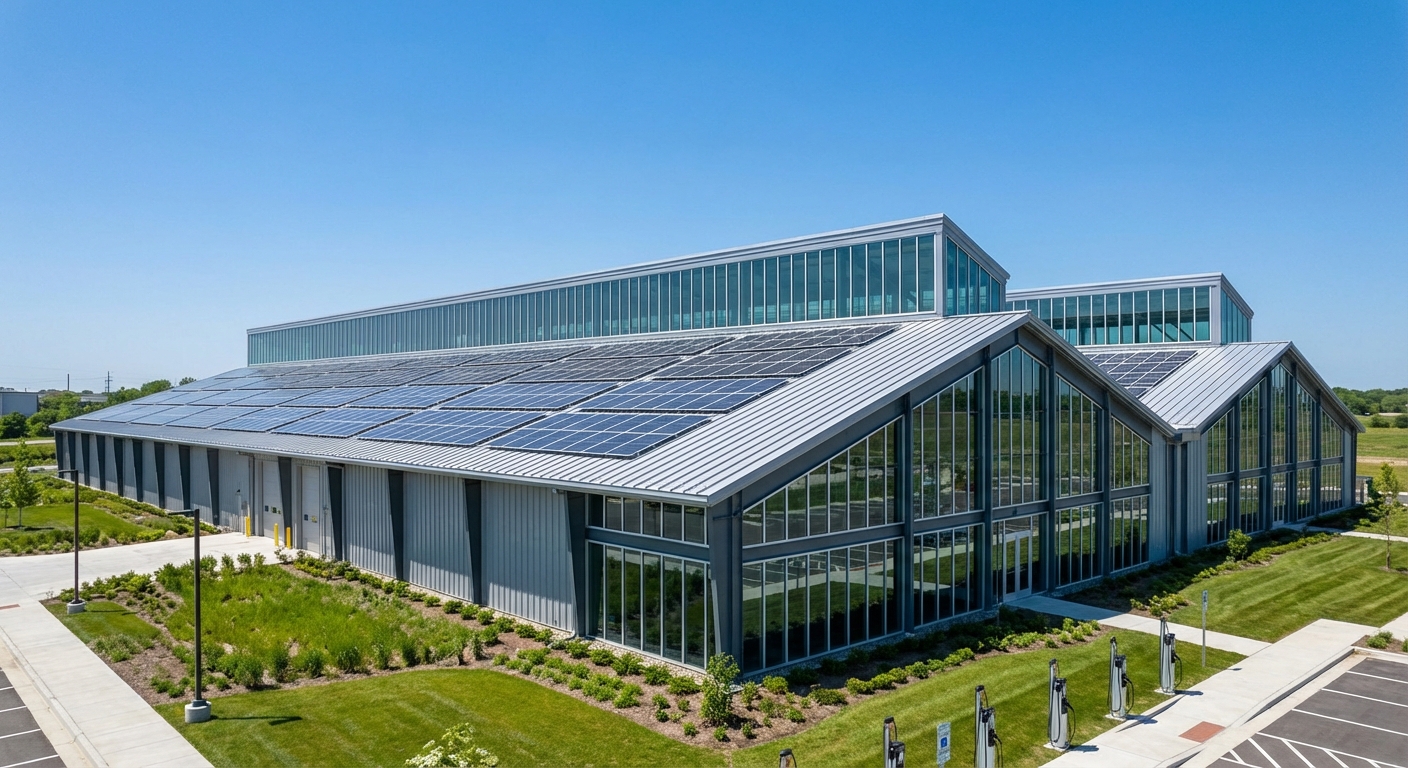
Sustainable design choices can lower your lifetime large steel warehouse cost by reducing utility expenses and qualifying you for tax incentives. While green features might increase the initial construction budget by 5% to 10%, the payback period is often shorter than five years. You should view sustainability not just as an environmental choice, but as a strategic financial advantage.
How does insulation save?
Are you cooling or heating 30,000 square feet of open space? High-performance insulation systems prevent thermal bridging and keep your HVAC systems from running constantly.
The results are clear:
- R-value requirements vary by climate zone for legal compliance.
- Insulated metal panels (IMPs) provide a finished look and efficiency.
- Vapor barriers prevent condensation and mold growth inside walls.
Will solar panels help?
Does your roof have the structural capacity for a massive solar array? Integrating renewable energy can turn your warehouse roof from a maintenance liability into a revenue-generating asset.
Here is the secret:
- Federal and state tax credits can offset up to 30% of solar costs.
- Net metering allows you to sell excess power back to the grid.
- Steel buildings are ideal for solar due to their high load-bearing capacity.
| Green Feature | Initial Cost Increase | Annual Savings Est. | |
|---|---|---|---|
| Premium Insulation | 35,000−60,000 | 25% Energy Reduction | |
| LED Lighting | 15,000−25,000 | 40% Energy Reduction | |
| Skylight Systems | 10,000−20,000 | $2,000 /yr Lighting |
Sustainable upgrades provide a hedge against rising energy costs and increase the long-term market value of your industrial facility.
Key Takeaway: Energy-efficient materials and renewable systems transform your warehouse from an expense center into a high-performance asset.
How does ICF compare to a large steel warehouse cost?
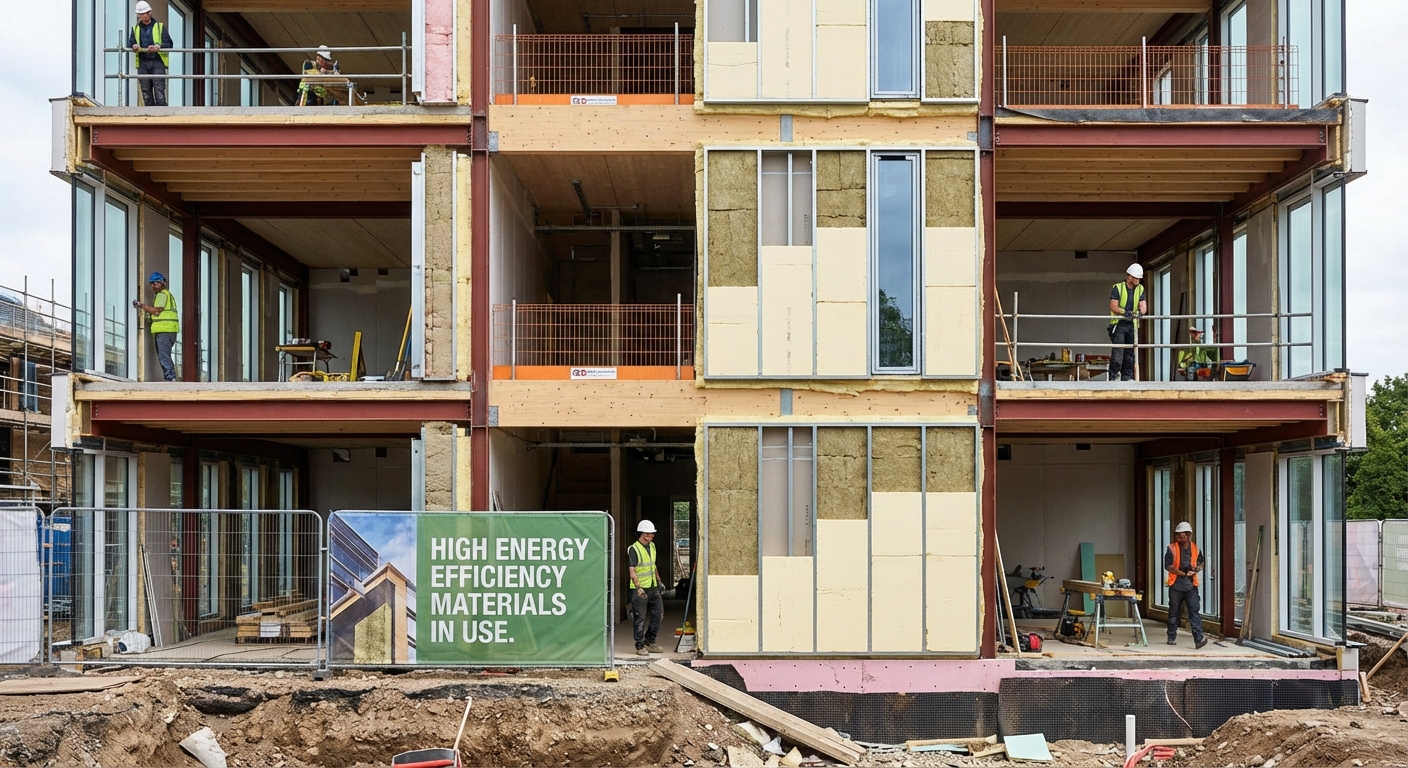
Comparing Insulated Concrete Forms (ICF) to a traditional large steel warehouse cost reveals a higher initial price for ICF but significantly lower energy demands. While steel offers unmatched speed and clear-span capabilities for large facilities, ICF provides superior thermal mass and disaster resistance. You must weigh the structural needs of your specific operation against the long-term operational savings.
Why choose ICF for walls?
Are you storing temperature-sensitive goods or high-value electronics? ICF walls offer a consistent internal environment that steel shells struggle to match without expensive HVAC intervention.
But here is the catch:
- ICF construction generally takes longer than steel erection.
- Interior clear spans are harder to achieve with concrete alone.
- Initial material costs for ICF can be 20% to 30% higher than steel.
What about insurance rates?
Does your building material affect your annual premiums? Because concrete and steel are both fire-resistant, they often enjoy the lowest insurance rates in the commercial sector.
Here is the kicker:
- ICF offers superior protection against high-wind events and debris.
- Steel structures can be designed to meet any seismic code.
- Both materials are immune to pests and rot, unlike wood frames.
| Factor | Steel Warehouse | ICF Warehouse | |
|---|---|---|---|
| Construction Speed | Fast (3 – 5 Months) | Moderate (5 – 8 Months) | |
| Insulation (R-Value) | $ – $$$ (Variable) | $$$ (High Default) | |
| Max Clear Span | Exceptional (>100 ft) | Limited / Expensive |
Steel remains the industry standard for large warehouses due to its superior span capabilities and lower initial capital requirements.
Key Takeaway: Use steel for the main structure to maximize floor space, and consider ICF only if extreme thermal stability is your top priority.
What long-term factors change large steel warehouse cost?
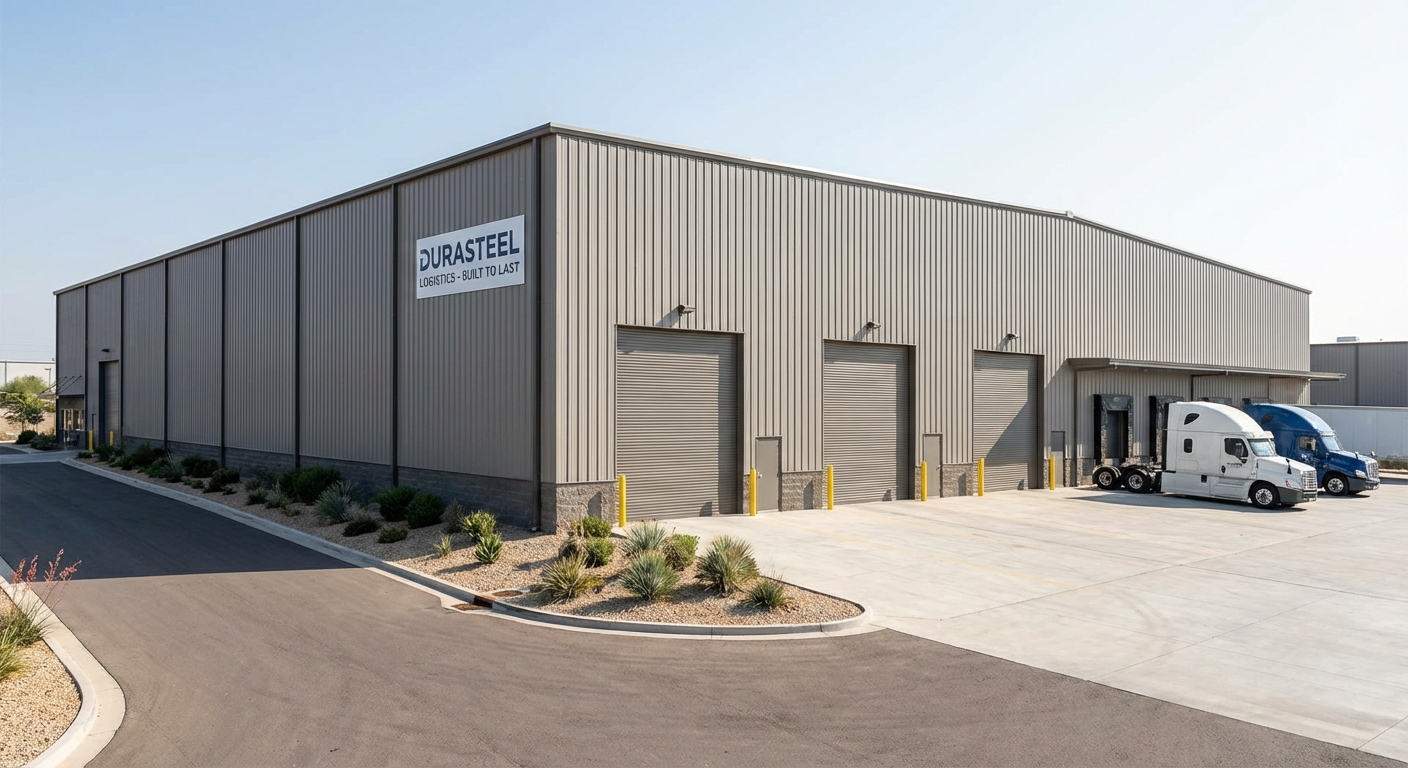
The total lifecycle large steel warehouse cost is heavily influenced by annual maintenance schedules and utility expenditures over 20 years. A building that is cheap to construct but expensive to operate will eventually cost more than a high-quality build. You should factor in the cost of future expansions and the potential resale value of the property in your long-term financial model.
Is maintenance a burden?
How often do you need to inspect your roof and wall fasteners? Steel buildings are low-maintenance, but they are not maintenance-free, especially in harsh climates.
Make no mistake:
- Gutters must be cleared to prevent water pooling at the foundation.
- Fastener gaskets should be checked every five years for leaks.
- Paint finishes are rated for 20+ years but may require touch-ups.
Can you scale easily?
Will your business need 50,000 square feet in five years? One of the biggest advantages of steel is the ability to remove end walls and bolt on new sections as you grow.
Look at the benefits:
- Expansion is 30% cheaper than starting a new standalone build.
- Foundation footings can be designed upfront for future additions.
- Modular steel frames allow for seamless structural integration.
| Maintenance Task | Frequency | Estimated Cost | |
|---|---|---|---|
| Roof Inspection | Annual | 500−1,500 | |
| Resealing Openings | 5 – 7 Years | 3,000−7,000 | |
| Exterior Repainting | 20 – 25 Years | 20,000−40,000 |
Predictive maintenance schedules prevent minor issues from turning into catastrophic failures that disrupt your daily operations.
Key Takeaway: Design your warehouse with the future in mind; the ability to scale without rebuilding is a major long-term cost saver.
What hidden risks drive up large steel warehouse cost?
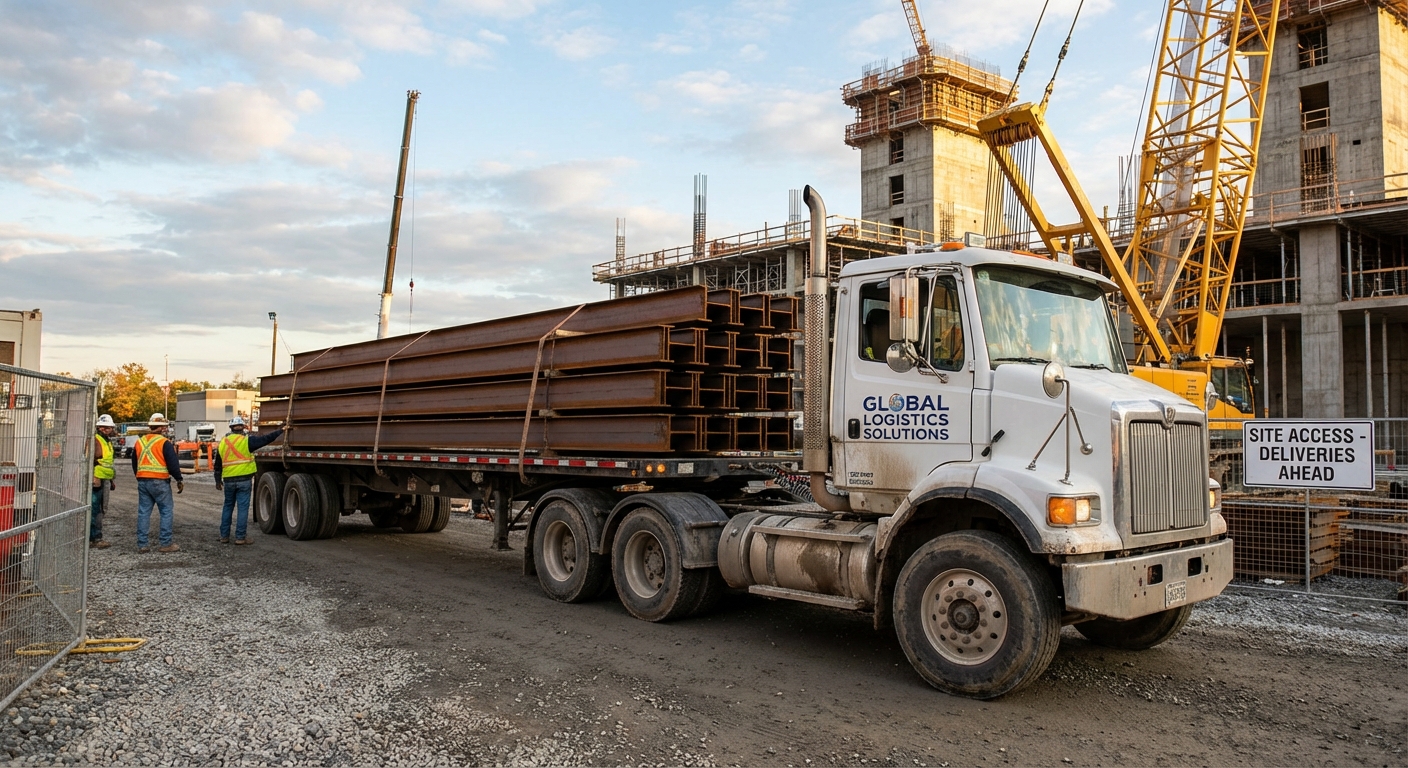
Unforeseen subsurface conditions and supply chain disruptions can suddenly inflate your large steel warehouse cost by tens of thousands. These risks are why most professional developers include a 10% contingency fund in their successful warehouse projects from the start. You must stay vigilant about material lead times and changing local regulations that could stall your project.
Are supply chains stable?
What happens if your steel delivery is delayed by three months? Global logistics remain sensitive to fuel prices and trade policy, which can cause sudden price spikes or delivery lags.
Here is the kicker:
- Locking in steel prices early protects you from mid-build inflation.
- Diversified suppliers reduce the risk of a single-point failure.
- Storage fees for early deliveries are cheaper than labor delays.
What lies underground?
Have you performed a GPR scan or deep soil borings? Finding buried utilities or old foundations after you start digging is a guaranteed way to blow your budget.
Beware of these:
- Undocumented pipes can lead to massive environmental fines.
- Expansive soils require expensive removal and replacement.
- High water tables may necessitate complex dewatering systems.
| Risk Factor | Probability | Potential Cost Increase | |
|---|---|---|---|
| Steel Price Hike | Medium | 10% – 20% of Materials | |
| Soil Anomalies | Low | 20,000−100,000 | |
| Change Orders | High | 5% – 10% of Total |
Proactive risk management and a healthy contingency fund are the only ways to ensure your project reaches completion without financial distress.
Key Takeaway: Anticipate the unexpected by funding a contingency line item and securing your material prices before the ground is broken.
How can you optimize your total large steel warehouse cost?
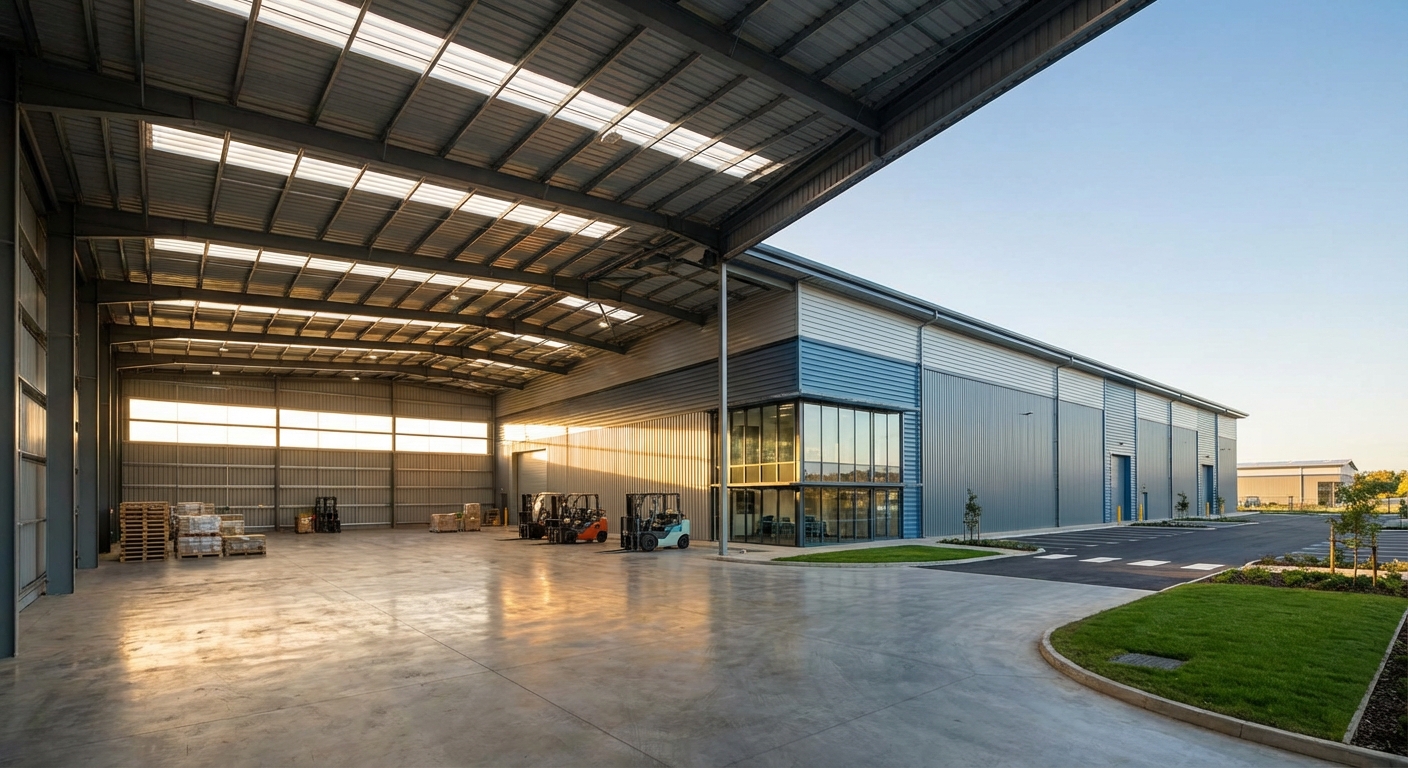
Optimizing your total large steel warehouse cost requires a balance between lean design, strategic site selection, and direct manufacturer partnerships. You can achieve significant savings by standardizing your building dimensions to match common steel stock lengths and widths. By eliminating middleman markups and focusing on value engineering, you ensure that every dollar spent contributes directly to structural value.
Is value engineering effective?
Can you achieve the same functionality with less material? Working with experienced engineers allows you to optimize frame spacing and panel gauges without sacrificing safety.
Check this out:
- Standardized heights reduce the need for custom fabrication.
- Optimizing bay spacing can reduce the total number of columns.
- Using mezzanine levels can double your usable space for less.
Why buy factory-direct?
Are you paying for a distributor’s overhead? Partnering directly with a manufacturer gives you more control over the production timeline and the final cost.
The advantage is clear:
- Direct communication reduces errors in fabrication drawings.
- Bulk shipping from the source lowers your total landed cost.
- Warranty support is more direct when there are no intermediaries.
| Strategy | Est. Savings | Implementation Ease | |
|---|---|---|---|
| Standardized Design | 10% – 15% | High | |
| Factory-Direct Sourcing | 5% – 12% | Moderate | |
| Optimized Bay Spacing | 3% – 7% | Low |
Strategic optimization focuses on maximizing the utility of every pound of steel, ensuring a leaner, more profitable industrial asset.
Key Takeaway: Simplicity is the key to affordability; stick to standardized dimensions and direct sourcing to minimize unnecessary expenses.
Developing a 30,000 sq ft industrial facility is a complex financial undertaking that requires precision, foresight, and a commitment to quality. At Showhoo Building, our vision is to simplify the industrial construction process by delivering high-performance steel structures that empower businesses to grow without limits. We believe that a warehouse should be a durable foundation for your future, not just a shell for your inventory. To begin your next project with the support of industry experts, contact us today for a comprehensive consultation and quote.
Frequently Asked Questions
Can I build a warehouse on a sloped lot?Yes, but you should expect significantly higher site preparation costs due to grading and retaining wall requirements. Sloped sites often require extensive earthwork to create a level building pad for a 30,000 sq ft footprint.
What’s the best way to reduce long-term energy costs?High-performance insulation and LED lighting are the most effective investments. These systems have the fastest ROI and provide the greatest reduction in annual utility expenditures for large-scale facilities.
How do I know if my soil is suitable for a heavy steel building?You must hire a geotechnical engineer to perform soil borings and lab analysis. This is the only reliable way to determine if your ground can support the massive point loads of a 30,000 sq ft warehouse frame.
Can I add a mezzanine level later to save on initial costs?Yes, if you engineer the primary frame and foundation to handle the additional loads upfront. Planning for a future mezzanine is much cheaper than retrofitting a structure that wasn’t designed for it.
What is the fastest construction method for a large warehouse?Pre-engineered metal building (PEMB) kits are the quickest option because components are fabricated off-site and arrive ready for assembly. This method can save you 20% to 40% on the total construction timeline compared to traditional builds.