
The five primary structural types in a multi-storey building are framed, shear wall, braced, core tube, and suspended systems, each serving as the critical engineering foundation to support vertical and lateral loads safely. In today’s highly competitive commercial real estate market, developers planning multistory buildings frequently encounter severe project delays, skyrocketing material costs, and complex structural engineering demands. If you select the wrong structural system, you risk blowing past your budget, extending your construction timeline by months, and compromising the spatial efficiency of your floor plates. This costly pitfall can ruin your return on investment and leave you struggling with rigid, hard-to-modify layouts. Fortunately, selecting a high-performance prefabricated steel framing system resolves these challenges by dramatically accelerating your construction schedule and optimizing your building’s structural footprint.
Why build multistory buildings today?
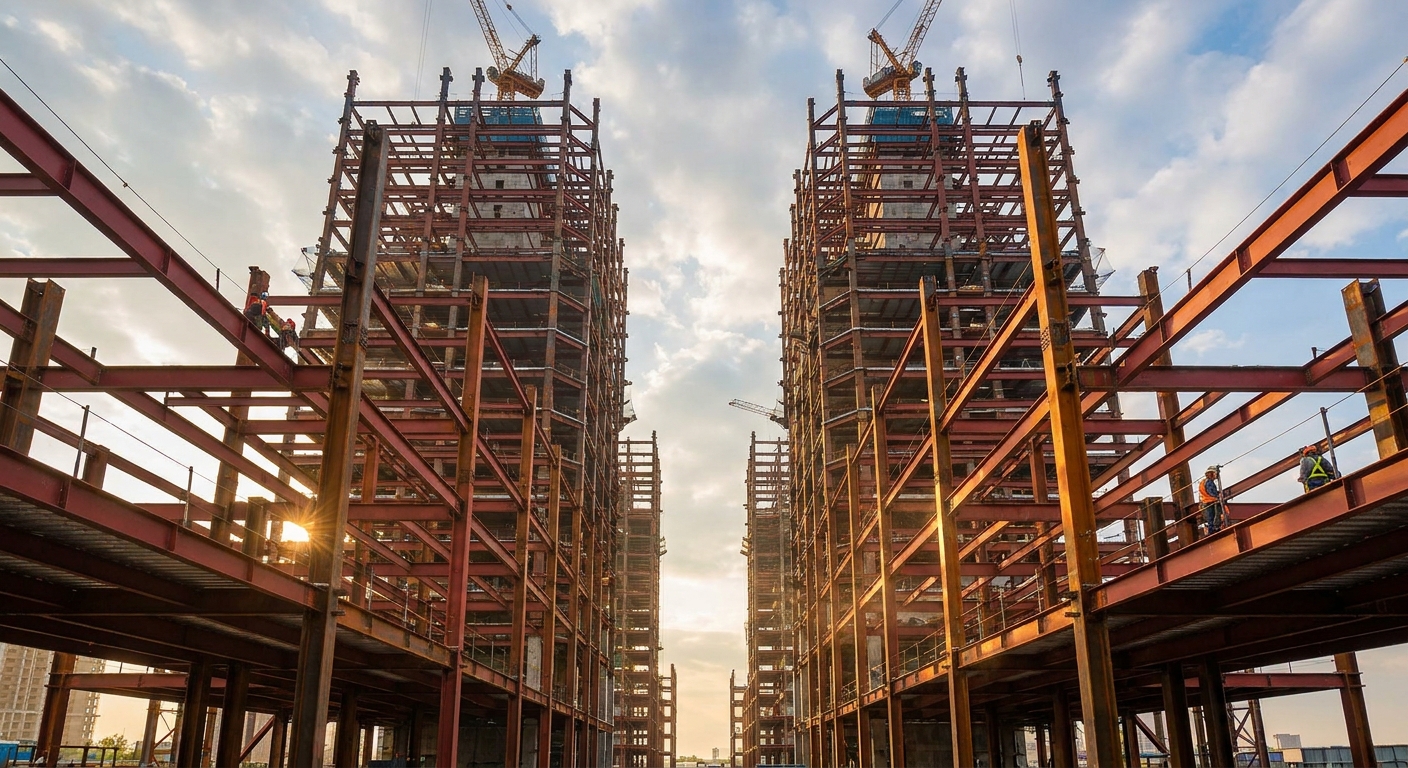
You should build vertical structures today because they maximize land-use efficiency and provide the highest return on investment in space-constrained urban environments. As metropolitan areas expand rapidly, developers must utilize multistory buildings to bypass the high cost of urban land acquisition. This architectural approach allows you to multiply your rentable square footage without expanding your physical footprint. By choosing high-yield steel frames, you maximize structural safety while utilizing tight development zones.
What drives the rise of vertical structures?
Modern commercial and industrial hubs are shifting rapidly toward vertical configurations to remain near critical transportation lanes. High land-acquisition costs in primary shipping corridors mean that horizontal expansion is no longer financially viable.
Why does this matter? By building upward, you drastically improve your layout efficiency while keeping operations centralized.
- Logistical advantages of placing warehouses and offices close to dense urban markets.
- Compounding ROI of high footprint-to-usable-area ratios.
- Environmental and zoning regulations that heavily restrict outward horizontal sprawl.
How does steel optimize modern floor space?
Structural steel delivers an exceptional strength-to-weight ratio that traditional concrete simply cannot match. This allows architects to design wide-span structures that require far fewer internal columns, giving you complete spatial layout flexibility.
Think about this: choosing prefabricated steel components allows you to decrease structural bulk while increasing usable floor space.
- Seamless integration of high-grade Q355B steel to support multiple mezzanine loads.
- Accelerated factory fabrication timelines that drastically lower your project financing costs.
- Dynamic adaptability for future interior zoning and spatial modifications.
Key Takeaway: Vertical expansion using prefabricated steel frames represents the most financially viable pathway for modern commercial developers facing severe spatial and economic limits.
How do framed multistory buildings work?
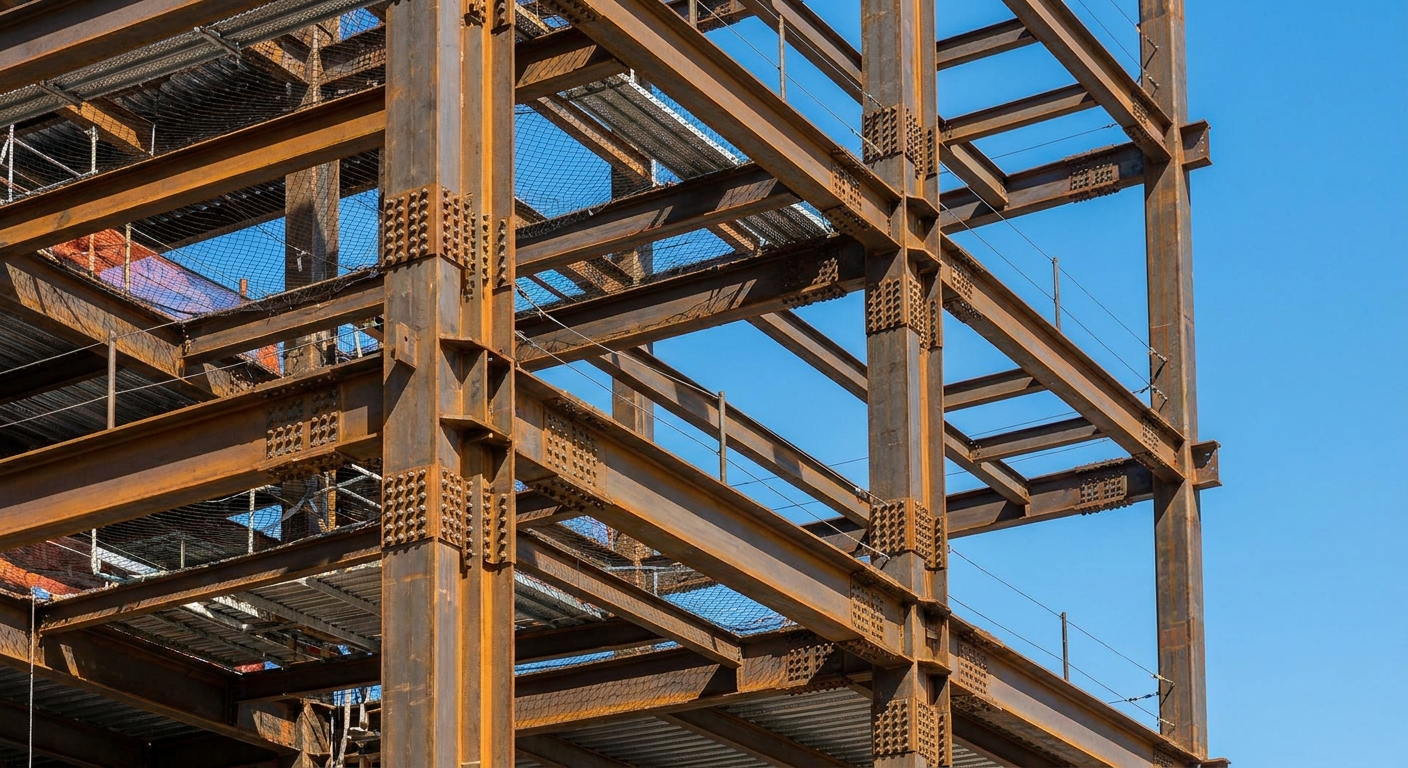
Framed multistory buildings work by utilizing a rigid grid of interconnected horizontal beams and vertical columns to collect and distribute structural loads down to the foundation. This skeletal design ensures that the weight of each floor is transferred systematically through the framework. By deploying this structural network, you eliminate the need for load-bearing interior walls, allowing for wide, open floors. It remains the most widely adopted construction method for multi-tier industrial offices and warehouses.
What is the role of columns and beams?
The columns and beams in a structural steel skeleton act as the primary load paths for gravity and live loads. Beams support the weight of floor slabs and transfer this lateral and vertical weight directly to the vertical columns.
Let’s dive deeper: the integrity of your entire building depends on how effectively these connections transfer stress.
- High axial compression capacity in structural columns to prevent buckling.
- Optimized bending moment and shear capacity calculations in horizontal floor beams.
- Symmetrical, rigid beam-to-column connections that resist joint rotation.
Why is structural steel the top frame choice?
Compared to heavy cast-in-place concrete, structural steel frames are incredibly lightweight and fast to install. This reduces the dead load of the structure, allowing you to save money on excavation and foundation piling.
But that is not all. Steel’s high ductility allows the building to absorb dynamic forces without brittle failure.
- Dramatic reduction in overall foundation weight and site excavation expenses.
- Highly symmetrical frame configurations that enhance seismic performance.
- Seamless integration of pre-engineered steel stairwells and lift cores.
Structural Performance Comparison
| Metric / Parameter | Structural Prefabricated Steel Frames | Cast-in-Place Reinforced Concrete | |
|---|---|---|---|
| Strength-to-Weight Ratio | Extremely High (allows for lighter foundations) | Low (heavy self-weight increases dead load) | |
| Erection & Construction Speed | Fast (factory prefab, bolted onsite assembly) | Slow (requires formwork, pouring, curing) | |
| Seismic Performance | Superior ductility; deforms without brittle failure | Requires heavy reinforcement to prevent cracking | |
| Spatial Flexibility | Excellent (wide clear-spans, easily altered) | Poor (permanent columns, difficult to remodel) |
Analytical Guide: Comparing these parameters highlights how opting for structural steel frames minimizes structural dead-weight, allowing developers to safely scale heights while cutting total foundation expenses by up to 30%.
Key Takeaway: Framed steel systems provide a highly reliable skeletal structure that minimizes weight and maximizes design versatility, positioning them as the standard for modern multi-tier commercial infrastructure.
Build Smarter Multistory Buildings—Get Your Free Quote Today!
Email:sales@showhoo.com.cn
Phone/WhatsApp: + 86 186 7895 5927
Why choose shear wall multistory buildings?
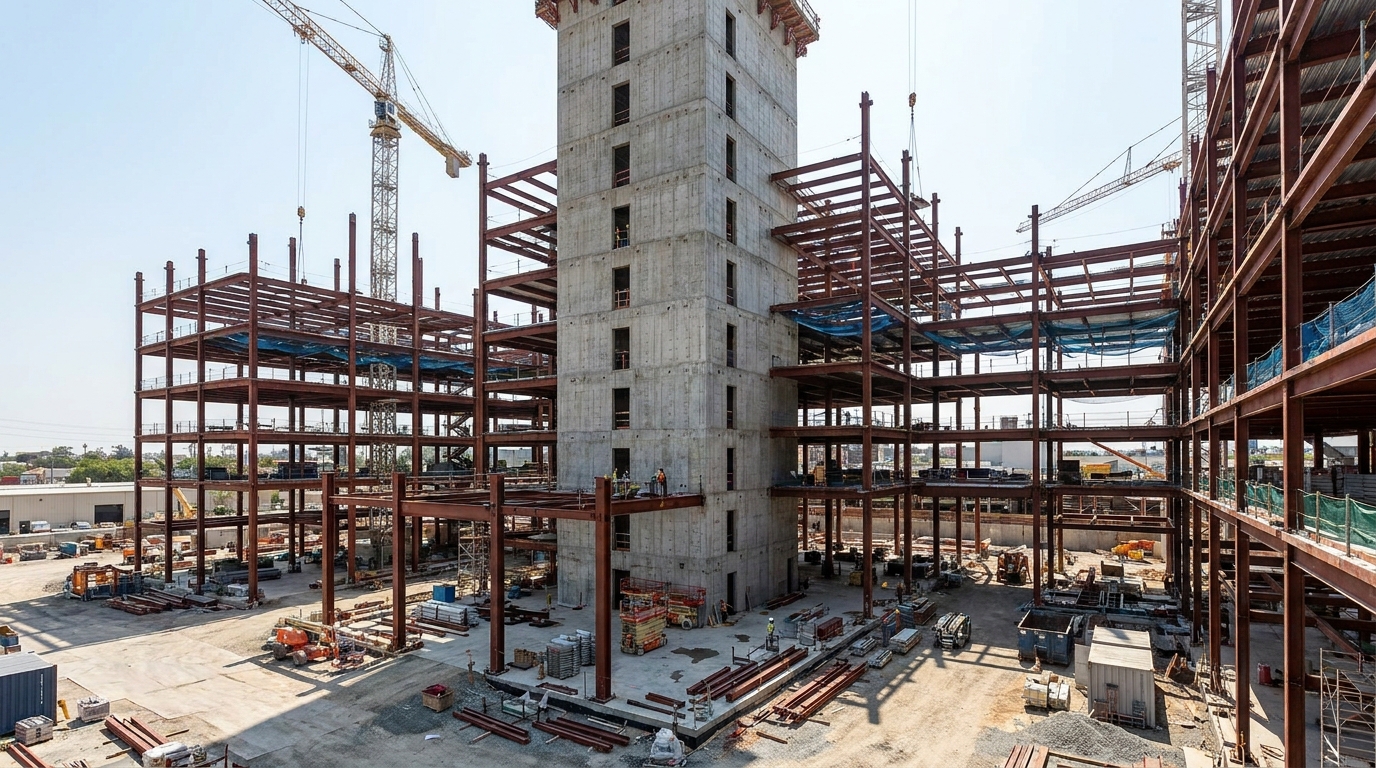
You should choose shear wall multistory buildings because they incorporate stiff, continuous vertical panels designed to resist extreme lateral wind pressures and seismic forces. These specialized concrete or steel plate assemblies act as deep cantilevered beams that prevent the structure from swaying. When building in high-wind zones or active fault lines, integrating these systems is crucial for ensuring occupant safety. They provide the lateral stiffness necessary to keep your development structurally sound.
How do solid shear walls resist lateral loads?
Solid shear walls function by absorbing the horizontal forces acting on the building’s exterior envelope and channeling them straight to the ground. As wind or earthquakes push against the building, the shear walls resist the bending and sliding forces.
Here is the thing: without this dedicated lateral resistance, high-rise buildings would experience excessive lateral drift.
- Precise deflection control that prevents non-structural damage during high winds.
- Direct transfer of horizontal shear forces to deep pile foundations.
- Careful stiffness matching to prevent destructive torsional rotation under seismic loads.
Where are concrete and steel shear walls used?
Engineers typically place shear walls symmetrically around the building’s core or along its outer boundaries to optimize spatial layout and structural balance. This placement allows you to keep large interior floor plates open for commercial activities.
The truth is: combining steel frames with shear walls offers the perfect balance of speed and rigidity.
- Encasing high-stress utility and elevator shafts in concrete or heavy steel plate shear walls.
- Symmetrical layout planning to eliminate eccentricity during seismic events.
- Interfacing structural steel frames with composite concrete cores for hybrid efficiency.
Shear Wall Spatial Distribution Efficiency
| Placement Location | Structural Advantages | Impact on Interior Layouts | |
|---|---|---|---|
| Central Building Core | Maximizes torsional stiffness; protects elevators/stairs | High efficiency; leaves peripheral floor areas completely open | |
| Peripheral Exterior Walls | Optimal resistance to external wind-shear force | Can limit window placements and exterior architectural glazing | |
| Symmetrical End Bays | Minimizes seismic twist and structural rotational drift | Ideal for long, rectangular warehouse or factory footprints |
Analytical Guide: The data indicates that positioning shear systems symmetrically around a central vertical axis yields the highest torsional stability while preserving open-plan commercial floor plates.
Key Takeaway: Integrating shear walls into steel-framed designs provides the rigid lateral support needed to neutralize environmental forces, ensuring safety in areas prone to high winds and earthquakes.
Are braced frame multistory buildings best?
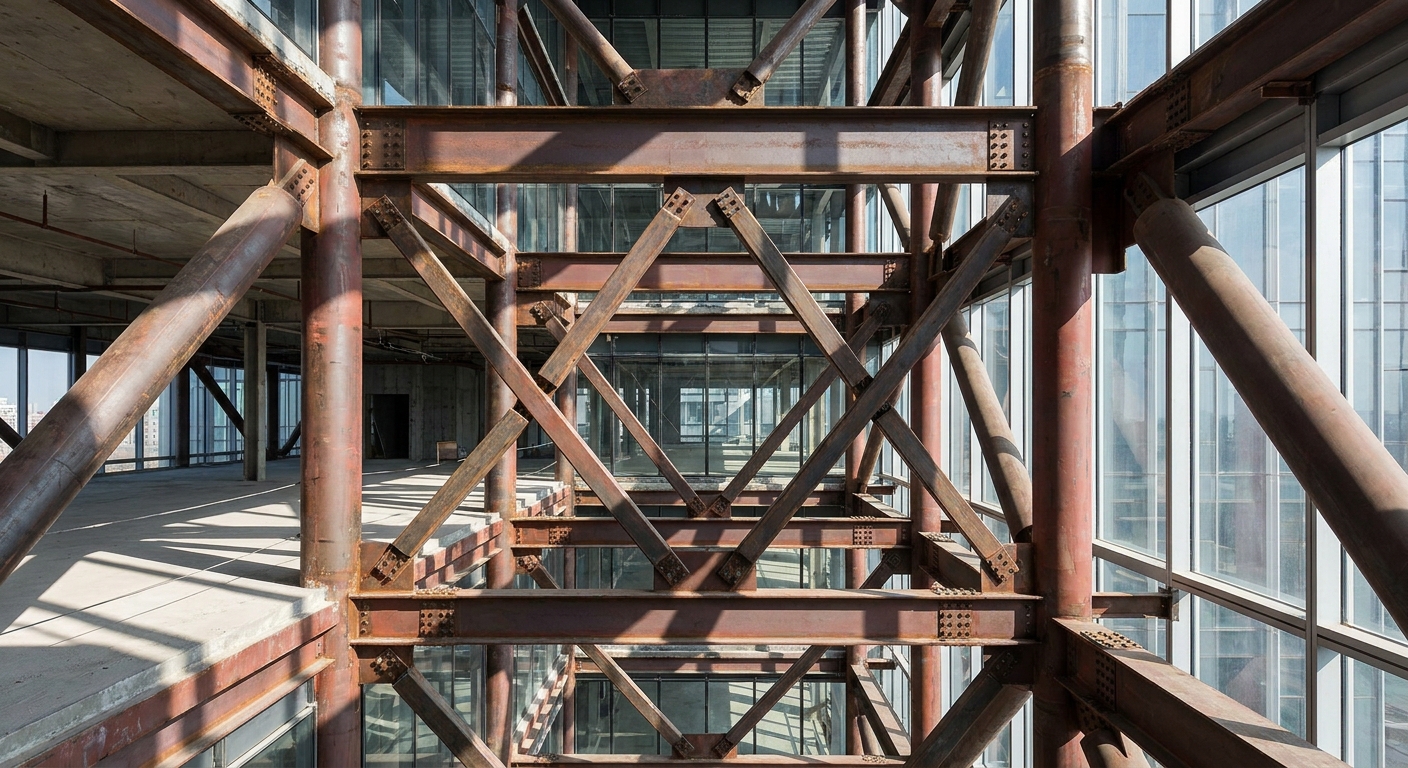
Braced frame multistory buildings are often the best choice because they use diagonal steel members to resist lateral loads efficiently and cost-effectively without the heavy weight of solid concrete walls. This structural configuration relies on the triangulation of members to handle tension and compression forces safely. By choosing a braced frame, you can control lateral drift while keeping material costs low. It represents an exceptionally versatile solution for mid-rise industrial and commercial warehouses.
How do diagonal steel braces ensure safety?
Diagonal bracing members work in tandem to absorb lateral forces, preventing the building frame from distorting or collapsing during extreme weather. These braces carry forces along their longitudinal axis, which minimizes bending stresses in the surrounding beams and columns.
Let’s face it: steel bracing is one of the most efficient ways to achieve structural rigidity.
- Total elimination of heavy bending moments in structural columns and beams.
- Direct conversion of lateral shear forces into simple axial forces along the steel bracing.
- Fast, cost-effective replacement of individual bracing members after extreme environmental events.
What is the difference between concentric and eccentric?
Concentric braces connect directly at the joints of beams and columns, providing maximum stiffness but less flexibility under seismic loads. In contrast, eccentric braces are deliberately offset, creating a small link beam that deforms safely to absorb earthquake energy.
Why does this matter? Choosing the right bracing type directly impacts your project’s seismic safety and architectural flexibility.
- Concentric braced frame (CBF) configurations like X-bracing, V-bracing, and K-bracing.
- Eccentric braced frame (EBF) links that act as structural fuses during seismic shocks.
- Enhanced architectural spacing for windows and doors inside eccentrically braced bays.
Concentric vs. Eccentric Steel Bracing Performance
| Bracing Class | Primary Force Distribution | Ductility / Seismic Absorption | Architectural Integration | |
|---|---|---|---|---|
| Concentric (CBF) | Pure axial loading (direct triangulation) | Moderate; stiff frame but prone to buckling | Can obstruct large window bays or structural walkways | |
| Eccentric (EBF) | Combined axial force and shear/bending at link | Excellent; energy is absorbed through plastic link deformation | Offers greater flexibility for doors, windows, and utilities |
Analytical Guide: While CBFs offer the most economical lateral stiffness for wind-dominated zones, EBFs are essential in seismic areas due to their energy-dissipating “links.”
Key Takeaway: Braced steel frames offer an adaptable and lightweight lateral system, allowing engineers to tailor building stiffness and ductility while keeping structural steel fabrication costs highly competitive.
How do core tube multistory buildings stand?
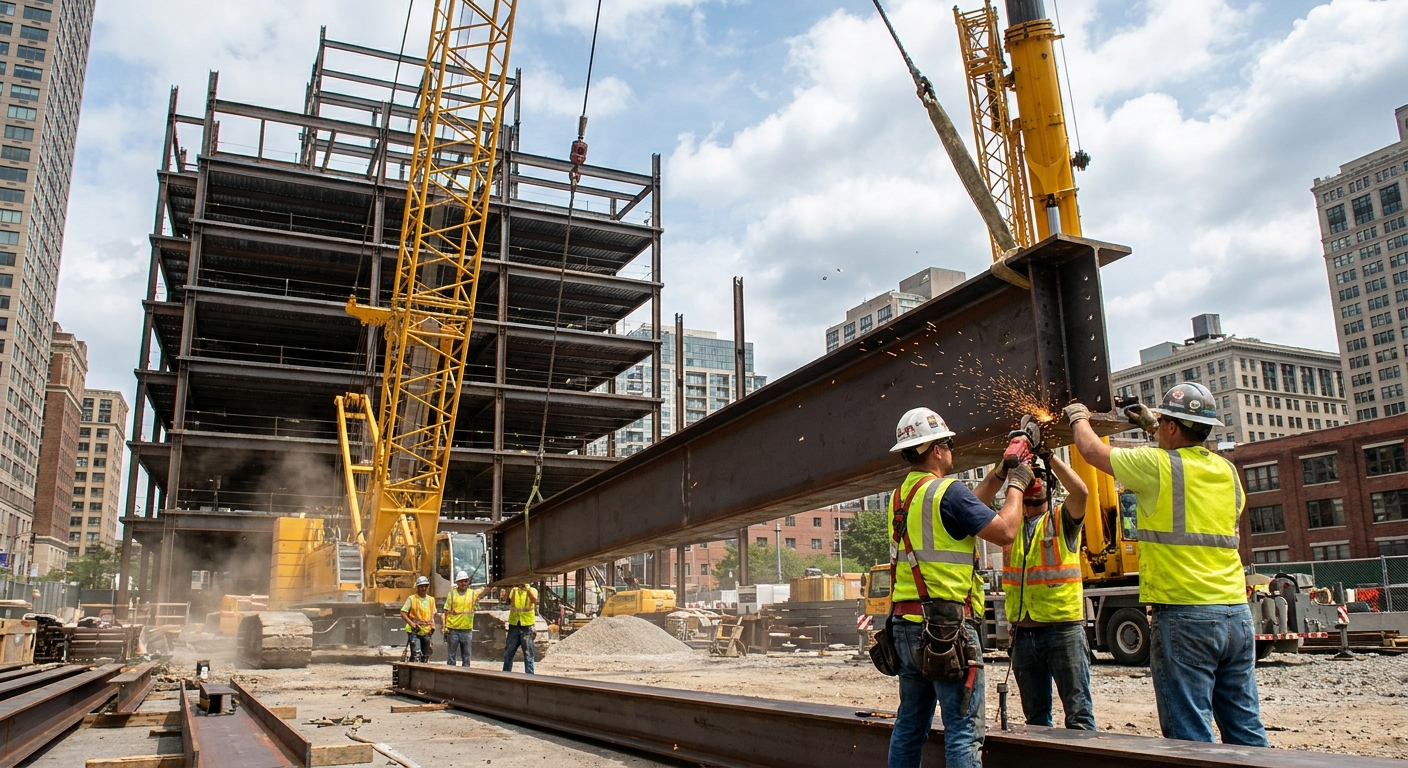
Core tube multistory buildings stand by using a rigid central core coupled with dense perimeter columns, allowing the entire structure to act as a giant hollow cantilever to resist wind loads at extreme heights. This continuous three-dimensional system is engineered to handle massive overturning forces. By locking the interior and exterior frames together, you gain immense structural rigidity. This engineering marvel makes core tube systems the default choice for modern supertall designs.
What is the tube-in-tube engineering concept?
The tube-in-tube concept positions a stiff concrete or steel shear core inside the building to house services while surrounding the perimeter with closely spaced columns. This configuration forces the exterior wall to act as a rigid structural tube that resists lateral forces as a single unit.
How does it work? This dual-tube setup provides extraordinary defense against wind-induced swaying.
- Creation of a continuous three-dimensional structural system to resist multi-directional wind loads.
- Mitigation of the shear lag effect through dense, closely spaced perimeter column networks.
- Superior resistance to overturning moments through tension and compression in the outer column rings.
How do outer steel columns interact with the core?
Horizontal floor diaphragms act as rigid links, transferring lateral loads between the inner core and the exterior columns. To further stiffen the building, engineers often add outrigger trusses that tie the core directly to the outer columns.
That is not even the best part. This interaction allows you to eliminate interior load-bearing walls completely.
- Use of heavy steel outrigger trusses to engage perimeter columns during peak wind loads.
- Massive reductions in building drift and lateral side-sway acceleration.
- Complete architectural freedom to design wide-span, column-free tenant floors.
Tube-in-Tube vs. Outrigger Frame Capacity
| Structural System | Recommended Height Limit | Wind Load Drift Control | Steel Tonnage Efficiency | |
|---|---|---|---|---|
| Tube-in-Tube | 40 to 80 Stories | Very High (dense perimeter resists shear) | High (leverages outer perimeter shell efficiently) | |
| Outrigger Steel Core | 50 to 100+ Stories | Superior (outriggers engage exterior columns) | Optimum (reduces core thickness requirements) |
Analytical Guide: This data shows that for buildings over 40 stories, using a coupled core-tube or outrigger system controls drift far more efficiently than standard rigid frame designs.
Key Takeaway: Core tube engineering transforms multistory structures into robust, wind-resistant cantilevers, enabling safe vertical growth while maximizing clear floor plates for commercial tenants.
What are cantilevered multistory buildings?
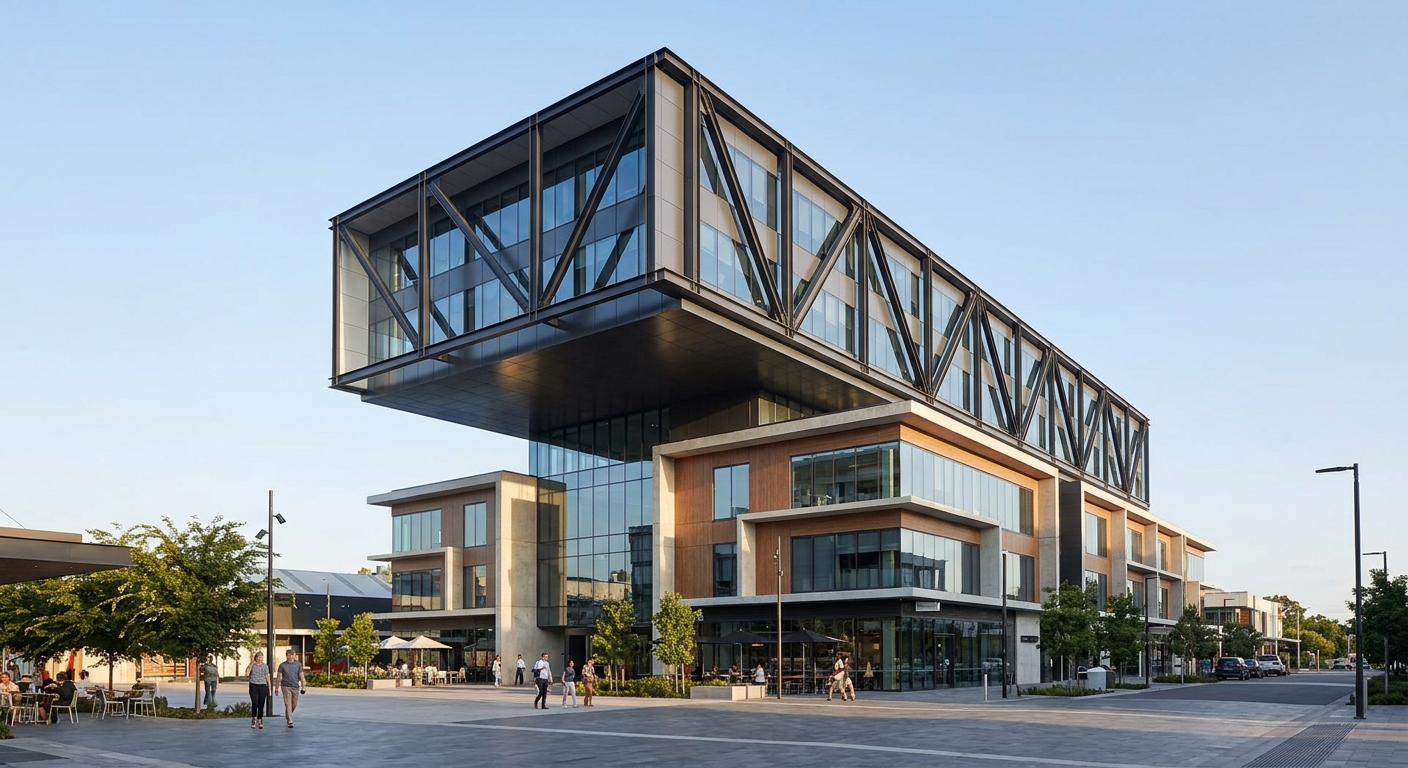
Cantilevered multistory buildings are structural designs where entire floors or modular sections project outward horizontally from a single central support core without external column support. This gravity-defying approach creates open plazas below and stunning architectural profiles above. To support these overhanging sections, you must rely on high-strength steel trusses embedded within the floors. This system allows you to make the most of tight, irregularly shaped urban lots.
How do floors extend without column supports?
Extending floors outward without column support transfers all structural load back to the central core, creating massive bending moments and tension stresses at the joint. Engineers solve this by building high-yield steel trusses directly into the floor plate to distribute the tension.
Think about this: the steel must be precisely fabricated to avoid any noticeable floor deflection at the outer edges.
- Strategic integration of heavy-duty structural steel trusses and post-tensioned cables.
- Careful design of counterbalancing interior floor spans to anchor the outer cantilevered loads.
- Engineering mitigation of deflection and vibration at the far edge of extended floors.
What are propped structures in high-rises?
Propped structural designs insert diagonal compression struts under the cantilever to transfer a portion of the load back to the lower columns. This simple addition reduces the extreme bending stresses at the main core connection.
Wait, there’s more: propping allows you to extend your cantilevered sections much further than a pure cantilever would permit.
- High-strength diagonal compression struts that transfer outer floor weight to lower columns.
- Rigid temporary shoring systems used during the erection of heavy overhanging trusses.
- Creation of massive, multi-level architectural overhangs that protect public pedestrian spaces below.
Structural Force Profile: Pure vs. Propped Cantilever
| Load Parameter | Pure Cantilever Overhang | Propped Structural Cantilever | |
|---|---|---|---|
| Critical Stress Point | Maximum tension at the upper connection/support | Reduced tension at support; compression in diagonal props | |
| Deflection Rate | High (demands heavy steel trussing to control) | Low (supported by diagonal compression struts) | |
| Maximum Span Limit | Limited (restricted by core anchor capacity) | Extended (props distribute forces across multiple levels) |
Analytical Guide: Evaluating these configurations indicates that adding diagonal compression props reduces structural deflection at the outer edge, allowing for wider overhangs without requiring oversized core steel.
Key Takeaway: While cantilevered and propped configurations require precise engineering of tension and compression forces, they offer unique structural designs and maximize ground-level open space for urban projects.
Build Smarter Multistory Buildings—Get Your Free Quote Today!
Email:sales@showhoo.com.cn
Phone/WhatsApp: + 86 186 7895 5927
How do suspended multistory buildings hang?
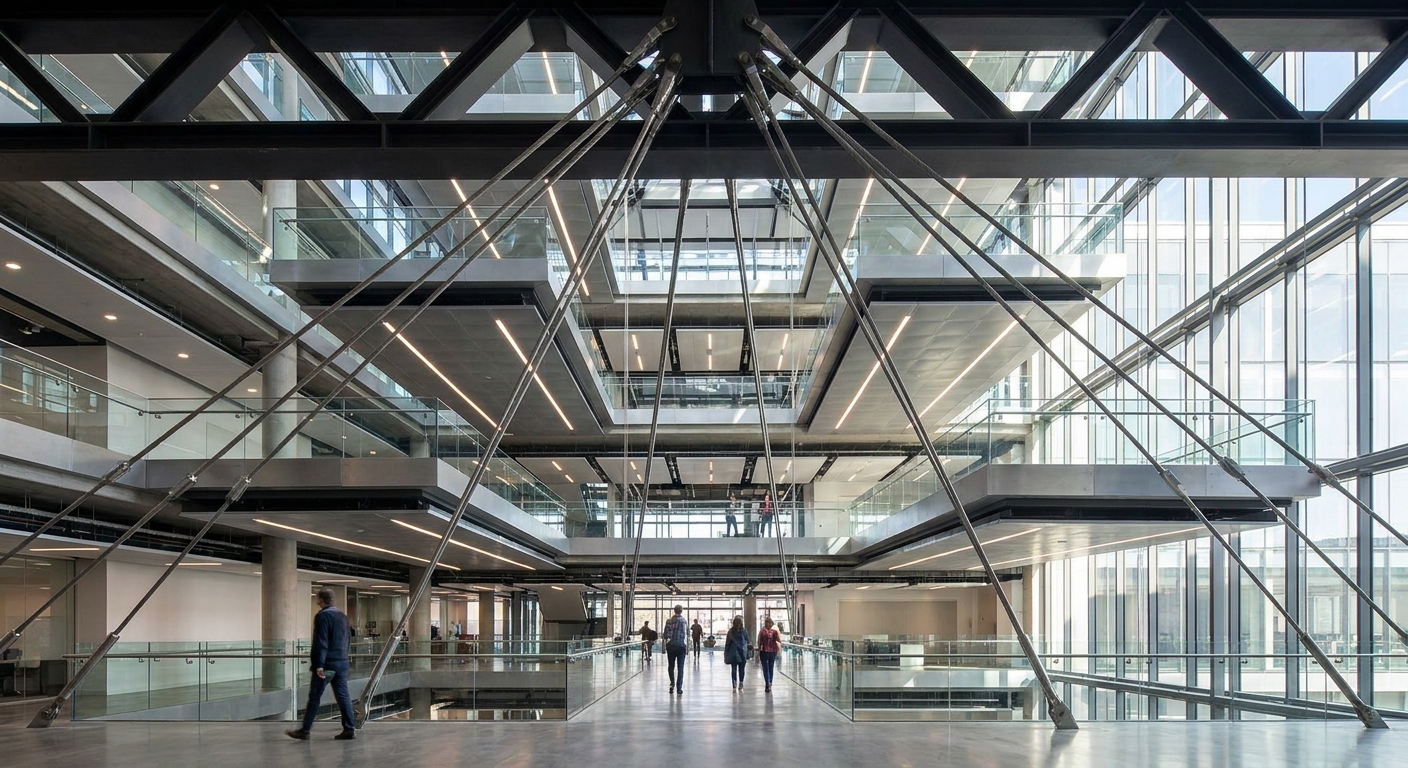
Suspended multistory buildings hang by utilizing high-strength overhead steel cables or tension hangers attached to a massive roof truss, effectively reversing traditional gravity load paths. Instead of columns pushing floor loads down to the earth, these tension hangers pull the floors upward to the roof. This innovative configuration transfers all gravity loads down through a central compression core. By hanging the floors, you achieve completely unobstructed floor plates at the ground level.
How do tension cables support hanging floors?
High-strength steel rods are hung vertically from overhead trusses to support the outer edges of the floor plates. These rods are kept under intense tension, allowing them to remain incredibly thin while supporting immense weight.
It gets even better: using thin steel tension hangers maximizes your perimeter window area and lets in abundant natural light.
- Translating typical column compression loads into high-tensile forces in vertical steel hangers.
- Utilizing the central core as a heavy column under massive axial compression.
- Deploying high-yield steel rods to maintain a sleek, minimal structural footprint.
When should engineers select a suspended design?
Engineers select suspended structures when building over existing public infrastructure like railway lines, subways, or busy highways where traditional ground columns cannot be placed. This system allows you to bridge over restricted areas without disturbing the soil below.
Why is this the case? It offers a highly creative way to reclaim valuable airspace in congested urban centers.
- Building safely over protected historical sites or underground transit lines without columns.
- Executing top-down construction schedules to improve onsite safety and speed.
- Utilizing the pendulum damping effect of hanging floor masses for superior seismic isolation.
Cable Tension vs. Standard Column Compression
| Structural System | Load Direction | Core Structural Function | Ground-Level Footprint | |
|---|---|---|---|---|
| Suspended Hanger System | Upward Tension (cables pull floors up to roof) | Bears total downward compression from roof trusses | Highly open; minimal or no peripheral columns | |
| Skeletal Frame System | Downward Compression (columns push loads down) | Bears local floor loads; distributes gravity forces | Fixed perimeter column grid required at ground level |
Analytical Guide: This comparison shows how suspended systems use the high tensile strength of steel cables to eliminate ground-floor column requirements, making them ideal for sites with complex foundation constraints.
Key Takeaway: Suspended systems leverage the tensile properties of structural steel to reverse traditional gravity load paths, offering a unique solution for building over protected urban areas.
What components save multistory buildings?
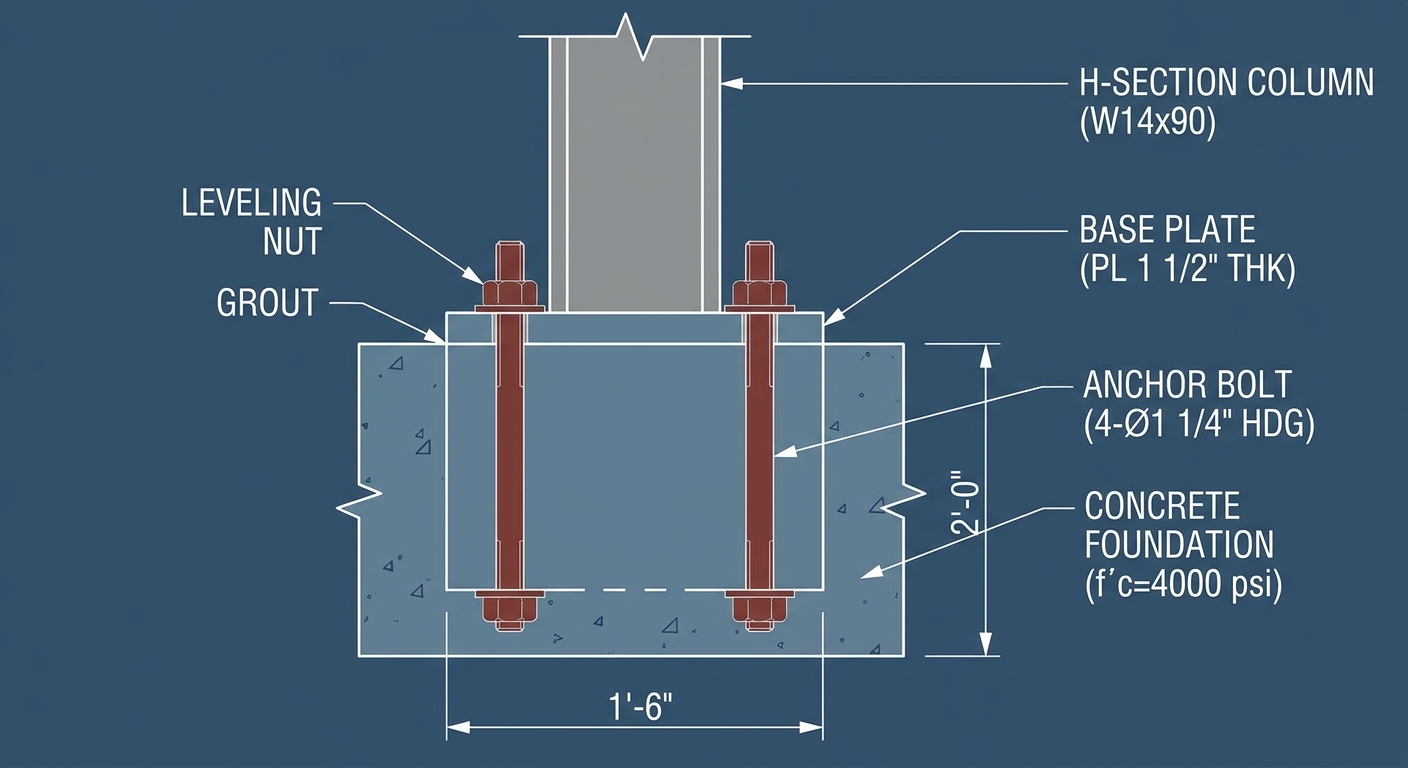
The essential components that save multistory buildings are high-strength primary steel frames, robust secondary framing systems, and rigid column-to-foundation connection plates. These manufactured components are engineered to work together to distribute gravity loads and resist lateral environmental pressures. By using premium materials like Q355B structural steel, you guarantee long-term stability and code compliance. This integrated system of components prevents localized failures from turning into catastrophic collapses.
What are primary framing steel components?
Primary framing components include heavy-duty hot-rolled steel H-columns, wide-flange beams, and rigid steel trusses that form the main skeleton of your building. These heavy elements bear the vertical weight of the floors and the lateral loads of wind and seismic activity.
Make no mistake: using top-grade steel profiles in these primary members is vital for overall structural integrity.
- Incorporating high-yield Q355B steel columns to resist heavy vertical compression loads.
- Interfacing primary frames with concrete foundations using thick steel base plates.
- To understand standard manufacturing, developers can review the guide on components of a steel structure warehouse to see how these core structural members are manufactured.
How do secondary systems support vertical loads?
Secondary systems consist of purlins, girts, and composite metal decking that span between primary beams to distribute local floor and wall loads. These elements act as a stabilizing skin, preventing the primary steel frame from twisting under heavy loads.
But wait, there’s more. They also provide lateral bracing to the main beams, raising the overall safety of the building.
- Using composite steel-and-concrete floor decking to act as a rigid horizontal diaphragm.
- Installing cold-formed C and Z purlins to support exterior wall cladding and transfer wind loads.
- Utilizing tie rods and sag rods to maintain perfect structural alignment during assembly.
Structural Steel Component Classifications
| Component Class | Primary Engineered Elements | Structural Function | Critical Design Parameter | |
|---|---|---|---|---|
| Primary System | H-Columns, Welded Beams, Base Plates | Carries main gravity and lateral loads to foundation | Yield strength (Q355B), buckling resistance | |
| Secondary System | C/Z Purlins, Girts, Floor Decking | Distributes floor/roof loads to primary beams | Bending deflection, local web buckling | |
| Connection System | High-Strength Bolts, Weld Joints | Transfers shear and moments between members | Shear capacity, weld throat thickness |
Analytical Guide: The structural relationship between primary and secondary elements ensures that localized wind and floor loads are safely distributed back to the main load-bearing frame, preventing local structural failure.
Key Takeaway: The integration of primary structural steel members, secondary purlins, and rigid connection systems creates a highly redundant and durable load path, keeping multi-tier projects safe under all design loads.
How to design cheap multistory buildings?
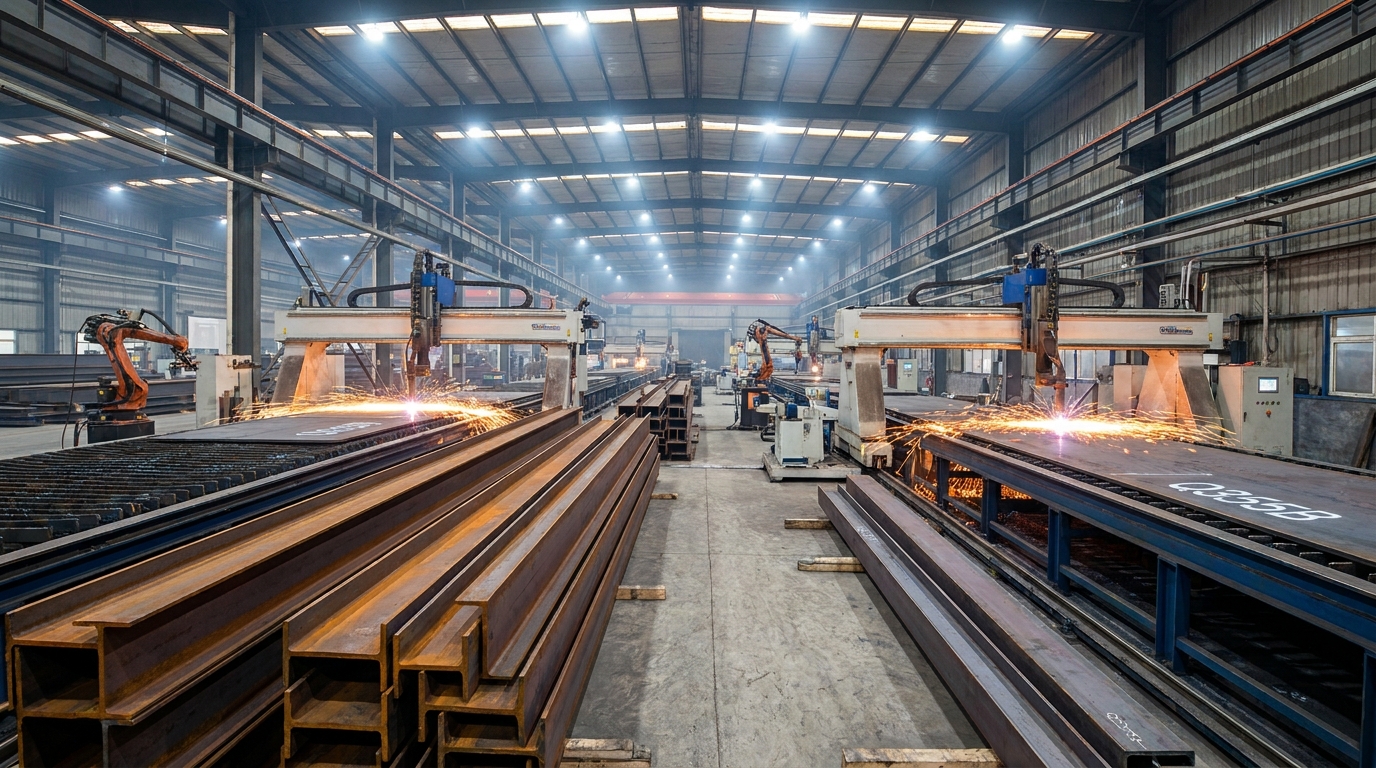
You can design cheap multistory buildings by utilizing prefabricated steel framing systems and standardized connection details that reduce material waste and speed up onsite assembly. By shifting structural fabrication from the construction site to a high-precision factory, you eliminate costly field errors. This optimization allows you to keep raw material costs predictable and budget-friendly. It is the single most effective way to lower the total cost of ownership for your development.
What drives down structural fabrication costs?
Off-site fabrication relies on highly automated factory equipment to cut, drill, and weld steel profiles with incredible accuracy. This automation minimizes scrap metal waste and speeds up production lines, passing direct savings to you.
The result? You receive perfectly sized, ready-to-assemble structural parts at a fraction of the cost of raw field construction.
- Utilizing precision CNC plasma cutting and drilling to eliminate costly onsite adjustments.
- Standardizing member profiles to negotiate lower bulk pricing from steel mills.
- Shifting from expensive field welding to rapid, high-strength bolted joint connections.
How does pre-engineering reduce onsite labor?
Pre-engineered steel components are shipped to your job site pre-cut, drilled, and clearly labeled for fast installation. A small, experienced assembly crew can bolt the skeleton together in a matter of days rather than weeks.
What does this mean for your budget? It means you save thousands of dollars on labor and crane rentals.
- Cutting onsite assembly timelines by up to 40% using sequential, factory-labeled steel elements.
- Minimizing heavy machinery rental costs by reducing the total time cranes are required onsite.
- For complex structural costing decisions, you can submit your design requirements at the Showhoo contact page for a tailored project estimate.
Cost Efficiency Analysis: Prefabricated Steel vs. Onsite Concrete
| Project Cost Center | Prefabricated Steel System | Traditional Cast-in-Place Concrete | Budget Impact / Savings | |
|---|---|---|---|---|
| Onsite Labor Hours | Low (assembled quickly by crane/bolting crew) | High (requires extensive formwork and pouring) | Saves up to 50% in onsite labor costs | |
| Material Waste | Near-zero (precisely fabricated in the factory) | Moderate (scrap wood, concrete wash, cut rebar) | Minimizes raw material waste expenses | |
| Foundation Costs | Lower (lighter frame reduces pile requirements) | Heavy (requires deep, expensive foundation designs) | Cuts excavation and concrete costs by 20–30% |
Analytical Guide: Comparing these costs demonstrates that while raw steel costs can vary, prefab steel systems deliver significant savings in onsite labor, foundation work, and construction time.
Key Takeaway: By utilizing prefabricated structural steel and standardized connections, developers can significantly lower material and labor costs, delivering projects faster and under budget.
Which multistory buildings fit your project?

The structural systems that fit your project depend on your building height, soil conditions, wind and seismic loads, and your target budget. For low- to mid-rise developments like offices and light industrial facilities, simple braced frames are highly cost-efficient. For high-rise and residential complexes, shear walls or core tube networks are needed to ensure lateral stability. Matching your structural system to these specific requirements guarantees both engineering safety and financial success.
How to match structure types to specific budgets?
Selecting the correct structural type is a delicate balance between meeting local building codes and minimizing steel tonnage. By identifying your structural performance targets early, you prevent costly over-engineering.
Let’s sum it up: choosing the appropriate system keeps your budget on track while meeting all architectural goals.
- Deploying braced frames for highly economical, rapid construction of low- to mid-rise projects.
- Selecting rigid shear walls or central cores to manage wind shear in high-density urban zones.
- Investing in cantilevered or suspended designs for challenging building sites with restricted ground footprints.
Why should you consult a steel manufacturer?
Involving a dedicated steel fabrication factory during the early design phase ensures your steel profiles are optimized for efficient production. This early collaboration prevents expensive revisions and guarantees that the steel fits perfectly when it arrives onsite.
The next step is simple: partner with an experienced manufacturer to bring your design to life safely and efficiently.
- Accessing expert engineering support to design for local wind, snow, and seismic loads.
- Obtaining custom material optimization, including high-quality Q355B and Q235 steel profiles.
- Securing reliable global delivery schedules accompanied by detailed installation blueprints.
Structural System Selection Matrix
| Structural System | Typical Height Suitability | Best Application | Budget Profile | |
|---|---|---|---|---|
| Braced Steel Frame | 1 to 15 Stories | Industrial warehouses, commercial offices | Highly Economical | |
| Shear Wall / Core | 10 to 45 Stories | Mid-to-high rise hotels, residential units | Moderate | |
| Core Tube / Outrigger | 40+ Stories | Supertall commercial headquarters | Premium / High-Value | |
| Suspended / Cantilever | Variable | Complex sites, architectural highlights | Custom / Specialized |
Analytical Guide: Using this matrix to align your building height and program requirements with the right structural steel system ensures optimal design efficiency from the very start.
Key Takeaway: Partnering with a specialized structural steel manufacturer ensures your multi-tier project is engineered for safety, cost efficiency, and fast erection, turning complex designs into successful developments.
Conclusion
Choosing the right framing system is the single most important decision in modern construction, determining your project’s overall safety, spatial efficiency, and bottom-line cost. This article has explored how structural steel frames, lateral bracing systems, shear walls, core tubes, and suspended layouts solve complex structural challenges. Prefabricated steel structures offer unmatched strength-to-weight ratios, incredibly fast onsite installation, and outstanding resistance to seismic and wind forces, outperforming traditional concrete in every key metric.
At Showhoo Building, we specialize in delivering world-class engineering, high-precision factory fabrication, and turnkey prefabricated steel structures tailored to your exact project demands. Whether you are building a commercial facility, a vertical warehouse, or a complex multi-tier industrial plant, our global supply capabilities and high-grade Q355B steel products ensure your investment is built to last. We invite you to contact us today to consult with our structural steel engineering experts, request a fast, accurate quote, and start building your next landmark with absolute confidence.
Build Smarter Multistory Buildings—Get Your Free Quote Today!
Email:sales@showhoo.com.cn
Phone/WhatsApp: + 86 186 7895 5927
FAQ
What’s the best structural steel grade for multi-storey buildings?
It depends on your local load requirements, but high-strength Q355B steel is the industry standard for primary columns and beams. This grade offers a superior yield strength that allows you to use lighter, thinner steel profiles without compromising safety. For secondary members like purlins and girts, Q235 steel is commonly used to maintain cost efficiency.
Can I combine different structural types in a single building?
Yes, you can. In fact, many modern high-rises utilize hybrid structural systems, such as combining a rigid concrete shear core with a lightweight structural steel frame and perimeter bracing. This hybrid engineering approach allows you to leverage the unique strength of each material to optimize both lateral stiffness and construction speed.
How do I know if a braced frame or a shear wall is better for my project?
It depends on your building’s height, local wind loads, and your structural budget. Braced frames are typically the most cost-effective and lightweight solution for low- to mid-rise buildings, while shear walls are highly recommended for taller buildings or coastal zones subject to extreme wind pressures. Consulting an engineering specialist during the pre-planning phase will help you select the exact configuration you need.
Can I modify the interior layout of a steel multi-storey building after construction?
Yes, you can do so with relative ease. Because structural steel frames support the building’s load through a skeletal grid of columns and beams rather than interior load-bearing walls, you can easily remove or relocate partition walls. This modular flexibility makes steel structures highly adaptable for future office remodeling or industrial layout changes.