
A standard commercial chicken house typically holds 20,000 to 40,000 chickens depending on its dimensions and stocking density. If you are entering the poultry industry, managing this massive flock capacity without the right infrastructure and automated systems can quickly lead to high mortality rates and devastating financial losses. You might feel overwhelmed by the complex technical parameters of ventilation, biosecurity, and structural engineering required to keep these birds healthy. Fortunately, choosing a modern, climate-controlled steel structure designed specifically for this scale provides the ultimate environment to maximize bird comfort, feed efficiency, and your long-term return on investment, which starts with understanding exactly how many chickens are in a commercial chicken house of modern standard sizing.
What is the Ideal Layout for a Modern Commercial Poultry Farm?
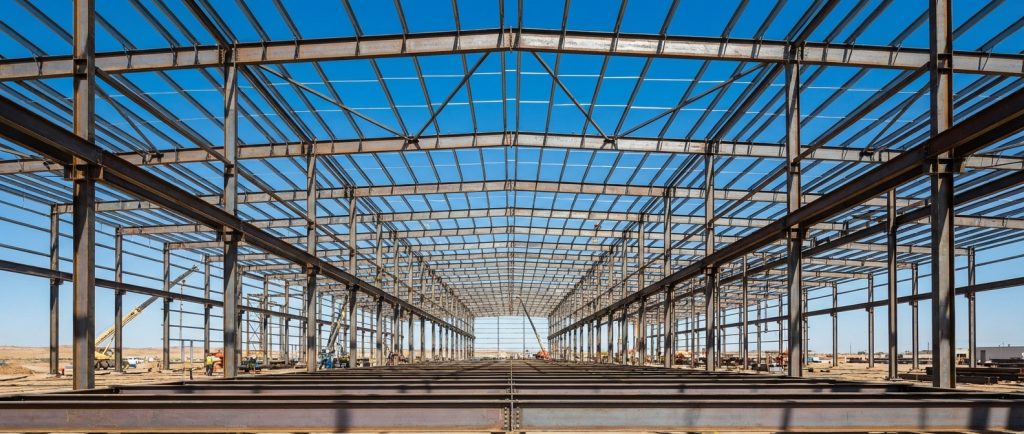
A modern poultry farm layout directly impacts how many chickens are in a commercial chicken house by maximizing spatial efficiency and ensuring proper distance between structures. A standard layout consists of multiple parallel housing units positioned to optimize airflow and minimize disease transmission. Proper spacing of at least 30 to 50 meters between houses is critical to prevent exhaust air from one building entering another.
How Do Site Selection and Orientation Affect Yield?
Selecting the perfect site is the foundational step of successful poultry farm layout planning to ensure natural drainage and easy road access. You should orient your houses in an east-west direction in hot climates to prevent direct sunlight from penetrating the side walls and causing heat stress. This orientation reduces solar heat load significantly throughout the day.
Think about it: a well-planned farm layout reduces logistical bottlenecks and cuts operational costs. You must evaluate critical site parameters before breaking ground on your poultry venture:
- Wind direction relative to exhaust fans
- Proximity to clean water and reliable electricity sources
- Sufficient distance from residential zones for zoning compliance
Why is the Spacing Between Chicken Houses Critical?
Maintaining adequate distance between poultry structures is a fundamental biosecurity and ventilation requirement. If houses are placed too close together, exhaust air containing ammonia and pathogens can cross-contaminate adjacent buildings. For maximum safety, standard layouts require a clearance of at least three times the width of the individual poultry building.
Key Takeaway: Proper spacing and strategic layout orientation are critical to maintaining bird health and maximizing flock density.
| Layout Parameter | Recommended Standard | Primary Benefit | |
|---|---|---|---|
| Orientation | East-West alignment | Minimizes solar heat gains | |
| House Spacing | 30 to 50 meters minimum | Prevents cross-contamination | |
| Access Roads | Perimeter-only design | Keeps dirty and clean logistics separated |
Analysis: Proper layout planning ensures that operational flows remain isolated and ventilation systems perform without interference.
Why Use Steel Structure for Commercial Chicken House Construction?
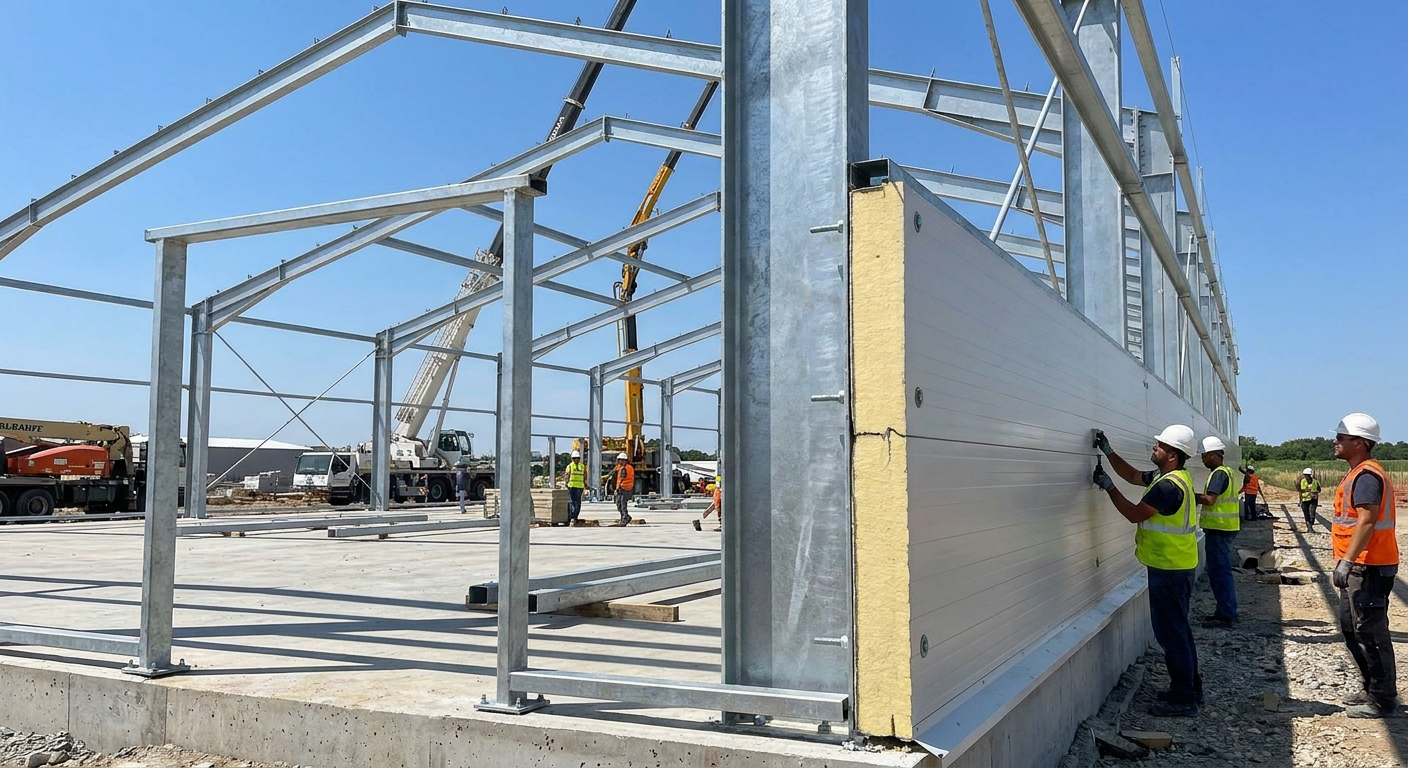
Using high-quality steel structures determines how many chickens are in a commercial chicken house by allowing for wider span designs without obstructive internal pillars. A clear-span structure of 12 to 18 meters wide maximizes usable floor space, allowing for seamless automated equipment installation and higher stocking densities. These structures are built with high-tensile Q355B or Q235 steel frames that resist harsh environmental elements and high internal humidity.
What Makes Steel Superior to Wood or Concrete?
Opting for a prefabricated steel structure chicken house offers unmatched durability, quick assembly, and superior pest resistance compared to traditional wood. Wood tends to harbor bacteria and moisture, which deteriorates the building over time and compromises biosecurity. Steel provides a completely cleanable surface that stands up to frequent chemical disinfection.
Here is the deal: a steel frame structure withstands extreme weather events far better than alternative materials. Consider these key advantages:
- Fast installation times reducing labor costs
- Resistance to termites, pests, and rot
- Long lifespan exceeding 30 to 50 years with minimal maintenance
How Do Wall and Roof Panels Optimize Insulation?
High-quality insulation sandwich panels are essential for maintaining a stable microclimate inside your poultry building. Standard specifications utilize 50mm to 150mm thick polyurethane (PU) or rock wool sandwich panels for superior thermal resistance. This insulation minimizes the heating and cooling costs associated with large-scale broiler production.
Key Takeaway: Utilizing structural steel frames paired with sandwich panel insulation ensures a durable, highly energy-efficient environment for intensive poultry farming.
| Material Spec | Standard Value | Practical Function | |
|---|---|---|---|
| Main Steel Frame | Q355B H-Section Steel | Structural load bearing | |
| Secondary Frame | Q235 Galvanized C/Z Purlin | Roof and wall support | |
| Wall/Roof Cladding | PU/Rock wool Sandwich Panel | Thermal insulation and climate seal |
Analysis: High-tensile steel combined with insulated sandwich panels provides the ultimate envelope for complete environmental control.
Maximize Your Flock Capacity—Get a Custom Poultry House Quote Today!
Email:sales@showhoo.com.cn
Phone/WhatsApp: + 86 186 7895 5927
How Do Biosecurity Protocols Protect Your Broiler Flock?
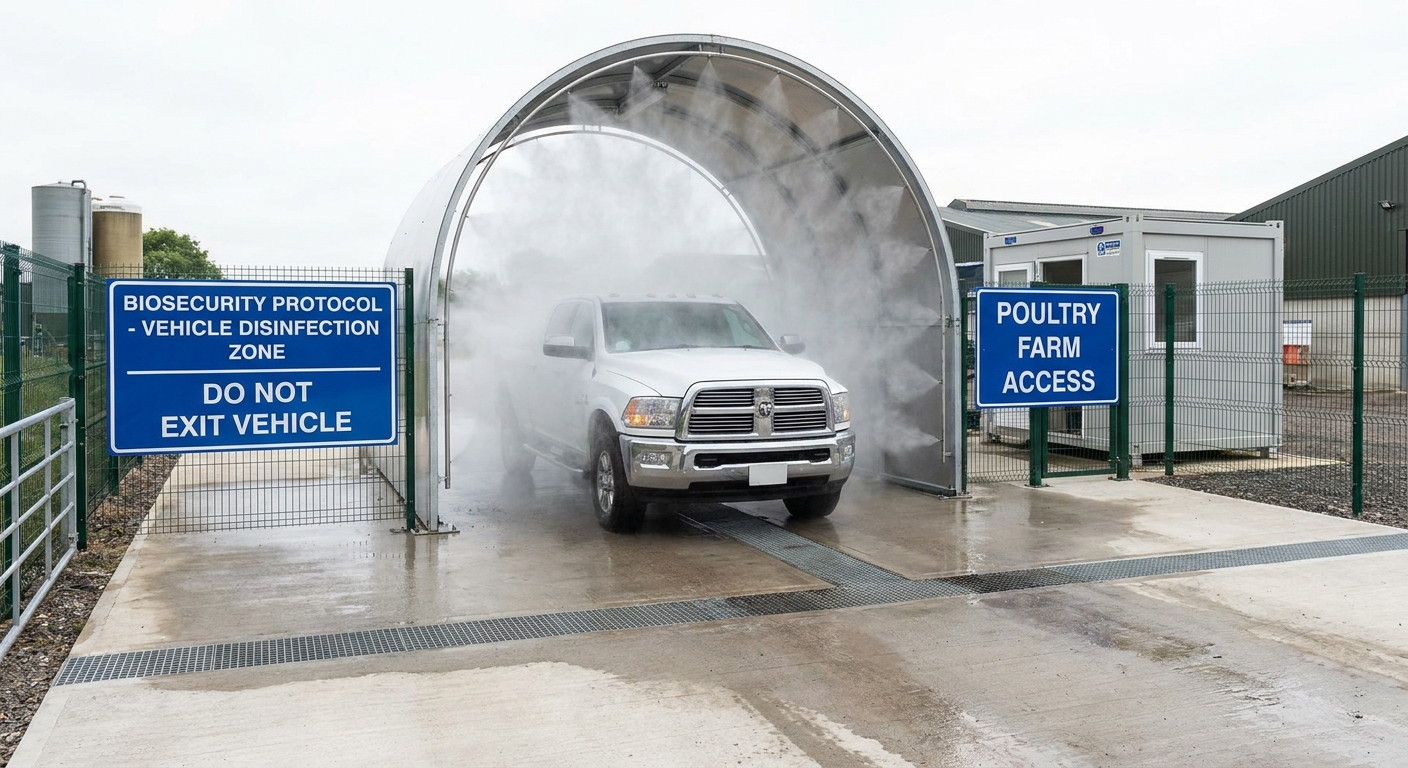
Implementing strict biosecurity protocols directly affects how many chickens are in a commercial chicken house by reducing bird mortality and preventing highly contagious disease outbreaks. A clean farm starts at the entrance, utilizing advanced disinfection systems for vehicles and personnel before they step onto the production grounds. Standardizing these barriers protects your flock from pathogens carried from external sites.
What Are the Key Disinfection Gateways?
Vehicle disinfection spray channels and footbaths at every entry point form the first line of defense against viral and bacterial contamination. Any vehicle entering the farm must pass through a high-pressure disinfectant mist system that coats the entire chassis and tires. Personnel must change into clean farm-specific boots and suits prior to accessing the clean zone.
But wait: even small omissions in disinfection protocols can lead to catastrophic flock infections. You must enforce these biosecurity measures rigorously:
- Automated drive-through tire disinfection baths
- High-pressure chassis spray systems
- Shower-in, shower-out facilities for farm workers
How Do Steel Designs Help Maintain Cleanliness?
Seamless steel structures that comply with international biosecurity standards feature smooth, non-porous surfaces that prevent organic waste buildup. Unlike porous timber structures, Q355B galvanized steel and PU sandwich panels do not absorb moisture or harbor pathogens. This makes your routine terminal wash-down between flocks exceptionally fast and effective.
Key Takeaway: Comprehensive vehicle disinfection coupled with easy-to-sanitize steel building surfaces forms an impenetrable shield against poultry pathogens.
| Disinfection Step | Target Area | Frequency | |
|---|---|---|---|
| Vehicle Spray | Wheels, chassis, and exterior | Every entry | |
| Footbaths | Personnel footwear | Before entering any house | |
| Terminal Wash | Whole house interior surfaces | Between flock cycles |
Analysis: Implementing both active physical barriers and sterile building materials minimizes pathogen introduction and spread.
How Does Tunnel Ventilation Maintain Optimal Air Quality?
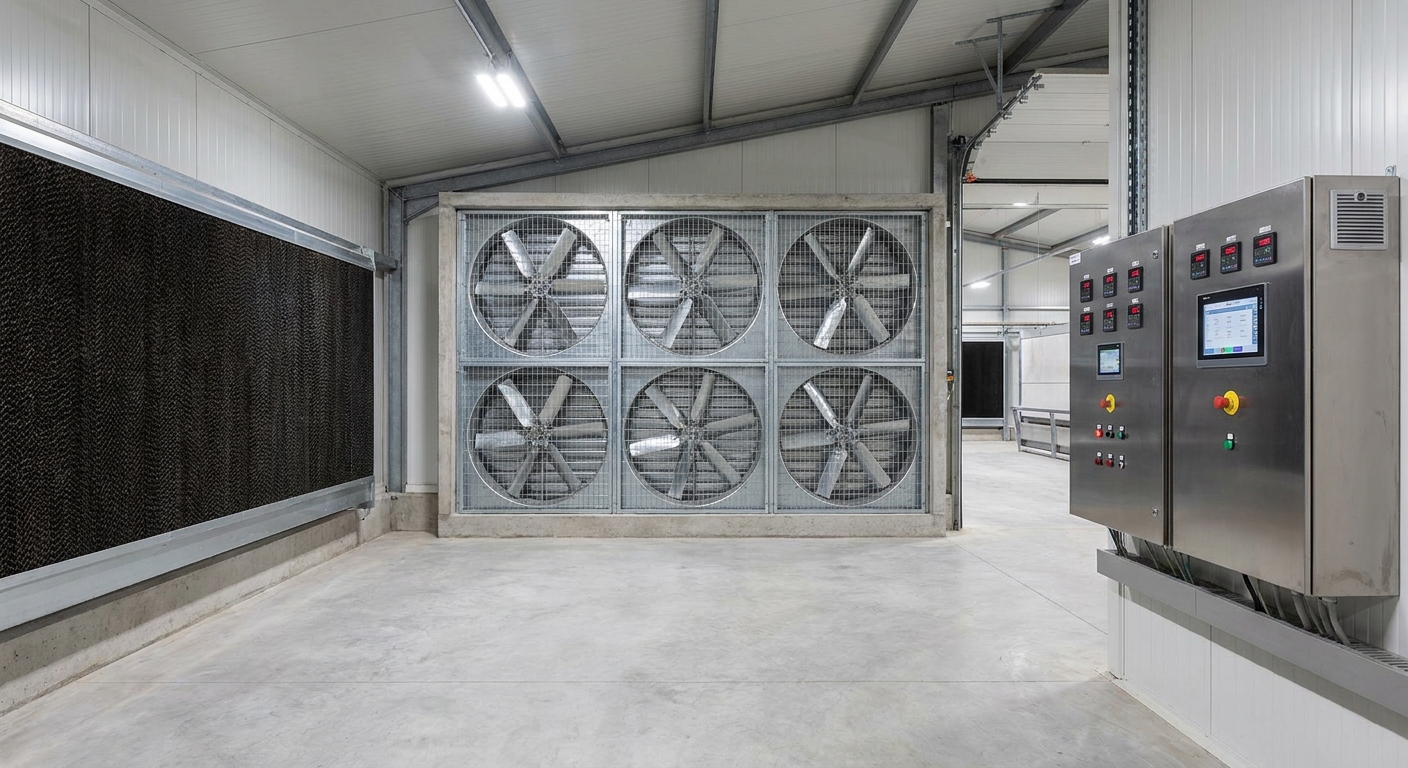
Efficient tunnel ventilation is crucial when deciding how many chickens are in a commercial chicken house as it prevents the dangerous buildup of ammonia, carbon dioxide, and excess body heat. A standard tunnel system uses large exhaust fans at one end of the house and cooling pads at the opposite end to pull air rapidly over the birds. This creates a high-velocity wind chill effect that keeps broilers cool during peak summer temperatures.
Why is High-Velocity Air Movement Vital?
High wind speeds of 2.5 to 3.0 meters per second are required to effectively cool adult broilers through convective heat transfer. If the air movement drops, birds will experience heat stress, leading to decreased feed intake and increased mortality. Properly sized exhaust fans ensure that the entire volume of air inside the house is replaced within 60 seconds.
Look: a poorly configured ventilation setup will create dead zones where heat and ammonia gather. Ensure your design incorporates:
- 50-inch cone exhaust fans with high air volume capacity
- Cellulose evaporative cooling pads with uniform water flow
- Automated air inlet doors for precise static pressure control
How Do Evaporative Cooling Pads Work?
Evaporative cooling pads use the latent heat of water evaporation to lower incoming air temperature by up to 10 degrees Celsius. Water is pumped continuously over the porous cellulose pads, and as dry outdoor air is drawn through them, it cools rapidly before hitting the birds. This system is automatically managed by environmental controllers based on temperature setpoints.
Key Takeaway: Utilizing automated tunnel ventilation with cooling pads is the only way to support high stocking densities in commercial broiler production.
| Equipment | Standard Specification | Primary Function | |
|---|---|---|---|
| Exhaust Fans | 50-inch with heavy-duty motors | Air extraction and velocity | |
| Cooling Pads | 150mm thick cellulose paper | Air cooling and filtration | |
| Air Inlets | Dual-flow insulated inlets | Minimum ventilation control |
Analysis: Dynamic air exchange is essential to balance the indoor environment, directly driving growth rates and livability.
Which Automated Feeding and Drinking Systems Work Best?
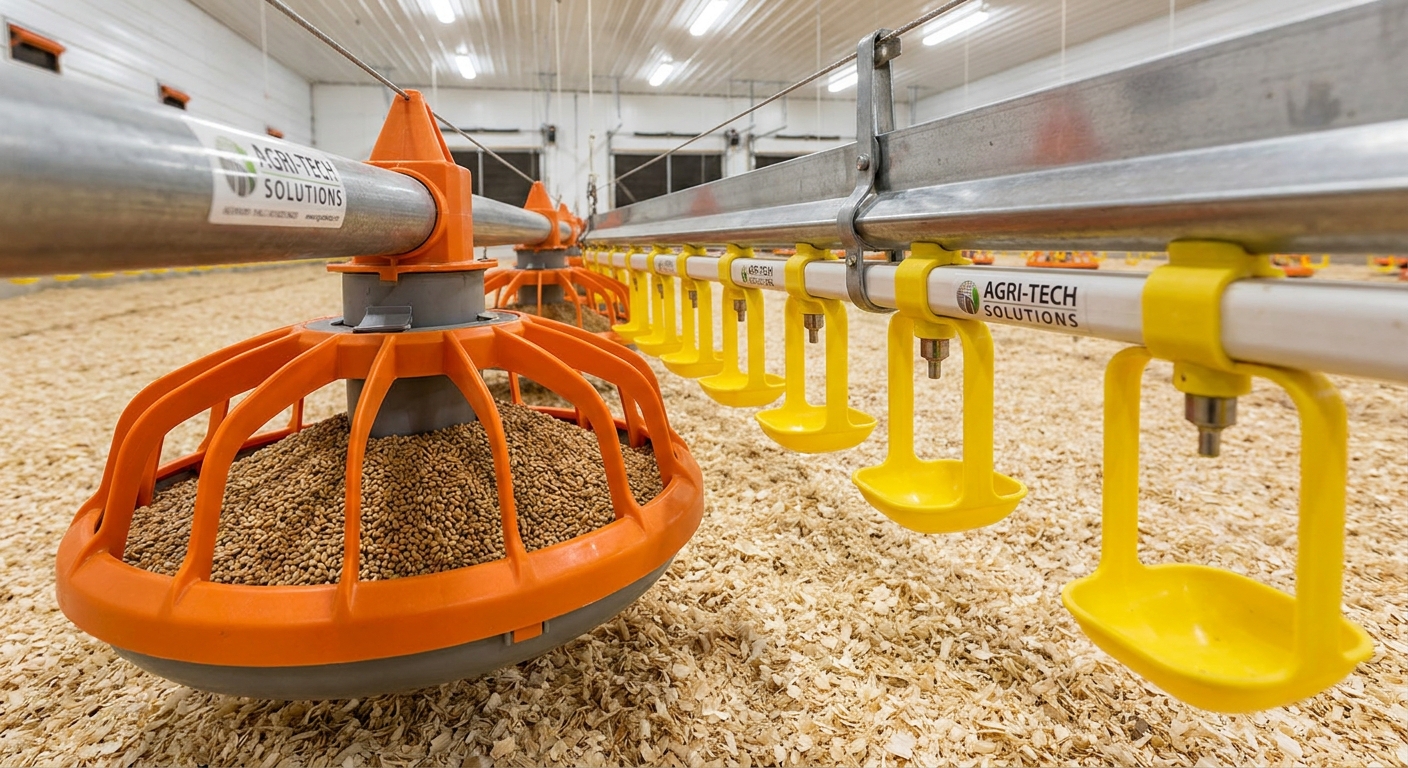
Automated feeding and drinking systems must scale based on how many chickens are in a commercial chicken house to ensure every bird has unrestricted access to nutrients. Modern automated lines consist of bulk feed silos, main feed augers, pan feeding lines, and closed nipple drinking lines with pressure regulators. These systems eliminate feed waste and prevent water contamination, which are vital for maintaining a low Feed Conversion Ratio (FCR).
How Do Nipple Drinking Lines Prevent Wet Litter?
Selecting closed nipple drinkers with drip cups ensures that birds get clean, pressurized water on demand without spilling water onto the floor. Wet litter leads to high ammonia levels, footpad dermatitis, and joint issues, which ruin broiler health. Integrating automated water meters helps you monitor flock health trends in real-time, as water drop-offs indicate sickness.
Here is the deal: keeping litter dry through automated equipment integration is a non-negotiable standard for top-tier poultry operations. Your configuration should feature:
- 360-degree trigger nipple drinkers for easy access
- In-line pressure regulators and water filters
- Drip cups beneath each nipple to catch overflow
Why are Automated Pan Feeding Systems Superior?
Automated pan feeders distribute pre-measured feed quantities evenly down the length of the chicken house to prevent competition among birds. When the sensor in the control pan detects a low feed level, it triggers the main silo auger to refill the entire line immediately. This ensures that even the smallest birds get equal feed access, resulting in excellent flock uniformity.
Key Takeaway: Deploying integrated feeding and drinking systems minimizes manual labor while maximizing weight gains and preventing litter spoilage.
| Equipment Type | Key Component | Target Ratio | |
|---|---|---|---|
| Nipple Drinkers | 12 to 15 birds per nipple | 1:1 water-to-feed ratio monitoring | |
| Pan Feeders | 45 to 55 birds per pan | Uniform weight distribution | |
| Feed Silo | 10 to 20 ton storage capacity | Secure feed storage |
Analysis: Precise, automated delivery of water and feed removes human error and maximizes flock feed efficiency.
How Do You Manage the Interior Environment of a Broiler House?
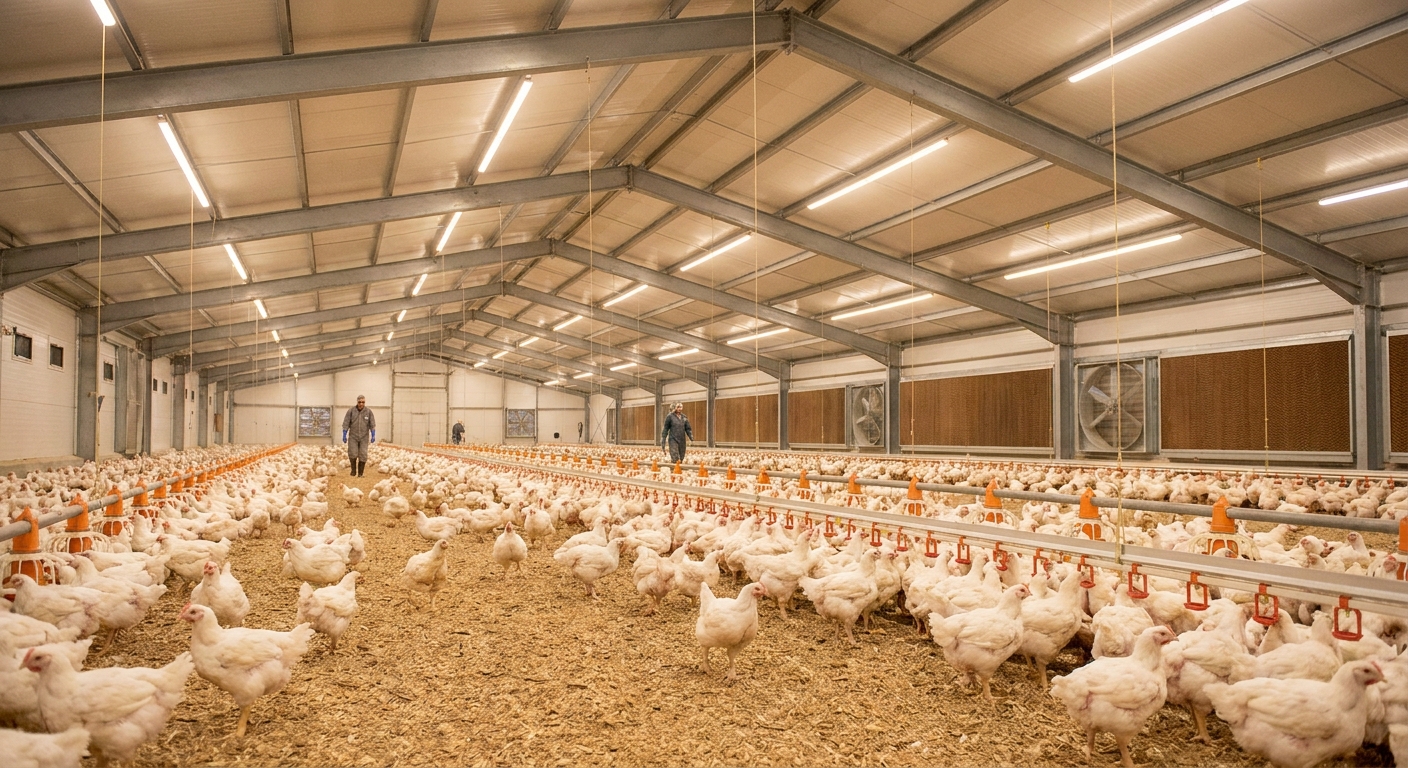
Managing the interior climate effectively controls how many chickens are in a commercial chicken house by ensuring temperature, humidity, and lighting remain within optimal ranges. A fully closed, climate-controlled poultry building utilizes advanced sensors linked to a central environmental controller to adjust systems automatically. This microclimate optimization is key to achieving optimal Feed Conversion Ratios (FCR) and preventing flock stress.
What Role Do Environmental Sensors Play?
Integrated sensors monitor temperature, relative humidity, ammonia levels, and static pressure continuously to keep conditions perfectly stable. If ammonia levels rise above 20 ppm, the controller automatically activates minimum ventilation fans to flush out harmful gases. This precise environmental adjustment keeps your flock healthy and prevents respiratory illnesses.
But wait: manual adjustments are simply too slow and unreliable to protect thousands of birds during sudden weather shifts. Install a network of sensors including:
- Dual temperature sensors located at front, middle, and back zones
- Relative humidity sensors to prevent dry dust or excessive dampness
- Static pressure monitors to maintain correct air intake velocity
Why is Floor Litter Management Crucial?
Dry wood shavings or straw litter absorb moisture from bird droppings and insulate the floor, keeping the chickens comfortable. You must maintain the litter at a depth of 5 to 10 cm and ensure moisture levels remain between 20% and 25%. Damp litter creates breeding grounds for bacteria, which can compromise flock livability.
Key Takeaway: Centralized environmental control paired with diligent litter management guarantees maximum animal welfare and superior broiler growth.
| Parameter | Optimal Target Range | Risk of Deviation | |
|---|---|---|---|
| Temperature | 20°C to 32°C (age-dependent) | Heat stress or high heating costs | |
| Humidity | 50% to 70% | Respiratory illness or wet litter | |
| Ammonia | Below 15 ppm | Damaged respiratory tract, blindness |
Analysis: Automating internal conditions reduces flock stress, ensuring that chickens direct their energy into growing.
Maximize Your Flock Capacity—Get a Custom Poultry House Quote Today!
Email:sales@showhoo.com.cn
Phone/WhatsApp: + 86 186 7895 5927
What Are the Best Brooding Practices for Day-Old Chicks?
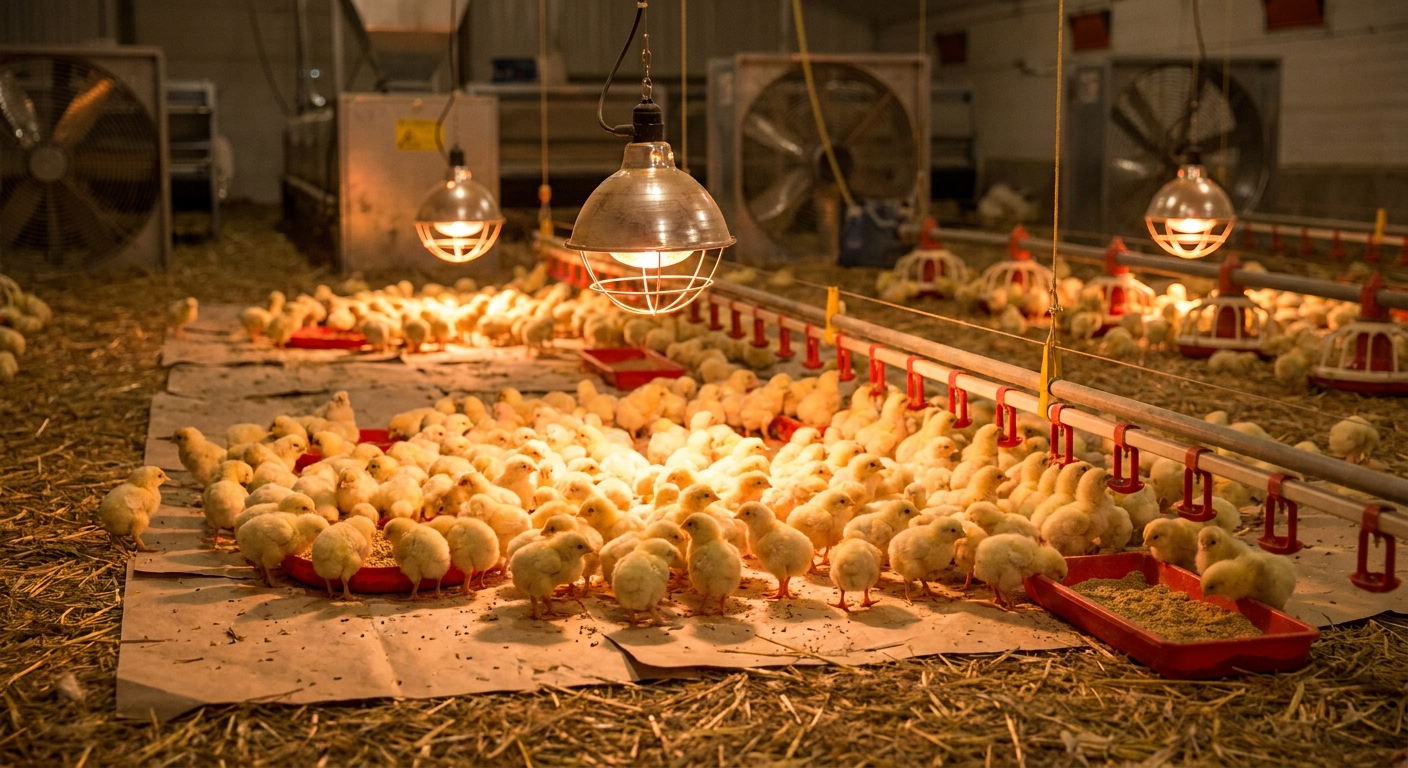
Establishing proper brooding environments is vital for determining how many chickens are in a commercial chicken house because early chick survival sets the benchmark for the entire flock cycle. During the first 7 to 14 days of a chick’s life, they cannot regulate their own body temperature, requiring specialized heating and feed access. Getting the brooding phase right leads to excellent seven-day weights, which correlate with high harvest weights.
Why is Temperature Control Critical During Brooding?
Day-old chicks require a consistent floor temperature of 32°C to 33°C, which is maintained using radiant brooders or space heaters. You must warm the house at least 24 to 36 hours before the chicks arrive to ensure the concrete floor and litter are completely warm. If the floor is cold, chicks will huddle, stop feeding, and experience digestive failure.
Think about it: a chick’s behavior is your absolute best thermometer during the first critical week of life. Watch for these distribution patterns:
- Huddling under heaters indicates the temperature is too cold
- Clustering at walls indicates the temperature is too hot
- Evenly distributed and active birds prove the temperature is perfect
How Do Paper Feeding and Chick Plates Help?
Spreading specialized brooding paper across the litter and covering it with premium starter feed encourages chicks to begin eating immediately. Standard commercial protocols recommend covering at least 50% of the brooding area with paper to ensure every chick finds food within hours of arrival. This immediate nutrient intake stimulates gut development and boosts immunity.
Key Takeaway: Meticulous temperature management and easy feed access during the first week of life are essential to guarantee high chick survival rates.
| Brooding Parameter | Target for Day 1-3 | Target for Day 7-10 | |
|---|---|---|---|
| Air Temperature | 33°C to 34°C | 29°C to 30°C | |
| Litter Temperature | 32°C minimum | 28°C minimum | |
| Relative Humidity | 60% to 70% | 50% to 60% |
Analysis: Investing time and energy in the brooding phase ensures high flock uniformity and low initial mortality.
How Does Lighting Control Impact Broiler Performance?
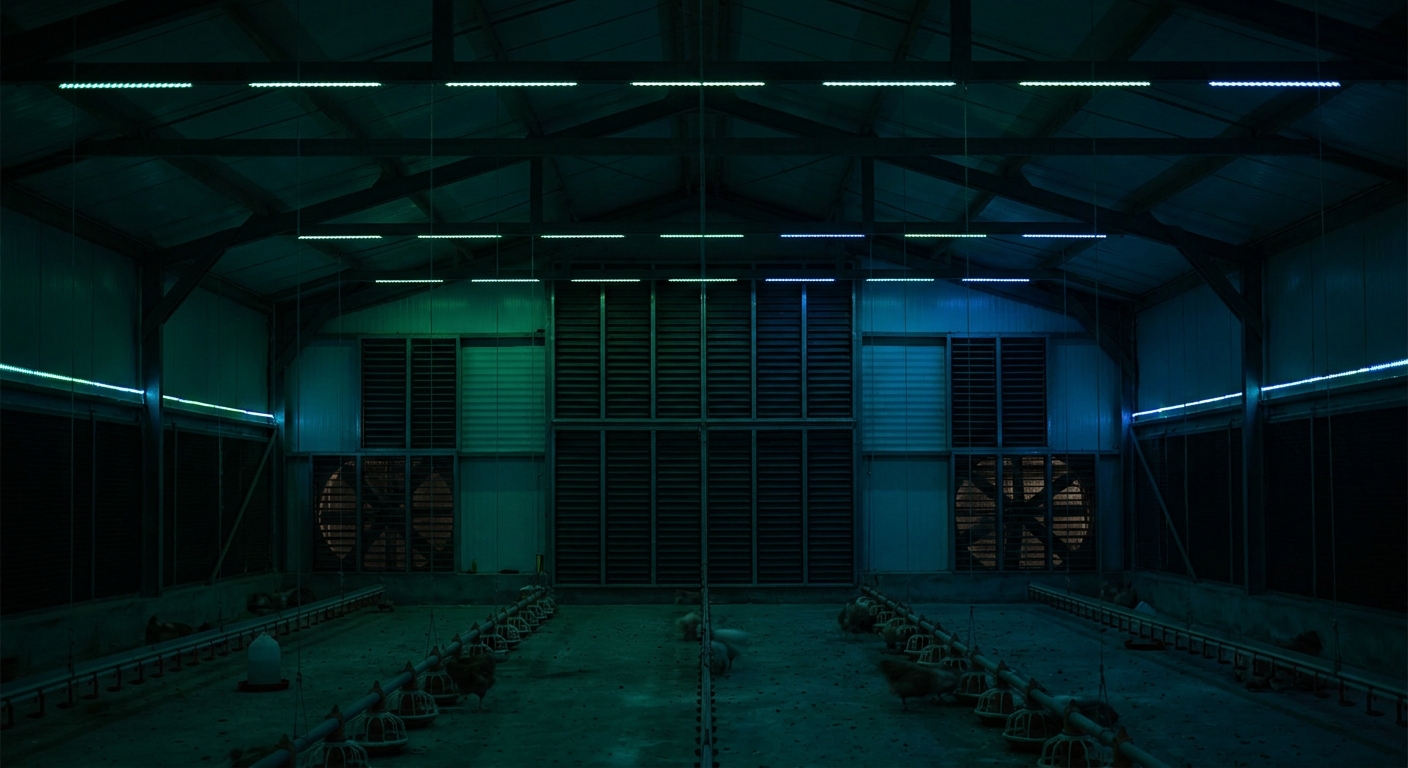
Advanced dark-out and lighting systems are engineered based on how many chickens are in a commercial chicken house to regulate feed intake and stimulate healthy skeletal development. Broilers require specific periods of darkness to rest, which helps prevent metabolic disorders like ascites and sudden death syndrome. Standard closed housing systems utilize light traps on fans and air inlets to achieve complete, controllable dark-out conditions.
What is the Ideal Light Intensity and Photoperiod?
Providing 23 hours of light during the first few days encourages maximum feed consumption, after which a structured dark period must be introduced. For most broiler programs, a schedule of 18 hours of light and 6 hours of darkness is recommended to balance growth and bird health. LED lighting systems with automated dimming controllers allow for smooth transitions that mimic natural dawn and dusk.
Here is the deal: sudden changes in light intensity can startle the flock, leading to crowding and smothering. Integrate dimmable lighting systems to achieve:
- Reduced electricity bills compared to fluorescent bulbs
- Dimmable ranges from 0 to 100% intensity for smooth transitions
- Specific wavelengths that promote calm bird behavior and weight gain
Why Use Light Traps on Ventilation Openings?
Light traps prevent external sunlight from entering the chicken house through exhaust fans or evaporative cooling pads, allowing you to maintain absolute photoperiod control. This is especially critical in broiler breeder and layers facilities, where sexual maturity is triggered strictly by light stimulation. Investing in premium PVC light traps ensures maximum light reduction without restricting necessary airflow.
Key Takeaway: Implementing complete dark-out capabilities with dimmable LED systems gives you absolute control over flock activity and biological development.
| Bird Age | Light Duration (Hours) | Light Intensity (Lux) | |
|---|---|---|---|
| Day 1 to 7 | 23 Hours Light / 1 Hour Dark | 30 to 40 Lux | |
| Day 8 to Market | 18 Hours Light / 6 Hours Dark | 5 to 10 Lux | |
| Pre-harvest | 23 Hours Light / 1 Hour Dark | 10 Lux |
Analysis: Structured lighting programs promote bird rest, reducing leg problems and improving overall feed efficiency.
How Does Breeder Chicken Housing Differ from Broiler Housing?
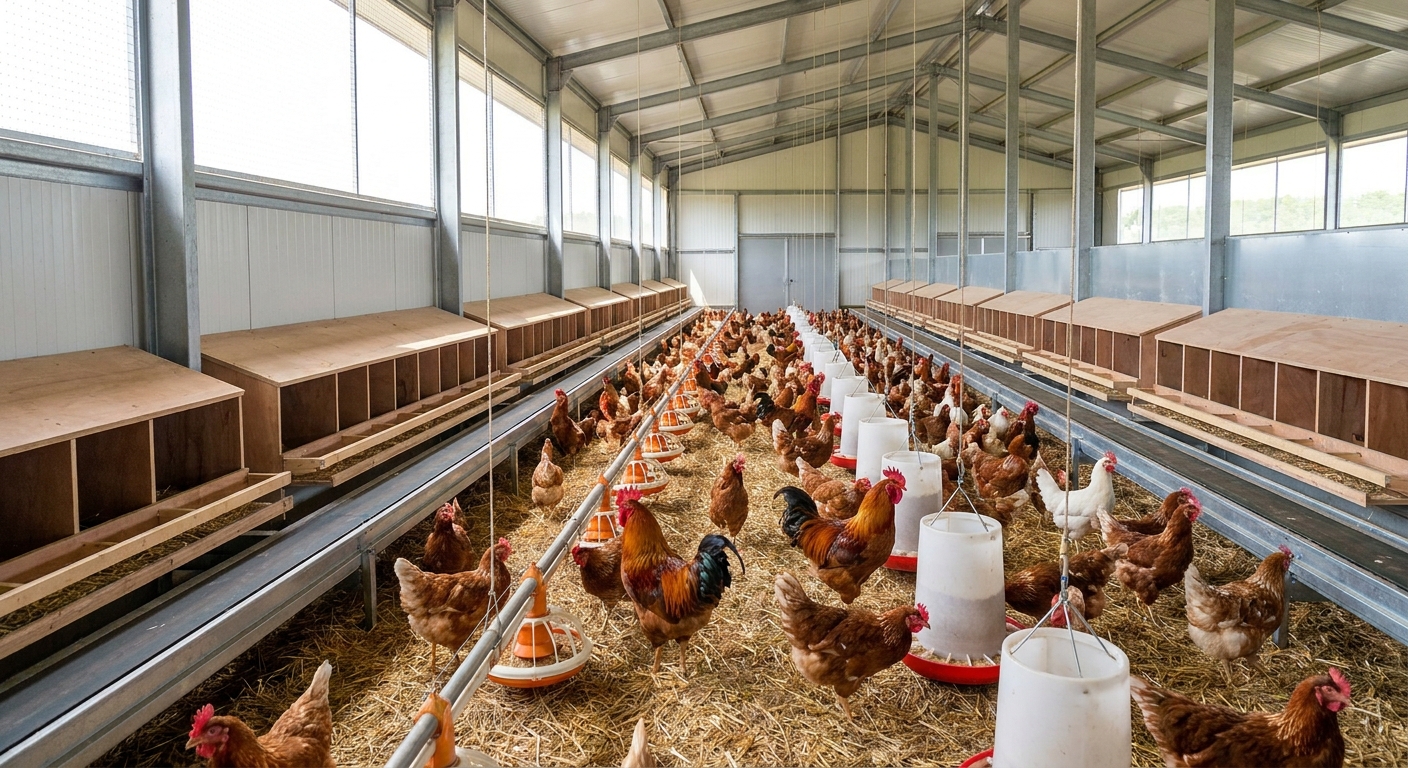
Breeder chicken housing holds different stocking profiles than how many chickens are in a commercial chicken house due to the inclusion of both male and female birds and the requirement for egg-laying nests. A breeder house must manage mating behavior, egg collection logistics, and precise feeding programs to ensure fertile egg production. These facilities require specialized automated layout configurations to keep roosters and hens in optimal reproductive health.
Why are Nest Boxes and Slats Essential?
Providing clean, accessible nest boxes is critical to prevent floor eggs, which are highly susceptible to bacterial contamination. Automated roll-away nest systems collect eggs gently onto a central conveyor belt, minimizing labor and egg breakage. Elevated plastic slats surrounding the nests provide a clean walking area where manure falls through, keeping the environment pristine.
Look: eggs laid on the floor are often dirty, reducing hatchability and compromising hatchery biosecurity. Modern breeder setups rely on:
- Automated roll-away nest boxes with quiet collection belts
- Heavy-duty plastic slat flooring to isolate manure
- Separate feeding lines with gender-specific grills
Why are Dual Feeding Lines Required?
Roosters and hens have vastly different nutritional requirements to maintain fertility and egg-laying capacity. By utilizing gender-specific feeding grills, you can prevent males from eating female feed and vice-versa, ensuring tailored nutrition. Investing in custom engineered poultry designs ensures these complex, multi-tiered feeding structures fit perfectly inside your steel building.
Key Takeaway: Breeder housing requires complex dual-feeding structures, nesting automation, and slat management to produce clean, highly fertile hatching eggs.
| Feature | Broiler Housing | Breeder Housing | |
|---|---|---|---|
| Floor Structure | 100% litter floor | Slatted area + central litter area | |
| Nesting | None required | Automated roll-away nest boxes | |
| Feeding | Single-line automated pans | Separate male and female feeding lines |
Analysis: Breeder systems trade higher structural complexity for the valuable production of high-quality fertile hatching eggs.
What Key Metrics and Stocking Densities Drive Profit?
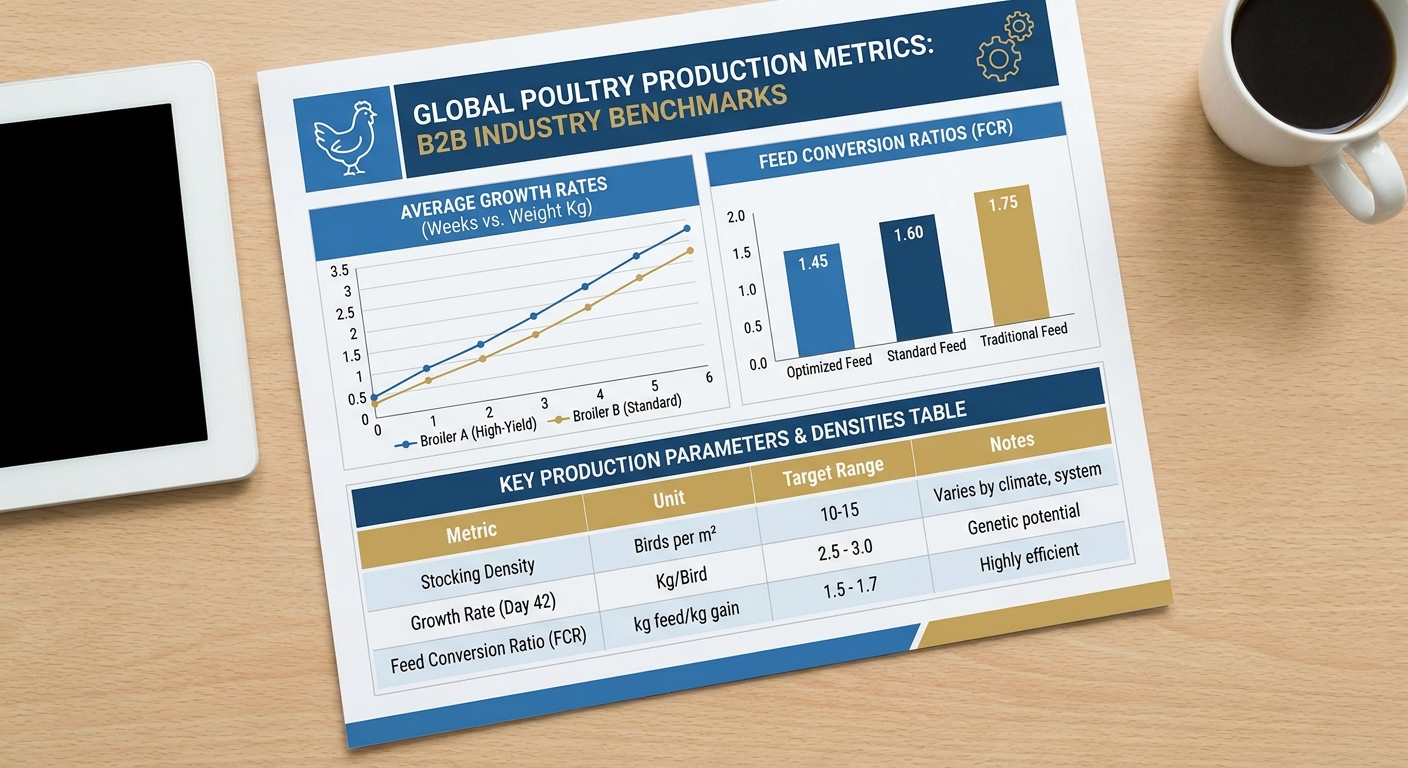
Monitoring production metrics is essential when analyzing how many chickens are in a commercial chicken house to optimize the delicate balance between stocking density and overall bird health. Overcrowding a poultry building reduces growth rates, increases the risk of footpad dermatitis, and raises mortality rates, which can completely wipe out your profit margins. Following scientific stocking density standards ensures your farm achieves peak performance and high animal welfare.
How is Stocking Density Calculated?
Stocking density is measured either by the number of birds per square meter or by total body weight per unit area. In modern, climate-controlled steel broiler houses, the standard stocking density ranges from 33 kg to 42 kg of biomass per square meter. This means you can safely raise more birds per square meter if your ventilation and cooling systems are highly efficient.
But wait: exceeding the biological limits of your ventilation system will cause rapid flock mortality during hot weather. You must monitor these core metrics:
- Feed Conversion Ratio (FCR)
- Daily Weight Gain (DWG)
- Flock Mortality and Livability percentage
Why is Feed Conversion Ratio (FCR) the Ultimate Metric?
The Feed Conversion Ratio measures how efficiently your flock converts feed into body mass, directly dictating your feed costs. A standard commercial target is an FCR of 1.45 to 1.60, meaning the birds consume 1.45 to 1.60 kg of feed for every kilogram of weight gained. Achieving this target requires perfect climate control, clean water, and high-performance steel structures that prevent heat loss.
Key Takeaway: Optimizing stocking densities according to equipment capacities and tracking FCR daily are the core drivers of commercial poultry profitability.
| Metric | Industry Standard | Target Goal | |
|---|---|---|---|
| Stocking Density | 33 – 42 kg/m² | Maximized within environmental safety | |
| 42-Day Target Weight | 2.5 – 2.8 kg | Fast, uniform growth | |
| FCR Target | 1.50 | Lower feed costs per kg of meat |
Analysis: Precision management of stocking density combined with modern climate control yields the lowest FCR and highest profits.
Conclusion
Building a profitable poultry business requires a deep understanding of modern housing, biosecurity, and automation. As a leading professional steel structure poultry house manufacturer with ISO9001 and CE certifications, Showhoo Building is dedicated to delivering high-performance, customized structures that maximize flock density and streamline your day-to-day operations. Our Q355B galvanized steel frames and premium PU sandwich panels provide the optimal foundation for sustainable broiler production. Ready to plan your farm and calculate your housing capacity? Please contact us today to get a professional, custom-engineered quote tailored to your specific market requirements.
Maximize Your Flock Capacity—Get a Custom Poultry House Quote Today!
Email:sales@showhoo.com.cn
Phone/WhatsApp: + 86 186 7895 5927
Frequently Asked Questions (FAQ)
Can I build a commercial chicken house using wood instead of steel?
It is not recommended. While wood has lower upfront costs, it absorbs moisture, harbors bacteria, and is highly prone to pest infestations and rot, which compromises long-term biosecurity and structural integrity.
What is the best width for a tunnel-ventilated broiler house?
The ideal width is 12 to 15 meters. This span allows for optimal clear-span internal space without structural pillars, ensuring uniform airflow velocity and seamless installation of automated equipment.
Can I increase my stocking density if I install extra exhaust fans?
Yes, but with limits. While extra ventilation capacity supports higher biomass densities, you must also ensure your feeding, drinking, and cooling pad systems are scaled proportionally to prevent resource competition.
What is the best insulation material for chicken house walls?
Polyurethane (PU) sandwich panels are the best choice. They offer superior thermal resistance, excellent structural rigidity, and a smooth, completely washable surface that stands up to harsh chemical sanitization.
Can I raise broilers and layers in the same housing unit?
Absolutely not. Broilers and layers require entirely different lighting programs, feeding regimes, equipment, and biosecurity protocols, making co-housing a major biological and financial risk.