
Building a new farm involves coordinating complex financial planning, site selection, and structural engineering to ensure bird health and profitability. Starting a poultry business is capital-intensive and inherently risky due to fluctuating operating costs. If you choose the wrong location or build poor-quality houses, you will struggle with inefficiency and low net income for decades. Mastering a professional chicken farm building design allows you to optimize energy usage and secure a stable B2B income stream.
How do you budget for chicken farm building design?
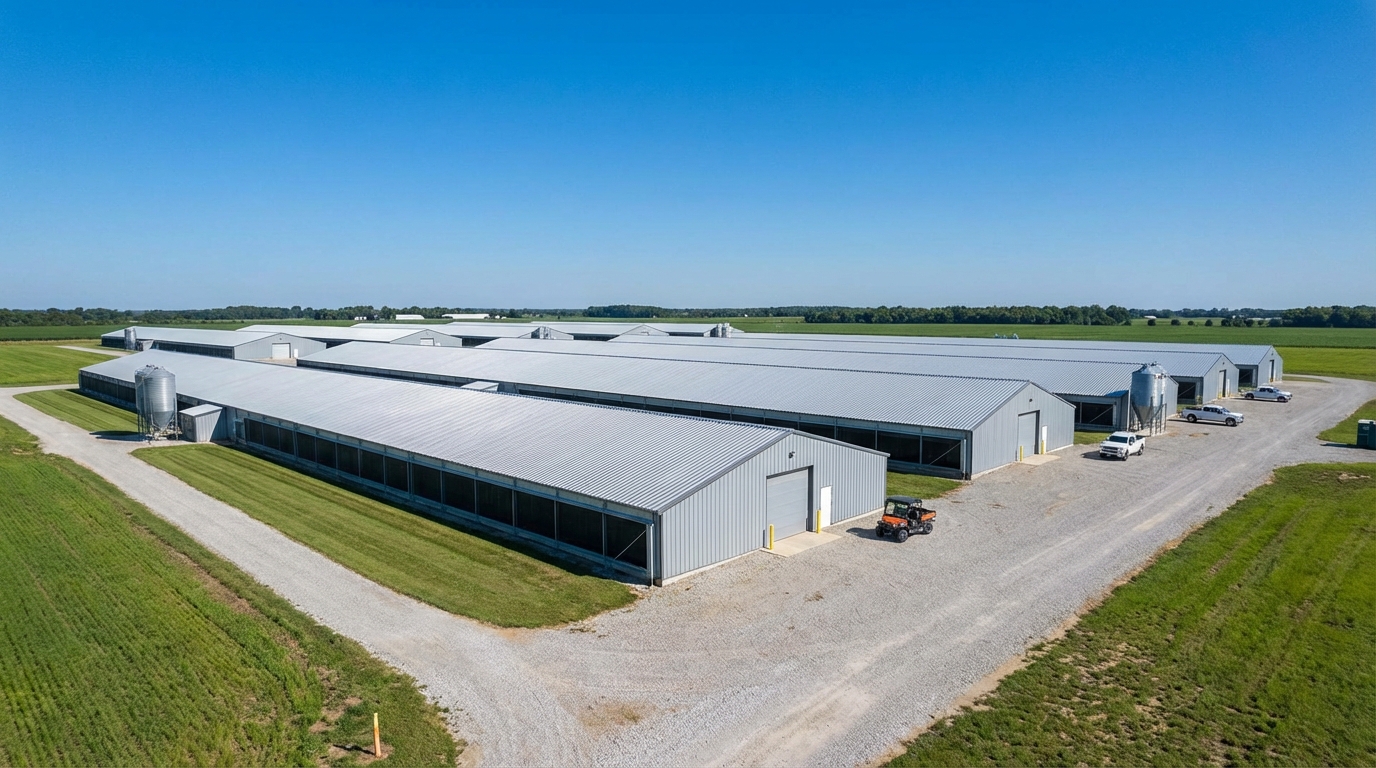
Budgeting for this venture requires a deep understanding of the 30 to 35 percent operating expense ratio common in commercial broiler farms. You must account for variable inputs like fuel and electricity while balancing a loan payment that often consumes half of your gross revenue. Professional chicken farm building design can reduce these operational expenses to nearly 25 percent.
How do you estimate net income?
You can project your net farm income by subtracting operating costs and debt service from your total production pay. Modern housing technologies have successfully lowered these expenses for newer farms by retaining insulation and ventilation efficiencies longer.
Here is the deal:
- Higher insulation R-values lower winter fuel costs.
- Efficient fans reduce monthly electricity bills.
- Scale economies improve with more houses per farm.
What is the typical loan term?
Most poultry farm loans carry a 15 to 20-year term to ensure sustainable cash flow for the grower. While longer terms improve immediate liquidity, you must be aware of your equity position as equipment begins to age.
Think about it:
- 20-year loans offer lower monthly payments.
- Equity builds slower over longer terms.
- Refinancing may be needed for future upgrades.
| Budget Factor | Estimated Percentage | Impact Level | |
|---|---|---|---|
| Operating Expenses | 25% – 35% | High | |
| Loan Debt Service | 40% – 50% | Critical | |
| Net Farm Income | 15% – 25% | Variable |
Modern construction techniques are the primary driver behind reducing variable input costs and increasing overall farm profitability.
Key Takeaway: Precise financial modeling ensures that your farm remains profitable even when variable costs like fuel or electricity rise unexpectedly.
Can chicken farm building design impact your lifestyle?
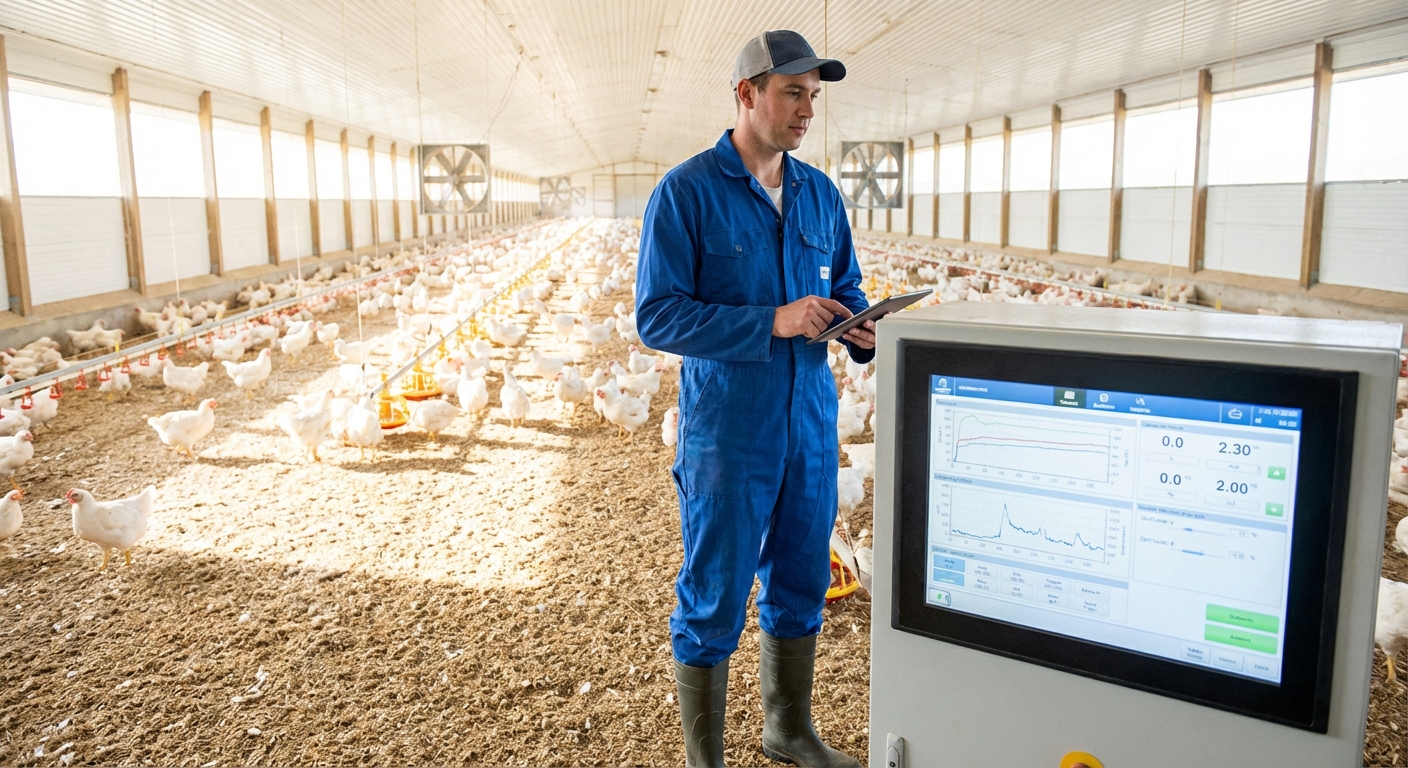
Yes, your building layout and automation choices directly dictate the amount of daily labor and management required for success. A smart chicken farm building design integrates automated systems that allow for a more manageable workload for you and your family.
Is living on the farm site necessary?
Most integrators require you or a hired manager to live on-site or within a very short distance to respond to emergencies. You should calculate the cost of residential accommodations into your primary business plan before breaking ground.
The best part is:
- Immediate response to system alarms saves birds.
- Reduced commute time increases daily efficiency.
- Living on-site enhances overall farm security.
How do you learn daily management tasks?
The most effective way to prepare is to spend time working on an existing farm with similar bird types. You will gain firsthand experience in biosecurity and equipment maintenance that no manual can fully replicate.
But wait, there’s more:
- Shadowing experienced growers reveals hidden tasks.
- You learn to identify early signs of illness.
- Practical training reduces the initial learning curve.
| Lifestyle Factor | Requirement | Benefit | |
|---|---|---|---|
| Residency | On-site / 5-mile radius | Faster emergency response | |
| Management | Daily inspections | Better flock health | |
| Training | Hands-on internship | Practical skill development |
Balancing technical farm management with family life requires a dedicated schedule and high-quality automation.
Key Takeaway: Aligning your lifestyle expectations with the realities of farm management is just as important as the physical construction of the houses.
Where do you begin with chicken farm building design?
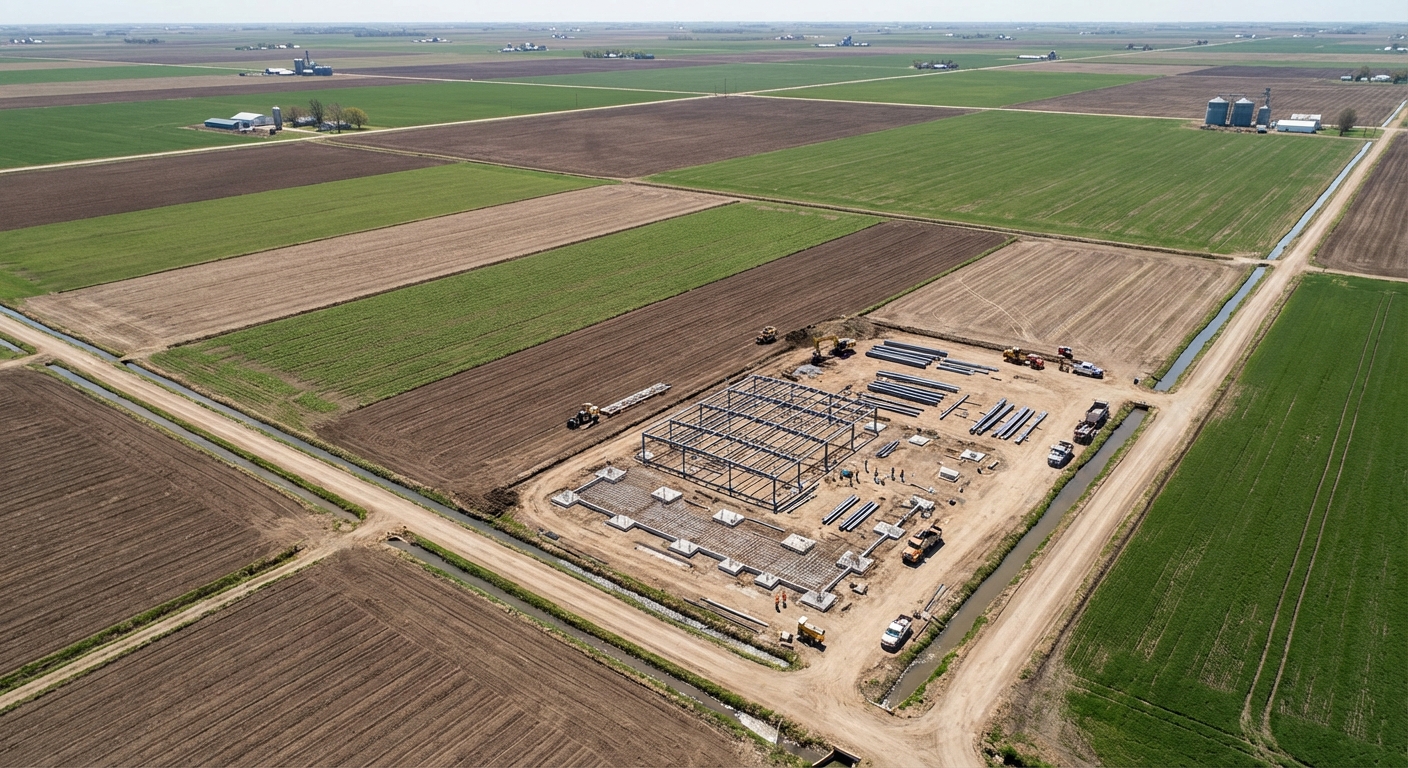
You begin by consulting with a local broiler company to confirm if they are currently accepting new growers in your specific area. Your chicken farm building design must align with the house specifications and geographical zones defined by the poultry integrator.
Who should you contact first?
Your first step should always be the live production office of a local poultry company. They can provide a waiting list status and specific house requirements that will dictate your entire project scope.
Look at the facts:
- Integrators define the required house dimensions.
- Companies set the approved equipment brands.
- Distance to the feed mill is a hard limit.
Is there a waitlist for new growers?
Many regions have high demand, meaning you might face a waiting list before you can start your build. Use this time to refine your business entity and secure preliminary financing with specialized agricultural lenders.
Think about this:
- Wait times allow for better site preparation.
- You can visit various completed project cases.
- Financing options can be compared more deeply.
| Phase | Contact Party | Objective | |
|---|---|---|---|
| Discovery | Integrator Office | Confirm house demand | |
| Feasibility | Ag Lender | Secure initial funding | |
| Engineering | Steel Manufacturer | Obtain structural plans |
Establishing a relationship with the poultry company is the prerequisite for all other construction and financial decisions.
Key Takeaway: Securing a contract interest from an integrator is the primary gatekeeper for entering the broiler industry.
Do local laws restrict chicken farm building design?
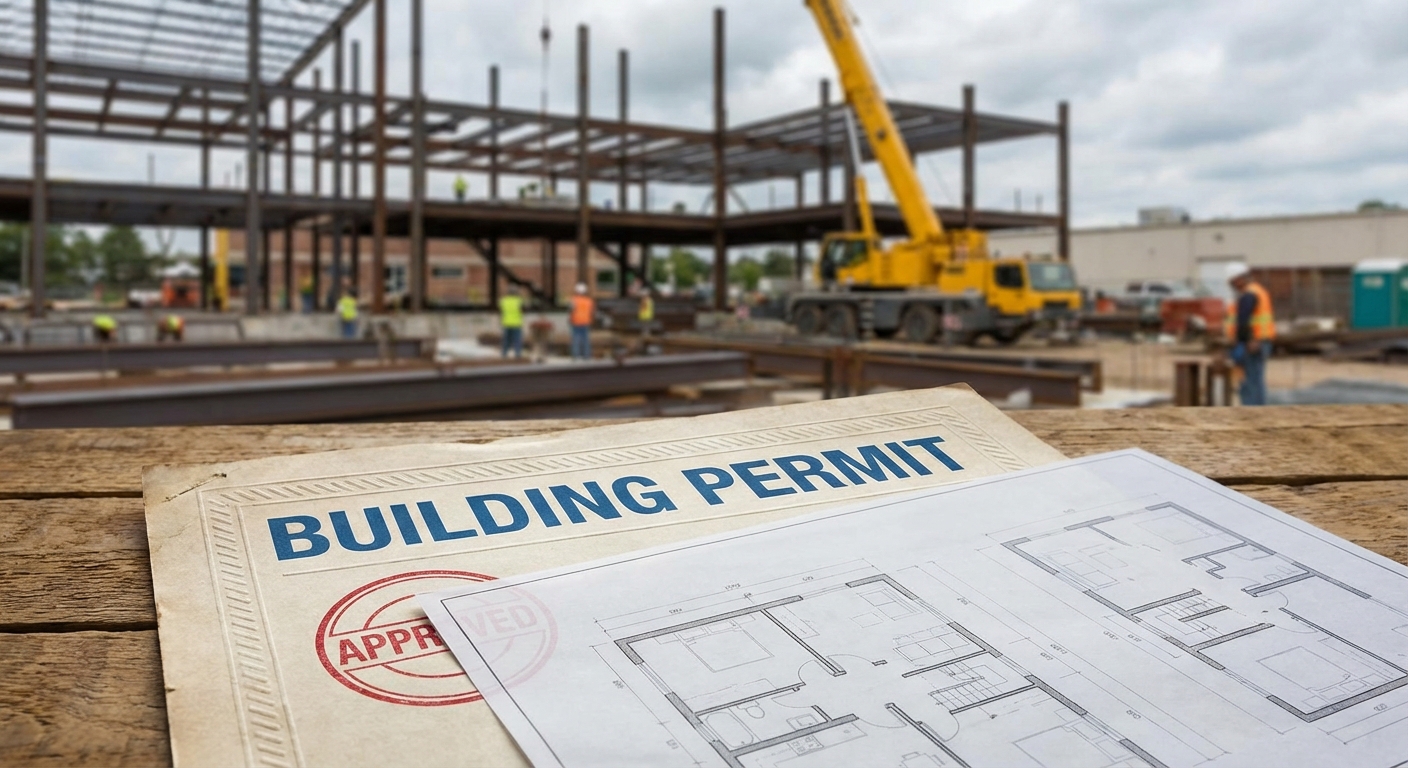
Local zoning laws, environmental regulations, and state-mandated setbacks can strictly limit where you can place your poultry houses. A compliant chicken farm building design must respect riparian water sources, property lines, and neighboring residences to avoid legal issues.
What are common zoning restrictions?
Zoning laws may prohibit agricultural structures in certain areas or limit the total number of houses you can build on a single parcel. Always check with your local planning department to ensure your land is zoned for high-intensity poultry production.
The truth is:
- Odor ordinances can limit site orientation.
- Traffic limits affect heavy feed deliveries.
- Noise regulations impact ventilation fan placement.
How do setbacks impact layout?
State regulations often require specific distances between your houses and property lines or water sources. These setbacks ensure environmental safety and reduce the impact of your farm on neighboring properties.
Here is the deal:
- Riparian zones require wider buffer strips.
- Wells must be protected from surface runoff.
- Setbacks preserve privacy for nearby neighbors.
| Regulation Type | Primary Authority | Focus Area | |
|---|---|---|---|
| Zoning Law | County Planning | Land use and density | |
| Setbacks | State Government | Distance from public sites | |
| Waste Plan | NRCS / State | Manure and mortality handling |
Navigating these regulatory hurdles early prevents costly delays or the total cancellation of your building permit.
Key Takeaway: Early consultation with environmental and zoning offices prevents regulatory hurdles that could halt your project indefinitely.
What site factors guide chicken farm building design?
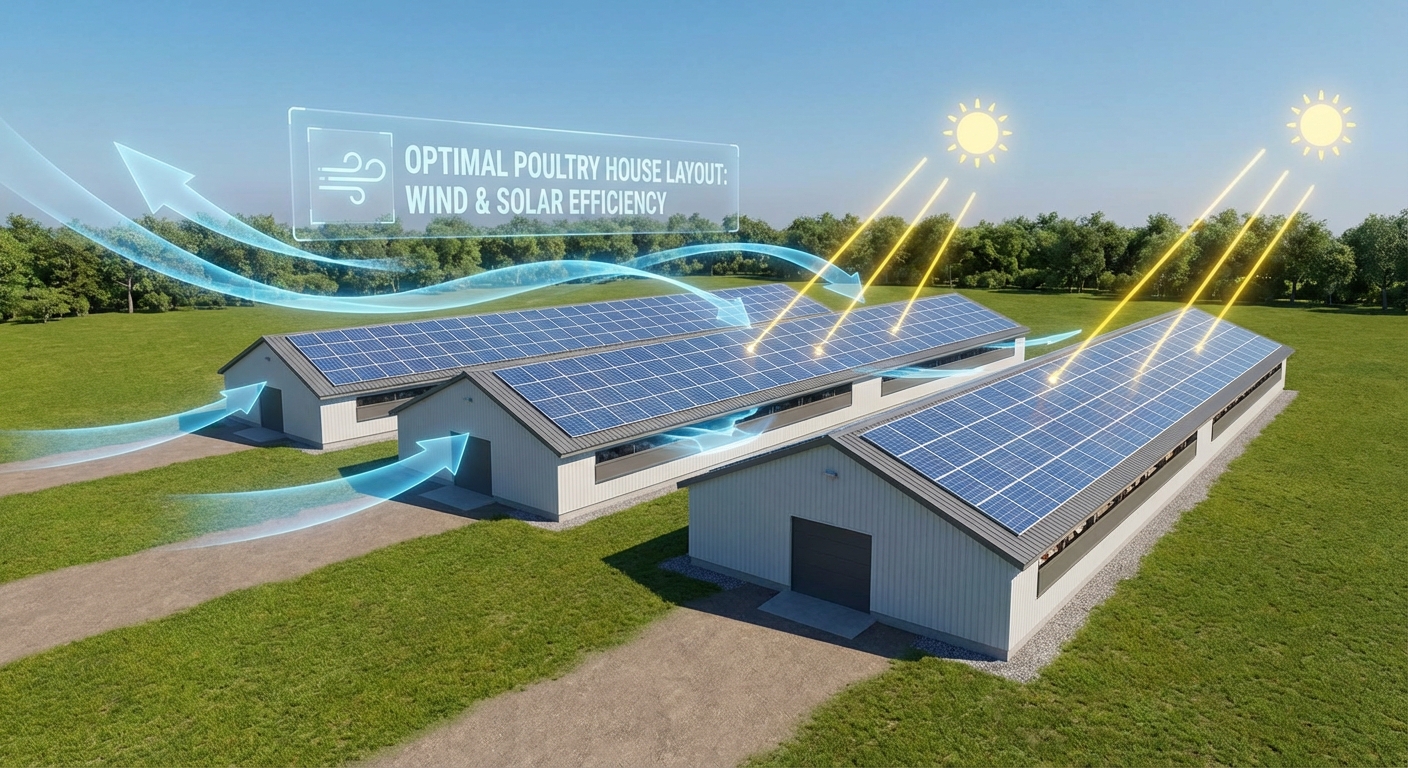
Physical factors such as topography, utility access, and soil quality play a major role in the feasibility of your project. An effective chicken farm building design ensures you have reliable water sources and sufficient electrical capacity to run modern ventilation systems.
What utility access is required?
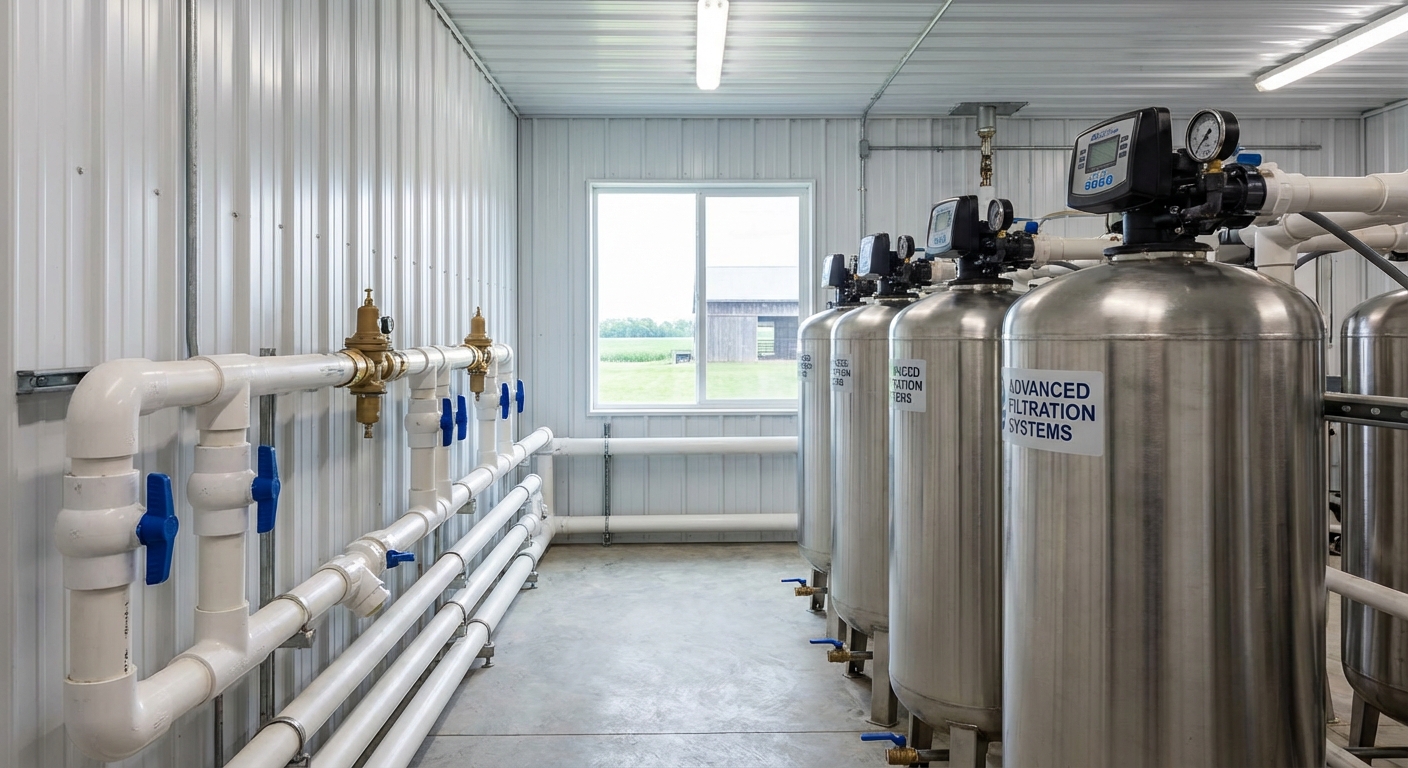
Your farm will need consistent access to high-capacity electricity and a reliable water source, often requiring both municipal connections and private wells. Remote properties might seem attractive but can incur massive costs for extending these essential services.
Why does this matter?
- Dual water sources provide vital redundancy.
- Three-phase power is often needed for fans.
- Utility hookup fees must be budgeted upfront.
How do you manage neighbor relations?
Adopting a “good-neighbor policy” is vital for the long-term success of your facility. Orienting your houses to minimize wind-blown odors or visual impact can prevent future conflicts with nearby residents.
Think about it:
- Shielding fans from roads reduces noise.
- Landscaping can hide buildings from view.
- Open communication prevents local complaints.
| Site Resource | Requirement | Consideration | |
|---|---|---|---|
| Water Supply | High flow rate / 2 sources | Quality and reliability | |
| Electricity | High-voltage capacity | Emergency generator needed | |
| Topography | Leveled house pads | Drainage and road access |
A site with poor utility access or high neighbor conflict can become a financial liability regardless of the building’s quality.
Key Takeaway: Comprehensive site evaluation determines the physical limits of your production capacity and the cost of your infrastructure.
Why use expert plans for chicken farm building design?
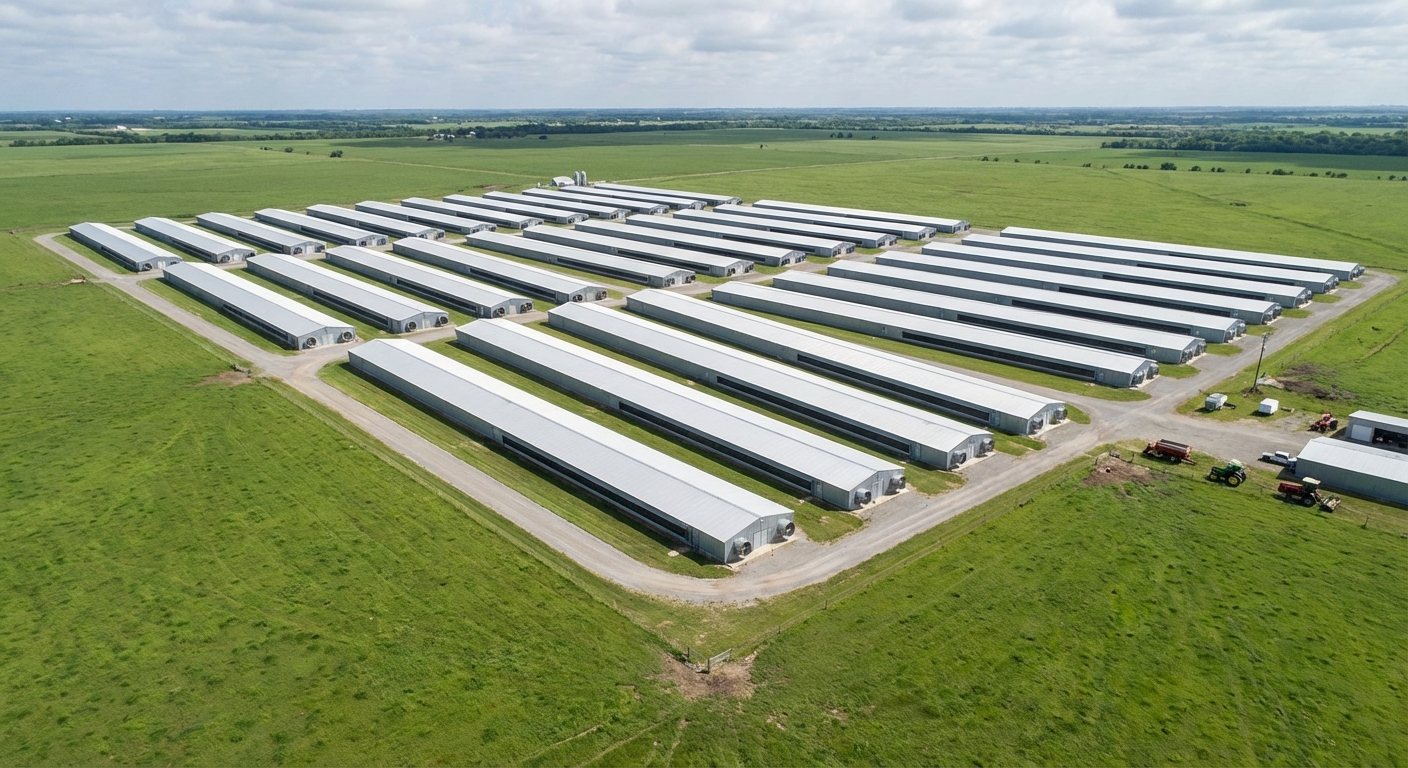
Expert engineering plans provide structural integrity and ensure that the facility meets the specific performance standards required by your integrator. Using professional chicken farm building design prevents construction errors that could lead to poor bird performance or structural failure.
Why use professional design drawings?
Engineered drawings provide a precise roadmap for your builder, ensuring that every bolt and beam meets the rigorous standards required for poultry housing. This level of detail reduces construction errors and ensures the longevity of your investment.
The best part is:
- Accurate plans lead to fixed-cost bids.
- Structural integrity is guaranteed by law.
- Lenders require stamped plans for approval.
What are the structural requirements?
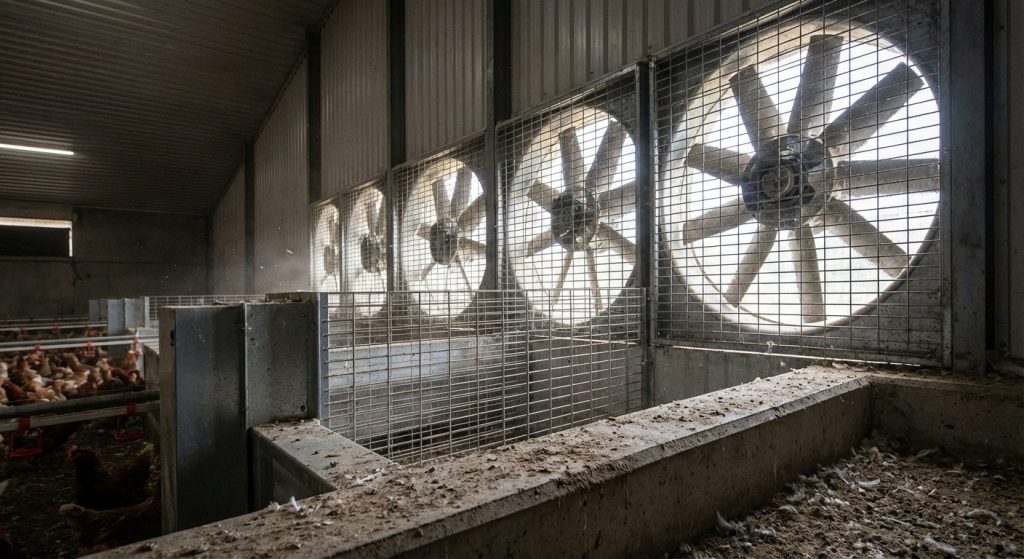
Modern broiler houses must feature advanced insulation and airtight seals to optimize the performance of tunnel ventilation systems. The primary frame must be robust enough to support heavy equipment like feed lines and large exhaust fans.
But wait, there’s more:
- Steel frames offer superior durability.
- Ceiling heights impact air-flow speed.
- Insulation R-values prevent heat stress.
| Component | Standard Requirement | Benefit | |
|---|---|---|---|
| Main Frame | H-section Structural Steel | Maximum load capacity | |
| Insulation | Rigid board or spray foam | Thermal stability | |
| Airtightness | Sealed seams and doors | Ventilation efficiency |
High-quality engineering protects your livestock from environmental stress and your business from structural repair costs.
Key Takeaway: Investing in professional engineering upfront prevents costly retrofits and ensures your facility meets all integrator specifications.
What assets support your chicken farm building design?
Beyond the primary housing, you must include supporting assets like tractors, litter sheds, and mortality handling facilities in your plan. A comprehensive chicken farm building design accounts for the physical space and capital needed to manage waste and maintain the farm grounds.
What rolling equipment is needed?
You will need a tractor equipped with a front-end loader, a litter spreader, and specialized equipment for windrowing. While these are significant expenses, they are non-negotiable for proper litter management and biosecurity.
Think about it:
- Loader tractors are essential for cleaning.
- Spreaders handle manure distribution.
- Backups prevent downtime during cleanouts.
Do you need extra outbuildings?
Every farm requires a dedicated litter shed and a mortality management facility to comply with environmental regulations. These structures must be included in your initial site plan to ensure proper traffic flow and waste containment.
Look at the facts:
- Litter sheds keep waste dry and stable.
- Composters manage mortality safely.
- Tool sheds protect expensive machinery.
| Support Asset | Primary Function | Necessity | |
|---|---|---|---|
| Tractor | Material handling / Cleaning | Mandatory | |
| Litter Shed | Waste storage and drying | Regulated | |
| Generator | Emergency power supply | Critical |
Factoring in these secondary assets provides a realistic view of the total capital required to start your farm successfully.
Key Takeaway: A complete farm plan must account for the machinery and support buildings required to manage the biological needs of the operation.
How does insurance cover chicken farm building design?
Insurance coverage protects your significant capital investment from perils like fire, wind damage, and equipment mechanical failure. Your chicken farm building design should facilitate the inclusion of “loss of income” coverage to sustain you during unexpected operation halts.
What is builder’s risk coverage?
During the construction phase, a builder’s risk policy protects you from losses related to theft, fire, or storm damage while the houses are being erected. Most lenders will not release funds until this policy is active and verified by their department.
Here is the deal:
- It covers materials stored on the site.
- Vandalism protection is included.
- It transitions to permanent farm insurance.
How does income loss protection work?
Business interruption coverage replaces lost revenue if a covered peril prevents you from raising a flock during the reconstruction period. This is essential for meeting your ongoing loan obligations even when the houses are empty for repairs.
But wait, there’s more:
- Coverage limits should reflect net revenue.
- Mechanical failure riders protect systems.
- Replacement cost value is better than cash value.
| Insurance Type | Critical Feature | Purpose | |
|---|---|---|---|
| Property | Replacement Cost Value | Full rebuild funding | |
| Loss of Income | 6-12 month duration | Loan payment support | |
| Mechanical | Breakdown coverage | Controller and fan repair |
Selecting the right insurance package prevents a single disaster from ending your farming career and causing bankruptcy.
Key Takeaway: Work with specialized agricultural insurance agents to ensure your policy limits reflect the true replacement cost of modern poultry housing.
What startup costs affect chicken farm building design?
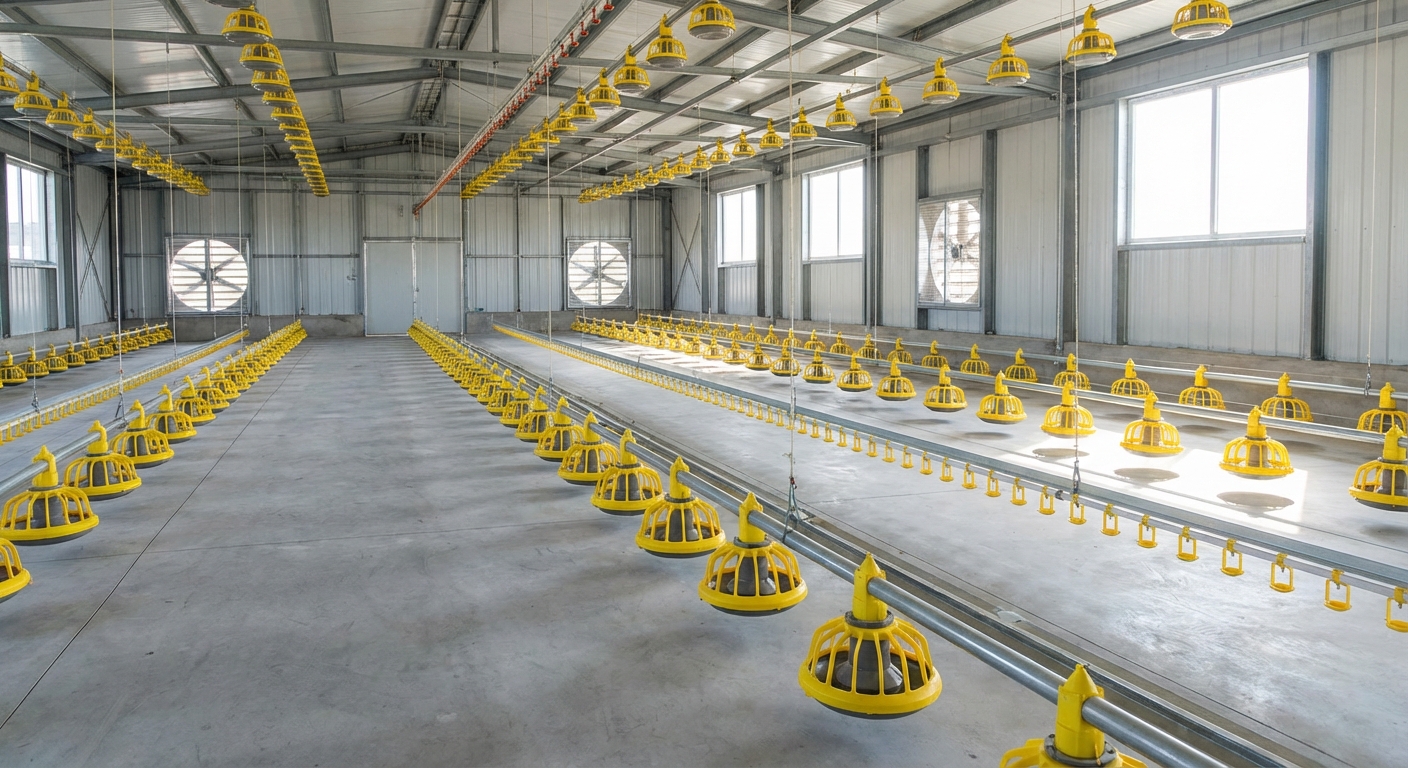
Startup costs include initial inputs like pine shavings, utility deposits, and fuel that must be paid before your first flock settles. Even with a perfect chicken farm building design, you must have liquid working capital to bridge the gap until your revenue begins to flow.
What immediate inputs are required?
Your first flock requires a massive initial investment in litter shavings, chick feed trays, and sanitation products. You also need enough diesel fuel on hand to run your emergency generators and rolling equipment throughout the flock cycle.
Why does this matter:
- Litter is a major recurring expense.
- Utility deposits can be thousands of dollars.
- Labor costs begin on day one.
How much working capital is enough?
A good rule of thumb is to have at least 25 percent of your annual variable expenses available in cash or a line of credit. This ensures you can pay electricity and heating bills that often come due before the integrator issues your flock settlement check.
Think about it:
- Cash buffers prevent high-interest debt.
- You can buy supplies in bulk for savings.
- It provides a cushion for early repairs.
| Startup Item | Estimated Timing | Importance | |
|---|---|---|---|
| Litter / Shavings | Pre-placement | Mandatory | |
| Utility Deposits | Pre-construction | Administrative | |
| Heating Fuel | First 14 days | Critical for chicks |
Budgeting for these immediate expenses ensures a smooth transition into your first successful production cycle without financial panic.
Key Takeaway: Having substantial working capital prevents early financial strain and allows you to focus on bird husbandry rather than debt.
How do you finance your chicken farm building design?
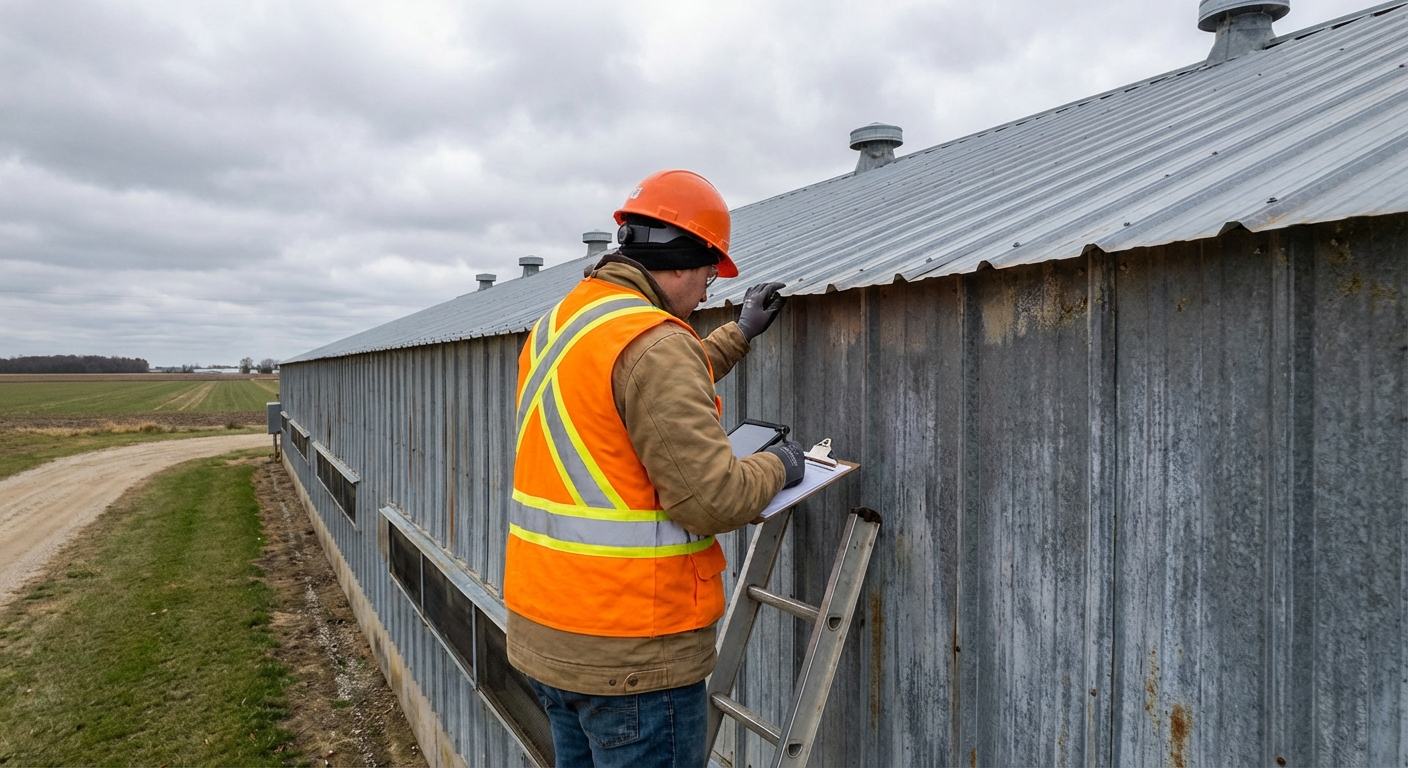
Financing a new build typically involves working with specialized agricultural lenders who understand the contract broiler business model. Your chicken farm building design will be evaluated by these lenders as part of your overall business viability and loan guarantee process.
Which business entity is best?
Most growers choose a Limited Liability Company (LLC) or a Sole Proprietorship, depending on their tax goals and succession plans. Consulting with an agricultural accountant and attorney is the only way to determine the best fit for your family.
Here is the deal:
- LLCs provide personal asset protection.
- Business structures impact income tax rates.
- Succession planning is easier with entities.
Where can you find expert lenders?
Specialized agricultural lenders are often local and understand the regional poultry market dynamics. They are skilled in navigating government farm loan guarantees and integrating multiple farm enterprises into a single financial package.
But wait, there’s more:
- Lenders check integrator performance history.
- They evaluate your personal credit score.
- Appraisals must match construction costs.
| Finance Step | Key Action | Benefit | |
|---|---|---|---|
| Entity Choice | Consult Ag Accountant | Tax and liability optimization | |
| Lender Meeting | Review Business Plan | Secure capital commitment | |
| Loan Guarantee | Apply for SBA/USDA | Lower interest and risk |
Choosing the right financial partners is just as critical as choosing the right builder for your houses.
Key Takeaway: A strong relationship with an agricultural lender and a clear business structure are vital for securing the capital needed for modern poultry production.
Conclusion
Building a new farm is a monumental undertaking that requires a blend of financial discipline, engineering precision, and a commitment to a unique lifestyle. We have addressed the critical steps of budgeting, site selection, and structural design to help you navigate this complex industry. By focusing on efficient housing and professional partnerships, you can solve the common problems of high operating costs and regulatory hurdles. Our team is dedicated to providing the high-quality steel structures and engineering support you need to thrive. If you are ready to begin your journey, please contact us today and let us help you build a sustainable future in the broiler industry.
FAQ
Can I build a chicken farm on any piece of land?No, you cannot. The land must be within the integrator’s operational radius and meet specific agricultural zoning and environmental setback requirements for your region.
What’s the best way to estimate my monthly electricity bill?The best way is to consult with existing growers in your area who have similar house sizes. Modern tunnel-ventilated houses are more efficient but still require high power during summer peaks.
How do I know if my water source is sufficient?A professional flow-rate and quality test is the best way to confirm. Your wells or municipal lines must handle the peak demand of thousands of birds during hot weather cycles.
Can I manage the construction process myself?Yes, you can, but it is risky. Using an experienced poultry builder ensures that the facility meets strict integrator specifications and passes initial inspections for flock placement.
What’s the best timing for applying for a poultry loan?The best timing is immediately after you receive a “letter of intent” from an integrator. Most agricultural loans take several months to process due to appraisals and environmental assessments.